The Short Answer Is Probably Yes
You may have a strong case for compensation, especially if the balcony was inaccessible for most of the voyage. However, an unusable balcony does not automatically entitle you to a full cruise refund. The most reasonable demand is usually a refund for the lost cabin upgrade, plus additional compensation if the work seriously disrupted your vacation.

You Paid For More Than A Window
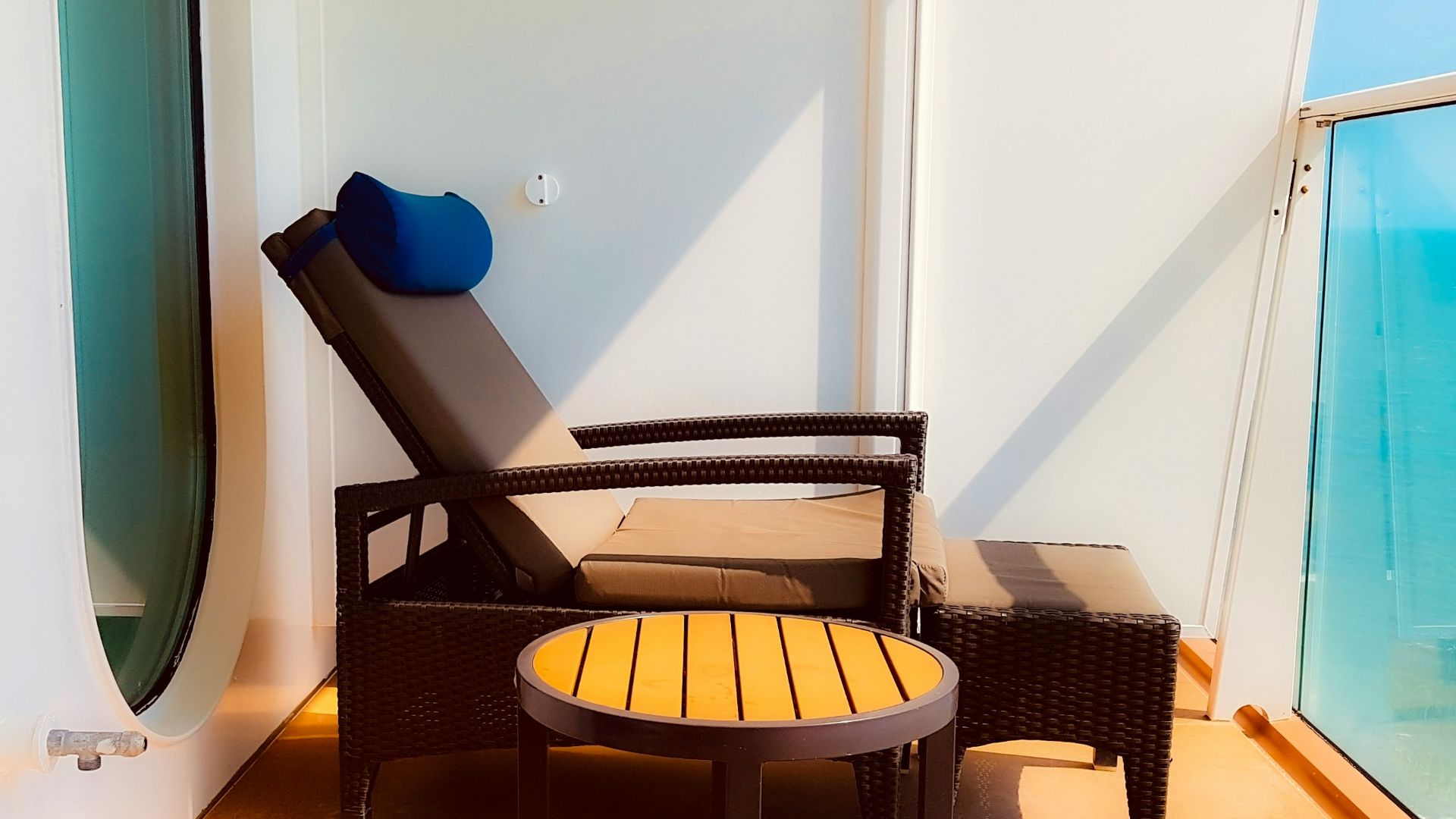
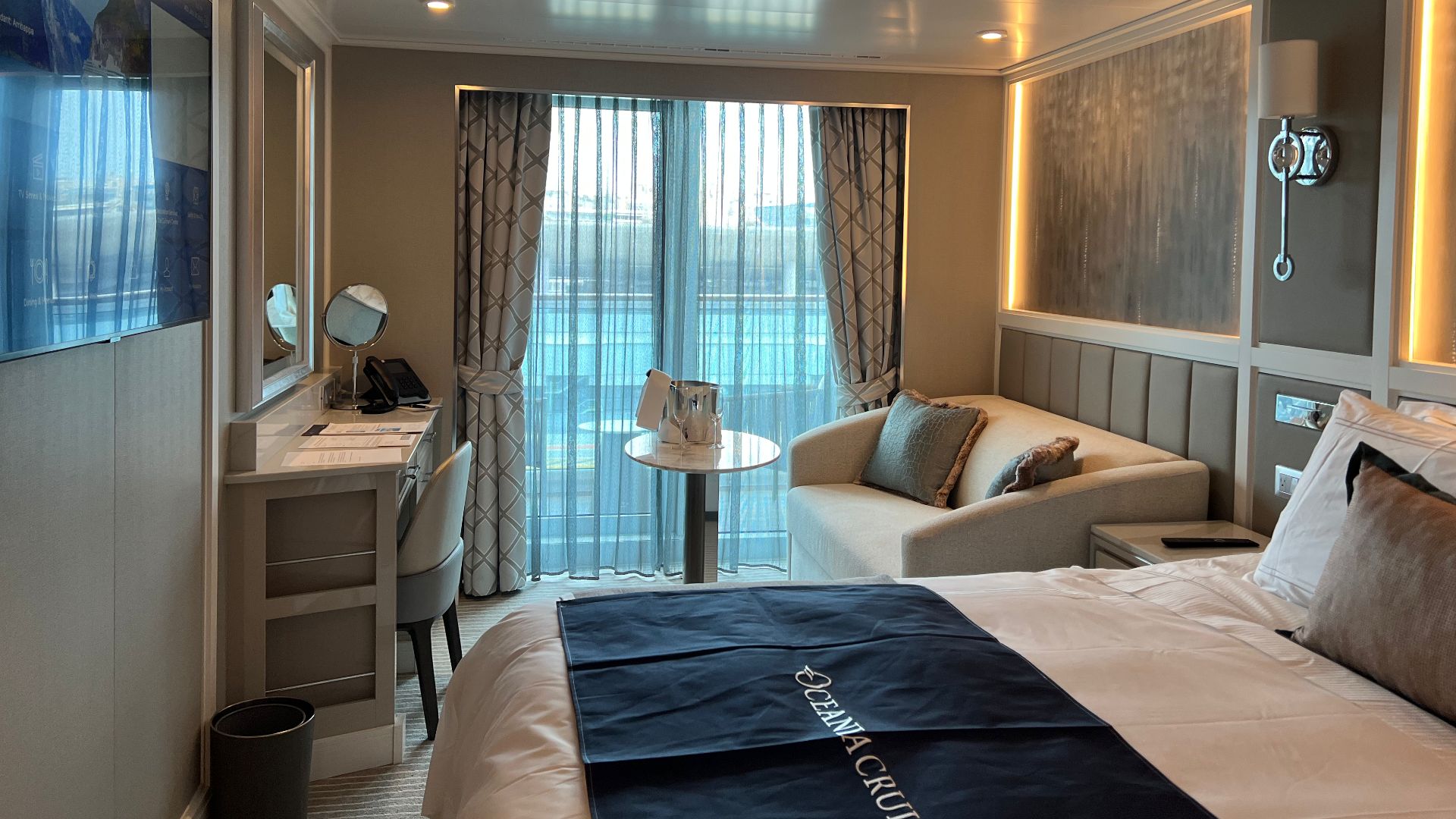
A balcony cabin is marketed and priced as a different accommodation category from an interior or ocean-view cabin. Private outdoor space is one of the main features passengers expect when paying the higher fare. If that space was unavailable, the cruise line did not fully provide the cabin experience you purchased.
A Full Refund Is Unlikely
You still received transportation, meals, entertainment, and a cabin aboard the ship. For that reason, demanding every dollar back will usually be difficult to justify when the cruise operated normally. A targeted claim based on the unusable balcony is more realistic and easier to support.

The Ticket Contract Matters
Your cruise ticket contract governs many disputes involving accommodations, refunds, and compensation. These contracts often contain significant limitations and may specify deadlines, applicable law, arbitration requirements, or where claims must be filed. Read the version that applied when you booked rather than relying on general statements found online.

Passenger Rights Have Limits
The Cruise Lines International Association’s Passenger Bill of Rights provides a full refund when a voyage is canceled because of mechanical failure. It also provides for a partial refund when such a failure causes a voyage to end early. It does not promise an automatic refund whenever maintenance affects one feature of a cabin.
Maintenance Is Not The Same As Cancellation
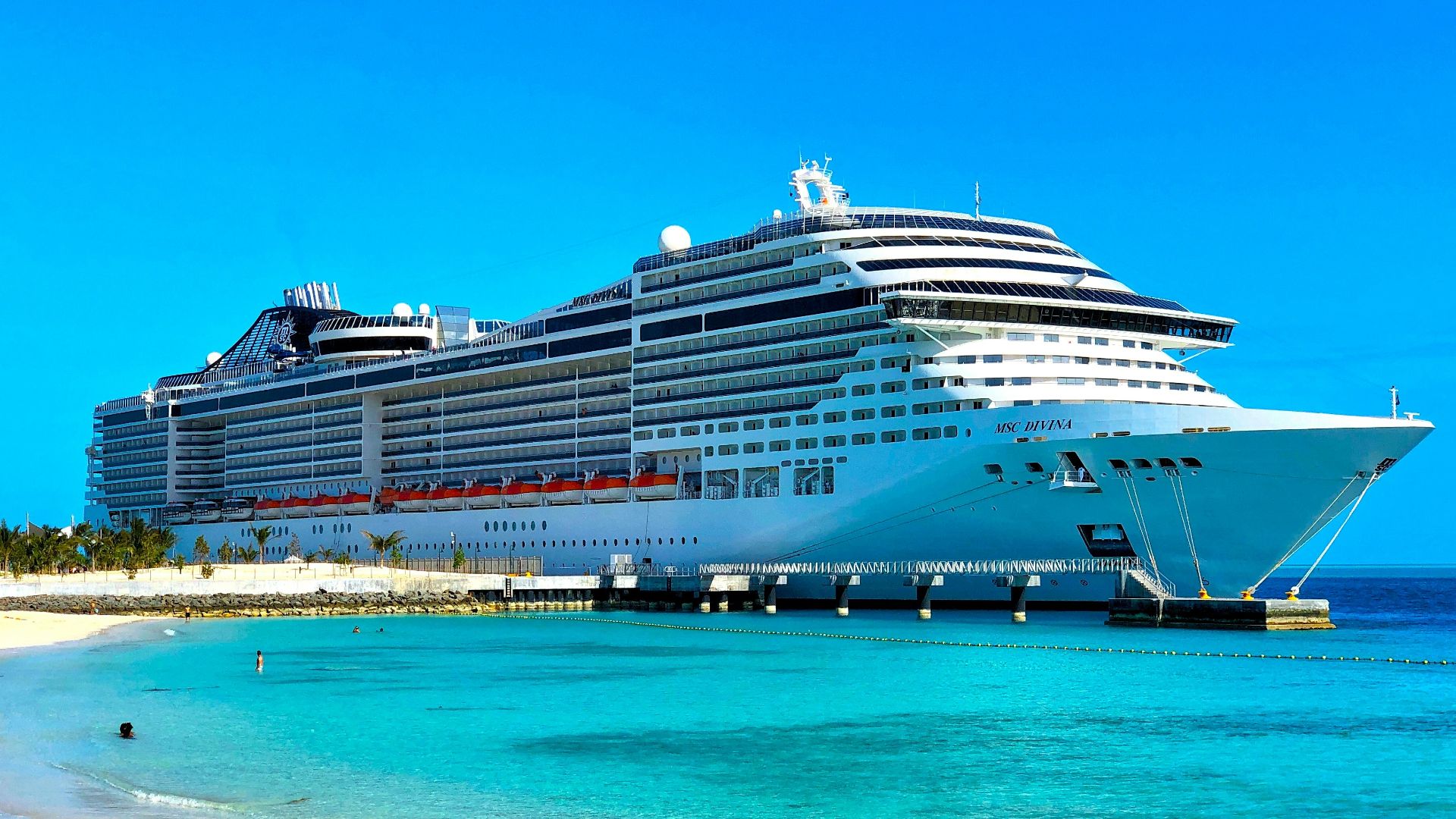
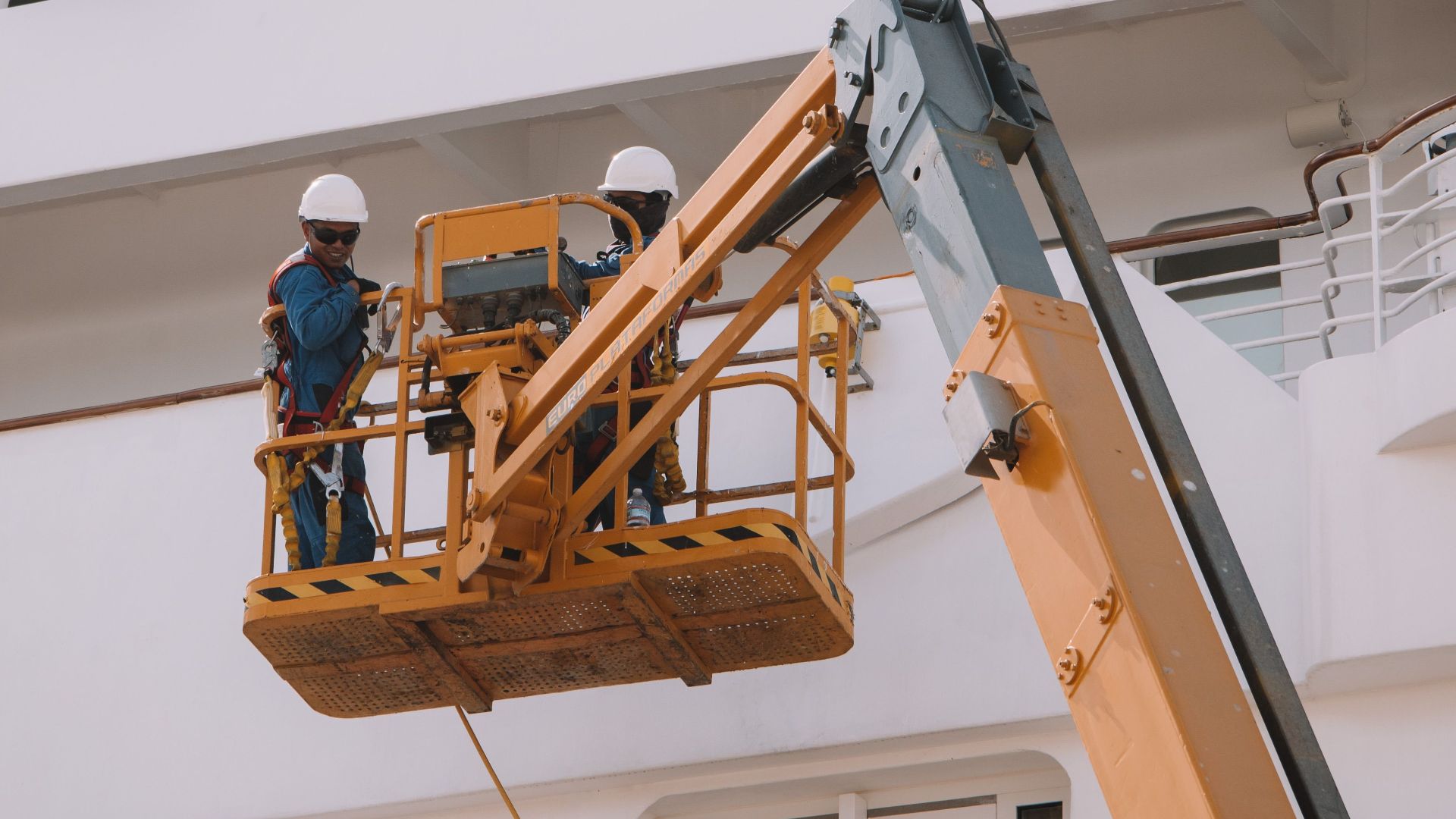
A crew repairing railings, painting exterior surfaces, or working near balconies is different from a mechanical failure that cancels a cruise. The Passenger Bill of Rights therefore may not determine the outcome of your cabin complaint. Your claim will depend more heavily on the booking agreement, the severity of the disruption, and the evidence you collected.

Advance Knowledge Could Strengthen Your Case
Your position becomes stronger if the cruise line knew before departure that the balcony would be closed for much of the voyage. Advance notice could have allowed you to accept another cabin, change sailings, or reconsider the premium upgrade. Save any pre-cruise emails because the timing of the company’s knowledge may become important.

Report The Problem Immediately
Contact guest services as soon as you discover the balcony cannot be used. Explain when the restriction began and ask how long the work is expected to continue. Reporting the problem immediately gives the crew a chance to address it during the cruise.

Ask For The Problem To Be Fixed
Give the crew a reasonable opportunity to restore access or address the disruption. Ask whether work can be rescheduled, equipment can be moved, or the balcony can be reopened safely. A prompt report also prevents the company from later arguing that it never had an opportunity to help.
Request A Comparable Cabin
If repairs will continue, ask whether another balcony cabin is available. A genuinely comparable room may provide the quickest and fairest solution. If the alternative has an obstructed view, undesirable location, or smaller balcony, document those differences before deciding.
Get An Incident Number
Ask guest services to create a formal record of your complaint. Request the incident number, the employee’s name, and written confirmation of what was reported. If the ship cannot provide a copy, email yourself a summary while the conversation is still fresh.

Photographs Can Prove The Problem
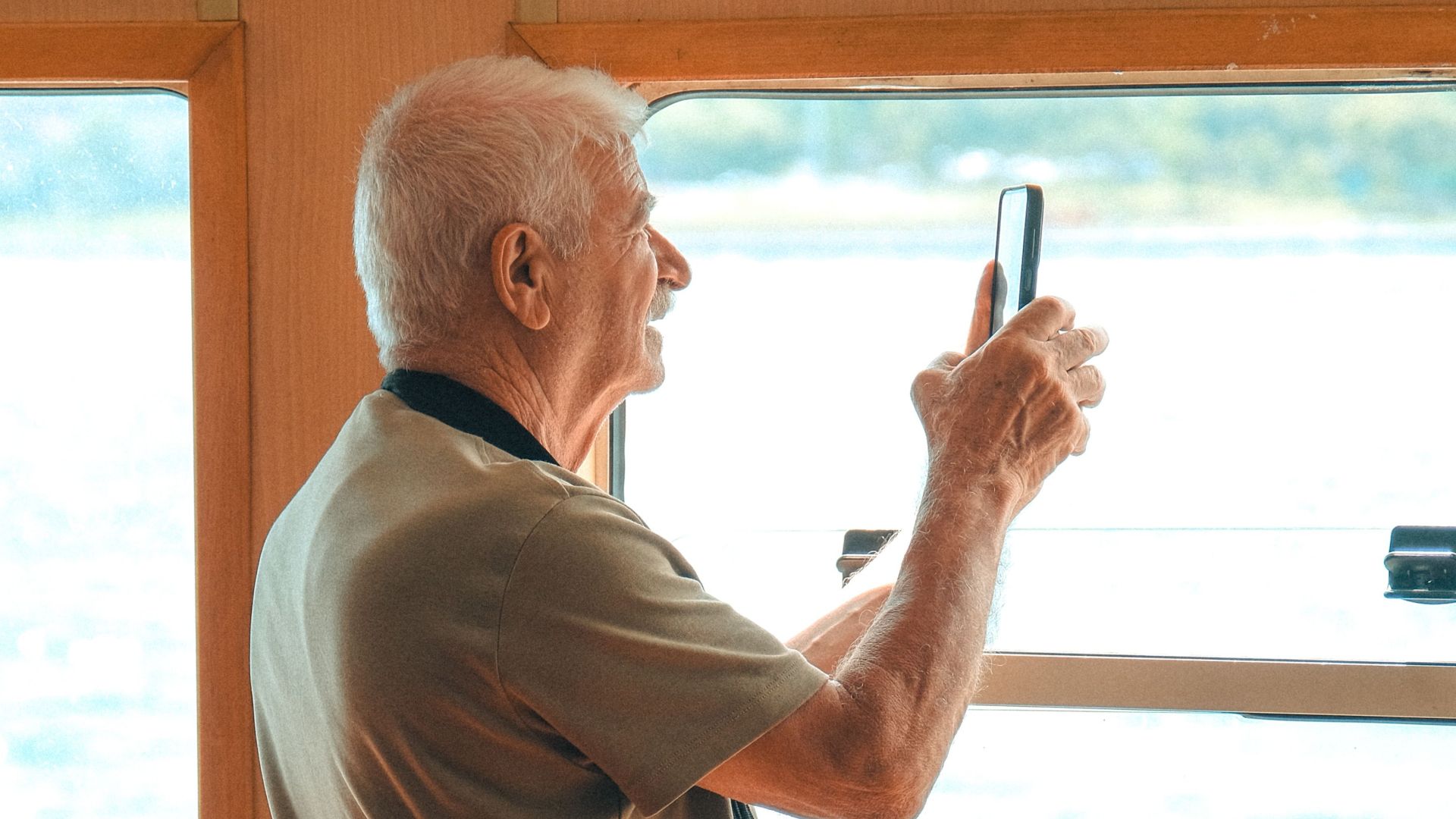
Take clear photographs of closed balcony doors, warning notices, tools, coverings, scaffolding, or workers outside the cabin. Record short videos if noise, fumes, or repeated interruptions form part of the complaint. Do not enter restricted areas or interfere with crew members to obtain evidence.
Keep A Daily Timeline
Write down the hours during which the balcony was inaccessible each day. Record maintenance noise, blocked views, privacy problems, odors, and conversations with staff. A detailed timeline is more persuasive than saying the balcony was unusable “most of the time.”

Save Every Written Notice
Keep the booking confirmation, cabin description, invoice, ticket contract, and screenshots of the balcony category you purchased. Also retain maintenance letters, app notifications, emails, and messages from the cruise line. These records connect the advertised accommodation with what was actually available onboard.

Witnesses Can Help
Travel companions should prepare their own brief descriptions of what happened. Nearby passengers may also have received identical notices or experienced the same work. Independent accounts can support your timeline, although photographs and official correspondence will usually be easier to verify.

Start With The Upgrade Cost
Compare what you paid with the price of a similar ocean-view or interior cabin when you booked. That difference provides a sensible starting point for valuing the missing balcony. Use saved fare quotes or booking records whenever possible rather than today’s prices.

Calculate A Proportionate Request
Suppose the balcony premium was $700 and the space was unusable for five days of a seven-night cruise. A reasonable opening calculation would be five-sevenths of that premium, or $500. This is a negotiating method rather than a guaranteed legal formula.

Include The Wider Disruption
Maintenance may have caused more than the loss of outdoor space. Persistent drilling, blocked daylight, workers outside the window, or chemical odors can reduce the value of the cabin itself. Describe those effects separately and request additional compensation that reflects their duration and severity.

Ask For A Specific Remedy
Tell the cruise line exactly what would resolve the complaint. You might request a cash refund of the prorated balcony premium, reimbursement to the original payment method, or an additional credit for serious disturbance. A clear dollar figure gives the company something concrete to consider.

Cash And Credit Are Different
Cruise lines may offer onboard credit or a future cruise credit instead of money. Such offers can be worthwhile, but their value depends on expiration dates, transfer restrictions, blackout rules, and whether another booking is required. Read every condition before treating a credit as equivalent to a refund.
 https://kaboompics.com/, Pexels
Be Careful With Releases
Before accepting compensation, ask whether doing so settles the complaint completely. Some agreements may require passengers to release further claims. Do not accept a small credit immediately if the full extent of the disruption is not yet clear.

Complain Again After The Cruise
If the ship does not resolve the issue, send a formal written complaint to the cruise line’s shoreside customer service department. USA.gov recommends contacting the cruise line directly before escalating an unresolved cruise complaint. Submit the letter promptly because your ticket contract may impose its own notice deadlines.

Build A Clean Evidence Package
Your complaint should identify the ship, sailing date, reservation number, cabin number, and passengers affected. Include a concise timeline, representative photographs, staff responses, and your requested remedy. Keep the tone firm and factual because an organized claim is easier to evaluate.

Bring In Your Travel Adviser
If a travel adviser made the booking, send that person the same evidence package. The adviser may have agency contacts or booking records that help establish the cabin price difference. However, the cruise line’s ticket contract still remains important even when an intermediary handled the reservation.

The FMC May Help Some Passengers
The Federal Maritime Commission offers voluntary dispute-resolution assistance for certain passengers who embarked at a U.S. port and bought directly from the cruise line. Applicants should provide their booking confirmation, ticket contract, insurance policy, correspondence, complaint description, and contact information. The FMC cannot compel a cruise line to issue compensation for a cabin complaint.

A Card Dispute Is A Backup
If you paid by credit card, ask the issuer whether the partially unavailable service qualifies for its dispute process. The Consumer Financial Protection Bureau advises customers to approach the seller first and notes that some card disputes can result in a reversed charge. For U.S. billing-error protections, written notice generally must reach the card issuer within 60 calendar days after the charge appeared on the statement.

Location Changes Your Rights
The applicable rules may depend on your residence, booking location, embarkation port, cruise line, and ticket contract. UK customers who booked through an ABTA member can use ABTA’s dispute process after first complaining to the travel company. Passengers elsewhere should consult the consumer-protection body or qualified legal adviser in the relevant jurisdiction.

The Bottom Line
You are not automatically owed the entire cruise fare simply because maintenance closed the balcony. You nevertheless have a credible claim for the lost value of the upgrade when the closure lasted most of the voyage and the company did not provide a comparable alternative. Document everything, calculate a specific demand, and escalate promptly if the first offer falls short.
 https://kaboompics.com/, Pexels
You May Also Like: