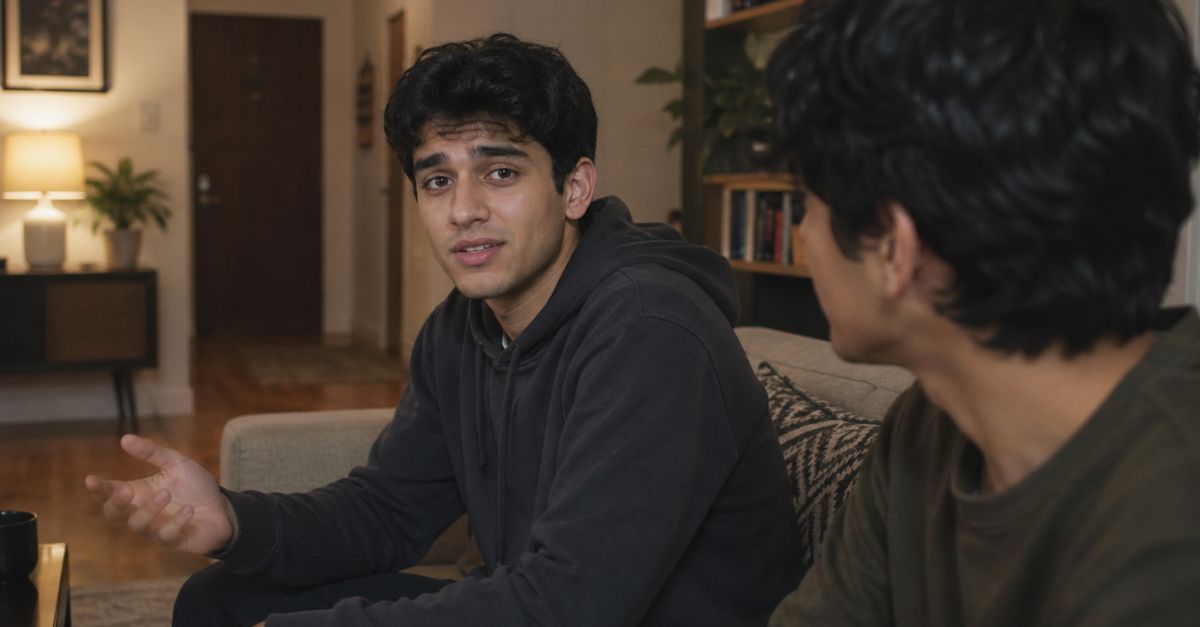
When A Dream Trip Turns Into A Money Mess
You split the hotel, booked the flights, and started counting down the days. Then your travel buddy bailed. Now suddenly their share of the cost landed on you, and that's a lot more money than you can handle. It's a rough situation for anyone to be in, but there are real ways to try to get the money back.

Start With The Hard Truth
If your friend never signed a formal contract, getting repaid can be harder, but not impossible. Texts, emails, booking confirmations, and payment records can all help show there was an agreement. The key is proving what each person agreed to pay and when.

Your Evidence Matters More Than Your Frustration
Courts and consumer agencies care far more about records than hurt feelings. Save screenshots of chats about splitting costs, copies of reservations, and proof that you paid more than your share. If your friend admitted in writing that they owed you money, that can matter a lot.

First Try The Simplest Fix
Before you think about court, ask for repayment clearly and calmly in writing. The Consumer Financial Protection Bureau says it is smart to keep records of money disputes and written communication, especially if the problem grows. A short message with the exact amount owed and a payment deadline can sometimes settle things fast.

Send A Formal Demand If Casual Messages Go Nowhere
If your friend ignores your texts, the next step may be a demand letter. Legal aid groups and court self-help pages often recommend this before small claims court because it shows you tried to work things out first. Include the amount owed, why they owe it, the evidence you have, and a reasonable deadline to pay.

What Small Claims Court Is Meant To Do
Small claims court handles lower-dollar money disputes without the full weight of a regular lawsuit. The National Center for State Courts says these courts are meant to be easier to use, though the rules and money limits vary by state. If the amount your friend owes falls under your state’s limit, this may be the most practical legal route.

State Limits Can Change Everything
Not every state allows the same claim amount in small claims court. Nolo’s state-by-state guide shows that some states cap claims at a few thousand dollars, while others allow much more. Check your local court’s website before filing so you know your case fits.

Venue Actually Matters
You usually need to file in the right court, which often means the county where the other person lives or where the agreement was made or broken. Local court websites explain these rules. File in the wrong place, and your case can be delayed or tossed out.

Texts Can Help Prove A Real Agreement
Most trip plans between friends are informal and made by text. That does not make them useless. If your messages show that both of you agreed to split a hotel, rental car, or vacation package, those texts may help support a breach-of-contract claim in small claims court.
Payment Apps Can Leave A Strong Paper Trail
Venmo, Zelle, PayPal, and bank transfers can help your case if they show past payments or notes tied to trip costs. A transfer marked “my half of hotel” or “flight share” can be strong evidence. Save full transaction histories along with any related messages.

But Payment Apps Usually Will Not Save You
If you willingly sent money for a shared booking or covered someone else’s part, payment app protections may be limited. Zelle warns users to send money only to people they trust because authorized payments usually cannot be canceled. Venmo and PayPal also place limits on coverage, especially for personal transfers between friends.

Credit Card Protections Have Limits
Some people hope they can just dispute the charge with their credit card company. That may work for fraud or billing errors, but usually not when the real problem is a friend who will not reimburse you. The Federal Trade Commission explains that billing disputes generally cover unauthorized charges or mistakes, not private arguments over shared expenses.

If The Booking Was Refundable, Move Fast
Your best chance to cut the loss may be reducing the damage right away instead of chasing your friend later. If flights, hotels, or tours were refundable or changeable, act quickly to cancel, rebook, or scale down. Check the provider’s official policy immediately because deadlines can be tight.

Airlines And Hotels Play By Their Own Rules
Not every prepaid travel cost is gone for good. Some hotel rates are flexible, some airline tickets can turn into travel credit, and some vacation rentals allow partial refunds depending on timing. The answer often comes down to the exact terms and the calendar, not fairness.

Travel Insurance Is Not A Magic Fix
Travel insurance can help with covered cancellations, but a friend backing out is not automatically one of them. Allianz Travel explains that trip cancellation benefits depend on the policy wording and the covered reasons listed in the plan. If you bought insurance, read the policy carefully before assuming it will pay.

Cancel For Any Reason Coverage Is Different
Some policies offer cancel for any reason coverage, often called CFAR. These plans are more flexible, but they usually cost extra, must be bought soon after the first trip deposit, and often pay back only part of the prepaid cost. If you did not buy that option in time, regular coverage may not do much.

Group Bookings Can Leave One Person Exposed
For convenience, one person often puts the whole trip on their card. That makes booking easier, but it also means one traveler can get stuck holding the bill if the plan falls apart. For future trips, separate bookings can lower the risk, or you can collect everyone’s money before paying vendors.

A Written Agreement Feels Awkward Until You Need It
You do not need a lawyer to write a contract for a weekend trip with friends. Even a simple email or text agreement can help if it spells out who pays for what, what happens if someone cancels, and when repayment is due. A little clarity upfront can save a lot of stress later.
Small Claims Court Means Doing The Homework
Most courts provide self-help guides, forms, and service rules online. You will likely need to explain your claim clearly, attach evidence, and properly notify the other person. Miss one required step, and your case can stall before it ever reaches a judge.

Winning A Judgment Is Not The Same As Getting Paid
This is where many people get caught off guard. Even if you win in small claims court, collecting the money can still take effort if the other person refuses to pay. Courts can explain enforcement options, but the process depends on your state and may take more time and money.

Mediation Could Be Faster Than Court
Some local courts and community dispute programs offer mediation for money conflicts. It can be cheaper, quicker, and less hostile than suing a former travel partner. It also gives both sides a chance to agree on repayment, including a payment plan, without a formal judgment.

Sometimes The Amount Is Too Small To Chase
There are times when filing fees, lost time, and stress cost more than the money you are trying to recover. Be honest about whether the claim is worth it. Losing a few hundred dollars may still be painful, but it might be better treated as an expensive lesson for future trips.

If You Shared A Rental, Check The Platform Terms
Vacation rental platforms and booking sites usually do not step into private cost-sharing fights between guests. Their job is handling the reservation under their rules, not deciding which friend owes what. Still, their cancellation policies may help you limit the loss if you act before the deadlines.

Do Not Make Threats You Will Not Follow Through On
A demand letter can work, but only if it stays factual and believable. Do not make wild legal claims, threaten criminal charges over a civil dispute, or exaggerate what a court will do. Stick to the facts, the amount owed, and the real next step you are willing to take.

Public Shaming Can Backfire
Posting about the fight online may feel good for a moment, but it can quickly make things worse. Public accusations can inflame the situation and, in some cases, create legal trouble if what you say is false. Keep the focus on records, direct communication, and formal options.

For Future Trips, Get The Money Upfront
One of the easiest ways to avoid this mess is to collect each traveler’s share before anything nonrefundable gets booked. If someone hesitates, that may be a warning sign. The sooner money is settled, the less likely one person ends up carrying the whole cost.

Set Cancellation Rules Before You Book
Agree in writing on what happens if someone backs out after the flights are bought or the rental is locked in. Decide whether the person who cancels loses their deposit, owes the full amount unless a replacement is found, or has to cover change fees. It may feel a little formal, but it is much easier than fighting about it later.

The Best Recovery Plan Usually Uses More Than One Move
In real life, getting travel money back often takes a mix of steps. Try to cut losses through refunds, ask clearly for repayment, send a formal demand if needed, and consider small claims court if the amount makes sense. It is not glamorous, but a solid paper trail is often your best backup when your actual travel buddy flakes out.