
An Accessible Room With Stairs? Seriously?
You booked an accessible hotel room, confirmed everything in advance, and arrived to discover steps blocking the entrance. Now the front desk insists there's nothing wrong, even though you can't safely reach your room. Can a hotel really get away with this, or do you have rights they aren't telling you about?

An Accessible Room Isn't Just A Label
Hotels can't simply call a room accessible and assume that settles everything. In the United States, the Americans with Disabilities Act (ADA) establishes accessibility requirements for covered hotels, including entrances, guest rooms, and reservation procedures. What matters is whether the accommodation meets applicable standards and provides the features guests need.
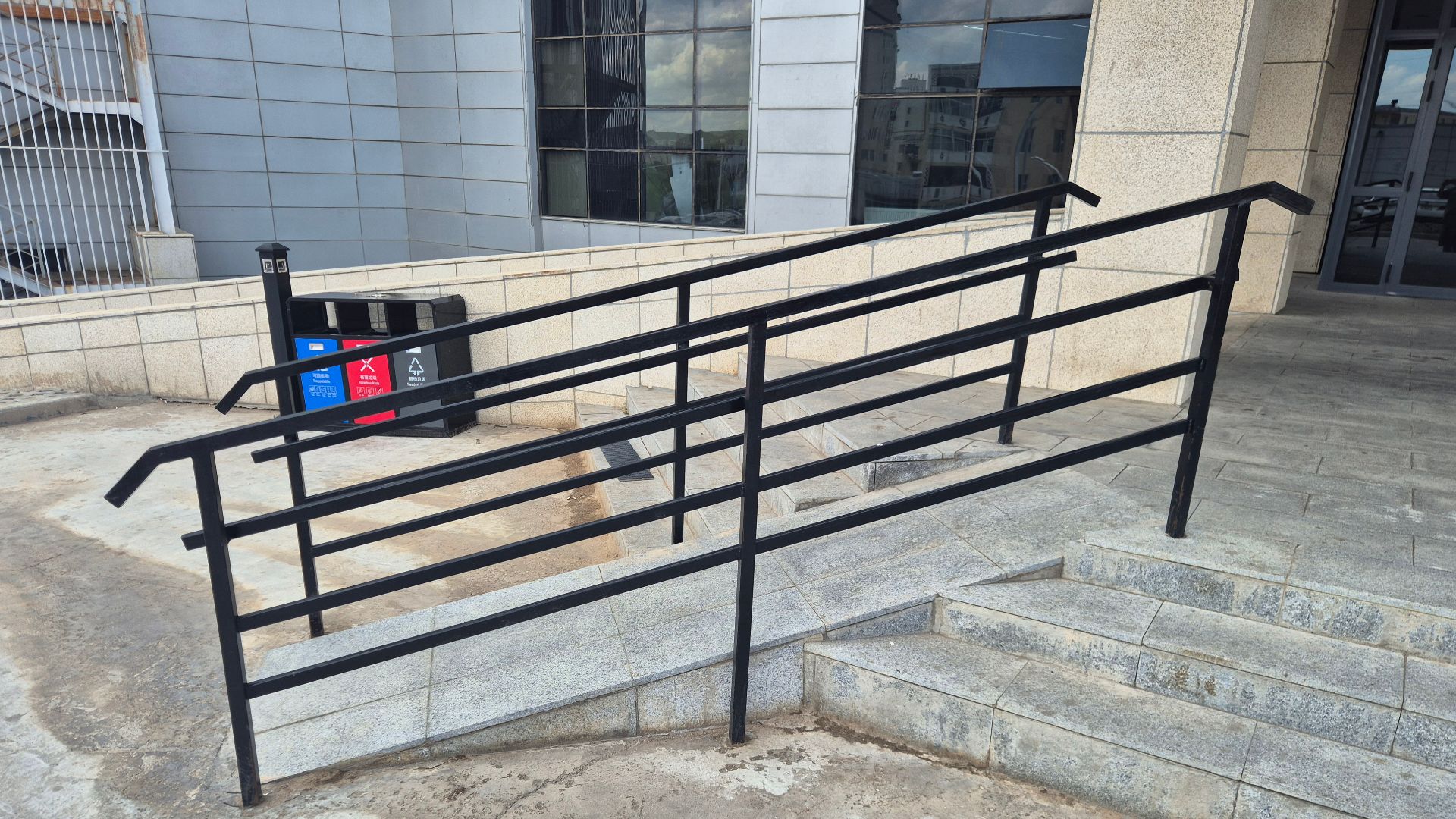
Federal Law Offers Important Protections
Under Title III of the ADA, most U.S. hotels and motels qualify as public accommodations. They're generally required to provide people with disabilities equal access to their services, subject to specific legal standards and exceptions. That includes obligations involving physical barriers, accessible rooms, and reservation practices.
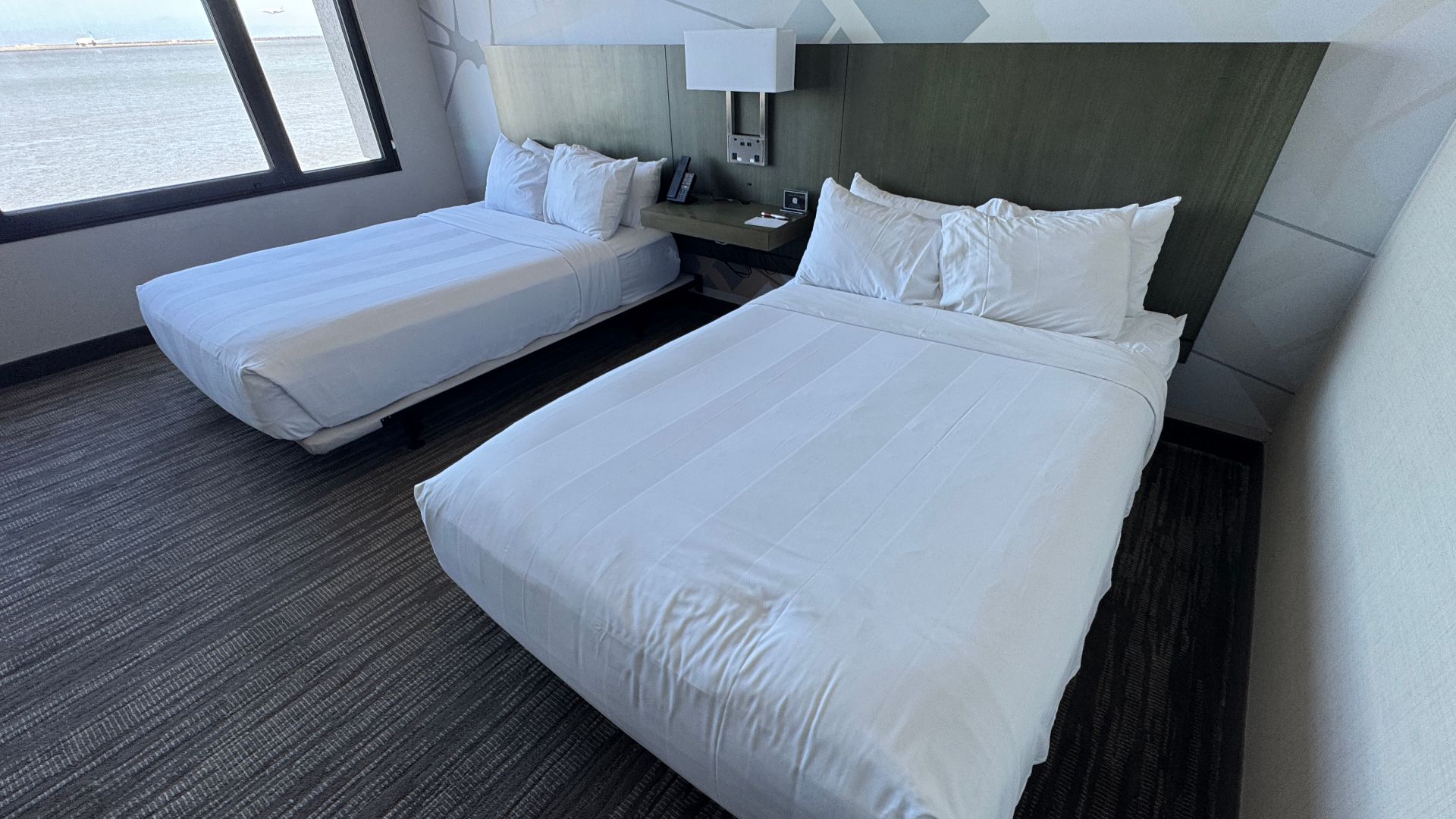
Those Steps Could Be A Legal Problem
For someone using a wheelchair, even a couple of steps can make a room completely unusable. Federal accessibility standards generally require accessible routes connecting designated accessible entrances with accessible guest rooms. If stairs are the only practical way inside, the hotel could have a serious compliance problem.
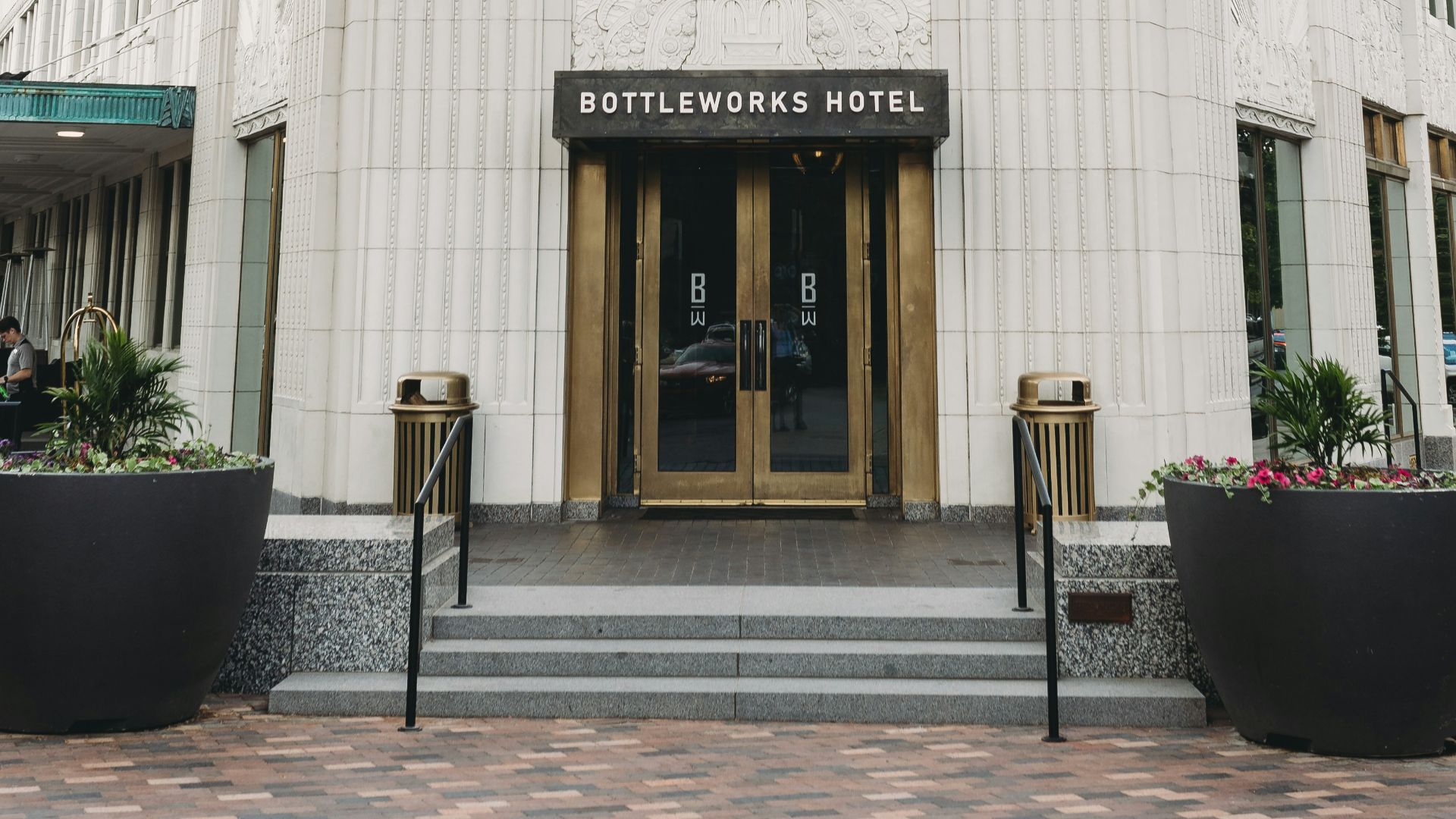
Older Hotels Have Different Rules
Here's where things get complicated. Existing hotels generally must remove architectural barriers when doing so is readily achievable, meaning relatively easy to accomplish without much difficulty or expense. New construction and qualifying renovations face stricter accessibility requirements, so the building's history matters.

Historic Hotels Aren't Automatically Exempt
A historic building designation doesn't give hotels a free pass on accessibility. Federal regulations recognize preservation-related limitations, but covered properties still have accessibility obligations. Even when certain structural changes aren't feasible, hotels may have to consider alternative ways of providing access.

A Side Entrance Might Be Legal
Not every accessible hotel entrance needs to be the main entrance. Depending on the applicable standards, a properly designed alternative entrance may satisfy accessibility requirements. However, directing guests toward another doorway that still has impassable barriers doesn't necessarily solve the problem.
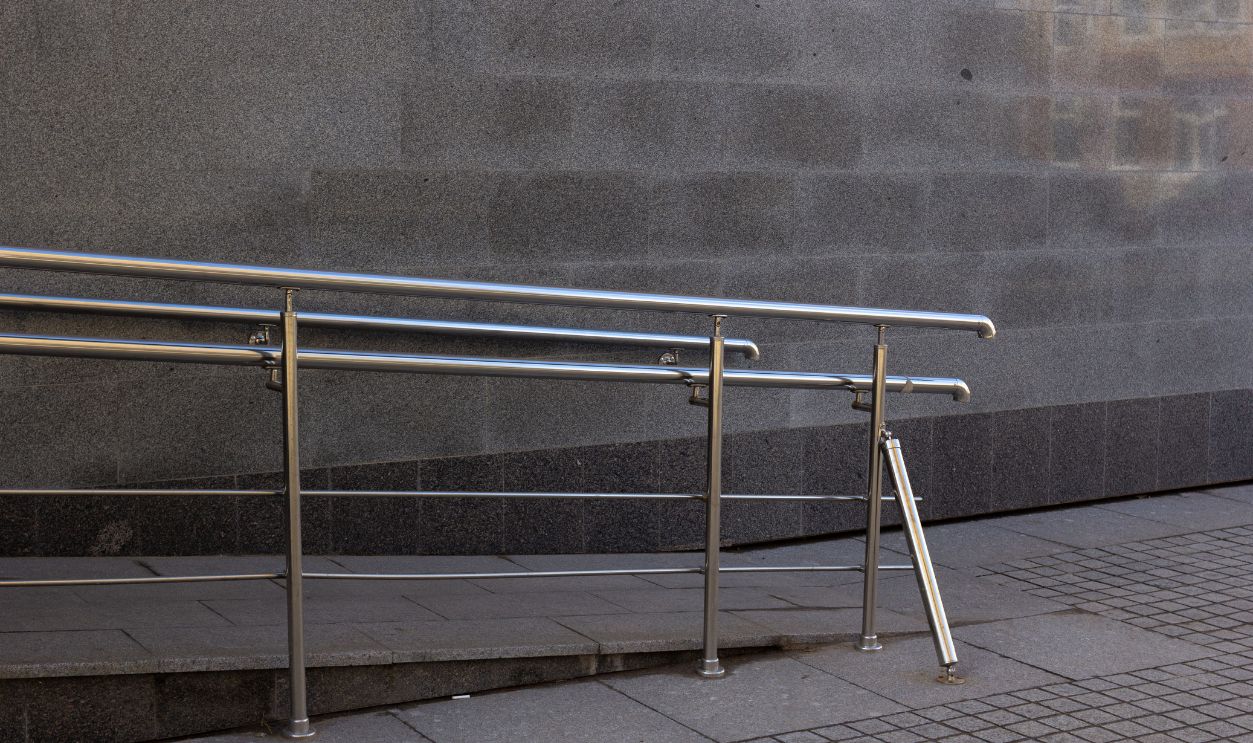
Hotels Must Describe Accessible Rooms Accurately
Federal regulations require covered lodging reservation systems to provide enough information about accessible features for guests to make informed choices. This includes describing relevant accessibility features of the hotel and its guest rooms. A vague accessibility label may not provide the information travelers need to determine whether a room will work for them.

Your Accessible Reservation Has Protections
Hotels generally must hold accessible rooms for guests with disabilities until other rooms of the same type have been reserved. When a guest specifically reserves an accessible room, the hotel must generally block it from other reservation systems and honor that reservation. Certain individually owned accommodations have exceptions, but these protections are designed to prevent double-booking and unexpected substitutions.
Not All Accessible Rooms Are Equal
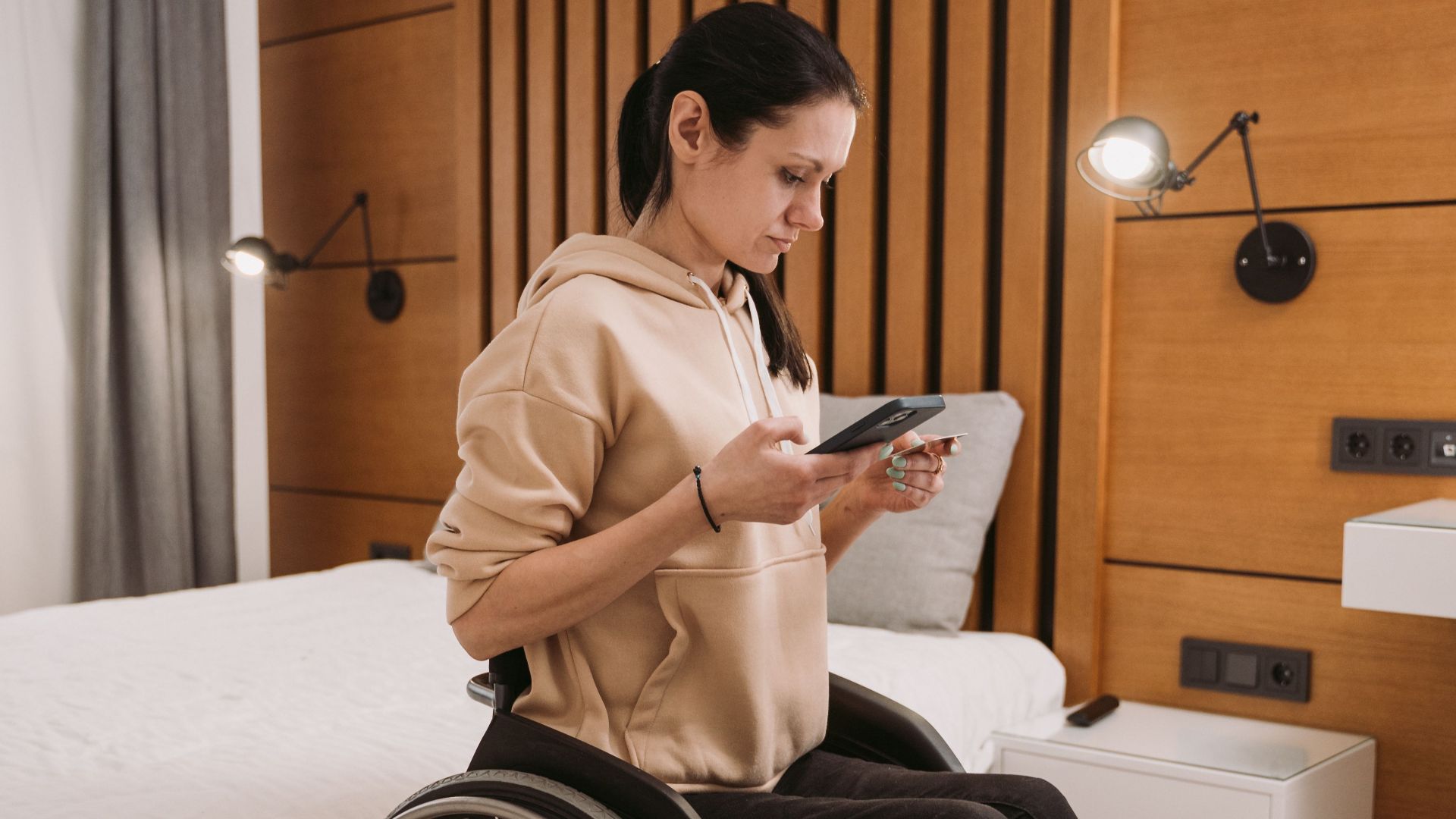
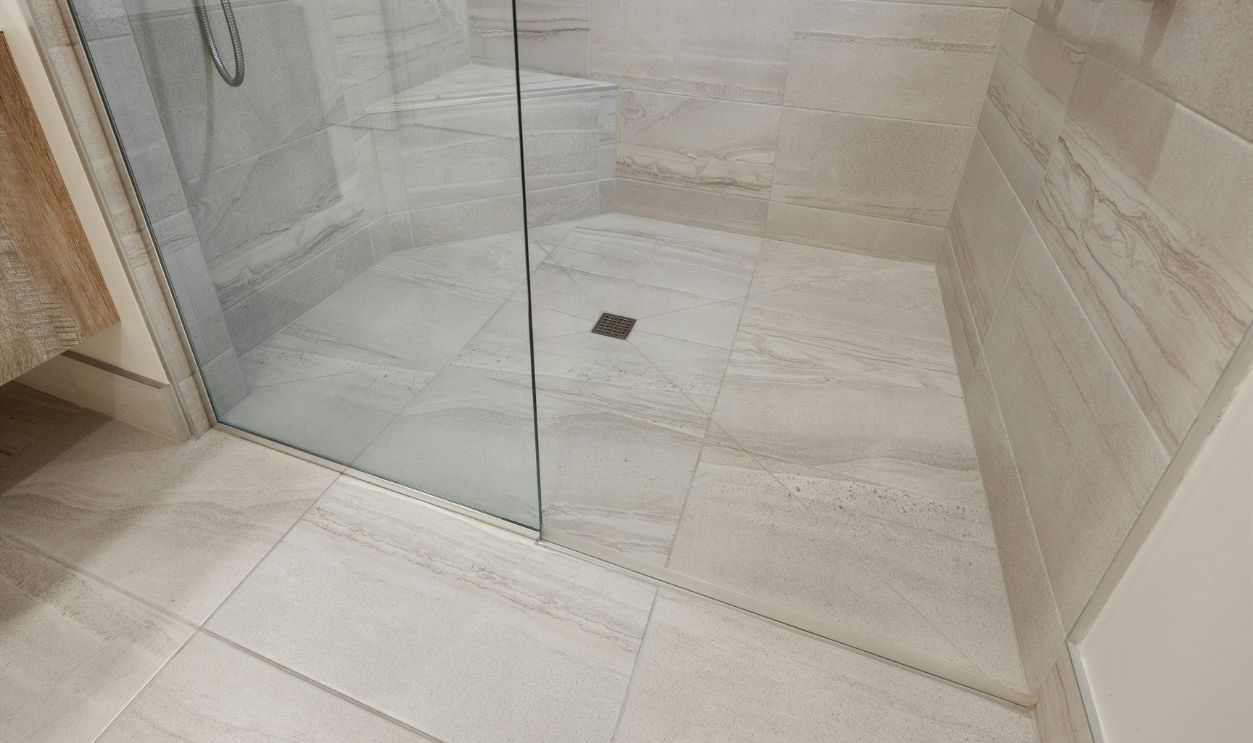
An accessible room might have wider doorways, a roll-in shower, or equipment for guests with hearing disabilities. Federal standards distinguish between mobility-accessible rooms and those with communication features. That's why confirming specific features matters more than simply selecting the accessibility filter when booking.
 Point3D Commercial Imaging Ltd., Unsplash
The Bathroom Could Be Another Obstacle
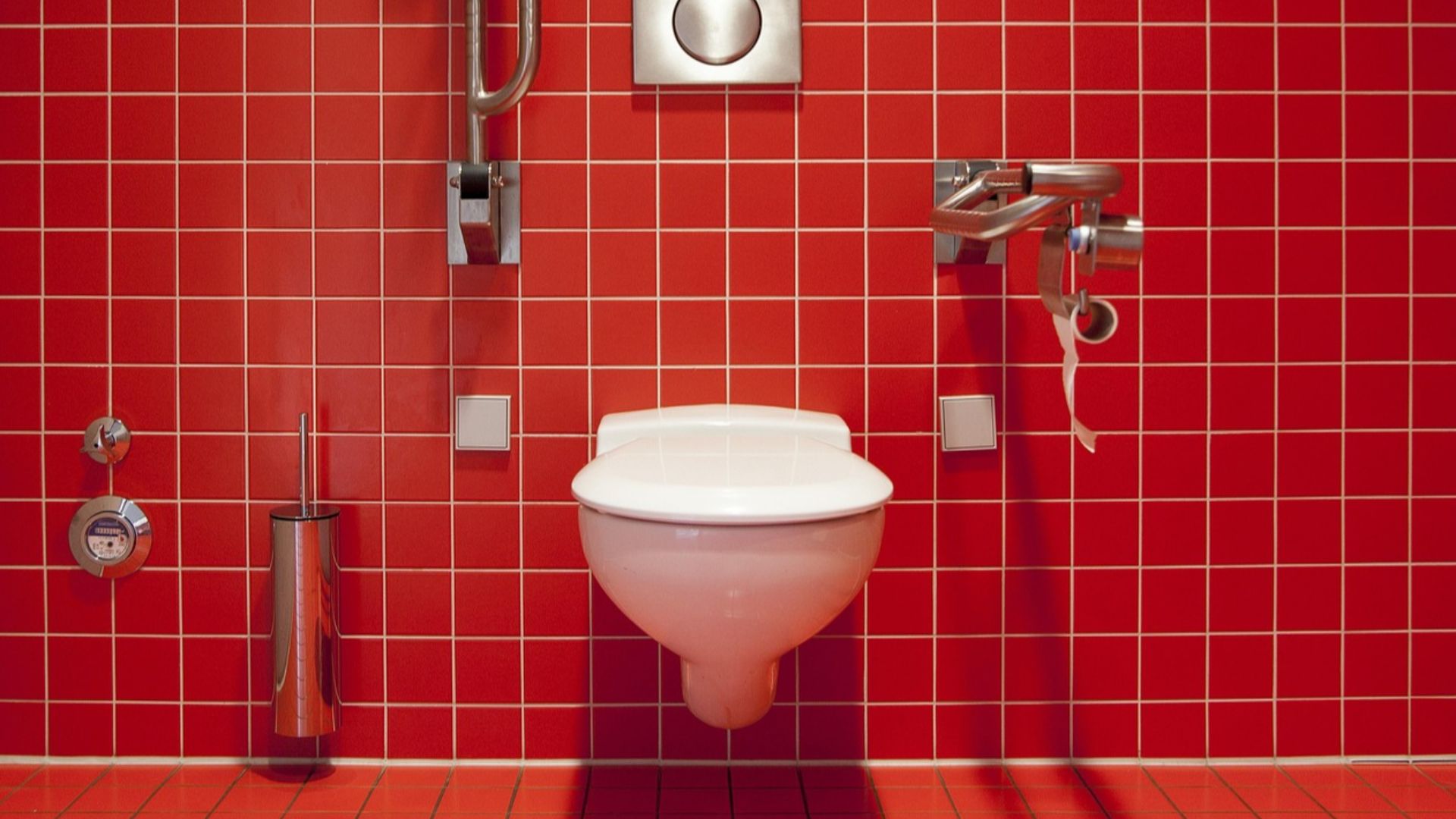
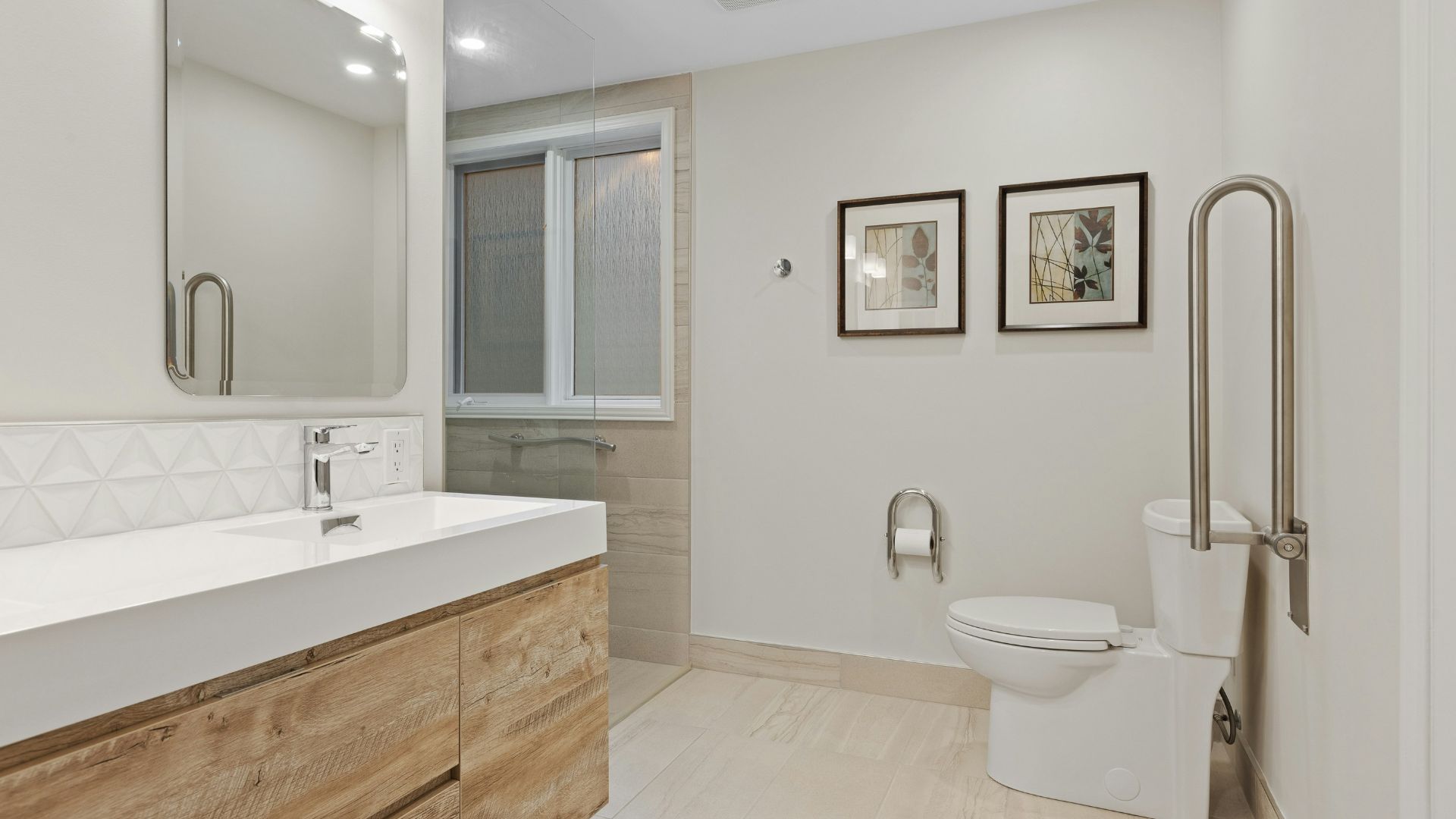
Even if you can reach your room, the bathroom might present another problem. Applicable accessibility standards address features such as toilet clearances, grab bars, and shower arrangements. A bathroom that looks spacious in photographs isn't necessarily suitable for every guest's mobility needs.
Accessibility Starts In The Parking Lot
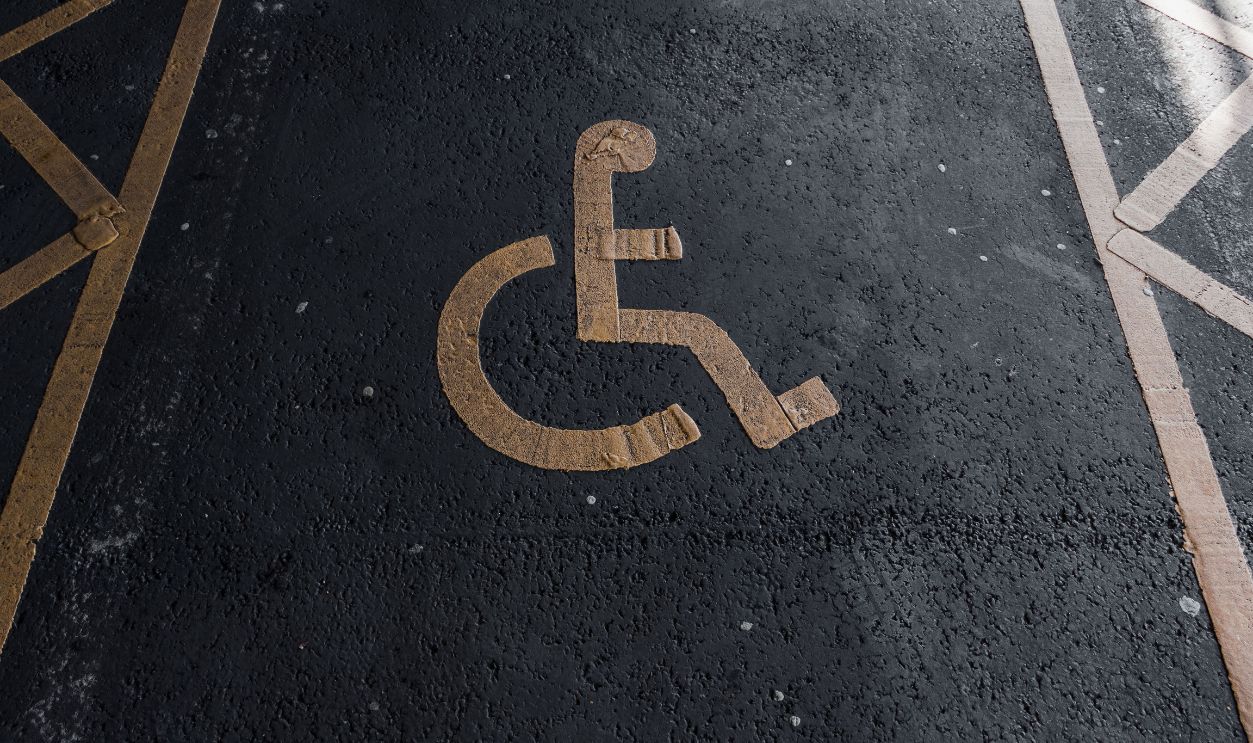
Your room isn't much use if you can't safely reach the hotel. Where applicable, federal standards require accessible routes connecting designated accessible parking spaces and arrival points with accessible entrances. Barriers along that route can create accessibility problems before you've even checked in.
Hotels Can't Simply Add Accessibility Fees
Here's a protection worth knowing before you pay. Under the ADA, covered hotels generally cannot impose special surcharges on guests with disabilities to cover required accessibility measures. They cannot simply charge an extra disability-related fee because providing compliant access costs money.
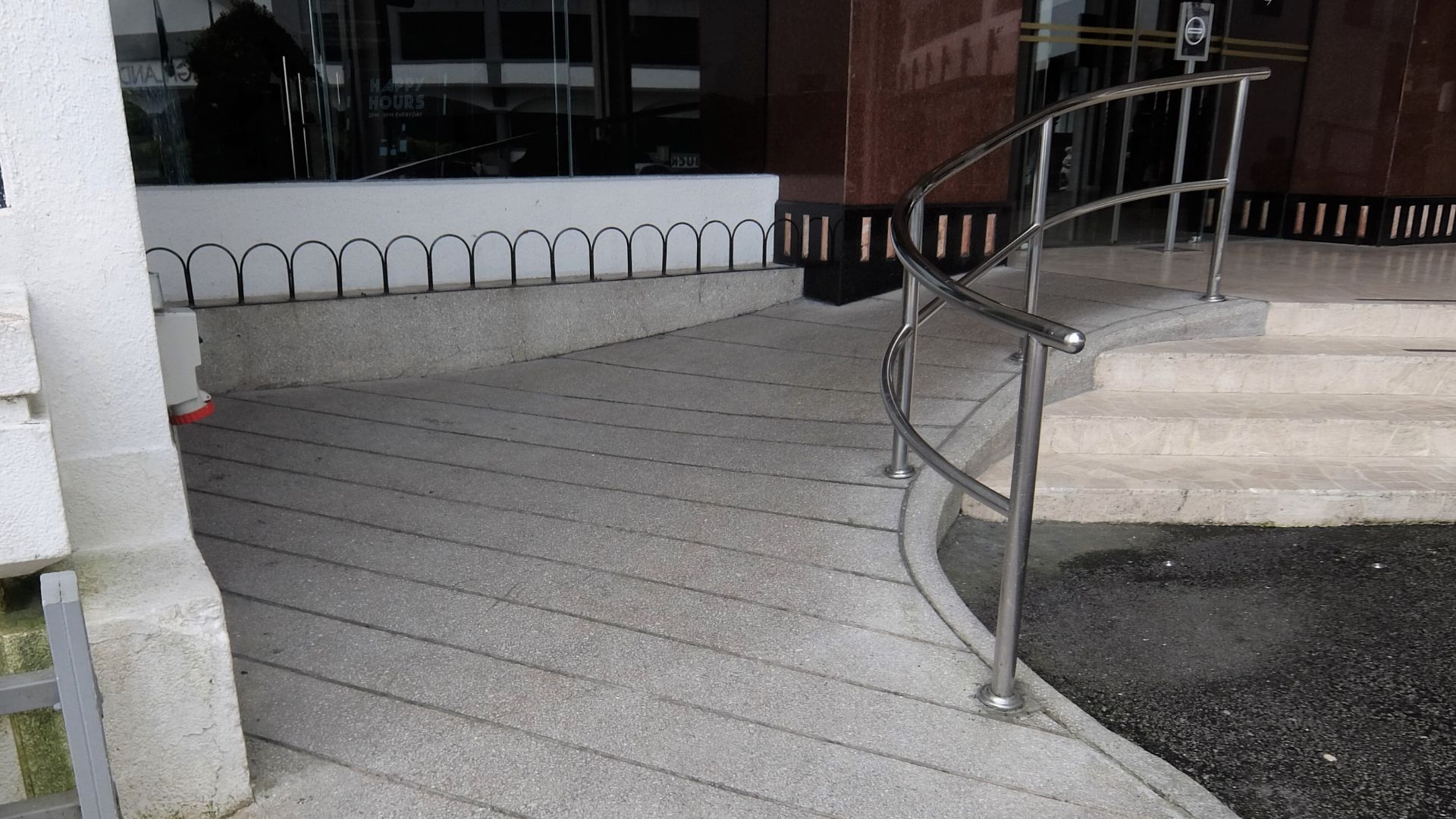
Even Major Hotel Chains Have Faced Action
In June 2024, the U.S. Department of Justice announced an agreement with Marriott International over barriers affecting accessible-room reservations. Marriott agreed to improve reservation procedures across its U.S. branded hotels and pay a $50,000 civil penalty. The agreement demonstrated that federal authorities take accessible-room booking failures seriously.
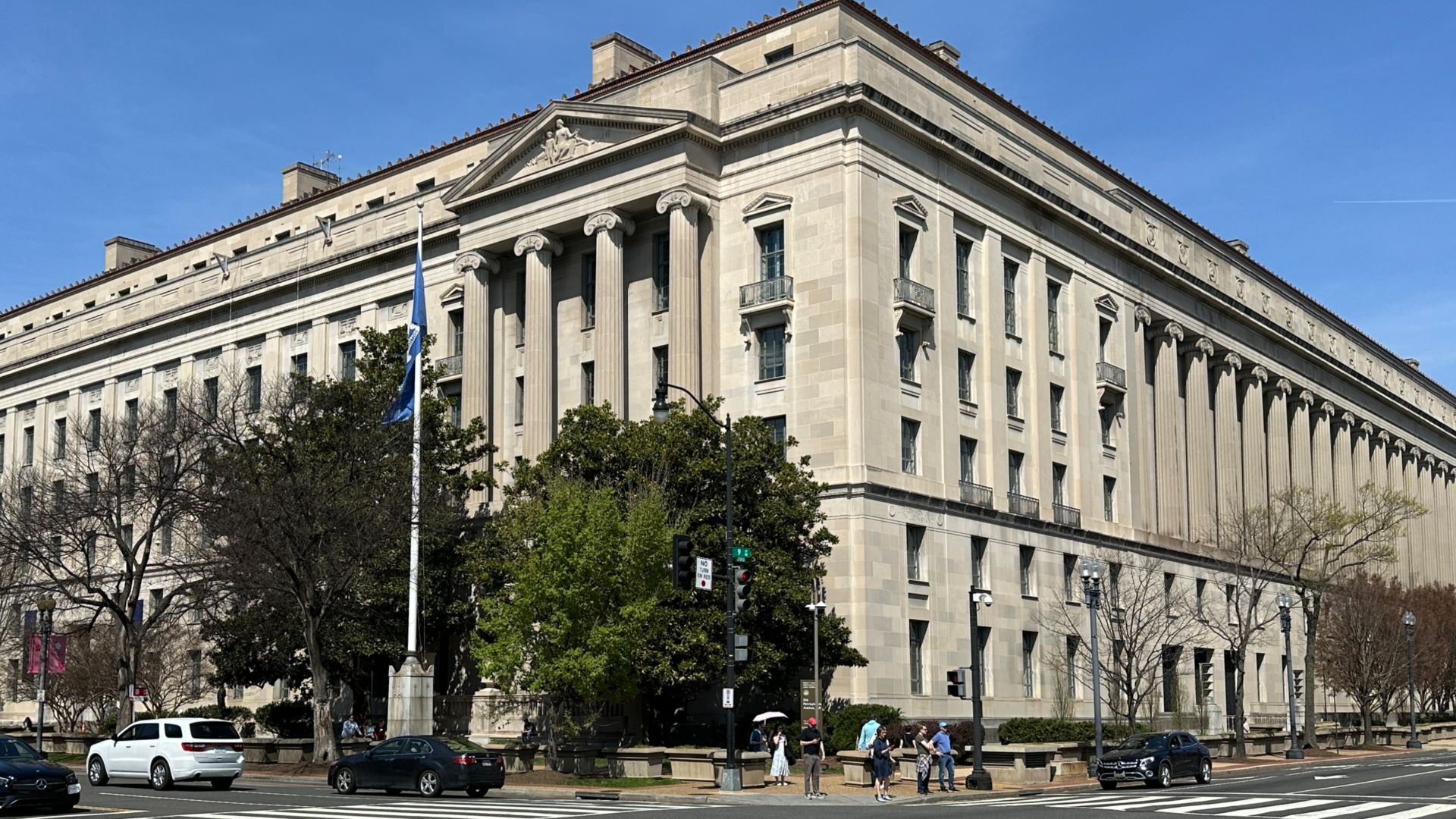
Here's What To Do When You Arrive
If you discover steps or another barrier, explain the problem to the front desk immediately. Ask for a manager and identify exactly which accessibility features were promised but are missing. Request a usable room or another appropriate solution before accepting accommodation that doesn't meet your needs.
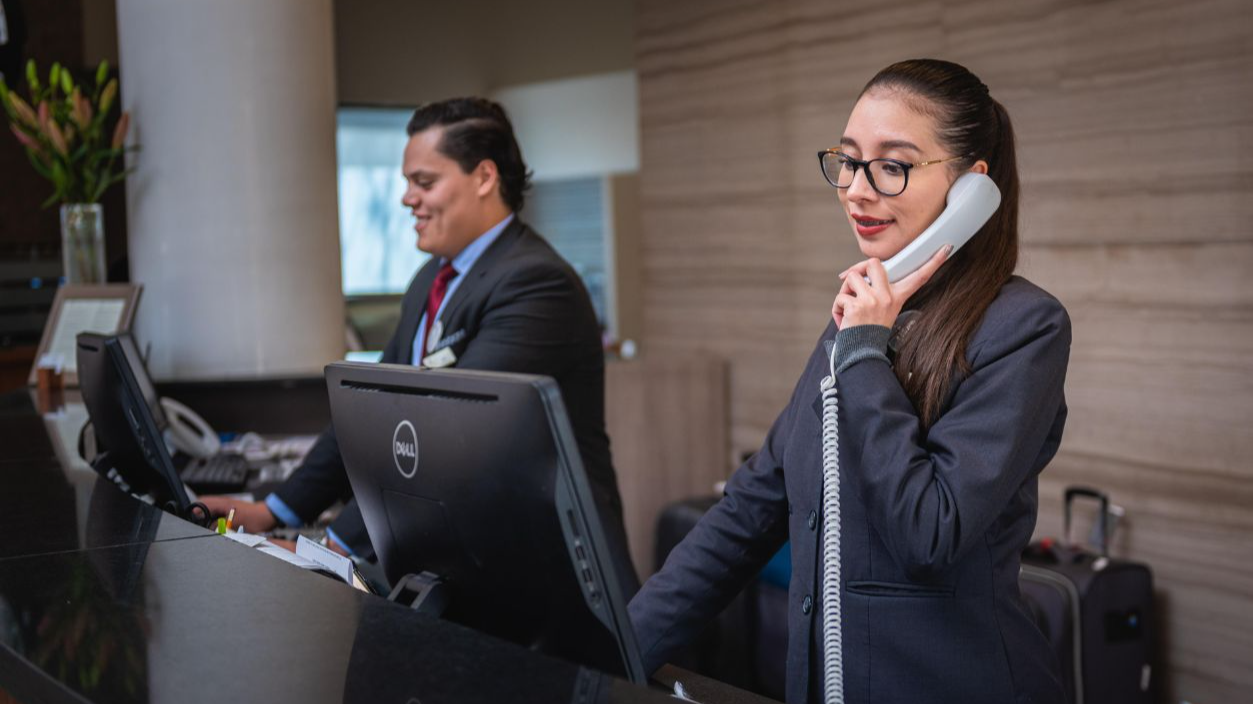
Don't Accept An Unsafe Workaround
A hotel employee might suggest helping you up the stairs or carrying your wheelchair inside. That doesn't automatically satisfy the property's accessibility obligations. You don't have to agree to a workaround you consider unsafe simply because staff insist it's the easiest solution.
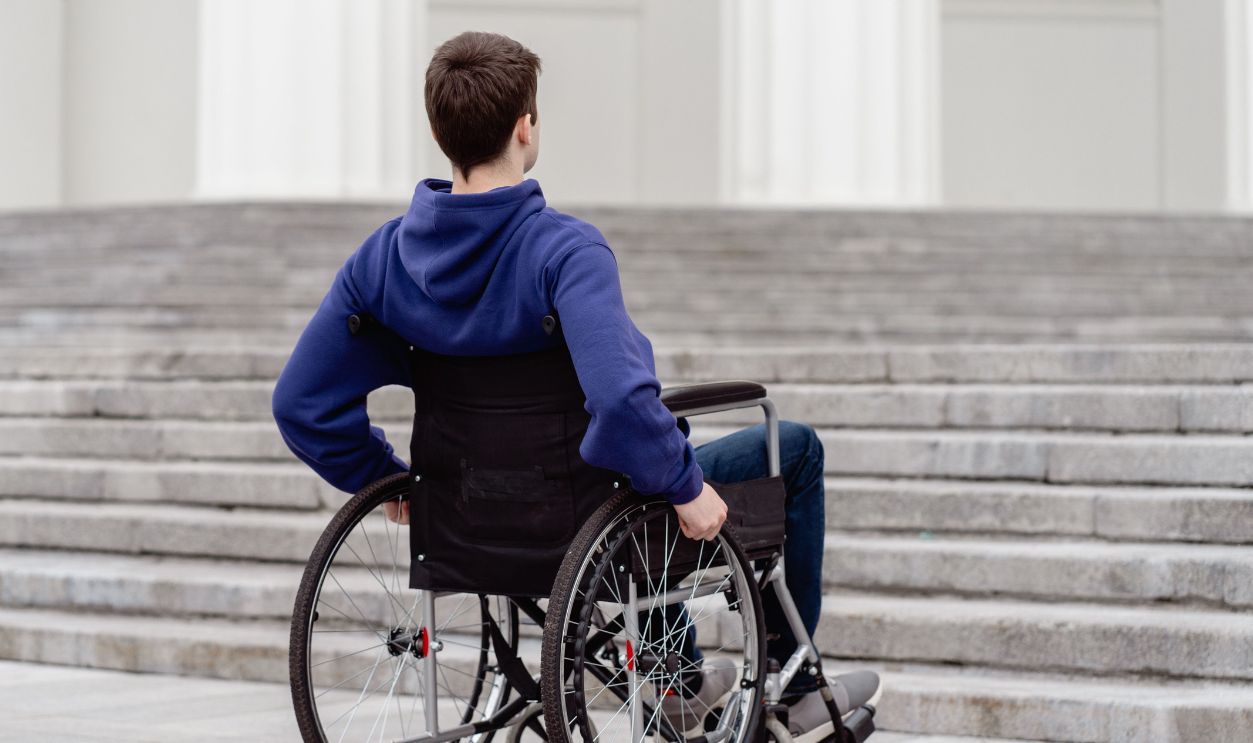
Another Room Could Solve Everything
If the hotel offers another accessible room, inspect its features before agreeing to move. Confirm that the entrance, route to the room, and bathroom meet your needs. A replacement room isn't a meaningful solution if it presents the same obstacles.
 Point3D Commercial Imaging Ltd., Unsplash
Can You Demand Your Money Back?
If your promised accessible accommodation is unusable, requesting a refund is a reasonable next step. However, the ADA doesn't automatically guarantee a full refund whenever an accessibility problem occurs. Your entitlement depends on the circumstances, reservation terms, and applicable disability and consumer protection laws.
What If You Need Another Hotel?
If the property cannot accommodate you, ask management to help find a suitable room elsewhere. You can also request assistance with transportation or additional costs caused by the problem. There isn't a universal ADA requirement covering every relocation expense, so obtain written confirmation of anything the hotel agrees to pay.

Photograph Everything Before Leaving
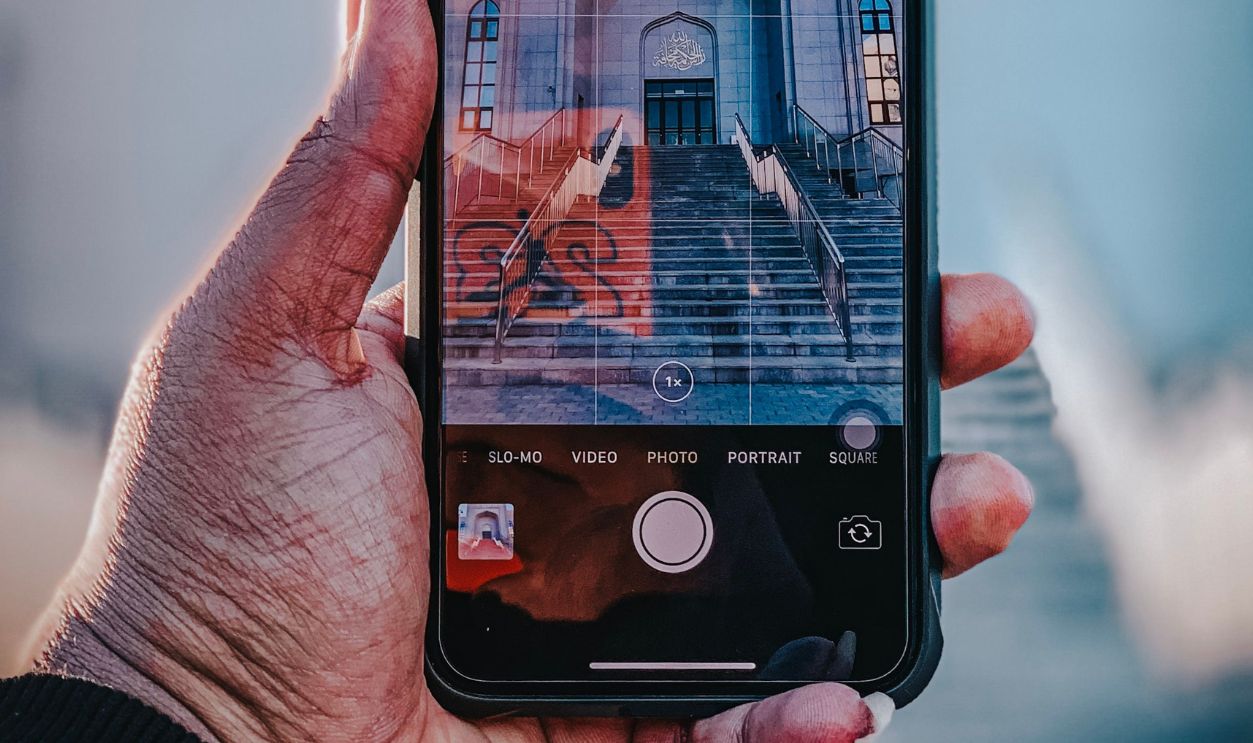
Evidence can become important if the hotel disputes what happened. Photograph the steps, inaccessible entrances, and other relevant barriers, and save your booking confirmation. Record the names of employees you spoke with and any solutions they offered.
Third-Party Bookings Can Complicate Things
Booking through a travel website doesn't automatically eliminate a hotel's accessibility obligations. However, responsibility for inaccurate information or reservation mistakes can depend on whether the hotel or third-party platform caused the problem. If your accessible-room reservation goes wrong, contact both businesses and preserve their written responses.

Hotels Can't Retaliate For Complaints
Worried that challenging the hotel could make matters worse? The ADA prohibits retaliation and coercion against people exercising their protected rights. A covered hotel cannot lawfully punish someone simply for making a legitimate disability discrimination complaint or participating in an ADA investigation.
You Can File A Federal Complaint
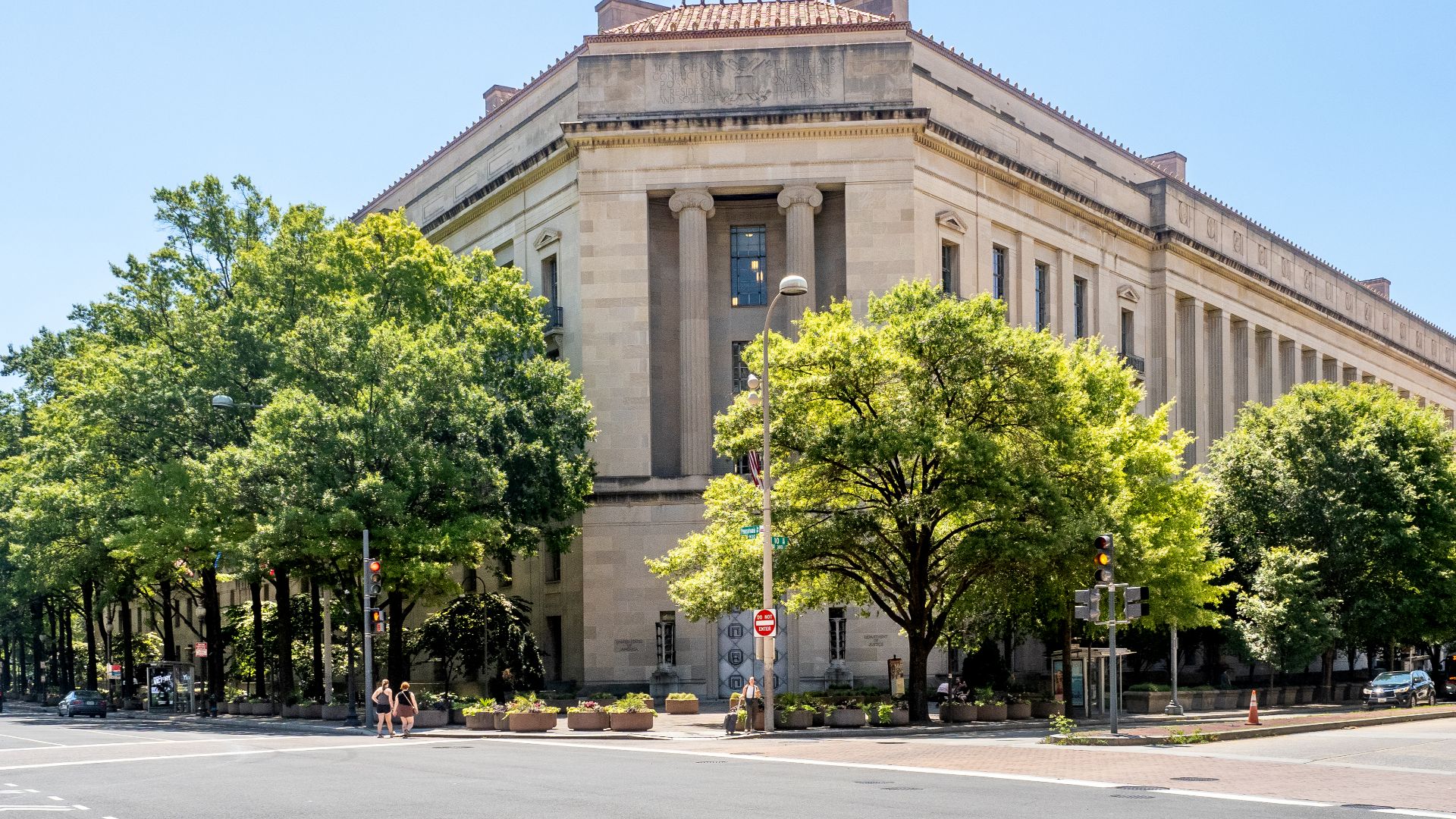
If you believe a U.S. hotel violated your accessibility rights, you can file a complaint with the Department of Justice. The agency accepts complaints involving disability discrimination by private businesses serving the public, including hotels. You can submit information about the incident and supporting evidence through its official complaint process.
 ajay_suresh, Wikimedia Commons
But What Happens After You Complain?
The Department of Justice reviews complaints and determines how to handle them. Some matters may be referred for mediation, while others may receive further investigation or different action. Filing doesn't guarantee compensation or an investigation, but it brings the alleged problem to the attention of federal authorities.

You Might Be Able To Sue
Private lawsuits are another possible option when hotels violate Title III of the ADA. Federal private claims generally seek court orders requiring compliance rather than monetary damages. Depending on the location, state disability discrimination laws or other legal claims may offer additional remedies.
 https://kaboompics.com/, Pexels
Canadian Guests Have Protections Too
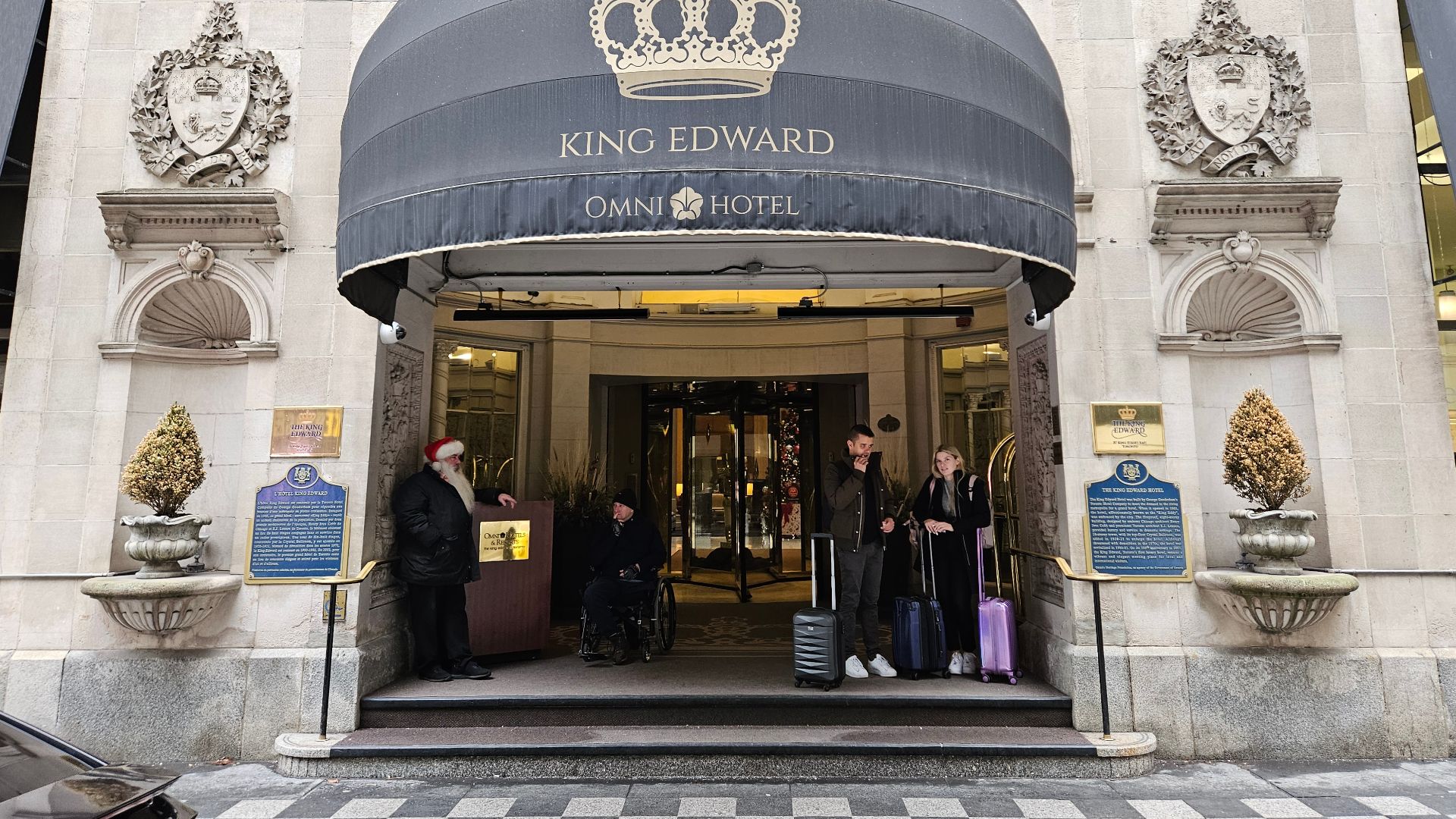
Canada has its own disability discrimination protections, with specific requirements varying by province and territory. In Ontario, the Human Rights Code protects people with disabilities when accessing hotel services. Businesses must accommodate disability-related needs up to the point of undue hardship, considering factors such as cost, outside funding, and health and safety.
British Hotels Have Legal Responsibilities
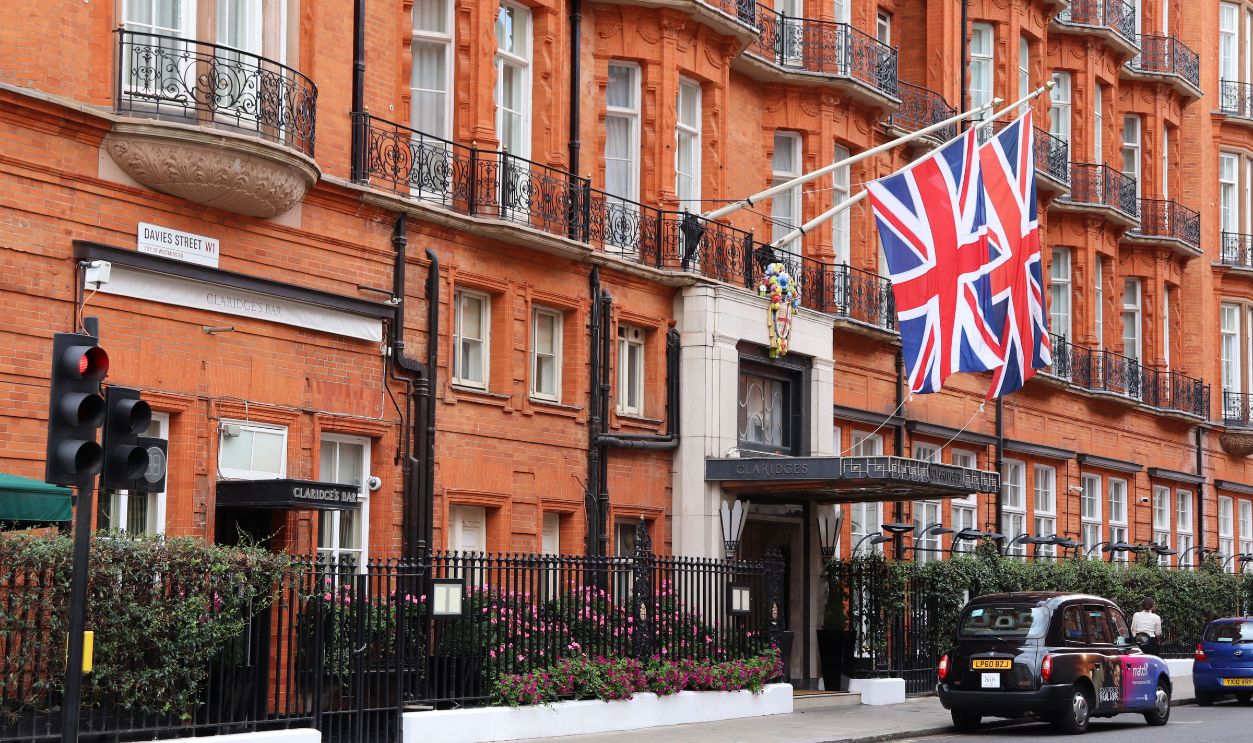
In England, Scotland, and Wales, the Equality Act 2010 requires service providers to make reasonable adjustments for disabled customers. Hotels may need to address physical barriers or provide reasonable alternatives when guests face substantial disadvantages. Importantly, this duty is anticipatory, meaning businesses should consider accessibility before someone arrives and complains.
Protect Yourself Before Your Next Stay
Before booking, contact the hotel directly and explain the accessibility features you require. Ask about step-free entrances, elevators, bathroom layouts, and routes from parking areas to guest rooms. Get those details confirmed in writing so you have a record if the accommodation isn't what was promised.

Don't Let An Accessibility Label Be The Final Word
Discovering steps outside your supposedly accessible hotel room can ruin a trip before it begins. But depending on the circumstances and location, disability laws may give you grounds to challenge the hotel, request appropriate accommodation, and pursue a formal complaint. Knowing your rights won't erase the inconvenience, but it can make it much harder for a hotel to dismiss your concerns.

You May Also Like:
My airline sent my wheelchair to the wrong airport. Is offering a standard rental chair enough?