“Near” Can Hide A lot Of Walking.
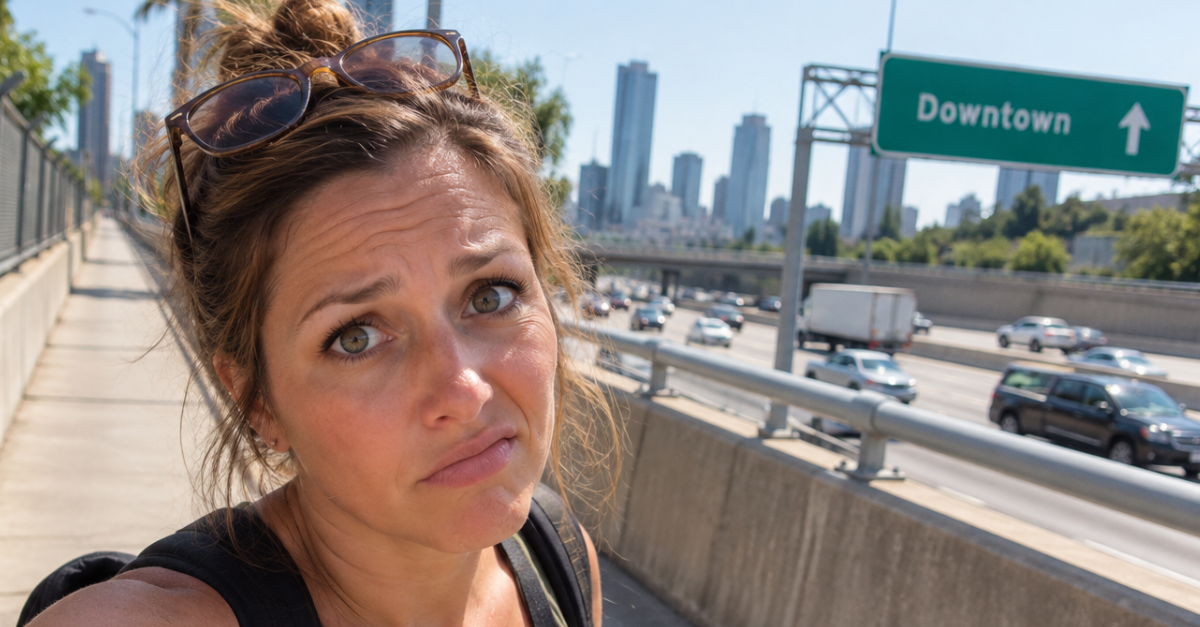
A hotel may genuinely sit a short distance from downtown while still being unpleasant, impractical, or even unsafe to reach on foot because a highway, river, rail line, or giant intersection sits in the way. There is no universal federal mileage rule defining how close a hotel must be to use words such as “near downtown,” but specific location claims still cannot create a materially misleading impression for a reasonable traveler.
“Near Downtown” Has No Magic Radius
Federal advertising law does not establish a fixed number of blocks or miles that automatically qualifies as “near downtown.” Instead, the FTC generally asks whether a representation or omission is likely to mislead a reasonable consumer about something important to the purchase. That makes vague location language more subjective than a precise statement such as “0.4 miles from downtown.”

Specific Numbers Are Easier To Judge
A claim that a hotel is exactly one mile from a convention center can be checked against reality. A phrase like “conveniently located near downtown” requires more interpretation because convenience depends partly on roads, transportation, and access. The more precise the advertisement becomes, the easier it is to show whether the representation was accurate.

Distance And Accessibility Are Different Things
Your hotel might genuinely be geographically close to downtown while being frustrating to reach on foot. A multilane road, limited pedestrian crossings, fencing, ramps, or missing sidewalks can turn a short straight-line distance into a much longer usable route. Federal pedestrian guidance specifically recognizes that wide multilane streets take longer and can be more difficult for pedestrians to cross.

Straight-Line Distance Can Be Misleading
Some major travel platforms explicitly warn that displayed distances are measured “in a straight line,” while actual travel distances may vary depending on the route. Booking.com likewise explains that its “Distance from” sorting measures closeness in a straight line. That methodology can place a hotel physically close to downtown even when the usable walking route tells a very different story.
A Highway Can Change The Entire Experience
Imagine a hotel that sits half a mile from downtown as the crow flies but requires a pedestrian to reach one distant overpass before crossing a highway. The practical journey might suddenly become far longer than the advertised distance suggests. If the hotel specifically marketed itself as easily walkable, the barrier becomes much more relevant than if it merely described its geographic location.

“Walkable To Downtown” Is A Stronger Claim
There is an important difference between saying “near downtown” and saying “an easy walk to downtown.” The second statement implies something about how guests can actually make the trip, not merely where the building appears on a map. Under FTC principles, advertisers must consider the overall impression their claims create for reasonable consumers.

“Five-Minute Walk” Is Stronger Still
A stated walking time gives the traveler a measurable expectation. If normal pedestrian routing actually requires 20 minutes because the direct route crosses an inaccessible highway, the discrepancy becomes much easier to demonstrate. Save any specific walking-time claim because it can be compared directly with maps, routing tools, and conditions on the ground.
The Whole Advertisement Matters
The FTC does not evaluate advertising by isolating one carefully chosen phrase while ignoring everything around it. It considers the entire advertisement, including express claims, implied claims, images, omissions, and context. A listing filled with phrases such as “steps from downtown,” “walk everywhere,” and “leave the car behind” creates a stronger impression than the word “near” standing alone.

Photos Can Reinforce The Impression
Images of a downtown skyline or famous landmark can contribute to how travelers understand a hotel's location. If the photography and wording together strongly imply that guests can simply step outside and explore downtown, a significant physical barrier may become more important. The FTC's deception framework looks at the total impression rather than treating pictures as irrelevant decoration.

Missing Information Can Matter Too
Advertising can potentially mislead through omission as well as outright false statements. The FTC specifically recognizes circumstances where leaving out material information causes consumers to form an inaccurate impression about a product or service. If pedestrian access was a major selling point, an unusual barrier could become relevant to that analysis.
The Barrier Has To Matter To The Booking
Consumer protection law generally cares most about information that could influence a reasonable purchasing decision. If you selected one hotel over another because you expected to walk downtown every evening, practical pedestrian access was plainly important to you. Documenting that the listing emphasized location strengthens the connection between the representation and your decision.

A Highway Is Not Automatically False Advertising
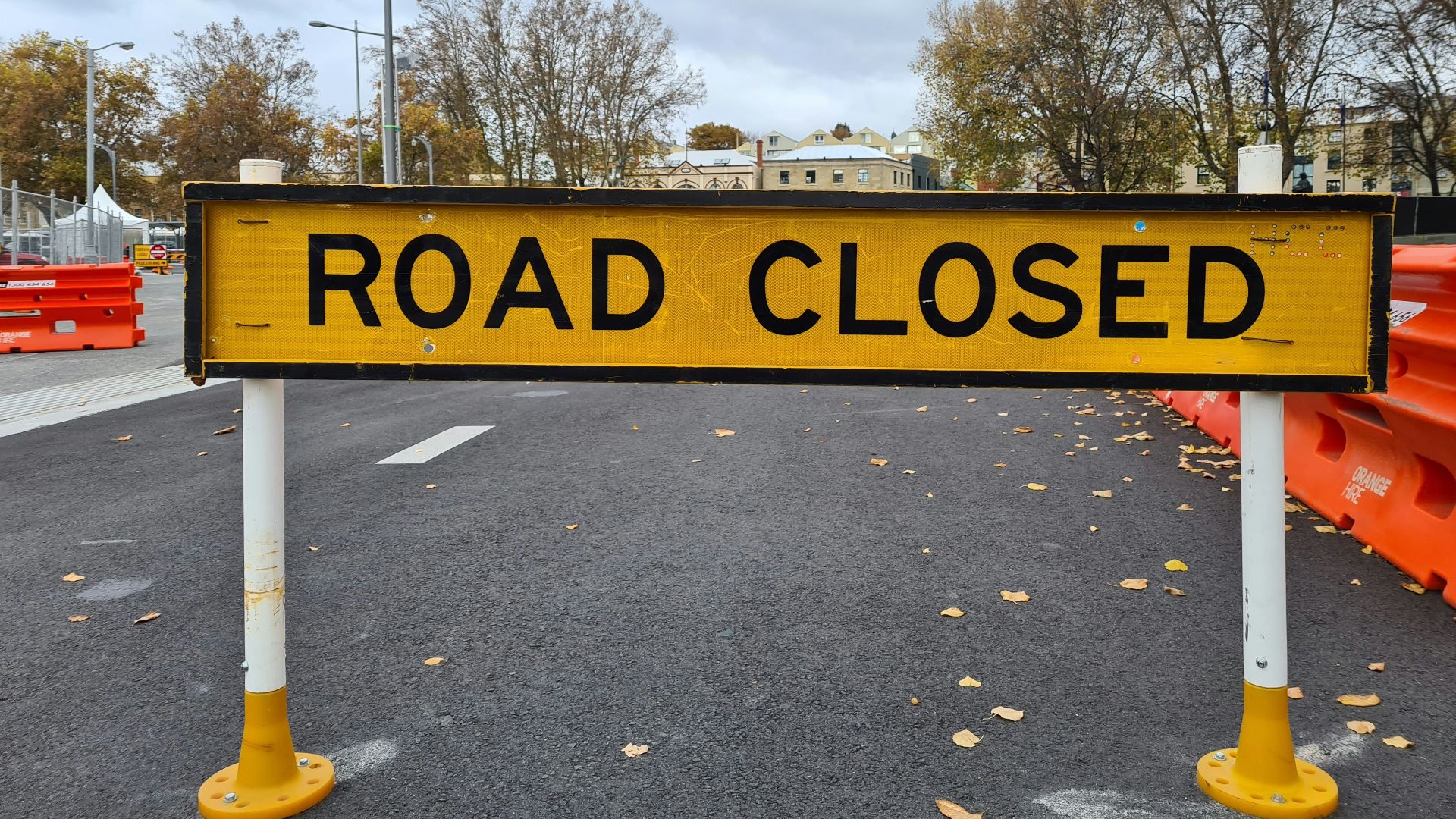
The mere existence of a highway between the hotel and downtown does not prove deception. Plenty of genuinely downtown-adjacent hotels sit beside freeways, bridges, rail corridors, or complicated intersections. The question is whether the hotel accurately described the location and whether any more specific claims about walking or convenience matched reality.

Safe Crossings Make A Difference
A controlled pedestrian overpass with sidewalks and signals is very different from a route involving missing sidewalks or dangerous roadway exposure. Federal transportation guidance treats sidewalks, crossings, medians, and pedestrian refuges as meaningful safety features, especially on wider roads. When evaluating the hotel's claim, distinguish between an inconvenient crossing and one that genuinely prevents reasonable pedestrian access.
 Vinta Supply Co. | NYC, Pexels
“Downtown” Can Be Fuzzy Too
Some cities have clearly defined downtown districts, while others use the word much more loosely. A hotel may be near the edge of what local tourism materials call downtown without being close to the particular restaurants or attractions you wanted. Before complaining about distance alone, identify the downtown landmark or district you reasonably believed the advertisement referred to.

Booking Sites Can Add Their Own Labels
The hotel itself may not be responsible for every category or distance label displayed by an online travel agency. Platforms can create neighborhood names, map filters, landmark distances, and search categories using their own systems. The FTC has specifically raised concerns about misleading information in the online hotel-booking marketplace, so it is worth determining who actually made the claim.

Booking.com Says “Close” Means Straight-Line Close
Booking.com publicly explains that its distance sorting can rank accommodations according to straight-line distance from a point such as a city center. That is useful information because straight-line proximity says nothing about whether a freeway blocks the pedestrian route. Travelers should therefore treat those numbers as geographical measurements rather than automatic promises of walkability.
 LinkedIn Sales Solutions, Unsplash
Expedia Gives A Similar Warning
Expedia pages commonly disclose that distances are measured in a straight line and actual travel distances may differ according to route. That warning is especially important around highways, rivers, airports, and large rail corridors. Two properties with the same displayed distance can have dramatically different walking experiences.

Read The Map Before Trusting The Number
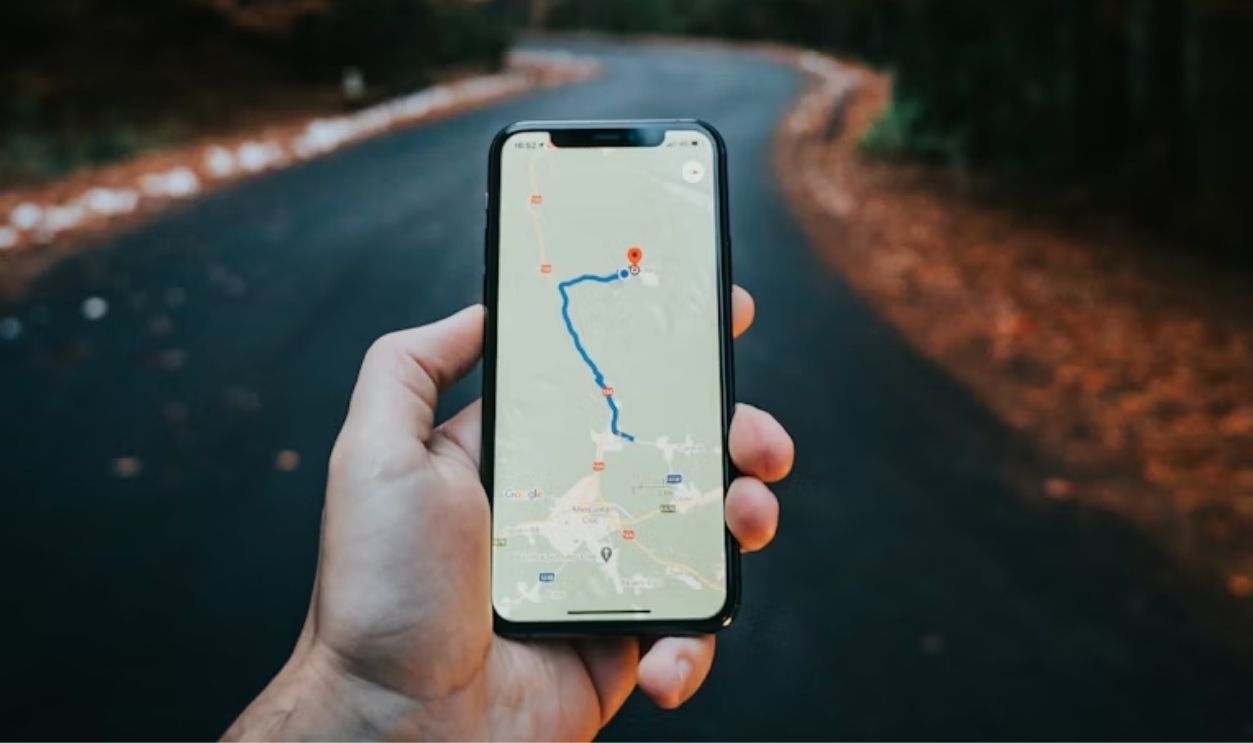
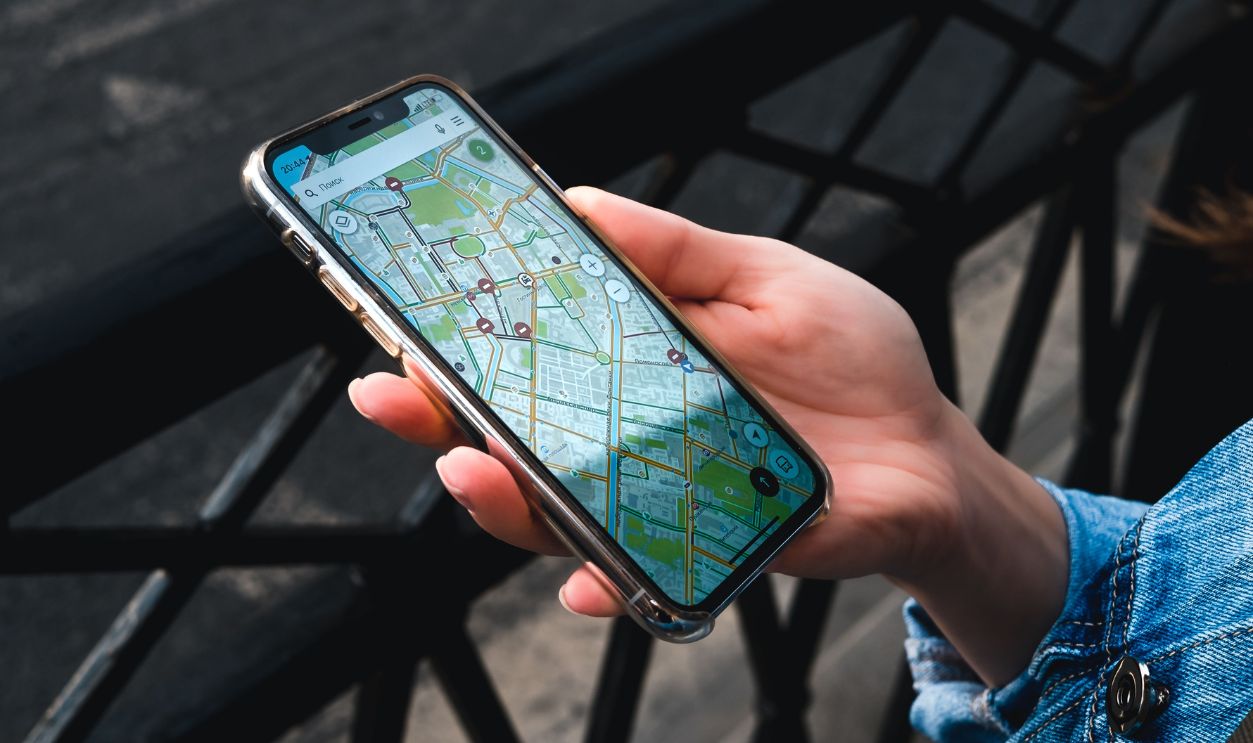
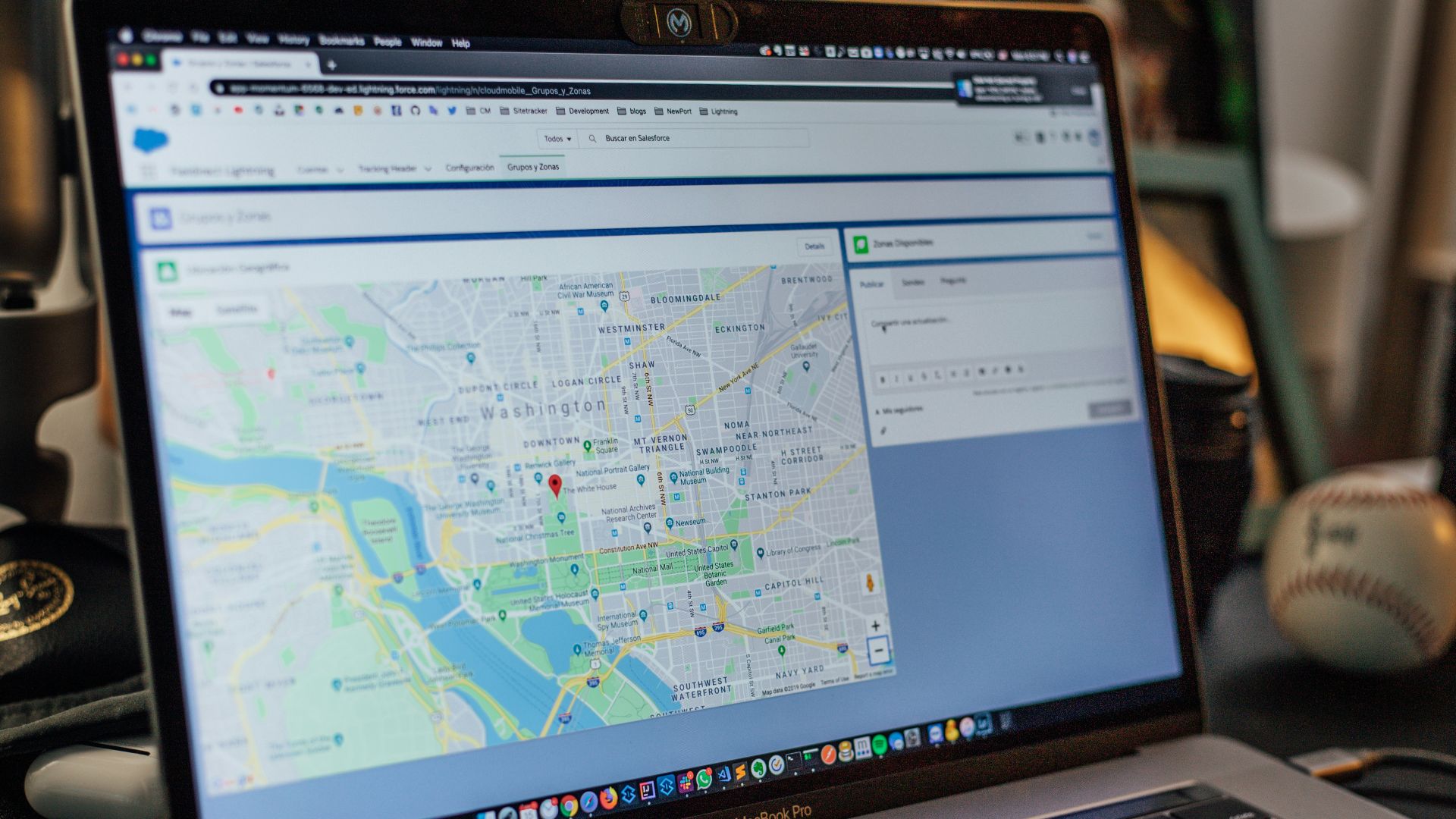
Zooming in on the hotel before booking is one of the easiest ways to catch these problems. Look for freeway ramps, rivers, railway tracks, industrial blocks, and giant intersections between the property and the places you plan to visit. A route planner set specifically to walking can reveal obstacles that the hotel's headline distance never mentions.
Street View Can Be Even More Useful
A map may show a road crossing without telling you whether the experience is pleasant. Street-level imagery can reveal missing sidewalks, massive slip lanes, fences, steep grades, or pedestrian bridges that require detours. When location is a major reason for booking, five minutes of visual checking can be more useful than fifty glowing reviews.
Reviews Often Reveal What Marketing Does Not
Guest reviews frequently mention whether downtown is realistically walkable, whether the area feels isolated, or whether a car is effectively necessary. Reviews are subjective, so one irritated guest should not outweigh everything else. Repeated comments about the same crossing or access problem, however, deserve attention.

Save The Listing Before Complaining
Take screenshots of the room listing, map, distance claim, neighborhood label, photographs, and any phrases describing downtown access. The exact wording matters because “near downtown” presents a weaker complaint than “five-minute walk to downtown.” Evidence lets the hotel respond to what was actually advertised rather than arguing about memories afterward.

Measure The Real Walking Route
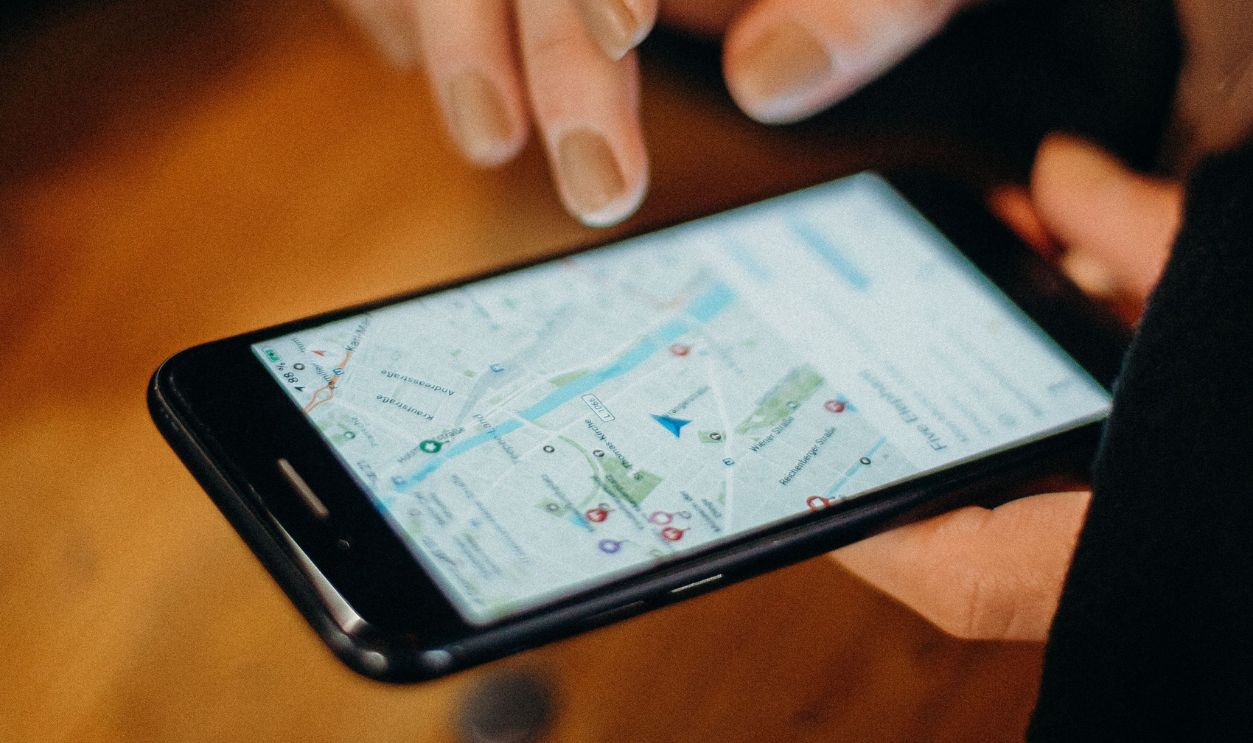
Use a reputable map application to record the pedestrian distance and estimated walking time from the hotel to the downtown location you expected to reach. Take screenshots showing the required crossing or detour. If the hotel's advertised walking distance differs substantially, you now have something concrete to discuss with management.

Ask The Hotel How It Defines “Near”
Start with a simple question rather than an accusation. Ask the front desk or manager what downtown location the description refers to and how guests are expected to walk there. The answer may expose an outdated listing, a platform-generated description, or an access route you simply did not know about.

Ask For Transportation Help
If the hotel cannot reasonably provide the walkability its listing suggested, ask whether it offers a shuttle, local transportation credit, parking adjustment, or another practical remedy. A solution during the stay may be more valuable than arguing about a refund after returning home. USAGov recommends beginning hotel complaints with the front desk, manager, or customer-service department.

Moving Hotels May Be Reasonable
If walking access was essential and the location makes your planned trip impractical, ask whether the hotel will let you cancel the remaining nights without penalty. Your negotiating position is better when you can show a specific misleading claim rather than simply saying you dislike the neighborhood. Do not book a replacement until you understand what the existing property will refund.

Escalate Within The Chain
When the local manager refuses to address a credible advertising problem, contact the chain's customer-service department or regional management. USAGov specifically recommends escalating unresolved hotel complaints within the company. Send a concise explanation with screenshots rather than a long emotional account.

Contact The Booking Platform Too
If Expedia, Booking.com, or another intermediary supplied the problematic description, complain there as well. The FTC's hotel-booking report emphasizes that false or misleading material hotel information can undermine consumers' ability to make informed decisions. The seller and platform may each possess different information about how the listing was created.

State Consumer Protection May Help
Unresolved hotel complaints can also be taken to a state consumer-protection office, according to USAGov. State laws vary, so the remedies available in Massachusetts may differ from those in Texas or California. A documented, specific misrepresentation is generally easier for an agency to evaluate than a disagreement over the subjective meaning of “near.”

A Credit Card Dispute Is Not The First Move
A billing dispute should usually come after you have tried to resolve the problem with the merchant. A hotel that provided the booked room but had a less convenient location than expected presents a more complicated dispute than a property that never existed or completely failed to provide lodging. Focus first on getting the hotel or booking platform to offer a reasonable solution.

Vague Wording Gives Hotels More Wiggle Room
“Near downtown” is inherently less precise than “downtown,” “two blocks from downtown,” or “five minutes on foot.” That does not give hotels permission to say anything they want, because the overall impression still cannot be materially misleading. It does mean your strongest case usually comes from additional promises about distance, walking, convenience, or neighborhood rather than the word “near” by itself.

The Practical Answer Is Buyer Beware, With Limits
A hotel does not have to guarantee that every guest will consider its location convenient. It does need to avoid materially false or misleading representations, particularly when it makes concrete statements about distance or accessibility. If a highway crossing transformed an advertised “easy walk downtown” into something dramatically different, document it and push back.

So, How Accurate Does The Claim Have To Be?
Accurate enough that a reasonable traveler is not materially misled. There is no universal mileage definition for “near downtown,” and straight-line distance can technically be correct even when pedestrian access is awful. But if the property or booking site specifically promised walkability, a short walking time, or effortless downtown access that the highway makes unrealistic, you have a much stronger basis for requesting a remedy.

You May Also Like:
Top Three Hotels For Adventurers
Free Camping Destinations In Every State