It Didn’t Feel Like a Big Deal
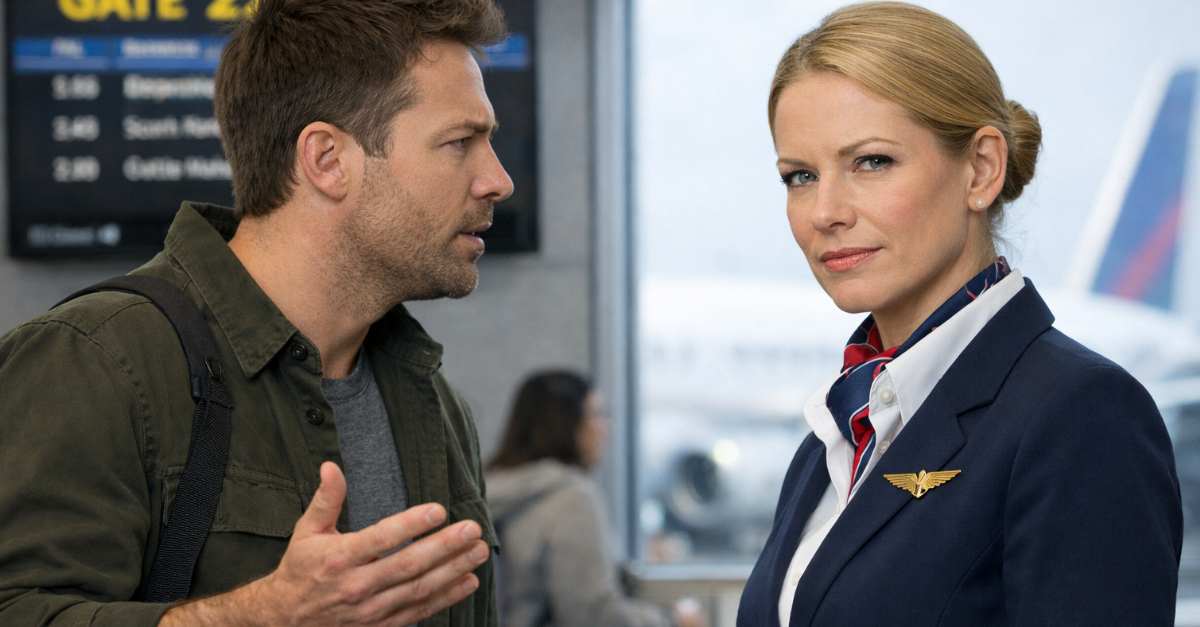
You had a disagreement with a flight attendant after landing. It wasn’t physical. No police were called. You went home thinking it was over. Then a few days later, an email arrived saying you’re banned from the airline—for life. Can they really do that?
Airlines Aren’t the Government
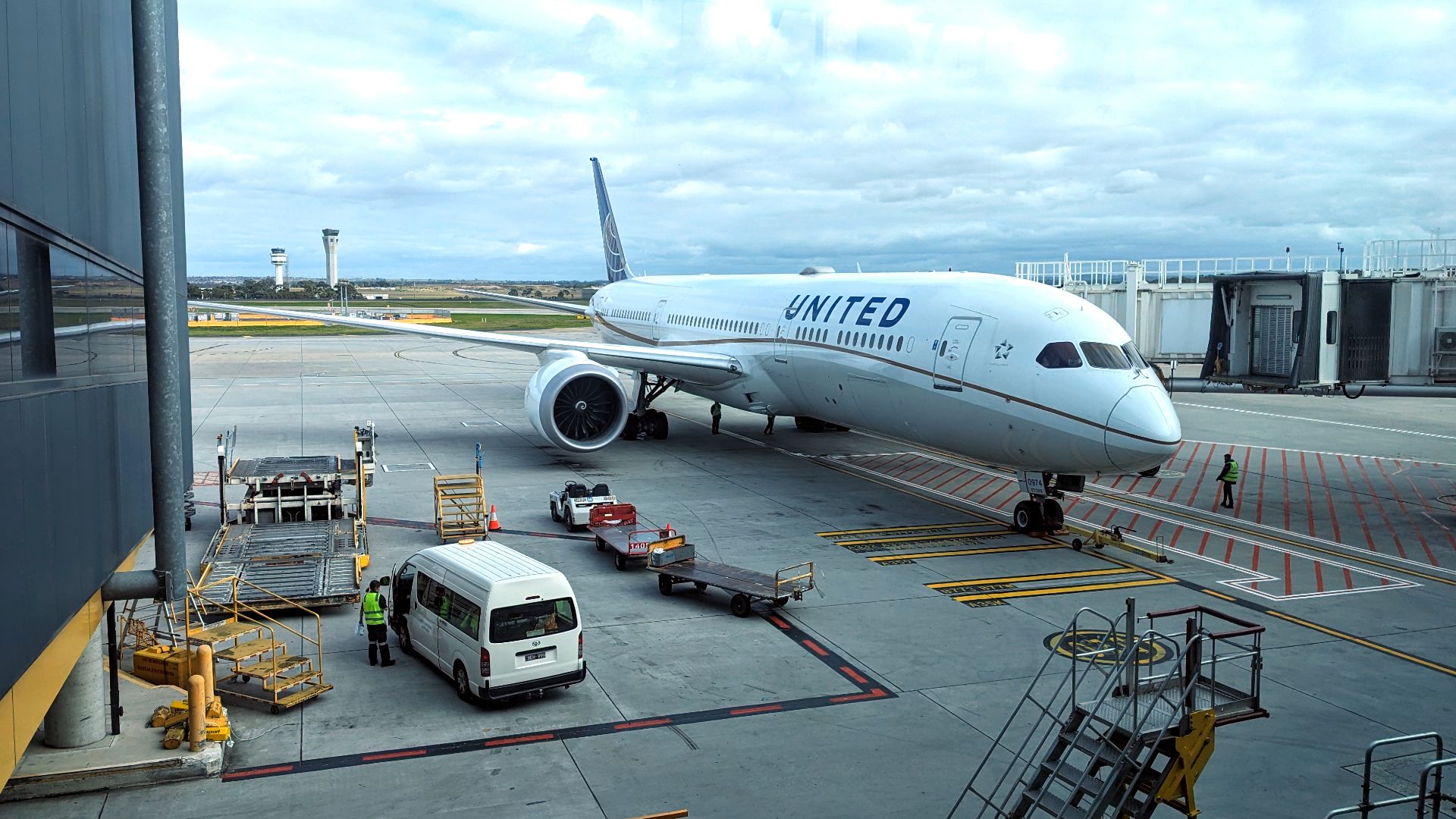
Most people assume air travel is a public service. It’s not. Airlines are private companies. When you buy a ticket, you’re entering into a contract of carriage—a legally binding agreement that gives the airline broad authority over who they transport. That authority is wider than many passengers realize.
 Philip Mallis, Wikimedia Commons
It’s in the Fine Print
Every airline publishes a Contract of Carriage. Most include language stating the carrier may refuse transport to any passenger whose conduct is disorderly, abusive, or offensive. That includes escalated arguments. Most passengers agree to these terms without ever reading them.

Yes, They Can Refuse Service
Under U.S. federal law, airlines have the right to refuse transport to any passenger they believe may be disruptive, a safety risk, or interfering with crew duties. They don’t need a criminal conviction to make that call, and internal reports are often enough.
Interfering With Crew Is a Federal Crime
Under 49 U.S.C. § 46504, interfering with a flight crew member is a federal crime punishable by fines and up to 20 years in prison. While most arguments don’t reach that level, the law gives airlines and authorities significant leverage when disputes escalate.
What Counts as “Disruptive”?
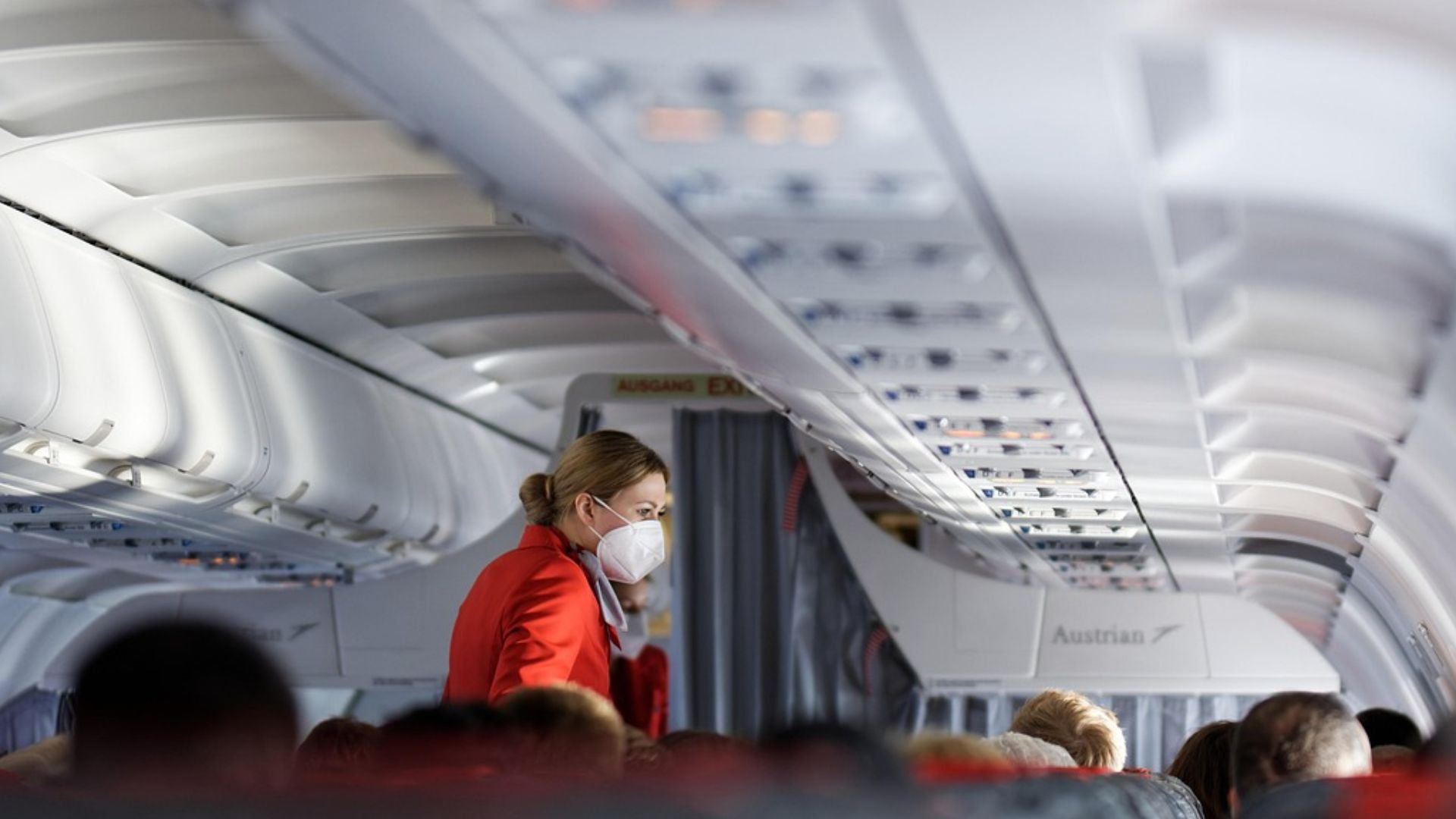
It doesn’t have to mean violence. Raising your voice, refusing instructions, arguing about seat assignments, ignoring crew directions, or using abusive language can all be classified as disruptive conduct. The definition is intentionally broad, and airlines interpret it conservatively.

The Zero-Tolerance Era
In January 2021, the FAA implemented a formal zero-tolerance policy for unruly passengers. Instead of warnings, violations began triggering immediate enforcement action. That policy shift marked a turning point in how seriously airlines and regulators respond to onboard conflicts.
 Tobias Kleinlercher / Wikipedia, Wikimedia Commons
After Landing Doesn’t Mean It’s Over
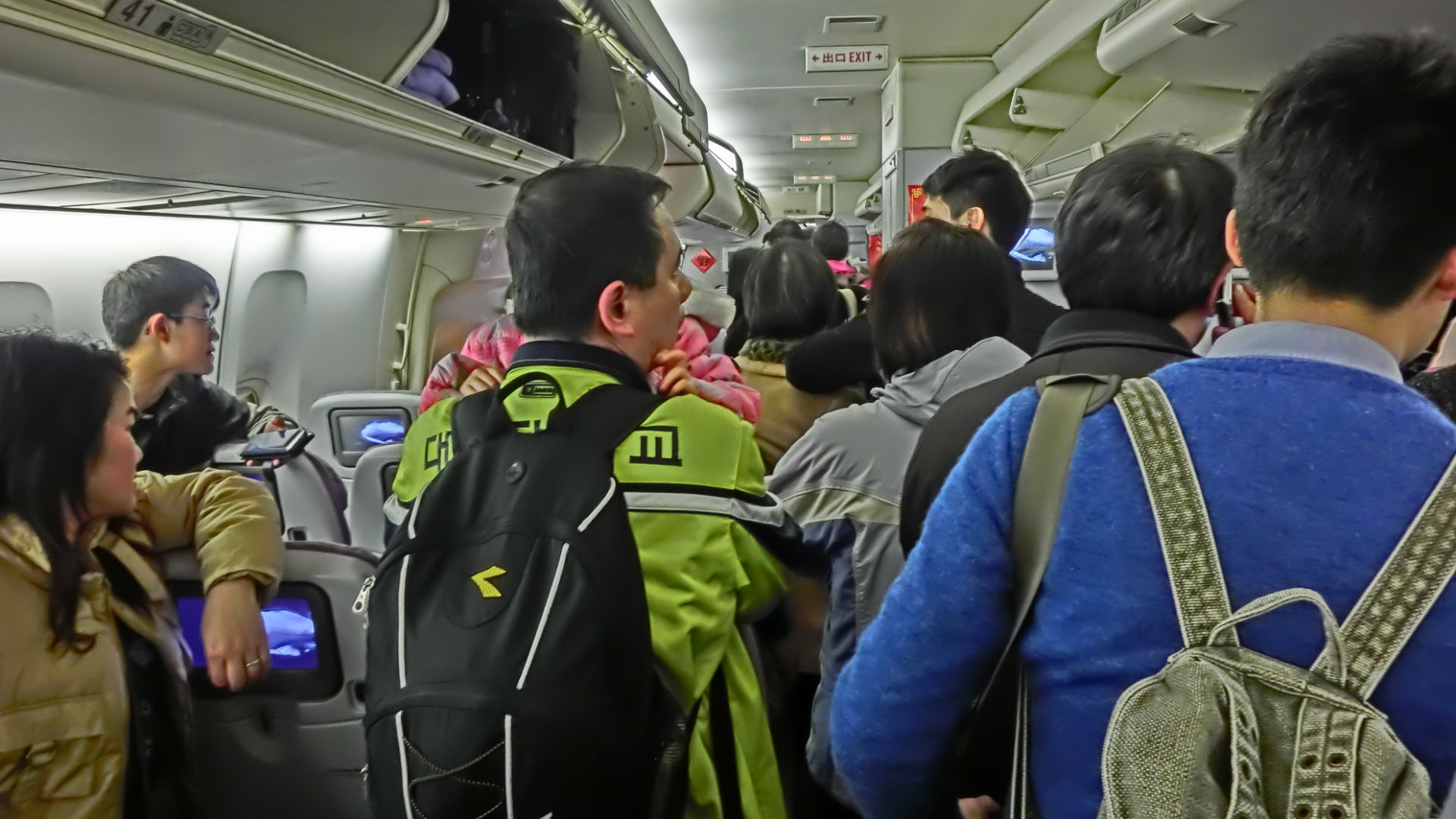
Many passengers assume once the plane is at the gate, the rules loosen. They don’t. Airlines can document behavior during deplaning or immediately after landing if it involves crew interaction. Several high-profile incidents that escalated at the gate—not in the air—have still resulted in permanent bans.
No Charges Doesn’t Mean No Consequences
An airline ban is separate from criminal prosecution. Even if police are never called and no charges are filed, the airline can still decide your behavior violated its contract of carriage. Internal conduct standards are lower than criminal thresholds, and airlines don’t need a conviction to cut ties.
The Numbers Tell a Story
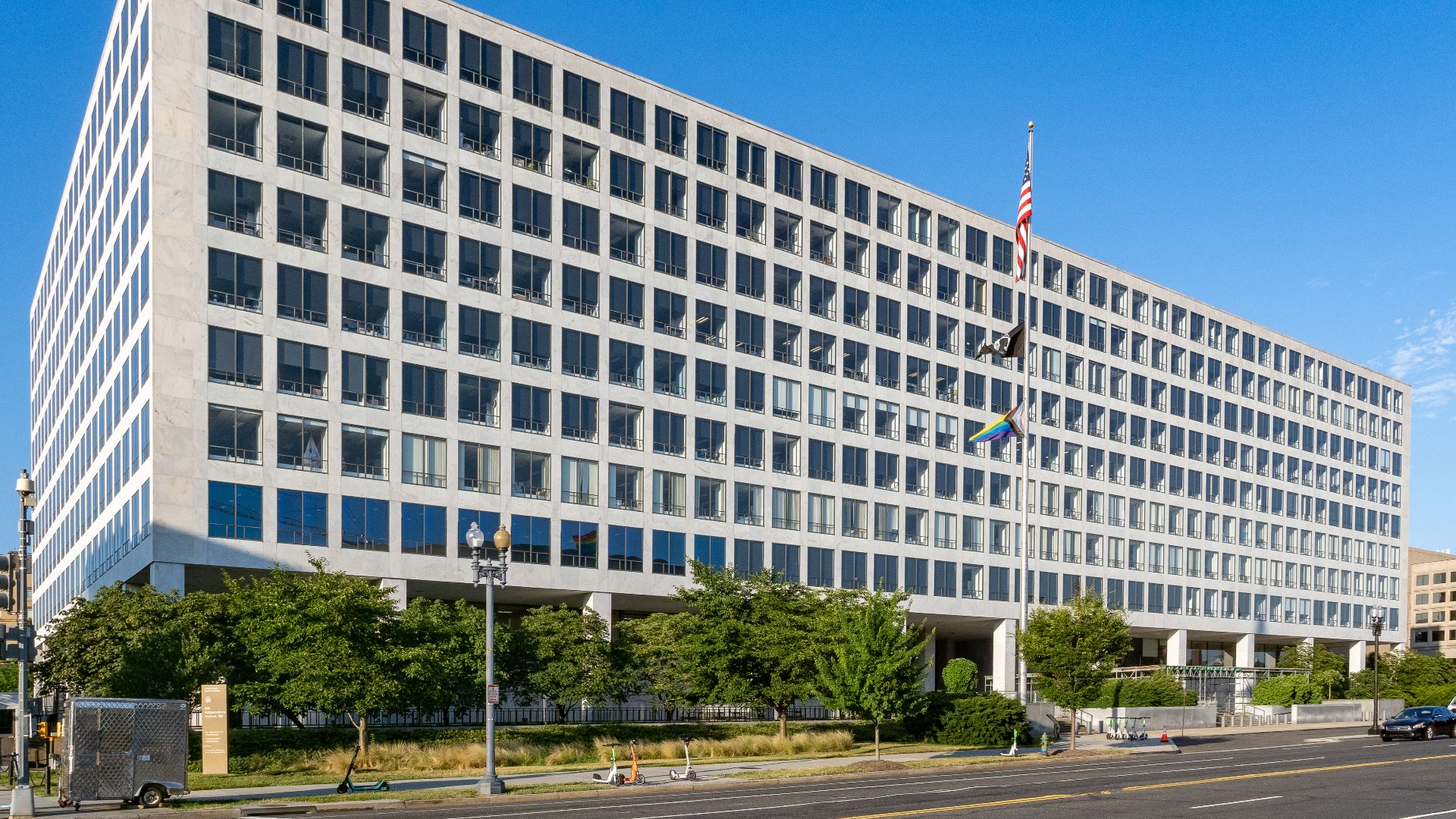
In 2021 alone, the FAA received 5,981 reports of unruly passenger incidents—a record high. Roughly 72% were related to mask compliance at the time. That same year, more than 1,000 of those reports resulted in FAA investigations for potential violations.
 ajay_suresh, Wikimedia Commons
Fines Can Be Massive
The FAA can propose civil penalties of up to $43,658 per violation for unruly passenger cases, and one incident can involve multiple violations. In recent years, proposed fines totaling millions of dollars have been issued against individual passengers. But a lifetime airline ban does not require an FAA fine at all.
 Karolina Grabowska www.kaboompics.com, Pexels
Crew Authority Is Stronger Than You Think
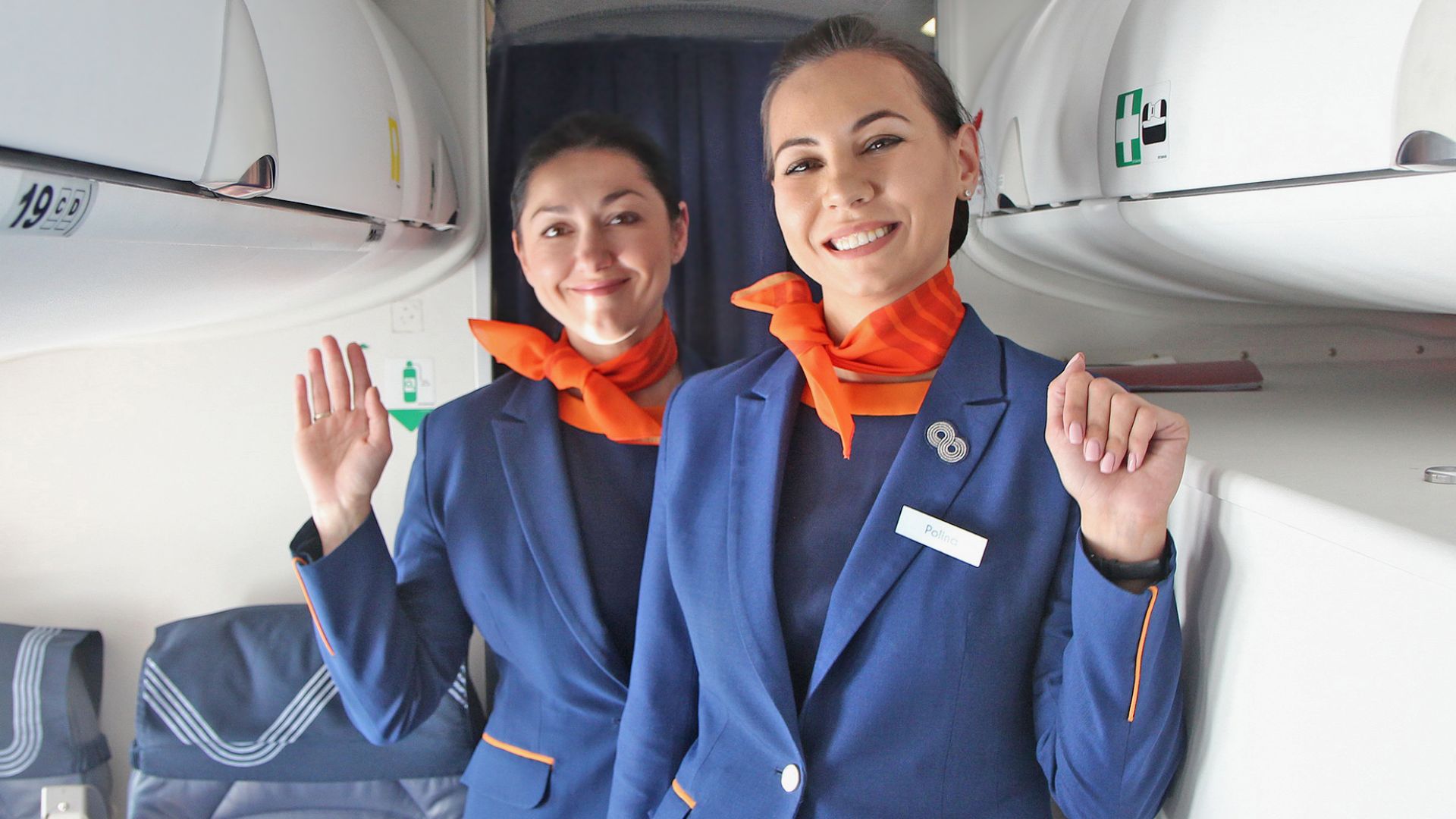
Courts have consistently sided with airlines when crew members report feeling threatened or distracted. Once a report is filed, the airline typically backs its employee. From a legal standpoint, crew discretion carries significant weight in post-incident reviews.
How Bans Actually Happen
Typically, the crew files a report, security or customer relations reviews it, and your frequent flyer account may be flagged. A decision is made internally, often without direct input from the passenger. Then comes the email or letter informing you that future travel is denied.

“For Life” Really Can Mean Forever
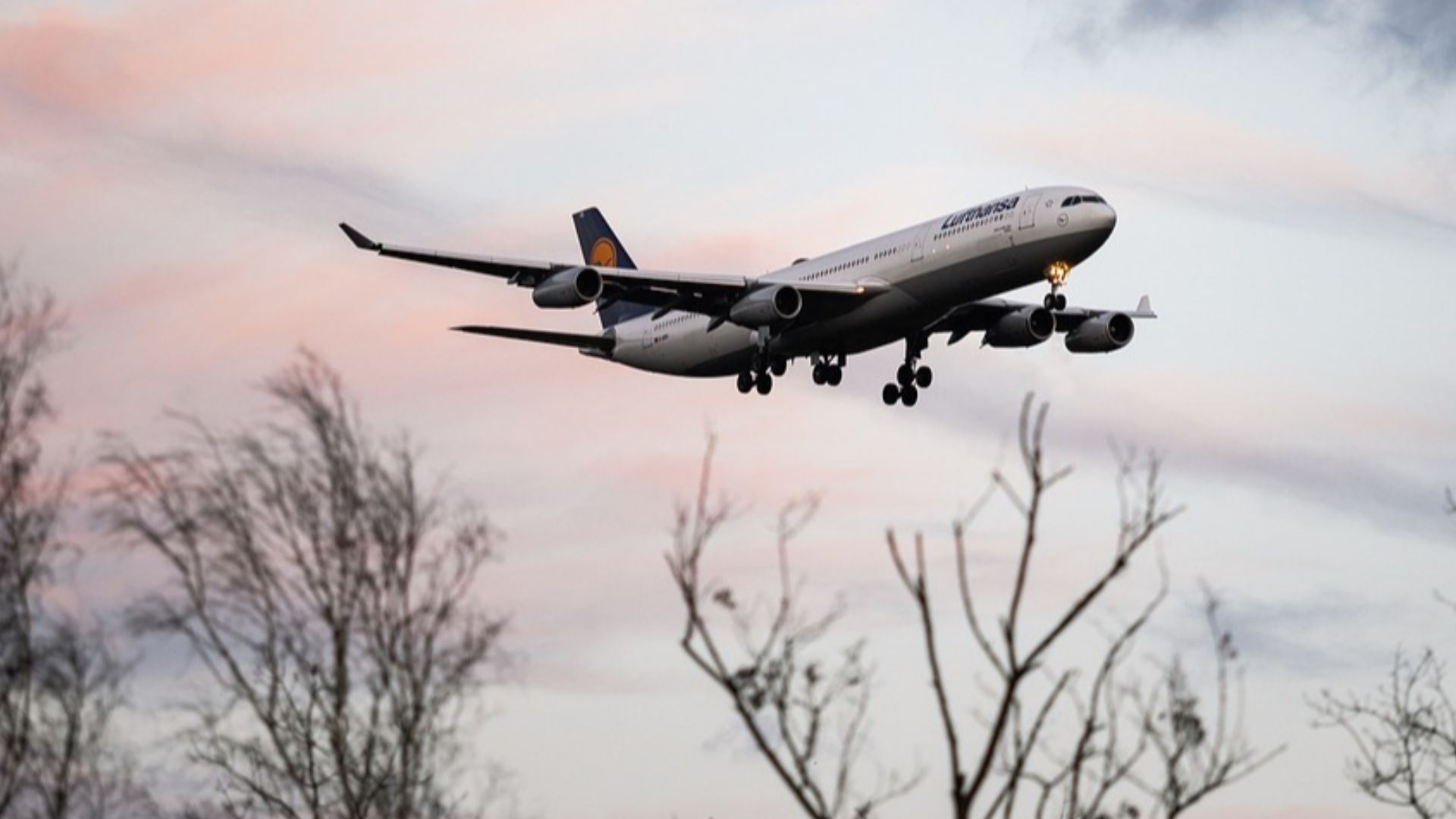
Some airlines use the phrase “indefinite suspension,” while others explicitly say “lifetime ban.” There is no federal limit on how long a private airline can refuse service, as long as the decision isn’t discriminatory under civil rights law.
Airlines Have Used Lifetime Bans Before
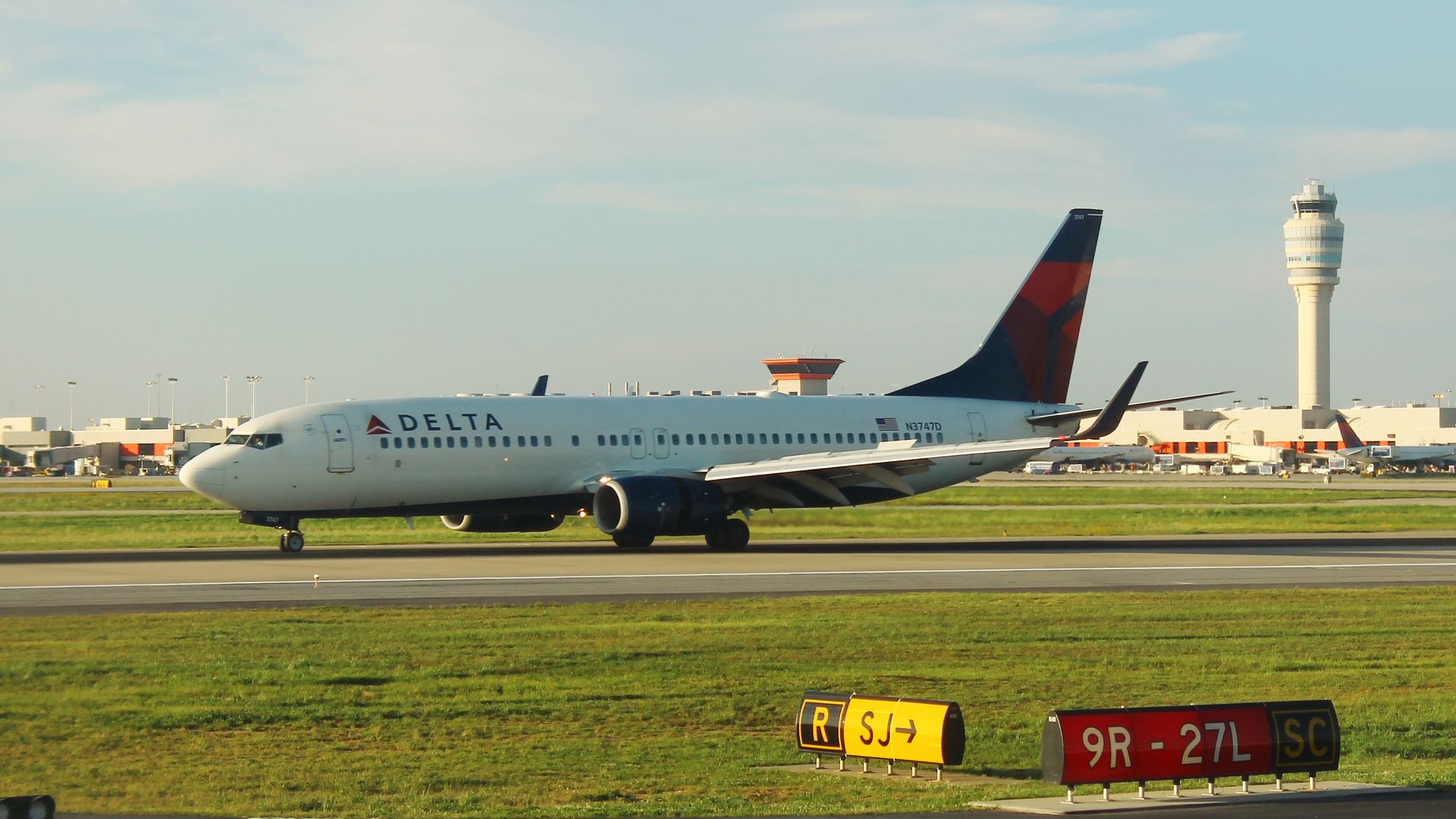
During the peak of unruly incidents, major carriers publicly announced permanent bans. Delta alone reported placing more than 1,600 passengers on its internal no-fly list during the 2021 surge. Lifetime bans are not theoretical—they’ve been used.
 formulanone from Huntsville, United States, Wikimedia Commons
Are There Due Process Protections?
This isn’t a criminal proceeding, and you’re not entitled to a hearing or formal evidence disclosure. Because airlines are private companies, constitutional due process protections generally don’t apply in the same way they would against the government.

Can You Appeal?
Sometimes. Many airlines allow written appeals through customer relations, and in some cases bans are reduced to temporary suspensions. But there is no standardized appeals process across the industry, and airlines are not obligated to reverse their decision.

Do Airlines Share Ban Lists?
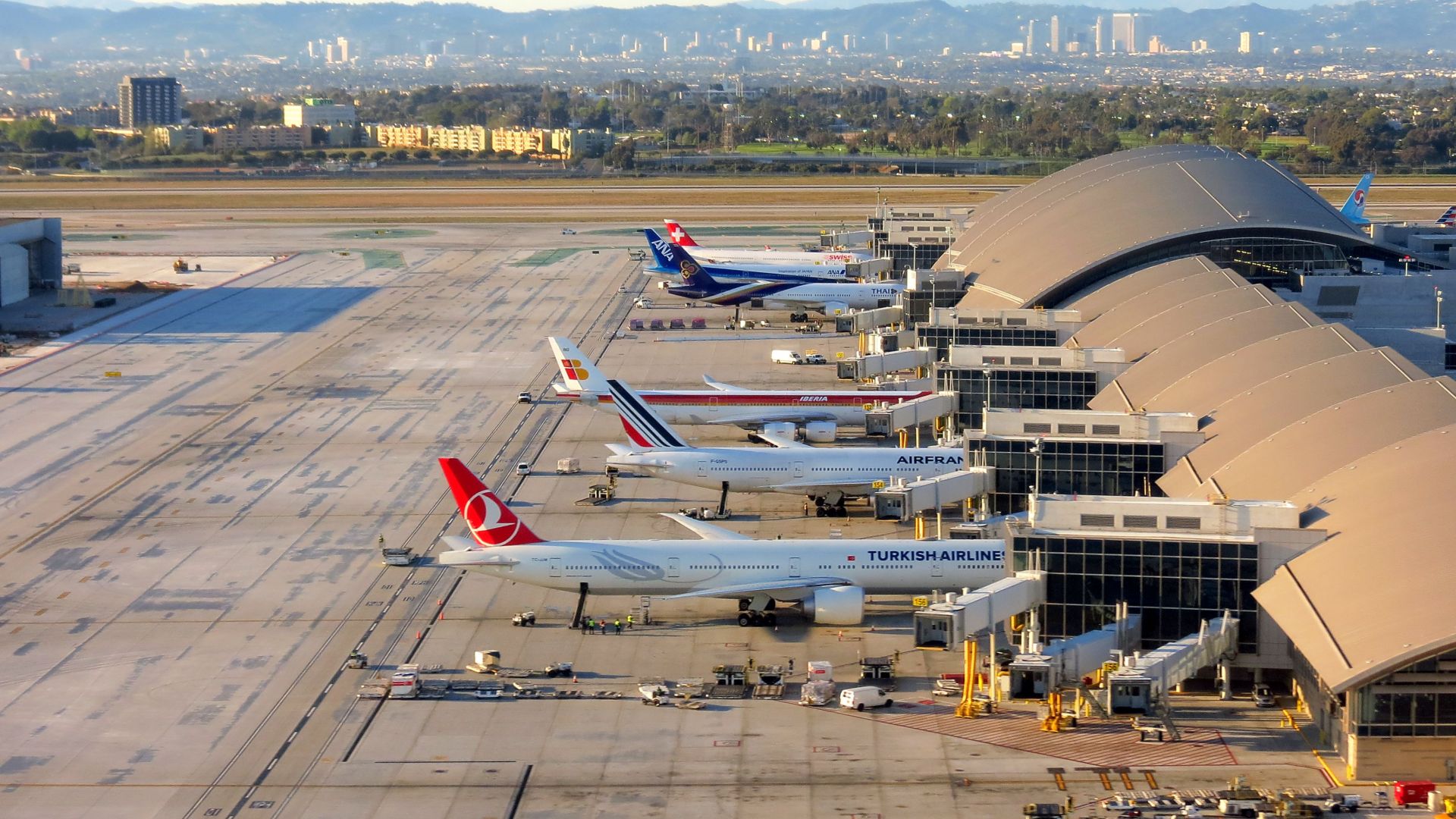
There is no universal, government-run list for airline discipline. While airlines have discussed sharing information during peak disruption periods, bans are typically carrier-specific rather than industry-wide.
 redlegsfan21, Wikimedia Commons
This Isn’t the Same as the Federal No-Fly List
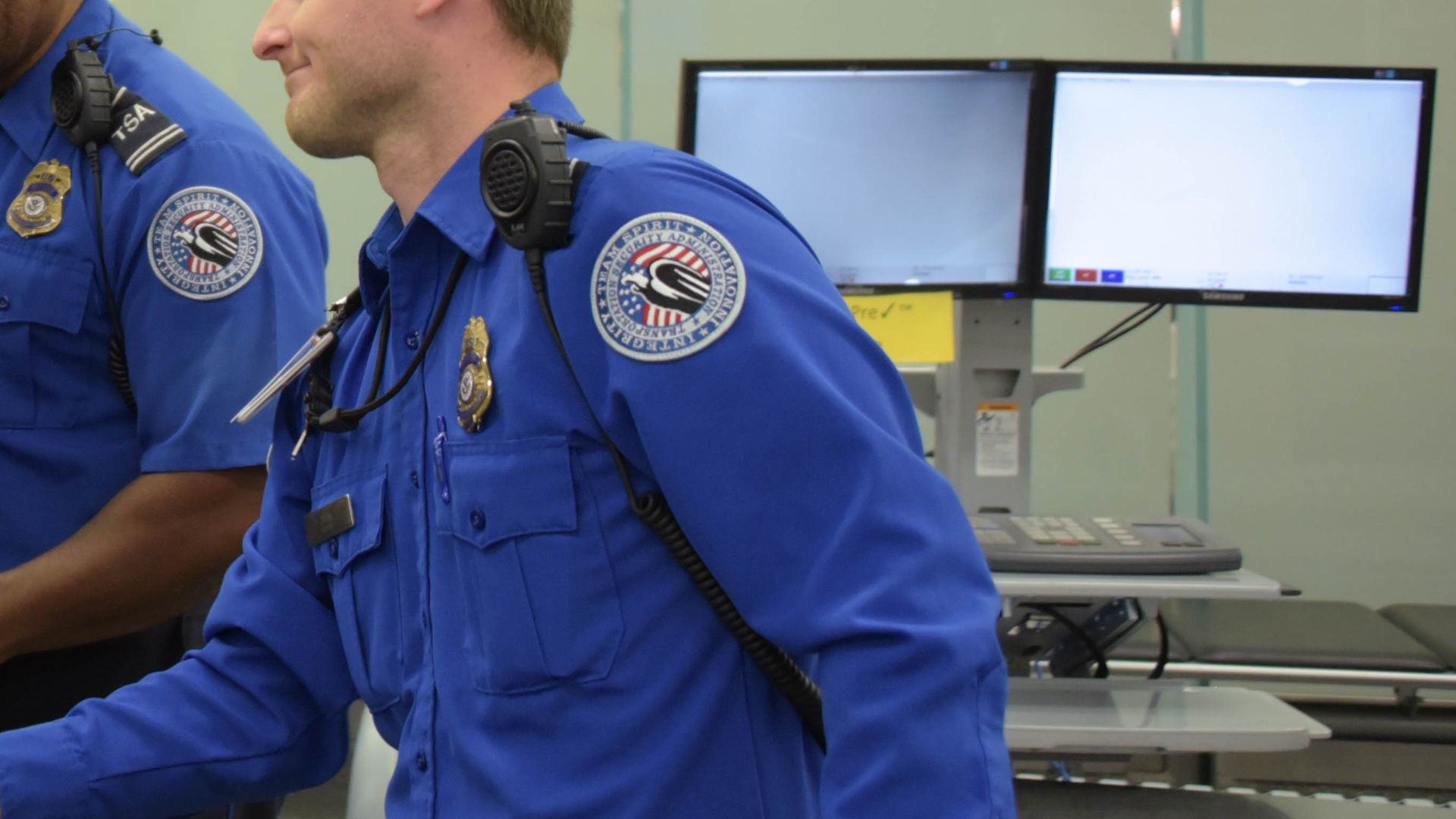
The TSA’s No Fly List relates to national security concerns and is separate from airline discipline. An airline ban is a private business decision. You could be banned from one airline and still legally fly with another.
 U.S. Department of Homeland Security (DHS), Wikimedia Commons
Social Media Doesn’t Help
In several high-profile cases, passengers posted confrontations online only to receive bans shortly afterward. Airlines monitor viral incidents closely, and public documentation can accelerate internal investigations.

Could You Sue?
You can attempt to challenge a ban in court, but judges typically uphold an airline’s contractual right to refuse future service unless discrimination or clear policy violations are proven. Winning such cases is rare and often costly.

So… Can They Really Do That?
In most cases, yes. If your behavior violated the airline’s contract of carriage or was documented as interfering with crew duties, airlines have broad discretion to ban you—even permanently. It may feel extreme, but legally they usually have the upper hand.
The Safer Move
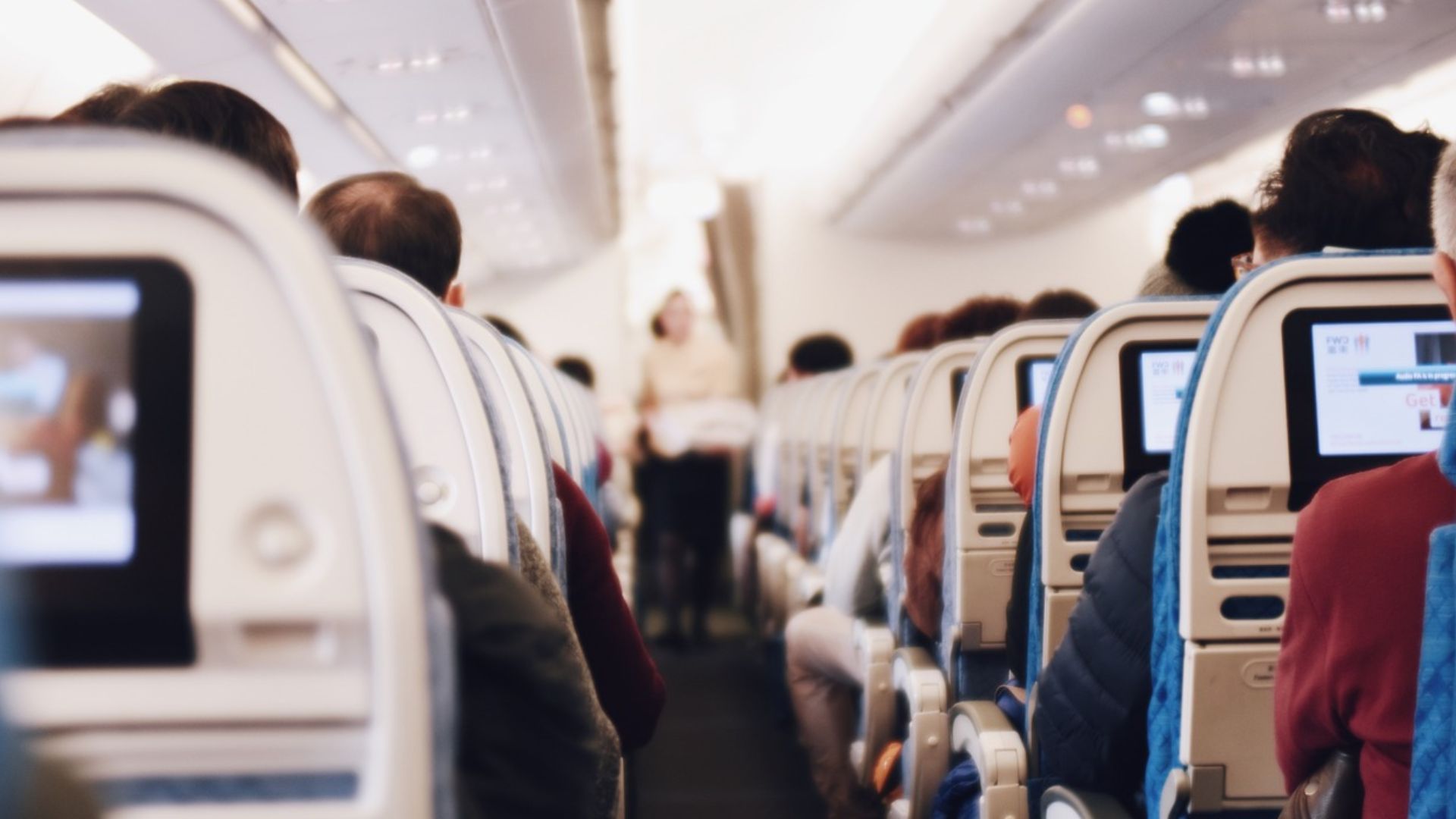
Air travel is one of the most regulated environments you’ll ever enter. If a conflict starts, de-escalation is almost always the smarter choice. Because a few heated minutes at 35,000 feet—or even at the gate—can follow you long after the trip is over. And sometimes, for life.
You Might Also Like:
Data Reveals The Best And Worst Airports In The World—Is Yours On The List?