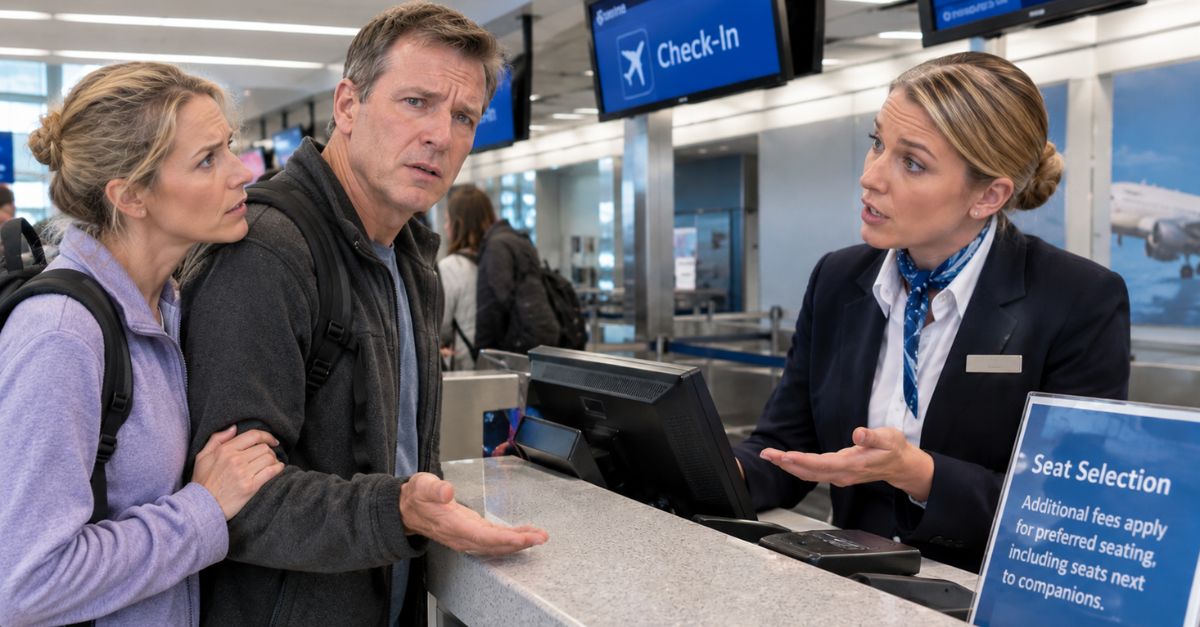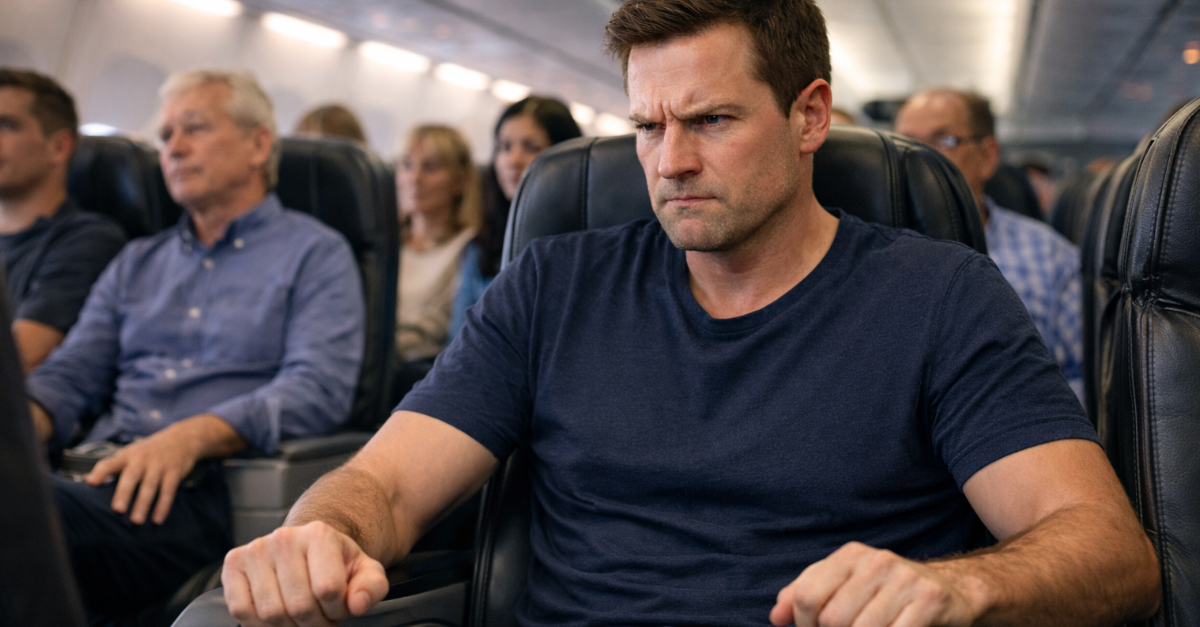
Kicked Off Before Takeoff
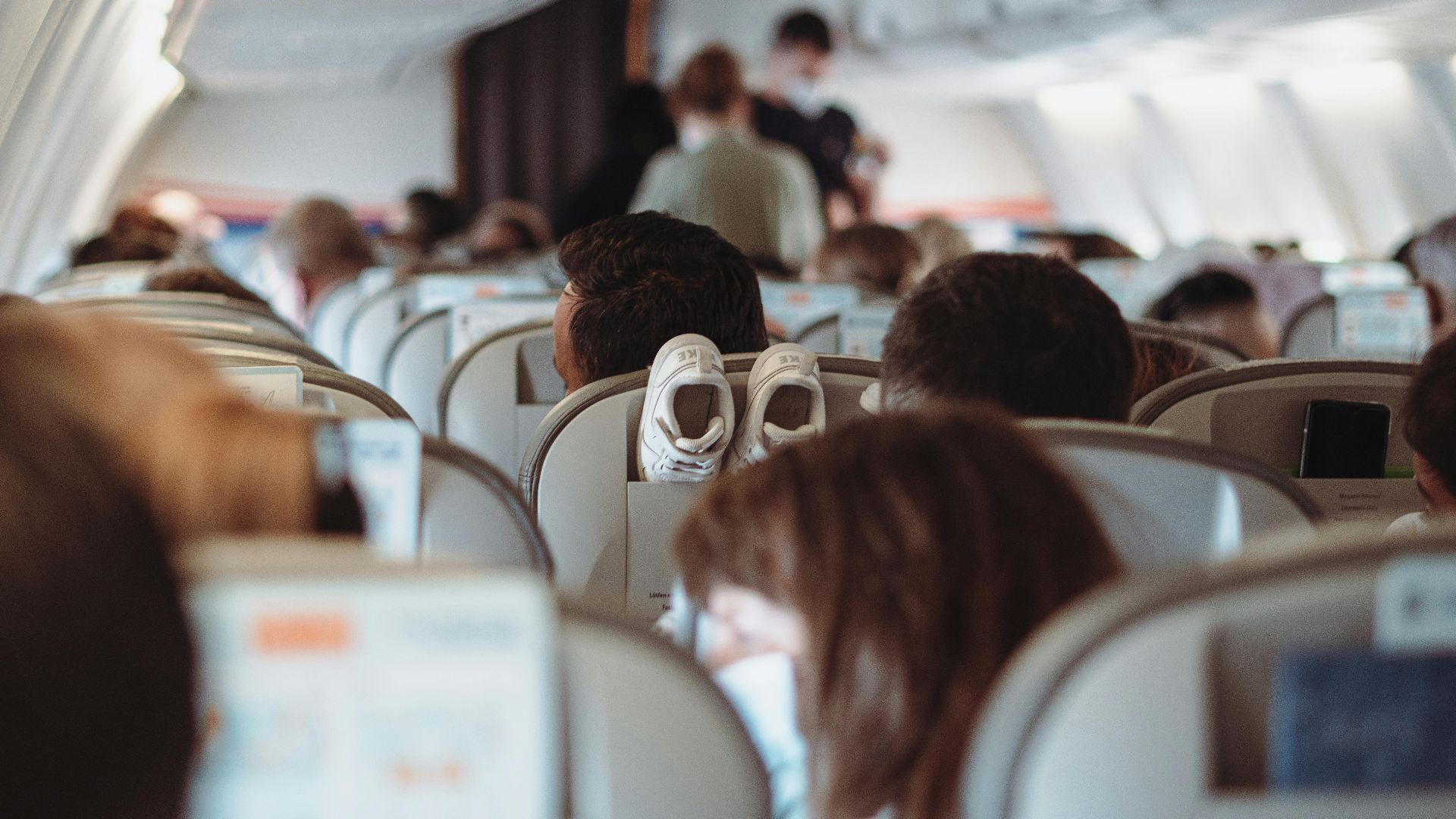
Seat kicking is one of those universal flight annoyances almost everyone has experienced—you assume it’ll stop once the passenger realizes it. When it doesn’t, the frustration builds fast, especially when you’re stuck for hours with nowhere to go. And when the response is “just deal with it,” that frustration goes from annoying to infuriating.
When Polite Hints Don’t Work
Most passengers start subtly—adjusting their seat, glancing back, or shifting around. Sometimes that’s enough. Other times, the kicking continues, leaving you wondering whether it’s accidental, unavoidable, or something you should actually report.

Asking the Flight Attendant
Once a flight attendant is involved, expectations rise. Many passengers assume crew members will step in decisively. But airlines don’t treat seat kicking as automatically serious. It’s usually categorized as a comfort issue, not a safety issue.
 Austrian Airlines, Wikimedia Commons
Why “Just Deal With It” Happens
Flight attendants are trained to prioritize safety, compliance, and cabin control. Annoying behavior that doesn’t threaten those things often gets de-escalated rather than enforced. That’s why responses can feel dismissive—even when the problem is real.
 Archives New Zealand from New Zealand, Wikimedia Commons
What Airlines Actually Consider a Real Problem
Airlines act quickly when behavior interferes with safety, violates crew instructions, or risks escalating into conflict. The FAA defines a disruptive passenger as someone who interferes with crew duties or refuses to comply with instructions—not someone who’s simply inconsiderate.
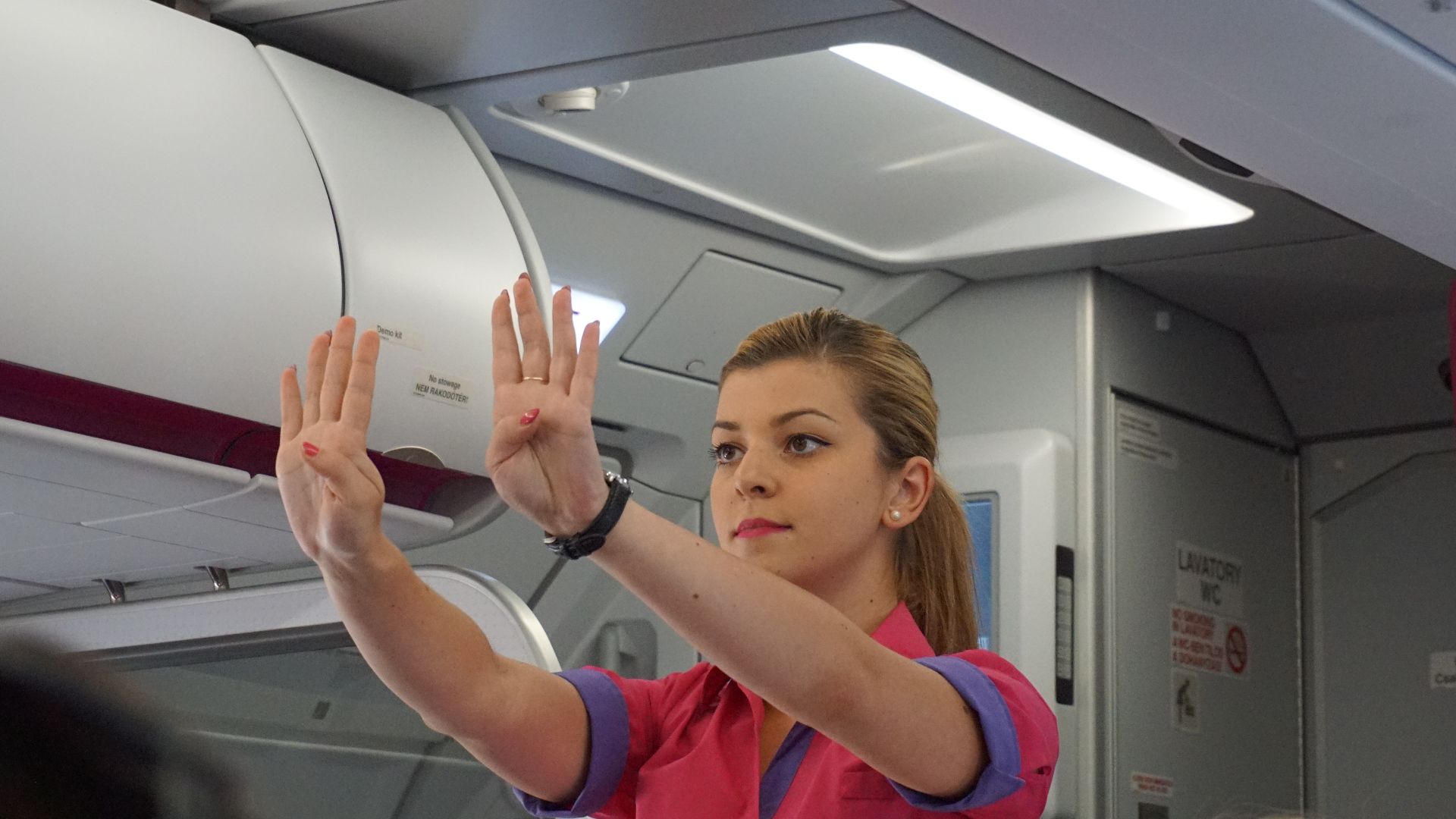 Miguel Discart, Wikimedia Commons
Seat Kicking Alone Rarely Meets That Threshold
Accidental knee bumps or restless feet are common in cramped cabins. Because intent is hard to prove, airlines hesitate to treat seat kicking as misconduct unless it’s clearly deliberate and ongoing after a warning.

The Moment Things Change
Once a flight attendant directly instructs a passenger to stop—and they don’t—it becomes a compliance issue. Refusing a crew instruction can trigger documentation, escalation, or involvement from ground staff after landing.

The Phrasing That Matters
Instead of saying, “They keep kicking my seat,” it’s more effective to say, “I’ve asked them to stop, and it’s continuing. Could you please instruct them directly?” That language signals persistence, not just irritation.
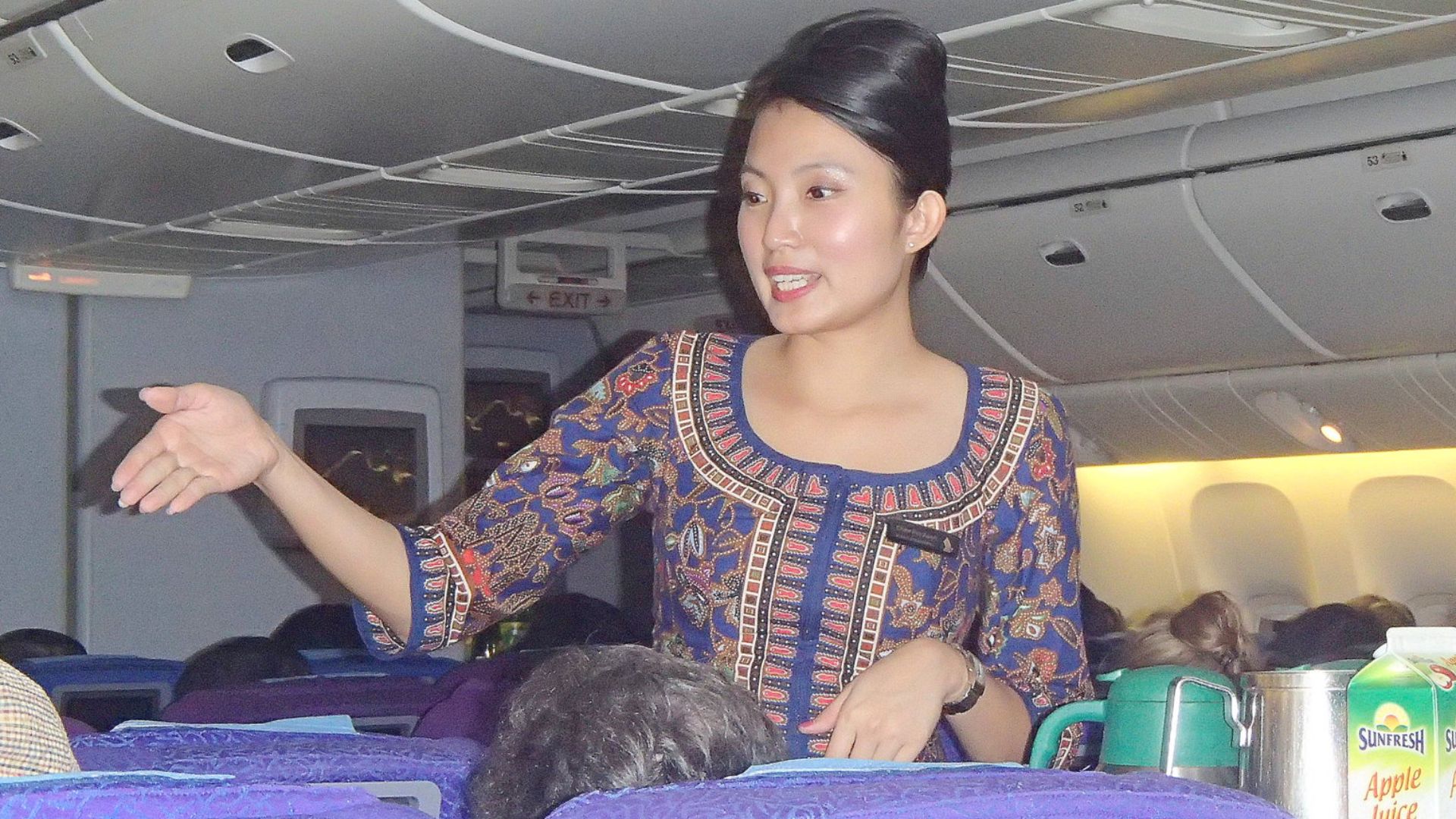 Peter van der Sluijs, Wikimedia Commons
Why You Shouldn’t Confront Them Yourself
As unfair as it feels, direct passenger-to-passenger confrontation often backfires. Flight attendants are trained to prevent conflict between passengers, and visible tension can make them focus more on calming the situation than correcting behavior.

Why Moving Seats Isn’t Always an Option
Reseating sounds simple, but it depends on availability, aircraft balance, and service logistics. On full flights, there may be nowhere to move you—or them—without creating additional problems elsewhere in the cabin.
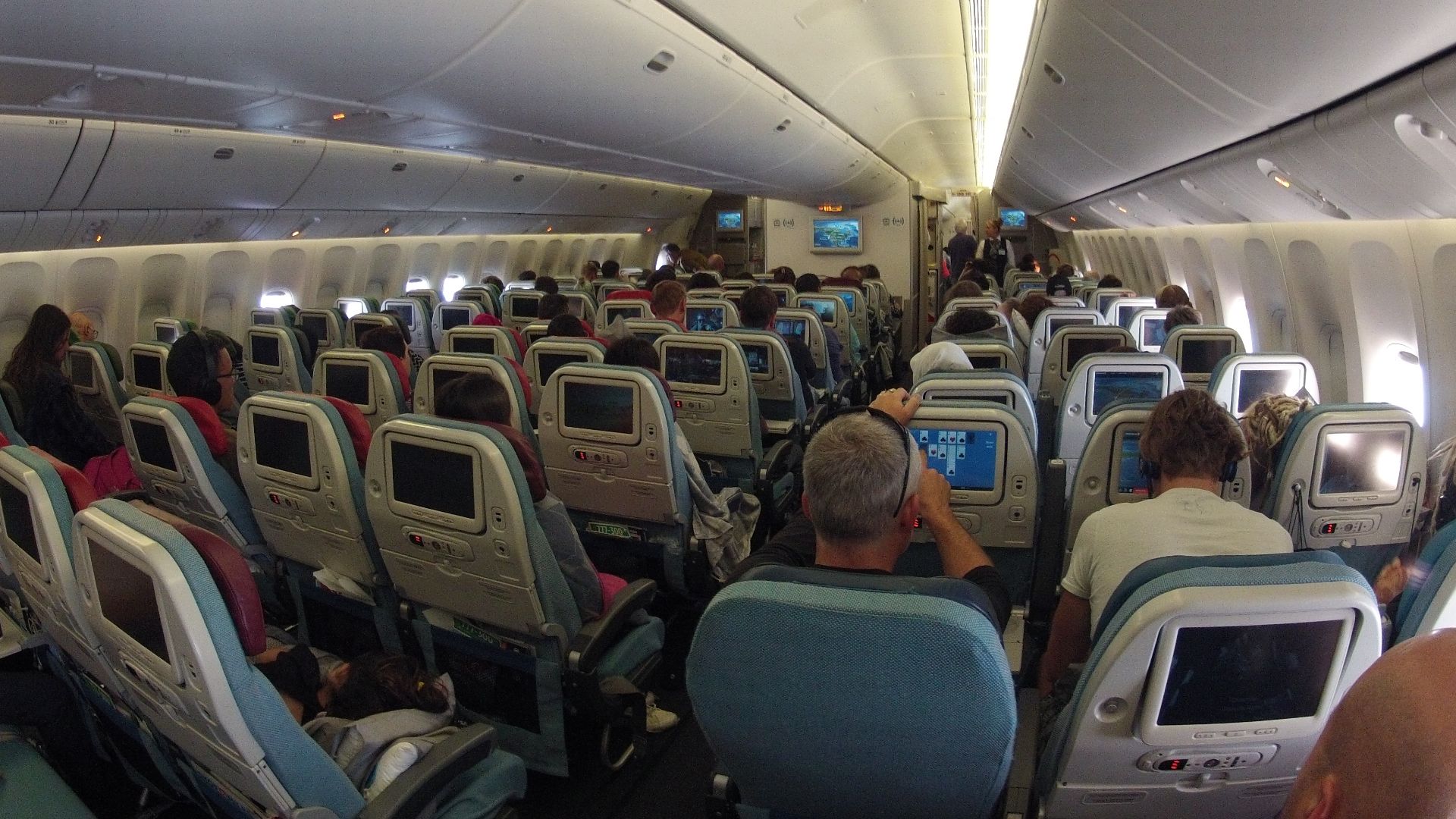 Tobias Kleinlercher / Wikipedia, Wikimedia Commons
What Flight Attendants Are Really Balancing
Cabin crew must manage dozens of competing needs while maintaining order. As one former flight attendant told The Washington Post, not every bad behavior is enforceable—but every escalation is preventable.
 Amiroslaf Dosh, Wikimedia Commons
Why Staying Calm Sometimes Hurts Your Case
Ironically, remaining calm can make an issue seem less urgent. Flight attendants often intervene more decisively when a situation shows signs of escalating, even though calm passengers are trying hardest to do the right thing.
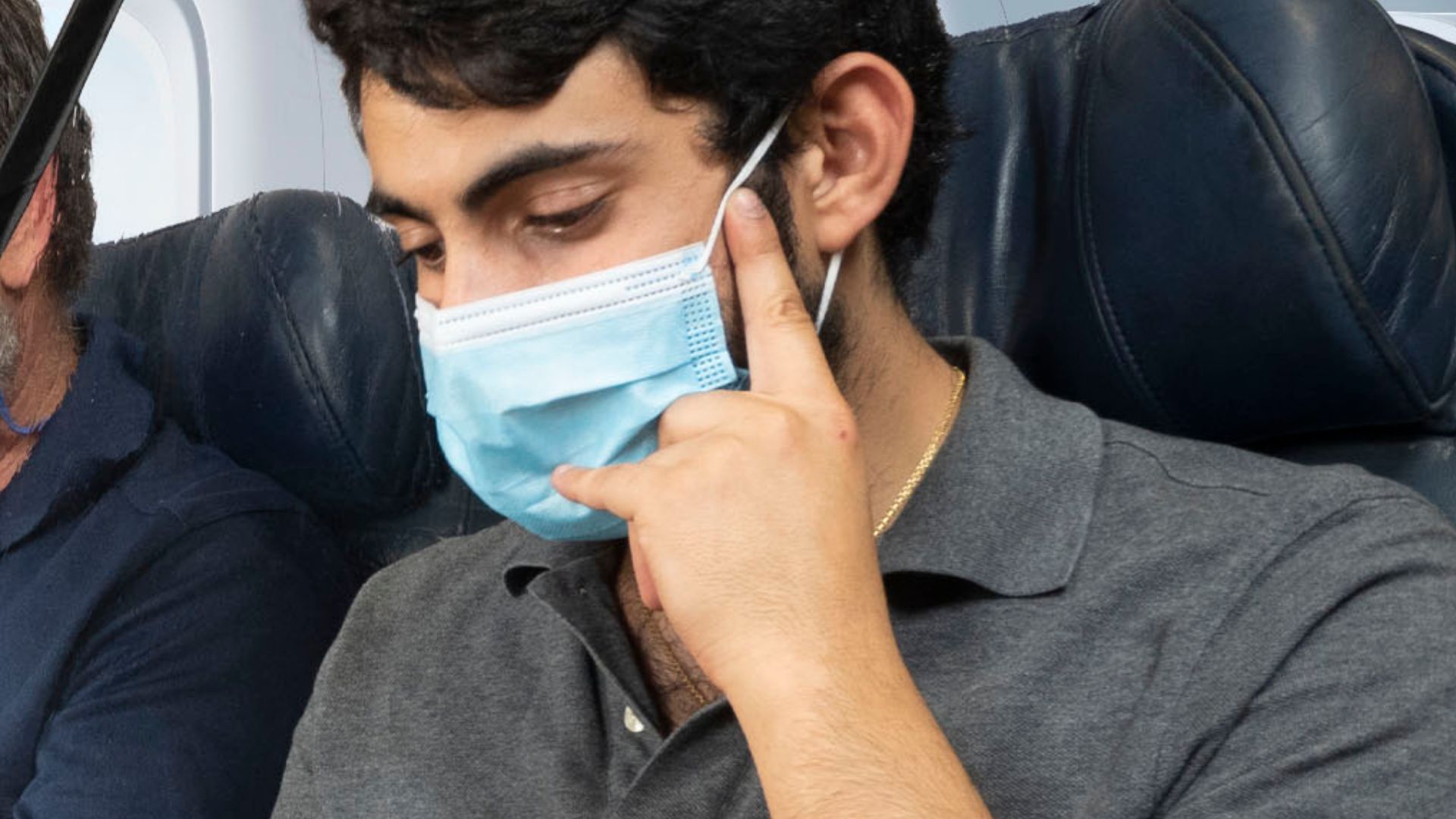
When Seat Kicking Becomes Harassment
Repeated, intentional kicking—especially after warnings—can be logged as disruptive behavior. Airlines document these incidents internally, which can affect how future complaints or compensation requests are handled.
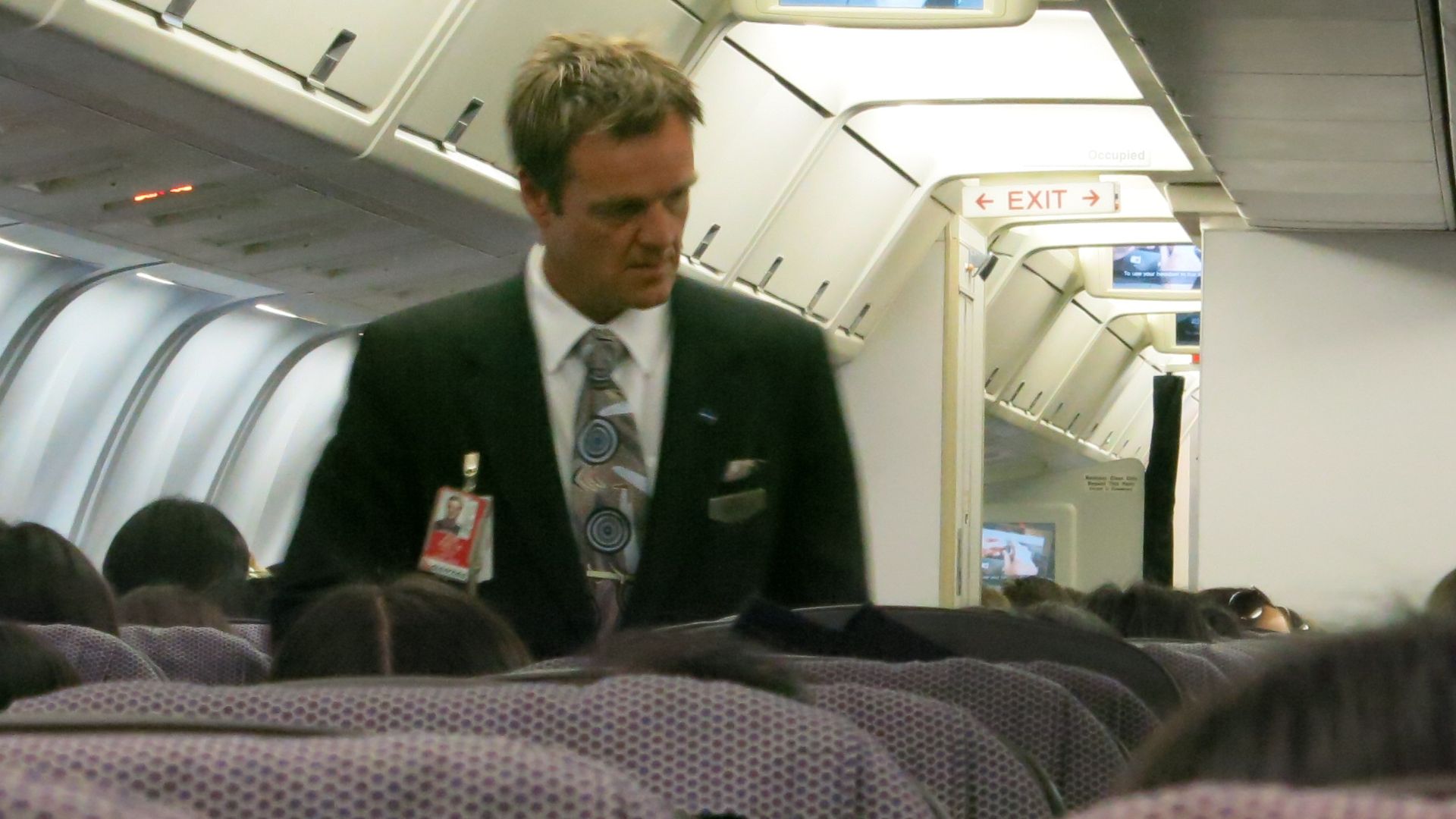 Douglas Paul Perkins, Wikimedia Commons
Quiet Documentation Helps Later
You don’t need photos or video. Just note the flight number, seat numbers, and how often the behavior occurred. This information is useful if you file a complaint after landing, when airlines are more flexible.

Why Onboard Resolution Is Limited
Once the aircraft is in the air, options shrink. Flight attendants can warn, reseat, or monitor—but they can’t refund tickets or issue credits mid-flight. Those decisions happen later, through customer relations.
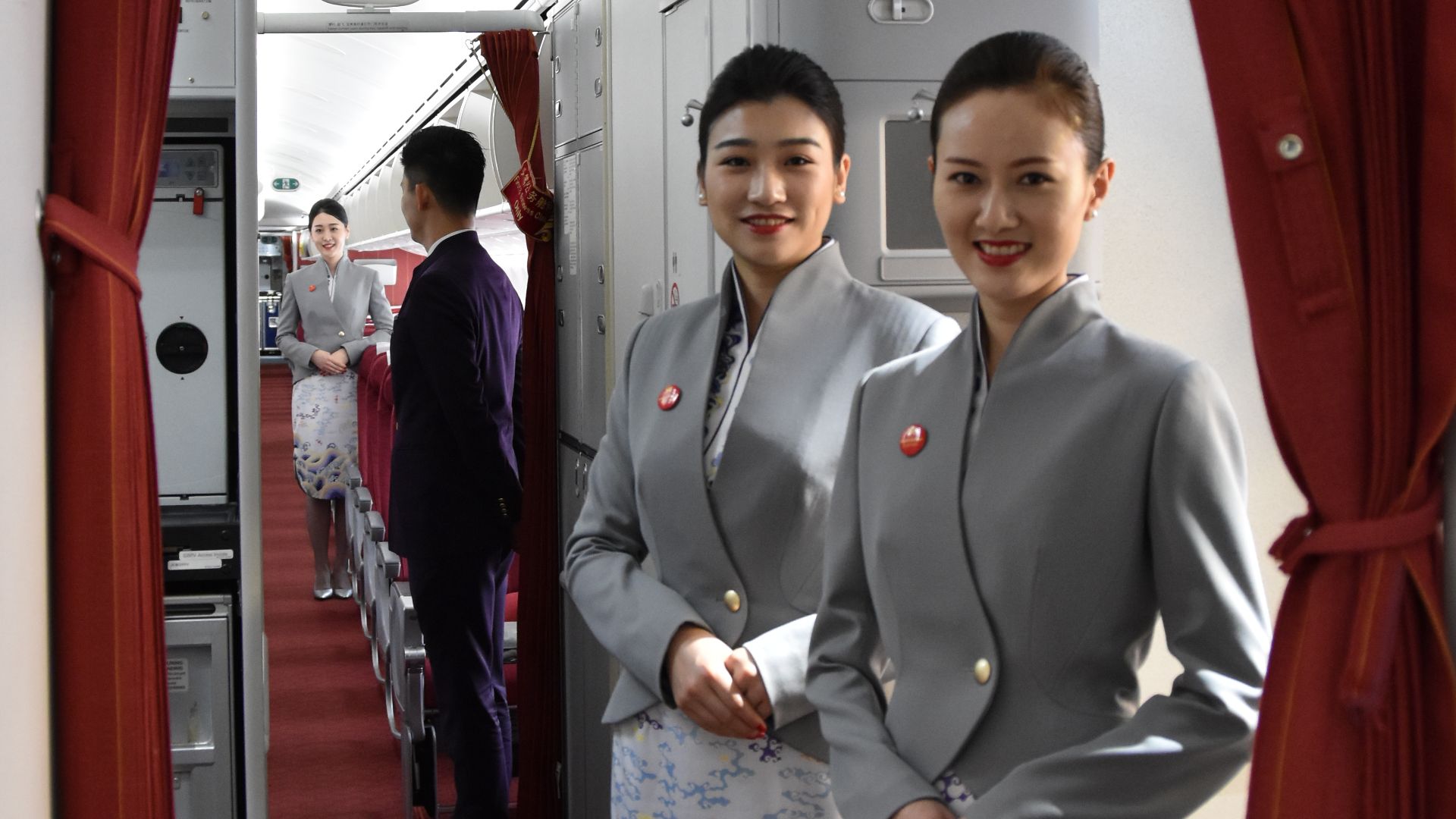 Brussels Airport from Belgium, Wikimedia Commons
Where Complaints Actually Work
Post-flight complaints submitted through official airline channels are more likely to result in miles, credits, or apologies—especially when details are specific and calm.

What Frequent Flyers Say Works Best
Seasoned travelers recommend reporting early, using neutral language, and avoiding emotional framing. The goal isn’t to win—it’s to get the issue formally acknowledged by the crew.

Why This Problem Is Getting Worse
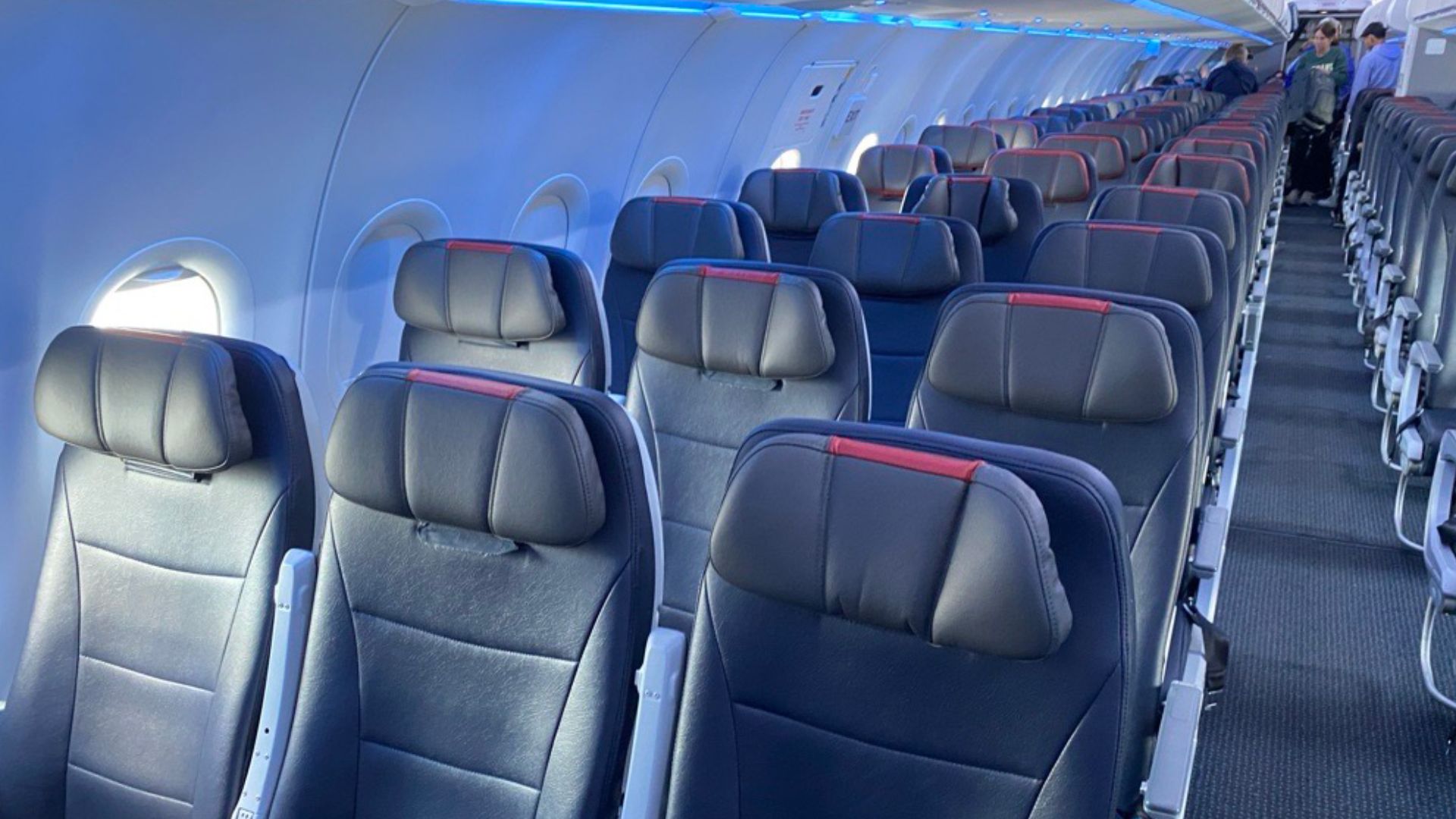
Seat pitch has shrunk significantly over the decades. Average economy seat spacing has dropped from about 34 inches in the 1980s to as little as 28–30 inches on many aircraft today, making accidental contact far more likely.
When “Just Deal With It” Is the Policy
Airlines rarely admit it, but tolerating minor discomfort is baked into modern air travel. Unless behavior threatens safety or order, passengers are often expected to endure it.
You Weren’t Wrong to Be Upset
Feeling dismissed doesn’t mean you were being unreasonable. It means airline priorities don’t always align with passenger comfort—especially in crowded cabins.

The Real Takeaway
You did have options—but they were limited by how airlines define problems. The best leverage often comes after the flight, not during it.
You Might Also Like:
The New Airline Rules Coming in 2026 That Will Affect How Everyone Travels From Now On