
You Worked Remotely In Europe On A Tourist Visa — Did You Just Break The Law?
You answered emails from a café in Rome. Took Zoom calls from a Paris apartment. Maybe wrapped up a few projects while “on vacation.” Then your dad hits you with: “That’s illegal.” So… did you accidentally commit immigration fraud?

First: Tourist Visas Have Clear Limits
Tourist visas (or visa-free stays under programs like Schengen) are generally for leisure, visiting family, or short-term travel. They do not authorize employment within the country you’re visiting.
But there's more to it than that.
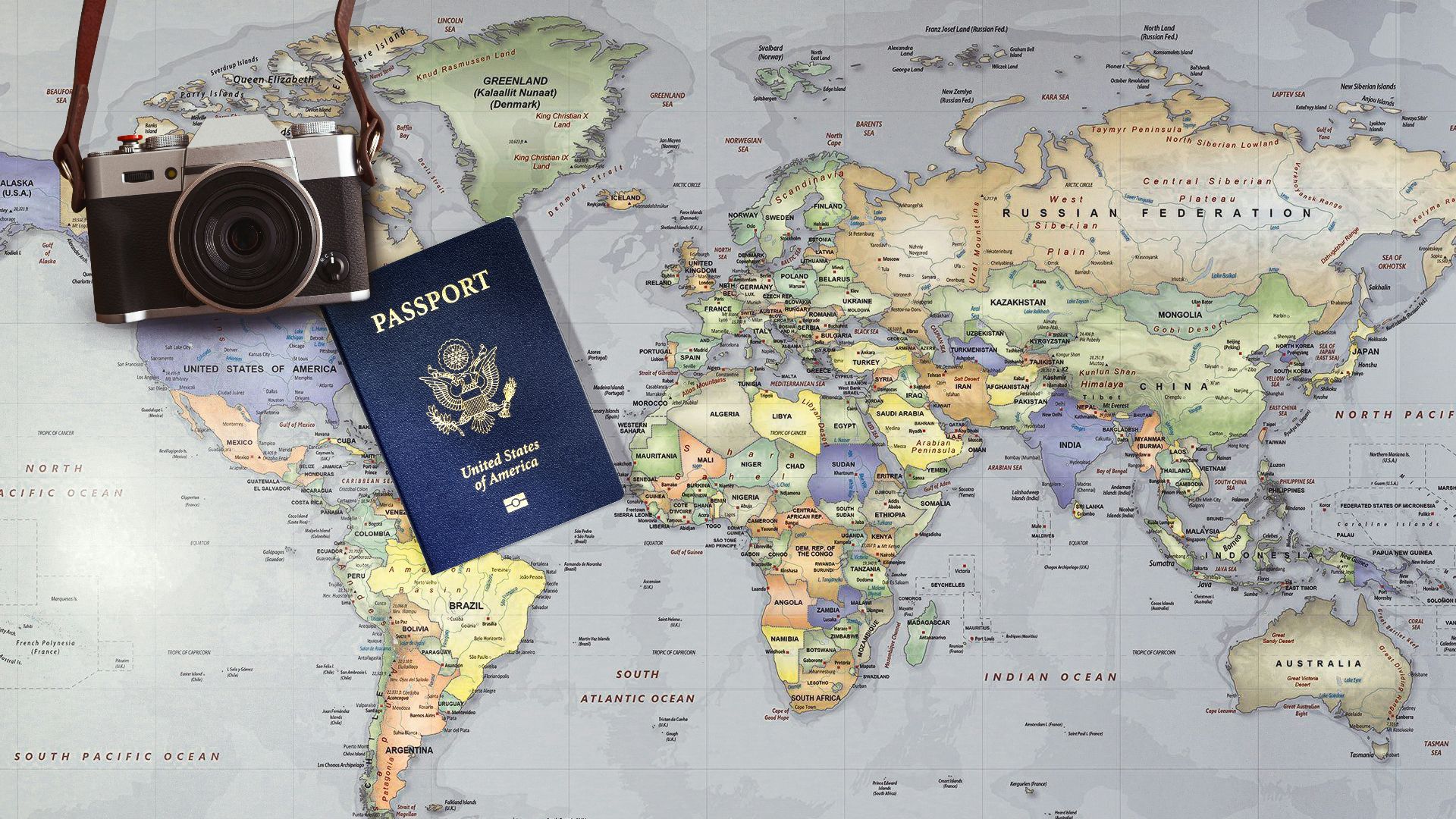 Global Residence Index, Unsplash
But What Counts As “Work”?
Here’s where it gets complicated. Most countries define “work” as engaging in local employment or economic activity within their labor market. That typically means working for a company in that country or earning income from local clients.

Remote Work Lives In A Gray Area
If you’re employed by a company in your home country and simply logging in remotely while physically abroad, you’re not entering the local job market. That’s where the legal gray zone begins.

Did You Work For A Local Company?
If you were paid by a European employer or contracted directly with clients in that country while on a tourist visa, that’s far more likely to violate visa rules.

What About Just Answering Emails?
Casually responding to work emails or checking in during a short trip is unlikely to attract legal scrutiny. Immigration enforcement agencies are generally focused on unauthorized local employment.
 Stephen Phillips - Hostreviews.co.uk, Unsplash
The Schengen Reality
Most European tourist stays fall under the Schengen Area’s 90-day rule. Schengen visas don’t authorize employment. But enforcement largely targets people working locally without proper permits.
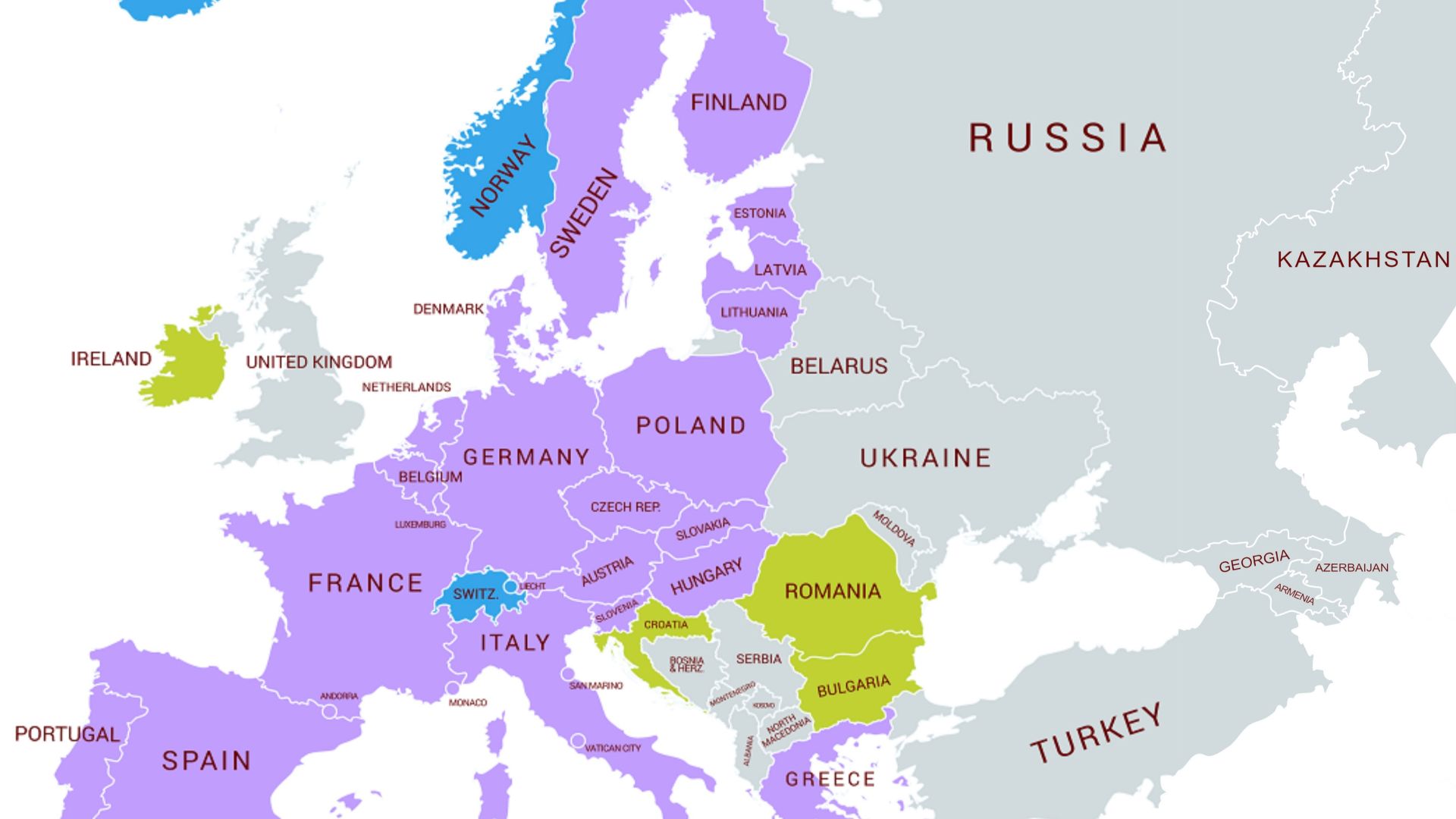 https://www.schengenvisainfo.com/, Wikimedia Commons
Why Countries Care
Immigration laws exist to protect domestic labor markets and ensure proper taxation. Governments want to prevent visitors from taking local jobs without work authorization.

Digital Nomads Changed The Conversation
In recent years, remote work has blurred the lines. Many countries now offer specific “digital nomad visas” designed for remote workers employed abroad.

Without A Digital Nomad Visa
If you worked remotely without a specific visa allowing it, you may have technically violated visa conditions — depending on the country’s interpretation of remote employment.
 Tran Mau Tri Tam tranmautritam, Wikimedia Commons
Is It Commonly Enforced?
In practice, enforcement against tourists quietly working for foreign employers is rare. Immigration officials generally focus on people employed locally or overstaying their visa.

Could There Be Tax Issues?
Possibly. Extended stays while earning income can create tax residency questions. Most short tourist visits don’t trigger this, but longer stays could complicate matters.

What Would Trigger Problems?
Openly advertising remote services locally, invoicing local clients, or staying beyond permitted time limits is much more likely to create legal risk than quietly working online for a foreign company.

Why Your Dad Might Think It’s Illegal
On paper, most tourist visas prohibit work. He’s not wrong that tourist status doesn’t technically authorize employment activity.

Why It’s Not So Black-And-White
Remote work for a foreign employer doesn’t always fit neatly into traditional “employment” definitions used in immigration law. That’s why countries are still adapting policies.

Could You Be Banned?
If authorities determined you violated visa terms, future visa approvals could be affected. However, for short, low-profile remote work, consequences are uncommon.

Should You Be Worried Now?
If your stay was within legal time limits and you weren’t working for local employers, your risk is likely low. Most casual remote work while traveling goes unnoticed.

What’s The Safer Approach?
If you plan to work abroad for an extended period, look into digital nomad or remote work visas. Many European countries now offer legal pathways specifically for this.

The Bottom Line
Technically, tourist visas don’t authorize work. In practice, remote work for a foreign employer during a short visit exists in a gray zone and is rarely enforced. Your dad isn’t entirely wrong — but it’s not usually treated like a major immigration crime either.

You May Also Like:
I booked “hidden city” flights to save money, but my dad says airlines can ban me for that—is that actually true?
My friend says TSA can’t make you unlock your phone. My cousin says they absolutely can at some airports. Who’s telling the truth?