


Where Getting Legal Permission To Work Abroad Isn’t a Nightmare
Working abroad sounds amazing in theory, getting to experience a new culture, new paycheck, new perspective. In practice, though, everything hinges on one thing: the work visa. Some countries bury applicants in red tape, vague requirements, and long wait times. Others actively want foreign workers and have built systems that are relatively clear, predictable, and realistic for regular people to navigate.
Based on expat reports, immigration policy data, and factors like demand for foreign workers and processing timelines, here are 20 countries that make getting a work visa easy.

20. Czech Republic
The Czech Republic isn’t the easiest place on earth for work visas, but compared to much of Europe, it’s refreshingly manageable. Most non-EU applicants need a job offer first, but once secured, the paperwork is fairly standardized. Prague and Brno have growing demand for IT professionals, engineers, and service-industry workers. Processing times can be slow, but expats say the system is logical, and costs of living remain lower than in Western Europe.

19. Norway
Norway’s work visa system is structured, not loose, but for skilled workers, it’s surprisingly approachable. Applicants typically need a job offer and relevant qualifications, especially in energy, maritime industries, healthcare, and tech. The upside is clarity: requirements are well defined, salaries are high, and workers enjoy strong protections. While cost of living is steep, expats say the visa process itself feels fair and transparent.

18. Ireland
Ireland is a favorite among English-speaking expats for a reason. Its Critical Skills Employment Permit targets high-demand roles like tech, healthcare, engineering, and finance, with relatively fast processing times. There’s no age cap on many permits, and long-term residency pathways are clear. Add in a friendly culture and global employers headquartered in Dublin, and Ireland becomes a very realistic option for working abroad.

17. Luxembourg
Luxembourg may be small, but it punches well above its weight when it comes to expat employment. The country actively recruits foreign workers across finance, EU administration, logistics, and tech. Visa requirements are clearly outlined, and multilingual workplaces help ease integration. For professionals with experience, securing sponsorship here is often easier than expected, especially given the country’s chronic labor shortages.
 Krzysztof Golik, CC BY-SA 4.0, Wikimedia Commons
16. South Korea
South Korea offers some of the most straightforward work visa paths in Asia, particularly for teachers, engineers, and skilled professionals. The E-2 visa for English teachers is one of the most well-known and accessible routes globally. Other visas, like the E-7 for specialized roles, are also common. While paperwork can be detailed, expats say the system is predictable — and employers often guide applicants step by step.
 Emile-Victor Portenart, CC0, via Wikimedia Commons
15. Singapore
Singapore runs an extremely efficient work visa system, especially if you’re qualified. The Employment Pass is digital, fast, and transparent, with clear salary thresholds and eligibility rules. Professionals in finance, tech, healthcare, and engineering find Singapore especially welcoming. While competition exists, the government’s streamlined approach means fewer surprises and faster decisions than in many countries.

14. China
China’s Z work visa is relatively easy to obtain if you already have an employer sponsor. Teaching, manufacturing, engineering, and business roles are common entry points. Major cities like Shanghai, Beijing, and Shenzhen have well-established expat systems and agencies that handle much of the paperwork. While regulations can change, the overall process is familiar territory for employers and expats alike.

13. Netherlands
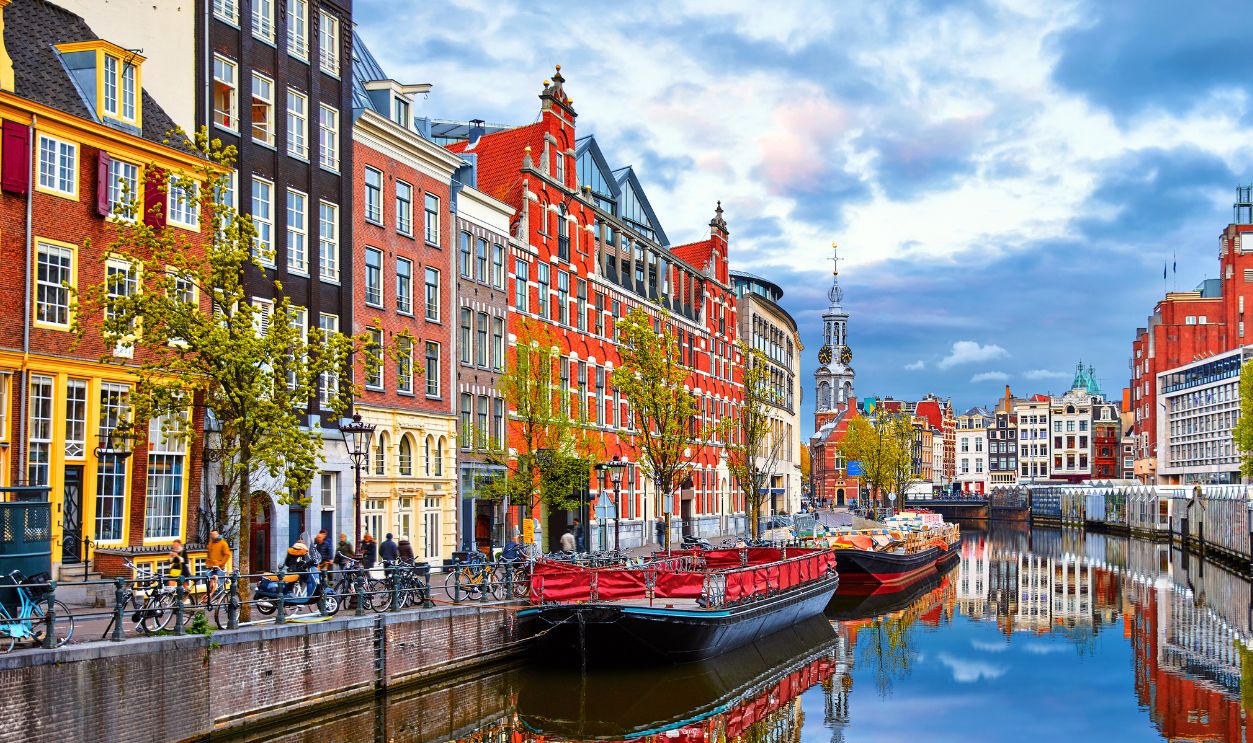
The Netherlands is one of Europe’s most expat-friendly work destinations. The Highly Skilled Migrant visa allows employers to sponsor foreign workers with minimal bureaucracy, and English is widely used in the workplace. Startup visas and orientation-year permits for graduates add flexibility. Expats consistently praise the country for clarity, efficiency, and a genuinely welcoming attitude toward international professionals.
12. Germany
Germany has worked hard to open its labor market to foreign talent. The EU Blue Card, Skilled Worker Visa, and recent immigration reforms make it easier for non-EU citizens to work legally. Engineers, healthcare workers, IT professionals, and tradespeople are especially in demand. While German bureaucracy has a reputation, expats say the system is logical, and permanent residency pathways are well established.
 Georgfotoart, CC BY-SA 4.0, Wikimedia Commons
11. Poland
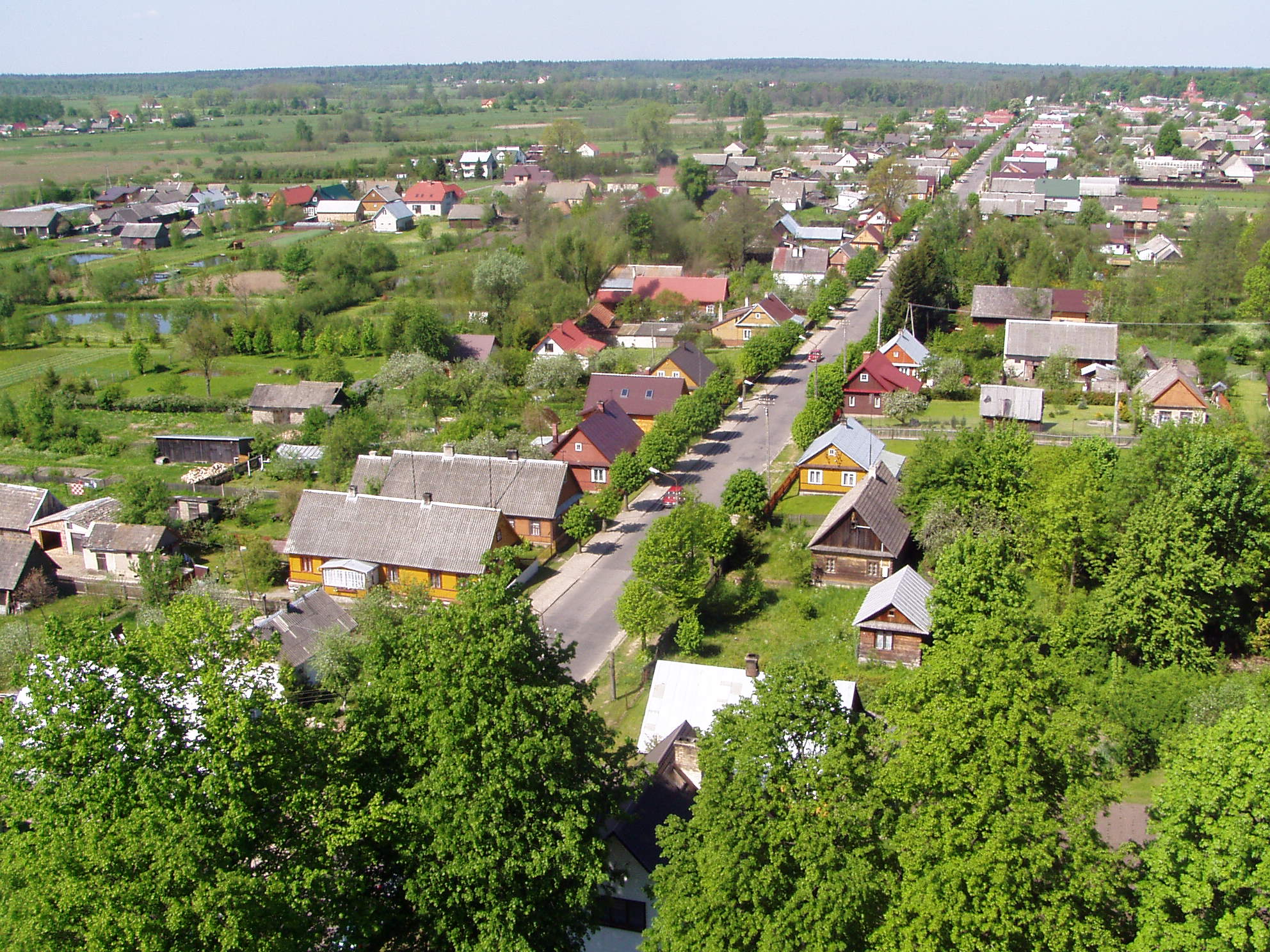
Poland has become an increasingly popular destination for foreign workers, especially within manufacturing, logistics, IT, and service sectors. Work permits are employer-driven but relatively quick to process. Costs of living remain lower than in Western Europe, making the move financially appealing. For many expats, Poland serves as an accessible gateway into the broader European job market.
 Unknown Author, CC BY-SA 3.0, Wikimedia Commons
10. Estonia
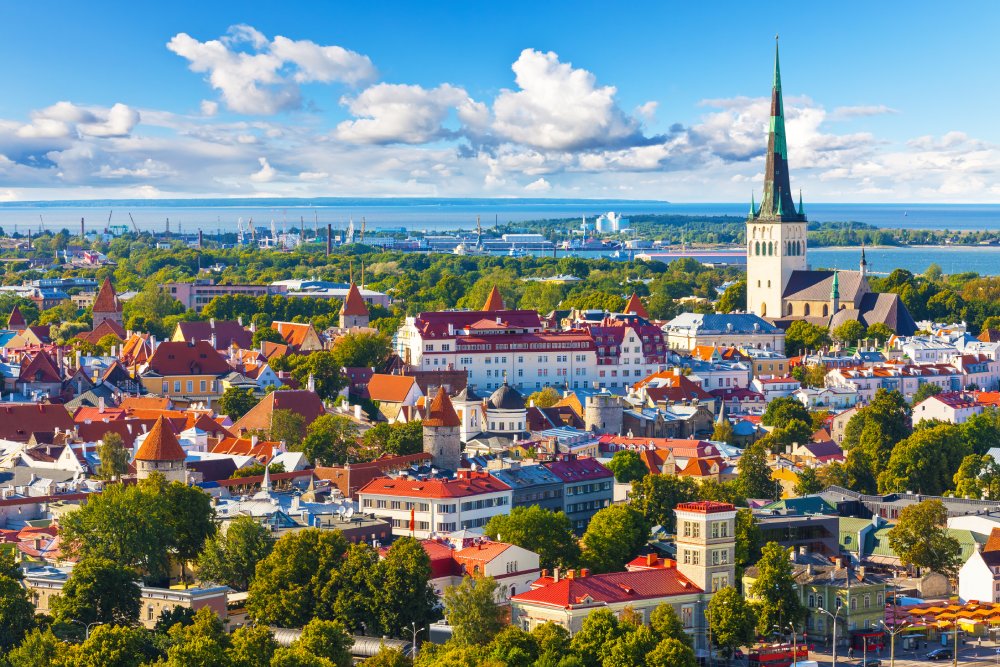
Estonia’s digital-first mindset makes its visa system feel modern and refreshingly simple. The country offers work visas for skilled professionals, startup founders, and digital nomads. Applications are largely online, processing is efficient, and bureaucracy is minimal by European standards. Estonia actively markets itself to international workers and backs that up with policies that actually work.
9. Spain
Spain has recently revamped its immigration laws to attract more foreign workers, freelancers, and remote employees. New digital nomad and work permits make legal employment more accessible than ever. While bureaucracy still exists, the overall direction is expat-friendly. Combined with affordable living in many regions and a strong quality of life, Spain is climbing fast on work-visa rankings.

8. Colombia
Colombia stands out in Latin America for how approachable its work visa system is. Professionals with a degree and a job offer can often secure a visa without excessive financial requirements. Cities like Medellín and Bogotá have thriving expat communities, growing tech scenes, and affordable living costs. For many, Colombia feels less intimidating than other international work destinations.
 KEVIN CASTANEDA VILLAMIL, CC BY-SA 4.0, Wikimedia Commons
7. Japan
Japan’s work visa system is more structured than flexible, but once you qualify, the process is clear. Skilled professionals, engineers, teachers, and language instructors are especially welcome. Japan offers multiple work visa categories and long-term residency options. While cultural adaptation takes effort, expats say the visa process itself is consistent and dependable.
 David Kernan, Wikimedia Commons
6. Portugal
Portugal has quietly become one of Europe’s easiest places to work legally. Work visas, freelancer permits, and digital nomad options are accessible, with relatively low-income thresholds. Employers are open to sponsoring foreign workers, and residency pathways are straightforward. Add in affordable living and strong expat infrastructure, and Portugal becomes an appealing long-term option.
 CAPTAIN RAJU, CC BY-SA 4.0, Wikimedia Commons
5. New Zealand
New Zealand’s points-based Skilled Migrant system is transparent and well documented. Applicants can clearly see how age, education, experience, and job offers affect eligibility. Healthcare, construction, agriculture, and tech workers are especially in demand. Expats appreciate how predictable the process is, and how clearly it leads toward permanent residency.

4. Australia
Australia’s work visa system is competitive but extremely organized. Skilled Independent, employer-sponsored, and regional visas provide multiple entry points. The country publishes occupation shortage lists and eligibility criteria openly, making planning easier. For qualified professionals, Australia offers one of the clearest and most reliable work visa frameworks in the world.
 Andrew Harvey, CC BY 2.0 , Wikimedia Commons
3. Canada
Canada is often considered the gold standard for work visas. Programs like Express Entry, Provincial Nominee Programs, and working holiday visas create multiple routes into the workforce. The system is points-based, transparent, and designed to attract immigrants long term. Expats consistently describe Canada as one of the most straightforward places to work legally abroad.

2. Ecuador
Ecuador offers one of the simplest work visa paths in the Americas. A recognized degree and proof of employment can often be enough to qualify. Financial requirements are relatively low, and processing times are reasonable. Expats working in education, NGOs, tourism, or business find Ecuador refreshingly accessible compared to many other countries.
 Diego Delso, CC BY-SA 4.0, Wikimedia Commons
1. Ireland
Ireland takes the top spot for overall ease, clarity, and opportunity. Its Critical Skills Employment Permit is well defined, fast-moving, and tied to in-demand roles. English-language workplaces, multinational employers, and clear residency pathways make the country especially appealing. For many expats, Ireland strikes the perfect balance between accessibility, career growth, and long-term stability.

You May Also Like:
Canadian Cities That Americans “Wish They Lived In”—Ranked According To Data
Small Business Owners Say These American Cities Have The Best Startup Success Rates
Ranking The Best Countries To Study Abroad In—According To Students







.jpg)
_b.jpg)


