Startup Ground Zero: Where Big Ideas Get Real
Launching a startup is unpredictable, but some cities make success a lot more likely. Between access to capital, talent pools, affordable business costs, and strong support ecosystems (incubators, coworking spaces, startup-friendly policies), certain US cities stand out as fertile ground for entrepreneurs.
Drawing on recent surveys, funding and survival-rate data, and analyses of startup ecosystems, here are 20 American cities with the strongest startup success rates, ranked from promising runners-up to top-tier startup powerhouses.

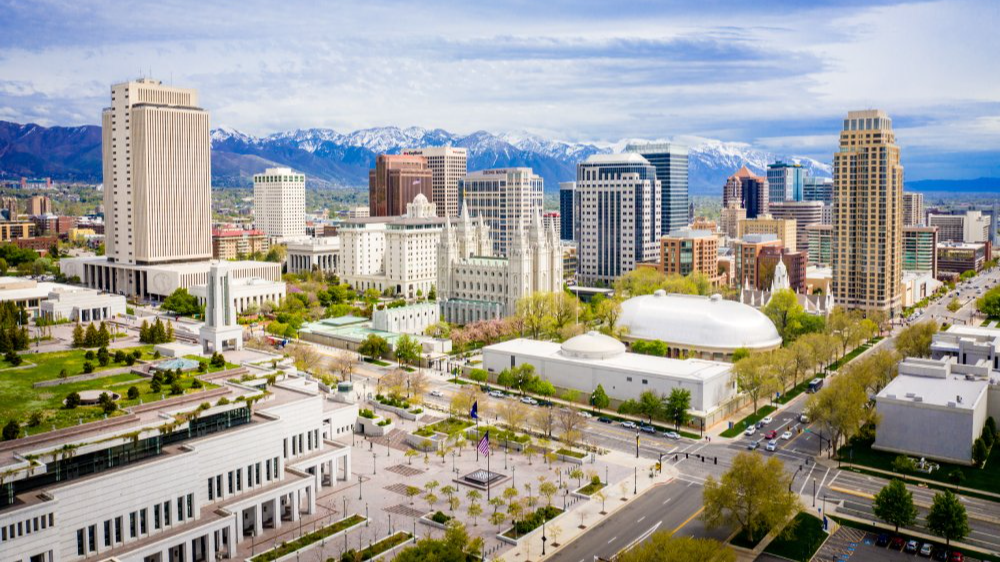
20. Salt Lake City, Utah
Salt Lake City’s business environment is one of the strongest in the Mountain West. Living costs are moderate, the workforce is highly educated, and tech continues to grow steadily. The city also offers robust small-business incentives and one of the highest startup survival rates in the region, making it a promising base for new founders.
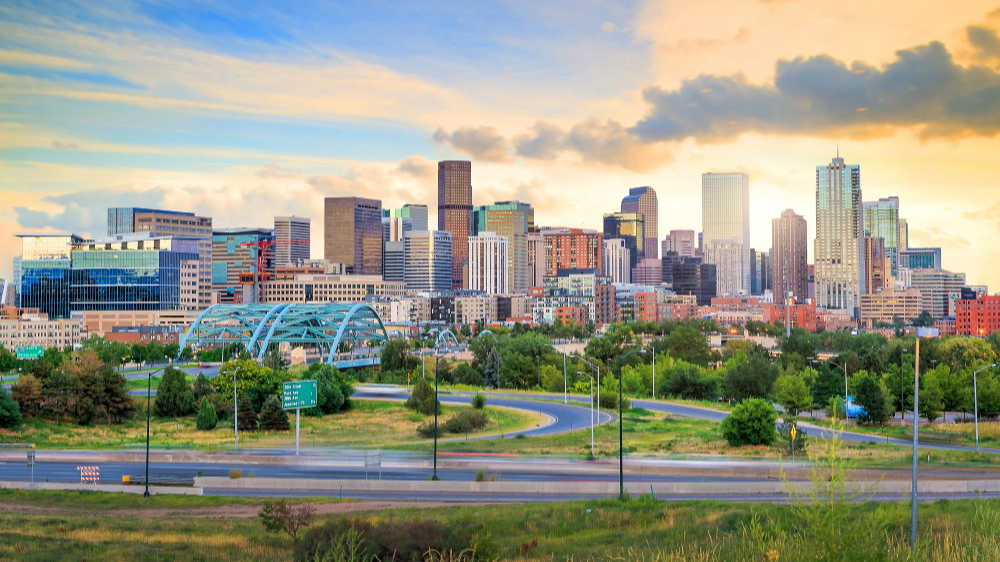
19. Denver, Colorado
Denver’s combination of livability, outdoor lifestyle, and steady tech expansion gives startups room to breathe and grow. The city’s incubators, strong entrepreneurial community, and expanding investor interest help young companies reach maturity. Denver also benefits from strong regional talent pipelines and a business-friendly mindset.
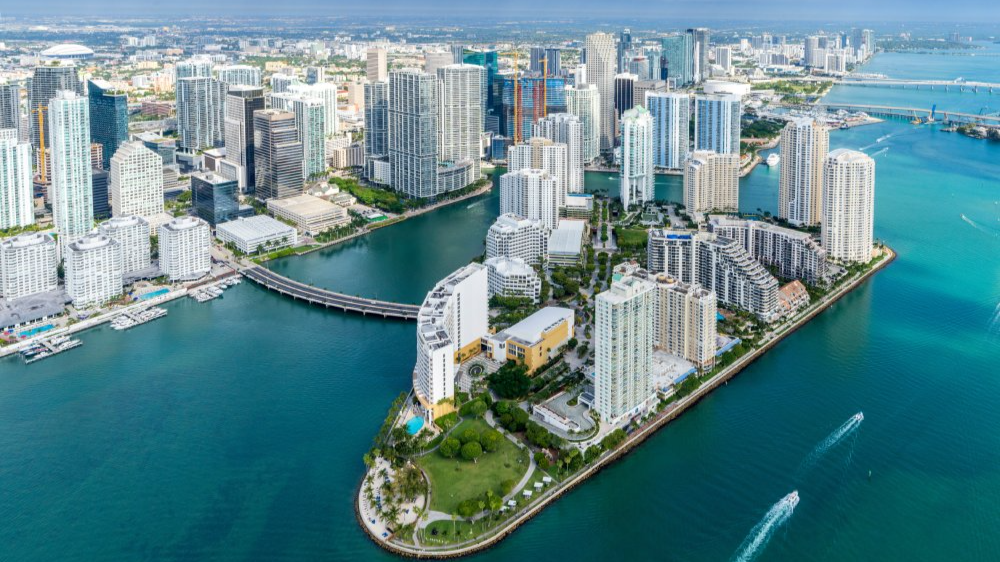
18. Miami, Florida
Miami’s startup scene has exploded in recent years thanks to low taxes, warm climate, and a booming influx of remote workers and investors. Many founders appreciate the city’s bilingual talent pool and large international business community. With more coworking spaces opening each year, Miami is shaping up to be a long-term contender.
17. Portland, Oregon
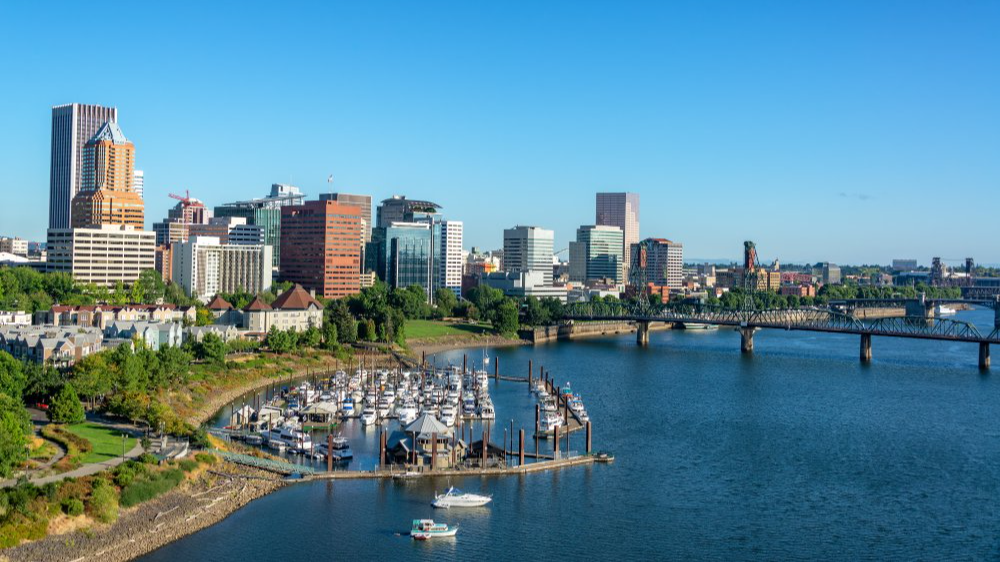
Portland’s creative culture supports startups in design, sustainability, DTC brands, and boutique tech. Affordable coworking spots, supportive local networks, and a lifestyle that appeals to young talent make it fertile ground for early-stage companies. The city’s innovation community continues to grow as more entrepreneurs seek alternatives to major hubs.
16. Austin, Texas
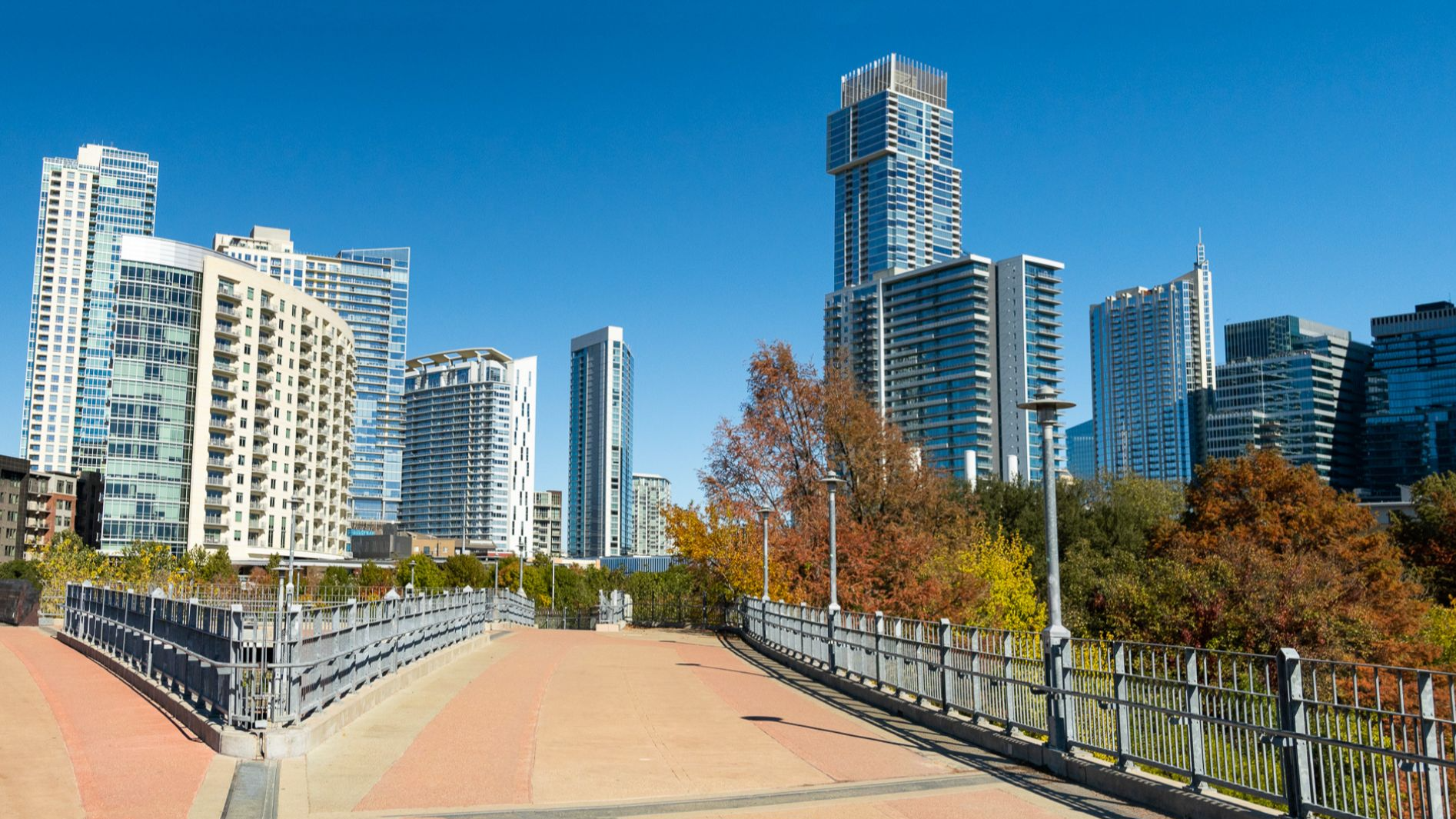
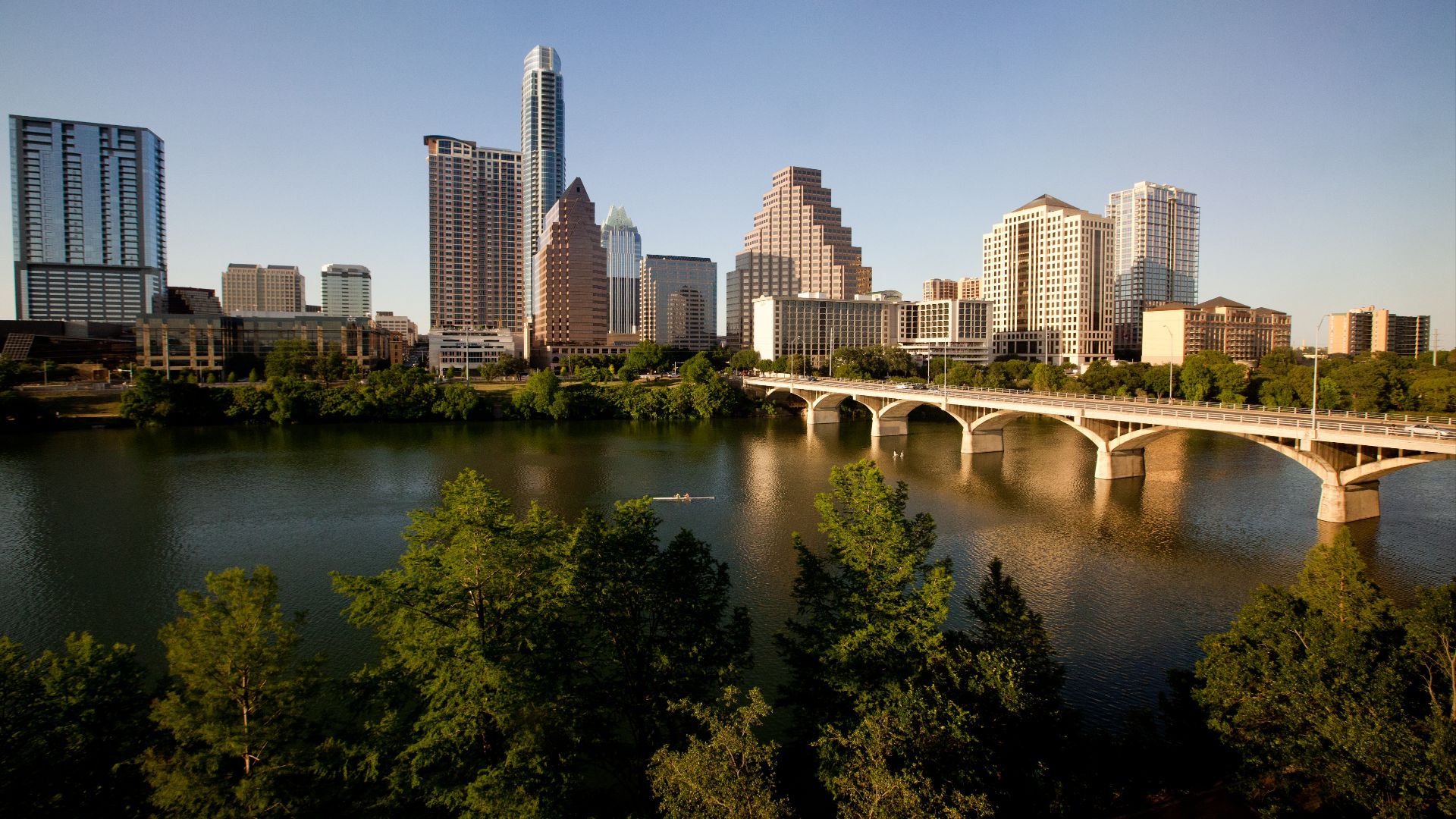
Austin’s rise as a startup powerhouse is now legendary. With no state income tax, strong university systems, and a youthful workforce, the city provides everything a growing company needs. Austin’s culture—entrepreneurial, artsy, and laid-back—helps attract founders nationwide. Investors and accelerators continue expanding their local presence.
15. Seattle, Washington
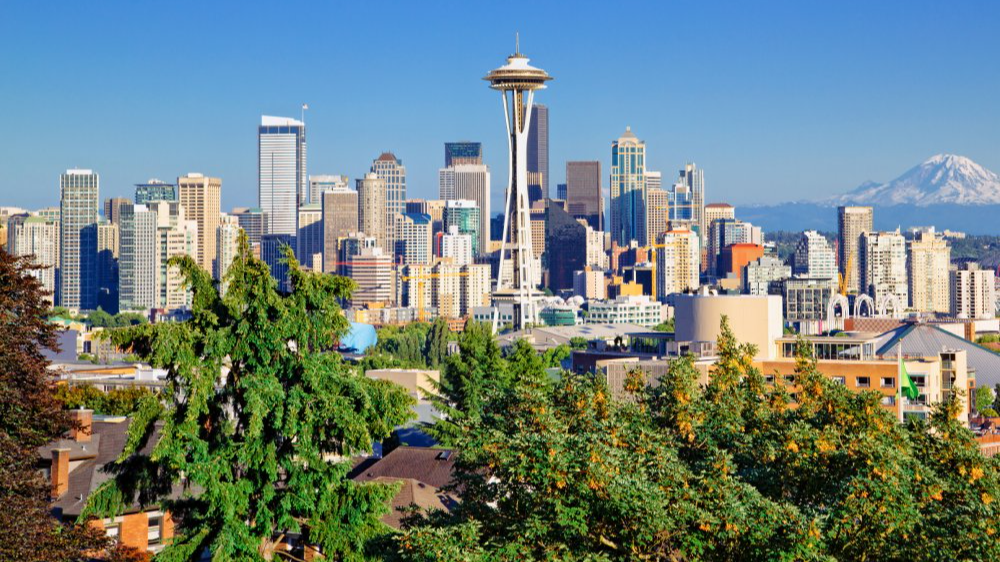
Seattle blends big-tech influence with a thriving startup ecosystem. A deep talent pool trained by companies like Amazon and Microsoft fuels rapid growth for smaller ventures. The city’s focus on biotech, cloud software, gaming, and AI helps founders tap into niche expertise while enjoying a strong support network and good early-stage funding options.
14. Boston, Massachusetts
World-renowned universities feed Boston’s startup engine. Entrepreneurs here benefit from cutting-edge research, abundant intellectual capital, and strong funding for biotech, health tech, robotics, and AI. Despite higher living costs, Boston excels at turning research ideas into scalable companies, especially those requiring deep technical innovation.
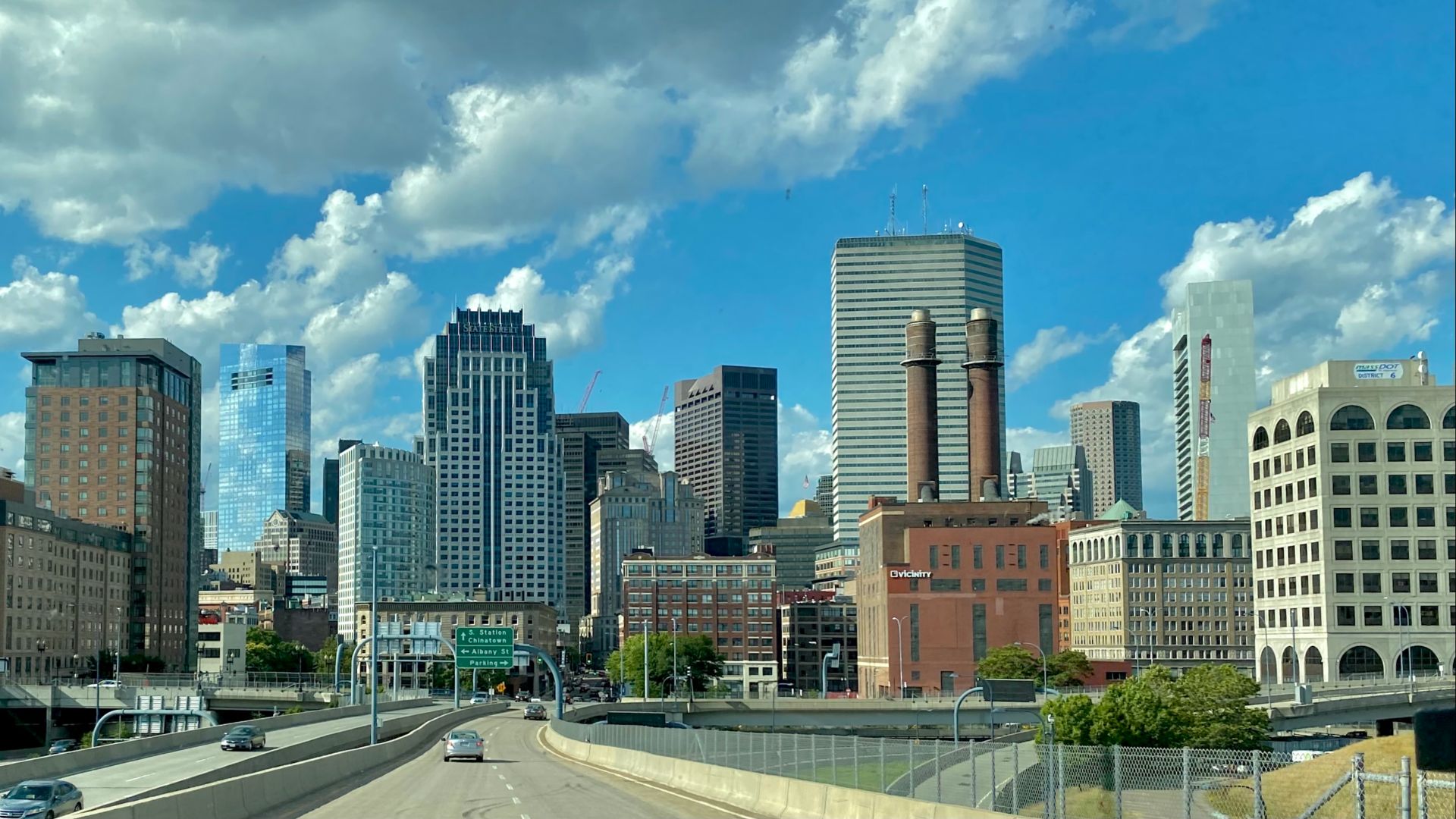 Sharon Hahn Darlin, Wikimedia Commons
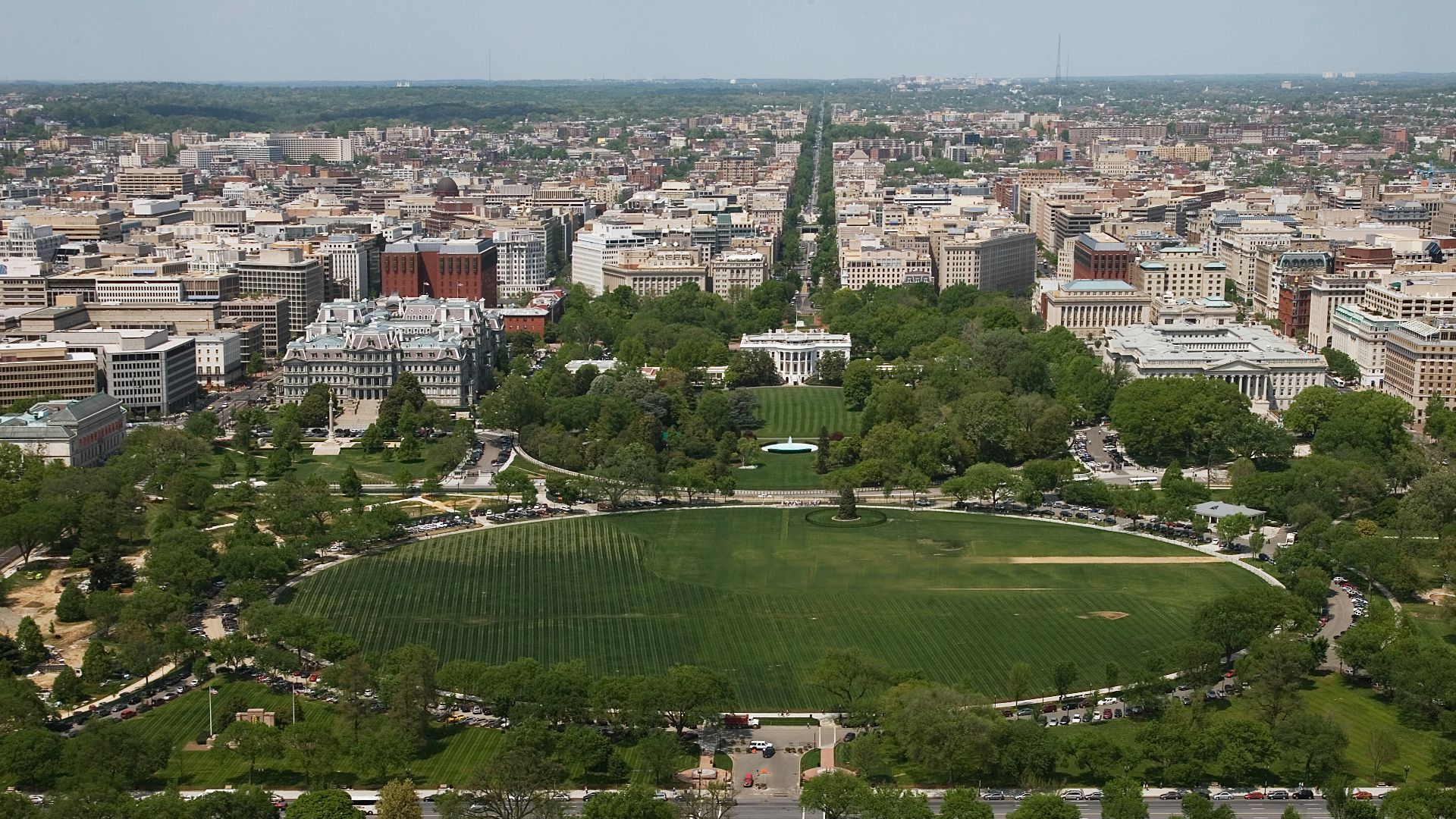
13. Washington, DC / Northern Virginia
The DC metro area thrives thanks to access to government agencies, policy experts, and tech contractors. Cybersecurity, defense tech, AI, consulting, and data-driven startups perform particularly well. With strong job markets and a stable economy, the region supports startups with higher-than-average long-term survival rates.
 Carol M. Highsmith, Wikimedia Commons
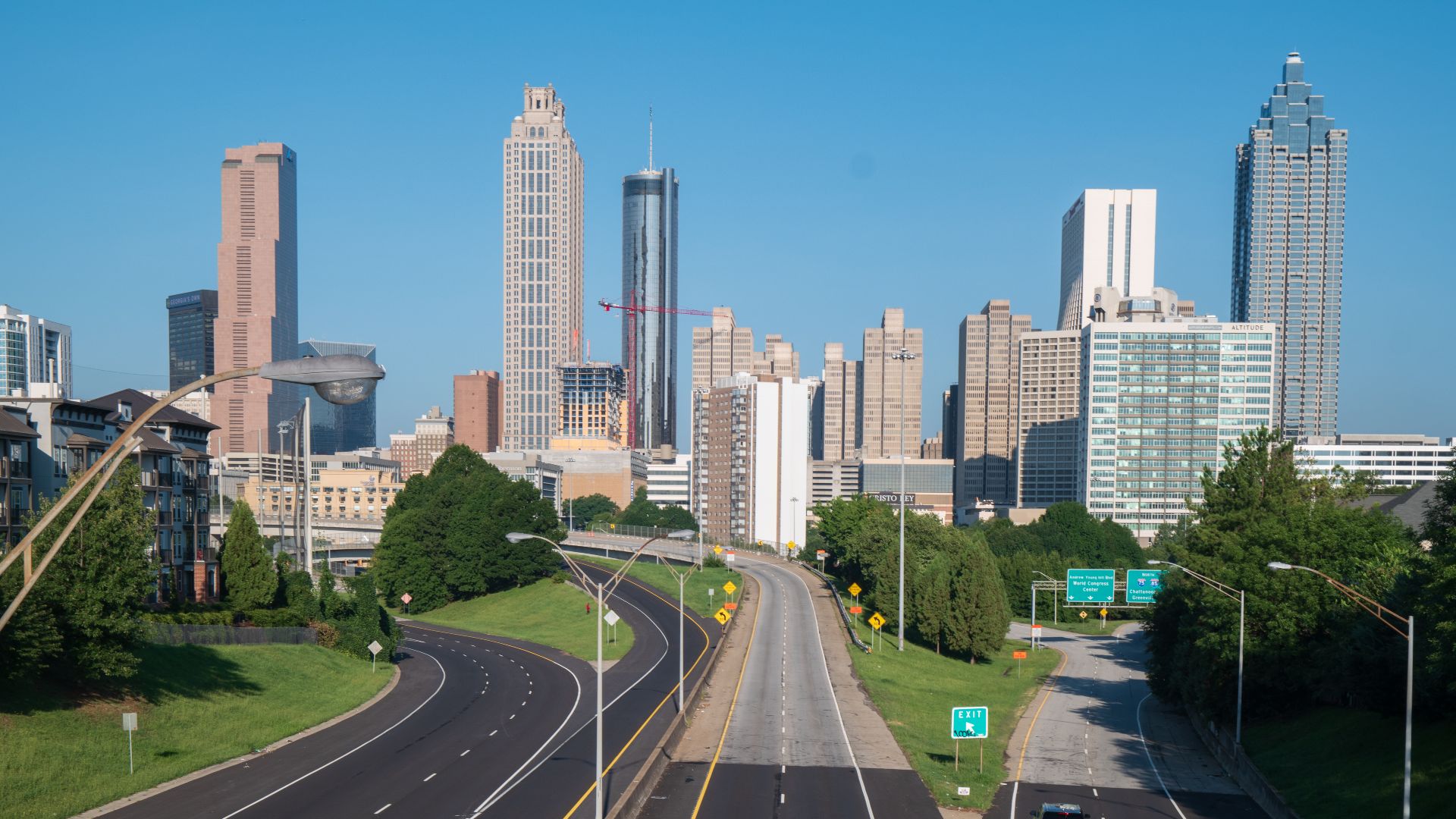
12. Atlanta, Georgia
Atlanta’s affordability and diversity fuel a dynamic startup ecosystem. Its media, fintech, logistics, and cybersecurity sectors are expanding quickly. Strong corporate presence (including giants like UPS, Coca-Cola, and Delta) provides partnership and mentorship opportunities. The city also boasts an active coworking and accelerator network.
 Marc Merlin, Wikimedia Commons
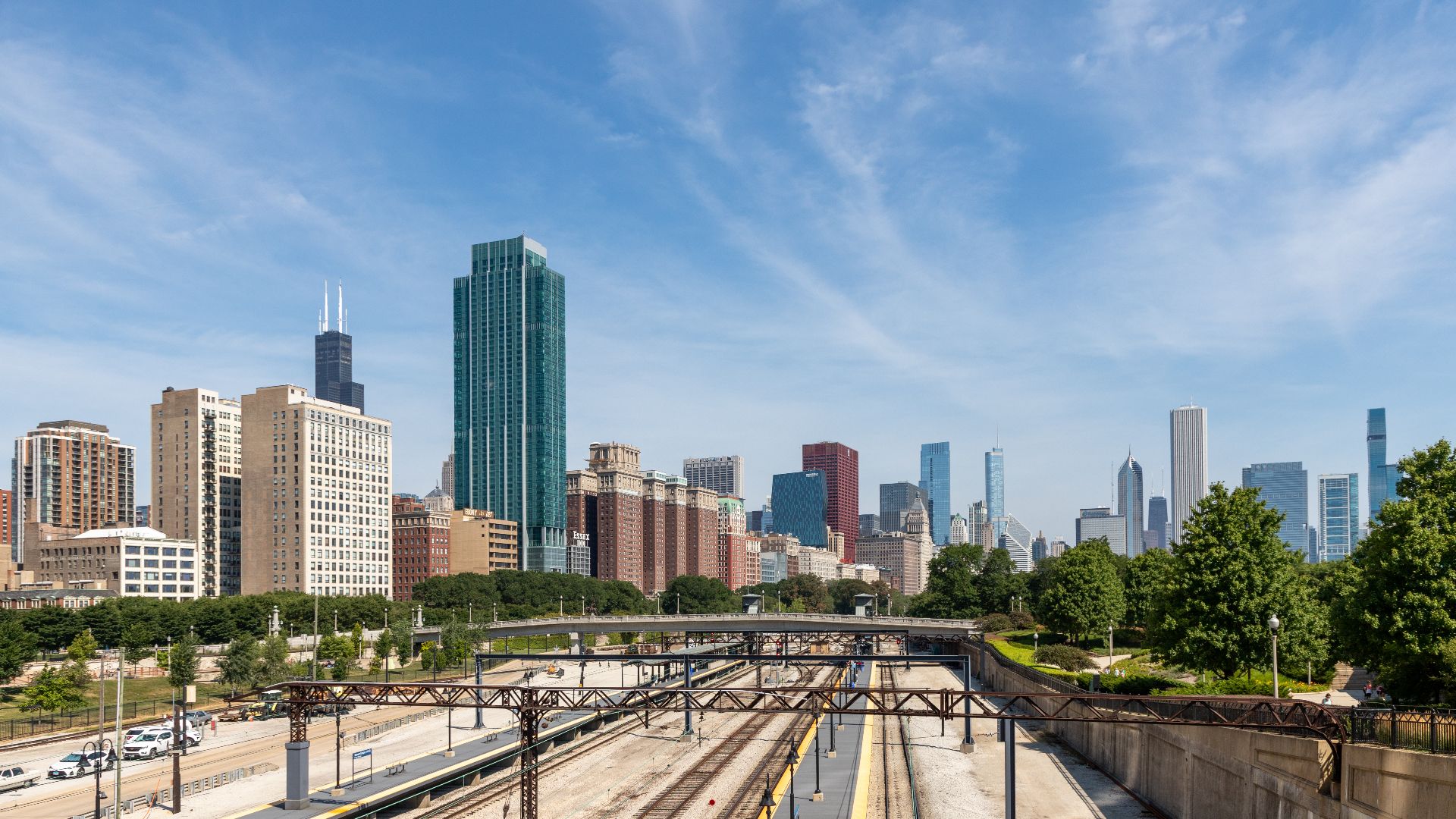
11. Chicago, Illinois
Chicago is ideal for founders wanting access to a large consumer base without coastal costs. Industries like finance, logistics, manufacturing, and hospitality support a wide range of startup types. The city’s universities pump out strong talent, and the startup community benefits from a long list of accelerators and pitch events.
 Paul R. Burley, Wikimedia Commons
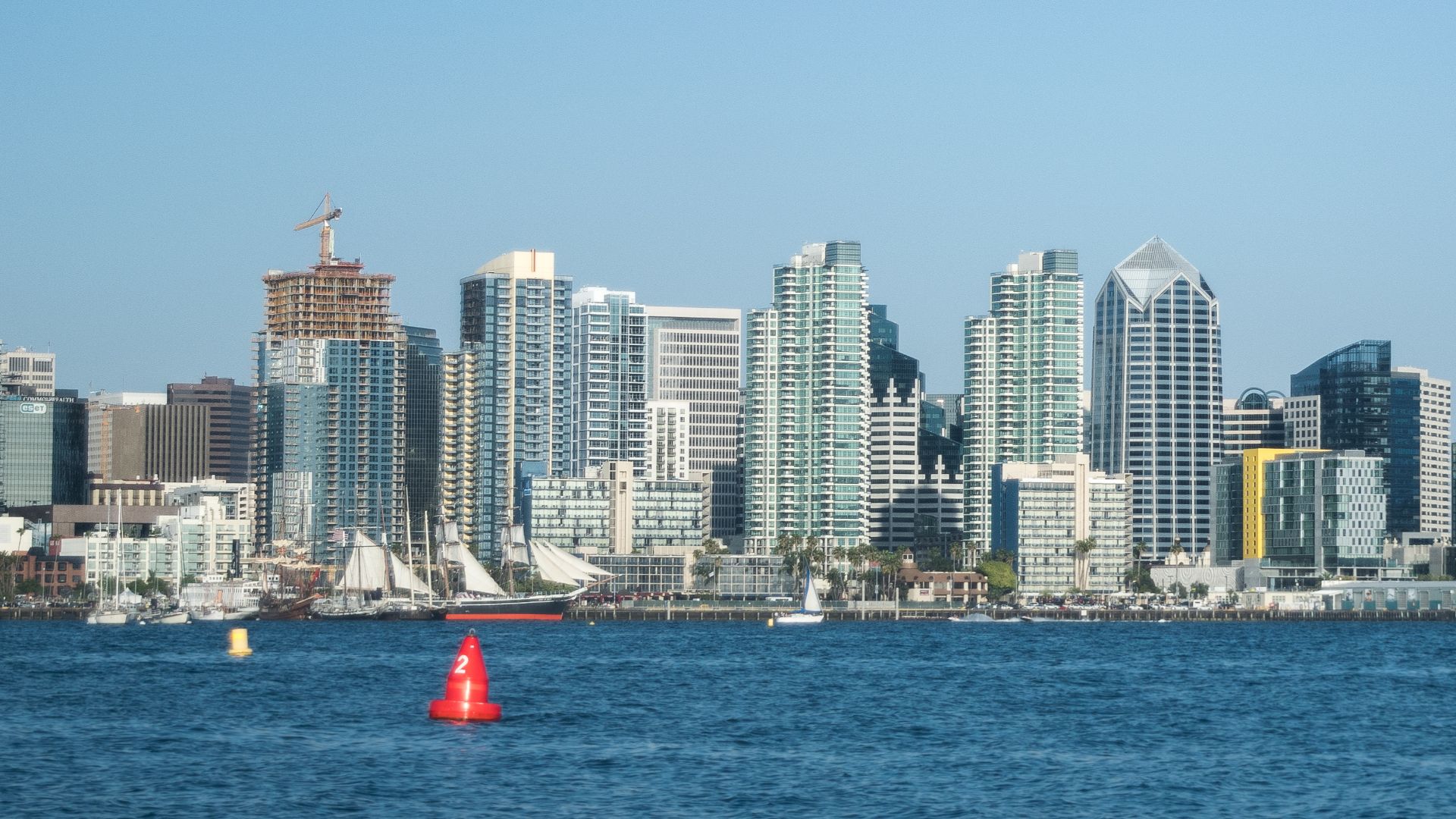
10. San Diego, California
San Diego ranks high for startup survival thanks to its biotech, health-tech, and defense-focused industries. The city also benefits from lower operating costs than the nearby Bay Area and strong research institutions such as UCSD. Its laid-back lifestyle helps attract long-term entrepreneurial talent.
9. Boulder, Colorado
Boulder is known for its lifestyle appeal and small but mighty business environment. Many founders are drawn by the city’s outdoor culture, university research connections, and tight-knit entrepreneurial community. Boulder excels in green tech, outdoor-gear startups, and software, making it a unique niche hub with very high success rates.
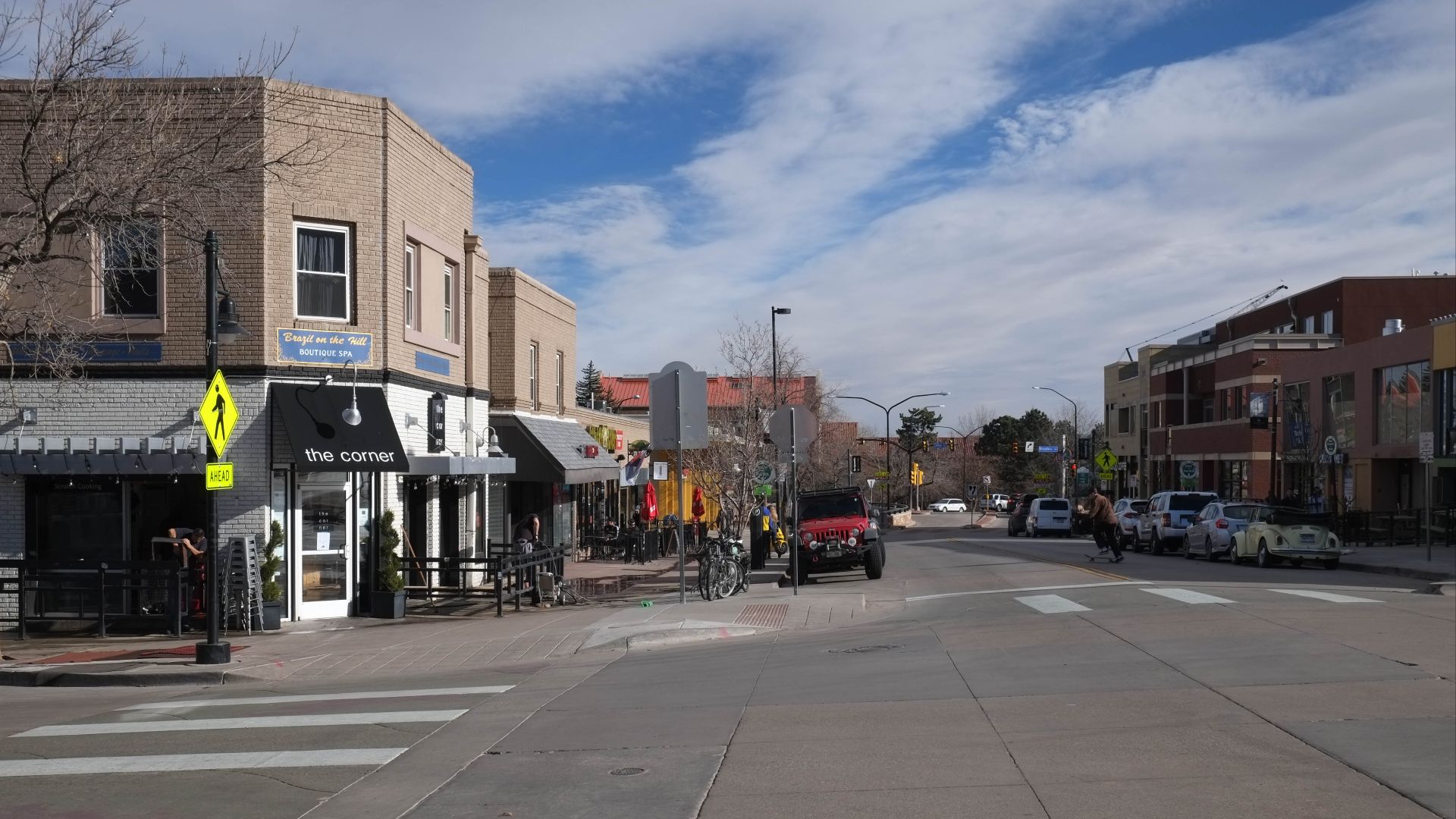 Paul Sableman, Wikimedia Commons
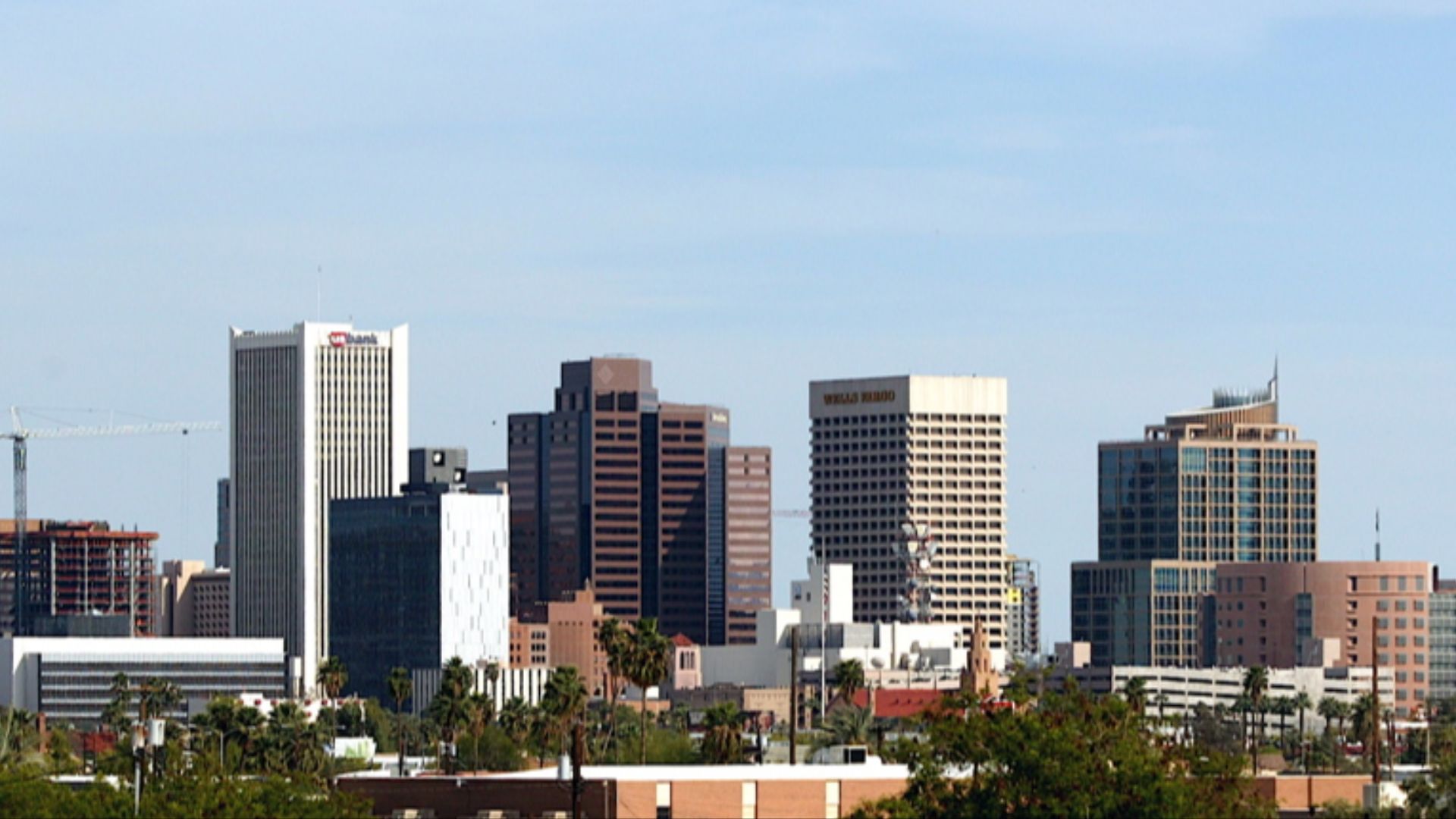
8. Phoenix, Arizona
Phoenix continues to climb national rankings as tech companies and investors expand into Arizona. Affordable costs, good infrastructure, and growing young-professional populations help create a foundation for startups. It’s quickly becoming a strong alternative for founders priced out of traditional hubs.
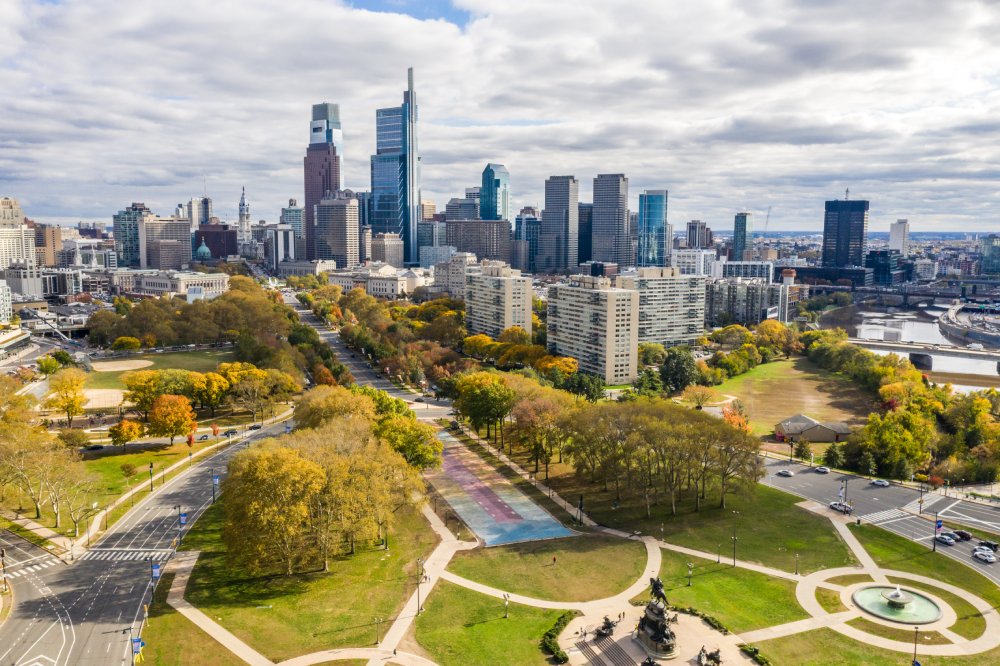
7. Philadelphia, Pennsylvania
Philadelphia’s startup success strength comes from its academic institutions, affordability, and growing innovation districts. Its life-sciences corridor is booming, and founders appreciate access to research universities and diverse professional talent. Philly also offers significant resources for early-stage ventures through incubators and grant programs.
6. Los Angeles, California
LA blends Hollywood creativity with a fast-growing tech and media-startup ecosystem. Entertainment tech, gaming, beauty, health, DTC brands, and influencer-driven startups thrive here. Venture capital activity continues to rise, and the city’s sheer scale makes it possible for niche products to find enormous audiences.
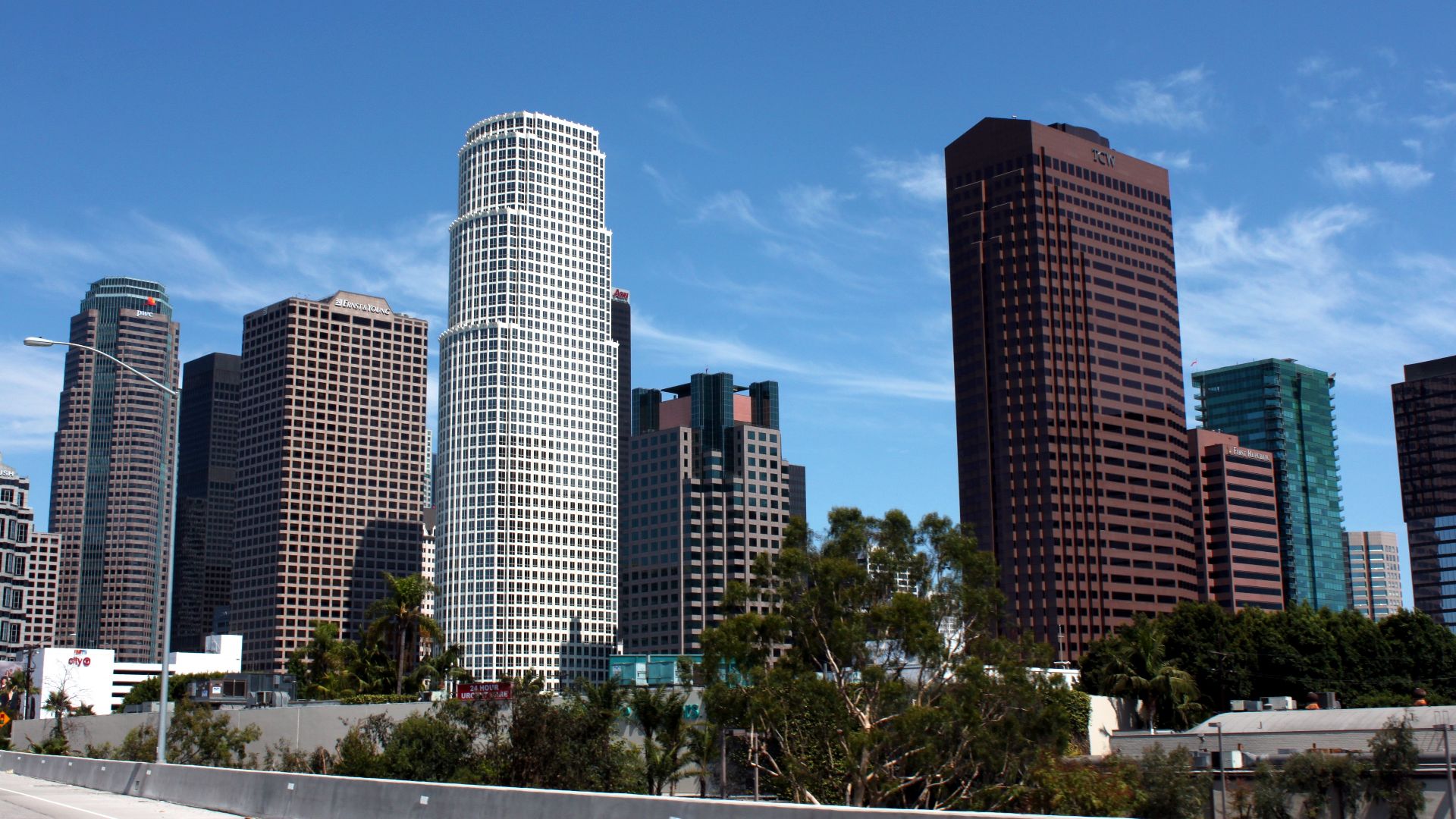 Prayitno / Thank you for (12 millions +) view from Los Angeles, USA, Wikimedia Commons
5. San Francisco / Bay Area, California
The Bay Area remains the global epicenter of startup success despite high living costs. With unparalleled venture-capital access, deep engineering talent, world-class accelerators, and a culture built around innovation, it’s still the go-to destination for companies aiming for rapid scaling, big funding rounds, and competitive tech talent.
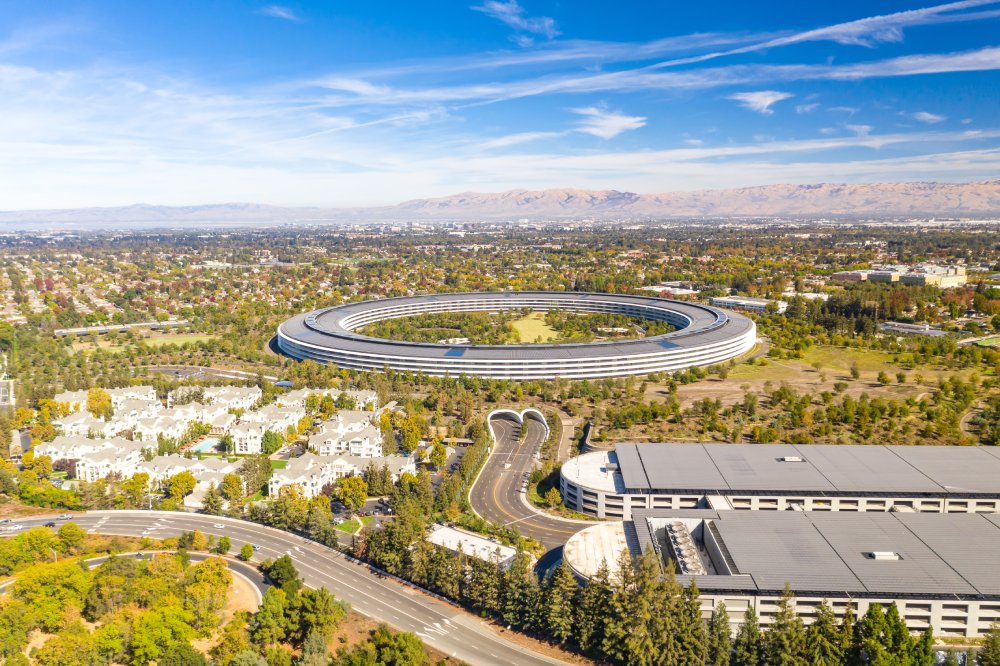 Newport Coast Media, Adobe Stock
4. New York City, New York
NYC’s startup strength comes from its enormous market, talent diversity, and cross-industry connectivity. Fintech, fashion tech, AI, e-commerce, media, and health tech all thrive here. The city’s nonstop energy, combined with access to investors and global brands, makes it ideal for ambitious founders ready to scale quickly.
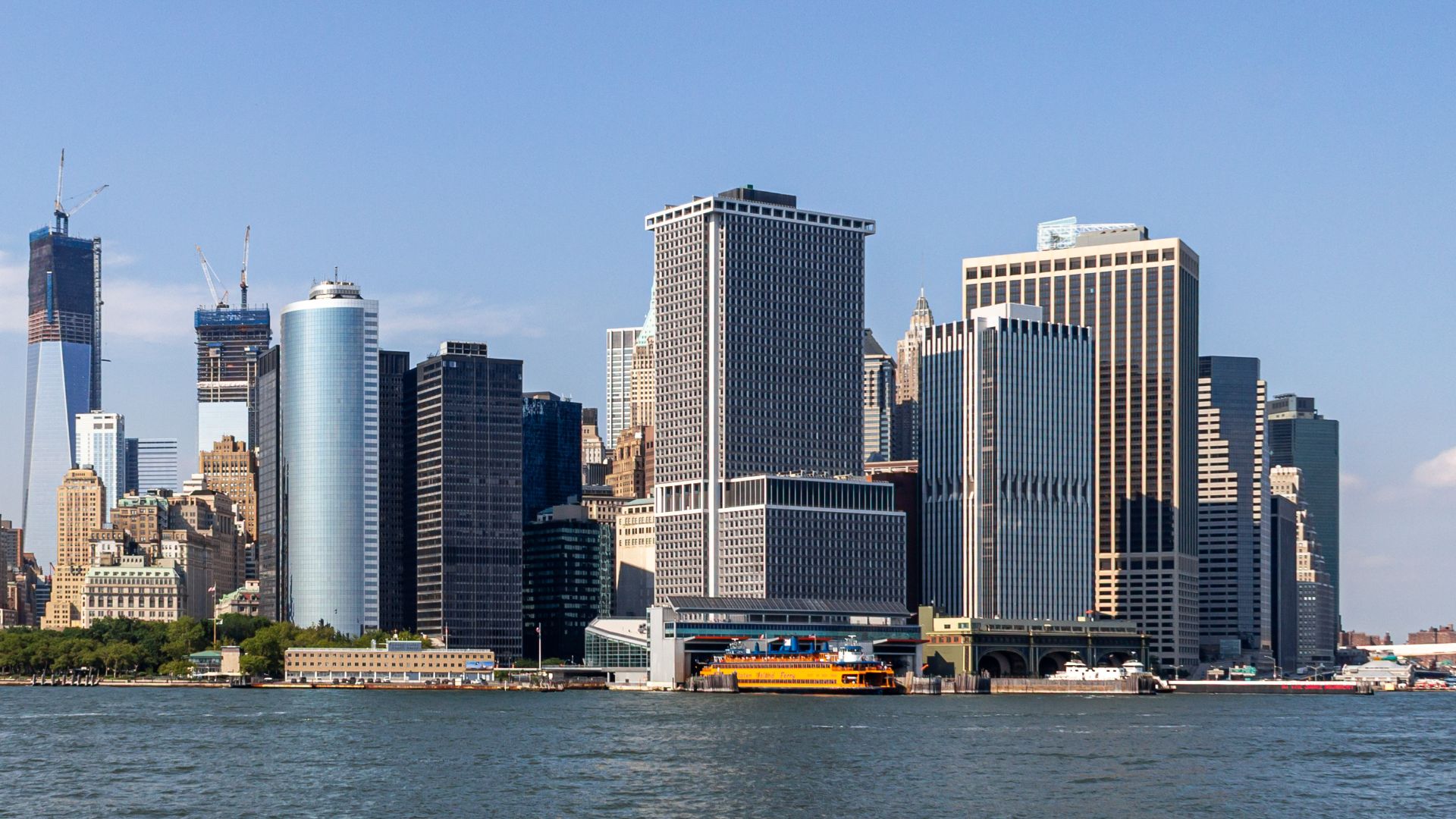 Dietmar Rabich, Wikimedia Commons
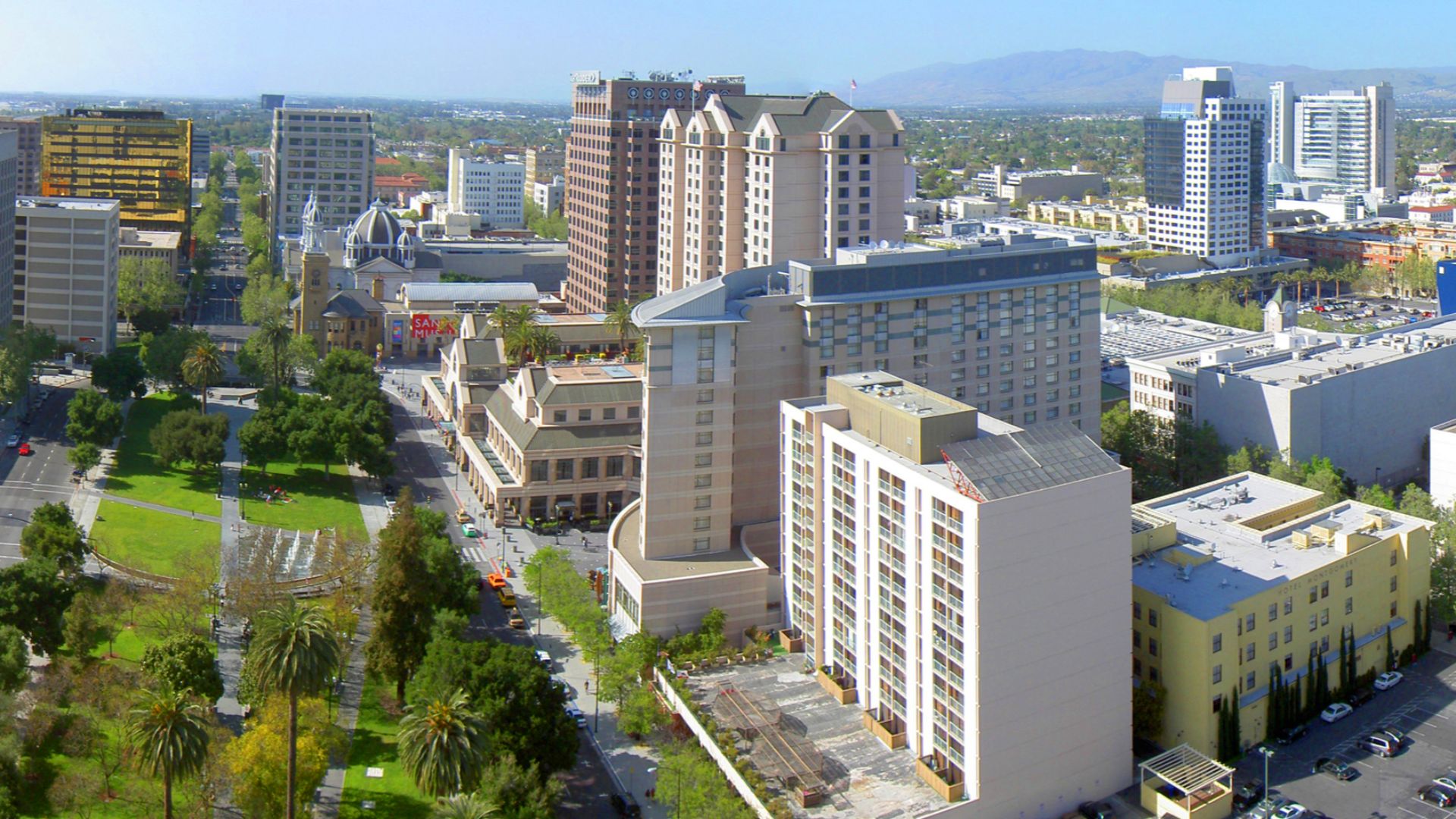
3. San Jose / Silicon Valley, California
San Jose anchors Silicon Valley’s legacy of groundbreaking innovation. Home to countless tech giants, the city provides unmatched engineering talent, corporate partnerships, and startup infrastructure. Its success rates remain among the highest in the country, especially for deep-tech, semiconductor, robotics, and AI-focused companies.
2. Raleigh, North Carolina
Raleigh earns the #2 spot for its exceptional startup survival rates, low operating costs, and access to research-triangle universities. The region’s strong biotech, software, and engineering sectors attract founders seeking serious growth potential without the price tag of bigger hubs. A collaborative culture and steady venture-capital growth help Raleigh outperform most US cities in long-term business success.
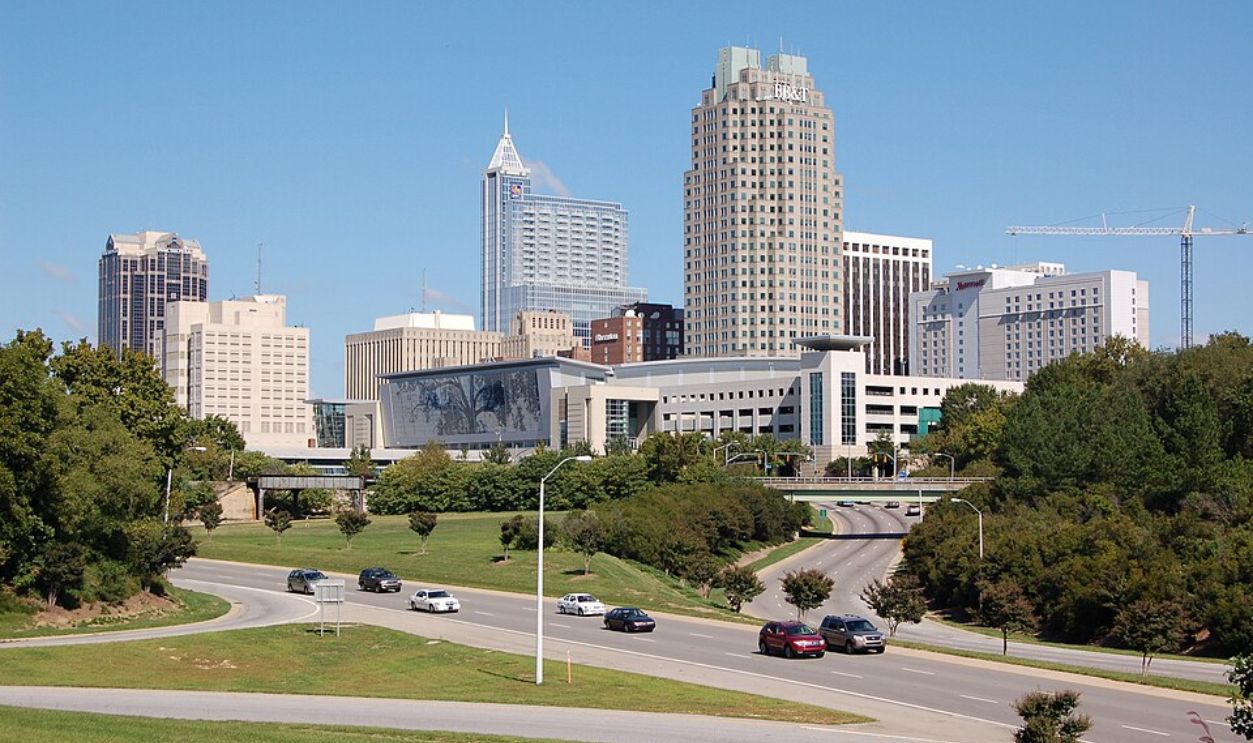 Mark Turner, Wikimedia Commons
1. Austin, Texas
Austin stands at #1 thanks to its unmatched combination of affordability, talent, culture, and startup-friendly policies. With major tech companies expanding locally, the city attracts entrepreneurs from around the world. Austin’s incubators, accelerators, and community events help founders refine ideas, scale quickly, and stay competitive. It remains the country’s hottest destination for startups with strong growth ambitions.
You May Also Like:
Ranking The Best US Cities For Creatives, According To Data
Ranking The U.S. Cities With The Best Festivals—According To Locals
Canadian Cities That Americans “Wish They Lived In”—Ranked According To Data