A Big Year for Airline Rule Changes
Airlines, regulators, and airports are all rolling out big changes in 2026 that will affect how you book, board, pack, and even identify yourself at the airport. Some have been years in the making, others are brand new—and they’ll shape how every traveler moves through the airport from here on out.
 Assigned Seating Is Becoming the Norm
In the U.S., the biggest “rule change” here is airline policy rather than federal law. Southwest’s move toward assigned seating in 2026 is a major industry signal. Expect more seat maps, more paid seat choices, and fewer last‑second “I’ll just grab something” boarding strategies as more airlines follow similar paths.
Boarding Groups Are Getting More Strict
Boarding is getting more structured—and more enforced. Airlines are leaning harder on scanning discipline, clearer group rules, and fewer exceptions at the gate. If your pass says a later group, trying to board early is increasingly likely to end with a firm stop rather than a shrug.
Carry-On Size Rules Are Being Enforced for Real
Carry‑on rules haven’t changed everywhere overnight, but enforcement absolutely has. More airlines are using stricter gate checks, and “it usually fits” is becoming a risky strategy—especially on full flights where overhead bin space is already tight.
Personal Items Are Shrinking Too
Personal‑item rules are tightening in the same way: not always through brand‑new regulations, but through stricter enforcement. If your “personal item” is really a small carry‑on, it’s far more likely to be flagged in 2026, particularly on lower‑fare tickets.
Basic Economy Gets Even Bare-Bones
Basic economy fares are being reworked to include fewer perks than ever. Expect stricter change rules, limited seat selection, and more airlines even blocking overhead bin access—unless you pay an additional fee, of course.
REAL ID Is Already Here—2026 Is When You Feel It
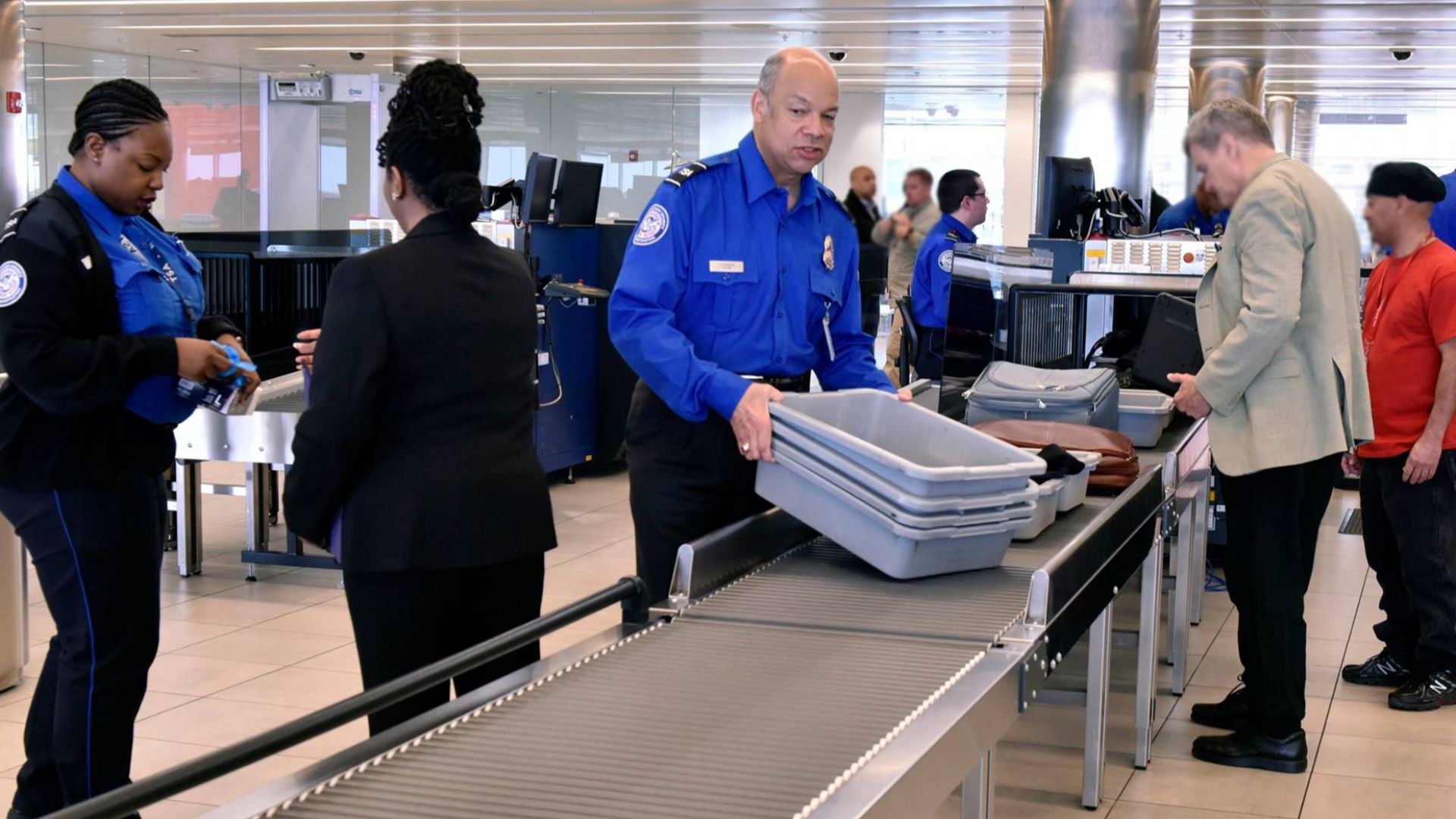
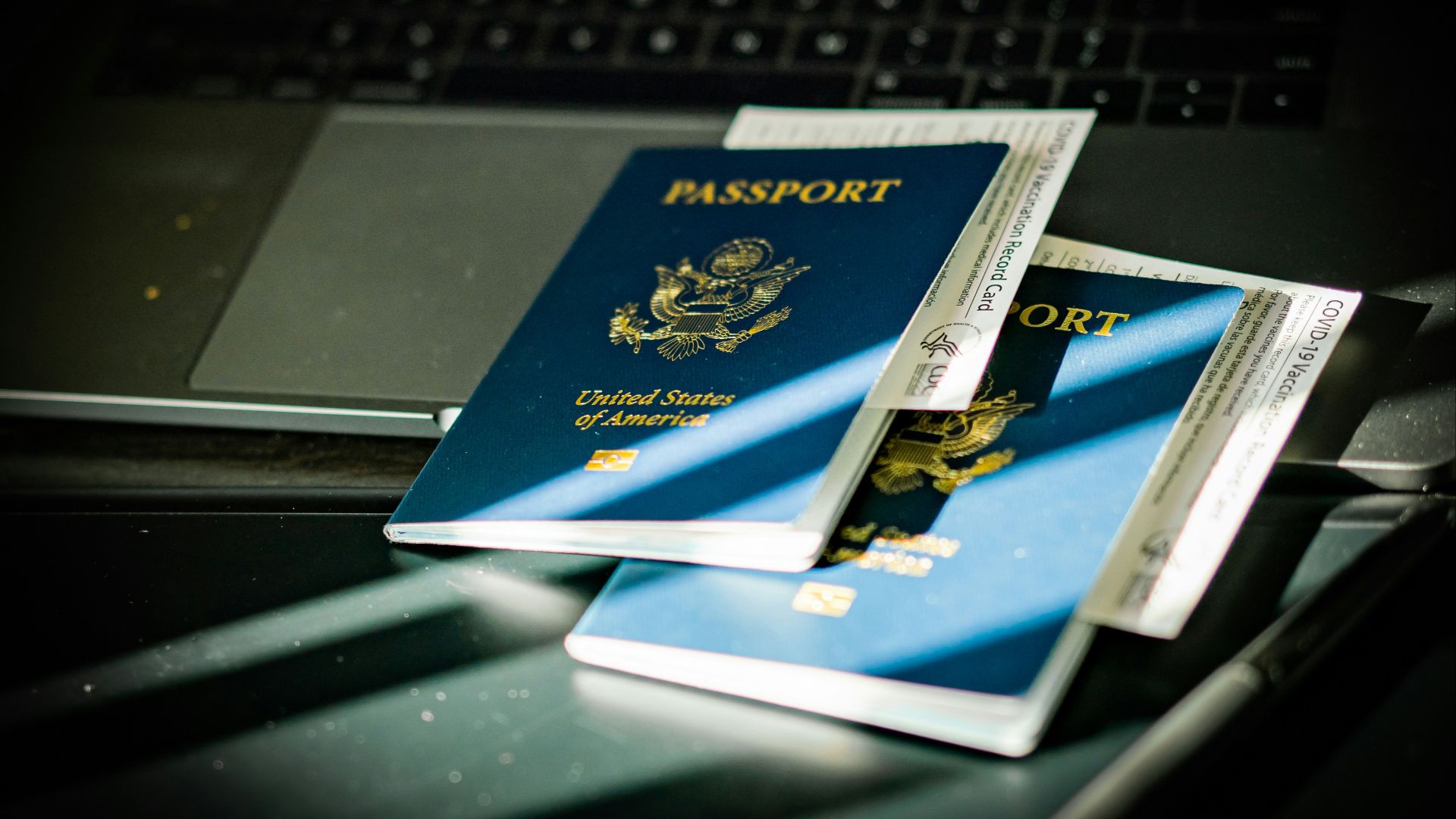
REAL ID enforcement began in 2025, but 2026 is when the consequences become unavoidable. Travelers without compliant identification may face extra screening, significant delays, or outright denial at TSA checkpoints if their identity can’t be verified.
 U.S. Department of Homeland Security (DHS), Wikimedia Commons
Digital ID Starts Going Mainstream
TSA is expanding acceptance of mobile driver’s licenses at hundreds of checkpoints through Apple Wallet, Google Wallet, Samsung Wallet, and participating state apps. It’s convenient, but still not universal, which means physical ID remains essential for now.
Facial Recognition Is Expanding—But Opt-Out Still Exists
More airports are using facial comparison tools for identity verification, but TSA participation remains voluntary. Travelers can opt out and request standard ID checks instead—though many people don’t realize that option exists unless they ask.

TSA Screening Rules Still Vary by Airport
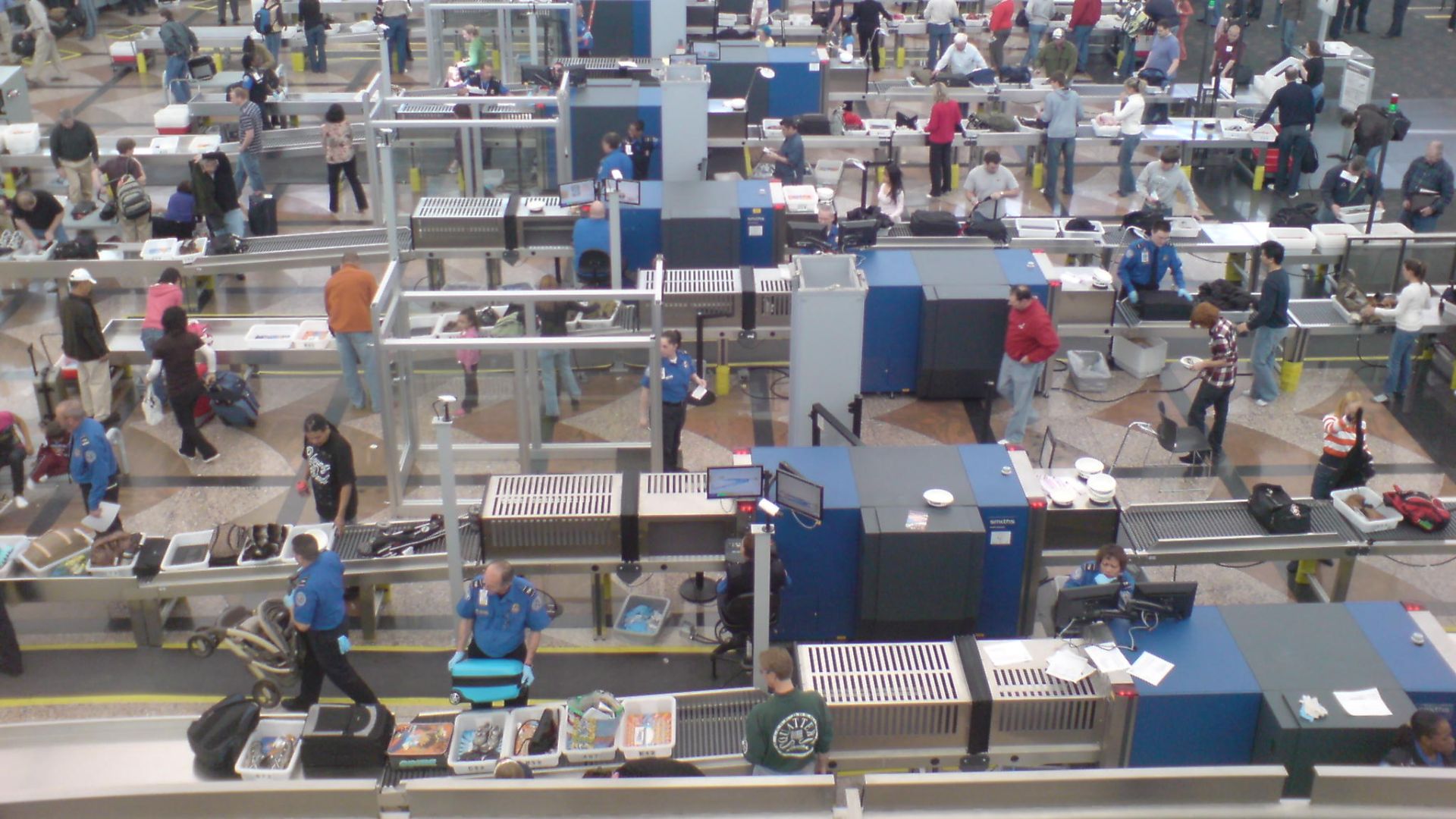
Security procedures increasingly depend on which airport—and even which lane—you use. New scanners and systems are rolling out on different timelines, so consistency remains elusive and travelers should expect differences from trip to trip.
 dan paluska, Wikimedia Commons
Refund Rules Are Clearer—and Actually Defined Now
The U.S. Department of Transportation’s automatic refund rule sets clear standards for when cash refunds are required, including for cancellations, significant delays, and certain fees that were paid for but never delivered.

Schedule Changes Have Real Cutoffs
A schedule change isn’t always refund‑worthy, but DOT rules now define what counts as “significant.” That matters because airlines can no longer quietly shift the definition whenever it’s convenient for them.
Better Protections for Wheelchairs Are Phasing In
The DOT finalized stronger rules aimed at safer handling of wheelchairs and scooters, improved staff training, and clearer accountability when mobility devices are damaged. Enforcement continues phasing in through 2026.

Family Seating Pressure Keeps Building
The DOT’s Airline Family Seating Dashboard shows which airlines commit to seating young children next to an accompanying adult without extra fees. Policies aren’t universal, but transparency and pressure are both increasing.
In-Flight Service Depends More on What You Paid
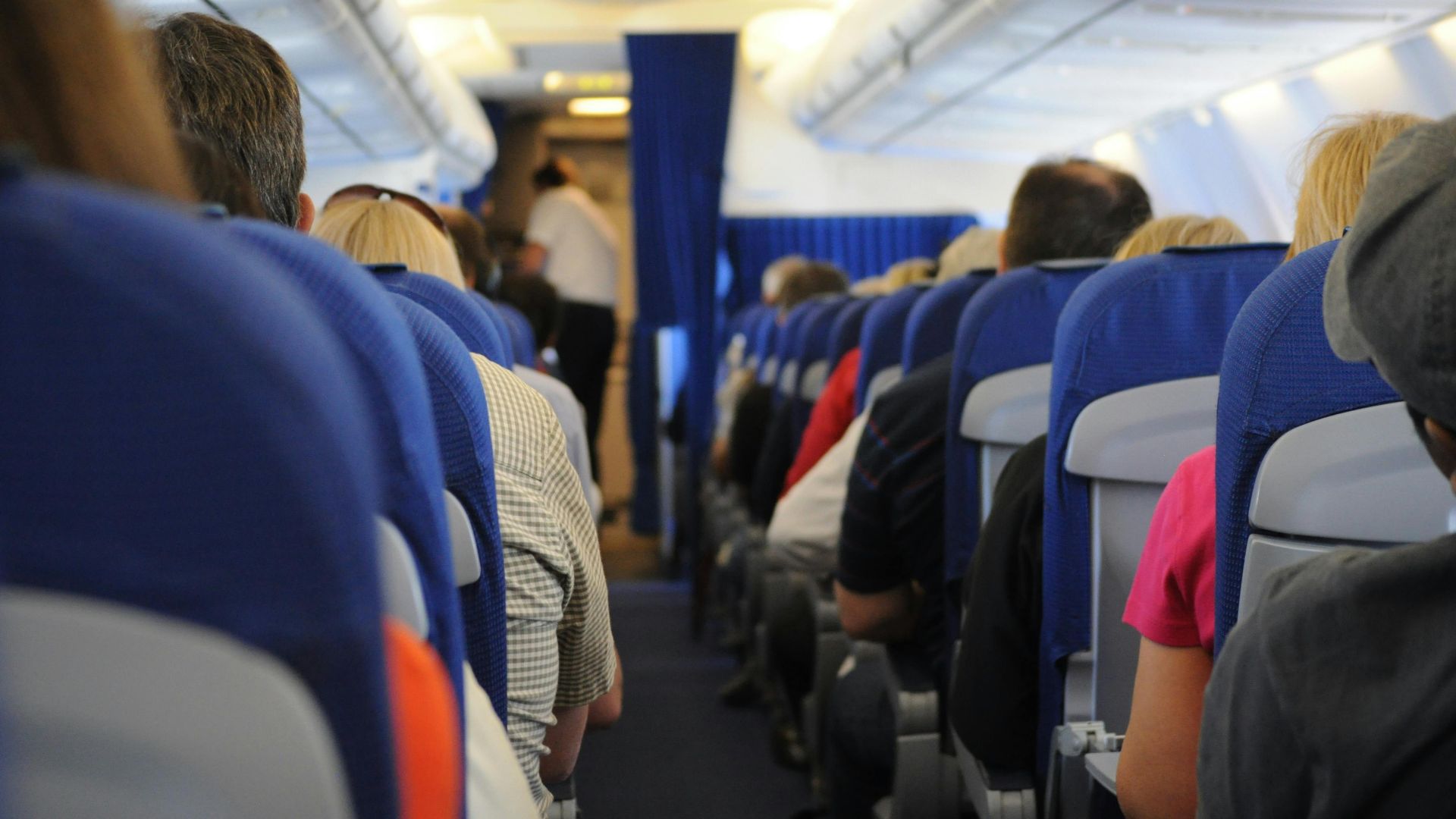
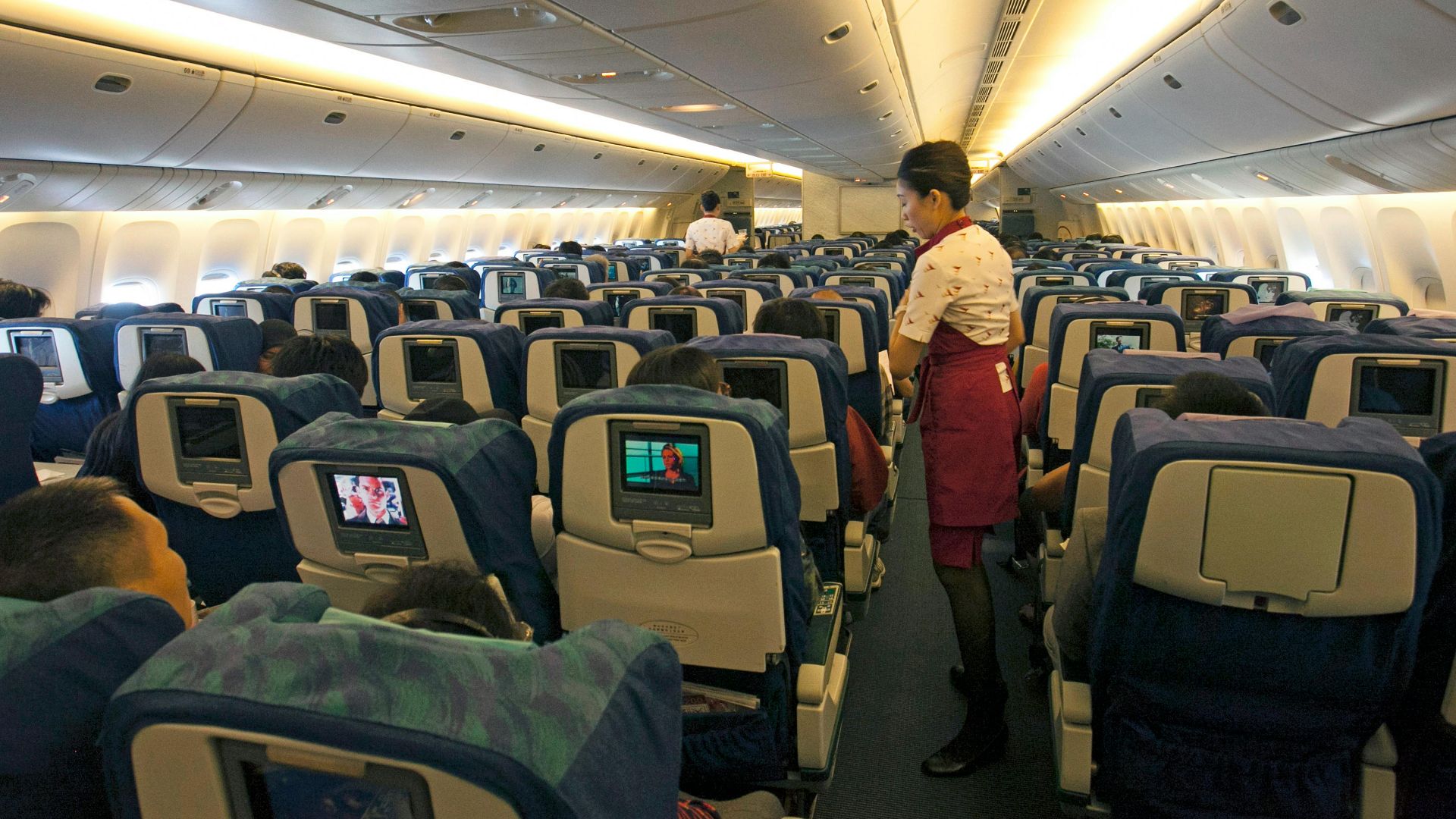
This isn’t new legislation, but it is a real 2026 reality. Complimentary snacks, drinks, and service perks are increasingly tied to fare type, widening the gap between basic tickets and bundled options.
AI Pricing Means Faster Fare Changes
Airline pricing has always been dynamic, but systems are now faster and more granular. In 2026, fares can change multiple times per day based on demand, timing, browsing behavior, and remaining seat inventory.
Same-Day Changes Are More Conditional
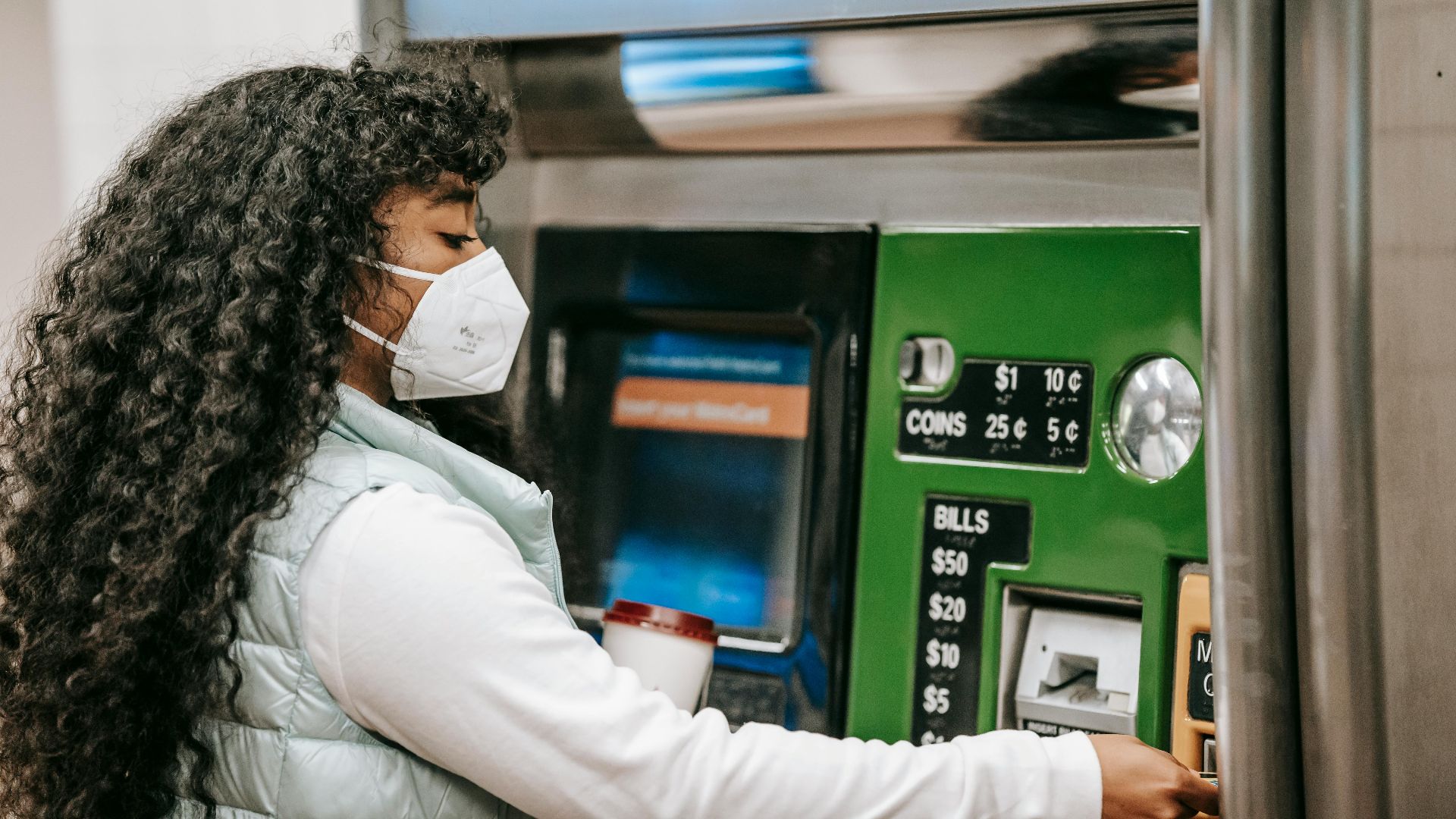
Same‑day standby and confirmed change options still exist, but eligibility depends heavily on fare type, route, and elite status. The days of casual same‑day flexibility are steadily fading.
Europe’s Entry/Exit System Rolls Out
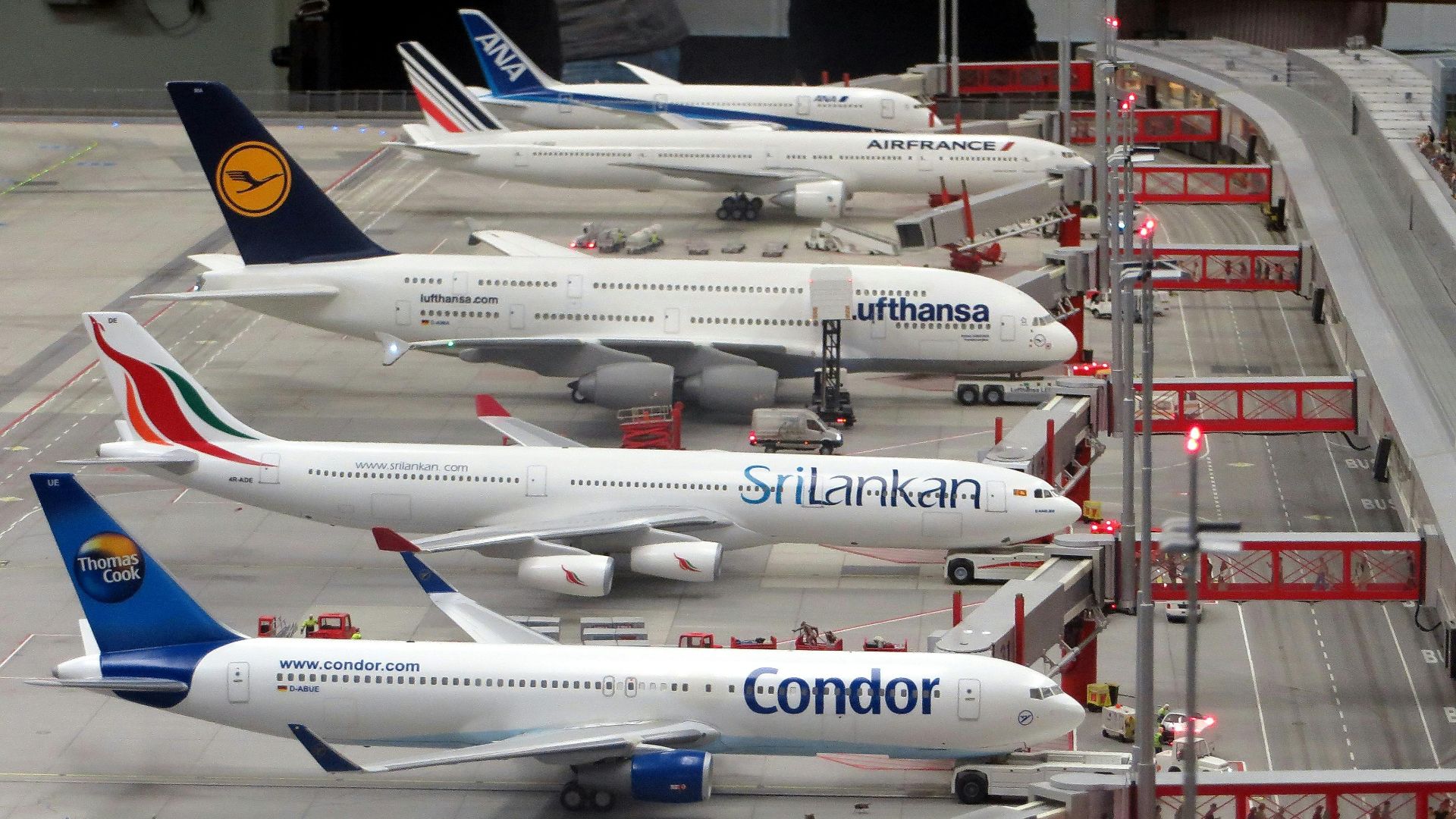
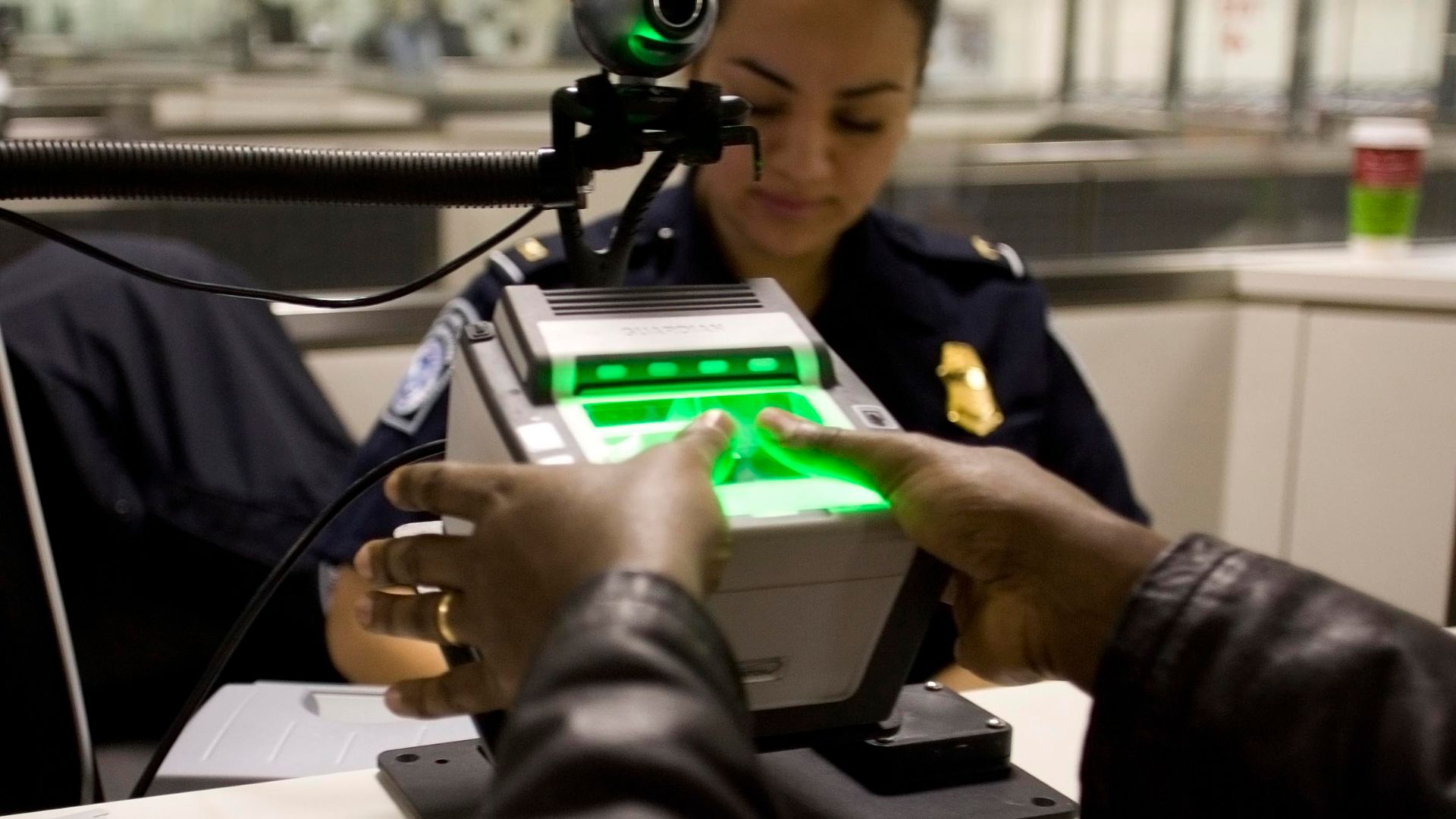
Europe’s Entry/Exit System introduces biometric border checks for travelers entering and leaving the Schengen Area. During rollout, travelers should expect longer lines, unfamiliar procedures, and occasional confusion at border control.
 Gerald Nino/CPB, Wikimedia Commons
ETIAS Is Expected Later in 2026
Europe’s ETIAS travel authorization system is expected to launch in late 2026. It won’t affect every trip immediately, but frequent travelers should factor it into future planning, especially for last‑minute bookings.
 eberhard grossgasteiger, Pexels
Name Matching Rules Are Less Forgiving
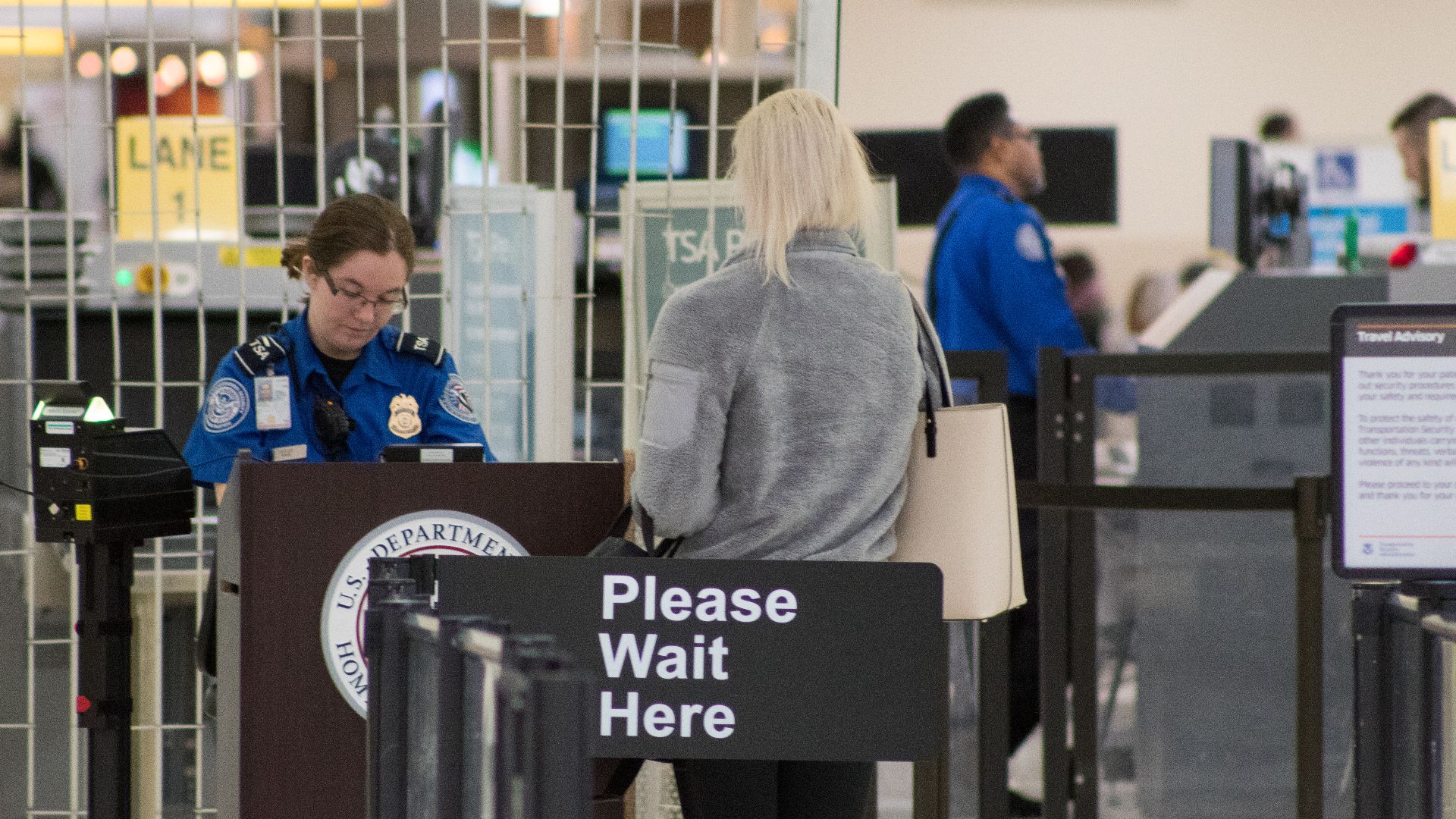
Airlines and TSA systems are increasingly strict about name accuracy. Small mismatches—such as missing middle names or extra characters—can now cause real issues, making careful booking more important than ever.
 Michael Ball, Wikimedia Commons
Boarding Pass Cutoff Times Matter More
Airlines are enforcing boarding cutoff times more strictly than in the past. Arriving at the gate after the final scan window can result in denied boarding, even if the plane is still physically parked.
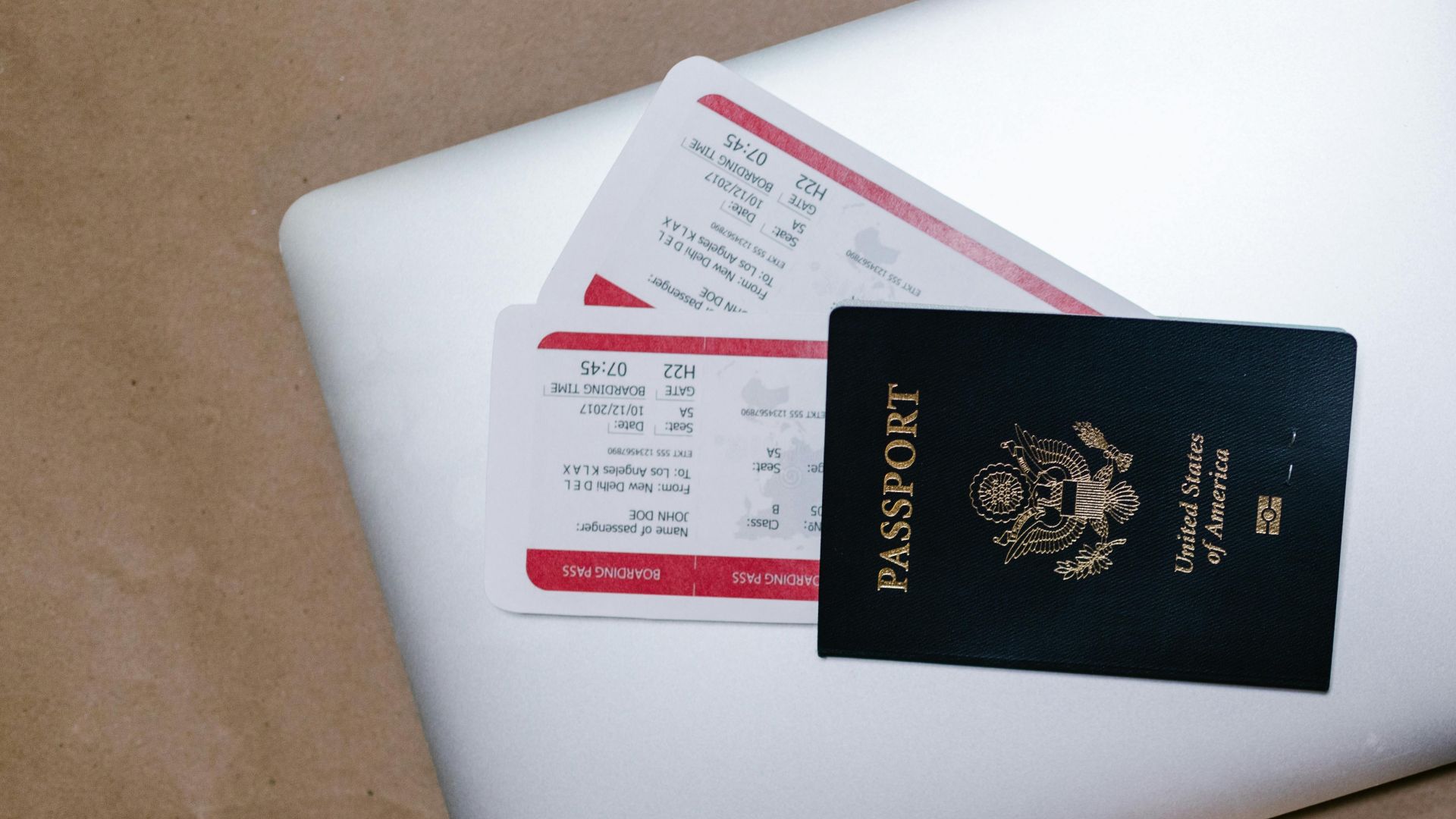
Late Check-In Windows Are Shrinking
Check‑in and baggage drop deadlines are unforgiving. Missing them by even a few minutes can mean losing your bag drop option—or your seat entirely—particularly on international flights.
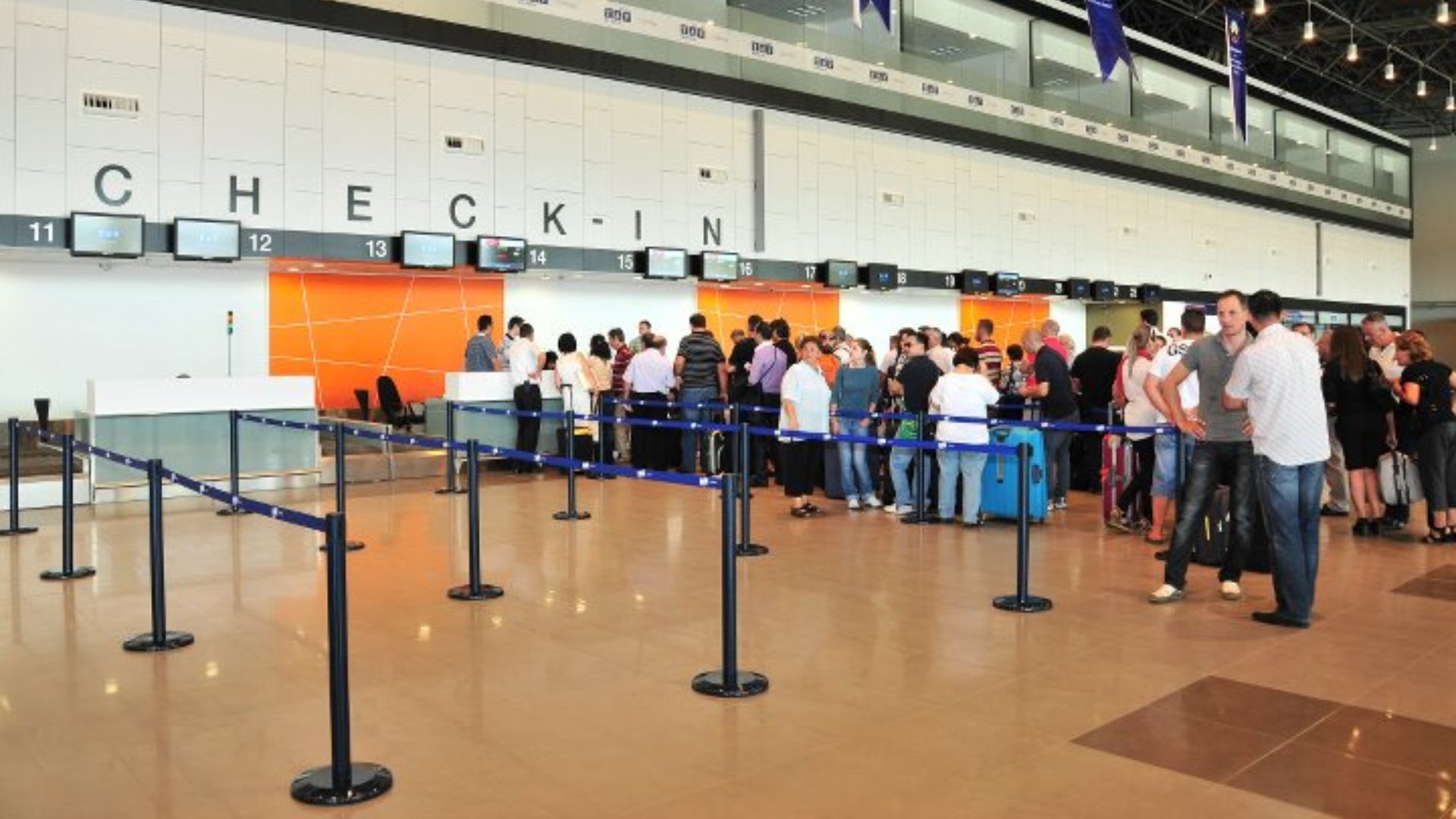
Fuel Surcharges Can Reappear as Line Items
Fuel surcharges never fully disappeared and are still used on some routes. Separating them from base fares can make tickets look cheaper upfront, while quietly increasing the final price at checkout.
Seat Recline Rules Are Getting Clearer
There’s no universal recline law, but airlines are clarifying cabin conduct policies. Cabin crews are increasingly empowered to intervene in seat‑recline and personal‑space disputes rather than ignoring them.
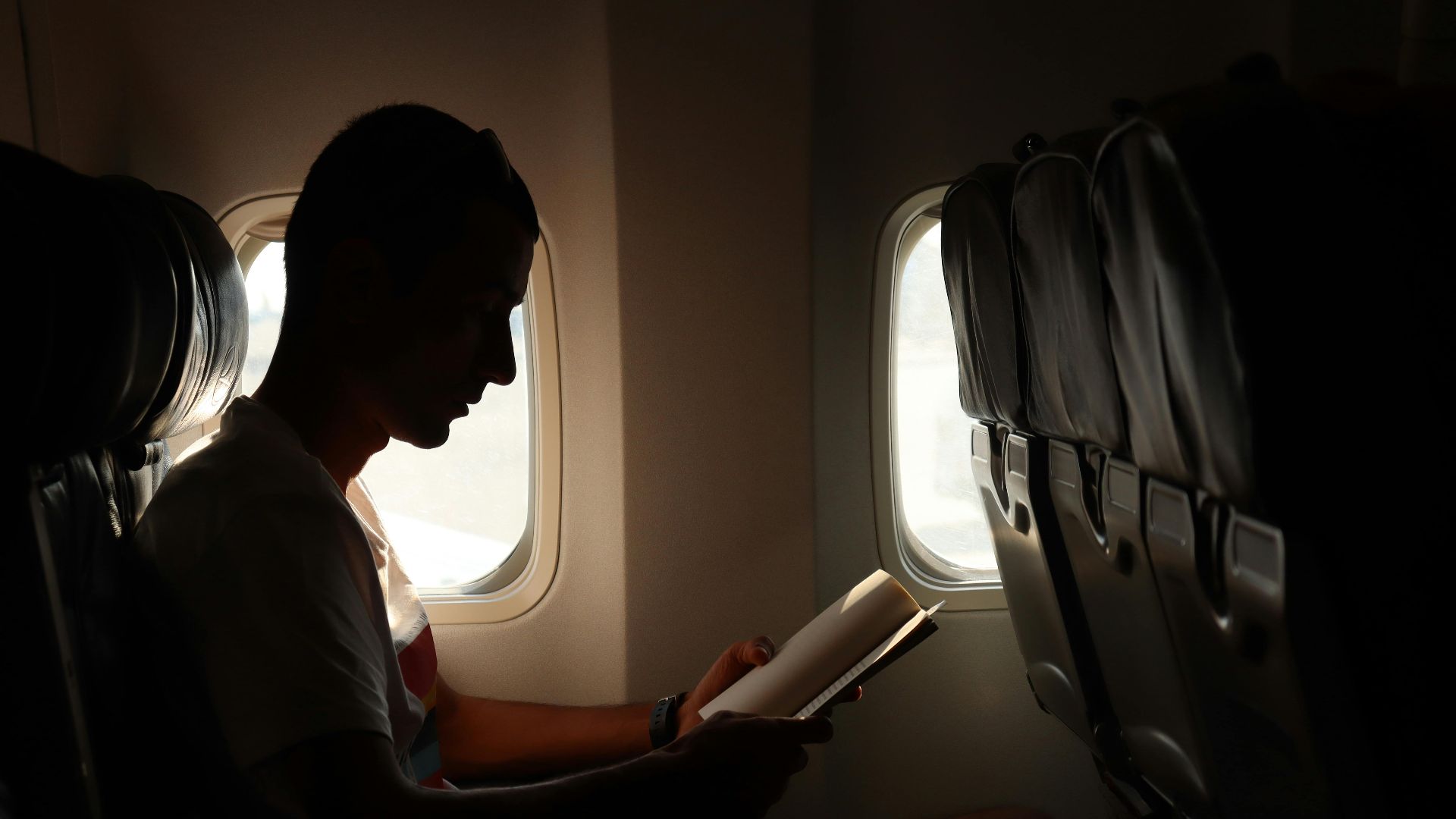
No-Show Rules Are Still Brutal
Skipping the first leg of a multi‑flight itinerary can automatically cancel the rest of your ticket. In 2026, airlines are enforcing this rule with fewer exceptions and less flexibility.
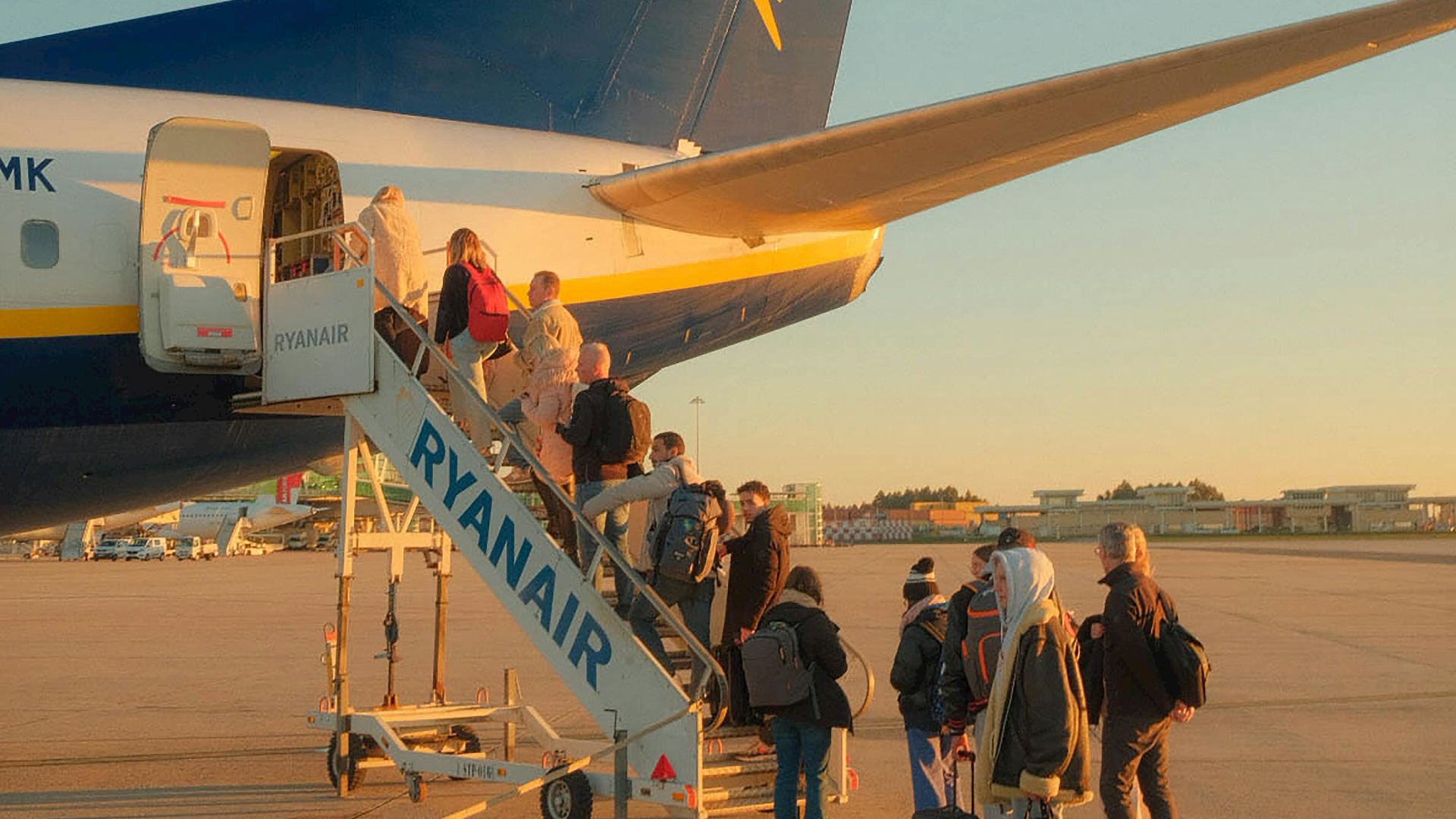
Advance Passenger Info Is Required More Often
More international trips require advance passenger details such as passport information and contact data. Missing or incorrect details can delay check‑in, boarding, or entry at your destination.
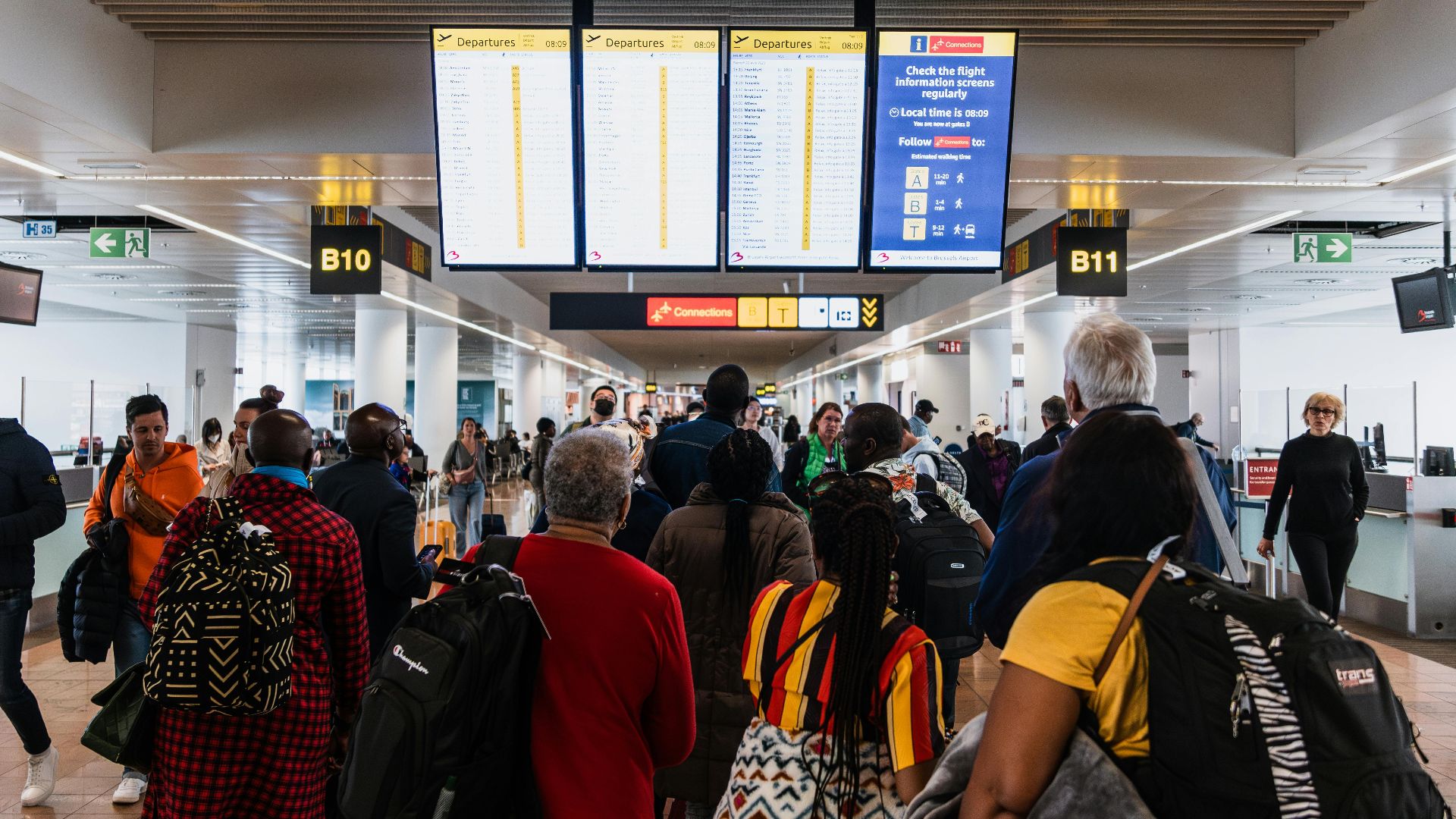
Airport Curfews Affect Late Flights
At congested airports, curfews and slot limits can turn minor delays into cancellations—especially late at night—due to local operating rules that airlines can’t override.
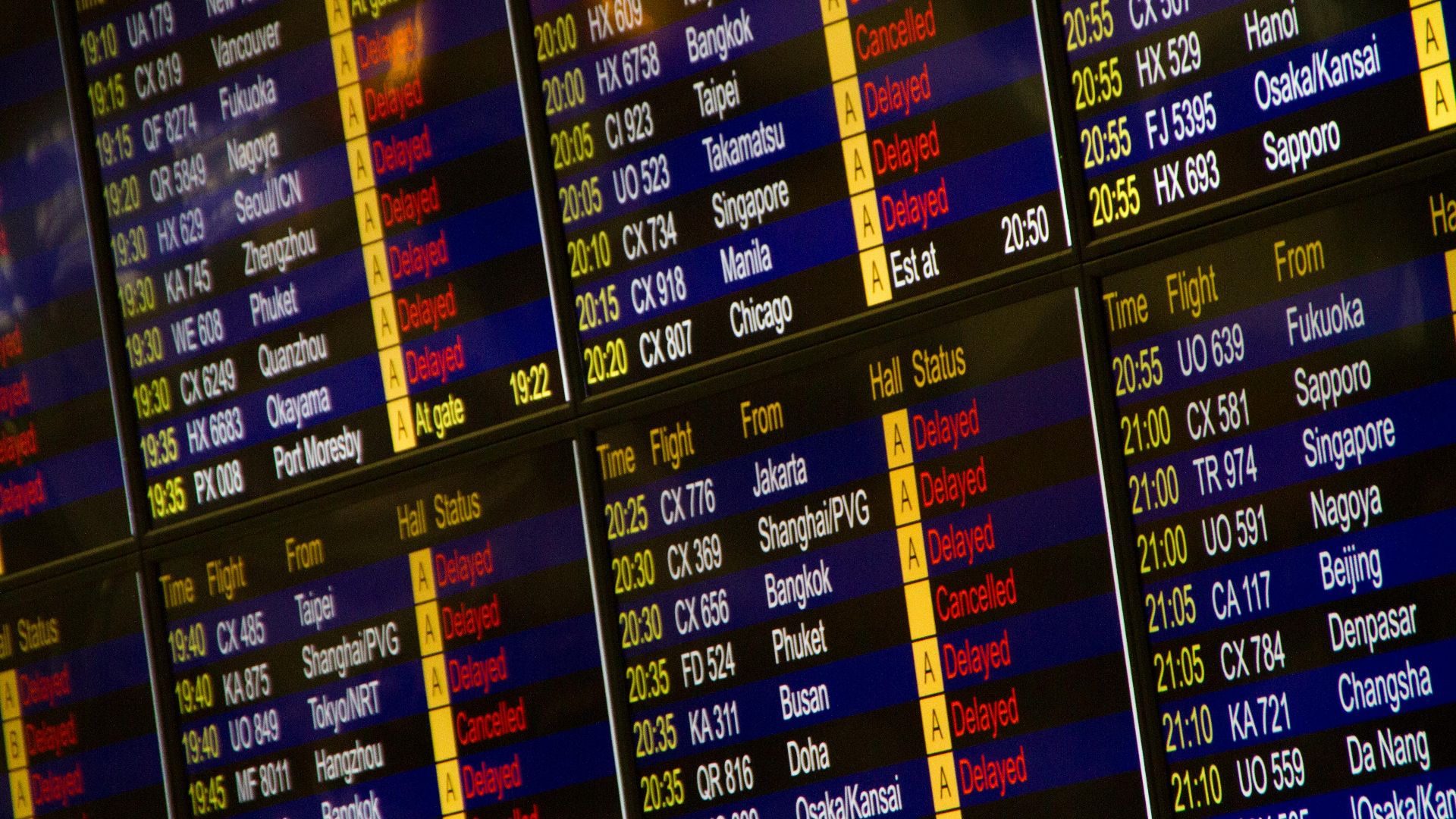
Carry-On Weight Limits Hit Abroad
While uncommon in the U.S., some international airlines enforce strict carry‑on weight limits. Even bags that fit overhead bins may be weighed at the gate and charged if they exceed limits.
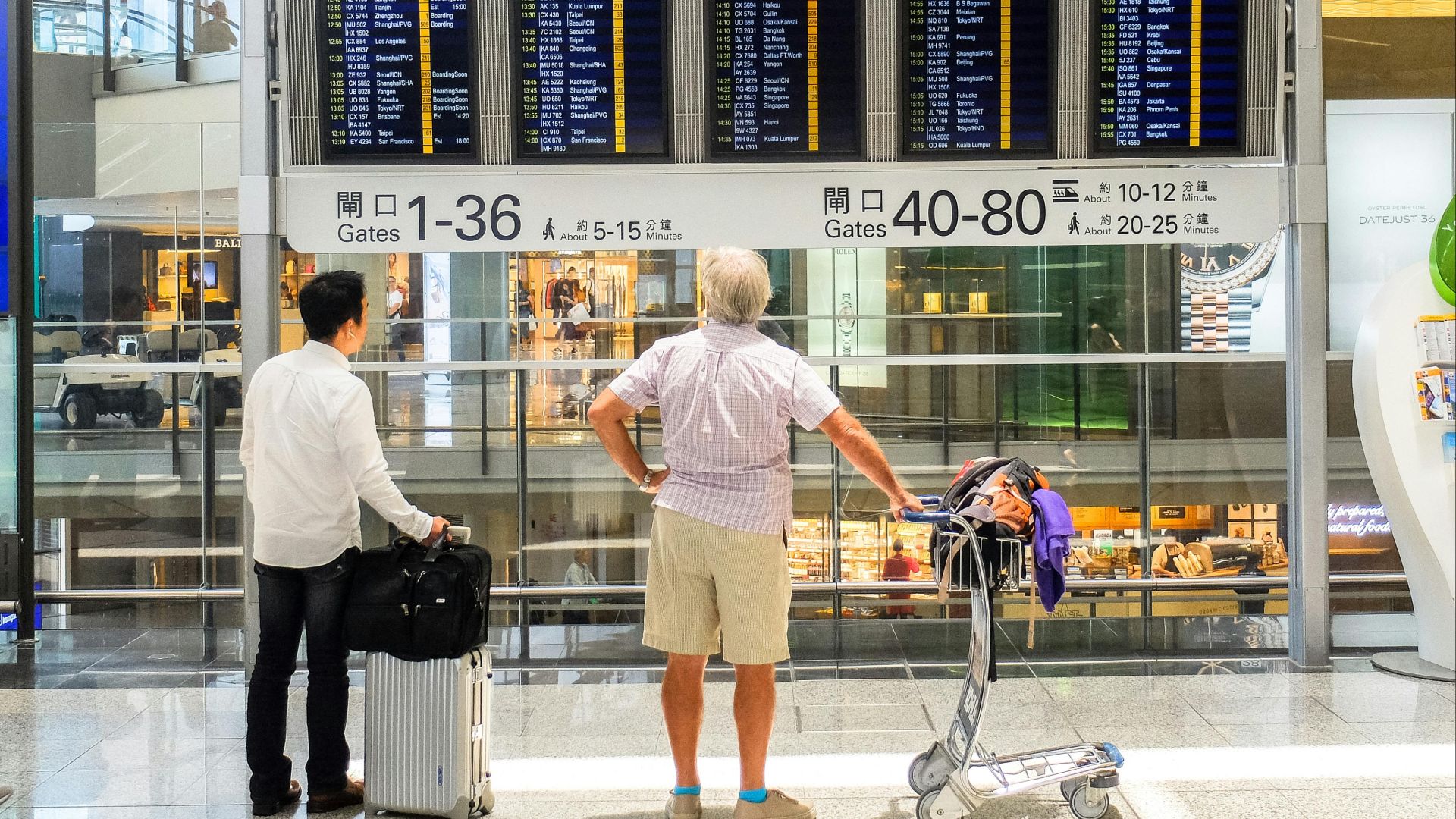
Crew Duty-Time Rules Can Trigger Cancellations
Stricter crew rest and duty‑time rules mean airlines may cancel flights sooner rather than delay endlessly when crews approach legal limits, frustrating passengers but maintaining safety compliance.

Ticket Transfers Still Aren’t Allowed
Airline tickets generally can’t be transferred to another person. In 2026, name‑change loopholes and resale workarounds are being closed more consistently across airlines.
The Big Takeaway
Flying in 2026 isn’t necessarily harder—but it is far more rule‑driven. Travelers who plan ahead, double‑check details, and understand airline policies will have a smoother experience than those learning the rules at the gate.
You Might Also Like:
Americans Think It’s Normal These Things Are Illegal, But Canadians Would Be Shocked