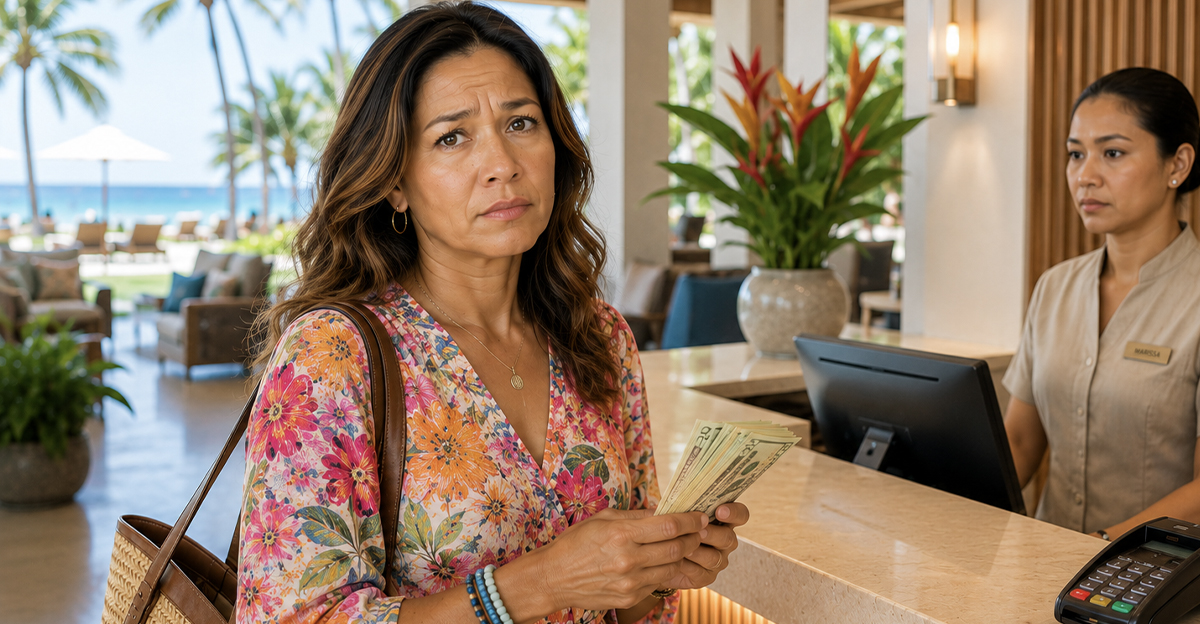
Why Won't The Resort Take My Cash?
For decades, cash was the ultimate travel backup if your credit card stopped working, your phone died, or the internet went down. But nowadays, many travelers get a shock when they arrive at a resort and discover it has gone completely cashless. Suddenly, the stack of bills they carefully brought for the trip isn't nearly as useful as they expected.
Cashless Resorts Are Becoming Much More Common
The move toward cashless operations accelerated significantly in recent years. Many resorts, hotels, theme parks, cruise terminals, and entertainment venues now encourage or require electronic payments. Businesses often cite convenience, security, faster transactions, and reduced cash-handling costs as reasons for the change. What once felt unusual is quickly becoming normal in many tourist destinations.
The Resort Usually Has The Right To Set Payment Policies
In most cases, private businesses can choose which forms of payment they accept, subject to local laws. While cash is legal tender for debts, federal law generally does not require private businesses to accept cash for every transaction. Some states and cities have adopted rules requiring cash acceptance, but many have not. That's why a cashless policy can be perfectly legal in one location and restricted in another.
The Biggest Problem Is Often The Unexpectedness
Many travelers don't object to using a card. They object to discovering the policy only after arrival. If you planned your budget around cash and expected to use it for meals, drinks, activities, and resort purchases, the surprise can create stress. This is especially true when you're traveling internationally or trying to avoid credit card fees.
You May End Up Using A Credit Card More Than Planned
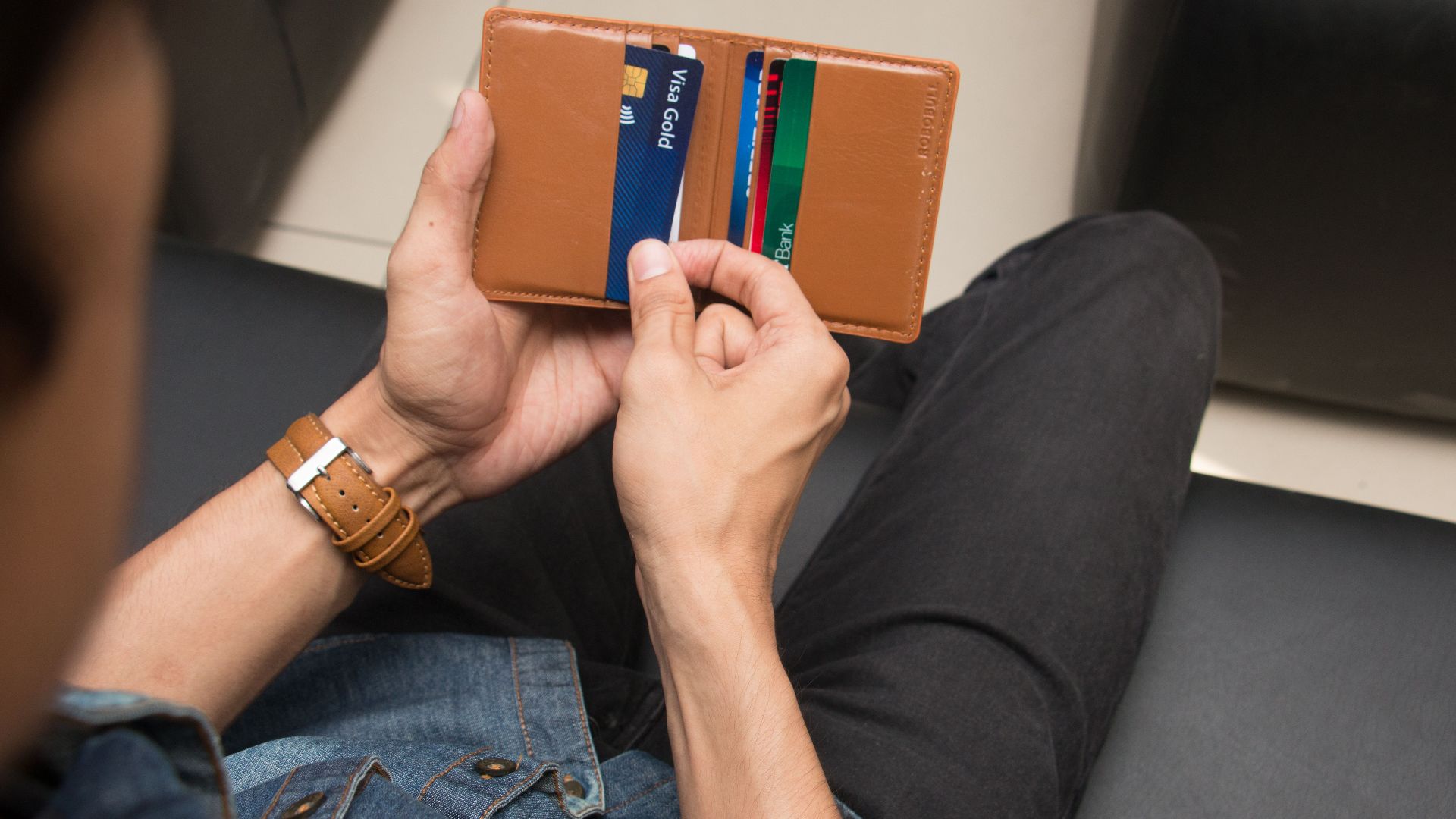
A cashless resort often means every purchase goes onto a card. For travelers who were hoping to limit spending by using cash, that can make budgeting more difficult. Small purchases that might have felt significant when handing over bills can become easier to overlook when they're simply added to a room account.
Foreign Transaction Fees Can Become A Surprise
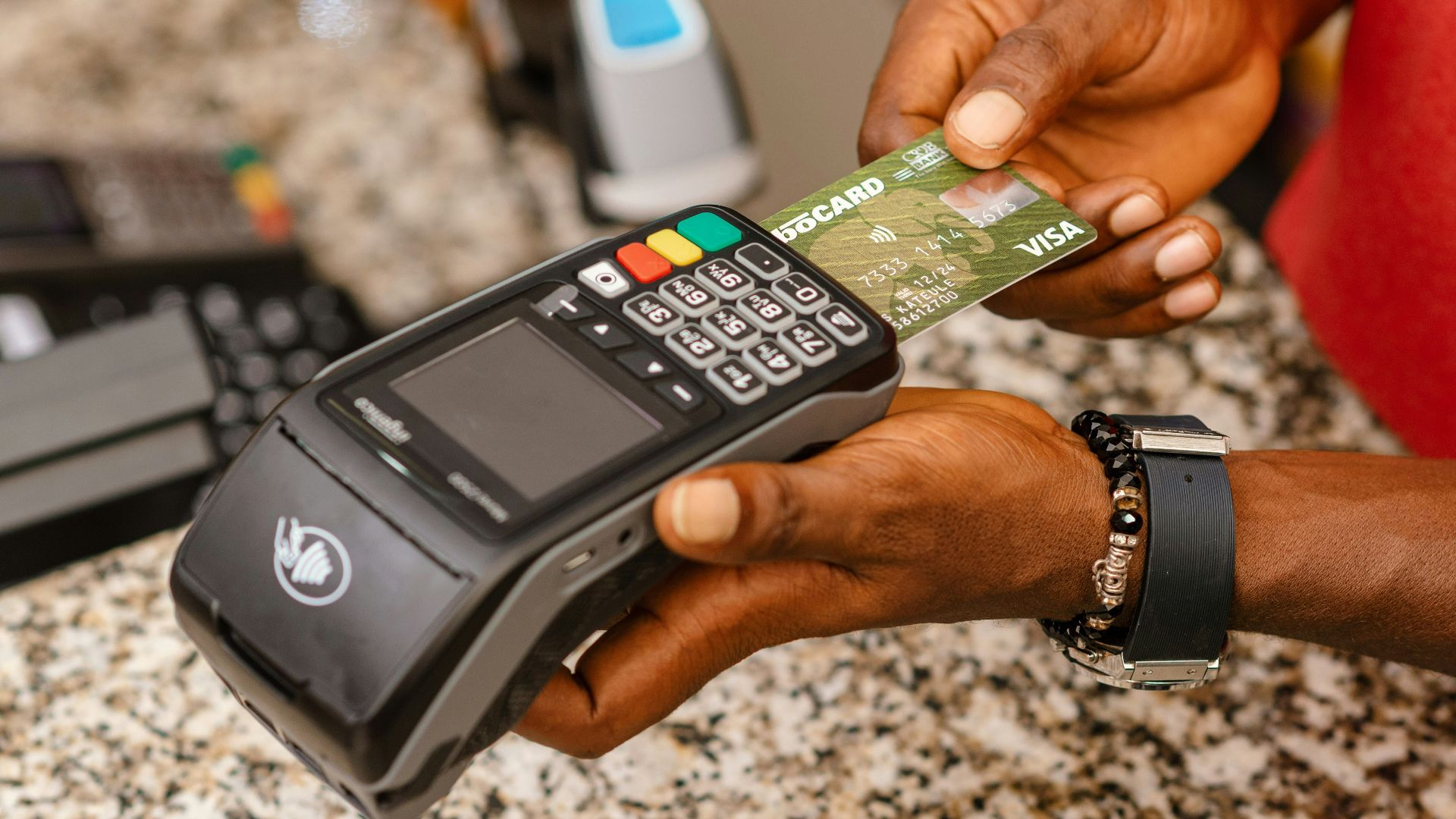
If you're traveling internationally, a cashless policy can expose you to fees you hoped to avoid. Some credit cards still charge foreign transaction fees on purchases made outside your home country. If you planned to use local currency for most expenses, those fees can add up faster than expected.
Currency Exchange Plans May Fall Apart
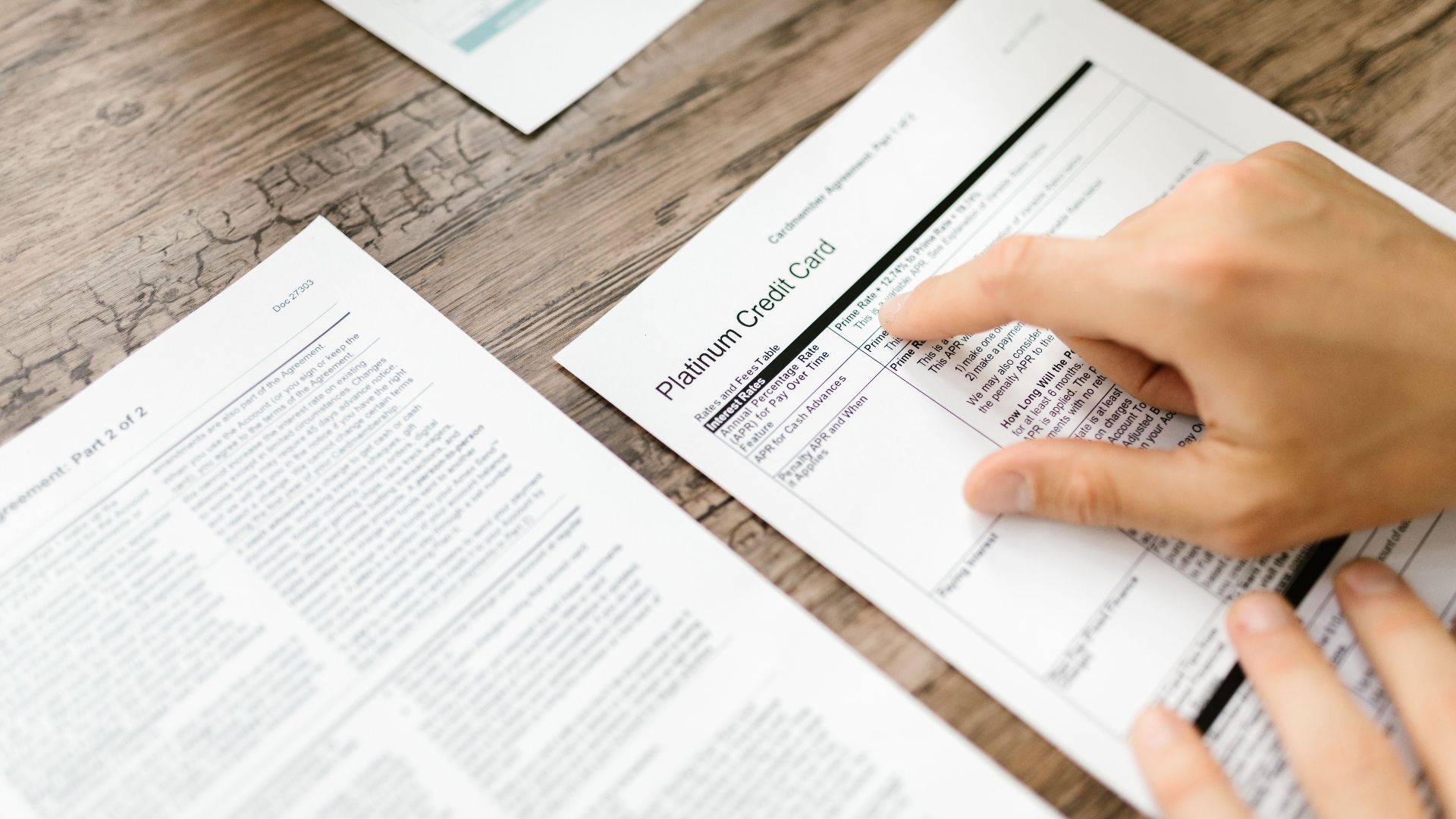
Many travelers exchange money before a trip specifically to cover daily expenses. If the resort won't accept cash, you may end up returning home with far more local currency than anticipated. That can create another problem because converting unused currency back often involves unfavorable exchange rates and additional fees.
Debit Cards Have Their Own Risks
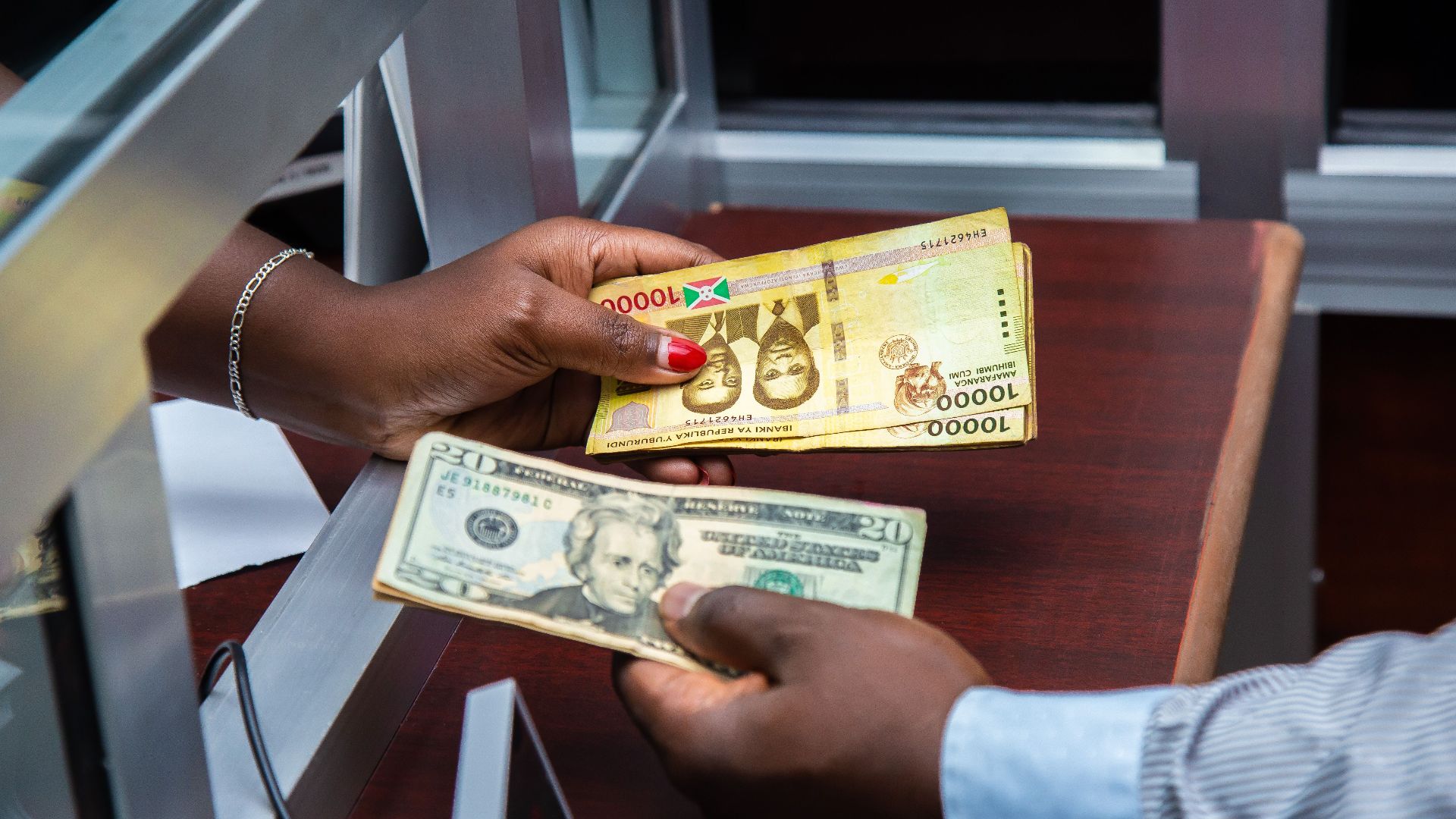
Some guests switch to debit cards when cash isn't accepted. While that may work, debit cards can create different concerns. Fraud protection rules often differ from credit cards, and disputed charges may temporarily tie up money in your bank account. Understanding your card protections before traveling is important.
Resort Charges Can Add Up Quickly
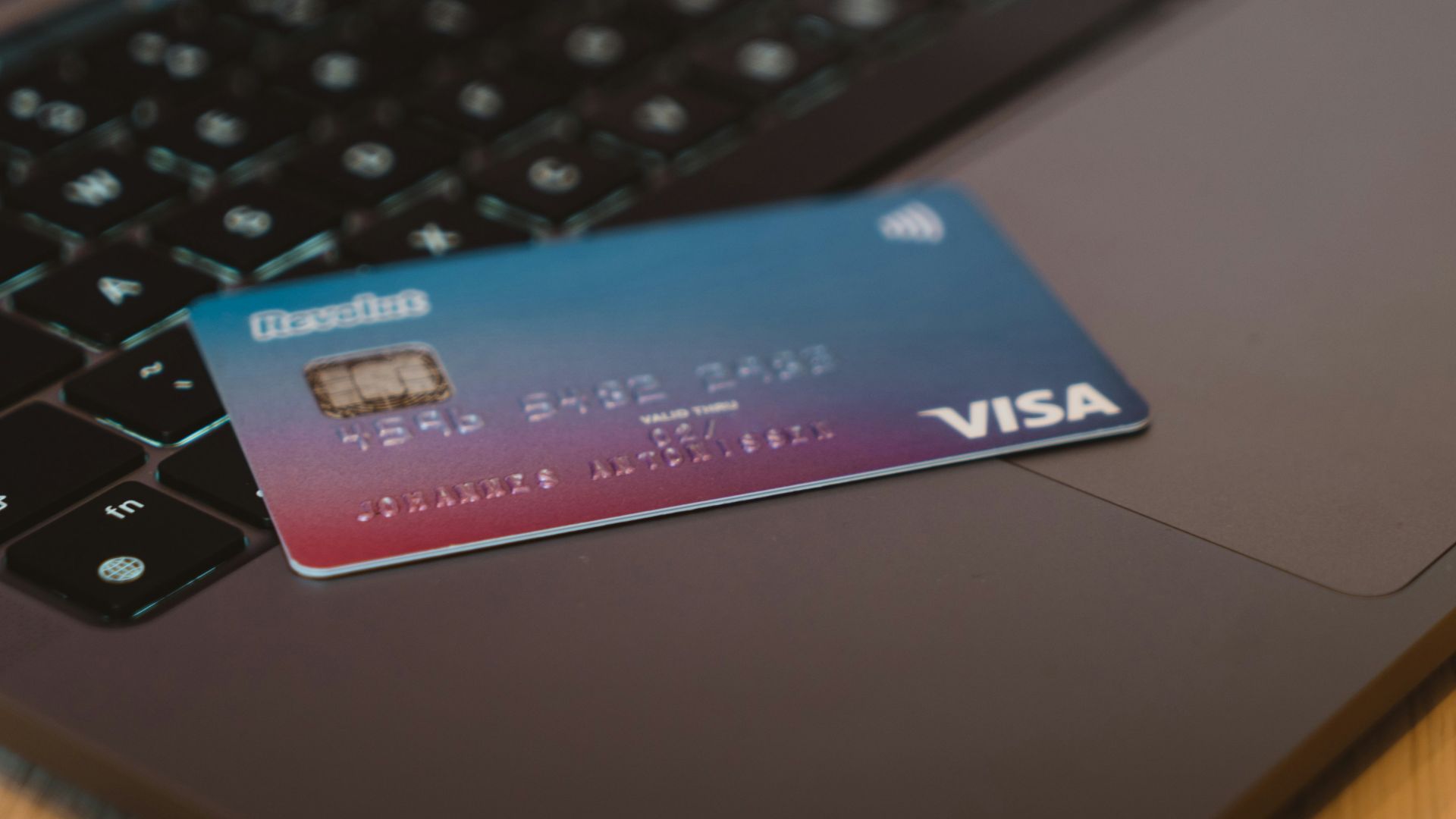
Cashless systems sometimes make spending feel less immediate. Meals, drinks, spa treatments, excursions, gift-shop purchases, and convenience items can all accumulate on a room folio or linked payment method. Many travelers don't realize how much they've spent until checkout arrives.

Mobile Wallets Are Often Accepted
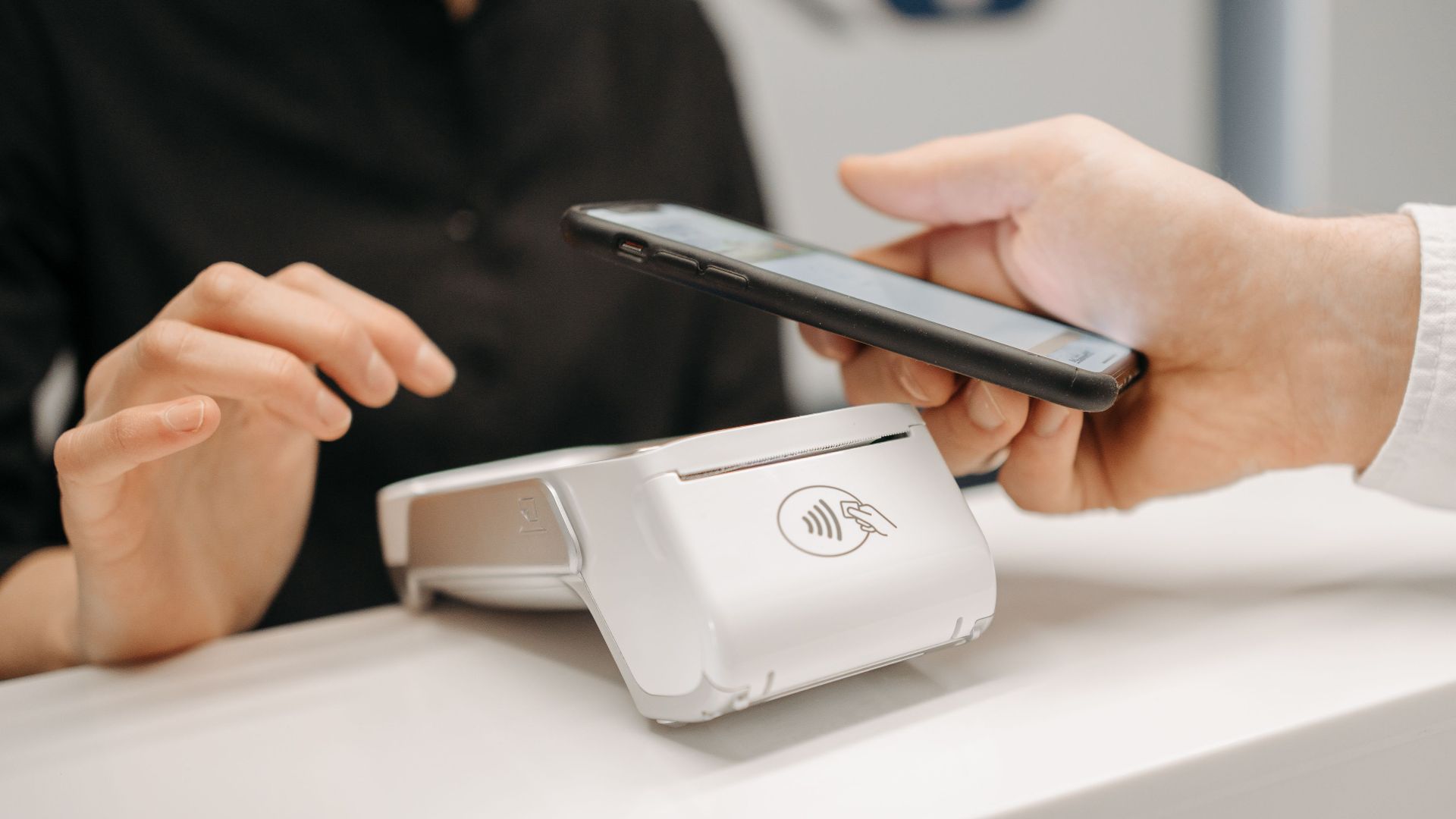
The good news is that cashless doesn't necessarily mean credit card only. Many resorts accept Apple Pay, Google Pay, Samsung Wallet, and other digital payment systems. If you use mobile payments regularly, the transition may be relatively painless.
Some Resorts Use Wristbands
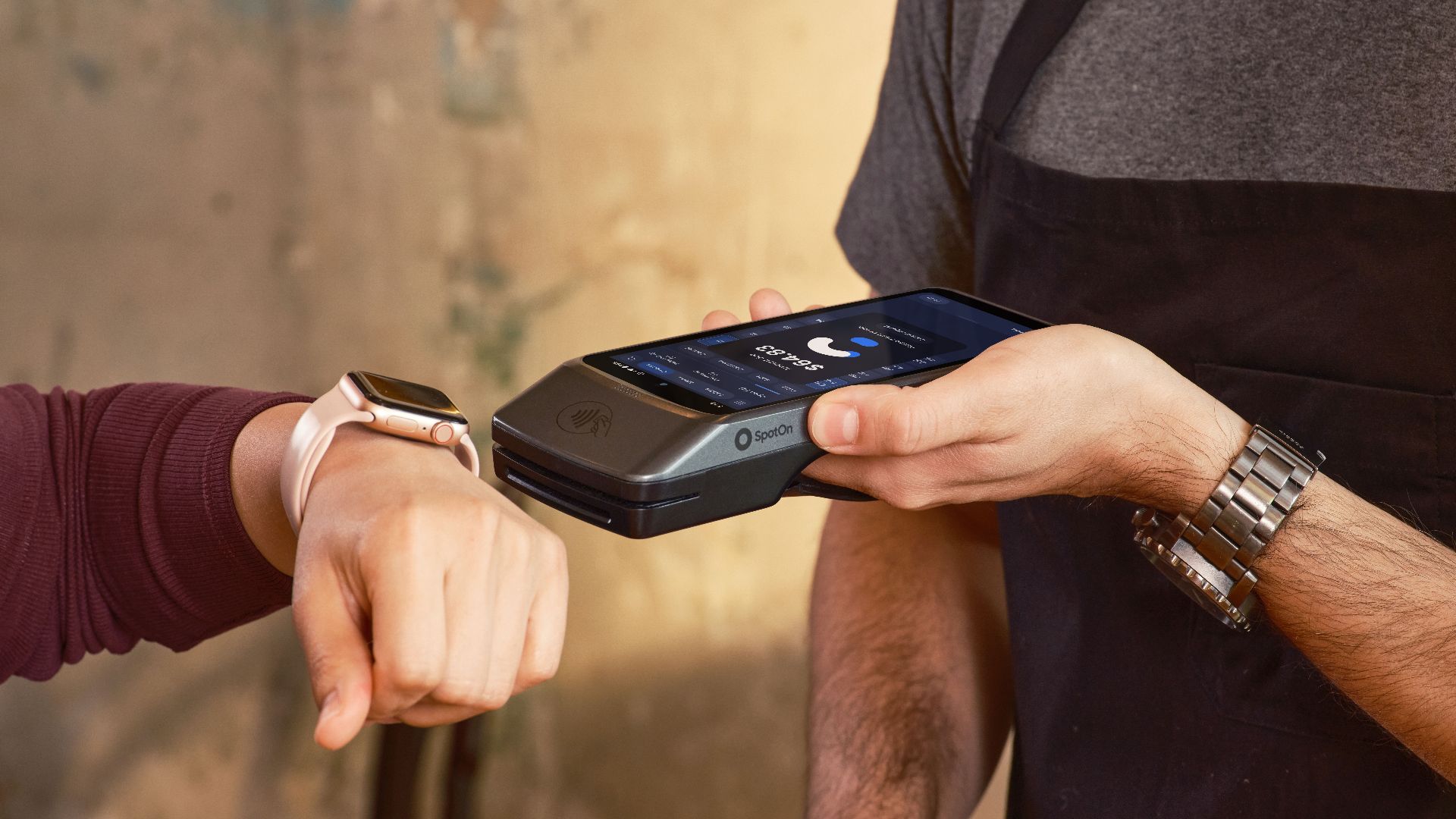
Many all-inclusive resorts and water parks have adopted wristband payment systems. Guests link a credit card to a wearable device and use it throughout the property. These systems can be convenient, but they also make spending almost frictionless. It's easy to lose track of purchases when you're not physically handling money.
Tipping Can Become Complicated
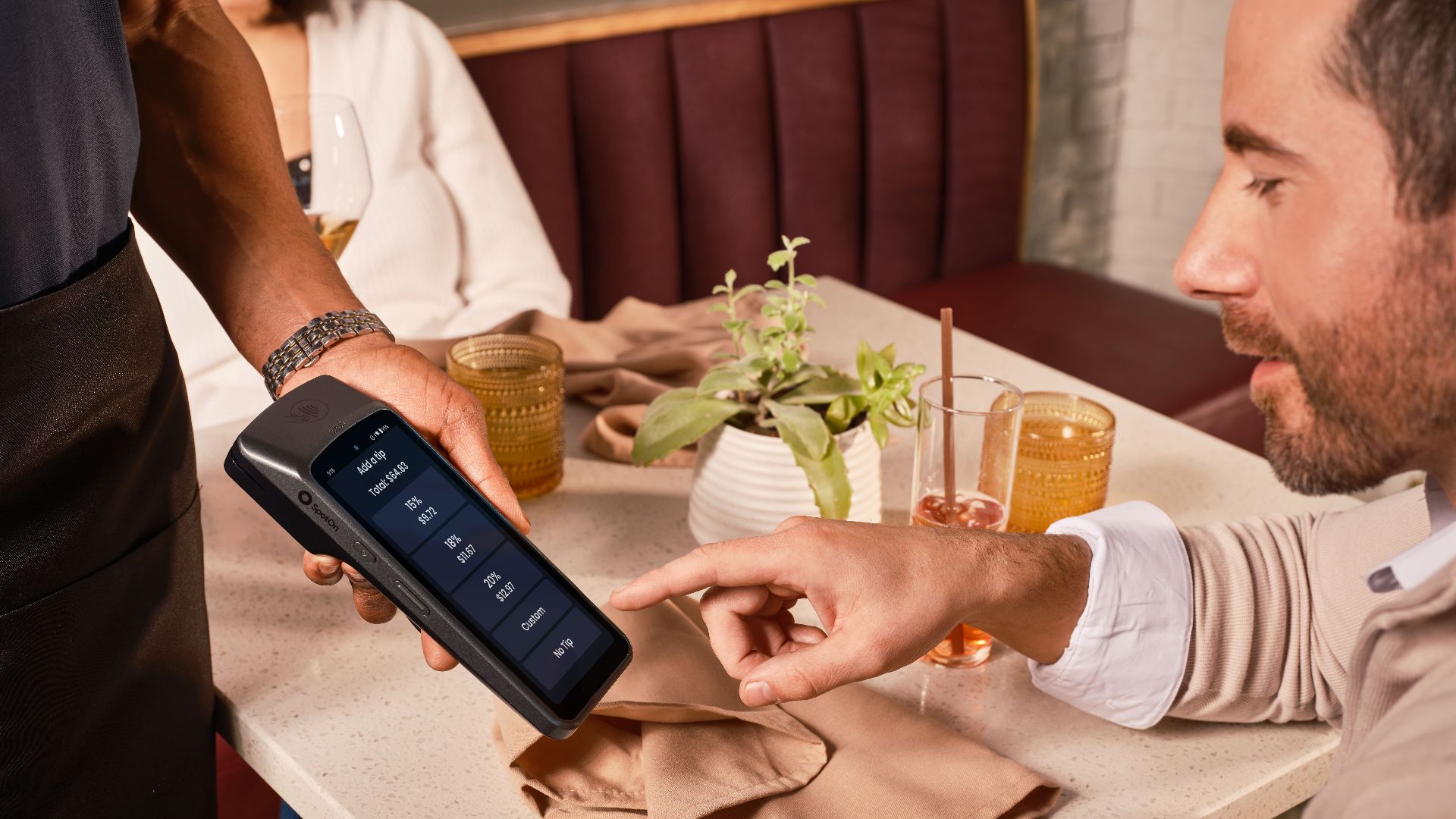
Cashless policies sometimes create confusion around tipping. Some resorts allow digital tips, while others encourage guests to add gratuities to charges. In certain destinations, staff may still strongly prefer cash tips even if the resort itself doesn't accept cash for purchases. Understanding local customs can help avoid awkward situations.
Not Every Part Of The Property May Be Cashless
Sometimes the main resort operates without cash while nearby businesses still accept it. Local restaurants, taxis, shops, tour operators, and attractions may continue accepting cash normally. Before assuming your money is useless, find out where it can still be used.
Ask About Prepaid Options
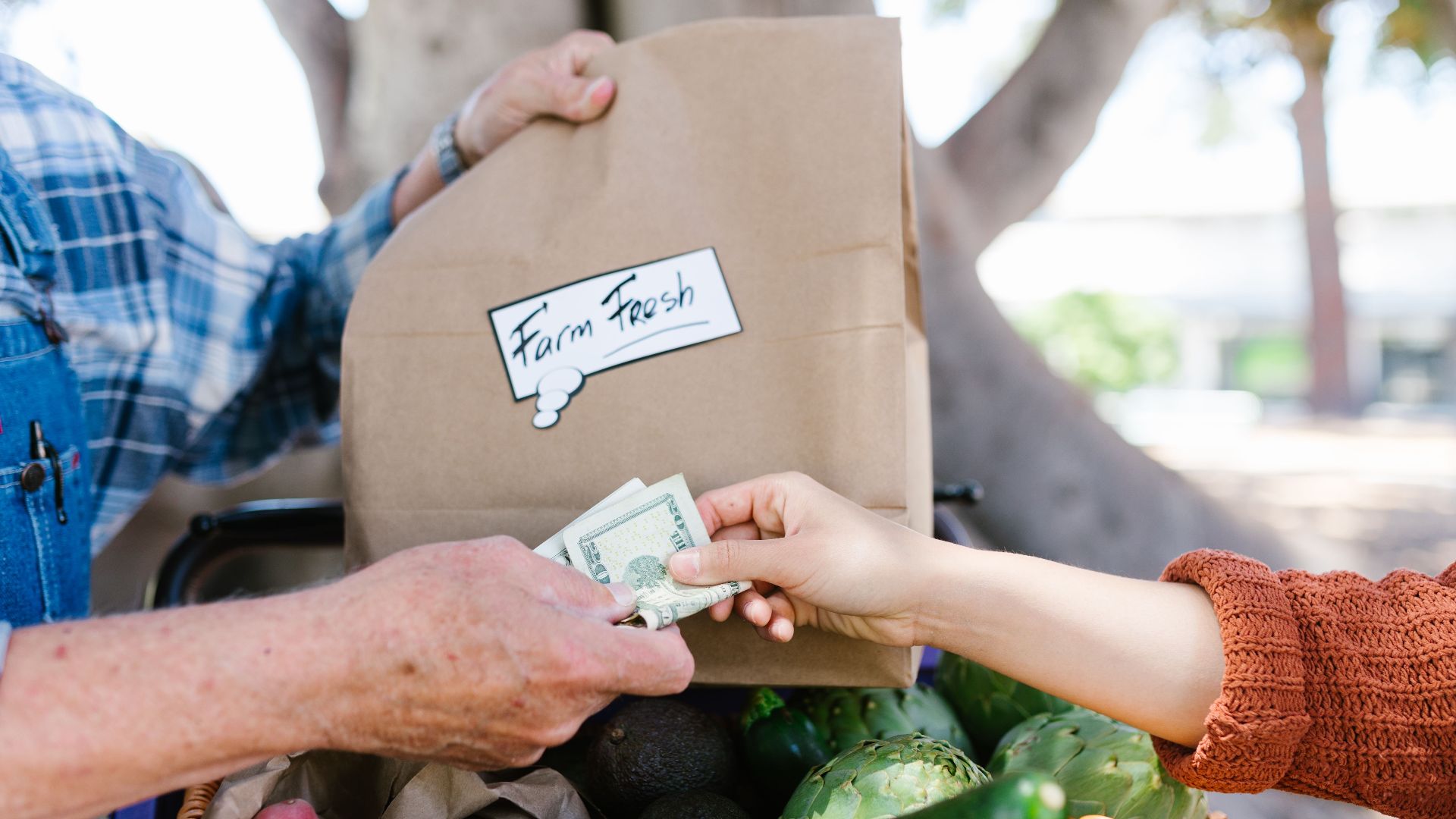
Some resorts offer prepaid cards or stored-value accounts that can be loaded using cash. These systems allow guests who prefer cash to convert it into a form accepted on the property. Not every resort offers this option, but it's worth asking about.

Watch For ATM Fees
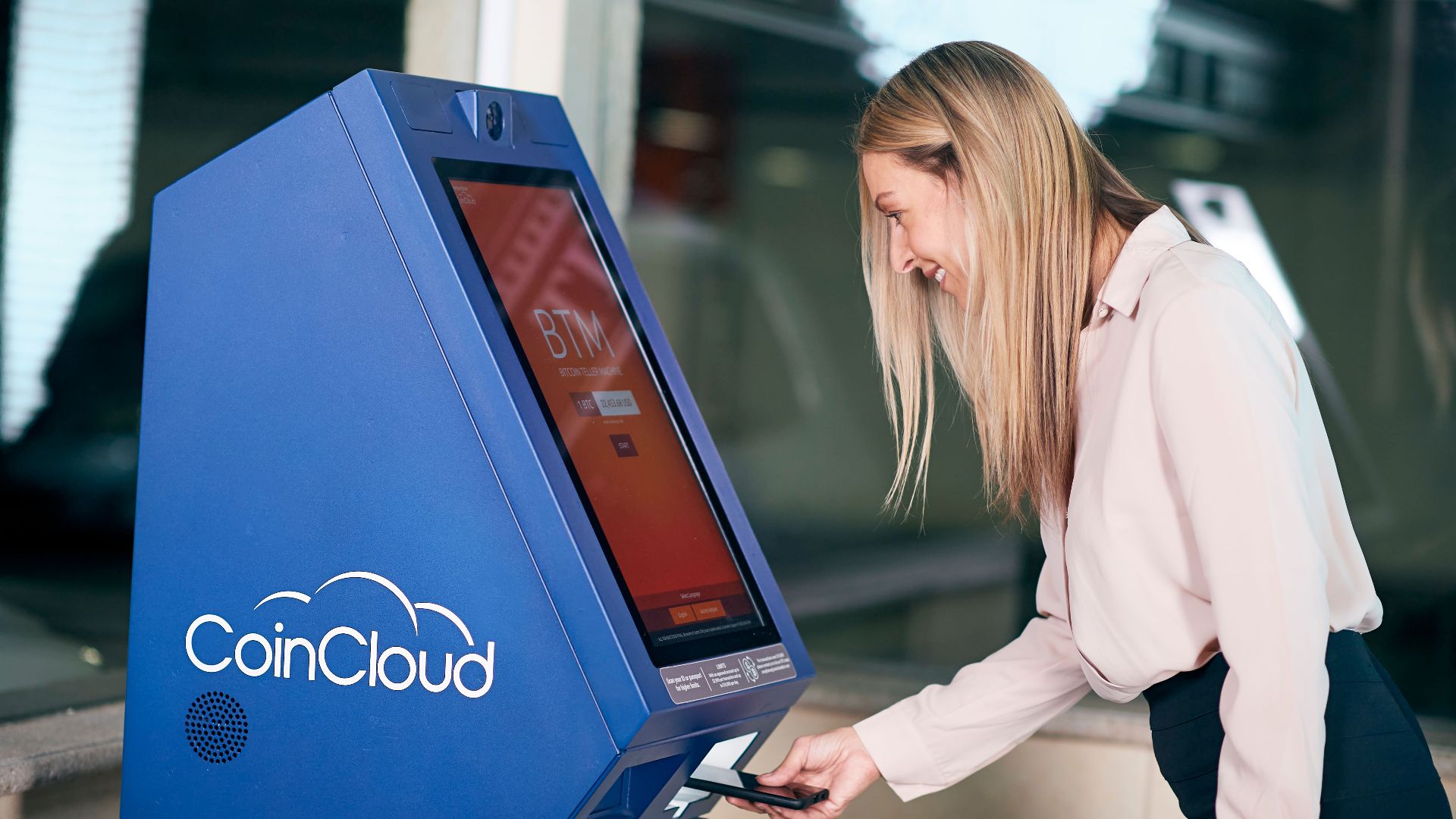
If your original plan involved using cash and you now need additional card access, ATM fees can become an issue. Resort-area ATMs are notorious for charging high transaction fees. Foreign ATM charges, currency conversion fees, and bank surcharges can combine to make cash withdrawals surprisingly expensive.
Dynamic Currency Conversion Can Cost You
Some payment terminals offer to charge your card in your home currency instead of the local one. While this may seem convenient, it often comes with less favorable exchange rates. Financial experts frequently recommend paying in the local currency when using a credit card abroad.
Travel Rewards Can Become More Valuable
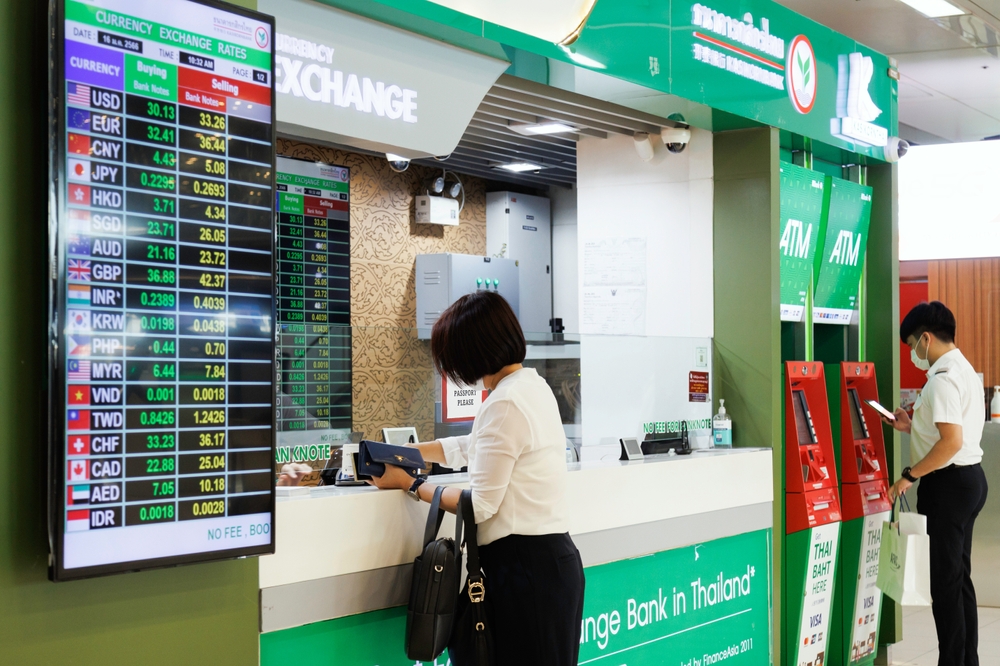
One upside of cashless travel is that many purchases may qualify for rewards points, cash back, or travel benefits. If you use a card with strong travel perks, the forced switch away from cash may generate more rewards than you expected. That won't eliminate all concerns, but it can soften the blow.
Security Is Part Of The Appeal
Resorts often argue that cashless systems improve security for both guests and staff. Less cash on site can reduce theft risks and simplify operations. Guests also avoid carrying large amounts of money around pools, beaches, restaurants, and activity areas.

Technology Failures Still Happen
One downside of a cashless environment is that electronic systems occasionally fail. Internet outages, payment processing problems, software issues, and network disruptions can temporarily affect transactions. That's one reason many travelers still like having at least one backup payment method available.
Carry More Than One Card
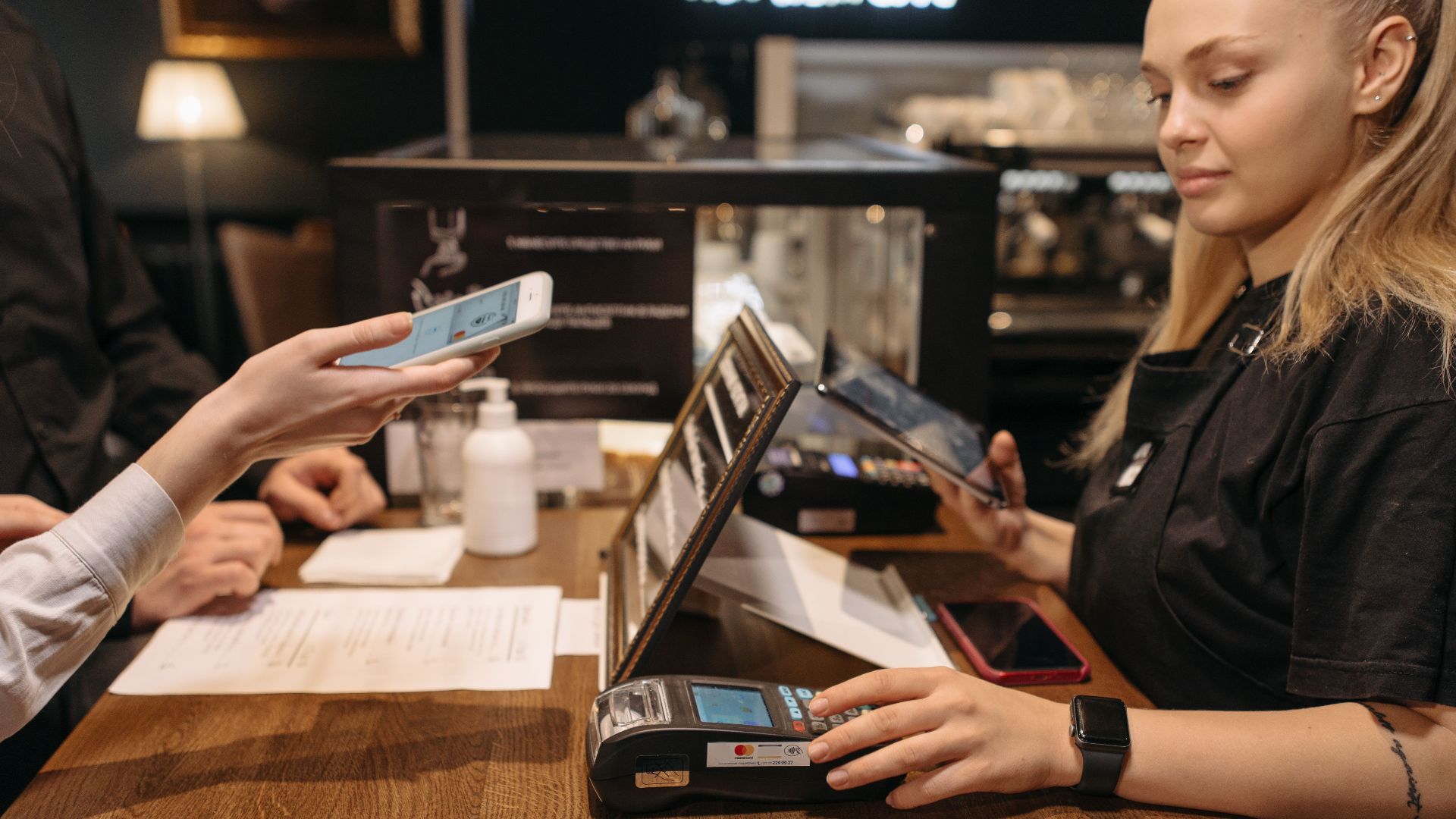
A smart strategy is carrying multiple payment options. If one card is declined because of fraud alerts, network problems, or bank restrictions, another may still work. Relying on a single card at a cashless resort can create unnecessary risk.
Notify Your Bank Before Traveling
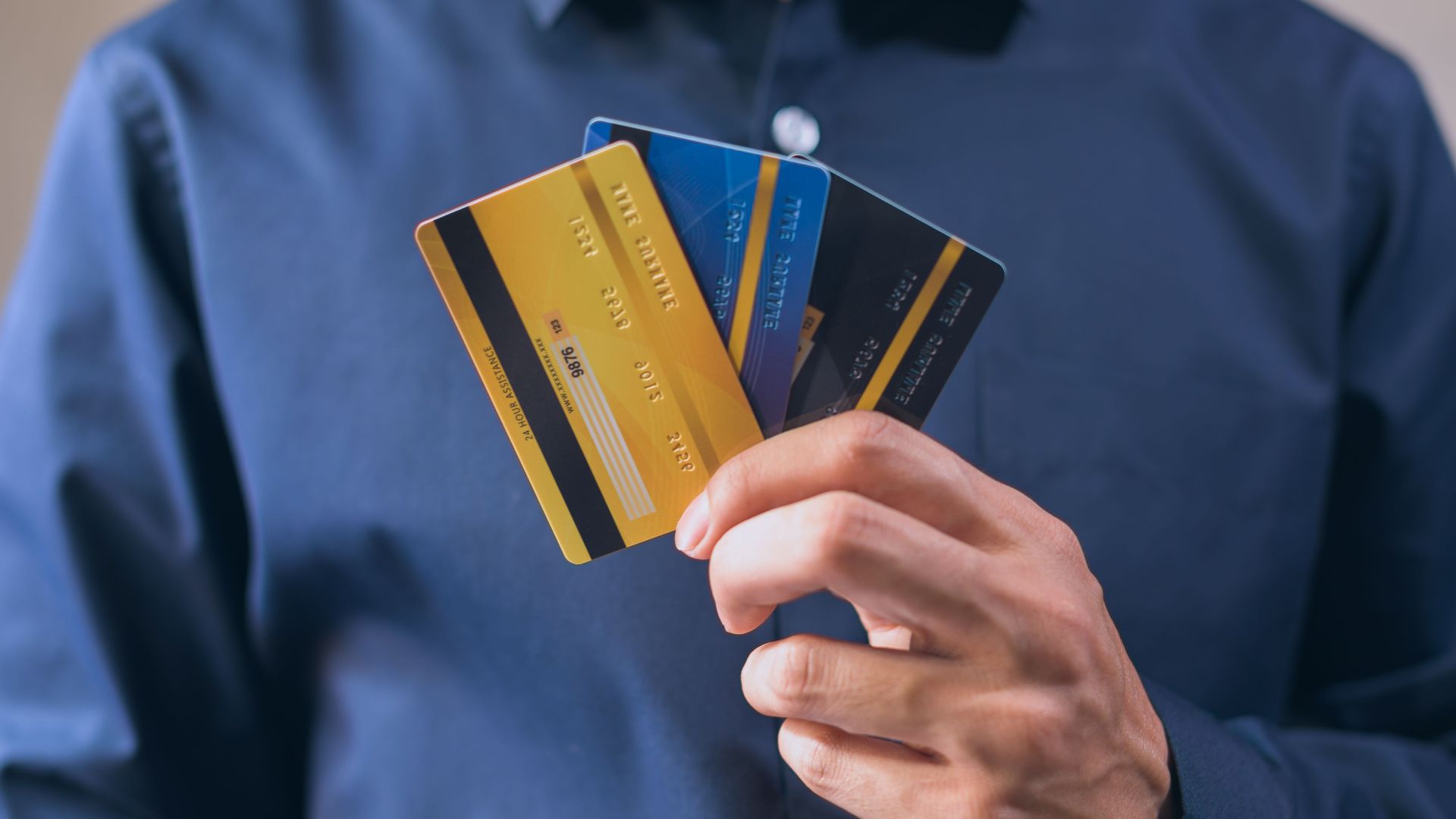
Banks sometimes flag unfamiliar travel purchases as suspicious activity. Informing your card issuer about travel plans can reduce the chances of a fraud-related freeze. This becomes even more important when you know you'll be relying heavily on electronic payments.

Keep Some Cash Anyway
Even if the resort won't accept cash, carrying some local currency can still be useful. Transportation providers, local vendors, off-property businesses, and emergency situations may still favor cash. The goal isn't to abandon cash entirely but to recognize its limitations at certain destinations.
Read The Resort's Policies Before Arrival
Many cashless surprises can be avoided by reading the property's payment information before traveling. Resort websites, booking confirmations, FAQs, and guest-information pages often explain accepted payment methods. A few minutes of research can prevent a lot of frustration later.

You Probably Won't Lose Money, But You May Spend More
The biggest financial risk isn't usually that your cash becomes worthless. It's that you end up relying on payment methods that carry fees, encourage extra spending, or make budgeting more difficult. Being aware of those risks allows you to adjust before they become expensive problems.

A Little Planning Goes A Long Way
If you arrive at a cashless resort with a pocket full of cash, don't panic. In most cases, you'll still be able to use electronic payments for purchases and save the cash for off-property expenses, transportation, tipping, or future travel. The key is understanding the resort's policies ahead of time, carrying multiple payment options, and keeping a close eye on spending so convenience doesn't quietly become costly.

You May Also Like:
My hotel required a massive security deposit that wasn’t disclosed before arrival. Is that normal?