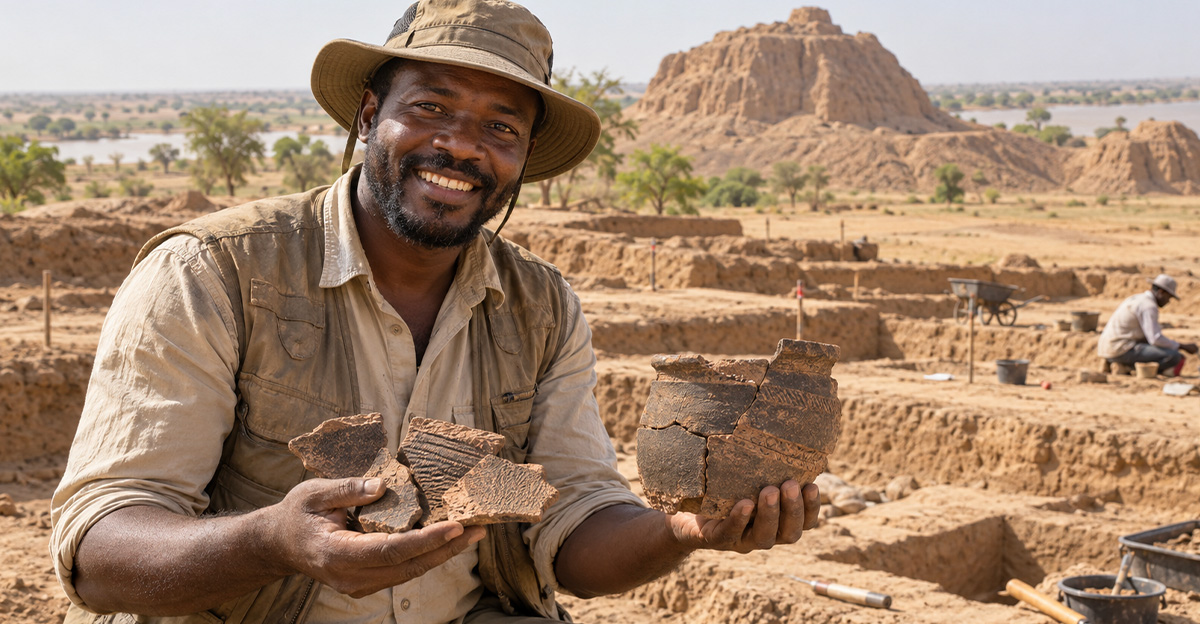
Your Dream Adventure May Not Look Like The Brochure
Many travelers book wilderness tours expecting specific wildlife sightings, hiking routes, or scenic locations. Then they arrive and discover trail closures, restricted areas, or canceled excursions due to wildlife activity. The experience can feel disappointing, especially when the advertised highlights are no longer available.
 peopleimages.com, Adobe Stock Images
Wildlife Closures Are Becoming More Common
Protected areas around the world increasingly use temporary closures to protect animals, visitors, or sensitive habitats. As conservation efforts expand and visitor numbers grow, travelers are encountering more restrictions than they might have seen a decade ago.
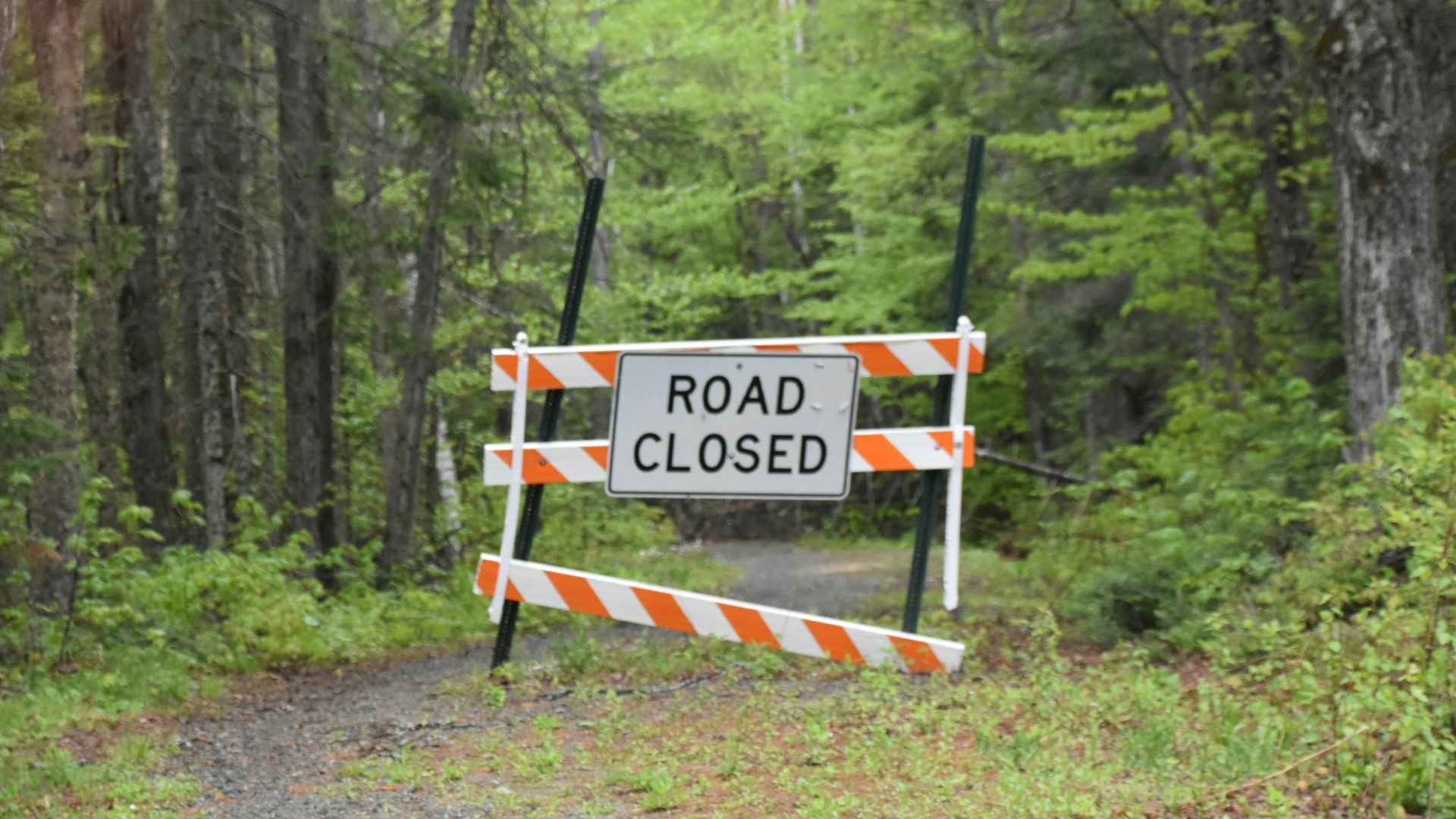
Most Closures Exist For Good Reasons
Wildlife closures are usually implemented to reduce stress on animals during critical periods such as nesting, breeding, migration, or feeding seasons. In some cases, closures also protect tourists from potentially dangerous encounters with wildlife.
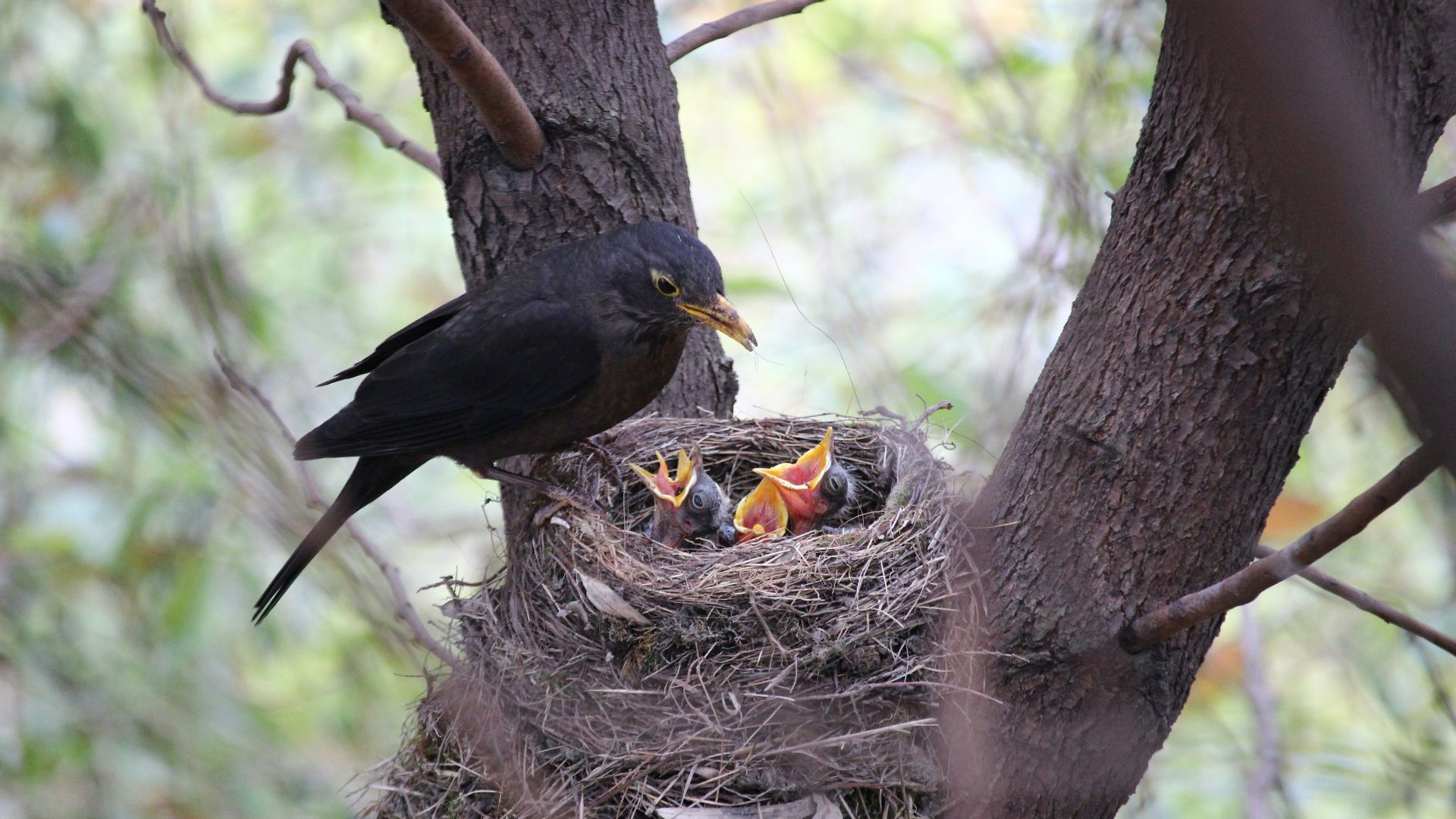
National Parks Frequently Restrict Access
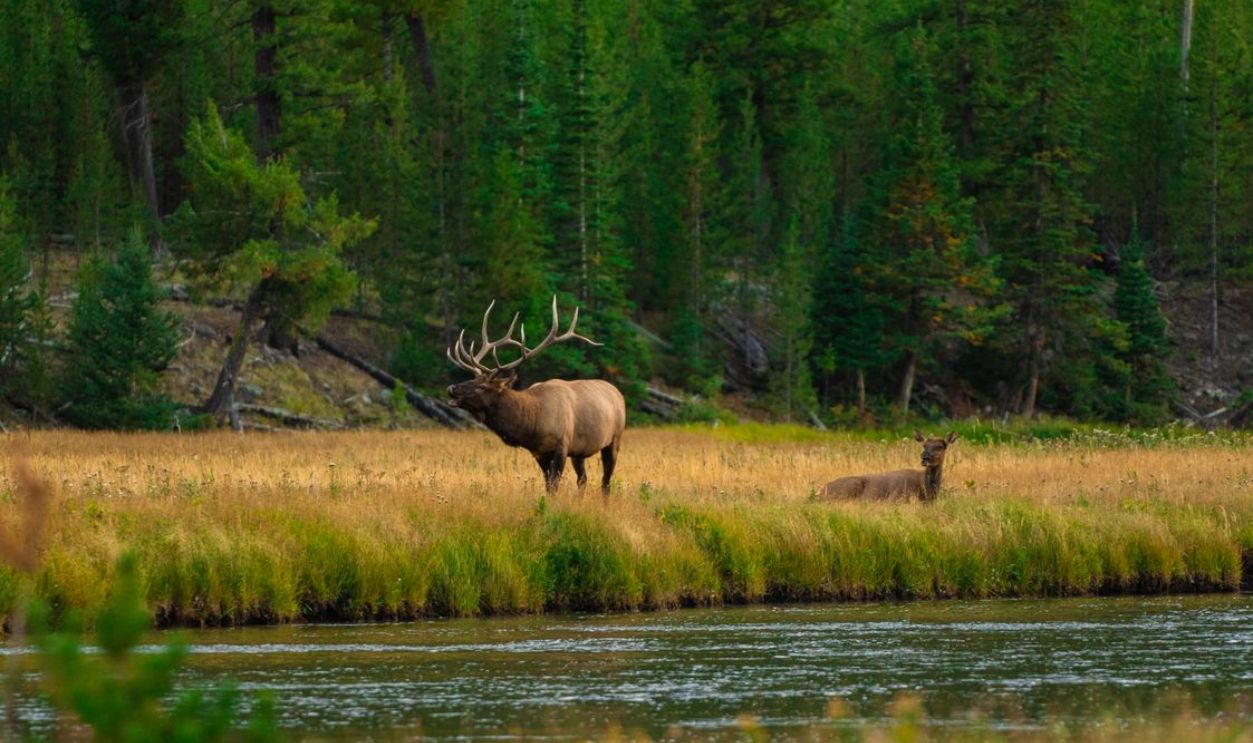
Many national parks temporarily close trails, campsites, roads, and viewing areas when wildlife activity increases. Bears, wolves, moose, elk, nesting birds, and other species can all trigger temporary restrictions depending on the location and season.
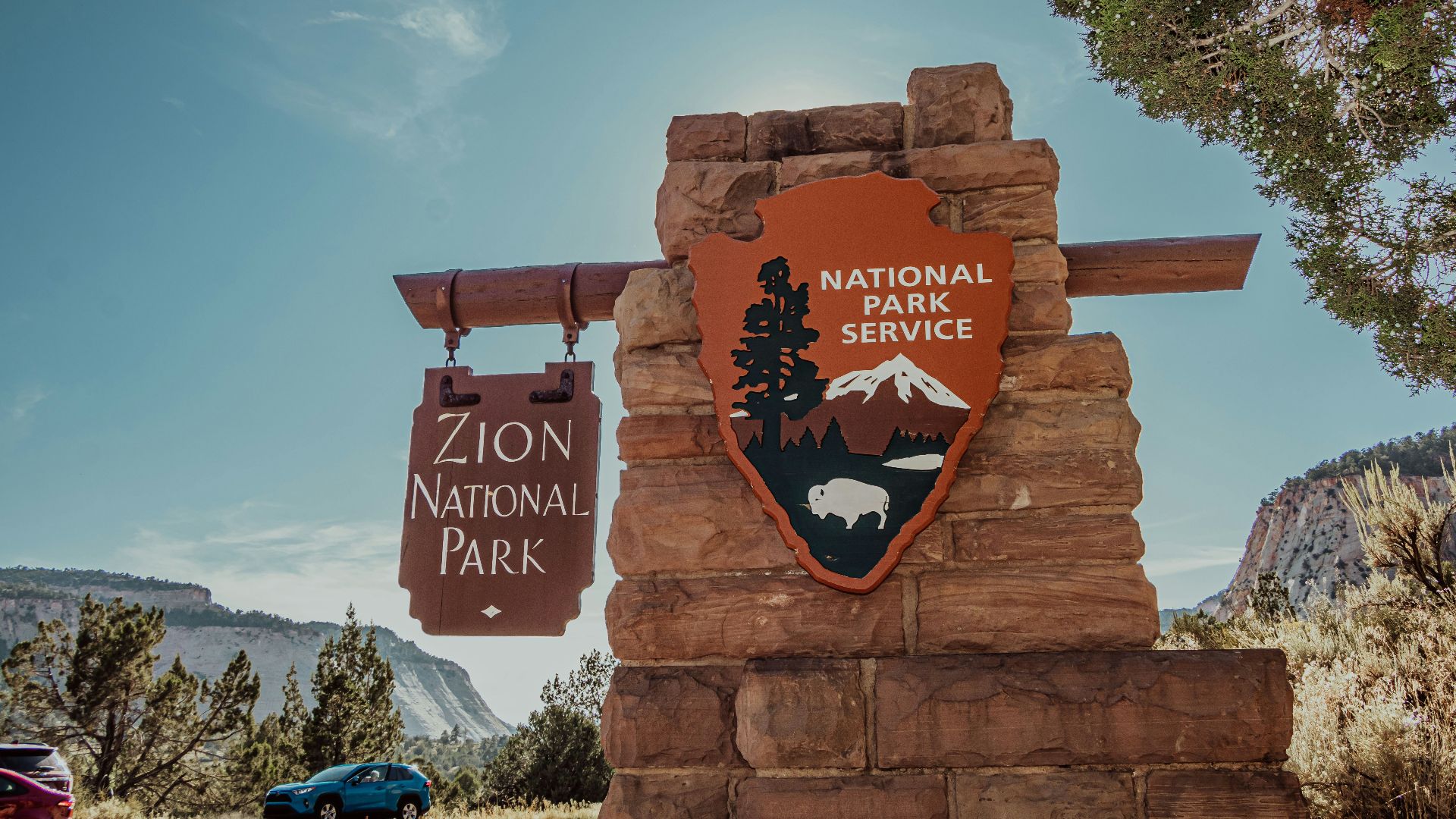
Conservation Agencies Prioritize Wildlife Protection
Government agencies generally view wildlife protection as more important than tourism convenience. If conservation experts believe visitor access could harm animals or habitats, closures are often implemented regardless of potential visitor disappointment.
Tour Operators Usually Don't Control The Closures
Many travelers direct their frustration toward tour companies, but operators often have little influence over government restrictions. Park authorities, wildlife agencies, and land managers typically make closure decisions independently of tourism businesses.
The Timing Can Be Impossible To Predict
Wildlife doesn't follow tourism schedules. An area that was completely accessible when a tour was advertised may become restricted shortly before departure due to unexpected animal activity, environmental conditions, or conservation concerns.
Not Every Advertisement Guarantees Specific Wildlife Encounters
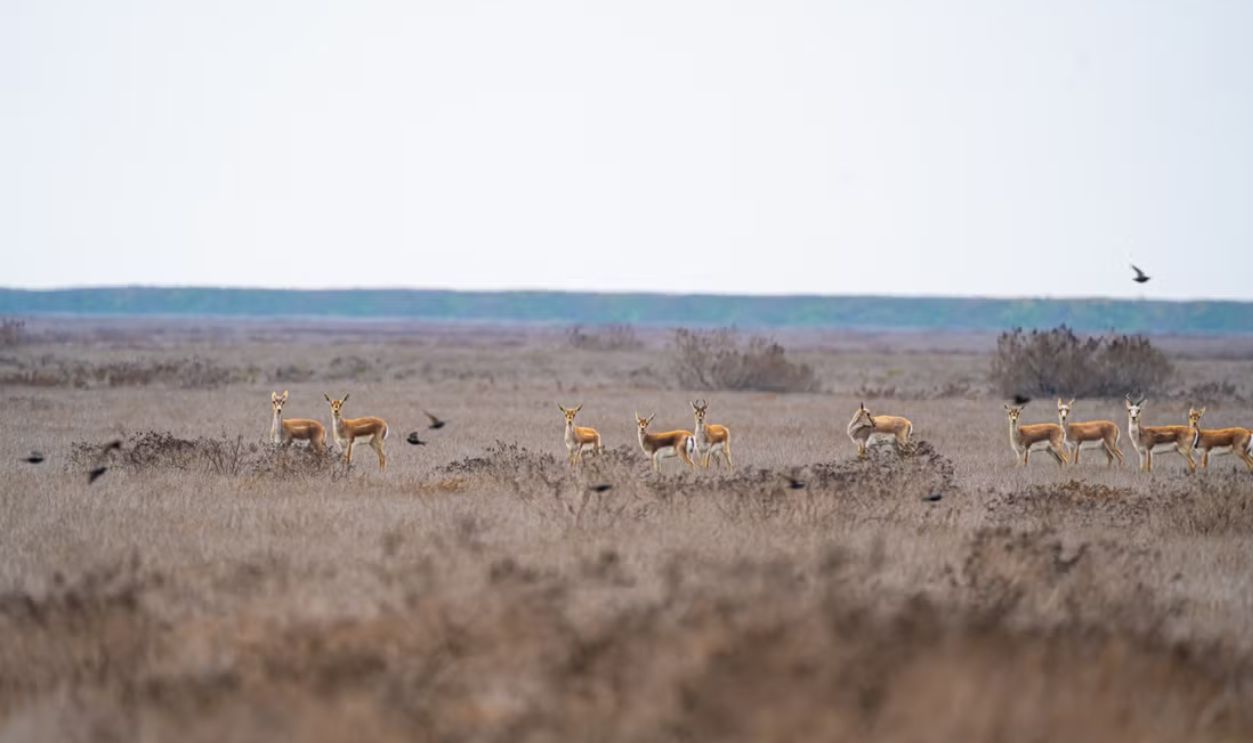
Many wilderness tour descriptions carefully use phrases like "opportunity to see" or "possible sightings." These terms are intentionally different from guarantees. Wildlife remains unpredictable, even in areas known for frequent animal encounters.
Visitors Sometimes Misunderstand The Difference
Travelers occasionally assume that photos in marketing materials promise certain experiences. In reality, many promotional images represent possible highlights rather than guaranteed outcomes. This distinction often becomes important when disputes arise.

False Advertising Has A Specific Meaning
Legally, false advertising generally involves misleading or deceptive claims. A tour company showing wildlife photos is not necessarily making a guarantee that those exact animals will appear during every tour or under every circumstance.

The Tour Description Matters A Great Deal
The wording used in brochures, websites, and booking confirmations often determines whether travelers have a strong complaint. Specific promises are treated differently than general descriptions of typical experiences or possible activities.

Most Tour Contracts Address Closures
Many wilderness tour agreements contain clauses explaining that itineraries may change due to weather, wildlife activity, safety concerns, government regulations, or environmental conditions. These provisions often limit a company's liability when changes occur.

Safety Concerns Can Override Visitor Expectations
Wildlife closures aren't always about protecting animals. In some cases, aggressive bears, territorial moose, nesting predators, or other hazards create genuine risks for visitors. Authorities may close areas to prevent injuries or dangerous encounters.
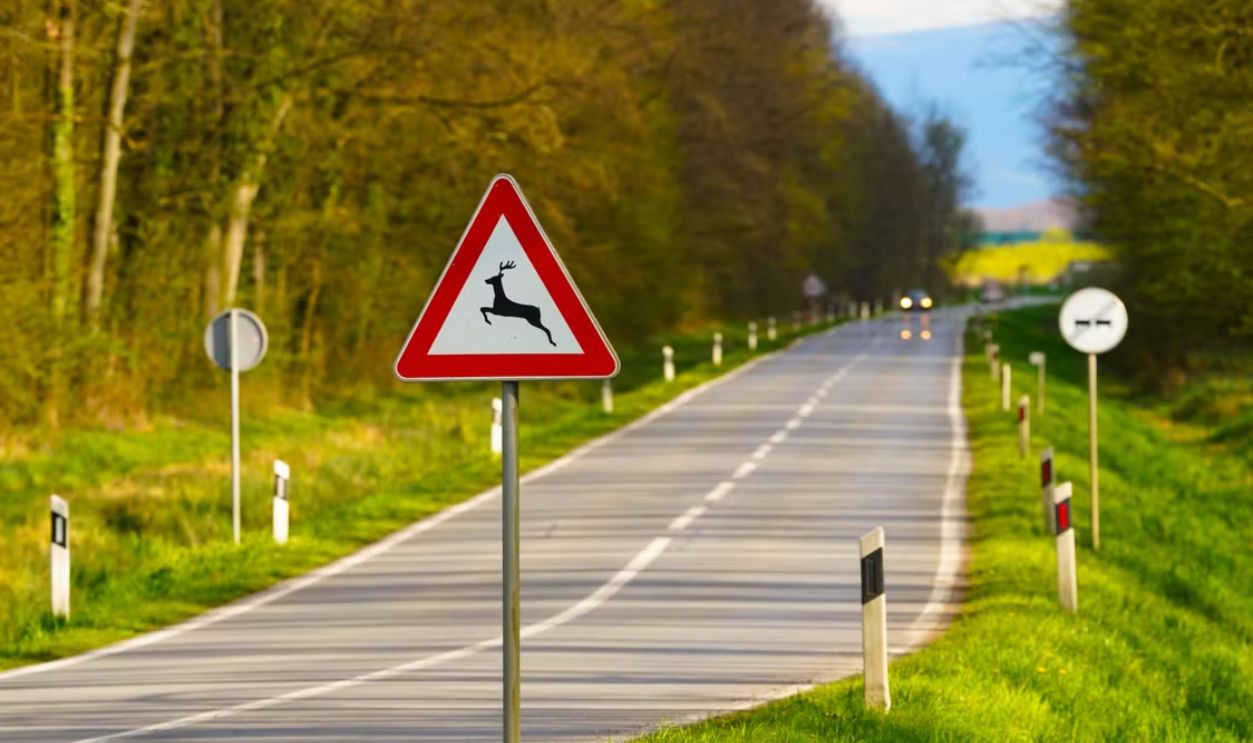
Seasonal Variability Is Part Of Nature Tourism
Wildlife tourism differs from many other travel experiences because nature constantly changes. Animal movements, weather patterns, migration cycles, and environmental conditions can all affect what visitors see during a particular trip.
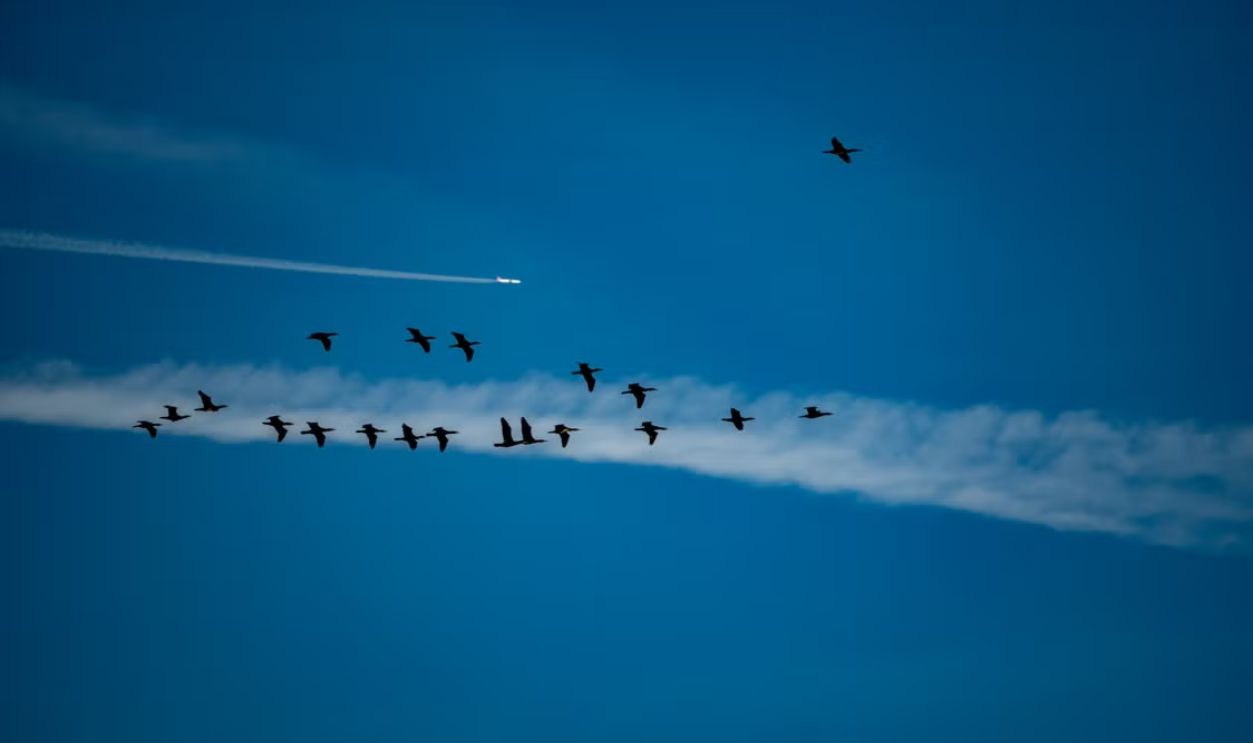
Tour Operators Often Provide Alternatives
When closures occur, reputable companies frequently adjust itineraries by offering alternative routes, replacement activities, or different viewing opportunities. While not always identical to the original plan, these substitutions may still provide meaningful experiences.
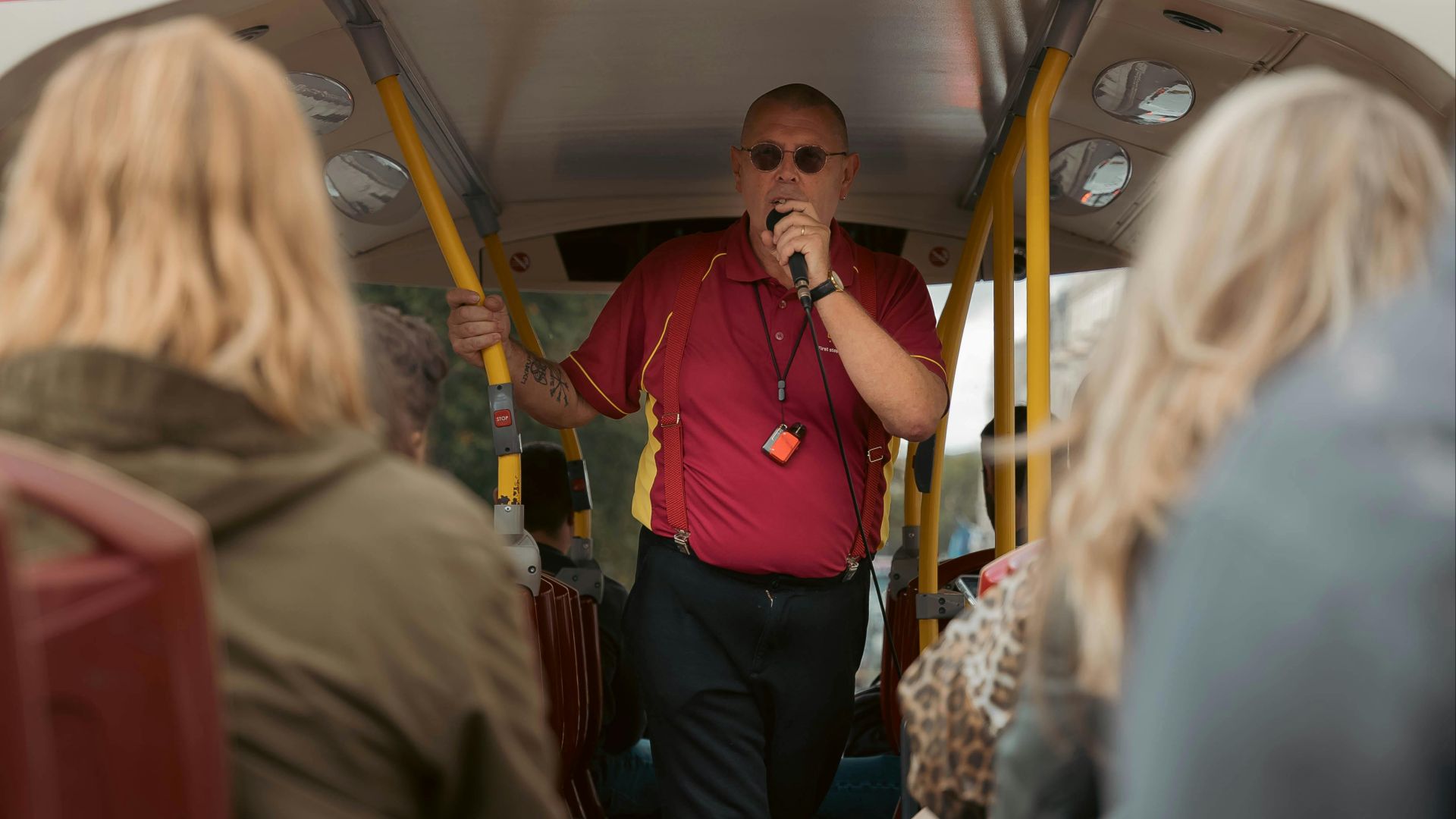
Refund Policies Vary Widely
Some operators offer partial refunds or credits when major itinerary changes occur. Others rely on contract language that permits adjustments without compensation. Understanding the refund policy before booking is always important.

Travel Insurance May Offer Limited Help
Standard travel insurance generally focuses on cancellations, interruptions, emergencies, and covered losses. It often does not compensate travelers simply because a desired wildlife viewing opportunity became unavailable during an otherwise functioning tour.

Environmental Regulations Are Becoming Stricter
Conservation agencies worldwide are implementing stronger protections for sensitive habitats and endangered species. As environmental concerns increase, travelers should expect more restrictions rather than fewer in many wilderness destinations.
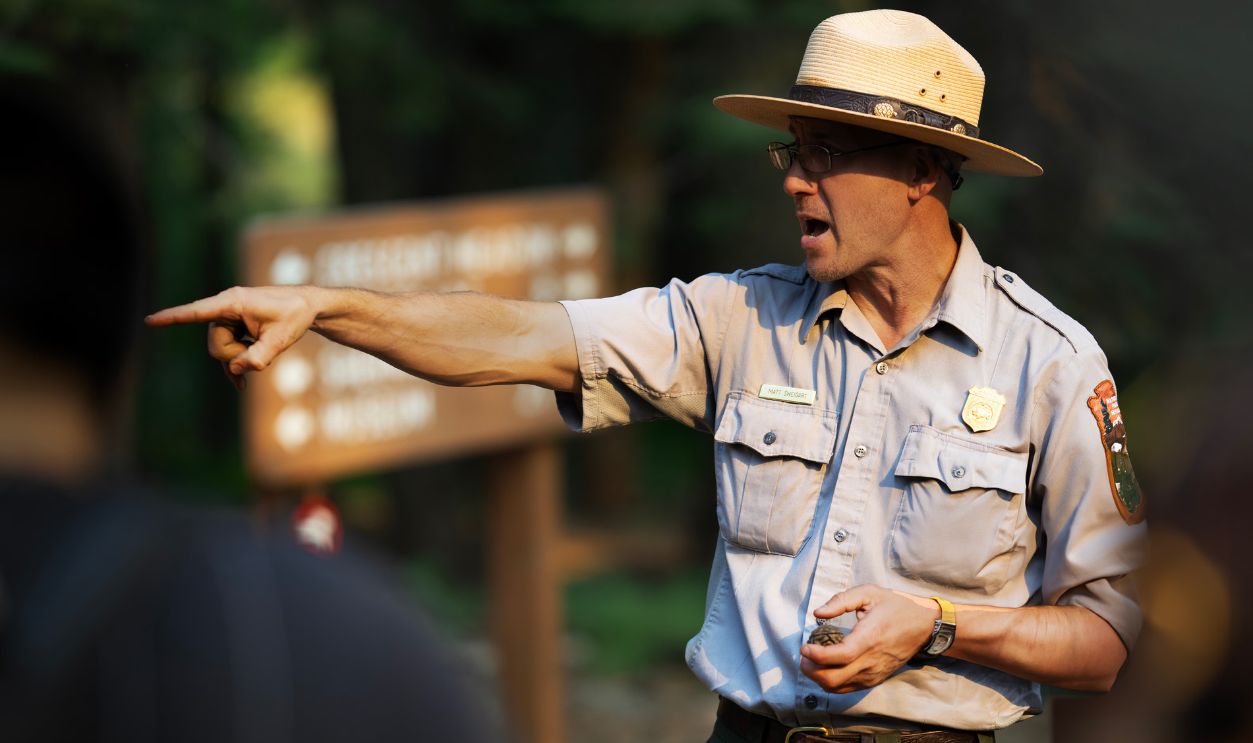
Social Media Can Create Unrealistic Expectations
Online videos often showcase extraordinary wildlife encounters that represent rare moments rather than typical experiences. Travelers sometimes arrive expecting dramatic animal sightings that are never guaranteed in natural environments.

Some Destinations Are Particularly Vulnerable
Popular wildlife tourism regions such as Alaska, Yellowstone, the Galápagos Islands, Antarctica, and parts of Africa frequently balance tourism access with conservation priorities. Restrictions can change quickly depending on conditions.
Communication Makes A Big Difference
Travelers generally respond better when tour operators communicate changes clearly and promptly. Advance notice, honest explanations, and realistic alternatives often reduce frustration even when visitors remain disappointed.
Asking Questions Before Booking Helps
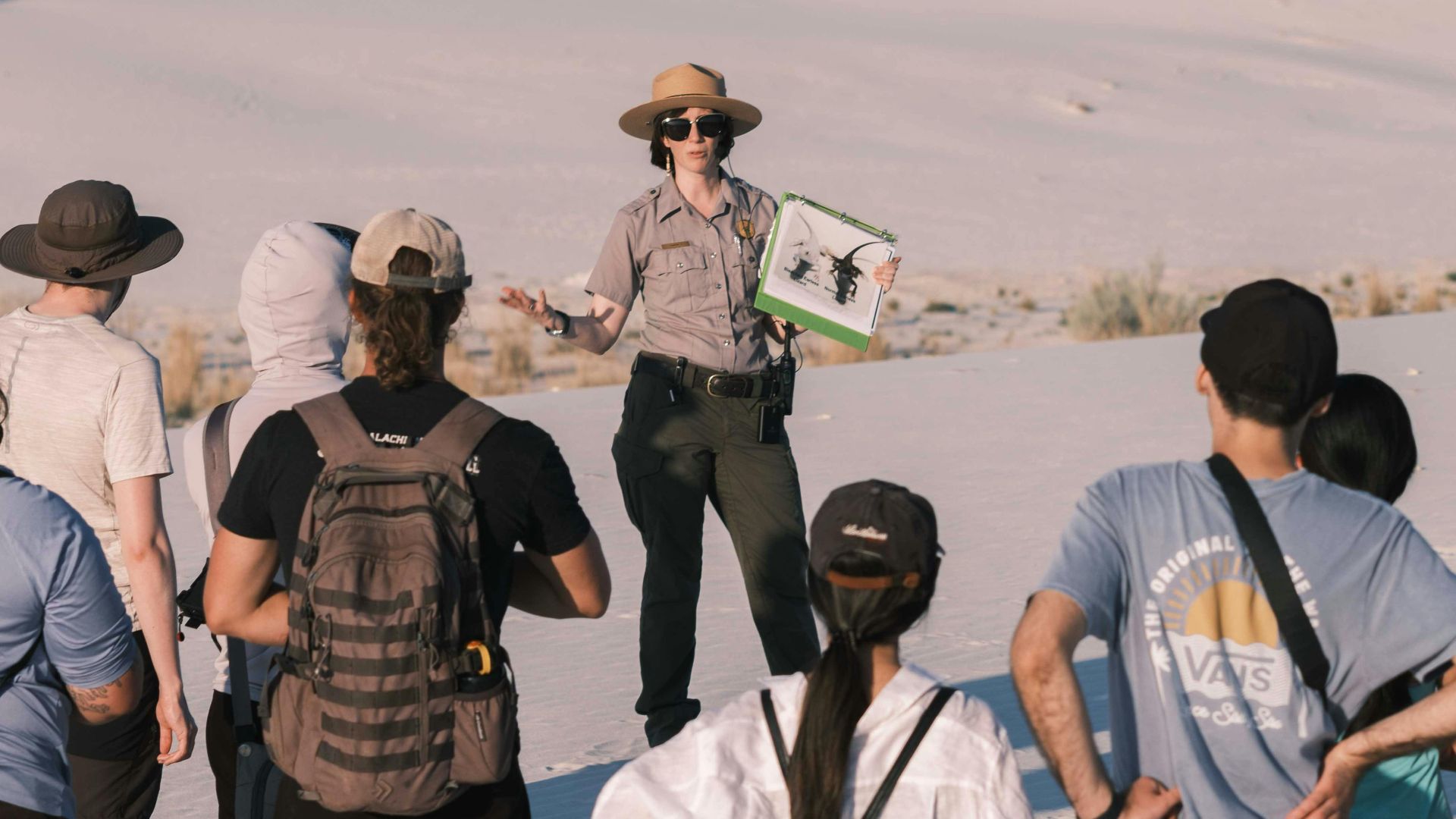
Prospective travelers should ask how often closures occur, what backup plans exist, and whether refunds are available if major portions of the itinerary become inaccessible. These questions can prevent unpleasant surprises later.

Nature Tourism Always Involves Uncertainty
Unlike visiting a museum or historic site, wildlife experiences depend heavily on factors outside human control. Animals move, habitats change, and environmental conditions shift constantly. Uncertainty is part of the wilderness experience.
Most Companies Are Not Trying To Mislead Anyone
While bad actors certainly exist in every industry, most wilderness tour operators genuinely want guests to have memorable experiences. They often face the same frustrations when unexpected closures disrupt carefully planned itineraries.
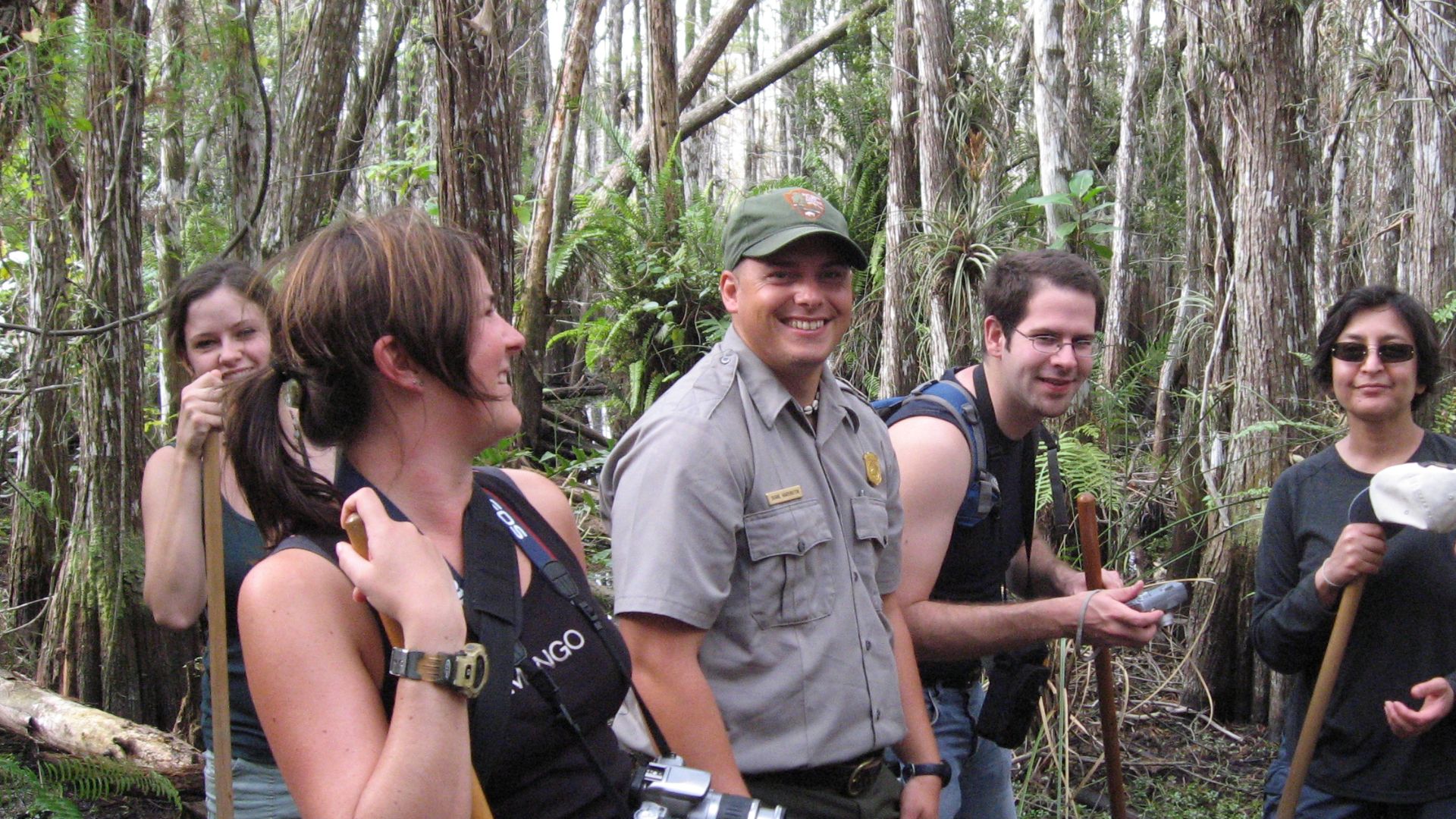 evergladesnps, Wikimedia Commons
The Alternative Can Be Much Worse
Without closures, excessive tourism can damage habitats, disrupt breeding cycles, and threaten vulnerable species. Restrictions that frustrate today's travelers may help ensure future generations can enjoy the same wildlife experiences.
The Key Question Is Whether The Tour Still Delivered Value
The most important issue is often not whether every advertised highlight occurred, but whether the overall experience remained reasonably consistent with what was promised. A changed itinerary doesn't automatically mean false advertising occurred.
Wilderness Travel Requires Flexible Expectations
Travelers who approach nature tourism with flexibility often enjoy better experiences. Wildlife closures can be disappointing, but they are increasingly becoming part of responsible conservation management around the world.
You May Also Like:
20 Thrilling Destinations For Adventure Lovers