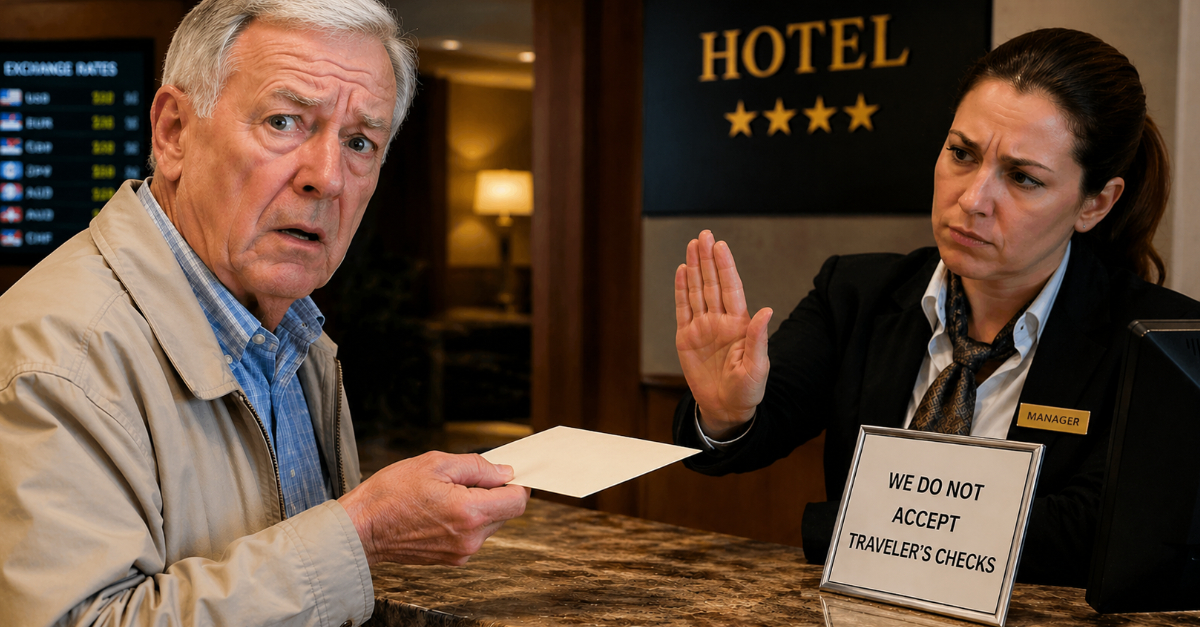
$2,000…And Nowhere To Use It?
Traveler’s checks were once considered the safest way to carry money on a trip—protected, replaceable, and widely accepted almost everywhere. But what happens when you show up with $2,000 in them…and suddenly no one will take them?
Not the hotel, not the shops, not even some banks. It sounds unlikely—but the truth is it actually happens way more often than some people expect.

Why They Used To Be So Popular
From the 60s through the 90s, traveler’s checks were a travel staple. They were issued in large volumes annually and accepted in well over 100 countries at their peak. Many guidebooks even recommended them as the primary way to carry money abroad.

What Traveler’s Checks Were Meant To Do
Traveler’s checks were designed as a secure cash substitute. You sign them when you buy them, then countersign when you use them. If lost or stolen, issuers like American Express could replace them (often within 24 hours in major destinations) making them far safer than carrying large amounts of cash.

The Big Problem Today
Today, usage has collapsed. Many banks in North America and Europe no longer issue them at all, and acceptance has dropped sharply as businesses moved to cards and digital payments. In practical terms, they’ve gone from mainstream to niche.

“We Don’t Accept Those”
That’s now the most common response. Restaurants, shops, and even hotels often turn them down. In many cases, staff have little to no experience handling them, which makes businesses hesitant to accept them.

Banks Aren’t Much Better
Banks seem like the obvious backup, but policies vary widely. Some only cash traveler’s checks for existing customers, others limit which currencies they accept, and some branches no longer process them at all due to low demand.

Limited Issuers Left
Traveler’s checks are now a niche product. American Express remains one of the primary issuers, but availability has been scaled back significantly compared to past decades, and fewer locations sell them.

Businesses Don’t Want The Hassle
Processing them takes time. Staff must verify signatures, check identification, and sometimes follow additional procedures. Compared to contactless payments that take seconds, this added friction makes them impractical for most businesses.

Fraud Concerns Play A Role
Because they’re rarely used today, many employees aren’t familiar with how to verify them. That lack of familiarity increases perceived fraud risk, leading many businesses to refuse them rather than take a chance.

You Need ID...Every Time
Each transaction requires a matching signature and valid ID. If anything doesn’t line up, or staff aren’t confident in the process—it can lead to delays or outright refusal.

Exchange Locations Are Shrinking
Currency exchange offices and select hotels may still accept them, but far fewer than before. Even major airports now have limited counters that handle traveler’s checks compared to previous decades.

Fees Can Add Up
Traveler’s checks often come with purchase fees, typically around 1%–2% depending on the issuer. Some locations also charge service fees to cash them, and exchange rate markups can further reduce their value.

You Might Need To Plan Ahead
Unlike cash or cards, you can’t assume they’ll work everywhere. Travelers often need to locate specific banks or exchange offices in advance, and even then, availability depends on local policies, hours, and currency restrictions.

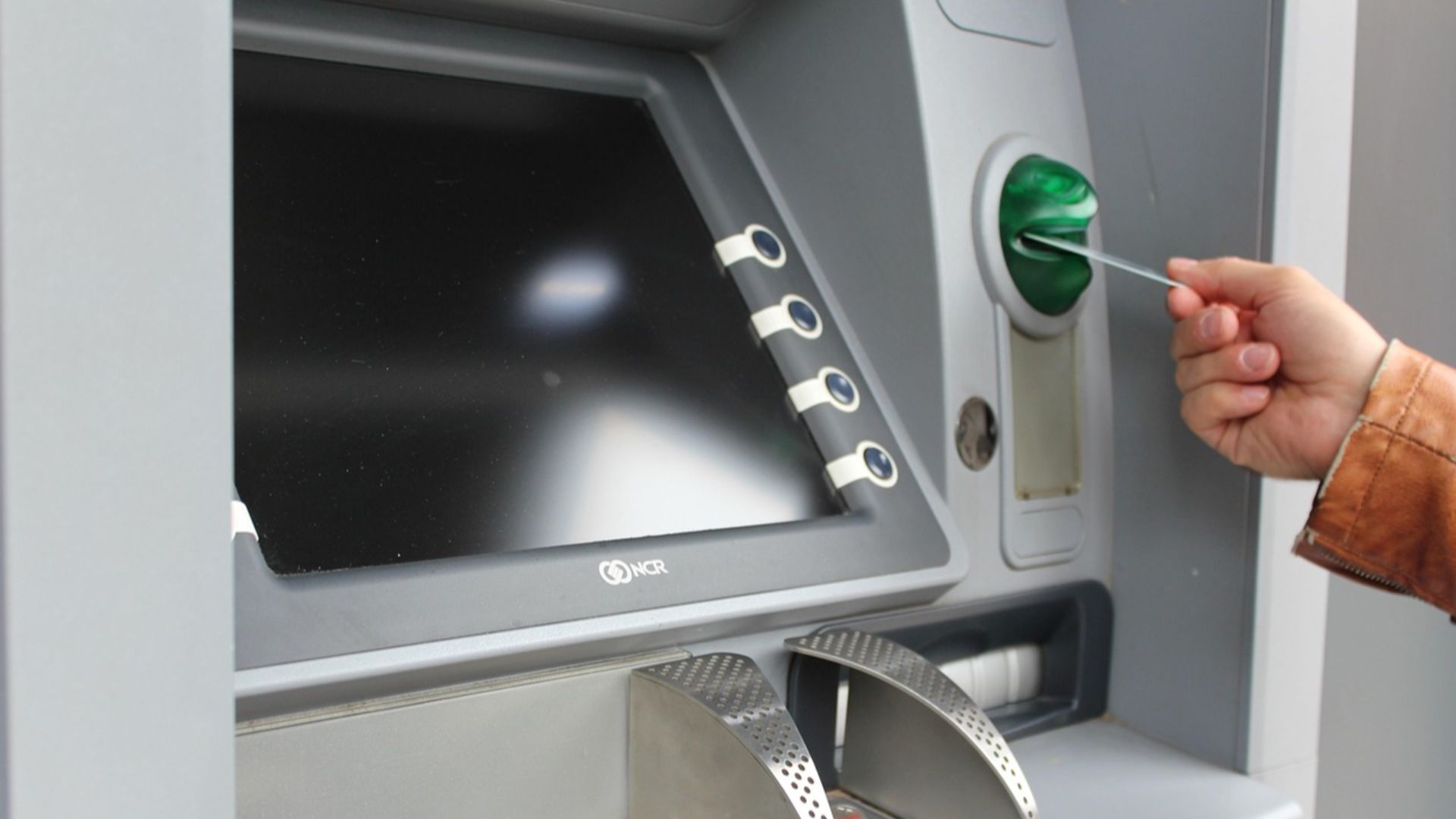
ATMs Changed Everything
There are now over 3 million ATMs worldwide, making it easy to withdraw local currency almost anywhere. This global access removed one of the main reasons traveler’s checks were widely used in the first place.
Credit Cards Took Over
Modern credit cards offer strong fraud protection, including zero-liability policies, along with widespread global acceptance. Many also include travel perks like insurance, rewards, and no foreign transaction fees.
Debit Cards Made It Even Easier
Debit cards provide direct access to your bank account through global networks like Visa and Mastercard. In many destinations, travelers can withdraw local currency within minutes of arrival at airports or city centers.
Digital Payments Are The New Normal
Contactless payments and mobile wallets are now standard in many countries. Card payments dominate transactions in much of the developed world, further reducing the need for paper-based options like traveler’s checks.

Are They Still Safe?
Yes—the core security feature still exists. If lost or stolen, they can be replaced, often within a day or so in major destinations. That said, modern credit cards now offer zero-liability fraud protection and instant account freezes, delivering similar security with far more convenience and faster real-world usability.

When They Might Still Make Sense
They may still have limited use in very remote areas with unstable banking systems or unreliable ATM access. However, even in those situations, many travelers now rely on U.S. dollars, local cash exchanges, or prepaid travel cards, which are typically easier to use and more widely accepted.

Better Options Today
Travel experts typically recommend a mix: one or two credit cards for purchases, a debit card for ATM withdrawals, and a small amount of local currency for immediate expenses like taxis or tips. This combination offers better acceptance, built-in protections, and flexibility across most destinations.

A Simple Backup Strategy
Carry multiple cards on different networks (like Visa and Mastercard), notify your bank before traveling, and keep backup payment methods stored separately. Many travelers also keep emergency cash in a second location, reducing the risk of being completely cut off if something goes wrong.
The Unexpected Lesson
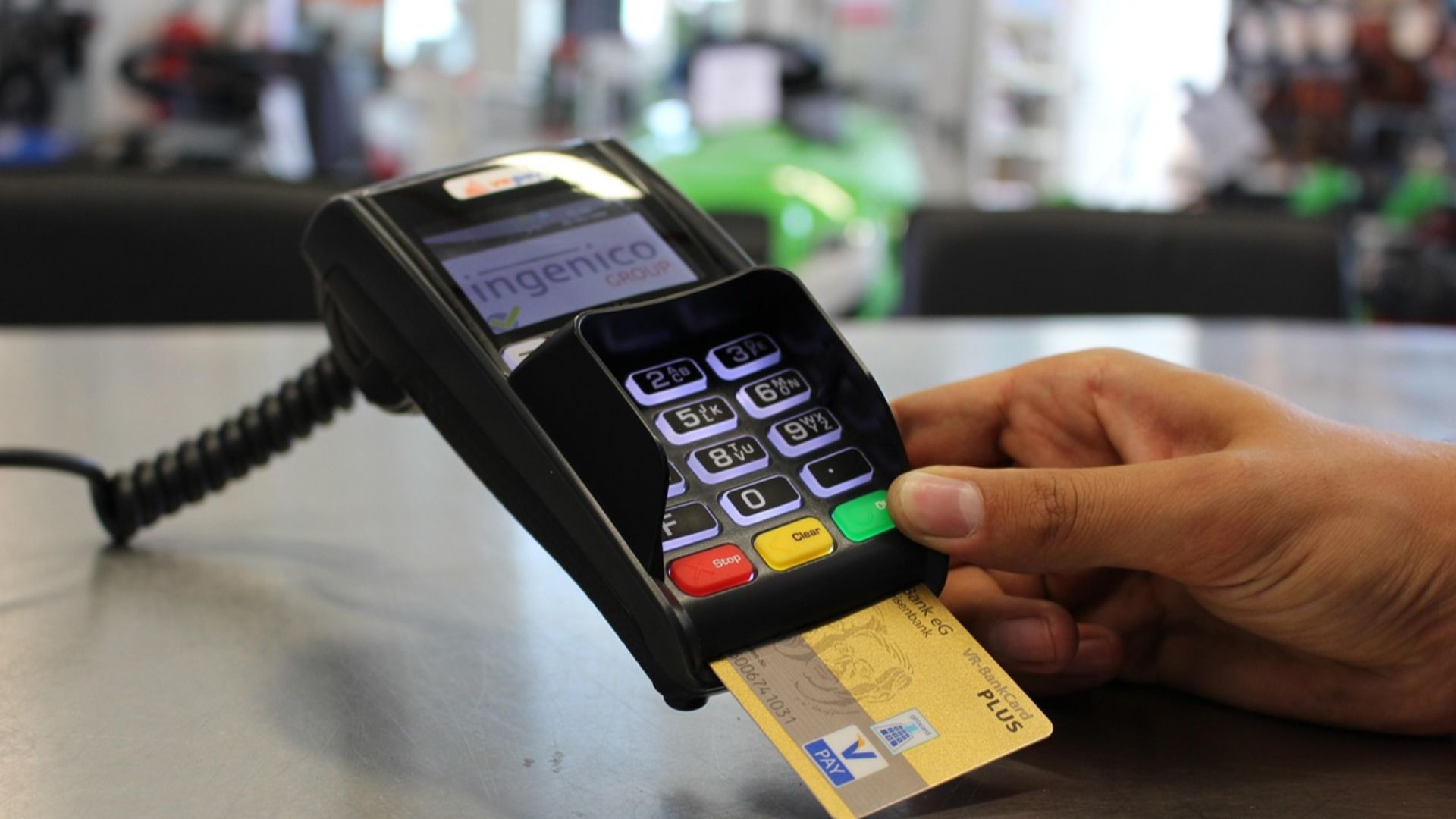
What was once considered the safest option has been overtaken by faster, simpler systems. Traveler’s checks haven’t just declined—they’ve been largely replaced by cards, ATMs, and digital payments that are easier to access and widely accepted almost everywhere travelers go today.

So…Are They Still Worth It?
For most travelers today, the answer is no. They still offer security in theory, but in practice, they’re outdated—and as many travelers discover, that safety doesn’t help much if no one will accept them.

You Might Also Like: