The Worst Guests Rarely Know They Are The Worst
Most hotel guests believe they are perfectly reasonable. But hotel employees notice things guests seem to never think twice about—and these seemingly harmless habits can make an entire shift needlessly harder. Are you doing any of these?
 Frame Stock Footage, Shutterstock
You Rented A Room, Not The Entire Hotel
Paying hundreds of dollars for one night does not turn every employee into a personal assistant or every hotel policy into a loose suggestion. Staff members are there to help, but the fastest way to become memorable is to act as though the building now belongs to you.
 Hryshchyshen Serhii, Shutterstock
Demanding An Early Check-In
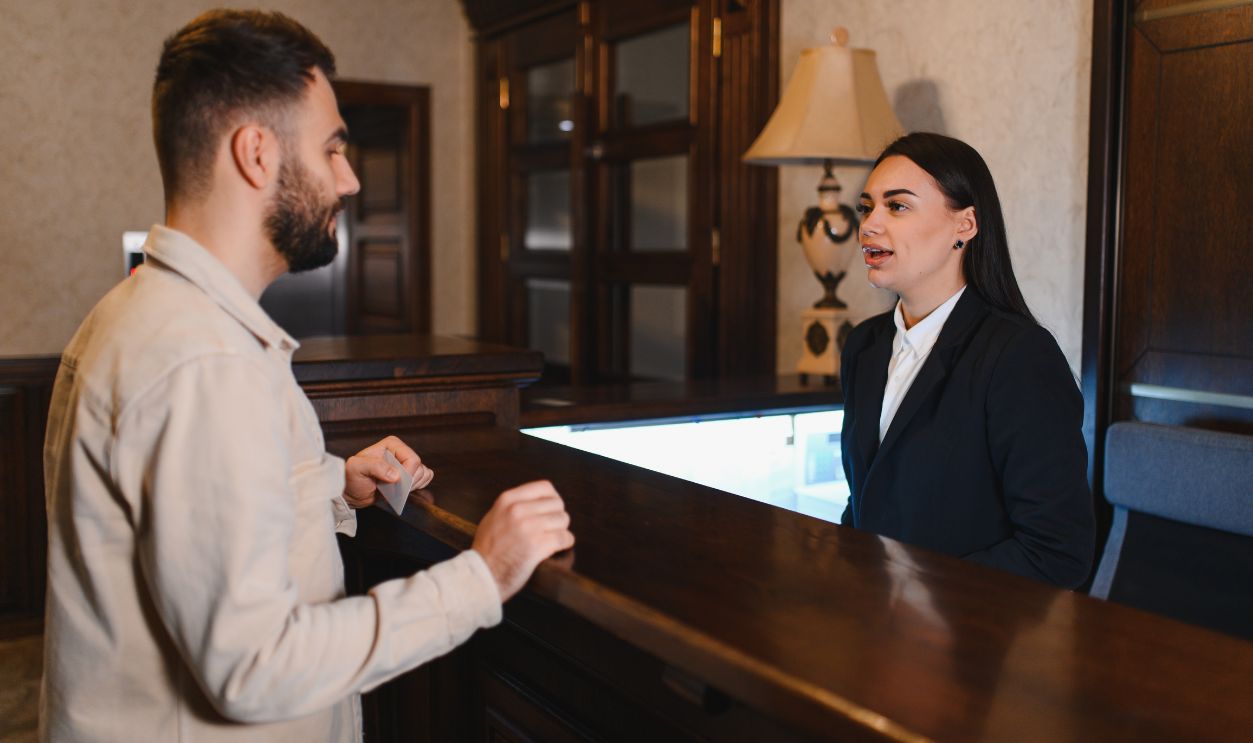
Asking whether a room is available early is completely reasonable. Arriving at 10 a.m. and becoming furious because the previous guest has barely checked out is not. One hotelier described guests who arrive early and leave late as “trying to turn an overnight into a two-day event.”
Treating Late Checkout Like A Constitutional Right
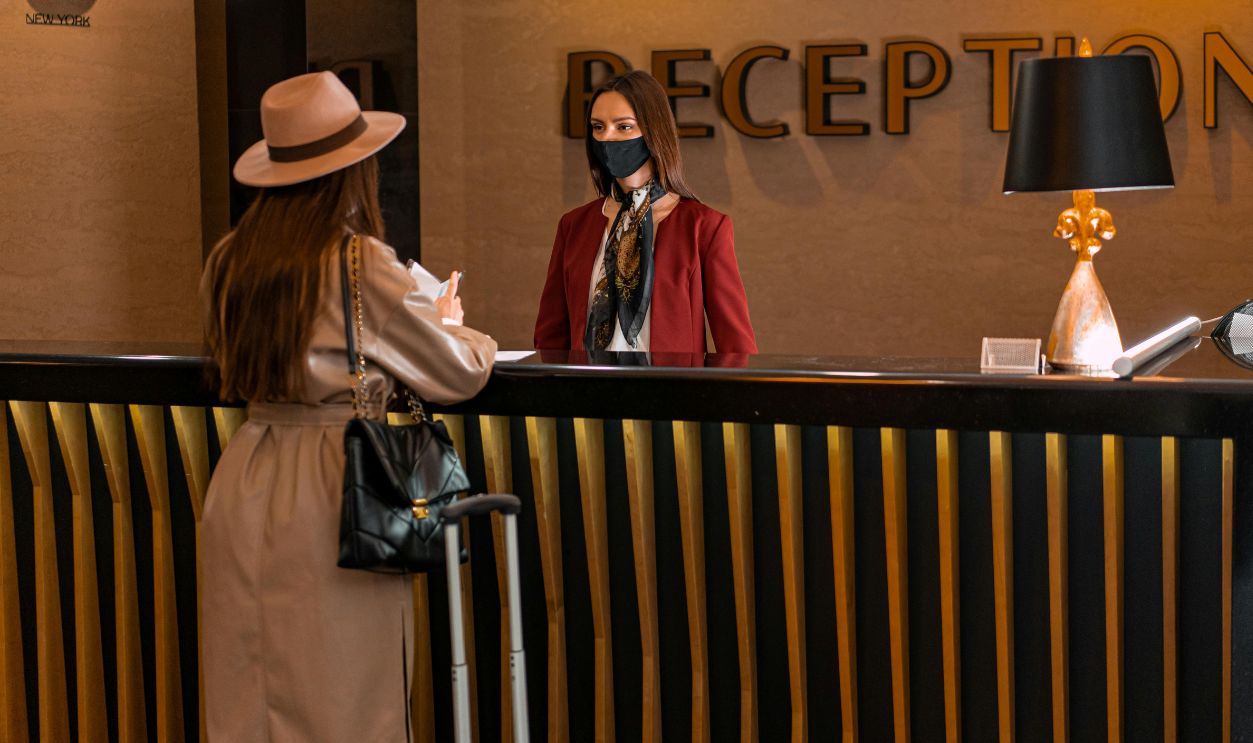
Late checkout is usually a request, not something automatically included with the room. Waiting until five minutes before departure—and then announcing that another hour is needed—can throw off the housekeeping schedule and delay the next guest’s arrival. Ask early and accept the answer.
Booking The Cheapest Room And Expecting The Best One
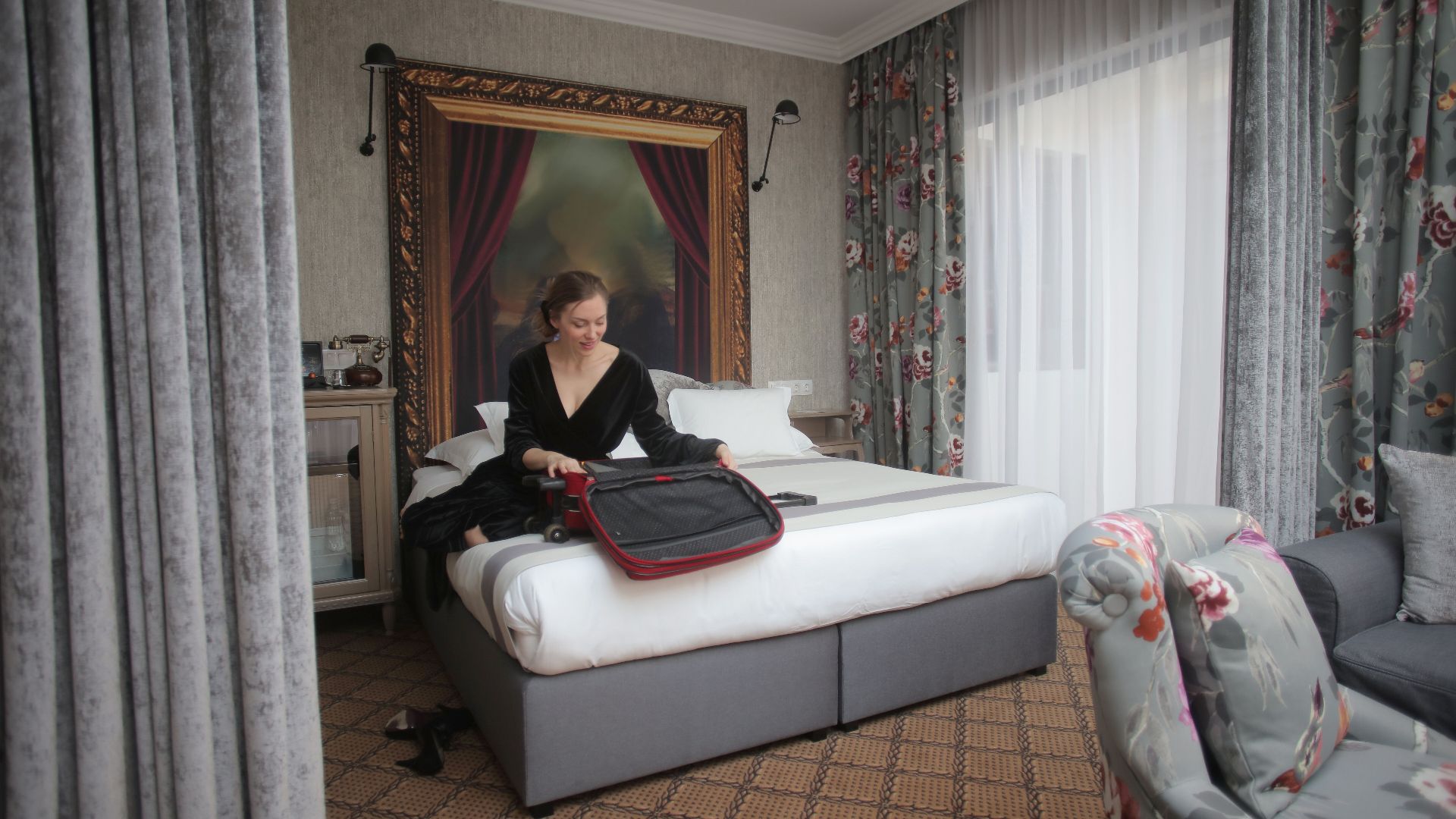
Some guests reserve the least expensive room available and arrive expecting a complimentary suite, perfect view and balcony. Upgrades sometimes happen, but they depend on availability, hotel policies and loyalty benefits—not how dramatically someone sighs while standing at the front desk.

Inventing A Problem To Get An Upgrade
Real hotel problems should always be reported. A broken air conditioner, dirty bathroom or faulty lock is not something a guest should ignore. But exaggerating a tiny inconvenience because someone read that complaining can unlock a free suite is a trick hotel workers recognize immediately.

Announcing Your Loyalty Status Like A Royal Title
Hotel status can include legitimate benefits, and employees generally have no problem providing them. The trouble begins when a guest uses that status to threaten staff, demand unavailable rooms or explain that the rules apparently apply only to people who travel less frequently.
Refusing To Show Identification
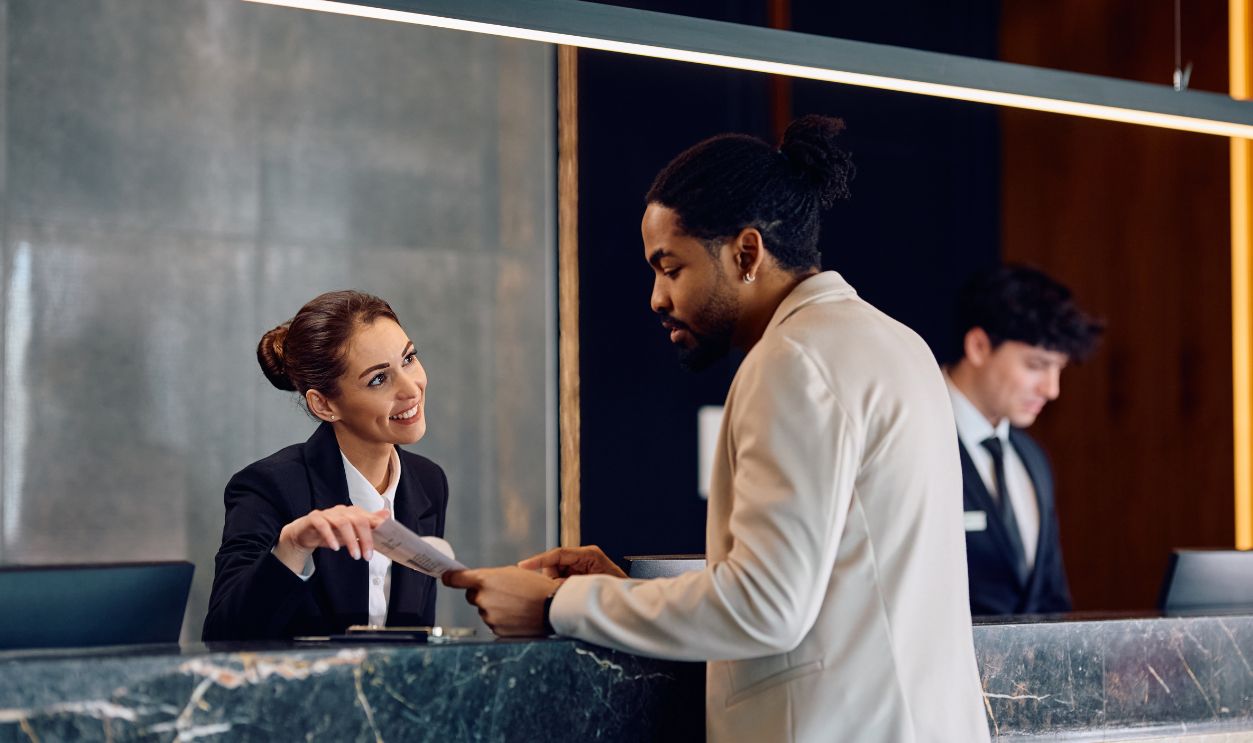
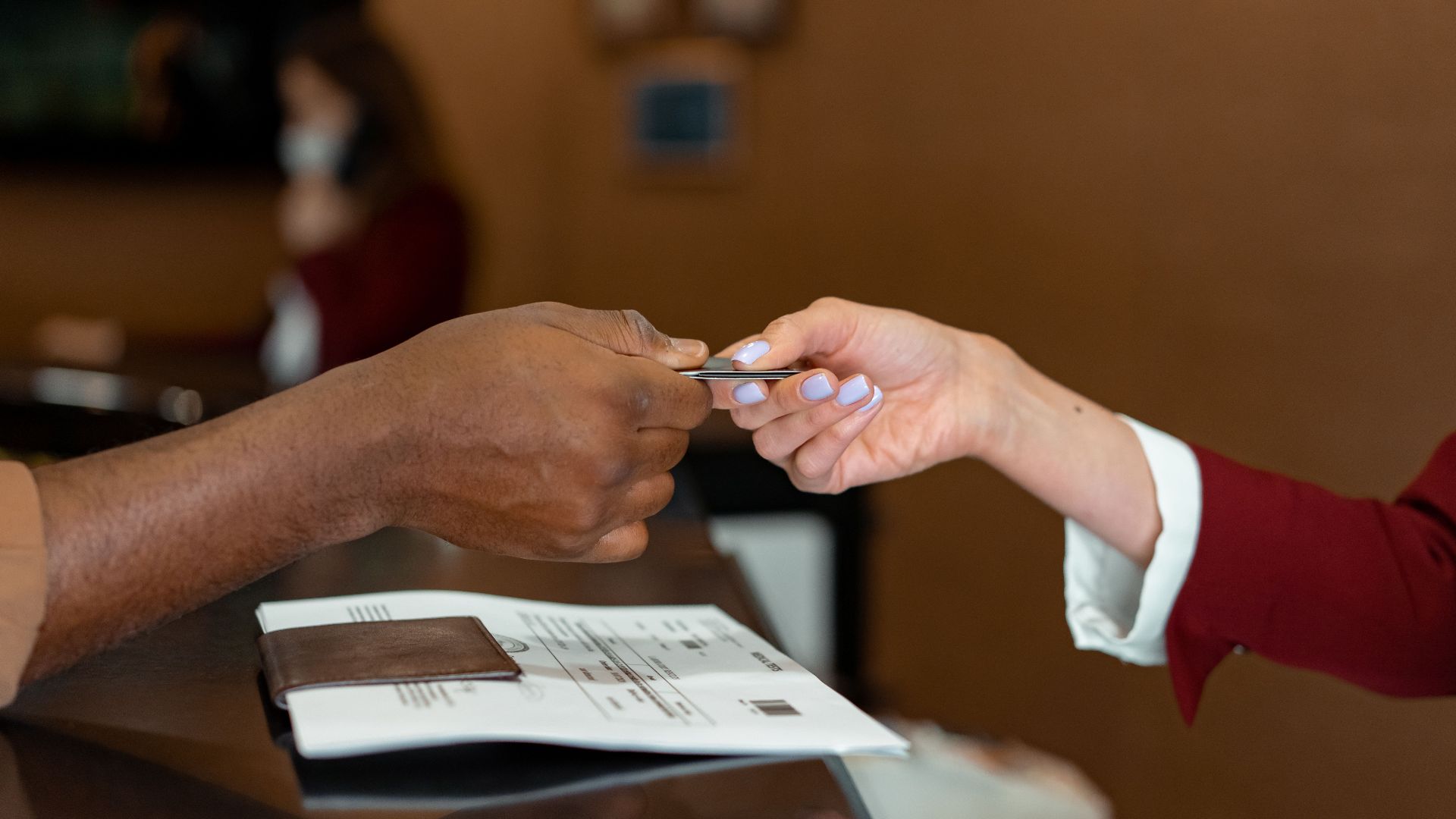
Many hotels require photo identification at check-in—and may ask for it again before issuing another room key. Employees are trying to protect the reservation, confirm payment and prevent someone else from gaining access to the room. Arguing usually makes the process longer, not optional.
Holding Up The Front Desk With A Life Story
Hotel employees will happily answer questions, but the front desk is not the place to explain every event that has occurred since leaving home. When a line is forming, get the essential information, take the room key and save the extended vacation documentary for someone who is not checking in 12 people.

Asking Five Employees For The Same Thing
Submitting the same request through the app, front desk, housekeeping and concierge does not make it happen four times faster. It can create duplicate deliveries, confusion and wasted trips. Make the request once, give the staff a reasonable amount of time and follow up politely if necessary.

Threatening To Destroy Them Online
A genuinely bad stay deserves an honest review. However, hotel operators say some guests threaten negative reviews unless they receive upgrades, refunds or free meals. One hotel manager also said employees had been left “very upset” by personal comments posted about them. A review is feedback—not leverage for free stuff.

Snapping Your Fingers At Employees
Apparently, people still do this. Staff at one five-star hotel said guests regularly snap their fingers to summon employees, particularly at more expensive properties. Paying more may buy better sheets, a larger room and a fancier lobby. It does not turn the employees into servants.
Leaving The Do Not Disturb Sign Up—Then Complaining
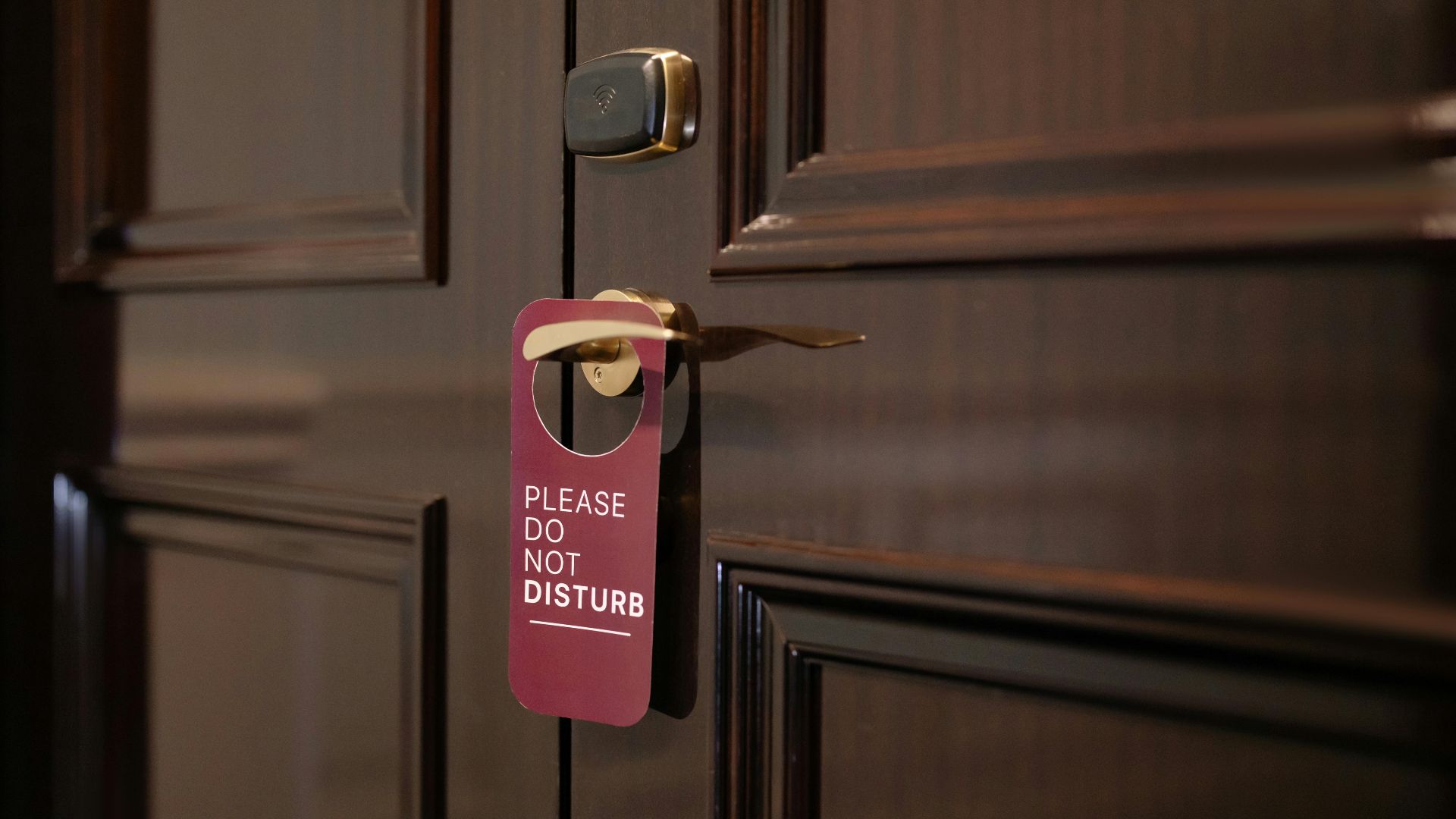
A Do Not Disturb sign tells employees not to enter. Housekeeping supervisor Ploypailin Funnimit explained that rooms are cleaned in a “carefully timed sequence.” Blocking access all morning and then demanding immediate service can disrupt the plan for the entire floor.
Housekeepers Are Cleaning Against The Clock
A 2012 University of Houston study reported that hotel housekeepers typically clean 14 to 16 rooms during an eight-hour shift, spending approximately 30 minutes on each. That does not leave much room for scattered belongings, hidden spills or one room that suddenly requires twice the expected work.
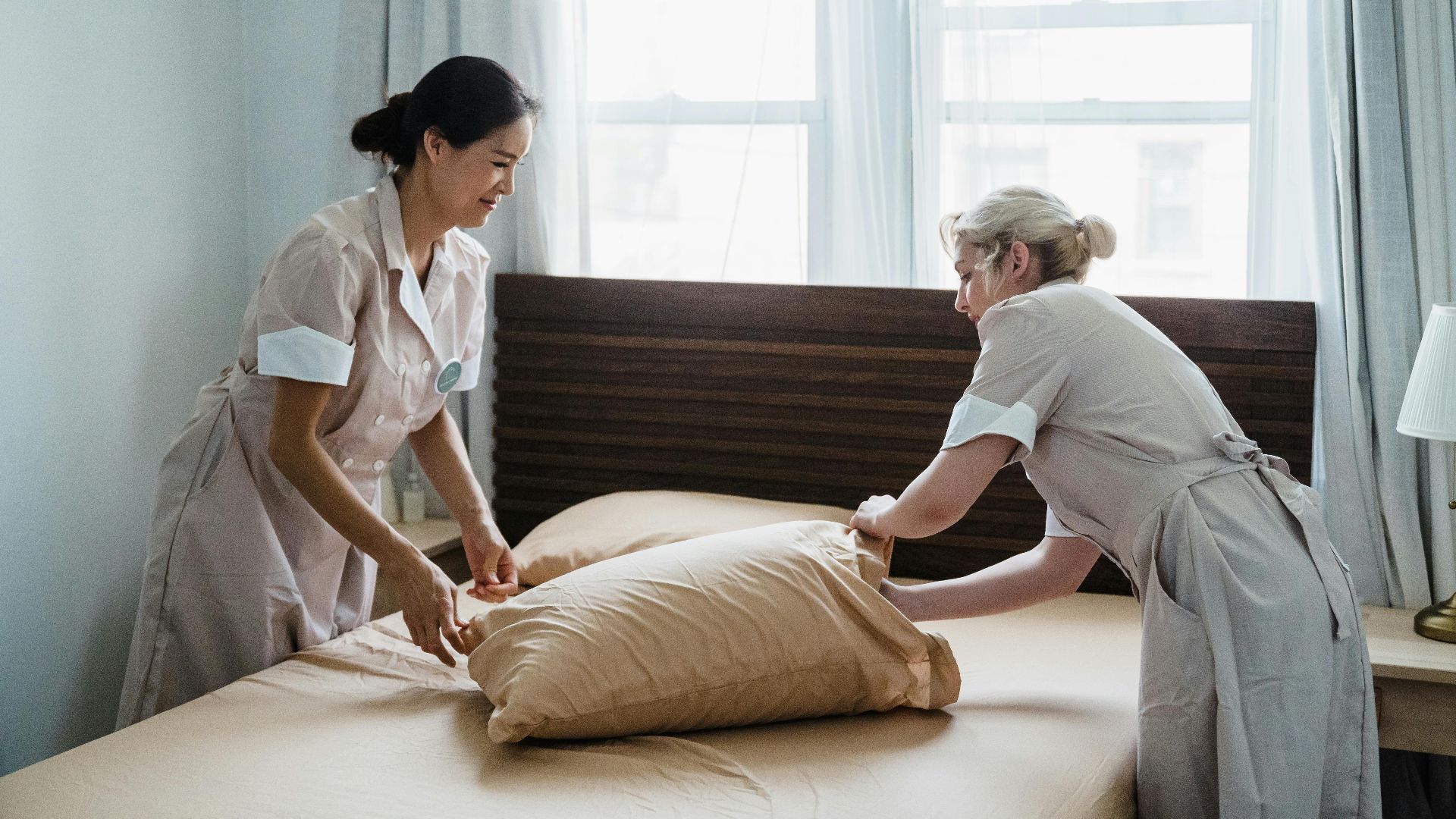
Making Housekeepers Move Every Possession
During an undercover shift at Chicago’s Waldorf Astoria, a housekeeper said a neat business traveler’s room took about 35 minutes to service, compared with 45 to 50 minutes for a messy leisure guest. Organizing one family’s scattered belongings added at least another ten minutes.
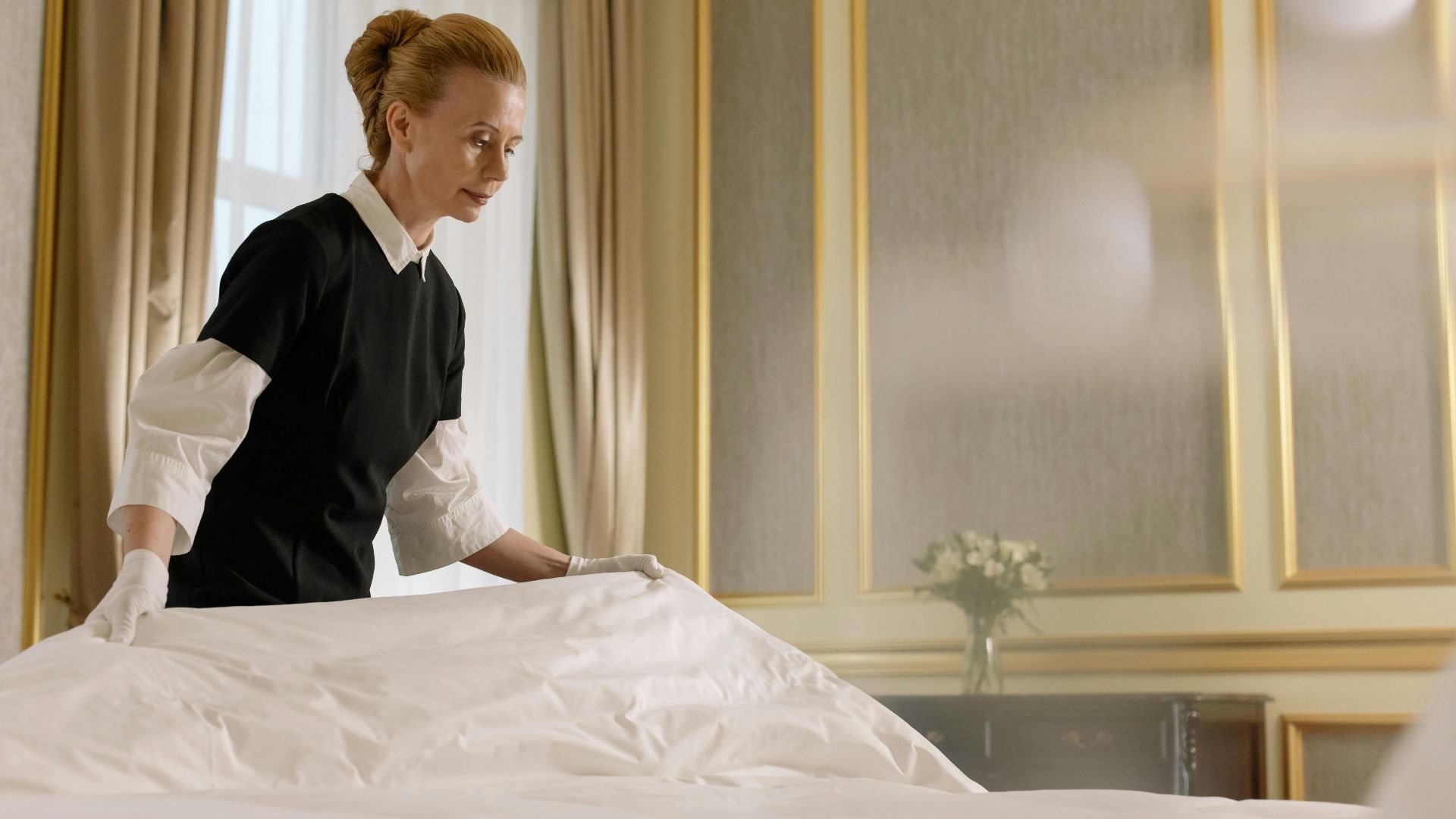
Leaving Wet Towels On The Bed
A housekeeping supervisor told Travel + Leisure that hanging damp towels and swimwear prevents moisture from spreading and helps employees complete service faster. The bathroom rack, shower bar or tub will work. The bed—where moisture can soak through several layers—is possibly the worst choice.
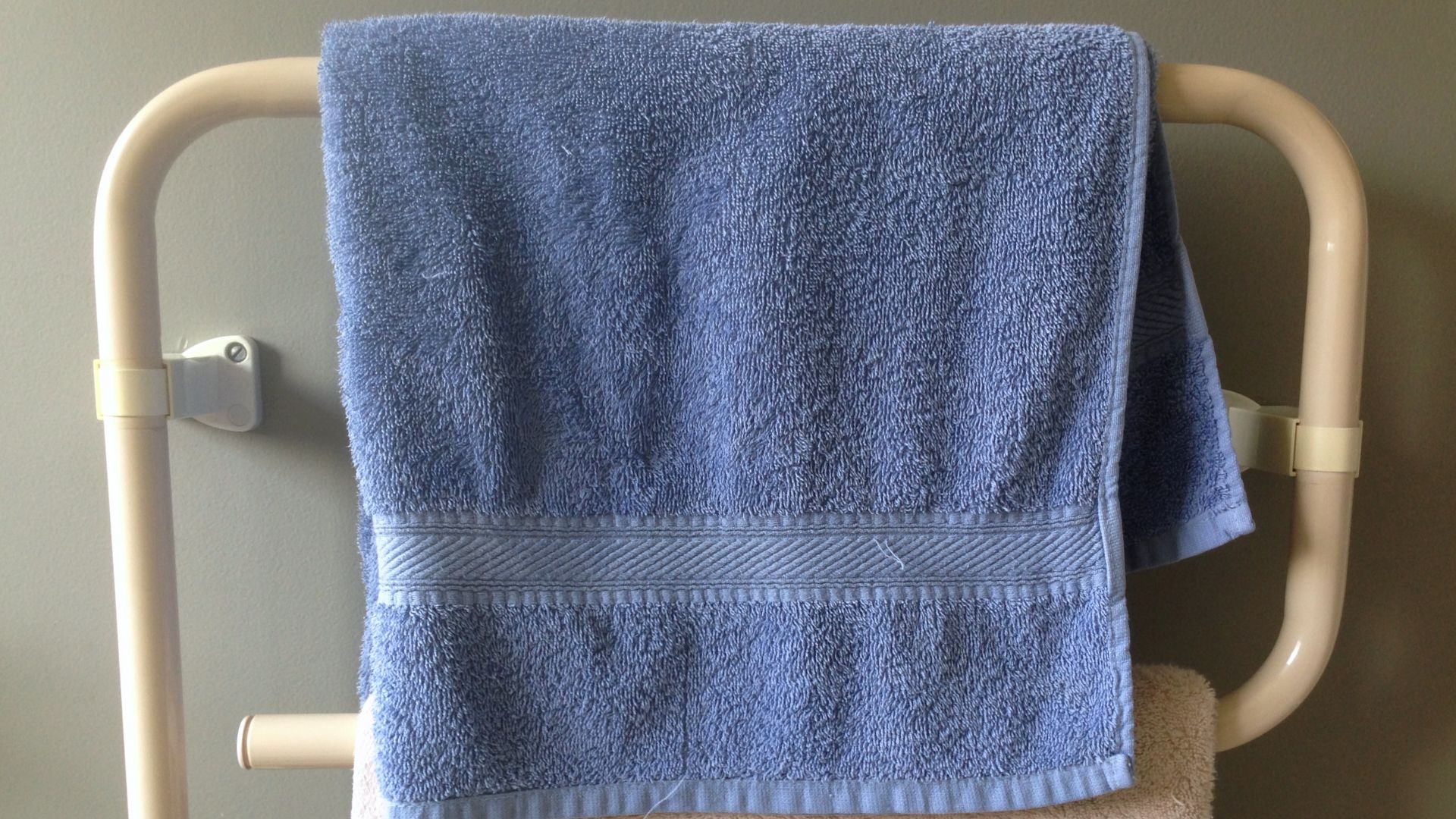
Using White Towels To Clean Everything
Hotel towels are not shoe polishers, makeup removers, kitchen cloths or emergency floor mops. Some stains require special treatment, while others permanently ruin the towel. Ask for a cleaning cloth or paper towel instead of turning a perfectly good bath towel into modern art.
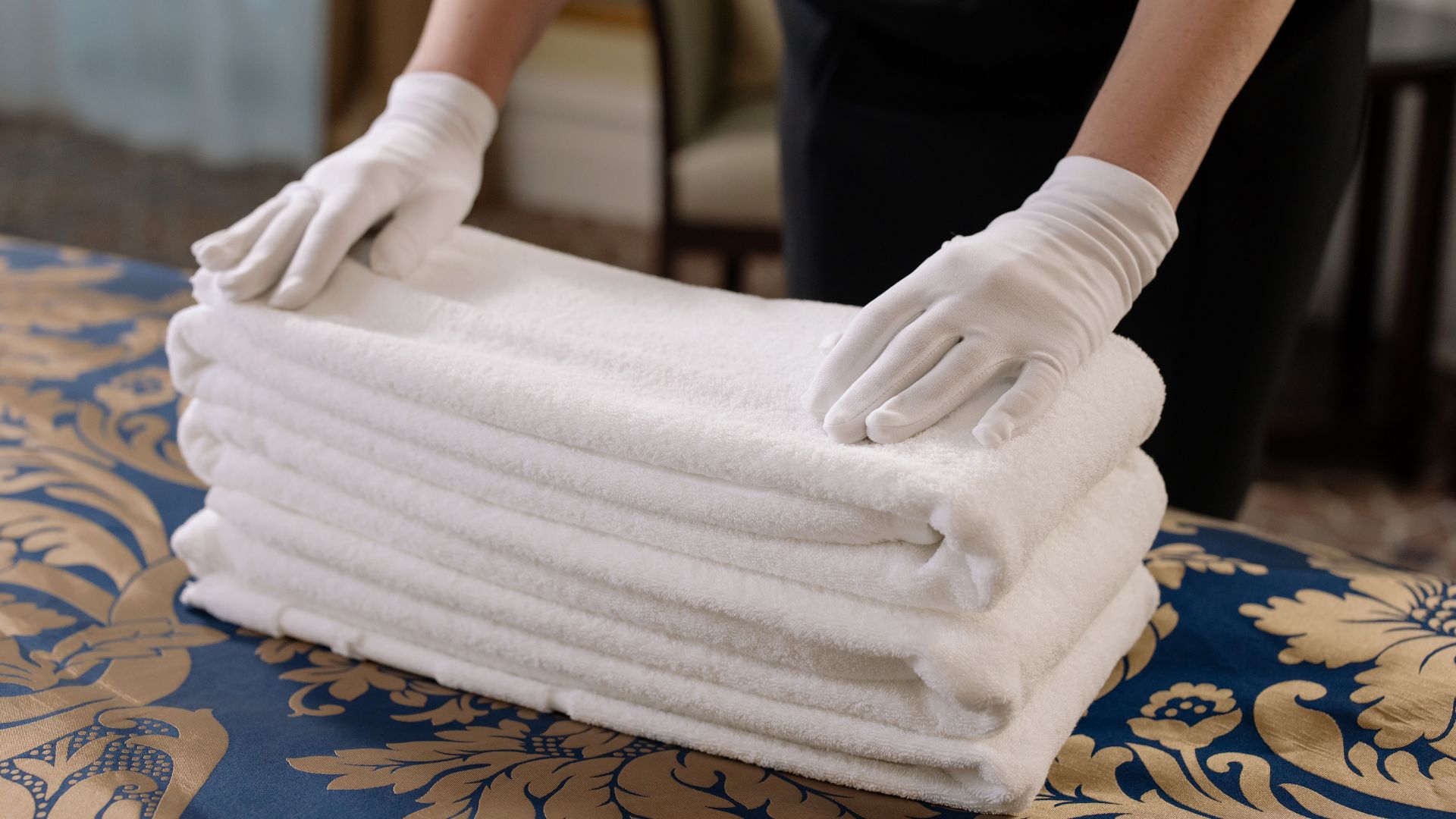
Creating A Mountain Of Garbage
Nobody expects guests to vacuum or scrub the bathroom before leaving. However, food containers, tissues, bottles and wrappers scattered across every surface take far longer to collect than the same garbage placed in a bin—or at least gathered together in one obvious spot.
Hiding A Spill Or Broken Glass
Accidents happen. A glass falls, a drink spills or something breaks. Hotel workers would rather hear about it immediately than discover sharp pieces hidden beneath a towel or a stain that has spent eight hours sinking into the carpet. Reporting it can prevent injuries and permanent damage.

Smoking In A Non-Smoking Room
Opening a window or running the shower does not make the smell disappear. Hotels may need to perform extensive cleaning before the room can be sold to another guest, and many properties impose substantial smoking-recovery charges. That supposedly invisible cigarette can become a very expensive one.
Sneaking In A Pet
A hotel’s pet fee is not simply an admission charge for the lobby. Depending on the property, employees may assign certain rooms to guests with animals or schedule additional cleaning afterward. Hiding a pet creates more trouble than calling ahead and finding out exactly what the hotel allows.
Turning The Room Into Party Headquarters
A hotel room has walls, but those walls are rarely thick enough to contain a speaker, ten visitors and someone shouting over the music at 1 a.m. Staff then have to manage complaints from several rooms because one guest decided everyone on the floor was attending the party.

Treating The Hallway Like A Living Room
Long conversations, speakerphone calls and reunions outside guestroom doors can wake people who paid for a quiet place to sleep. Hotel corridors amplify sound surprisingly well, especially late at night. Take the conversation into the room and let the person behind the next door keep sleeping.

Letting The Door Slam Every Time
Hotel room doors often close automatically for fire safety, but that does not mean guests have to let them crash shut. Holding the door for two extra seconds costs nothing and prevents the neighboring rooms from hearing the same explosive thud every time someone enters or leaves.
Turning Children Loose In The Hallways
Children have energy. Hotel employees understand that. But hallways, stairwells, elevators and luggage carts are not amusement-park attractions. Running, shouting and repeatedly pressing every elevator button creates problems for staff and for guests who did not realize their room included a track meet.

Emptying The Breakfast Buffet Into A Bag
Taking a coffee or piece of fruit for the road is one thing. Filling containers with enough eggs, pastries and yogurt to supply lunch is another. As one frustrated hotelier put it, “It’s breakfast only, not lunch and dinner.” And yes, employees can see exactly what is going into that bag.

Holding A Luggage Cart Hostage
Luggage carts are shared equipment, not complimentary room furniture. Keeping one overnight because it might be needed again tomorrow leaves arriving guests searching the lobby while an empty cart sits beside someone’s suitcase. Unload it, return it and borrow another when it is actually needed.

Taking Anything That Is Not Complimentary
The soap and tiny shampoo bottles may be included. The robe, hair dryer, pillows, hangers and television remote probably are not. Hotels keep inventories, and taking larger items can result in a charge appearing after checkout—making that “free” robe surprisingly expensive.

Waiting Until You Leave To Mention A Problem
Hotel employees cannot repair an air conditioner, replace dirty bedding or move someone away from a noisy room if they never hear about the problem. Many complaints that appear online could have been fixed during the stay if the guest had simply told the front desk first.
Forgetting The Person Who Cleaned The Room
The American Hotel & Lodging Association recommends leaving housekeepers $1 to $5 per night, with more appropriate for larger rooms or extra cleanup. Leave it daily with a note or in a marked envelope because a different employee may clean the room each day.
The Secret Is Not Very Complicated
Hotel employees do not expect guests to leave rooms untouched or spend the entire stay whispering. They simply want people to ask instead of demand, report problems instead of hiding them and remember that someone will have to clean up whatever is left behind. In other words, behave like someone who might have to return to the same hotel tomorrow.
You Might Also Like:
Americans Should Know That These Everyday Things They Do Aren’t Allowed in Canada