The Border Changes More Than the Speedometer
For Americans, crossing into Canada can feel like driving into a slightly colder version of home. The stores look familiar, the cars look familiar and everyone is still arguing about parking.
But it turns out the two countries do quite a few everyday things very differently—and some of the differences are stranger than anyone would expect.

Buy a Baby Walker
The wheeled baby walker that generations of American parents have placed infants inside is not merely discouraged in Canada—it is prohibited from being imported, sold or advertised. The United States still allows baby walkers that meet federal safety standards, but Canada decided the risks involving stairs, hot surfaces and electrical cords were not worth it.

Buy Relighting Joke Candles
Those birthday candles that magically reignite are not federally prohibited in the United States. Canada takes a much harder line. Relighting candles cannot be imported, sold or advertised anywhere in the country—and Canadian regulators were still finding them for sale online in 2025.

Run One of Those American Prescription Medication Commercials
American television is filled with cheerful people hiking while a voice races through possible side effects. Canadian companies cannot simply run the same ads. Consumer advertising for prescription medication is generally limited to the product’s name, price and quantity—or it may discuss an illness without naming a particular treatment.

Use an American-Certified Child Car Seat
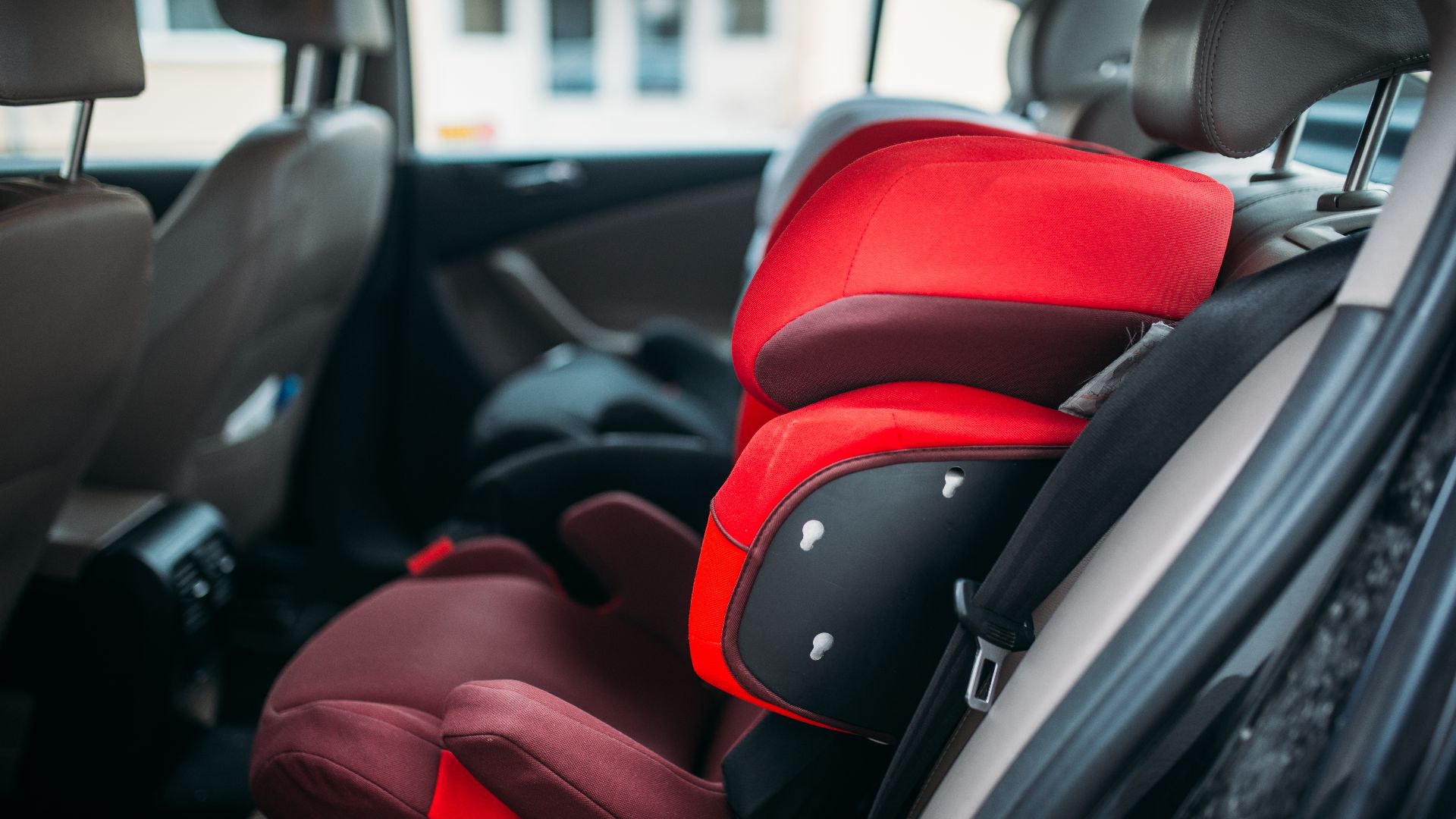
A child seat approved for use in the United States is not automatically legal in Canada. Seats used in Canada must meet Canadian standards and carry the National Safety Mark—the round label with a maple leaf. That online cross-border bargain may look identical, but without the Canadian mark, it should stay out of the car.
 Shixart1985, Wikimedia Commons
Sell Food in the Same English-Only Package
An American company generally cannot ship the exact English-only package it sells at home directly onto Canadian grocery shelves. Mandatory information on most prepackaged consumer food must appear in both English and French. Some local, specialty and test-market products qualify for exemptions, but bilingual packaging is the national rule most shoppers see.

Buy Raw Milk From a Farm
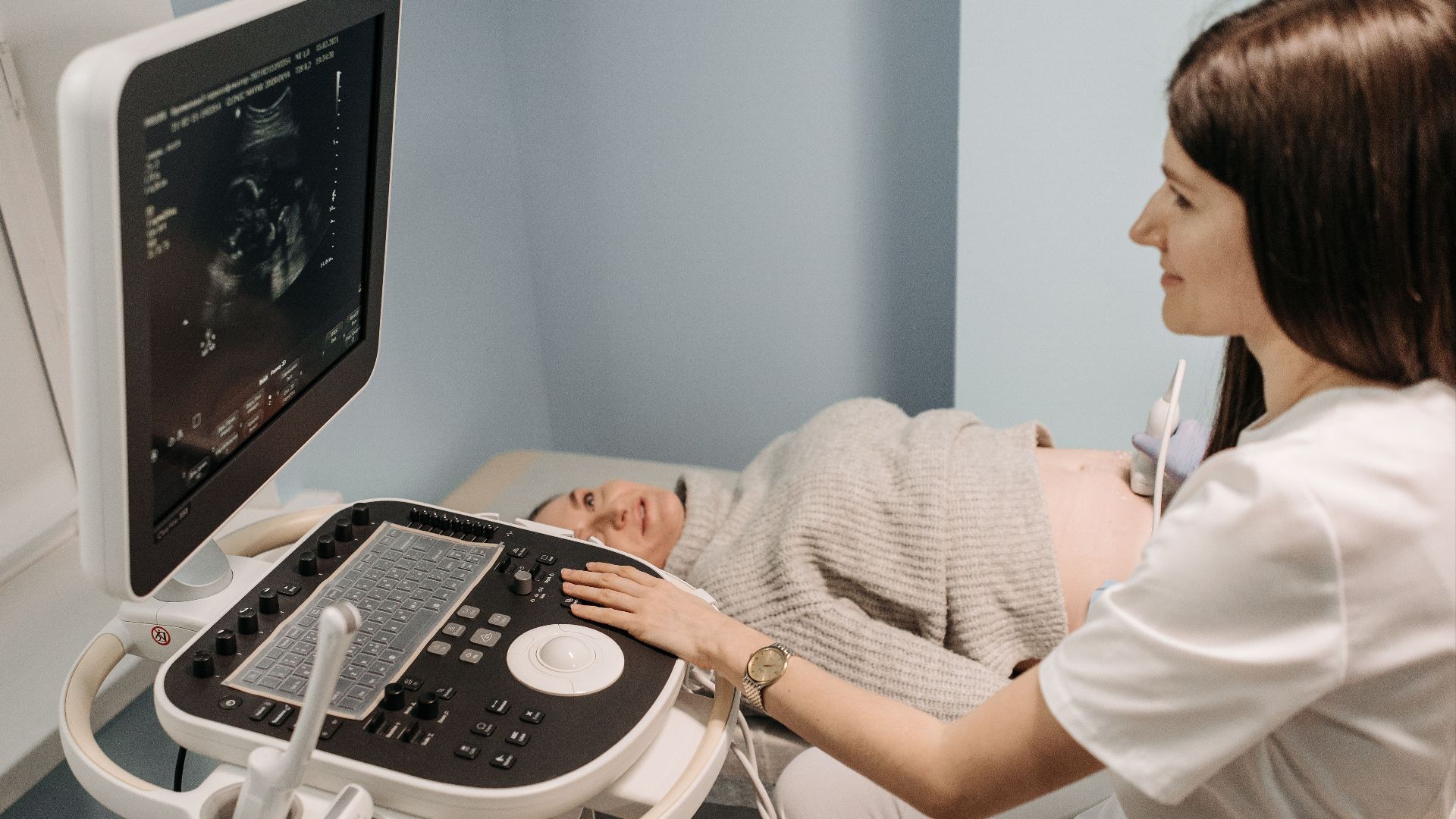
Raw milk can legally be obtained through different systems in numerous American states. Canada takes a much harder line. The sale of raw milk has been prohibited under federal food regulations since 1991, although certain cheeses made with unpasteurized milk can still be sold. That picturesque farm visit will not end with a jug straight from the cow.
Pay an Egg Donor
American fertility programs may compensate egg donors, with the rules and amounts varying considerably. In Canada, purchasing eggs directly from a donor is illegal. Donors can be reimbursed for qualifying expenses connected to the donation, but they cannot simply be handed a cheque as payment.

Pay a Surrogate
Commercial surrogacy is permitted under regulated arrangements in several parts of the United States. Canada allows surrogacy too—but paying someone a fee or salary to act as a surrogate is prohibited. Approved expenses may be reimbursed, and lost employment income can be covered in limited circumstances, but the arrangement cannot become a paid service.
Win Certain Giveaways Without Doing Math
That tiny arithmetic problem at the bottom of a Canadian contest is not there because the sponsor suddenly became interested in education. Many Canadian promotional contests require selected winners to answer a skill-testing question before receiving the prize. In the United States, correctly solving 12 multiplied by four is rarely part of claiming a free vacation.

Post a Ballot Selfie During a Federal Election
Snapping a picture of a completed ballot may seem like the ultimate “I voted” post, and it is allowed in many American states. Elections Canada says photographing a marked federal ballot is illegal because it breaks ballot secrecy. Take the selfie outside with the voting sign—not behind the screen with proof of exactly where the X went.

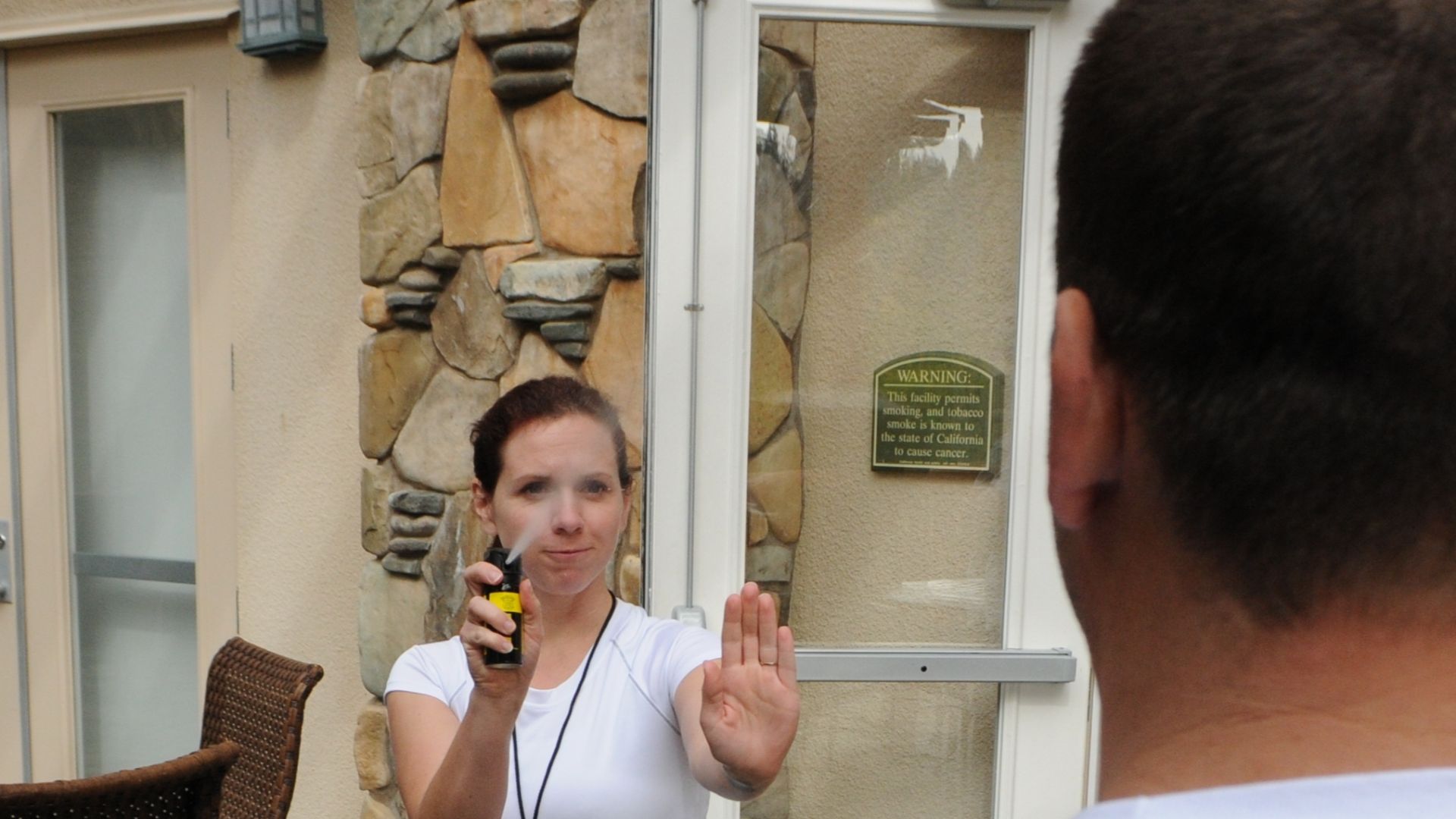
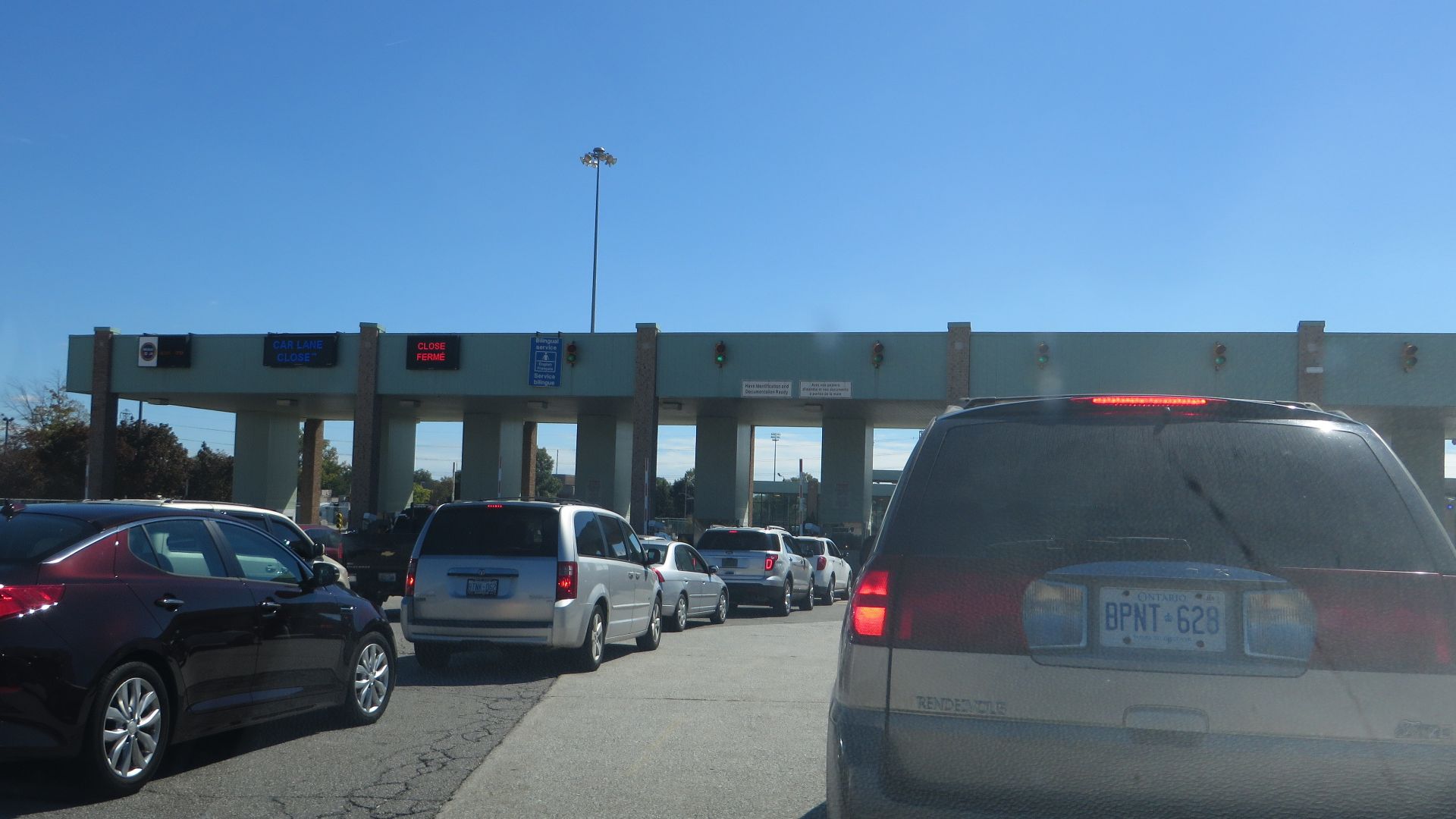
Bring Pepper Spray Across the Border
A small personal-protection spray may be legal under the rules of some American jurisdictions. Canada treats sprays designed for use against people very differently. Border officials specifically list pepper spray among the prohibited items travellers should not bring into Canada. Animal spray is not a clever substitute when the intended target is another person.
 U.S. Army Corps of Engineers Sacramento District, Wikimedia Commons
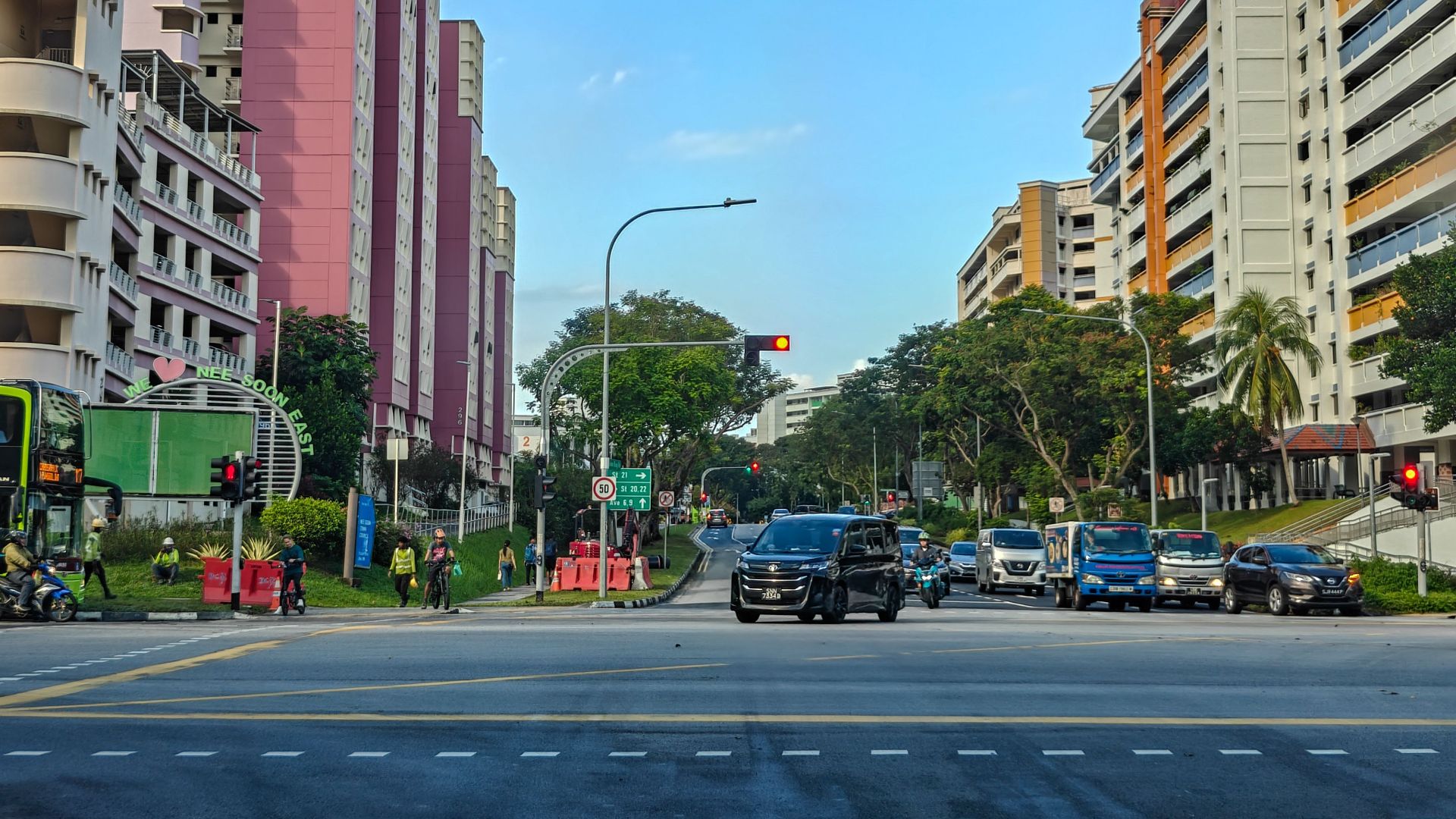
Turn Right on Red in Montreal
Most Americans can turn right on red after stopping, but New York City is a famous exception. Montreal works the same way across the entire island. The rest of Quebec generally permits the turn unless a sign says no, making Montreal the surprise hiding inside the province.
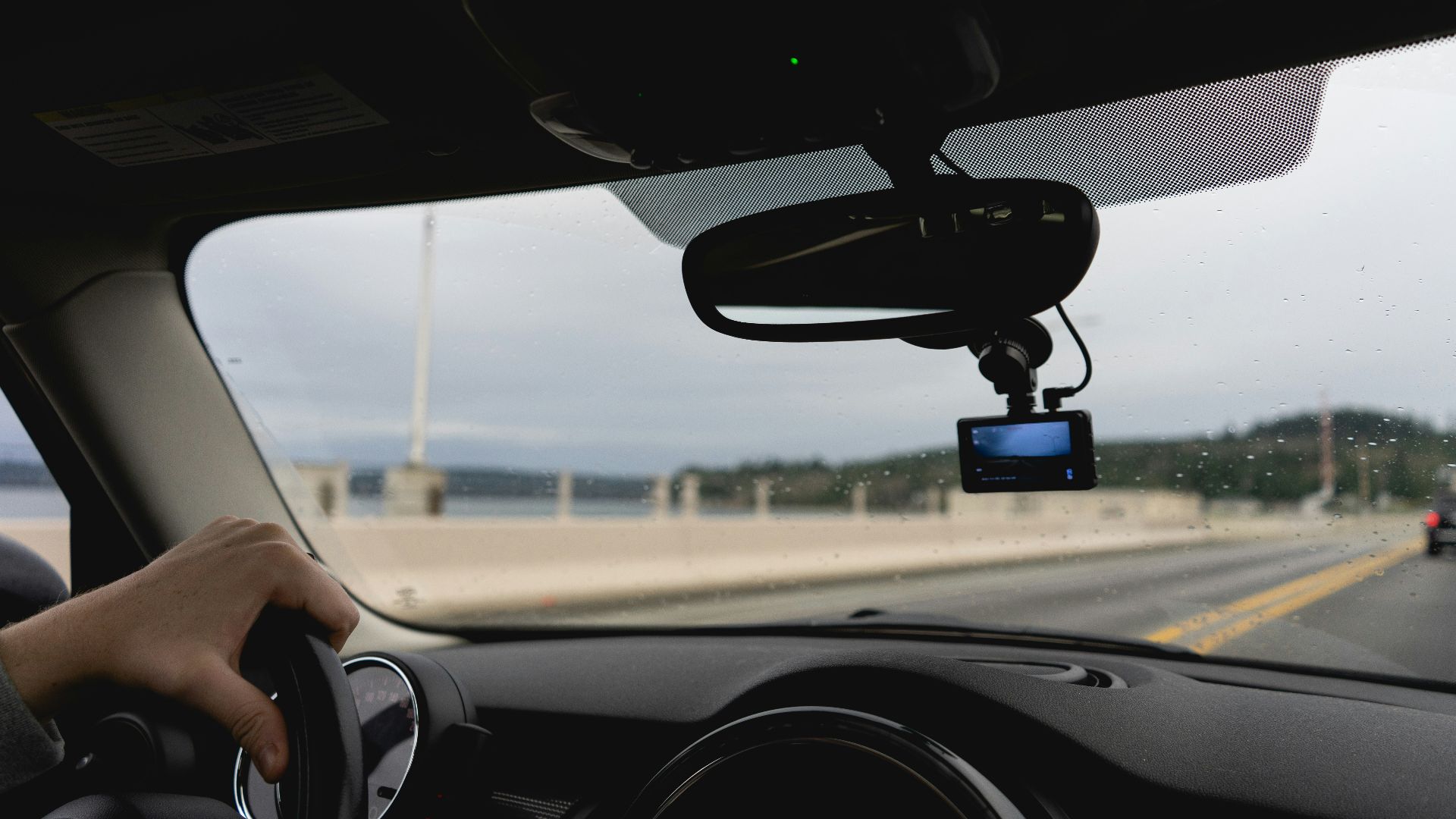
Bring a Radar Detector Into Most of Canada
Radar detectors are legal across most of the United States, but Canada largely flips that pattern. For passenger vehicles, they are permitted only in British Columbia, Alberta and Saskatchewan. In Manitoba and most of the rest of Canada, merely having one inside the vehicle can be enough to cause trouble.
Use AirPods in Both Ears While Driving in British Columbia or Quebec
British Columbia is not alone here. Quebec also limits drivers to a single earphone and specifically prohibits covering both ears. The wording of the two laws differs slightly, but the practical rule is remarkably similar: one ear can be covered; two cannot.

Ride a Bicycle Without a Helmet in Five Provinces
Most American states do not require every adult cyclist to wear a helmet. Canada is divided, but five provinces do: British Columbia, New Brunswick, Nova Scotia, Prince Edward Island, and Newfoundland and Labrador. So that relaxed adult ride to the coffee shop may come with one legally required accessory, depending on which province you are in.

Let Your Car Idle Through a Toronto Coffee Run
Some American states and cities also restrict unnecessary idling—but Toronto gives drivers remarkably little time. New York City generally allows three minutes, while Massachusetts allows five. Toronto’s limit is just one minute within a 60-minute period, with specific exemptions. That is barely enough time for someone to say, “I’ll only be a second.”
 Stephen Armstrong , Wikimedia Commons
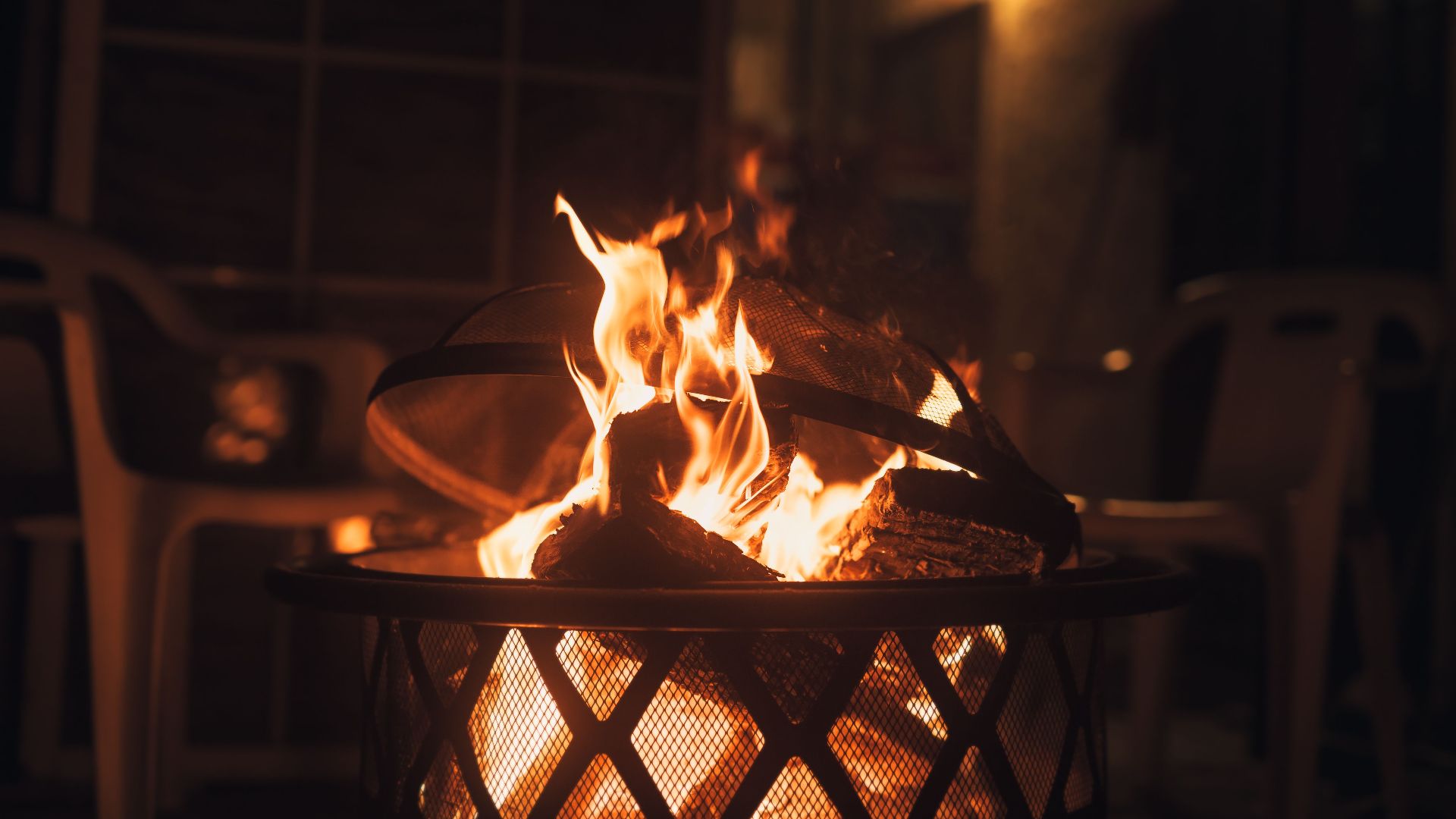
Light a Wood Fire Pit in Toronto, Vancouver or Montreal
Toronto is not the only major Canadian city that says no. Wood-burning fire pits and chimineas are not allowed on private or public property in Vancouver, while outdoor fires are generally prohibited across Montreal without special authorization. Toronto also prohibits open-air burning without approval—even though stores still sell the equipment.
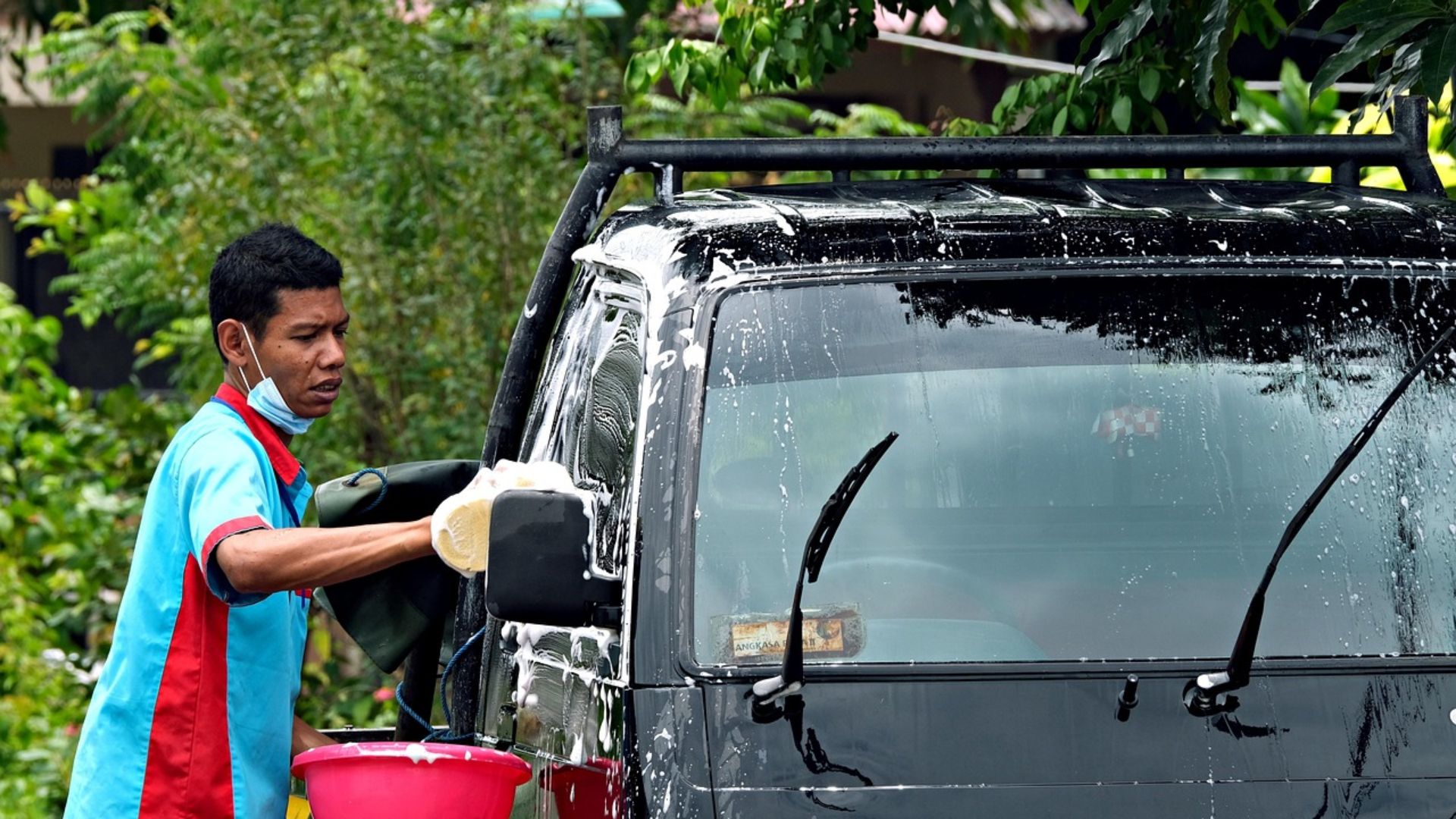
Wash Your Car With Soap in a Calgary Driveway
Calgary is not the only city worried about soapy runoff entering storm drains—Seattle warns residents about the same problem. The difference is that Calgary’s bylaw is explicit: drivers washing on a street or driveway may use water only, and even an excessively dirty car can be a problem.
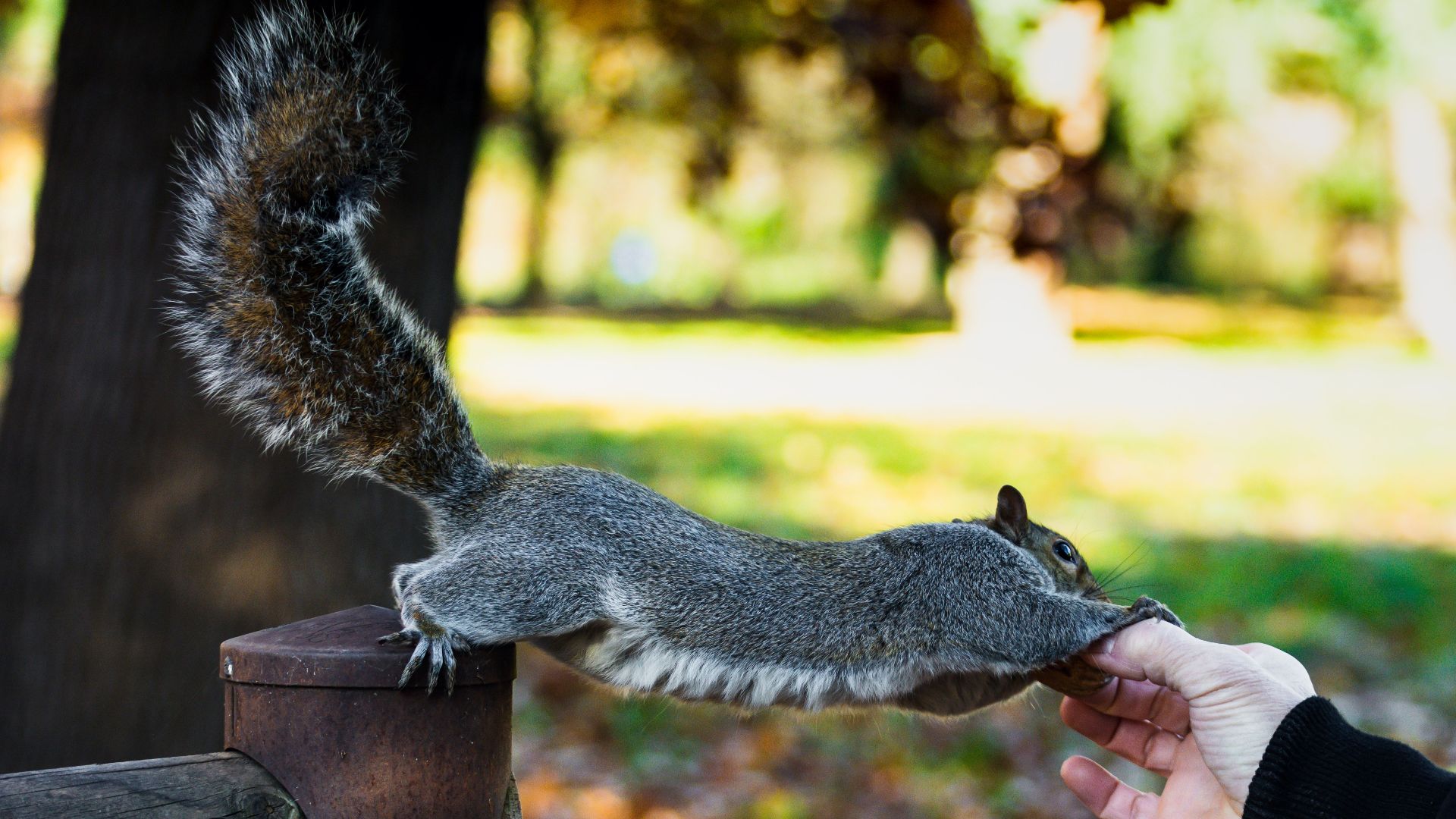
Feed a Squirrel in Toronto, Vancouver or Montreal
Toronto is not alone here either. Vancouver prohibits feeding wildlife anywhere in the city, while Montreal also bans feeding wild animals. The exact exceptions for properly maintained bird feeders vary, but that persuasive backyard squirrel is expected to find lunch somewhere else in all three cities.
Use Ordinary Cosmetic Lawn Pesticides in Seven Provinces
Ontario is part of a much bigger Canadian pattern. Seven provinces have enacted restrictions on at least some cosmetic or non-essential pesticide use: Quebec, Ontario, Manitoba, New Brunswick, Nova Scotia, Prince Edward Island, and Newfoundland and Labrador. The precise rules vary, but the restrictions cover a large portion of the country.

Keep a Pet Rat in Alberta
Hamsters are fine. Gerbils are fine. A typical pet rat is a very different conversation. Alberta has spent decades maintaining its famous rat-control program, and Norway rats—including the domesticated rats commonly kept as pets—cannot ordinarily be owned, imported or transported without special authorization.

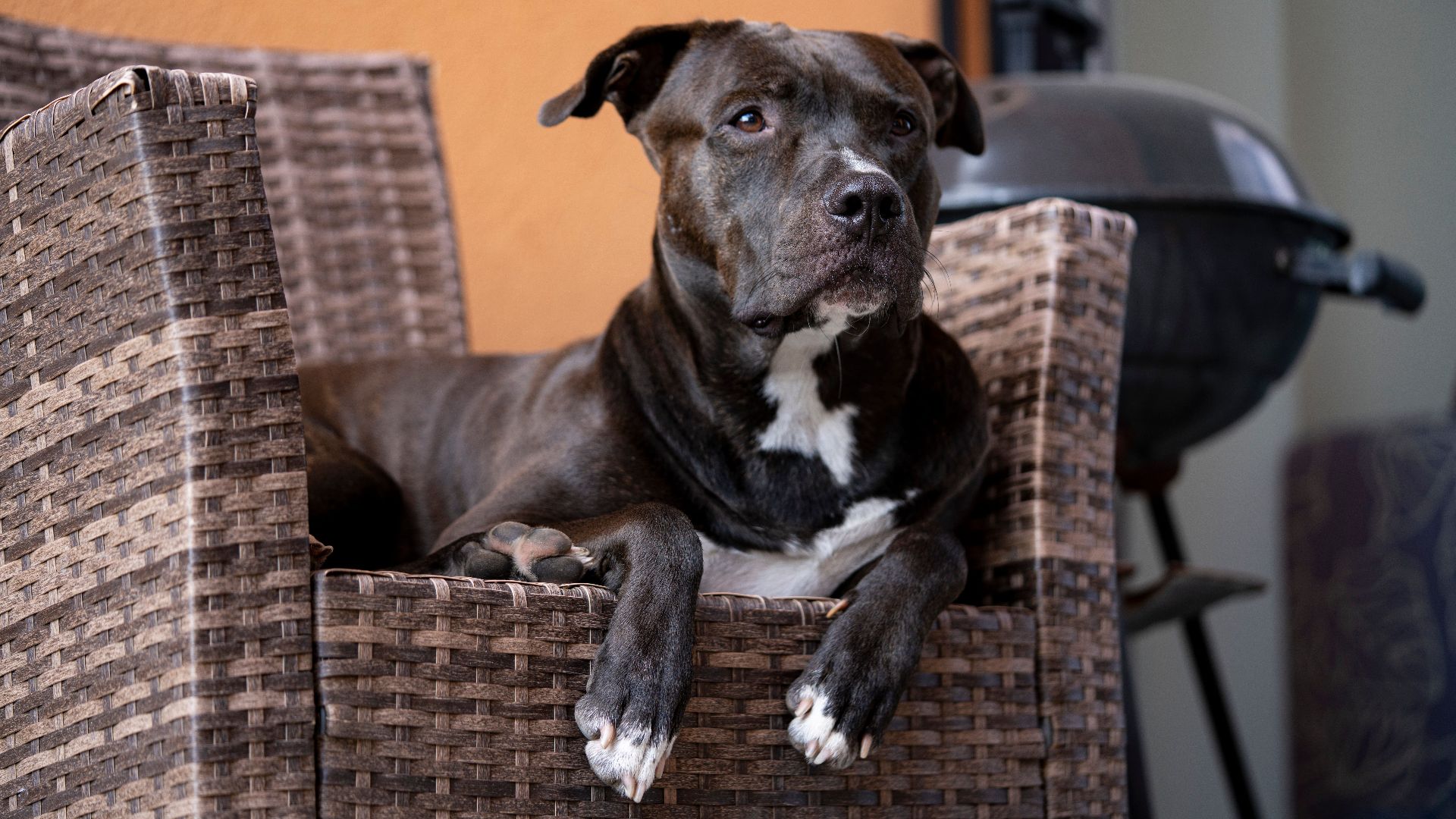
Move to Ontario or Winnipeg With a Pit Bull
Ontario’s restrictions apply across the province, but it is not the only Canadian place with a ban. Winnipeg also prohibits people from bringing in or owning dogs that match specified pit-bull breeds or their predominant appearance. Elsewhere, the rules can be very different—Montreal, for example, does not prohibit any particular breed.
The Canadian Fine Print Is the Real Border
Canada is not one giant collection of strange prohibitions. Most visits pass without anyone accidentally causing an international incident over a dirty car, a joke candle or an enthusiastic squirrel. But the familiar appearance can be deceptive. Sometimes the biggest difference between Canada and the United States is the rule nobody thought to check.
 Ken Lund from Reno, Nevada, USA, Wikimedia Commons
You Might Also Like:
Things Canadians Notice Immediately When They Visit Small-Town America
Americans Were Asked Which Southern Foods Northerners Just Don’t Get—Are They Missing Out?