
Different Travel Clocks
You carefully prepare for every trip so you can leave on time and start your vacation without unnecessary stress. Your husband prefers waiting until the last possible moment, then accuses you of being controlling when you ask him to pack earlier. The disagreement is really about respect, responsibility, and how couples manage shared obligations.
Planning Vs Procrastination
Many couples naturally have different planning styles. One partner enjoys checklists and preparation, while the other feels comfortable improvising. Neither approach is automatically wrong, but problems arise when one person's habits repeatedly create stress or jeopardize shared plans.

Flights Are Different
Unlike casual dinner plans, commercial flights operate on strict schedules. Missing a departure can mean expensive rebooking fees, lost hotel reservations, missed tours, or shortened vacations. Wanting enough time to catch a flight is a practical concern rather than an unreasonable demand.

Packing Reflects Priorities
Packing itself is usually not the true issue. It often reflects how each partner prioritizes responsibilities. Someone who packs early may value certainty. Someone who waits may genuinely perform well under pressure, or simply underestimate how long preparations will actually take.

Last Minute Success
Some people truly are effective last minute packers. They know exactly what they need, forget very little, and consistently arrive on time. If their method never inconveniences anyone else, there may be little reason to change it.
Patterns Matter More
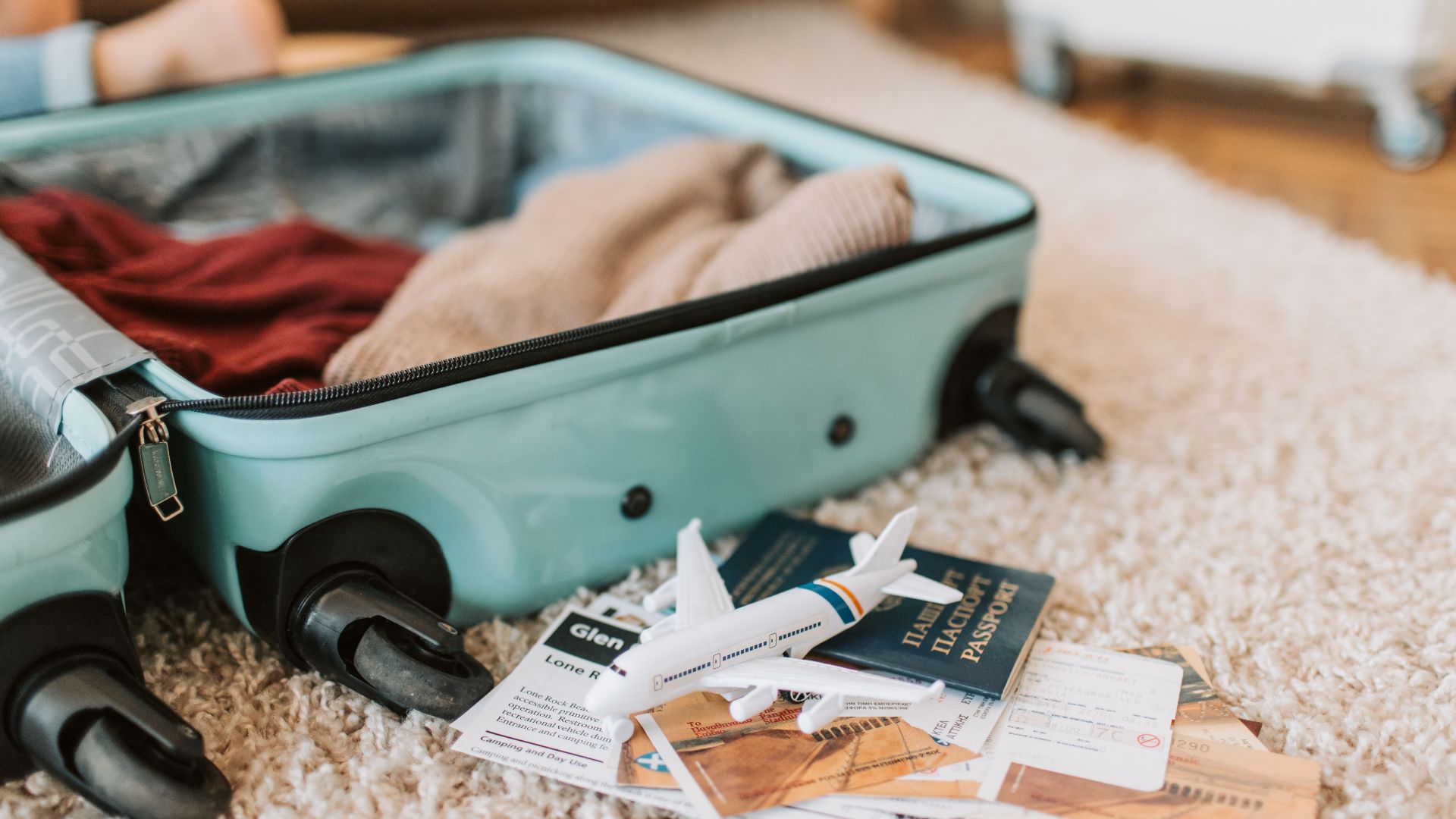
The situation changes if last minute packing is only one example of chronic lateness. Regularly delaying departures, running behind for events, or expecting others to absorb the consequences suggests a larger pattern instead of an isolated personality quirk.

Shared Travel Responsibilities
Vacations require teamwork. Booking transportation, arranging accommodations, gathering documents, charging electronics, and packing shared supplies all affect both travelers. One partner should not consistently shoulder nearly every responsibility while the other dismisses reasonable concerns.

Feeling Like A Parent
When you repeatedly remind your spouse about basic travel preparation, you may begin feeling more like a parent than an equal partner. That imbalance can quietly damage respect and create resentment that extends far beyond vacation planning.

Stress Is Contagious
Anxiety spreads easily within close relationships. If you spend hours wondering whether your partner will be ready before dawn, your own travel experience suffers. Even if everything works out, the emotional cost can be significant.

Is It Really Control
Being controlling usually means trying to dictate another person's choices for your own comfort. Asking someone to prepare for a shared commitment that affects both of you is different. The request has a legitimate purpose rather than serving as unnecessary control.

Watch The Language
If your spouse responds by insulting you, dismissing your concerns, or portraying reasonable requests as personal attacks, the conversation shifts away from packing altogether. Respectful disagreement should never require contempt or belittling language.

Recognizing Gaslighting
Sometimes a partner repeatedly insists that your perfectly reasonable expectations are irrational or excessive. If you begin questioning whether basic requests for punctuality are somehow unreasonable, it is worth considering whether the conversation has become emotionally manipulative.

Separate Facts From Feelings
Focus on objective facts rather than assumptions. The Lyft is scheduled. The airport recommends arriving early. Boarding closes at a specific time. These facts exist regardless of either partner's emotional reaction to preparing for the trip.

Explain Your Goal
Tell your spouse that your goal is not controlling how he packs. Instead, explain that you want both of you to arrive calmly, avoid unnecessary expenses, and begin your vacation without conflict. Framing the issue around shared success often lowers defensiveness.

Avoid Endless Reminders
After expressing your concerns clearly, resist repeating them every hour. Constant reminders may increase frustration for both of you. State your expectations once, agree on a departure schedule, and allow your partner to decide how to meet it.

Set Firm Boundaries
Healthy boundaries are different from ultimatums. For example, you might calmly explain that the rideshare will leave at the scheduled time because changing it could risk missing the flight and create additional costs for both of you.

Divide The Work
Consider assigning clear responsibilities before each trip. One partner handles passports and transportation, while the other packs electronics or confirms luggage. Defined responsibilities reduce confusion and make accountability easier if something gets overlooked.
Create Simple Checklists
Packing lists remove much of the emotion from travel preparation. Instead of debating whether someone is ready, you can both review an objective checklist for clothing, medications, chargers, identification, travel documents, and anything shared.

Respect Different Styles
Your husband may never become someone who packs three days ahead. Likewise, you may never enjoy waiting until midnight before departure. Successful couples often accept these differences while still agreeing on nonnegotiable deadlines that protect shared plans.
Consider Natural Consequences
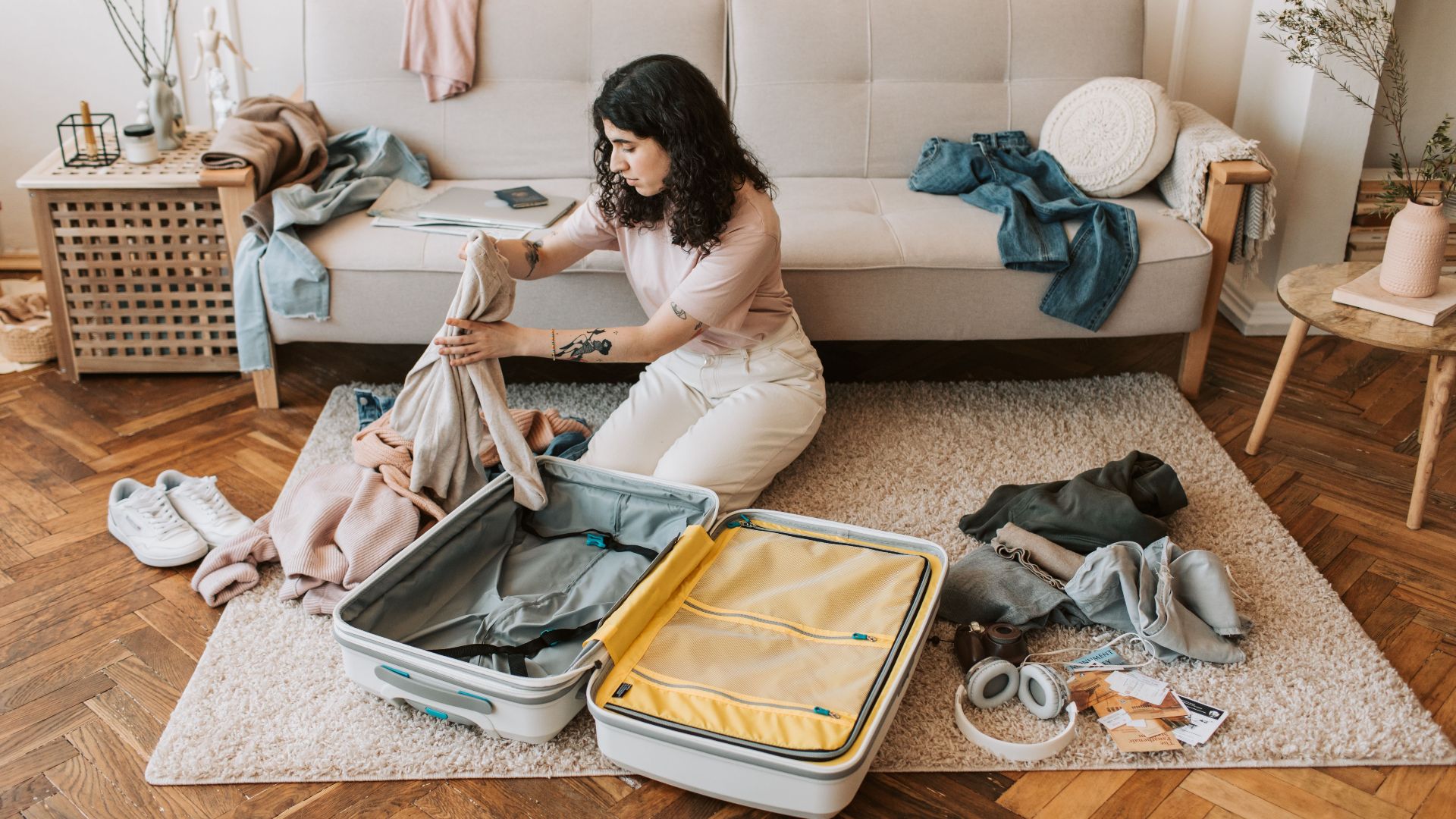
If your partner chooses to delay packing despite clear expectations, resist rescuing him every time. Experiencing the natural consequences of forgotten items or unnecessary stress can sometimes encourage more lasting change than repeated arguments.

Financial Costs Matter
Missed flights, replacement clothing, additional transportation, and changed hotel reservations can become expensive. Under a United States financial reality, avoiding preventable travel disruptions protects both your vacation budget and your overall travel experience.

Look Beyond Travel
Ask yourself whether this disagreement appears only before vacations or reflects a broader relationship pattern. Chronic procrastination combined with dismissive responses may affect finances, household responsibilities, parenting, and many other aspects of everyday life.

When To Seek Help
If respectful conversations repeatedly fail and arguments become increasingly hostile, couples counseling may help identify communication habits that neither partner recognizes. Addressing the underlying relationship dynamics is often more productive than arguing about suitcases.

You're Not Asking Too Much
Wanting to leave on time for an expensive vacation is a reasonable expectation. Leaving things to the last minute and then trying to improvise on the fly is asking for trouble. Your request becomes even more justified when delays affect both travelers. Mutual respect means recognizing that one partner's preparation style should not repeatedly create avoidable stress for the other.

Build Better Vacations
The happiest trips usually begin long before reaching the airport. Honest communication, shared responsibilities, realistic deadlines, and respect for each other's concerns create smoother departures and more enjoyable vacations. You deserve to begin your travels feeling excited rather than exhausted.

You May Also Like:
How To Pack Like A Pro: Travel Anywhere With Just A Carry-On