


You Paid For A Tour, Not A Shopping Credit
You booked the excursion before the cruise, paid real money for it, and showed up ready to go. Then the cruise line canceled because too few passengers signed up and offered onboard credit instead of returning your money. That may be convenient for the cruise line, but it isn’t necessarily the same remedy as refunding a service they decided not to provide.
First, Find Out Who Actually Canceled It
There’s an important difference between you cancelling an excursion and the cruise line or tour operator cancelling it. Guest cancellations are often subject to deadlines and penalties. When the operator calls off the tour, particularly because it couldn’t meet its own minimum participation requirement, the applicable refund policy may be considerably more favorable.

Low Enrollment Is A Normal Reason For Cancellation
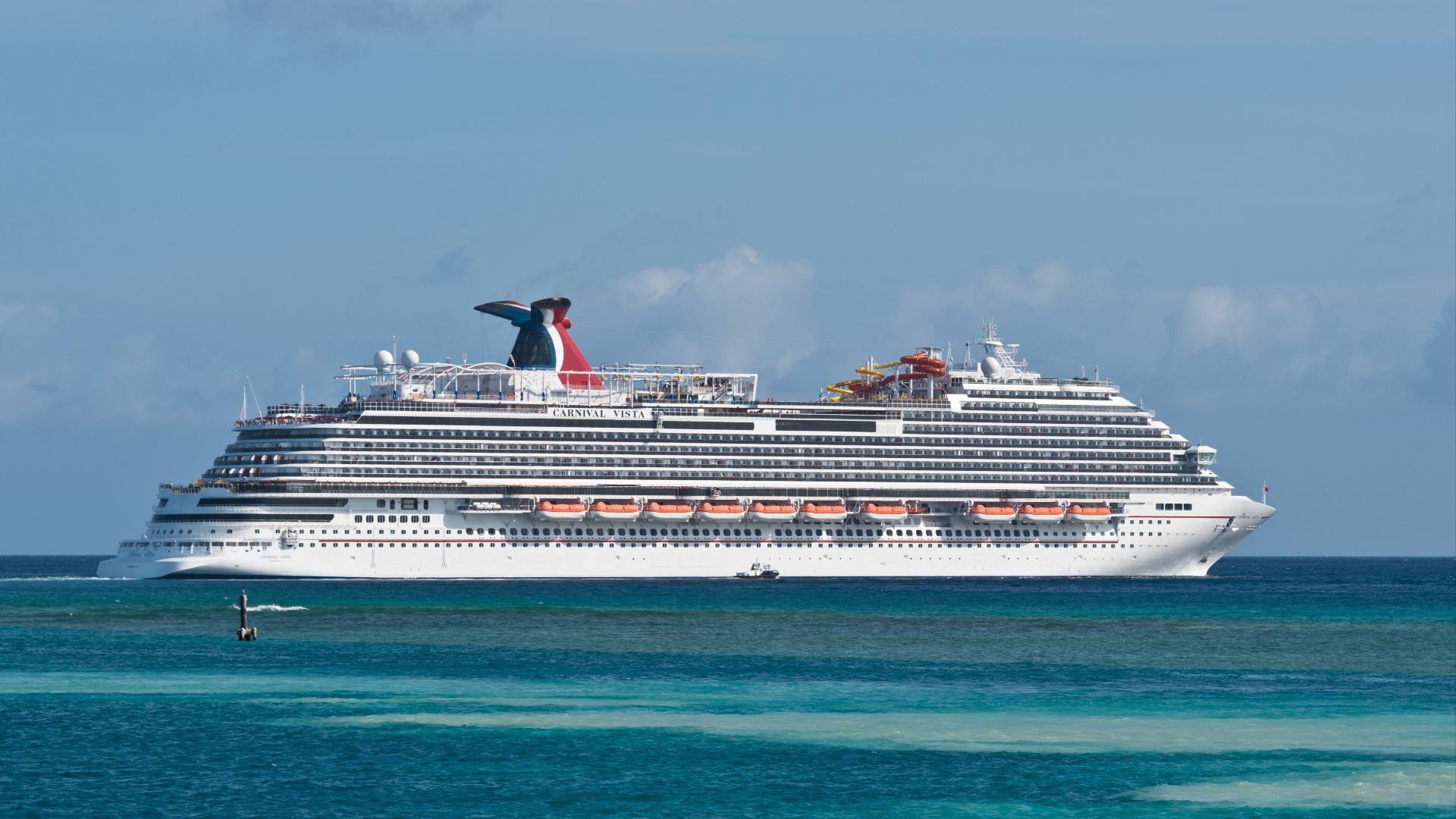
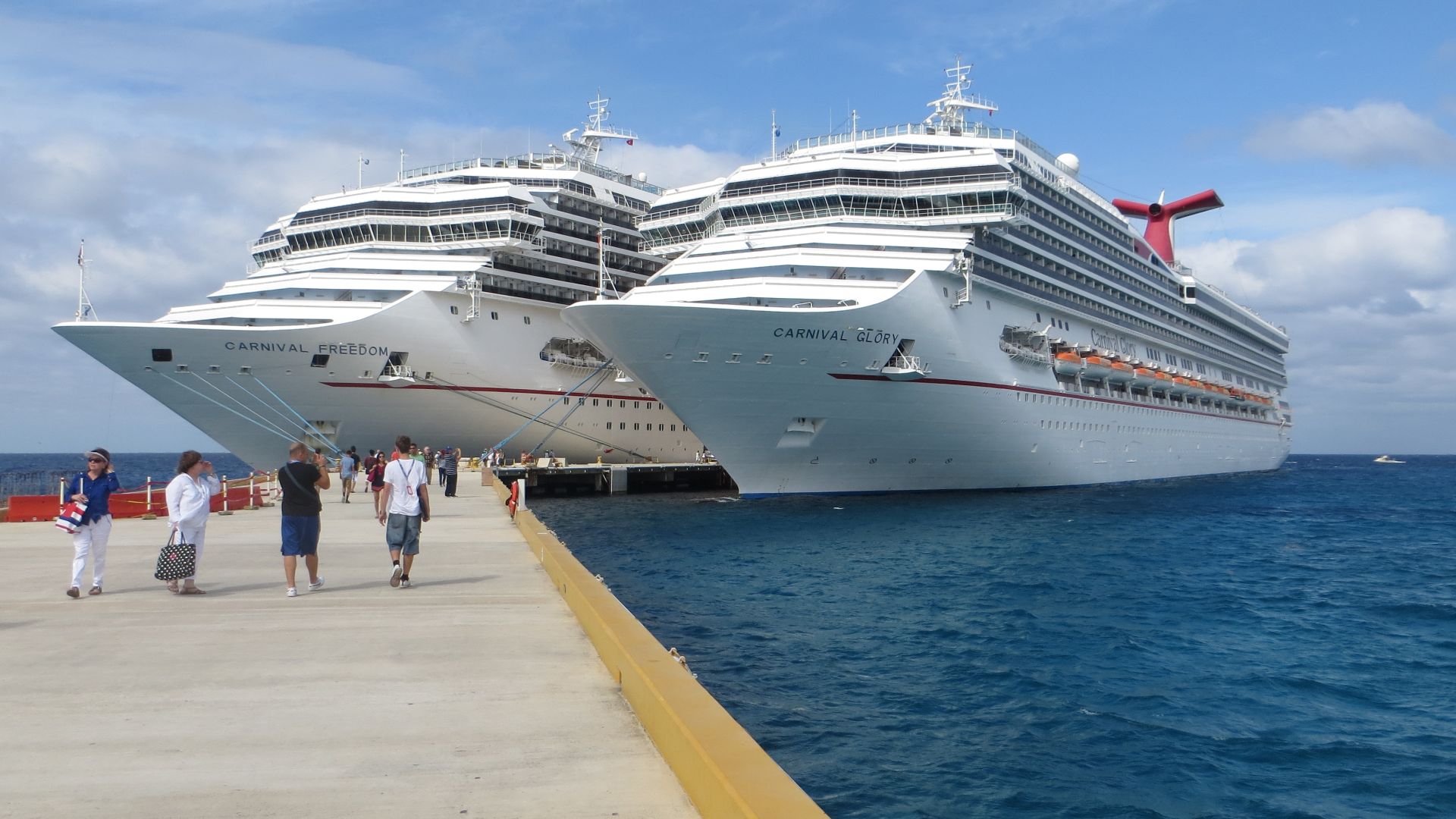
Many excursions only operate if enough passengers book them. Cruise lines generally disclose that tours can be cancelled or modified based on participation levels. Carnival, for example, specifically states that some excursions require a minimum number of guests and that tours may be cancelled if that minimum isn’t reached.

But Carnival Also Says Those Guests Get Full Refunds
That same Carnival policy is unusually clear about what happens next: when a tour operator cancels because the minimum participation requirement isn’t met, full refunds are issued. Its terms also state more broadly that when Carnival or the tour operator cancels an excursion, the guest’s recourse is a refund of the amount paid for that activity.
 Gordon Leggett, Wikimedia Commons
Norwegian Has Similar Language
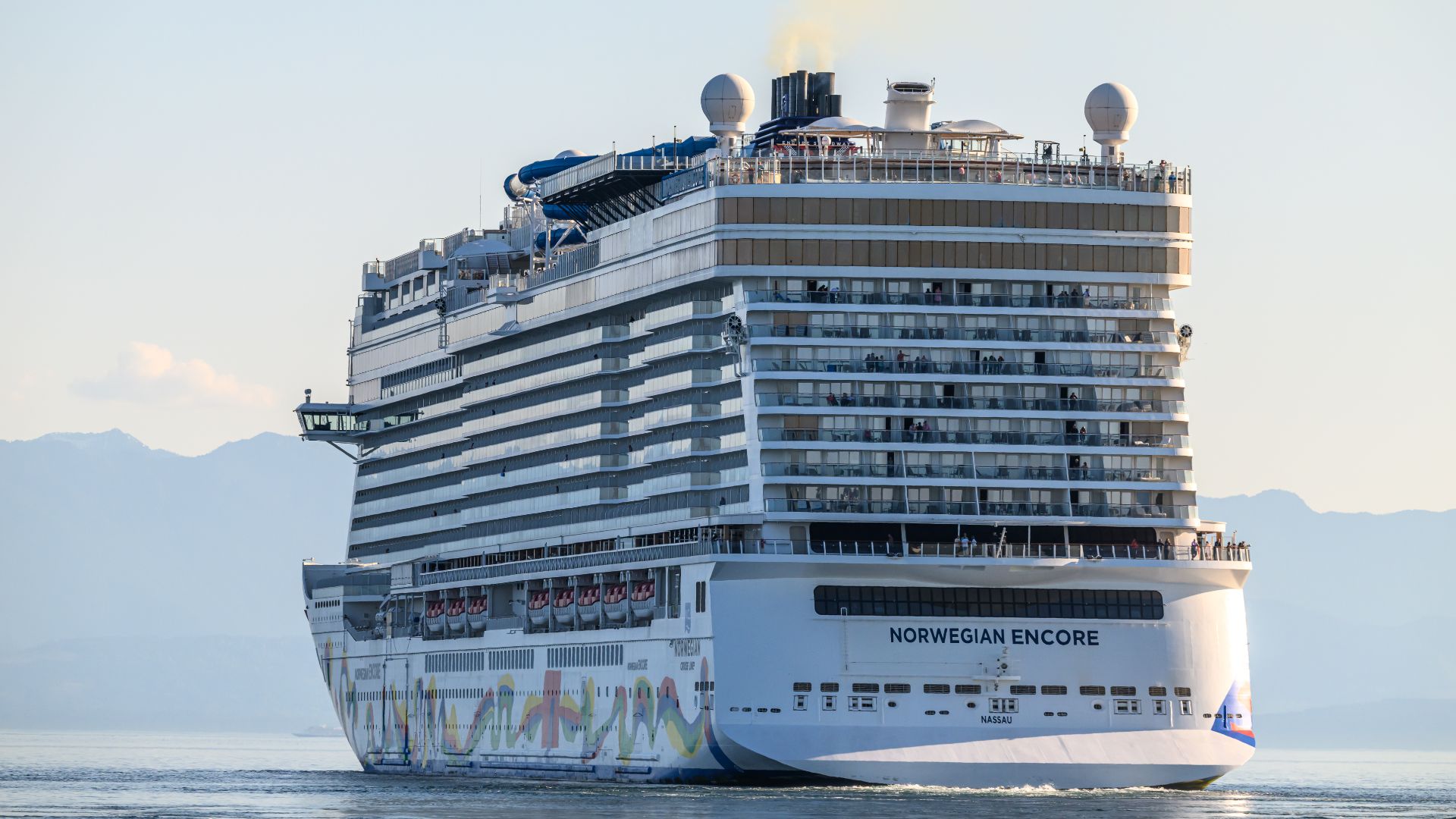
Norwegian Cruise Line also says excursions may be cancelled or modified based on the number of participants. More importantly, its current excursion terms state that passengers holding tickets for cancelled shore excursions receive a full refund. That makes it worth checking your own cruise line’s written rules before accepting a credit as the final answer.
 Gordon Leggett, Wikimedia Commons
A Refund And An Onboard Credit Aren’t The Same Thing
A refund gives your money back. An onboard credit generally requires you to spend that value with the cruise line, often before the sailing ends. If you paid $180 for an excursion that never happened and receive $180 that has to be spent on drinks, dining, shopping, or another tour, you haven’t necessarily been returned to the same financial position.
 Grandmaster Huon, Wikimedia Commons
Ask Whether The Credit Is Refundable
This is one of the most important questions to ask. Some credits placed on an onboard account represent refundable money and can eventually be returned if unused. Others are promotional or nonrefundable credits that disappear if you don’t spend them. Those are very different outcomes.

“It’s On Your Account” Doesn’t Answer The Question
Onboard staff may tell you the money has been “credited back” without explaining what that means. Ask whether the amount is refundable onboard credit, nonrefundable onboard credit, or simply a temporary accounting adjustment. The terminology matters because only one may ultimately turn back into cash.

Timing Can Change How The Refund Is Processed
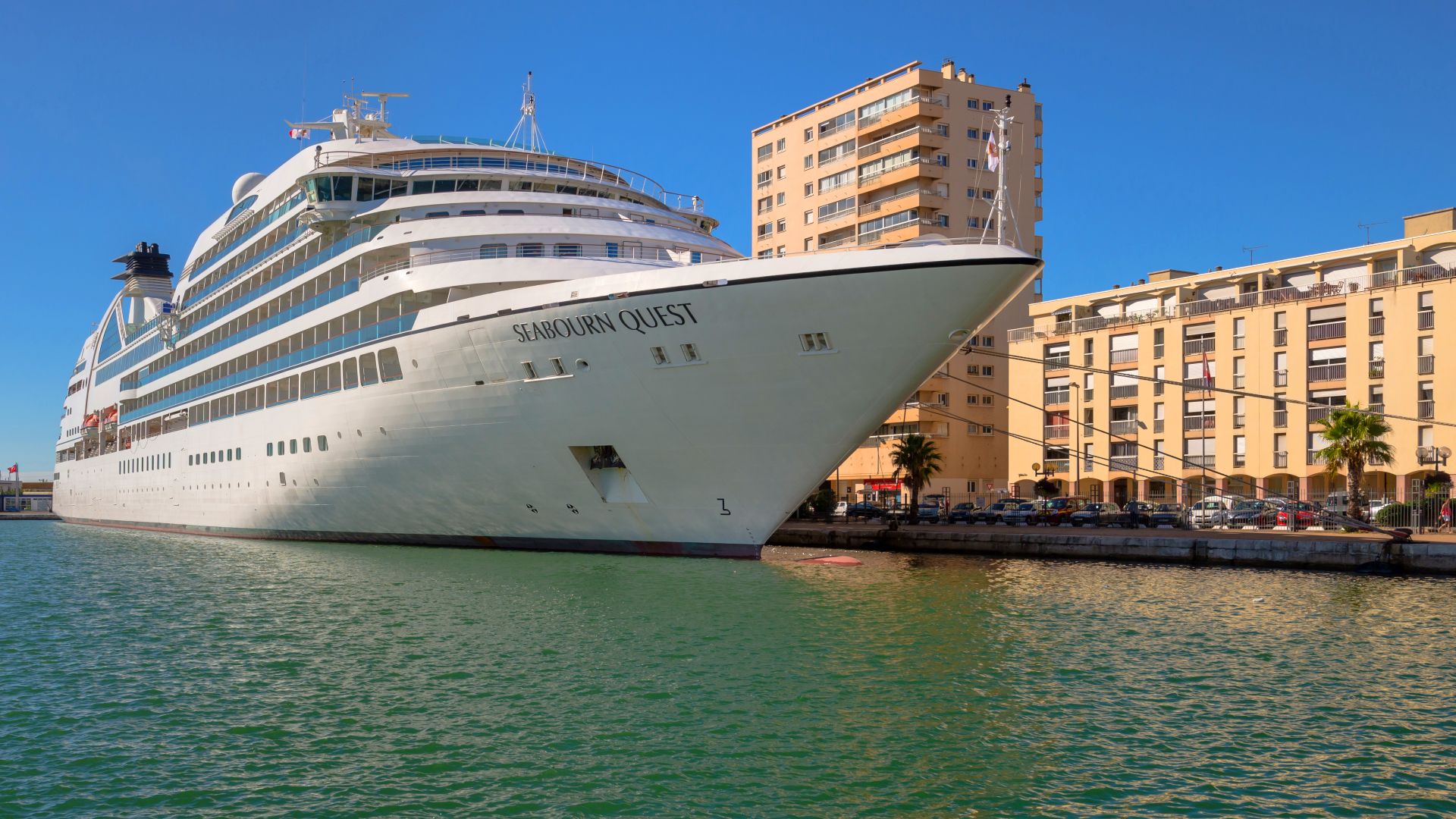
A cruise line may return pre-cruise cancellations to the original credit card but process refunds differently once the sailing has started. Carnival, for example, says qualifying refunds for onboard cancellations are generally applied to the passenger’s Sail & Sign account rather than immediately returning to the original card. That doesn’t necessarily mean the passenger has permanently been given nonrefundable spending credit.
 Christian Ferrer (Edited by Laitche)
, Wikimedia Commons
Christian Ferrer (Edited by Laitche)
, Wikimedia Commons
Norwegian Also Uses The Onboard Account
Norwegian’s excursion terms similarly distinguish between refunds processed before the cruise and those handled onboard. Its terms say certain onboard refunds go to the excursion purchaser’s folio account and describe a process for refunding qualifying unused balances after the sailing. So seeing a credit on your account doesn’t automatically mean you’ve lost the right to receive money back.
 Jack Adamenko, Wikimedia Commons
Check The Excursion Terms You Booked Under
Pull up the confirmation email, excursion description, cruise contract, and shore-excursion terms that applied when you purchased the tour. Search for phrases such as “minimum participation,” “cancelled excursion,” “full refund,” “onboard credit,” and “original form of payment.”

Screenshot The Policy
Don’t assume the policy will remain easy to find after the cruise. Save the relevant section as a screenshot or PDF, particularly if it specifically promises a refund when the cruise line or excursion provider cancels. That gives you something concrete to reference instead of arguing from memory.

Save The Cancellation Notice Too
Keep any letter, app notification, email, or message showing that the excursion was cancelled because there weren’t enough participants. The reason matters. You want the record to show that the operator cancelled, rather than leaving room for the situation to look like a voluntary cancellation on your part.

Don’t Let It Become A “No-Show”
If you hear informally that the tour is cancelled, make sure the booking system reflects that. A no-show can be treated very differently from an operator cancellation. Confirm with the shore excursion desk that your reservation has officially been marked as cancelled by the company.

Ask For The Policy In Writing
If a crew member says, “We only give onboard credit,” politely ask where that policy appears in the excursion terms. If the written terms say a cancelled excursion receives a full refund, the distinction is worth pressing. Front-line staff may be describing how the refund initially appears onboard rather than its ultimate payment method.

Ask What Happens To Unused Credit At Disembarkation
This can resolve the whole argument surprisingly quickly. If the $150 credit is refundable and any unused balance will be returned after the cruise, there may be little practical difference beyond timing. If it expires at the end of the sailing, that’s a much more significant issue.
 Port of San Diego from San Diego, Wikimedia Commons
Don’t Spend The Credit Until You Understand It
If you immediately use the entire amount on specialty dining or shopping, it can become harder to argue later that you wanted a monetary refund. Leave the disputed amount untouched while you’re clarifying whether it’s refundable, if your onboard account allows you to do so.
Request The Original Form Of Payment
If the operator cancelled a prepaid excursion before it happened, ask directly whether the amount can be returned to the card used for purchase. Some cruise lines already use the original card for qualifying pre-cruise excursion refunds. Holland America, for example, says eligible prepaid shore-excursion cancellations made sufficiently before embarkation are refunded to the card used for purchase.

A Missed Port Usually Strengthens The Same Principle
When a ship can’t visit a port at all, cruise lines commonly refund cruise-booked excursions. Royal Caribbean explicitly says guests receive a refund when an excursion is cancelled because the ship misses the port. It’s another example of the basic distinction between the passenger choosing not to participate and the company being unable to deliver the purchased activity.

Don’t Confuse Excursion Credit With Future Cruise Credit
Future cruise credit is another category entirely. It’s generally intended to be applied toward another cruise and can have expiration dates and restrictions. A $200 cancelled shore excursion shouldn’t quietly turn into an obligation to book another vacation unless the terms you agreed to specifically support that remedy.

You Don’t Have To Accept A Different Excursion Automatically
The shore excursion desk may offer another tour instead. That can be a perfectly good solution if you like the alternative, but a snorkeling trip isn’t automatically compensation for a cancelled historical tour just because they cost the same. Ask whether declining the replacement preserves your refund rights before agreeing to anything.
 Forest and Kim Starr, Wikimedia Commons
The Replacement’s Timing Matters Too
A substitute excursion at 7 a.m. may not be equivalent to the afternoon tour you booked. Nor is an eight-hour tour necessarily useful if your original excursion was three hours and you made other plans for the day. Price isn’t the only measure of whether a replacement genuinely works.

Independently Booked Excursions Are Different
If you booked directly with a local tour company rather than through the cruise line, the cruise line’s excursion policy usually won’t govern your refund. You’ll need to check the independent operator’s cancellation terms. This is especially important if the ship misses the port because independent tours may have their own missed-port guarantees.

Keep Your Credit-Card Statement
If the cruise line eventually claims it refunded the tour to your original payment method, verify that the money actually appears. Refund processing can take time, but you shouldn’t simply assume a verbal promise has been completed. Save the original charge and any subsequent refund entry.

Escalate Before Leaving The Ship
Visit the shore excursion desk or guest services and ask for a supervisor if the answer conflicts with the published terms. Get the outcome documented on your account or in writing. Resolving a bookkeeping issue while the ship still has access to the excursion records can be much easier than starting from scratch weeks later.
 Okcroisiere.fr, Wikimedia Commons
Follow Up After The Cruise
If the money still hasn’t been returned, send a concise written complaint. Include the excursion name, reservation number, amount paid, cancellation reason, date of cancellation, copy of the applicable refund policy, and screenshot showing the onboard credit. Ask specifically whether that credit is refundable and when it will be returned.

A Credit-Card Dispute Is A Backstop, Not Step One
If you paid by credit card, the card issuer may offer dispute rights when paid-for goods or services weren’t delivered as agreed. The FTC recommends first trying to resolve the problem with the seller and contacting the card issuer promptly if that fails, since time limits can apply to formal billing disputes.

Don’t Dispute More Than You Actually Lost
If the cruise itself happened normally and only a $175 excursion was cancelled, disputing the entire cruise charge would usually make little sense. The disputed amount should correspond to the service you paid for but didn’t receive. Keeping the claim narrow also makes the documentation much clearer.
So, Should You Get Your Money Back?
If the cruise line or its excursion operator cancelled a separately prepaid tour because it couldn’t attract enough participants, there’s a strong reason to check the written terms before accepting a use-it-or-lose-it credit. Major cruise lines including Carnival and Norwegian explicitly describe full refunds for operator-cancelled shore excursions in their current policies. The catch is that a legitimate refund may initially appear as an onboard-account credit, so find out whether it’s refundable before assuming you’ve been shortchanged. If it really expires unless you spend it, point to the cancellation policy, request the money back, and escalate the issue while all the documentation is still fresh.

You May Also Like:






.jpg)