A Cruise Dream Ends Early
Few vacation letdowns sting like a cruise that ends before the final port. Then comes the next hit: a compensation offer that feels smaller than the loss. If your sailing was cut short because of onboard problems and the line offered only partial credit, the real question is whether that offer is actually fair, and if you have a case or not.
The Short Answer
Sometimes, yes. Partial compensation can be fair, but it depends on what you lost. Cruise lines usually refund or credit the unused part of the trip, not the stress, missed vacation time, or hassle that came with it. Whether the offer is reasonable depends on the cruise contract, the cause of the disruption, and any extra costs you had to cover yourself.

Why This Keeps Happening
In recent years, several major cruise disruptions have been tied to propulsion problems, technical issues, and other onboard faults. In many cases, cruise lines have shortened itineraries or canceled voyages after crew members or engineers found mechanical or safety concerns. Those cases have put compensation policies under a brighter light.

A Real Example From Norwegian Cruise Line
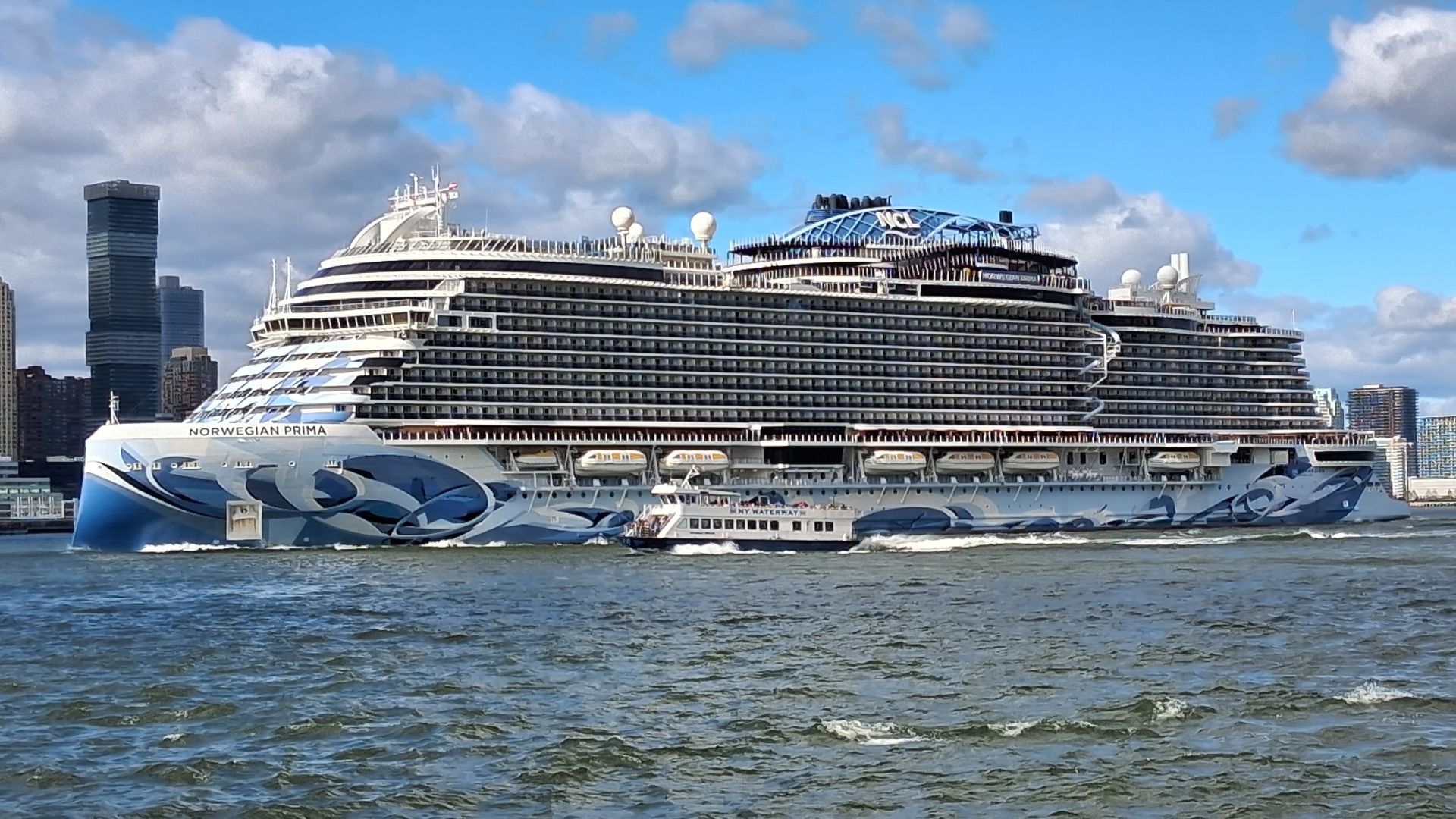
One of the clearest recent examples involved Norwegian Cruise Line's Norwegian Prima. In March 2024, Cruise Hive reported that a scheduled sailing was cut from 10 days to 7 days because of a propulsion issue that reduced the ship's speed. Guests were told they would receive a 30% refund to the original form of payment and a 30% future cruise credit.
What Happened On Norwegian Prima
According to Cruise Hive, the affected sailing was set to depart from Southampton on March 30, 2024. The revised itinerary dropped calls including Iceland, and the ship was instead scheduled to visit ports in Belgium and the Netherlands. The issue was described as a propulsion problem that required the ship to operate at a slower speed.
 David Martin, Wikimedia Commons
Why Passengers Were Upset
For many travelers, the value of a cruise is not just the number of nights onboard. It is the itinerary, especially when rare or bucket-list ports are part of the trip. A shorter sailing with substitute stops can feel like a completely different vacation, even if the cruise line says it refunded the lost portion.

What A Partial Credit Usually Means
Cruise lines often break compensation into two parts. One is a direct refund or onboard credit tied to the days or services you did not get. The other is a future cruise credit, which is more limited because you have to book another trip and follow the line's rules and deadlines.

Future Cruise Credit Is Not The Same As Cash
That difference matters. A future cruise credit can be useful if you already plan to sail again, but it is not as flexible as money returned to your card. If the offer leans more on future credit than on a refund, passengers may reasonably feel it falls short.

What The Fine Print Says
The legal answer usually starts with the cruise ticket contract. Major cruise lines often give themselves broad power to change itineraries, cancel ports, swap destinations, or shorten a voyage because of safety, weather, mechanical trouble, or other operational issues. That means passengers may have less leverage than they expect unless the line clearly failed to provide what the contract promised.

Carnival's Contract Offers A Good Example
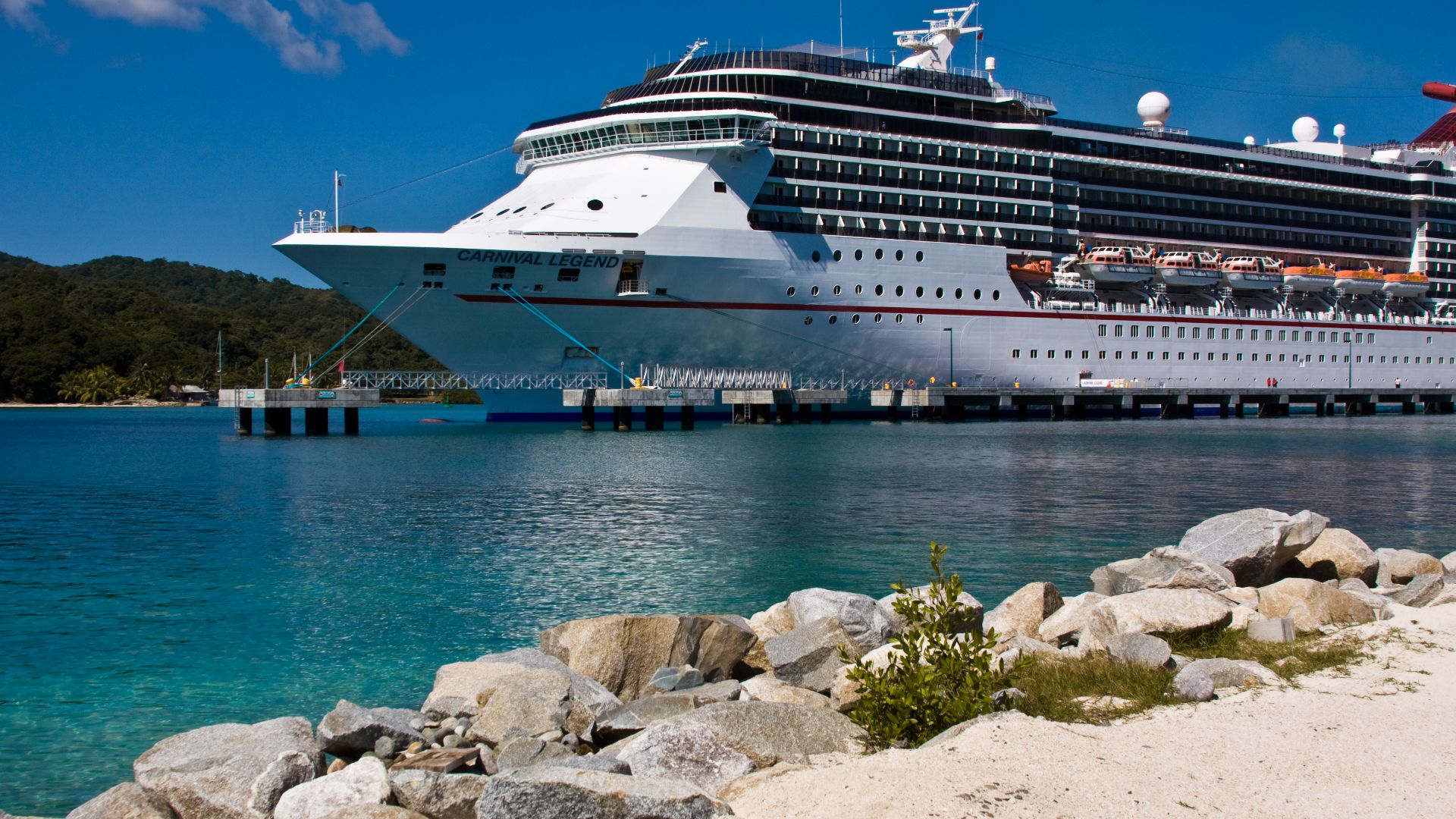
Carnival's cruise ticket contract says the line may, without prior notice, cancel, advance, postpone, or change any scheduled sailing or port of call. It also says Carnival can substitute another ship or port and may adjust the voyage if it thinks that is necessary for any reason. The contract further limits liability for changes tied to safety, weather, mechanical issues, or similar operating concerns.
 Daniel Foster from Shreveport, Wikimedia Commons
That Does Not Mean Passengers Get Nothing
Even with broad contract language, that does not automatically mean no compensation is owed. If several cruise days were not delivered, many lines will offer a prorated refund, onboard credit, or future cruise credit as a goodwill gesture or under company policy. The key point is that compensation usually follows the part of the cruise that was lost, not the emotional value of the missed experience.

What Regulators Actually Require
In the United States, there is no general rule saying a cruise line must fully refund every disrupted sailing. The Federal Maritime Commission explains that passenger rights often depend heavily on the contract terms and the details of what happened. That is why two passengers on different cruise lines can end up with very different outcomes after similar problems.

The FTC's Useful Principle
The Federal Trade Commission does not set cruise compensation formulas, but it does lay out a basic consumer principle that matters here. If a seller makes a major change to what was purchased, consumers should review refund rights and dispute options carefully. That matters even more when the replacement trip is clearly different from the one originally sold.

Fair Can Depend On What Was Lost
If your seven-night cruise became a five-night cruise, a refund for the lost two nights may be a reasonable starting point. But if your airfare, hotels, shore plans, and vacation time were built around a special itinerary that disappeared, the damage can be much bigger. What feels fair and what counts as fair under the contract are not always the same.

Ports Matter More Than Cruise Lines Sometimes Admit
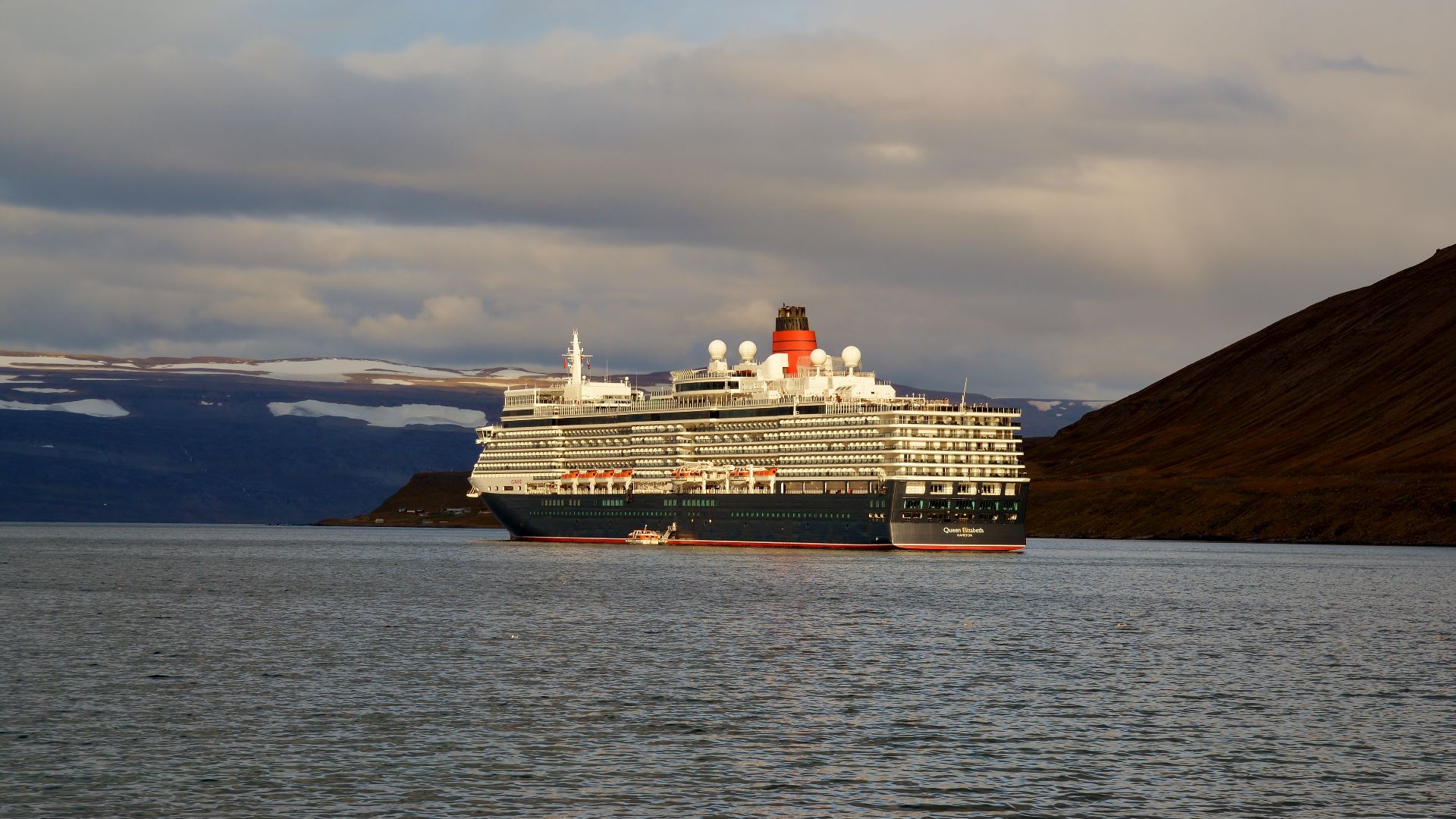
A cruise to Iceland, Alaska, or another once-in-a-lifetime destination carries a different value than a more routine sailing. That is one reason passengers reacted so strongly in cases like Norwegian Prima. Swapping out marquee ports for easier substitutes may solve an operating problem, but many travelers would not see it as an equal replacement.
 Barry Marsh from London, England, Wikimedia Commons
Travel Insurance Can Change The Math
Travel insurance may help where the cruise line's offer does not, but only if the policy covers that kind of disruption. Some policies include trip interruption or missed port benefits, while others leave out mechanical issues unless they lead to a specific covered loss. The exact wording matters as much as the cruise contract does.

Credit Card Protections May Also Help
If you paid by credit card and believe the cruise line did not provide what was promised, you may have dispute rights under the Fair Credit Billing Act. That does not guarantee a win, but it can help if the compensation offer seems far below the value of what was not delivered. Keep records of the original itinerary, notices from the line, and receipts for extra costs.

Document Everything Right Away
If your voyage is cut short, save the email notices, app alerts, and any letters delivered to your cabin. Take screenshots of the original itinerary and the revised one. Ask guest services for written confirmation of the reason for the change and exactly what compensation is being offered.

Calculate Your Losses Carefully
Start with the base cruise fare for the lost days or missed segment. Then separate out optional costs such as shore excursions, drink packages, prepaid gratuities, airfare changes, hotels, and ground transportation. A clear itemized list gives you the best chance of making your case.

Know The Difference Between Refundable And Nonrefundable Items
Shore excursions canceled by the line are often refunded automatically. Port fees and taxes tied to missed calls may also be refundable, depending on how the line handles them. Airfare, independent hotels, and private tours are much less likely to be covered by the cruise line unless it agrees to do so.

How To Push Back Politely
If the offer seems weak, ask for a written breakdown showing how the cruise line calculated it. Keep your request calm, direct, and focused on facts such as lost days, missed ports, and out-of-pocket costs. A measured complaint usually gets farther than an angry one.

When Partial Credit Is Probably Fair
Partial credit is often fair when the cruise line delivered most of the voyage and compensated you for the part it could not provide. That is especially true when the disruption was caused by safety or technical concerns and the line still provided lodging, food, and transportation for most of the trip. In those situations, a full refund is usually unlikely.

When Partial Credit May Not Feel Fair
The balance changes if the core value of the trip was wiped out. If a special itinerary was replaced with ordinary ports, or a large chunk of the voyage disappeared, passengers may reasonably argue that a basic prorated credit is not enough. That does not create an automatic legal right to more, but it does make the complaint stronger.

Escalation Options If The Offer Falls Flat
Start with the cruise line's customer relations department rather than relying only on onboard staff. If that gets nowhere, you can file a complaint with the Federal Maritime Commission or your state attorney general's consumer office if you think the marketing was misleading. You can also pursue a card dispute or small claims action if the facts support it.

The Safety Angle Matters
It is worth remembering why these decisions get made. If engineers or ship officers find a propulsion or technical issue, continuing on the original route may not be safe or practical. Passengers may be disappointed, but safety-based changes are the ones most likely to be protected by the ticket contract.

The Bottom Line On Fairness
So, is partial credit fair after a cruise is cut short because of onboard issues? In many cases, yes, if it reasonably covers the unused part of the trip and any clearly refundable extras. But if the line swapped a headline itinerary for something much less valuable and leaned too heavily on future cruise credit, it is fair to challenge the offer.

What Smart Travelers Should Do Next
Read the ticket contract before you sail, not after something goes wrong. Buy travel insurance that covers interruption and itinerary changes, and pay with a credit card that offers dispute protections. If your cruise is cut short, document everything, do the math, and ask for compensation based on facts, not frustration.