A Common Cruise Surprise
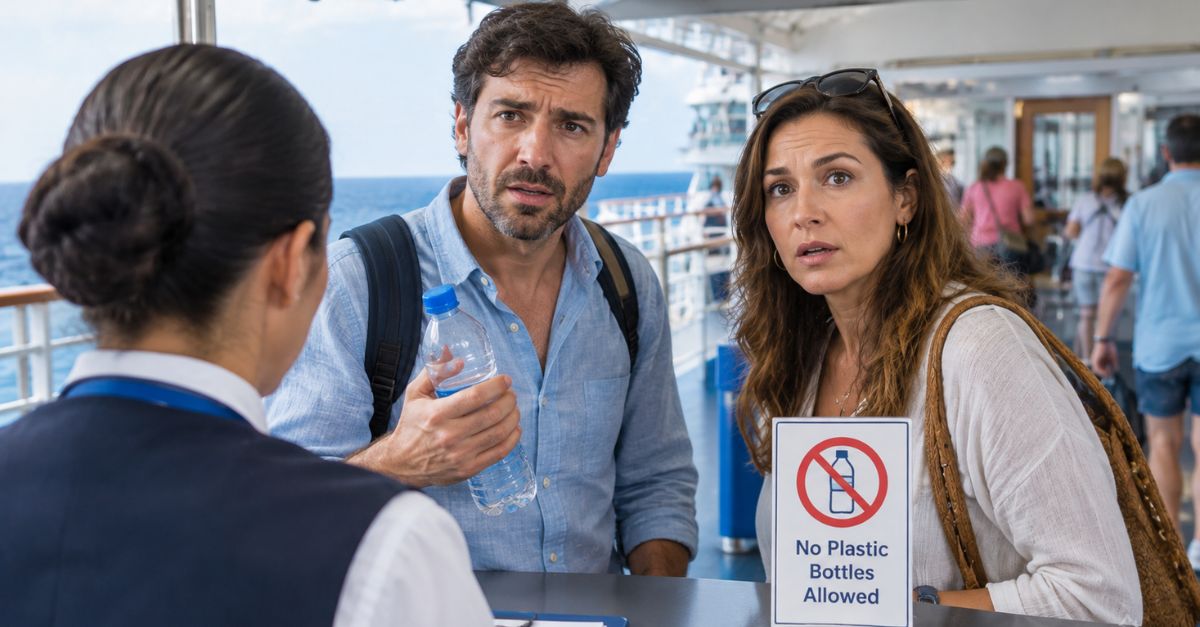
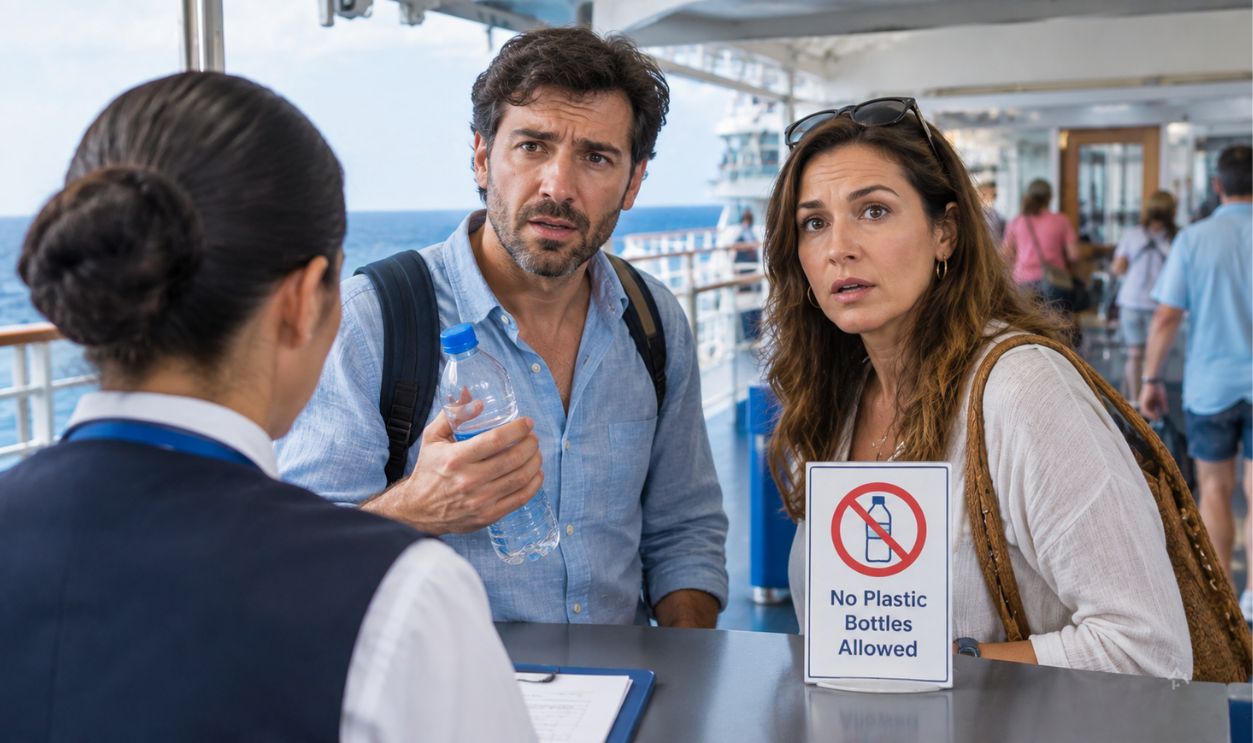
You get to the terminal, bags packed and ready to go, and then a rule stops you cold—or at least, stops that cold containter sticking out of your backpack. Some cruise lines really do not let passengers bring their own bottled water onboard anymore, or they implement strict limits. On a pricey cruise, that feels like just another way to make you fork over a little bit more money. But the truth behind these policies is not so simple.
The Short Answer Is Complicated
The facts point to more than one reason. Cruise lines usually mention security screening, control over outside food and drinks, and waste reduction when they restrict bottled water. At the same time, those policies can also push passengers toward drink packages, canned water, or bottled water sold by the cruise line itself.
Carnival Helped Spark The Debate
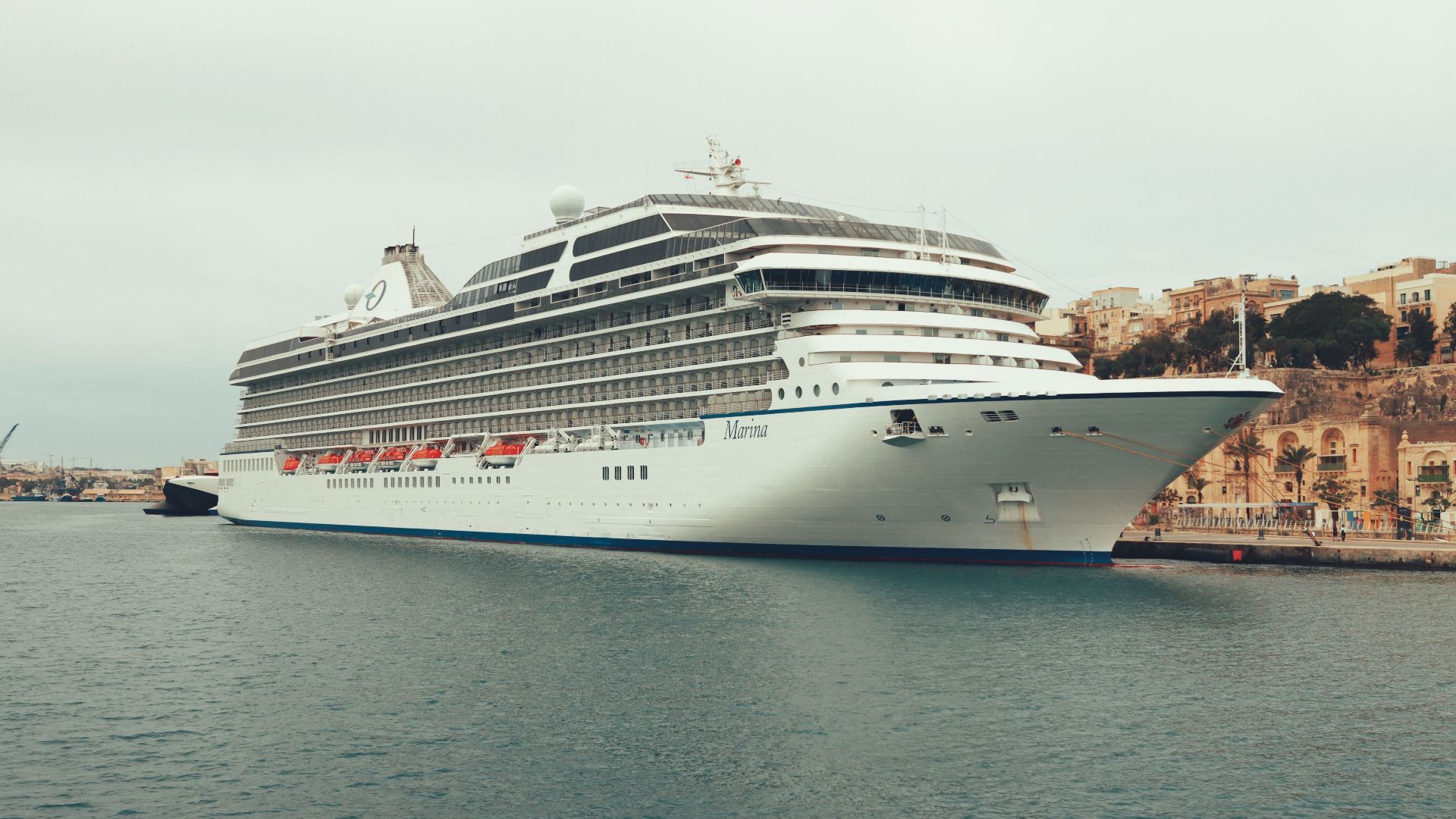
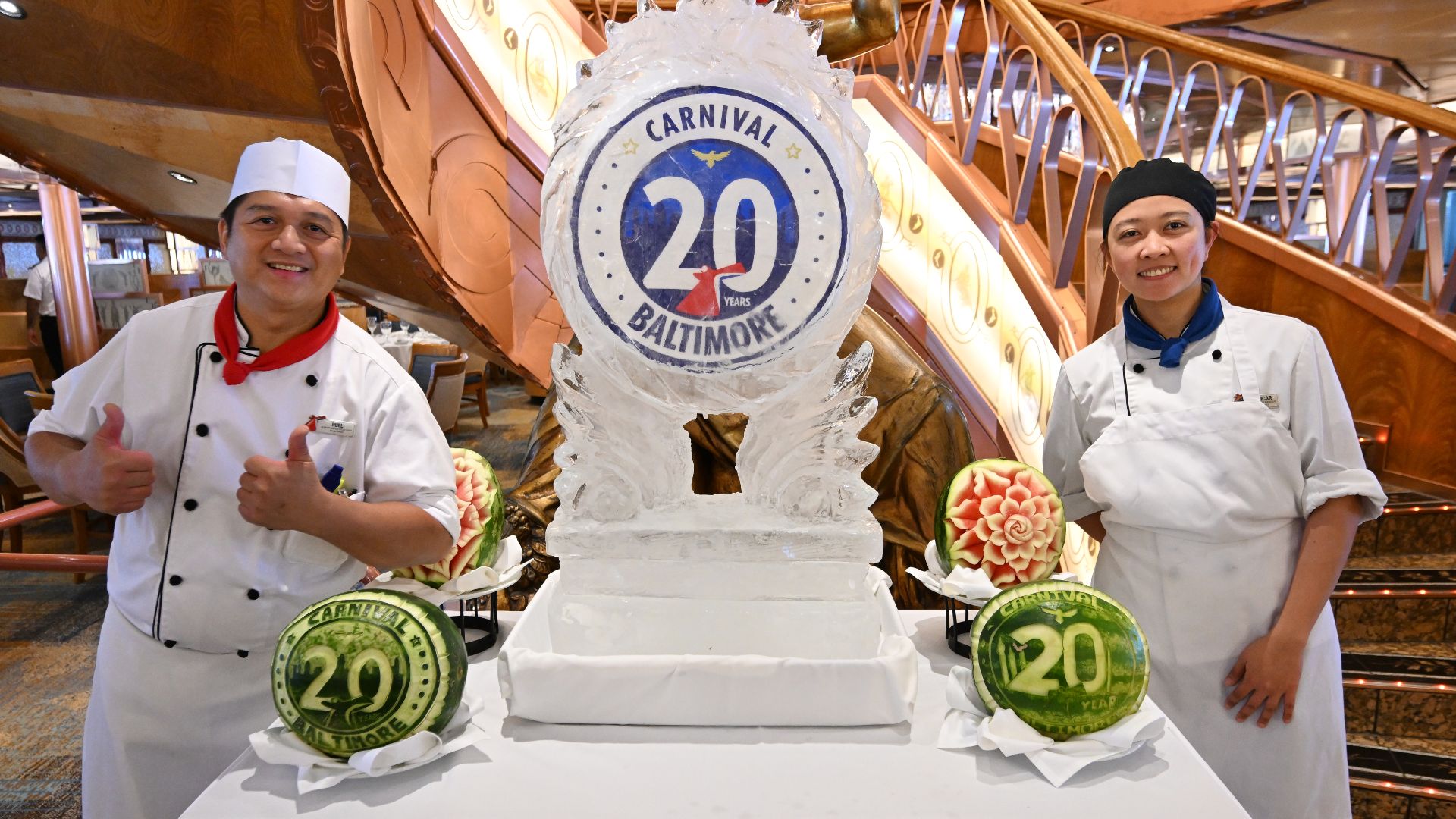
Carnival Cruise Line is one of the clearest examples because its beverage rules have changed over time and are posted plainly on its website. On its current prohibited-items page, Carnival says guests are not allowed to bring bottled water, soda, and other non-alcoholic drinks in bottles. The line does allow a limited amount of canned non-alcoholic drinks, and that detail matters.
 Maryland GovPics, Wikimedia Commons
Cans Versus Bottles Matter
That bottle-versus-can split is not random. Carnival says non-alcoholic drinks may be brought onboard only in cans or cartons, up to a set amount per person, and only as carry-on items during embarkation. If the issue were only outside competition, critics argue, a sealed bottle of water might seem just as harmless as a can. That is one reason passengers remain skeptical.
What Carnival Actually Says
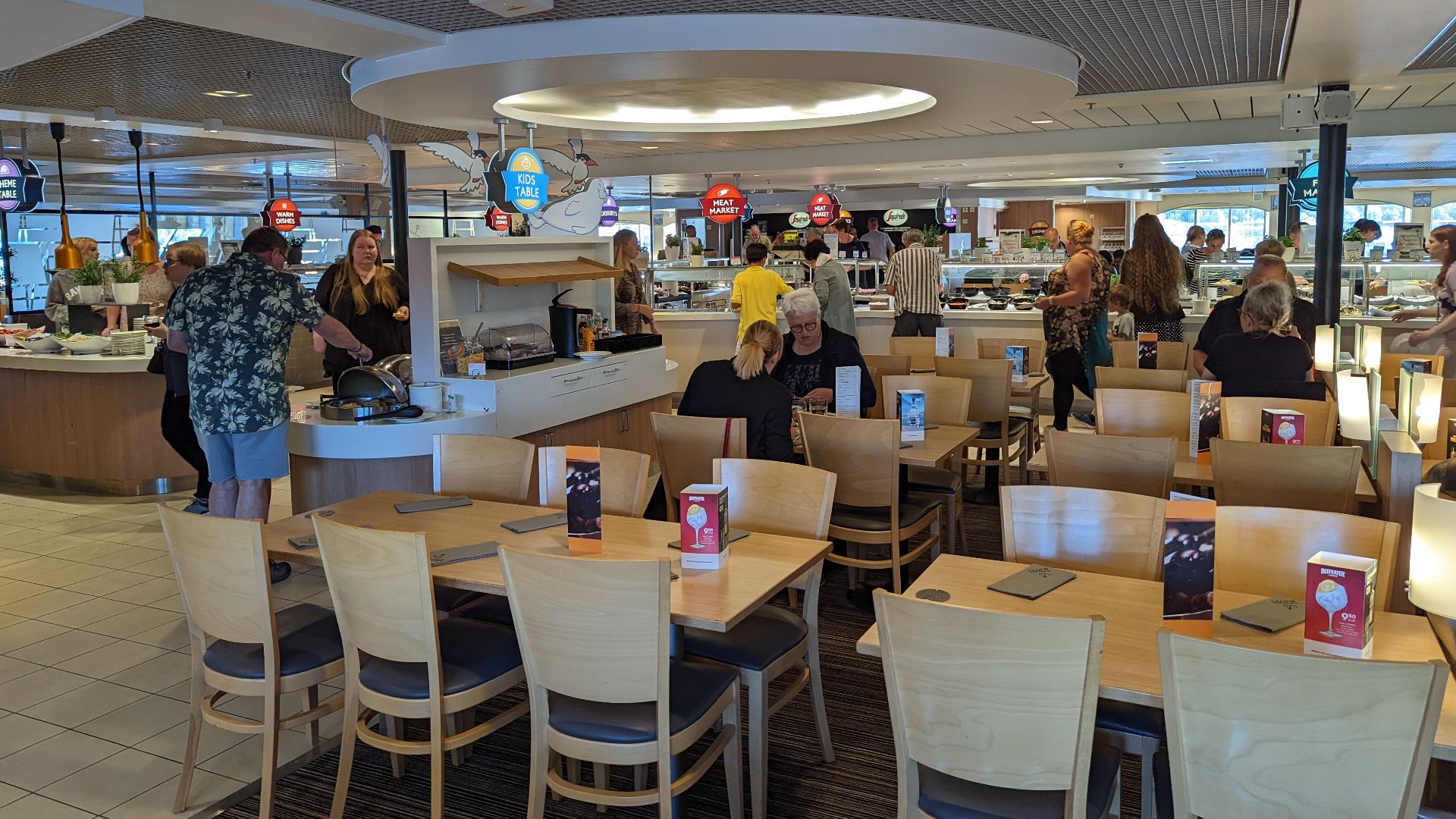
Carnival’s website frames the rule as part of keeping cruises safe and embarkation running smoothly. Its prohibited-items and beverage pages spell out packaging rules and note that alcohol and certain drink containers are restricted. The key fact is simple: bottled water is not allowed as a carry-on beverage under Carnival’s current policy, while canned drinks are allowed within limits.
Royal Caribbean Takes A Different Approach
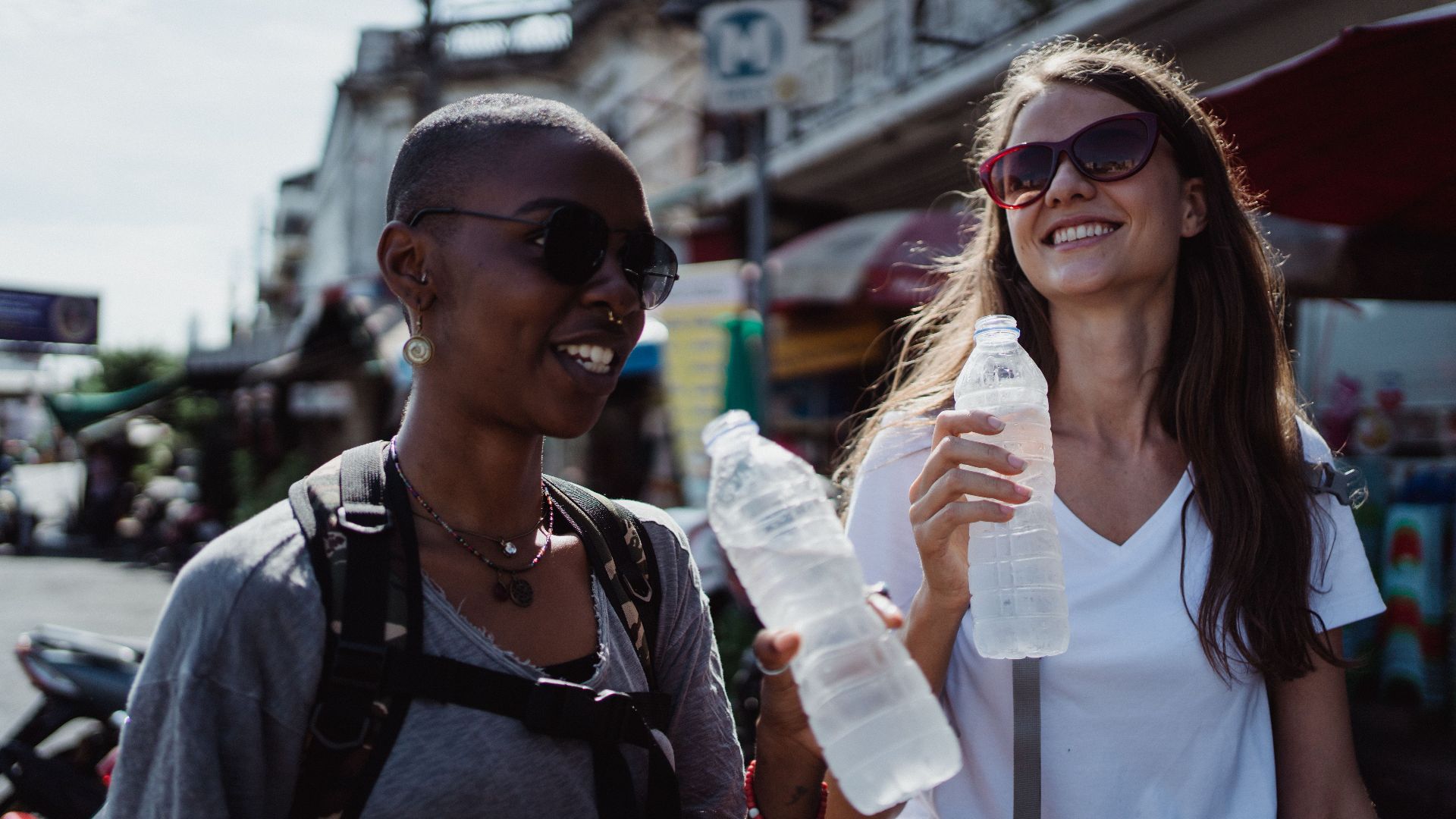
Royal Caribbean does not have the same blanket restriction on bottled water. Its guest policy says guests may bring up to 12 standard cans, bottles, or cartons of non-alcoholic beverages per stateroom on boarding day. That matters because it shows there is no single industry-wide safety rule forcing every cruise line to ban bottled water.
Norwegian Also Allows Some Water
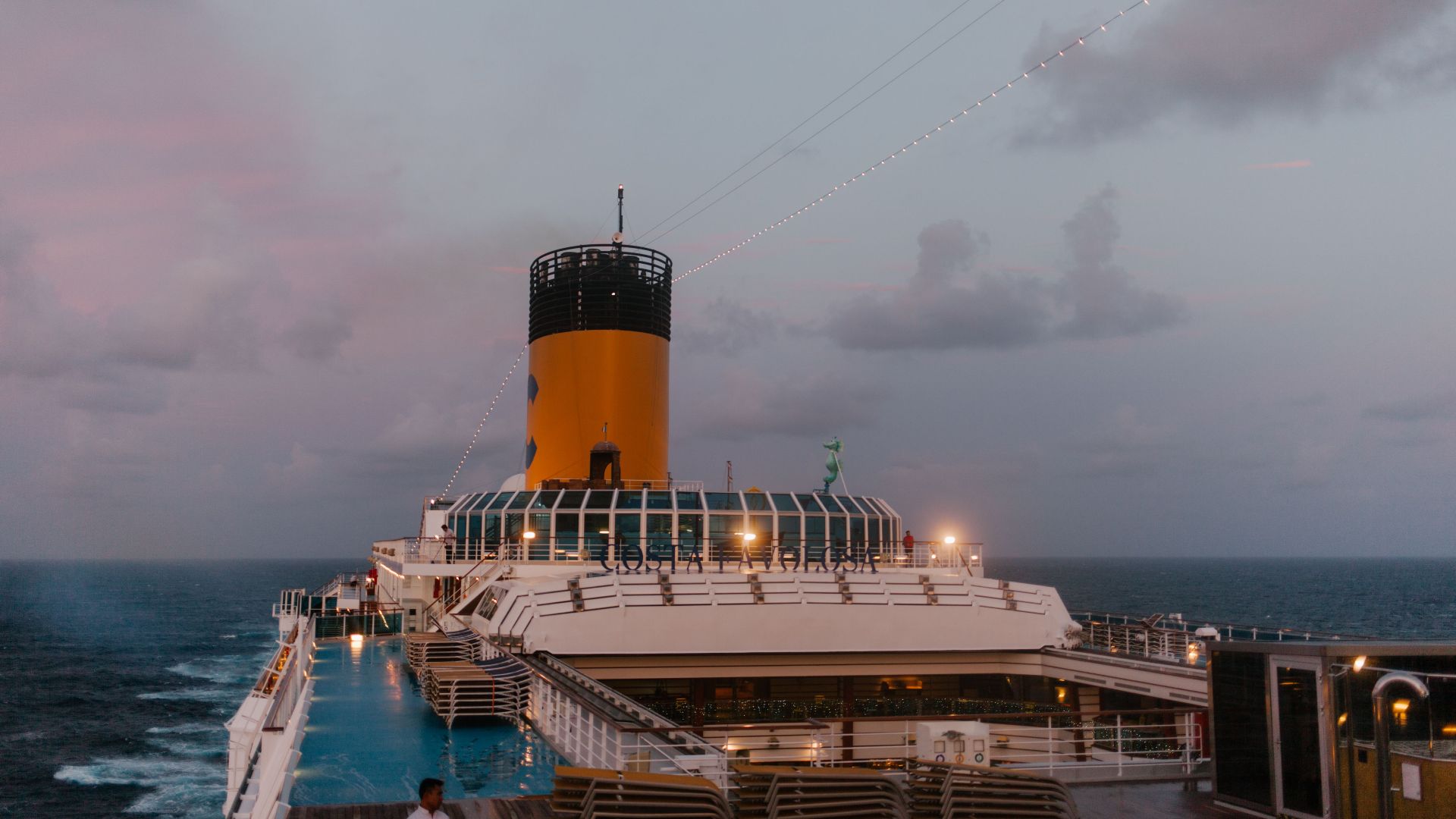
Norwegian Cruise Line also allows guests to bring limited non-alcoholic beverages onboard. Its policy allows bottles or cartons of water, juice, and soda in restricted quantities at embarkation. That makes Carnival’s bottle-specific rule stand out even more.
Disney Has Its Own Limits
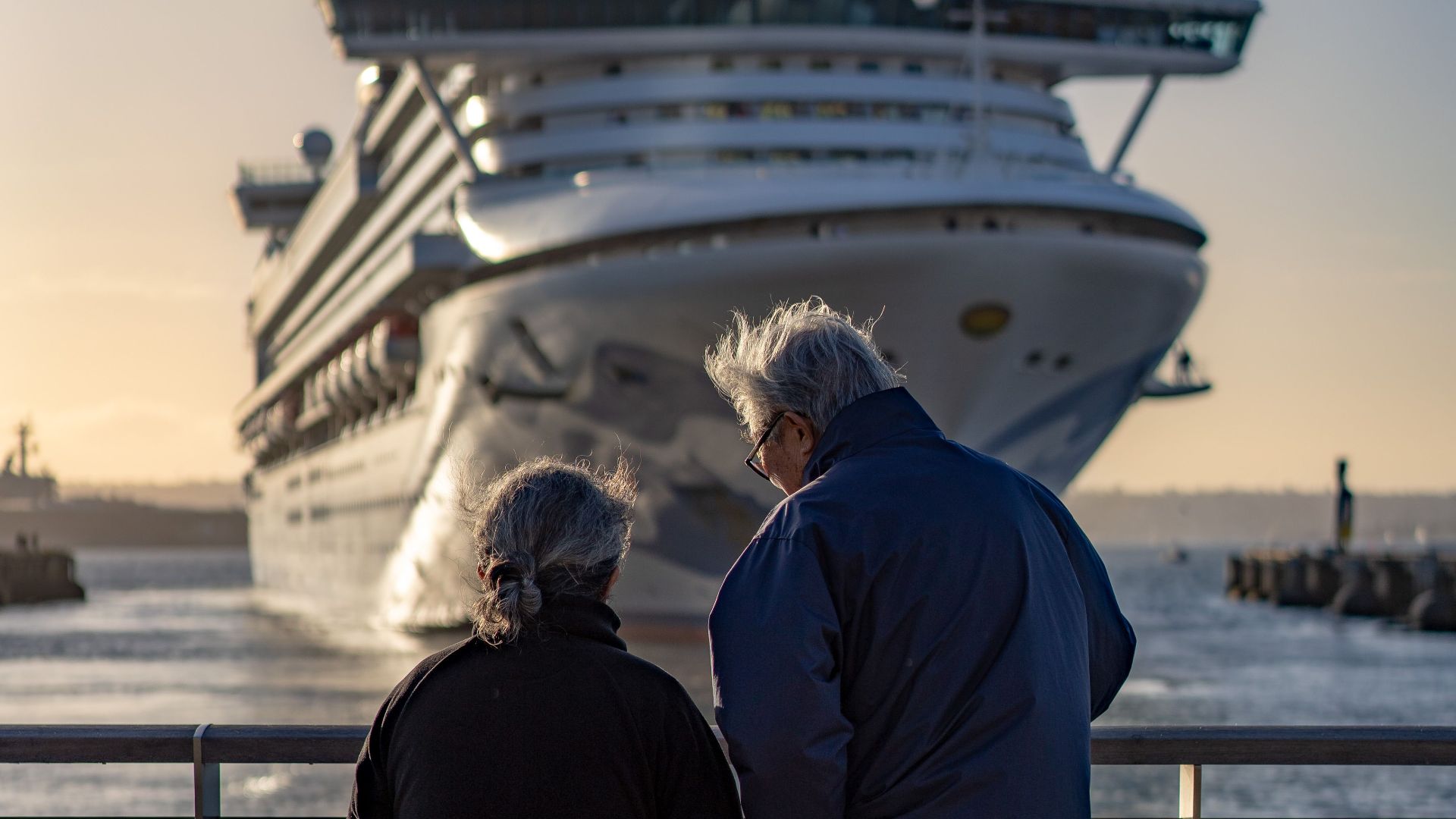
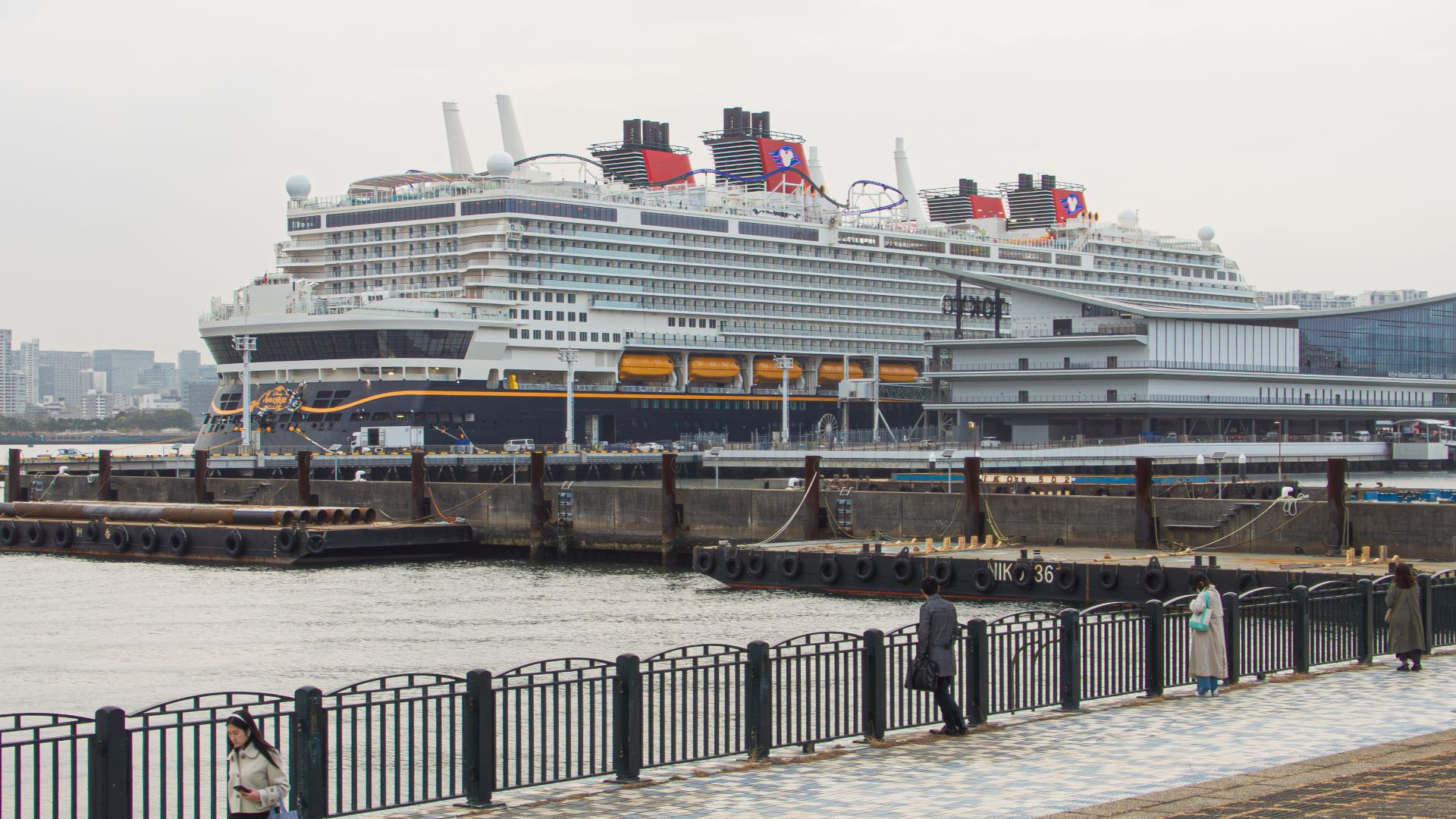
Disney Cruise Line allows guests to bring beverages, including water, as long as they follow packing rules and carry-on requirements. Disney says drinks must be packed in carry-on bags and not checked with luggage. Once again, the pattern is clear: different cruise lines handle security and convenience in very different ways.
 nagi usano from Tokyo, Japan, Wikimedia Commons
So Is Safety The Real Issue
Security is part of the answer, but not the whole answer. Cruise lines screen thousands of bags in a short stretch of time, and sealed-looking bottles can hide alcohol or other banned liquids. Restricting certain containers can make inspections faster and cut down on disputes at the terminal.
 Grandmaster Huon, Wikimedia Commons
Why Cruise Lines Worry About Alcohol Smuggling
One of the most practical reasons behind drink rules is alcohol smuggling. Cruise lines often limit how much wine or champagne passengers can bring, and many specifically ban liquor, beer, and large amounts of outside drinks. A water bottle can be refilled or resealed, which gives security teams another reason to be cautious.
Plastic Waste Is Also Part Of The Pitch
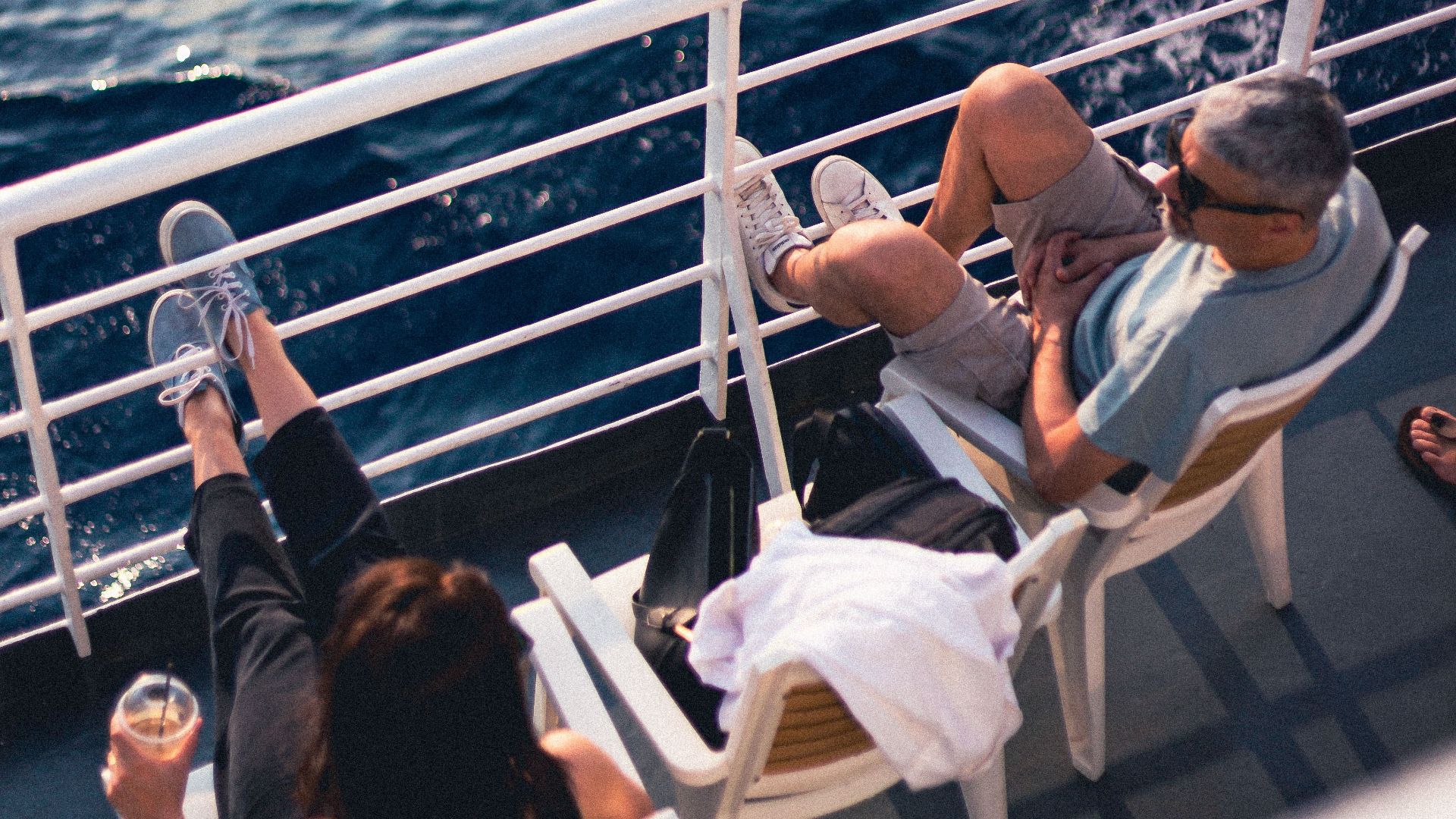
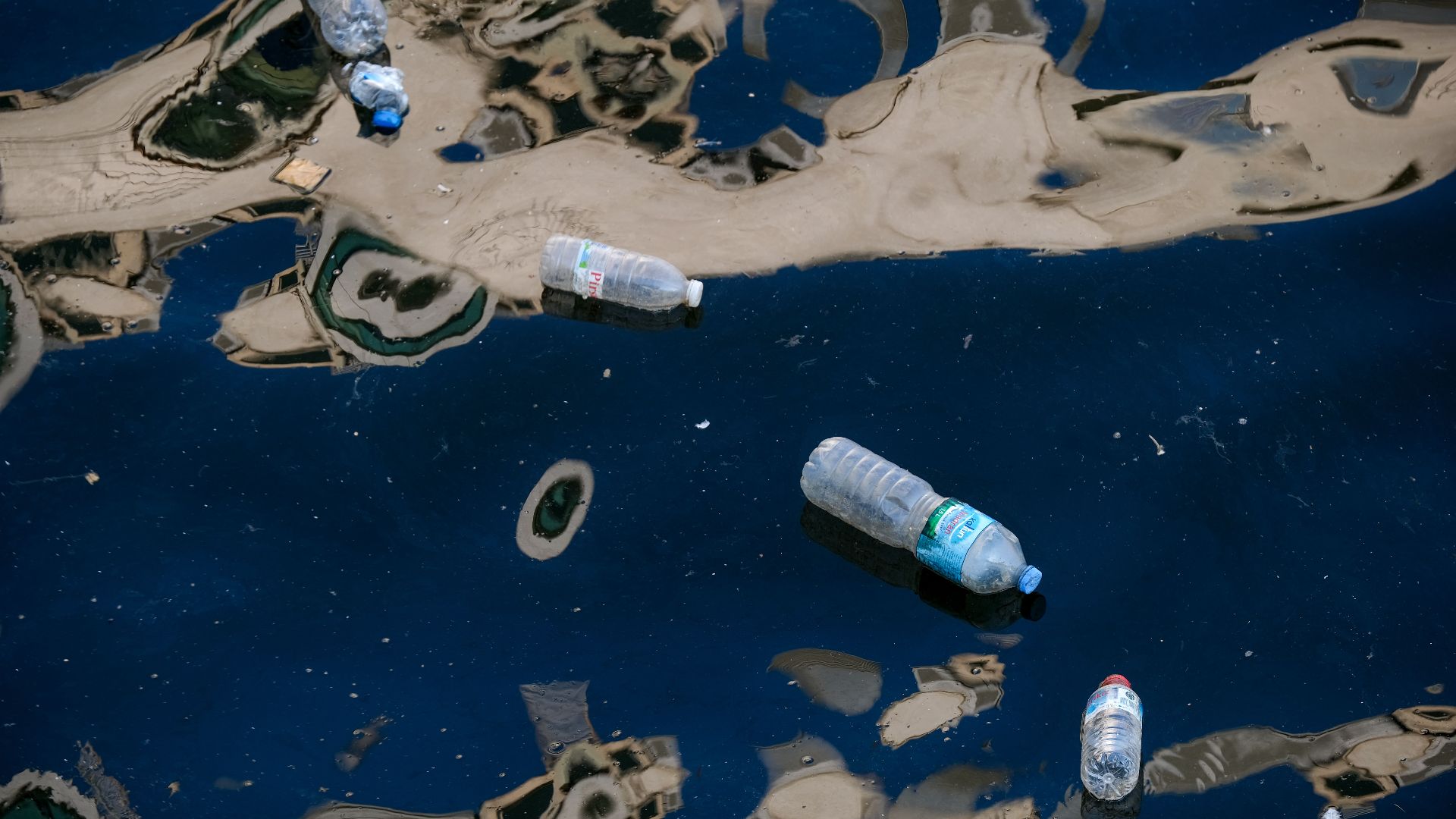
Some cruise lines also talk more about sustainability when they explain drink policies. The industry has faced plenty of criticism over waste, and single-use plastic bottles are an easy target. Pushing refillable bottles and shipboard water stations lets companies frame restrictions as an environmental move, even if the policy may also help revenue.
But Yes, There Is A Sales Angle Too
Passengers are not imagining the business incentive. Cruise lines make a lot of onboard money from beverage sales, drink packages, room service, and convenience purchases. If you cannot bring your own case of water, you are more likely to buy water, sparkling water, or a drinks package once you are onboard.
The Evidence Is In The Alternatives
Some lines that restrict bottled water also offer pre-purchased water packages delivered to staterooms. Carnival, for example, sells bottled water for cabin delivery through its gifts and services system. That does not prove the rule is only about sales, but it does show the policy creates a direct chance to sell something instead.
Why Passengers Feel Nickel-And-Dimed
Water is not champagne, and that is why this issue gets under people’s skin. Travelers often see bottled water as a basic comfort, especially on warm-weather cruises where staying hydrated matters. When a line bans bottled water but sells its own onboard, the optics are hard to miss.

The Important Distinction Between Free Water And Packaged Water
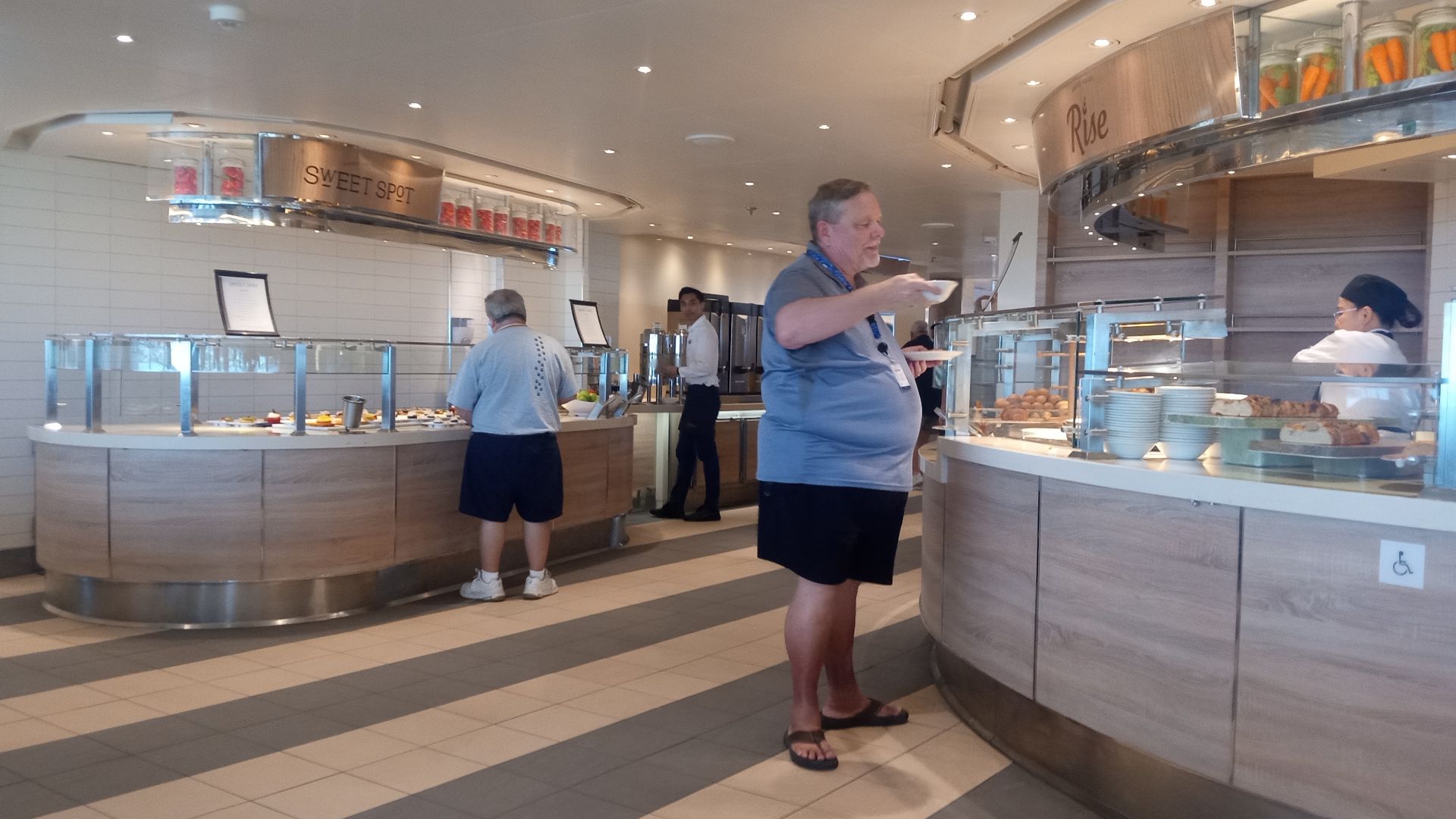
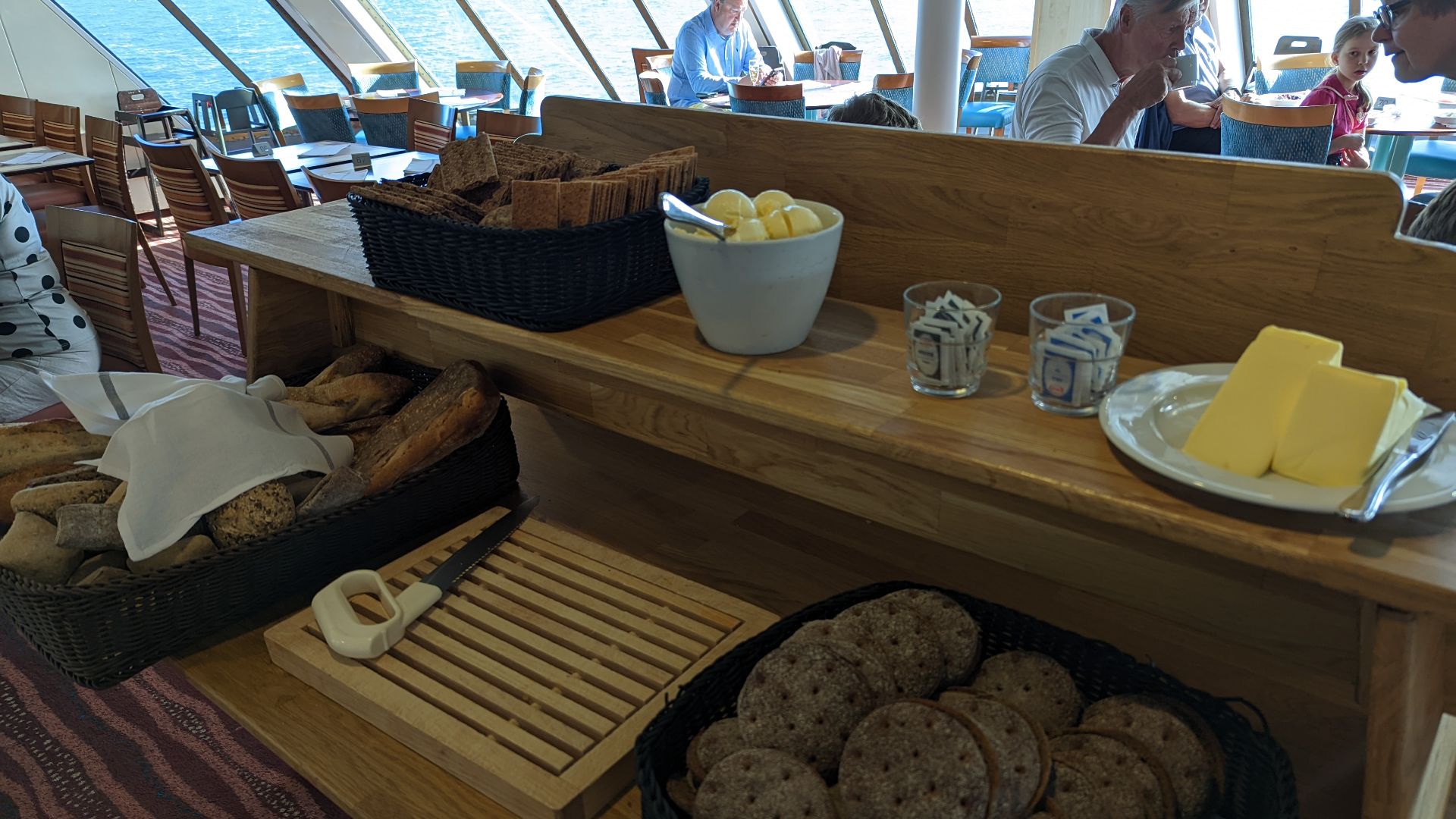
Even on cruise lines with bottled water restrictions, drinkable water is still available onboard. Cruise ships produce potable water through desalination or bunkering and serve it in dining rooms, buffets, and bars. The real argument is not about whether passengers can get water at all. It is about whether they can bring the packaging and brands they prefer.

Cruise Ship Water Is Generally Regulated
In the United States, cruise ships calling on U.S. ports can fall under the CDC’s Vessel Sanitation Program, which inspects potable water systems and other public health measures. That does not mean every passenger likes the taste of ship water, but it does mean onboard drinking water is subject to health oversight. For many travelers, that weakens the idea that a bottled water ban leaves them with unsafe options.
What The CDC Program Actually Covers
The CDC says its Vessel Sanitation Program helps prevent and control public health issues on cruise ships, including the safety of potable water. Inspection reports and operating guidance have long covered water loading, storage, distribution, and protection from contamination. In plain English, the ship’s tap water system is not a free-for-all.
 Jorge Láscar from Melbourne, Australia, Wikimedia Commons
Policies Have Changed In Recent Years
Cruise lines have tightened and revised beverage rules several times over the past decade. Those changes often came as operators streamlined embarkation and pushed more pre-cruise purchases through their apps and websites. That timing helps explain why many passengers see a sales strategy, not just a safety policy.
The Frustration Starts Before Boarding
The biggest headache is often the confusion, not just the cost. A traveler may read one forum post, hear a tip from a friend, and still show up unsure whether a case of water will be taken away. That is why checking the cruise line’s official prohibited-items page right before sailing matters so much.
Your Cruise Line Name Matters A Lot
There is no one-size-fits-all answer. Carnival’s current policy is more restrictive on bottled soft drinks and water than the policies posted by Royal Caribbean, Norwegian, and Disney. If you assume all major lines follow the same rule, you could end up repacking at the port.
 Matthew T Rader, Wikimedia Commons
How To Avoid A Costly Terminal Mistake
Read both the beverage policy and the prohibited-items policy, because either page can include important details. Watch for words like cans, cartons, bottles, carry-on, embarkation day, and per person or per stateroom limits. Those small terms are what decide whether your drinks make it onboard or stay behind.

What To Pack Instead
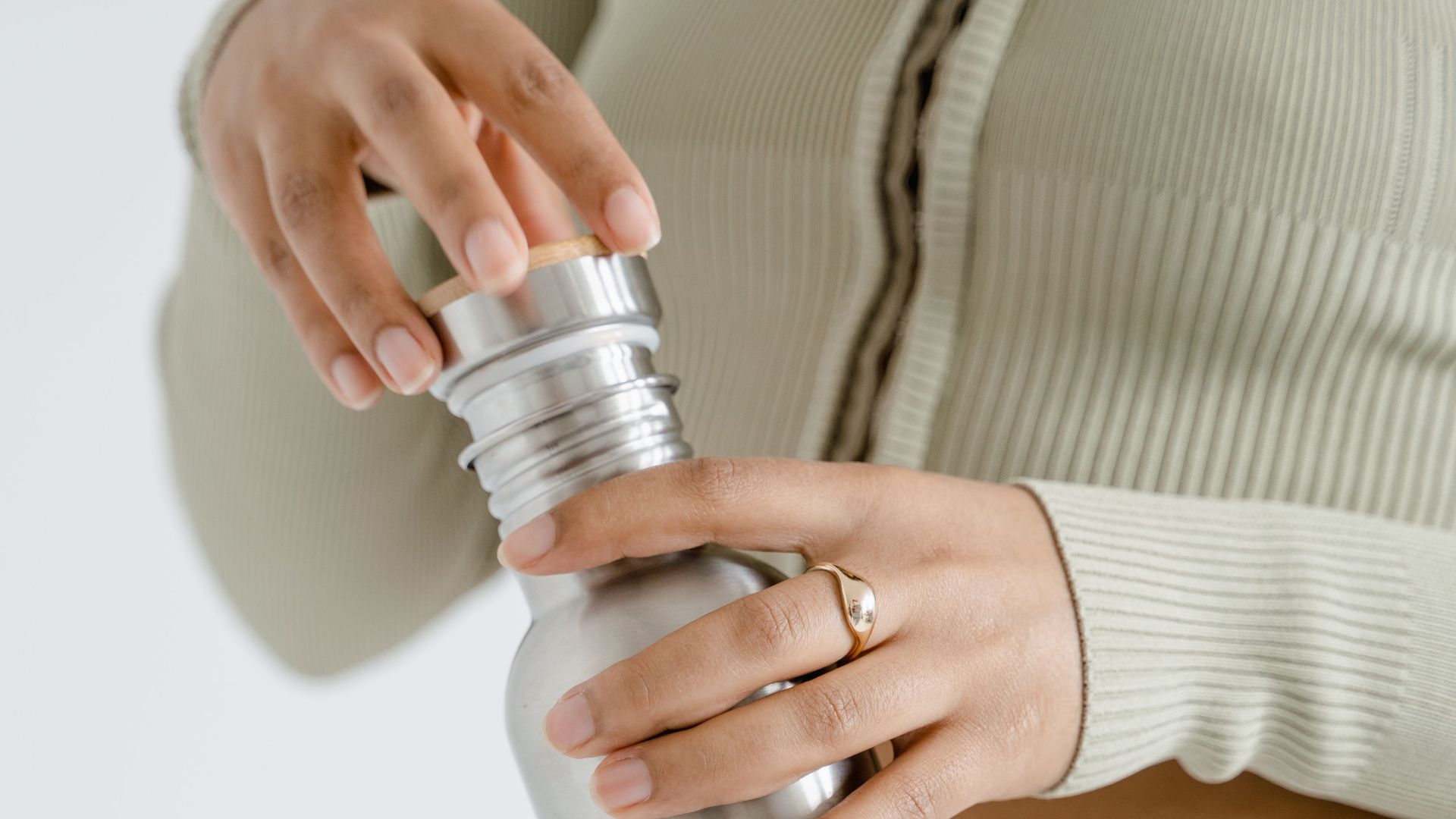
If your cruise line bans bottled water, a reusable bottle is usually the smartest workaround. Many ships have places where you can fill a cup or bottle, though some ask guests to use a clean cup first instead of putting bottles directly under dispensers. Bringing electrolyte packets can also help if you want some flavor without carrying a whole case of drinks.
When Buying Water In Advance Makes Sense
If you already know you will want packaged water every day, compare the cruise line’s pre-purchase water package with onboard prices. Pre-ordering can be cheaper and saves you the hassle of tracking it down after embarkation. It is not the same as bringing your own, but it can take some of the sting out of the rule.

A Policy Can Be About Two Things At Once
This is where the debate usually lands. Restricting bottled water can help with screening, reduce chances for smuggling, and fit a company’s sustainability message. It can also increase onboard spending and make passengers more dependent on drinks sold by the ship.

What Travelers Should Take From All This
Do not assume a bottled water ban means the ship’s drinking water is unsafe. But do not assume the policy is purely noble either. The most grounded conclusion is that these rules sit at the intersection of operations, security, environmental messaging, and revenue.
The Best Question To Ask Before You Sail
Instead of asking whether the rule is about safety or sales, ask how your specific cruise line phrases the policy and what options it gives you. Does it allow cans, cartons, refillables, or pre-ordered stateroom delivery? Those details tell you far more than the marketing language ever will.
The Bottom Line For Passengers
If your cruise line says no bottled water, take it seriously and plan ahead. Check the official rules, bring a reusable bottle, and compare pre-purchased water options if needed. The ban may be partly about safety, but passengers are not wrong to notice that it can also be good for business.