
The Hotel Deal That Wasn't Such A Deal
Booking a hotel should be one of the easiest parts of planning a vacation, but small mistakes can turn an affordable getaway into an expensive headache. Between confusing cancellation policies, extra charges, and misleading deals, travelers can lose hundreds of dollars without realizing what went wrong. The good news is that many of these mistakes are avoidable if you know what to check before confirming your reservation. Factinate Ltd
Choosing The Cheapest Room Without Checking The Total
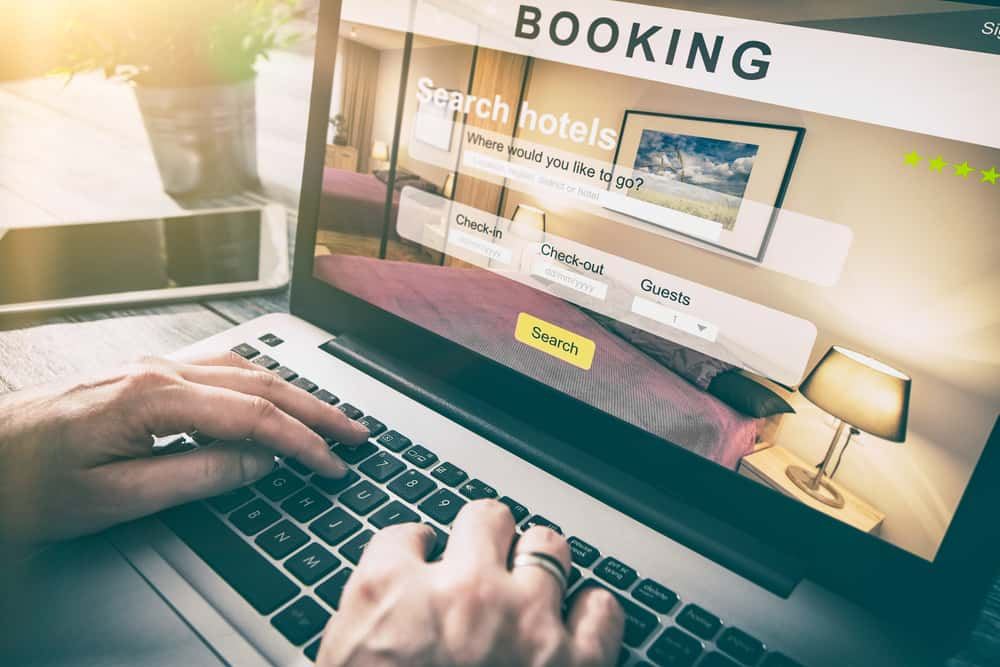
A hotel advertising a $120 room might look more attractive than one charging $150, but the nightly rate doesn't always tell the whole story. Taxes, mandatory fees, and optional extras can change which property actually offers the better deal. In the United States, federal rules now require hotels and booking platforms to display mandatory fees upfront, although certain taxes can appear later in the booking process. Comparing the complete cost of your stay is much more useful than comparing advertised nightly rates.

Forgetting About Resort Fees
Resort fees can make an otherwise affordable hotel surprisingly expensive, especially during longer stays. These mandatory charges sometimes cover amenities such as Wi-Fi, fitness centers, and swimming pools, even when guests never use them. NerdWallet has documented resort fees ranging from $15 to $50 per night, which means a weeklong stay could involve hundreds of dollars in additional charges. Although mandatory fees must now be included in advertised total prices for covered U.S. bookings, travelers should still examine the breakdown before paying.

Booking A Nonrefundable Room Too Early
Nonrefundable hotel rates can be tempting because they sometimes cost less than flexible reservations. However, that discount becomes much less appealing when flights change, family emergencies arise, or vacation plans fall apart. Depending on the reservation terms, canceling could mean losing the entire prepaid amount. Before choosing the cheaper option, compare the potential savings against the financial risk of changing your plans.

Assuming Free Cancellation Means Anytime
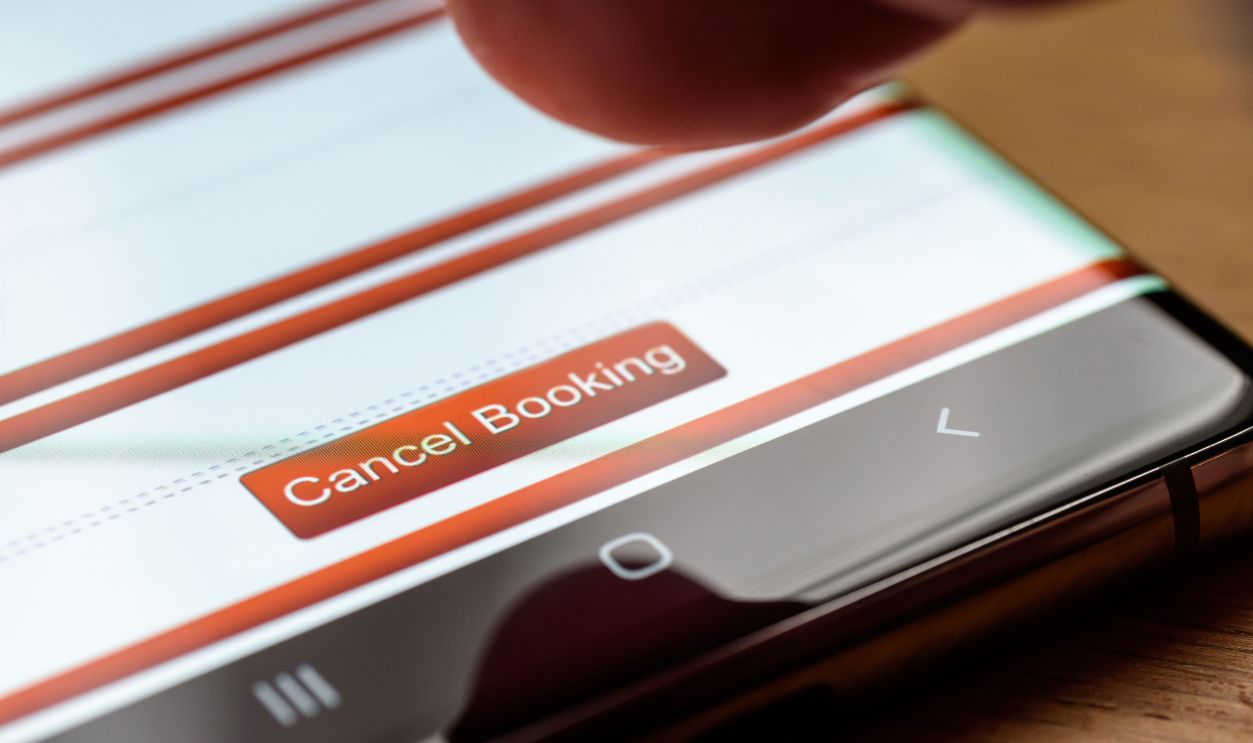
Seeing the words "free cancellation" can make travelers feel comfortable booking months ahead. Unfortunately, that promise usually comes with a deadline that may fall several days before arrival. Missing the cutoff can trigger a penalty, potentially including the cost of one night or more, depending on the property's policy. Always check the exact cancellation date, time, and time zone before confirming your reservation.
 Jevanto Productions, Shutterstock
Forgetting To Compare Direct Booking Prices
Third-party booking websites make comparing hotels convenient, but they don't always offer the best available deal. Some hotel chains provide special rates or benefits to travelers who reserve directly through their official websites. Hilton, for example, offers eligible loyalty members discounted rates that may not appear through outside booking platforms. Checking the hotel's own website before paying could reveal a better offer without requiring you to change properties.

Losing Loyalty Benefits Through Third-Party Sites
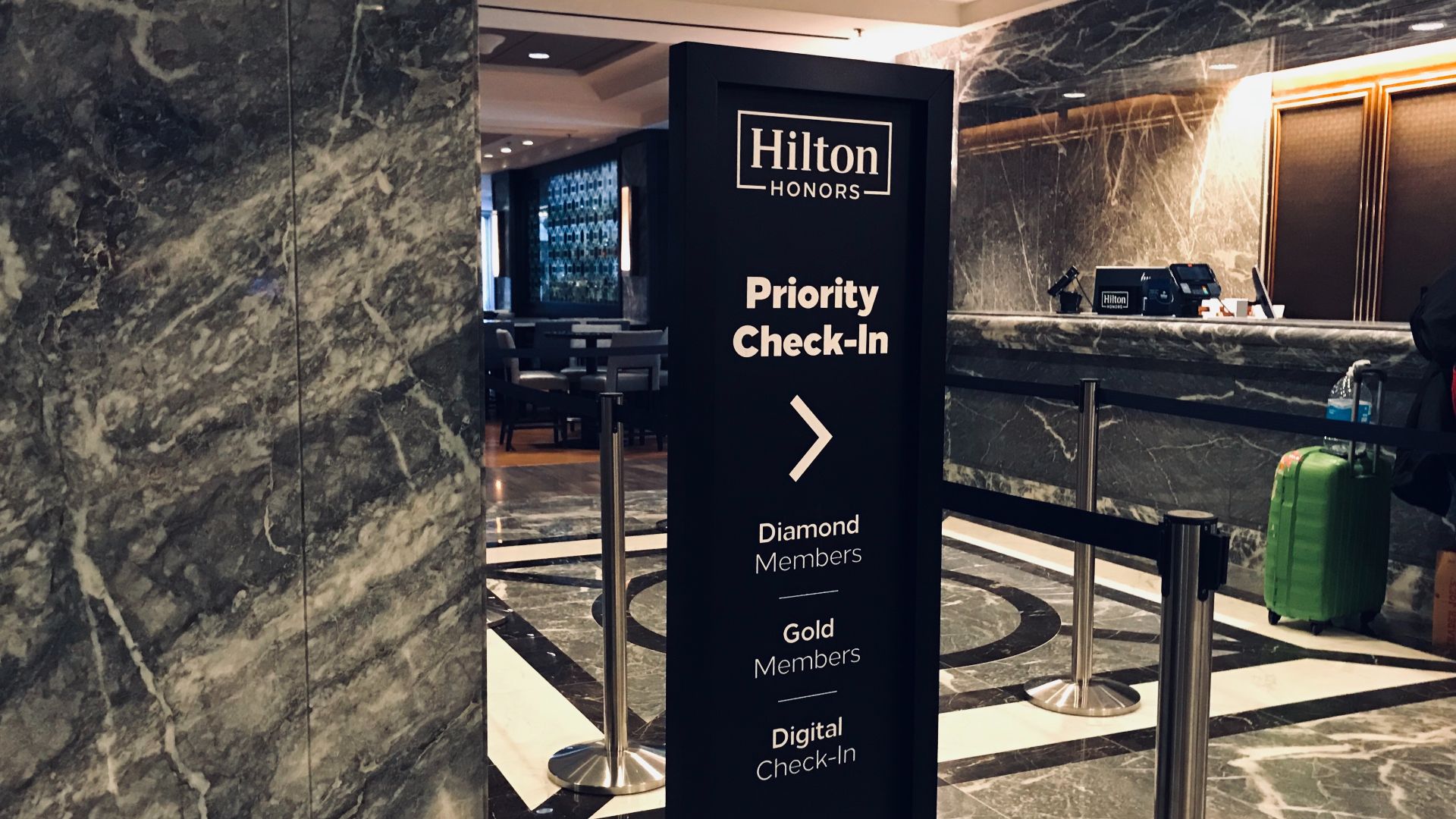
A discounted room can become less attractive when it means giving up valuable hotel loyalty benefits. Hilton confirms that reservations made through third-party websites generally do not qualify for Hilton Honors points, stay credits, or member benefits. Travelers who regularly use hotel rewards programs could sacrifice progress toward future free stays or upgrades. Before booking through an outside platform, consider whether the immediate discount outweighs what you're giving up.
 ACRM-Rehabilitation, Wikimedia Commons
Assuming The Hotel Can Fix A Third-Party Booking
When something goes wrong with a hotel reservation, calling the front desk seems like the obvious solution. However, hotels may be unable to change or cancel reservations purchased through outside booking platforms. Hilton specifically directs guests with third-party reservations to contact the company that handled the booking. This extra complication can become expensive when travelers need to make last-minute changes.

Ignoring The Cost Of Hotel Parking
Travelers renting cars sometimes forget to investigate parking until they arrive at their hotel. Depending on the property, parking may involve a separate daily charge, with valet service potentially costing more than self-parking. A hotel that appears cheaper could lose its advantage once several nights of parking are added. Checking parking rates and nearby alternatives before booking can prevent an unpleasant surprise.
 l i g h t p o e t, Shutterstock
Assuming Breakfast Is Always Included
A hotel advertising a restaurant or breakfast buffet isn't necessarily promising complimentary meals. Breakfast inclusion can depend on the room rate, booking package, hotel brand, or loyalty membership. Families can spend considerably more than expected when everyone needs to purchase breakfast separately each morning. Before reserving, verify whether breakfast is included for every guest or available only at an additional charge.
 Yusuke Kawasaki from Tokyo, Japan, Wikimedia Commons
Booking Too Far From The Attractions
A hotel outside the city center might offer a much lower nightly rate than one near the attractions you want to visit. However, transportation expenses can quickly erase the difference when every sightseeing trip requires a taxi, rideshare, or lengthy commute. Travelers should also consider the cost of getting back to the hotel after public transportation stops running. Comparing the entire vacation budget, rather than accommodation alone, helps reveal whether that distant bargain makes sense.

Choosing The Wrong Room Type
Hotel room descriptions can be surprisingly easy to misunderstand, especially when several categories have similar names. A standard room might offer a different bed configuration, view, or amount of space than travelers expected. Discovering the mistake at check-in could mean paying for an upgrade if a suitable room is available. Reviewing the exact room description and bedding arrangement before booking is safer than relying on photographs alone.
 Point3D Commercial Imaging Ltd., Unsplash
Forgetting To Include Every Guest
Searching for a hotel room without entering the correct number of adults and children can produce misleading results. Some properties charge additional fees for extra occupants, while others restrict how many guests can stay in a particular room. Families may discover that the room they selected cannot accommodate everyone comfortably or legally. Entering the complete guest count from the beginning helps avoid expensive adjustments later.

Overlooking The Hotel's Pet Policy
Traveling with a dog or cat requires more preparation than simply choosing a hotel labeled pet-friendly. Properties can impose cleaning fees, weight restrictions, limits on the number of animals, or rules about leaving pets unattended. These conditions may make an otherwise attractive hotel unsuitable for your trip. Confirming the complete pet policy before paying helps prevent unexpected charges or the need to find different accommodations.

Booking Without Checking Recent Reviews
A hotel can look fantastic in promotional photographs while offering a very different experience in practice. Recent guest reviews may reveal recurring complaints about cleanliness, construction, noise, or amenities that aren't functioning. Pay particular attention to patterns across multiple reviews rather than relying on one unusually positive or negative experience. Discovering serious problems before booking is considerably easier than trying to recover money after an unpleasant stay.

Trusting Every Hotel Photo
Professional hotel photography is designed to show properties at their most attractive, which doesn't always reveal their limitations. A spacious-looking room might be smaller than expected, while photographs of a swimming pool may not reflect its current condition. Comparing official images with recent guest photographs can provide a more complete picture. It is also worth checking whether the amenities shown are available with the room category you're actually purchasing.
Forgetting About Check-In And Check-Out Times
Travelers sometimes assume they can enter their room immediately after an early flight or leave whenever their transportation departs. Unfortunately, hotel check-in and check-out times may not match those plans. Early arrival or late departure can involve additional charges, and the requested accommodation may not be available. Checking the property's schedule before booking helps you plan luggage storage, transportation, and any necessary extra nights.

Failing To Tell The Hotel About A Late Arrival
A delayed flight or overnight drive can create problems if the hotel expects you to arrive much earlier. Marriott advises guests arriving after midnight to contact their property so staff can note the late arrival. Under Marriott's stated policy, guaranteed reservations are typically held until 6 a.m. the following day, after which cancellation and no-show charges may apply. Contacting the hotel before your expected arrival time can help protect your reservation.

Accidentally Booking The Wrong Dates
Selecting the wrong arrival or departure date is an easy mistake when switching between multiple travel websites. Overnight flights and international time differences can make the correct check-in date especially confusing. A reservation for the wrong night may require a costly amendment or an entirely new booking. Double-check the dates against your flight itinerary before submitting payment, especially when purchasing a nonrefundable rate.

Ignoring The Local Currency
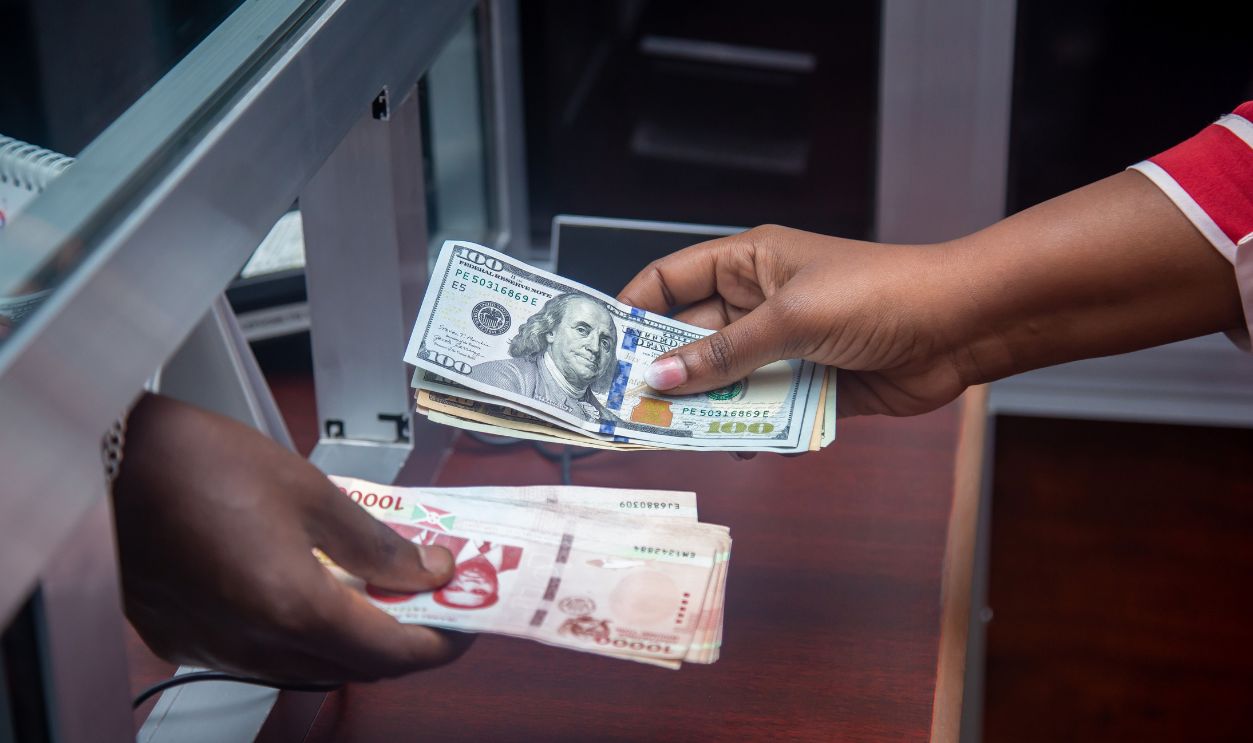
International hotel bookings sometimes display prices in a currency different from the one used at the property. Currency conversion can affect the final amount charged, particularly when travelers accept a merchant's offer to convert the payment into their home currency. Visa explains that dynamic currency conversion can include additional fees and exchange-rate markups. Comparing the conversion terms and considering payment in the local currency can help avoid unnecessary costs.
Using A Card With Foreign Transaction Fees
Even when a hotel offers a reasonable exchange rate, the card used to pay can introduce another expense. Some credit cards charge foreign transaction fees when purchases are processed internationally. These fees can apply to hotel reservations made online before travelers even leave home. Checking your card's terms and using one without foreign transaction fees, when available, can reduce the total cost of an overseas stay.
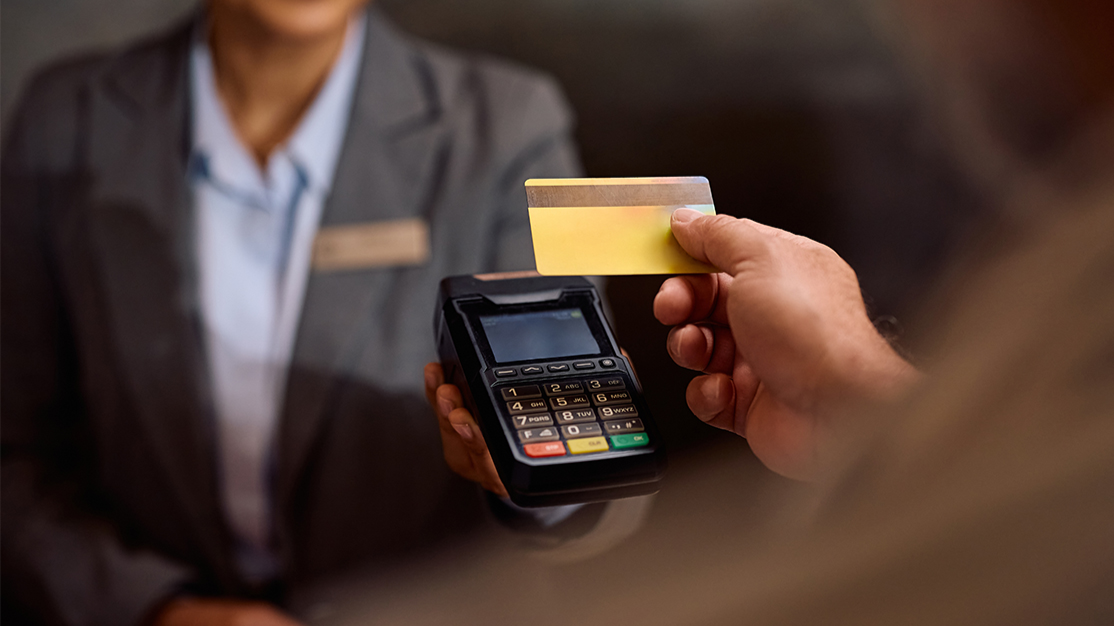
Forgetting About Security Deposits
Paying for a hotel room in advance doesn't necessarily mean you're finished providing money at check-in. Many hotels require a credit card authorization or security deposit to cover potential damage and incidental expenses. Depending on the property, the amount held can be substantial, even when guests never incur additional charges. Asking about deposit requirements beforehand helps prevent unexpected pressure on your travel budget.
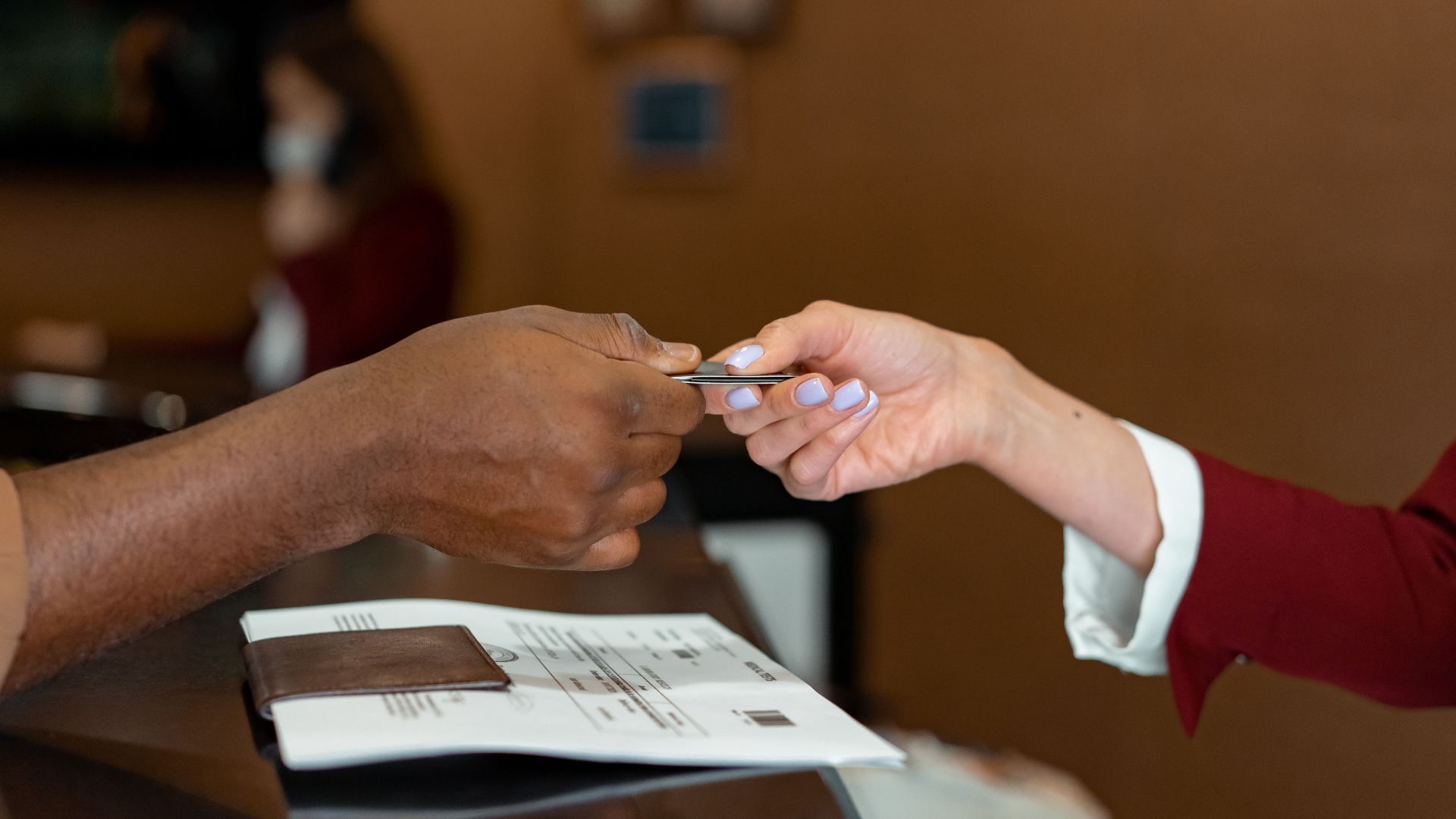
Using A Debit Card Without Understanding Holds
Debit cards can be convenient, but hotel security deposits may temporarily tie up money in your bank account. Even after checkout, it can take time for an authorization hold to disappear. Travelers relying on those funds for meals, transportation, or other vacation expenses could find themselves short of available cash. Using a credit card when possible, or budgeting for the temporary hold, can help avoid financial problems.
Assuming Travel Insurance Covers Every Cancellation
Travel insurance can provide valuable protection, but purchasing a policy doesn't guarantee reimbursement whenever plans change. Standard trip cancellation coverage generally applies only to reasons specifically listed in the policy. Even optional cancel-for-any-reason benefits can have reimbursement limits, purchase deadlines, and other restrictions. Reading the coverage details before buying insurance is essential, particularly when protecting an expensive nonrefundable hotel reservation.

Falling For A Fake Hotel Booking Website
Travel scammers sometimes create websites that imitate legitimate hotels or advertise unusually cheap accommodation. The Federal Trade Commission warns that fraudulent booking websites can steal payment information or collect money for nonexistent travel deals. Scammers may also use sponsored search results or fake customer service numbers to appear trustworthy. Booking through a verified website and checking the actual web address can protect travelers from losing their entire payment.

Paying Through An Unusual Payment Method
A booking website demanding payment through gift cards, cryptocurrency, or wire transfers should raise immediate concerns. The FTC identifies these payment demands as warning signs of travel scams because recovering the money can be extremely difficult. Legitimate accommodation providers generally offer established payment methods with clearer transaction records. Avoiding suspicious payment requests is especially important when a deal seems dramatically cheaper than competing hotels.

Forgetting To Save The Booking Confirmation
A reservation isn't something travelers should simply assume has been processed correctly. Confirmation emails contain important details such as the property address, room category, dates, payment terms, and cancellation conditions. Keeping a copy makes it easier to resolve discrepancies or demonstrate what was originally purchased. For extra reassurance, contact the hotel directly before departure to confirm that your reservation appears in its system.

Ignoring The Fine Print On Special Offers
Hotel promotions can sound more generous than their actual terms allow. Discounted packages may have restrictions involving travel dates, minimum stays, advance payment, or cancellation penalties. A deal that includes extra amenities may also be available only for specific room categories or qualifying guests. Reading the complete offer before booking helps determine whether the advertised savings are genuinely useful.

The Smartest Booking Habit Costs Nothing
Avoiding expensive hotel mistakes doesn't require becoming a travel expert or spending hours comparing every property. It starts with checking the full price, cancellation conditions, location, payment requirements, and reservation details before committing. Comparing direct and third-party offers can also reveal differences in benefits and flexibility that aren't obvious from the nightly rate. A few extra minutes of research can help keep your vacation budget focused on enjoying the trip rather than fixing preventable booking problems.

You May Also Like:
The Countries Americans Say They Would Move To If Money Were No Object