
The City Was Open, But It Didn’t Feel Available
The attractions were operating, the hotel looked normal online, and nothing in the booking process warned that tens of thousands of extra visitors would arrive at the same time. Then every dinner required a reservation, ride prices climbed, and the streets around the convention centre became exhausting. Cities rarely display an official “overloaded” warning, but they leave plenty of clues before a trip is booked.
Conventions Can Transform A Normal Weekend
A major trade show or professional conference can fill hotels, restaurants, bars, taxis, and event spaces without attracting much attention outside its industry. Unlike a famous festival, the event may never appear in an ordinary tourist guide. Visitors can therefore arrive expecting a routine city break and discover that the busiest neighbourhoods are functioning around an event they knew nothing about.
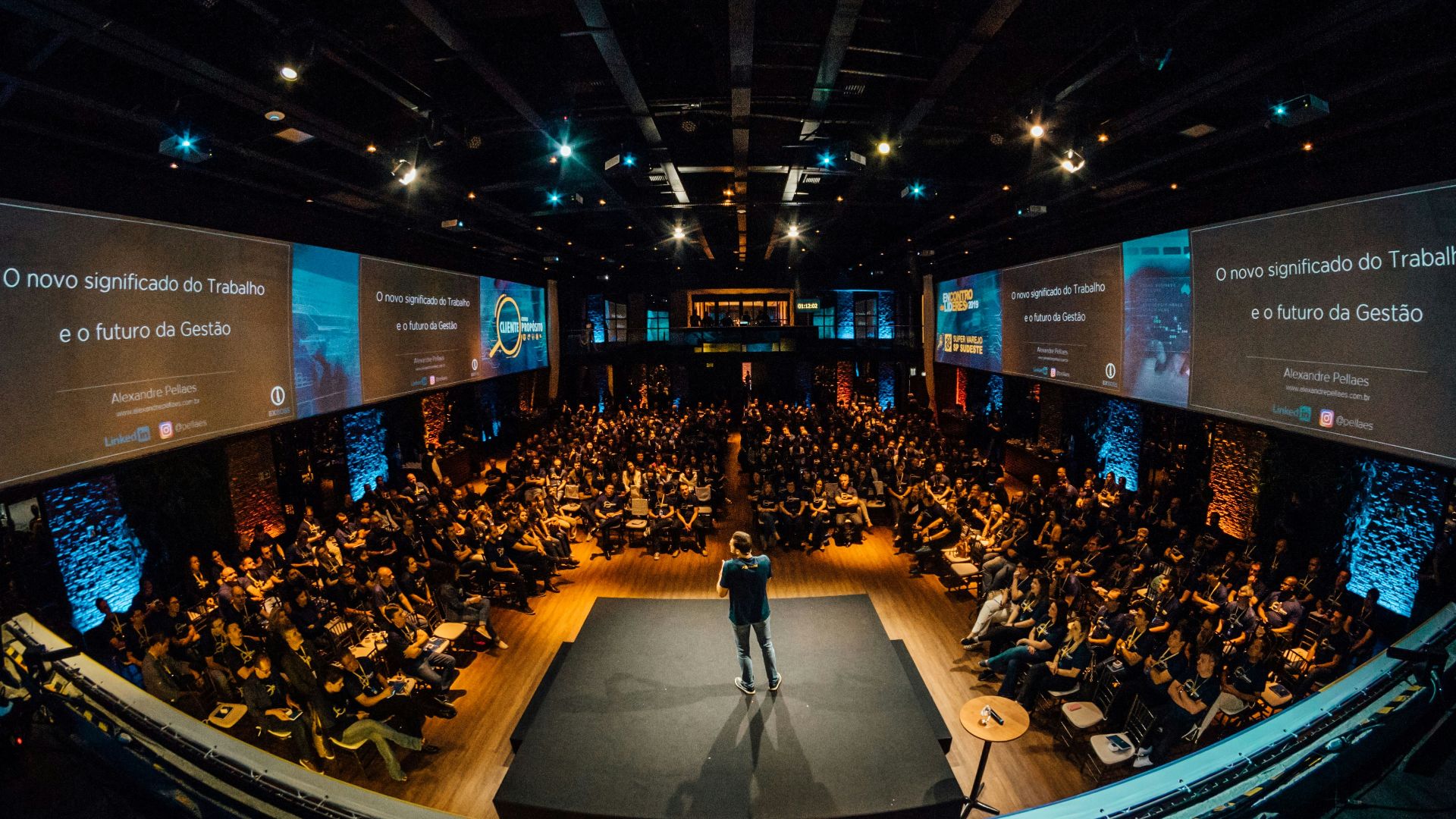
The Crowd May Be Concentrated Downtown
A convention doesn’t necessarily overwhelm the entire city. The greatest pressure often appears near the convention centre, headquarters hotels, entertainment districts, and restaurants suitable for large business dinners. A neighbourhood several transit stops away may feel almost normal.
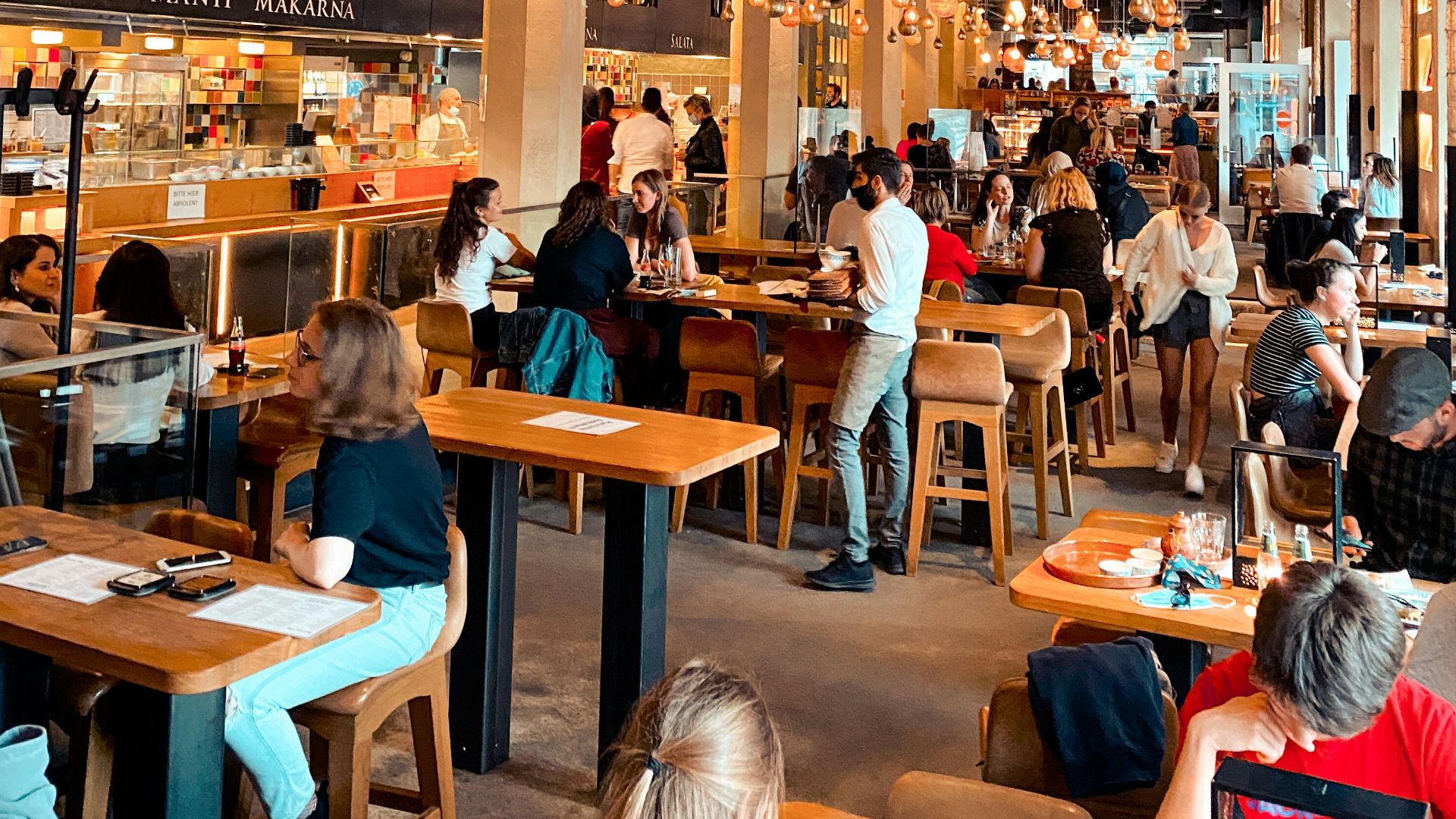
Hotel Prices Are An Early Warning
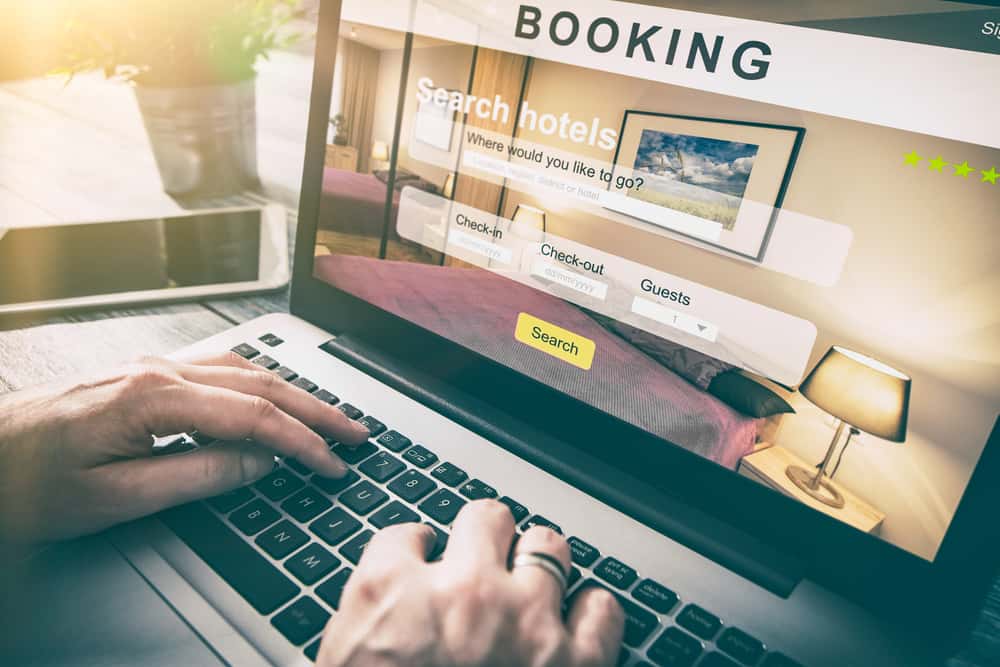
Suddenly expensive rooms can reveal unusual demand before you know what is causing it. If several ordinary hotels are charging luxury-level rates, or if affordable rooms have disappeared months in advance, search the dates alongside the city name. Large events, sports tournaments, concerts, festivals, and university weekends may explain the increase.

Limited Availability Matters Too
Price alone isn’t the only signal. A booking site may show very few rooms, scattered one-night availability, or unusually strict cancellation terms. That can indicate hotels expect to sell out and feel little need to offer flexibility.

Search The Dates, Not Just The Destination
Enter the exact travel dates with phrases such as “convention,” “conference,” “trade show,” “festival,” “marathon,” and “major events”. This often reveals gatherings that won’t appear in general destination research. Searching the month alone may miss a short event that overlaps perfectly with the trip.
 Glenn Carstens-Peters, Unsplash
Check The Convention Centre Calendar
Most large convention centres publish an upcoming-event schedule. Some include attendance estimates, while others list only the event name and occupied halls. Even without a head count, several overlapping events can indicate that nearby restaurants and transportation will be under pressure.

Look At The Tourism Board’s Event Calendar
A city’s official tourism site may list large public festivals, parades, concerts, exhibitions, and sporting events. It may not include every private conference, but it provides a broader picture of what else is happening. A convention combined with a playoff game or music festival can create much more strain than either event alone.
 Christian Velitchkov, Unsplash
Search All Major Event Venues
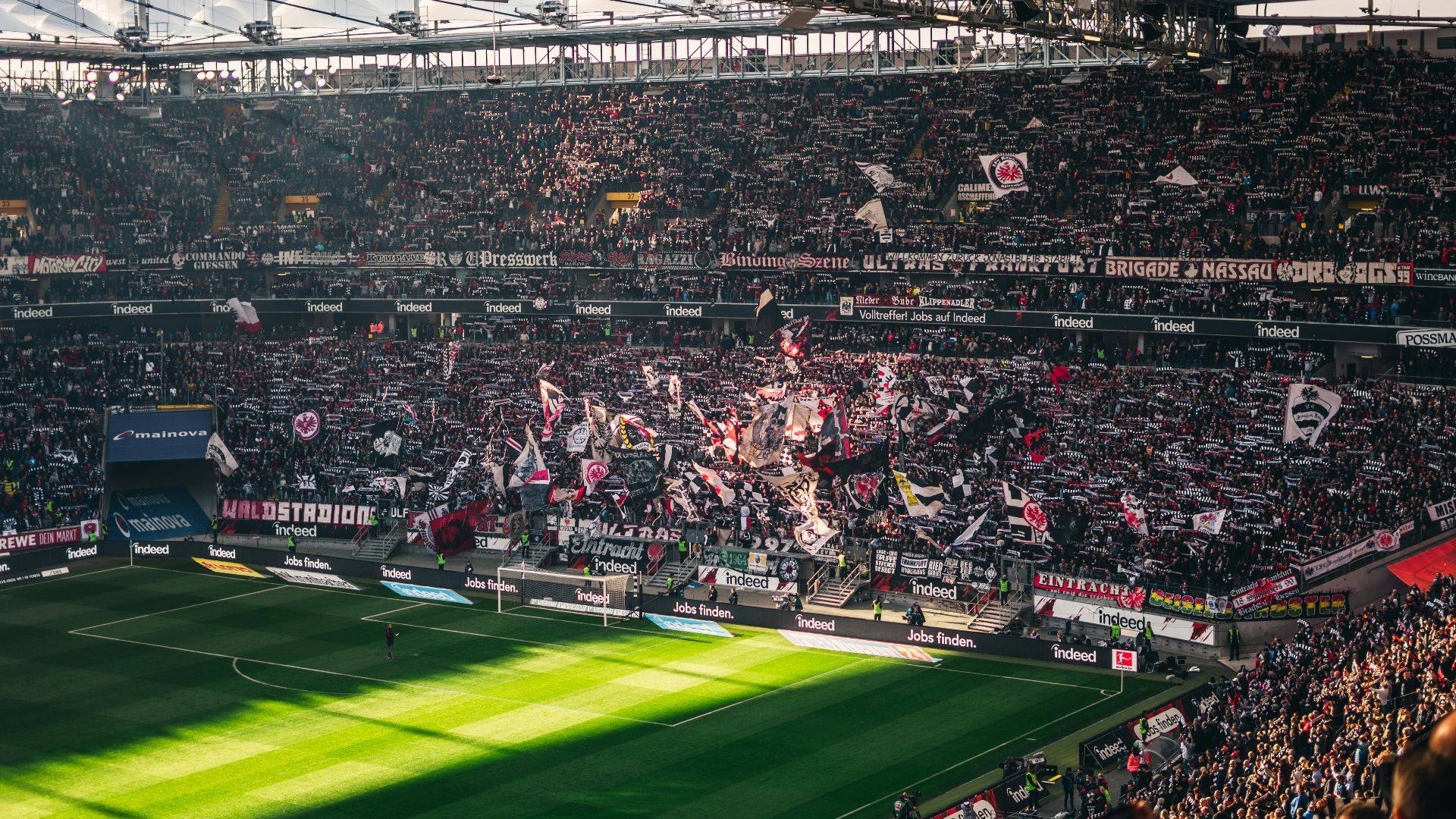
The convention centre may not be the only source of demand. Check the main stadium, arena, performing arts venues, fairgrounds, exhibition halls, and large universities. A city can absorb one major gathering reasonably well but struggle when several happen simultaneously.
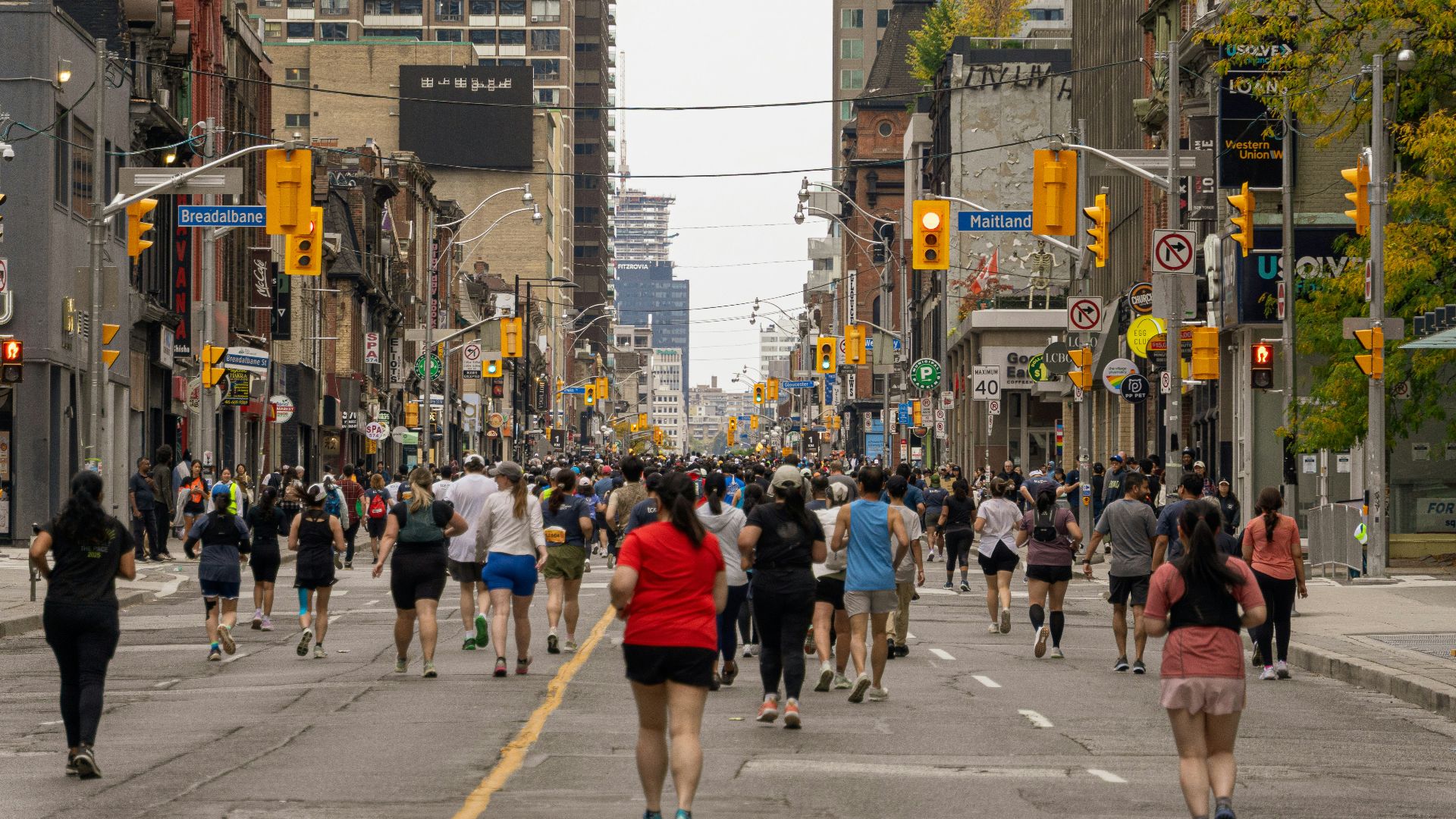
Don’t Forget Marathons And Road Closures
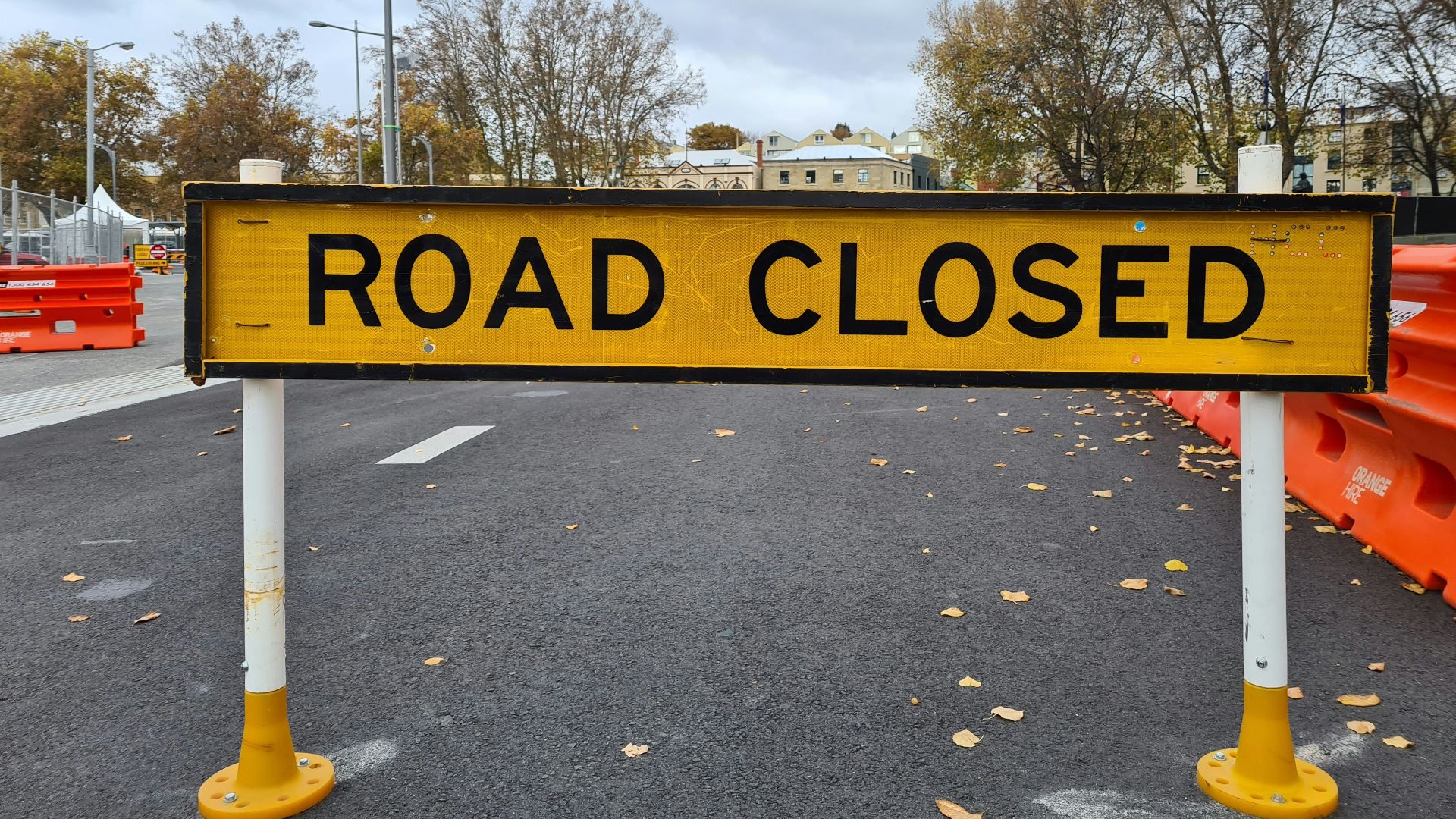
A marathon may affect more than runners. Street closures can disrupt buses, taxis, airport transfers, deliveries, and restaurant staffing. Even when overall visitor numbers are manageable, getting across the city can become far more difficult.
Cruise Arrivals Can Create Sudden Surges
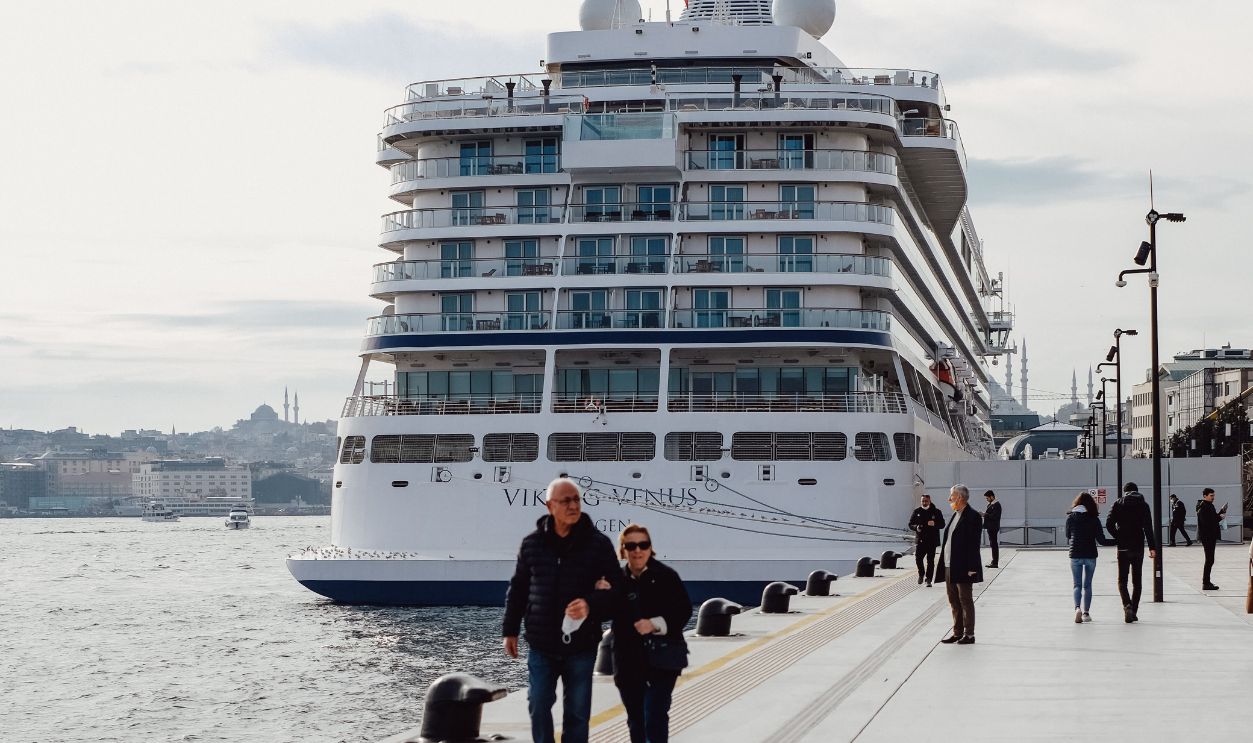
In port cities, several large ships can release thousands of passengers into central districts within a short period. Those visitors may not occupy local hotels, so accommodation prices won’t always reveal the crowd. Port schedules can help explain why attractions and restaurants may be busiest during the middle of the day.
Restaurant Availability Is Its Own Forecast
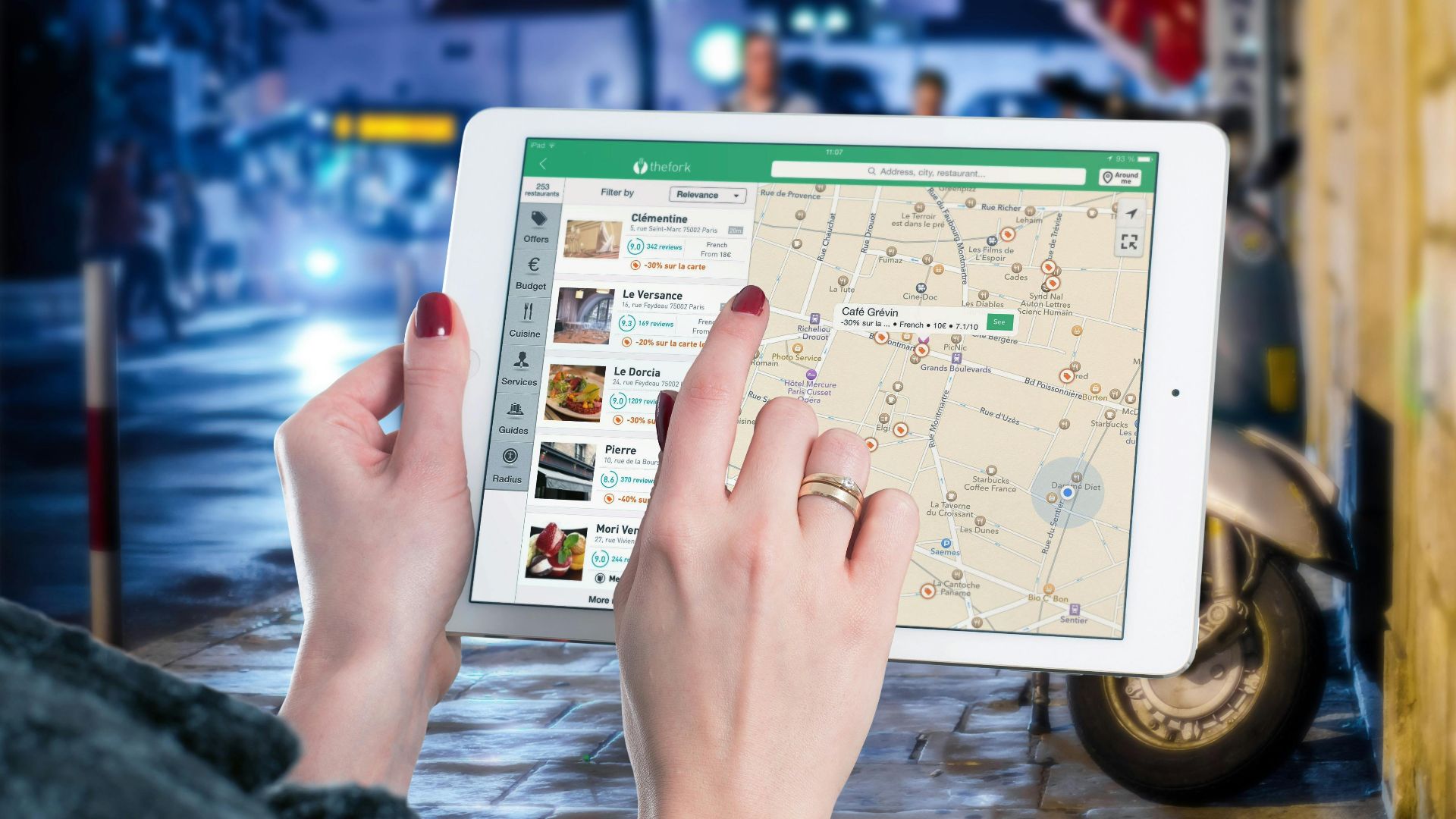
Search a few popular restaurants before booking the trip. If nearly every desirable dinner time has vanished weeks or months ahead, the city may be facing unusually high demand. One fully booked restaurant means little, but the same pattern across different neighbourhoods and price levels is a stronger signal.
Group Reservations Consume Capacity Quickly
Convention attendees frequently dine in large groups, and corporate hosts may reserve private rooms or blocks of tables. A restaurant that normally handles walk-ins can appear fully booked even when the dining room doesn’t look packed. Business dinners also tend to cluster around similar evening hours.

Social Media Can Reveal What Calendars Miss
Search the city, convention centre, and event hashtags for the travel dates. Exhibitors and attendees often post countdowns, party invitations, restaurant plans, and hotel information well before an event begins. This can reveal the scale and neighbourhood focus of a conference that isn’t widely covered by travel media.
Local News Offers Another Clue
City newspapers and local business publications often report expected attendance, economic impact, security plans, and road closures for major events. These articles may appear only shortly before the gathering, so recheck the destination as the trip approaches.
 LinkedIn Sales Navigator, Pexels
Ask The Hotel Directly
Call or message the property and ask whether a major event is happening during the stay. Front-desk and reservations staff often know when the hotel is hosting delegates or expecting an unusually busy weekend. Ask specifically about restaurant demand, traffic, noise, and late checkout availability.

Watch For Minimum-Stay Requirements
Hotels may require two or three nights during especially busy events. Others close discounted rates or make bookings fully prepaid. These restrictions don’t prove the city will be overwhelmed, but they show that the property expects strong demand.
Map The Event Before Cancelling
Once you identify the convention, locate its venue and main hotels. The event may have little effect on the museum district or residential neighbourhood where you planned to stay. A different base can preserve the trip without requiring new dates.

Stay Away From The Headquarters Hotels
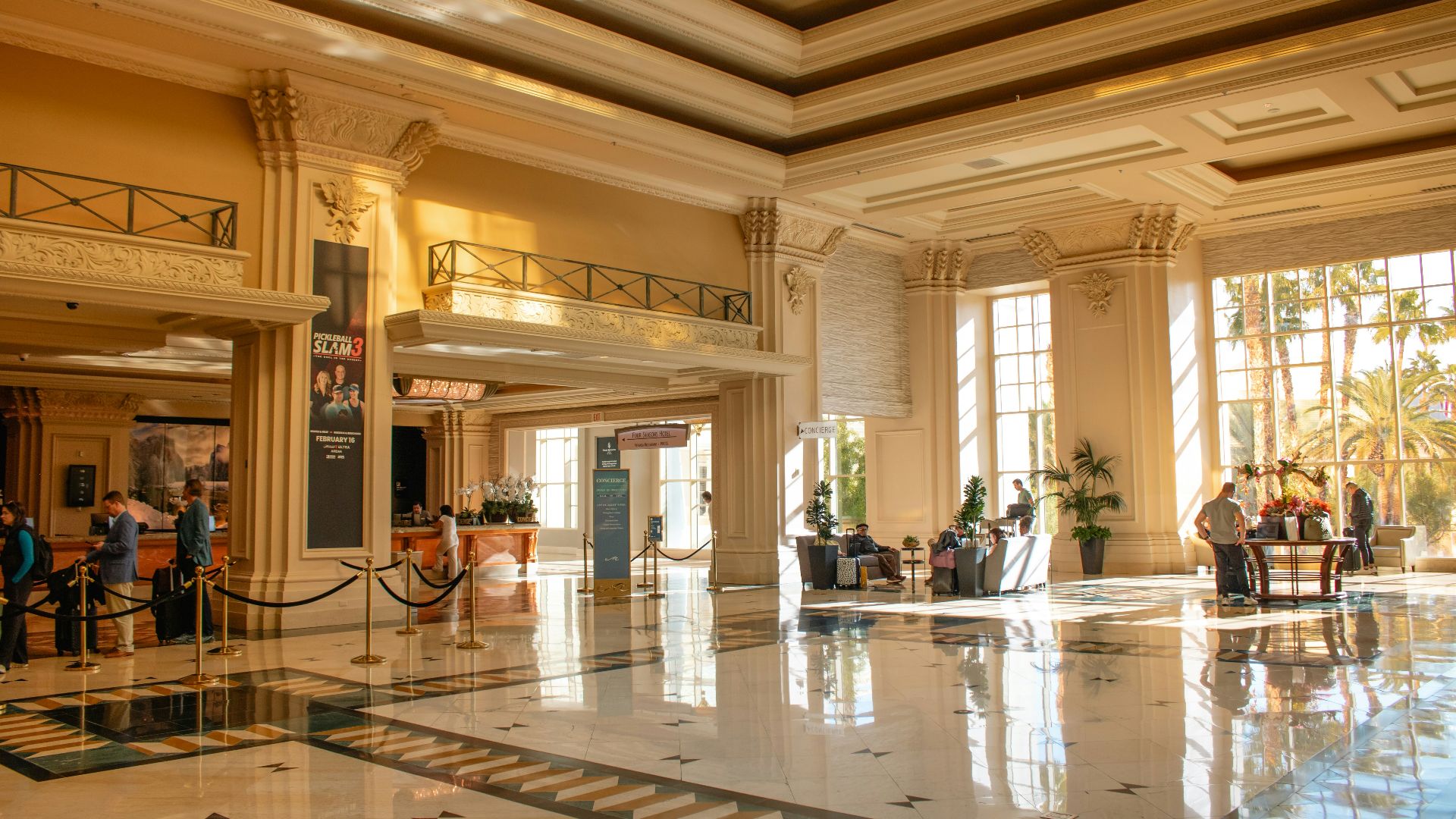
Large conferences often designate several official hotels where attendees gather, meet, and attend private events. Those properties may have crowded lobbies, busy elevators, packed bars, and long taxi lines. Staying elsewhere can be worthwhile even when the official hotel rate looks attractive.
Reserve Meals Earlier Than Usual
During an overloaded weekend, waiting until the afternoon to choose dinner can leave only very early, very late, or inconvenient options. Book several meals as soon as the trip is confirmed, especially on the opening and closing nights of the convention. London travel guidance from Condé Nast Traveler similarly recommends restaurant reservations when visiting busy urban areas.
Keep A List Of Casual Alternatives
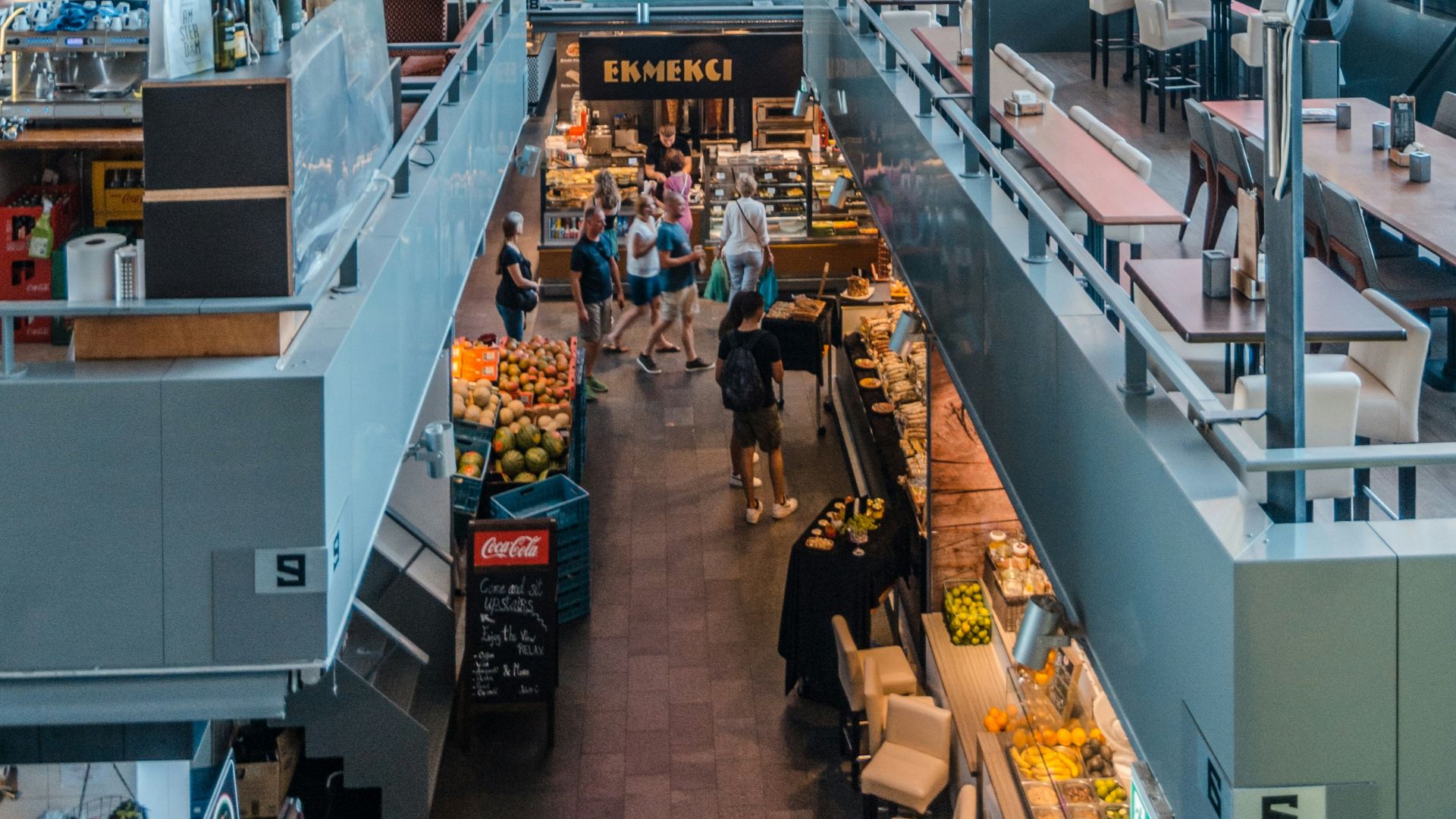
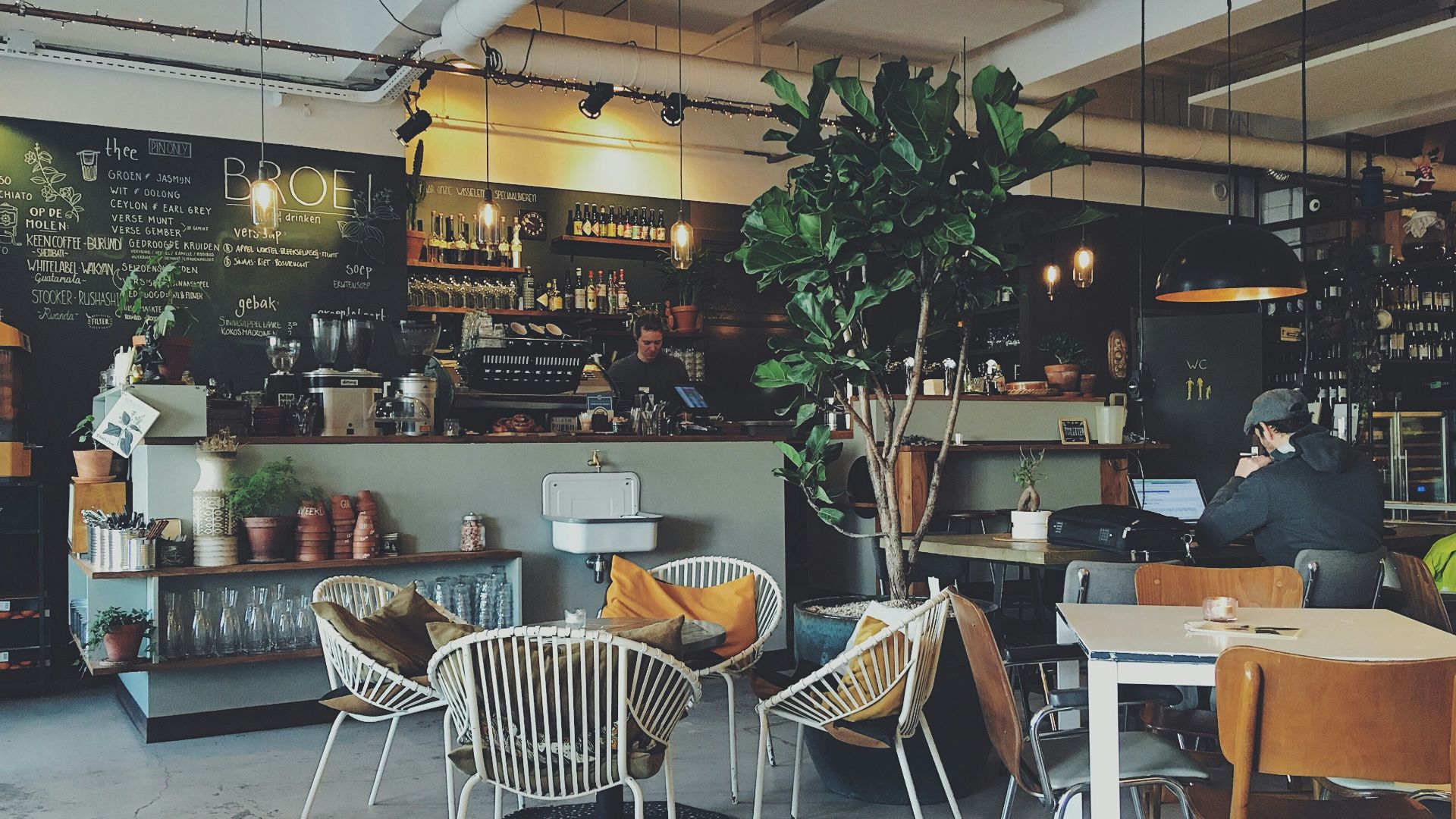
Not every meal needs a major reservation. Identify food halls, markets, bakeries, counter-service restaurants, neighbourhood cafés, and dependable takeout options. These can save an evening when a formal restaurant is booked or running badly behind schedule.
Eat Outside Convention Hours
Business groups often dine after conference sessions finish, usually within a narrow evening window. An early dinner, late lunch, or meal after the initial rush may be much easier. The same timing strategy can work for hotel breakfasts and lobby bars.
 Pablo Merchan Montes, Unsplash
Use Neighbourhoods The Delegates Aren’t Using
Conference visitors tend to remain near the venue, their hotels, and familiar entertainment areas. Travelling to a residential or less central district can provide better restaurant availability and a more local atmosphere. Condé Nast Traveler frequently recommends exploring neighbourhoods beyond the most crowded city centres rather than concentrating every activity in the busiest core.
Build More Flexibility Into Transportation
Ride-hailing prices and wait times may rise around session endings, receptions, and stadium events. Use public transit when practical, walk between nearby stops, and avoid crossing the convention district at its busiest times. Leaving earlier than necessary is often better than relying on a car during a sudden wave of demand.
Decide Whether The Event Adds Anything
Some major gatherings create public concerts, restaurant energy, exhibitions, or celebrations that improve the visit. Others mainly produce higher costs and lines. Before changing the dates, check whether the city’s unusual atmosphere offers something you would actually enjoy.

Move The Trip When The Costs Outweigh The Benefits
If hotels are dramatically more expensive, restaurants are unavailable, and the event has no value to you, changing dates may be the smartest solution. Off-season and lower-demand travel can offer fewer crowds, easier restaurant access, and better hotel value. Both Condé Nast Traveler and AFAR have highlighted those advantages when recommending travel outside peak periods.

A Busy City Usually Warns You Indirectly
Cities rarely announce that ordinary visitors should stay away. Instead, the warning appears through disappearing hotel rooms, rising rates, restaurant reservations, venue calendars, road closures, and crowded event schedules. Check the exact dates across several sources, map where the pressure will be concentrated, and reserve the experiences that matter most. A major convention doesn’t always ruin a city break, but discovering it after arrival leaves you with far fewer choices.
You May Also Like: