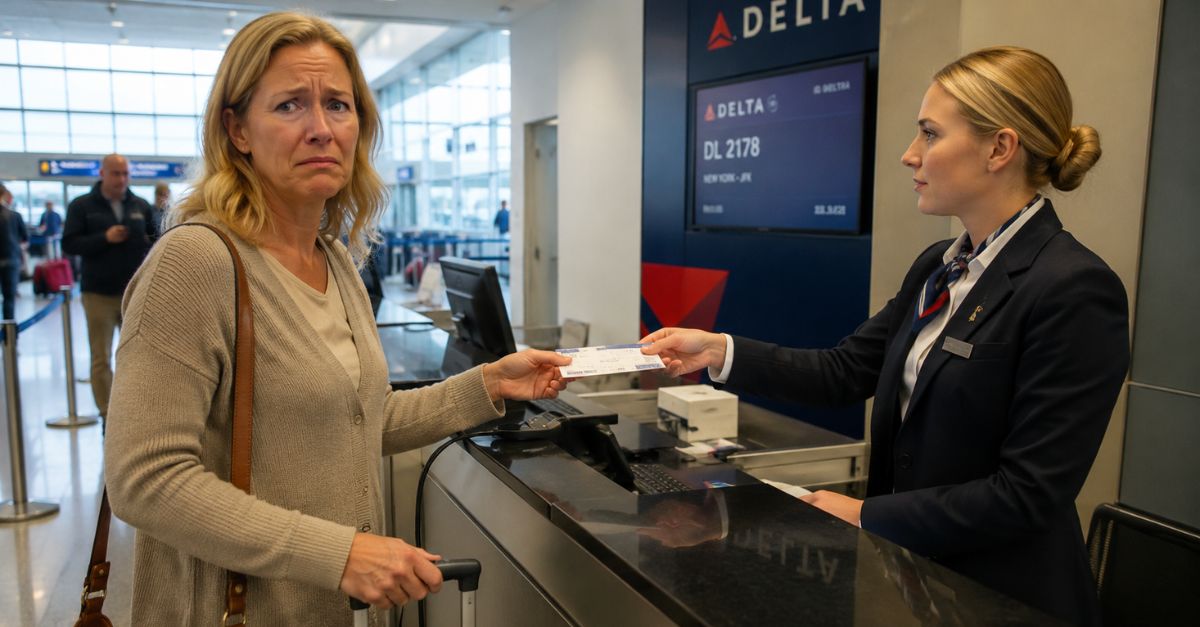
The Seat Swap That Can Ruin a Trip Before Takeoff
You picked an aisle and a window, maybe months ago, and figured that part of the trip was done. Then check-in opens or a gate agent hands you new boarding passes, and suddenly you're stuck with two middle seats. For most travelers, that is a huge difference—these days especially. But, like it or not, there's a difference between what's fair and what airlines can do to customers.
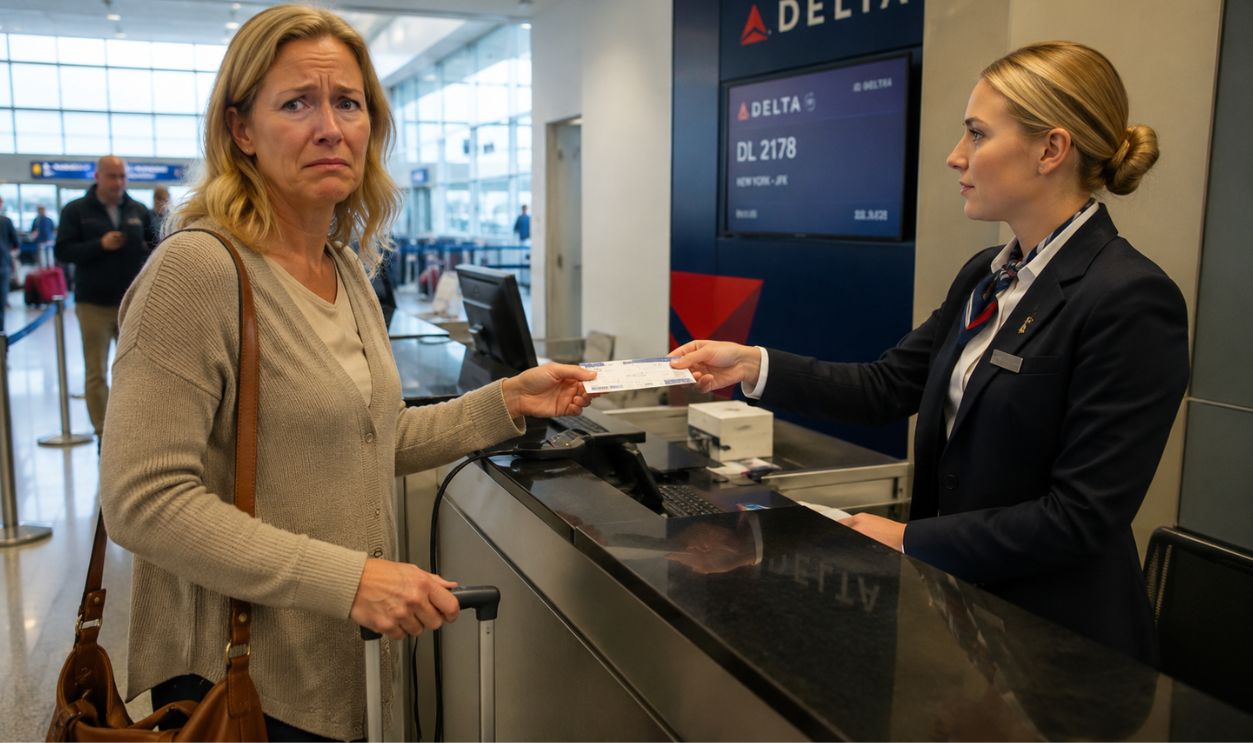
Yes, Airlines Usually Can Change Your Seat
For most U.S. travelers, the frustrating answer is yes. Airlines usually give themselves the right in their contracts of carriage to reassign seats, even after you picked them or paid for them. That does not mean every switch is reasonable, but it does mean seat assignments are usually not guaranteed.
 Frame Stock Footage, Shutterstock
The Fine Print Gives Airlines a Lot of Control
American, Delta, and United all say this in their customer terms. American says seat assignments are not guaranteed and may change without notice. Delta says seats may change at any time for operational, safety, or security reasons. United says seat assignments are not guaranteed and can change too.
Why It Happens More Than People Expect
Seat changes are usually not random. Aircraft swaps, weight and balance issues, crew seating needs, broken seats, oversold premium cabins, and family seating adjustments can all set off a reshuffle. So even if you did everything right, your seat can still disappear.
An Aircraft Change Can Wreck the Whole Seat Map
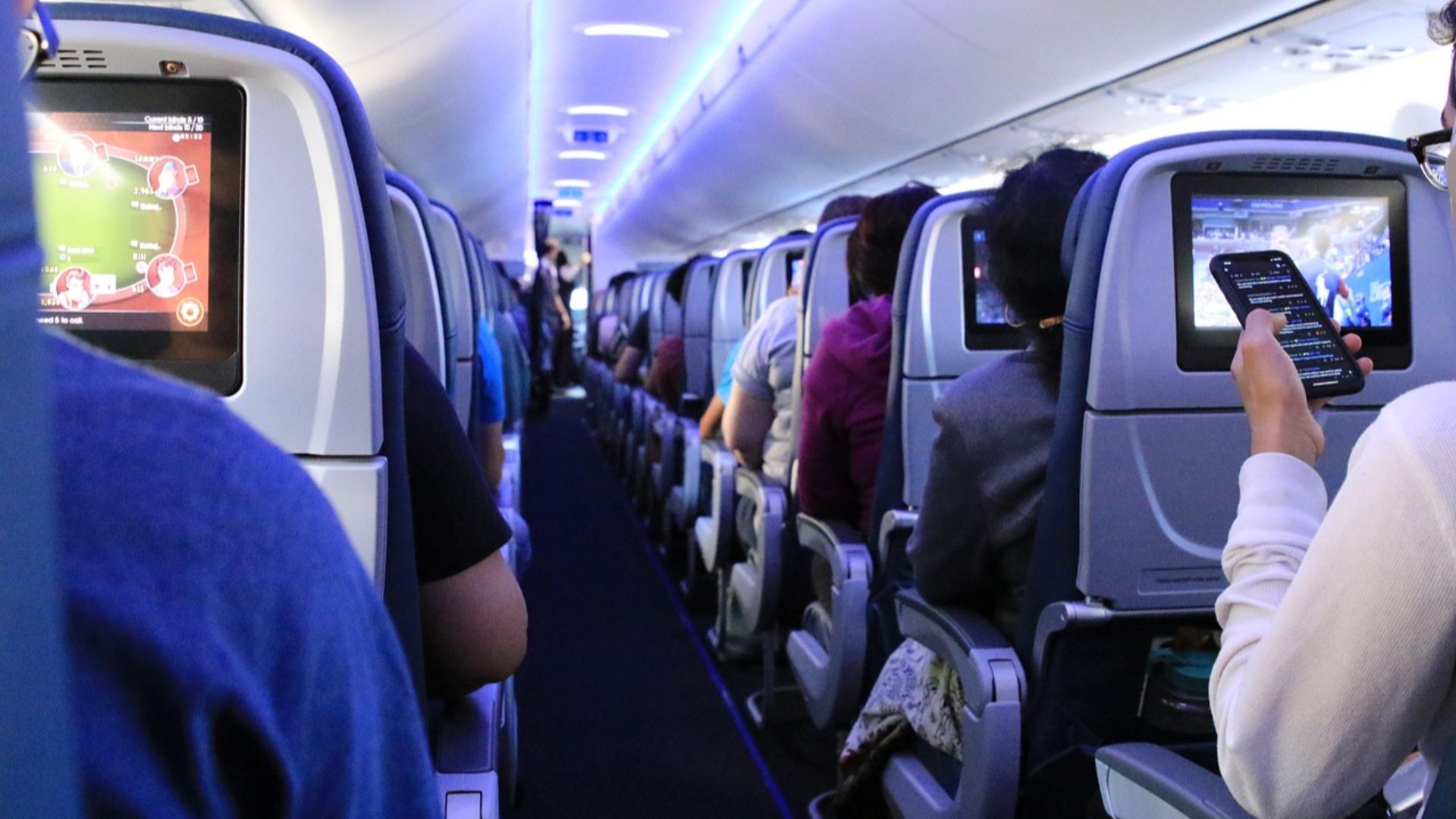
This is one of the biggest reasons it happens. If the airline switches your flight to a different plane type, the old seating chart may no longer match the new cabin. That is how an aisle and a window can turn into two middle seats, especially on a full flight with almost no good options left.
Paying for Seats Makes It More Complicated
If you paid for preferred seats, extra-legroom seats, or some other seat upgrade, the airline may still move you. But in that case, you may have a stronger case for getting the seat fee refunded if the airline did not give you what you bought. The big question often is not whether they can move you, but whether they owe you money back.
 Everythingforall, Shutterstock
The Transportation Department Draws an Important Line
The U.S. Department of Transportation says airlines and ticket agents must provide prompt refunds for fees paid for optional services when a passenger does not receive that service because of a flight cancellation, a significant schedule change, or another situation where the service was not provided. The DOT has specifically pointed to seat selection as one of the extra fees covered by its refund rule. So if you paid for a specific seat and lost it, that can trigger a refund obligation even if the airline still got you to your destination.
 Monkey Business Images, Shuttestock
A New Federal Refund Rule Put More Weight Behind That
In April 2024, the DOT announced a final rule strengthening automatic refunds for airline passengers. The rule covers fees for services like seat selection, in-flight entertainment, and checked bags when travelers do not actually get what they paid for. It does not force the airline to give you your exact seat back, but it does strengthen your right to get that fee refunded.
Free Seat Assignments Are a Different Story
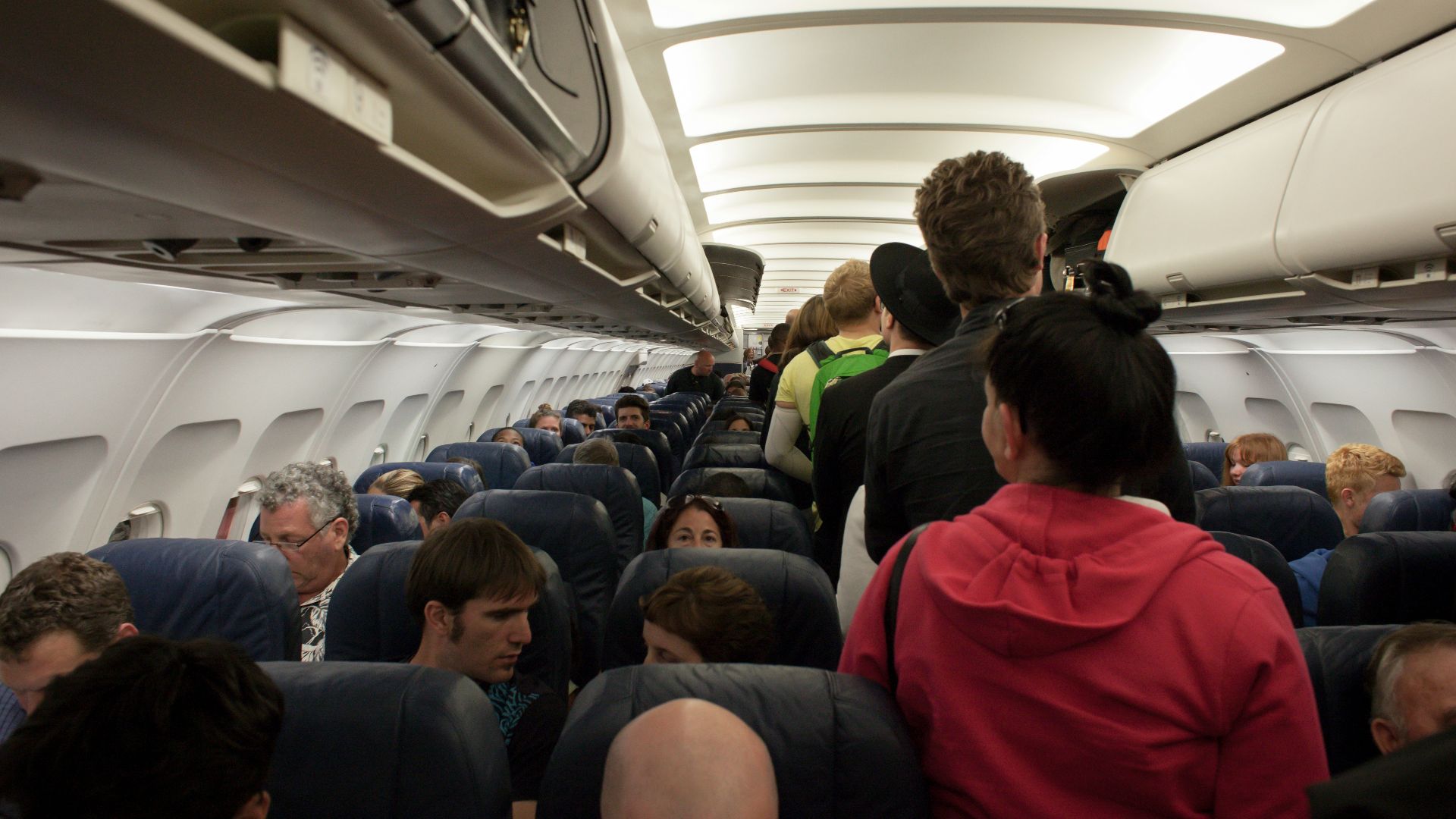
If you did not pay extra for the aisle and window, it is much harder to demand compensation. You can still ask the airline to fix it, but a free standard seat assignment usually gives you fewer legal options. In plain terms, you may be inconvenienced without automatically being owed money.

Family Seating Can Push Other Passengers Around
Families with young children have become a bigger focus for regulators. In July 2022, the DOT launched a family seating dashboard showing which U.S. airlines guarantee fee-free family seating for children 13 or younger next to an accompanying adult. When airlines make those arrangements, other passengers can end up getting moved.
That Does Not Mean Airlines Can Do Anything They Want
There are still limits. Airlines have to follow their own published policies, issue required refunds for paid services passengers did not receive, and avoid deceptive practices. If an airline promised one thing in writing and delivered something else without refunding you, that is where complaints can get traction.
Basic Economy Leaves You More Exposed
Some basic economy fares do not include advance seat selection at all, or they assign seats automatically. So even if you end up in a seat you hate, that may still match the fare rules you agreed to when you booked. Many travelers find out too late that cheap fares often come with very little seat protection.
Elite Status and Premium Cabins Help, but They Do Not Guarantee Anything
Frequent flyers and premium-cabin passengers often get more flexibility and better help when things go wrong. But even top-tier travelers can get hit with operational seat changes. The difference is that they may have a better shot at getting rebooked, refunded, or moved into something closer to what they originally had.
Travelers With Disabilities Have Extra Protections
Passengers who need certain seating because of a disability should tell the airline as early as possible. The DOT has disability-related air travel protections, and seating can be part of the assistance an airline must provide. If a seat reassignment creates an accessibility problem, that is more than a simple hassle and should be raised right away.
The Gate Agent May Be Your Best Shot
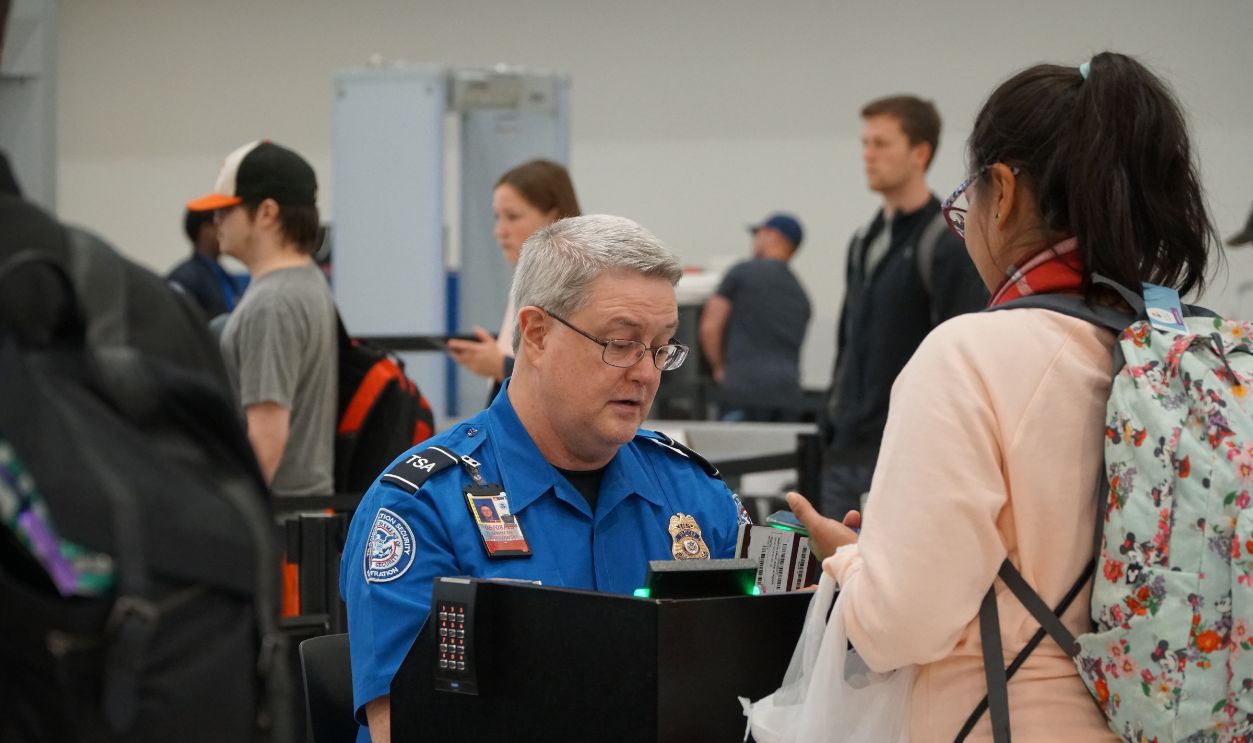
If you catch the downgrade before boarding, move quickly and stay calm. Gate agents can sometimes rearrange seats, especially if there are no-shows, missed connections, or blocked seats that open up late. The sooner you ask, the better your chances.

What to Say When You Ask for Help
Be polite and specific. Explain which seats you had, whether you paid for them, and whether your group needs to sit together. If you paid a seat fee, pull up the receipt on your phone so the conversation stays focused on the facts.

Document Everything Before the Flight Leaves
Take screenshots of your original seat map, boarding pass, payment receipt, and any app alerts showing the change. If the airline later disputes what happened, those records matter. They can be the difference between a quick refund and a frustrating dead end.
Ask for the Right Fix, Not a Miracle
Demanding your exact original seat on a full flight may get you nowhere. Asking for a similar seat, a refund of the seat fee, or a travel credit is usually more realistic. A clear, reasonable request often works better than a broad complaint about being treated badly.
Know the Difference Between a Seat Downgrade and a Cabin Downgrade
Losing an aisle and a window and ending up in two middle seats is rough, but it is usually still a seat assignment problem within the same cabin. Being moved from business class to economy is a true cabin downgrade and can involve much bigger refund rights depending on the airline, ticket, and route. The stakes are usually much higher when the cabin itself changes.

International Trips Can Mean Different Rules
If your flight involves Europe or another region with its own passenger protections, other rules may apply, but they vary by route and issue. For example, European Union passenger rules focus more on delays, cancellations, and denied boarding than on protecting a specific seat assignment. It is worth checking the rules for your route, but a bad seat change does not automatically mean a legal payout.
There Is a Clear Federal Complaint Path
If the airline refuses to refund a paid seat fee for a seat you never got, you can file a complaint with the U.S. Department of Transportation. The DOT accepts aviation consumer complaints online and sends them to the airline for a response. It is not instant relief, but it creates a record and can push the airline to act.
Credit Card Chargebacks Can Be a Backup Plan
If you paid for seat selection and the airline still refuses to refund you despite clear proof, a chargeback may be worth considering. Your card issuer will usually want evidence that you paid for a service and did not get it. This is usually best used after you have already tried the airline’s normal refund process.

Timing Matters More Than Most People Think
Do not wait weeks to complain if you can help it. Refund requests are often easier when the details are fresh and easy to verify. A same-day message through the airline app, website, or airport desk can make any follow-up much stronger.

There Are a Few Ways to Lower the Risk
If your route gives you choices, book flights with bigger seat maps and more daily departures because backup options matter when plans change. Avoid unusual seat pairs or the last row if you are trying to protect a specific setup after an aircraft swap. It also helps to check your reservation regularly so you catch seat changes before the airport scramble.

Booking Direct Can Make the Mess Easier to Clean Up
When a seat problem happens on a ticket booked directly with the airline, it is usually easier to sort out because the airline controls the reservation. Third-party bookings can add another layer of finger-pointing. That does not stop seat changes, but it can save you time and frustration when you are trying to fix one.
 Gustavo Fring, Pexels, Modified
The Bottom Line for Frustrated Travelers
Airlines usually can move you from an aisle and a window to two middle seats because seat assignments are generally not guaranteed. If you paid for those better seats and did not get them, you may be entitled to a refund of the seat fee under federal rules and airline policy. Your best move is to document the change, ask for a fix before departure, and push for a refund quickly if the better seats never come back.