I Thought I Had Cracked The Travel Code
Shoulder season is often promoted as the perfect compromise between peak crowds and harsh off-season conditions. Travelers are promised lower prices, lighter crowds, and pleasant weather. That sounds great until you arrive and discover that several attractions, restaurants, or tours are not operating. Suddenly, the savings can feel less impressive.

What Shoulder Season Actually Means
Shoulder season is the period between a destination's busiest tourist season and its quietest one. The exact timing varies by location, climate, and local tourism patterns. A European city may have a completely different shoulder season than a Caribbean island or a national park.
Lower Prices Usually Come With Tradeoffs
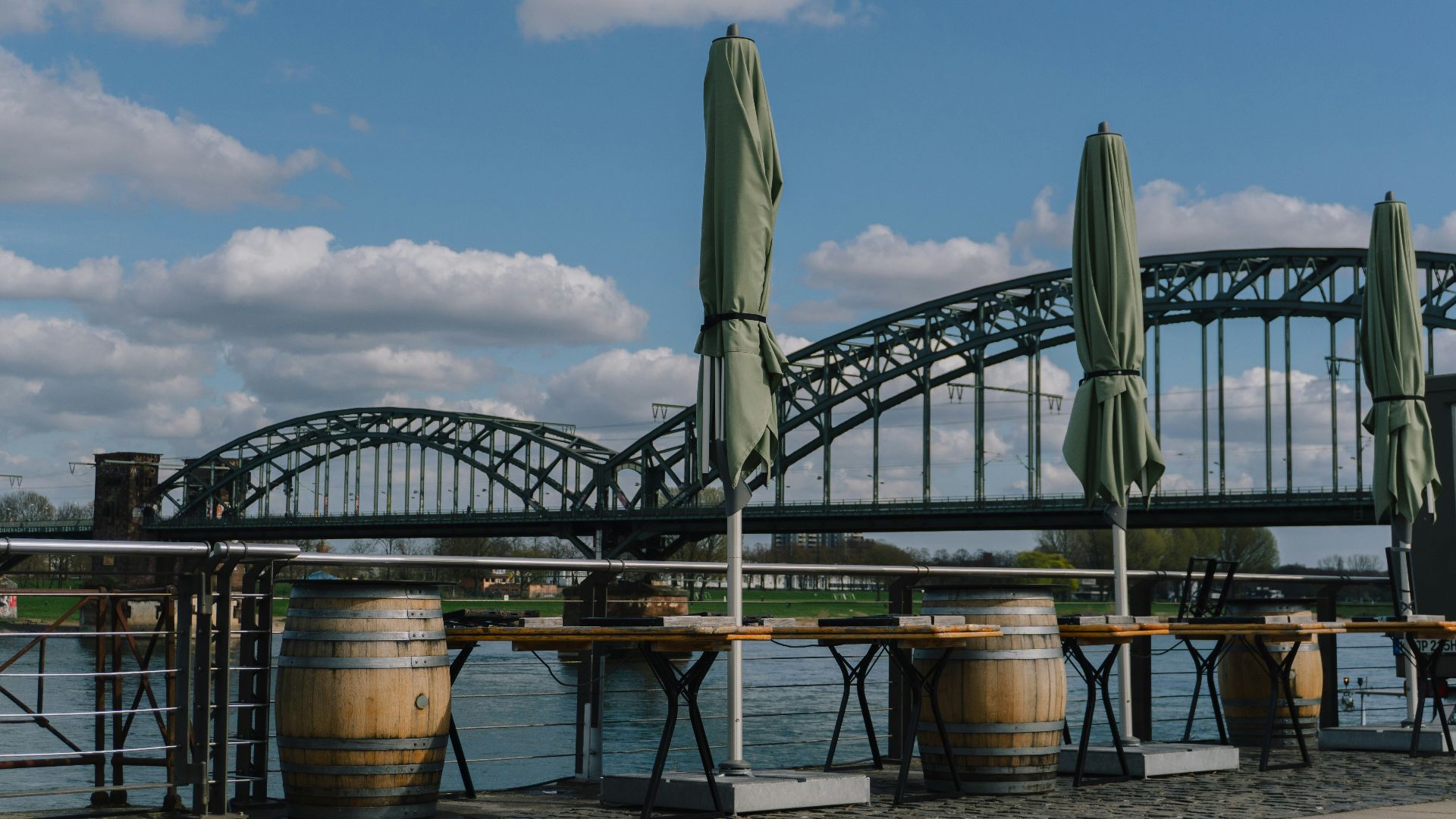
Hotels and airlines often reduce prices because demand falls outside the busiest months. Travelers can sometimes find significant savings on accommodations and airfare. However, lower demand also means some businesses reduce hours or temporarily close because fewer visitors are arriving.

Attractions Do Not Always Stay Open
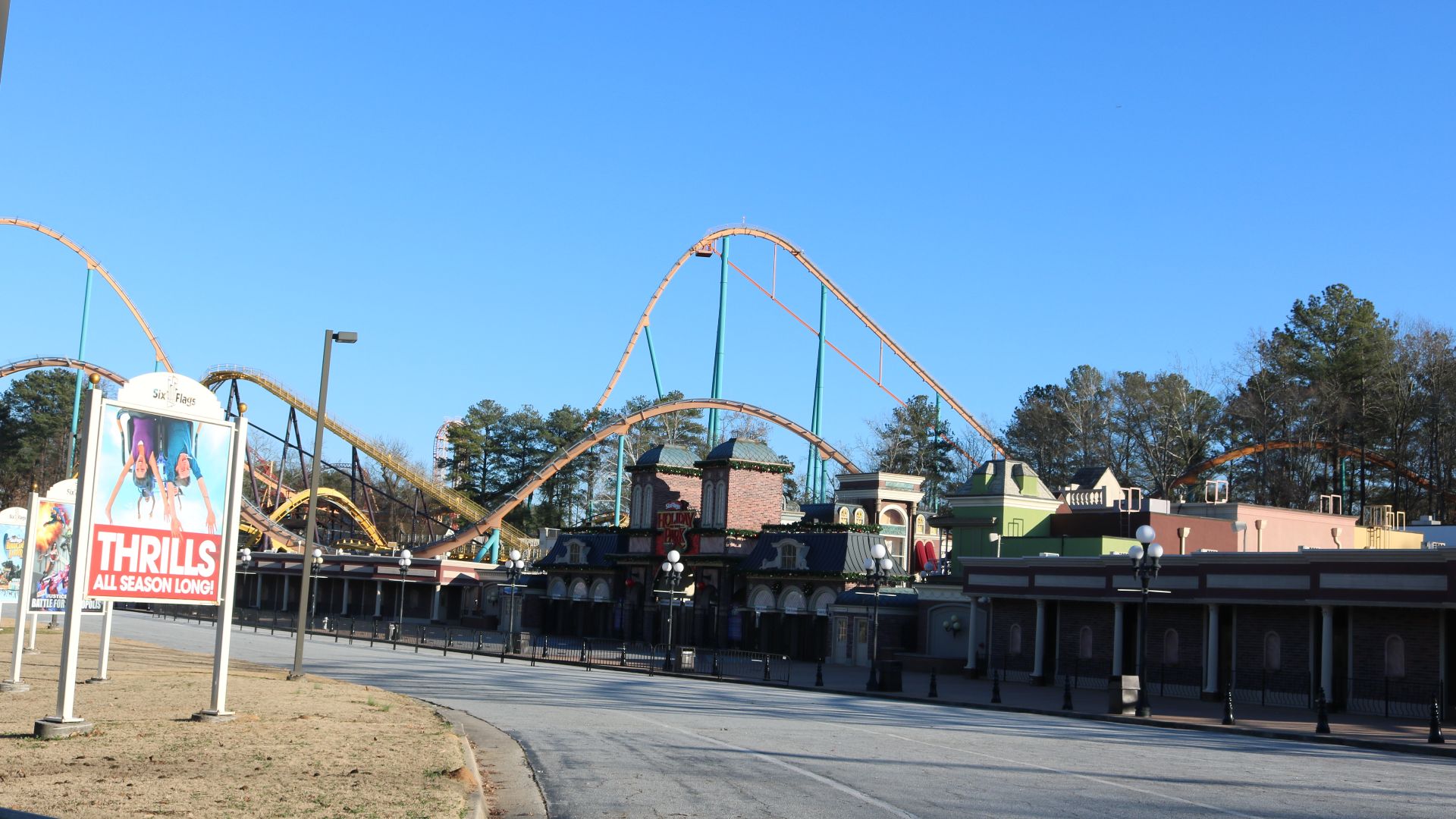
Many museums, guided tours, amusement parks, and seasonal businesses adjust their schedules outside peak months. Some operate only on weekends while others close completely until demand returns. Checking opening calendars before booking can prevent major disappointments.
 Rhododendrites, Wikimedia Commons
National Parks Change With The Seasons
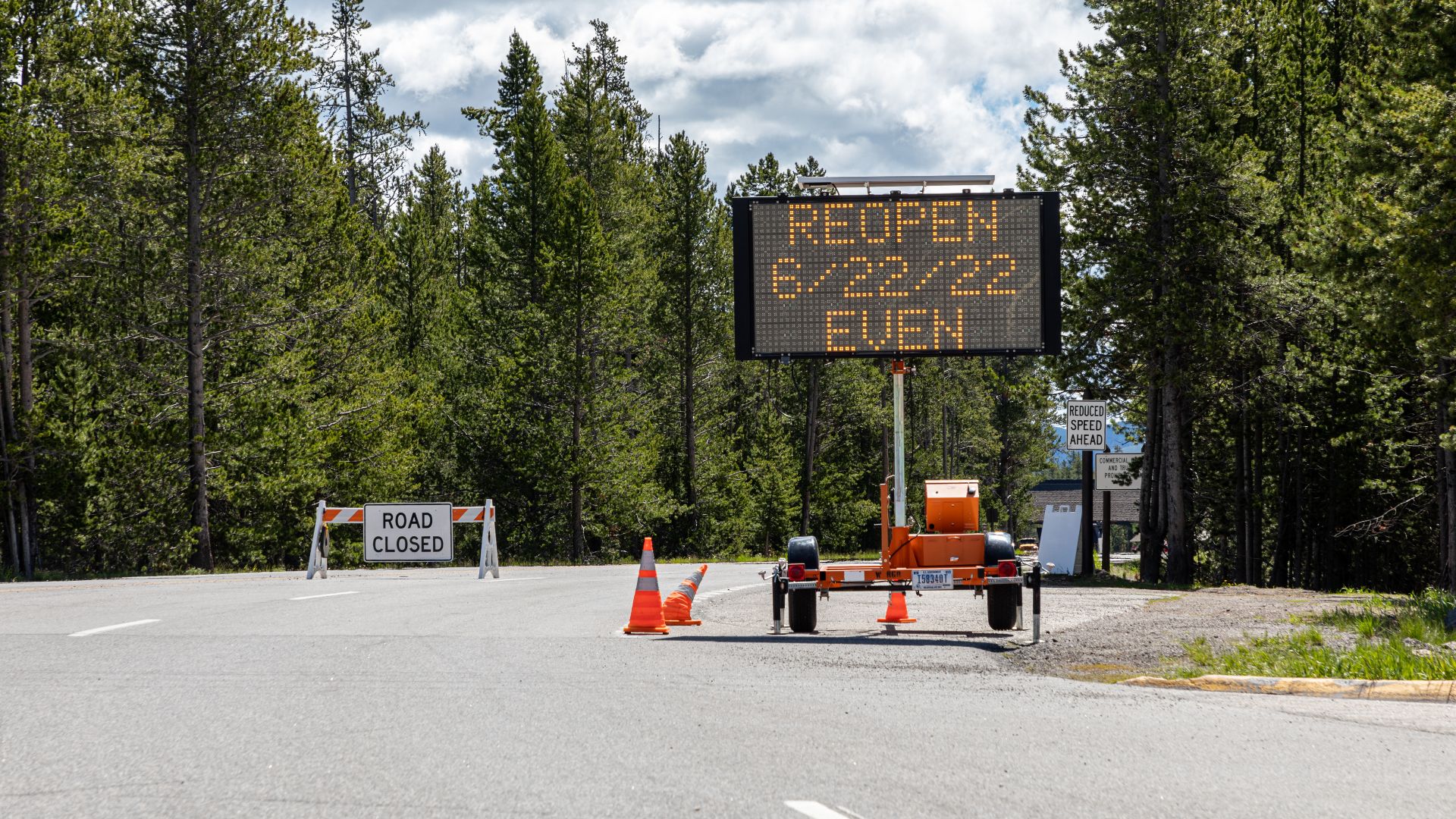
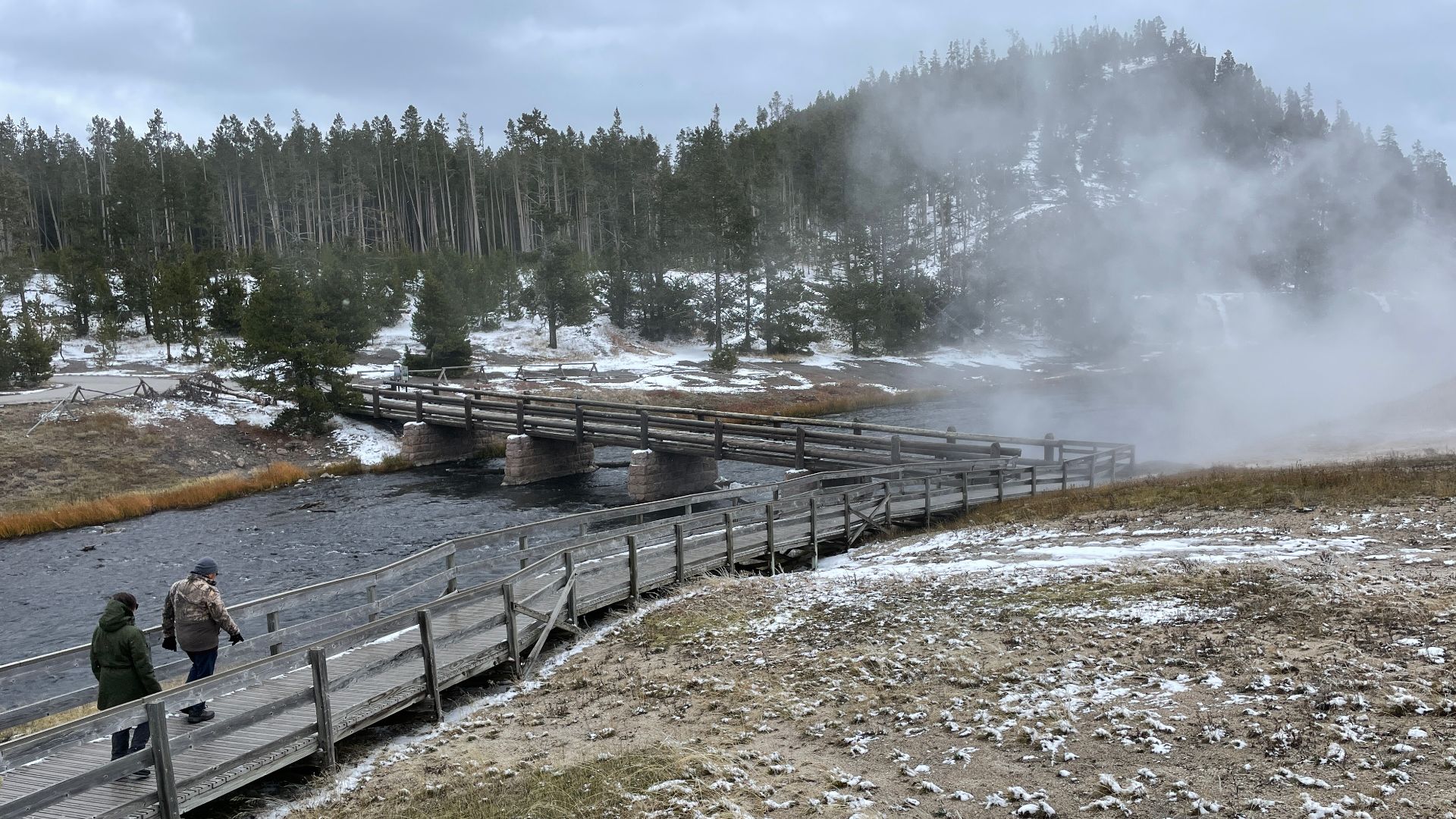
America's national parks offer dramatically different experiences throughout the year. Some roads, visitor centers, campgrounds, and lodges close during winter or shoulder seasons due to weather or maintenance. Even when parks remain open, access can be much more limited than summer visitors expect.
 Dietmar Rabich, Wikimedia Commons
Weather Can Change Faster Than Expected
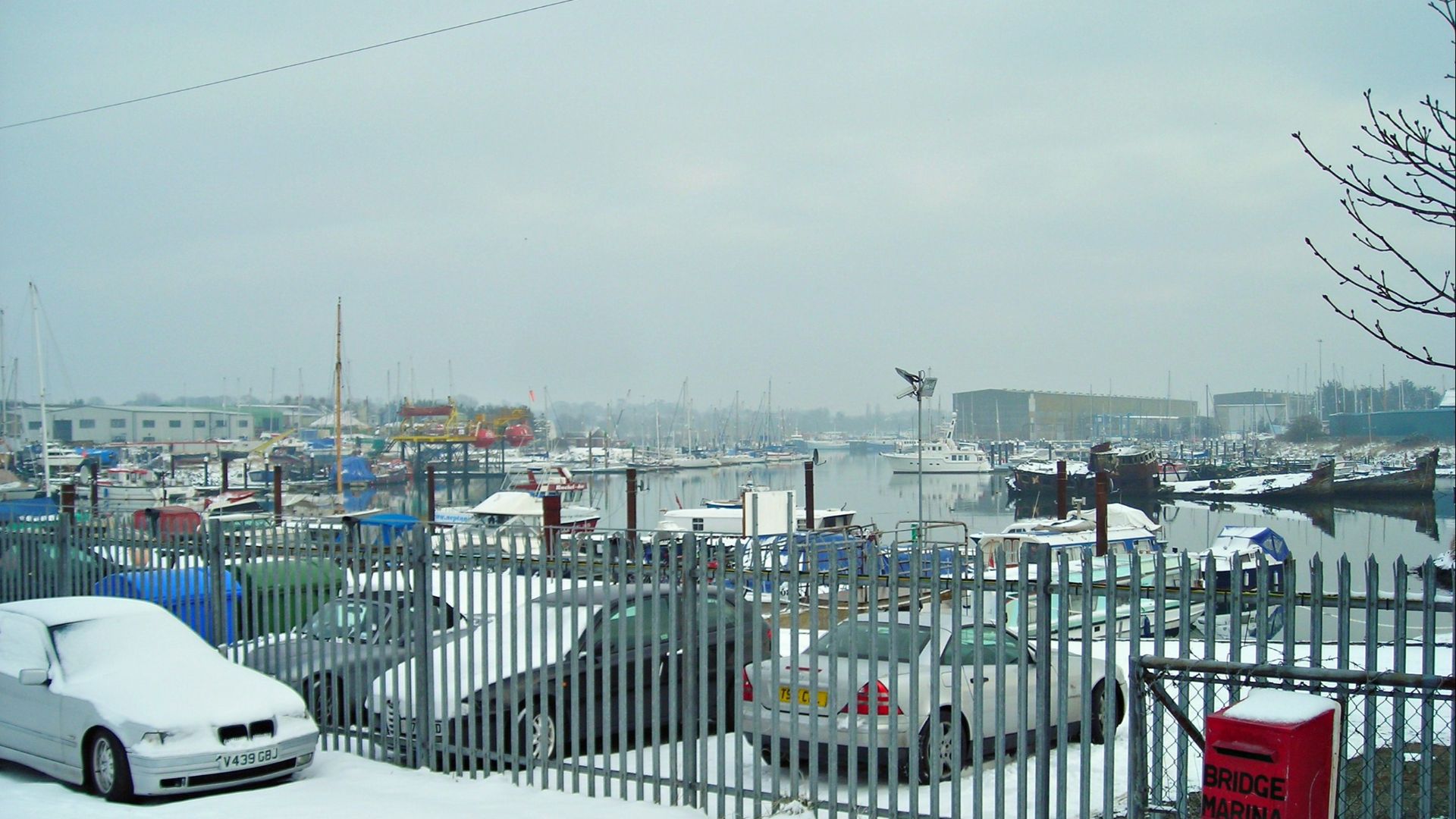
Shoulder seasons often bring unpredictable weather. One day may feel like summer while the next brings snow, heavy rain, or strong winds. Travelers who pack only for mild conditions may find themselves scrambling for extra clothing or changing plans.
 Antony Dixon , Wikimedia Commons
Fewer Crowds Really Can Be Wonderful
The biggest advantage of shoulder season is often the quieter atmosphere. Popular viewpoints, museums, and walking streets can feel far more relaxed. Many travelers value having extra space even more than saving money.
 Vulturesong, Wikimedia Commons
Local Businesses May Operate On Shorter Hours
Restaurants, souvenir shops, rental companies, and cafés often reduce operating hours when visitor numbers decline. Some family-run businesses take annual vacations during slower months. That can leave fewer dining and entertainment choices than guidebooks suggest.
 Larry Felton Johnson, Cobb County Courier, Wikimedia Commons
Transportation Can Become Less Convenient
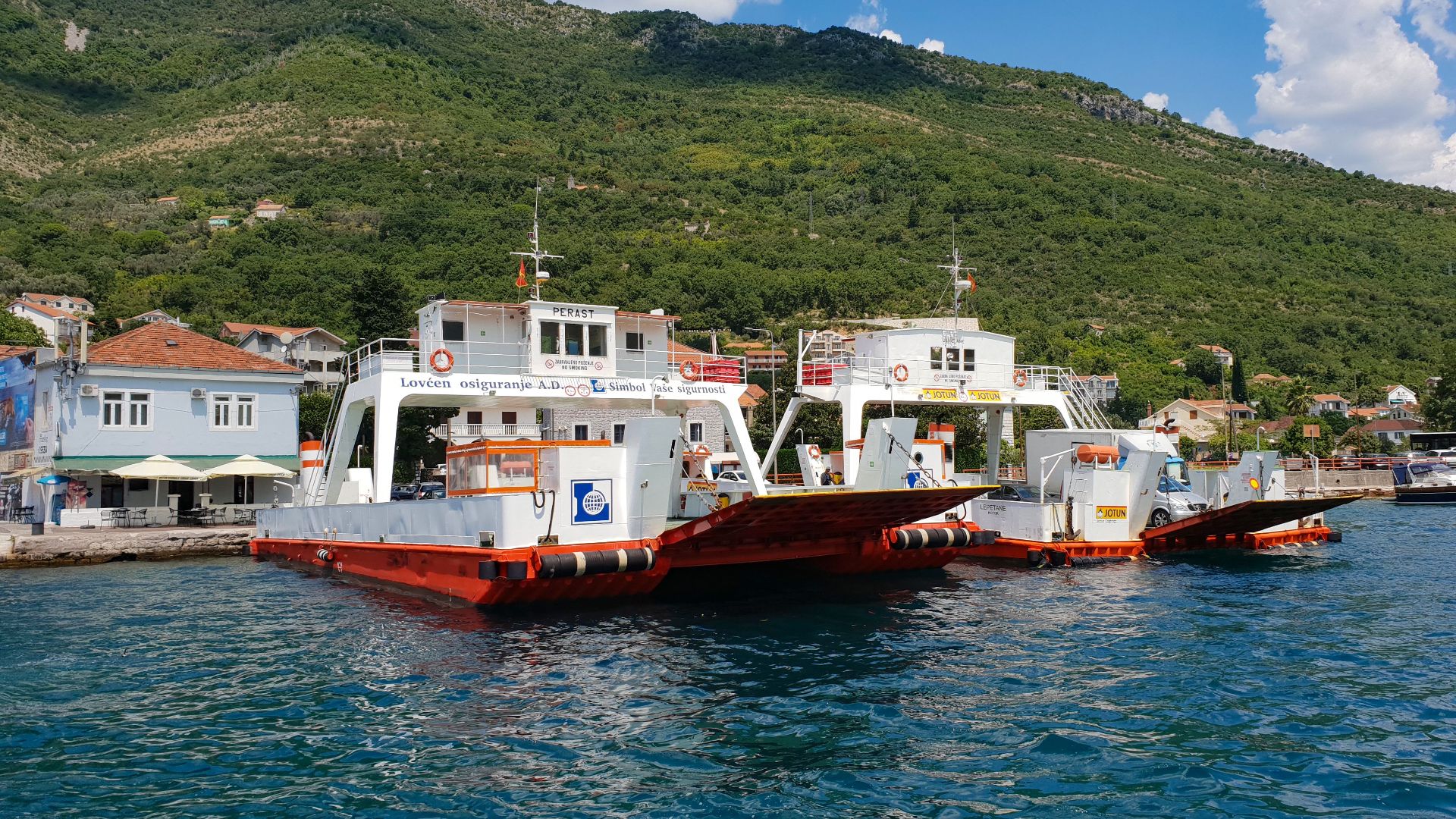
Some ferry routes, shuttle buses, scenic trains, and local transit services operate less frequently outside peak travel periods. Missing one departure could mean waiting hours instead of minutes. Transportation schedules deserve as much attention as hotel reservations.
 Daciana Cristina Visan, Pexels
Wildlife Can Become The Main Attraction
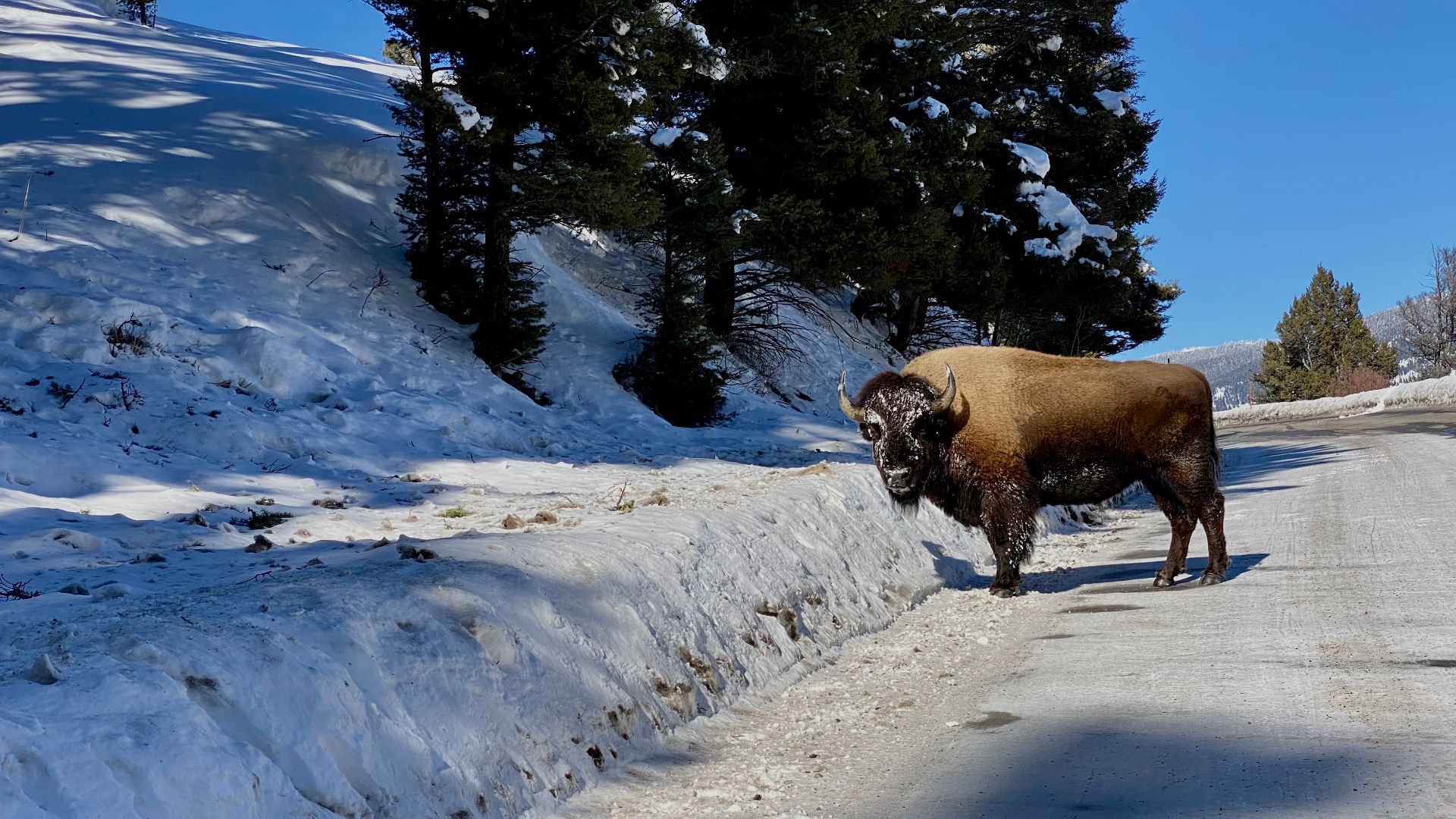
Nature lovers often enjoy shoulder seasons because wildlife behavior changes throughout the year. Certain migrations, breeding seasons, or fall colors may be easier to experience with fewer people nearby. In some destinations, these natural events become the highlight of the trip.
 Gracemontse, Wikimedia Commons
Some Destinations Shine Outside Peak Months
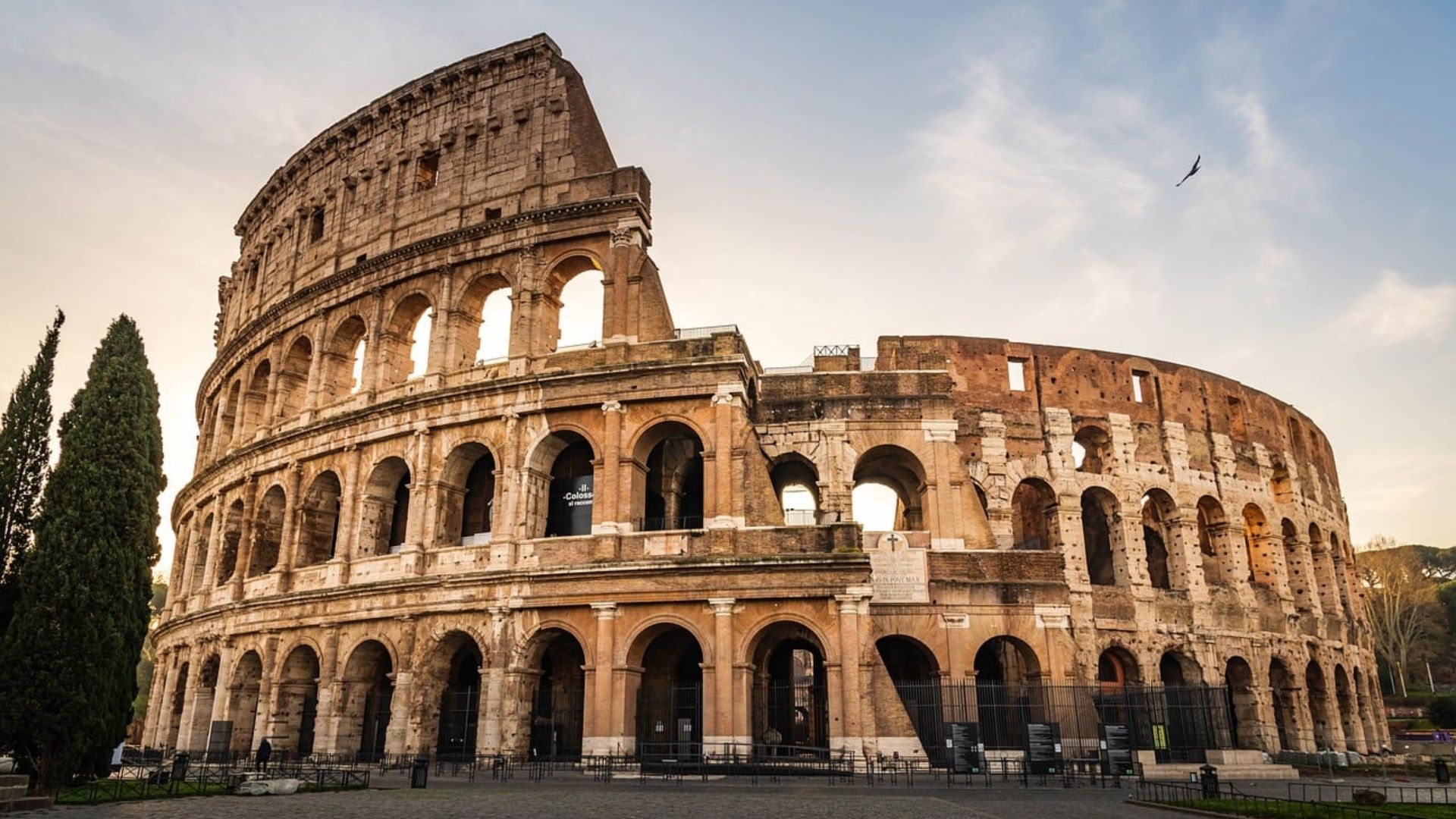
Cities like Rome, London, and Paris often offer comfortable temperatures during autumn while avoiding the largest summer crowds. Visitors may enjoy shorter museum lines and more pleasant sightseeing conditions. For many travelers, that balance outweighs occasional seasonal closures.
Beach Destinations Can Feel Different
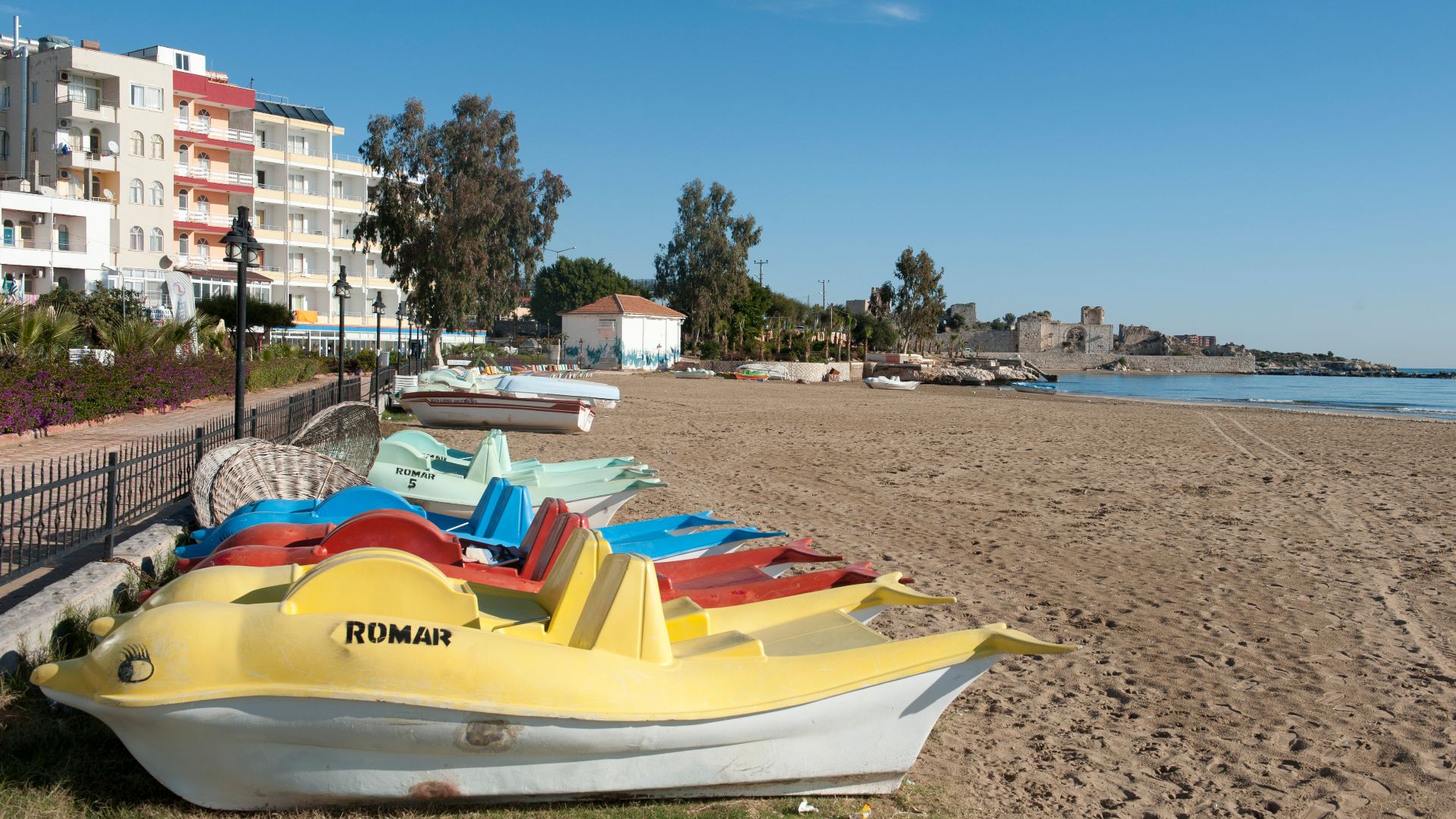
Warm-weather resorts may still offer pleasant temperatures during shoulder season. However, water temperatures, beach services, and water sports may not match peak-season expectations. Lifeguards, rentals, or beachside restaurants sometimes operate on reduced schedules.
Festivals Do Not Follow The Same Calendar
Many destinations build their tourism around seasonal festivals, cultural events, or sporting competitions. Traveling just before or after those dates may mean missing experiences that attracted visitors in the first place. Reviewing local event calendars is an important planning step.
Photography Can Actually Improve
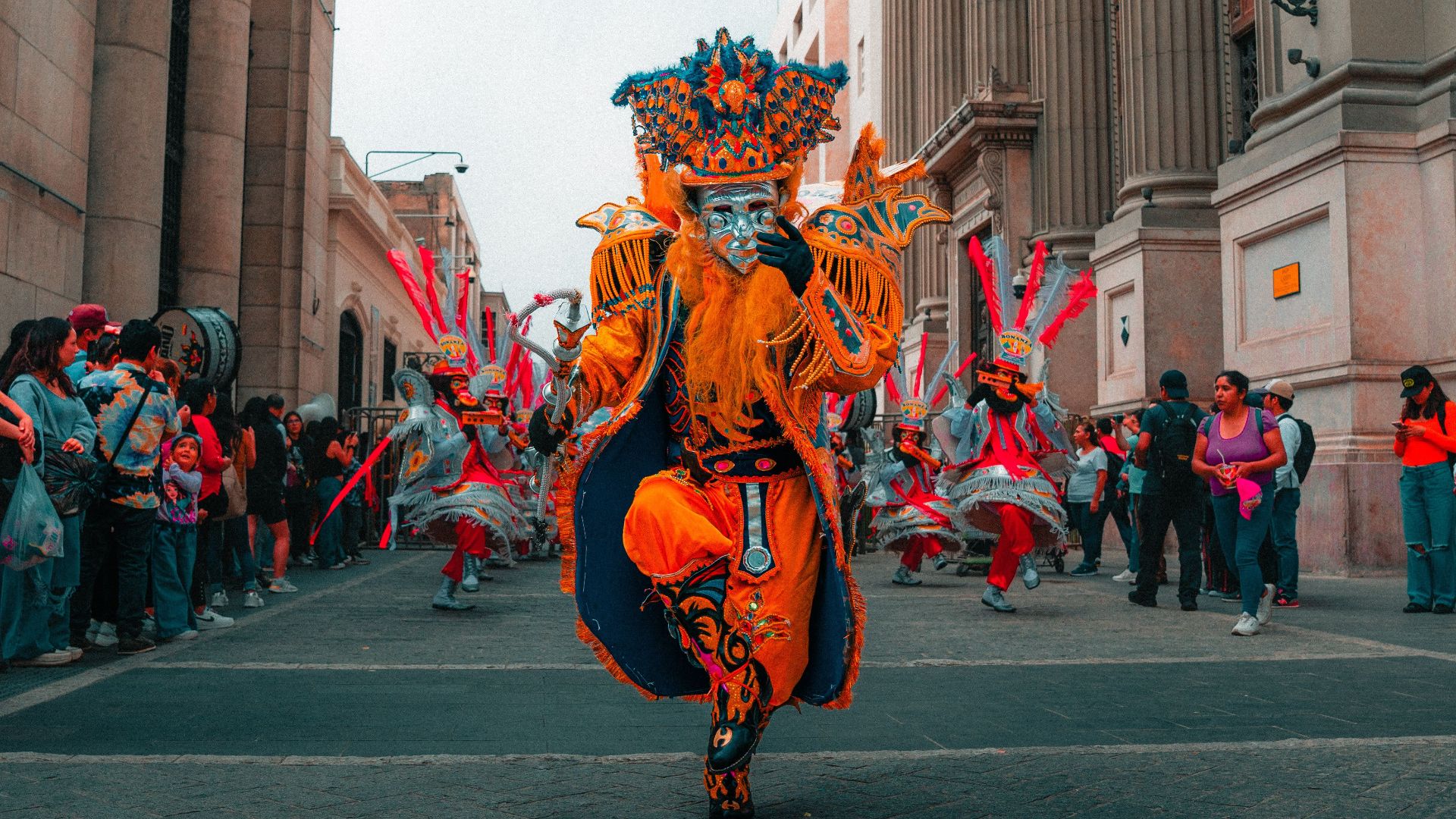
Photographers often appreciate softer lighting, colorful seasonal scenery, and fewer people in famous locations. Fall leaves, spring flowers, or snow-covered landscapes create dramatically different images than busy summer scenes. The quieter conditions can make photography much easier.

Flexibility Becomes More Important
Travelers during shoulder season benefit from having backup plans. A closed attraction can become an opportunity to visit a nearby town, hike another trail, or enjoy a slower afternoon. Flexible itineraries usually produce the best experiences when seasonal conditions change unexpectedly.
Accommodation Choices May Be Smaller
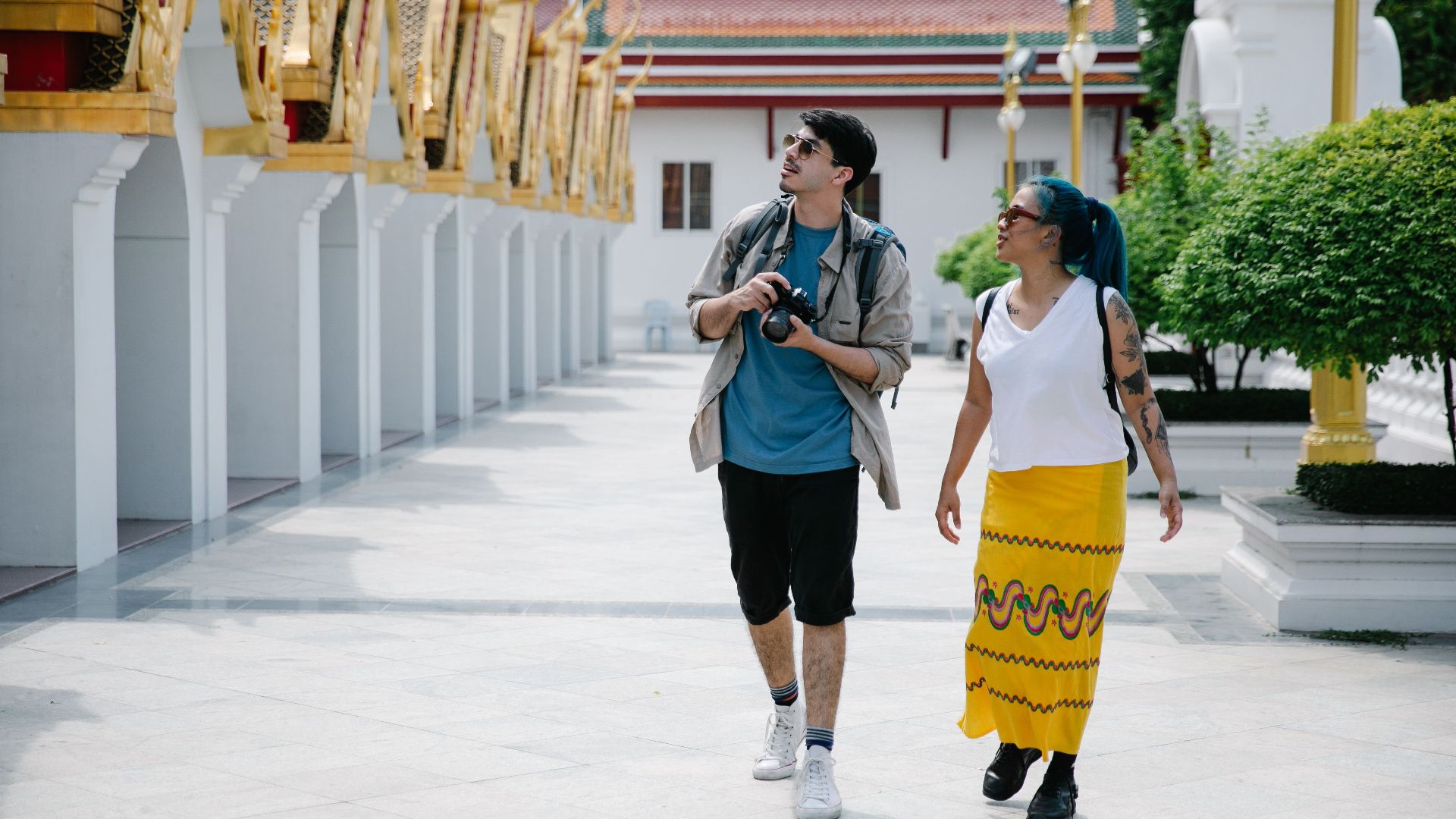
Although hotels frequently lower prices, not every property remains open year-round. Boutique hotels, mountain lodges, and family-run inns sometimes close temporarily for maintenance or staff vacations. Booking early still matters, even during quieter periods.
 Eric Jones , Wikimedia Commons
Restaurants Might Surprise You
Some highly rated restaurants close for several weeks each year because local tourism slows dramatically. Visitors who arrive without reservations or research may discover their first dining choice is unavailable. Fortunately, quieter seasons often make it easier to try alternative local favorites.
 Basile Morin, Wikimedia Commons
Shoulder Season Is Different Around The World
A destination's climate largely determines its tourism calendar. Shoulder season in Japan may center on spring blossoms or autumn foliage, while tropical destinations may balance rainfall against visitor numbers. There is no universal shoulder season that applies everywhere.
Families Face Different Challenges
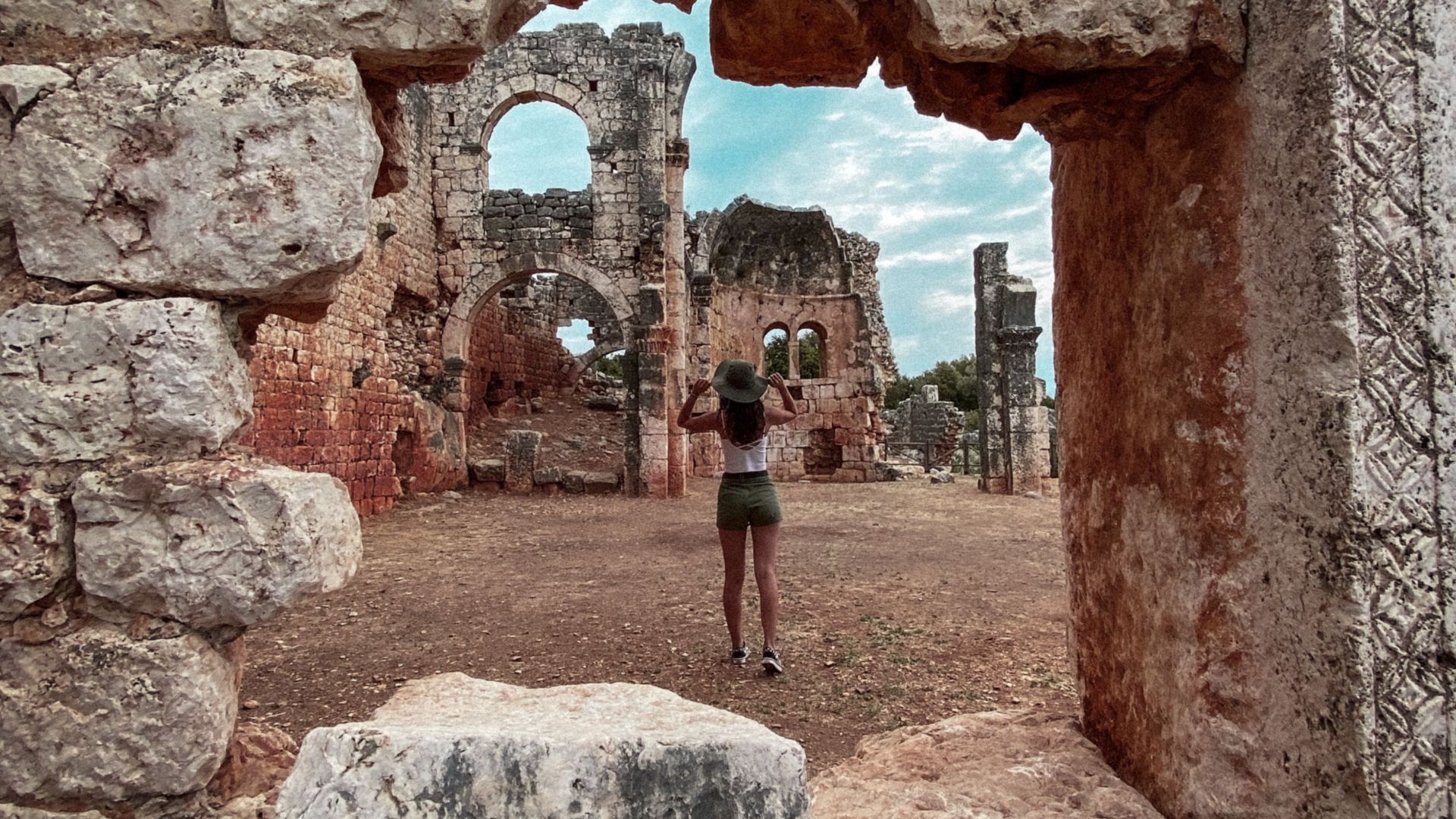
Parents traveling with school-aged children often have fewer opportunities to visit during shoulder seasons. School calendars naturally push many families toward summer vacations. Adults with flexible schedules usually benefit the most from off-peak travel opportunities.
Research Saves More Money Than Discounts
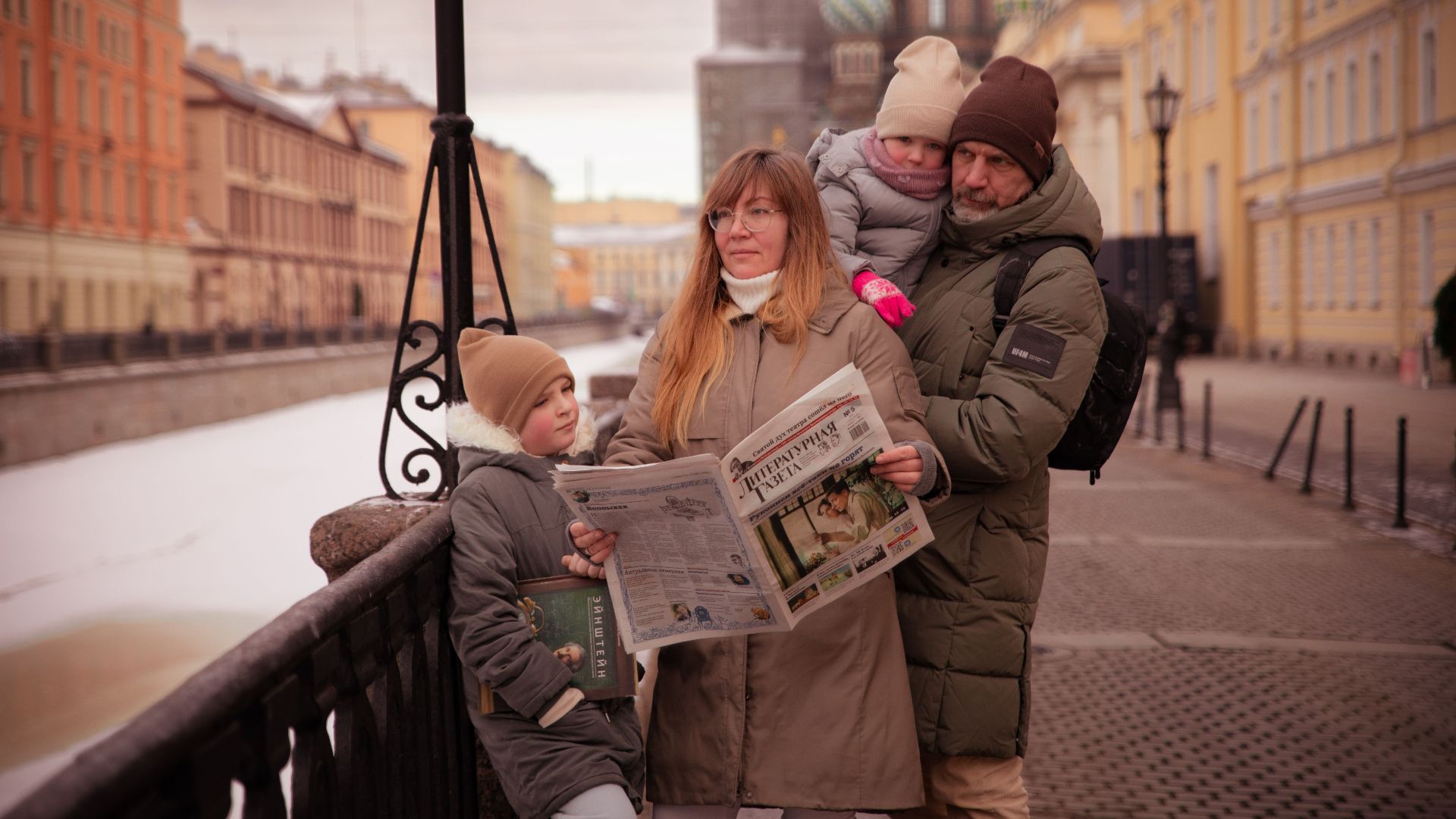
Saving money on airfare means little if expensive attractions are unavailable. Checking attraction websites, seasonal operating calendars, and transportation schedules before booking helps travelers understand exactly what will be open. A little planning often prevents costly surprises.
Tourism Workers Need Seasonal Balance
Many destinations rely heavily on seasonal tourism for employment. Businesses adjust staffing and operating hours to match expected visitor numbers. Those decisions help control costs but can reduce services available during quieter months.

Sometimes Peak Season Really Is Better
Certain experiences simply work best during their busiest months. Full entertainment schedules, complete attraction access, and ideal weather may justify paying higher prices. Travelers focused on checking major sights off their list may appreciate peak season more than expected.
Sometimes Off Season Wins Easily
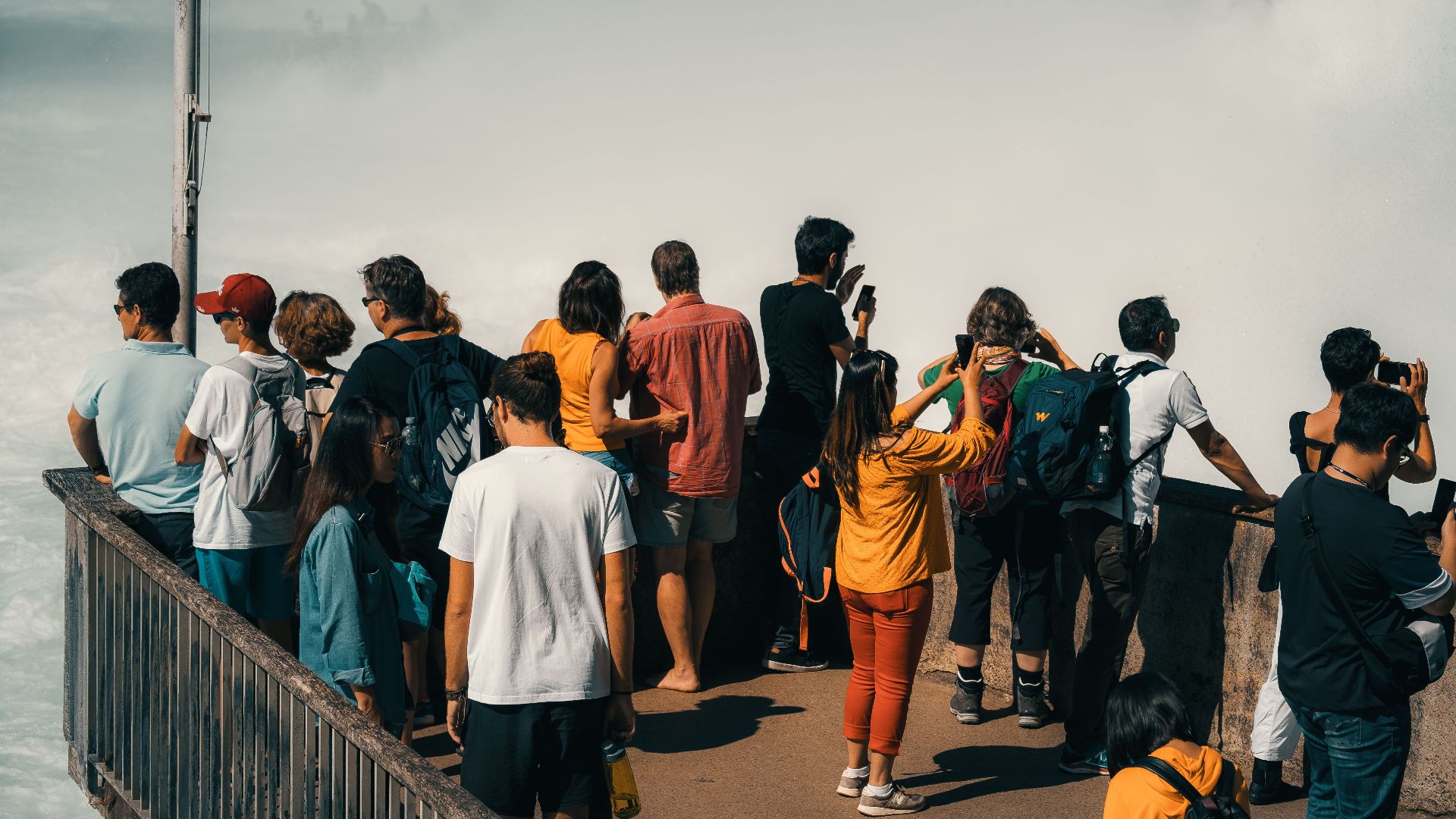
If your goal is peaceful hiking, quiet museums, or avoiding long lines, shoulder season often delivers exactly that. Accepting a few closures may be worthwhile when the overall atmosphere feels calmer. The experience depends on what matters most to you.
Ask The Right Questions Before Booking
Instead of asking whether shoulder season is cheaper, ask whether your must-see attractions will actually be operating. Verify transportation schedules, restaurant hours, weather expectations, and local events. Those answers determine whether a trip feels like a bargain or a disappointment.

Off Season Is Not Overrated, But It Is Not Magic
Shoulder season is neither a hidden travel hack nor a guaranteed mistake. It rewards travelers who prioritize flexibility, research, and realistic expectations. When your plans match the season, off-peak travel can become one of the most enjoyable ways to explore the world.
You May Also Like: