
The “Single Tax” Of Family Travel
If you've ever been the only unattached adult on your big annual family trip, you probably know the routine. Everyone else gets paired off, and somehow you become the automatic roommate for cousins, kids, or whoever is left over. It may seem practical, but that doesn't mean you have to go along with it every time. But as with all things family, you have to be careful how you approach it.

Yes, It Is Okay To Say No
The short answer is yes. Wanting your own hotel room is a normal travel preference, not a flaw. Being single does not make your privacy worth less than anyone else’s comfort.

Why This Keeps Happening
Families often assign rooms based on relationship status instead of actual needs. Couples get treated like fixed units, while the single adult is seen as flexible. That may save money for the group, but it can also mean the same person gives up privacy again and again.

Travel Is Supposed To Be Restful
A hotel room is not just a place to dump your bags. It is where you sleep, recharge, shower, change clothes, and get a little quiet after a long day. If sharing a room makes it harder for you to rest, that matters.

Privacy Is A Real Need
Many adults need downtime to function well, especially on busy family trips. Too much togetherness can make even a fun vacation feel draining. Asking for your own room is often about protecting your energy, not rejecting your relatives.

Money Is Usually The Real Issue
In a lot of families, the pressure to share comes down to budget. Hotel rooms are expensive, and splitting costs can make a trip possible for more people. That is a real concern, but it still does not erase one person’s boundaries.

Hotels Price Rooms By Occupancy For A Reason
Major hotel booking and loyalty sites note that room rates and policies can vary by occupancy, room type, and local rules. That matters because adding extra people is not always as simple as squeezing in another suitcase. If your family expects you to absorb extra roommates, it is fair to ask whether the setup even fits the hotel’s stated rules.
 KONSTANTIN_SHISHKIN, Shutterstock
Not Every Room Is Meant For Extra Guests
Hotels often set maximum occupancy limits based on fire safety, bedding, and local regulations. That means a room that works for one adult may not be right for three or four people. If cousins are being added just for convenience, the plan should be checked against the hotel’s actual policies before anyone assumes it is fine.
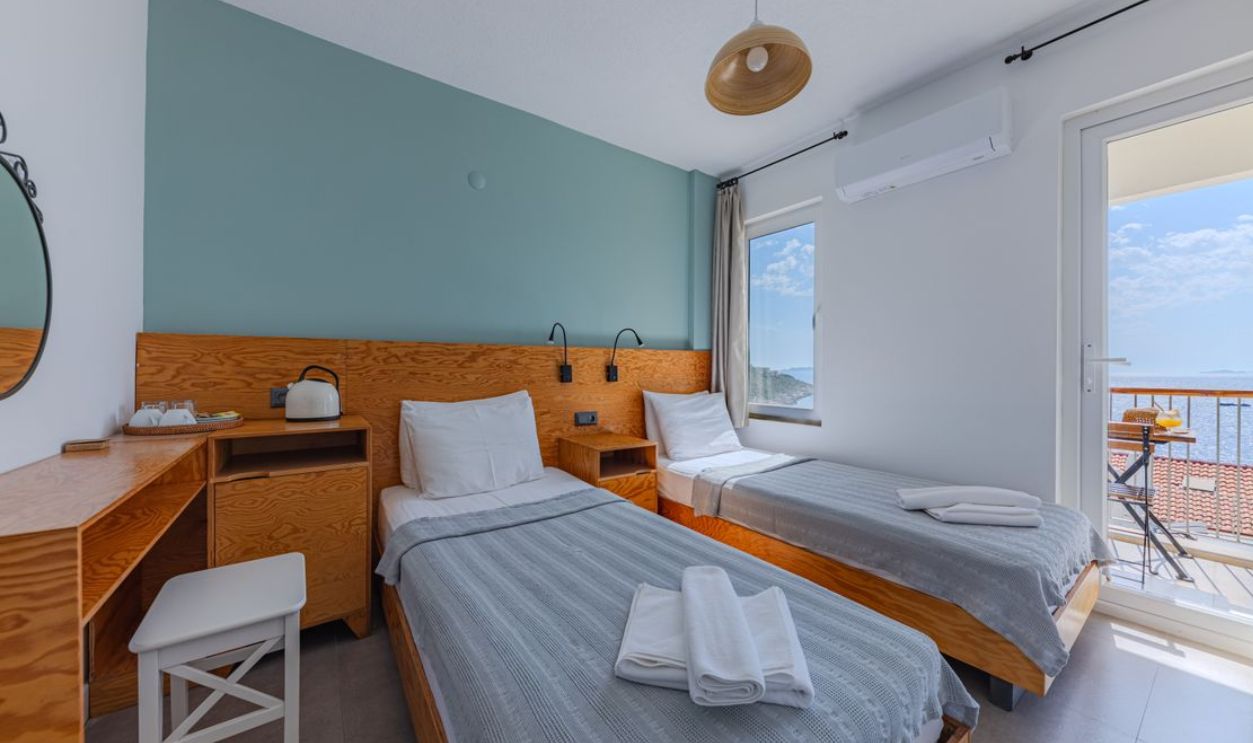
Sleep Quality Changes Everything
The Centers for Disease Control and Prevention says adults need enough sleep for health and well-being. Travel already throws off routines, and crowded rooms can make sleep worse with different bedtimes, alarms, snoring, and lights. If you know sharing a room leaves you miserable, that is useful information, not selfishness.

Stress On Vacation Is Still Stress
The American Psychological Association has long reported that chronic stress affects health, mood, and daily functioning. Family travel can be great, but it can also pile on noise, scheduling, and tension. Protecting your downtime can help you show up more calmly for everyone else.

Adults Are Allowed To Want Boundaries
Setting boundaries is a standard mental health concept, not just trendy language. Public guidance from mental health organizations consistently frames boundaries as a healthy way to define limits and protect well-being. Saying no to room-sharing fits that idea perfectly.

Being Single Does Not Make You The Default Babysitter
Sometimes the hotel room issue is really about labor, not lodging. The single adult gets paired with younger cousins because someone assumes they can handle bedtime, late-night wakeups, or other logistics. If that expectation was never clearly discussed, it is reasonable to push back.

Fairness Matters More Than Tradition
Families often defend these arrangements by saying it is how things have always been done. Tradition can be comforting, but it is not automatically fair. If the same person always gets less privacy because they are single, that pattern is worth questioning.

It Helps To Decide What You Actually Want
Before you bring it up, get clear with yourself. Do you want your own room every trip, or only on longer trips, work-heavy trips, or trips where you are already paying full price anyway? The more specific you are, the easier it is to explain your position without sounding vague or reactive.
 ElenaKaretnikova, Shutterstock
Bring It Up Early, Not At Check-In
Timing matters. A calm conversation before anyone books rooms is much easier than a tense debate in a hotel lobby. If you wait until the trip is already planned, your family may hear your boundary as a last-minute problem instead of a reasonable preference.

Use Plain Language
You do not need a dramatic speech. A simple statement like, “I am going to book my own room this trip because I sleep better and need some quiet space,” is often enough. Clear and direct usually works better than a long emotional explanation.

Do Not Over-Argue Your Case
One trap is feeling like you have to prove your need for privacy beyond all doubt. You probably do not. Your room choice is a personal decision, especially if you are paying for it yourself.

Offer Practical Alternatives
If your family is worried about cost, you can still be helpful without giving up your boundary. You might suggest a different hotel, a shorter stay, booking earlier for lower rates, or room types that better fit the rest of the group. That shows you are trying to solve the problem, not create one.

Paying Your Own Way Changes The Conversation
If you can afford it, offering to cover your own room often removes the biggest objection. It does not guarantee everyone will like it, but it makes the issue less about shared costs. Then the conversation becomes what it really is: whether your family respects your preferences.

If You Cannot Afford A Solo Room, Be Honest
There is no shame in having budget limits. In that case, you can still negotiate for better conditions, like sharing with one adult instead of several cousins, choosing a room with separate beds, or setting clear expectations around sleep and privacy. Boundaries do not have to be all or nothing.

Expect Some Pushback
People who benefit from a system are often annoyed when it changes. Your family may call you difficult, dramatic, or selfish simply because your no creates inconvenience for them. That reaction does not automatically mean your boundary is wrong.

Guilt Is Not The Same Thing As Obligation
Family pressure can make a reasonable request feel harsh. But feeling guilty does not mean you owe everyone access to your space. Many adults are taught to confuse compliance with kindness, especially in family settings.

You Can Be Kind And Firm
There is a big difference between refusing rudely and declining respectfully. You can say you love traveling with everyone and still want your own room. Warmth helps, but clarity is what keeps the same argument from popping up on the next trip.

Special Cases Are Worth Thinking Through
If a trip involves caregiving, a medical issue, or a relative who truly needs help, that may call for a different conversation. Even then, help should be requested directly, not assigned by default because you are single. A fair family plan names the need and shares responsibility openly.

What If They Say You Are “Wasting Money”?
Adults spend money on comfort all the time, especially while traveling. People upgrade flights, choose direct routes, and pay extra for better locations because convenience has value. Paying for privacy can follow that same logic if it makes the trip easier and more manageable for you.

Your Vacation Counts Too
One of the messiest parts of family travel is that some people see the single adult as an overflow solution instead of a full participant with their own needs. That framing can quietly turn your vacation into a support role. It is okay to reject that role.

A Good Rule For Future Trips
If room assignments are being discussed, ask one simple question: “What arrangement is fair for everyone, not just easiest for the group?” That gets to the heart of the issue fast.

The Bottom Line
It is okay to say no to sharing your hotel room with cousins just because you are single. Privacy, sleep, and personal space are legitimate travel needs for adults, and family expectations do not erase them. If you want your own room and can manage the cost or negotiate a better setup, saying so is completely reasonable.