
The Apartment Was Convenient Until The Bags Had Nowhere To Go
Dragging suitcases around a city for several hours is nobody’s idea of a relaxing start to a vacation. Yet many travelers discover too late that their apartment-style stay can’t accept bags before check-in or after checkout. The explanation isn’t always as simple as an unhelpful host.
Hotels Commonly Have A Place For Bags
Many traditional hotels will hold luggage for registered guests before their room is ready or for several hours after checkout. Marriott, for example, says many properties offer this service, although availability and individual hotel policies vary. A staffed front desk, bell desk, and dedicated storage room make the arrangement relatively easy to manage.

Apartment Stays Operate Differently
A vacation apartment may offer more space, a kitchen, and a residential setting, but it often lacks hotel infrastructure. There may be no lobby, concierge, baggage room, or employee stationed at the property. Once those differences become clear, the lower rate or extra space can come with a less flexible arrival and departure experience.

“Local Rules” Can Mean Several Things
A host may use that phrase to describe municipal short-term-rental regulations, condominium bylaws, lease restrictions, fire rules, insurance requirements, or building-security policies. Those aren’t all the same thing. It’s reasonable to ask which specific rule prevents luggage storage rather than assuming the city has banned it everywhere.

The Building May Restrict Unregistered Visitors
Some residential buildings don’t allow guests to enter before the reservation begins or remain after it ends. Concierges may also refuse to supervise luggage for short-term rental occupants. From the building’s perspective, storing bags can involve granting access to someone who isn’t currently an authorized resident or registered guest.

The Host May Not Be On-Site
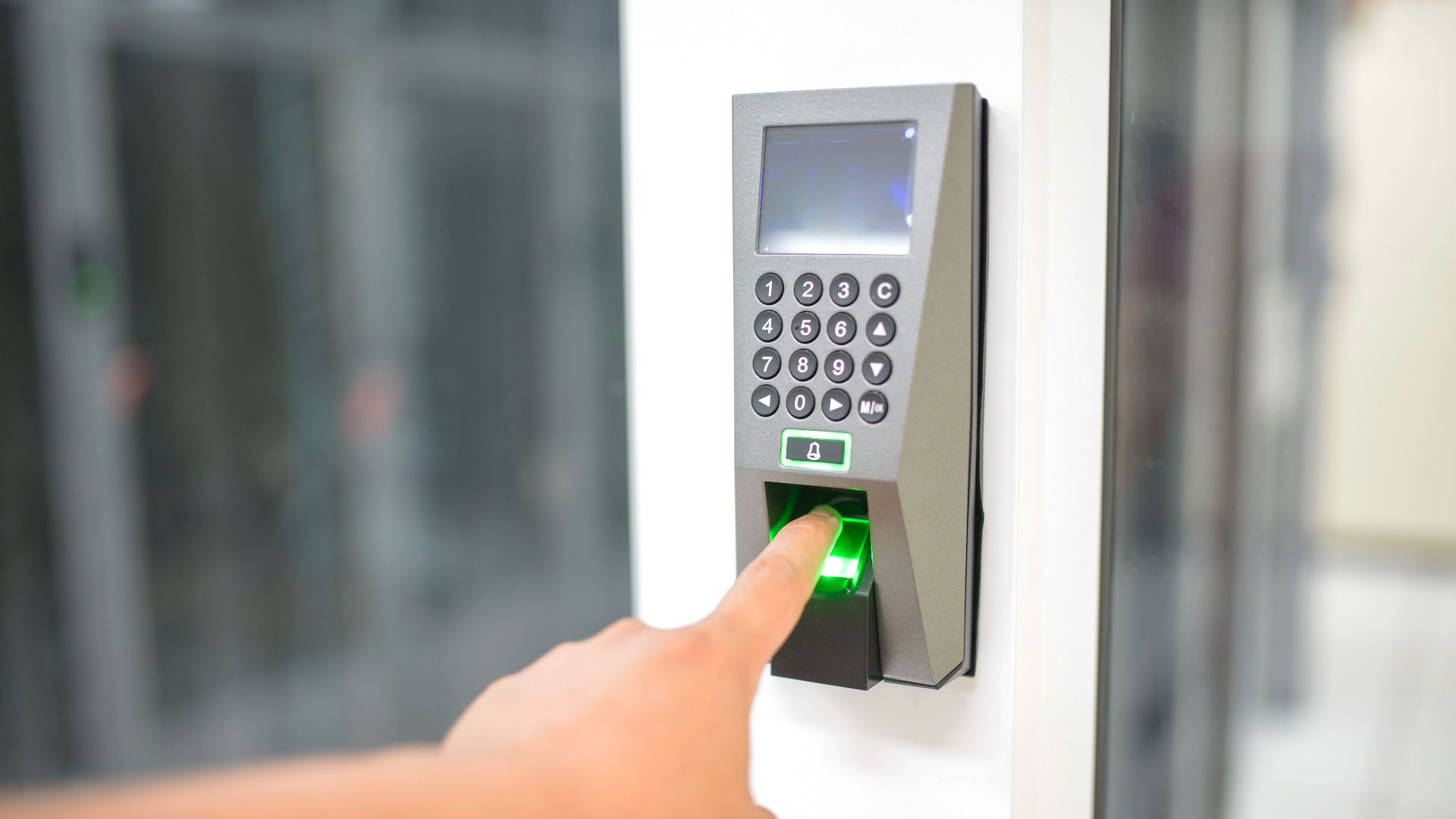
Many apartment stays use keypads, lockboxes, or remote check-in rather than an in-person host. Airbnb’s guidance notes that self-check-in methods can include smart locks, keypads, and lockboxes. Those systems can provide convenient arrival access, but they don’t create anyone who can accept and watch bags several hours earlier.
The Property May Still Be Occupied
Before check-in, the previous guests may still be inside or the cleaning team may be preparing the apartment. After checkout, cleaners or new guests may need immediate access. Leaving suitcases in the unit can interfere with turnover and create confusion about which belongings belong to which reservation.

Hosts May Be Worried About Liability
If luggage is lost, damaged, stolen, or mistaken for abandoned property, the guest may expect compensation. A small independent host may have no formal baggage-handling procedure or insurance intended for stored belongings. Refusing storage can therefore be a way of avoiding responsibility the host isn’t equipped to manage.

Security Can Be A Genuine Concern
An unattended suitcase inside a residential lobby, hallway, utility room, or shared entrance can create security concerns. Other residents may not know who owns it or why it was left there. Even when the host wants to help, building management may prohibit baggage from being stored in common areas.

Checkout Usually Ends Access To The Property
Airbnb’s guest rules say belongings shouldn’t remain at a listing after the designated checkout time for later collection unless the host has approved it. Once the reservation ends, the host needs to prepare the property for the next booking and regain control of access. That makes post-checkout storage something guests should request, not assume.

Early Bag Drop Isn’t The Same As Early Check-In
A host may allow guests to leave luggage without giving them full access to the apartment. However, even a quick bag drop can interrupt cleaning, require someone to meet the guest, or place belongings in a unit that hasn’t yet been inspected. That’s why some hosts refuse both requests rather than trying to separate them.

Ask Before Making The Reservation
If the flight arrives early or leaves late, contact the property before booking. Ask whether luggage can be left before check-in, after checkout, or with another person in the building. Airbnb allows travelers to contact a host before reserving, which is the best time to clarify arrangements that could affect whether the property works for the trip.

Get The Answer In Writing
A vague message such as “It should probably be fine” isn’t dependable enough for a day involving several suitcases. Ask for the permitted times, location, price, and collection procedure through the booking platform. Written confirmation gives both sides a clear record of what was agreed.

Read The Check-In And Checkout Details Carefully
Look beyond the advertised check-in time. Review the listing’s access method, house rules, luggage policy, front-desk availability, and checkout instructions. Airbnb says checkout instructions may be available in the reservation information, while detailed check-in information generally appears closer to arrival.

Request Early Check-In Or Late Checkout
The simplest solution may be extending the actual reservation. Some hosts will provide early entry or late departure when the booking calendar and cleaning schedule allow it. There may be a fee, but paying for several extra hours can be worthwhile when the alternative is dragging luggage around the city.

Booking An Extra Night May Be Worth It
For a very early arrival, reserving the apartment from the previous night can guarantee access after landing. A late departure can sometimes be handled by booking the following night as well. This is an expensive solution, but it may make sense for families, large groups, overnight flights, or travelers with mobility needs.

Look For A Professional Luggage Service
Third-party storage companies partner with hotels, shops, cafés, and other businesses that hold bags for a fee. Airbnb now promotes Bounce storage for eligible reservations through its Trips section at thousands of locations. Availability, hours, size limits, and security procedures should still be checked before relying on a particular location.
Train And Bus Stations May Have Lockers
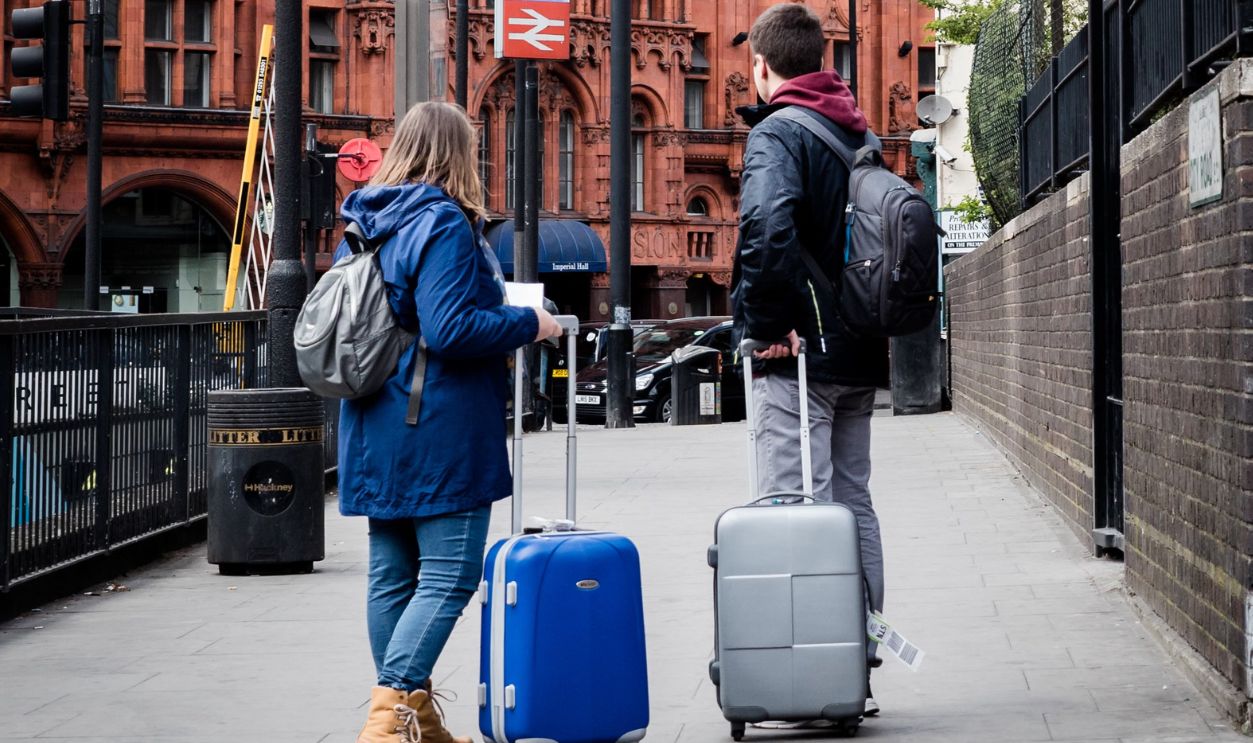
Major transportation hubs sometimes offer lockers or staffed left-luggage facilities. These can be especially convenient when the station is already part of the day’s route. Check locker dimensions, payment methods, operating hours, and maximum storage periods, since a large suitcase may not fit.
Airports May Offer Storage
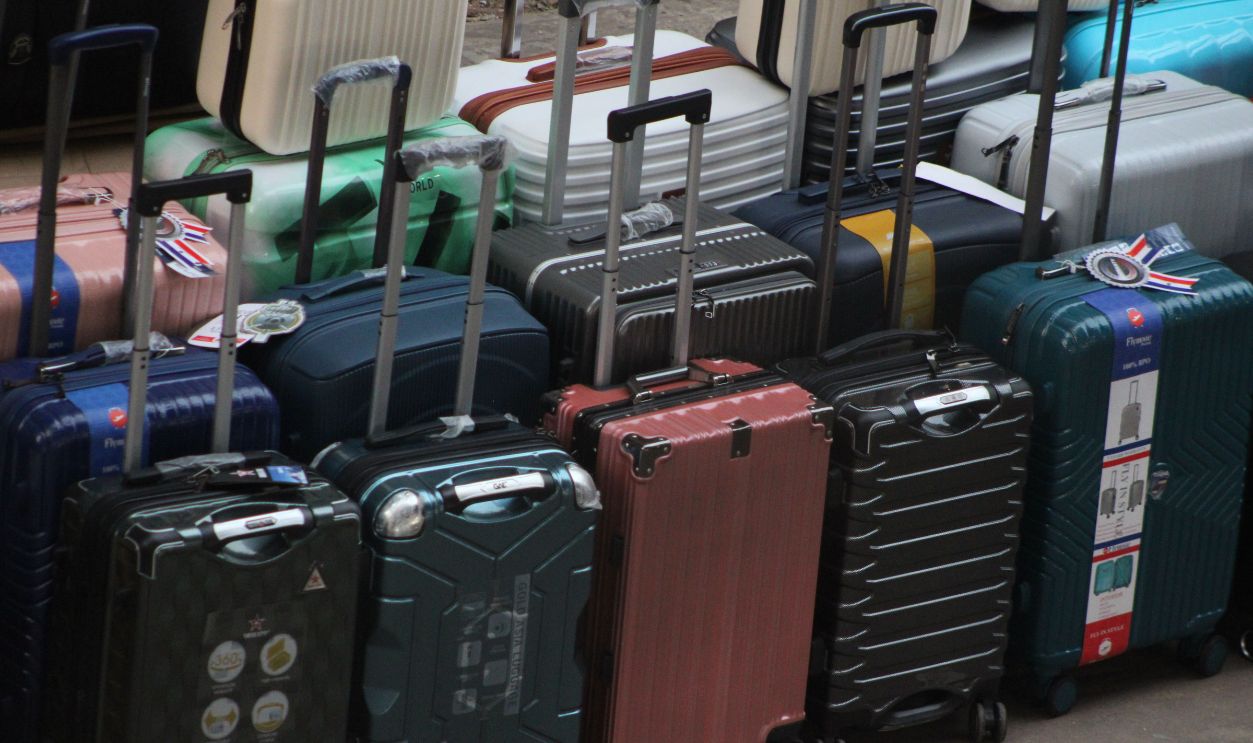
Some airports have baggage-storage counters or lockers, particularly at major international hubs. This can work well when the day’s activities remain near the airport or when a late flight follows a short city visit. Returning to the airport solely to collect luggage may be too time-consuming, so include that extra journey in the plan.
Ask A Nearby Hotel, But Expect A Fee
Some hotels store bags only for their own guests, while others may accept outside luggage through a paid service or partner platform. Don’t walk into a lobby assuming the staff will make an exception. Call first, explain that you aren’t staying there, and ask whether paid storage is available.

A Day-Use Room Can Solve Several Problems
A hotel room reserved for part of the day provides luggage storage, privacy, a shower, rest, and a place to work. It can be particularly useful after an overnight flight or before a late departure. The cost may be higher than a storage locker, but several travelers can share the benefit.

Pack A Separate Day Bag
Keep medication, passports, electronics, valuables, weather gear, and anything needed before check-in in a small bag that stays with you. The larger suitcases can then be placed in storage without repeated access. This also prevents a delayed or inaccessible bag from ruining the first day.

Travel Lighter When Timing Is Awkward
A carry-on suitcase or backpack is easier to manage than several full-size bags when storage isn’t guaranteed. Packing light won’t make hours of sightseeing with luggage enjoyable, but it creates more options. Travelers can use public transit, enter cafés, or navigate stairs more easily when they aren’t handling oversized cases.

Never Store Essential Valuables Casually
Keep passports, money, medication, keys, jewellery, and expensive electronics with you unless a secure provider specifically accepts responsibility for them. Even reputable services may exclude certain valuables from their guarantees. Photograph the bags, use identification tags, and keep any claim ticket or digital receipt.
Plan The First And Last Days Around The Bags
When storage options are limited, avoid scheduling museums with strict baggage rules or long walking tours immediately after arrival. Choose a café, scenic ride, relaxed lunch, or neighbourhood where luggage is manageable. On departure day, select activities near the storage site or transportation terminal to avoid unnecessary backtracking.

The Restriction Is Common Enough To Plan Around
Hotels frequently have the staff and space to hold bags, but apartment-style stays may not. Residential access rules, cleaning schedules, insurance concerns, and the absence of a front desk can all make storage impossible. Before booking, ask directly, verify the answer in writing, and locate a paid storage option nearby. The apartment may still be a good choice, but its price should be compared with the extra time, fees, and inconvenience created when the bags have nowhere to go.
You May Also Like: