A Wedding Trip Gone Sideways
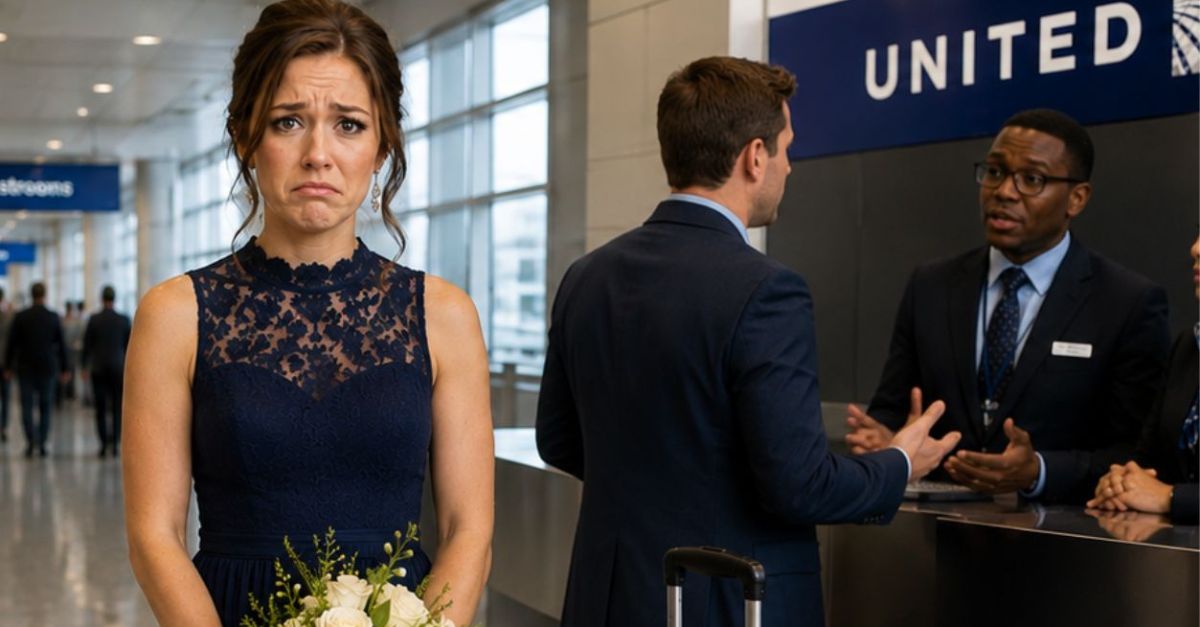
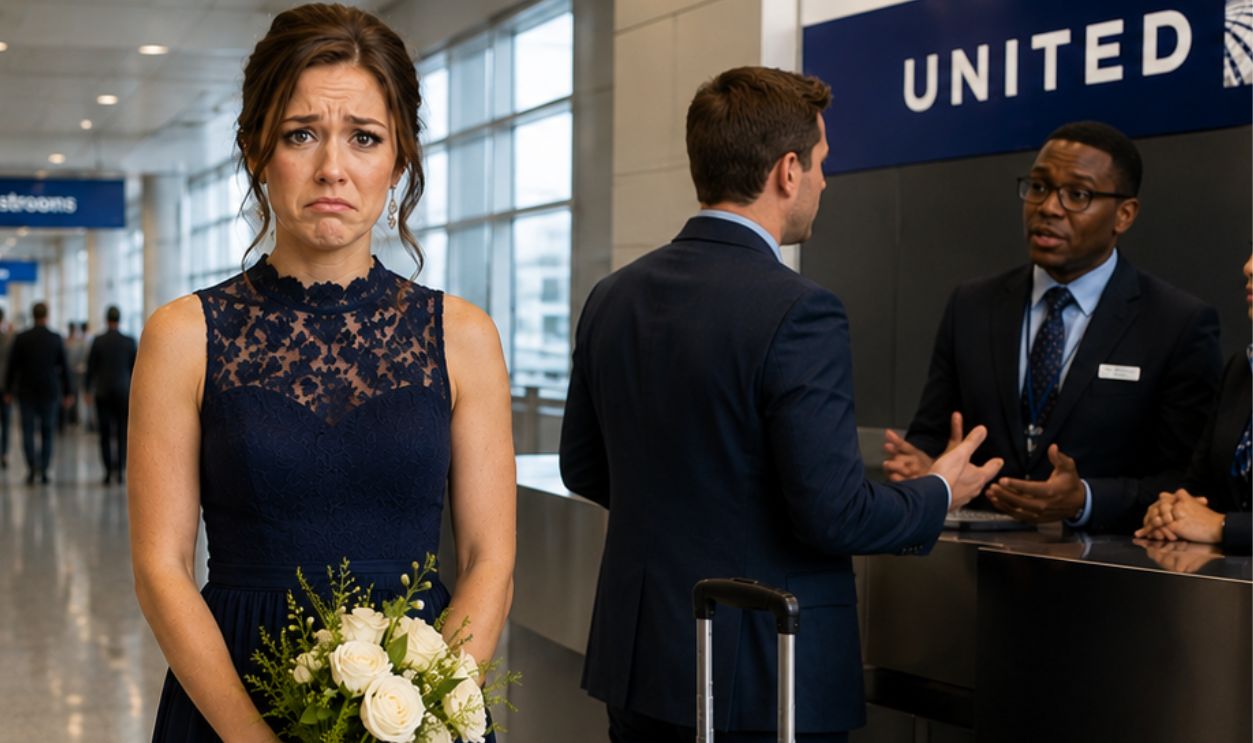
You pack the dress, the suit, the shoes, and the gifts, then trust the airline to get them to the wedding city on time. Instead, the carousel stops, your name is never called, and suddenly you don't have your bridesmaid dress. It feels outrageous, but no matter how special the occasion is, airlines can and do limit what they will pay when checked bags go missing.
The Short Answer
Yes, airlines can usually cap compensation for lost, delayed, or damaged checked bags. In the United States, that limit is set by federal rules for domestic flights, while international trips are generally governed by a treaty called the Montreal Convention. That does not mean passengers are powerless, but it does mean there is a ceiling that can be far lower than the real cost of a wrecked wedding weekend.
 CBP Photography, Wikimedia Commons
Why This Feels So Unfair
A wedding is not just another trip with a few extra shirts in a suitcase. People often check formalwear, shoes, makeup, medications, accessories, and family keepsakes tied to a once-in-a-lifetime event. When those bags disappear, the money is one problem, but the stress and disruption can be even worse.
The Key Rule For Domestic Flights
For domestic U.S. itineraries, the Department of Transportation says airlines are liable for provable direct or consequential damages up to a maximum amount that is adjusted over time. The current maximum baggage liability limit for domestic flights is $4,700 per passenger, according to the DOT’s Aviation Consumer Protection page. That cap applies even if replacing everything for a major event costs more.
 U.S. Customs and Border Protection, Wikimedia Commons
What The DOT Actually Says
The DOT explains that airlines may not set their own lower limit below the federal maximum for domestic baggage liability. It also notes that compensation is based on the amount of damage passengers can prove, up to that ceiling. In plain English, the airline does not automatically owe the maximum just because the trip mattered a lot.
 Monkey Business Images, Shuttestock
International Flights Play By Different Rules
If your wedding travel involved an international route, a different legal framework usually controls the claim. The Montreal Convention generally limits airline liability for baggage to 1,519 Special Drawing Rights per passenger for destruction, loss, damage, or delay. That figure is not based on whether the missed event was casual or black tie.

What Is A Special Drawing Right
A Special Drawing Right, or SDR, is an international reserve asset used by the International Monetary Fund. Its value shifts over time based on a basket of currencies, so the dollar amount of that baggage cap can change. That is why travelers should check the current conversion when figuring out what an airline may owe on an international claim.

The Wedding Itself Does Not Raise The Cap
This is the hard part for many travelers. The legal limit usually does not increase because the missing bag held a bridesmaid dress, a tuxedo, or shoes for a ceremony that cannot be repeated. Airlines and courts focus on documented financial loss within the baggage rules, not on how important the event was.

Delay Versus Loss Matters
At first, your luggage may be classified as delayed rather than lost. That matters because airlines often reimburse reasonable interim expenses while they search for the bag, and only later process a full lost baggage claim if it is not recovered. The timeline and paperwork can vary by carrier, so filing right away is critical.

Reasonable Expenses Are Usually The Battleground
If the bag is delayed on the way to a wedding, the first question is what you can buy right away and still expect the airline to cover. The DOT says airlines may reimburse passengers for reasonable, verifiable, and actual incidental expenses caused by baggage delay, subject to the maximum liability limit. Keep receipts, because a last-minute replacement outfit can quickly become the core of your claim.
The Receipts Can Make Or Break It
Airlines generally want documentation for both what was in the bag and what you had to buy because it did not arrive. That means itemized receipts for emergency clothing, toiletries, undergarments, shoes, and wedding-day basics. Photos of packed items, purchase confirmations, and tailoring invoices can also help support the value of what was lost.
 CBP Photography, Wikimedia Commons
There Is No Automatic Payout For Emotional Distress
This is one of the toughest truths for travelers after a major event goes wrong. In practice, baggage compensation rules focus on financial loss, not heartbreak, embarrassment, or a wedding memory that cannot be recreated. Even when the airline’s failure ruins the trip, that usually does not lead to extra compensation beyond the legal cap.

Airlines Must First Offer Trace And Recovery
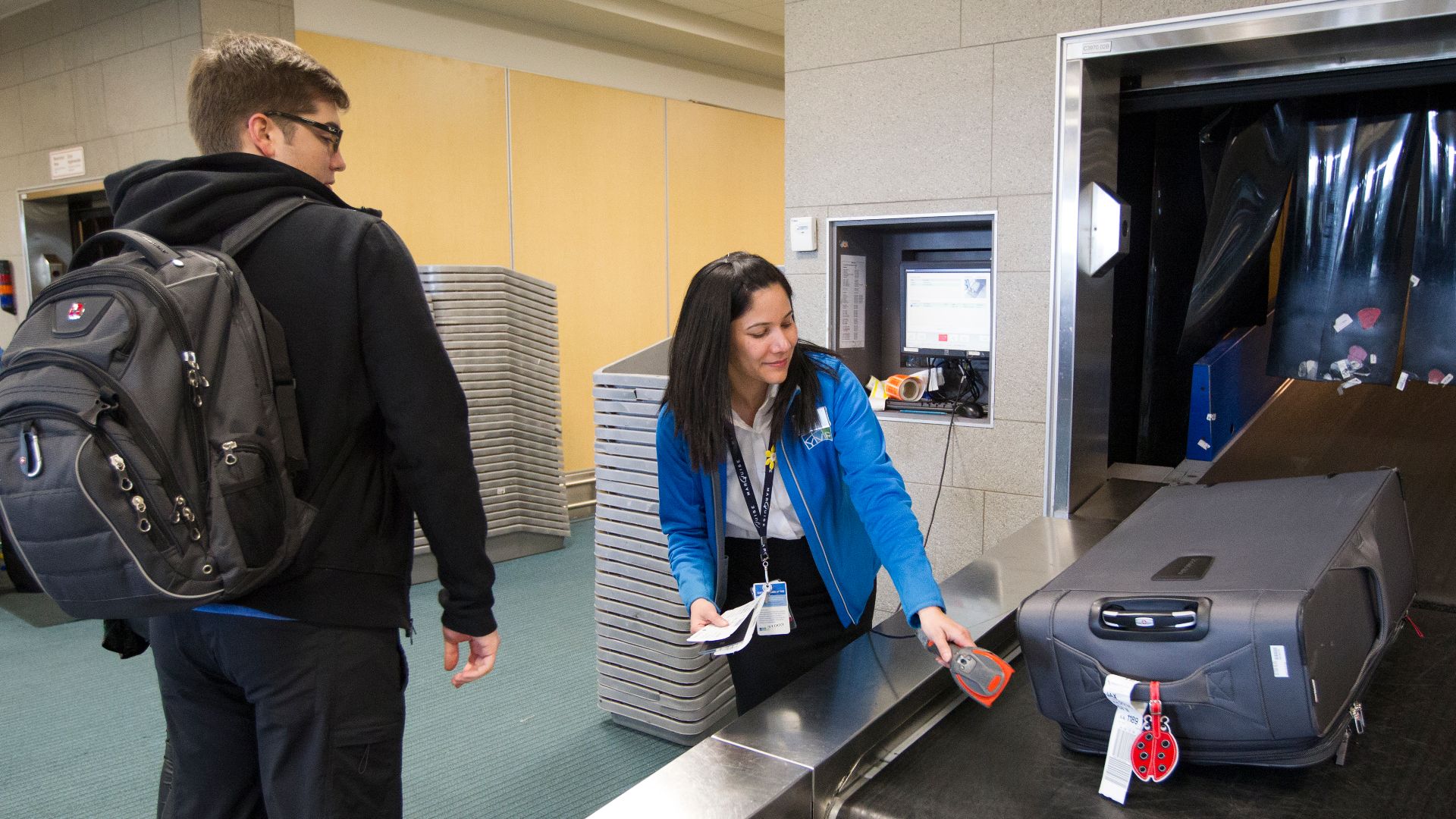
The first formal step is usually a delayed baggage report filed at the airport before you leave the baggage claim area. Airlines use tracing systems and interline processes to track bags that were misrouted or left behind. Filing that report quickly creates the paper trail you will need if the problem drags on.

Deadlines Are Easy To Miss
Claims for baggage problems often come with strict deadlines, especially on international itineraries. Under the Montreal Convention, complaints for damaged baggage must generally be made in writing within seven days, and delayed baggage within 21 days from the date it is placed at the passenger’s disposal. Wait too long, and even a valid claim can become much harder to enforce.

Domestic Rules Can Differ By Airline Procedure
For domestic flights, federal law sets the ceiling, but each airline’s contract of carriage lays out the procedures for reporting and documenting a baggage claim. That can include deadlines for written claims, excluded items, and instructions for reimbursement requests. Reading that contract is not exciting, but it can show exactly how the carrier plans to process or limit your case.

Some Items Are Special Trouble
Airlines often warn passengers not to put valuables, jewelry, electronics, cash, heirlooms, and irreplaceable items in checked luggage. If the missing wedding bag contained an expensive ring, luxury watch, or sentimental family jewelry, recovering the full value may be difficult. The airline may point to exclusions or argue that those items should have stayed in carry-on baggage.

Wedding Clothes Are Replaceable In Law, Not In Life
Legally, a lost dress or suit is usually treated as property with a provable dollar value. That is very different from how a bride, groom, parent, or wedding guest experiences the loss in real time. The law can reimburse a purchase, but it cannot recreate the original fit, color match, or emotional meaning of the item that vanished.

Consequential Damages Sound Bigger Than They Often Are
The DOT notes that for domestic flights, passengers can seek provable direct or consequential damages up to the liability cap. That sounds promising, but the word provable does most of the work. If you had to buy replacement formalwear and toiletries because of the delay, that is easier to document than a claim that wedding photos turned out worse because your original outfit never arrived.

What Airlines Usually Want To See
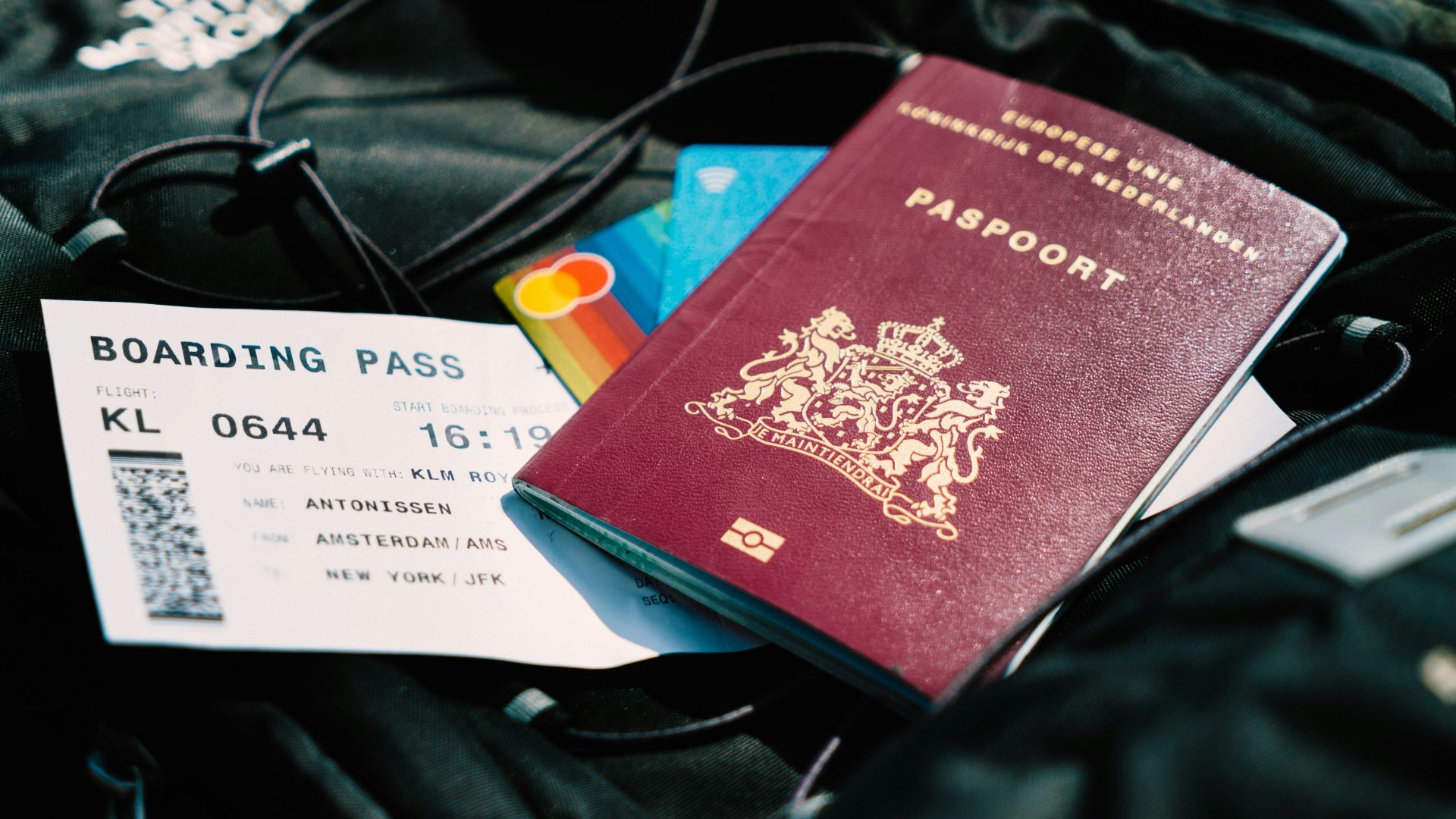
Expect requests for your bag tag, boarding pass, baggage report number, receipts for emergency purchases, and evidence of the value of lost items. The more organized your file, the better your chances of a smoother reimbursement process. A wedding emergency is chaotic, but a clean claim folder can save real money later.
Credit Cards And Travel Insurance Can Matter A Lot
Your airline is not always the only place to seek reimbursement. Some travel insurance policies and some credit cards include baggage delay or lost luggage benefits that can help fill gaps or pay faster than the carrier. Before buying replacement clothes in a panic, check your card benefits guide and policy terms so you know what paperwork they require too.

Excess Valuation Can Raise Protection On Some Trips
For certain domestic trips, some airlines let passengers declare a higher value for checked bags and pay an extra fee. This is often called excess valuation. It is not available in every situation, and it usually comes with limits and exclusions, but it can matter if you know you are traveling with unusually costly clothing or equipment.
 CBP Photography, Wikimedia Commons
International Travelers Have Another Option
The Montreal Convention also allows passengers, in some cases, to make a special declaration of interest in delivery at destination and pay a supplementary sum if required. If accepted, that can change the liability amount for baggage on that trip. Most travelers never do this, but for destination weddings and other formal events, it is useful to know the option exists before departure.

Do Not Wait To Buy Essentials
If your bag is delayed and the wedding is close, practical action matters more than outrage. Buy what you reasonably need to function and attend the event, but avoid extravagant purchases that may be hard to justify later. The strongest claims are the ones that look necessary, documented, and proportionate to the situation.

The Smartest Wedding Packing Move
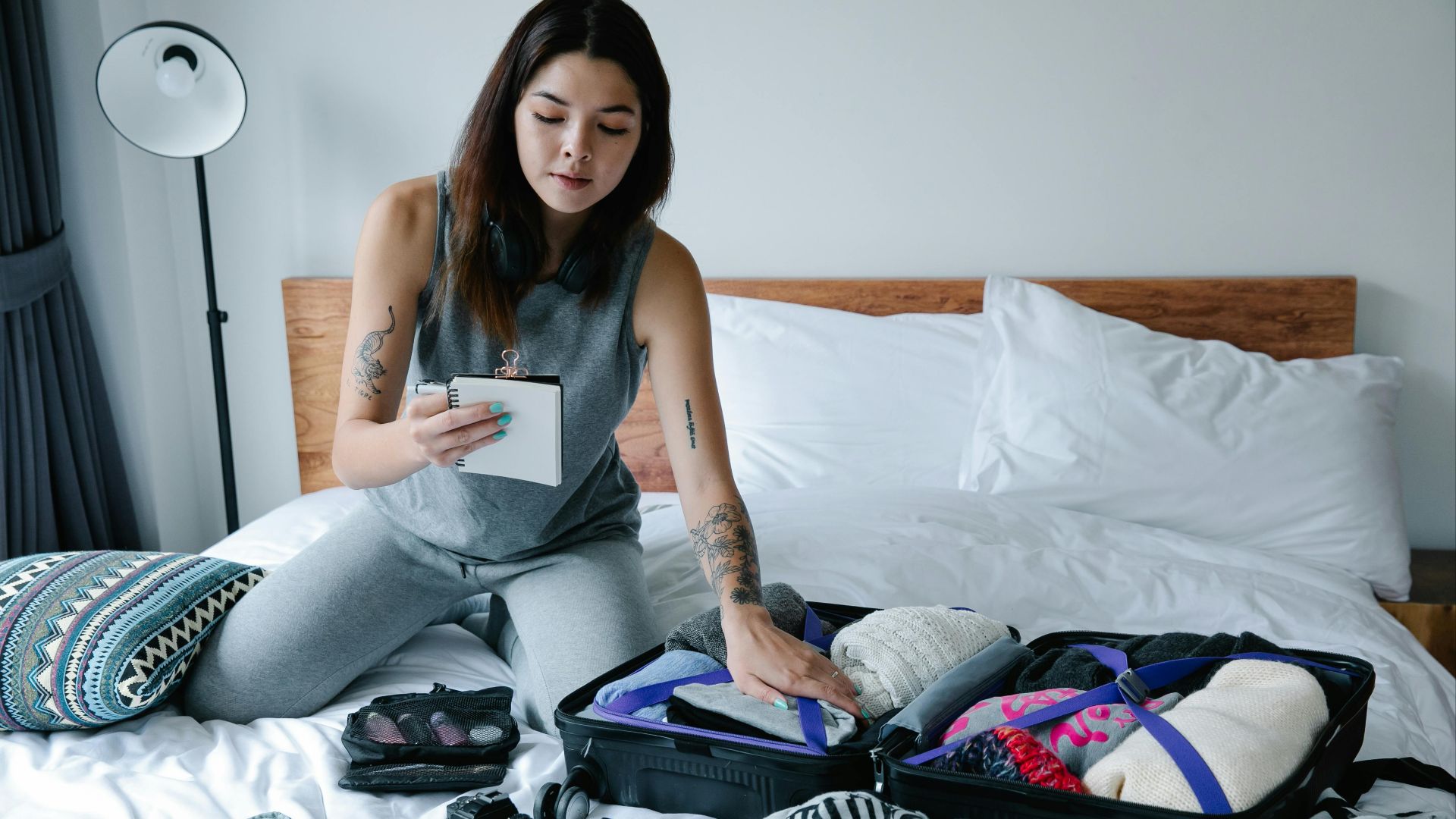
If there is one item you absolutely cannot lose, do not check it. Wedding attire, medications, jewelry, and anything impossible to replace quickly should travel in your carry-on whenever possible. This is the simplest way to avoid learning the hard way how baggage liability caps work.

How To Push Back If The Offer Is Too Low
If the airline denies part of your claim or offers too little, respond in writing with receipts, photos, and a clear explanation of why the expenses were reasonable. You can escalate within the airline, file a complaint with the U.S. Department of Transportation for domestic air travel issues, or seek help through your insurer or card benefits administrator. Persistence, documentation, and deadlines matter more than anger.

The Bottom Line For Wedding Travelers
Airlines really can limit compensation, even when a baggage failure derails a major life event. For domestic U.S. flights, the DOT’s baggage liability cap currently sits at $4,700 per passenger, while most international trips are governed by the Montreal Convention’s SDR-based limit. That makes prevention the smartest move, because once the bag is gone, the law usually pays for documented loss, not for the importance of the moment.

What To Do Before Your Next Big Event
Pack the must-have outfit in carry-on baggage, photograph what you check, save receipts for valuable clothing, and know your airline’s baggage rules before you leave home. Add travel insurance or use a credit card with strong baggage protections if the trip centers on a wedding or another milestone event. It is not glamorous advice, but it can keep a celebration from turning into a claims fight.