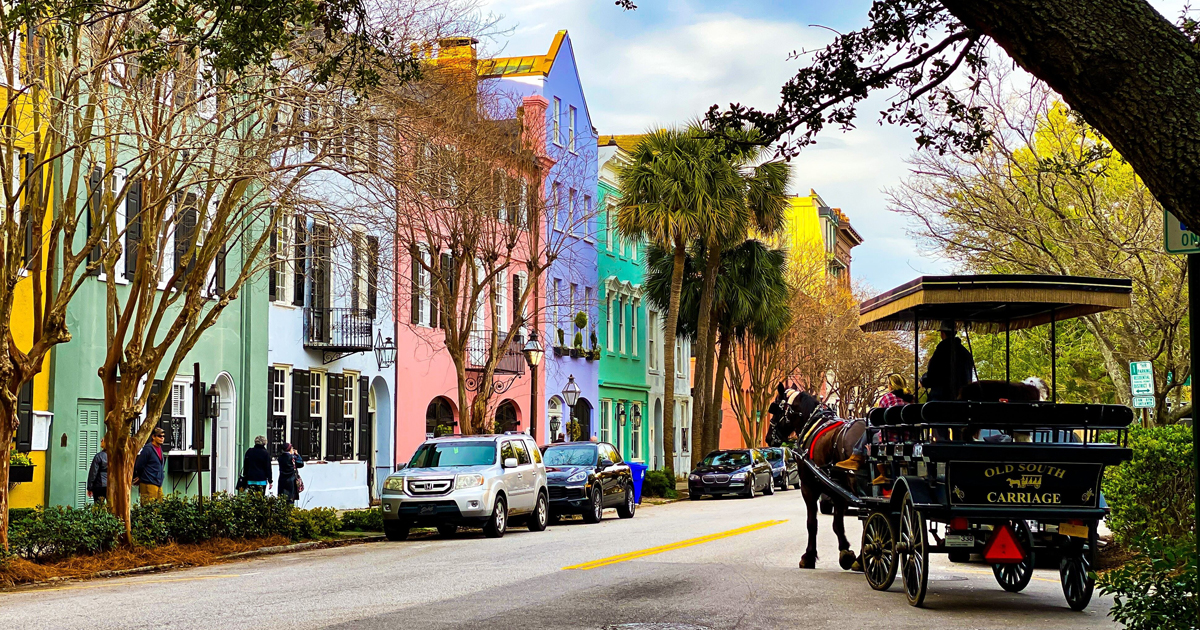
The “Walkable” Travel Trap
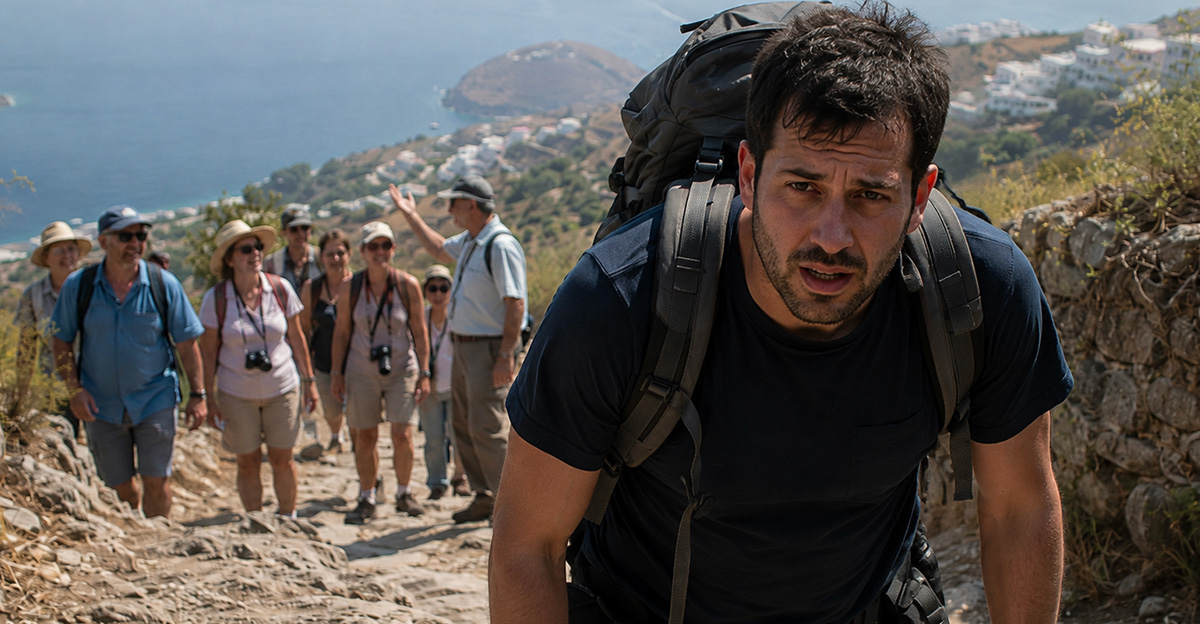
You booked a charming hotel, packed your favorite walking shoes, and imagined leisurely strolls between cafés and museums. Then you arrived and discovered that “walkable” apparently meant climbing a small mountain while dragging a suitcase over cobblestones. Shouldn’t somebody have mentioned that? Absolutely.
What Does “Walkable” Actually Mean?
In travel guides, walkable usually means that popular attractions are located reasonably close together. Unfortunately, it rarely explains what walking between those attractions actually feels like. A destination can be compact while still being exhausting, uncomfortable, or completely impractical for many visitors.

Distance Is Only Half The Story
Saying a restaurant is half a mile from your hotel sounds helpful. But is that half mile flat and smooth, or does it involve steep slopes, narrow passages, and 200 stone steps? Distance alone cannot tell travelers whether a journey will be pleasant or punishing.
A Mile Can Feel Like Five
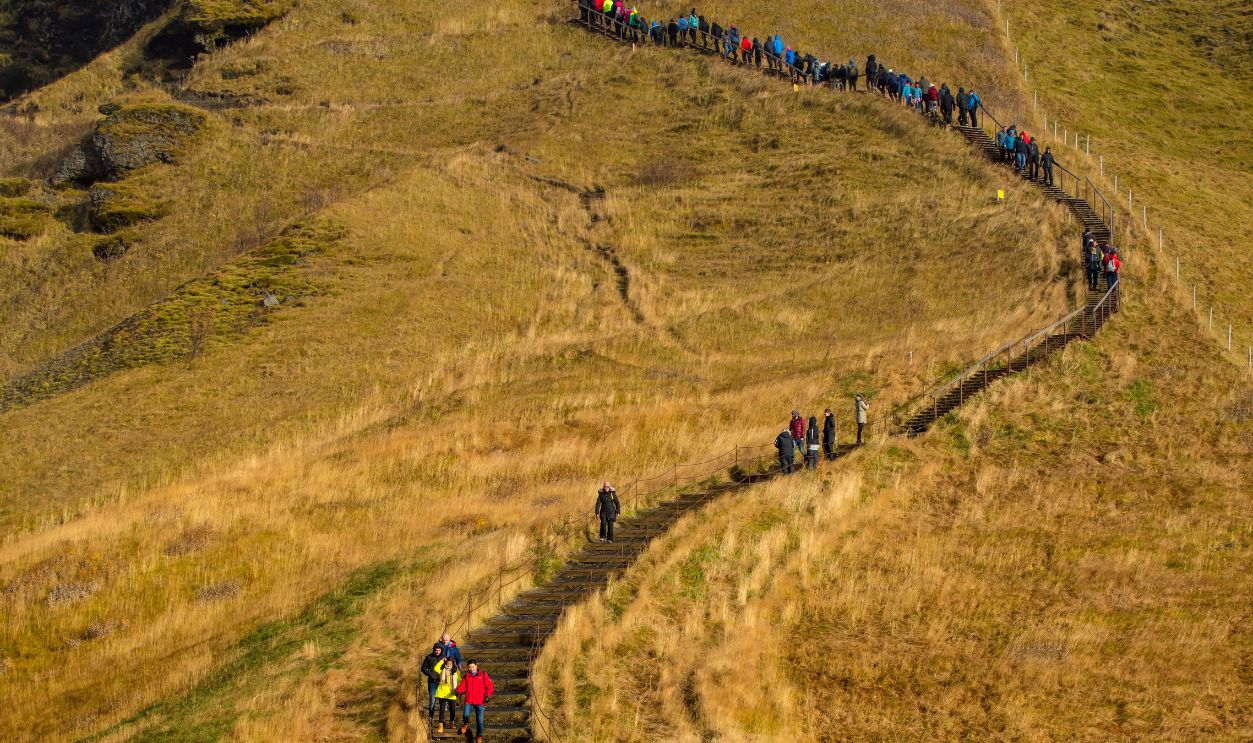
On a flat waterfront promenade, a mile can feel like an easy afternoon stroll. On a steep hillside in midday heat, that same mile can feel like an endurance competition. Terrain changes the experience, yet many destination descriptions treat every mile as equal.
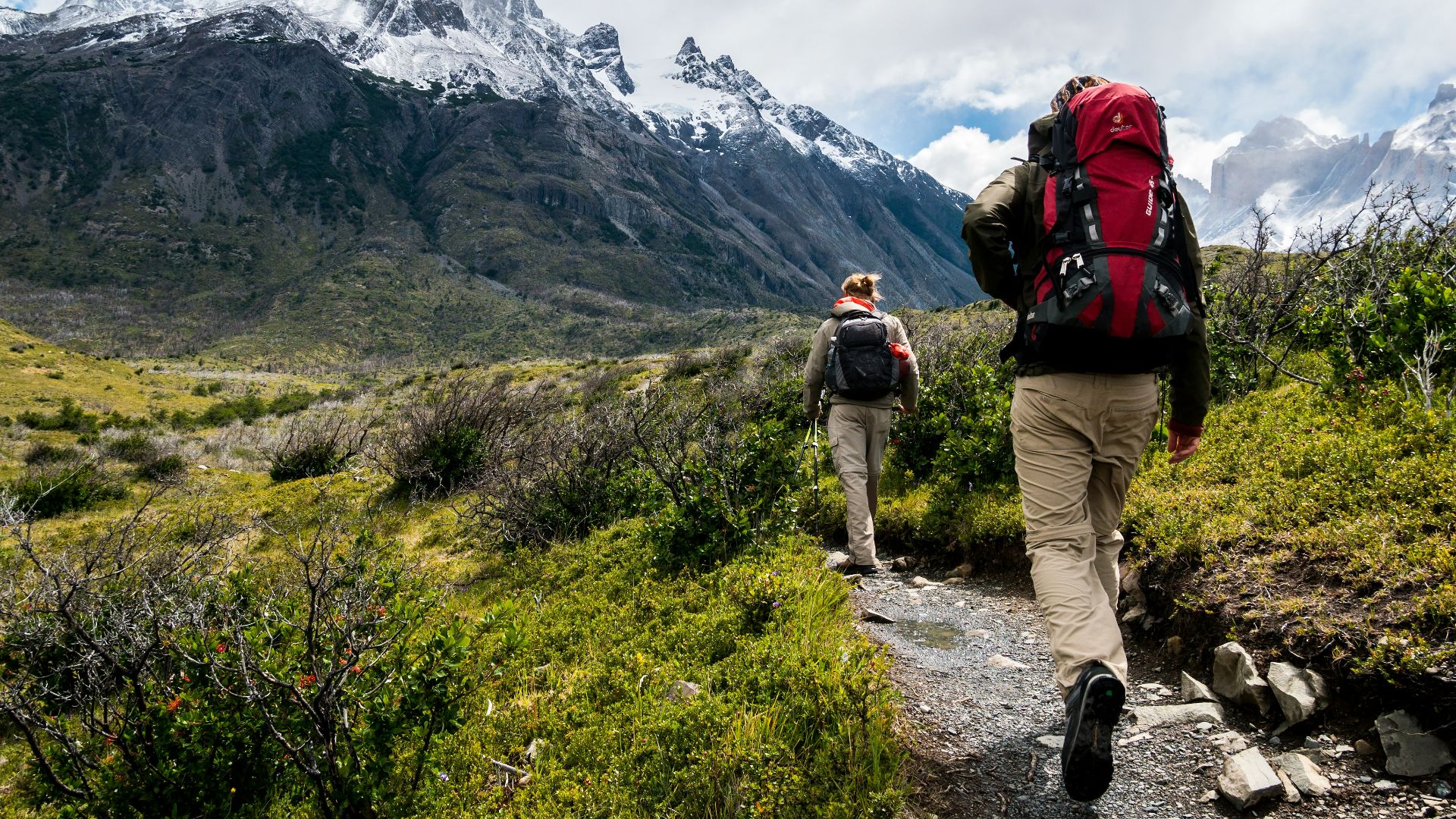
Hills Change Everything
A hilly destination can be beautiful, dramatic, and memorable. It can also leave travelers sweaty, sore, and wondering why every dinner reservation seems to be located uphill. Mentioning the hills does not make a destination less appealing. It simply helps visitors prepare properly.
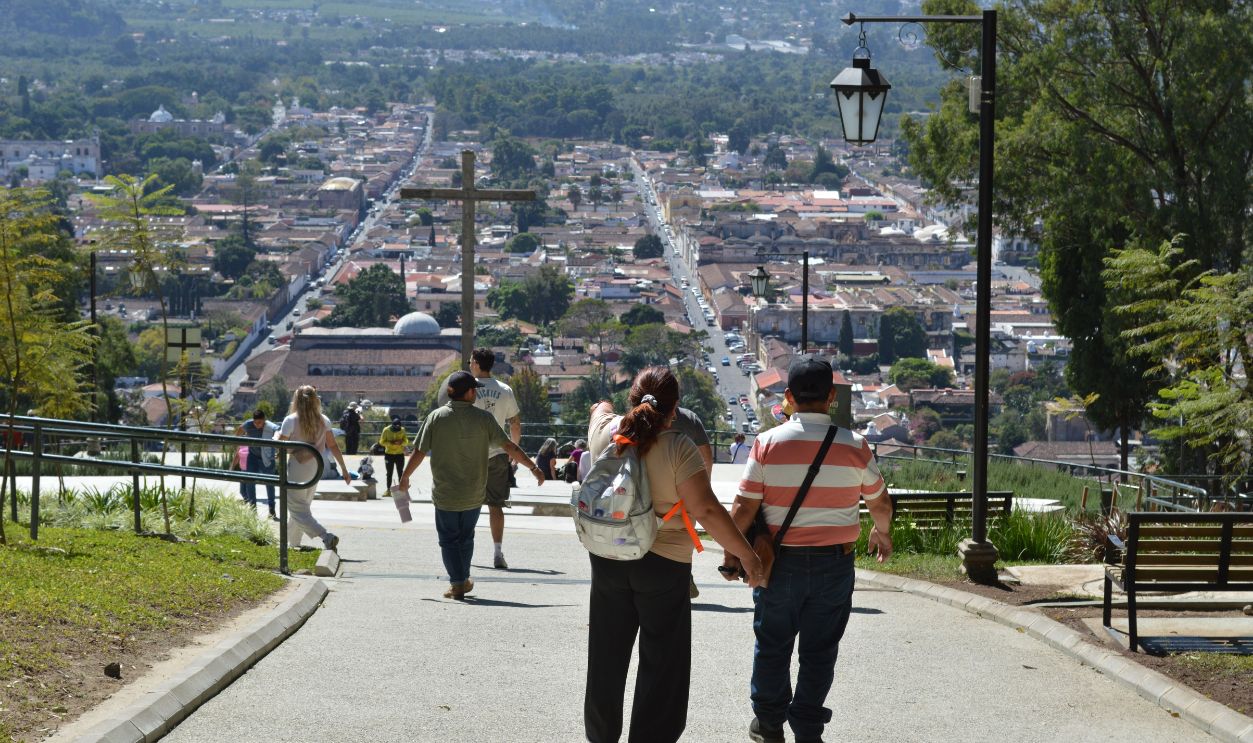
Stairs Are Not A Footnote
Some destinations contain staircases that function like actual streets. They may be picturesque, but they can also create serious problems for travelers with limited mobility, joint pain, strollers, heavy bags, or small children. “There are lots of stairs” is essential information, not unnecessary negativity.

Uneven Sidewalks Deserve A Warning
Cobblestones and historic paving look wonderful in photographs. They are less delightful when they catch suitcase wheels, twist ankles, or become slippery in the rain. Travelers should not have to discover difficult walking surfaces only after arriving with unsuitable shoes or mobility equipment.

Accessibility Is The Bigger Issue
This conversation is not merely about travelers being lazy or out of shape. Incomplete descriptions can exclude people with disabilities, chronic pain, balance problems, limited stamina, or temporary injuries. Calling a place walkable without discussing accessibility can be genuinely misleading.

Families Feel It Too
Parents traveling with toddlers quickly learn that a “short walk” can become a major operation. Add a stroller, snacks, tired children, stairs, and crowded sidewalks, and the easy journey described online suddenly becomes complicated. Families need terrain information just as much as distances.

Luggage Makes Every Incline Worse
A hill that feels manageable during sightseeing can become brutal while pulling a suitcase. Some hotels sit on pedestrian lanes, stairways, or streets where taxis cannot stop nearby. Travelers deserve to know whether reaching their accommodation involves an unexpected strength-training session.

Weather Magnifies The Problem
Steep streets become harder in intense heat, while cobblestones and polished steps may become slippery during rain. Wind, humidity, snow, and ice can also turn an ordinary walk into a challenge. Terrain information becomes even more important when combined with local weather conditions.

Map Apps Miss The Struggle
Navigation apps are excellent at calculating distance and estimated walking time. They are not always excellent at explaining that the route resembles a staircase to the clouds. Elevation data may be available, but many travelers do not know where to find or interpret it.
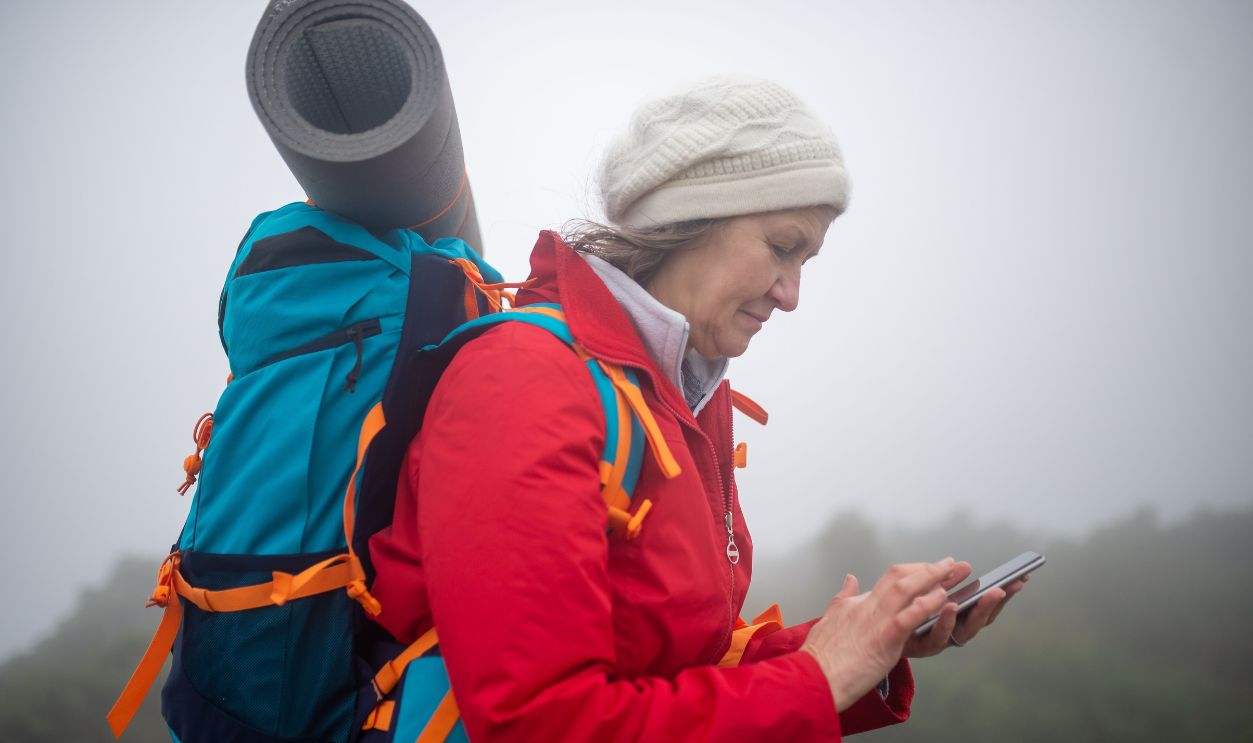
Tourism Boards Love The Word
“Walkable” is attractive marketing language. It suggests convenience, freedom, and charming streets filled with cafés. Tourism campaigns naturally want destinations to sound inviting, but they should provide context. A place can be wonderfully walkable for some visitors and difficult for others.
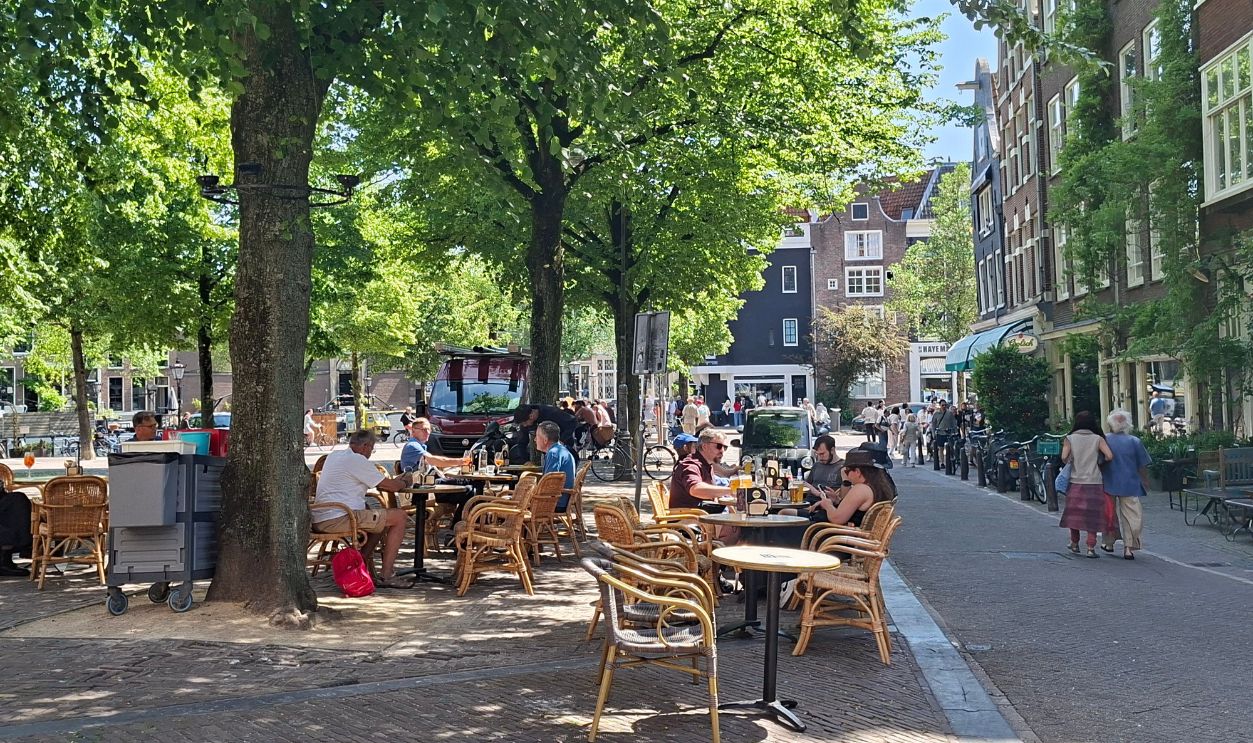
Hotels Should Be More Specific
Hotels often advertise themselves as being minutes from major attractions. They should also explain whether guests must climb hills, cross uneven streets, or walk from the nearest vehicle-accessible point. Clear arrival information can prevent frustration before it damages the entire first impression.

Reviews Can Fill The Gaps
Guest reviews often contain details missing from polished hotel descriptions. Search for words such as “hill,” “stairs,” “steep,” “cobblestone,” “mobility,” and “luggage.” One annoyed traveler describing 90 steps to reception may provide more useful information than an entire brochure.

Check The Elevation Before Booking
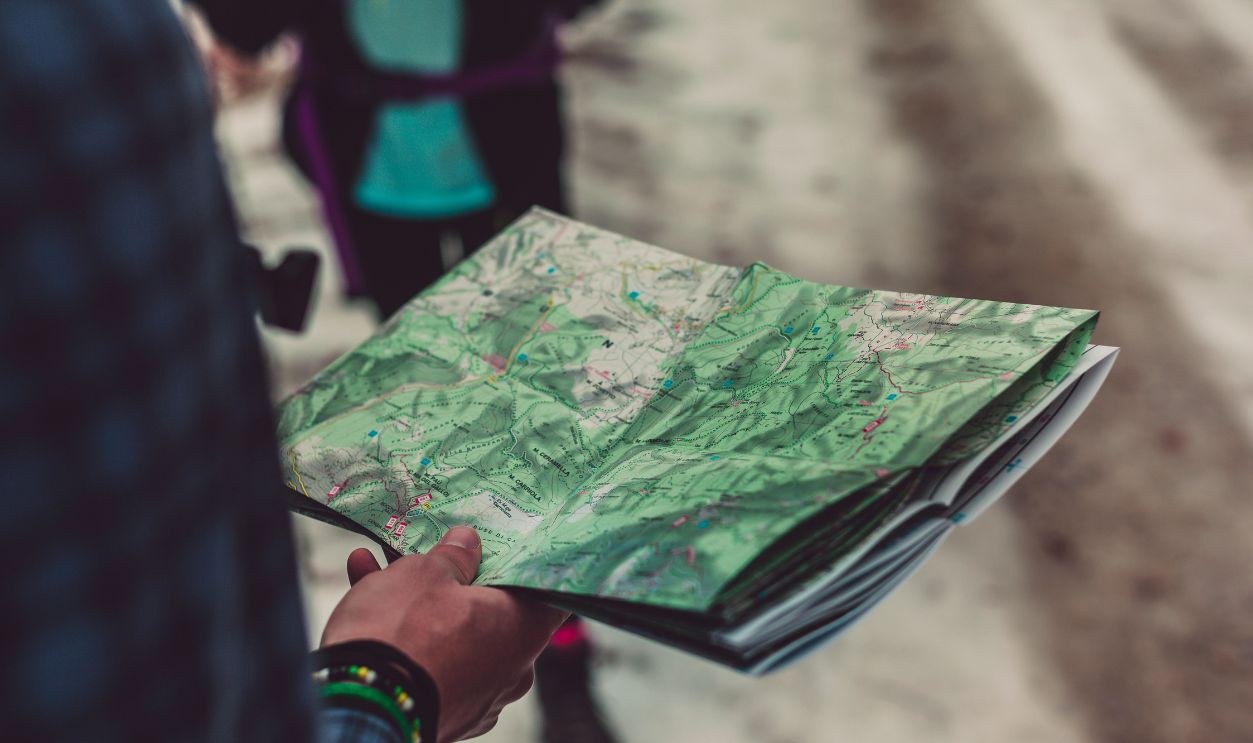
Before choosing a neighborhood, look at an elevation map or examine the walking directions between your hotel and the places you plan to visit. A few minutes of research can reveal whether your relaxing city break will secretly involve daily hill-climbing practice.
Take A Virtual Walk
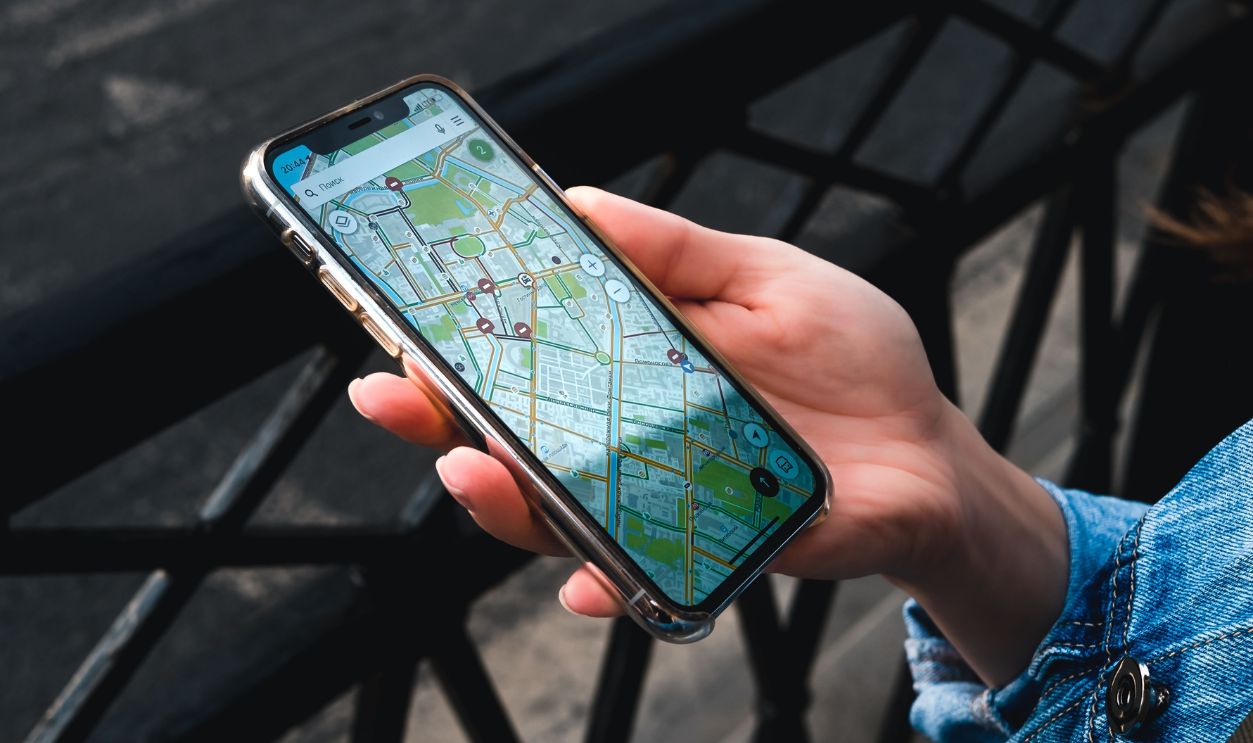
Street-view tools let you inspect sidewalks, intersections, slopes, and building entrances before arriving. You may notice missing curbs, narrow walkways, steep staircases, or roads without pedestrian space. It is one of the easiest ways to test whether “walkable” matches your expectations.
Ask Better Questions
Instead of asking whether a hotel is close to the city center, ask whether the route is flat, paved, and free of stairs. Ask whether taxis can reach the entrance and whether elevators are available. Specific questions are more likely to produce useful answers.

Choose The Right Neighborhood
In hilly cities, two neighborhoods separated by a short distance can offer completely different experiences. Staying near the attractions you care about—or near reliable transit—can reduce difficult walking. The cheapest room may feel less like a bargain after the sixth uphill return.
Public Transit Can Save The Day
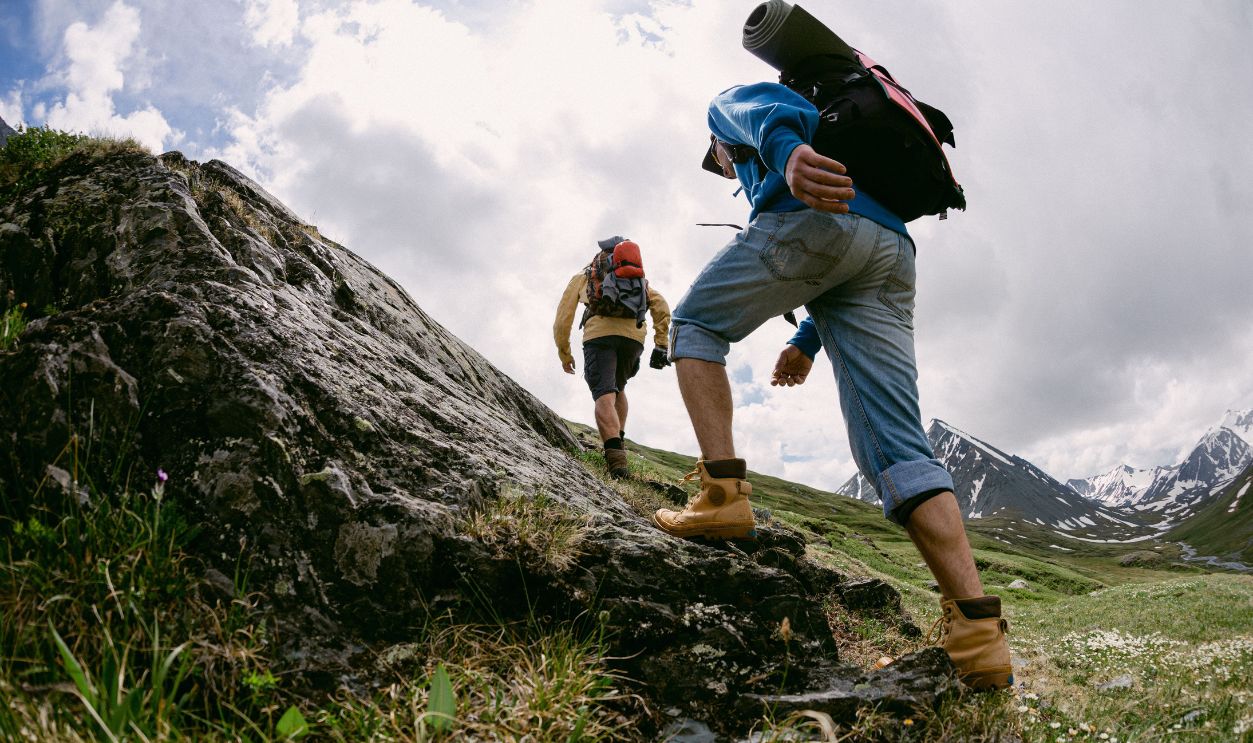
A destination does not need to be perfectly flat to be enjoyable. Funiculars, trams, buses, elevators, and metro systems can make steep areas accessible and fun to explore. The important question is whether those options are convenient, affordable, and operating when you need them.

Pack Shoes For Reality
Beautiful destinations often inspire ambitious outfits and questionable footwear. Unfortunately, smooth soles and uneven stone streets are natural enemies. Supportive shoes with good grip may not dominate your vacation photographs, but they can prevent blisters, falls, and several highly creative complaints.

Build In Recovery Time
When the terrain is demanding, do not schedule activities back-to-back across town. Leave time for breaks, café stops, and slower journeys. A relaxed itinerary allows you to enjoy the destination instead of treating every attraction like another checkpoint in an exhausting obstacle course.

Taking A Taxi Is Not Failing
Some travelers feel guilty about using transportation in a supposedly walkable destination. There is no prize for arriving at dinner overheated and furious. Walking should enhance a trip, not become a test of character. Use a taxi, bus, or shuttle when it helps.
Walkability Needs Better Ratings
Travel websites could rate destinations based on distance, elevation, surface quality, stairs, shade, crossings, and accessibility. One simple label cannot capture every traveler’s experience. A more detailed system would help visitors make informed choices without unfairly criticizing challenging but beautiful places.
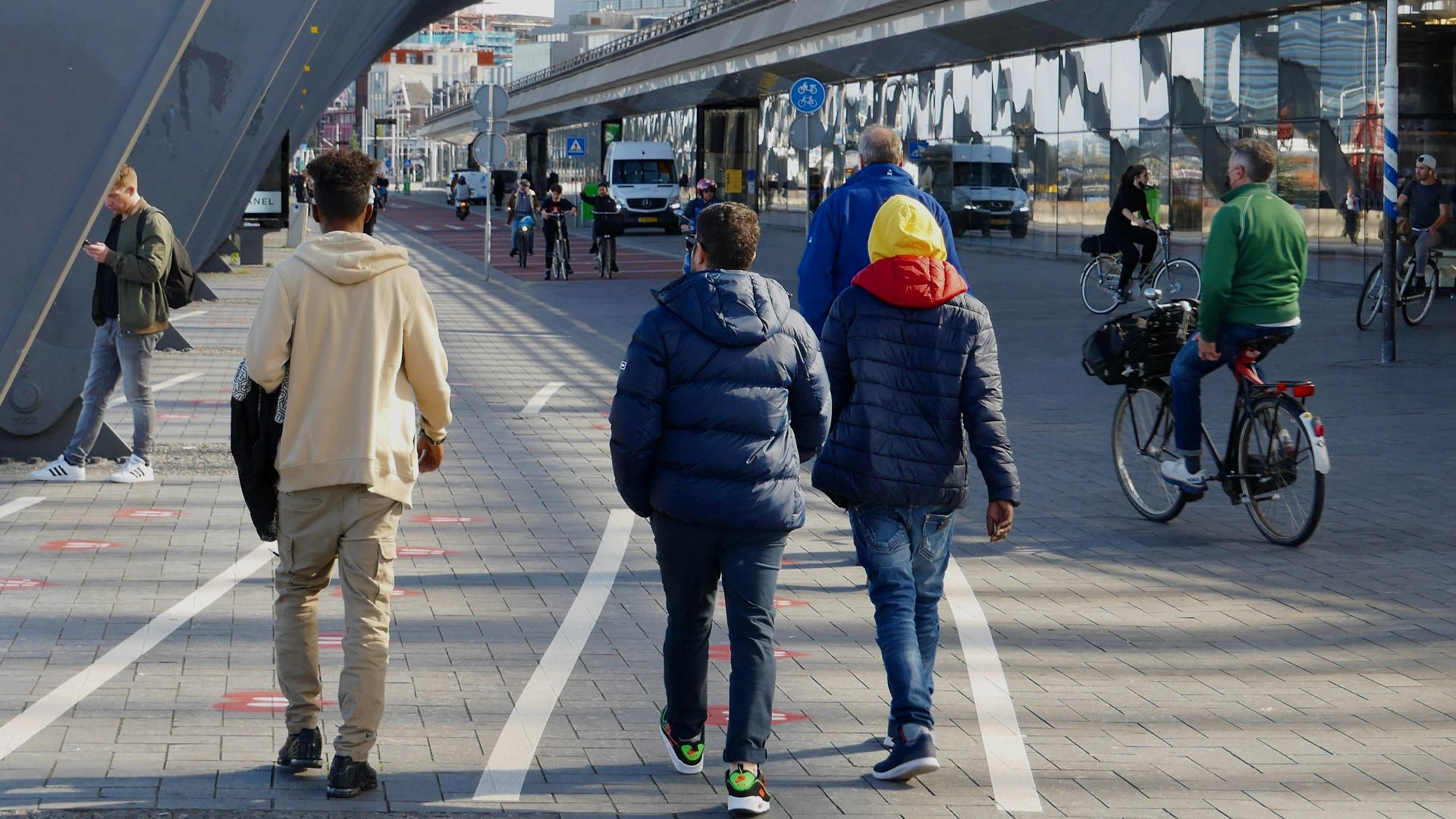
Travelers Deserve Honest Labels
Describing hills and stairs does not insult a destination. It respects the traveler. Many people happily book steep, historic cities when they know what to expect. The problem is not difficult terrain. The problem is discovering it after paying for a supposedly effortless vacation.

The Best Trip Fits Your Body
Travel advice often assumes everyone has the same energy, balance, mobility, and comfort level. They do not. A destination that feels easy for one person may be inaccessible to another. Good planning begins by matching the trip to the traveler—not the marketing slogan.

“Walkable” Should Mean Usable
Yes, hills, stairs, and uneven sidewalks should matter when a destination is described as walkable. Travelers need more than mileage. They need an honest picture of the journey. After all, a place is not truly convenient when reaching the nearest café requires conquering Mount Brunch.

You May Also Like:
Things American Miss Most When They Travel In Canada
Monkeys and apes use either hand—so why are 90% of humans right-handed?