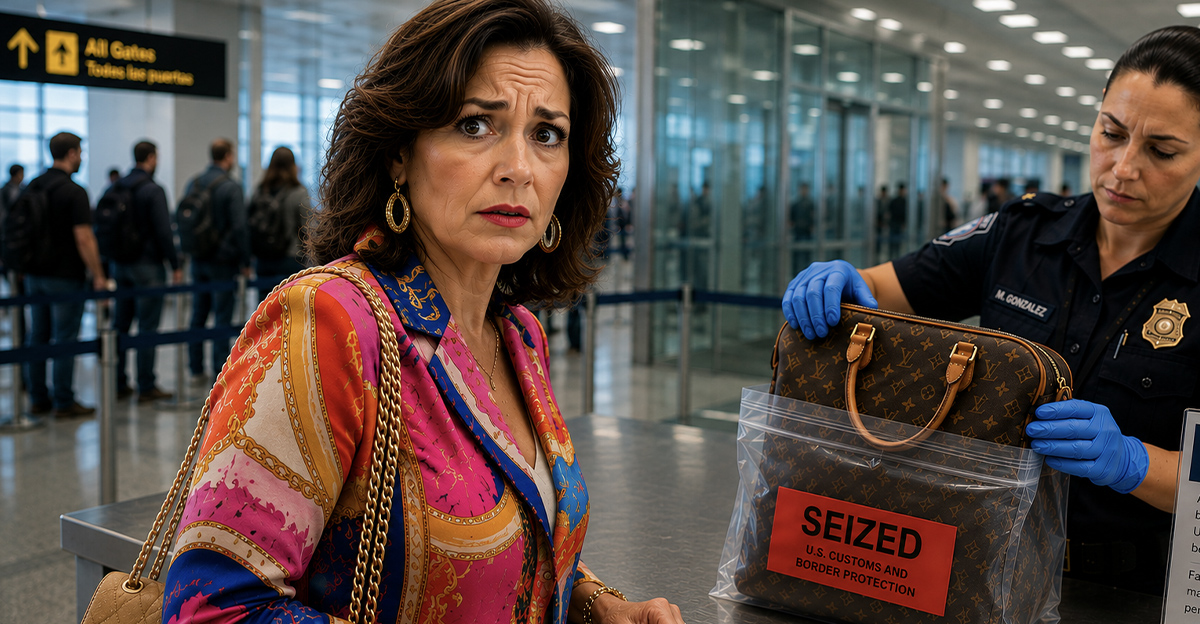
I Never Expected Souvenirs To Become A Legal Issue
You probably never imagined a routine customs inspection could end with officers confiscating items from your luggage. But every year, travelers lose property at airports because they misunderstood declaration forms, import restrictions, or prohibited item rules. The good news is that customs seizures do not always mean the situation is hopeless, and depending on what was taken, there are still ways to challenge the seizure and recover your property later.
Customs Rules Often Surprise Even Experienced Travelers
Many people assume customs restrictions only apply to obviously illegal items like drugs or weapons. In reality, border agencies regulate an enormous range of products including food, alcohol, agricultural items, prescription medication, counterfeit goods, animal products, and luxury purchases. Travelers frequently discover these restrictions only after arriving at the airport.
“Legal To Own” Does Not Always Mean “Legal To Import”
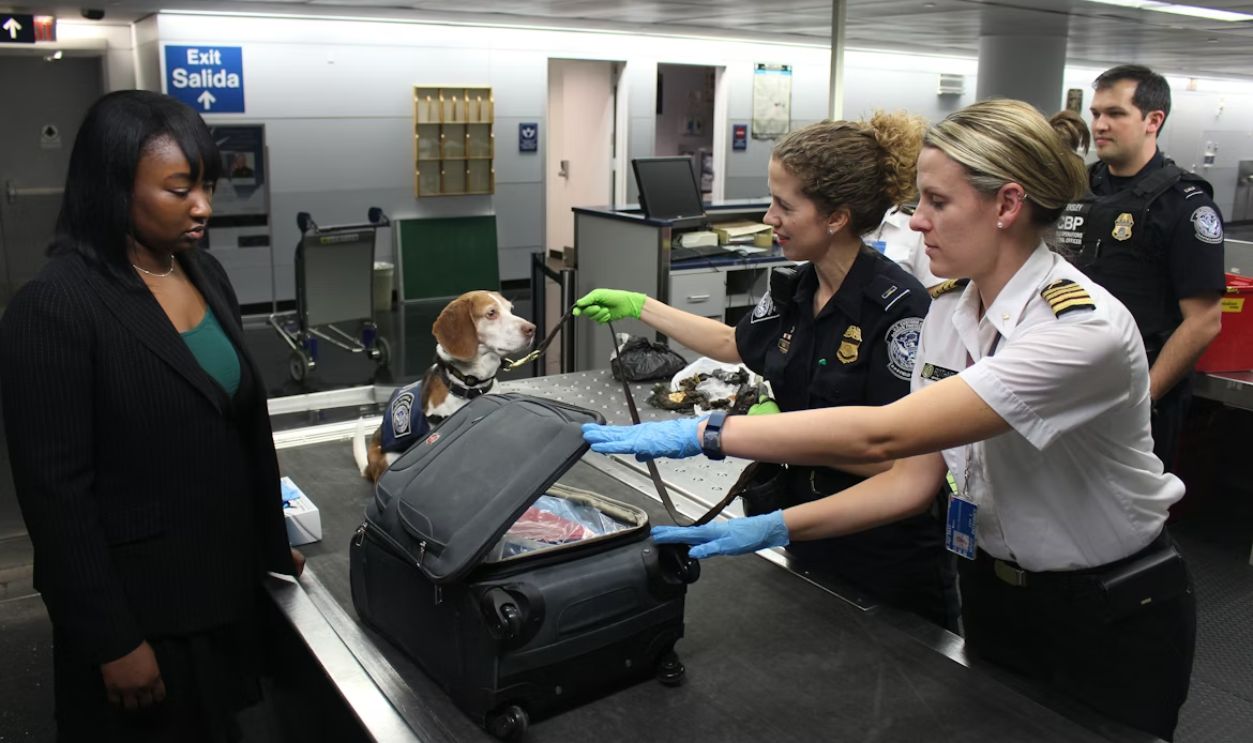
This is one of the biggest misunderstandings surrounding customs seizures. An item may be perfectly legal to possess inside your home country while still being restricted or prohibited from crossing an international border. Import laws often focus on safety, taxes, agriculture, intellectual property, or public health concerns rather than simple legality alone.
 CBP Photography, Wikimedia Commons
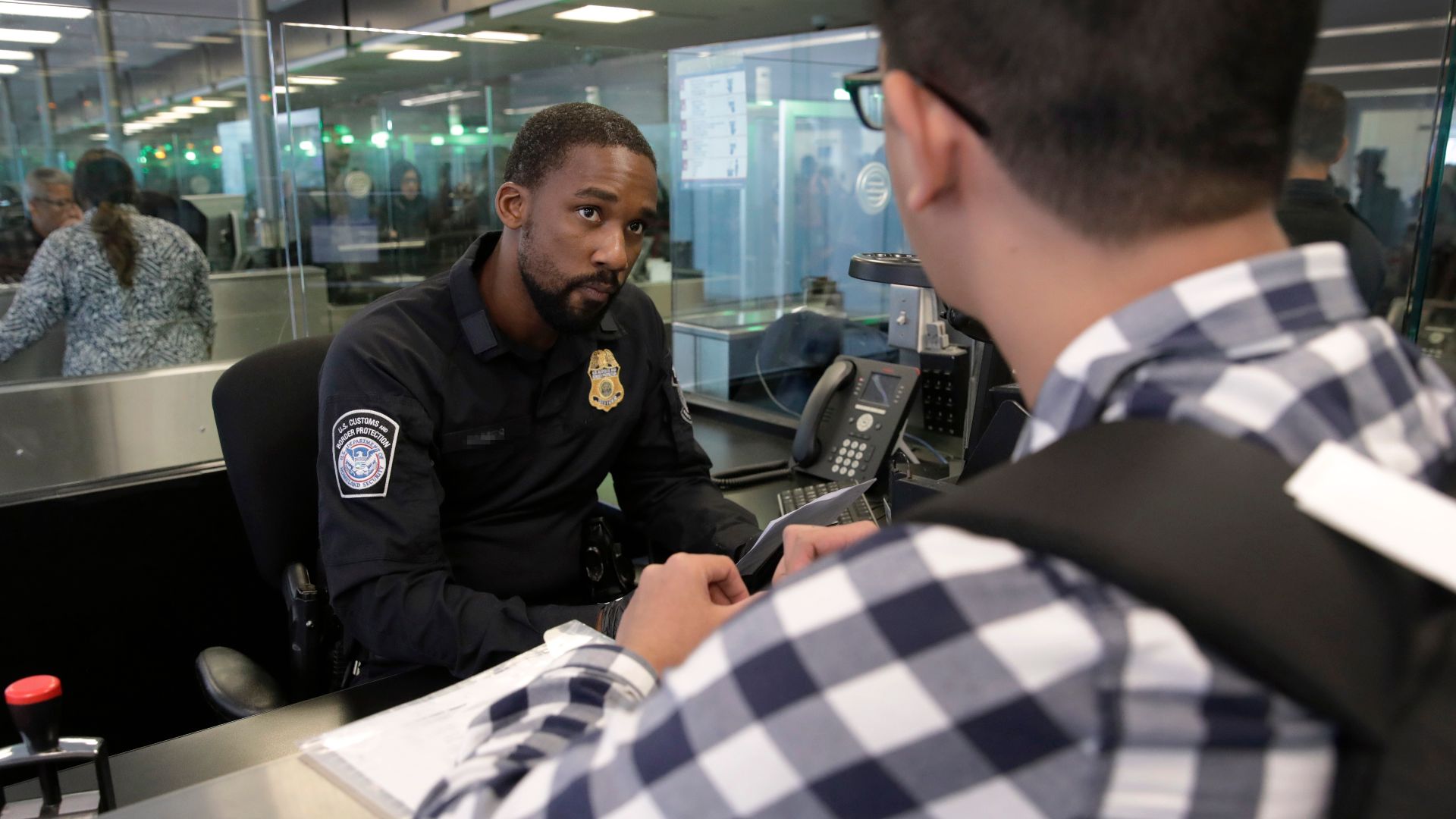
Customs Officers Usually Have Broad Inspection Powers
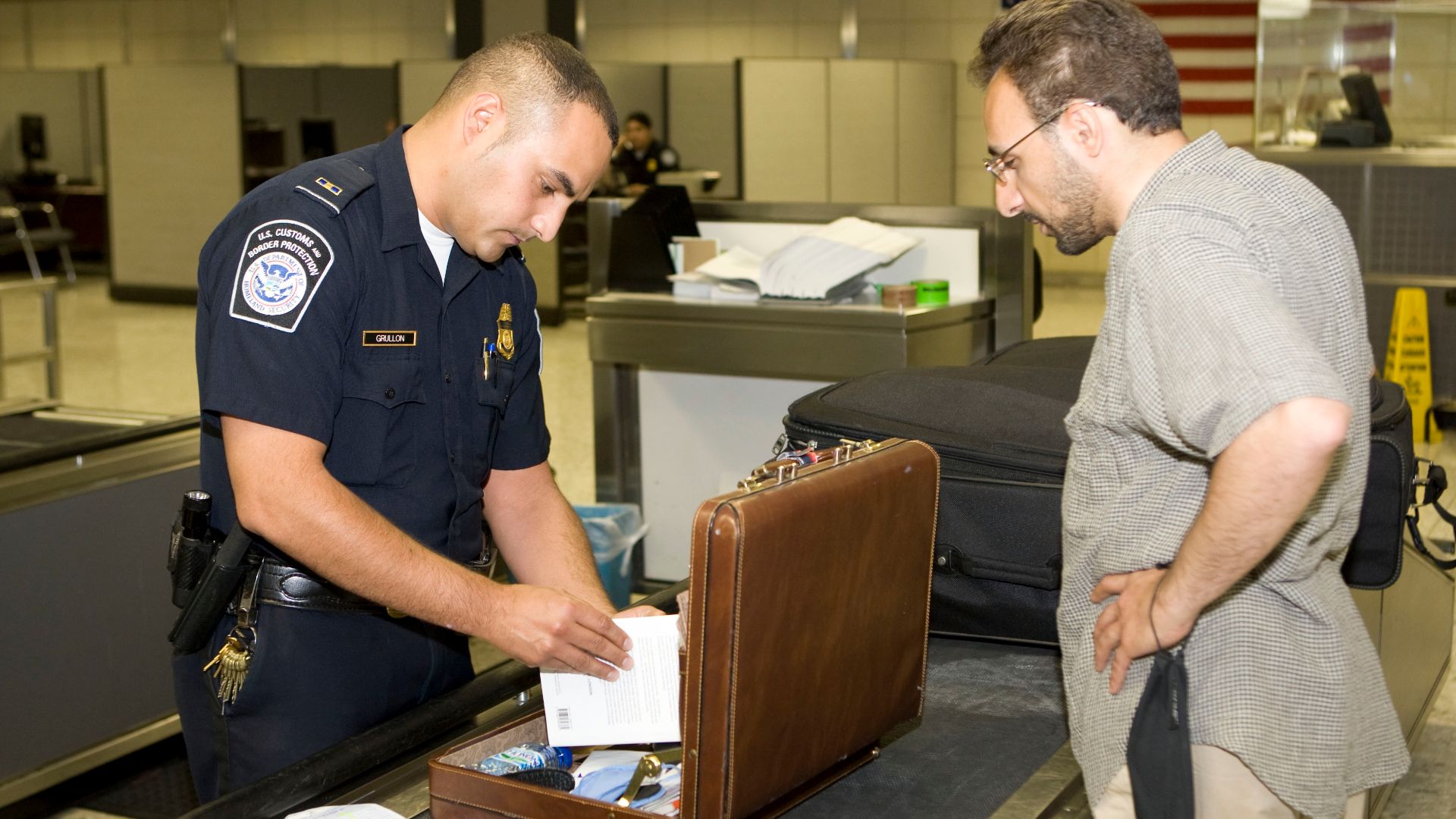
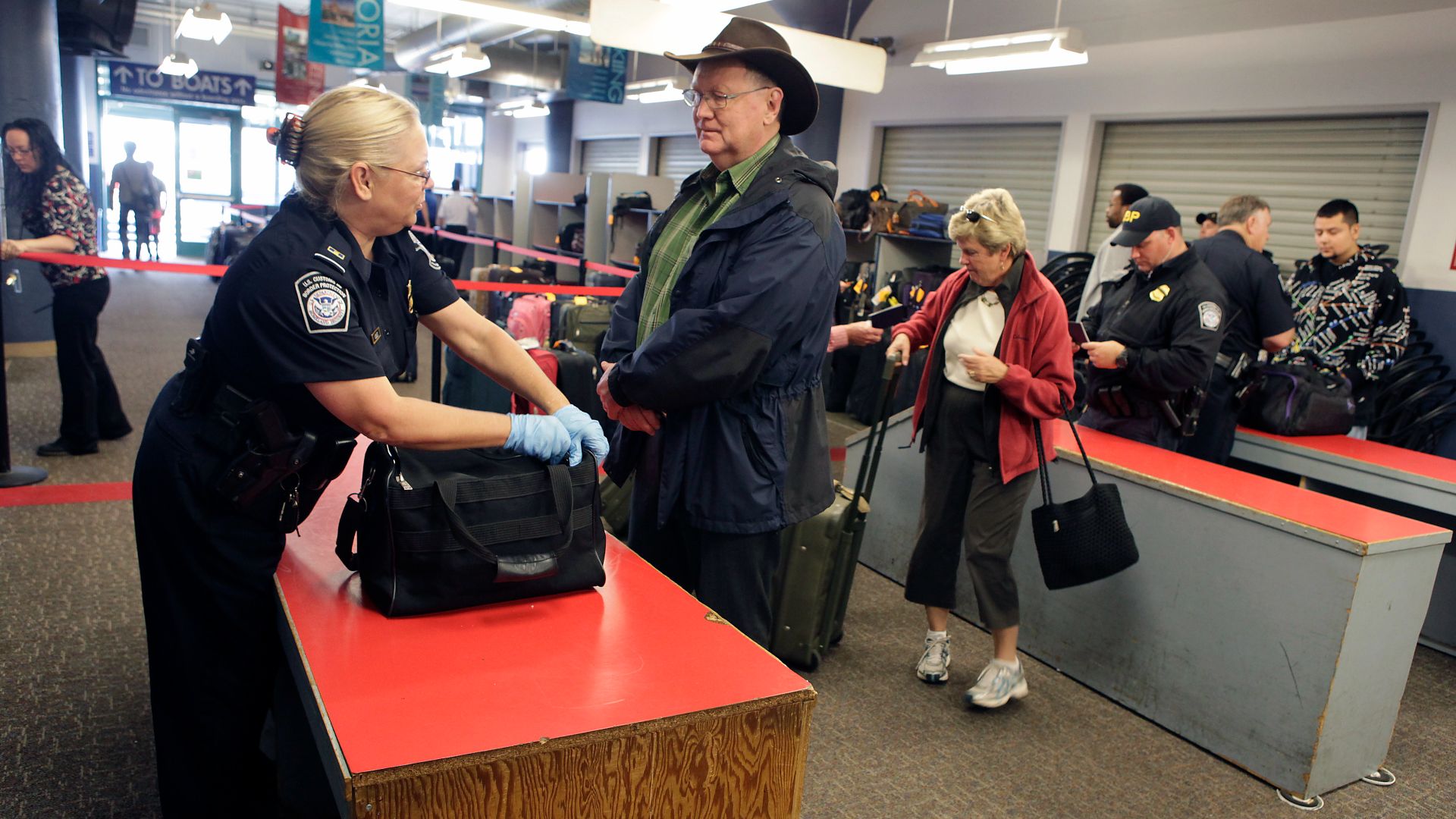
At international borders, customs officers generally have far greater authority to inspect luggage and question travelers than ordinary police officers do during routine interactions. Border searches often require much lower legal standards because governments treat customs enforcement as part of national border security.
 CBP Photography, Wikimedia Commons
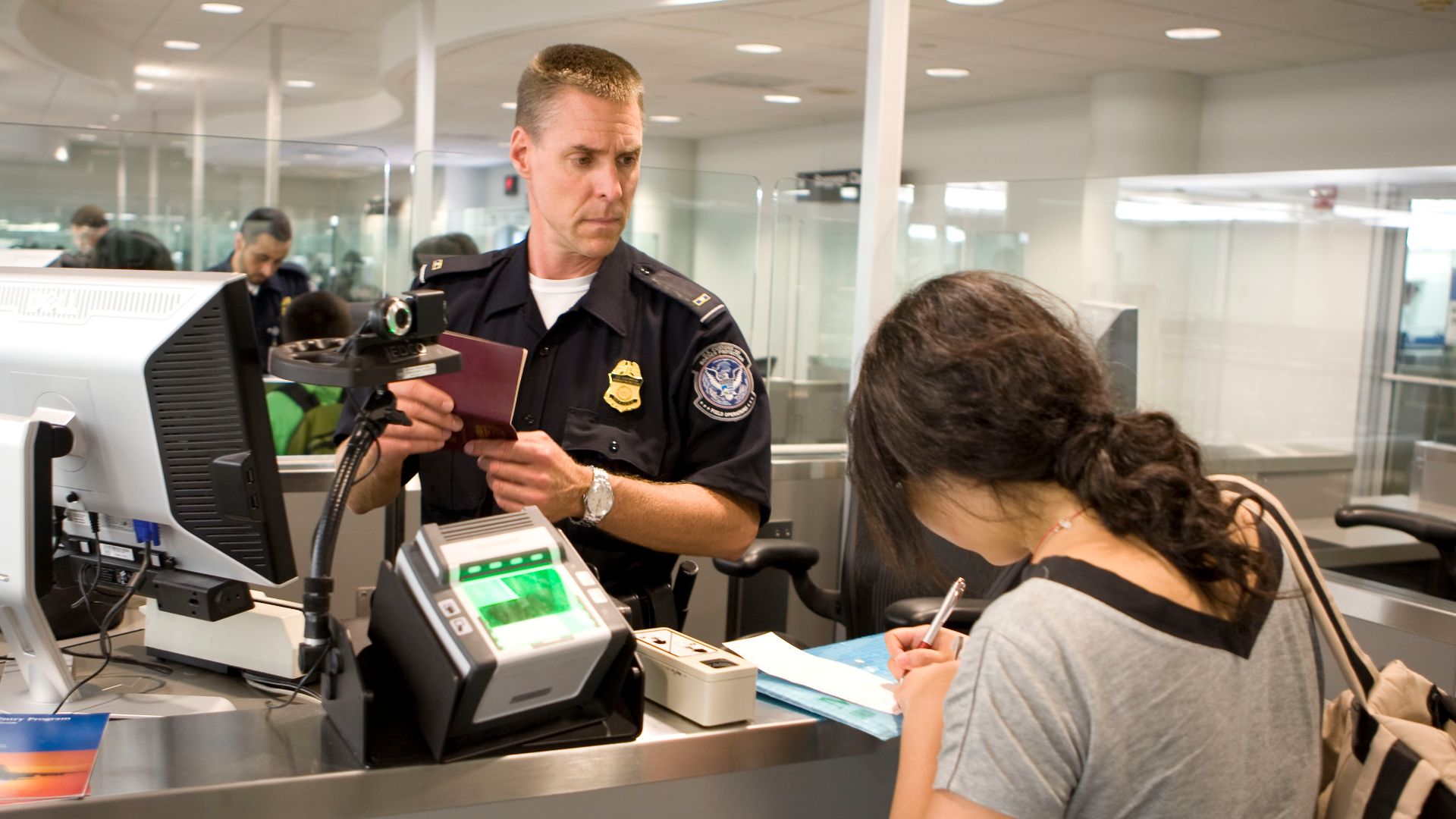
Failure To Declare Items Creates Many Problems
A large percentage of customs seizures happen because travelers failed to declare items properly during entry. Sometimes this is intentional, but many travelers simply misunderstand the declaration forms or assume small purchases are not important enough to mention. Unfortunately, even accidental non-disclosure can trigger confiscation.
 CBP Photography, Wikimedia Commons
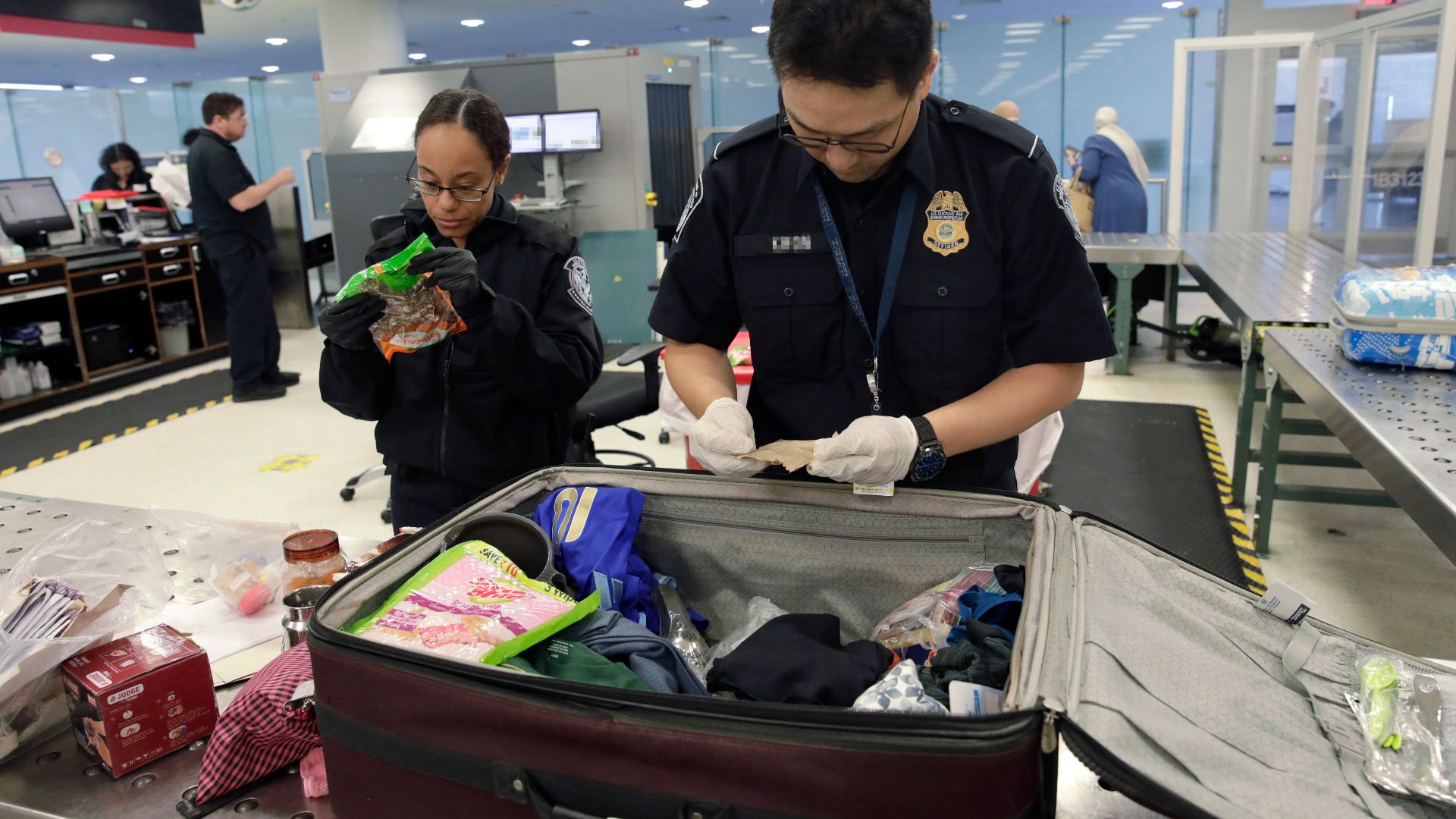
Food Products Commonly Get Seized
Travelers are often shocked by how aggressively customs agencies regulate food. Fresh fruit, meat, seeds, dairy products, homemade foods, and agricultural products are frequently confiscated because officials worry about pests, diseases, or invasive species entering the country.
 CBP Photography, Wikimedia Commons
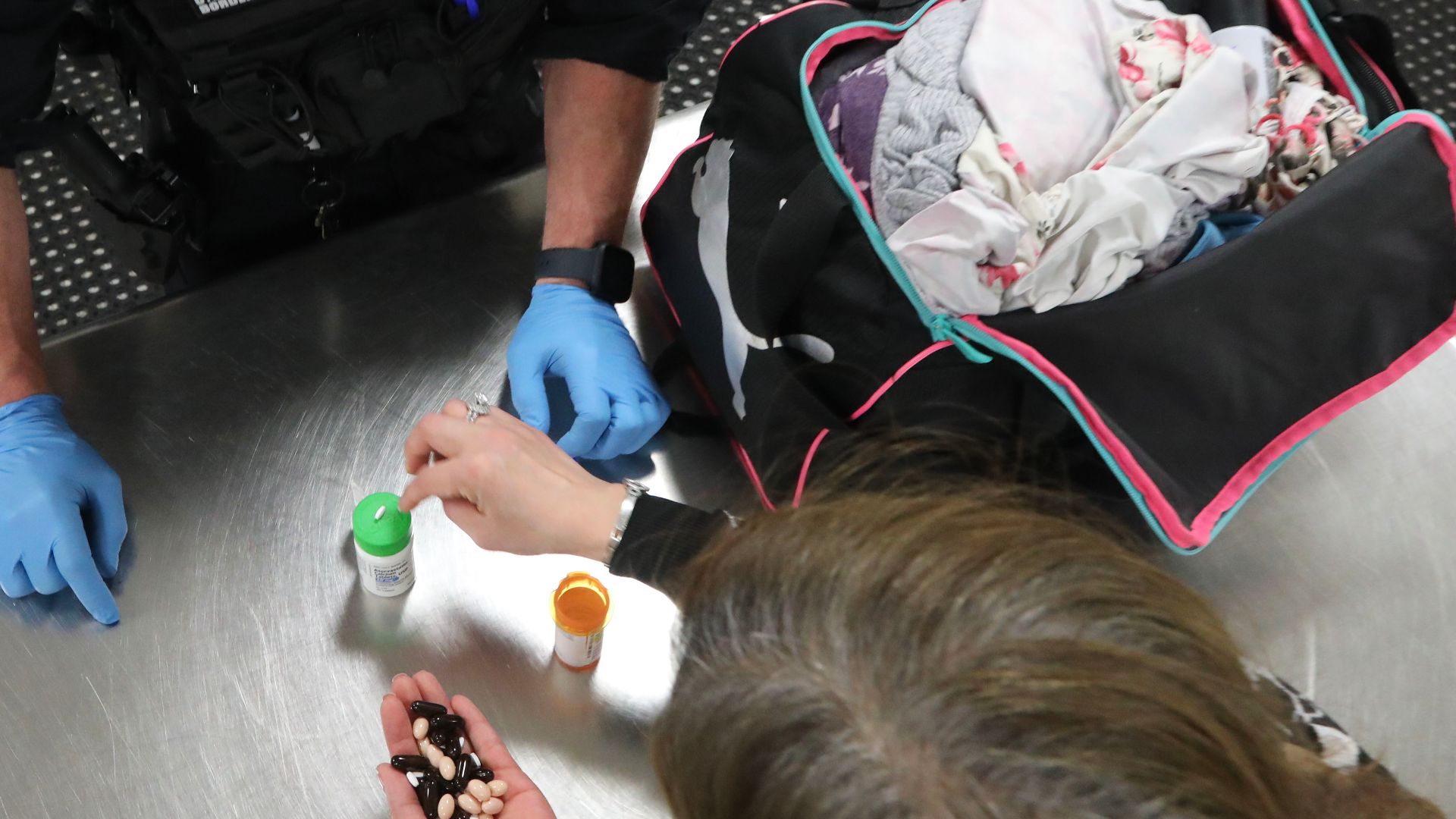
Prescription Medications Can Create Unexpected Trouble
Even medications legally prescribed in one country may violate import restrictions elsewhere. Some countries heavily regulate narcotics, stimulants, controlled substances, or medications containing ingredients banned locally. Carrying prescriptions in original labeled containers can sometimes reduce complications significantly.
 CBP Photography, Wikimedia Commons
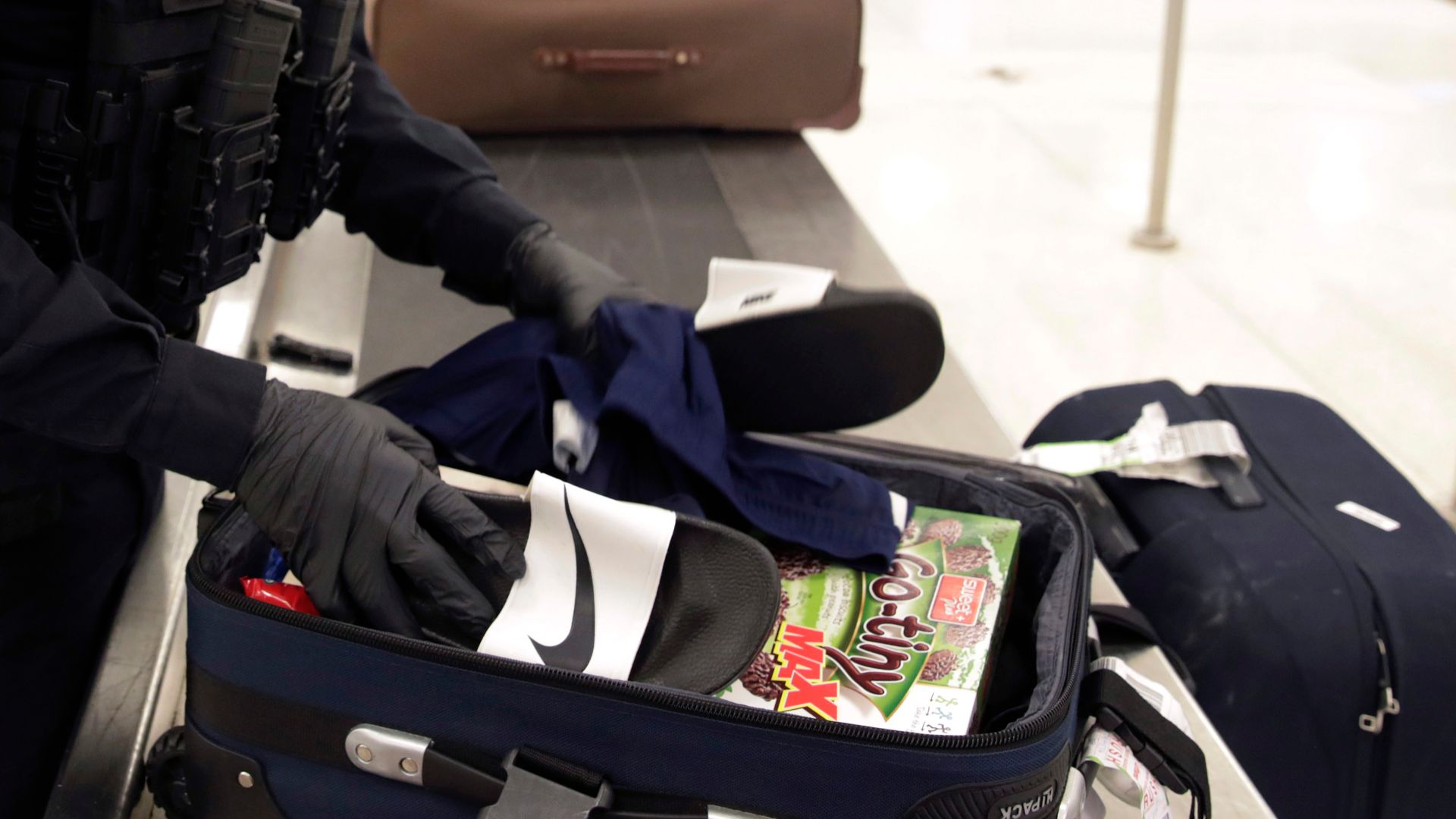
Luxury Goods And Counterfeit Items Receive Extra Attention
Customs agencies actively look for counterfeit handbags, watches, electronics, designer goods, and pirated products entering the country. Travelers sometimes buy items overseas believing they are harmless souvenirs only to discover customs considers them intellectual property violations.
 CBP Photography, Wikimedia Commons
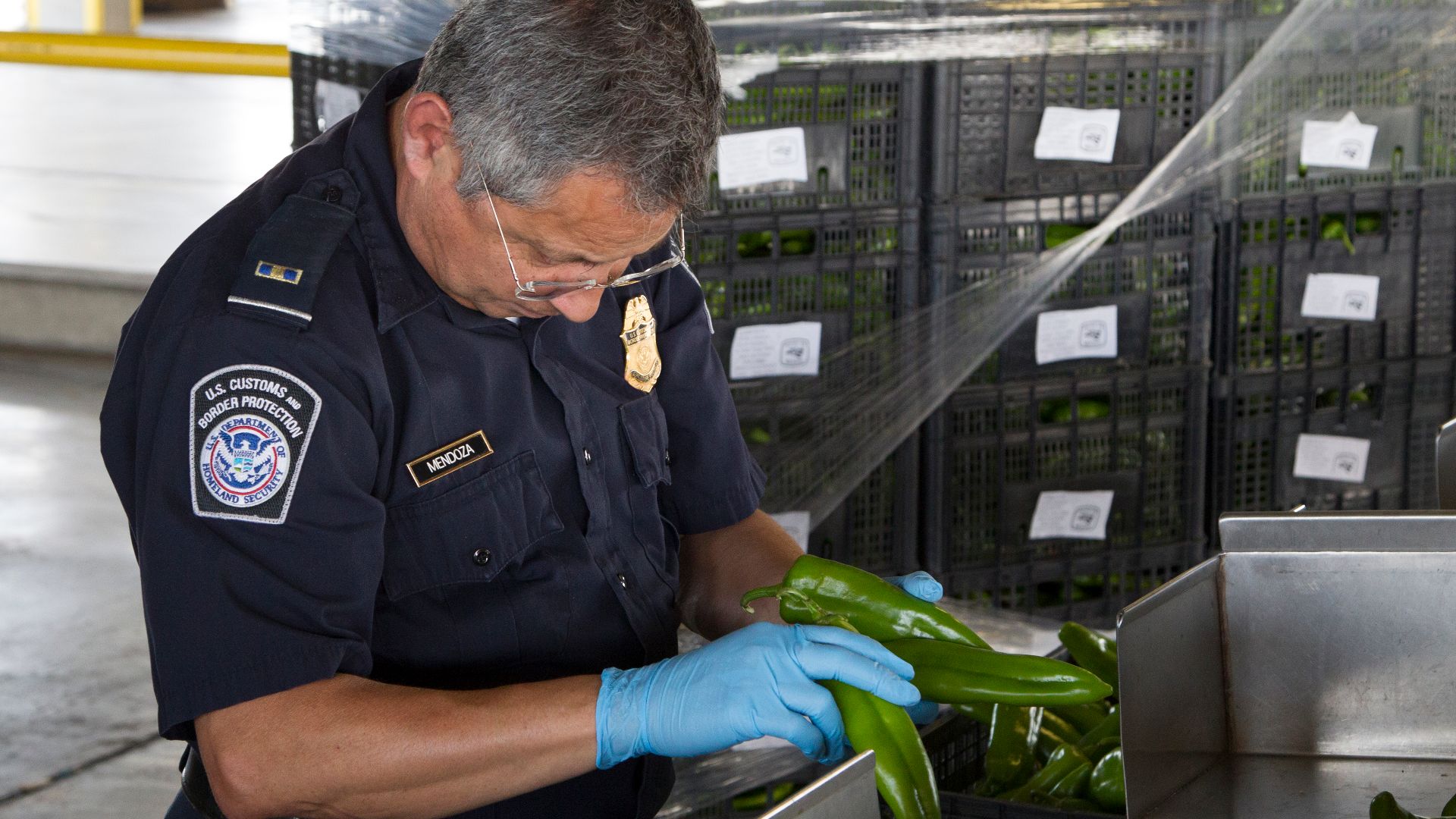
Agricultural Restrictions Are Extremely Strict
Many countries aggressively protect local agriculture industries from foreign pests and diseases. Something as simple as carrying untreated wood products, soil residue, plants, or fruit across borders can trigger seizure because of contamination concerns.
 U.S. Customs and Border Protection, Wikimedia Commons
Customs Agencies Sometimes Seize Large Amounts Of Cash
Travelers carrying large sums of money are often required to declare it formally, even when the money itself is completely legal. Failure to report cash above reporting thresholds can lead to temporary seizure and lengthy investigations into possible money laundering or smuggling concerns.

Honest Mistakes Still Lead To Seizures Sometimes
This part frustrates travelers enormously because intent does not always matter immediately during customs enforcement. Border officers may confiscate items first and allow disputes or appeals later, even when the traveler genuinely misunderstood the rules or made an innocent mistake.
 CBP Photography, Wikimedia Commons
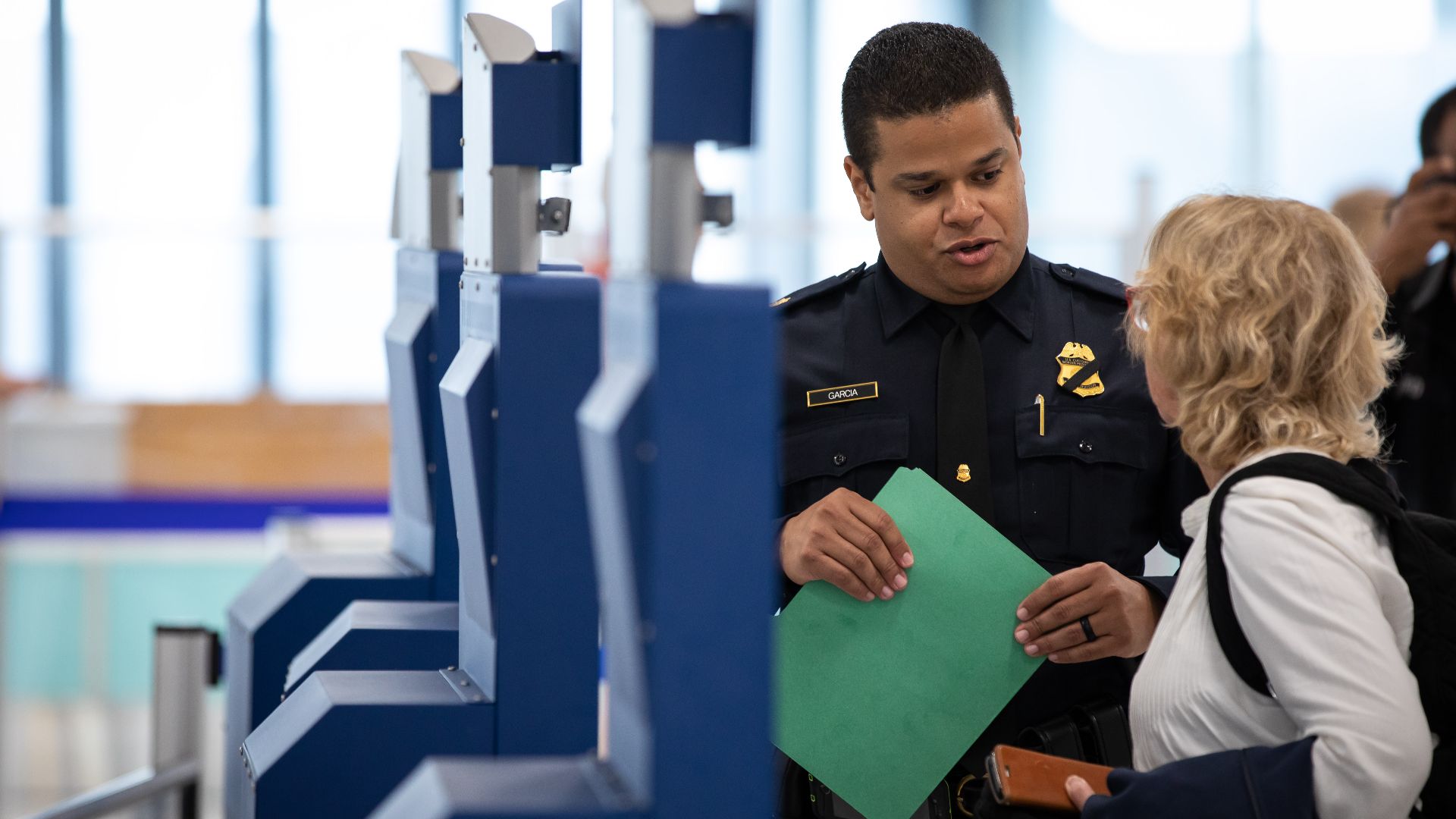
Officers Usually Provide Some Kind Of Seizure Notice
In many situations, customs officials issue paperwork explaining why the property was confiscated and outlining possible next steps. That documentation becomes extremely important because it may include deadlines for appeals, petitions, or requests to reclaim the property.
 CBP Photography, Wikimedia Commons
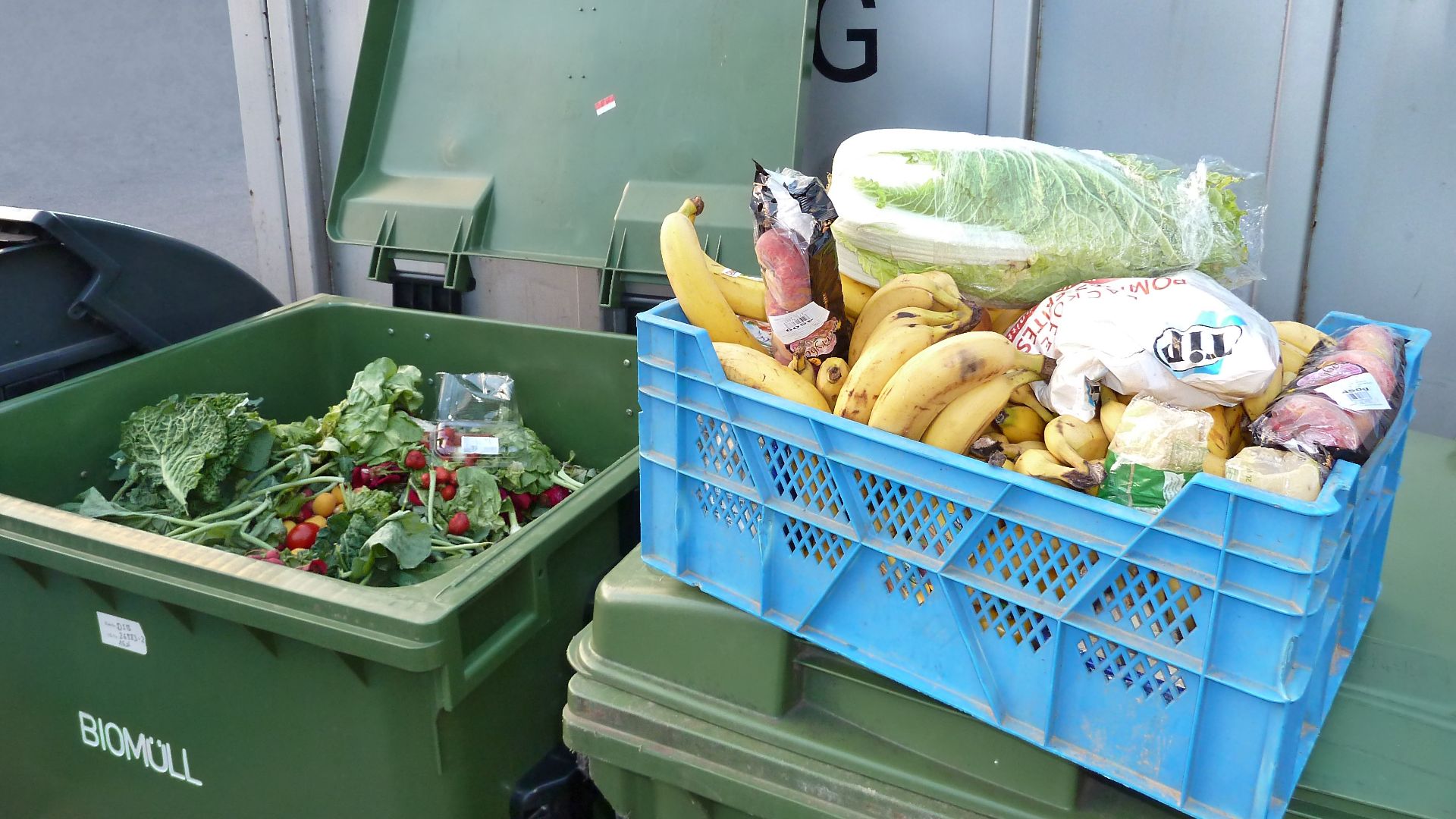
Some Seized Items Are Destroyed Quickly
Perishable food, unsafe agricultural items, or prohibited biological materials are sometimes destroyed almost immediately for safety reasons. Once certain items are destroyed, recovering them obviously becomes impossible regardless of later disputes.
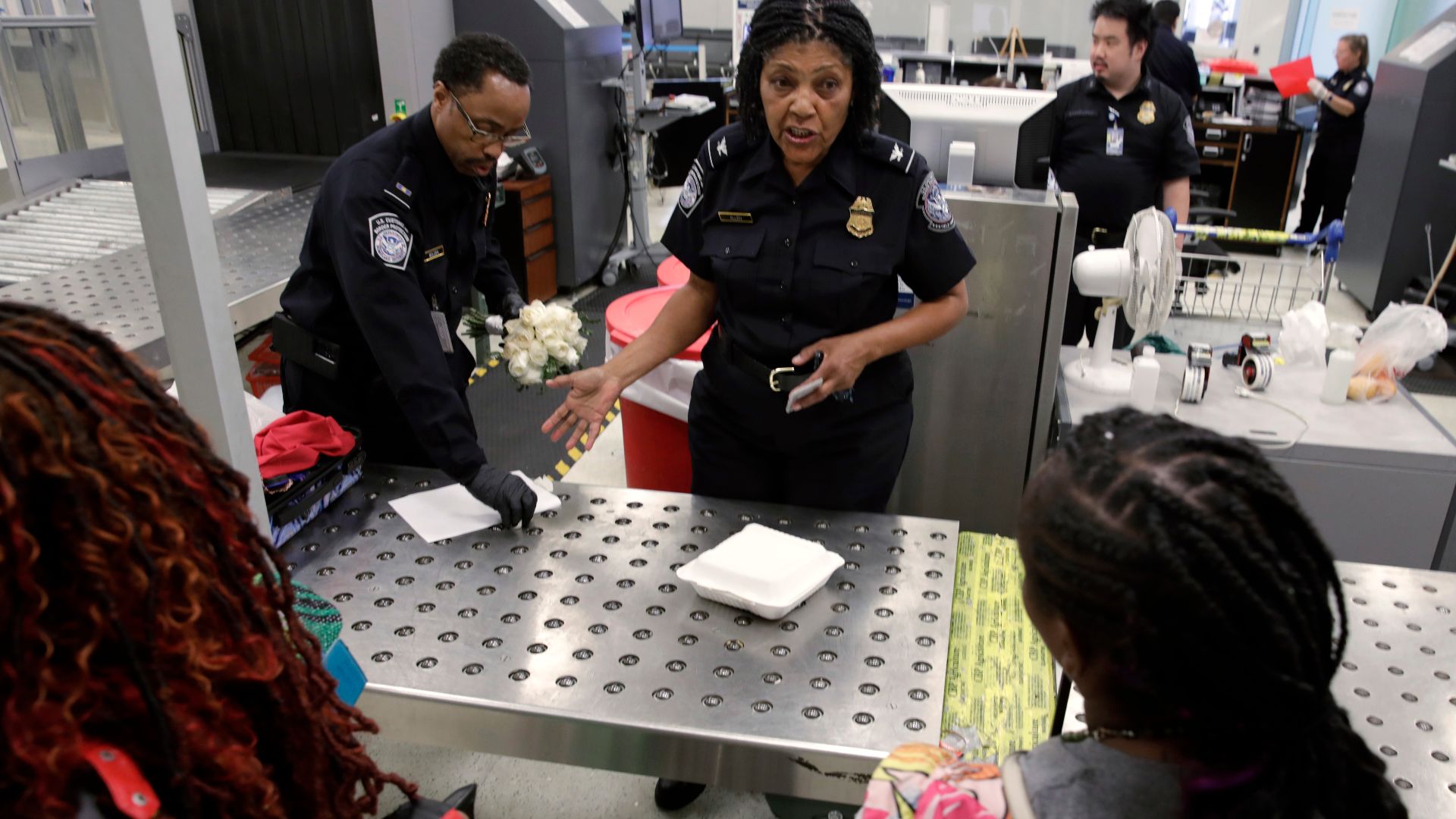
Other Items May Be Held Temporarily
Not every seizure results in permanent loss automatically. Some goods remain in customs custody while authorities investigate documentation issues, unpaid duties, import permits, or potential violations. In those cases, travelers may sometimes recover the items later after resolving the underlying problem.
 CBP Photography, Wikimedia Commons
Paying Duties Or Penalties May Resolve Certain Cases
In some situations, travelers can reclaim seized goods by paying import duties, administrative fines, or processing fees. This is more common when the issue involves undeclared purchases or technical customs violations rather than outright prohibited items.

Appeals Processes Often Exist
Many customs agencies allow travelers to challenge seizures formally through petitions or administrative appeals. The process varies depending on the country and the type of item involved, but there are often deadlines that must be followed carefully.

Receipts And Documentation Become Extremely Important
Proof of ownership, purchase receipts, prescriptions, import permits, invoices, and product documentation may all help support efforts to reclaim seized items. Travelers who cannot prove where items came from often face much harder battles during customs disputes.
 CBP Photography, Wikimedia Commons
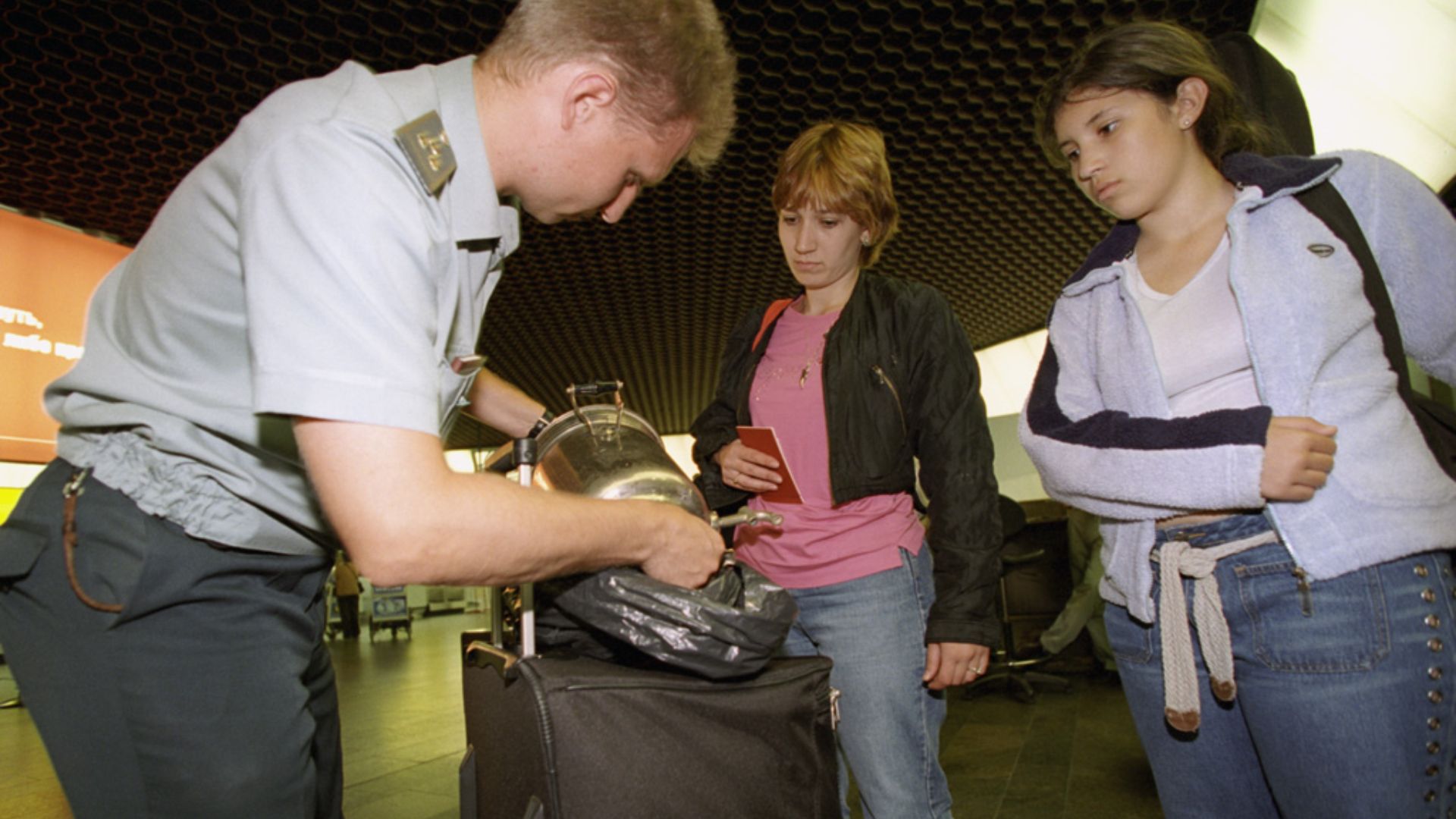
Some Travelers Accidentally Violate Cultural Property Laws
Artifacts, antiques, historical objects, fossils, coral, ivory, or protected wildlife products can create serious customs problems. Many countries restrict exporting culturally significant or environmentally protected items even when sold openly to tourists.
 Boris Babanov, Wikimedia Commons
Electronics And Intellectual Property Laws Can Matter Too
Certain electronics, encrypted devices, counterfeit software, or pirated media products sometimes attract customs scrutiny depending on the country involved. Travelers are occasionally surprised to discover copyright or trademark enforcement plays a major role at borders.

Criminal Charges Are Not Always Involved
Getting items seized does not automatically mean someone is facing arrest or criminal prosecution. Many customs issues remain civil or administrative matters involving fines, forfeiture procedures, or import violations rather than criminal accusations.
 CBP Photography, Wikimedia Commons
Hiring A Lawyer Sometimes Makes Sense
If customs seized expensive property, valuable collectibles, large amounts of cash, or items tied to potential criminal allegations, consulting an attorney experienced in customs law may become very important. The procedures and deadlines can become complicated surprisingly quickly.

International Rules Vary Enormously
One reason travelers get caught off guard is because every country maintains its own customs laws and prohibited item lists. Something that passes easily through one border may trigger immediate confiscation somewhere else entirely.

Persistence Sometimes Helps More Than People Expect
A seizure notice is not always the final answer. Some travelers eventually recover property after providing additional documentation, clarifying misunderstandings, paying duties, or successfully challenging the seizure through administrative review procedures.
 CBP Photography, Wikimedia Commons
So What Should You Do Right Now?
Carefully review any seizure paperwork you received and pay close attention to appeal deadlines or instructions for contesting the confiscation. Gather receipts, prescriptions, ownership records, permits, and any documentation supporting why the items were lawful or properly declared. If the property is valuable or the situation feels legally complicated, speaking with a customs attorney may help clarify whether reclaiming the items is realistically possible.

Final Thoughts
Customs agencies absolutely can seize items from luggage even when travelers believed the property was perfectly legal. Border laws often focus on import restrictions, declarations, agriculture rules, duties, and prohibited goods rather than simple ownership legality. But seizures do not always mean the items are gone forever. Depending on what was confiscated and why, travelers may sometimes recover property through appeals, documentation, payment of duties, or administrative review procedures. The key is acting quickly, understanding the specific reason for the seizure, and keeping thorough records from the very beginning.
 Michael Ball, Wikimedia Commons
You May Also Like: