One Small Step...
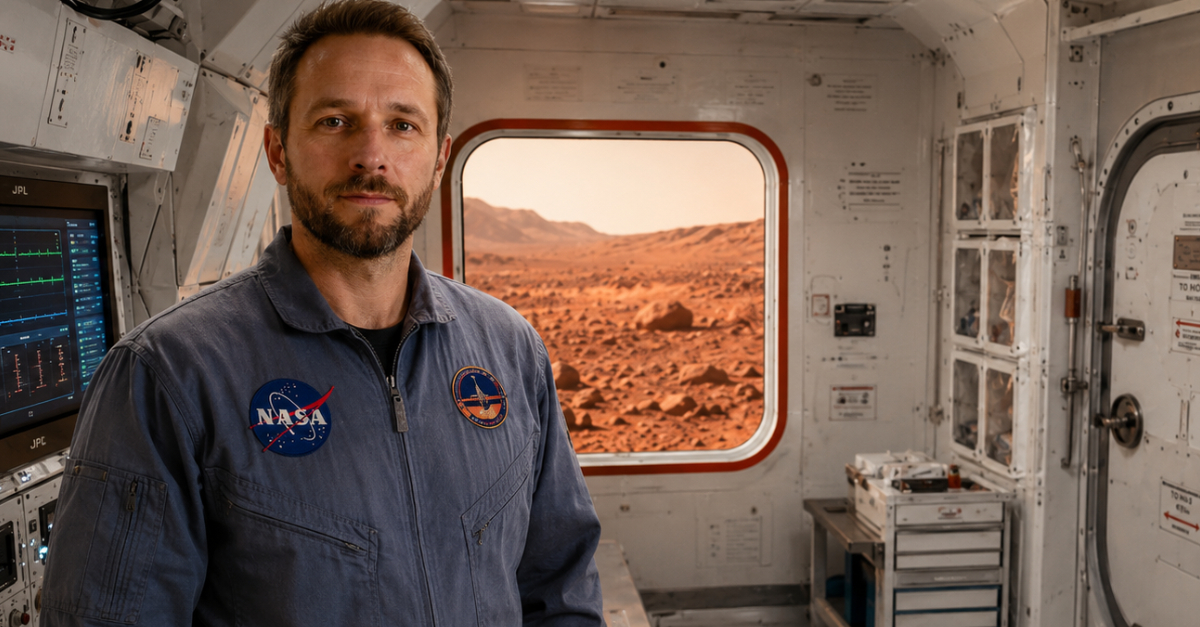
For decades, living on Mars has been something people joked about or watched in science fiction movies. Now NASA is asking a very different question: if you had the chance to do it, would you actually volunteer?
Believe it or not, the space agency has just announced it's looking for people willing to spend an entire year on a Mars mission. And yes, it's accepting applications.
It's Bigger Than Mars
NASA's new mission is not just about the Red Planet. It is also tied to the agency's plans for the Moon, which is where humans are expected to practice many of the skills they would eventually need farther from home. So this is not just a Mars story. The moon isn't playing second fiddle to any planet.
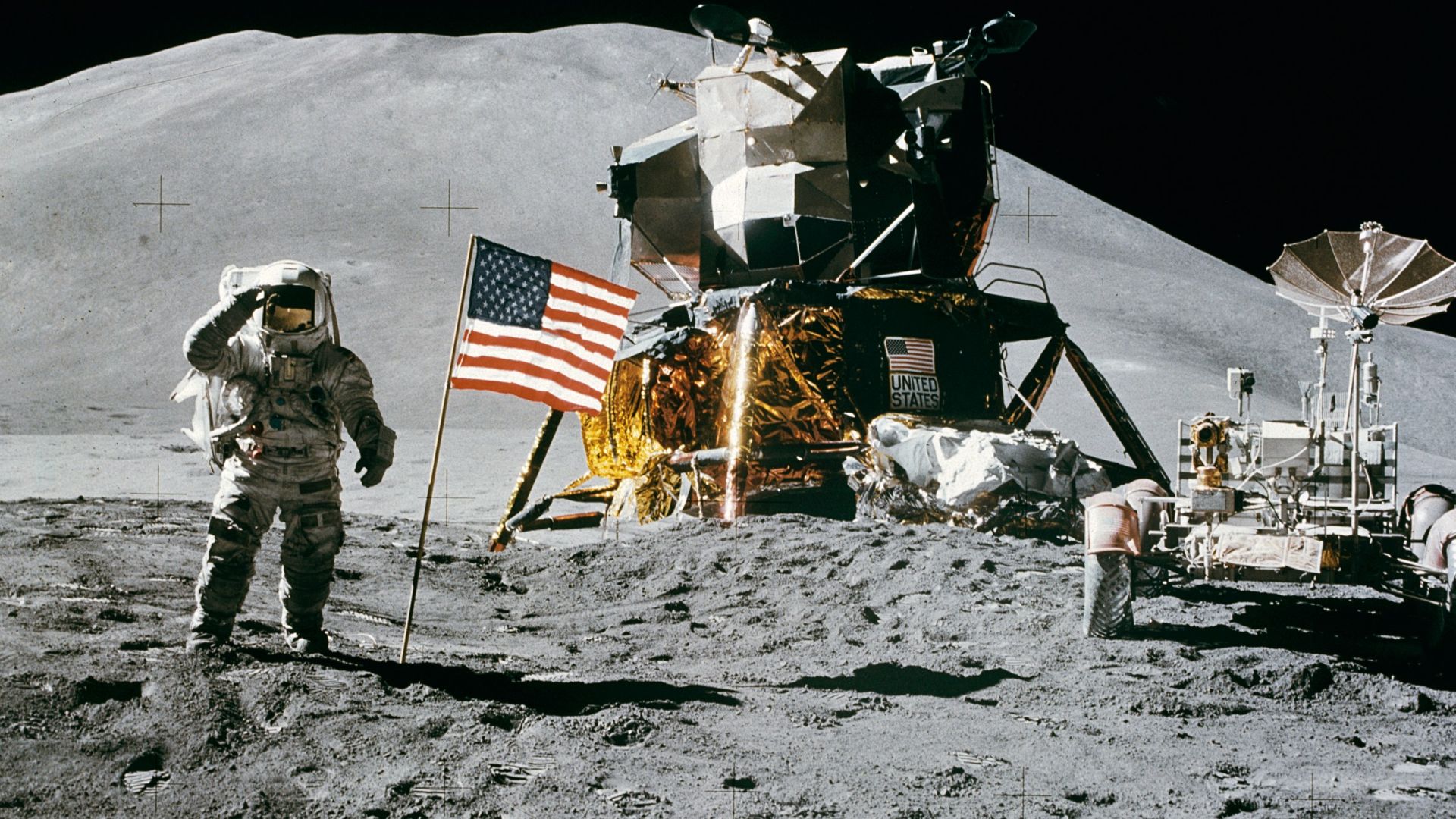 Astronaut David R. Scott, Apollo 15 commander., Wikimedia Commons
The Mission Has A Name
The program is called the Moon and Mars Exploration Analog, or MMEA, because apparently even space dreams need an acronym. NASA says it is designed to help scientists understand how crews handle the kind of isolation, pressure, and daily work that could come with future missions beyond Earth.
Nobody Is Leaving Earth Yet
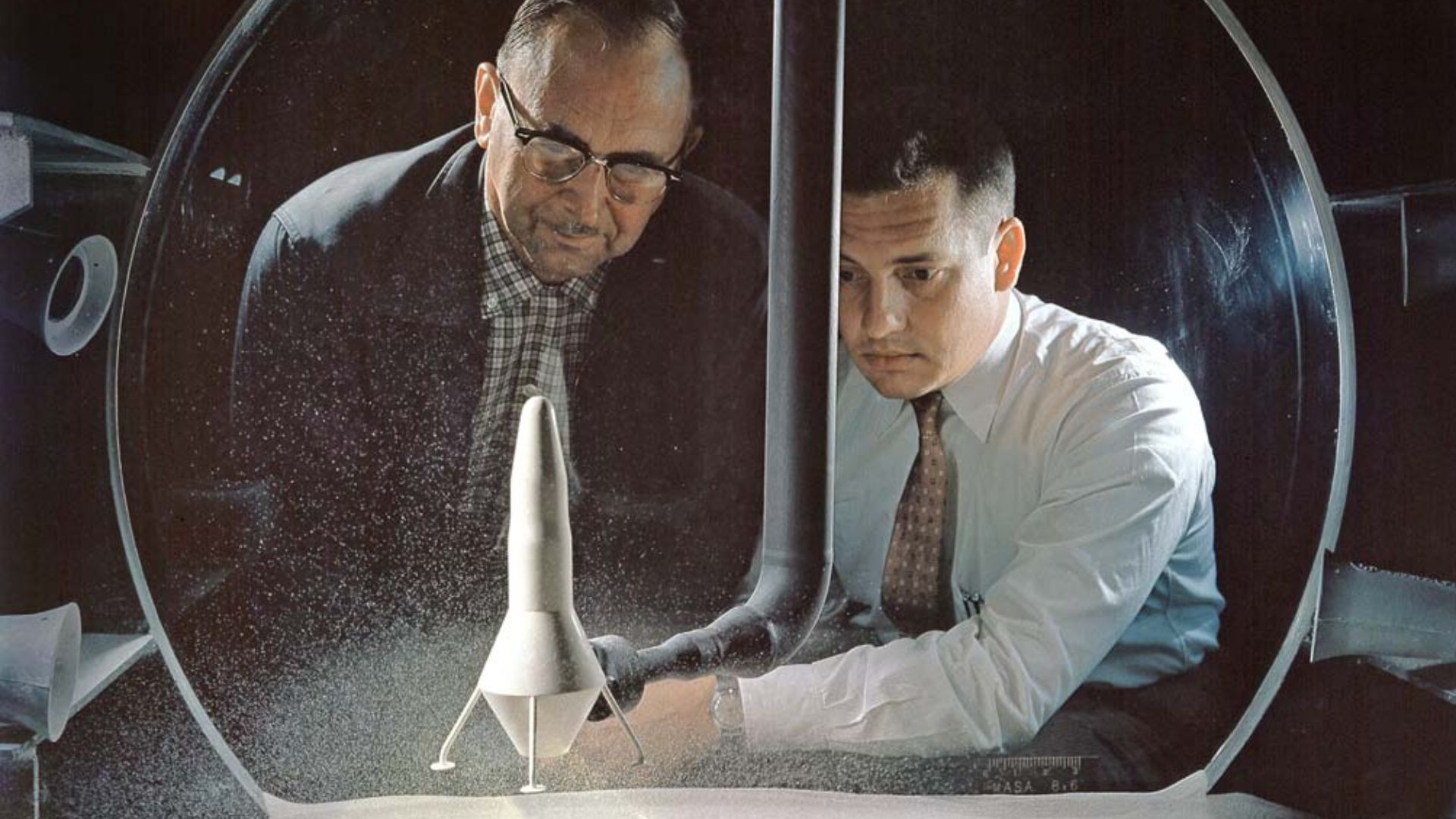
Here is where the story gets stranger. The four volunteers NASA selects will not blast off on a rocket, but they will spend a full year living as if they are part of a deep-space mission. That means confined habitats, mission rules, limited resources, simulated exploration, and a version of Mars that is close enough to test what humans can handle.
 NASA/Clouds AO/SEArch, Wikimedia Commons
It Starts In Houston
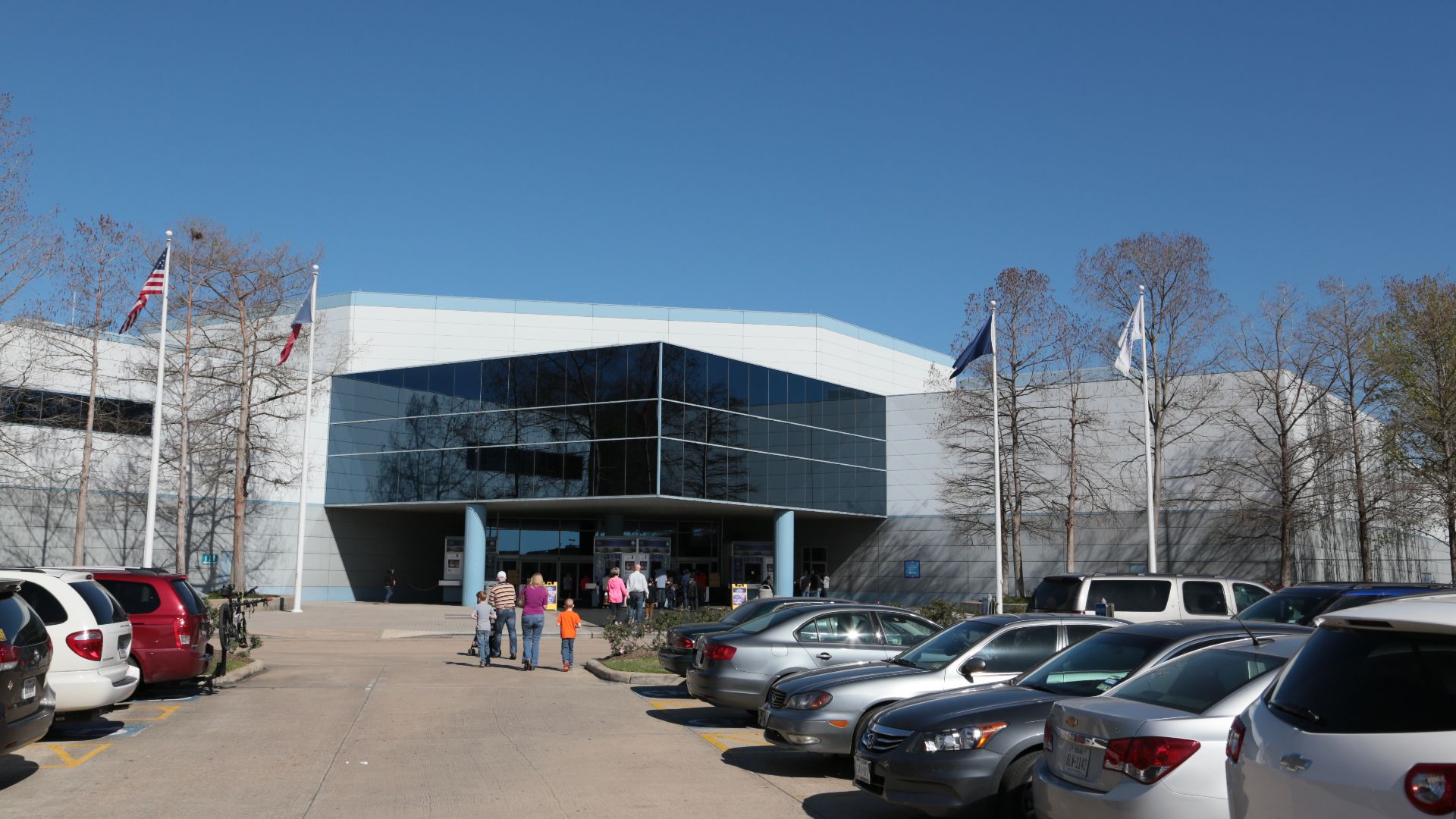
The mission will take place at NASA's Johnson Space Center in Houston, Texas. That may not sound as dramatic as stepping onto the dusty surface of Mars, but for the people selected, it still means disappearing from normal life for a year and living inside NASA's carefully controlled version of the future.
 John Cummings, Wikimedia Commons
This Is Not A Weekend Campout
NASA says the mission itself will last one year, but volunteers need to be ready for more than that. The full commitment is expected to be around 14 months, because the selected crew also has to complete training before the mission and data collection afterward. Even fake space travel comes with paperwork.
 Josh Valcarcel, Wikimedia Commons
Four People Will Be Chosen
NASA is not looking for a crowd. The first MMEA mission is built around a small crew of four people, which makes the whole thing feel even more intense. If humans eventually travel to Mars, they will not have the luxury of wandering away when someone starts chewing too loudly.
The First Mission Starts Later
The first mission is scheduled to begin no earlier than August 2027, and NASA currently lists the application deadline as ongoing. That gives the agency time to screen applicants, train the crew, and prepare the facilities. It also gives anyone thinking about applying time to ask the real question: could they actually handle this?
 NASA Johnson Space Center / James Blair - NASA - JSC, Wikimedia Commons
Kind Of Like A Space-Age Biodome
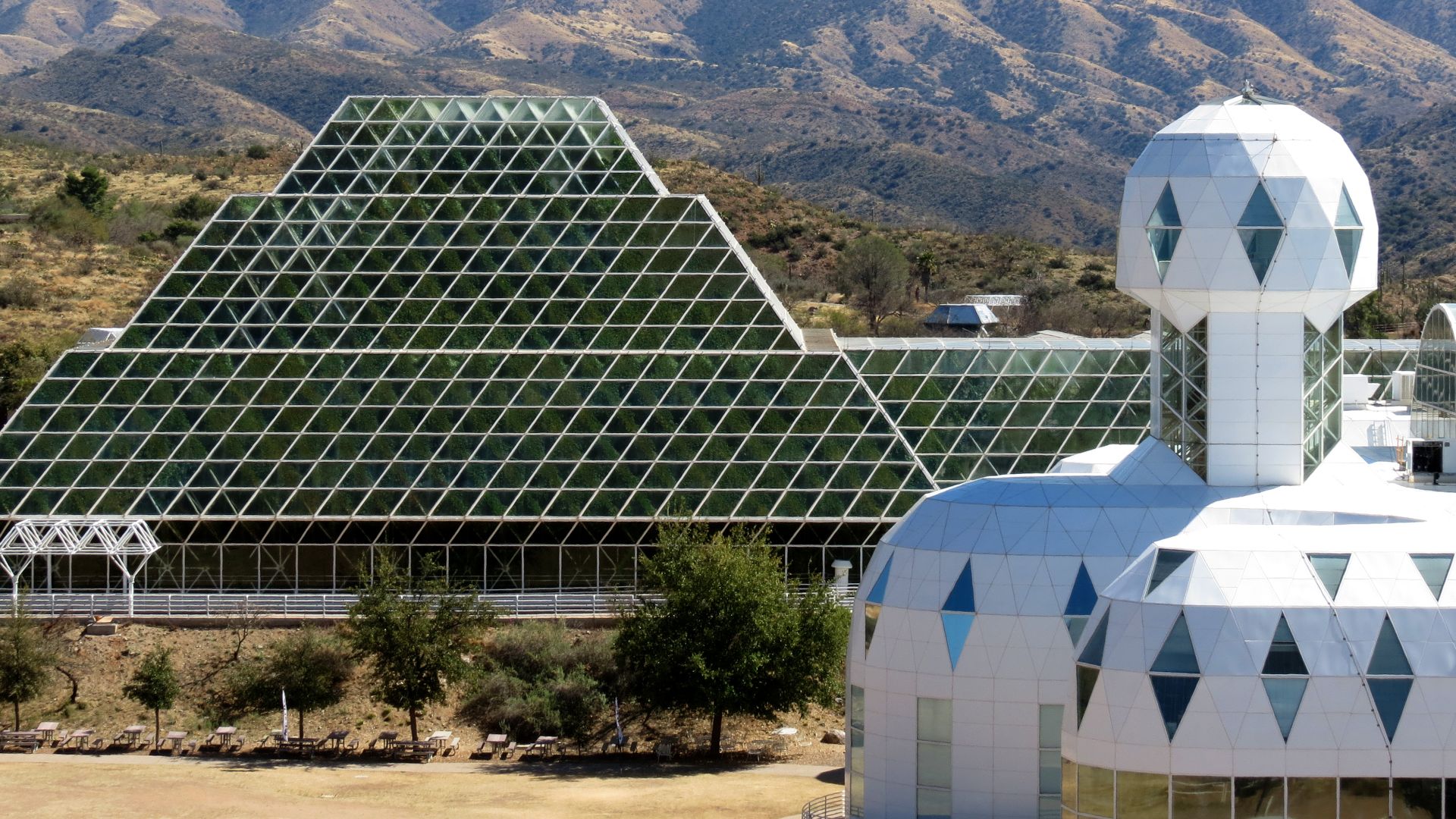
If this sounds a little familiar, there is a reason. In the early 90s, eight people famously spent two years sealed inside Biosphere 2 in Arizona, trying to live inside a closed artificial ecosystem. NASA's new mission is not the same experiment, but the basic question feels similar: what happens when humans are shut inside a carefully controlled world and asked to act like the future depends on it?
 Katja Schulz from Washington, D. C., USA, Wikimedia Commons
The Habitat Changes During The Mission
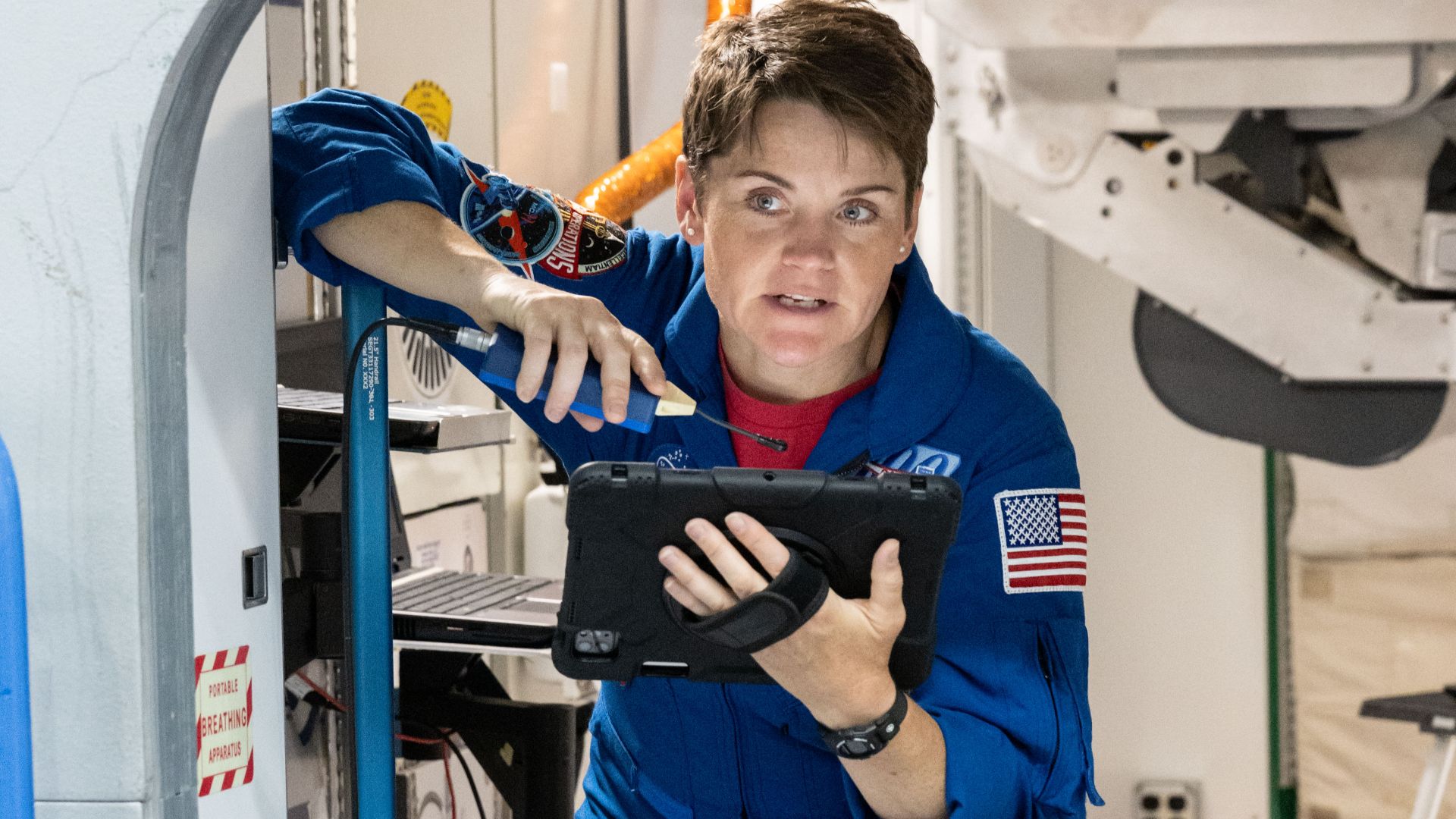
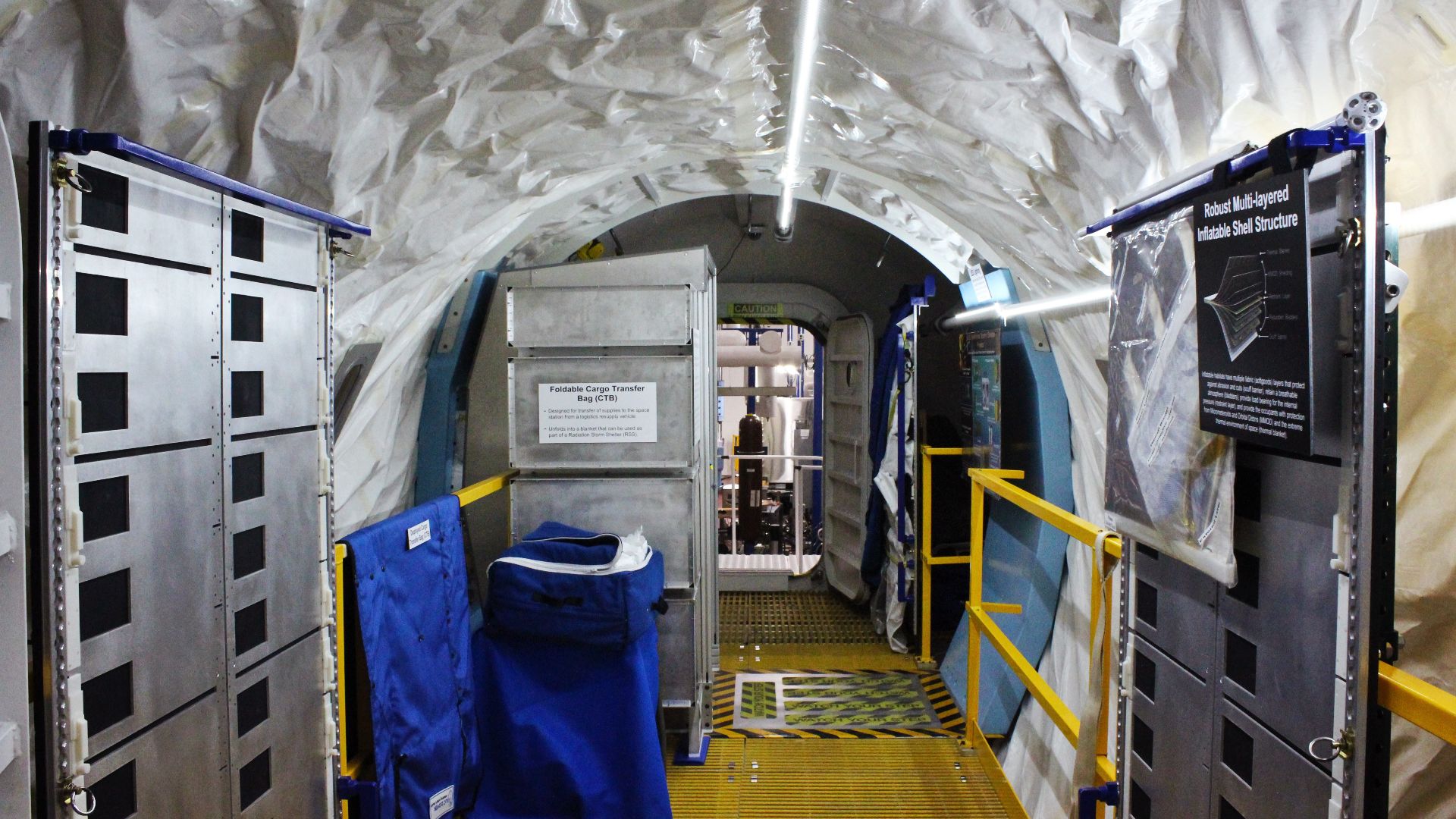
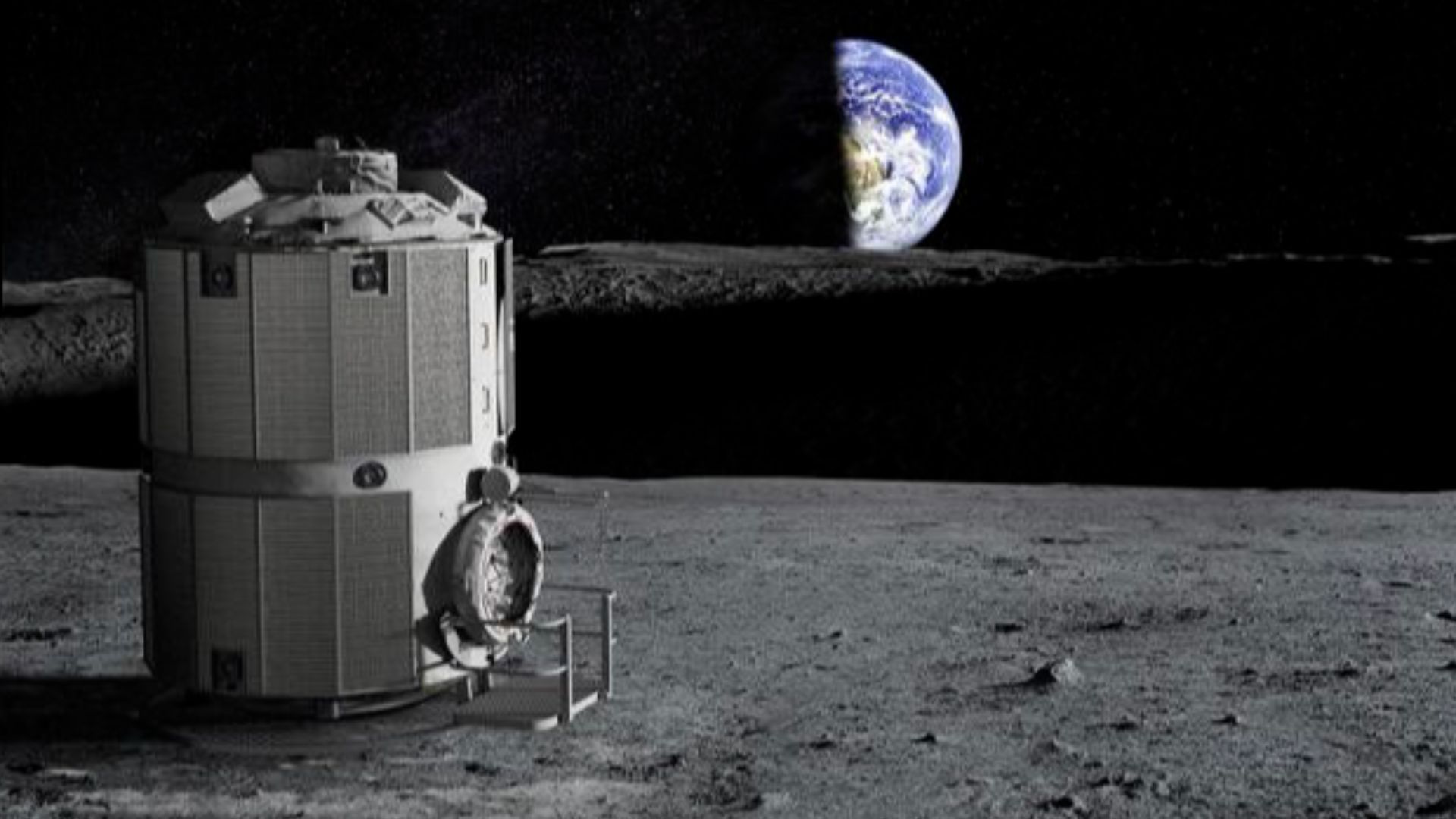
The volunteers will not just sit inside one room for a year like the world's strangest reality show. NASA says the mission will use two confined habitats to simulate different parts of deep-space exploration, including interplanetary travel and planetary surface operations. Basically, they get the road trip and the destination, without the actual planet.
 Will Fisher from Richmond, VA, United States, Wikimedia Commons
One Habitat Acts Like The Spacecraft
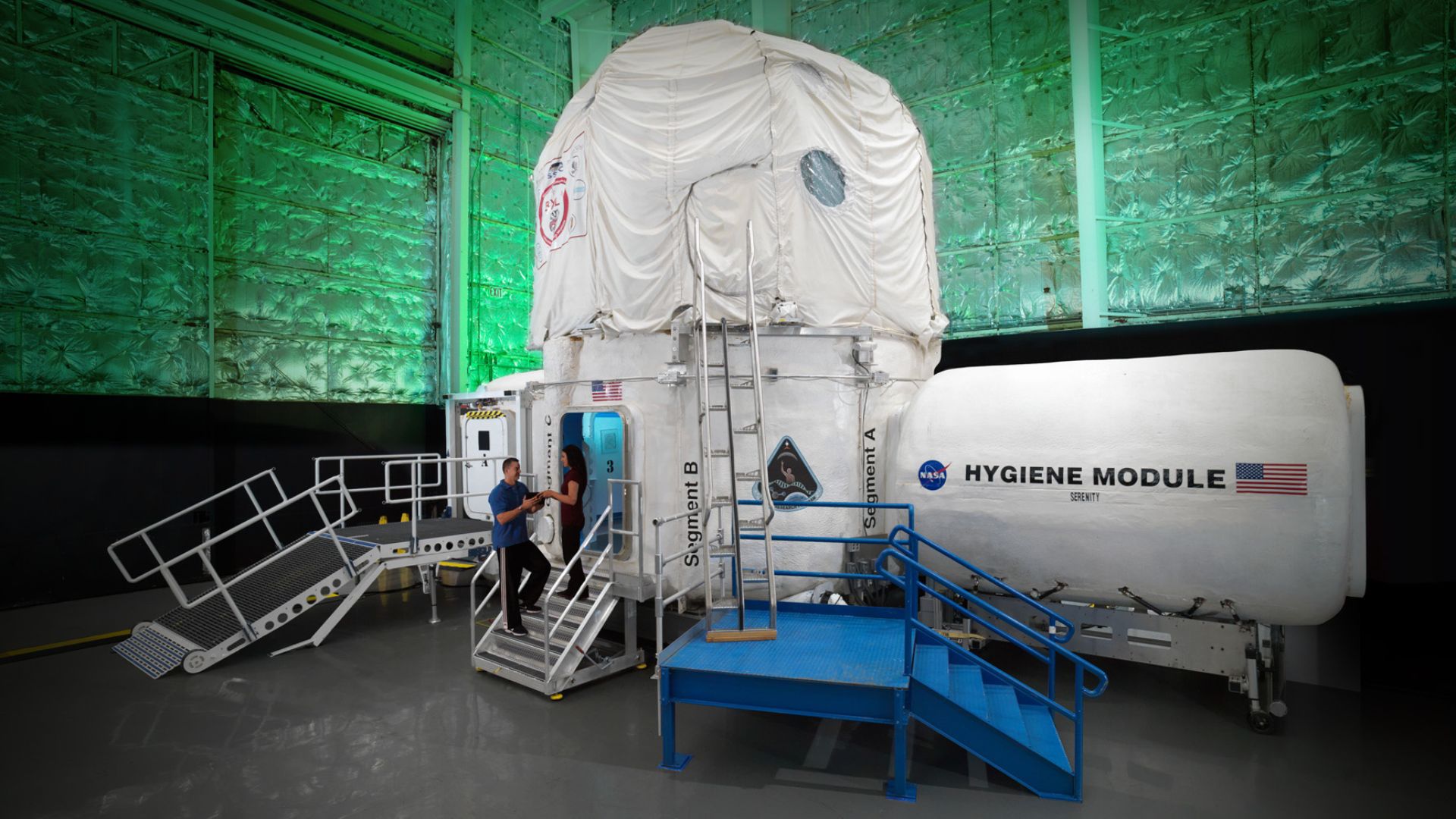
Part of the mission uses a habitat adapted from NASA's Human Exploration Research Analog, better known as HERA. NASA describes it as a two-story, four-port habitat with a workspace, living area, sleeping quarters, and hygiene module. In other words, this is the part that pretends the crew is stuck between worlds.
 Bill Stafford, Wikimedia Commons
Then Comes The Surface Phase
The crew will also shift into a surface habitat designed to simulate living and working on another world. That part of the mission is about more than just staying indoors. NASA wants to study how people perform once they are supposed to be carrying out tasks on the Moon or Mars.
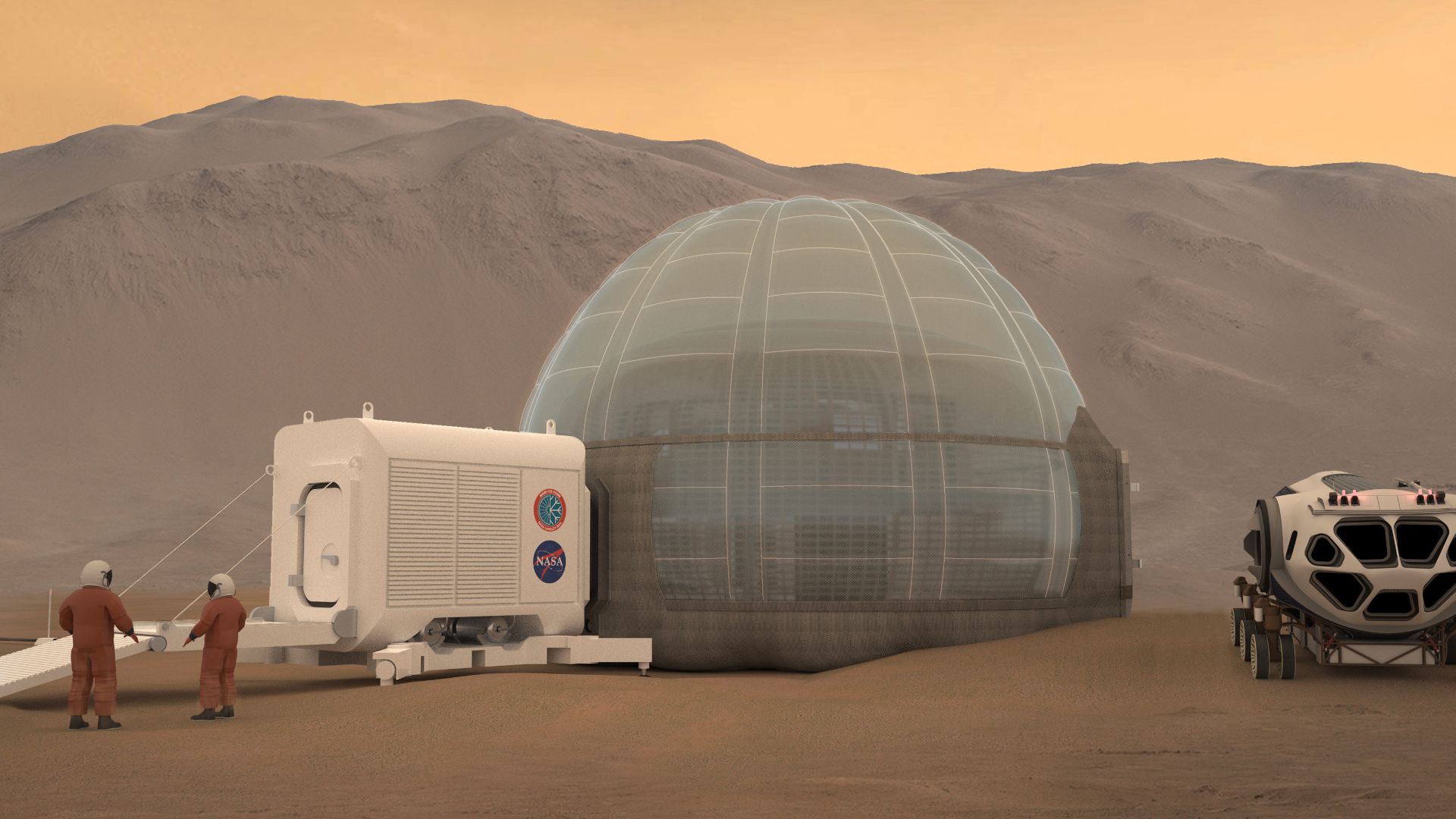
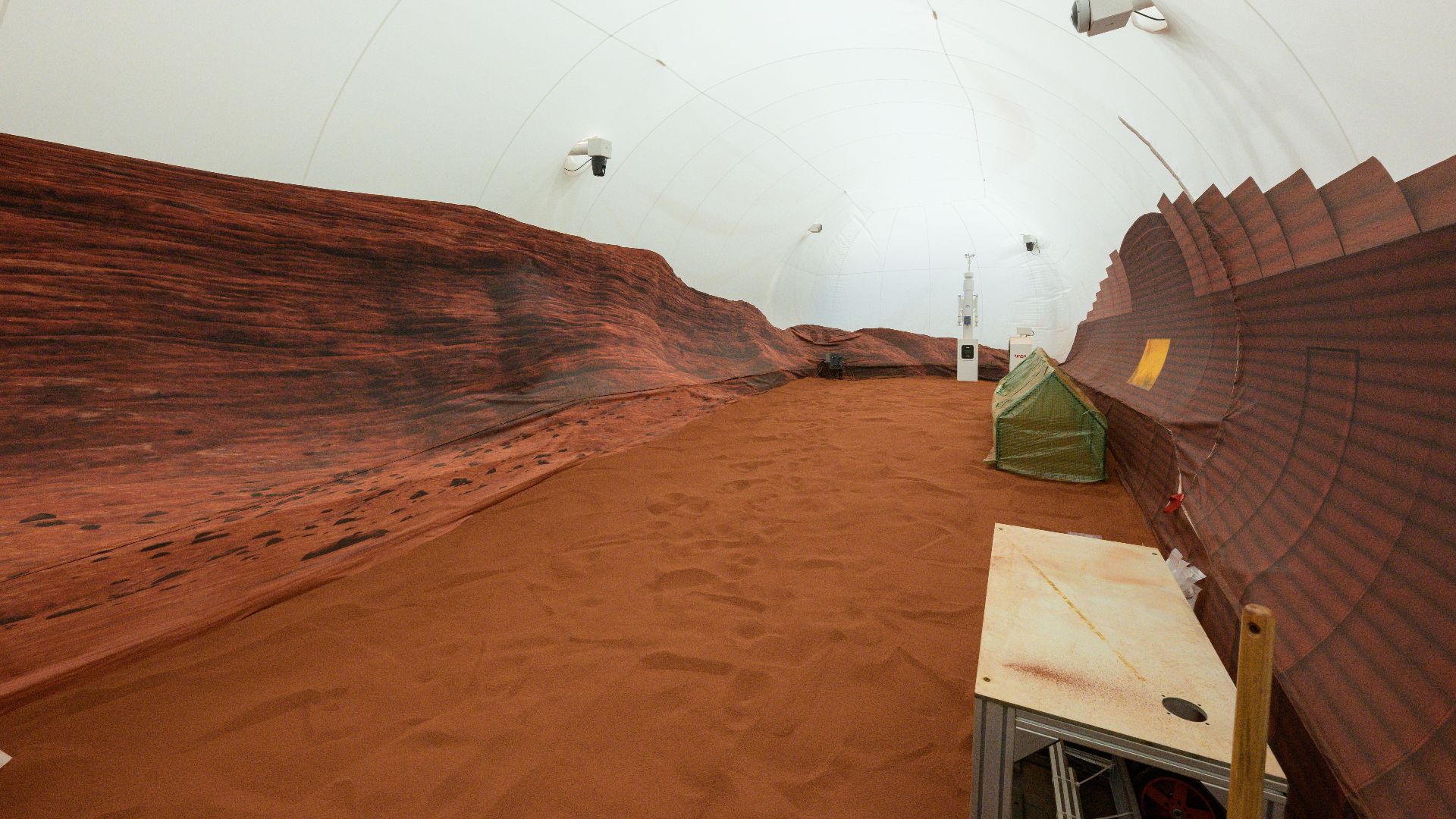
The Mars Habitat Is 3D-Printed
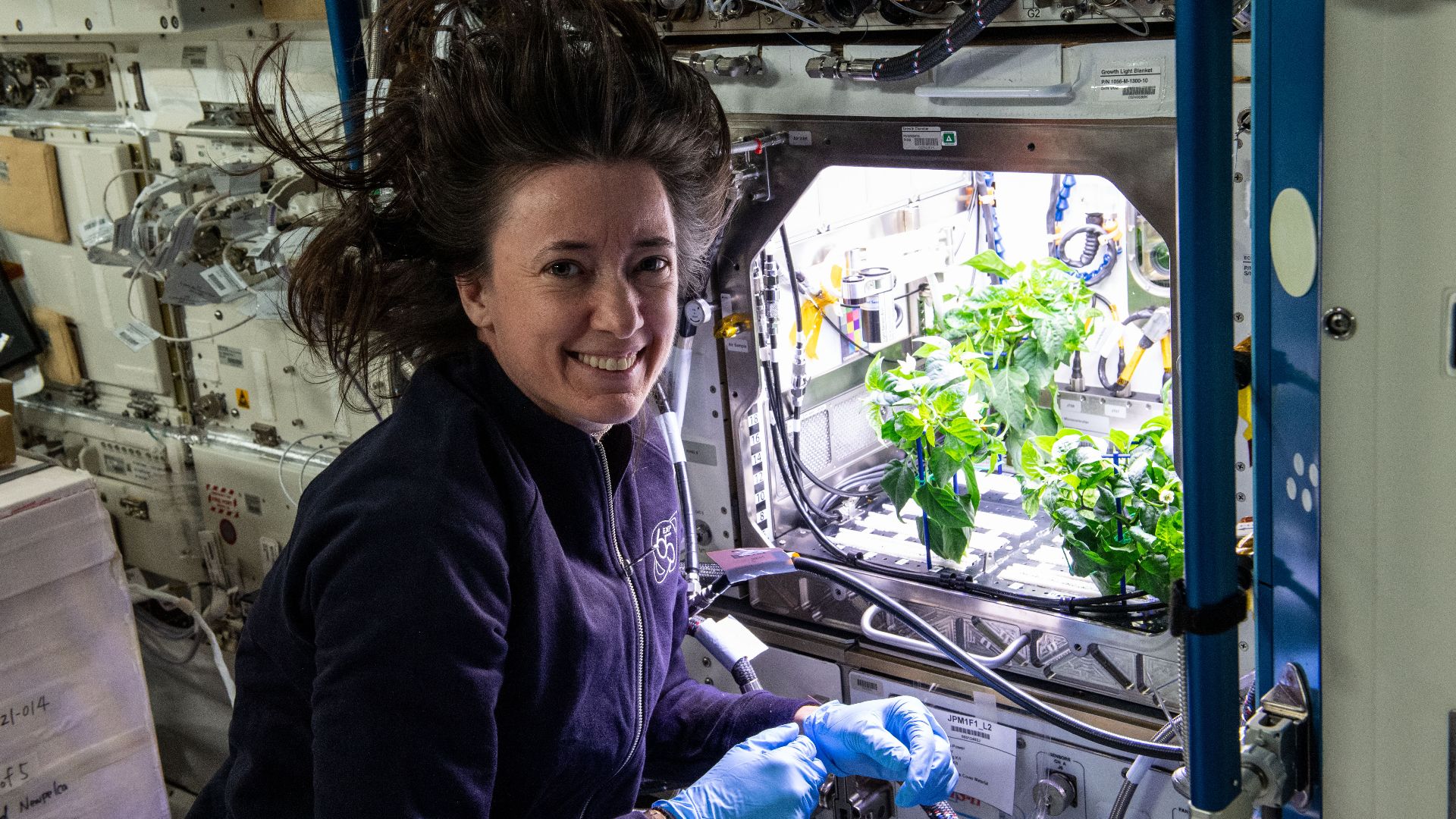
NASA's surface habitat is a one-story, 3D-printed facility that has already been used for CHAPEA Mars simulation work. It includes private crew quarters, a communal workspace, a recreation room, crop cultivation area, medical room, food preparation area, airlock, two bathrooms, and a sandbox for simulated walks on another planetary surface.
 NASA/Bill Stafford, Wikimedia Commons
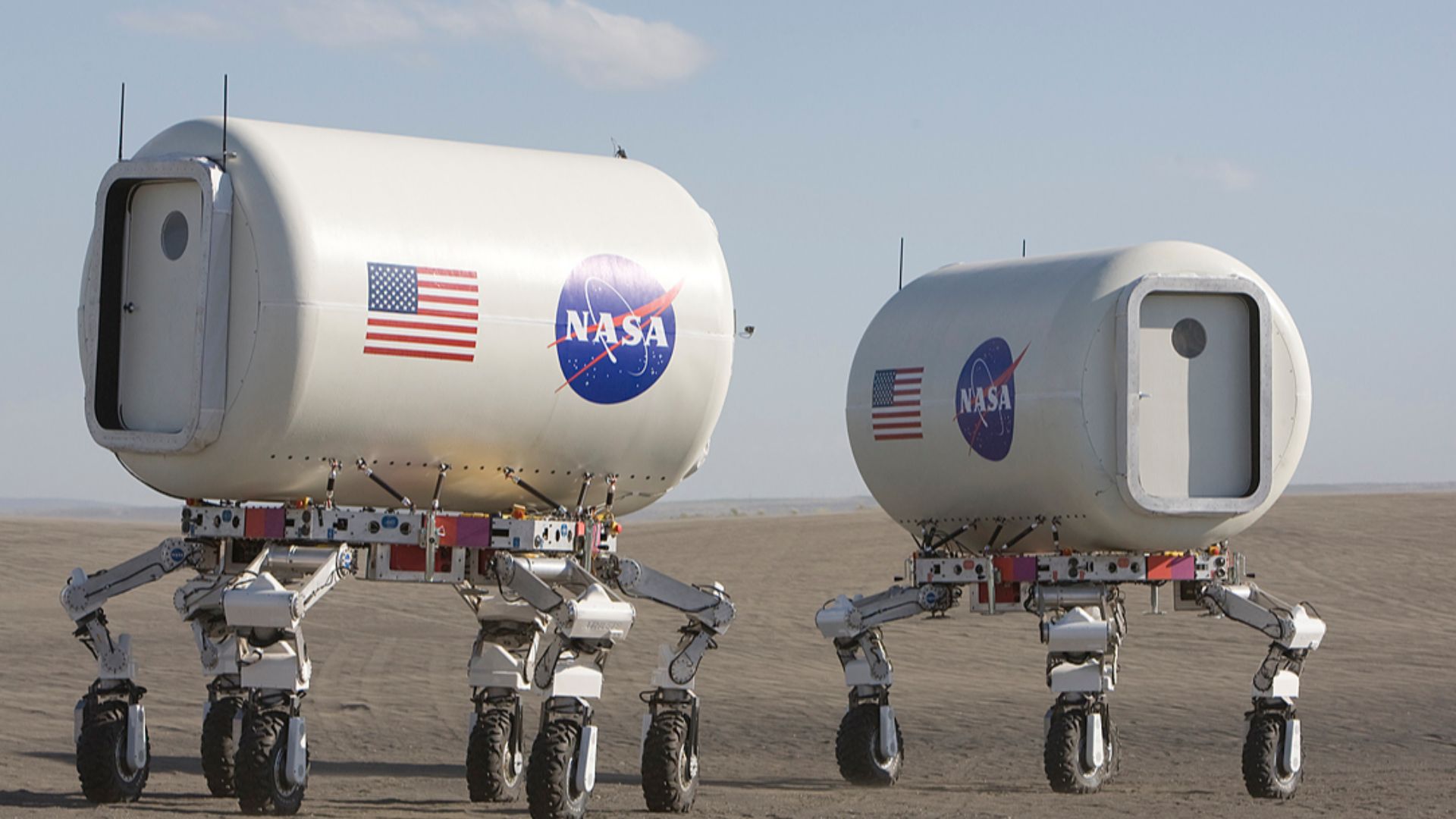
The Rover Has A Toilet
NASA says participants may also use a rover module to simulate traveling beyond the main habitat to exploration sites. And yes, the details are oddly specific. The rover includes two driver seats, two beds, a small samples airlock, and a non-flushable toilet. Suddenly, the fake space road trip feels very real.
It Is More Than Sitting In A Habitat
The crew will not just be locked inside while NASA watches what happens. The mission may include immersive, interactive environments that help simulate astronaut tasks beyond the habitat. That means the volunteers could be asked to work through problems that feel closer to a real Moon or Mars mission than a very strange year-long roommate experiment.
 NASA/Megan McArthur, Wikimedia Commons
Yes, There Are Fake Spacewalks
The volunteers are expected to simulate planetary surface operations, including mock Mars walks and other astronaut-like tasks. That may sound fun for about five minutes, until you remember the point is to test real mission demands. NASA is watching how people perform when the work is repetitive, stressful, and supposed to feel like it matters.
The Hardest Part May Be Isolation
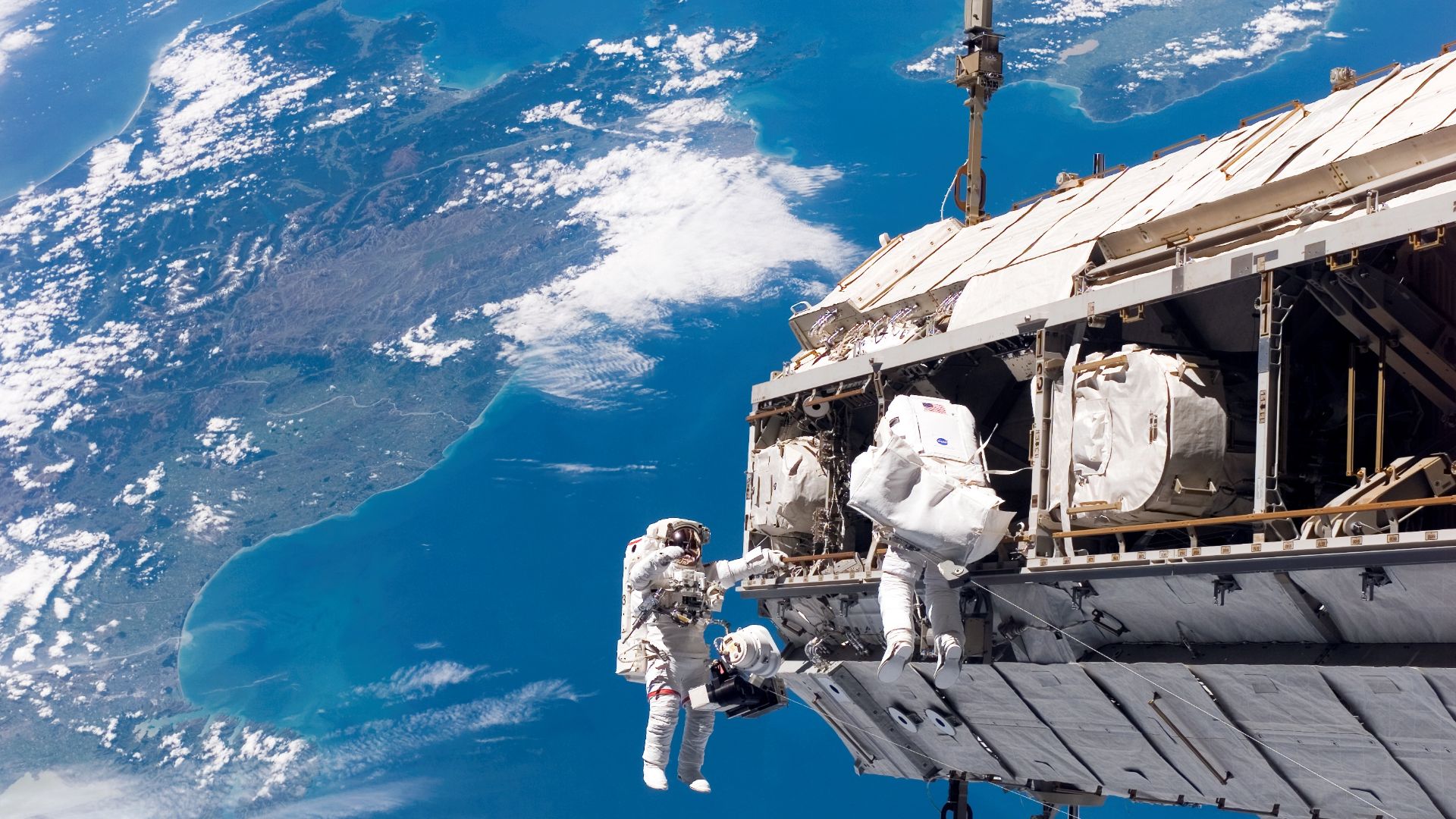
The flashy part is the Mars angle. The real test may be the isolation. NASA wants to understand how crews hold up when they are confined for long periods with limited space, limited contact, and limited escape from each other. Mars is hard, but so is group living with no reset button.
NASA Is Studying The People
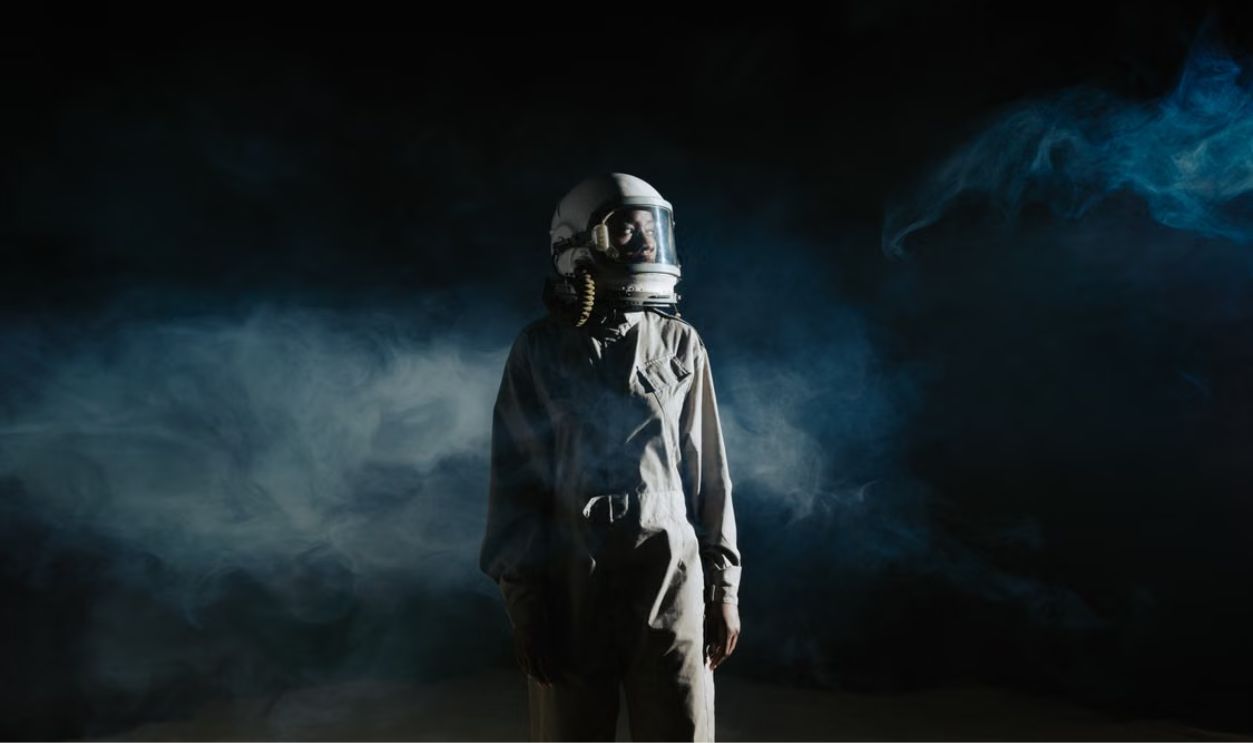
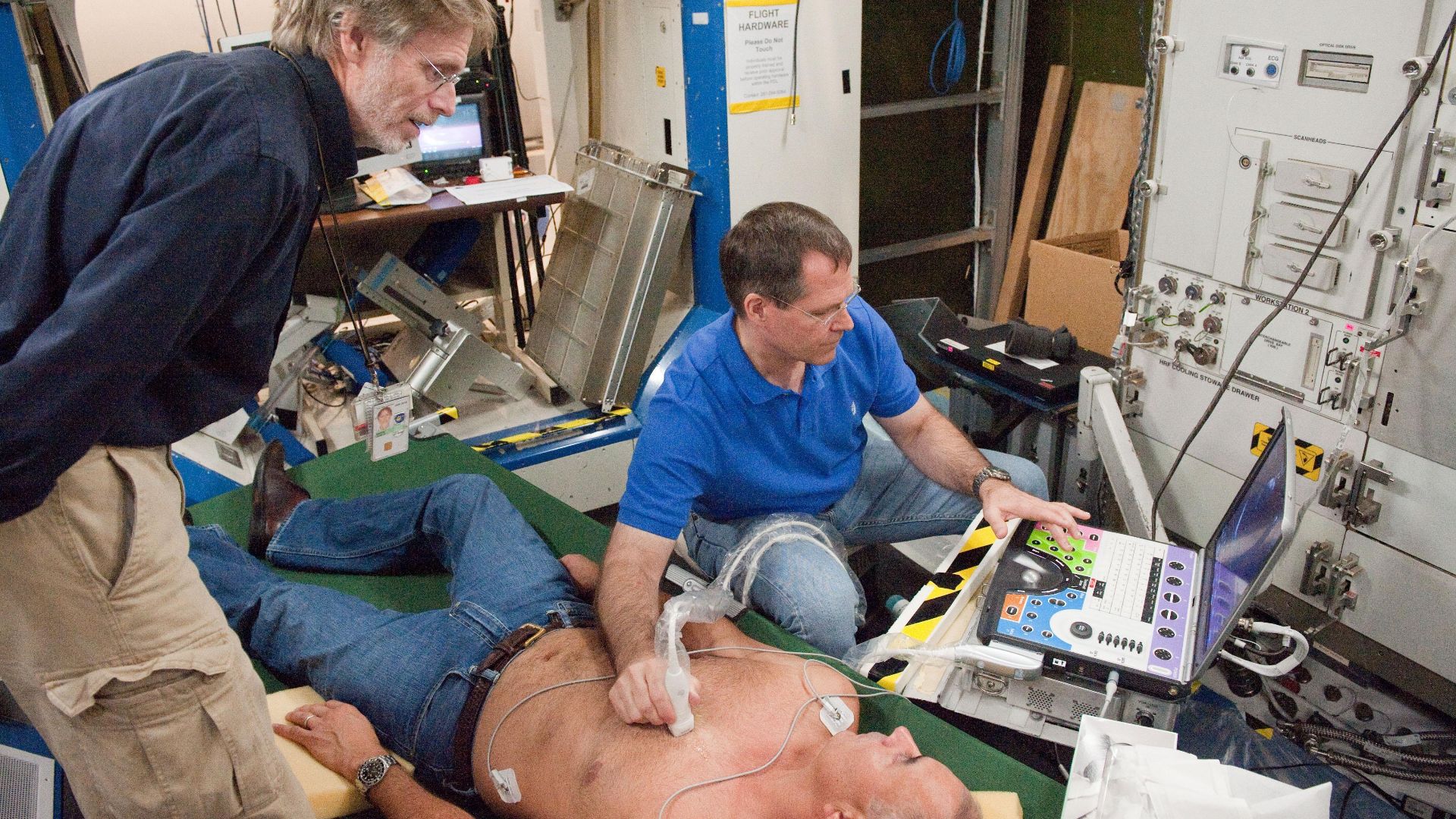
This mission is not just about testing equipment. NASA is also studying crew health and performance. Researchers want to know how volunteers sleep, work, communicate, make decisions, and stay functional under pressure. Because on a real mission, one bad day cannot be allowed to become a failed mission.
Resources Will Be Limited
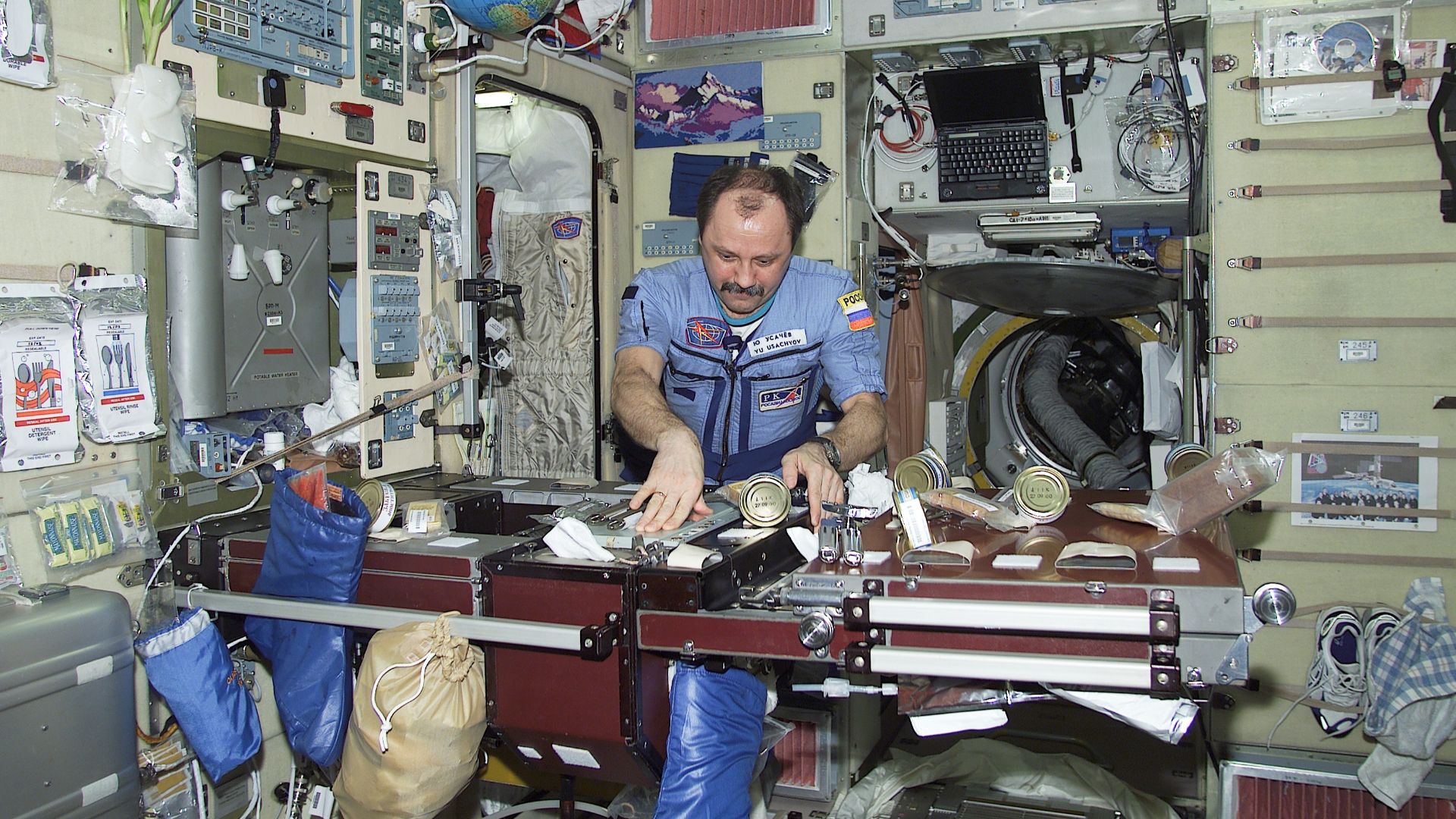
The volunteers will not be living like people in a hotel with a NASA logo on the door. The mission is meant to include resource limits and mission demands that astronauts could face in deep space. That is the whole point. NASA needs to know what breaks before anyone is millions of miles from help.
Distance From Earth Changes Everything
NASA analog missions are designed to test the hazards humans could face away from home, including isolation, confinement, hostile closed environments, and distance from Earth. That matters because the farther astronauts travel, the less normal everything becomes. Even basic decisions can feel different when Earth is no longer right outside the door.
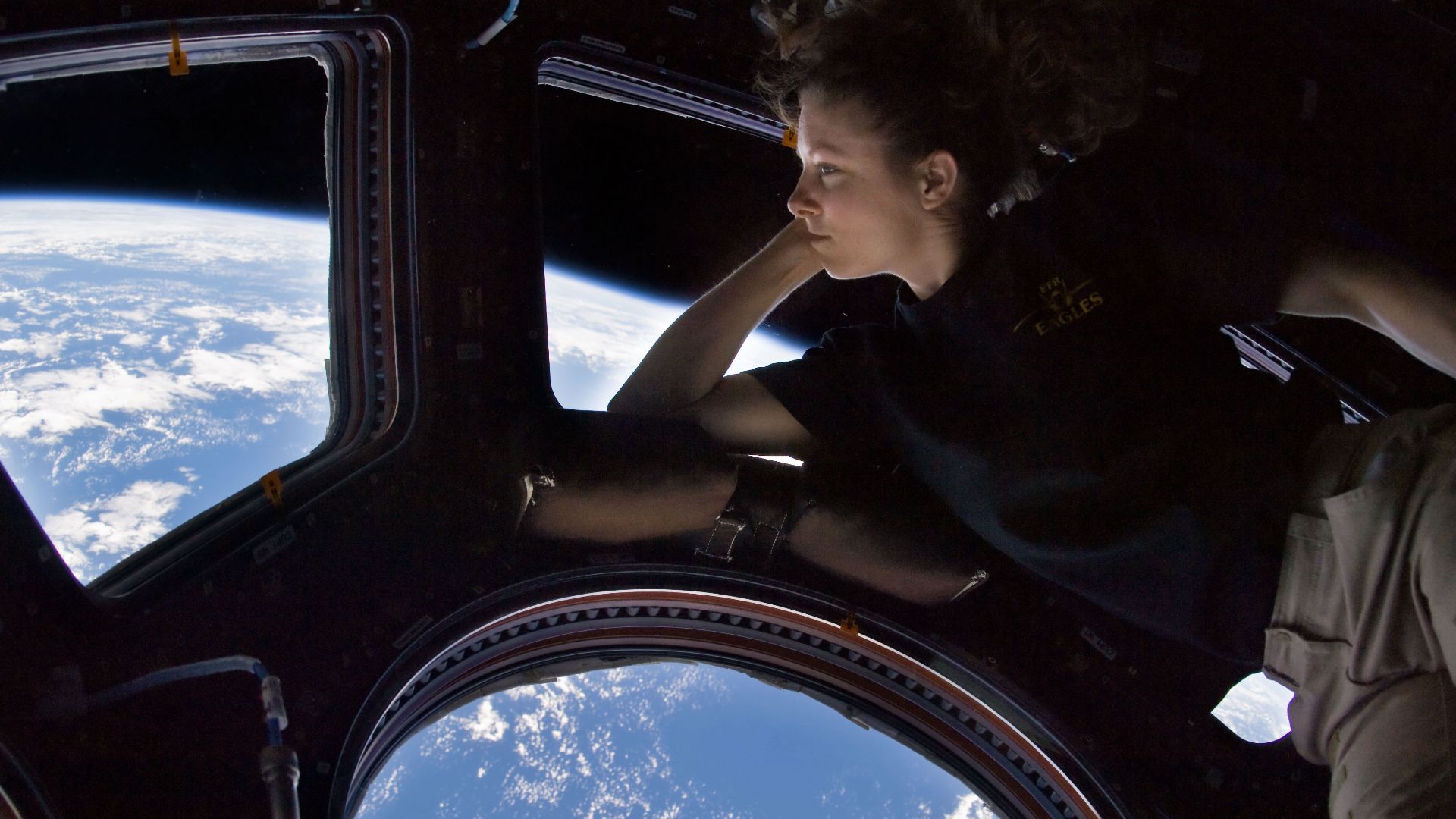 NASA/Tracy Caldwell Dyson, Wikimedia Commons
The Rules Are Pretty Specific
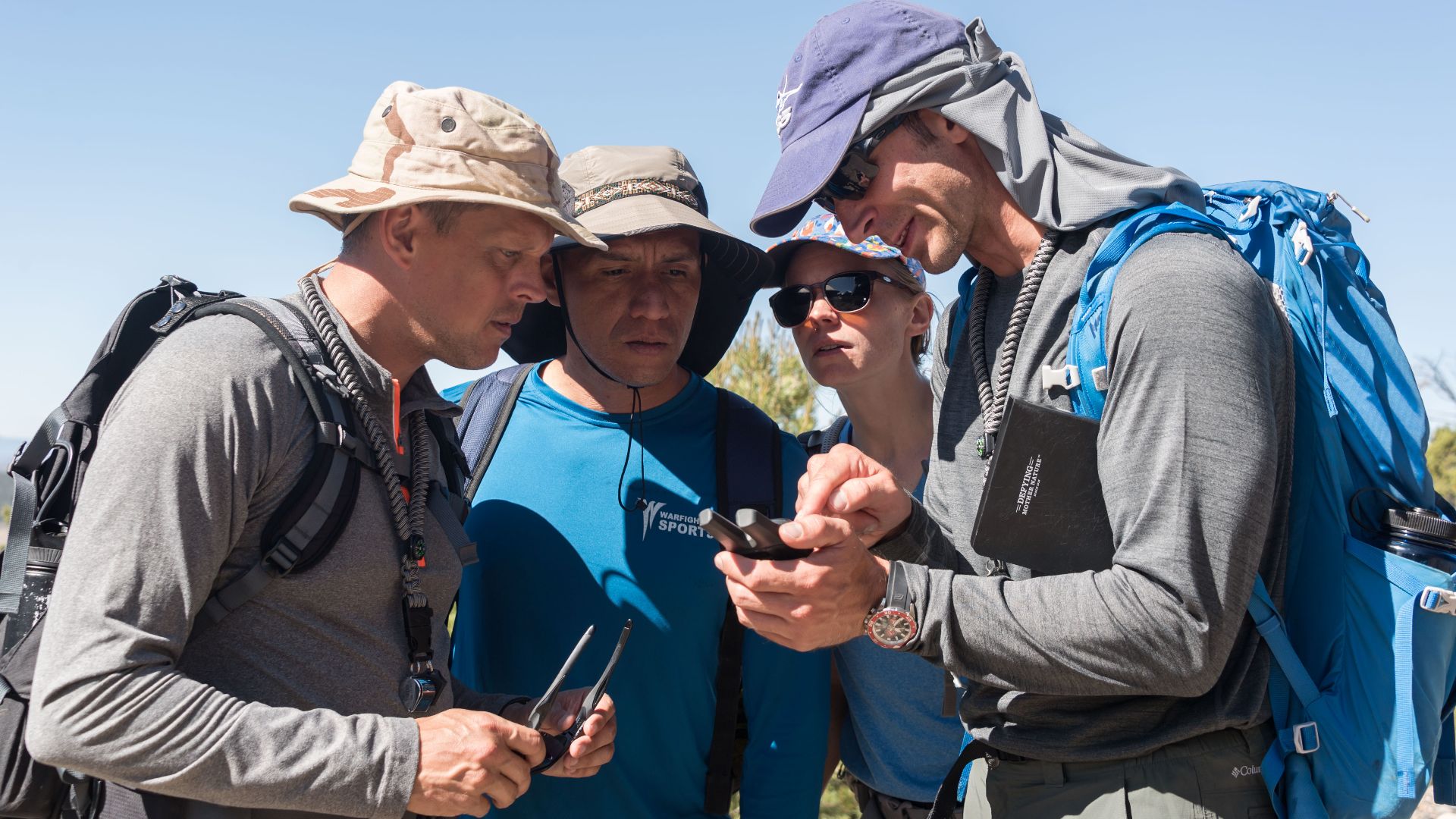
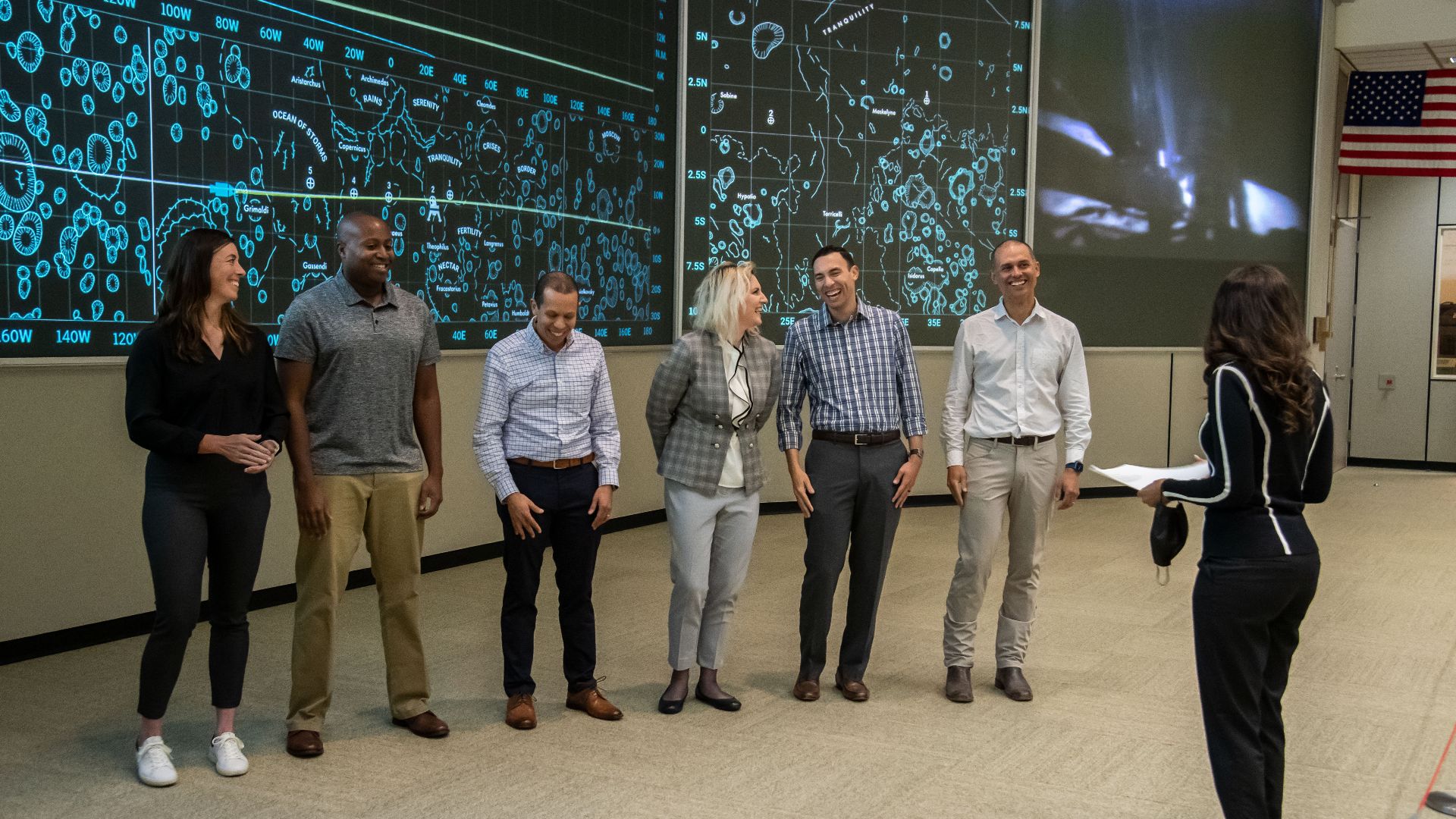
NASA is looking for healthy, motivated applicants who are U.S. citizens or green card holders. The preferred age range is 30 to 55, though candidates outside that range may be considered with extra approvals. Applicants also need to be proficient in English, no more than 74 inches tall, able to pass NASA medical and psychological screening, and willing to go through a multi-day selection process.
 Josh Valcarcel, Wikimedia Commons
This Is Not For Just Anyone
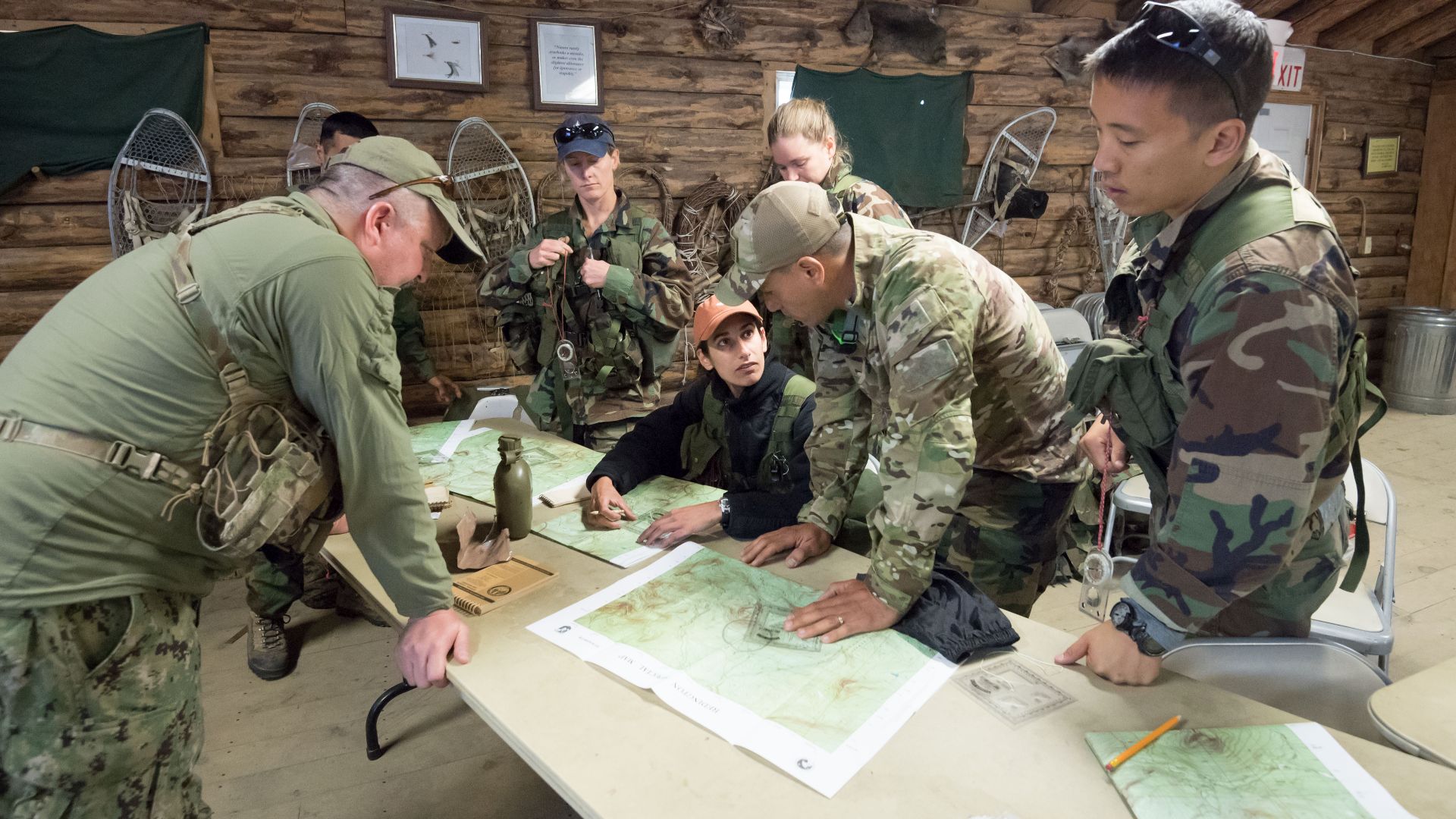
Applicants also need strong qualifications. NASA lists education in engineering, biological science, physical science, or mathematics as one path, with advanced STEM degrees preferred. So if your main qualification is watching The Martian and thinking Matt Damon made Mars look oddly survivable, that probably will not be enough.

There Are Some Surprising Restrictions
NASA also lists a few very specific requirements. Applicants must have strong technical skills, no dietary restrictions, no history of sleepwalking, and no use of sleeping aids. Which makes sense, because a year-long space simulation is probably not the ideal place to discover someone wanders around at 3 a.m.

Volunteers Will Be Reimbursed
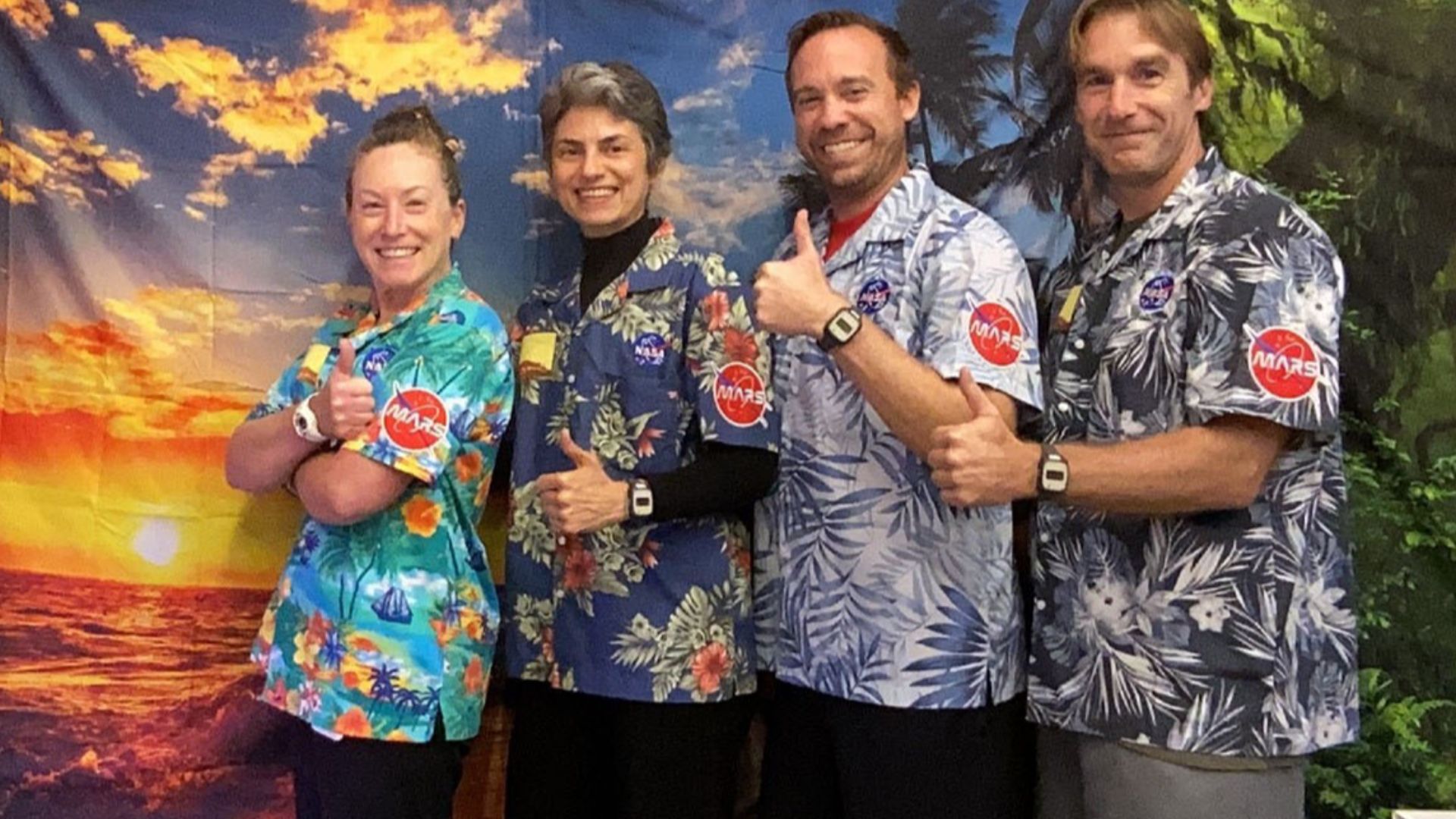
NASA says research volunteers will be reimbursed, though some restrictions apply for NASA civil servants and contractors. It is not being pitched like a game show prize or a paid vacation, because it is very much not either of those things. This is research, and the people selected will be helping NASA study the future of human spaceflight.
 NASA Johnson, Wikimedia Commons
The Bigger Goal Is Real
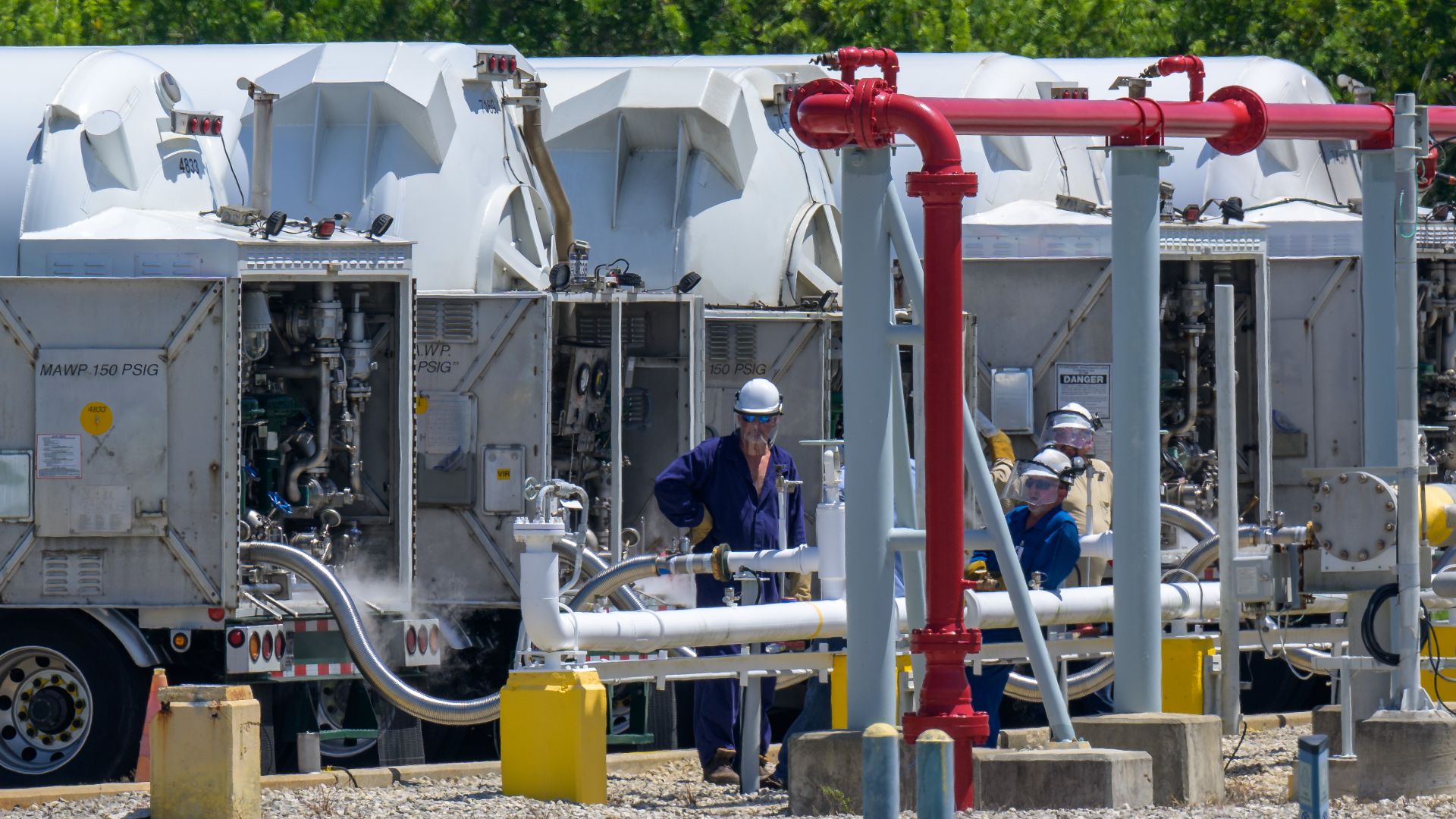
The simulation may happen on Earth, but the reason behind it is very real. NASA says the data could help support future Artemis missions, a sustained human presence on the Moon, and eventually the first crewed mission to Mars. In other words, this is not pretend for pretend's sake.
 Bill Ingalls, Wikimedia Commons
Mars Is Still The Dream
NASA has not set a firm date for the first crewed Mars landing, but the direction is clear. The Moon comes first, because it gives astronauts and engineers a closer place to practice. Mars is the harder destination waiting beyond it. This mission is one more step toward figuring out how humans might eventually get there.
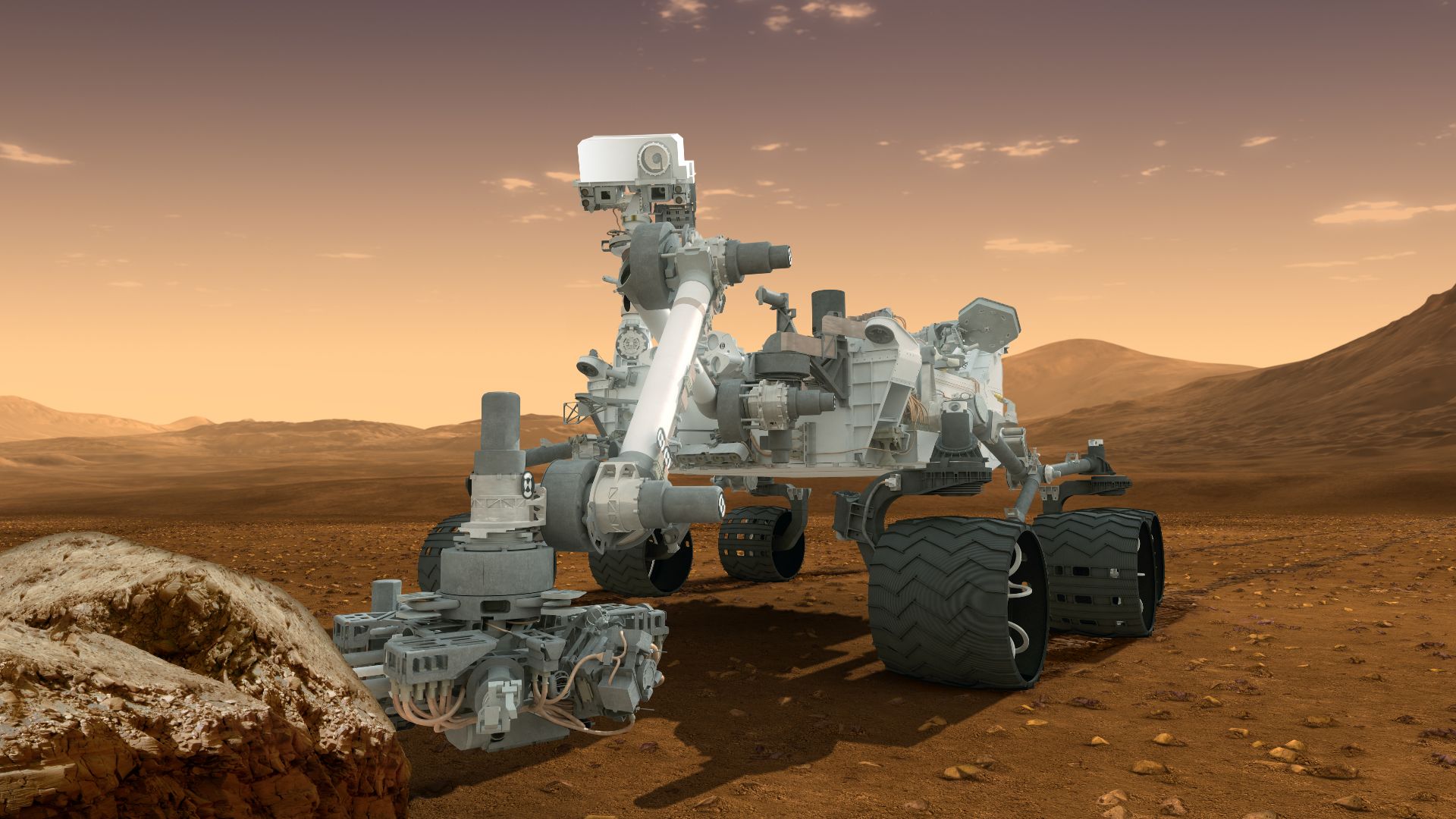 NASA/JPL-Caltech, Wikimedia Commons
Would You Actually Do It?
That is what makes this story so strange. Most of us love the idea of Mars from a safe distance, preferably while scrolling on a couch with snacks nearby. But NASA is asking a much harder question: would you give up a year of normal life to help humans figure out how to survive somewhere else?
 Christian Velitchkov, Unsplash
You Might Also Like: