

Science's Unsolved Mysteries
Despite extraordinary advances in computing, astronomy, medicine, and artificial intelligence, some mysteries remain stubbornly unsolved. Scientists have gathered vast amounts of data and developed increasingly sophisticated theories, but many fundamental questions about the universe, life, and reality itself continue to defy explanation in 2026.
Dark Matter
Astronomers first realized something unusual was happening in the 1930s when Swiss astronomer Fritz Zwicky observed galaxies behaving as though invisible mass was influencing them. Today, scientists estimate that dark matter accounts for roughly 27% of the universe, yet no experiment has conclusively identified what the stuff actually is.
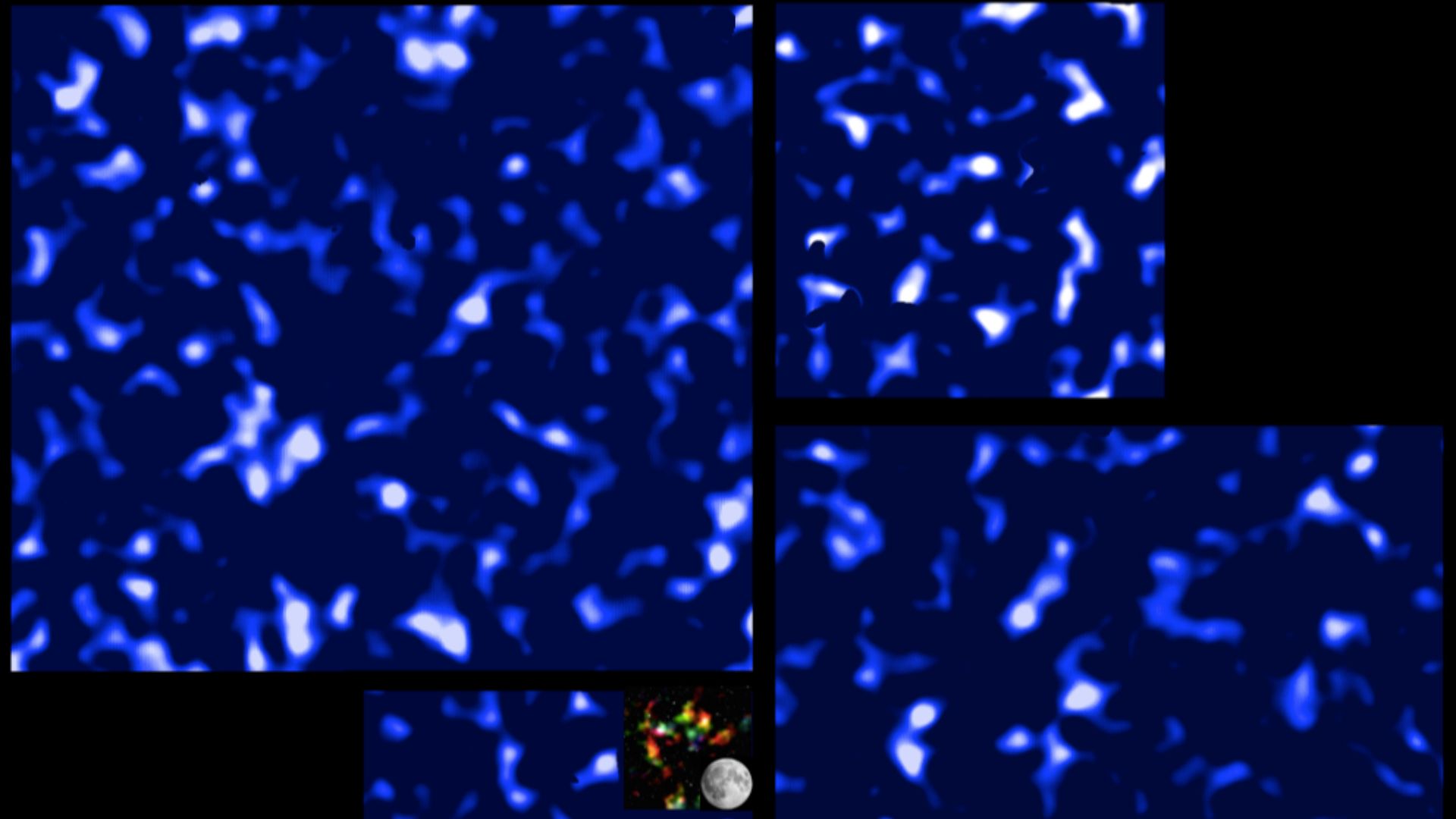 Canada-France-Hawaii Telescope Lensing Survey, Wikimedia Commons
Dark Energy
In 1998, two independent research teams discovered that the expansion of the universe was accelerating rather than slowing down. Scientists attributed this surprising behavior to a mysterious force called dark energy. More than two decades later, researchers still do not know what dark energy is or how it works.
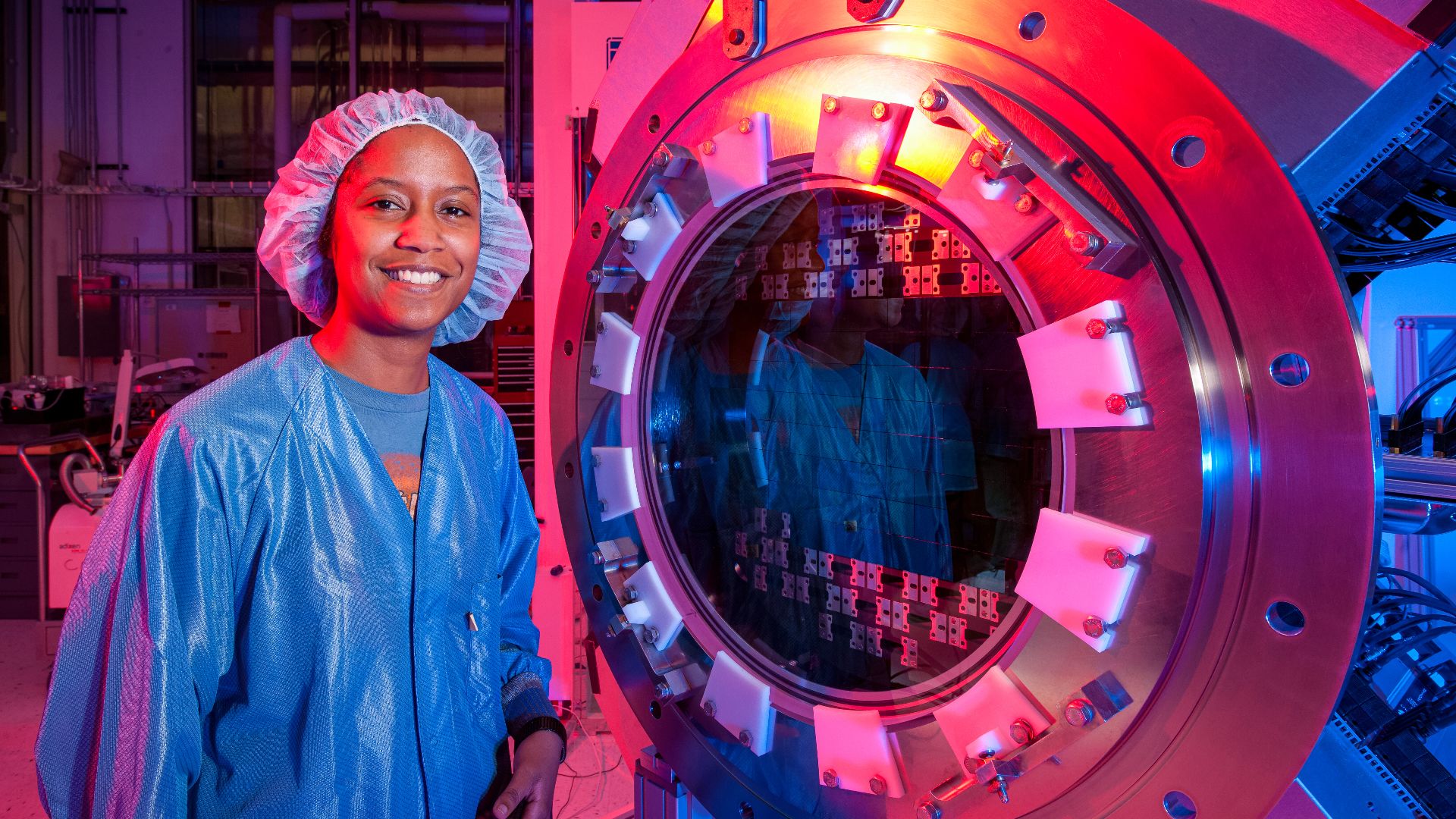 DOE/FNAL/DECam/R. Hahn/CTIO/NOIRLab/NSF/AURA, Wikimedia Commons
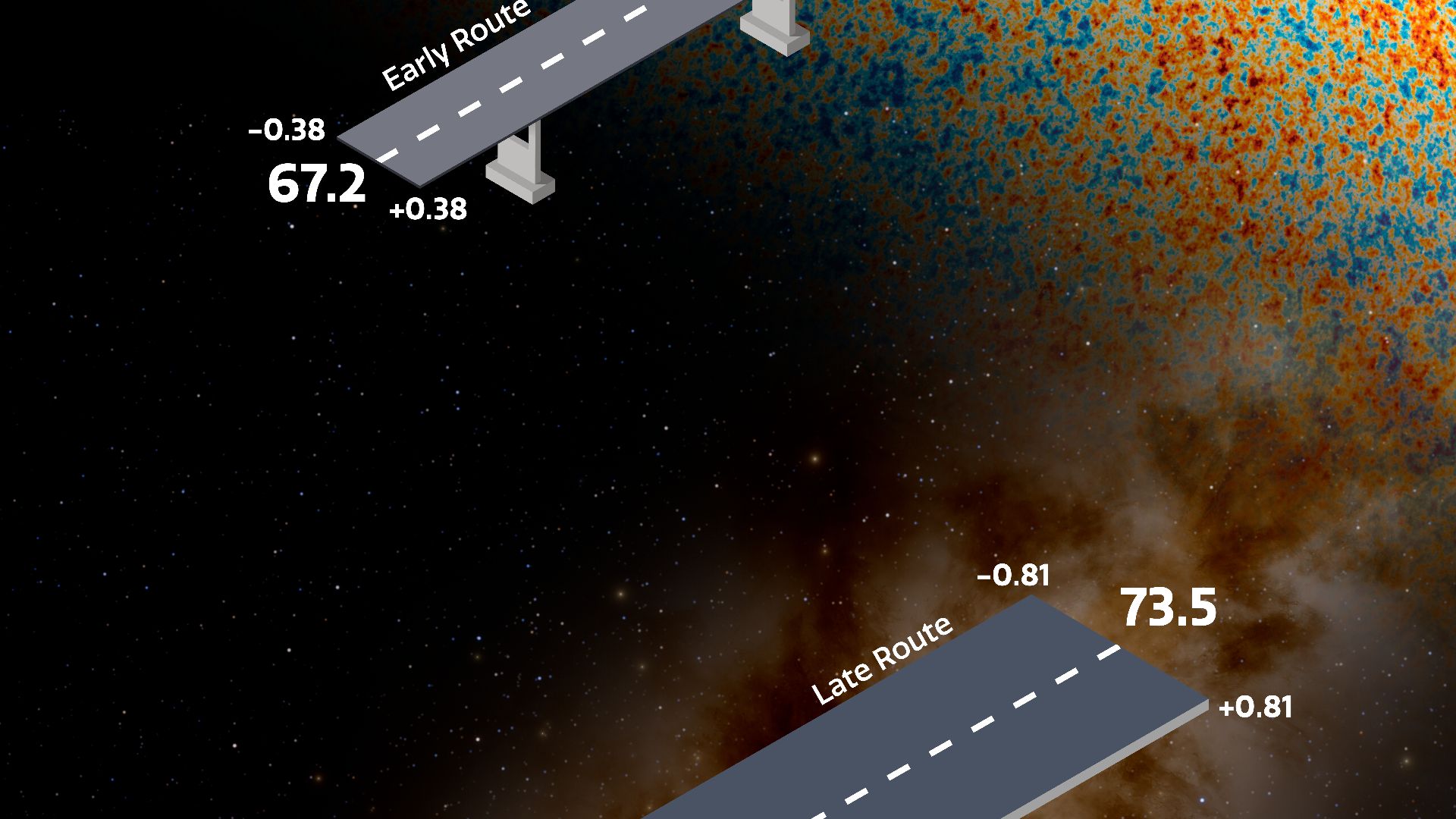
The Hubble Tension
One of modern astronomy's biggest headaches involves conflicting measurements of the universe's expansion rate. Observations of nearby galaxies produce one answer, while studies of the early universe produce another. The discrepancy, known as the Hubble Tension, suggests scientists may be missing an important piece of cosmic physics.
 NOIRLab/NSF/AURA/J. da Silva/J. Pollard, Wikimedia Commons
Fast Radio Bursts
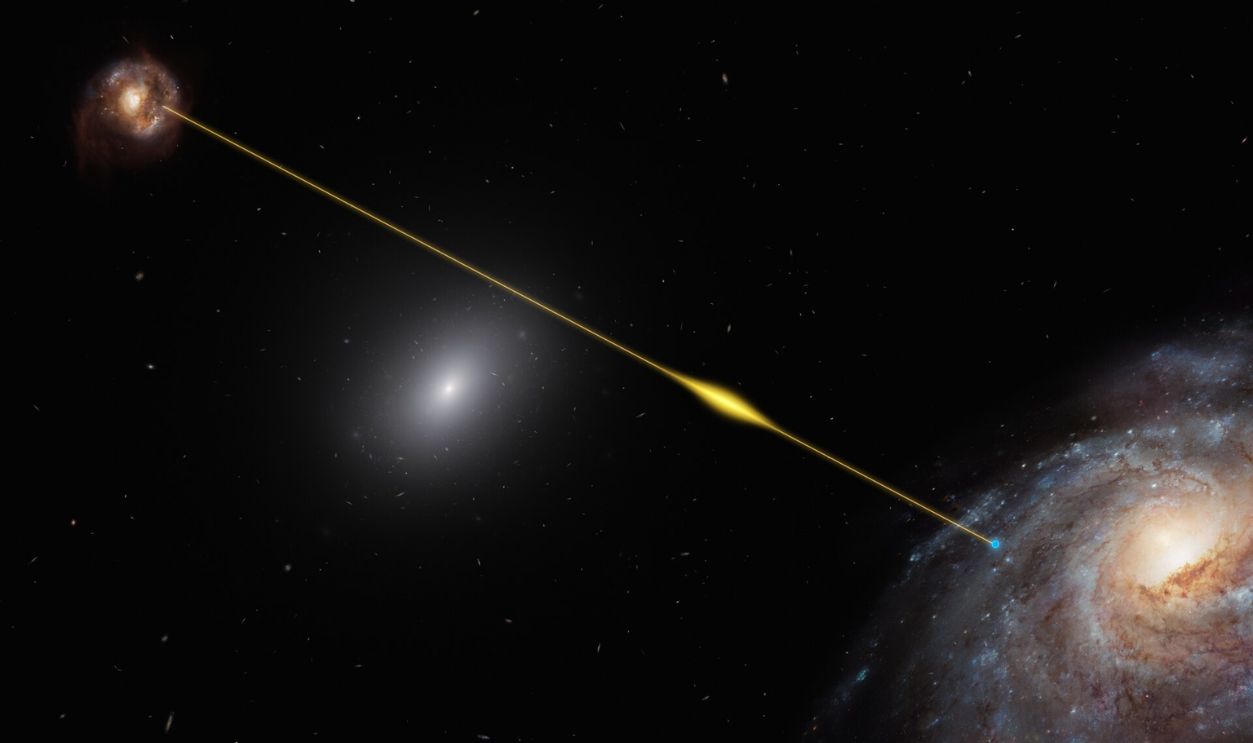
Fast Radio Bursts, or FRBs, are intense bursts of radio energy that last only milliseconds. The first was discovered in 2007, and hundreds have since been detected. Some repeat while others appear only once, leaving astronomers uncertain about what types of objects generate these powerful signals.
 ESO/M. Kornmesser, CC BY 4.0, Wikimedia Commons
The Wow Signal
On August 15, 1977, astronomer Jerry Ehman detected an unusually strong radio signal while reviewing telescope data. He was so impressed that he circled the reading and wrote 'Wow!' beside it. Nearly fifty years later, scientists still lack a convincing explanation for the famous signal.
 Maxrossomachin, Wikimedia Commons
Origin Of Life
Researchers have identified many of the chemical building blocks necessary for life, including amino acids and organic compounds. However, scientists still cannot fully explain how nonliving chemistry transformed into the first self-replicating organisms billions of years ago on the early Earth.
 Chiswick Chap, CC BY-SA 4.0, Wikimedia Commons
Consciousness
Modern brain scans can reveal remarkable details about neural activity, yet scientists remain unable to explain how consciousness emerges from physical matter. Researchers continue debating whether awareness arises solely from brain processes or whether current scientific models are still missing something fundamentally important.
![Robert Fludd, Utriusque cosmi maioris scilicet et minoris […] historia, tomus II (1619), tractatus I, sectio I, liber X, De triplici animae in corpore visione.
This file was transfered from de.wikipedia.org. The original file description page is (was) he](https://www.factinate.com/storage/app/media/splashtravels/2026/6/23/1782220713842a0dd03b53193f6b0b0d11f5c3f202079be145.png) Robert Fludd, Wikimedia Commons
Robert Fludd, Wikimedia Commons
The Fermi Paradox
Physicist Enrico Fermi famously asked why, if intelligent civilizations should be common throughout the universe, humanity has found no convincing evidence of them. With billions of stars and potentially habitable planets in the Milky Way alone, the silence remains deeply puzzling.
 Nunn, A.V.W., Guy, G.W. and Bell, J.D., Wikimedia Commons
Ball Lightning
For centuries, eyewitnesses have reported glowing spheres floating through storms, homes, and even aircraft. Known as ball lightning, these strange objects have been observed around the world. Scientists have proposed numerous explanations, but no single theory has successfully explained every reported occurrence.
 Joe Thomissen, Wikimedia Commons
Placebo Effect
The placebo effect occurs when patients experience genuine improvements after receiving treatments that contain no active medical ingredients. Researchers have documented measurable physical changes associated with placebo responses, yet scientists still don't completely understand why belief and expectation can produce such powerful effects.
 NIH, objects donated by Elaine and Arthur Shapiro, Wikimedia Commons
Quantum Gravity
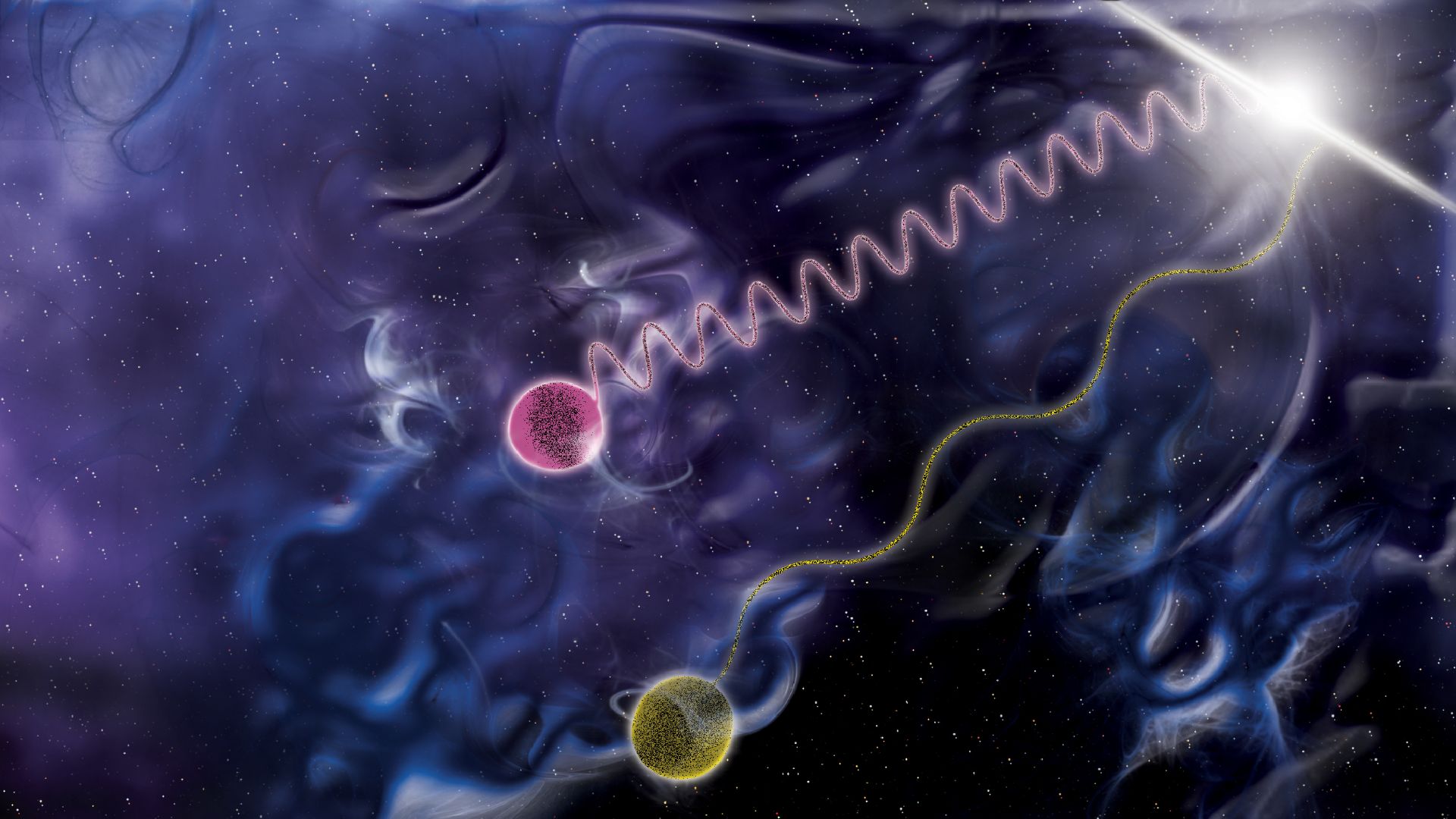
Einstein's theory of general relativity describes gravity on large scales, while quantum mechanics governs the microscopic world. Unfortunately, the two frameworks remain difficult to reconcile. Physicists continue searching for a theory of quantum gravity that could unite these foundational pillars of modern science.
 NASA Goddard Space Flight Center, NASA/Sonoma State University/Aurore Simonnet, Wikimedia Commons
Missing Antimatter
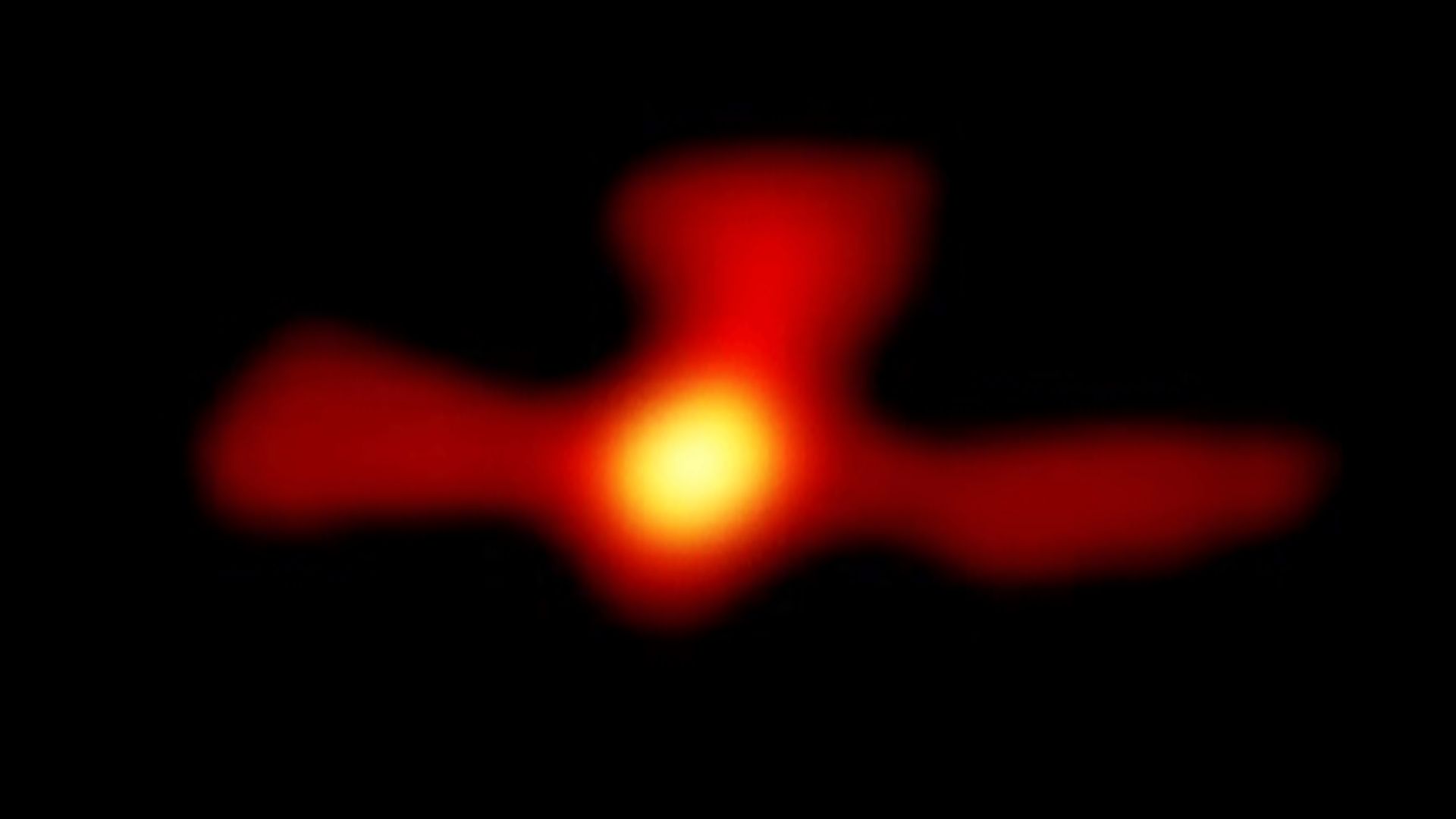
According to current theories, the Big Bang should have created equal amounts of matter and antimatter. If that happened, both should have annihilated one another. But the observable universe is overwhelmingly composed of matter, leaving scientists searching for the reason behind this imbalance.
 W. Purcell (NWU) et al., OSSE, Compton Observatory, NASA, Wikimedia Commons
Sleep's Purpose
Every known animal appears to require sleep, yet scientists still debate its ultimate evolutionary purpose. Sleep clearly supports memory, learning, and physical recovery, but researchers remain uncertain why organisms must spend such a large portion of their lives unconscious and vulnerable.

Ocean Depth Mysteries
Although humans have mapped planets and moons across the solar system, large portions of Earth's oceans remain unexplored. Scientists continue discovering previously unknown species, strange ecosystems, and geological formations, demonstrating how little is still known about the deep sea.
 Inkfish LLC, Wikimedia Commons
Black Hole Information
One of physics' most famous debates centers on whether information can truly disappear inside a black hole. The issue became particularly significant after Stephen Hawking's work on black hole evaporation. Scientists still disagree on exactly how information is preserved or recovered.
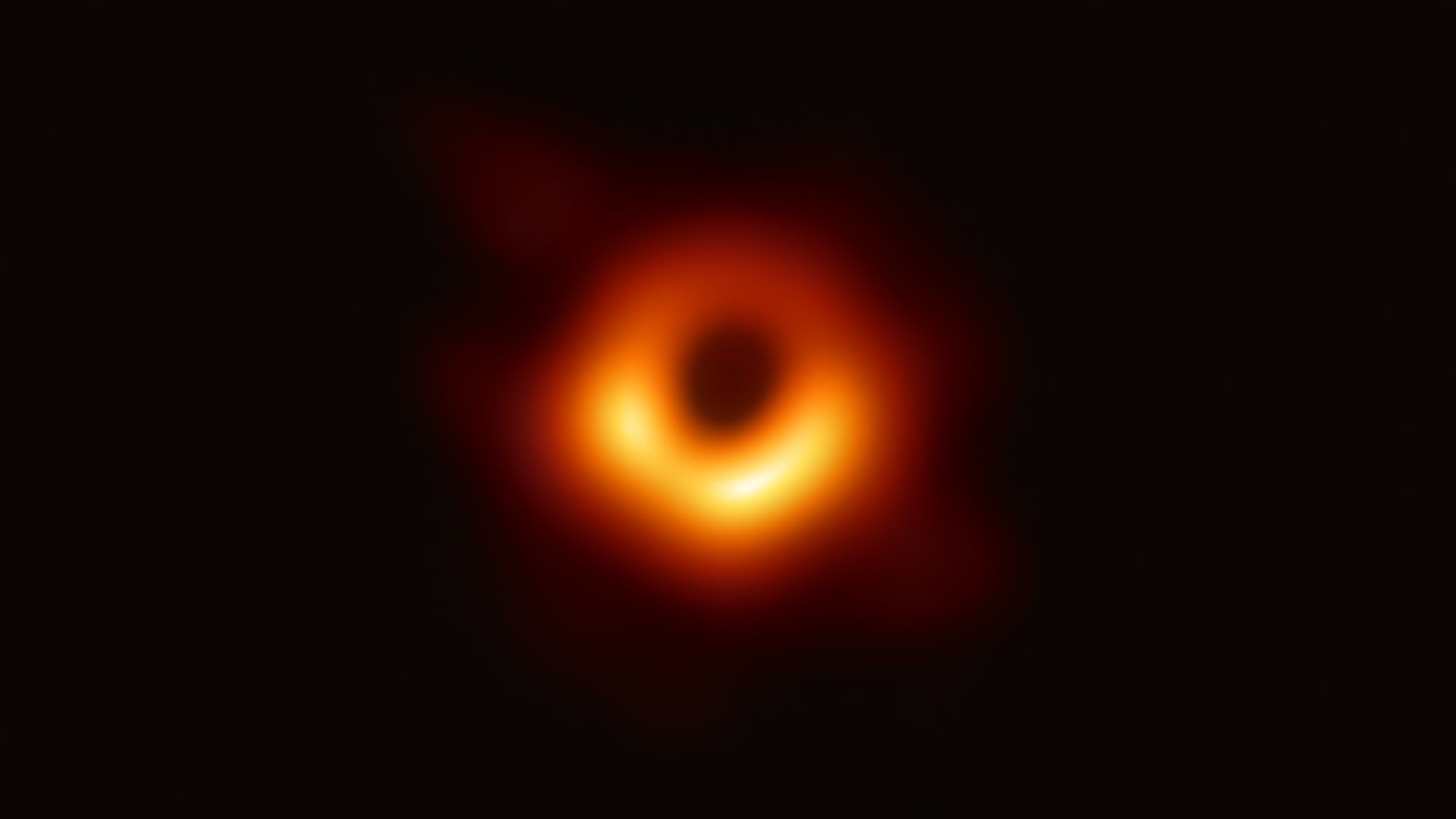 Event Horizon Telescope, Wikimedia Commons
Rogue Waves
Rogue waves are enormous ocean waves that can appear suddenly and exceed the size of surrounding waves by a remarkable margin. Once dismissed as sailor's wild tales, they are now known to be real. Scientists continue studying how these dangerous giants form.
 Collège Beauvoir, Wikimedia Commons
The Voynich Manuscript
Discovered in 1912 by rare-book dealer Wilfrid Voynich, the Voynich Manuscript contains strange illustrations and an unknown writing system. Linguists, historians, and cryptographers have spent decades trying to decode the 600-year-old manuscript, but its language, purpose, and authorship remain mysteries.
 Unknown authorUnknown author, Wikimedia Commons
Earth's Magnetic Changes
Earth's magnetic poles are constantly moving, and geological evidence suggests the planet's magnetic field has reversed many times in the past. Scientists understand some aspects of these changes, but the exact processes governing long-term magnetic behavior remain incompletely understood.
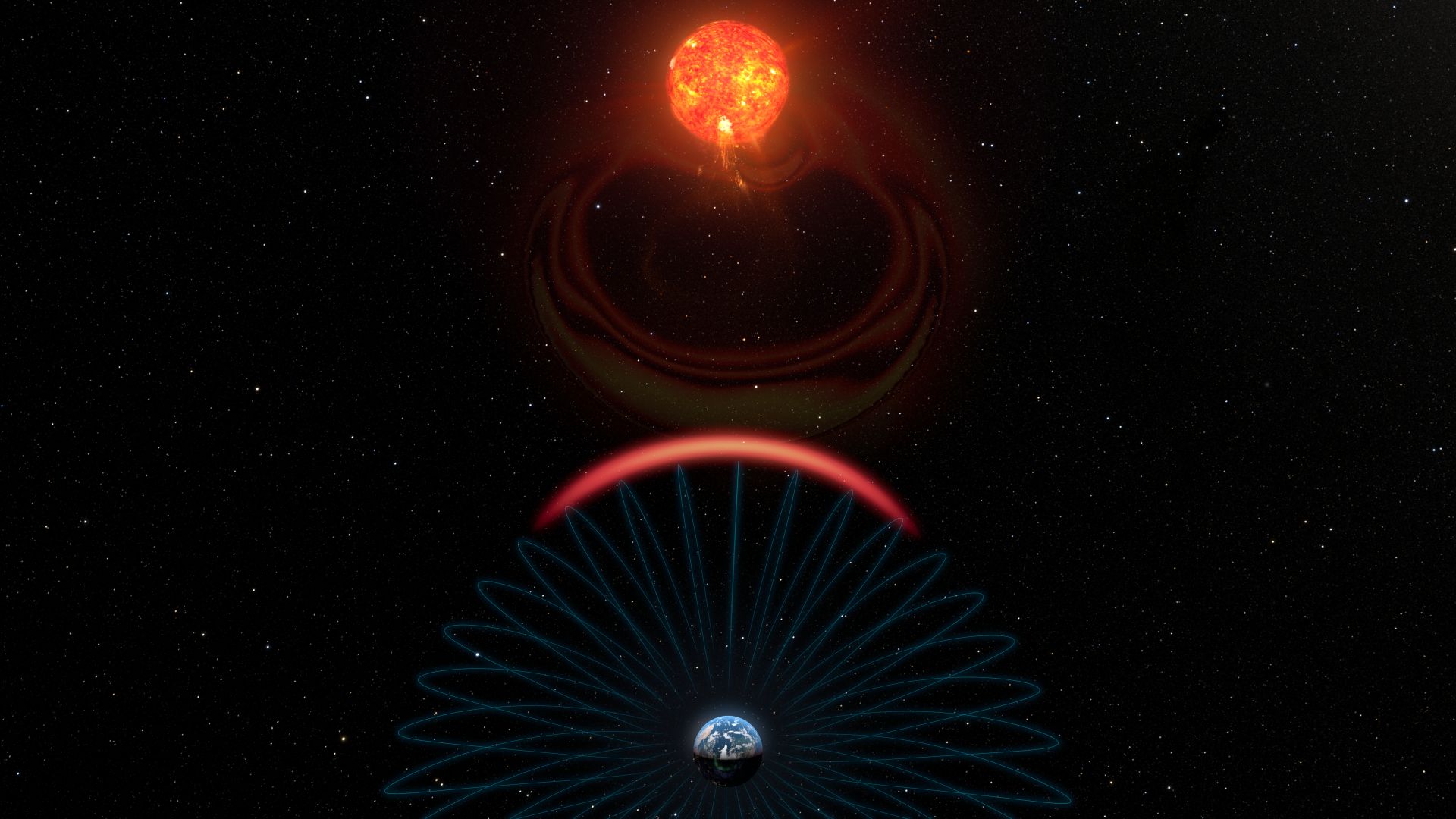 European Space Agency, Wikimedia Commons
The Nature Of Time
Time plays a central role in physics, yet scientists still disagree about its fundamental nature. Some theories treat time as a dimension similar to space, while others suggest it may emerge from deeper physical processes that researchers have not yet fully uncovered.
 Isabelle Grosjean ZA, Wikimedia Commons
Cosmic Inflation
The theory of cosmic inflation proposes that the universe underwent an extraordinarily rapid expansion shortly after the Big Bang. The idea explains several astronomical observations, but scientists continue debating what triggered inflation and whether alternative explanations might fit the evidence.
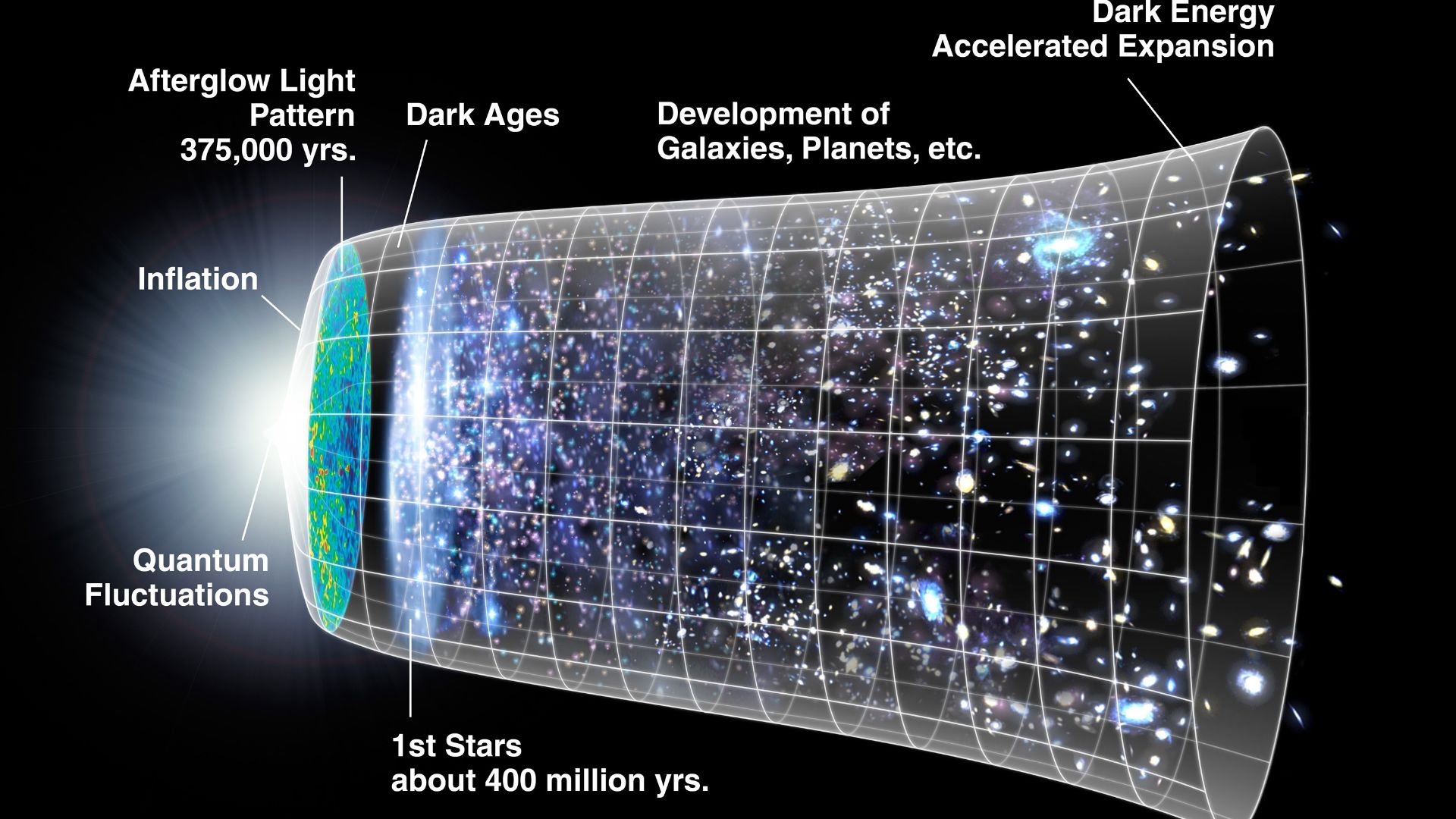 NASA/WMAP Science Team, Wikimedia Commons
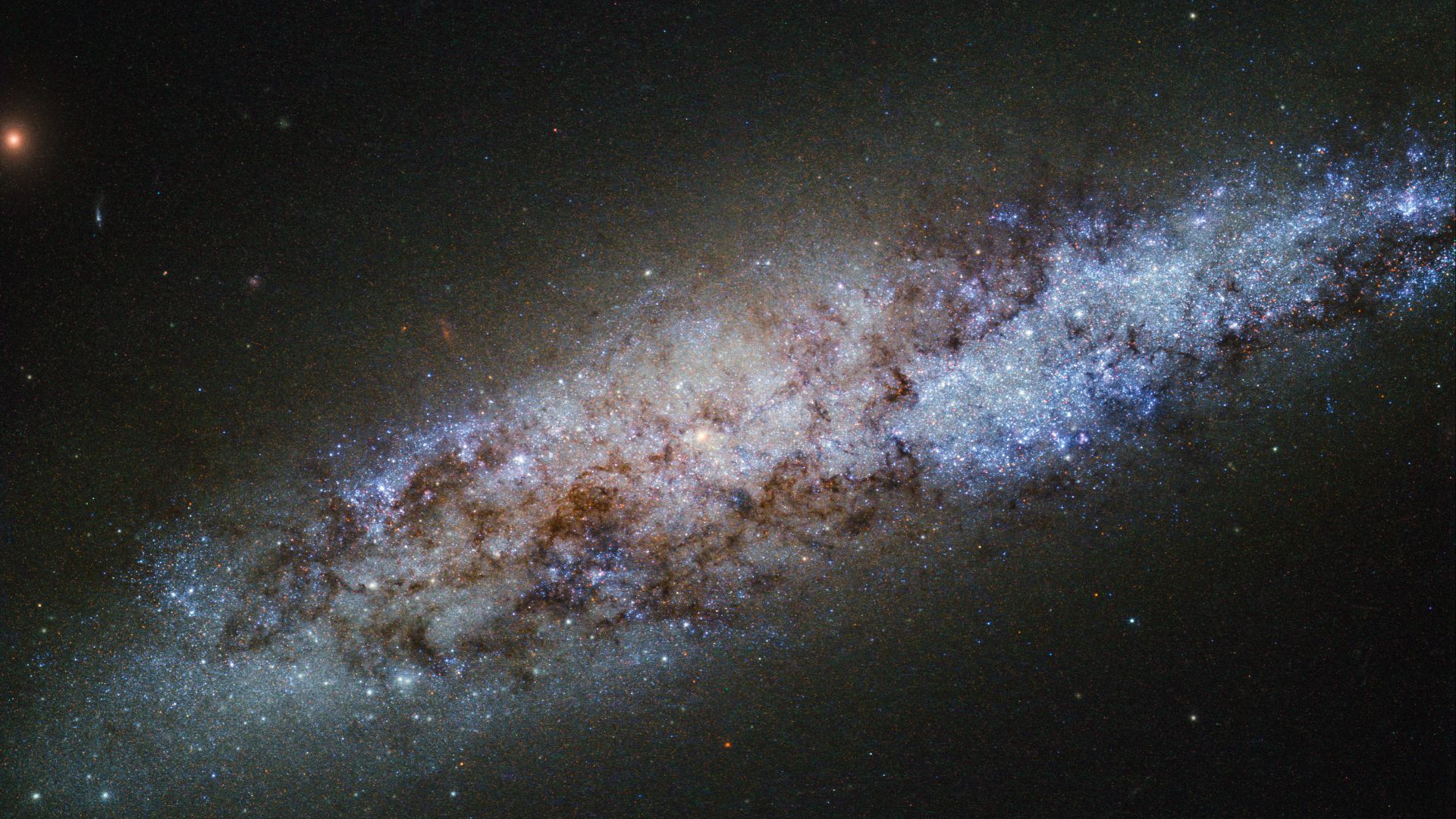
Hidden Universe Structures
Modern sky surveys continue revealing enormous cosmic structures stretching across unimaginable distances. Some appear larger or more complex than expected under current cosmological models. These discoveries have prompted researchers to reexamine assumptions about how matter is distributed throughout the universe.
The Mysterious Hum
For decades, people around the world have reported hearing a persistent low-frequency noise known simply as 'The Hum.' Famous examples include the Taos Hum in New Mexico and the Bristol Hum in England. Scientists have proposed explanations ranging from industrial sources to unusual auditory perception, but no single theory fully explains all reported cases.

Why Cats Purr
Cats often purr when they are content, but they may also purr when injured, frightened, or giving birth. Researchers have discovered that purring typically occurs at frequencies between 25 and 150 hertz, which may promote healing. Exactly why cats evolved this remarkable ability remains uncertain.
 Von.grzanka, Wikimedia Commons
The Mpemba Effect
The Mpemba Effect refers to the surprising observation that hot water can sometimes freeze faster than cold water under certain conditions. Named after Tanzanian student Erasto Mpemba, who helped popularize the phenomenon in the 1960s, the effect has been repeatedly observed but remains incompletely understood by scientists.
 Unknown Author, Wikimedia Commons, Modified
Mysteries Yet To Come
History shows that solving one mystery often reveals several more. The questions that baffle scientists today may become tomorrow's textbook knowledge, while entirely new puzzles emerge. That ongoing process of discovery remains one of the most exciting aspects of scientific exploration.
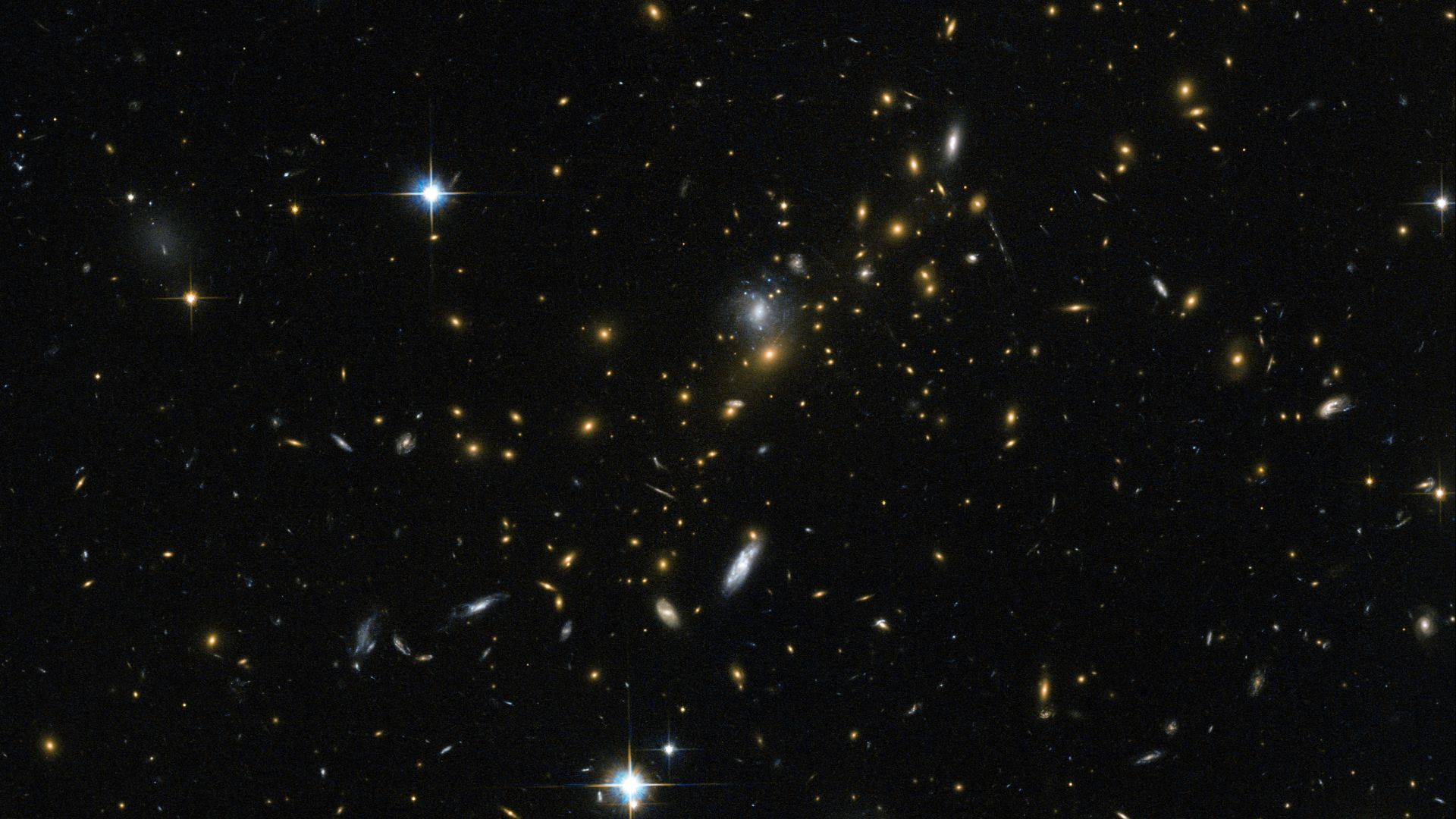 ESA/Hubble & NASA Acknowledgement: Nick Rose, Wikimedia Commons
You May Also Like:







.jpg)