The Polar Bear Letdown
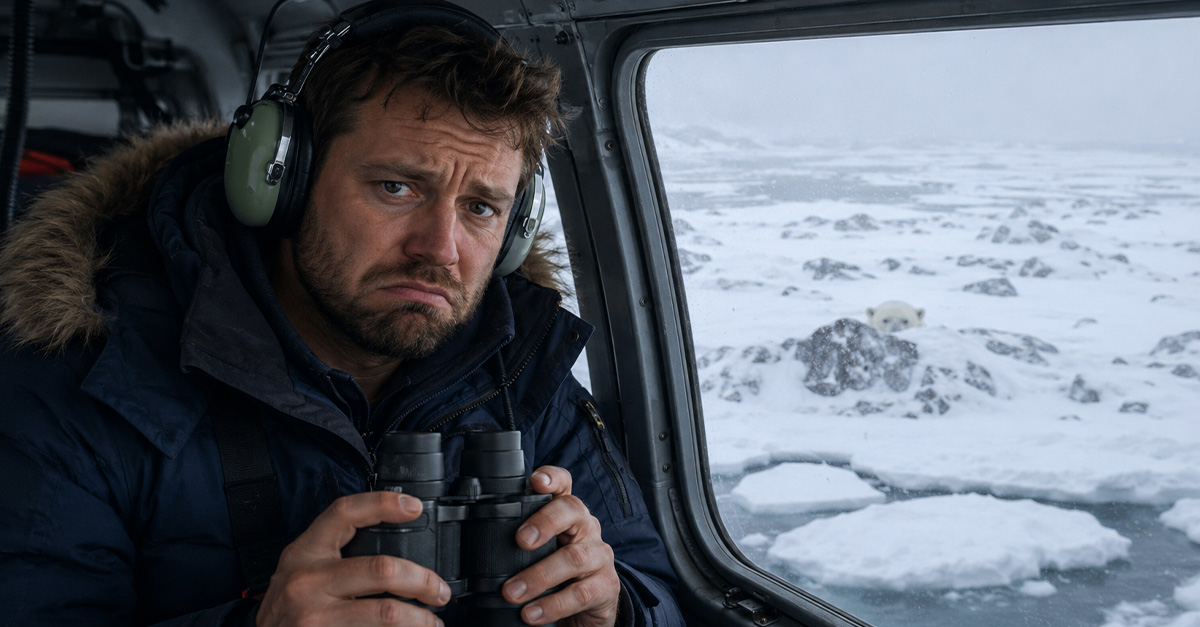
You booked the kind of trip people daydream about at their desks: a helicopter tour over the Arctic, icy landscapes stretching forever, and polar bears wandering below like the stars of a nature documentary. Then the week came and went. No bears. Not one. Now you’re home, disappointed, and wondering if your wallet deserves a rescue mission too.
The Short Answer
You can ask for a refund, but getting one may be difficult. Most wildlife tours do not guarantee animals will appear. They usually sell the chance to see wildlife, not a confirmed meeting with it. Your best shot depends on what the company promised, what the contract says, and whether the tour itself actually happened as planned.
Wildlife Has Its Own Schedule
This is the frustrating part of wildlife travel: animals do not care what was printed in the brochure. Polar bears move with the weather, ice, food, and instinct. They may be nearby one day and miles away the next. Even expert guides and pilots cannot summon them, though wouldn’t that be a profitable skill?
Start With The Fine Print
Before asking for your money back, pull up every piece of paperwork you have. Look at the booking page, emails, brochure, confirmation, and terms and conditions. Pay attention to words like “chance,” “opportunity,” “possible,” and “likely.” Those little words matter. “Chance to see polar bears” is very different from “guaranteed polar bear sightings.”

A Guarantee Is A Big Deal
If the company clearly guaranteed polar bear sightings, that changes things. Some wildlife operators offer a free return trip, credit, or partial refund if a promised animal does not appear. But the promise needs to be clear and specific. A dramatic photo of a bear on the website is not the same as a written guarantee.

Did They Deliver The Trip?
Ask yourself what you actually paid for. Did the company provide the helicopter flights, guides, lodging, meals, route, safety support, and Arctic experience they advertised? If yes, they may argue they delivered the service. You hoped the highlight would be polar bears, but legally, that may not be the same as buying a guaranteed bear sighting.
Weather Makes Everything Messier
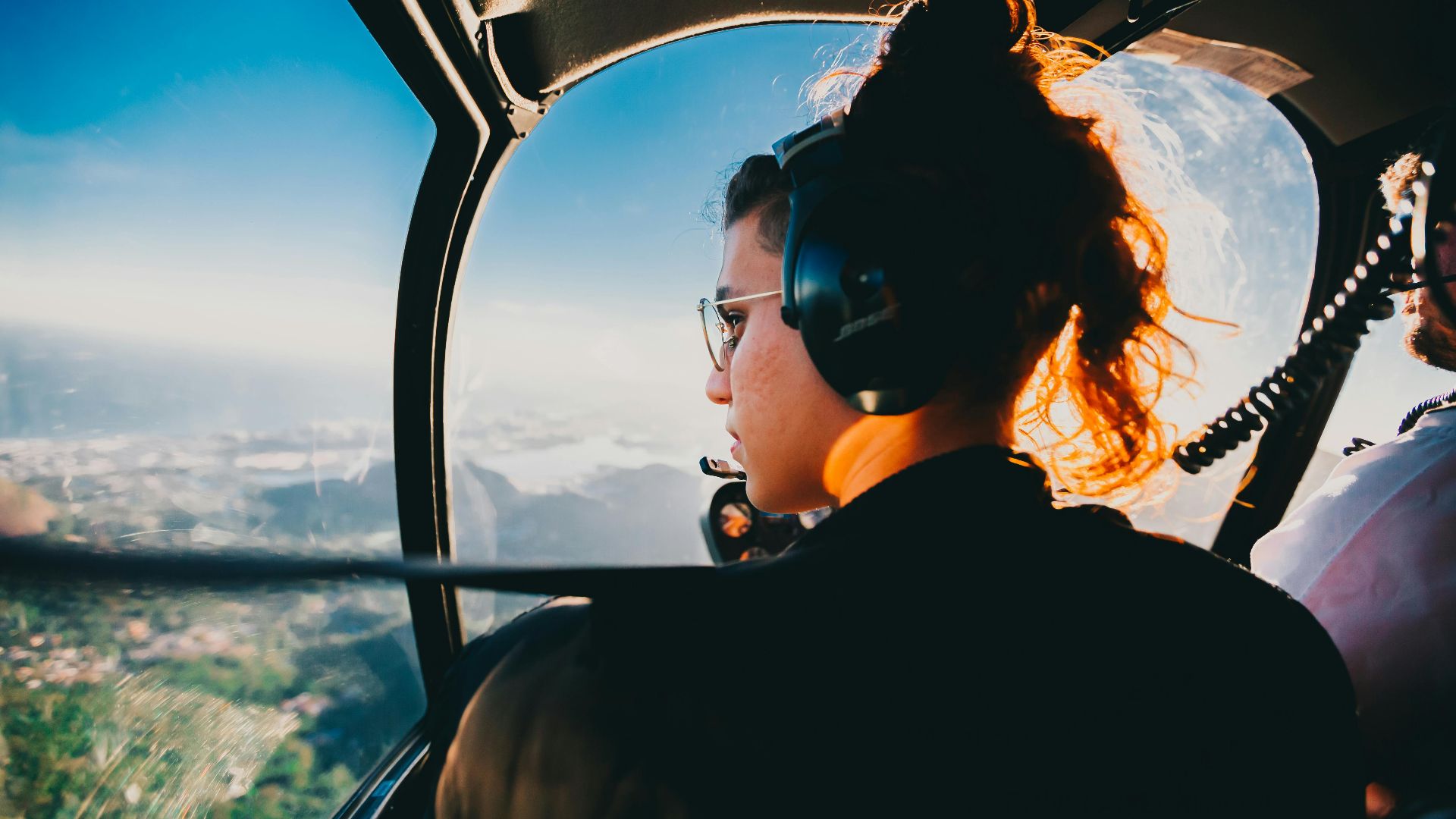
Arctic travel is not exactly known for being predictable. Fog, wind, storms, and visibility can change the whole itinerary. If flights were cancelled, shortened, or replaced with other activities, your case may be stronger. But many operators warn that weather-related changes are part of the deal when you travel somewhere this remote.
Misleading Marketing Is Different
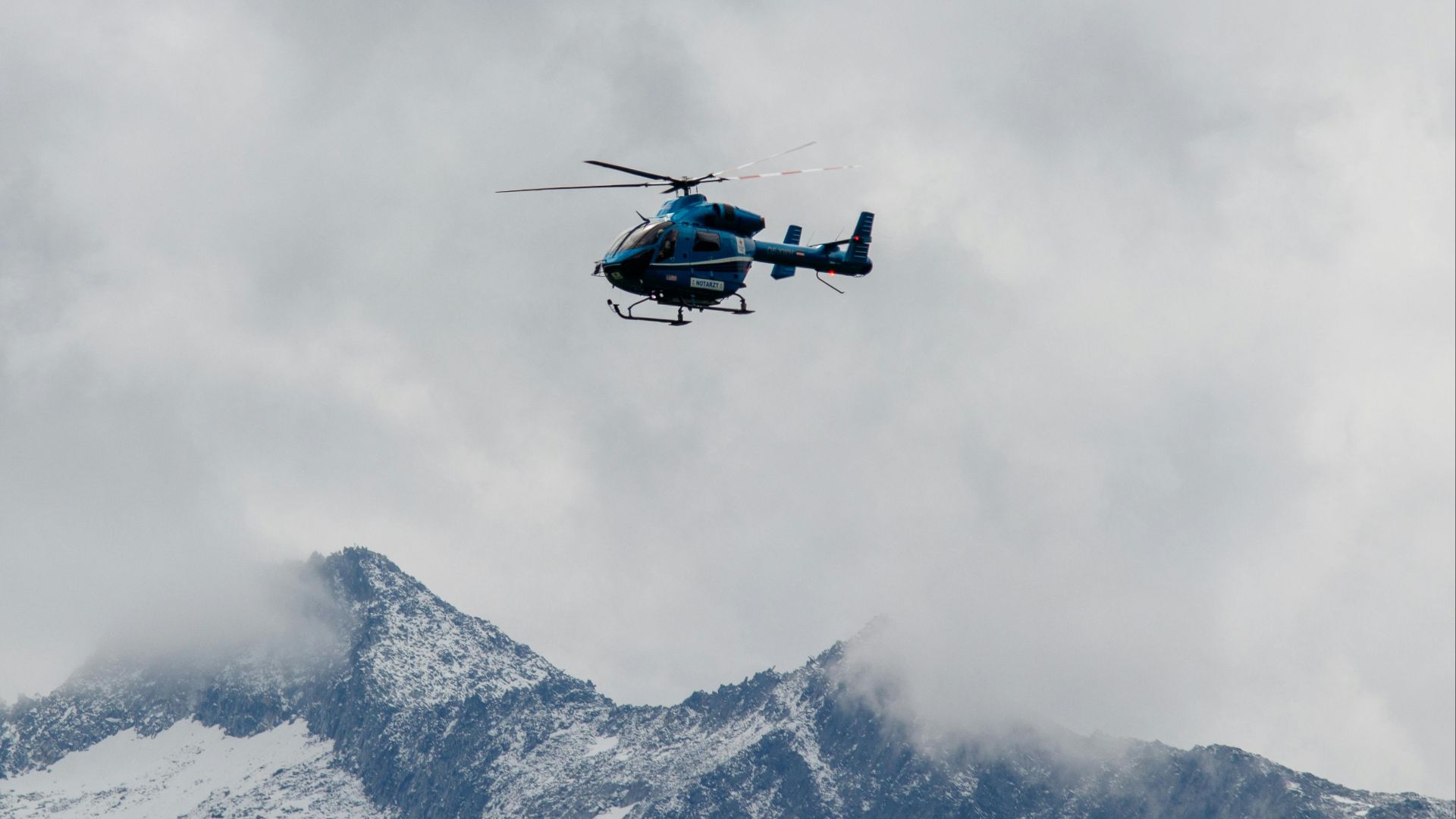
There is a difference between bad luck and bad advertising. If the company made it sound like seeing polar bears was practically certain, you may have a fair complaint. Phrases like “we will see polar bears” or “guaranteed sightings” matter. If the advertising created unrealistic expectations, save screenshots and use them in your complaint.

Your Booking Location Matters
Refund rights can depend on where the company is based, where you booked, and whether you used a travel agent. A Canadian operator, a European agency, and a U.S. credit card company may all handle disputes differently. It is not the most glamorous part of Arctic travel, but the paperwork trail really matters.

Read The Wildlife Clause
Most expedition companies have a section in their terms about wildlife. It usually says sightings are not guaranteed. This clause is the one that can sink a refund request fast. If it is there, the company has probably protected itself. If it is missing, vague, or contradicted by bold marketing claims, you may have more room to argue.

Ask For Something Reasonable
Even if a full refund is unlikely, you may still be able to get something. A partial credit, future discount, or discounted rebooking may be easier for the company to offer. Tour companies care about reputation, especially when trips cost a small fortune. A polite but firm request can sometimes go further than a demand.

Keep Your First Email Friendly
Start by being reasonable. Say you appreciated the staff and understand wildlife is unpredictable, but explain that polar bear viewing was the main reason you booked. Then ask what refund, credit, or rebooking options are available. You want to sound disappointed, not explosive. Nobody wants to help a guest who arrives by email swinging an ice axe.

A Simple Email Template
You might write: “I appreciate the effort from the team, but I booked this trip because it was advertised as a polar bear viewing experience. Since we did not see any polar bears during the full week, I’d like to know what refund, credit, or rebooking options are available.” That is clear, fair, and hard to dismiss.

Gather Your Evidence
Before complaining, collect everything: screenshots, booking terms, emails, itinerary changes, receipts, weather updates, and notes from the trip. If flights were cancelled or guides mentioned that bear activity was unusually low, write that down too. You are not trying to build a courtroom drama. You are simply showing exactly what was promised and what happened.

Travel Insurance Probably Will Not Save You
Travel insurance can be wonderful when bags vanish or flights collapse into chaos. But it usually does not cover disappointment. Not seeing polar bears is rarely treated as a covered loss. Insurance may help if a flight or major activity was cancelled for a covered reason, but not if the bears simply decided to be elsewhere.

A Chargeback Might Be Hard
You could contact your credit card company, but a chargeback is not a magic refund button. If the operator ran the tour and the contract said wildlife was not guaranteed, the card issuer may reject the dispute. Chargebacks are stronger when a service was not delivered, not when nature refused to cooperate.

Reviews Can Apply Pressure
A fair review can be powerful, especially for a premium tour company. Keep it honest and balanced. Say the tour operated, but no polar bears were seen, and you felt the marketing gave you expectations that were not met. Avoid wild exaggeration. A calm review often carries more weight than a furious rant from the tundra.

Remember The Guides Wanted Bears Too
It is easy to feel like the company failed you, but the guides probably wanted sightings almost as much as you did. Their job is more fun when guests are thrilled. They likely watched tracks, checked reports, scanned ice, and adjusted plans. Sometimes, despite all that effort, the Arctic simply shrugs.

Helicopter Tours Are Expensive To Run
Part of the reason refunds are tough is that helicopter tours cost a lot to operate. Pilots, fuel, aircraft maintenance, permits, safety planning, and remote logistics are expensive whether bears appear or not. The company may have spent heavily to run your trip, which makes a full refund less likely unless something was genuinely misrepresented.
The Arctic Is Not A Theme Park
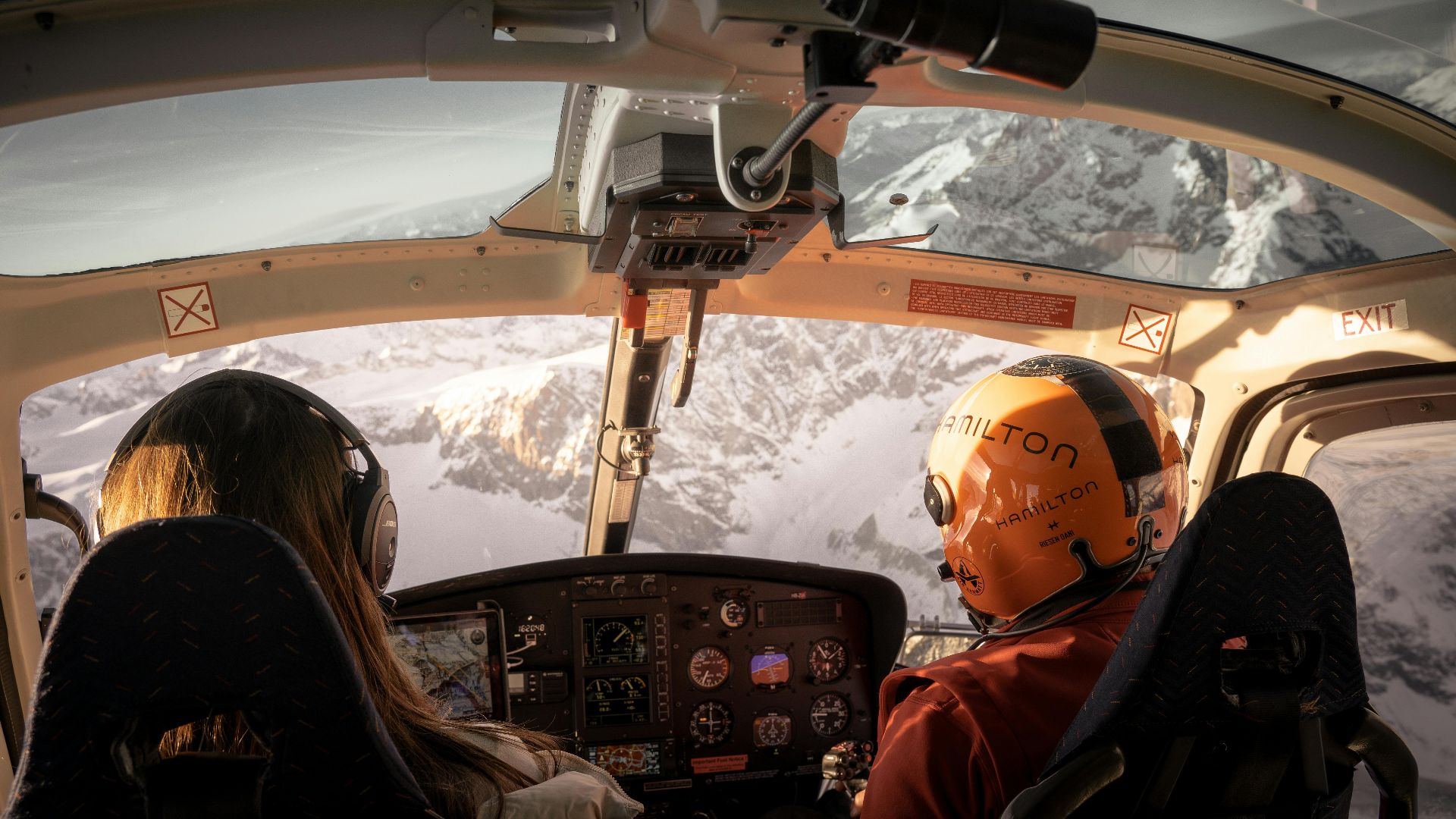
This is what makes the Arctic both magical and maddening. It is not a zoo, a safari park, or a staged attraction. The wildness is the point. Unfortunately, that same wildness means the animal you crossed continents to see may be off doing polar bear things far from your flight path.
When A Refund Is More Likely
Your chances improve if the company promised sightings, cancelled key helicopter flights, changed the itinerary dramatically, or sold the trip as prime bear viewing when conditions made sightings unlikely. You may also have a stronger case if guides or staff admitted the marketing was misleading or that expectations had been oversold.
When A Refund Is Less Likely
Your chances are weaker if the trip ran as planned, the contract clearly said sightings were not guaranteed, and the staff made a reasonable effort to find wildlife. That does not make your disappointment any less real. It just means the company may have fulfilled its side of the deal, even without the bears.

Try Negotiating Before Escalating
Begin with the operator and ask for a partial refund or credit. If they refuse, ask them to explain which terms apply. That written reply may be useful if you later contact your travel agent, credit card company, or consumer protection office. Stay organized. A clean paper trail beats an emotional back-and-forth.

Use The Right Complaint Channels
If you genuinely believe the trip was misrepresented, you can contact the booking agency, tour association, consumer protection office, or credit card provider. Include dates, costs, promises, screenshots, and what remedy you want. Keep the tone factual. The goal is not to prove you are angry. The goal is to prove your case.

Ask Better Questions Next Time
Before booking another wildlife trip, ask direct questions. What percentage of trips see the target animal? What happens if there are no sightings? Is there a written guarantee? Are refunds or credits offered? What were sightings like in recent weeks? A good operator should answer clearly, not hide behind dreamy brochure language.

The Emotional Side Is Real
You are not wrong for feeling let down. You did not spend all that money hoping for “possible Arctic atmosphere.” You wanted polar bears. That emotional promise is what sold the trip. But travel refunds usually come down to contracts, not heartbreak. The best result may be a goodwill credit instead of a full refund.
The Bottom Line
Yes, you can ask for your money back. You should, especially if the advertising made polar bear sightings sound certain. But if the tour happened, the guides tried, and the terms said wildlife was not guaranteed, a full refund is unlikely. In the Arctic, the scenery may show up on cue. The bears do not.
You May Also Like: