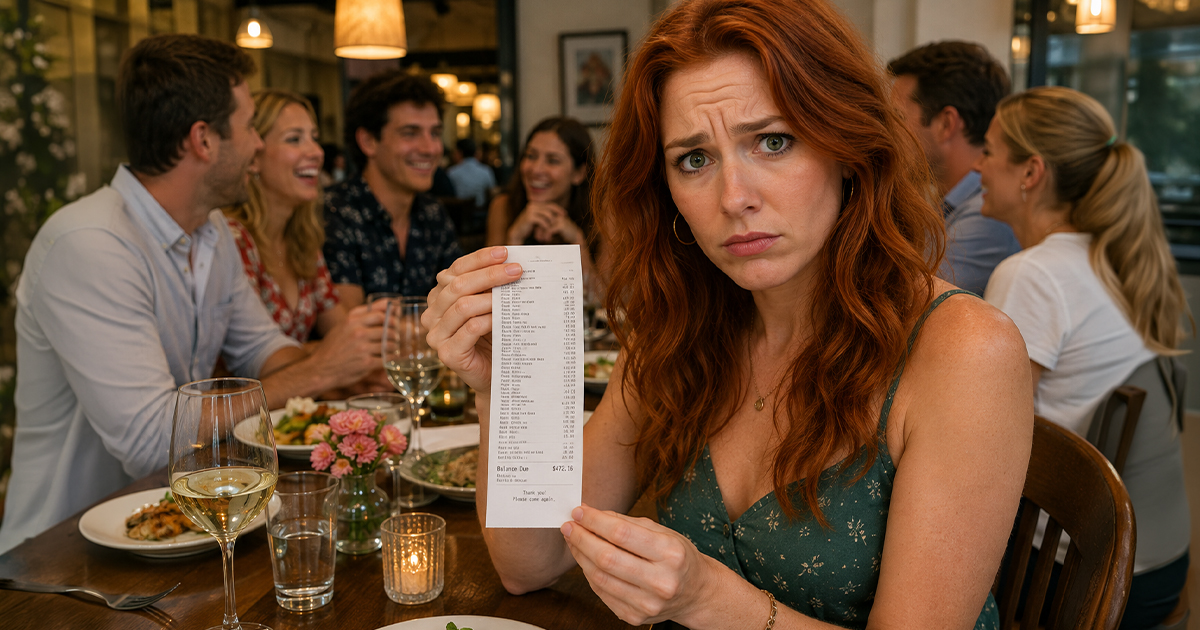
Dinner For Four... Or Twelve?
I agreed to go on vacation with a few close friends, but every night they kept inviting more people to join us for dinner. I didn't mind meeting new people—but when the check came, everyone expected the bill to be split evenly. Was I wrong for refusing to pay for meals made much more expensive by people I never agreed to dine with?
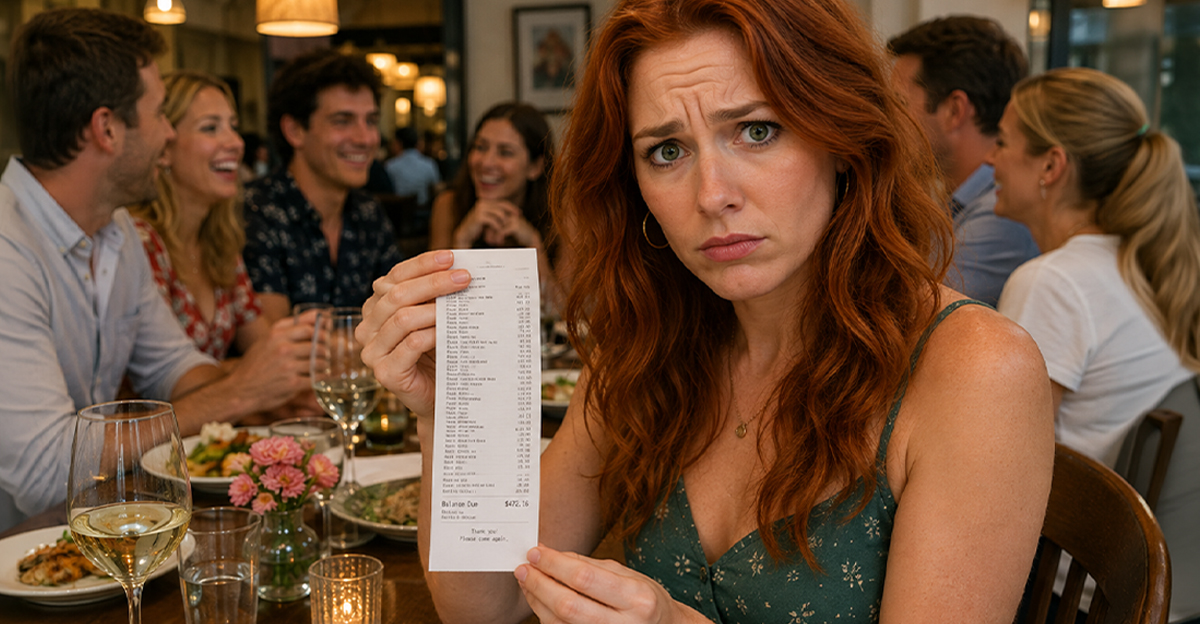
Group Trips Often Get Complicated Fast
Vacationing with friends sounds relaxing—until money enters the conversation. What begins as a simple dinner can quickly become awkward when the group keeps growing.

Splitting The Bill Isn't Automatically Fair
Many people assume dividing the total equally is the polite thing to do. But fairness often depends on who ordered what—and who decided to invite additional guests.

Here's Where Things Get Messy
If everyone agreed beforehand to split every meal equally, that's one situation. If the group unexpectedly doubled in size without asking you first, it's a very different story.

Extra Guests Change The Entire Calculation
Adding more people doesn't just increase the total bill. It can change where the group eats, how much gets ordered, and whether expensive appetizers, drinks, or desserts suddenly appear.
 AI25.Studio AI GENERATIVE, Pexels
Social Pressure Is Real
Many people quietly pay more than they should simply to avoid looking cheap in front of friends or strangers.

Were You Asked First?
This is one of the most important questions. If nobody checked whether you were comfortable with additional guests joining every dinner, it's understandable that you'd feel blindsided.

Nobody Likes Doing Math At The Table
Trying to calculate individual shares while everyone waits for the server isn't anyone's idea of a relaxing vacation. That's why expectations should be discussed beforehand.

One Person's Guest Isn't Everyone's Guest
If your friend invites someone they met at the beach or another couple staying nearby, that doesn't automatically mean everyone else agreed to help pay for them.

Restaurants Usually Don't Care
Most restaurants simply expect the bill to be paid. How your group divides it is generally up to the diners unless separate checks were requested in advance.

Technology Makes It Easier
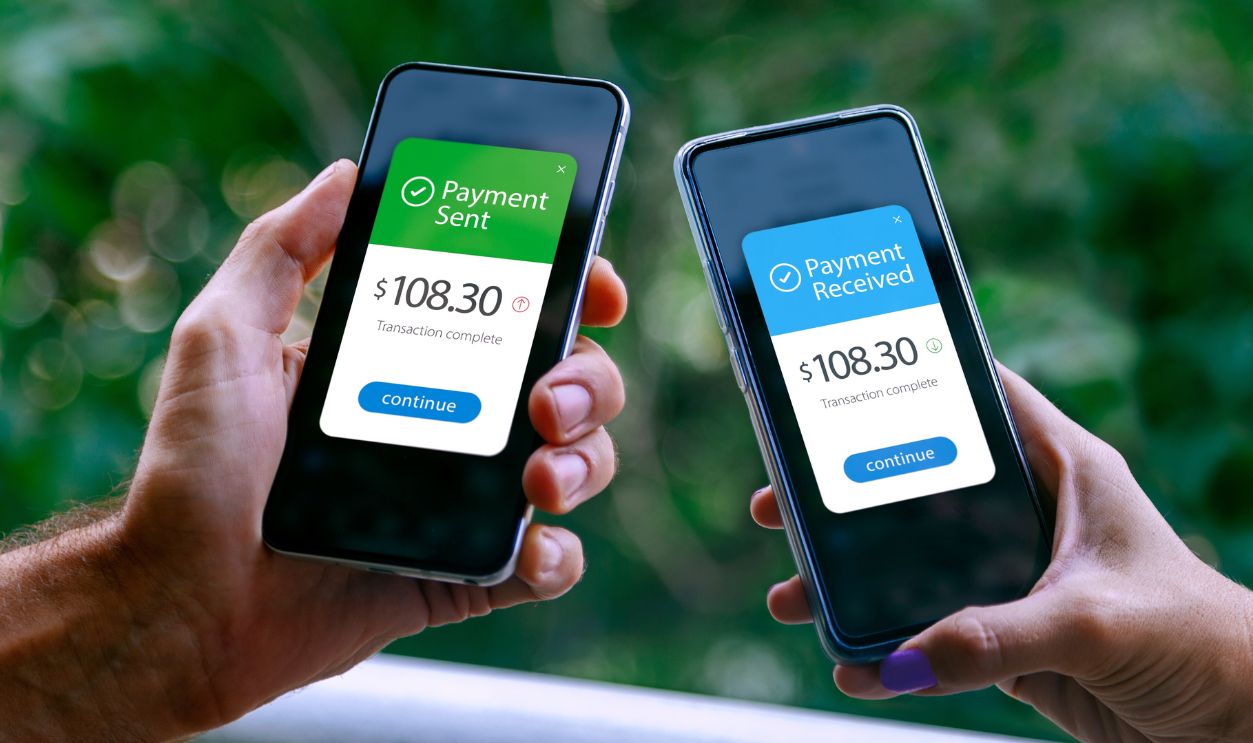
Today, many restaurants can split checks, and payment apps make reimbursing one another much simpler than it was years ago.
 Alex Photo Stock, Shutterstock
But Some Places Can't Split Bills
In busy restaurants or in certain countries, separate checks may not be available. Even then, that doesn't necessarily mean everyone must absorb someone else's costs equally.

Communication Beats Assumptions
Many vacation money disputes happen because nobody discusses expectations until the check is already sitting on the table.
 YAKOBCHUK VIACHESLAV, Shutterstock
Friendships Can Be Tested
A disagreement over one dinner is rarely just about the food. It often becomes a question of respect, consideration, and whether everyone feels they're being treated fairly.

Don't Confuse Generosity With Obligation
Paying for an extra guest once as a friendly gesture is very different from feeling obligated to do it every night of the trip.

You Can Say No Politely
Refusing to subsidize people you didn't invite doesn't require an argument. A calm explanation is usually far more effective than an emotional confrontation.
 https://kaboompics.com/, Pexels
Here's What Many People Overlook
The issue often isn't the money itself. It's whether one or two people kept making decisions that affected everyone else's wallets without asking first.

What If Your Friends Think You're Being Cheap?
That accusation can sting, but declining to pay for expenses you never agreed to isn't automatically selfish. Reasonable people can disagree about what's fair.

Vacation Etiquette Matters
Good travel companions usually discuss shared expenses before making plans that increase costs for the entire group.

The Question That Usually Reveals The Answer
Ask yourself this: if you had been the one inviting extra people every night, would you have expected everyone else to quietly pay for them?

So... Were You Wrong To Refuse?
Probably not. Unless everyone had already agreed to split every meal equally regardless of who attended, it's generally reasonable to refuse paying an equal share of a bill inflated by additional guests you didn't invite or approve. While this is usually a matter of etiquette rather than law, fairness often means paying for your own meal—and perhaps your agreed share of any truly shared items—not subsidizing unexpected diners.

A Simple Conversation Could Have Prevented It
The easiest solution is also the least dramatic: before the next dinner, agree on how the bill will be handled. Clear expectations before anyone orders usually prevent hurt feelings after the check arrives.
 Wirestock Creators, Shutterstock
You May Also Like:
I rented jet skis on vacation and now they’re claiming I caused damage. How do I prove I didn’t?