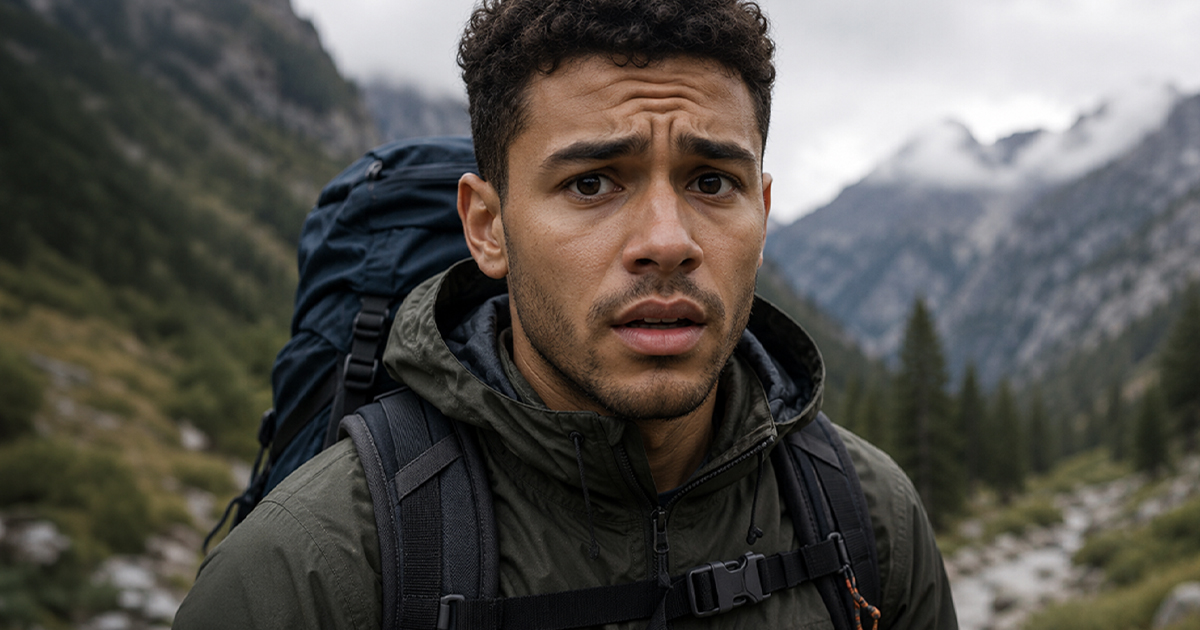
The Wilderness Trek Warning That Stops People In Their Tracks
You're excited about the adventure, reading through the itinerary, when you spot a surprising sentence. If you leave the group at any point, you're on your own. It sounds harsh, but there's more to this warning than meets the eye.

It Feels Unfair At First
Many travelers assume that once they've paid for a guided trek, the company is responsible for them from start to finish. That's often true within the organized activity. The situation can change quickly if someone voluntarily leaves the planned route.

Why Companies Include These Rules
Wilderness trekking companies operate in environments where help may be hours away. Guides are responsible for the entire group, not just one individual. Safety rules exist partly to prevent dangerous situations from escalating.

The Meaning Of Leave The Group
This phrase usually doesn't mean taking a few extra photos behind the group. It generally refers to intentionally separating from the guide, changing routes, or refusing to follow instructions. That's when liability questions start appearing.
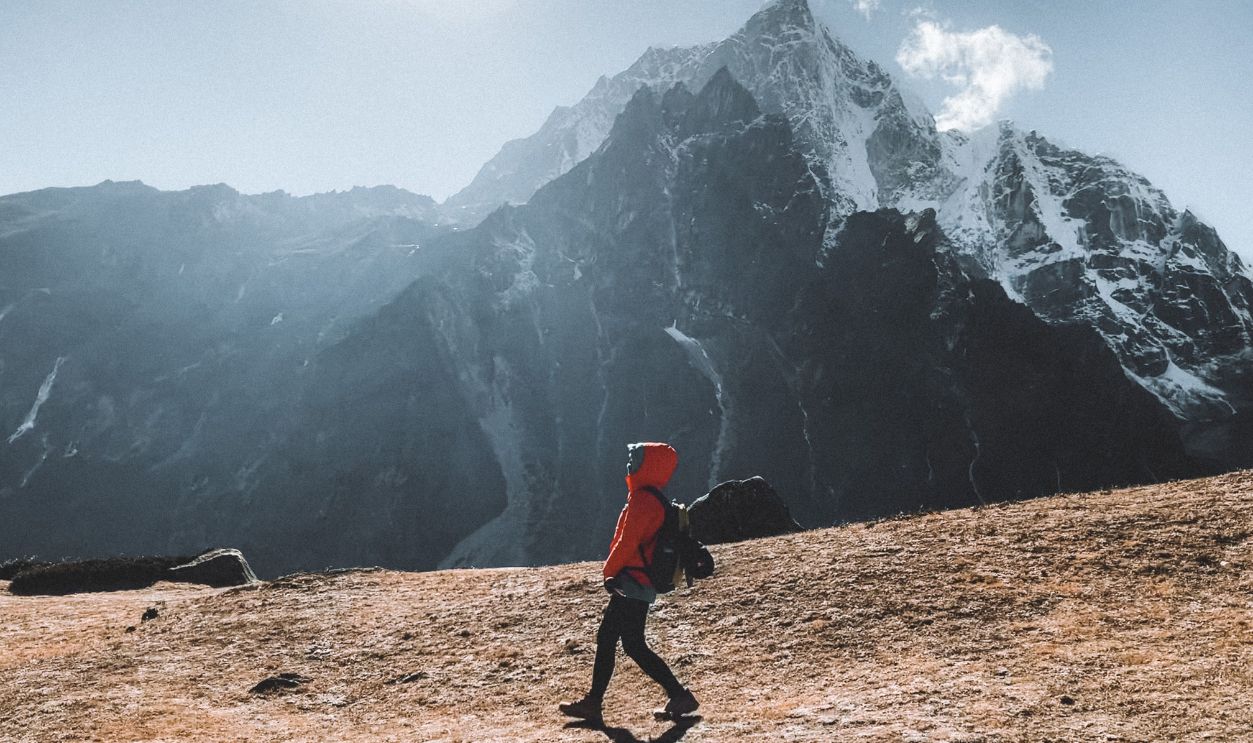
Guides Can't Be Everywhere At Once
Imagine a group of twelve hikers crossing remote terrain. If one person decides to head off in another direction, the guide faces an impossible choice. They can't safely supervise two separate expeditions simultaneously.
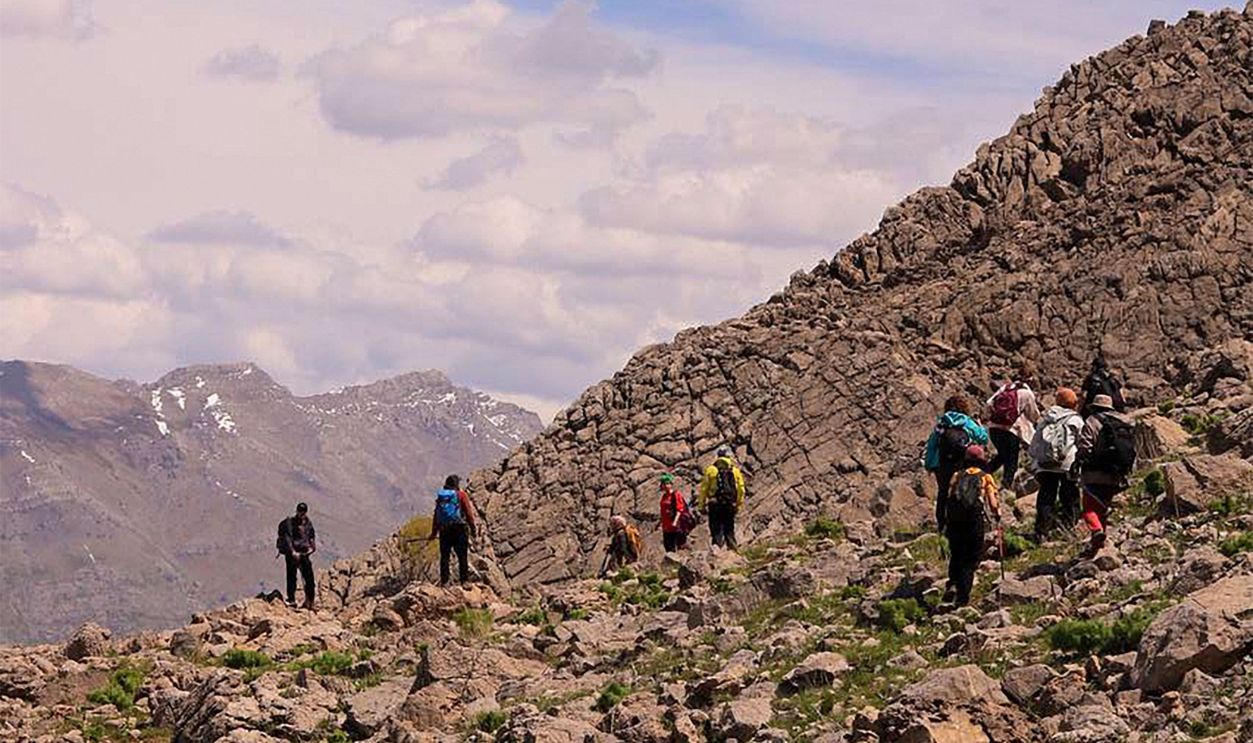
The Law Often Looks At Choice
A major factor is whether the traveler voluntarily left. If someone knowingly ignores instructions and separates from the group, courts often view that differently than someone who becomes lost accidentally. The distinction can be important.

Contracts Matter More Than Most Travelers Realize
Those lengthy waivers and booking agreements aren't just paperwork. They often explain what happens if participants break safety rules. Many travelers never read them until a problem occurs.

A Company Can't Waive Every Responsibility
Here's where things get interesting. A trekking company generally cannot eliminate all legal duties through a contract. In many places, businesses still owe participants a reasonable duty of care.

Negligence Changes Everything
If a company acts recklessly or negligently, a waiver may not fully protect it. For example, knowingly sending hikers into dangerous conditions without proper information could create legal problems regardless of contract language.
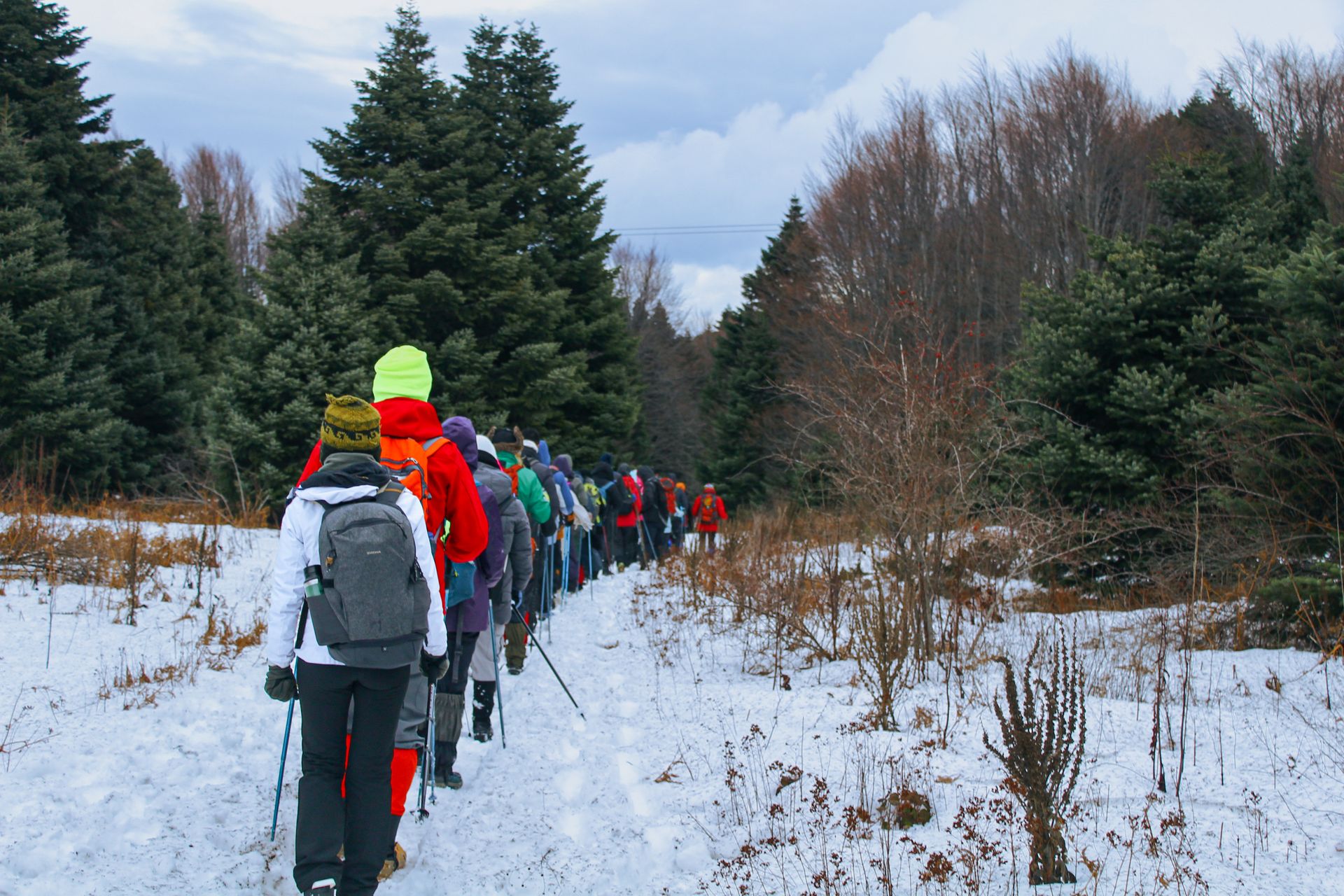
The Wilderness Is Different From A City Tour
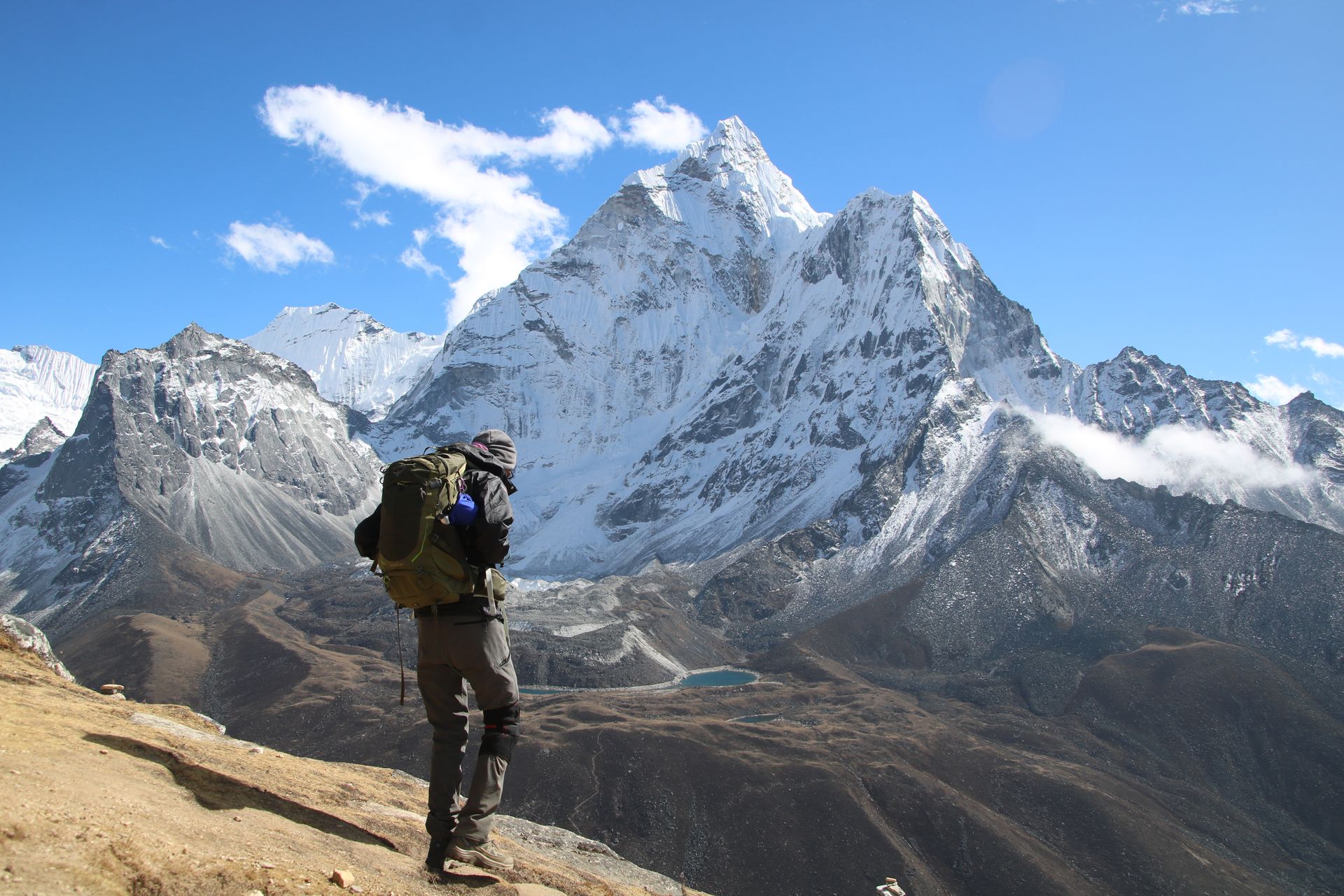
Leaving a walking tour in a downtown area is one thing. Leaving a trekking group deep in a remote mountain range is another. The risks increase dramatically when help, communication, and transportation become limited.
Search And Rescue Isn't Guaranteed
Many travelers assume someone will immediately come looking for them. In reality, search-and-rescue operations may take time to organize. Remote locations can make locating a missing hiker extremely difficult.
Insurance Companies Pay Attention Too
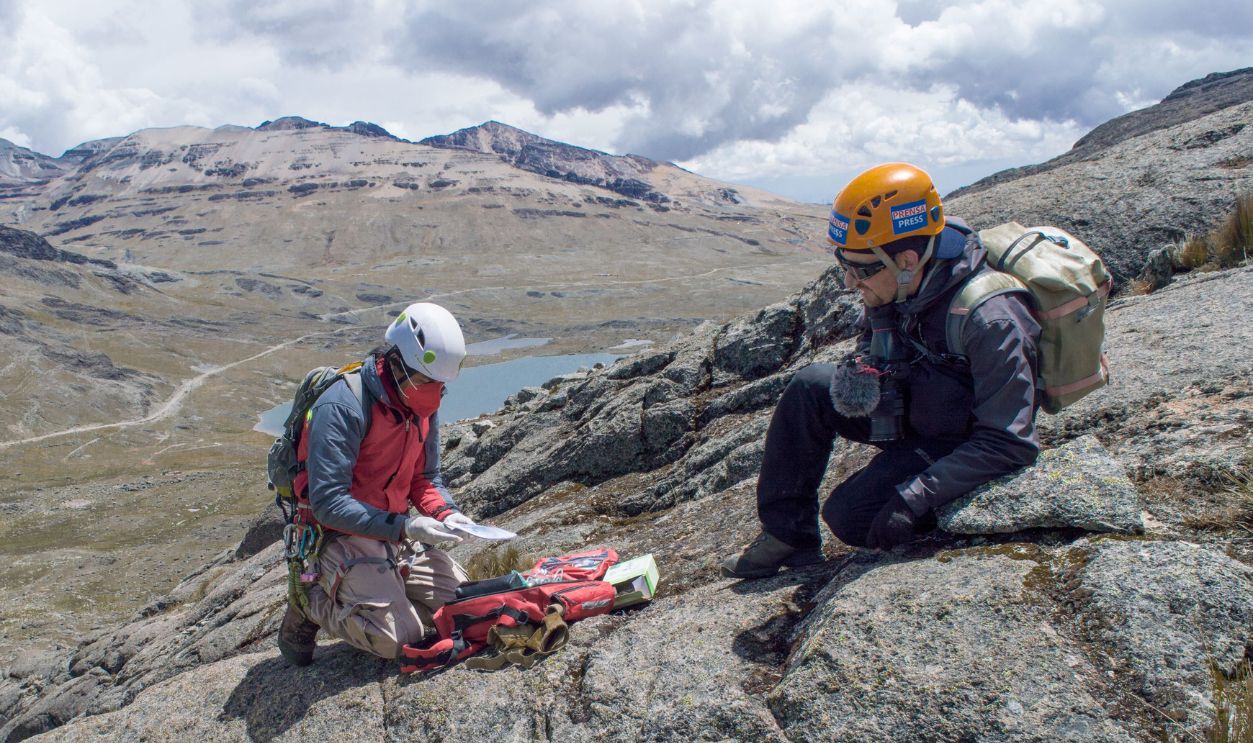
Travel insurance providers often review the circumstances of an incident. If a traveler intentionally ignored guide instructions or left an authorized route, coverage disputes can sometimes arise afterward.

Not Every Situation Is Black And White
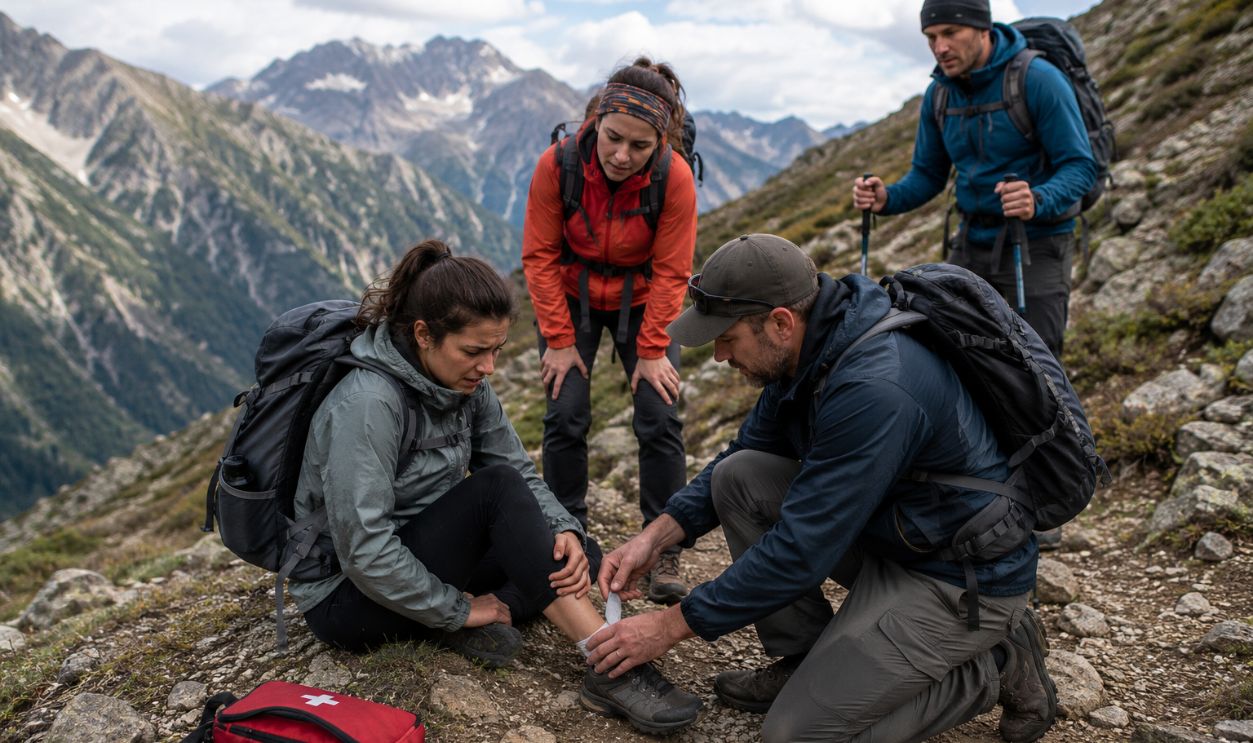
Sometimes hikers separate because of illness, injury, or emergencies. In those situations, guides often have specific procedures to follow. The company's response may be very different from a deliberate decision to wander off.
Local Laws Can Change The Outcome
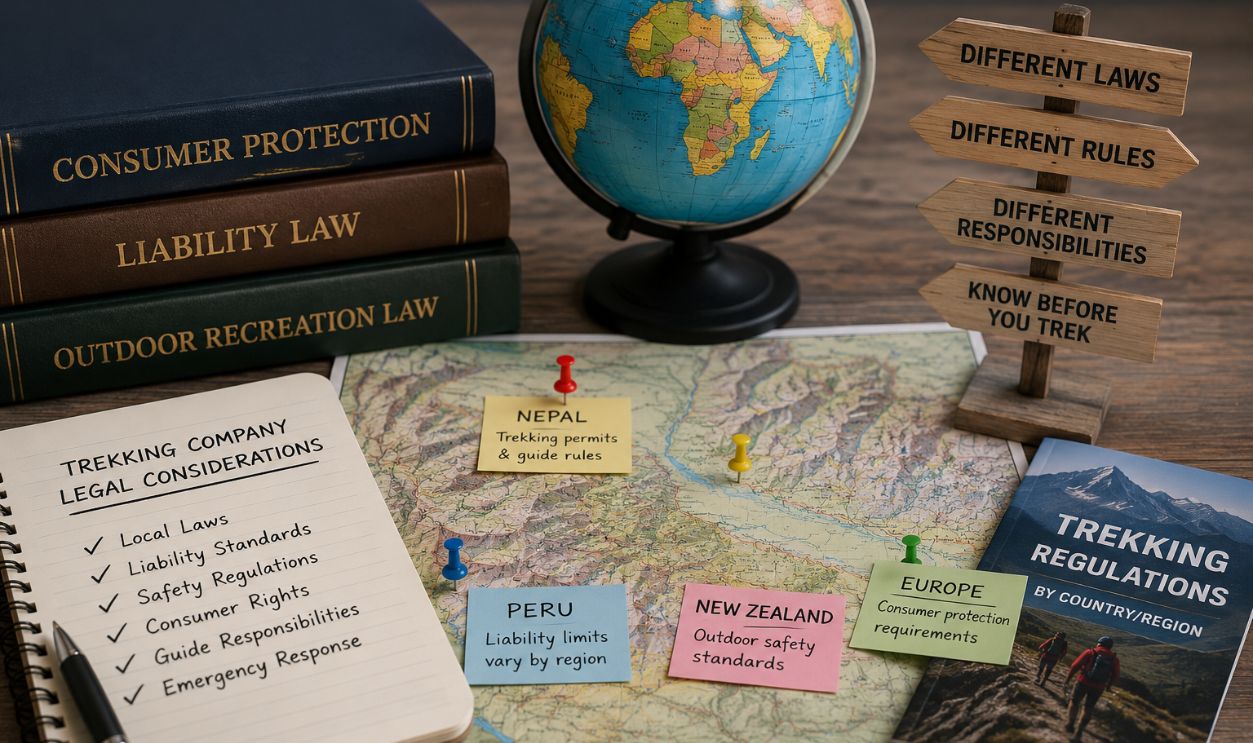
The rules governing trekking companies vary by country and region. Consumer protection laws, liability standards, and outdoor recreation regulations are not identical everywhere. One destination's rules may differ significantly from another's.
Experienced Guides Have Seen It Before
Most guides can tell stories about travelers who thought they knew a better route. Some returned embarrassed. Others required expensive rescue operations that could have been avoided by staying with the group.
Why Companies Use Strong Language
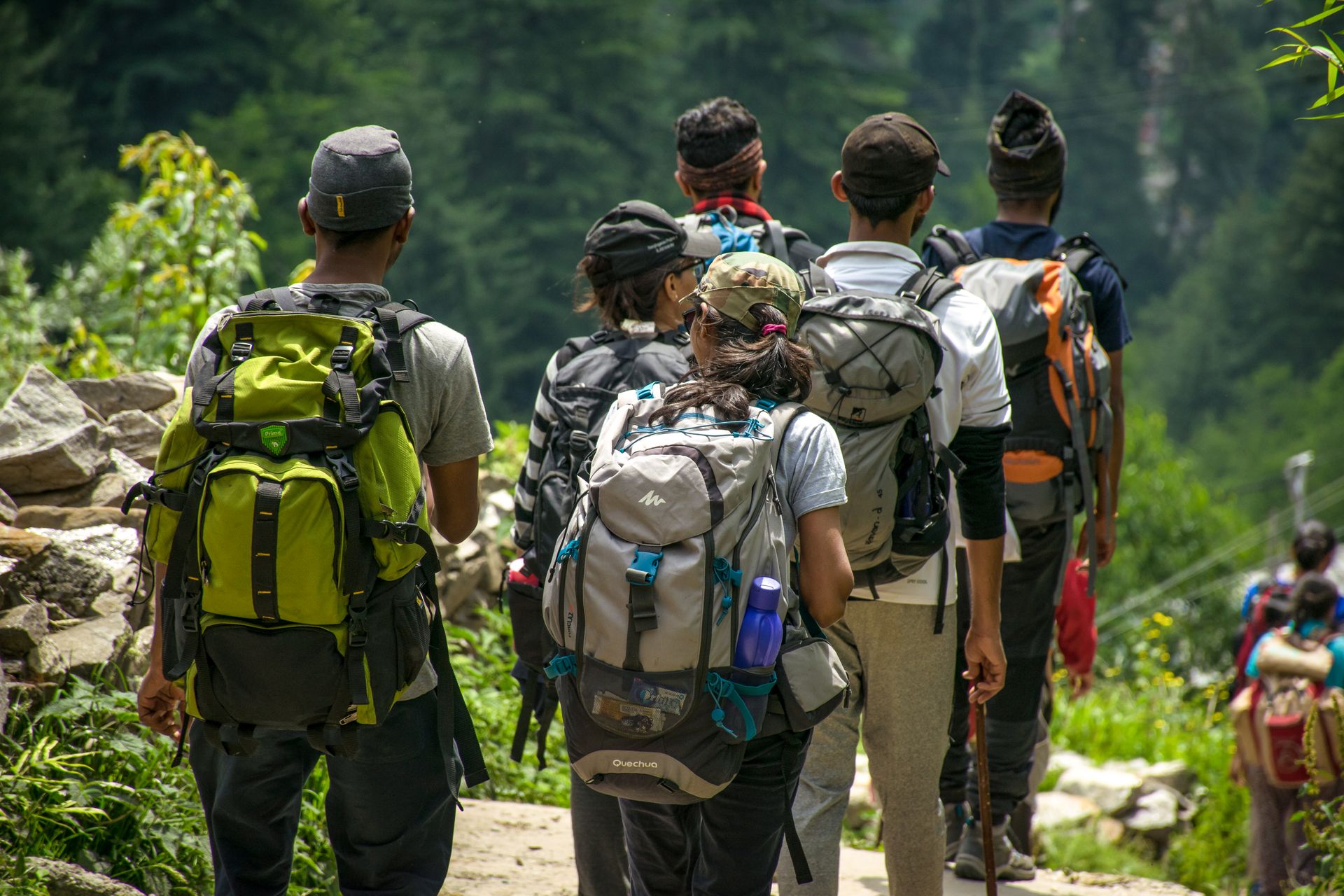
The warning isn't always designed to scare customers. Often, it's meant to make travelers understand the seriousness of separating from trained guides. A blunt sentence tends to get attention faster than a long explanation.
What Happens If You Simply Want To Leave?
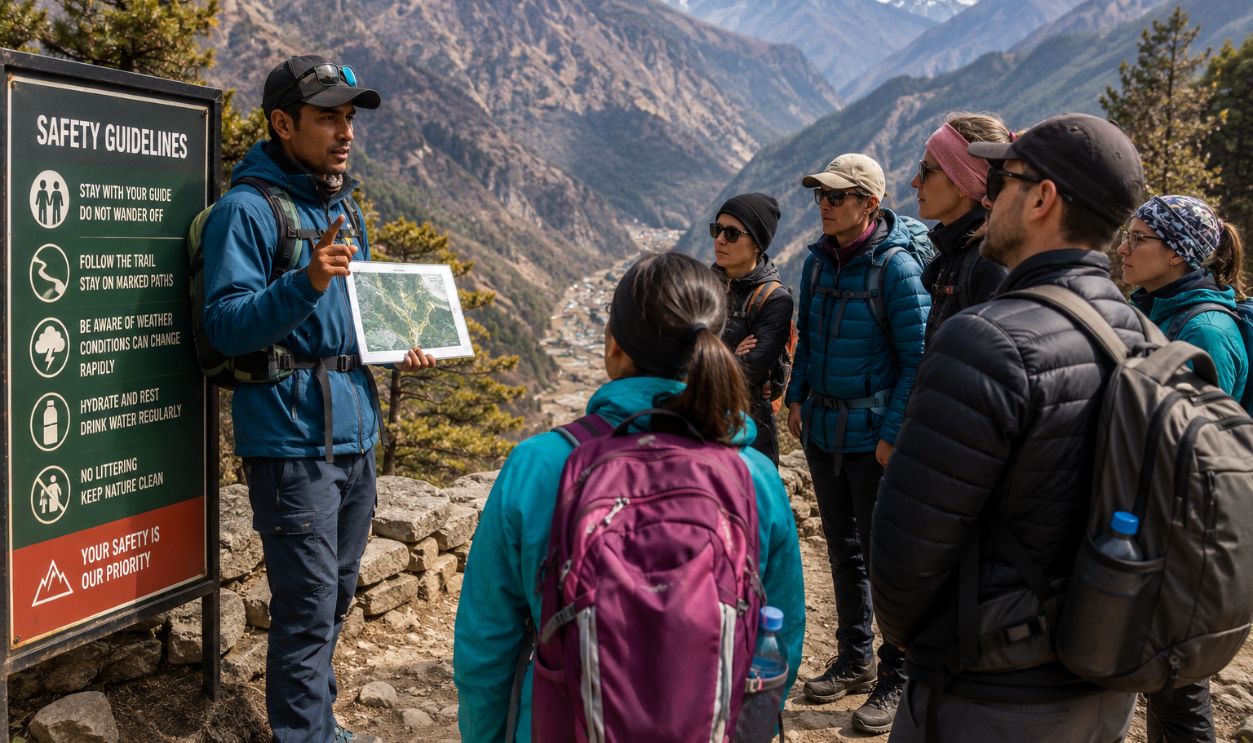
In many cases, you're free to leave the guided activity voluntarily. However, once you do, the company may no longer provide supervision, transportation, emergency assistance, or logistical support. That's often what the warning is actually describing.

The Hidden Reason Behind The Rule
Companies also need to protect the rest of the group. If one person leaves unexpectedly, stopping the entire trek could create safety issues for everyone else. Guides must balance individual choices against group safety.

So, Are They Allowed To Say You're On Your Own?
Generally, yes. A trekking company can usually state that if you voluntarily leave the group, you assume responsibility for yourself afterward. However, the exact legal effect depends on local laws, contracts, and the circumstances involved.
The Part Most Travelers Discover Too Late
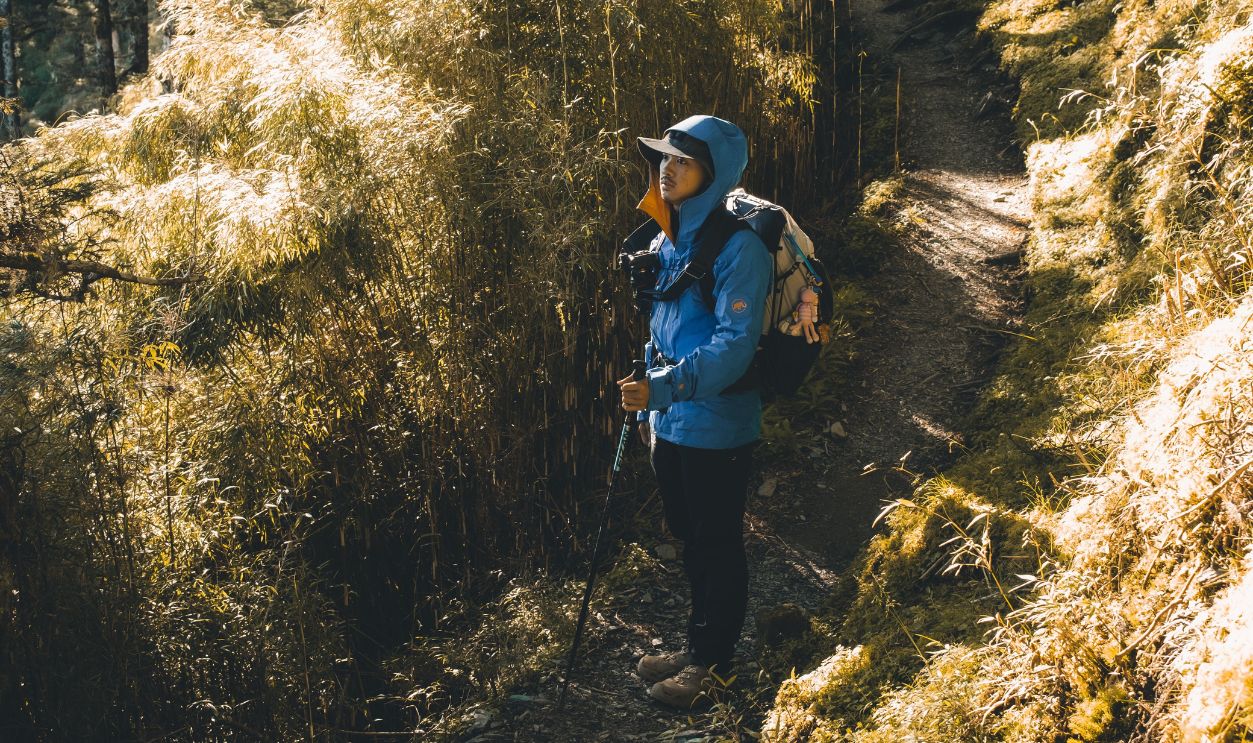
The surprising truth is that this warning is often less about avoiding responsibility and more about managing risk. In wilderness environments, separating from your guide can remove the very safety system you paid for in the first place.

The Real Takeaway Before You Book
Before signing up, read the company's terms carefully and ask questions about separation policies. If you understand exactly what happens when someone leaves the group, you'll avoid surprises and make better decisions once you're deep in the wilderness.

You May Also Like:
I booked “hidden city” flights to save money, but my dad says airlines can ban me for that—is that actually true?
My friend says TSA can’t make you unlock your phone. My cousin says they absolutely can at some airports. Who’s telling the truth?