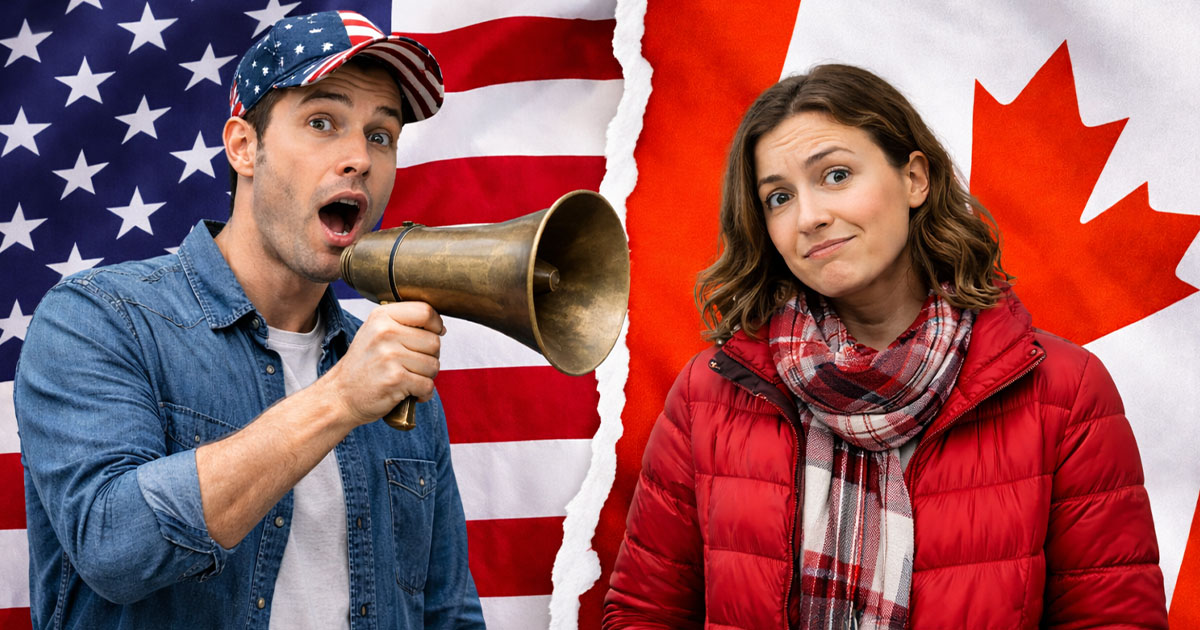
Free Speech: Same Words, Very Different Rules
Americans and Canadians both believe in free speech—but they definitely don’t play by the same rulebook. If you’ve ever thought, “Wait, that’s allowed here but not there?” you’re not wrong. Here's what's different—and why.
The US Treats Free Speech Like a Superpower
In the United States, free speech is protected by the First Amendment, and it’s interpreted extremely broadly. Offensive, rude, unpopular, or shocking speech is usually still legal. The general idea is that the government should almost never decide what people can or can’t say—even if that speech makes everyone uncomfortable.

Canada Thinks Speech Comes With Responsibilities
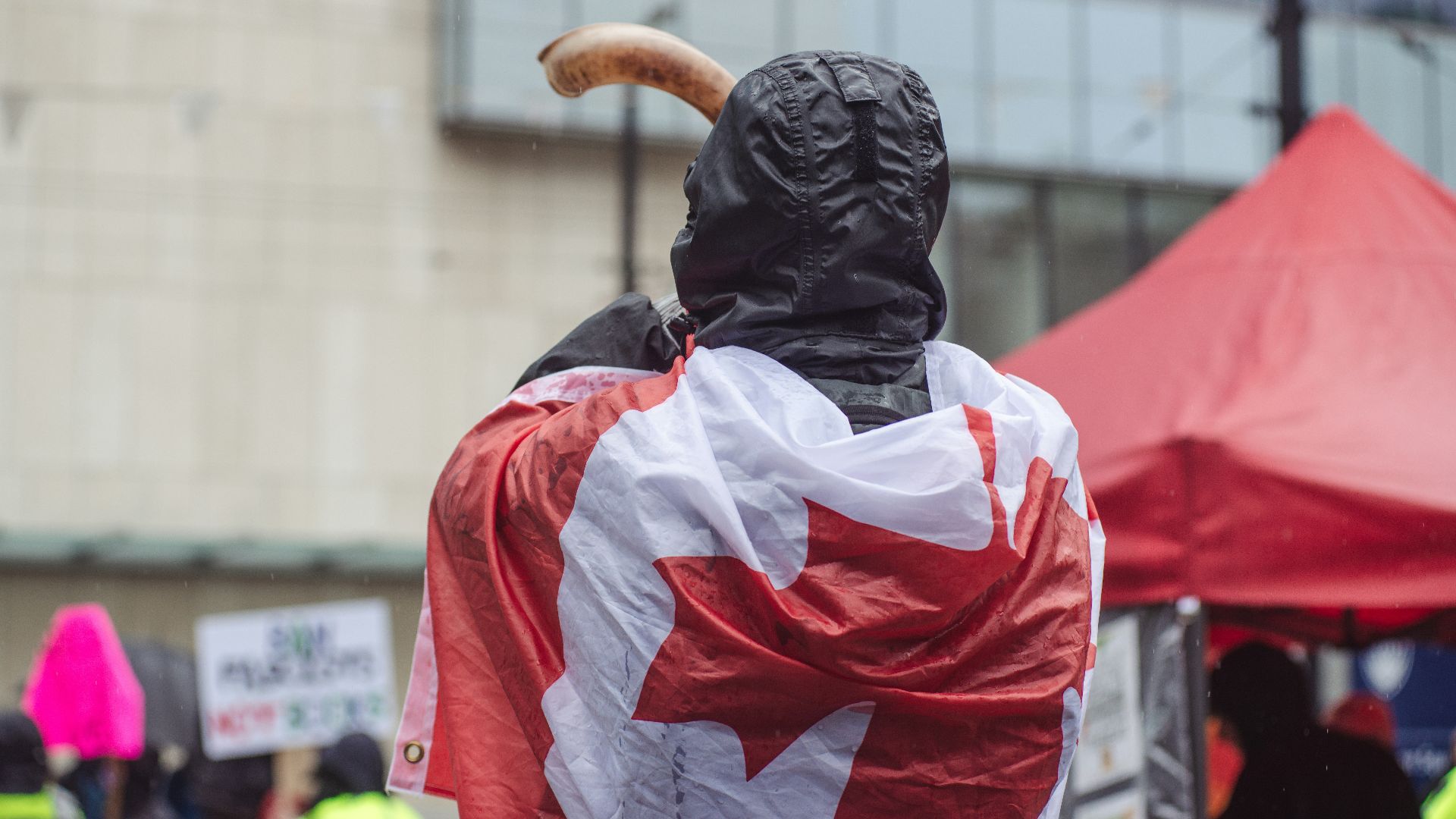
Canada also protects free expression, but it balances that right against other rights, like equality and public safety. The Canadian approach is more “You can speak freely, but not if it seriously harms others.” Think of it as free speech with guardrails.
The First Amendment vs. The Charter
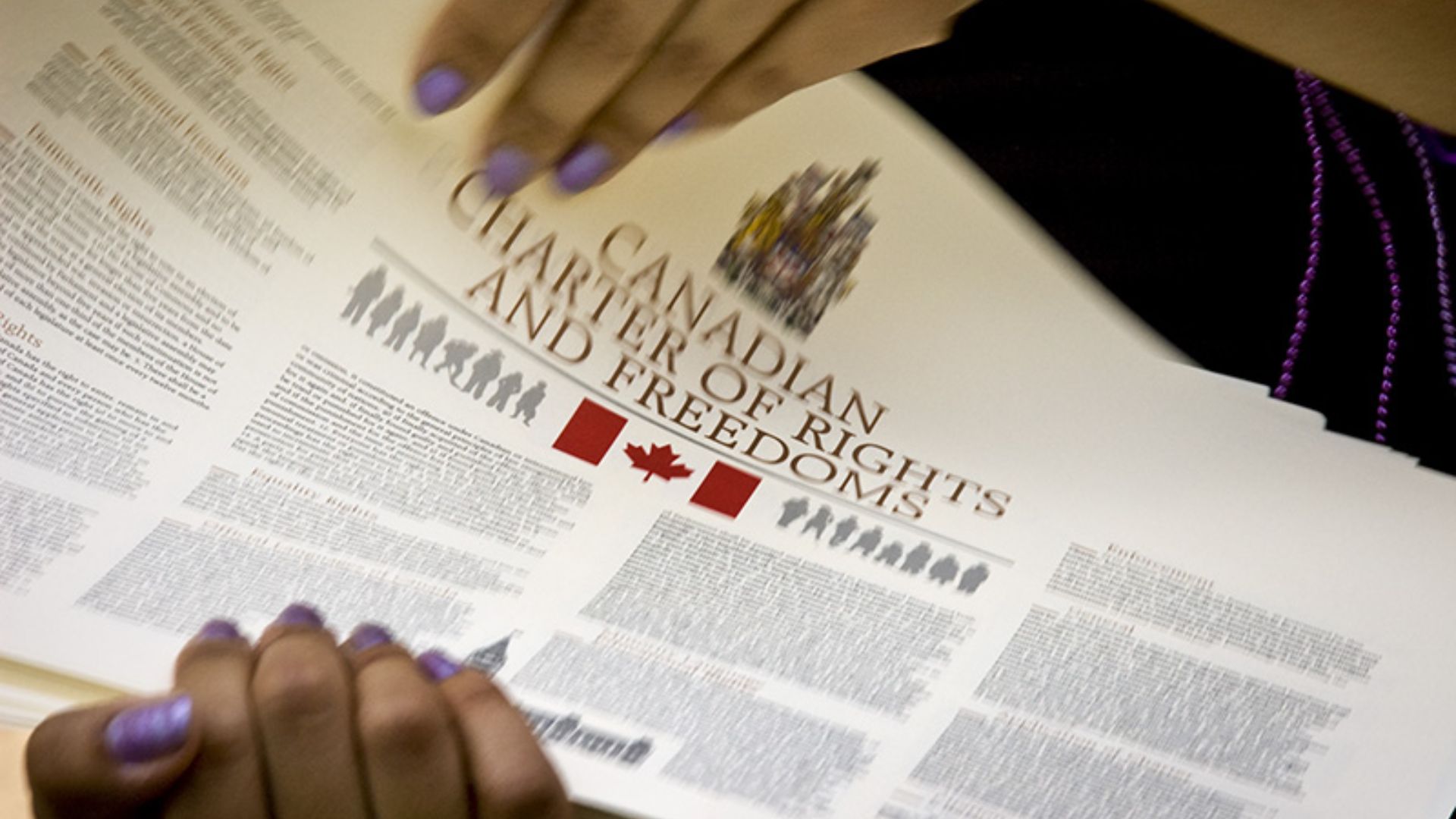
The US has the First Amendment. Canada has the Charter of Rights and Freedoms. The big difference? Canada’s Charter allows “reasonable limits” on rights if they can be justified in a free and democratic society. That one phrase changes everything.
 Marc Lostracci, Wikimedia Commons
Hate Speech Is the Biggest Divider
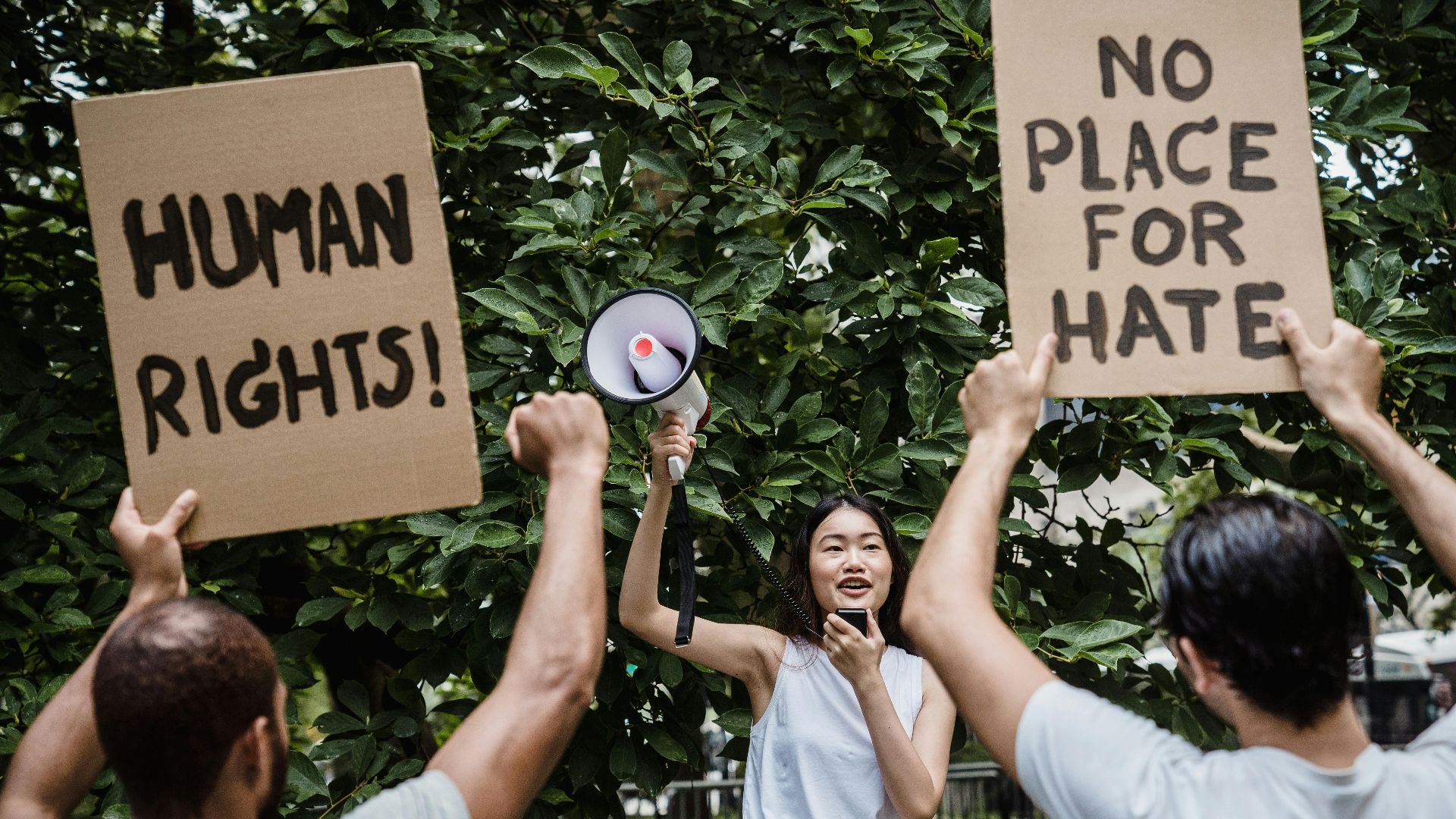
In the US, hate speech is generally protected unless it directly incites violence. In Canada, certain forms of hate speech are illegal, especially when they target protected groups. Saying something hateful might be legally fine in the US but get you charged in Canada.
Canada Is More Concerned With Harm Than Offense
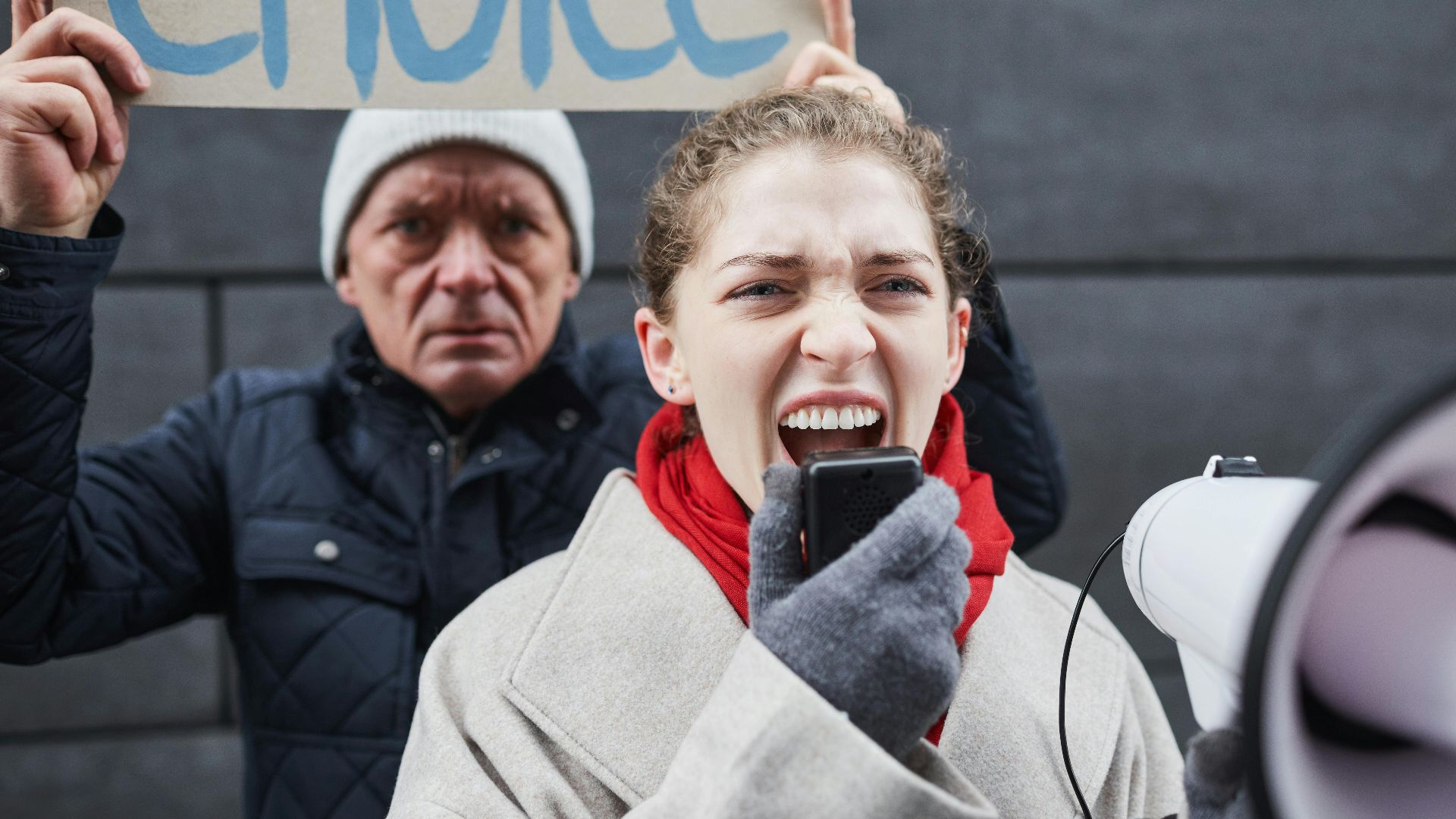
Canada doesn’t ban speech just because it’s offensive—but it does step in when speech causes real harm. The focus is less on how upset someone feels and more on whether speech contributes to discrimination, harassment, or violence.
The US Trusts the Marketplace of Ideas
American law assumes bad ideas should be defeated by better ideas, not government bans. The belief is that free debate—even ugly debate—is healthier than censorship. Canada is more skeptical that harmful ideas always get “debated away.”

Canada Allows Limits If Courts Approve Them
Canadian courts actively decide whether limiting speech is justified. If a law restricts speech, judges weigh the benefit to society against the loss of expression. In the U.S., courts usually start from “this is protected” and work backward.

You Can’t Just Say “It’s My Opinion” in Canada
In the US, saying “it’s just my opinion” often offers strong legal protection. In Canada, opinions can still cross legal lines if they promote hatred or discrimination. The disclaimer doesn’t magically make it okay.
Defamation Laws Are Stricter in Canada
Canada has tougher defamation laws, meaning you need to be more careful about making false statements about people. In the US, public figures have a much harder time suing for defamation. Canada is more protective of reputation.

Freedom of Speech ≠ Freedom From Consequences (In Both Countries)
Both countries agree on this part. Private companies, employers, and platforms can still punish speech. The difference is that in Canada, the government itself has more room to step in when speech causes harm.

Canada Criminalizes Some Speech the US Would Never Touch
Certain forms of propaganda or repeated hateful messaging can be criminal offenses in Canada. In the US, the bar for criminalizing speech is extremely high. Americans often find this surprising—and Canadians find the US approach risky.

Historical Context Matters
The US was founded after rebelling against government control, so speech protections are intentionally extreme. Canada evolved more gradually and places more trust in institutions. Different histories, different legal instincts.
Political Speech Is Sacred in the US
In the US, political speech gets maximum protection, even when it’s misleading or inflammatory. Canada still protects political speech, but it allows limits when speech threatens democratic participation or public order.

Canada Prioritizes Social Harmony More
Canadian law often emphasizes social cohesion and reducing harm between groups. The US prioritizes individual liberty, even if that liberty causes social friction. Neither approach is perfect—they just value different trade-offs.

Online Speech Gets Treated Differently Too
Canada is more open to regulating online platforms and digital speech. The US remains far more hands-off, especially when it comes to government intervention. This gap is only getting wider in the internet age.

Protests Are Legal—But Managed Differently
Both countries protect protest rights, but Canada places more limits on time, place, and manner. Blocking infrastructure or harassing individuals is more likely to trigger legal consequences in Canada than in the US.

Comedy Isn’t a Free-Pass in Canada
Jokes that target protected groups can still create legal trouble in Canada, even if framed as humor. In the US, comedy is usually protected unless it crosses into direct threats. Canadian comedians often joke… carefully.
“Freedom” Means Different Things Culturally
Americans tend to see freedom as protection from government. Canadians tend to see freedom as something balanced with community well-being. Both claim to value liberty—they just define it differently.

Neither System Is As Simple As Social Media Claims
Online debates often oversimplify both systems. Canada isn’t anti-free-speech, and the US isn’t lawless chaos. They’re just operating on different philosophies about risk, harm, and trust.
 My Ocean Production, Shutterstock
What Americans Find Shocking, Canadians Find Normal
Americans are often stunned by Canada’s speech limits. Canadians are often stunned by how far Americans let things go. Both sides think the other is “too extreme”—which probably means both are doing something right.

Same Goal, Different Paths
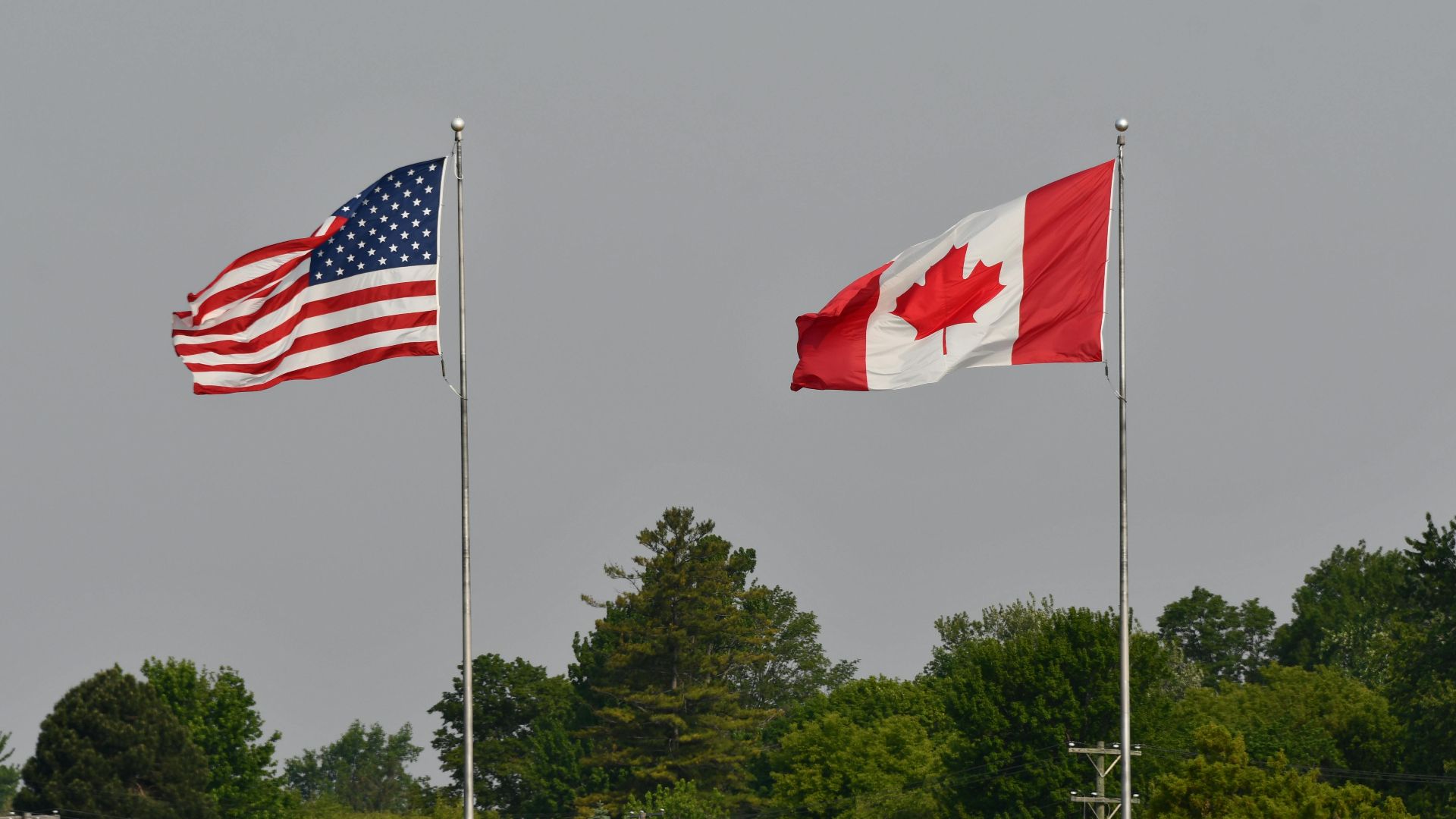
Both countries want free societies where people can speak openly. The US protects speech almost at all costs. Canada protects speech until it meaningfully harms others. Same value—very different rulebook.
You May Also Like:
The States Americans Are Actively Avoiding In 2026
Latest Surveys Reveal Why Americans Think Canada Is Better Than The United States
Americans fled to Costa Rica en masse, but here's why they're coming back.