Reality Hits For Expats
Costa Rica often appears as a permanent escape from high costs and daily stress. Once the glow of the sun-soaked beaches and friendly communities fades, long-term residents encounter challenges rarely mentioned in relocation stories.
Rising Housing Costs
Rental prices in popular expat areas such as the Central Valley and coastal towns have climbed steadily over the past decade. Increased foreign demand and short-term rentals mean newcomers often face costs closer to US suburbs.

Long Travel Times For Short Distances
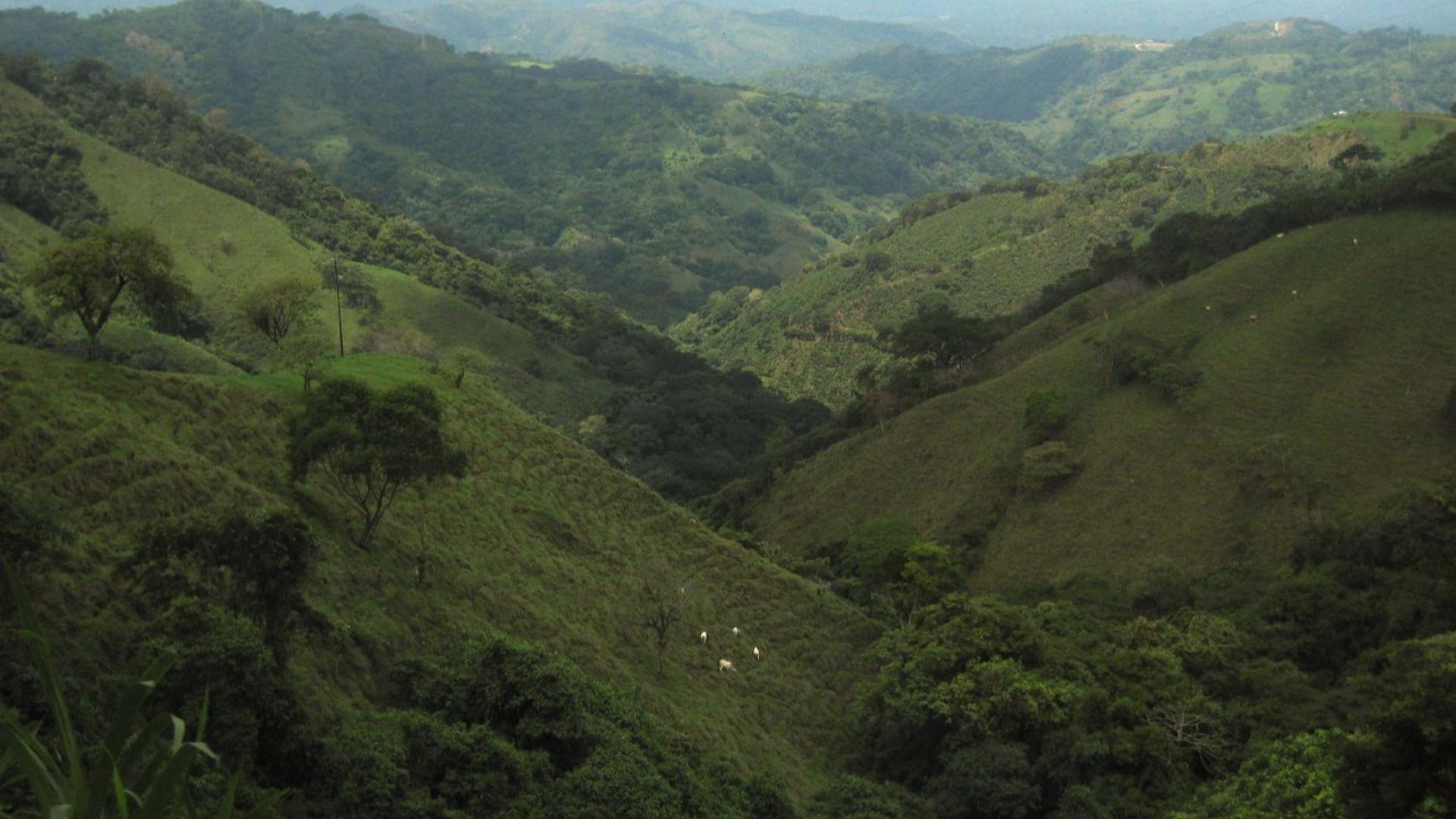
Mountainous geography, narrow roads, and limited highways can turn short trips into lengthy drives. Urban congestion near San Jose and slow rural routes surprise many Americans accustomed to interstates, making commuting and errands far more time-consuming.
 Central Intelligence Agency, Wikimedia Commons
Difficulty Opening Or Maintaining Bank Accounts
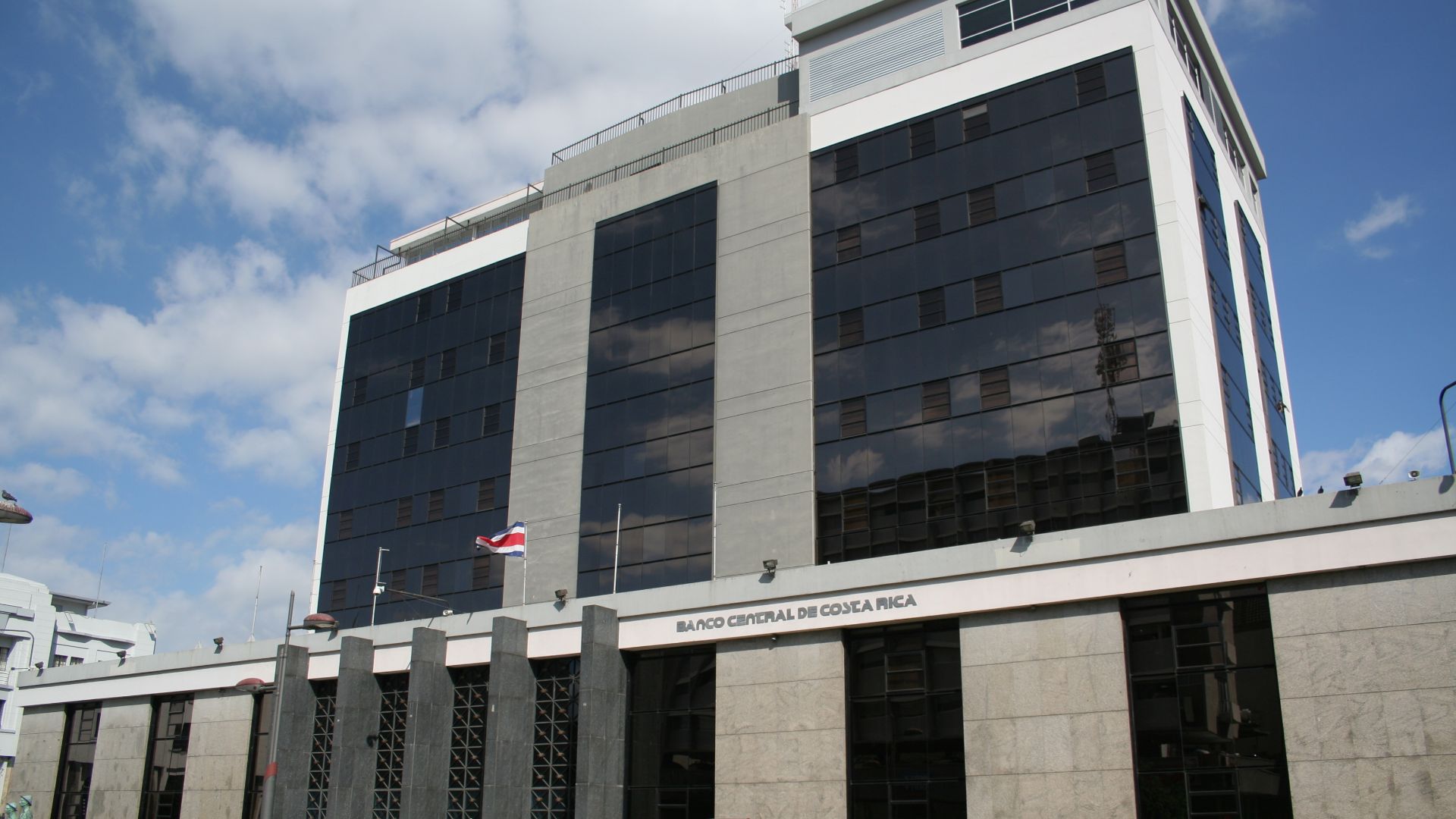
Many Costa Rican banks require residency status and frequent in-person verification. Those relying on tourist visas often encounter frozen accounts or reapproval requests, which complicates bill payments and routine finances that don’t resemble banking systems in the US.
 MyCatIsAChonk, Wikimedia Commons
High Humidity And Heat Year-Round
While tropical weather attracts many newcomers, constant humidity and high temperatures can become physically draining. Mold growth and disrupted sleep are common complaints, particularly for Americans unused to managing heat without widespread air-conditioning.
Lengthy Residency Processing Times
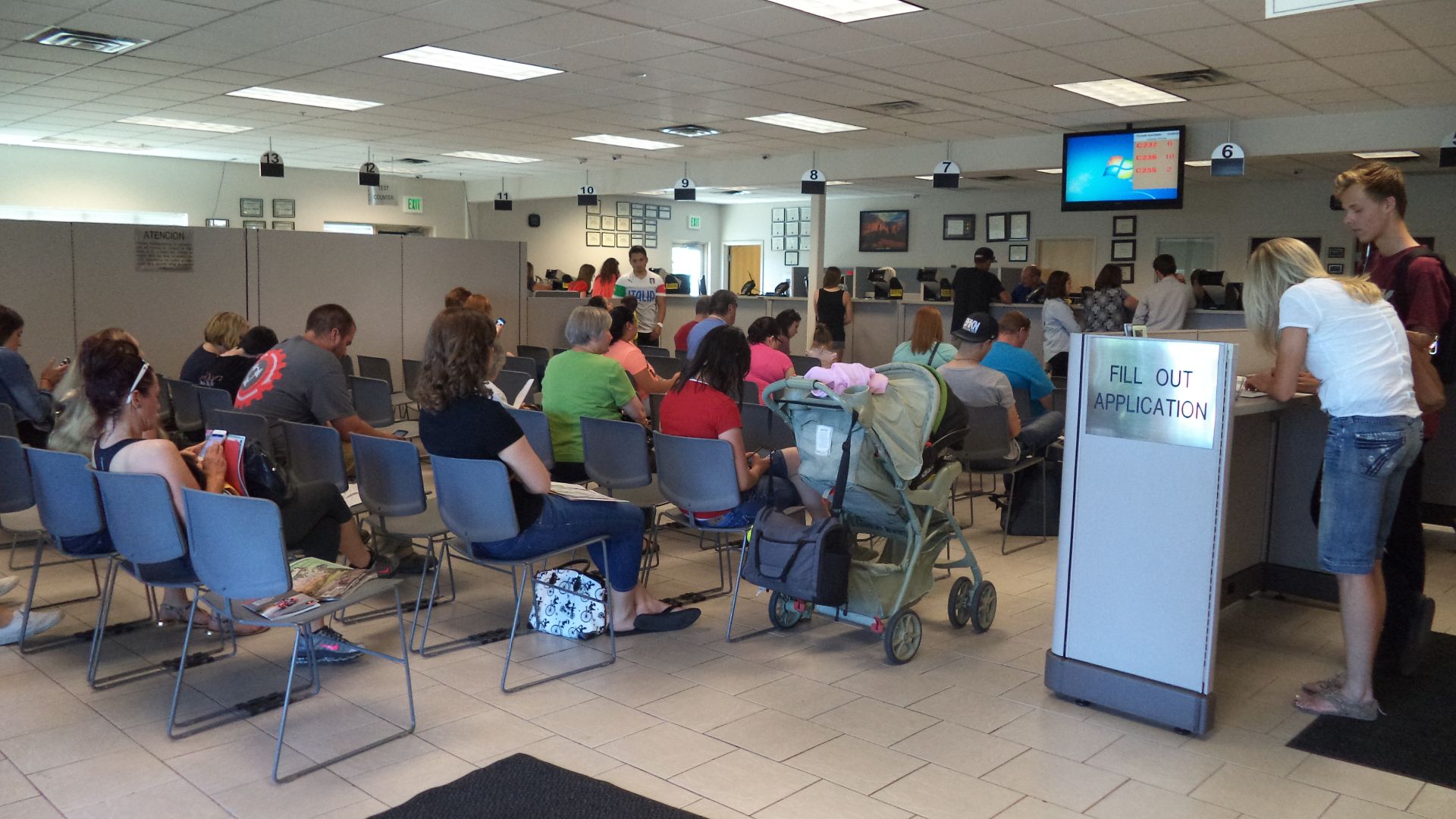
Obtaining legal residency in Costa Rica involves extended waiting periods and document translations. Some report living in limbo for months or longer, which limits access to banking, healthcare enrollment, and driving privileges while applications move slowly through administrative channels.
 Rockclaw1030, Wikimedia Commons
Increase In Reported Petty Theft
Petty theft, including car break-ins and pickpocketing, is frequently reported in popular tourist and expat neighborhoods. Although violent crime rates remain comparatively low, some expats cite heightened vigilance and diminished peace of mind.

Higher-Than-Expected Grocery Prices
Grocery shopping in Costa Rica can surprise Americans accustomed to a wide selection and low prices. Imported foods and specialty items carry premium costs due to import taxes and market size. This reshapes household budgets more than many newcomers anticipate before relocating.
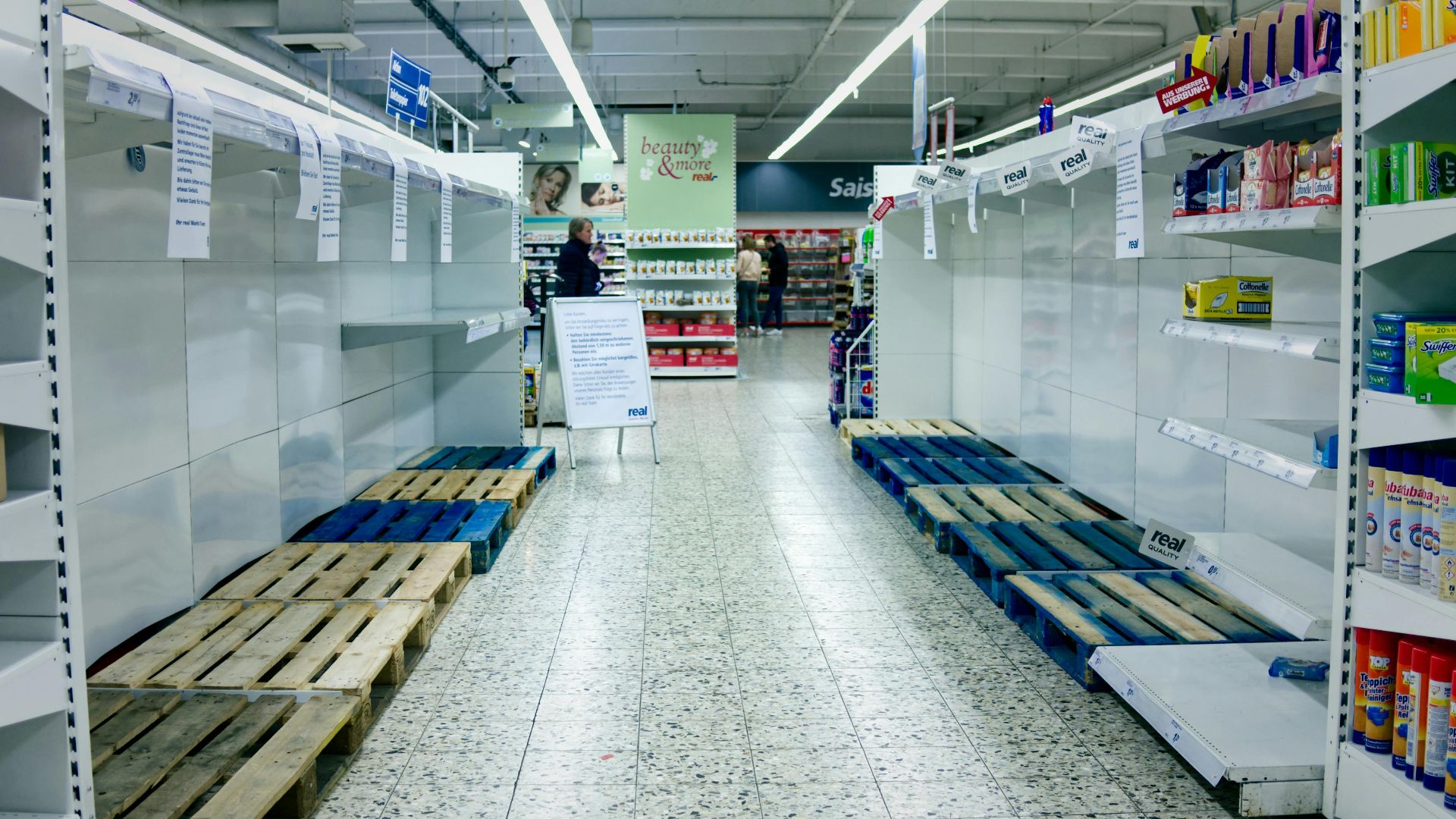
Power Outages During The Rainy Season
Seasonal storms can strain Costa Rica’s electrical grid and lead to occasional power outages, especially in rural or coastal areas. For those working remotely, even brief interruptions affect productivity and job reliability. This makes infrastructure resilience a more serious consideration than expected.
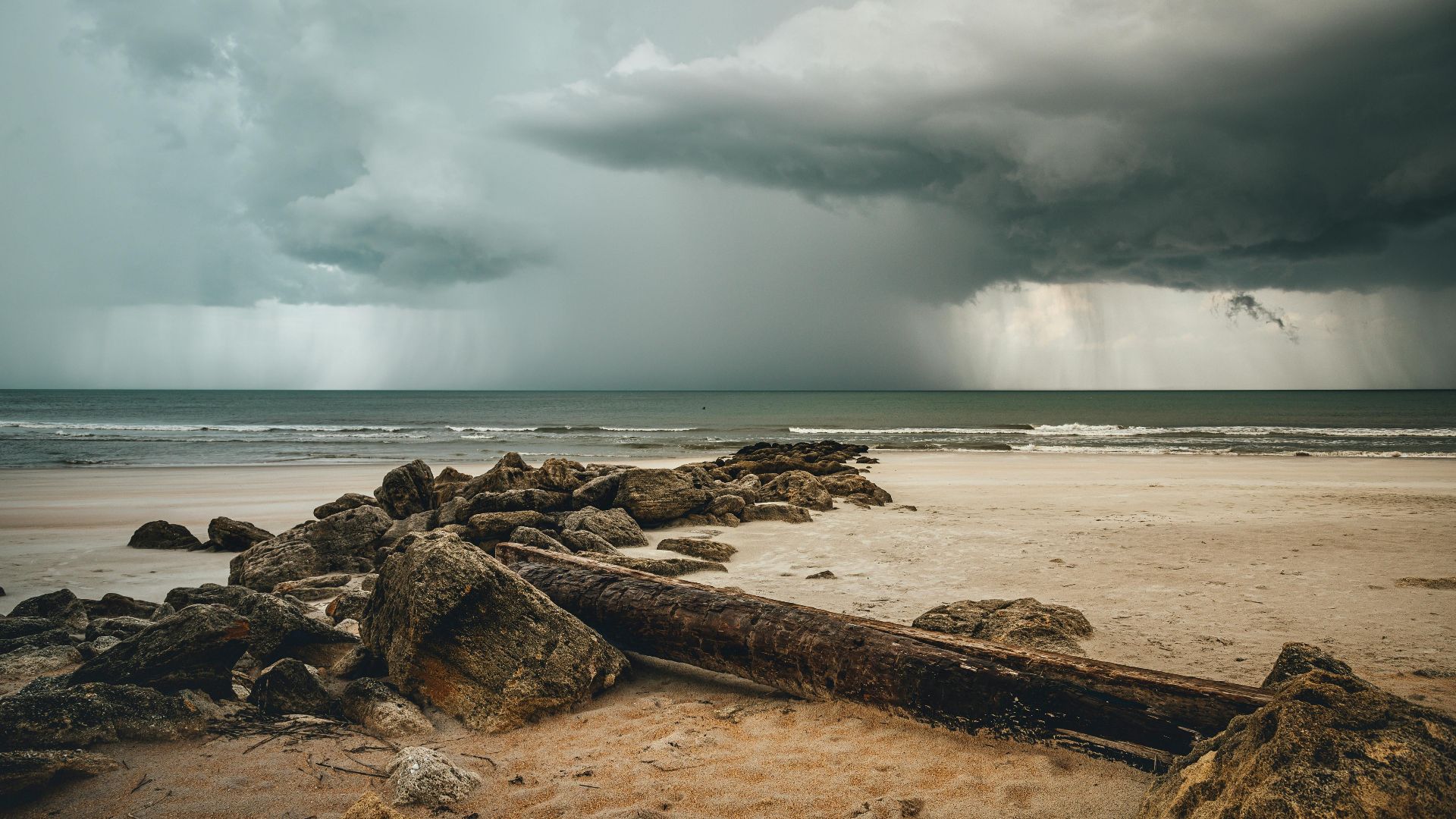
Limited Public Transportation Outside Metropolitan Areas
Outside major cities, public transportation options become infrequent or impractical. Expats living in smaller towns often need personal vehicles for work and errands. Such reliance increases expenses and complicates daily life for those who expected walkability or reliable transit similar to urban US environments.
Challenges Integrating Beyond Expat Communities
Many find social life initially welcoming, yet discover deeper integration takes effort. Language barriers and cultural norms can limit friendships beyond expat circles, and some residents feel socially disconnected despite long stays and genuine attempts to engage locally.

Water Shortages In Certain Regions
Particularly during dry months, water shortages in certain regions affect daily routines and agriculture. Some communities experience rationing or reduced pressure, which forces residents to plan around supply schedules and install storage tanks.
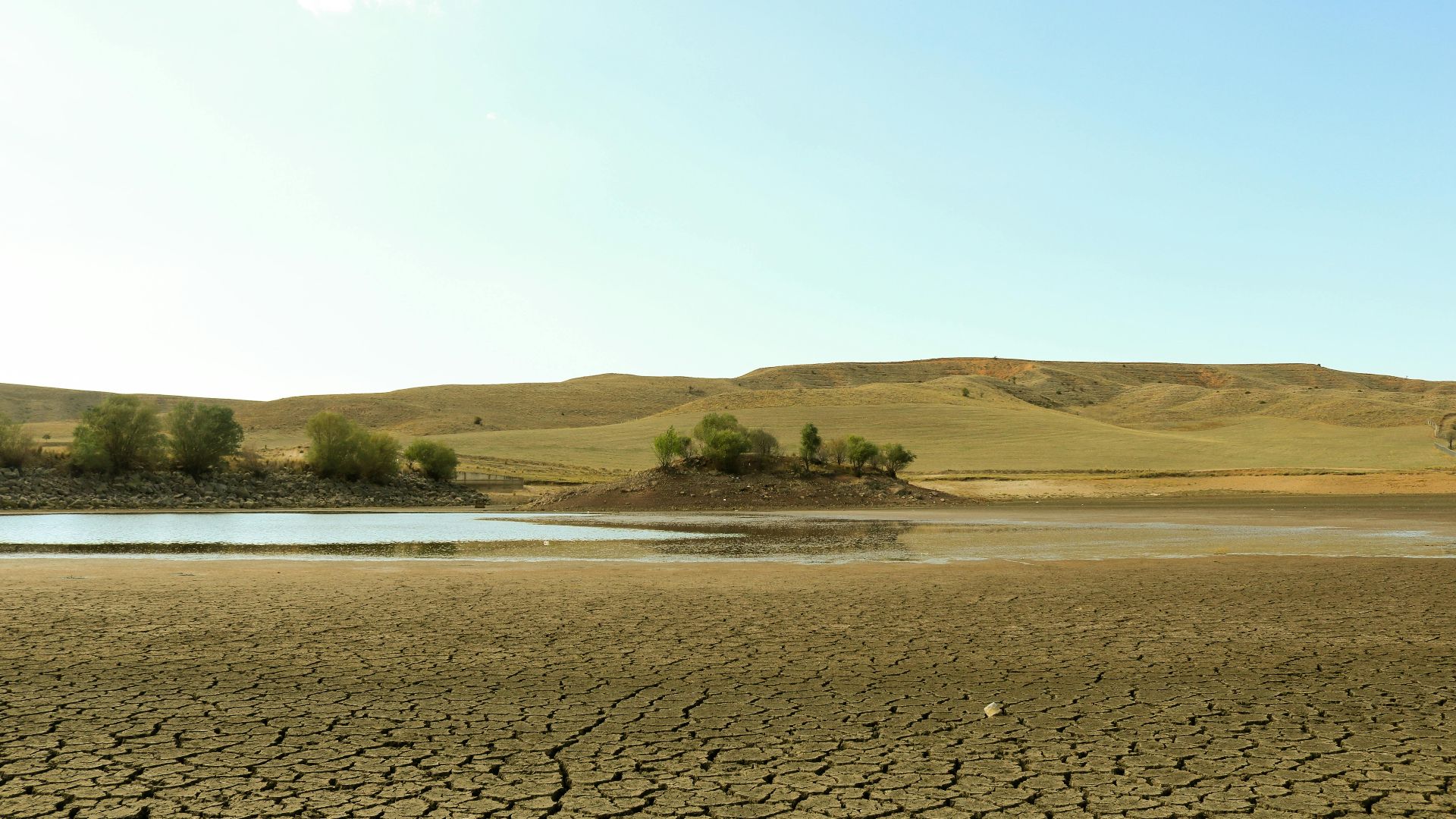
Frequent Paperwork Requirements And Renewals
From visa stamps to banking forms, frequent paperwork requirements and renewals shape everyday life. Americans describe repeated document requests and unclear timelines that slow routine tasks and test patience over long-term residency periods.

Language Barriers In Legal, Medical, And Government Settings
Despite daily immersion, many expats deal with language barriers in several settings. Those usually rely on translators or bilingual professionals for contracts and permits. These add expense and delay when important decisions are involved.

Utilities Are Priced Higher Than Expected
Many newcomers are surprised by the higher-than-expected utility prices, especially for electricity. National energy policies and renewable infrastructure influence rates that exceed assumptions shaped by the tropical climate. Living without widespread air-conditioning proves challenging, while monthly bills affect budgeting decisions and long-term affordability.

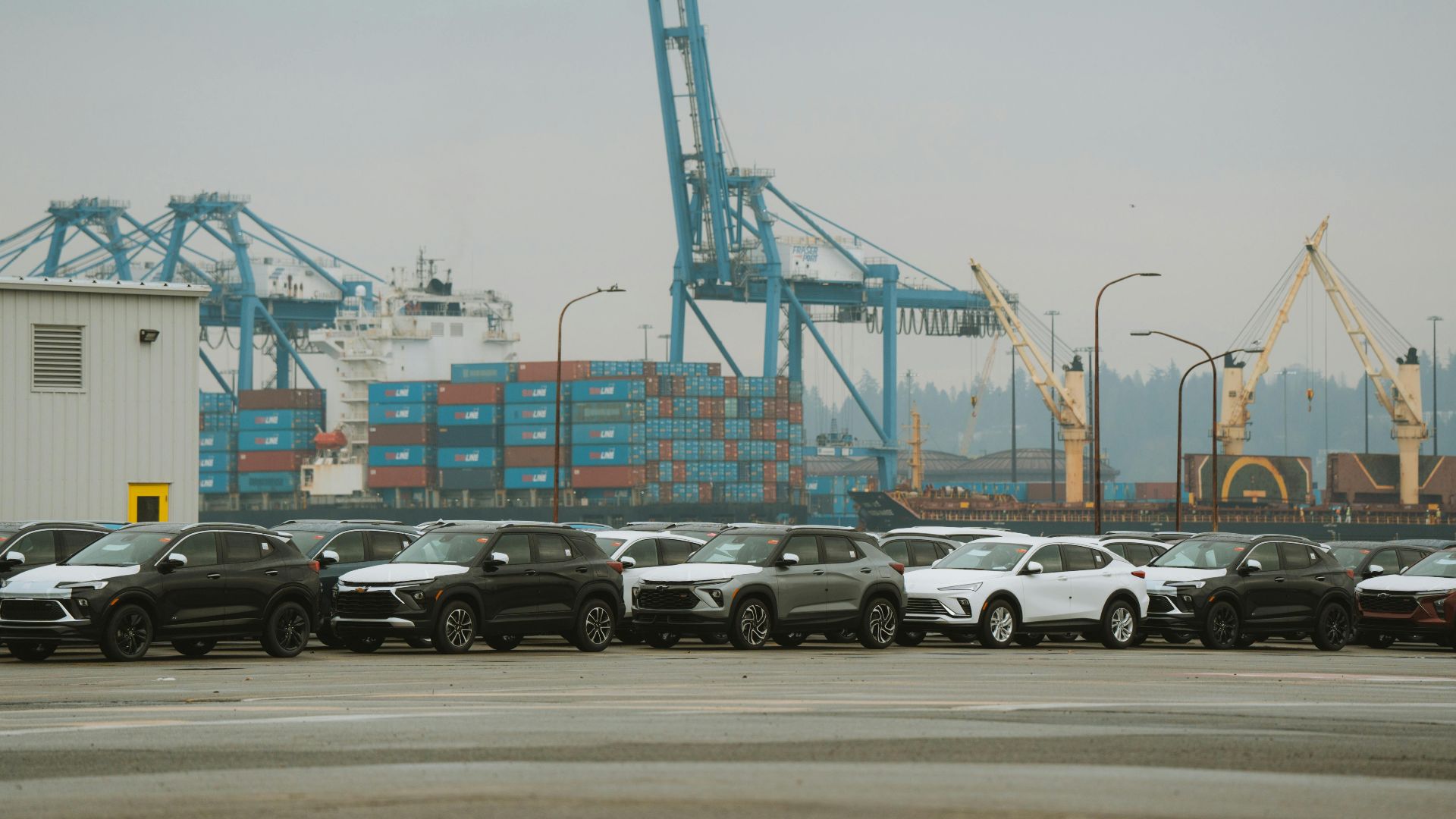
Import Taxes And Duties On Vehicles And Electronics
Electronics, cars, and different household goods are subject to high import taxes. As a result, those shipping belongings or replacing major items face sticker shock and then discover that duties and limited competition can double prices compared with similar purchases back home.
Long Wait Times In The Public Healthcare System
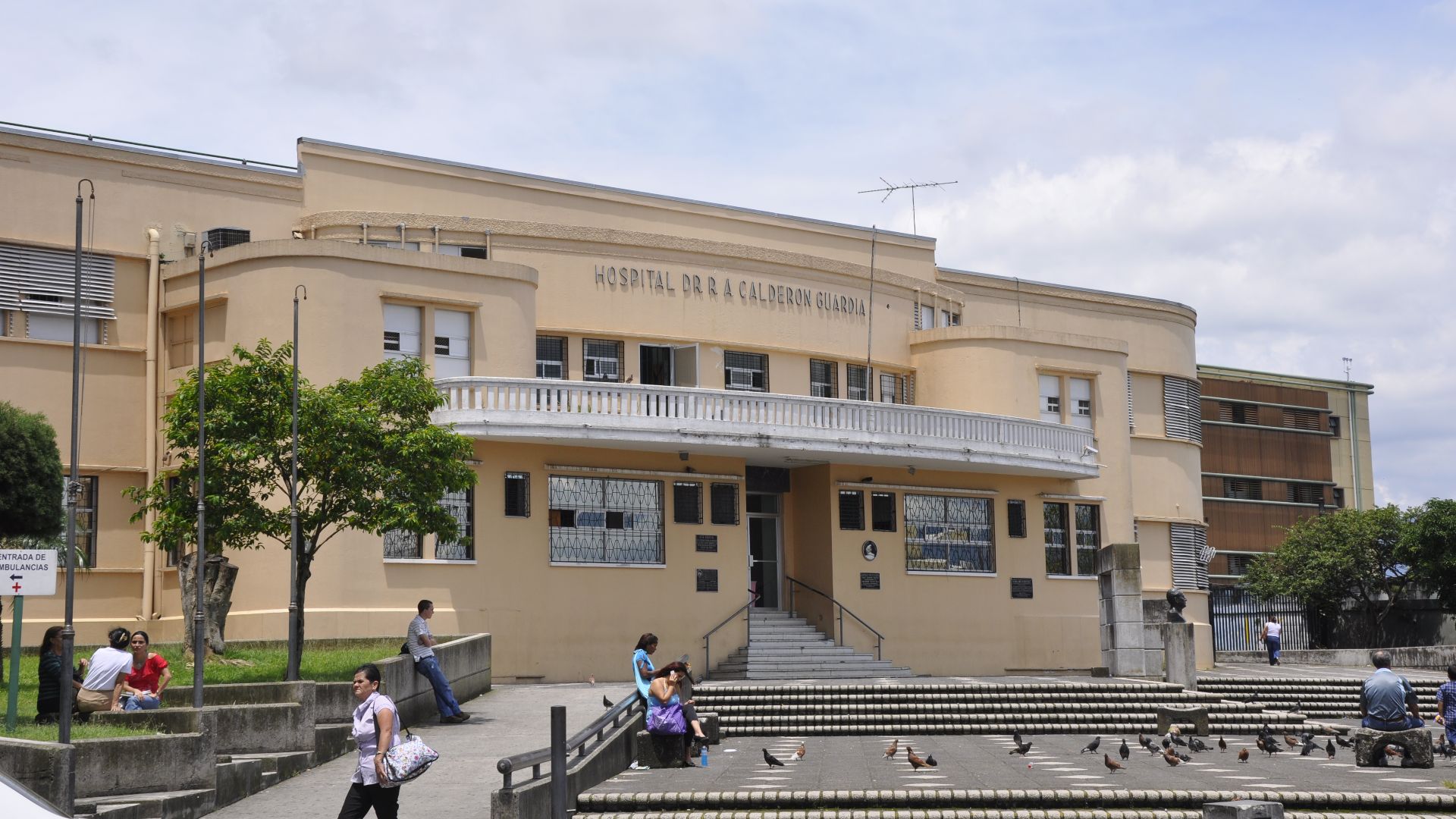
Public healthcare in Costa Rica offers broad coverage, yet non-emergency care can involve lengthy waits. Specialist appointments and elective procedures sometimes take months, which prompts Americans to rely on private providers or reconsider whether the system meets long-term health needs.
 Antonio Solera, Wikimedia Commons
Roads Complicate Daily Travel
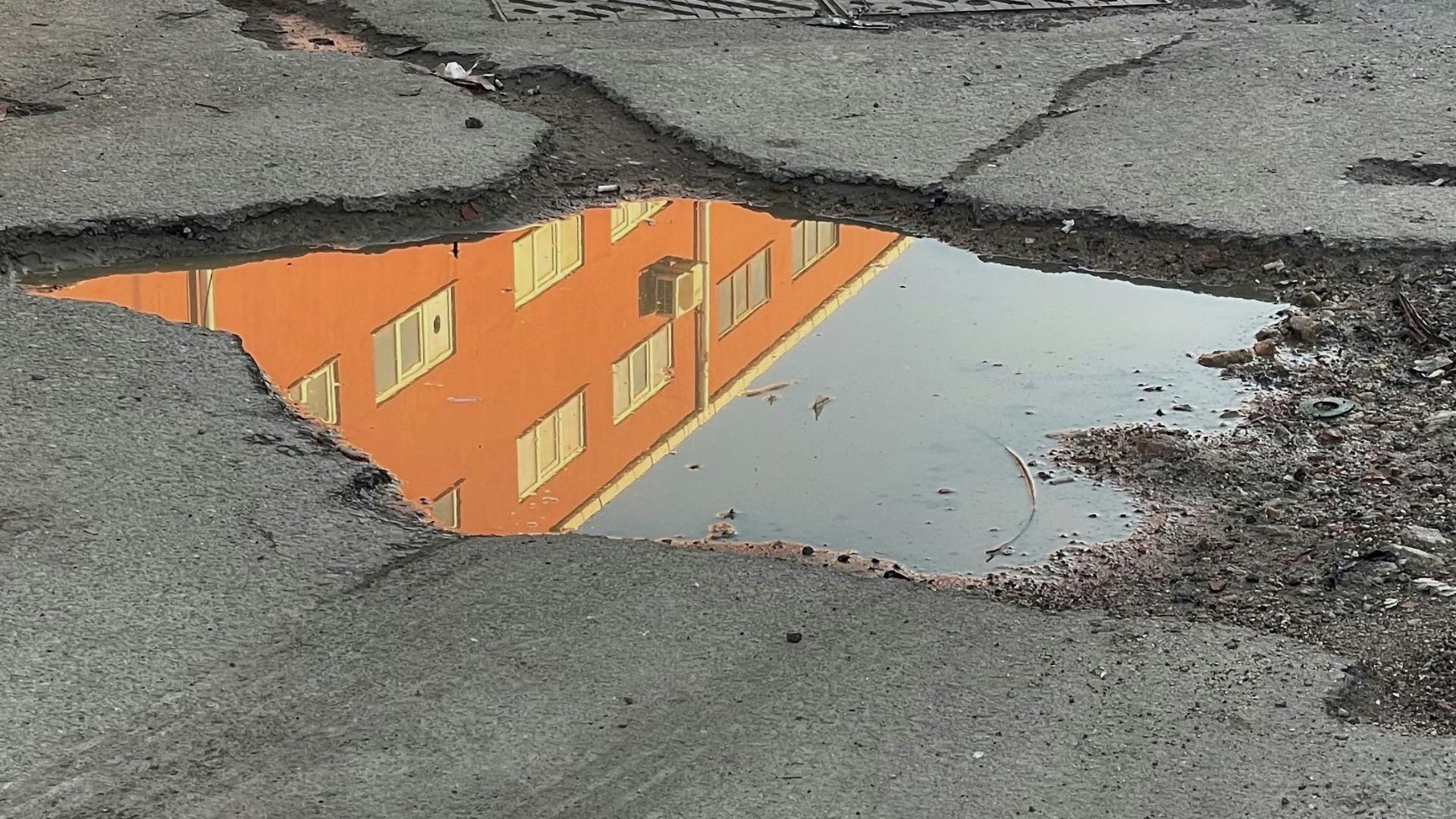
Road conditions vary widely across Costa Rica, with potholes and limited signage common outside major cities. For expats accustomed to consistent infrastructure, daily driving can feel stressful, which increases vehicle maintenance costs and complicates travel during heavy rains or nighttime hours.
Limited Access To Specialists Outside Major Urban Centers
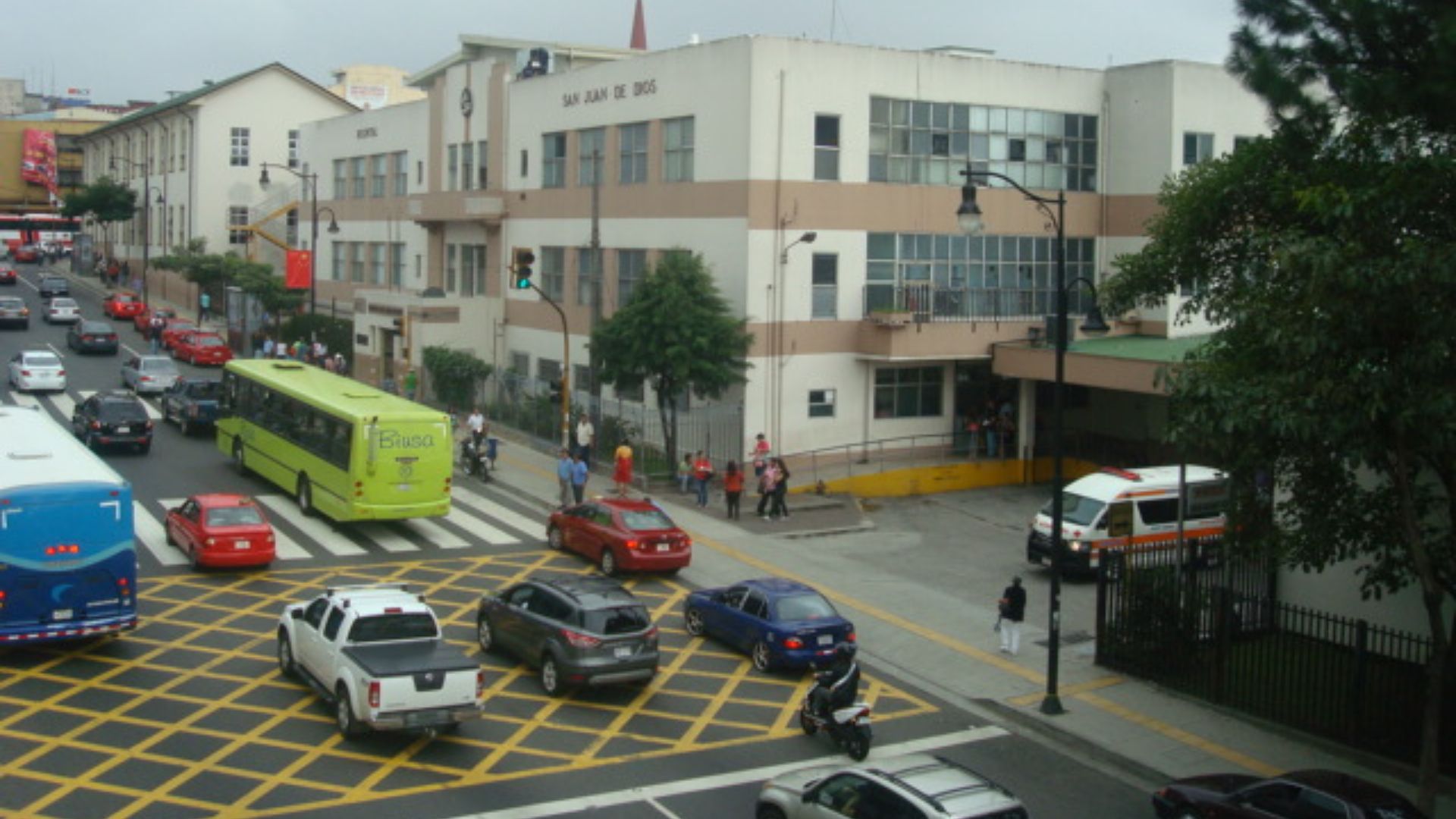
Outside San Jose and a few urban hubs, access to medical specialists becomes limited. Americans living in smaller towns may need frequent travel for care, which adds time and expense. It influences decisions about whether rural living aligns with ongoing healthcare needs.
Difficulty Renewing Or Converting Driver’s Licenses
Getting Costa Rica’s driver’s license system isn’t a straightforward task. Foreigners encounter appointment shortages, medical evaluations, residency rules, and document checks. Processing delays may restrict legal driving for extended periods.

Home Break-Ins In Isolated Or Vacation-Style Properties
Remote and vacation-style homes sometimes face a higher break-in risk when unoccupied. Americans who live in these areas often invest in caretakers or gated developments. These added precautions increase expenses and reduce the sense of ease many associate with coastal or countryside living.
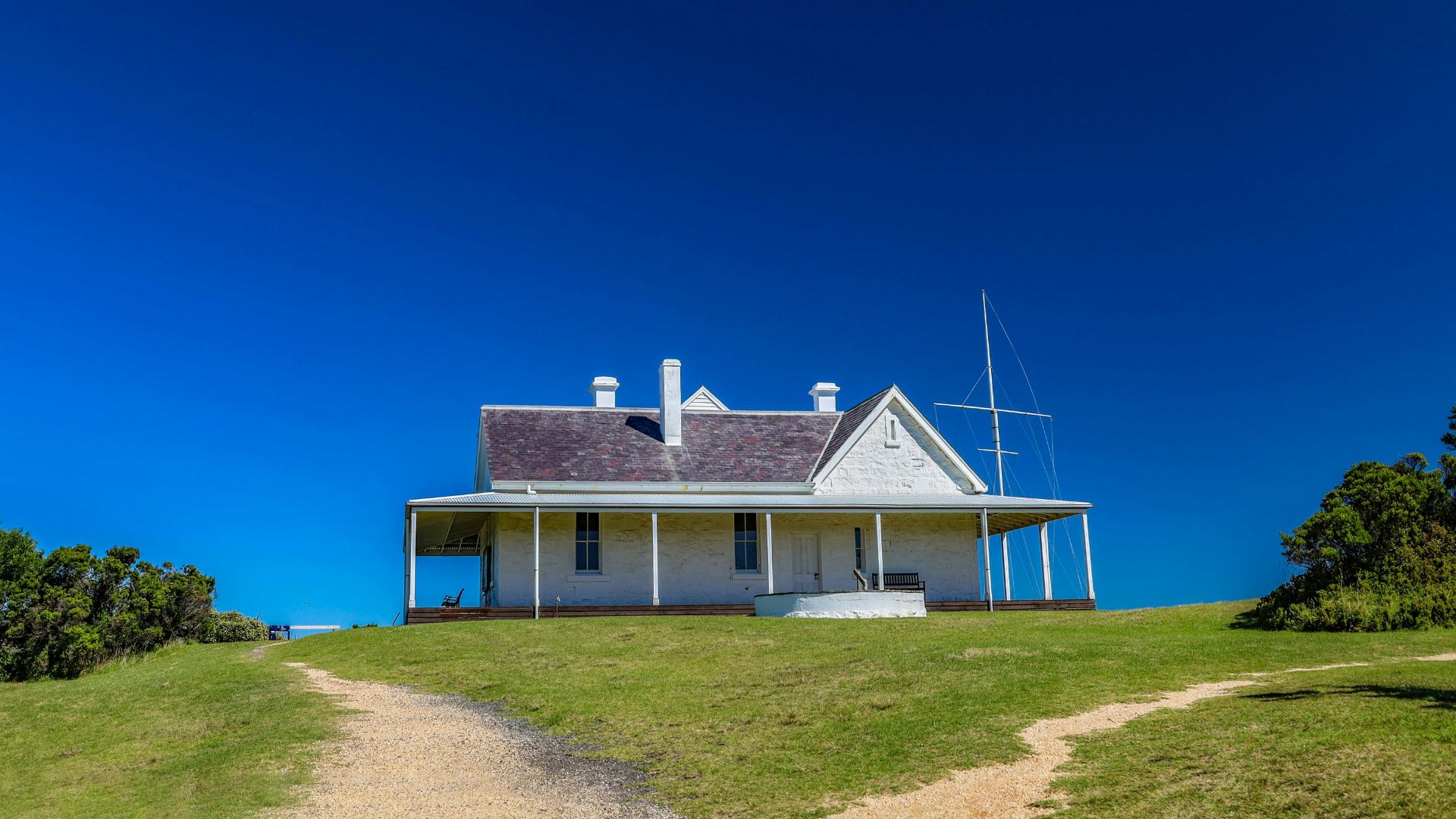
Social Isolation Outside Tourist Or Expat Hubs
Outside major expat centers, building social connections can take time. Americans encounter fewer organized activities and dispersed neighborhoods, which make friendships harder. Over time, limited interaction may affect well-being.
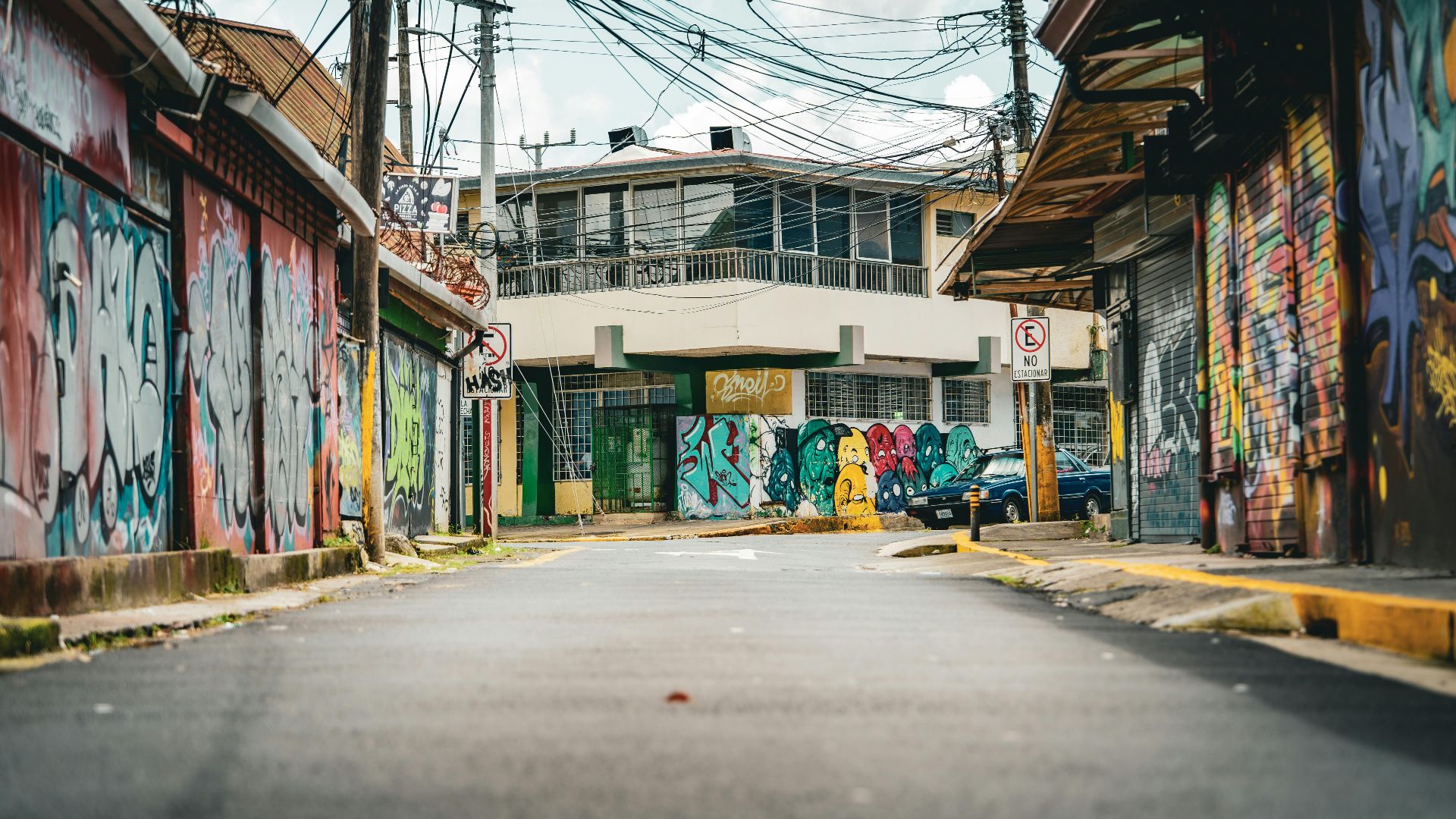
Slower Access To Goods And Services
Every day errands and purchases frequently move at a slower pace. Americans adjusting to longer wait times for deliveries or special orders may find convenience reduced. These delays require patience and planning, as expectations are shaped by rapid service and wide availability in the US.
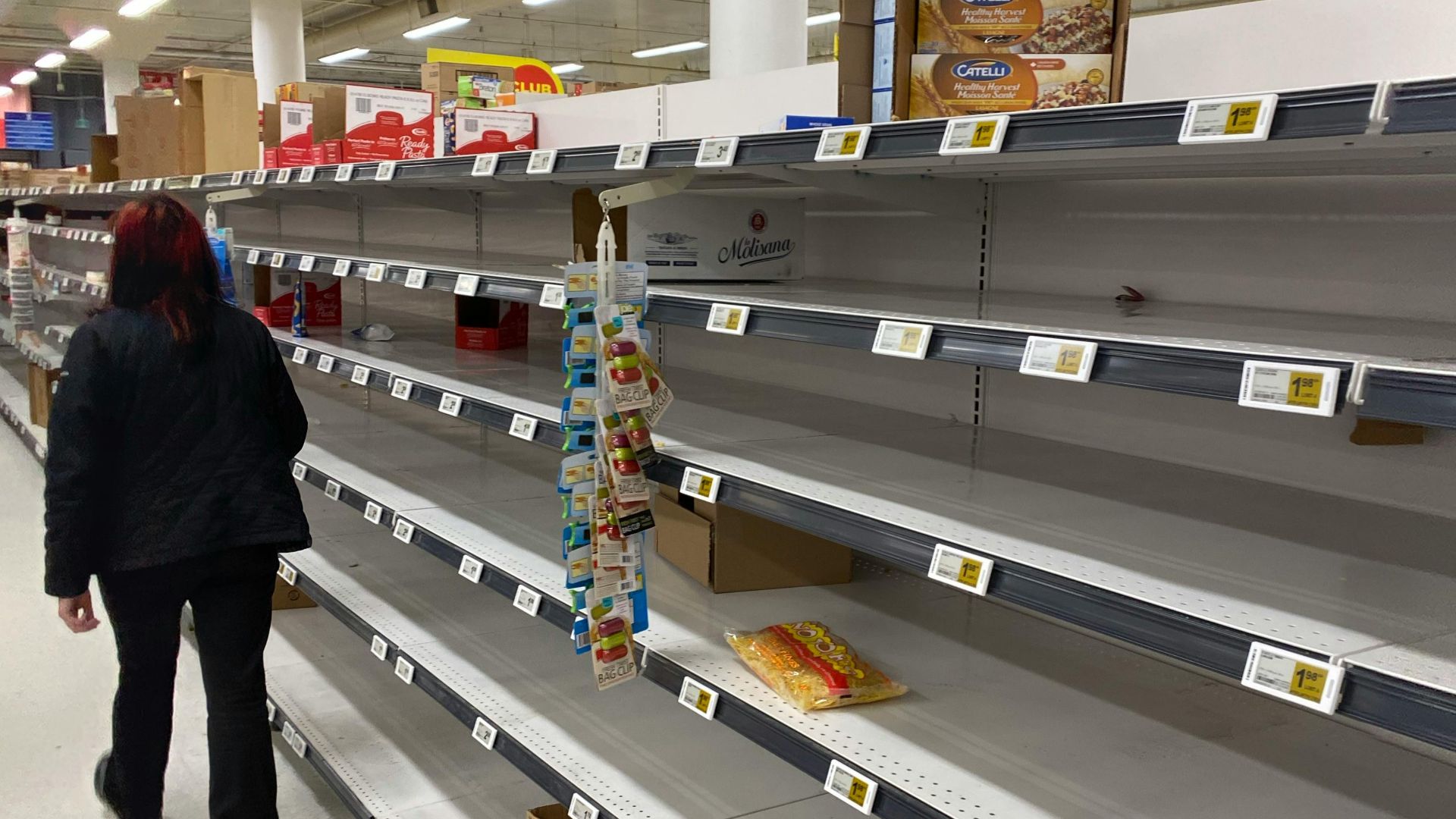
Mismatch Between Vacation Experience And Daily Life Reality
Short visits often highlight beaches and biodiversity, while everyday living reveals slower services and logistical hurdles. Some Americans realize the rhythms that feel charming on vacation become frustrating long-term. Reevaluation is pretty common once novelty fades and routine responsibilities replace leisure-focused experiences.
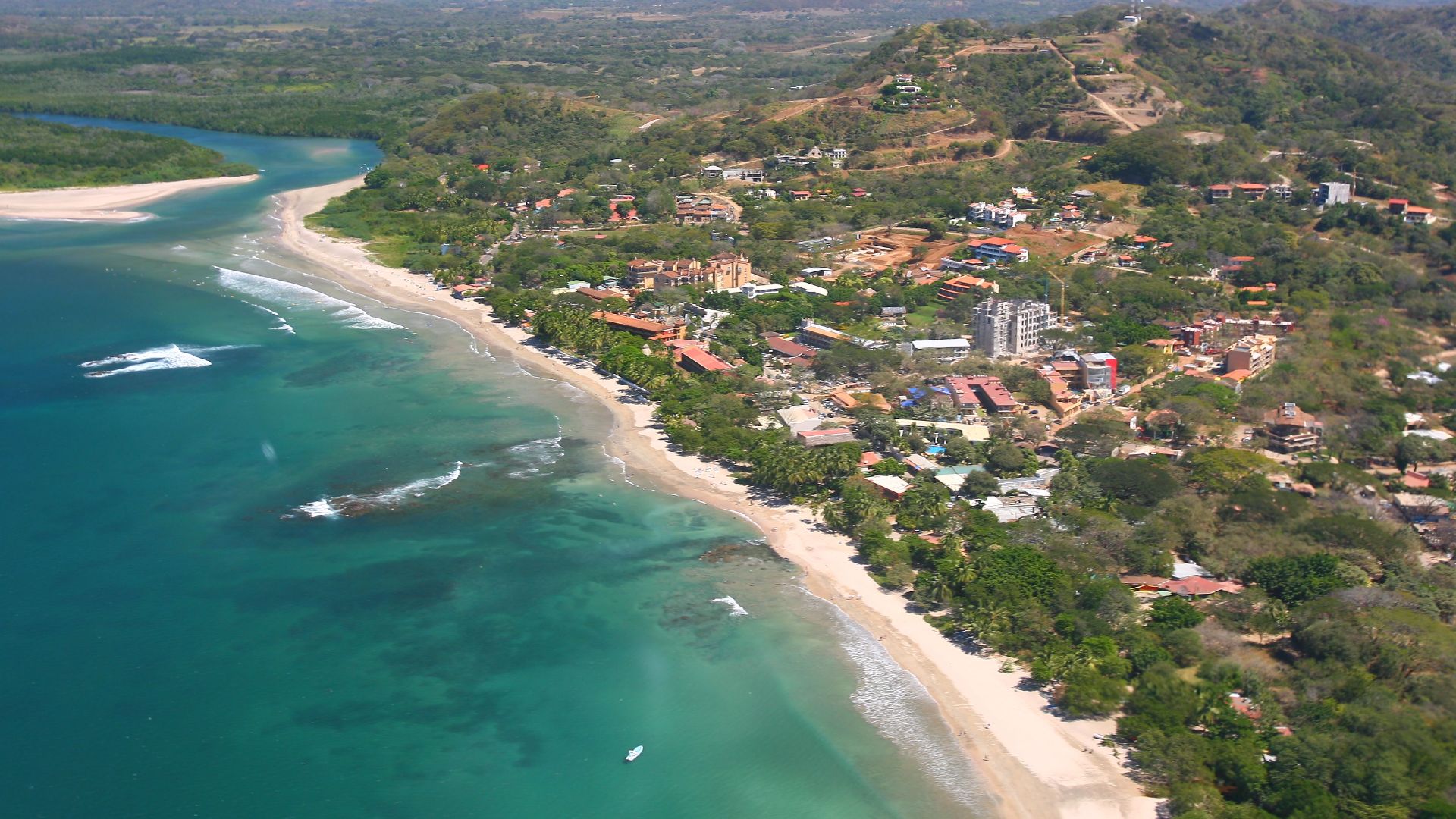 Tamarindowiki, Wikimedia Commons
Cultural Differences In Bureaucracy And Problem Resolution
Processes in Costa Rica usually move at a slower, relationship-based pace. Those accustomed to firm timelines and clear escalation paths may find problem resolution indirect or prolonged. Tasks like permit approvals or service disputes can require repeated visits and personal follow-up.
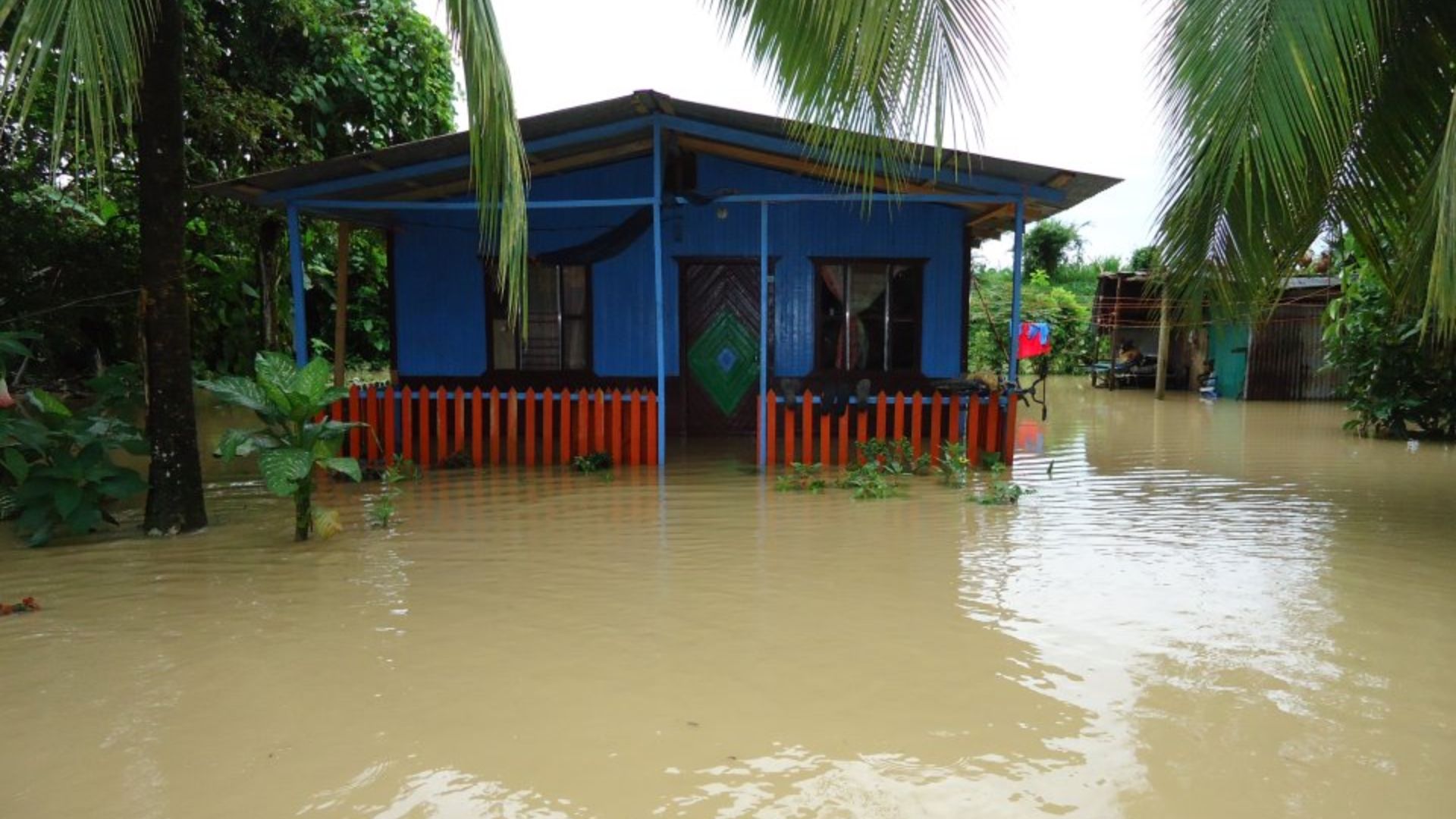
Seasonal Flooding In Some Regions
During peak rainy months, flooding affects roads and neighborhoods. Residents living in low-lying or coastal areas may face temporary isolation or disrupted commutes. These seasonal challenges influence housing choices and long-term comfort, especially for expats unfamiliar with planning around impactful weather cycles.