
Why So Many Americans Are Looking North
A new wave of surveys suggests Americans are rethinking how life compares across the border—and Canada keeps coming out ahead. This isn’t just casual opinion either; it’s backed by measurable differences that show up consistently in the data. The numbers point to a quiet but persistent shift in perception—and it’s happening faster than many realize.
The Survey Results That Sparked the Conversation
In recent Pew Research and Gallup polling, Canada consistently ranks among the top countries Americans view most positively. When asked where they’d consider living outside the U.S., Canada is often the top answer—beating dozens of other developed nations by a wide margin.

Healthcare Anxiety Is a Major Factor
According to the Commonwealth Fund, the U.S. ranks last among high-income countries for healthcare access and affordability. Canada, while imperfect, offers universal coverage—something surveys show Americans increasingly value as medical debt becomes a leading cause of financial stress in the U.S.

Medical Debt Shapes Perception
About 41% of U.S. adults report some form of healthcare-related debt, according to KFF. In Canada, out-of-pocket costs are significantly lower, and medical bankruptcy is rare. That contrast alone drives a powerful “peace of mind” advantage in public perception.

Violence Statistics Matter
The U.S. homicide rate involving small arms is dramatically higher than in Canada’s, according to CDC and Statistics Canada data. Surveys show Americans increasingly cite personal safety concerns as a reason Canada feels calmer and more secure—even if they’ve never experienced violence directly.

Safety Perception Goes Beyond Crime Rates
Gallup polling shows Americans report higher daily stress related to personal safety than Canadians do. Even when accounting for regional differences, Canada’s lower violent crime rate reinforces a national image of stability that resonates strongly with survey respondents.
 Gallup, Inc., Wikimedia Commons
Political Polarization Takes a Toll
Pew Research Center data shows record-high political polarization in the U.S., with declining trust in democratic institutions. Canada also experiences political division—but surveys show Canadians report higher confidence in elections, governance, and political norms overall.

Trust in Government Is Higher in Canada
OECD trust metrics consistently place Canada above the U.S. in public confidence toward government institutions. Americans surveyed often cite “less chaos” and “more predictability” as reasons Canada feels more livable—even if they don’t follow Canadian politics closely.
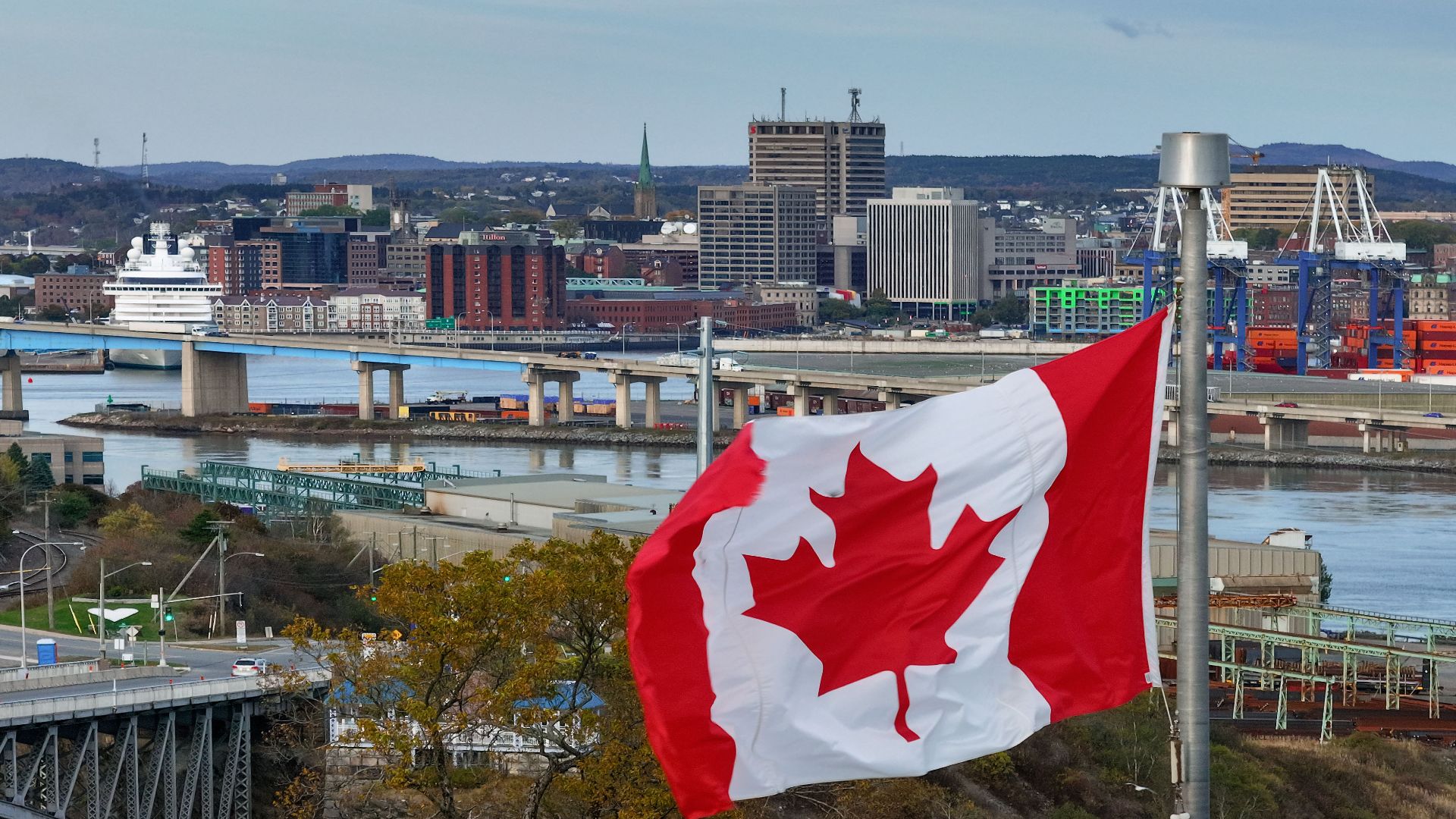 Quintin Soloviev, Wikimedia Commons
Work-Life Balance Is Measurably Different
The U.S. is the only advanced economy without federally mandated paid vacation. Canada guarantees paid leave, and OECD data shows Canadians work fewer hours annually on average—fueling the perception that life there is less dominated by work.

Paid Parental Leave Stands Out
Canada offers up to 18 months of job-protected parental leave, while the U.S. offers none at the federal level. Surveys show this policy gap strongly influences how Americans rate Canada’s family-friendliness—even among those without children.

Happiness Rankings Reinforce the Idea
In the World Happiness Report, Canada consistently ranks higher than the U.S. Factors include social support, life expectancy, and trust. Americans surveyed often reference these rankings as shorthand proof that “something is working better” north of the border.

Income Inequality Shapes Public Mood
OECD data shows income inequality is higher in the U.S. than Canada. Surveys link this gap to stress, social tension, and dissatisfaction—contributing to the belief that Canada feels more equitable, even if cost-of-living issues still exist.

Cost of Living Perception Isn’t Always Accurate
Canada’s housing costs in major cities often exceed U.S. averages. Yet surveys show Americans still expect Canada to be more affordable overall—largely due to healthcare savings, social programs, and fewer surprise expenses.

Social Safety Nets Influence Stability
Canada spends more per capita on social programs like unemployment insurance and child benefits. Pew data suggests Americans increasingly associate these supports with long-term security, even if taxes are slightly higher.

Education Outcomes Affect National Image
International assessments like PISA regularly show Canadian students outperforming U.S. students in reading and math. Survey respondents frequently cite education quality as evidence that Canada invests more consistently in public goods.

Crime Fear vs Crime Reality
Even as U.S. crime rates fluctuate year to year, fear of crime remains high. Surveys show Americans often view Canada as “predictably safe,” a perception reinforced by lower incarceration rates and fewer high-profile violent incidents.

Media Coverage Shapes Impressions
Canadian news receives far less international attention for crisis events. Media analysts note that constant U.S. coverage of shootings, protests, and political conflict amplifies stress—and makes Canada seem comparatively quiet and orderly.

Americans Aren’t Saying Canada Is Perfect
Most surveys show Americans acknowledge Canada has issues with housing, healthcare wait times, and regional inequality. But when asked to compare overall systems—not just outcomes—Canada still comes out ahead in perceived livability.
 Bernard Spragg. NZ, Wikimedia Commons
The Appeal Is About Stability, Not Superiority
Survey responses suggest Americans aren’t rejecting the U.S.—they’re responding to exhaustion. Canada’s appeal lies in predictability, moderation, and fewer extremes, rather than dramatically better outcomes across every category.

Proximity Makes the Comparison Stronger
Unlike European comparisons, Canada feels attainable. Shared language, culture, and geography make differences feel more real—and more frustrating—when Americans see policies working just across the border.
 Bernard Spragg. NZ from Christchurch, New Zealand, Wikimedia Commons
The Bottom Line
Data shows Americans don’t think Canada is “better” at everything—but they increasingly believe it offers a calmer, safer, and less stressful version of modern life. In surveys, that feeling alone is often enough to tip the scales.

You Might Also Like:
You’re Saying It Wrong: Commonly Mispronounced American Cities
Ranking The States Where People Complain The Most—According To Data