Basically Different Countries
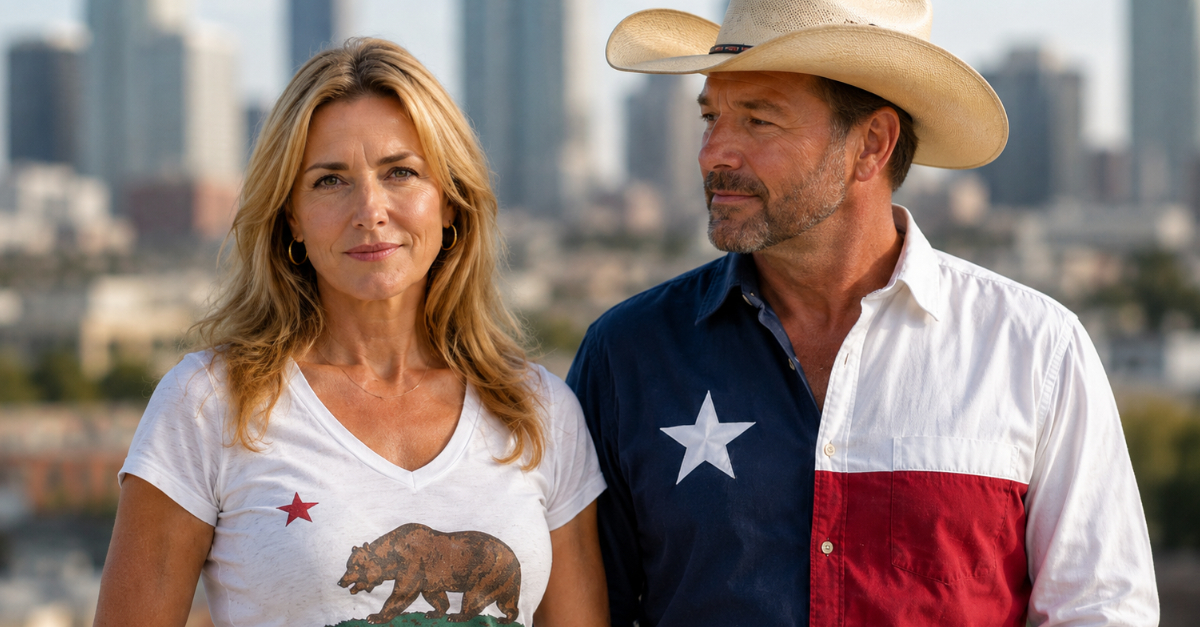
Texas and California are two of the biggest, loudest and most recognizable states in America. They also seem to disagree on just about everything. So when Texans head west for a California vacation, certain differences don't exactly take long to reveal themselves. Starting with one that hurts almost immediately.
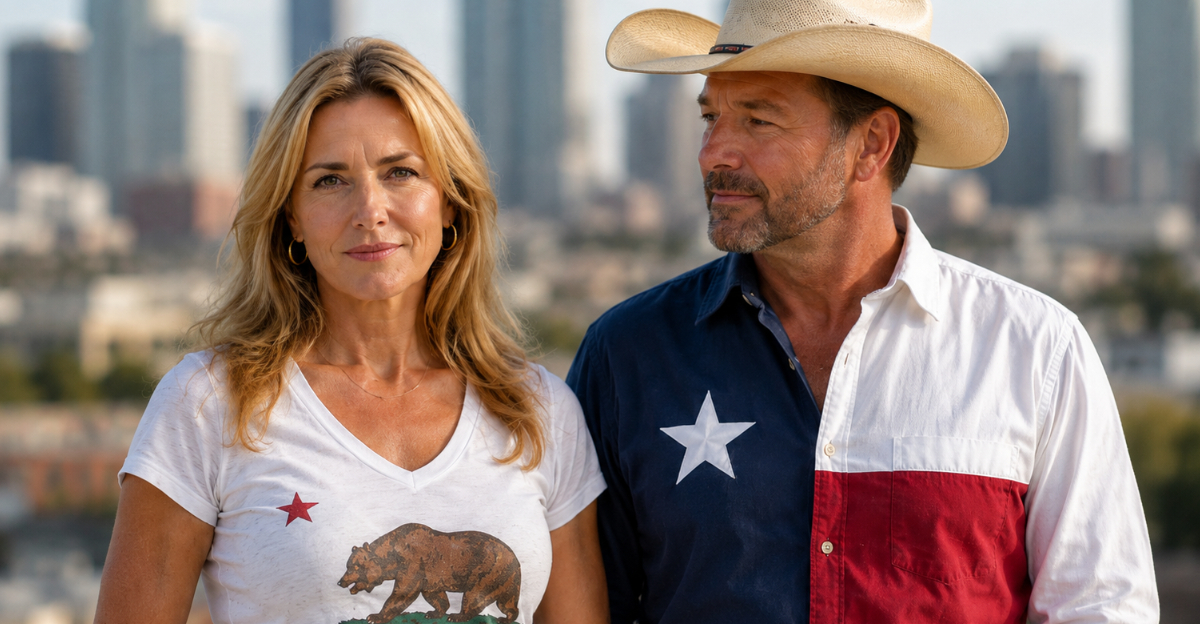
That First Stop At The Gas Station Hurts
Texans accustomed to relatively inexpensive gasoline may experience a little sticker shock after pulling into a California station. California routinely has some of the country's highest fuel prices, while Texas is usually considerably cheaper. As of August 23, 2026, AAA's statewide averages were separated by almost exactly $2 per gallon.
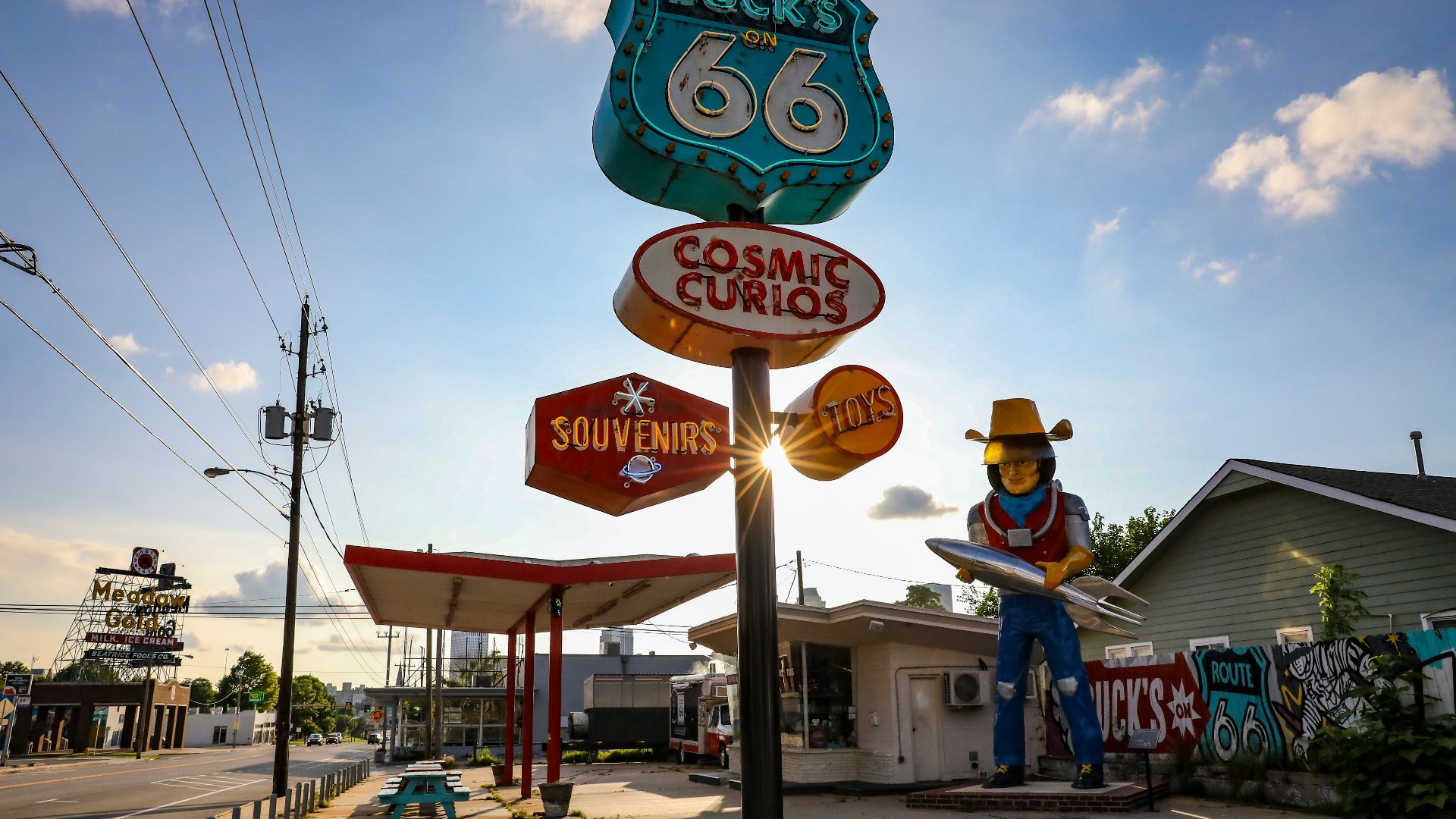
California Traffic Is A Different Kind Of Traffic
Nobody from Dallas, Houston or Austin needs California to explain traffic to them. Texans know traffic. But Los Angeles traffic has its own personality: six lanes of vehicles barely moving while motorcycles weave through the gaps and the navigation app keeps promising that somehow this is still the fastest route.
Then A Motorcycle Appears Between The Cars
The first time a motorcycle comes cruising between two lines of traffic, a Texan may wonder what exactly is happening. It's called lane splitting, and California allows motorcyclists to do it when performed safely. It's one of those driving differences that's difficult not to notice.

The Pacific Ocean Is Colder Than Expected
A Texan accustomed to Gulf Coast water might see a sunny California beach and confidently head straight toward the Pacific. Then the feet go in. California's famous beaches can look tropical in photographs, but much of the Pacific along the coast stays surprisingly chilly even when the air feels warm.
Everyone Keeps Saying “The 405”
Texans generally say they're taking I-35 or heading down Highway 290. In Southern California, freeway talk sounds different. Locals routinely say “the 405,” “the 10” or “the 5.” It takes about five minutes before a visiting Texan realizes that little “the” isn't going anywhere.
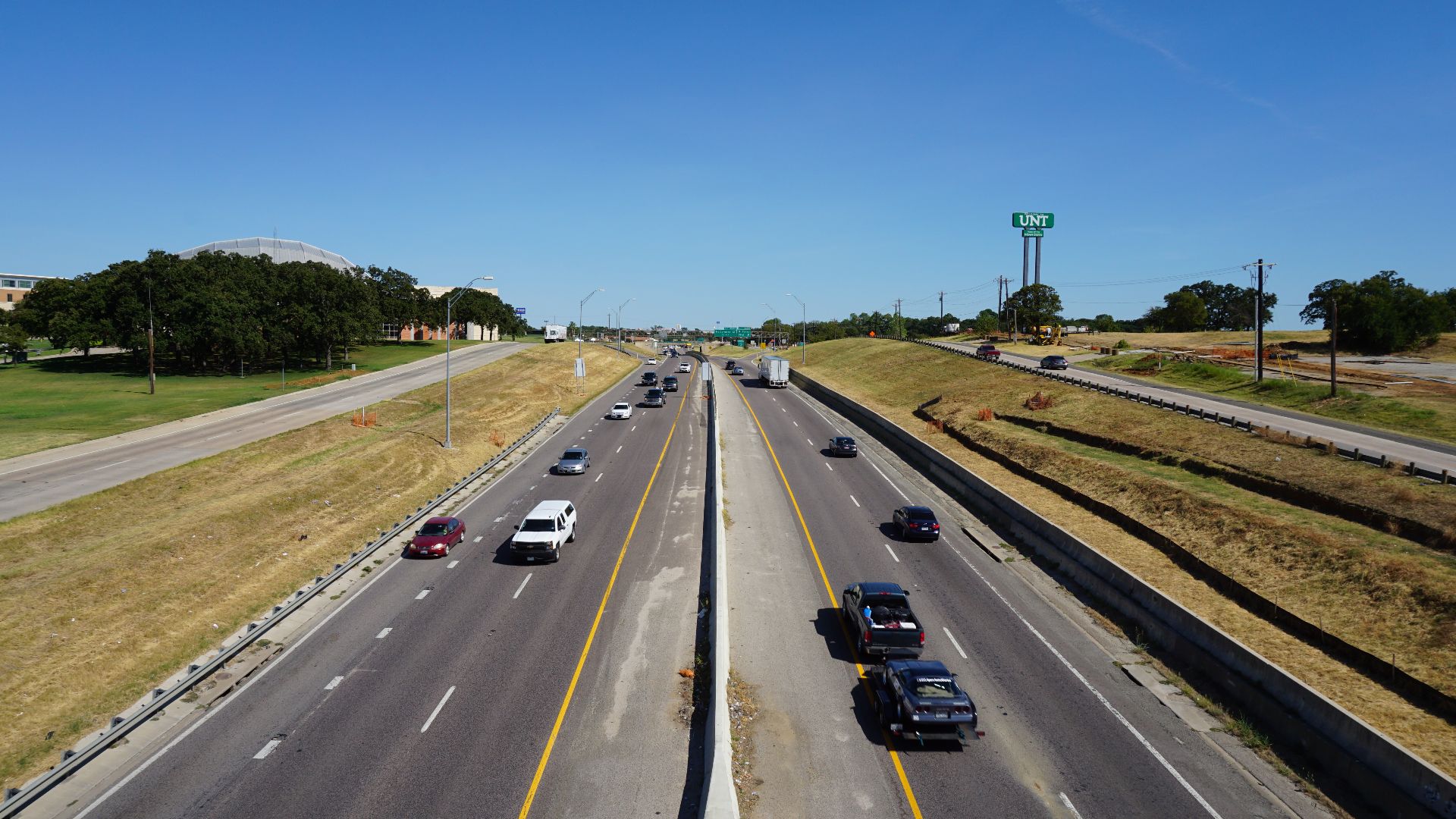 Michael Barera, Wikimedia Commons
Why Does Everything Have A Warning Label?
California's Proposition 65 requires businesses to provide warnings about significant exposures to chemicals the state has identified as causing cancer, birth defects or other reproductive harm. That means visitors can encounter warning signs on buildings, products, parking garages and plenty of other places where a Texan might not expect them.
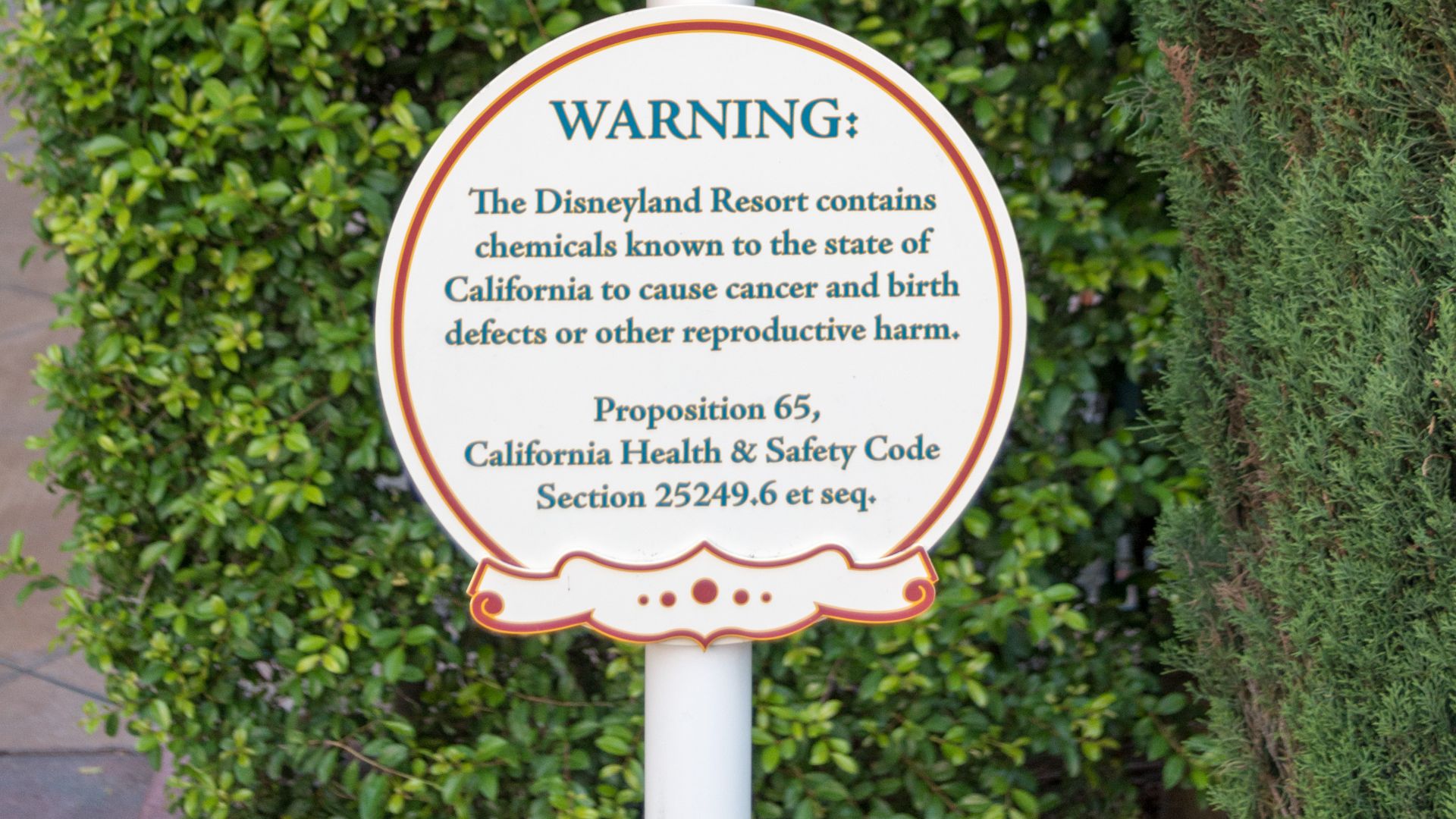 Patrick Pelletier, Wikimedia Commons
The Mexican Food Isn't Tex-Mex
A Texan ordering Mexican food in California quickly learns that familiar words don't always produce familiar plates. California has enormous regional Mexican influences, while Tex-Mex developed its own traditions back in Texas. Expect fewer assumptions about queso, chili gravy and exactly what belongs inside an enchilada.

Breakfast Tacos Aren't Quite The Same Religion
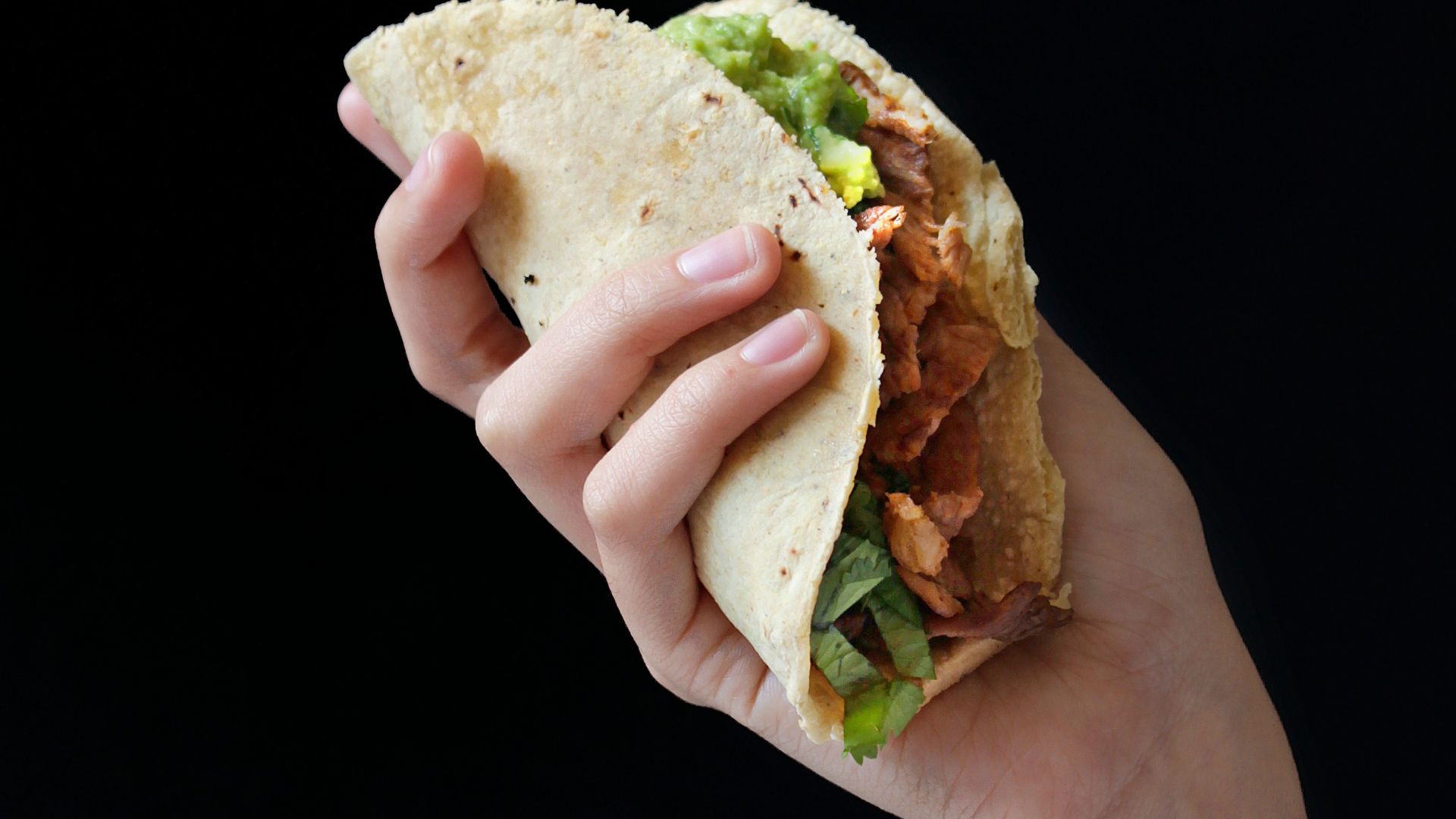
Texans know breakfast tacos aren't merely breakfast. They're practically infrastructure. California certainly has terrific breakfast burritos and plenty of tacos, but the specific Texas ritual of grabbing a foil-wrapped bacon-and-egg taco on the way to work doesn't have quite the same statewide dominance.
The Air Doesn't Feel Like Texas Air
Depending on where they're visiting, Texans accustomed to Gulf Coast or Central Texas humidity may immediately notice how dry parts of California can feel. Southern California sunshine can be blazing without producing that familiar wall of humid air that greets people outside in Houston during summer.
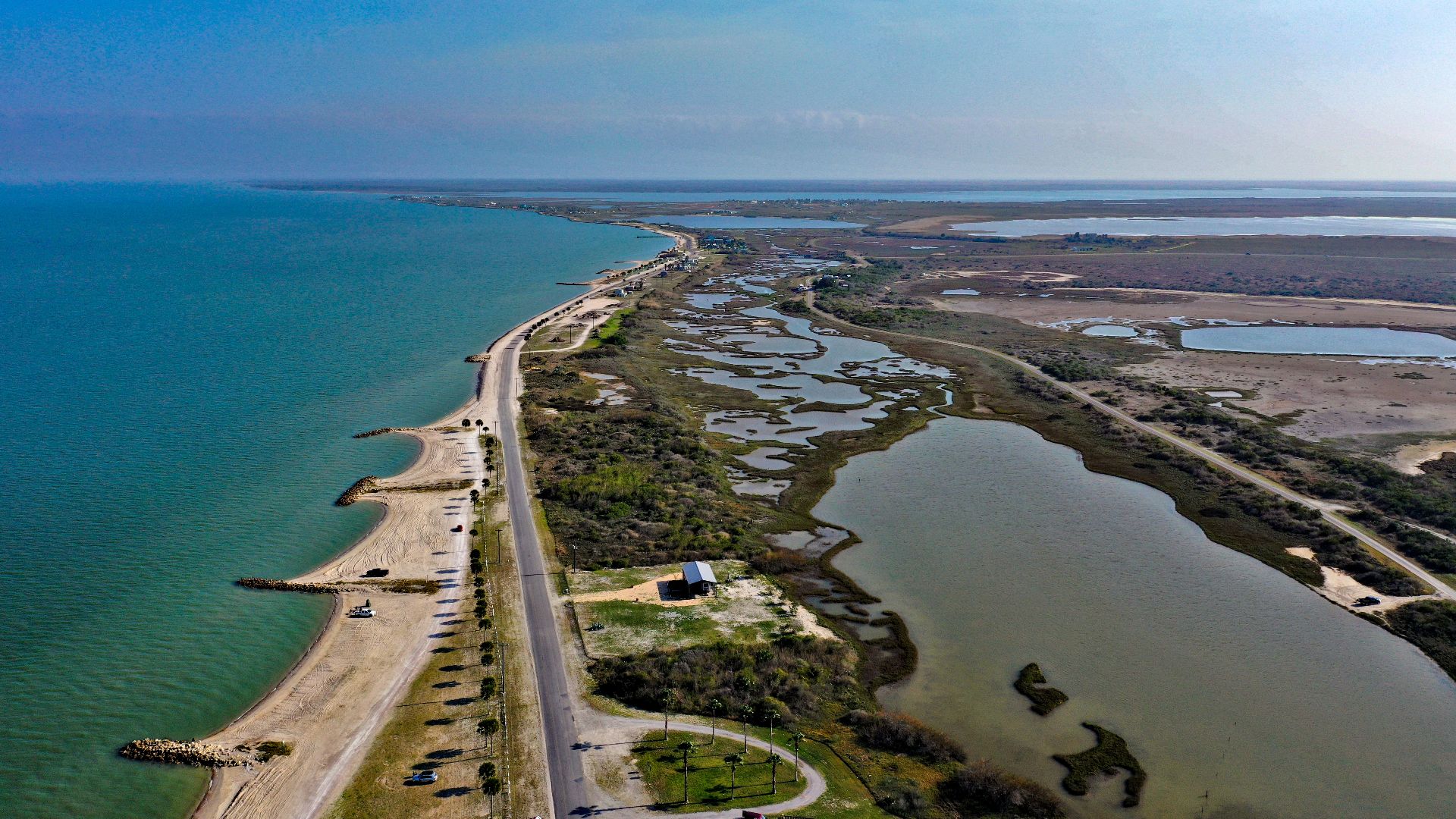 BrianGrunberger, Wikimedia Commons
The Speed Limit Suddenly Feels A Little Slow
Texas drivers can legally hit 75, 80 and even 85 mph on certain highways. California's maximum speed limit is 70 mph on certain freeways. For someone accustomed to crossing huge stretches of Texas at Texas speeds, that California freeway sign can feel surprisingly conservative.
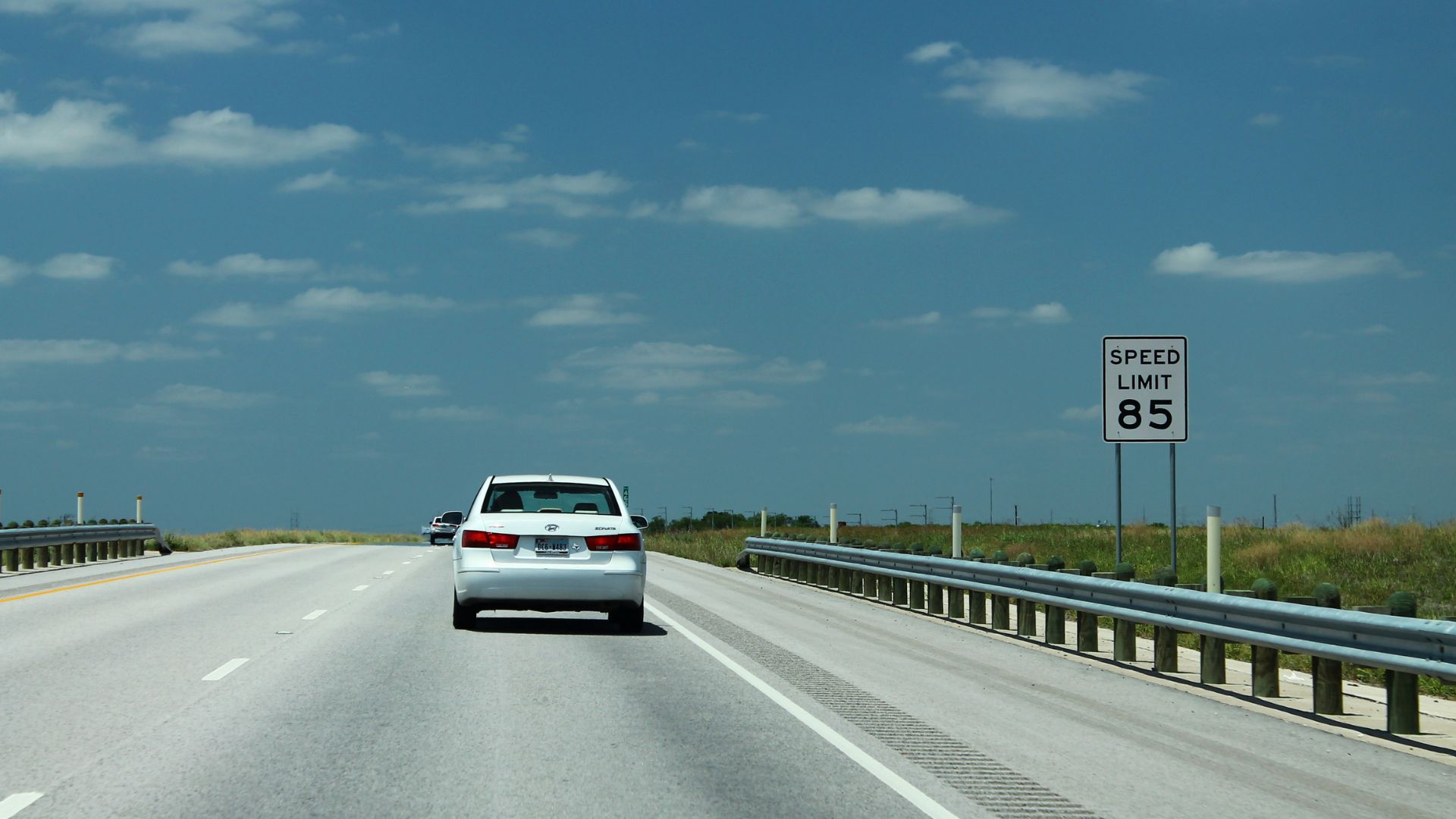 formulanone, Wikimedia Commons
Whataburger Suddenly Disappears
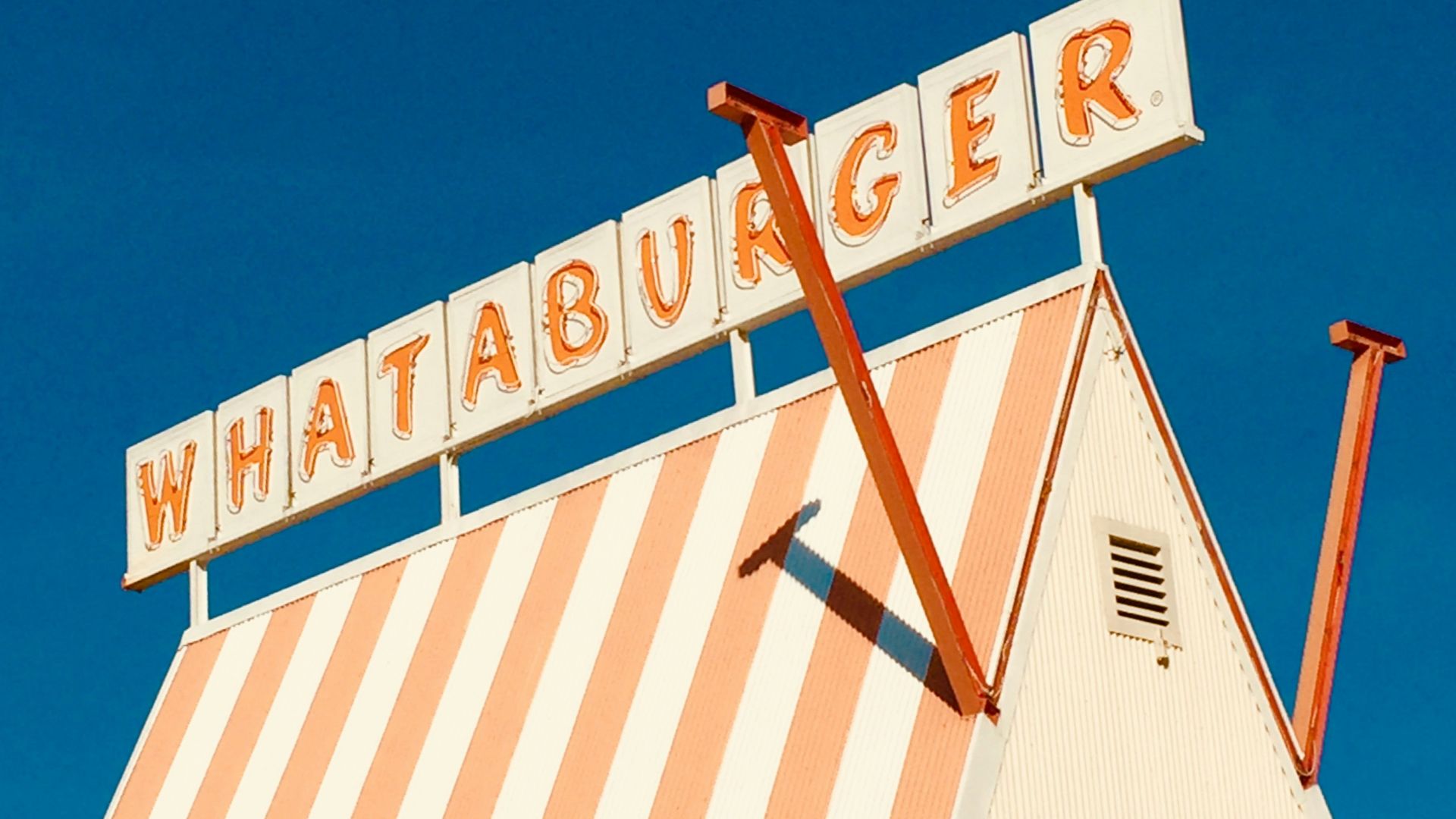
Travel far enough from Texas and something strange happens: that familiar orange-and-white roof stops appearing beside the highway. California doesn't have Whataburger locations. It's the sort of absence Texans may not consciously think about until they're hungry at 11 p.m. and suddenly realize what's missing.
Mountains Are Suddenly Just...There
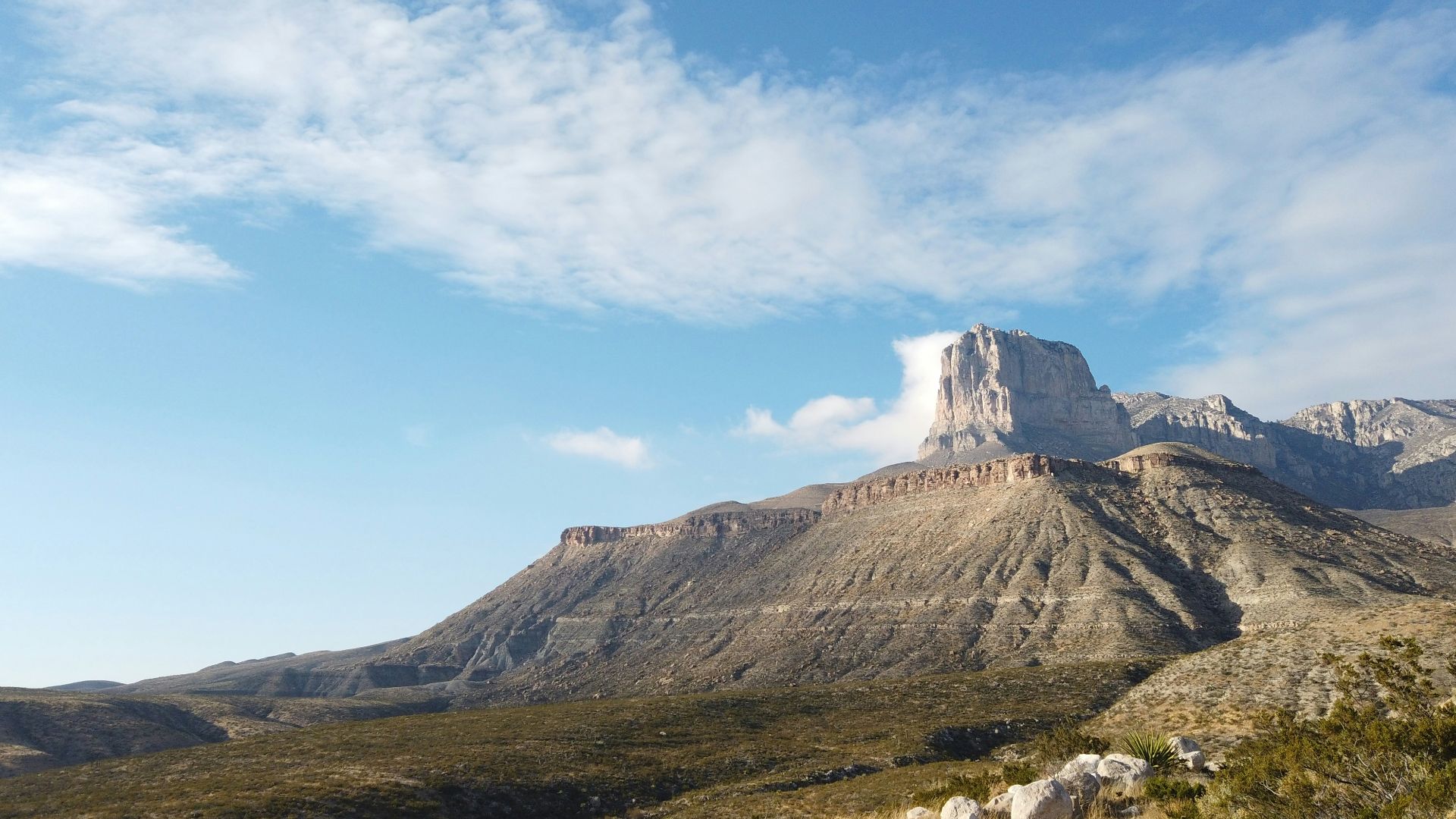
Texas certainly has mountains, particularly out west. But a visitor arriving in Los Angeles can look past freeways, palm trees and neighborhoods and suddenly see enormous mountains rising behind the city. In parts of California, dramatic elevation changes are simply part of the everyday scenery.
Grocery Bags Work Differently Too
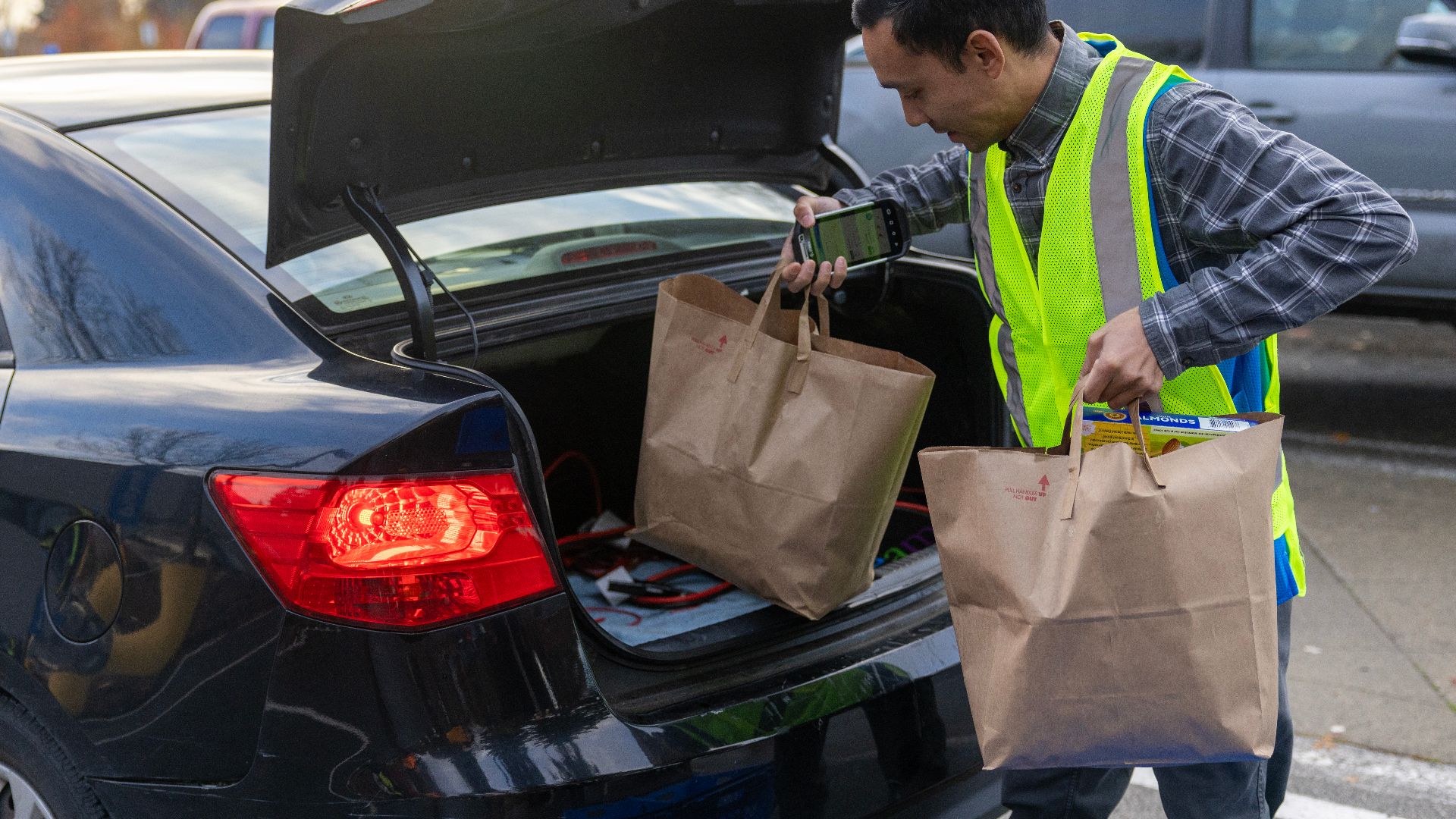
As of 2026, many California grocery and retail stores covered by state law can provide only recycled-paper carryout bags at checkout, with a minimum 10-cent charge. Bringing reusable bags is therefore very normal. Forget yours and the checkout experience immediately feels a little different from home.
There Are An Awful Lot Of Electric Cars
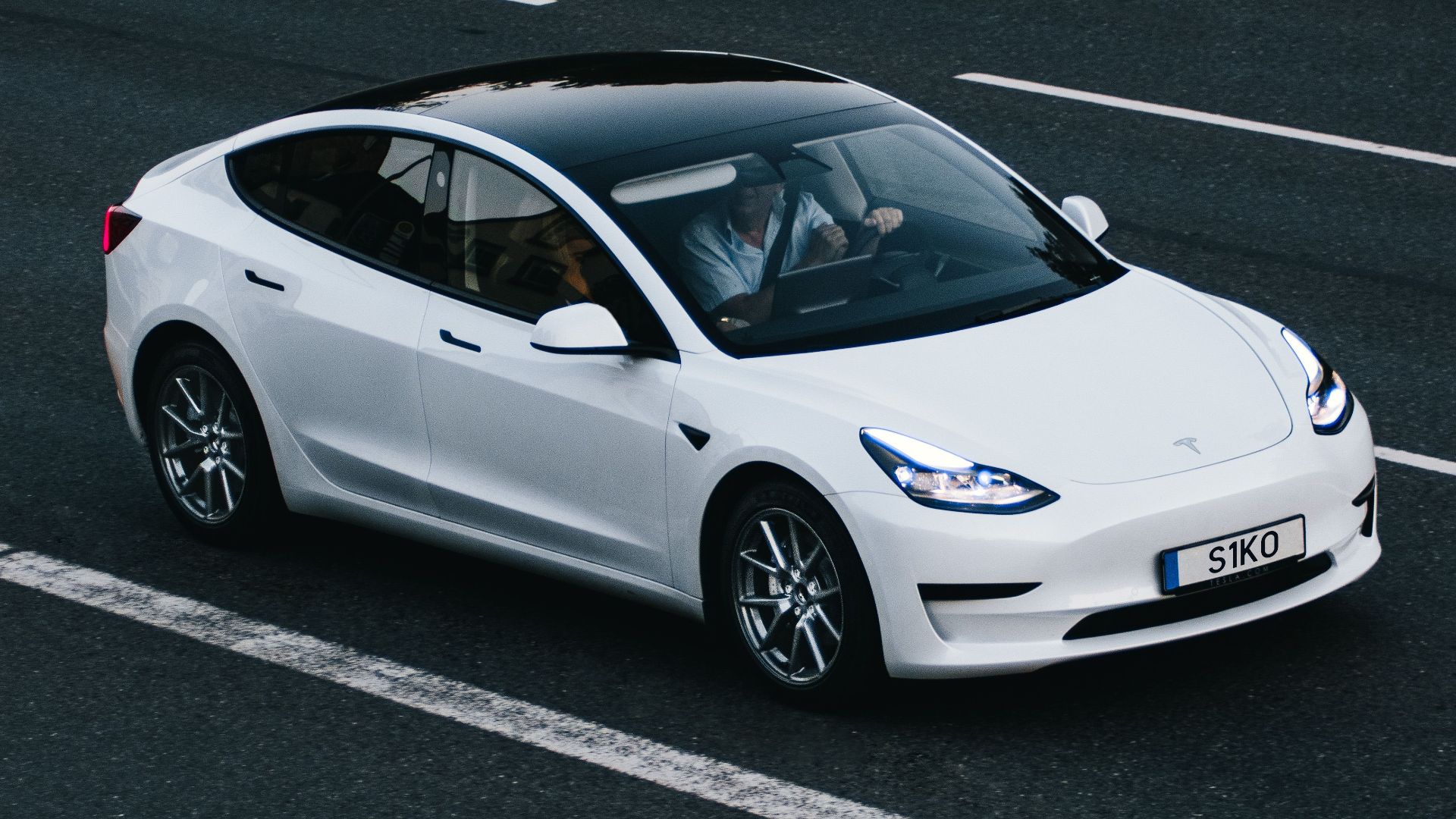
Electric vehicles aren't exactly rare in Texas anymore. Still, California's EV presence is immediately noticeable in many major cities. In the second quarter of 2026, zero-emission vehicles accounted for 19.1% of new California vehicle sales. Charging stations appear in parking garages, shopping centers and hotels, and Teslas and other electric cars can seem almost as ordinary as pickup trucks back home.
And There's No Buc-ee's Either
For Texans accustomed to seeing enormous Buc-ee's locations on road trips, California brings another surprise: there aren't any. The state has plenty of gas stations and travel stops, obviously. But there's no giant beaver sign promising dozens of pumps, spotless bathrooms and enough snacks to provision a small army.
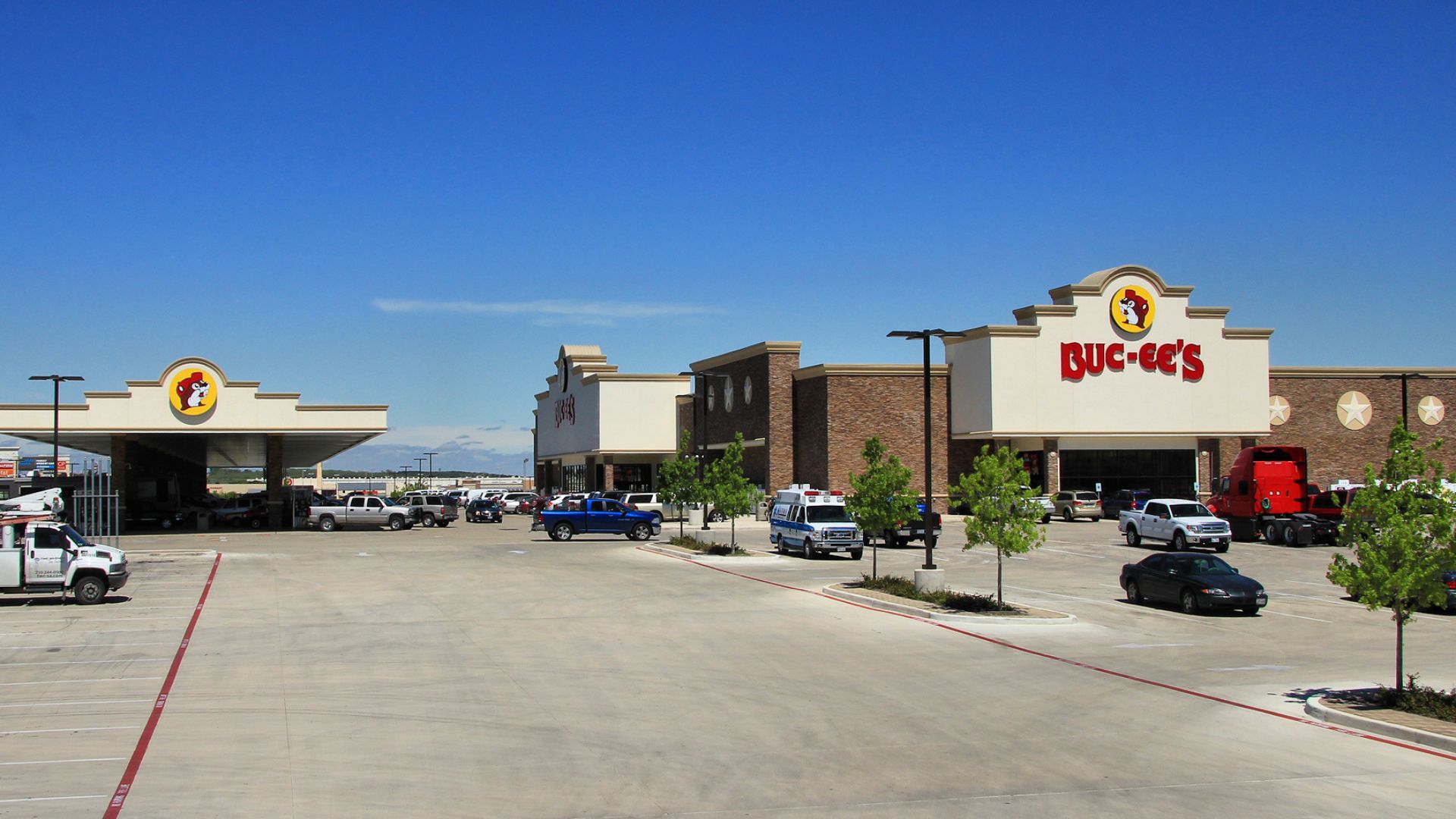 Larry D. Moore, Wikimedia Commons
Where Did All The Frontage Roads Go?
Texans are used to frontage roads running alongside major highways, complete with businesses, restaurants and plenty of places to get on or off. California has frontage roads too, but they aren't nearly as defining a part of the freeway experience as they are on many major Texas corridors. Suddenly missing an exit can mean considerably more than simply turning around at the next feeder road.
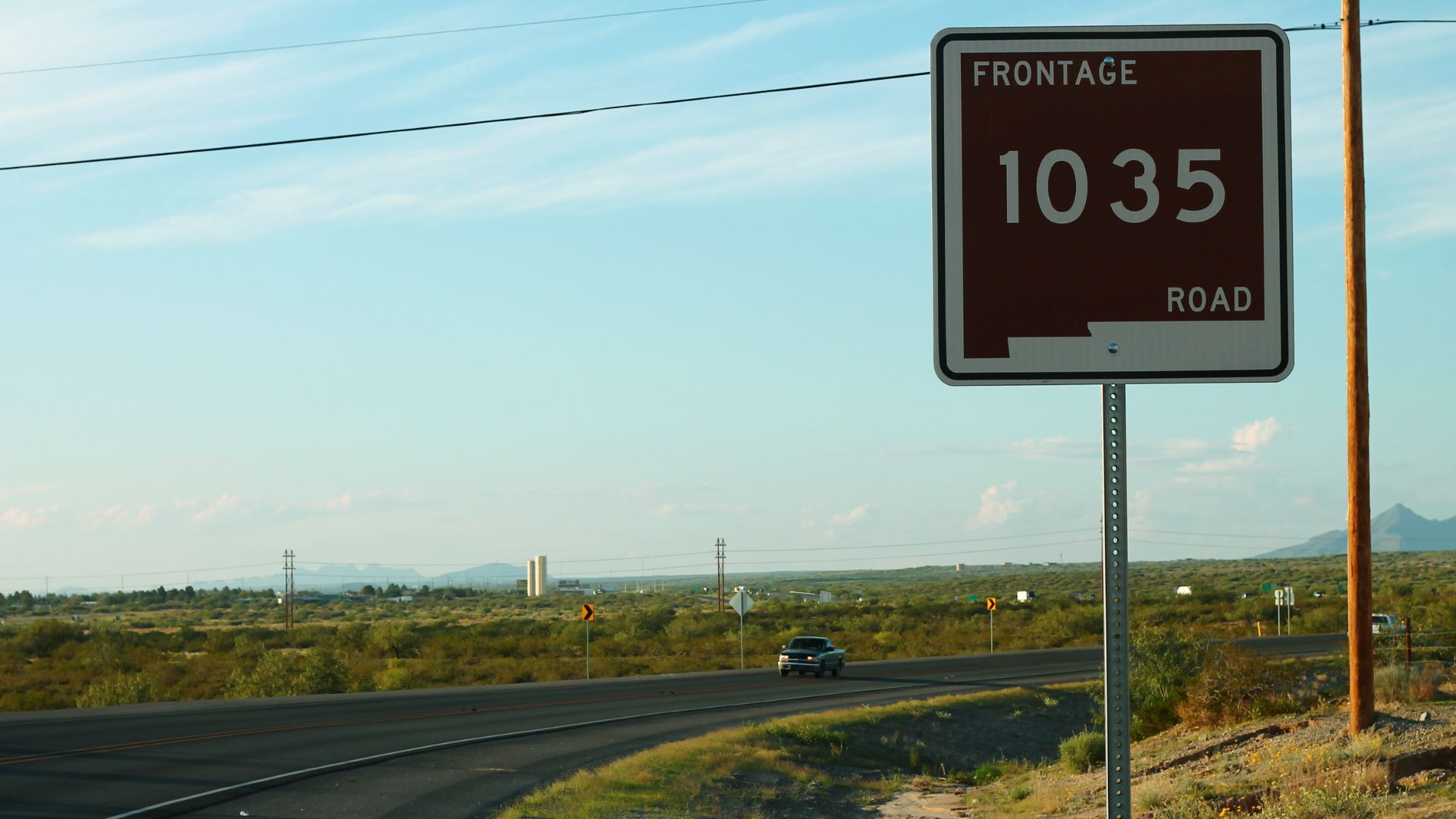 formulanone from Huntsville, United States, Wikimedia Commons
The Produce Section Can Be Ridiculous
California produces an enormous share of America's fruits, vegetables and nuts, and that agricultural abundance shows up in markets across the state. Depending on the season and region, Texans may find local strawberries, citrus, avocados and other produce that traveled a dramatically shorter distance to reach the shelf.

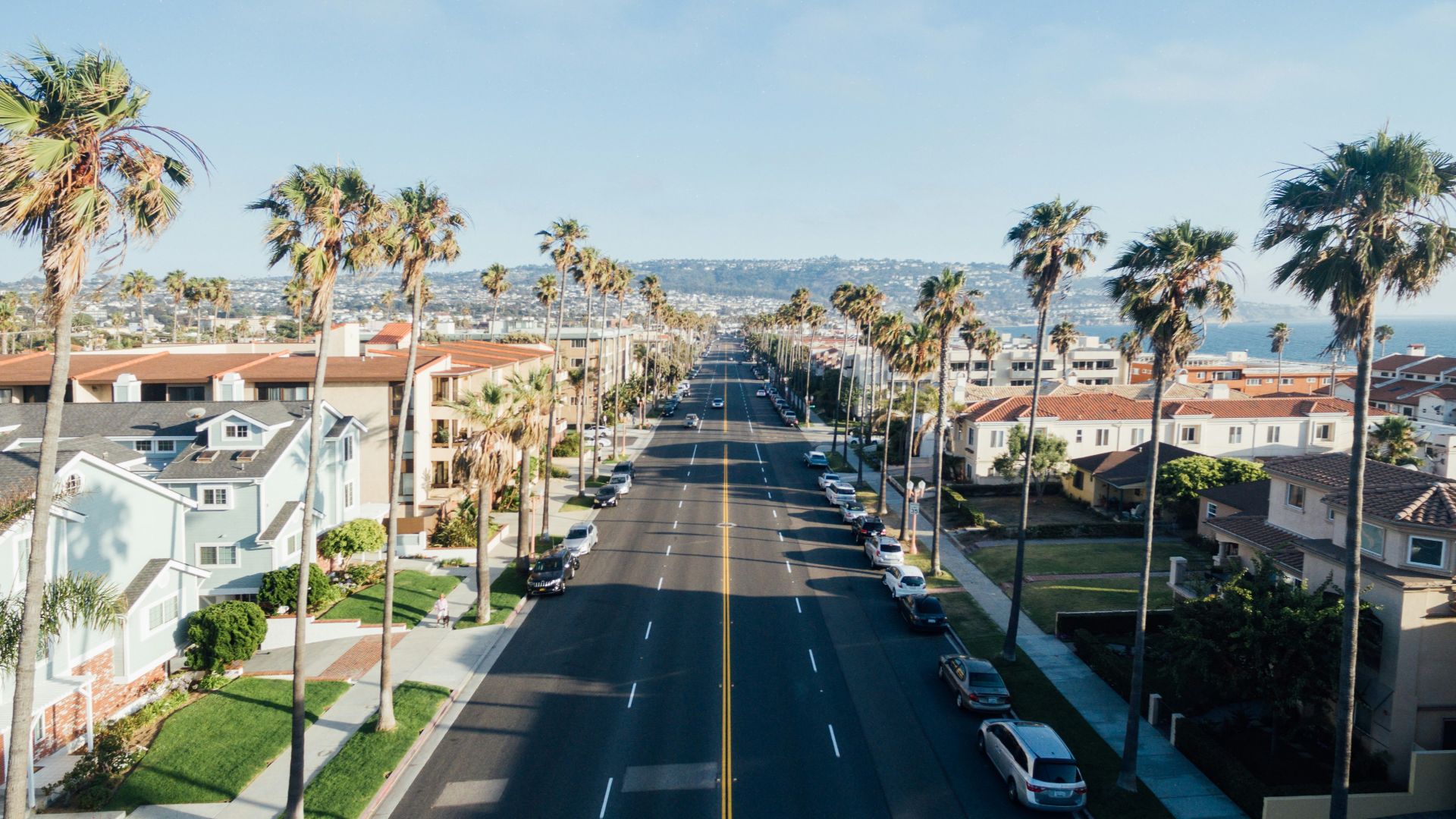
Snow And Palm Trees In The Same Day
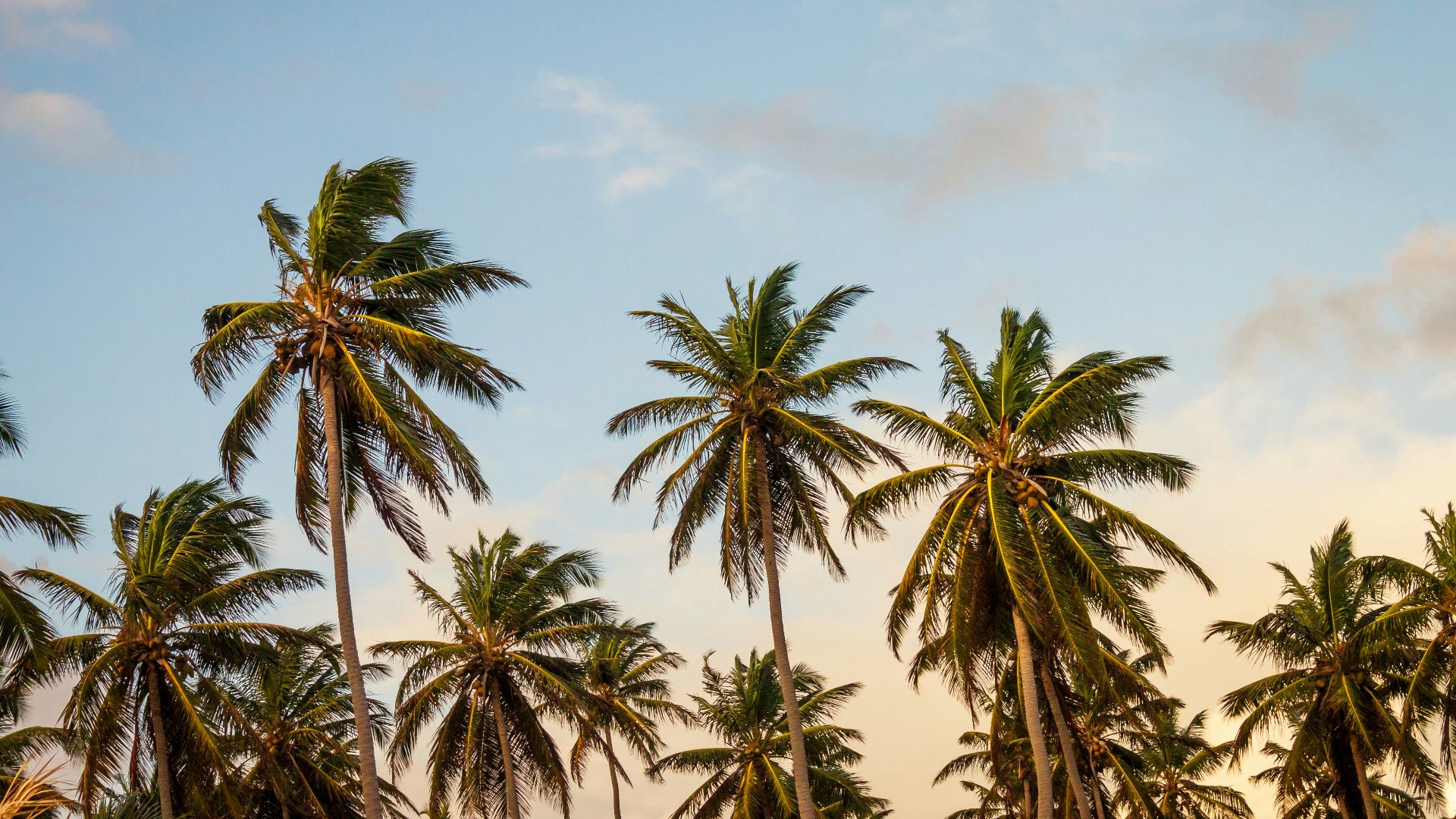
This is one of California's better geographic tricks. Depending on the season and location, visitors can find palm-lined streets with snow-covered mountains visible in the distance. For Texans expecting California to be one endless sunny beach, the state's geography gets complicated very quickly.
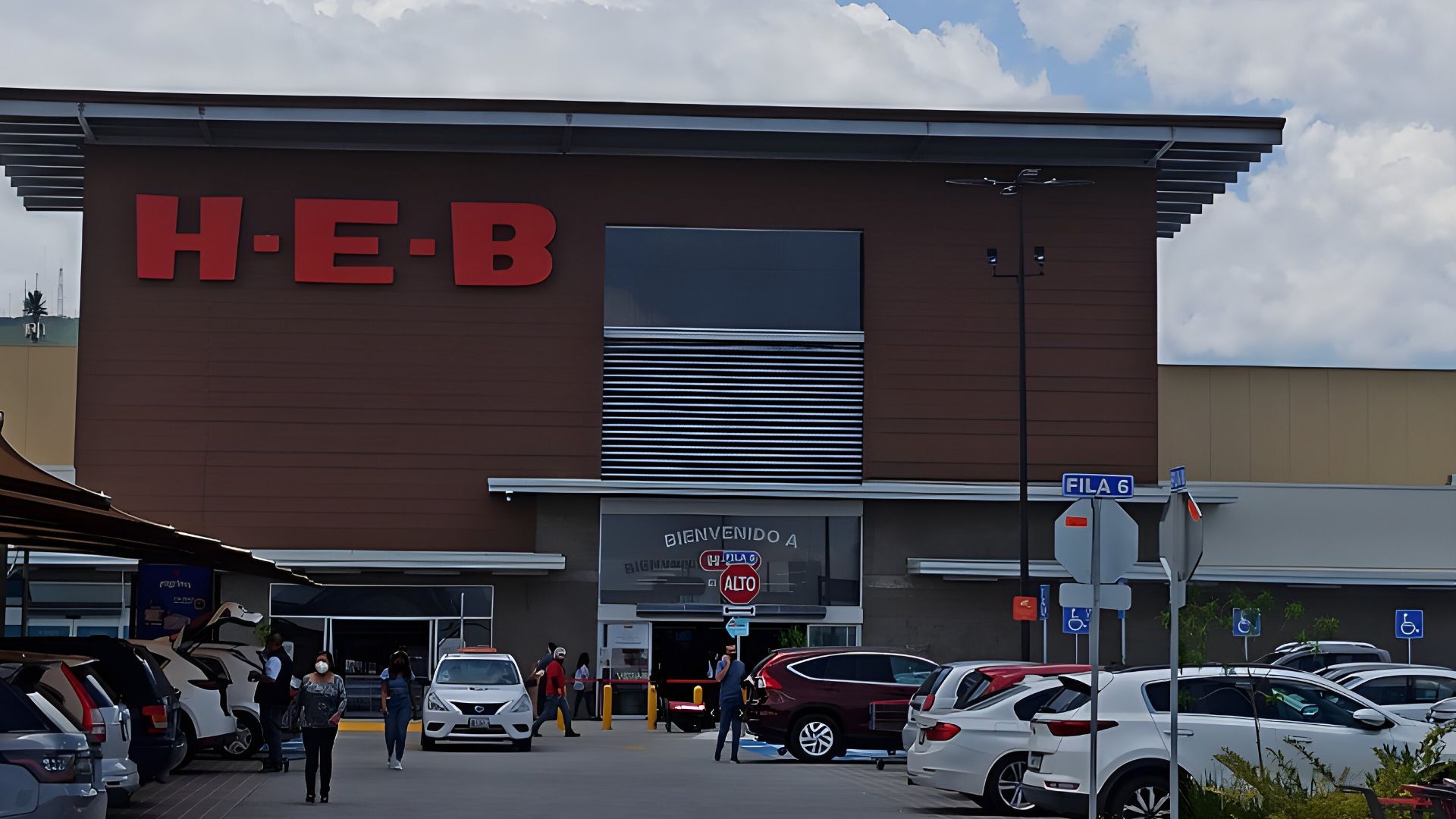
H-E-B Is Missing Too
Few grocery chains inspire the sort of loyalty H-E-B inspires in Texas. California has plenty of beloved regional supermarkets of its own, but H-E-B isn't one of them. A Texan needing groceries may suddenly appreciate just how accustomed they had become to seeing those three letters everywhere back home.
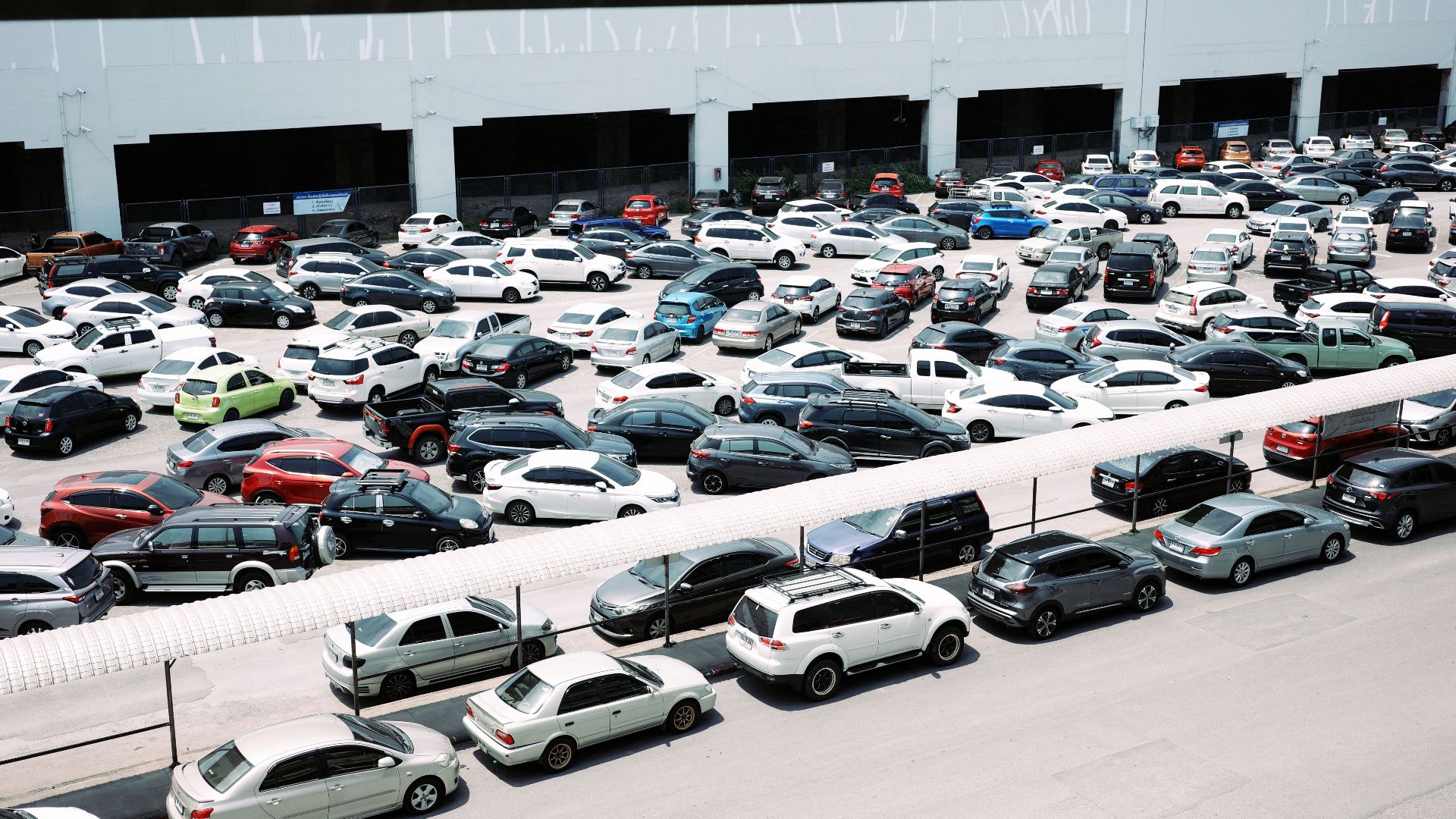
Parking Suddenly Requires Some Reading
In places like Los Angeles and San Francisco, parking can feel less like leaving the car and more like taking a small test. Curb colors, permit zones, street-cleaning schedules and signs listing several different restrictions can leave a visiting Texan standing beside the car reading everything twice.
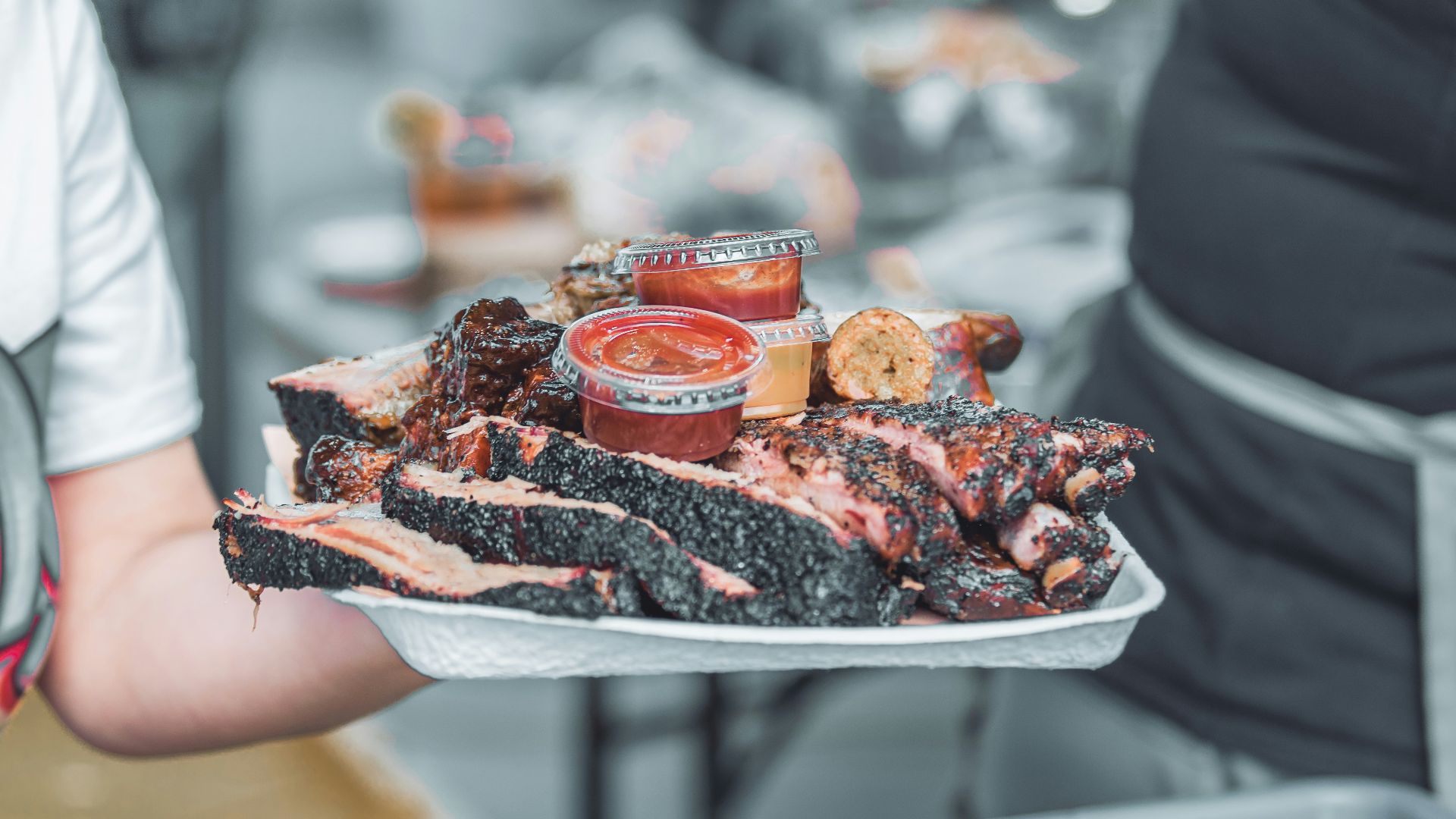
Brisket Isn't Automatically The Main Event
Walk into a Texas barbecue joint and brisket is usually the test. California barbecue traditions are more varied, with Santa Maria-style tri-tip holding a particularly famous place in the state's food culture. Texans can still find excellent brisket, but it doesn't dominate the conversation quite as completely.
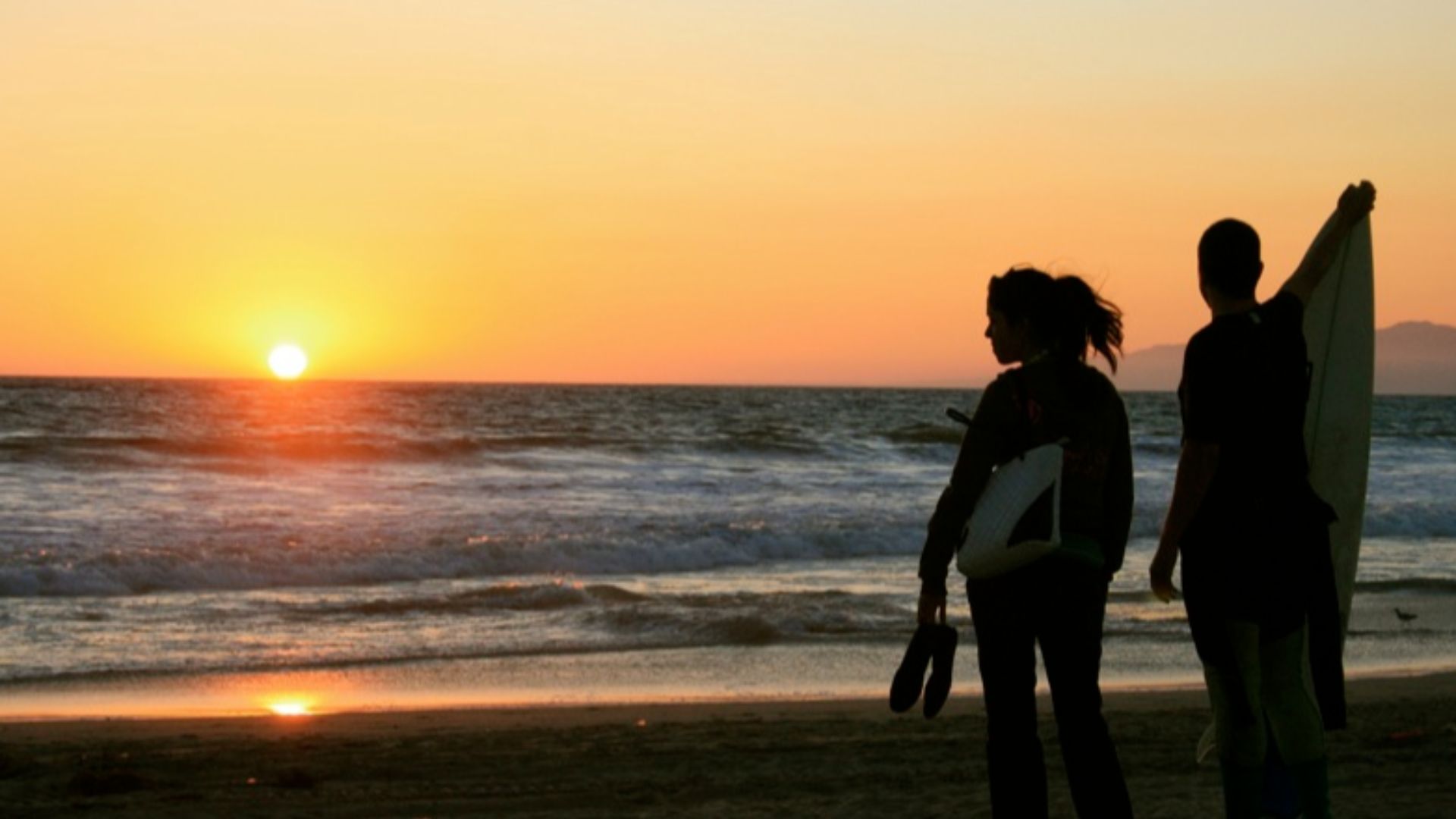
And The Beach Can Get Cold At Night
This one catches plenty of warm-weather visitors off guard. A sunny afternoon along the Southern California coast can turn into a surprisingly cool evening once the sun disappears. Texans visiting in summer may discover that the jacket they almost left back at the hotel wasn't such a ridiculous idea after all.
 Steven W. Belcher, Wikimedia Commons
Earthquake Talk Can Be Weirdly Casual
Texans have their own severe-weather vocabulary involving tornadoes, hurricanes, hail and thunderstorms. In California, earthquakes enter the conversation instead. Hearing someone casually ask whether anybody “felt that one” can be a strange moment for a visitor from a state where shaking ground isn't usually part of everyday small talk.
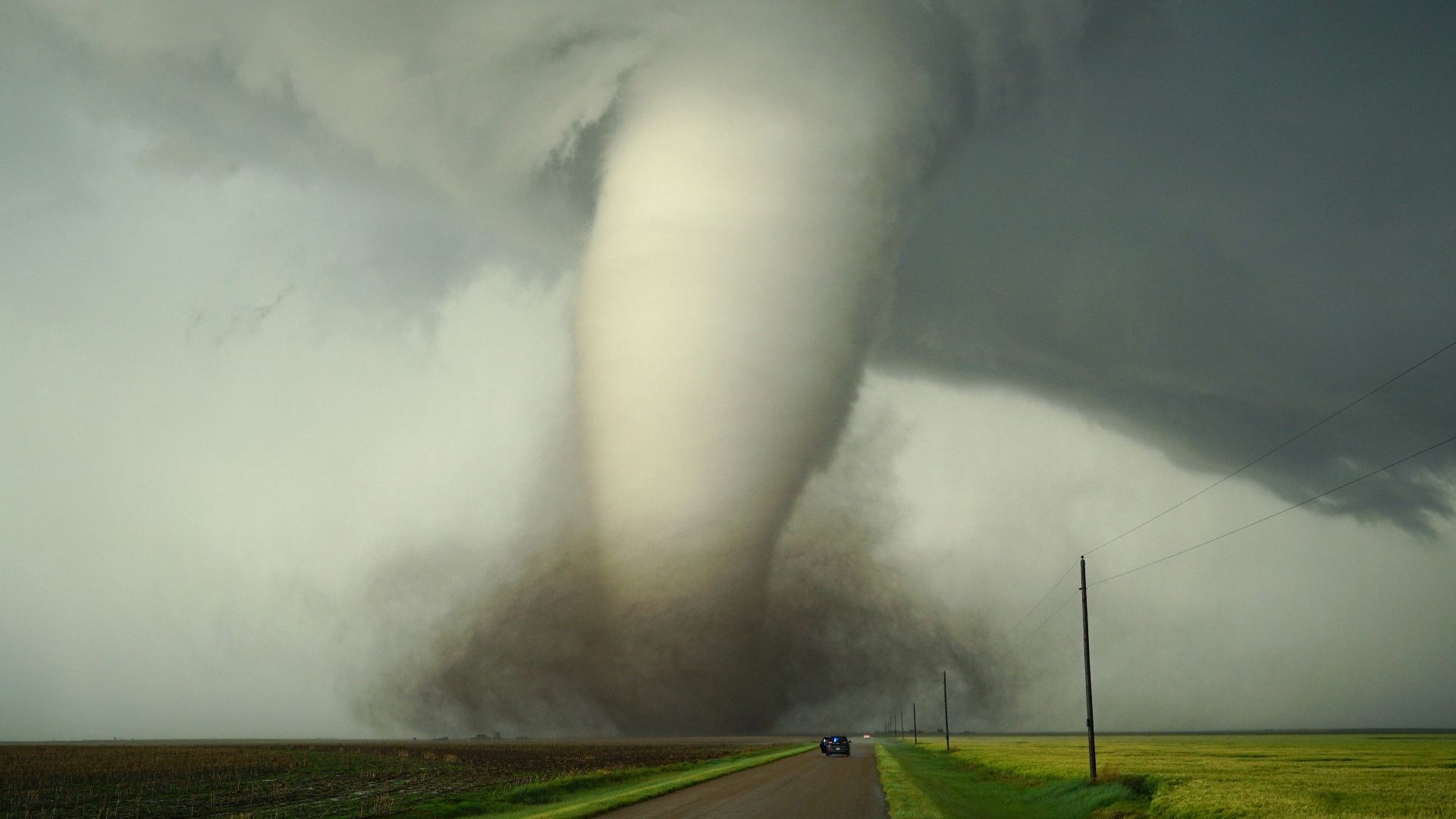
The Landscape Changes Ridiculously Fast
Drive around California long enough and the scenery can jump from beaches to mountains, farmland, forests and deserts remarkably quickly. Texas has enormous geographic variety too, of course. The difference is that California sometimes seems determined to cram several completely different landscapes into the same afternoon drive.
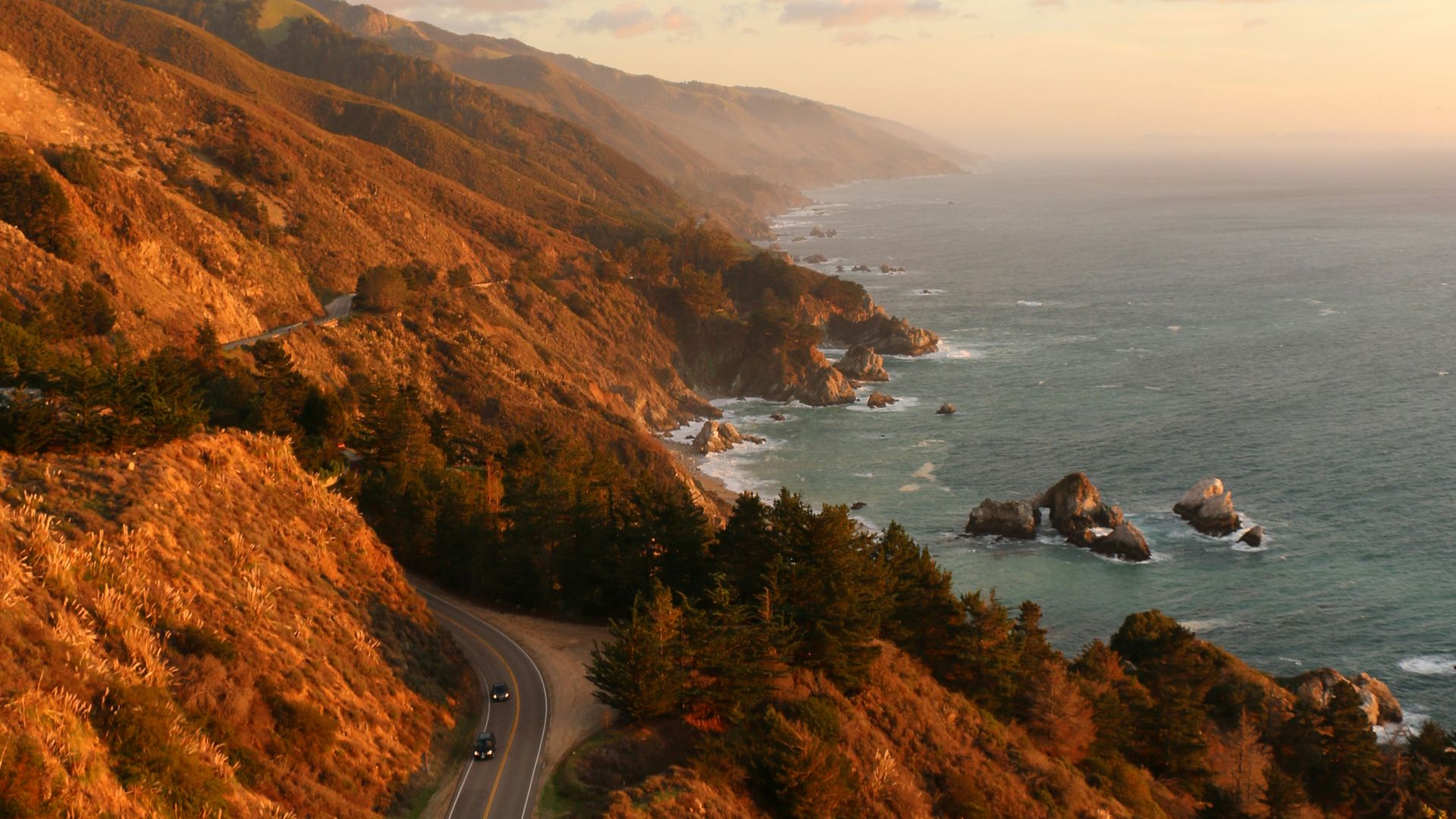
Why Everyone Talks About Highway 1
California does possess one road-related argument that is difficult to fight. Parts of Highway 1 cling to cliffs above the Pacific with ocean views that barely look real. Even a fiercely loyal Texan can admit that driving beside the Pacific is a pretty spectacular way to spend an afternoon.
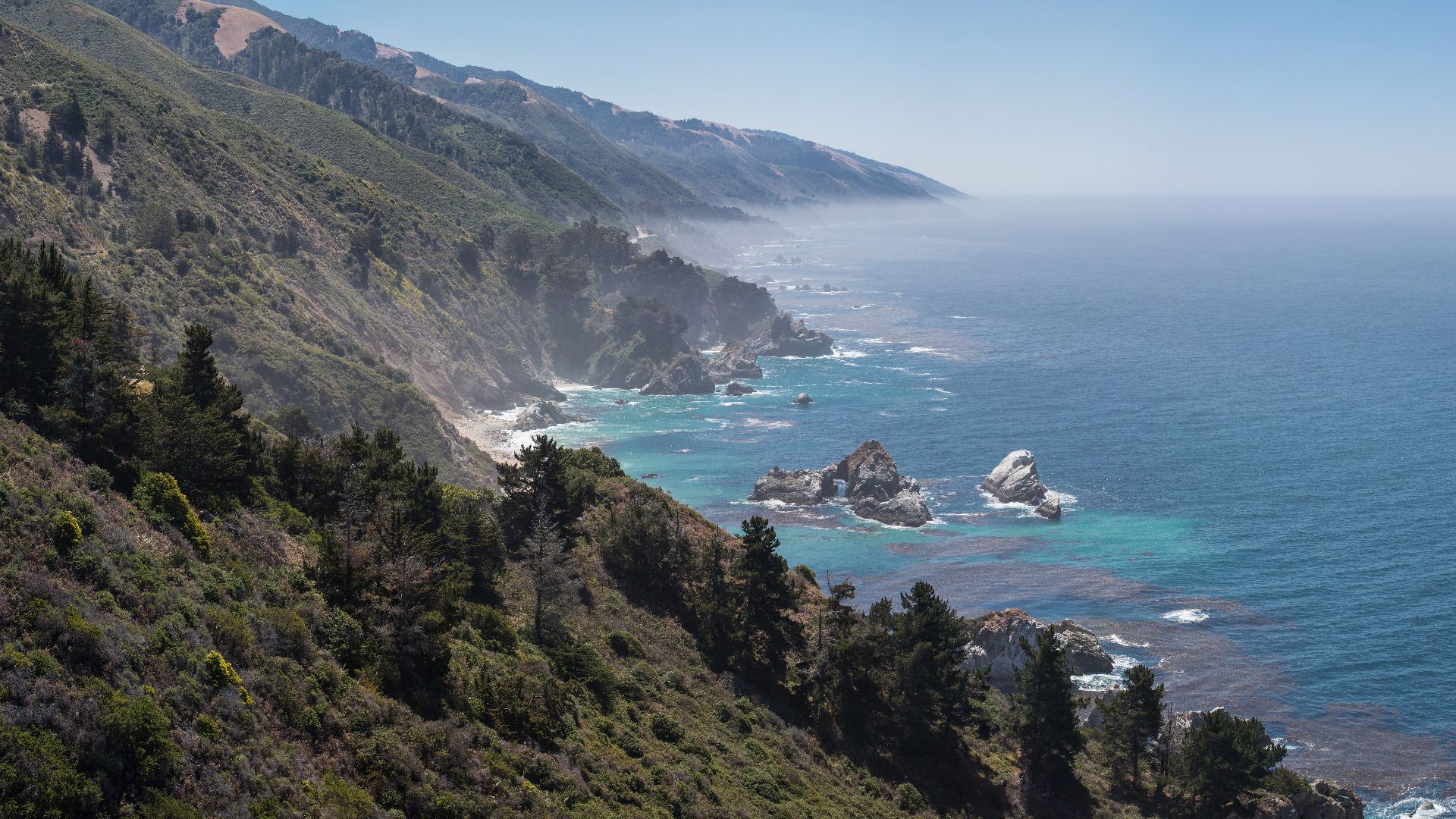
California Is Huge...But Texas Still Has Something To Say
California visitors quickly realize that Los Angeles, San Francisco and San Diego aren't remotely next door to one another. It's a massive state. Texans, however, are uniquely prepared for this revelation. Tell someone from Texas that their destination is six hours away and the response may simply be, “Okay.”
Then Comes The Tax Conversation
Visitors obviously aren't paying California income tax simply because they're on vacation. But mention taxes around Texans and the difference comes up quickly. Texas has no state individual income tax, while California has a graduated personal income tax system. That particular difference tends to inspire opinions.
You Might Also Like:
American travelers ranked the friendliest cities in Europe. Which one are you visiting this year?
Tourist Towns That Americans Say Have Changed The Most In The Last Decade. Do You Agree?