The Spain Nobody Talks About
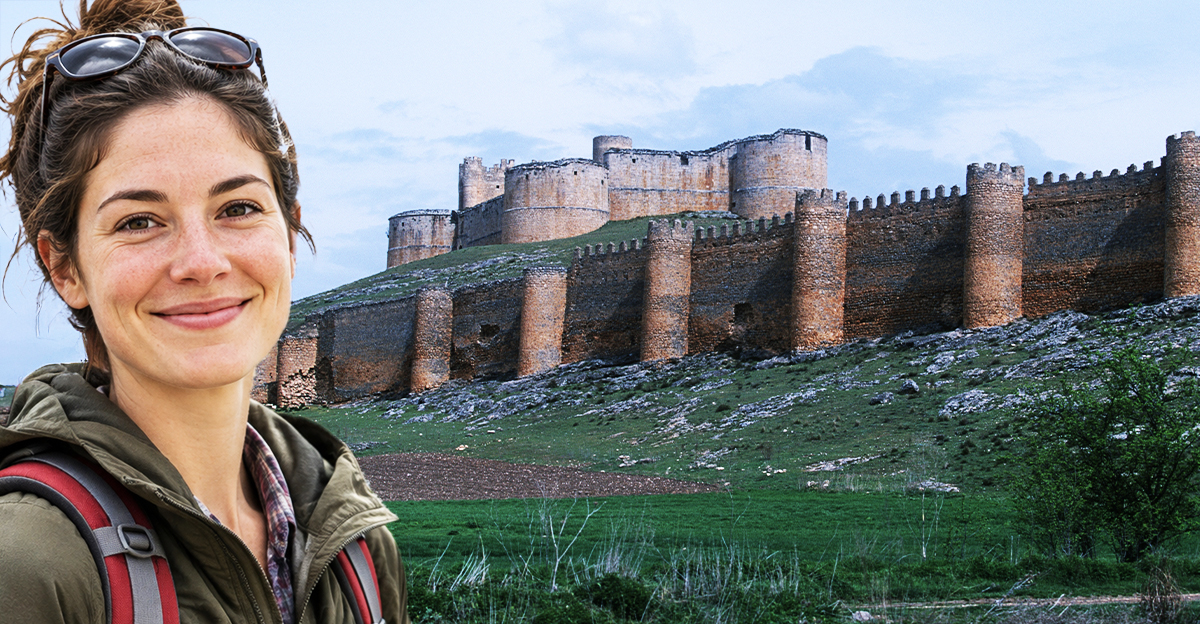
Forget Barcelona's crowded streets and the beaches of the Costa del Sol. Deep in Spain's interior lies a province where medieval castles dominate lonely hillsides, ancient villages appear frozen in time, and roads stretch for miles through nearly deserted countryside. It's time to head to Soria, one of Spain's least populated provinces and arguably one of its most overlooked travel destinations.
Spain's Forgotten Corner
Located in the northeastern part of Castilla y León, roughly between Madrid, Zaragoza, and Burgos, Soria occupies more than 4,000 square miles of Spain's interior. Yet its population barely reaches 90,000, making it the country's least populous province.
This is part of what Spaniards call España vaciada, or "emptied Spain," referring to rural regions that have experienced decades of depopulation. For travelers, the result is extraordinary: spectacular landscapes, historic towns, and surprisingly little tourist traffic compared with Spain's famous coastal destinations.
 DEA / W. BUSS/De Agostini via Getty Images
Soria's Underrated Capital
The provincial capital, also called Soria, is a charming small city overlooking the Duero River. Its historic center features elegant squares, medieval churches, and remarkably well-preserved Romanesque architecture. Highlights include the 12th-century Church of Santo Domingo, the cloisters of San Juan de Duero, and the picturesque Hermitage of San Saturio, dramatically positioned beside the river. The city also has strong literary connections. Spanish poet Antonio Machado lived here and drew inspiration from the surrounding landscape, which remains remarkably peaceful.
The Medieval Beauty Of El Burgo De Osma
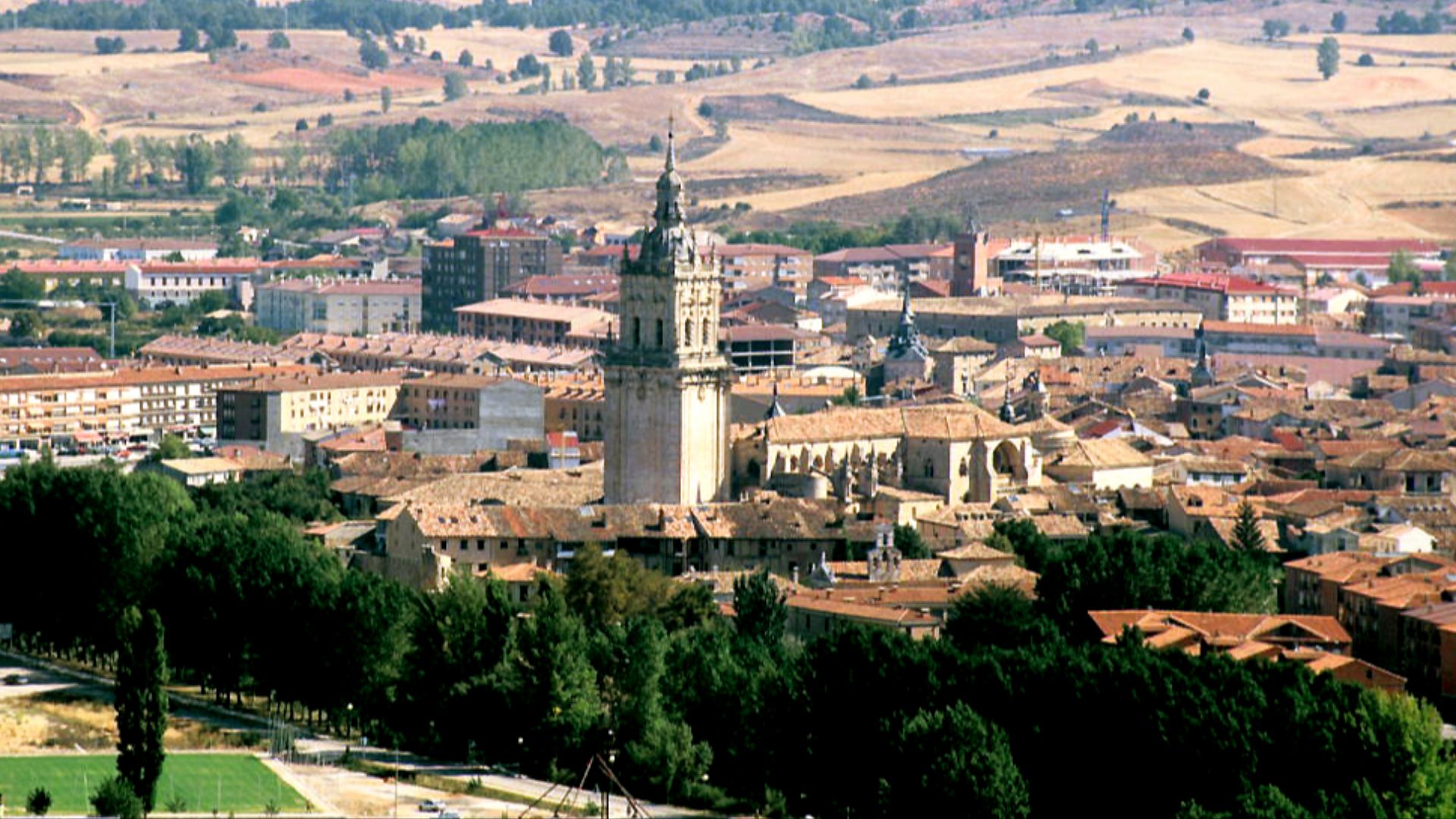
About an hour southwest of the capital, El Burgo de Osma is one of Soria's most attractive historic towns. Its centerpiece is a magnificent Gothic cathedral, begun in the 13th century, surrounded by medieval streets, traditional arcaded buildings, and handsome Renaissance architecture.
The town's Plaza Mayor, old university building, and surviving sections of historic walls make it an ideal place to explore on foot. Unlike Spain's more famous cathedral cities, El Burgo de Osma retains the atmosphere of a working Castilian town rather than a destination overwhelmed by sightseeing crowds.
A Castle Above Berlanga De Duero
Few places capture Soria's medieval character better than Berlanga de Duero.
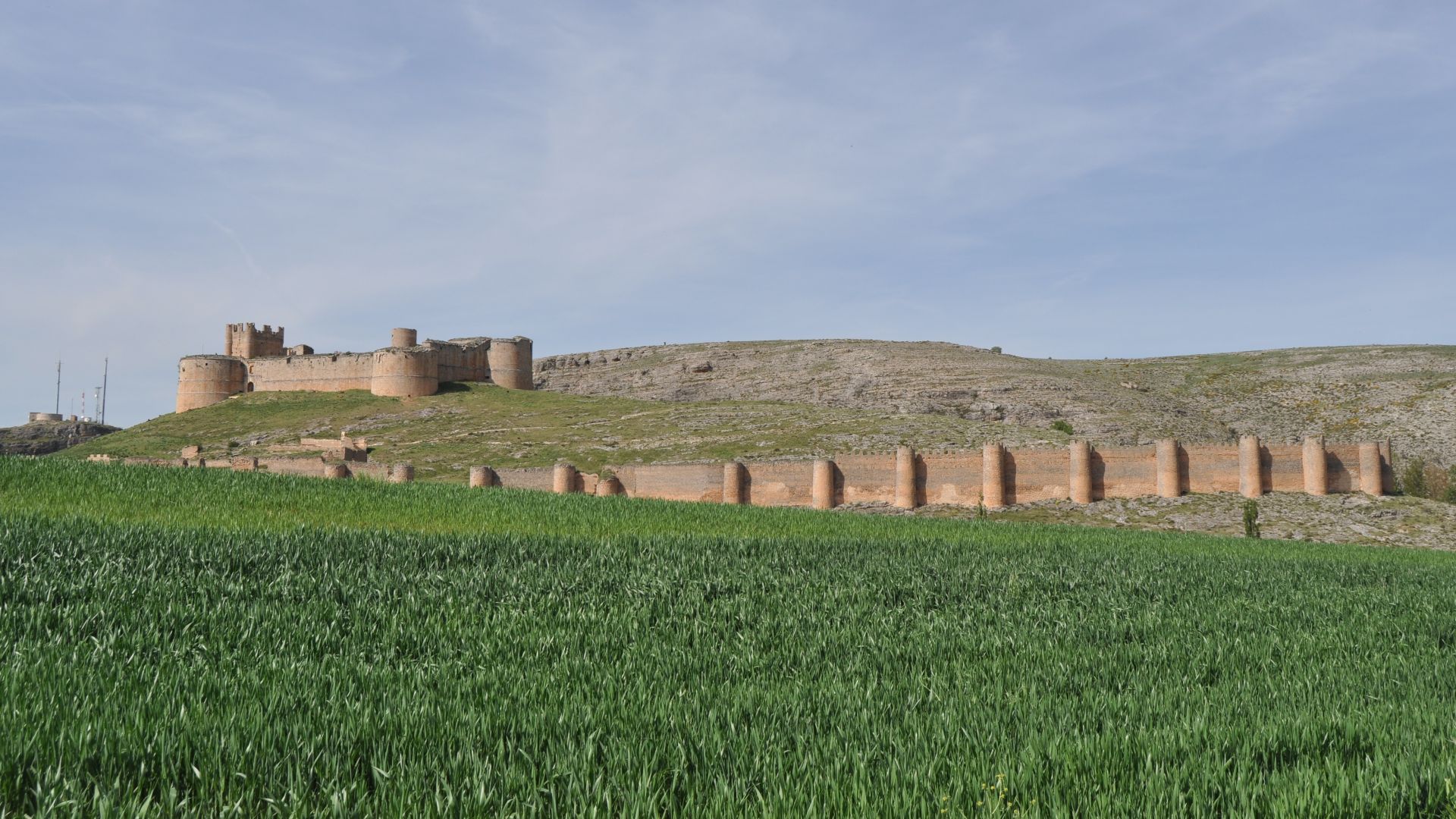
Above its historic streets rises an enormous castle complex, incorporating medieval defenses and later Renaissance fortifications. The surrounding walls and towers recall the centuries when this region formed a contested frontier between Christian and Muslim powers.
The town itself features traditional squares, stone buildings, and the impressive Collegiate Church of Santa María del Mercado.
Nearby stands the remarkable Hermitage of San Baudelio, a small medieval church celebrated for its unusual architecture and surviving fragments of historic wall paintings.
 Luis Rogelio HM, Wikimedia Commons
The Fortress That Dominated A Frontier
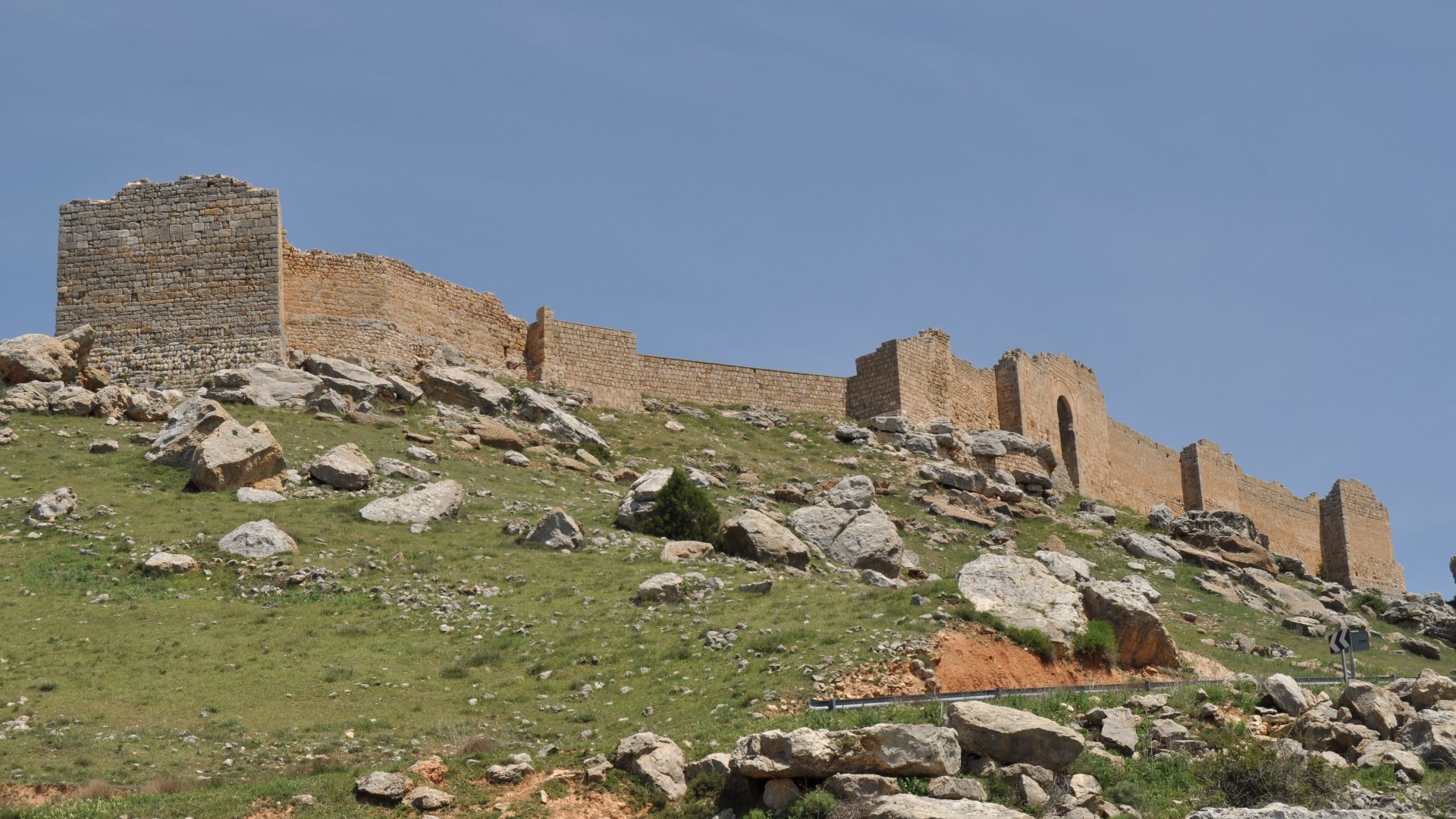
One of Soria's most spectacular landmarks is Gormaz Castle, a vast 10th-century fortress built during the period of Muslim rule. Stretching along a rocky ridge above the surrounding plains, its formidable walls and numerous towers once guarded an important strategic frontier.
Gormaz is among the most impressive surviving examples of early medieval Islamic military architecture in Spain. Visitors can explore the fortress remains and enjoy sweeping views across the countryside, where the relative absence of modern development makes the landscape feel surprisingly close to its medieval past.
 Luis Rogelio HM, Wikimedia Commons
Calatañazor And Medinaceli
Soria's smaller villages may be its greatest treasures. Calatañazor looks almost untouched by modern life, with cobbled lanes, timber-framed houses, distinctive chimneys, and the ruins of a medieval castle. The village is associated with legends surrounding the Muslim military leader Almanzor.
Farther south, Medinaceli occupies a commanding hilltop position and preserves a remarkable Roman triumphal arch, medieval streets, and an elegant Plaza Mayor.
Other worthwhile stops include Almazán, with its historic gates and Romanesque churches, and San Esteban de Gormaz, known for its medieval architecture and early Romanesque porticoes.
Ancient Warriors And Roman Ruins
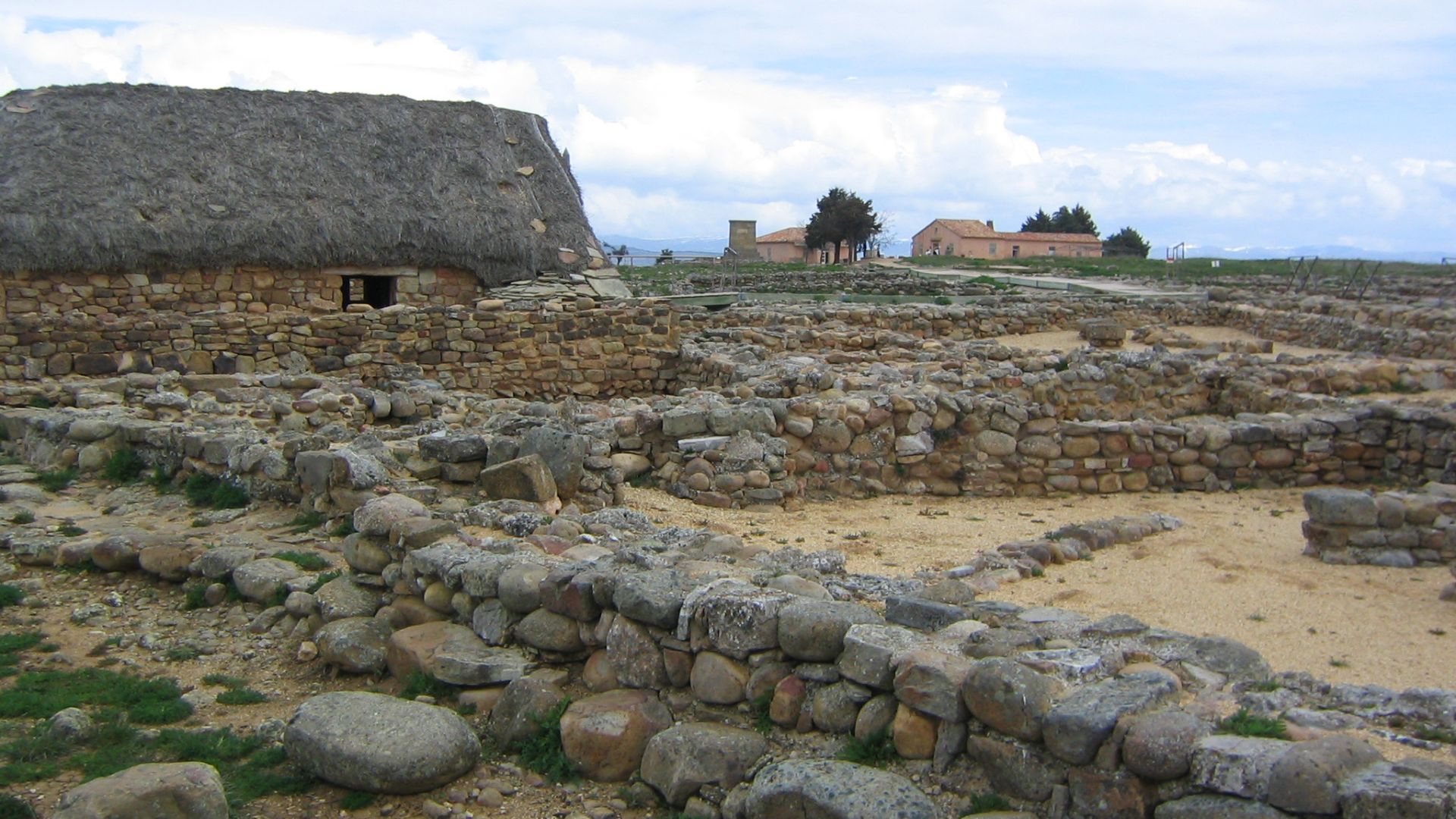
Soria's history stretches back long before its medieval castles. Near the village of Garray lies Numancia, the ancient Celtiberian settlement that famously resisted Roman conquest. Its defenders endured a prolonged siege before the city fell to Roman general Scipio Aemilianus in 133 BC. Today, visitors can explore the archaeological remains and learn about the settlement's extraordinary history.
Another fascinating destination is Tiermes, where Celtiberian and Roman structures were carved into distinctive reddish sandstone. Both sites offer a glimpse of ancient Spain far removed from the country's better-known Roman monuments.
Wild Landscapes Without The Crowds
Soria isn't just about history. Its natural scenery ranks among the most impressive in inland Spain. The Cañón del Río Lobos Natural Park features towering limestone cliffs, dramatic walking trails, and colonies of griffon vultures. Hidden within the canyon is the atmospheric Hermitage of San Bartolomé.
Farther north, the Laguna Negra glacial lake lies beneath steep rocky slopes in the Sierra de Urbión mountains. Nearby Vinuesa makes an attractive base for exploring pine forests, mountain scenery, and traditional villages. These landscapes offer an entirely different Spanish experience from the Mediterranean coast.
A Taste Of Traditional Castile
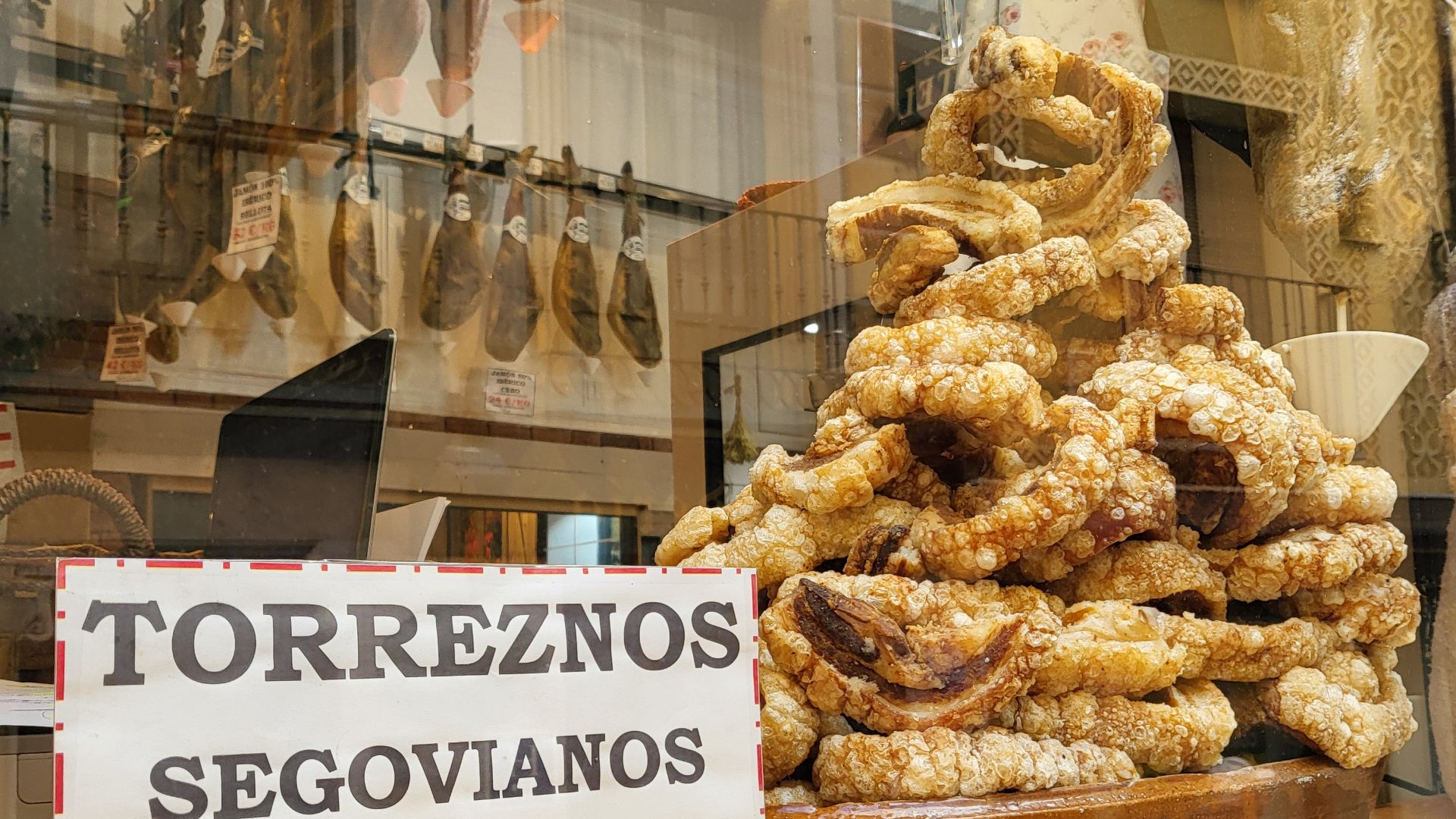
Soria's food reflects its rural traditions and cold winters. Its most famous specialty is torreznos, thick strips of pork belly fried until the skin becomes wonderfully crisp. You'll find them in traditional bars throughout the province. Other regional favorites include roast lamb, wild mushrooms, hearty stews, and Soria butter, a protected local product also used in traditional sweets.
Autumn is particularly appealing for food lovers because the surrounding forests produce an impressive variety of edible mushrooms. And unlike Spain's major tourist centers, many local restaurants remain focused primarily on serving residents rather than international visitors.
 Xemenendura, Wikimedia Commons
Why Soria Deserves A Visit
Soria rewards travelers willing to venture beyond Spain's familiar destinations. A rental car is especially useful because many of its greatest attractions are scattered across small towns and rural landscapes with limited public transportation. Spring and autumn offer comfortable conditions for sightseeing, while winter can be cold and occasionally snowy.
The province isn't entirely undiscovered, particularly among Spanish weekend travelers, but international tourism remains relatively modest. For anyone seeking medieval castles, remarkable scenery, authentic regional food, and the freedom to explore without constantly encountering crowds, Soria might be one of Spain's best-kept secrets.
You May Also Like:
European Villages That Look Like They’re From Fairy Tales. Which Ones Will You Visit This Year?
European Destinations That American Travelers Say Are Better Than The Famous Ones