America Is Hiding A Lot Beneath The Surface
Some were uncovered by construction crews. Others were found beneath lakes, inside caves or right under modern cities. A few inspired wild legends that archaeology has since dismantled. But every state has produced at least one discovery that left researchers with questions they still cannot completely answer. How many were you aware of?
Alabama: The Rattlesnake Disk
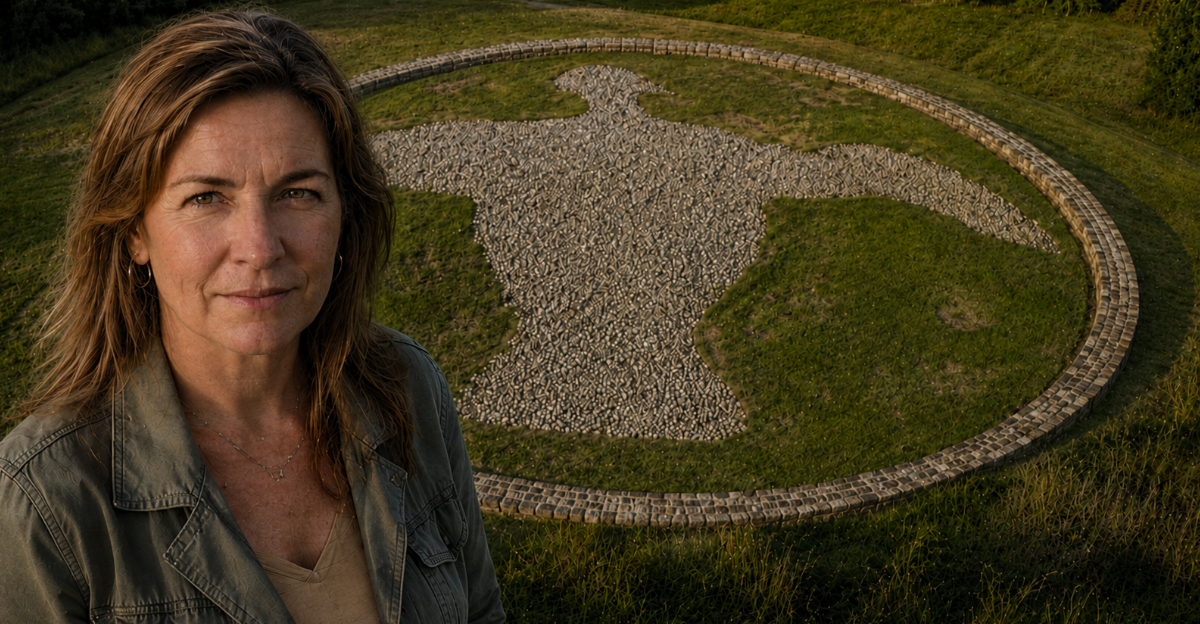
Unearthed at Moundville, this engraved stone disk shows a coiled rattlesnake surrounding a hand with an eye in its palm. The symbols probably carried spiritual meaning for the Mississippian people who created it, but precisely what the unsettling image represented remains open to interpretation.
 Altairisfar (Jeffrey Reed), Wikimedia Commons
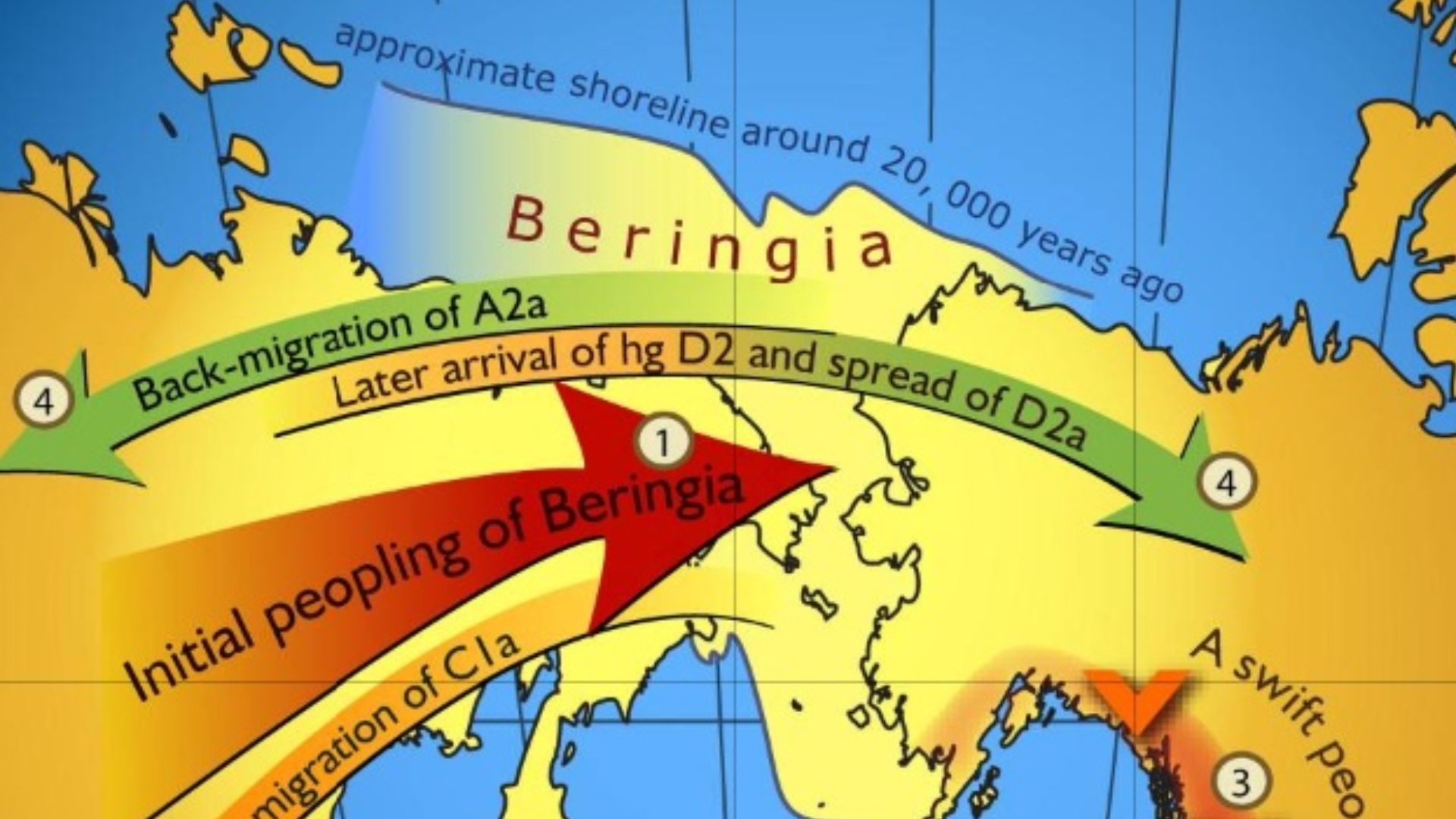
Alaska: The Upward Sun River Infants
Two infants were buried beneath a hearth in central Alaska approximately 11,500 years ago. DNA recovered from one revealed a previously unknown genetic lineage researchers named Ancient Beringians. The discovery transformed ideas about the first people in the Americas while raising new questions about their earliest communities.
 Erika Tamm et al, Wikimedia Commons
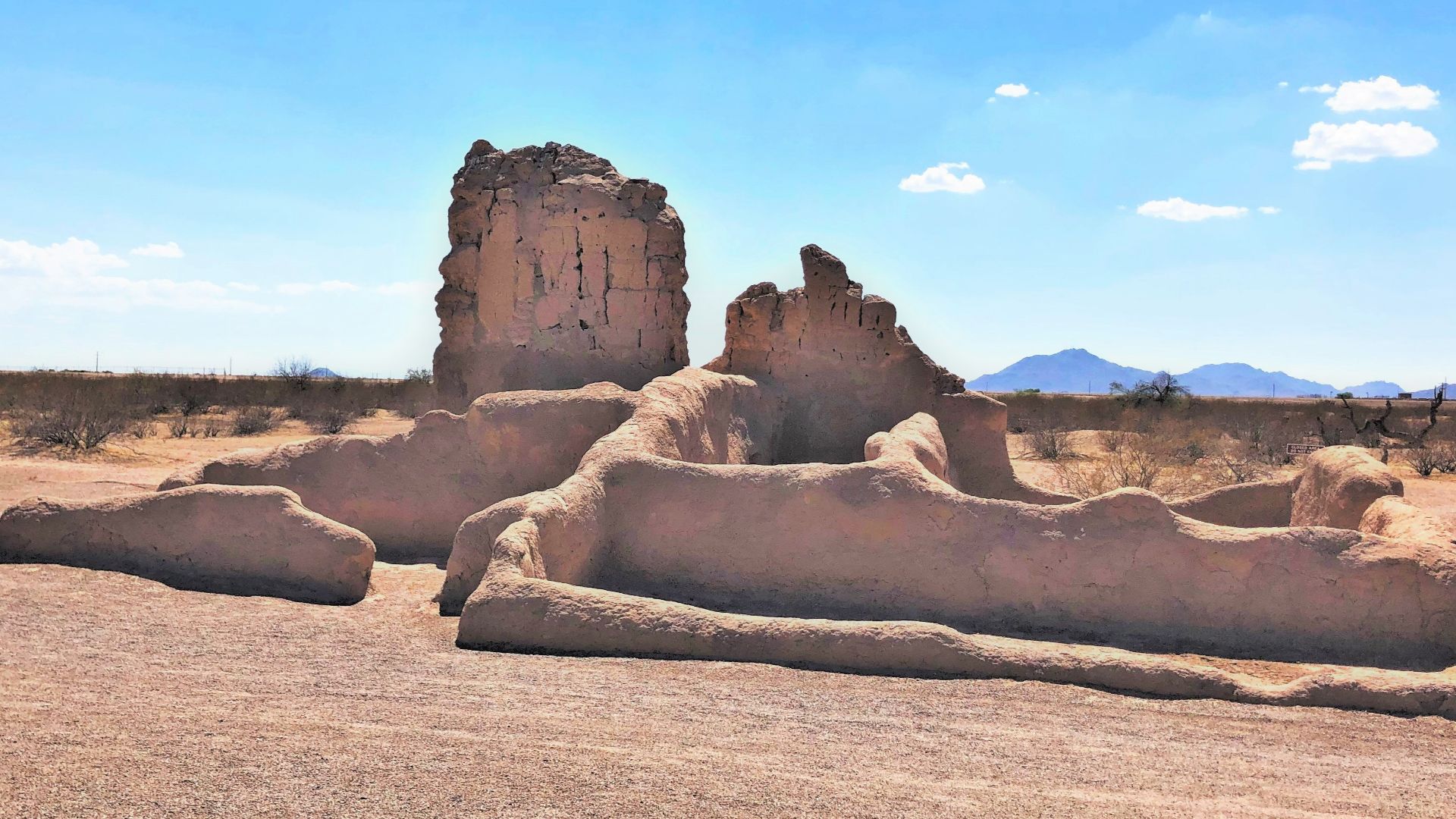
Arizona: Casa Grande
Built around 1350 by ancestral Sonoran Desert people, Casa Grande is an enormous earthen structure that once rose four stories above the desert. It may have been an observatory, ceremonial building, residence or gathering place. Archaeologists understand how it was constructed, but not exactly why.
 Beyond My Ken, Wikimedia Commons
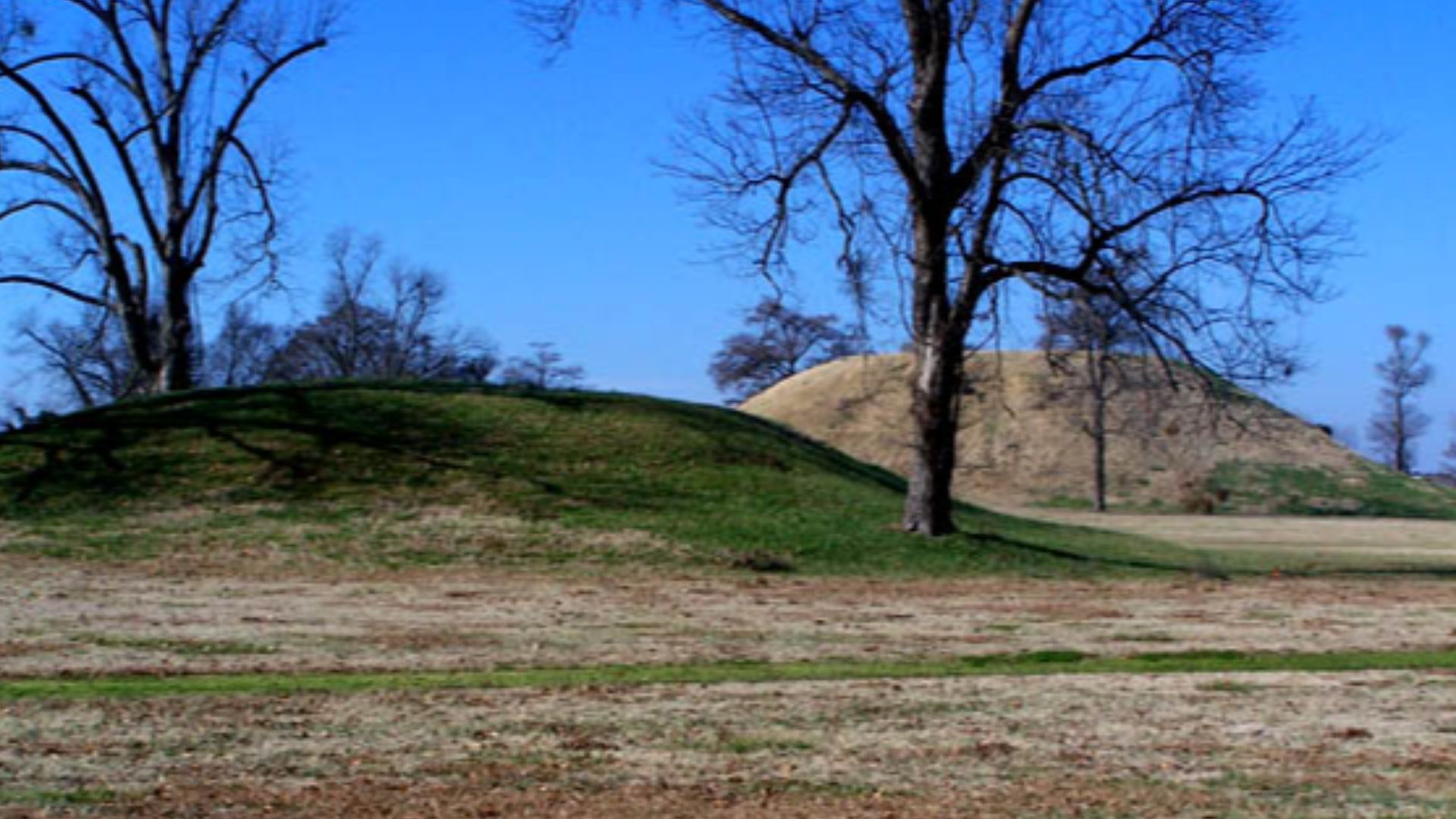
Arkansas: The Plum Bayou Mounds
Despite being called Toltec Mounds for generations, this enormous ceremonial center had nothing to do with Mexico’s Toltec civilization. The Plum Bayou culture built 18 mounds inside a vast earthen enclosure between approximately 650 and 1050. Why the complex was eventually left behind remains uncertain.
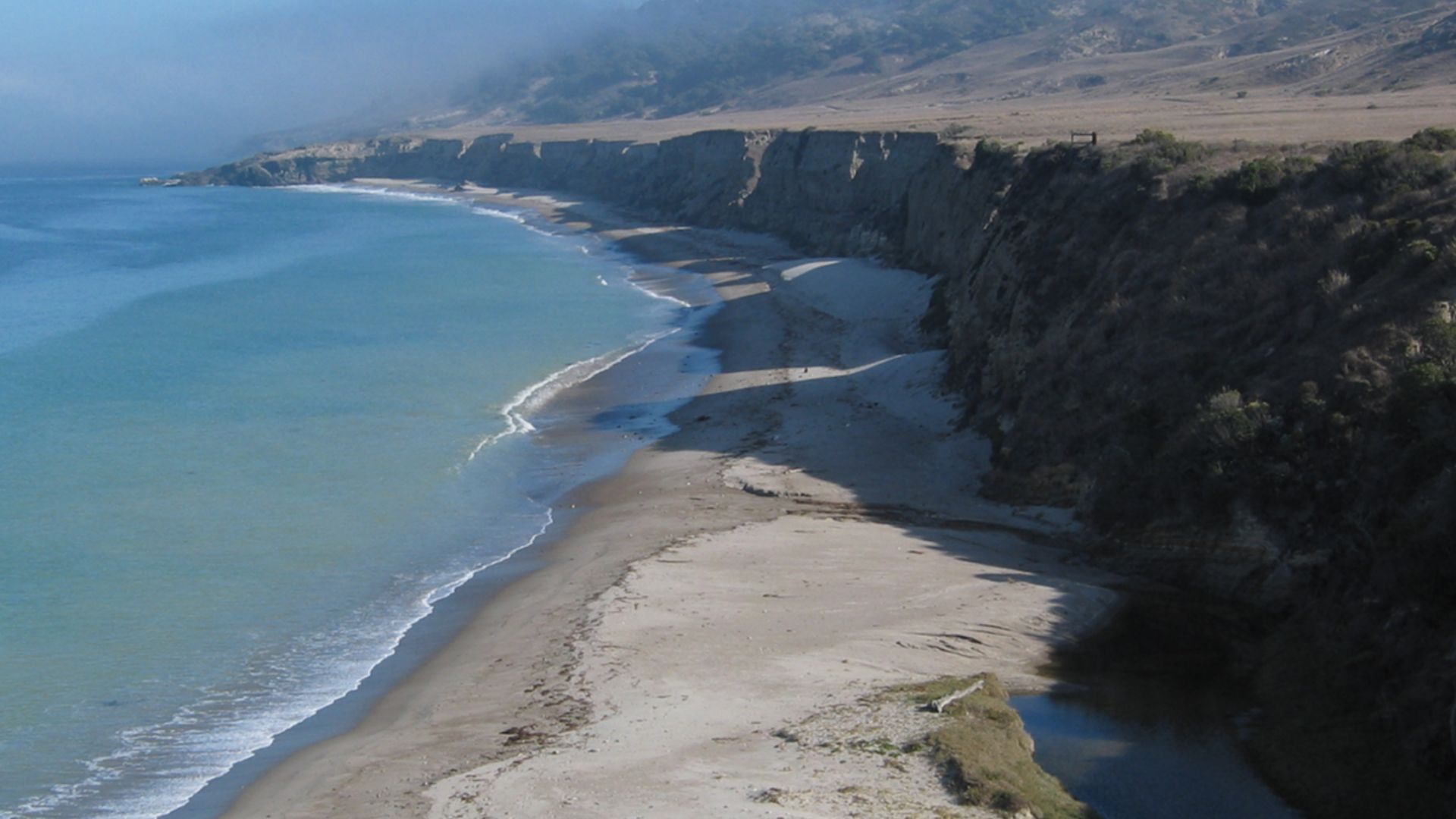
California: The Arlington Springs Remains
Human remains found on Santa Rosa Island were eventually dated to approximately 13,000 years ago, making them among the oldest discovered in North America. Because the island could only be reached by water, the find also suggested that some of America’s earliest inhabitants were already capable mariners.
 Derek Lohuis, National Park Service, Wikimedia Commons
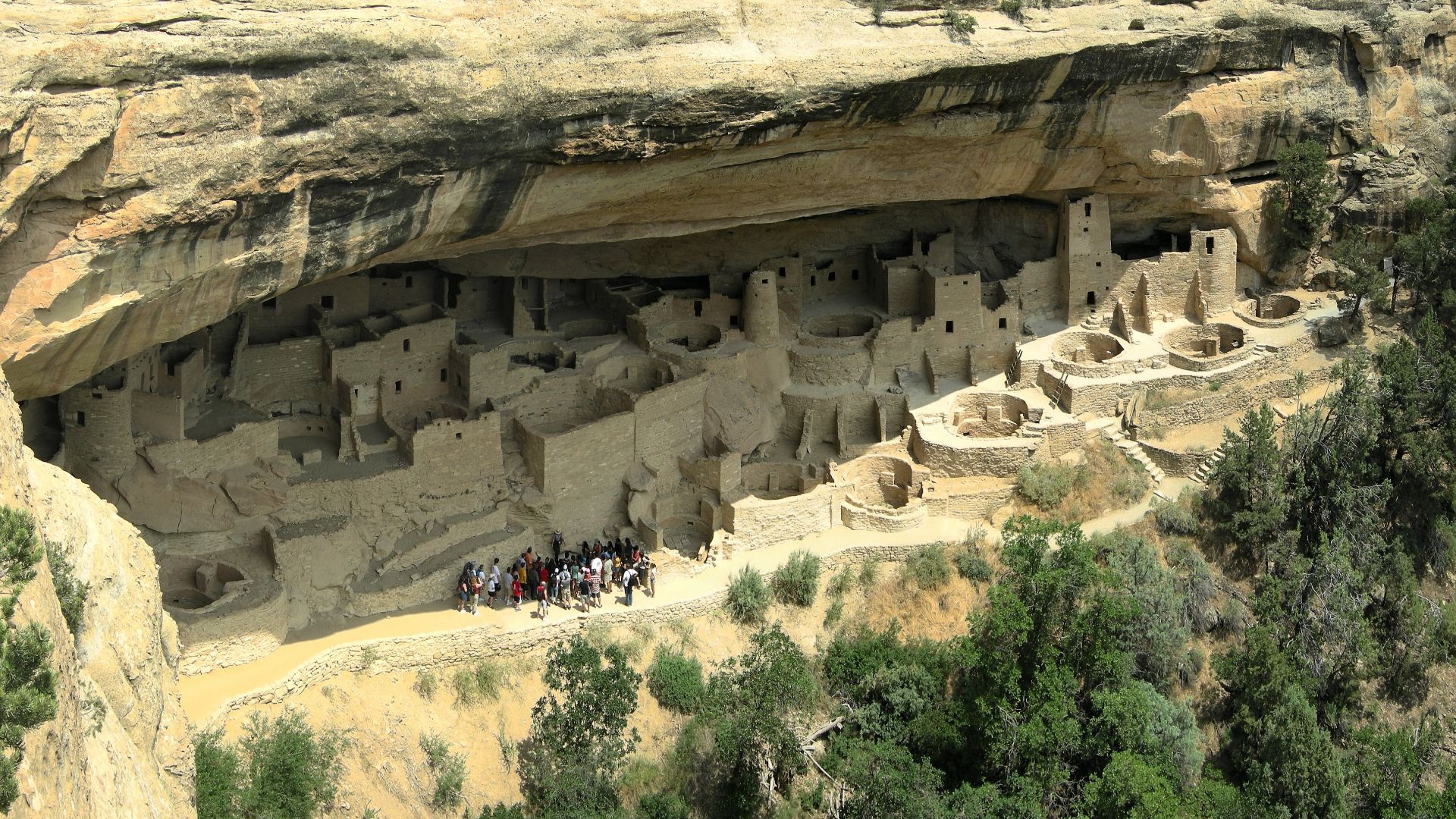
Colorado: The Departure From Mesa Verde
Thousands of Ancestral Pueblo people lived throughout the Mesa Verde region before moving away during the late 1200s. Drought, dwindling resources and political or social pressures probably contributed. But no single explanation completely accounts for one of the largest migrations in the archaeological history of the Southwest.
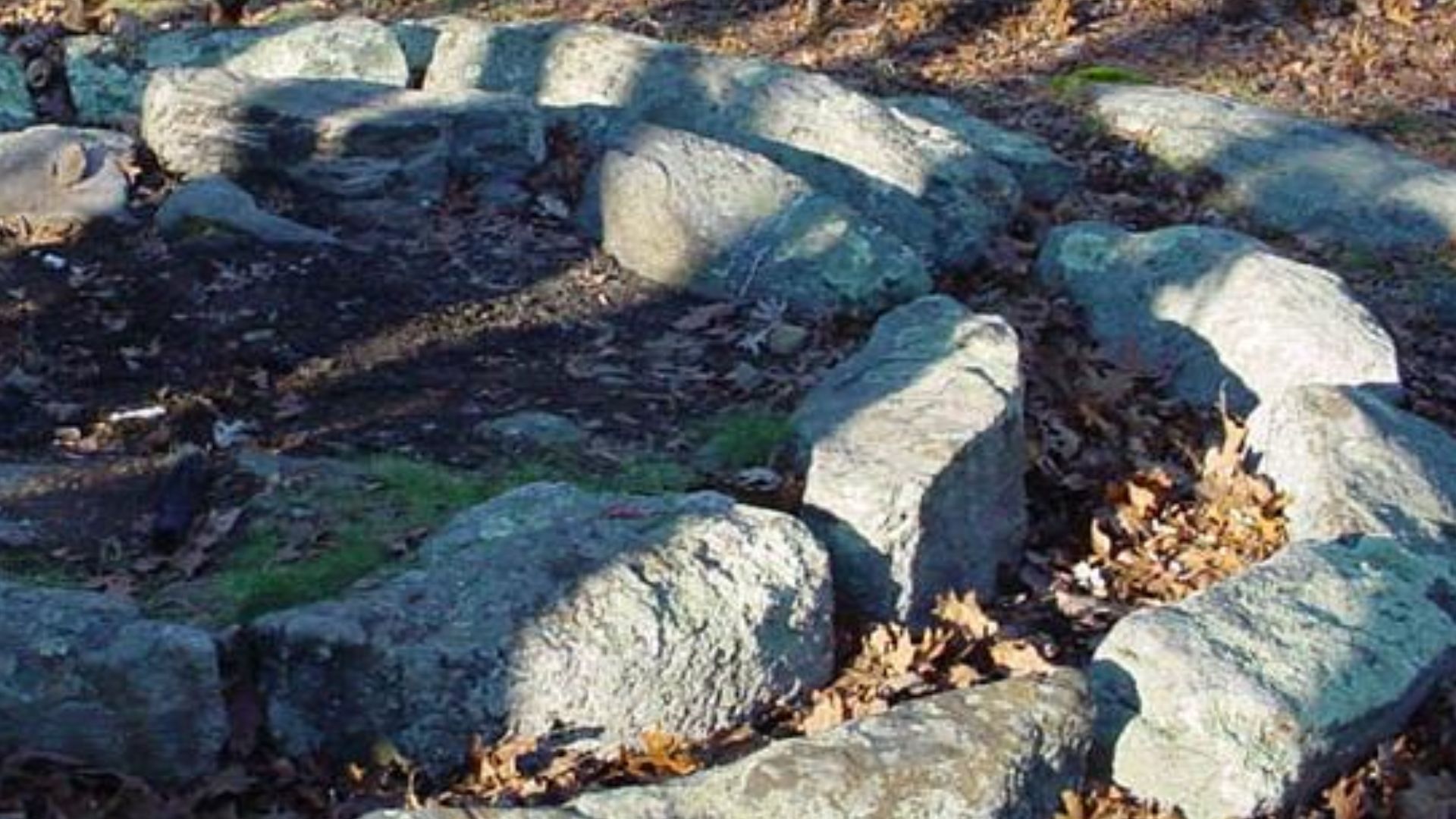
Connecticut: Gungywamp
Gungywamp contains Indigenous artifacts alongside the remains of colonial houses, walls, stone chambers and a strange double stone circle. Archaeologists generally identify the chambers as root cellars and the circle as part of a bark mill, leaving no convincing evidence for the ancient European builders imagined by later storytellers.
 Randal J. (en:User:RJFerret), Wikimedia Commons
Delaware: The Hockessin Site
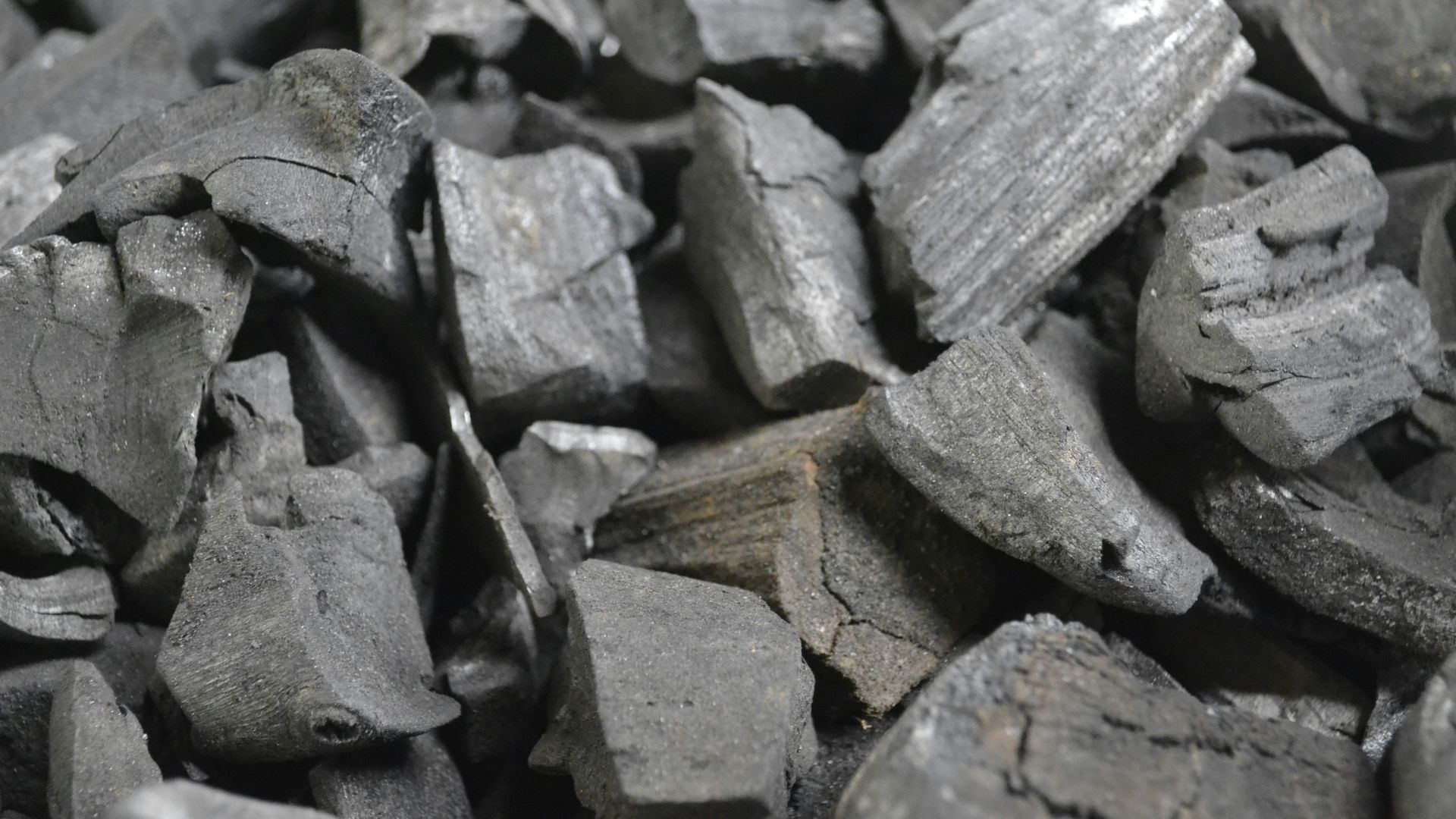
Artifacts and charcoal discovered near Hockessin revealed that people were living in Delaware around 11,500 years ago. The unusually well-dated site helped confirm an extremely early human presence in the Northeast, although exactly how those people lived—and what animals still shared the landscape with them—remains uncertain.
Florida: The Windover Pond Burials
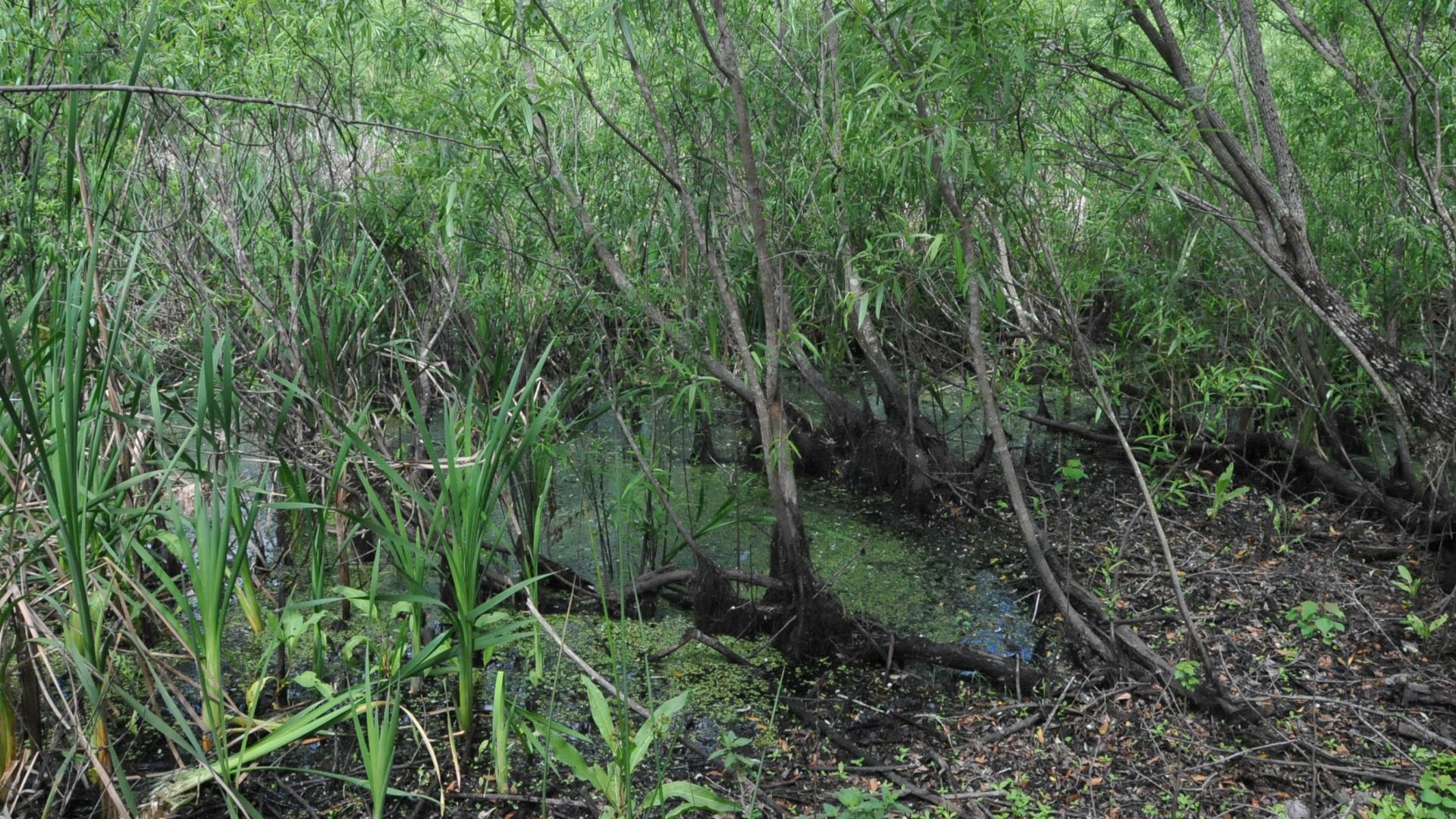
Construction near Titusville exposed a prehistoric cemetery containing the remains of 168 people buried between 7,000 and 8,000 years ago. The pond preserved woven textiles and even traces of brain tissue in some individuals. The community’s precise beliefs and burial rituals, however, cannot be completely recovered.
 ROY KLOTZ MD, Wikimedia Commons
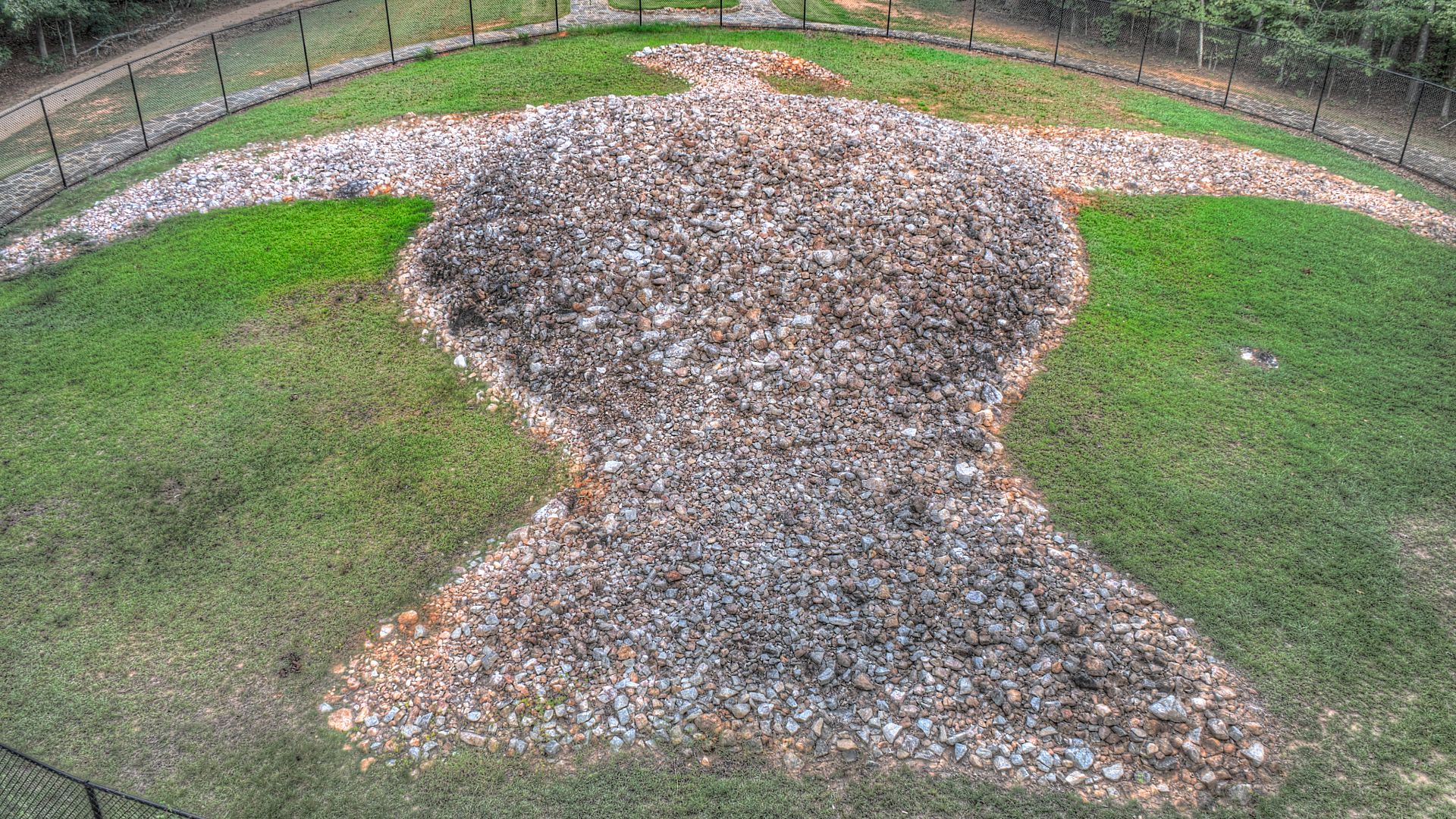
Georgia: Rock Eagle
Made from thousands of pieces of white quartz, Rock Eagle stretches more than 100 feet from wingtip to wingtip. The massive bird-shaped mound was probably built during the Middle Woodland period. Cremated human remains were reportedly found inside, but the effigy’s original purpose and meaning are still debated.
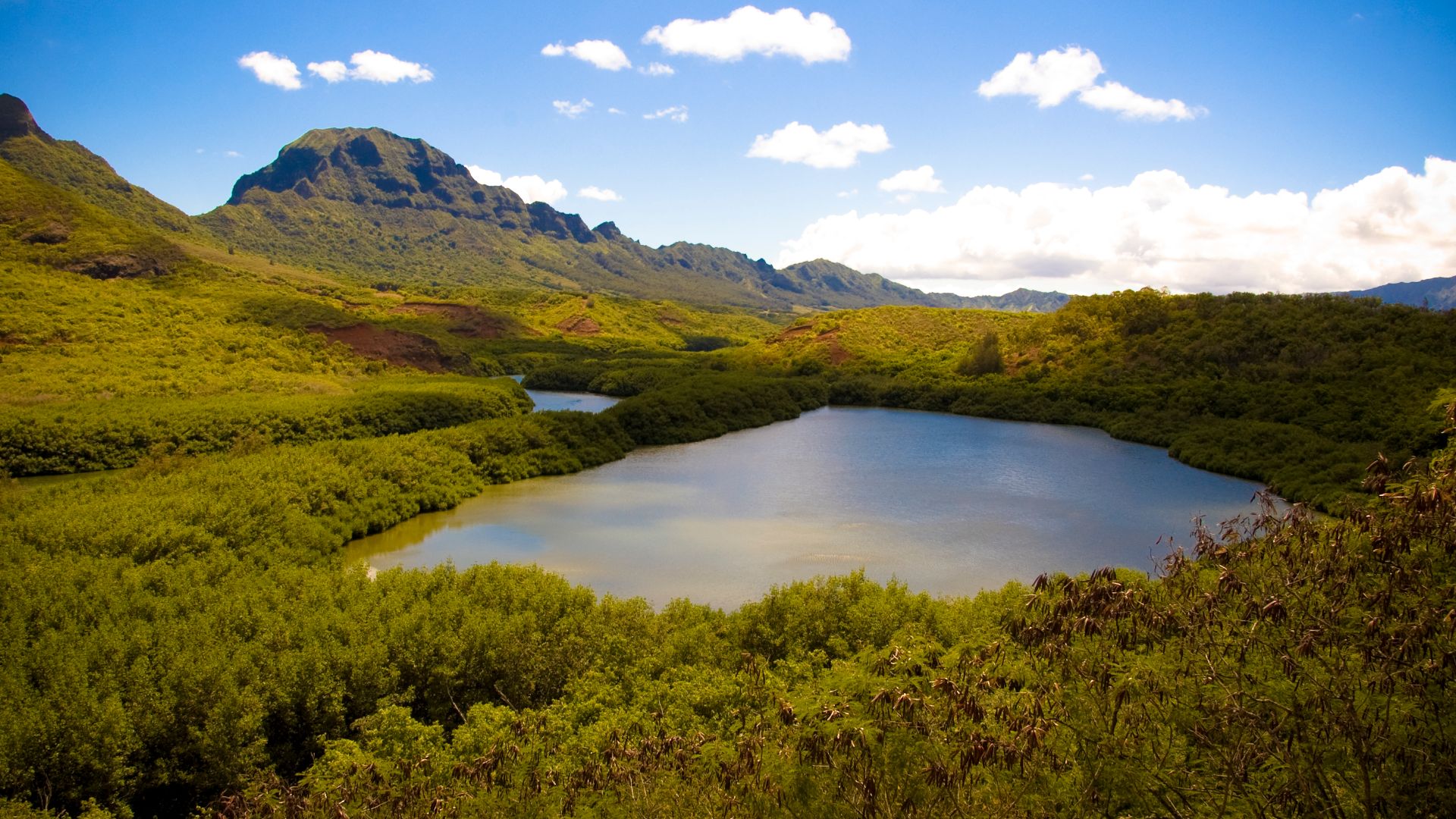
Hawaii: Alakoko Fishpond
A massive stone wall stretching approximately 2,700 feet once controlled water flowing between the Huleʻia River and Alakoko Fishpond. Native Hawaiian builders created it around 600 years ago, while tradition credits the Menehune with completing it in one night. Exactly how such a huge project was organized remains uncertain.
Idaho: Cooper’s Ferry
Stone tools, charcoal and animal remains at Cooper’s Ferry indicate that people were living in Idaho nearly 16,000 years ago. That is earlier than the once-dominant Clovis-first timeline. The site strengthened the possibility that America’s first inhabitants traveled along the Pacific coast rather than through an inland ice corridor.
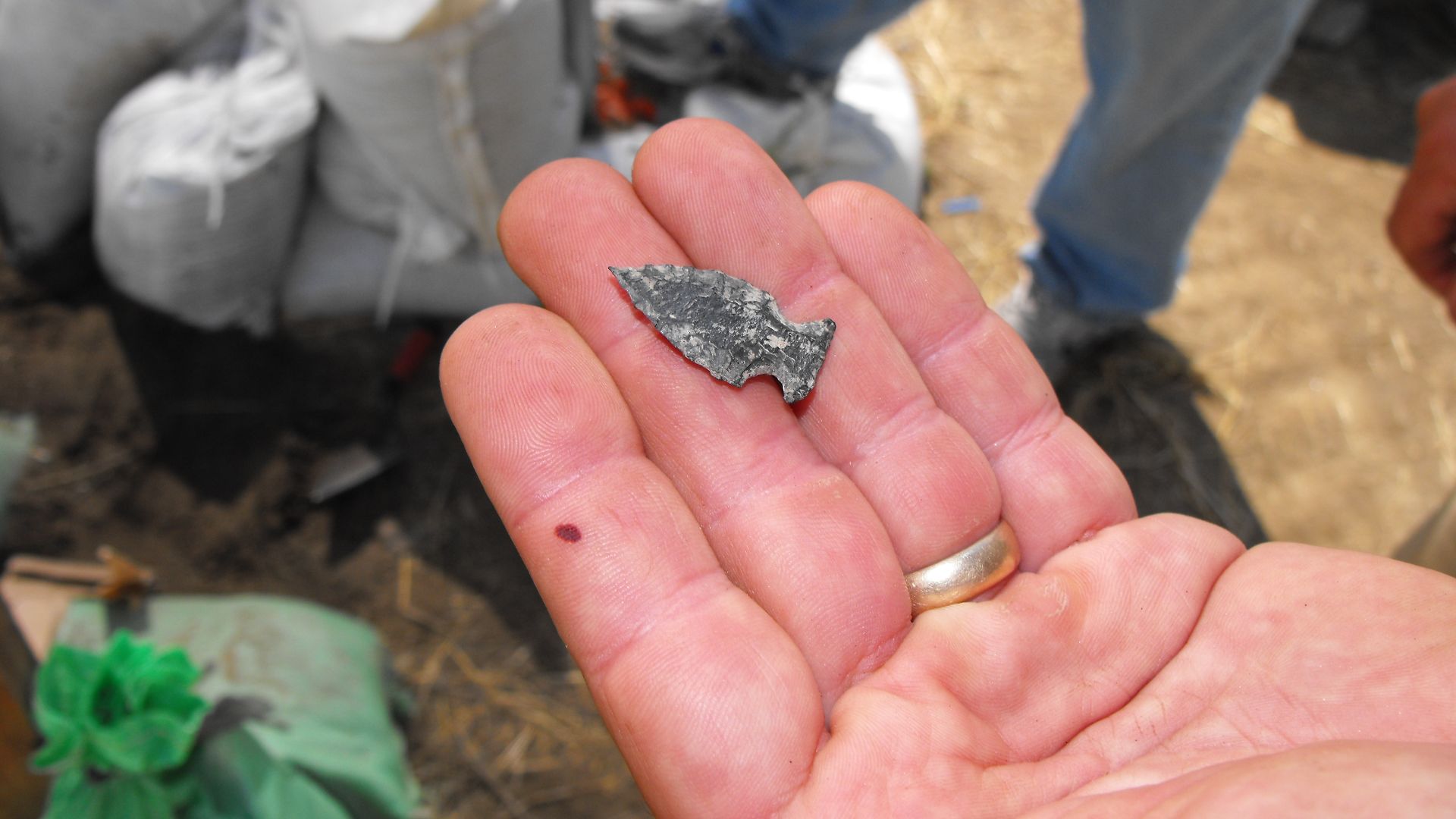 Bureau of Land Management, Wikimedia Commons
Illinois: Cahokia
At its height, Cahokia was the largest pre-Columbian city north of Mexico. Its residents built enormous mounds and circles of wooden posts that marked solar events. Flooding, drought, environmental strain and political upheaval have all been proposed to explain its decline, but no single answer has won out.
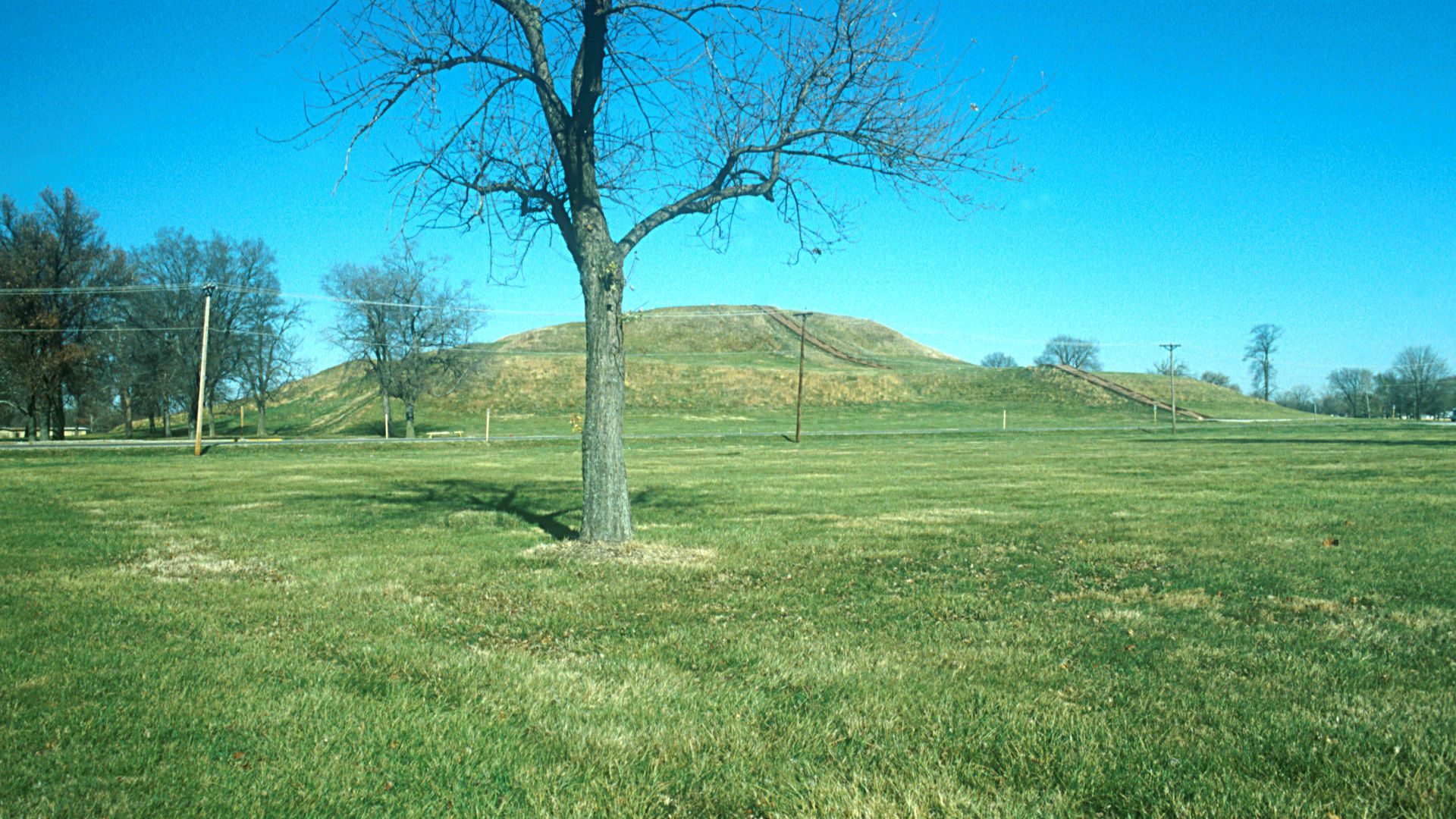 Unknown authorUnknown author or not provided, Wikimedia Commons
Indiana: Angel Mounds
Angel Mounds was a fortified Mississippian town containing homes, plazas and 11 earthen mounds. Approximately 1,000 people may have lived there at its height. The community was largely gone by the mid-1400s, before sustained European contact, and no evidence points to one sudden disaster.
Iowa: The Effigy Mounds
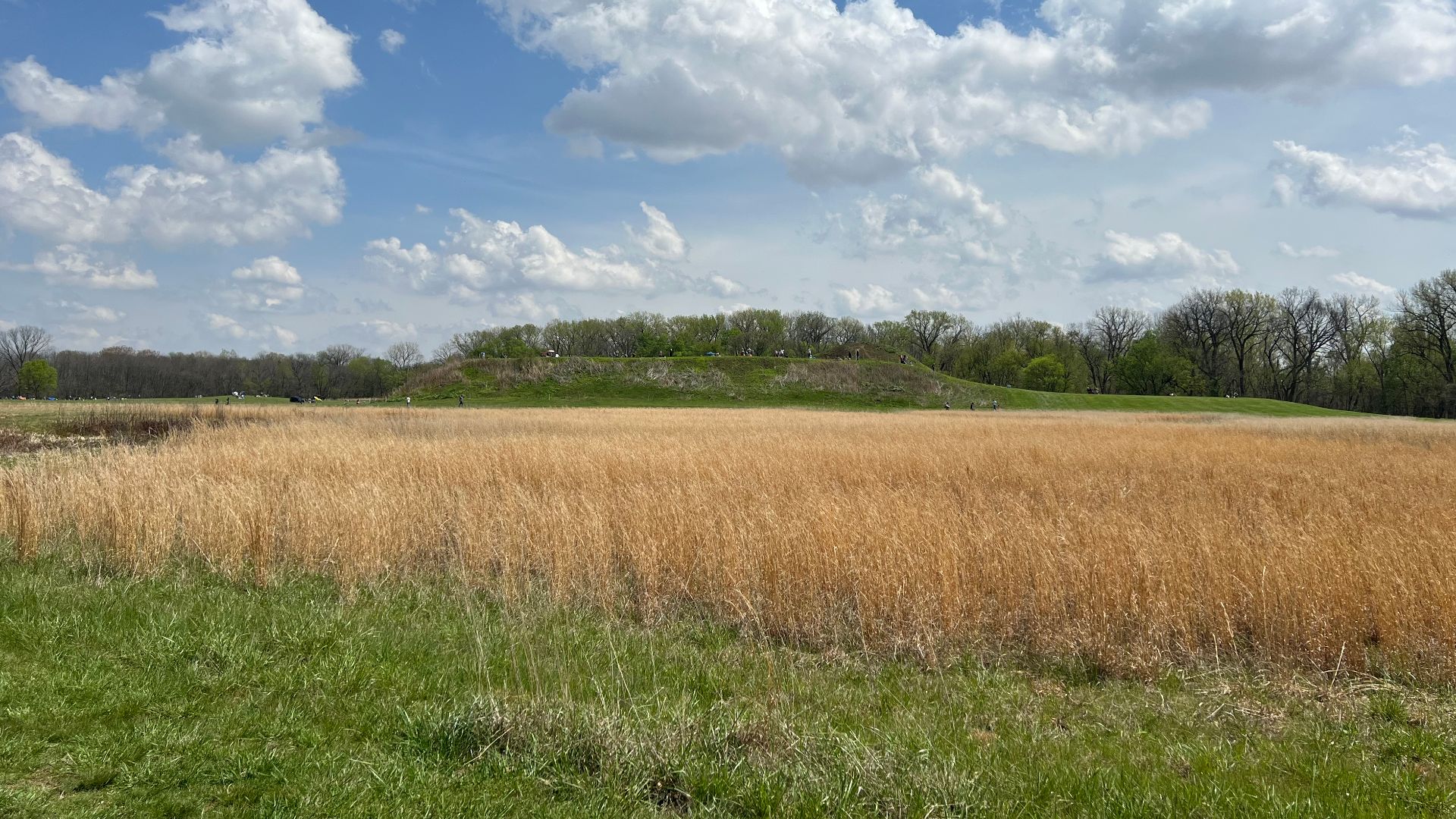
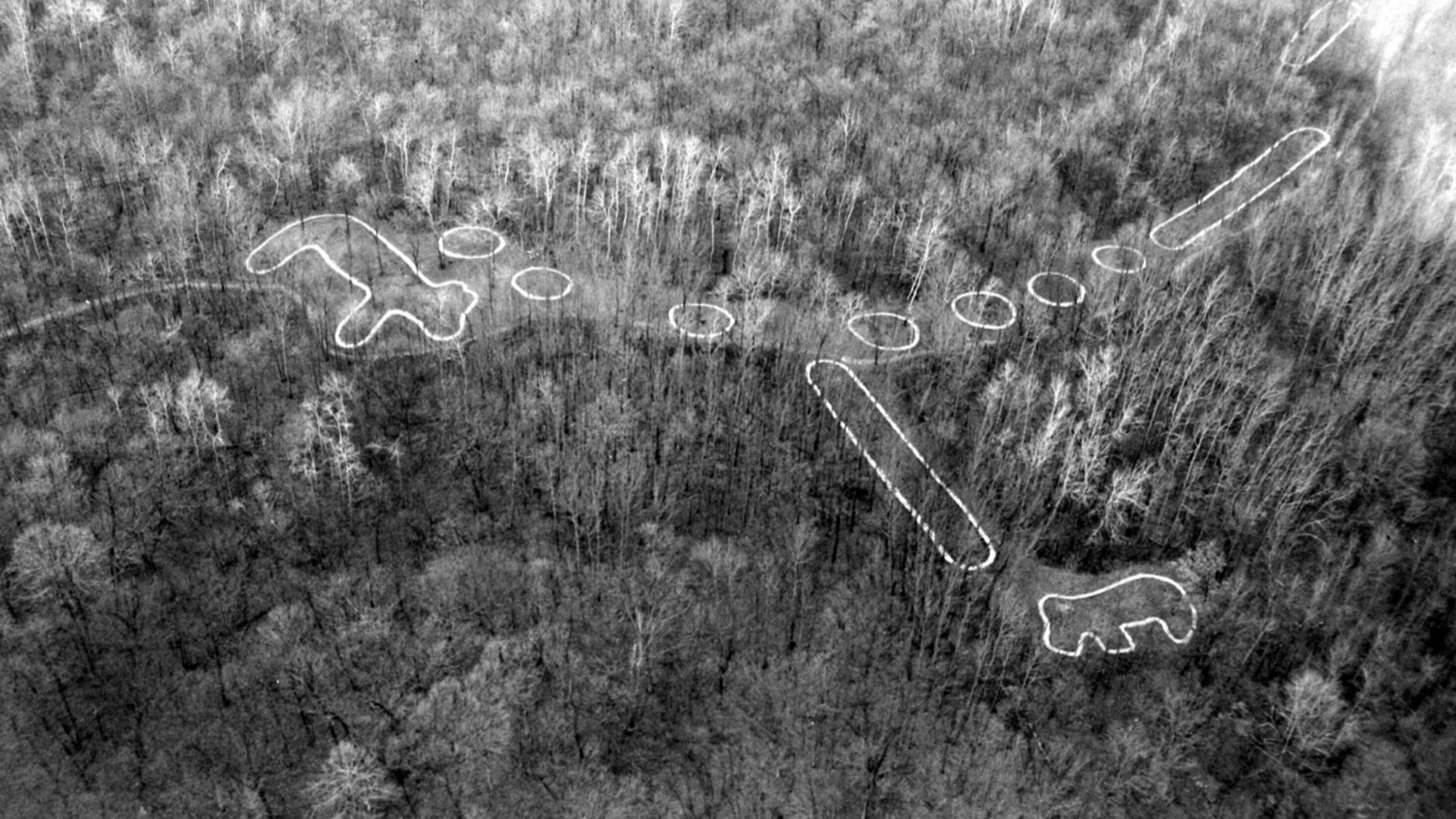
Northeastern Iowa contains hundreds of ancient burial and ceremonial mounds, including remarkable earthworks shaped like birds and bears. Some were built more than 2,000 years ago. Their builders left no written explanation, and the full meaning of the animals, arrangements and sacred landscape remains known only in part.
 National Park Service, Wikimedia Commons
Kansas: Etzanoa
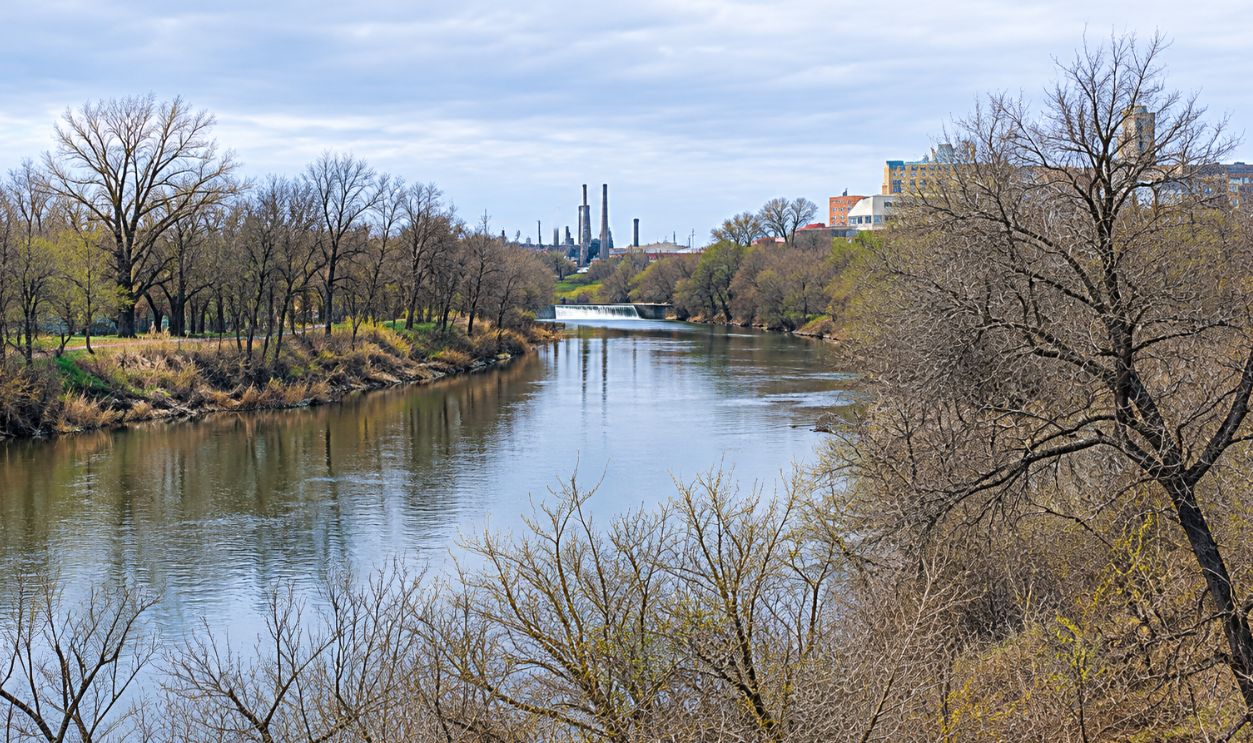
Spanish visitors described an enormous settlement along the Arkansas River in 1601, but its location was uncertain for centuries. Archaeologists now identify it with a site near Arkansas City that may have supported thousands—and possibly as many as 20,000—people. What ultimately happened to the sprawling community remains unresolved.
 TimK MSI, Wikimedia Commons, enhanced
Kentucky: Mammoth Cave’s Ancient Mines
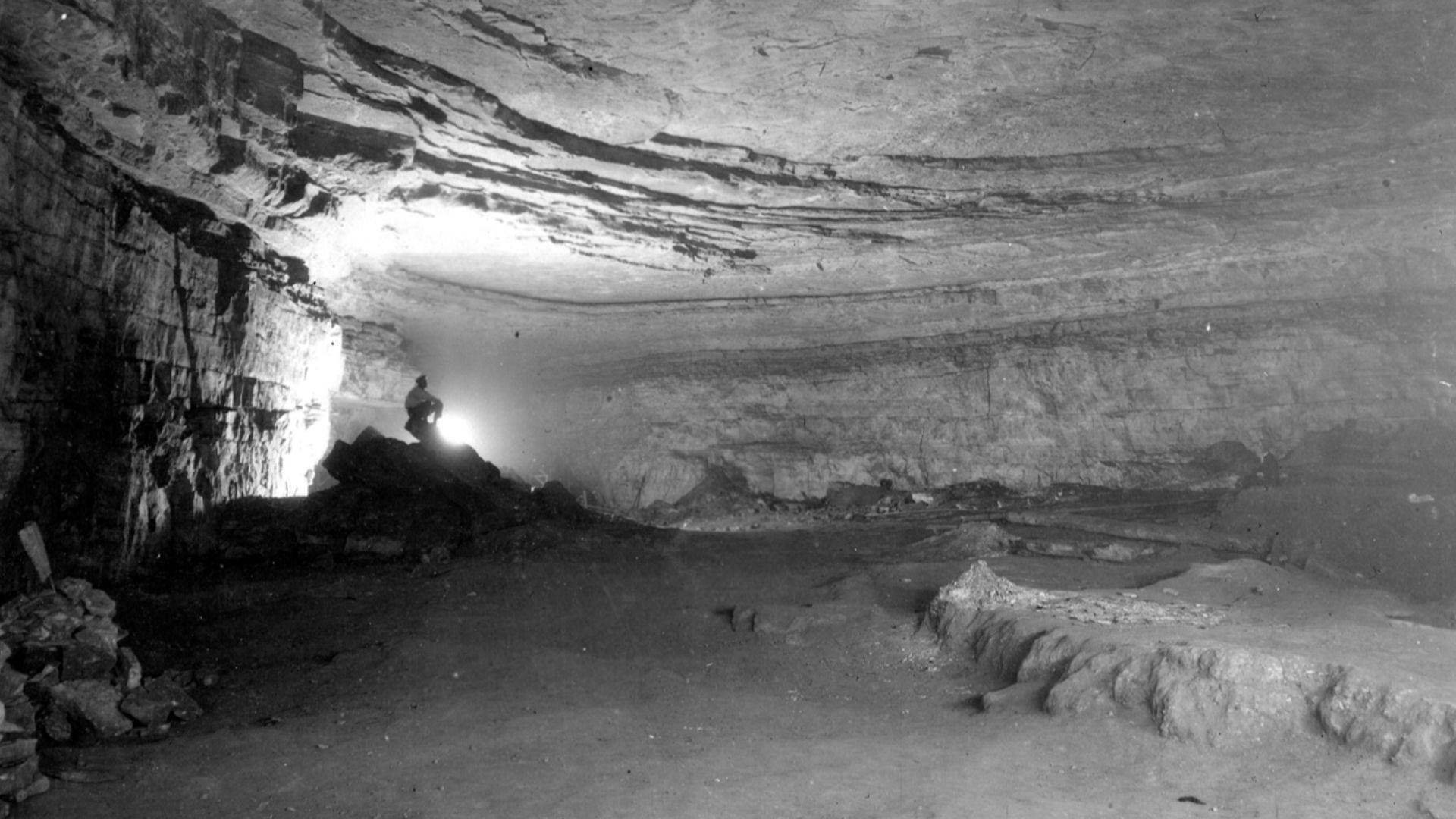
Long before Mammoth Cave became a tourist attraction, Indigenous miners ventured miles into its darkness searching for gypsum and other minerals. They carried reed torches, wore plant-fiber footwear and left tools, footprints and fragments of woven material behind. Exactly how the collected minerals were used remains unclear.
 Willis Thomas Lee, Wikimedia Commons
Louisiana: Poverty Point
More than 3,000 years ago, hunter-gatherers constructed vast ridges and mounds at Poverty Point using enormous quantities of earth. Materials found there arrived from hundreds of miles away. The site overturned assumptions that monumental construction required farming, but its precise political and ceremonial organization remains a mystery.
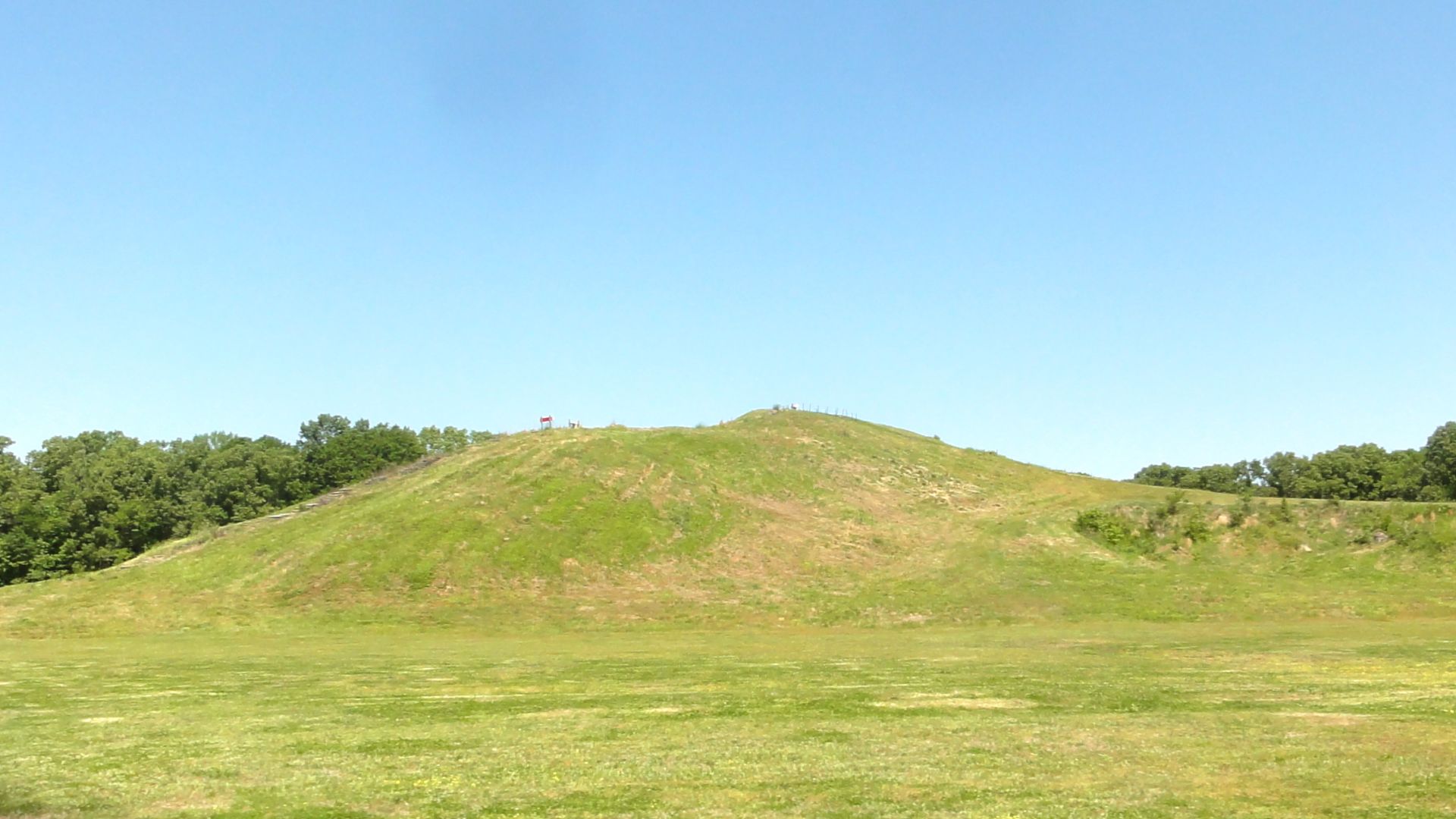 Bart Everson, Wikimedia Commons
Maine: The Moorehead Burial Tradition
Thousands of years ago, coastal communities in Maine buried people with red ochre, tools and objects connected to life on the sea. Earlier writers called them the “Red Paint People,” but archaeologists now recognize a burial tradition rather than a separate vanished race. Many of its ceremonies remain unknown.
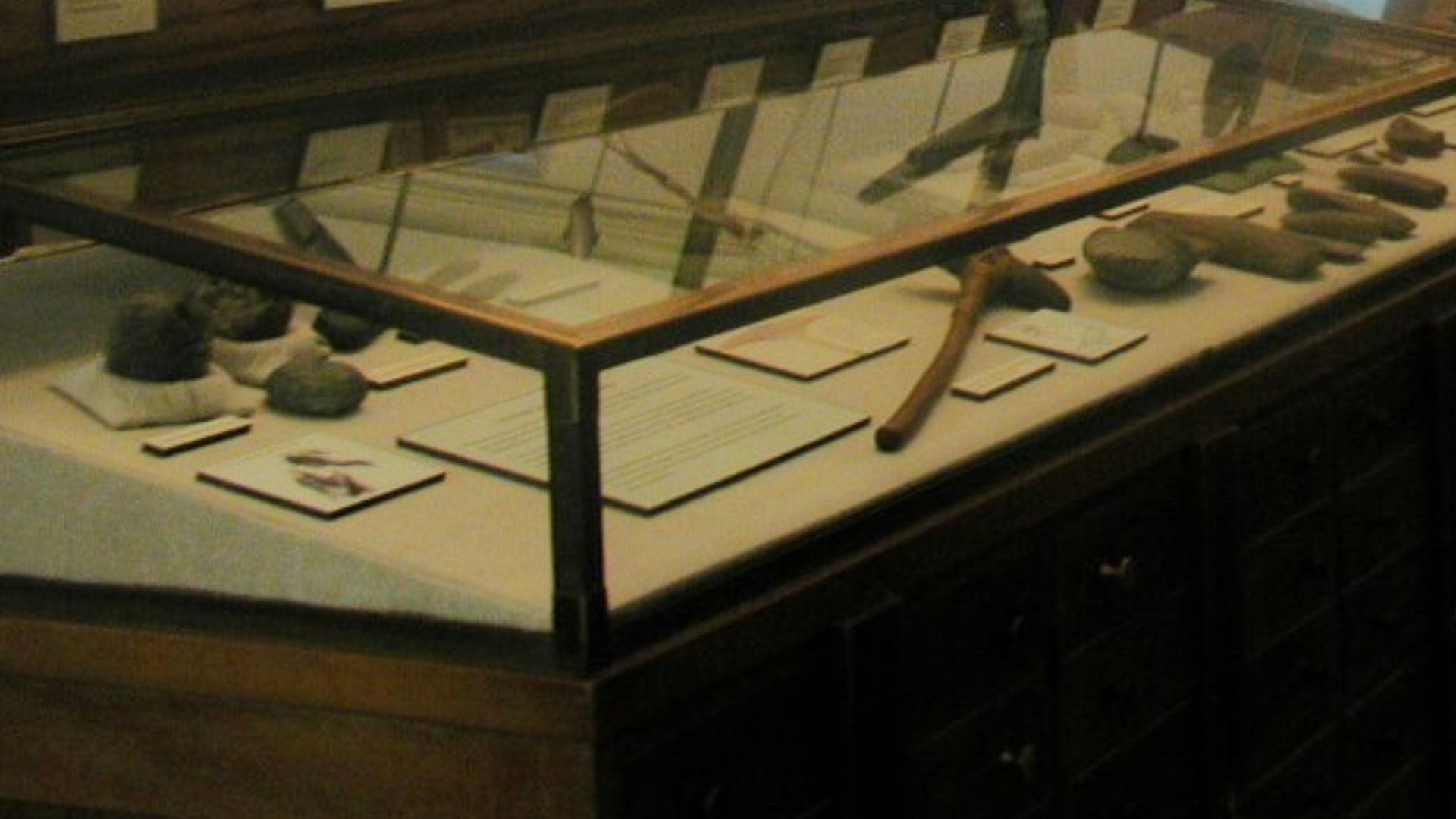 . The original uploader was Davinamahendrata at English Wikipedia., Wikimedia Commons
Maryland: St. Mary’s Fort
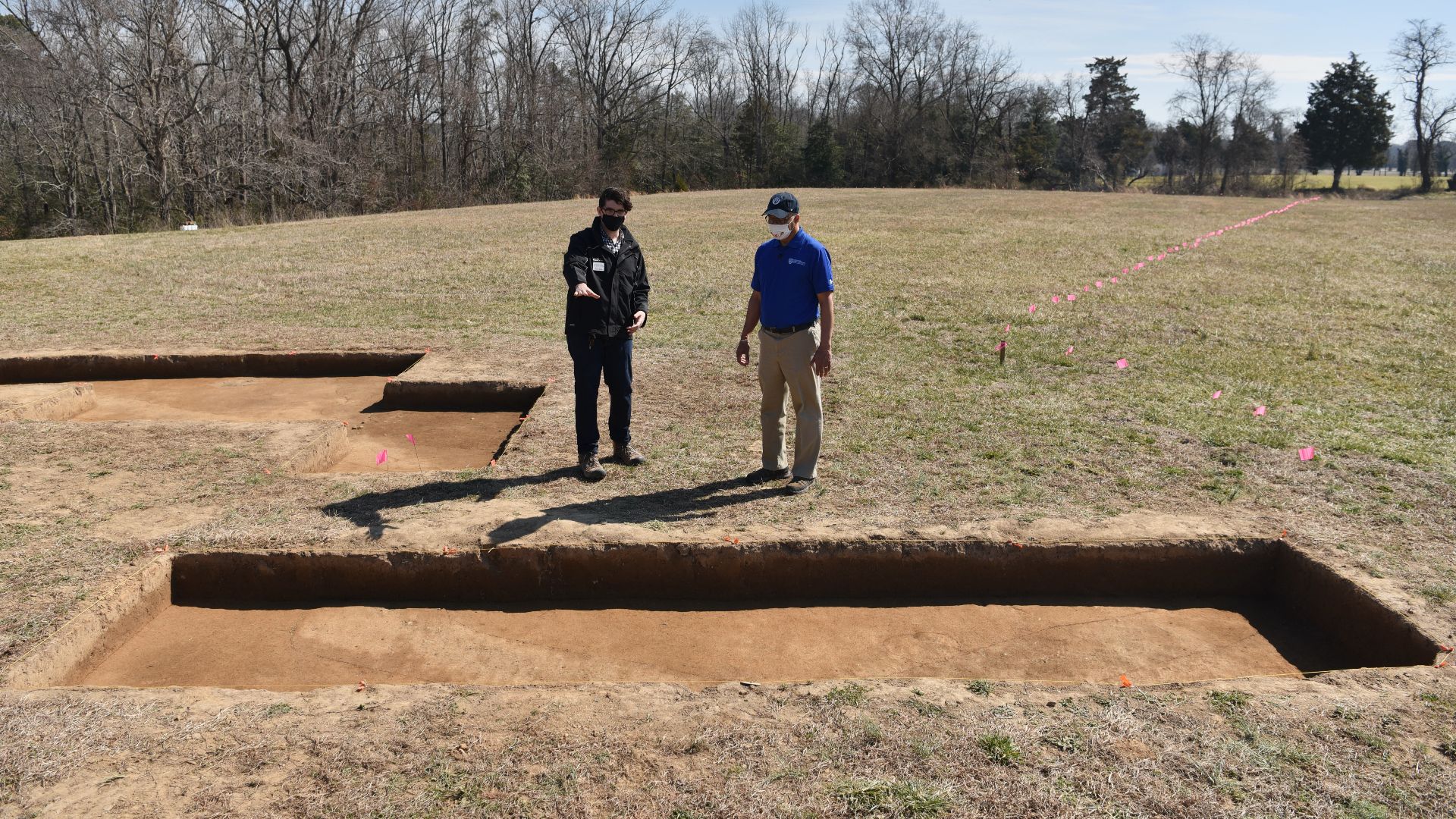
Archaeologists used geophysical surveys and excavation to identify the remains of the fort built by Maryland’s first English colonists in 1634. The settlement was placed on the site of a Yeocomico village that was being abandoned, revealing how colonial occupation overlaid a much older Indigenous landscape.
Massachusetts: Dighton Rock
This 40-ton boulder is covered with lines, shapes and figures that have inspired claims involving Norse explorers, Portuguese sailors and even ancient Phoenicians. Most of those theories are unsupported. At least some markings are probably Indigenous, although erosion, repeated tracing and possible later additions make interpretation extremely difficult.
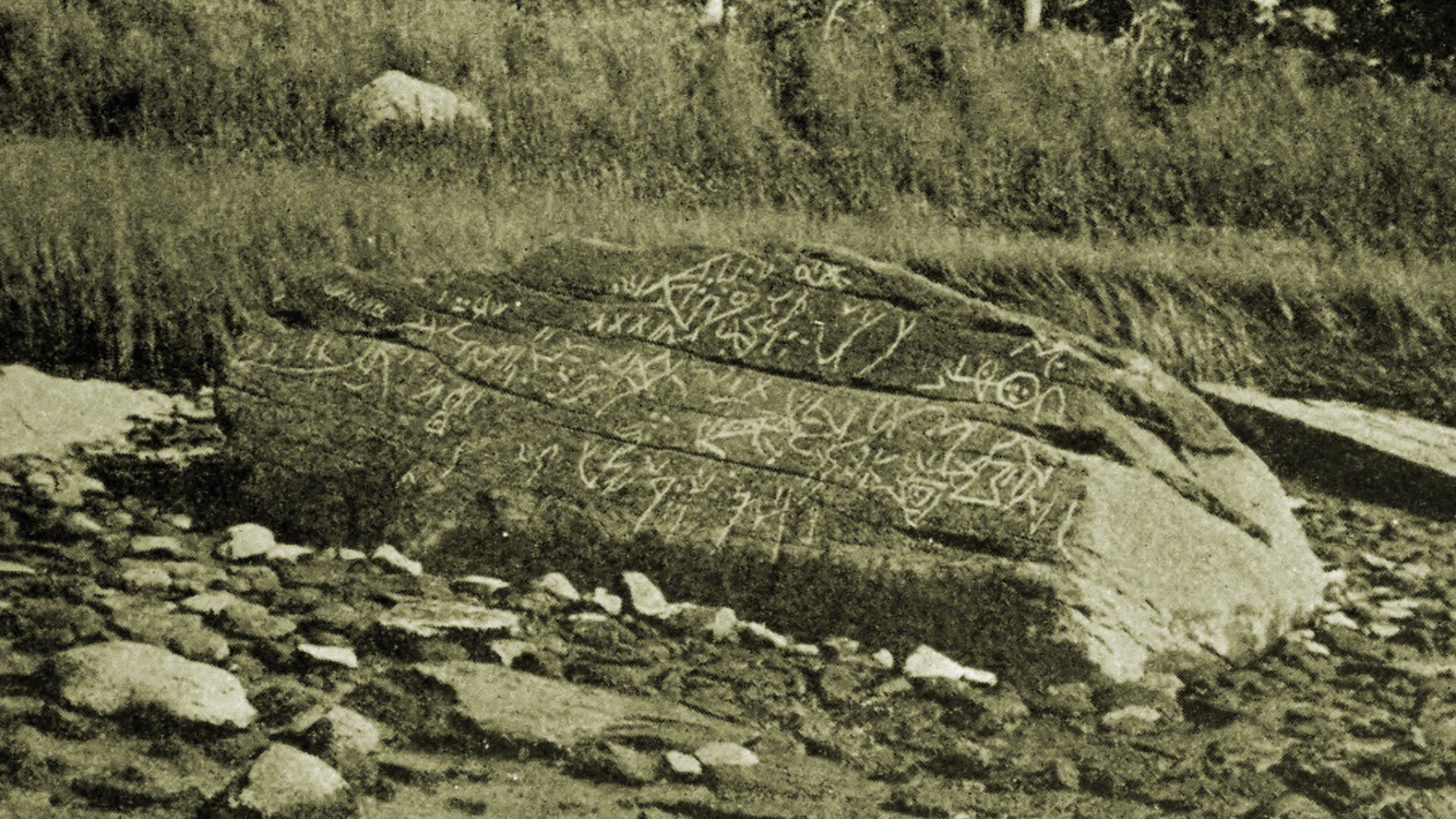 Frank S. Davis, Wikimedia Commons
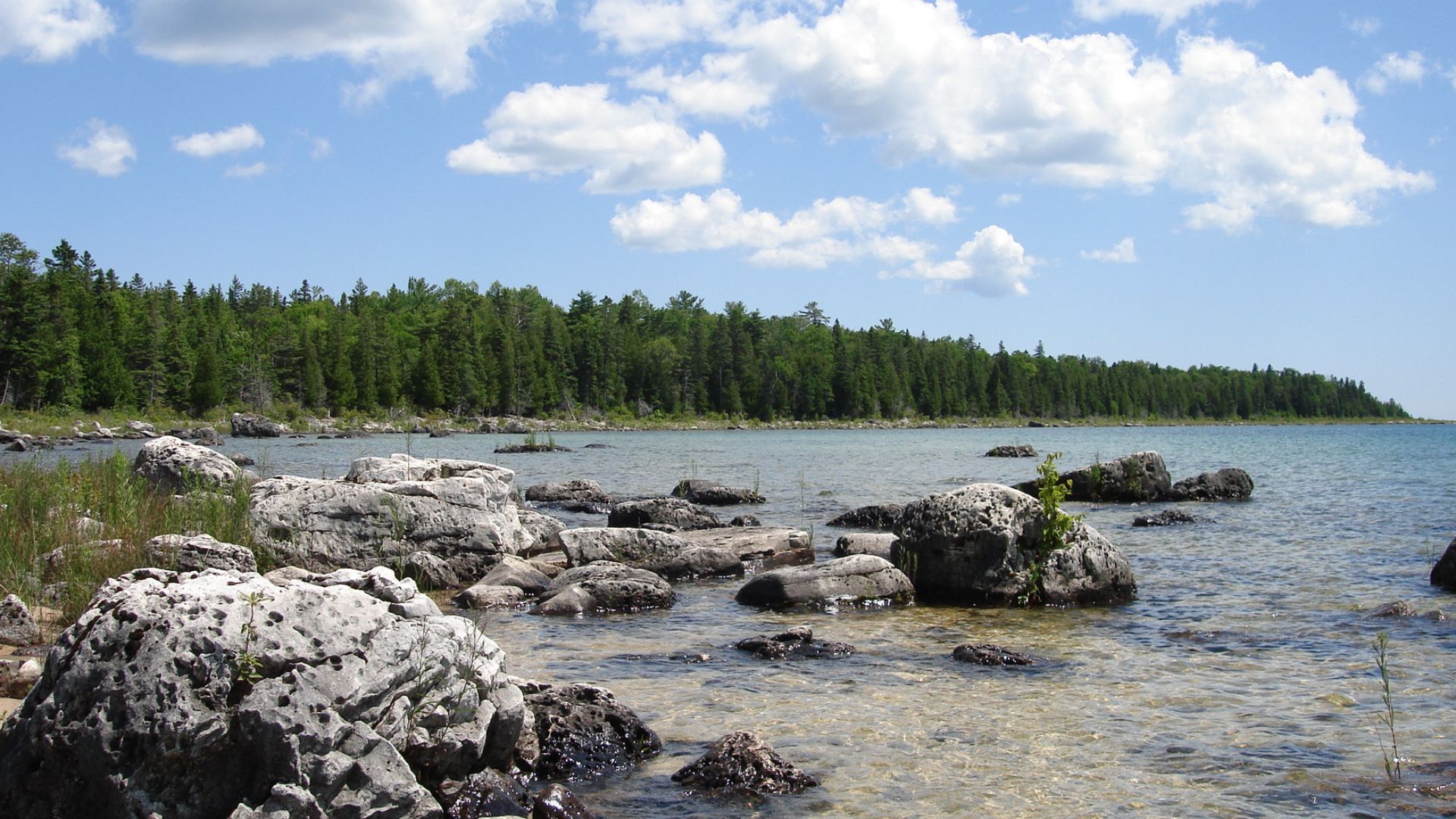
Michigan: The Lake Huron Hunting Structures
Beneath Lake Huron, archaeologists found stone lanes, blinds and other structures created approximately 9,000 years ago, when lower water levels exposed a ridge connecting Michigan and Ontario. The carefully arranged stones reveal an organized caribou-hunting system preserved underwater long after the surrounding landscape disappeared.
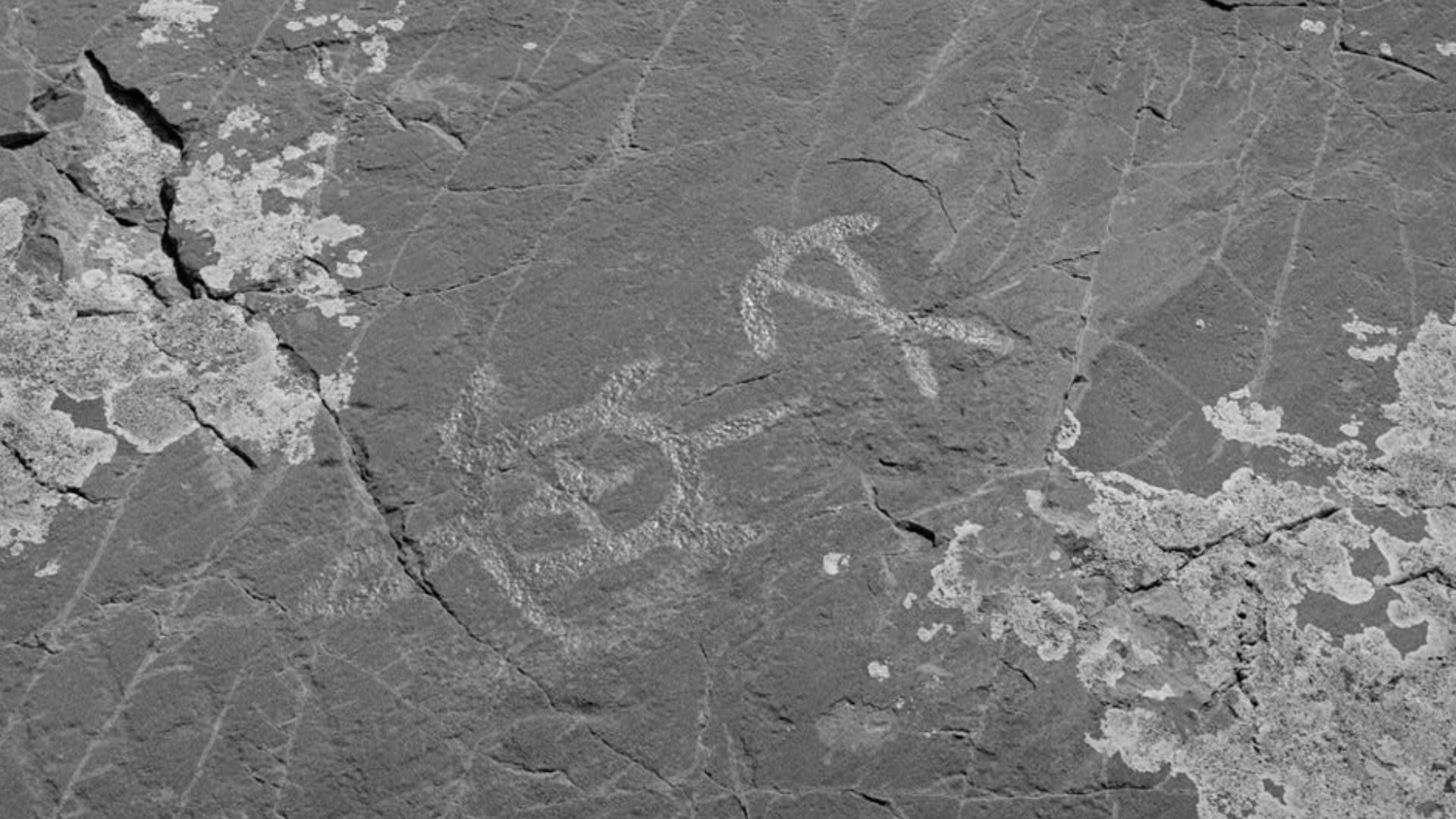
Minnesota: The Jeffers Petroglyphs
Approximately 5,000 carvings cover the exposed rock at Jeffers Petroglyphs, with images created across more than 7,000 years. Bison, turtles, weapons and human figures appear throughout the site. Native traditions help illuminate their significance, although the meanings of individual carvings and their relationships remain partly mysterious.
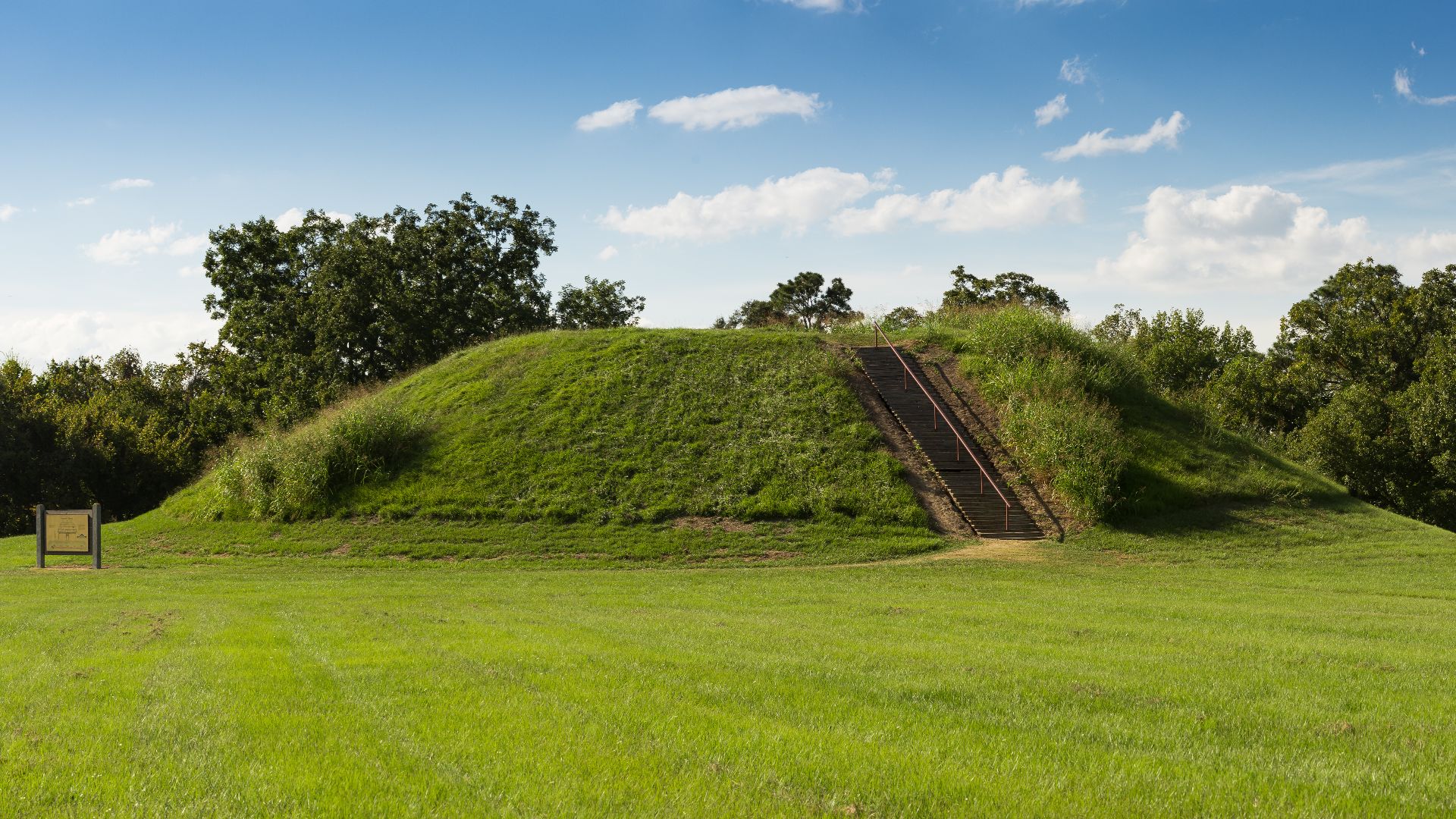
Mississippi: Emerald Mound
Covering approximately eight acres, Emerald Mound is one of the largest pre-Columbian earthworks in North America. Its enormous platform once supported smaller mounds and important buildings connected to the ancestors of the Natchez people. What occurred during the ceremonies held above the surrounding landscape remains largely unknown.
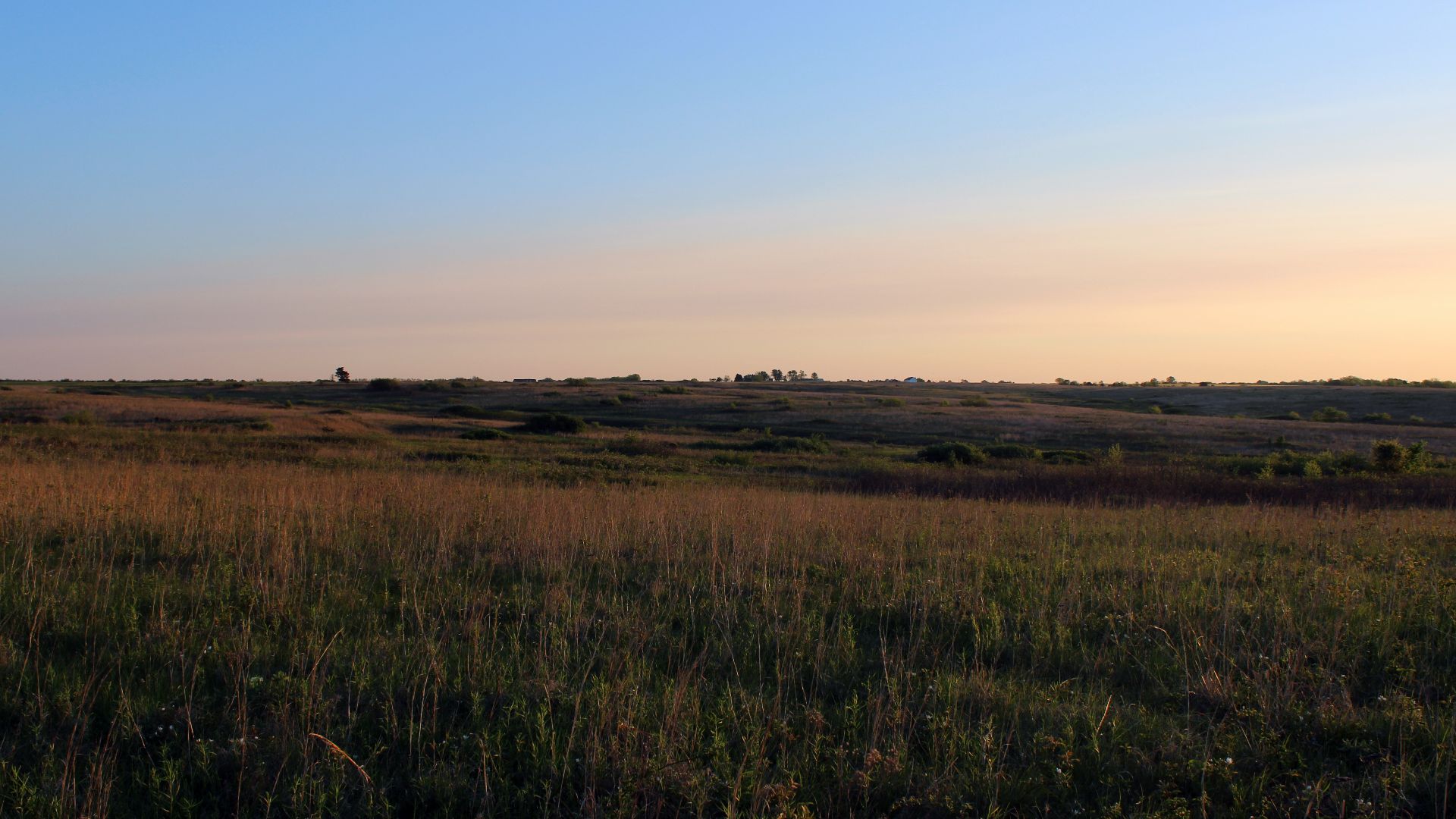
Missouri: The Jaguar Gorget
A carved shell ornament discovered in Missouri appears to depict a jaguar—an animal not known to have lived anywhere near the region during that period. Archaeologists continue to debate whether its maker had seen one, heard detailed stories about them or borrowed the image through distant cultural connections.
 USFWSmidwest, Wikimedia Commons
Montana: The Anzick Child
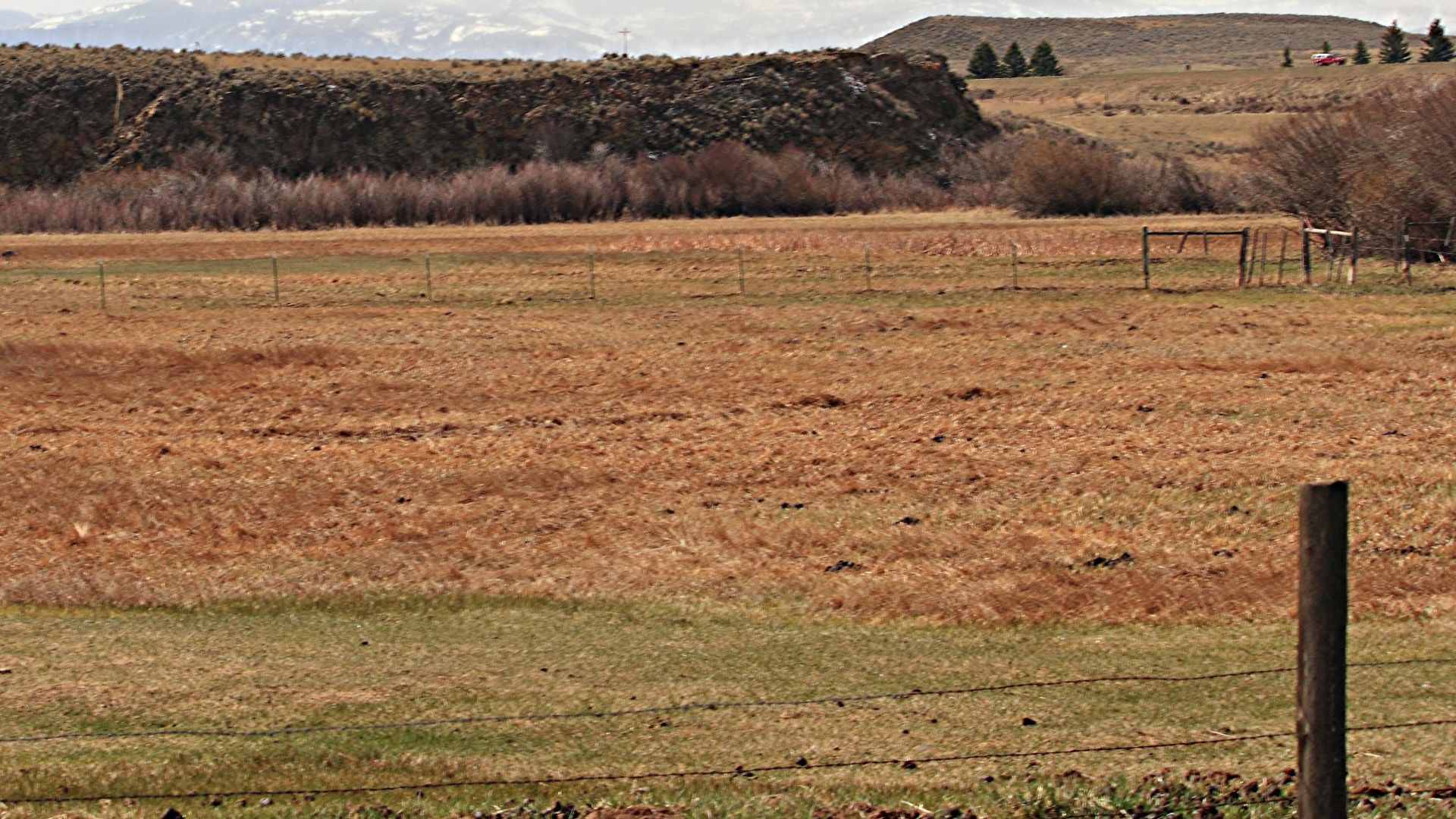
Approximately 12,600 years ago, a young child was buried with more than 100 stone and bone objects covered in red ochre. It remains the only known burial associated with Clovis culture. DNA connected the child closely with modern Native Americans, but the extraordinary collection of objects still raises questions.
 Ronald L. Shimek, Ph. D., Wikimedia Commons
Nebraska: The Massacre Canyon Battlefield
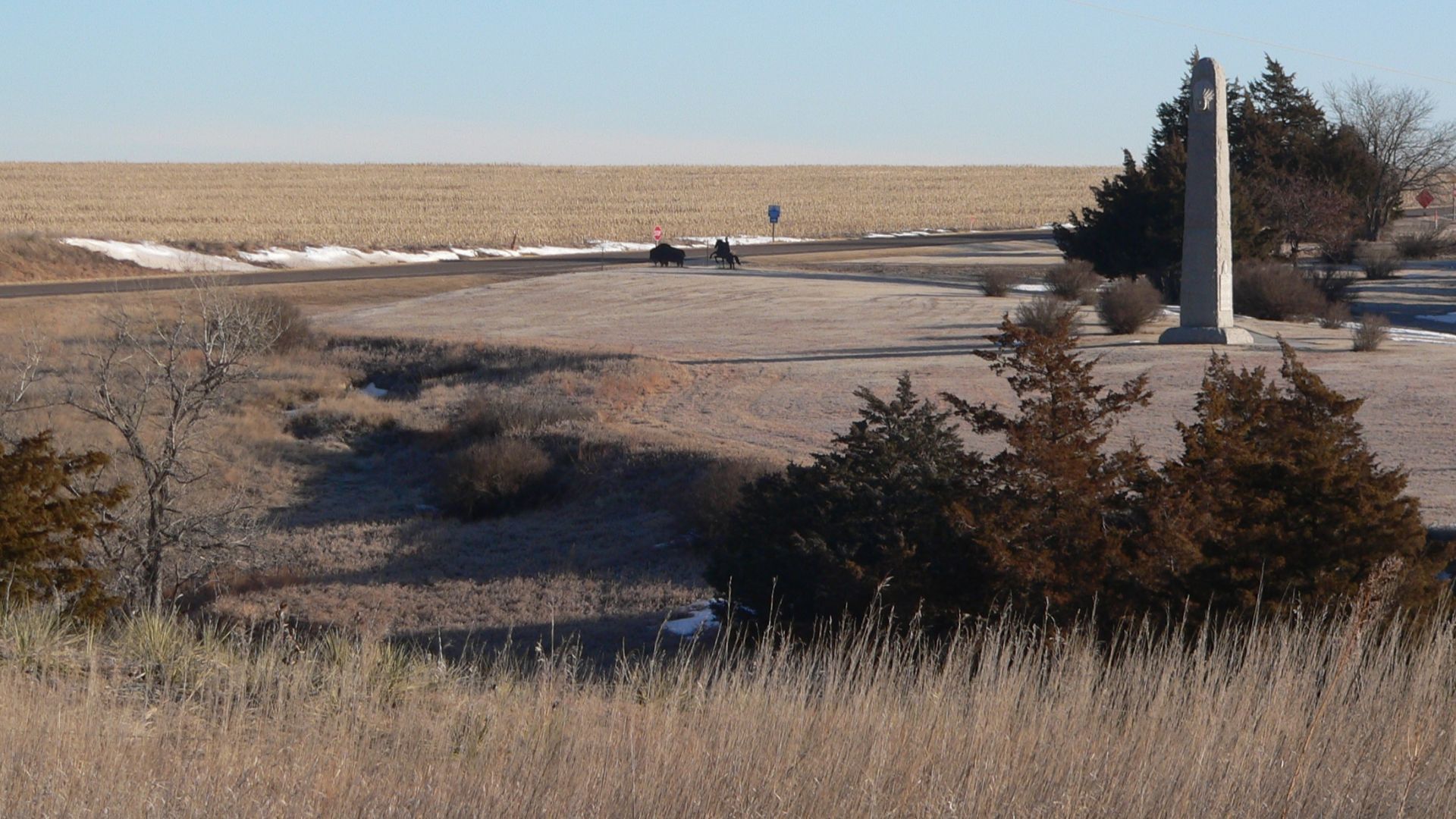
Archaeologists surveying the site of an 1873 conflict between Pawnee and Lakota people have recovered bullets, cartridge casings and other evidence across more than 1,500 acres. Combined with oral histories, the objects may reveal how events unfolded—but they also show how incomplete written accounts of the conflict were.
Nevada: The Lovelock Cave Duck Decoys
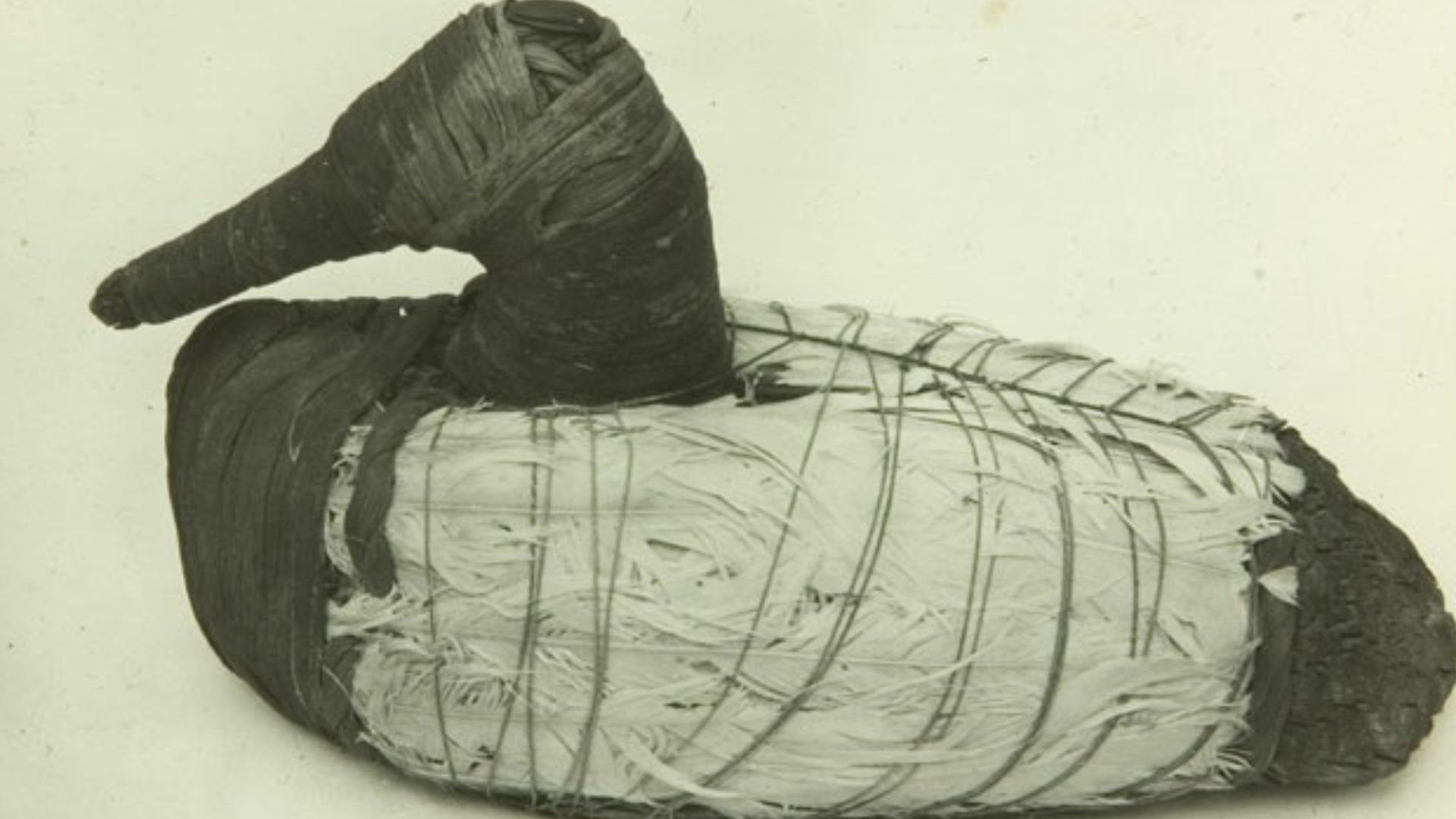
Hunters created remarkably lifelike duck decoys from bundled tule reeds approximately 2,000 years ago, then stored them inside Lovelock Cave. Their survival is extraordinary. The cave later became associated with sensational stories about red-haired giants, but nothing uncovered there provides archaeological support for that much newer legend.
 Harrington, Mark R, Wikimedia Commons
New Hampshire: America’s Stonehenge
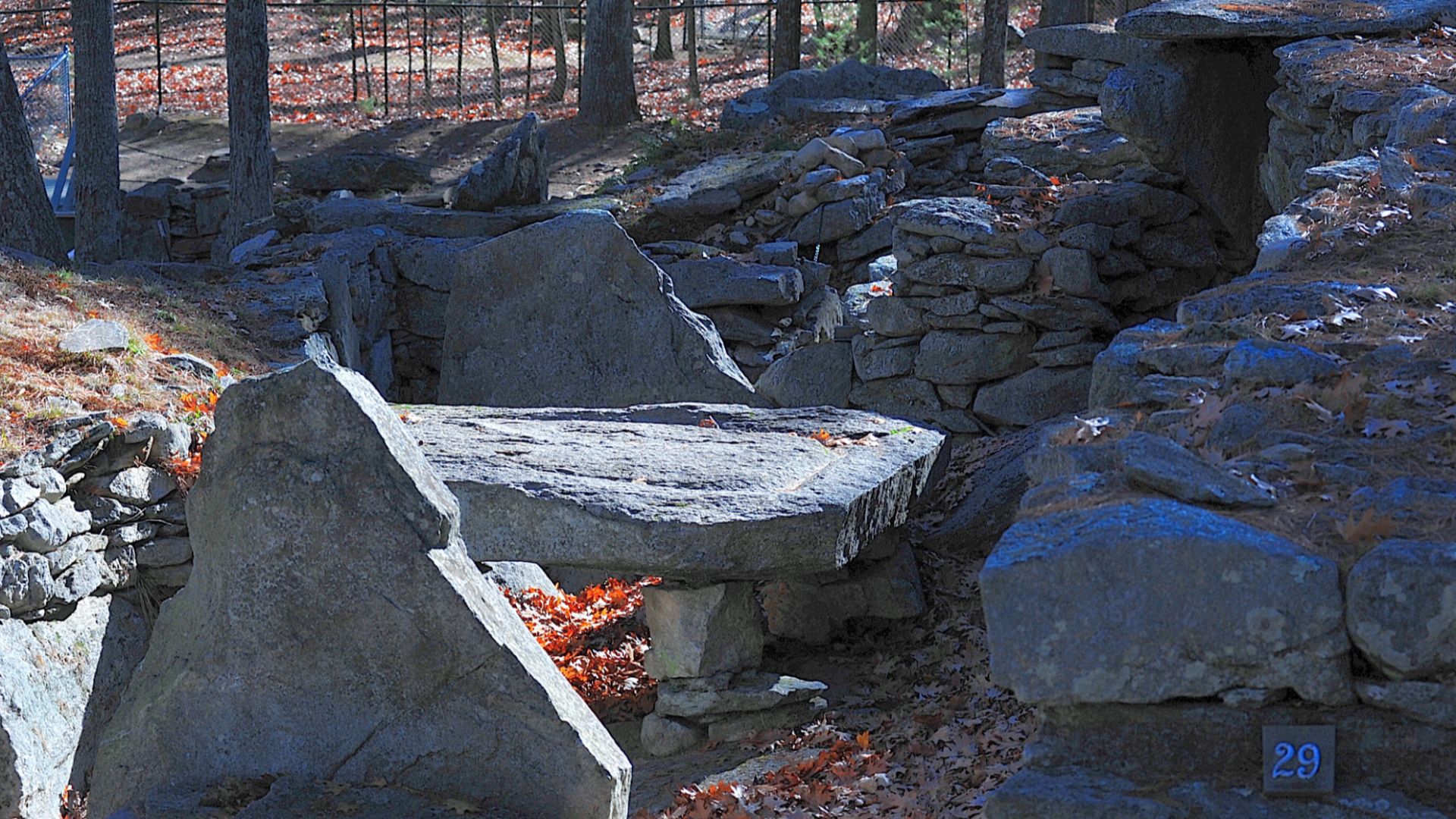
Stone chambers, walls and other features at this Salem site have inspired claims involving ancient Europeans and prehistoric astronomers. Archaeologists have found no convincing evidence for those ideas. Most visible structures are probably connected to historic farming and industry, with later alterations helping turn an old property into an enduring mystery.
 Richard Haddad, Wikimedia Commons
New Jersey: The Abbott Farm Discoveries
During the 1800s, Charles Conrad Abbott collected thousands of stone artifacts from gravel deposits near the Delaware River. His claims about their great age generated fierce disagreement. Later research confirmed the area’s enormous archaeological importance, even if Abbott’s methods and some of his earliest conclusions remain disputed.
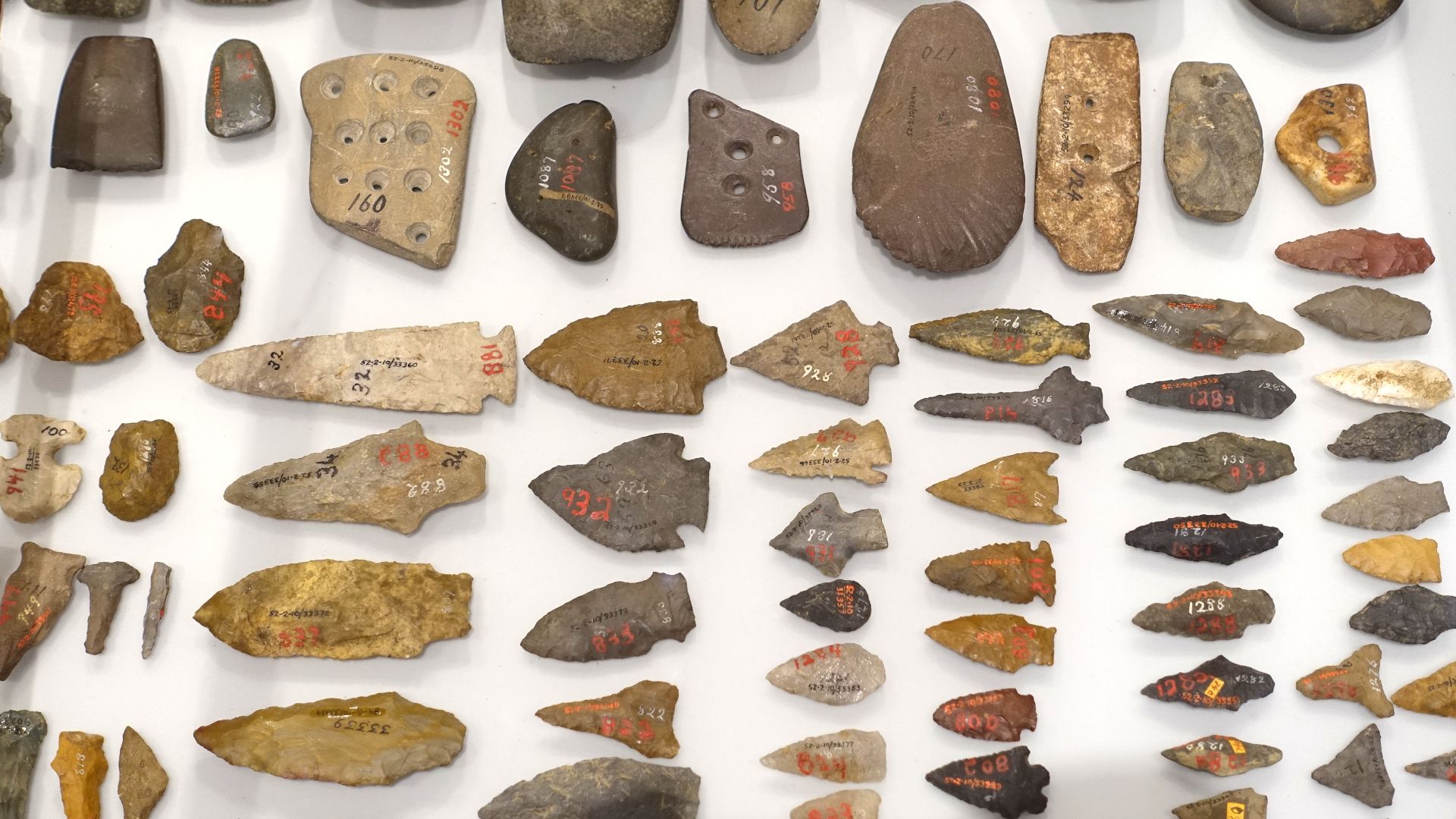
New Mexico: The Chaco Roads
Wide, remarkably straight roads radiate outward from Chaco Canyon, sometimes continuing over difficult terrain and descending cliffs by way of carved stairways. Some connected settlements and transported goods, but others appear impractical for ordinary travel. Their ceremonial, political and symbolic functions are still being untangled.
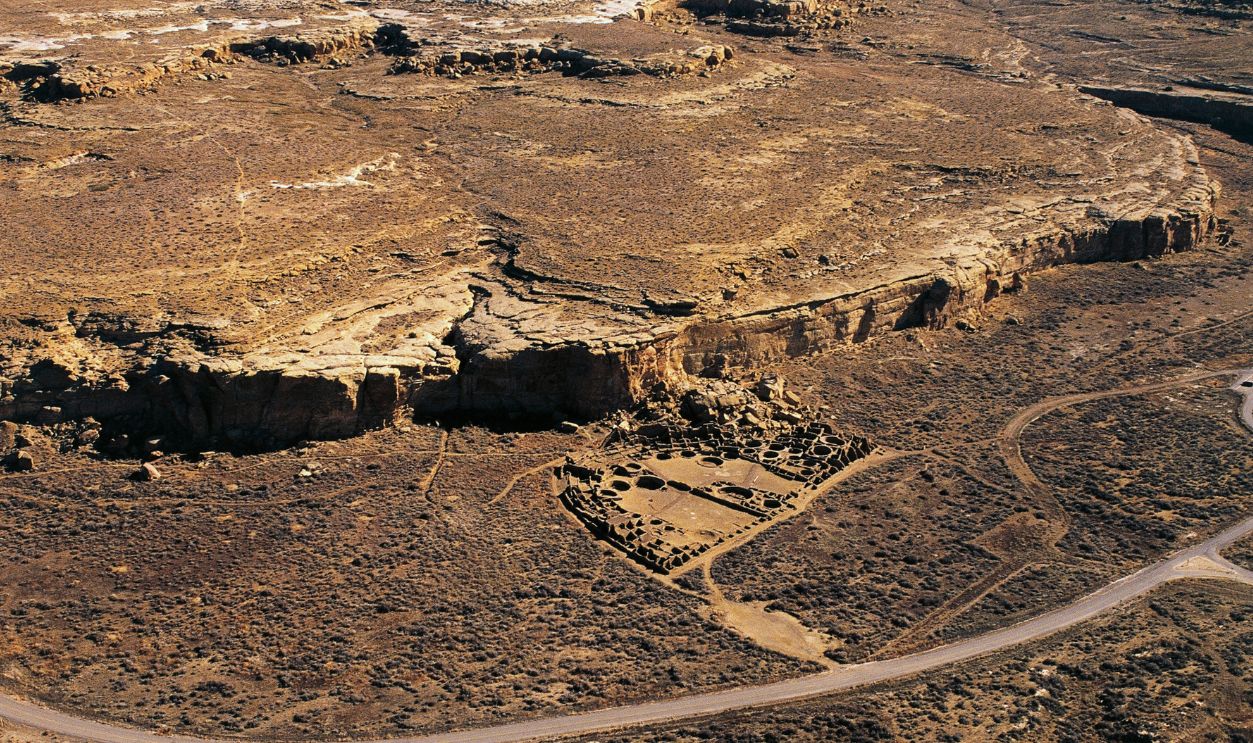 DEA / G. CAPPELLI, Getty Images
New York: The African Burial Ground
Construction in Lower Manhattan uncovered a forgotten cemetery in 1991. Archaeologists eventually recovered the remains of 419 people, while the entire burial ground may have held more than 15,000 free and enslaved Africans. The discovery exposed a history New York had quite literally built over.
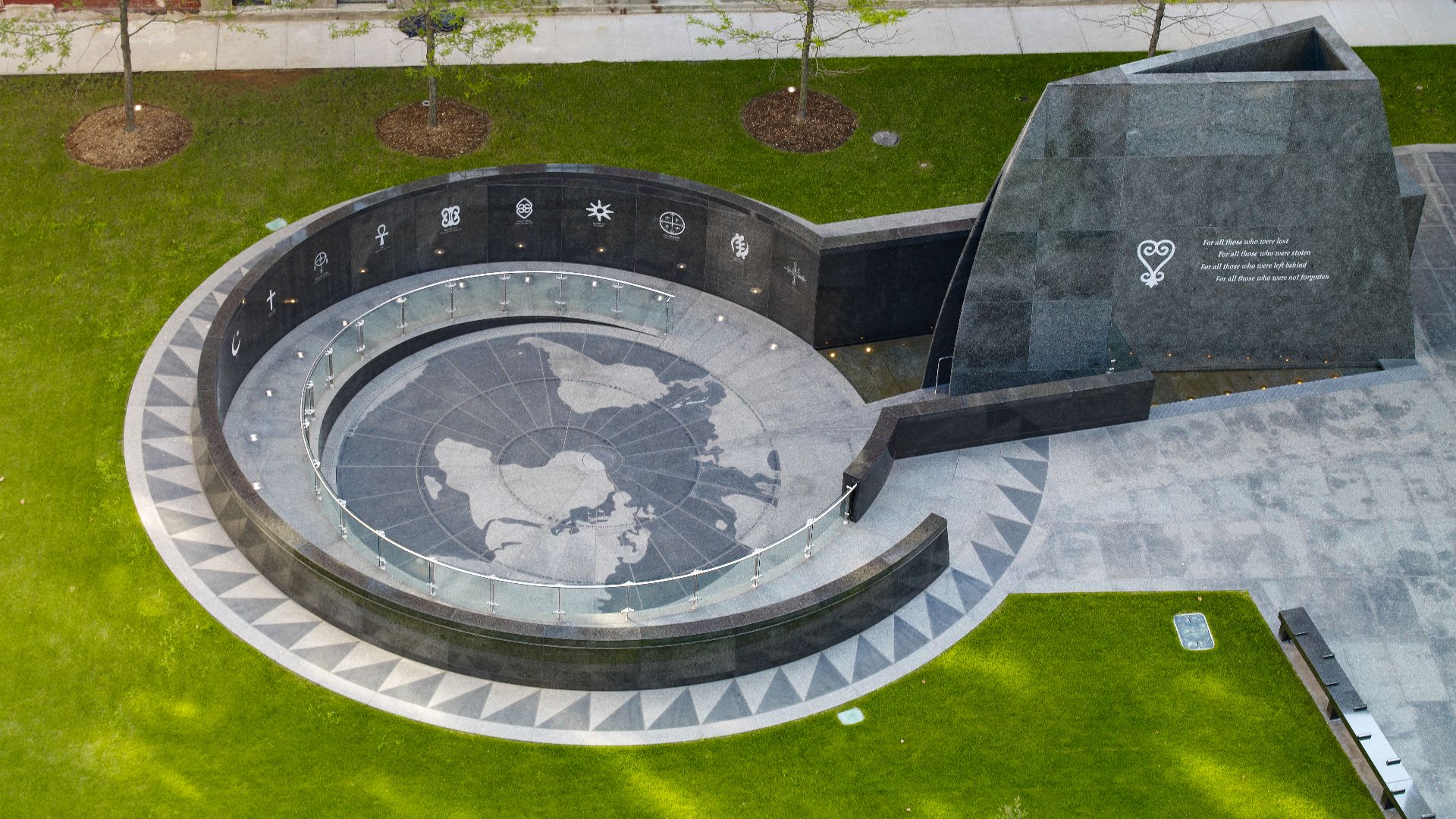 Carol M. Highsmith, Wikimedia Commons
North Carolina: The Lost Colony Evidence
English artifacts discovered on Hatteras Island and at a mainland location known as Site X may offer clues about Roanoke’s missing colonists. But the objects could also reflect trade, salvage or later activity. Archaeology has not proved where every colonist went—or whether they all shared the same fate.
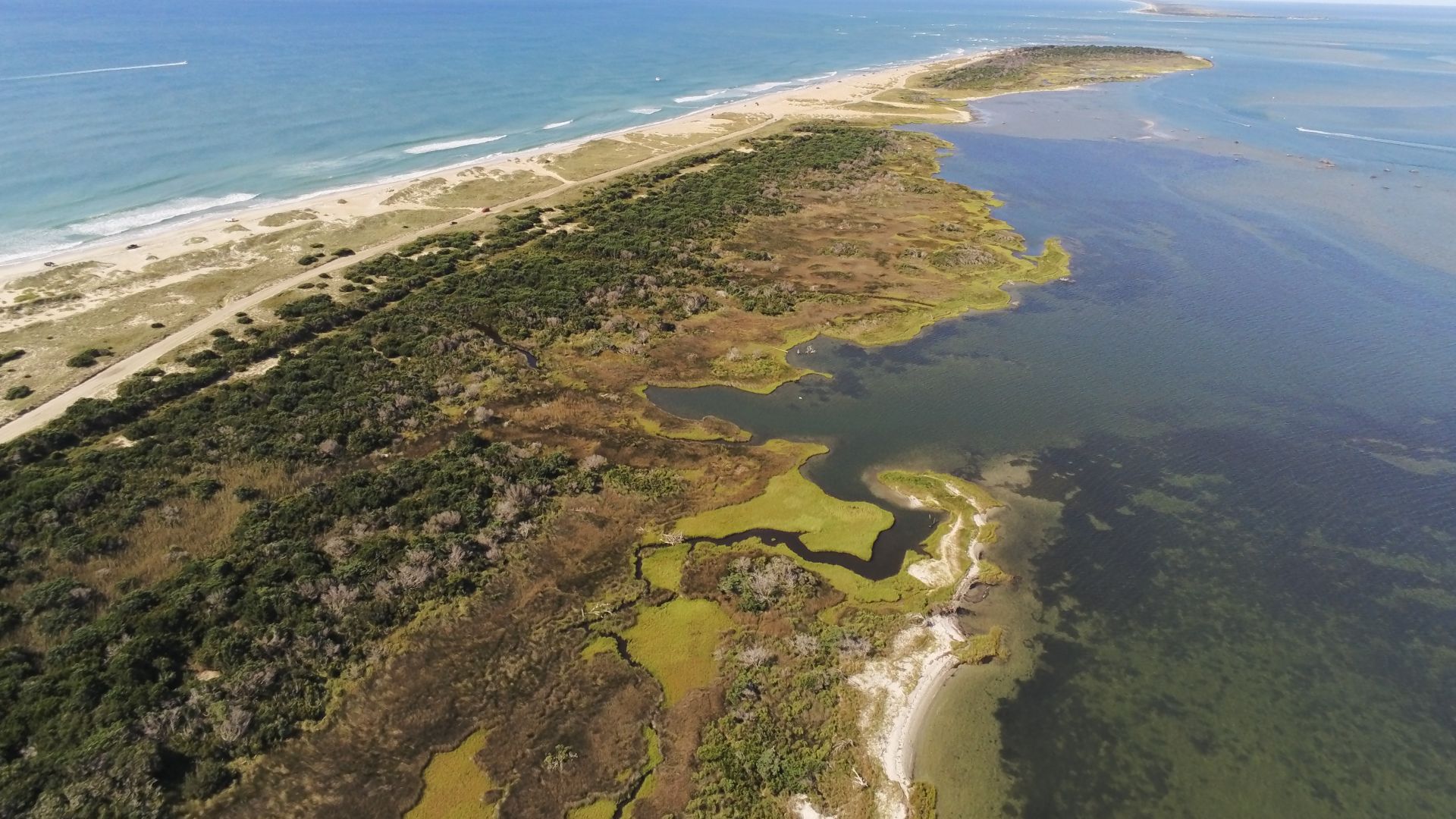 Cape Hatteras National Seashore, Wikimedia Commons
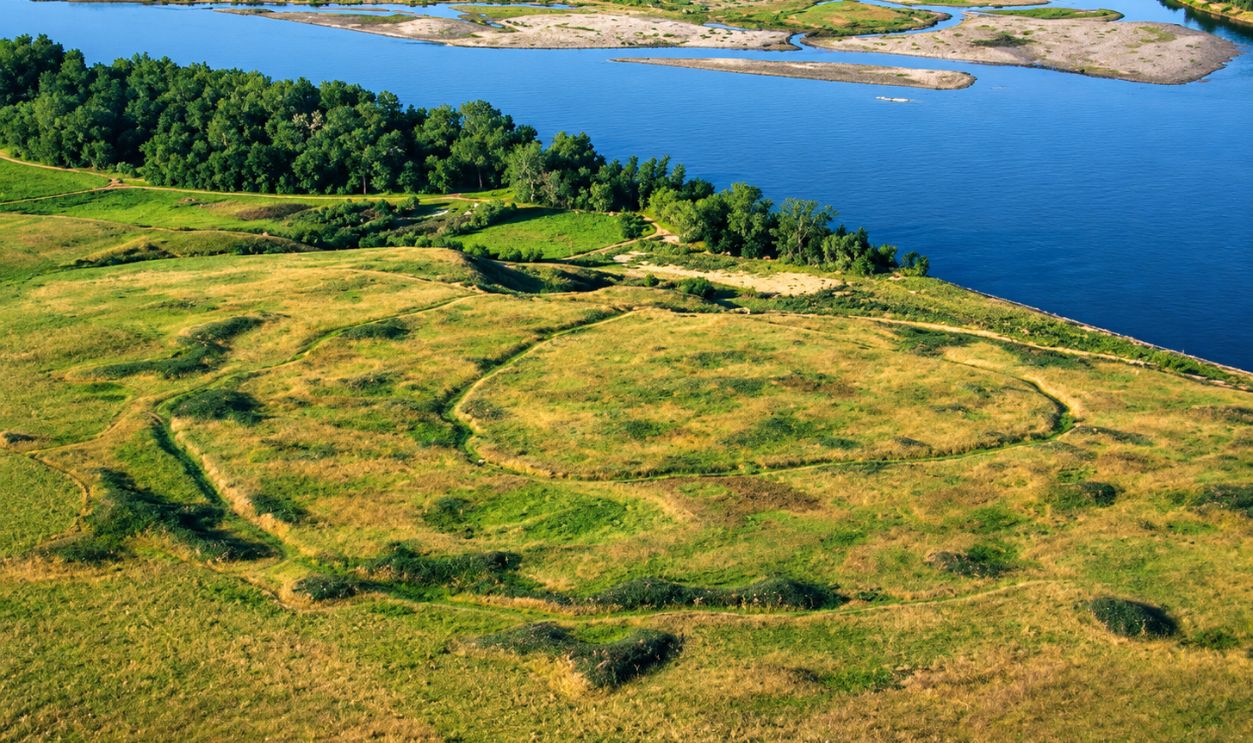
North Dakota: Double Ditch Village
Four defensive ditches once surrounded this large Mandan earth-lodge village overlooking the Missouri River. Archaeology shows that its boundaries contracted over time before the community was abandoned following a devastating smallpox epidemic in 1781–82. Exactly how warfare, disease and environmental change reshaped the settlement remains under investigation.
 State Historical Society of North Dakota, enhanced
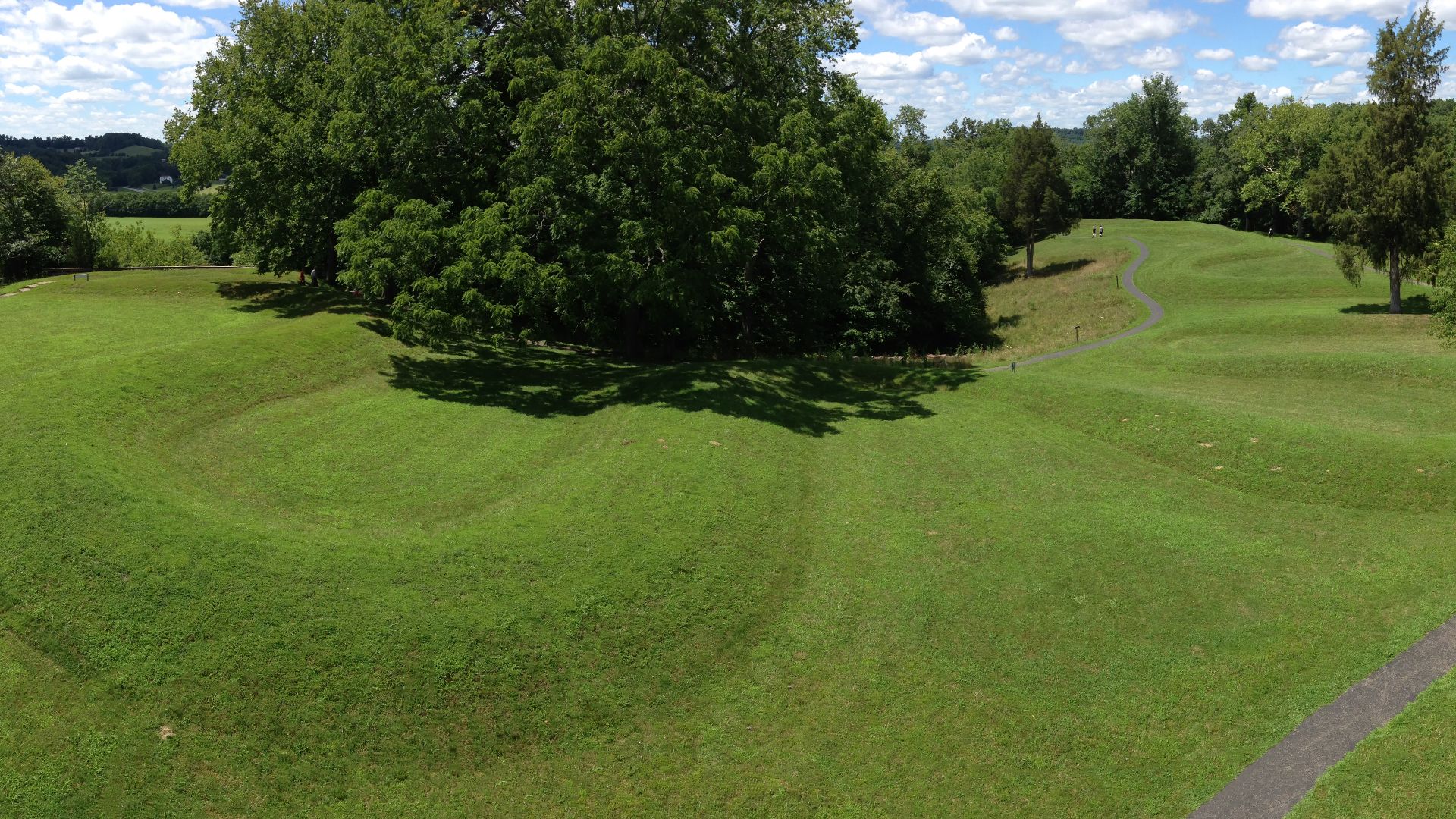
Ohio: Serpent Mound
A snake-shaped earthwork stretches more than 1,300 feet across a ridge in southern Ohio. Archaeologists still disagree about whether it was created around 300 BC or approximately AD 1100. Its oval feature may represent an egg, an eye or an open mouth, and proposed astronomical alignments remain debated.
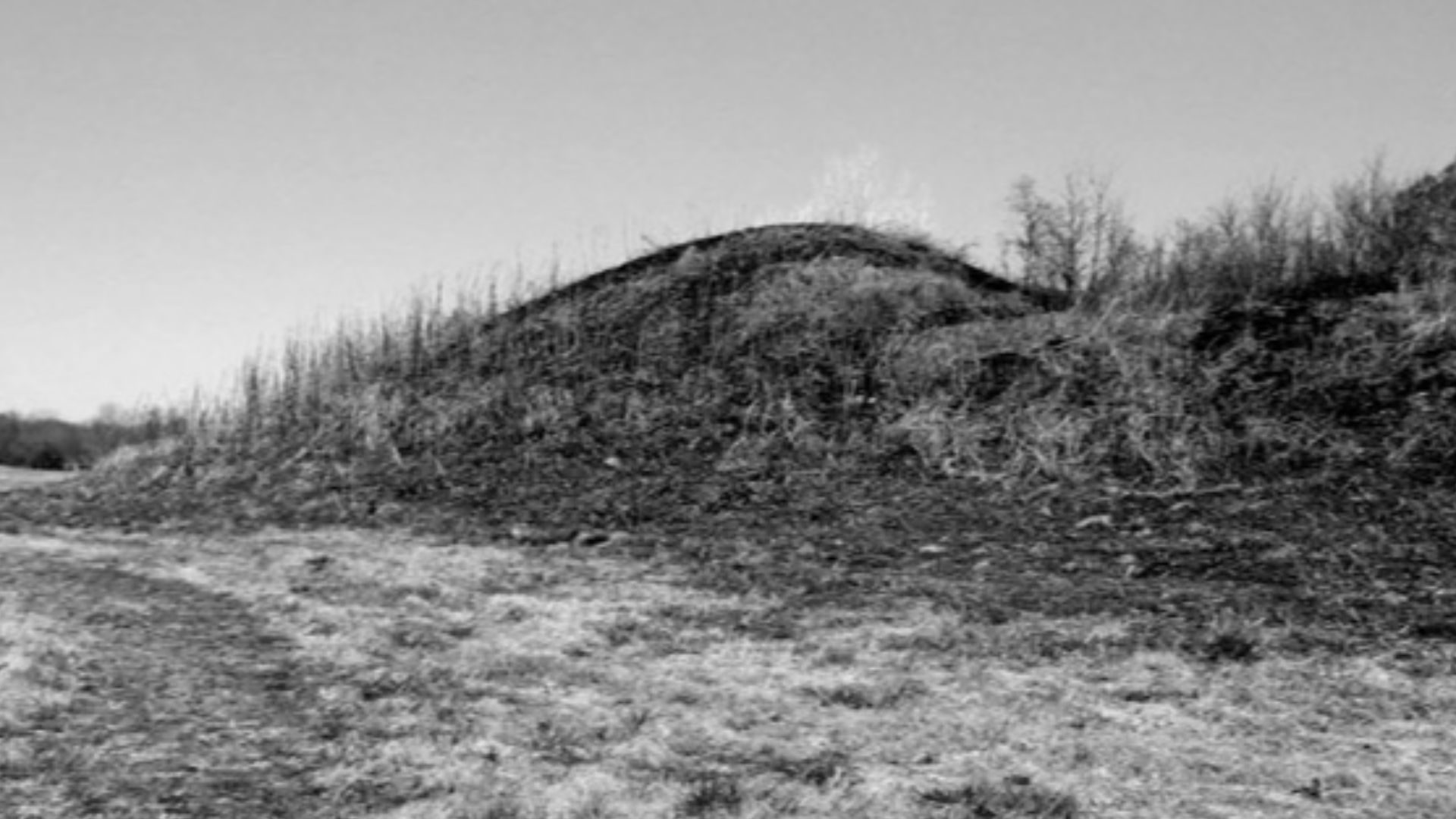
Oklahoma: The Spiro Mounds
During the 1930s, commercial diggers tore into Spiro’s largest mound and removed extraordinary objects from across North America. Archaeologists later recognized the site as a major Mississippian ceremonial center. But careless excavation destroyed much of the context that could have explained the objects, burials and ceremonies.
 Herb Roe Original uploader was Heironymous Rowe at en.wikipedia, Wikimedia Commons
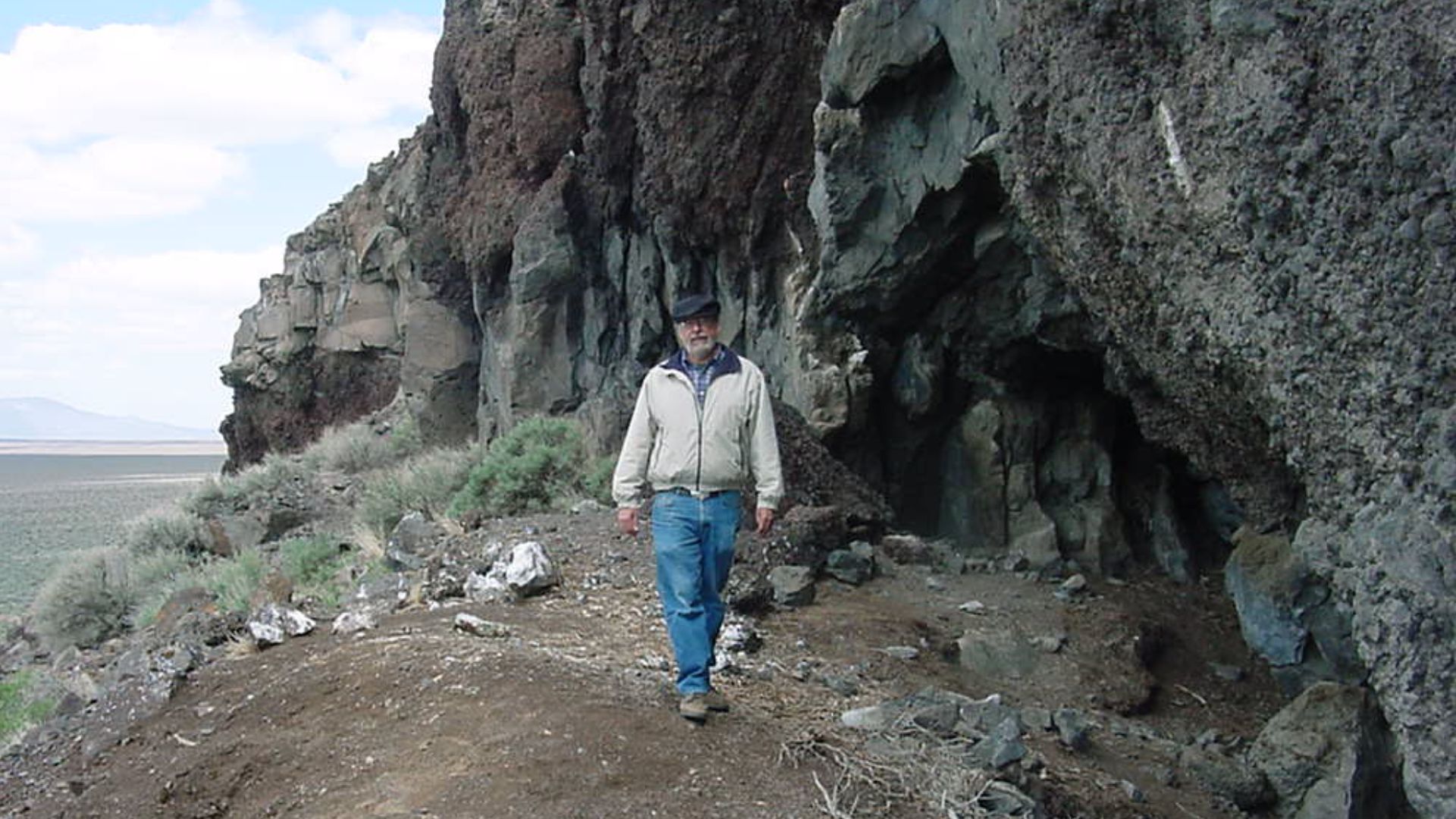
Oregon: The Paisley Caves
Human coprolites and distinctive stone points discovered in Oregon’s Paisley Caves date to before the widespread Clovis culture. Some evidence may be approximately 14,700 years old. The finds helped prove that different toolmaking traditions existed remarkably early, complicating the old story of one founding American culture.
Pennsylvania: Meadowcroft Rockshelter
People repeatedly camped beneath this rock overhang for thousands of years, leaving tools, pottery, fire pits and other traces behind. Some dates suggest human occupation approximately 19,000 years ago. Although its earliest chronology has long been debated, Meadowcroft remains one of North America’s most important proposed pre-Clovis sites.
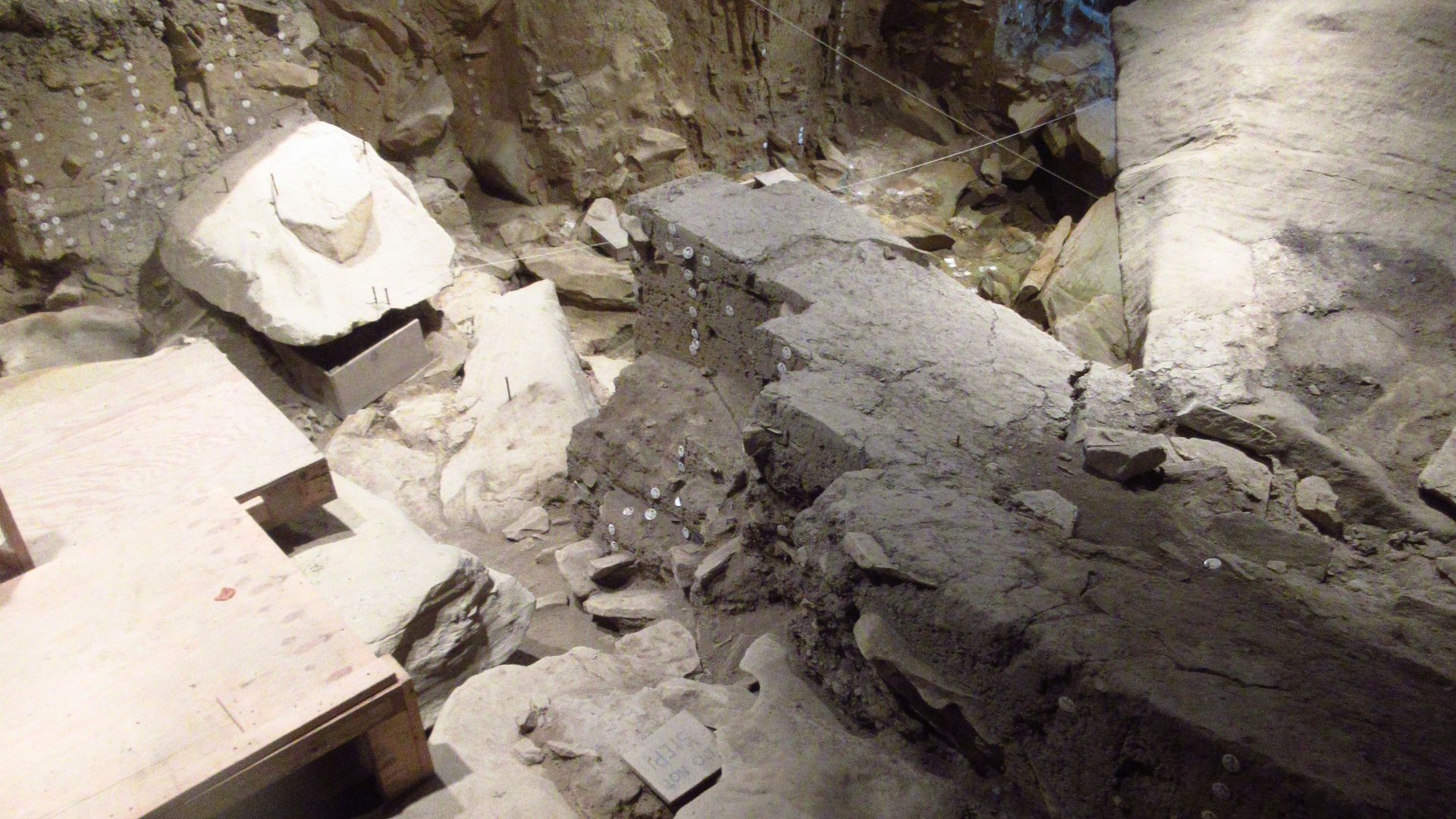
Rhode Island: The Newport Tower
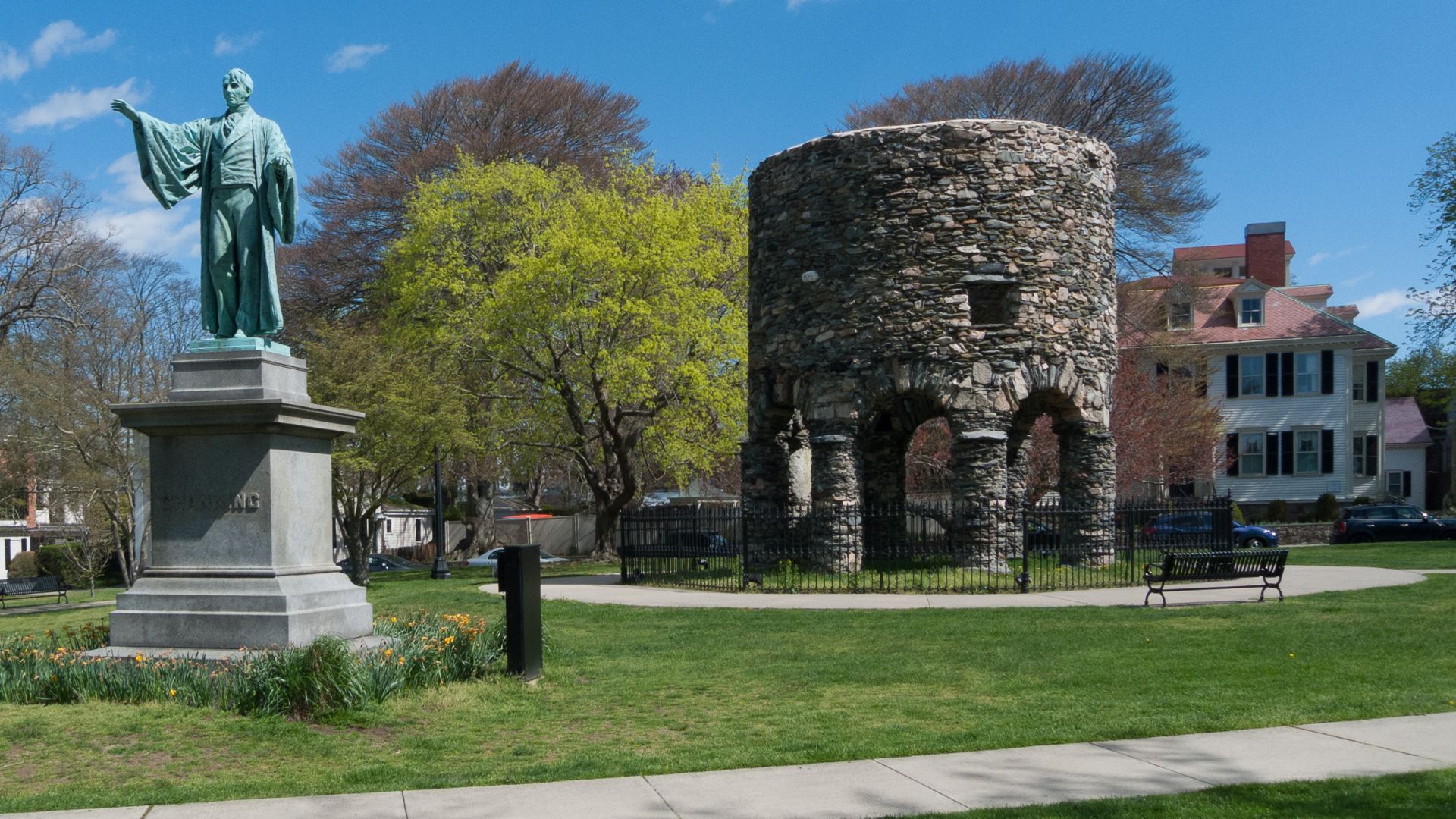
This round stone structure has been attributed to Vikings, medieval Europeans and early explorers. The evidence instead points to a colonial windmill associated with property owned by Governor Benedict Arnold—not the traitor, but his great-grandfather. The absence of a definitive construction record has allowed more dramatic theories to survive.
 Kenneth C. Zirkel, Wikimedia Commons
South Carolina: The Topper Site
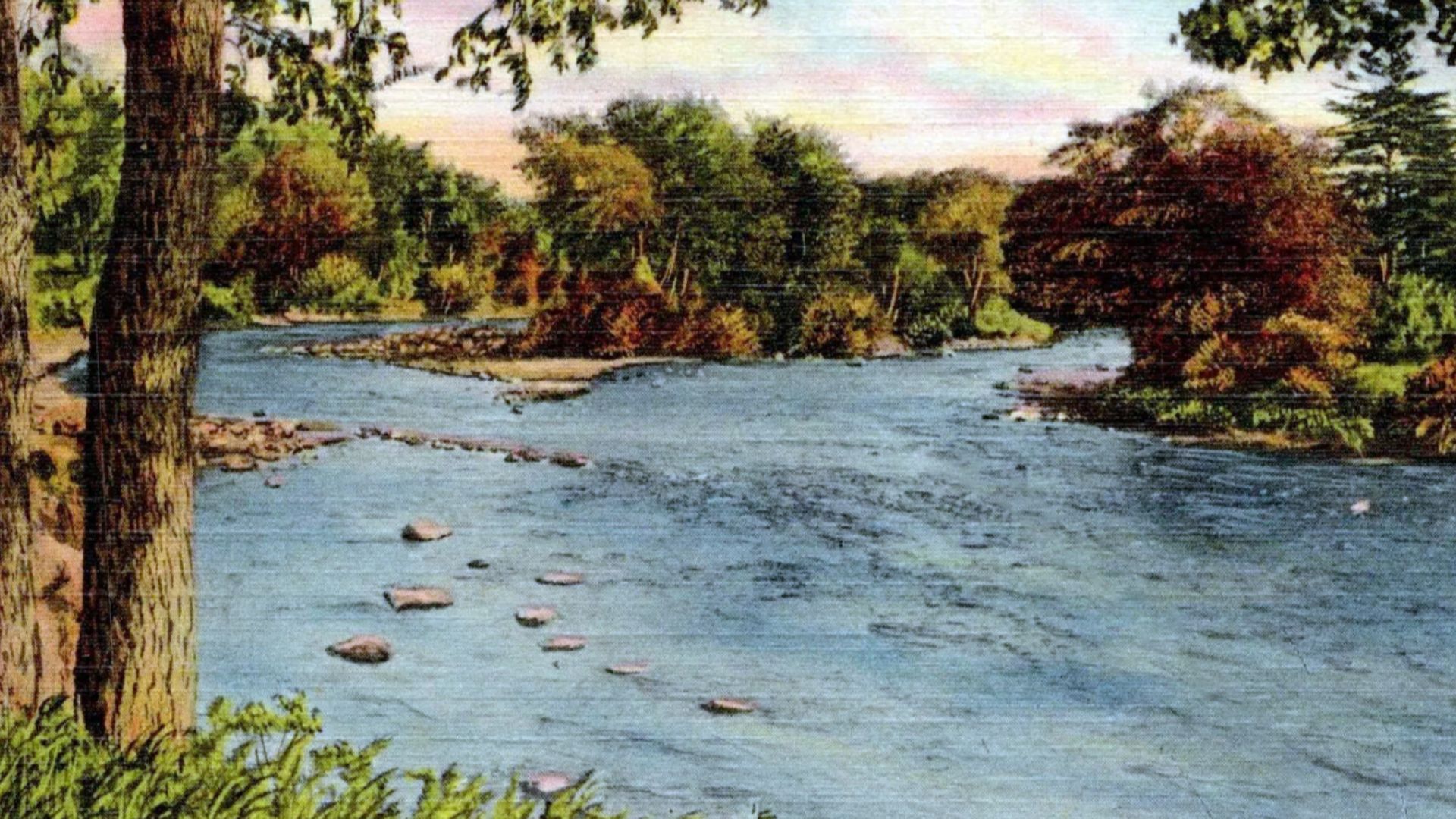
Below Topper’s accepted Clovis deposits, excavators found fractured stones they believe may be more than 15,000—and possibly as much as 50,000—years old. That extreme date is not accepted as established fact. Researchers still debate whether the deepest pieces are human-made tools or naturally fractured stone.
 Tichnor Brothers, Boston, Wikimedia Commons
South Dakota: The Mitchell Village
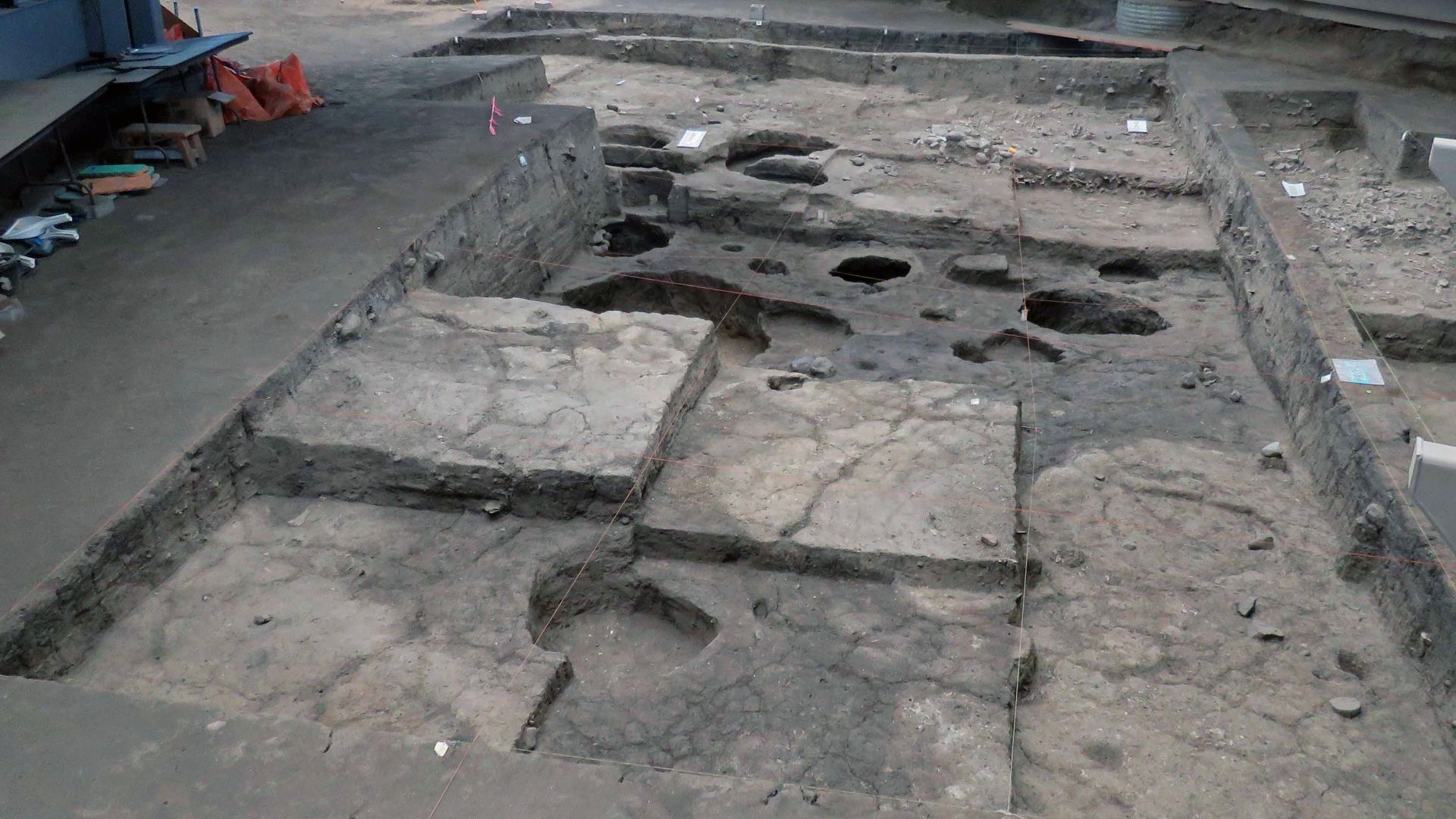
Between approximately AD 1000 and 1150, farmers lived in earth lodges inside a fortified village near present-day Mitchell. Excavations have uncovered crops, tools, bison bones and evidence of burned structures. Researchers can reconstruct daily life there in remarkable detail, but the community’s eventual departure remains unexplained.
Tennessee: Old Stone Fort
Despite its name, Old Stone Fort was probably not a fort. Native American builders gradually constructed its enormous stone-and-earth enclosure between approximately AD 80 and 550. Archaeologists believe it served a ceremonial purpose, but the absence of permanent settlement inside makes its exact function difficult to determine.
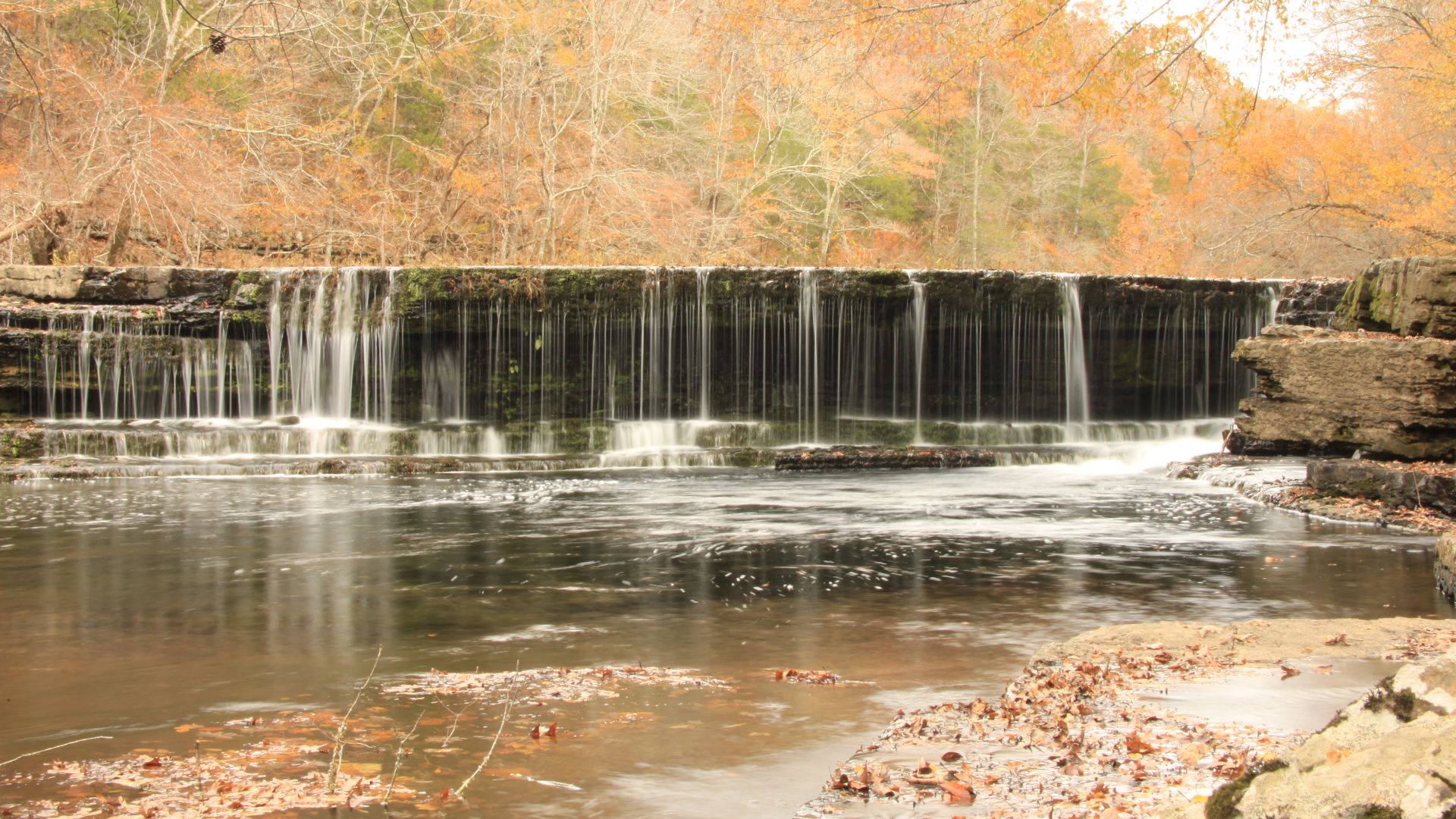 Mike Finn from Worcester, United Kingdom, Wikimedia Commons
Texas: The White Shaman Mural
This enormous rock painting contains tightly arranged humanlike figures, animals and abstract forms in black, red, yellow and white. Research suggests the images were planned as one complex composition, possibly representing a creation story. Its complete meaning, however, belongs to a worldview archaeology cannot fully reconstruct.
Utah: Range Creek Canyon
A ranching family protected this remote canyon for decades, leaving hundreds of Fremont sites unusually intact. Archaeologists have recorded homes, granaries, rock art and other remains dating from approximately AD 300 to 1350. Why Fremont lifeways changed so dramatically across the region remains a major question.
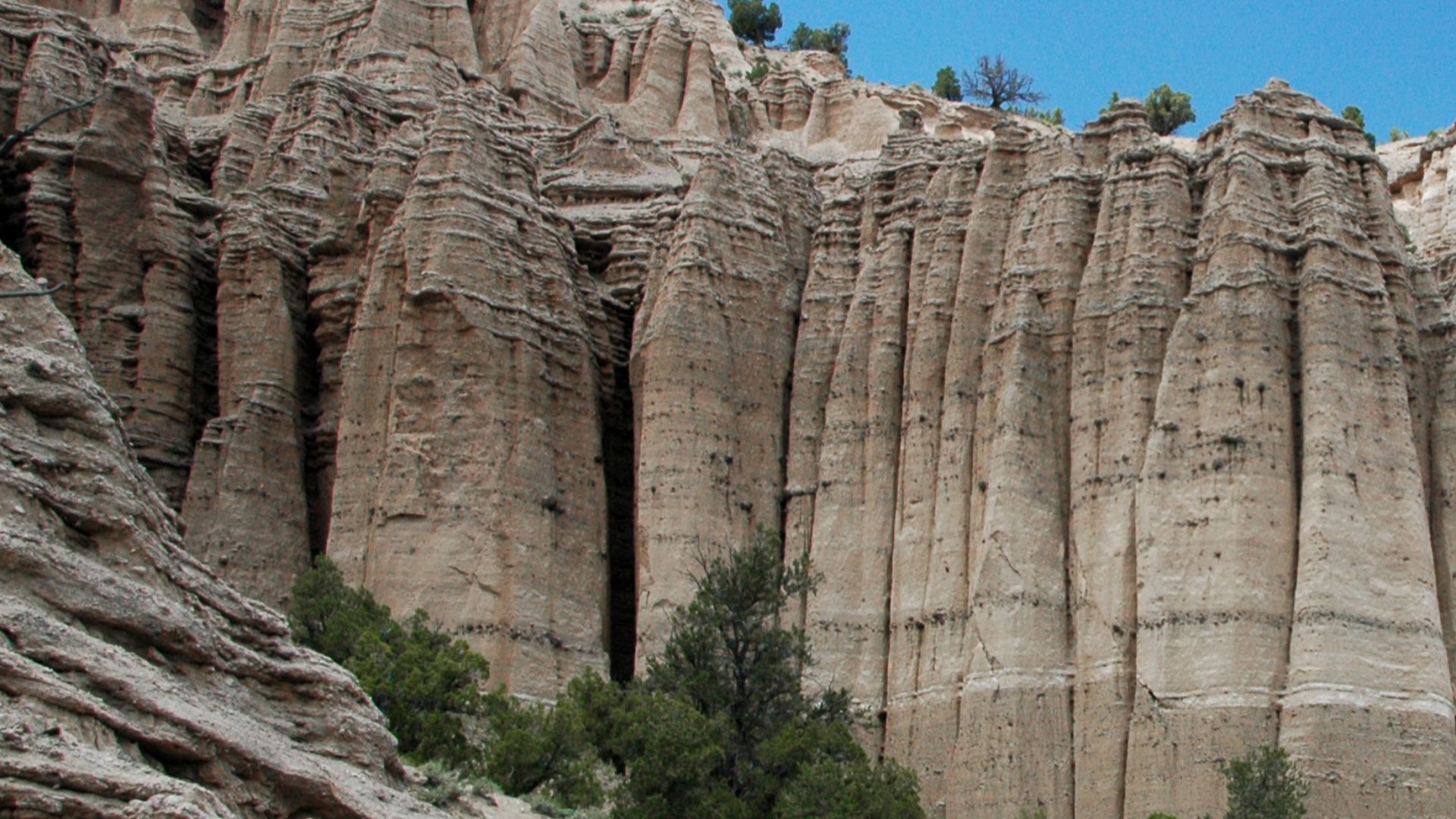 James St. John, Wikimedia Commons
Vermont: The Ewing Site
More than 75,000 artifacts recovered from the Ewing site show that people repeatedly returned to this location over thousands of years. Stone tools and other remains span from the Early Archaic period into the contact era. What made this particular camp so enduring is still being reconstructed.
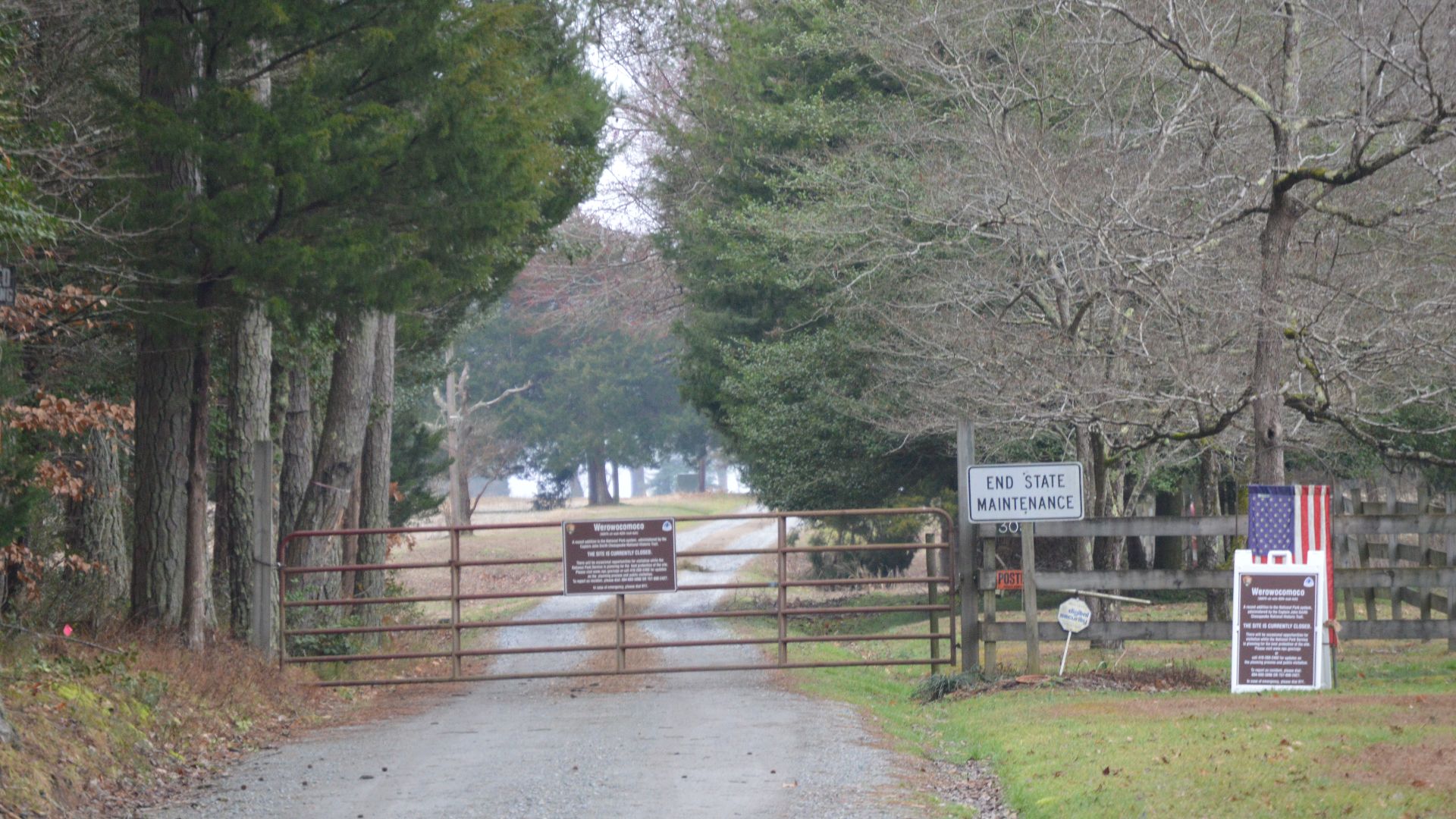
Virginia: The Ditches At Werowocomoco
Archaeologists discovered two long, parallel ditches at Werowocomoco, the powerful political center associated with Powhatan. They appear on a Spanish ambassador’s map drawn after the English arrived, yet excavations found only Indigenous artifacts within them. Their exact ceremonial or political purpose remains uncertain.
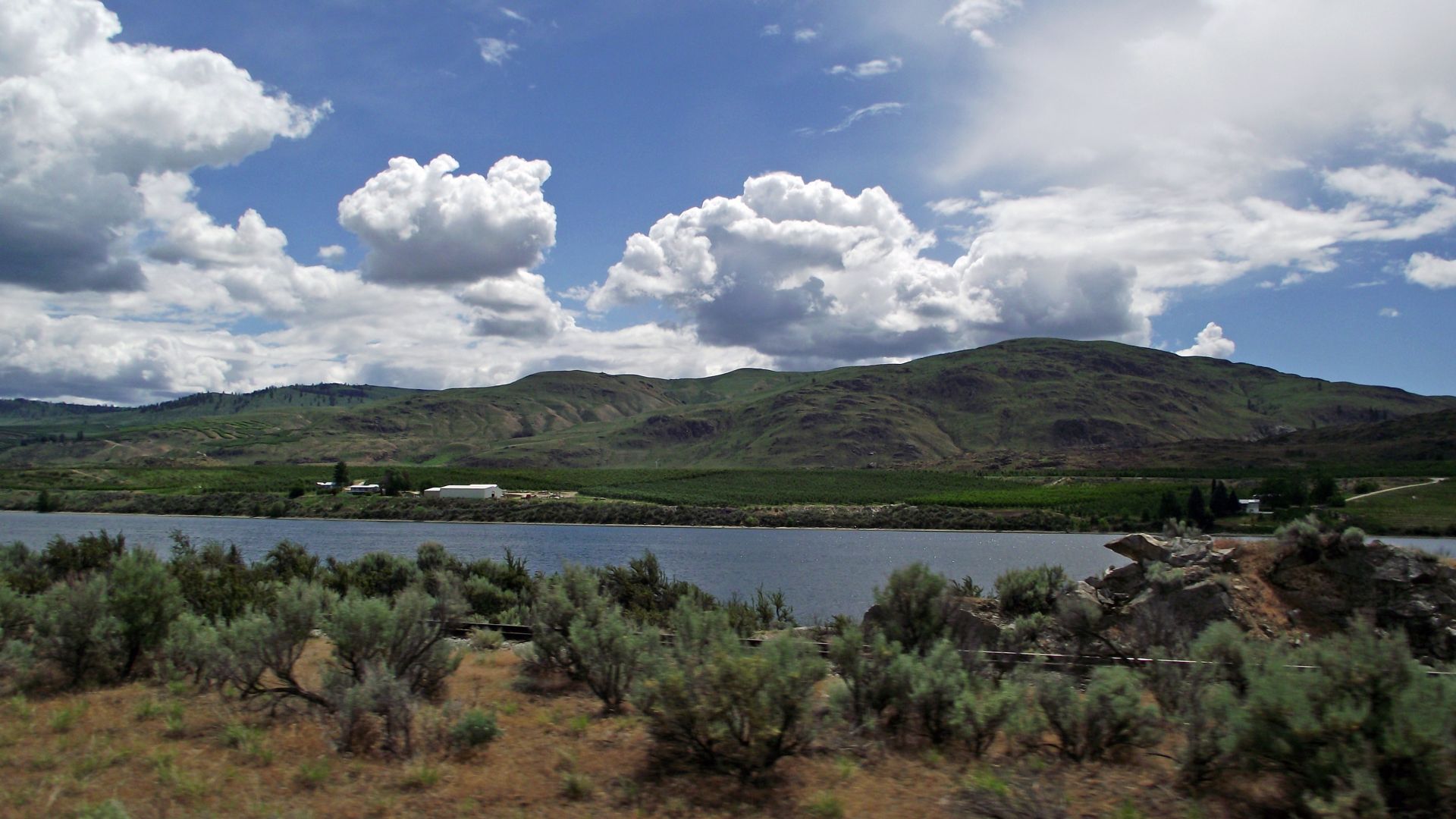
Washington: The Ancient One
A nearly complete skeleton discovered beside the Columbia River in 1996 was approximately 9,000 years old. A long legal and scientific dispute followed, but DNA showed the Ancient One was more closely related to modern Native Americans than any other population. He was respectfully reburied by regional tribes in 2017.
 Belle Unruh, Wikimedia Commons
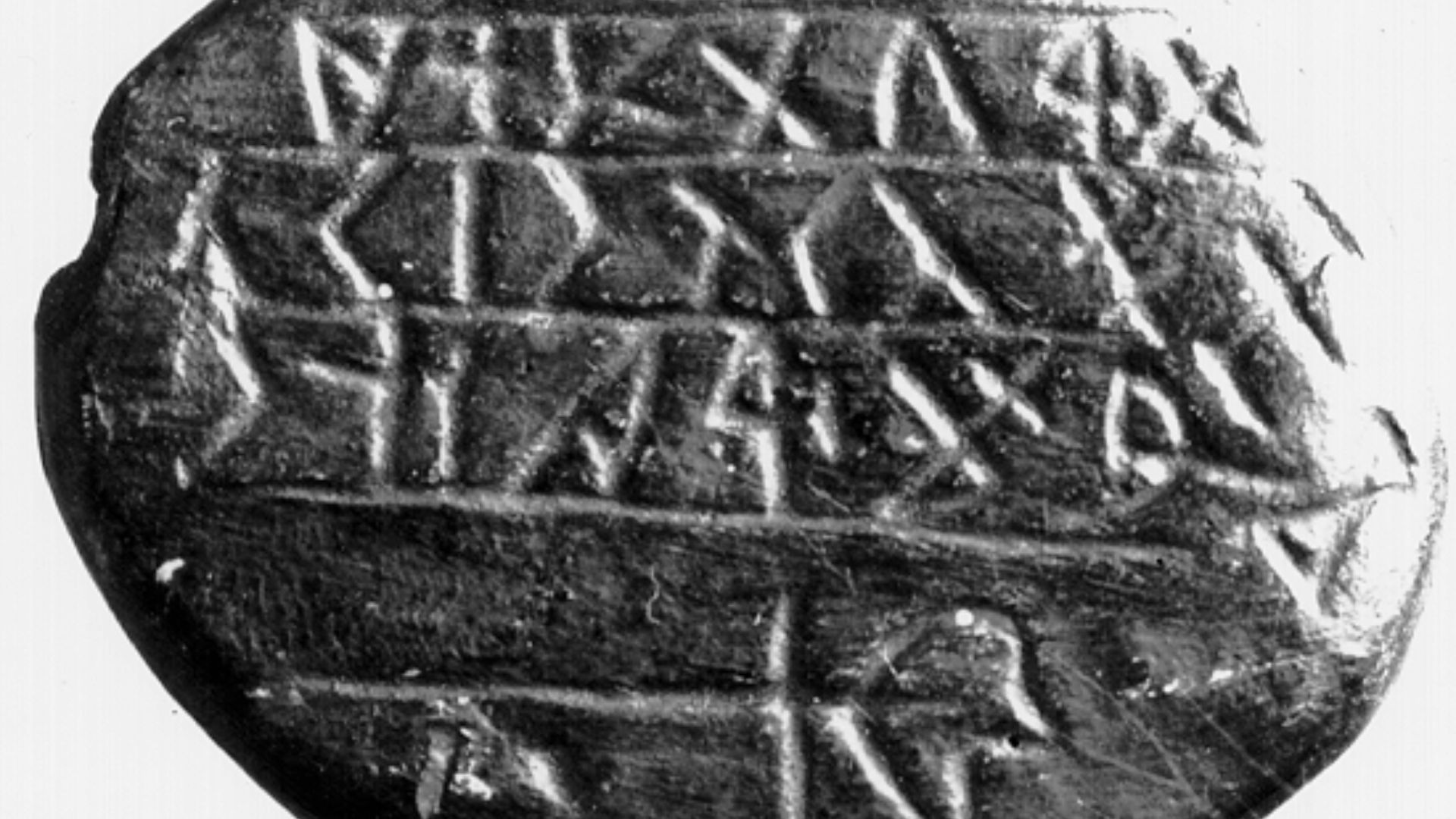
West Virginia: The Grave Creek Tablet
This small inscribed stone was supposedly found during the destructive 1838 excavation of Grave Creek Mound. The original later disappeared, but casts survived. Researchers discovered that its symbols appear to have been copied from a 1752 book, making a 19th-century fraud far more likely than ancient writing.
 Smithsonian Institution, Wikimedia Commons
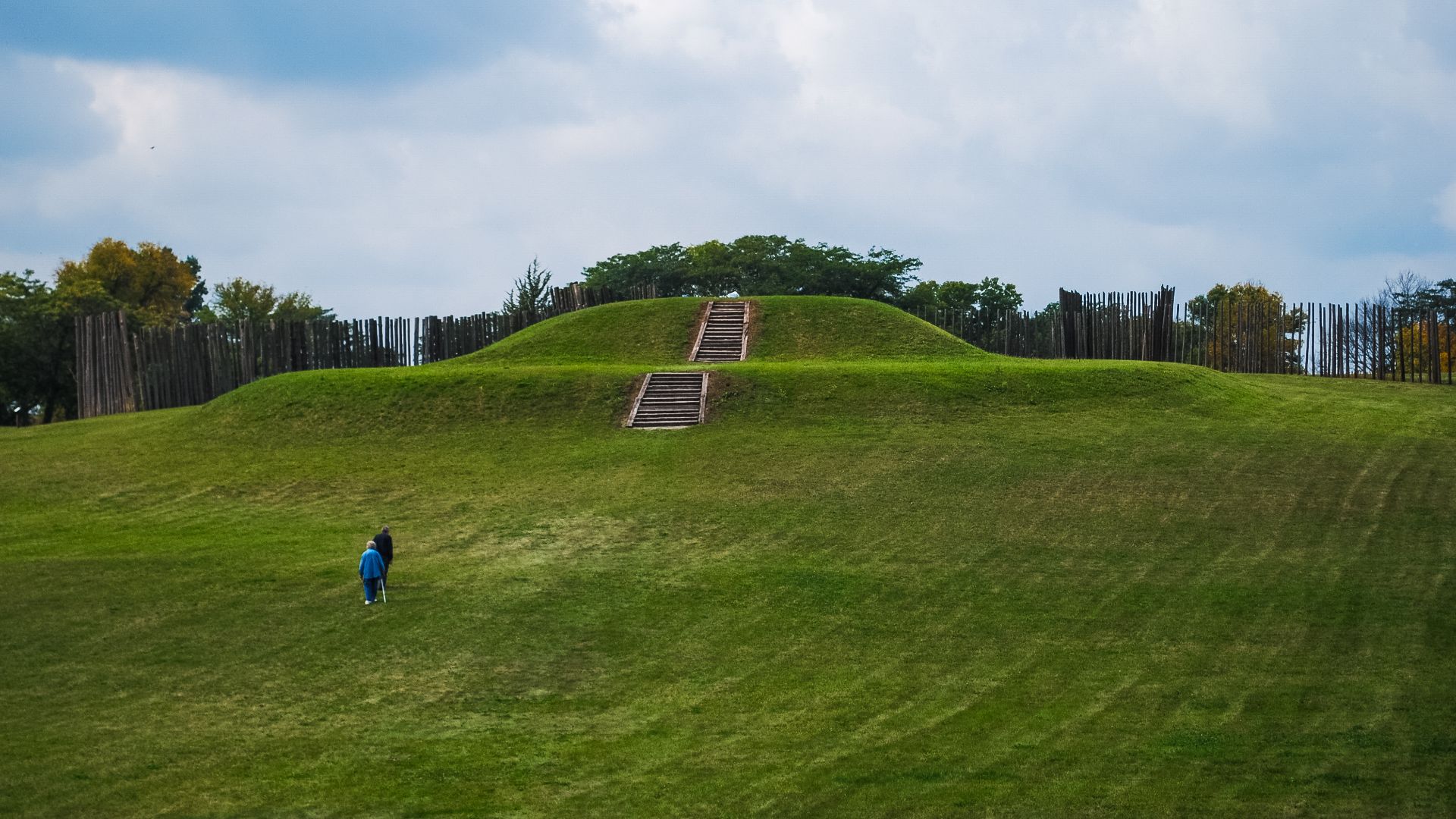
Wisconsin: Aztalan
Aztalan was a fortified Mississippian settlement containing platform mounds, homes and a large wooden stockade. Its inhabitants maintained connections with communities far to the south before leaving around 1300. Warfare, environmental pressure and political change have all been suggested, but the reason for its abandonment remains uncertain.
 wackybadger, Wikimedia Commons
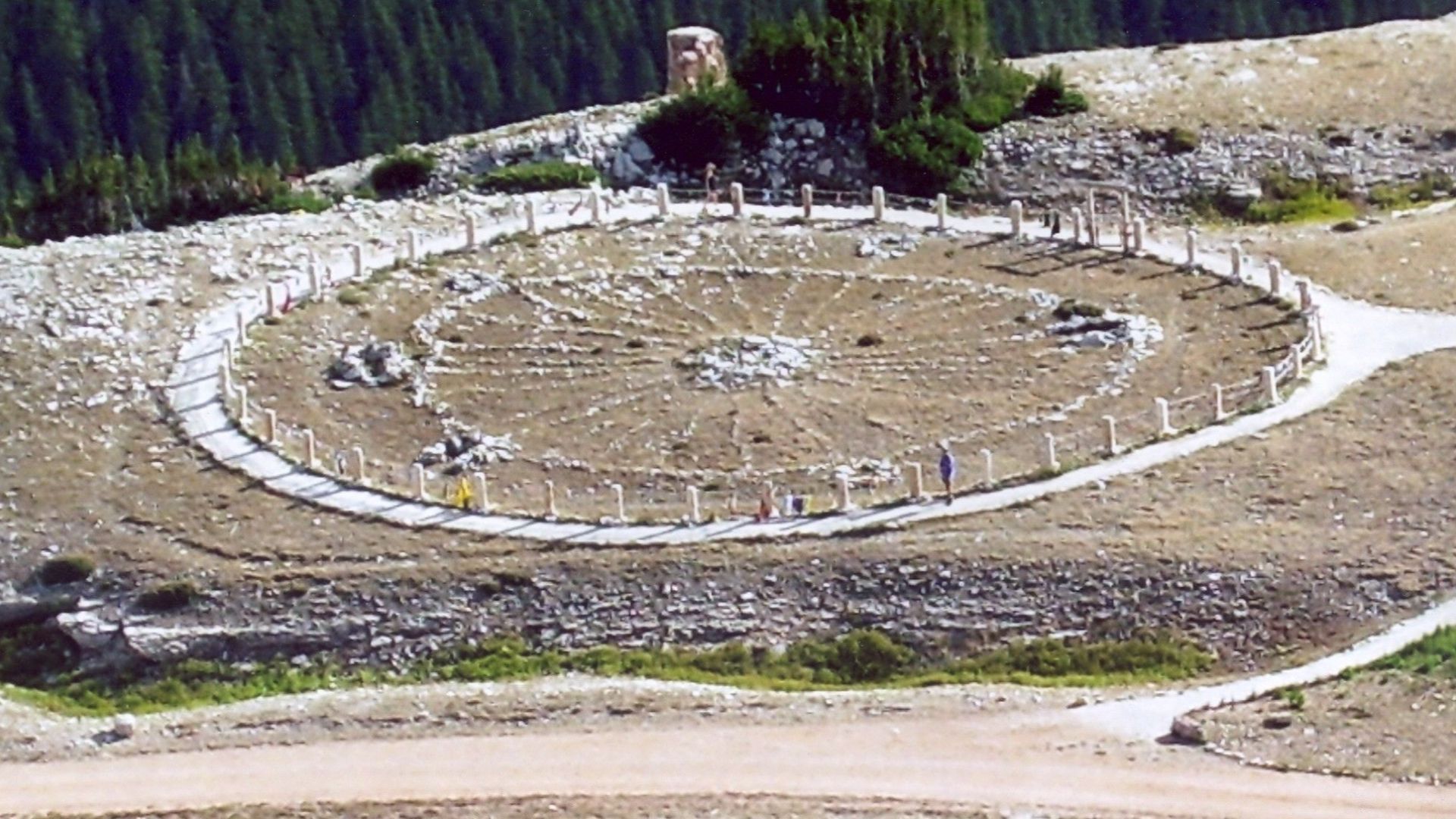
Wyoming: The Bighorn Medicine Wheel
An 82-foot circle of stones with 28 spokes sits high on Medicine Mountain. Estimates of its age range from several hundred to more than 3,000 years, while the surrounding landscape shows nearly 7,000 years of Indigenous use. It remains an active sacred place used by numerous Native nations today.
 U.S. Forest Service Photo, Wikimedia Commons
You Might Also Like:
Things Canadians Notice Immediately When They Drive Through The American Southwest
Ancient Routes That Modern Travelers Can Still Follow—Which One Would You Explore First?