

They Were Left Behind
Every state has at least one place that was left behind. The people are gone, but the buildings, belongings and unanswered questions remain. Some were abandoned almost overnight. Others emptied slowly. Either way, what happened inside these places is often far stranger—and darker—than the ruins suggest.
Did you know any of these places existed?
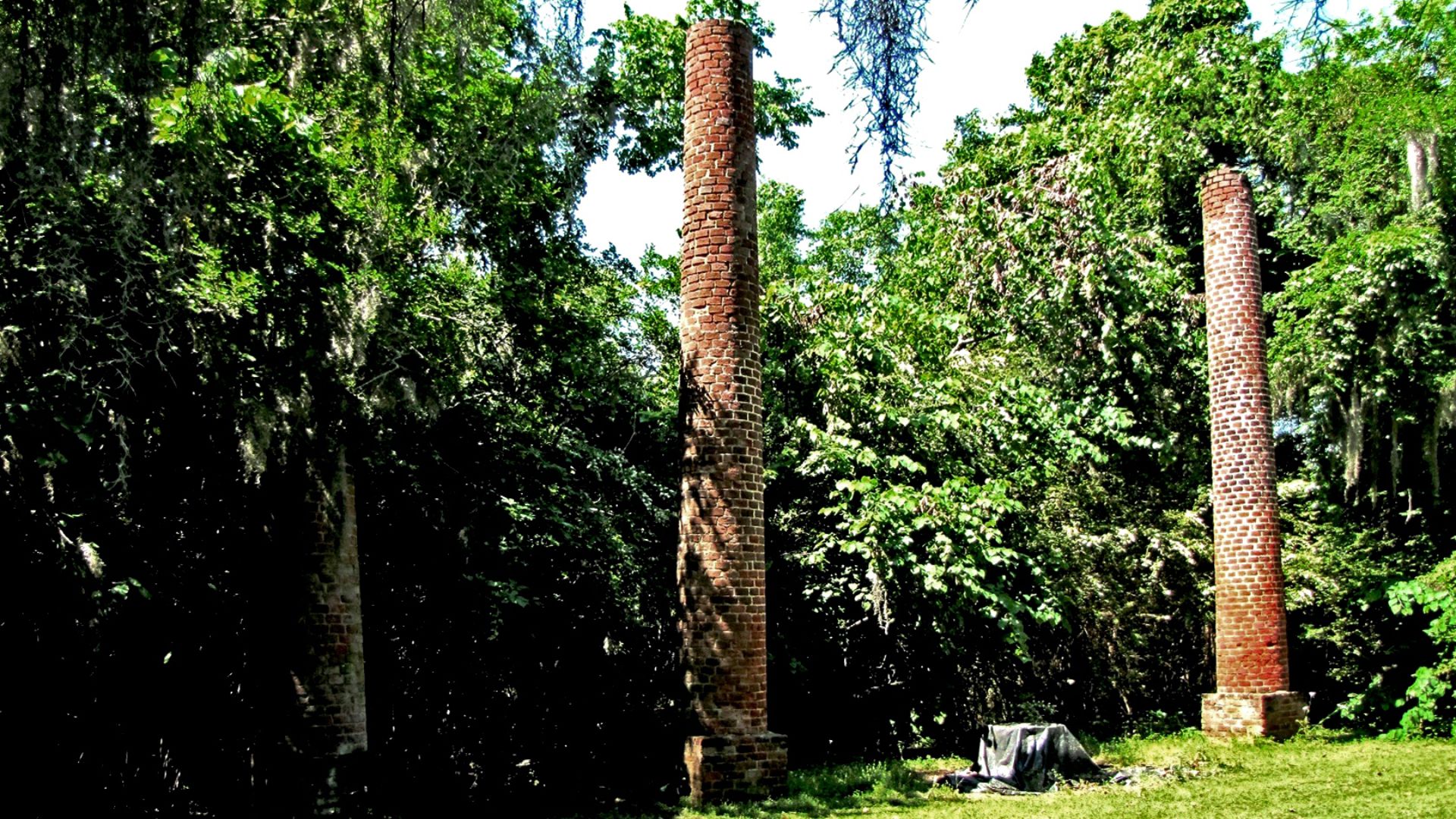
Alabama: Old Cahawba
Cahawba became Alabama’s first permanent state capital in 1820, but the government moved away just six years later. Floods, economic decline and the aftermath of the Civil War slowly emptied the town. Today, crumbling foundations, cemeteries and empty streets remain where a capital city once stood.
 RuralSWAlabama, Wikimedia Commons
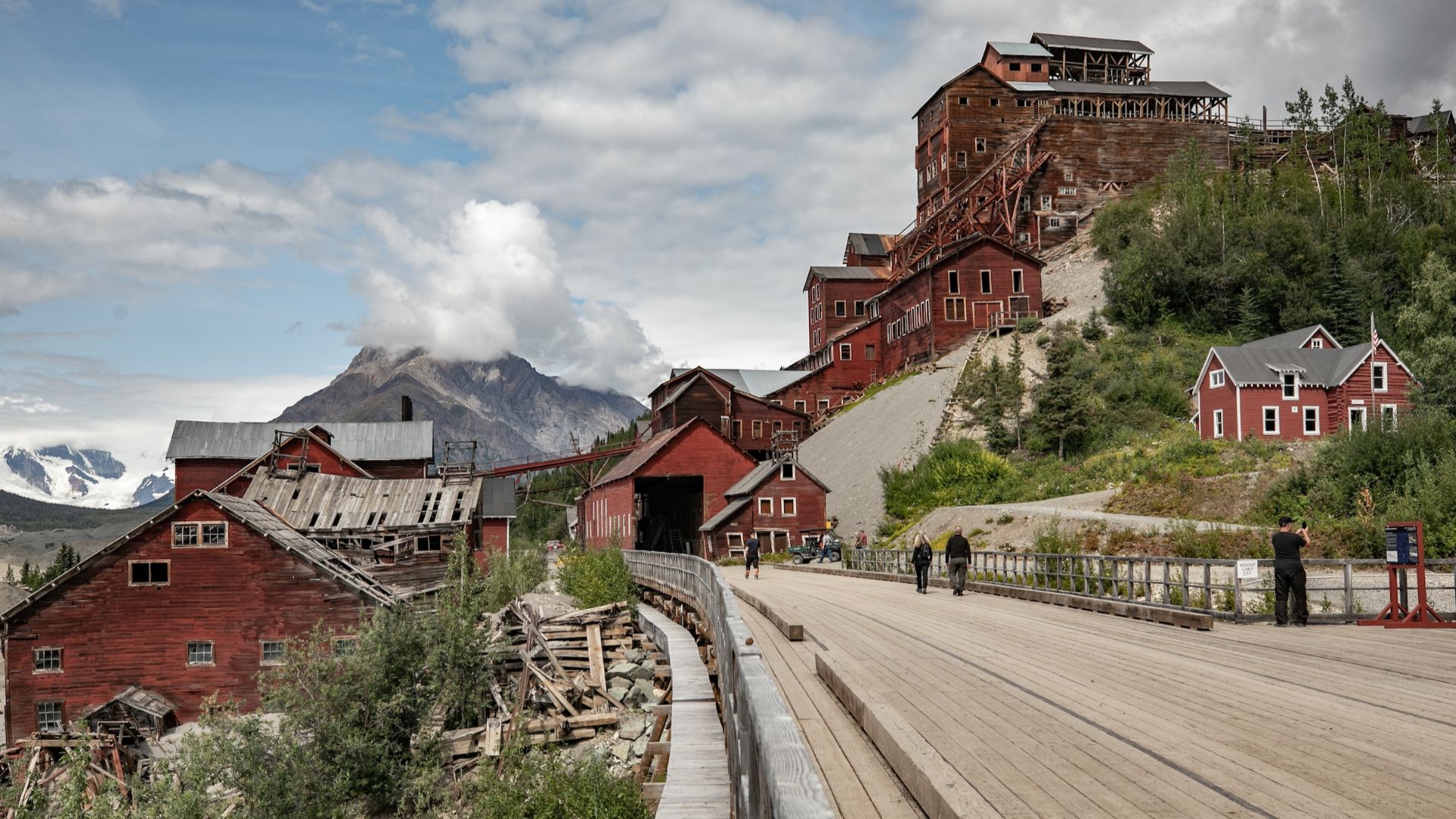
Alaska: Kennecott
Kennecott became one of America’s richest copper-mining communities after operations began in 1911. Declining ore, falling profits and mounting railway costs finally shut everything down in 1938. Workers boarded the final train out, leaving an enormous red mill and an entire company town behind in the Alaskan wilderness.
Arizona: Vulture City
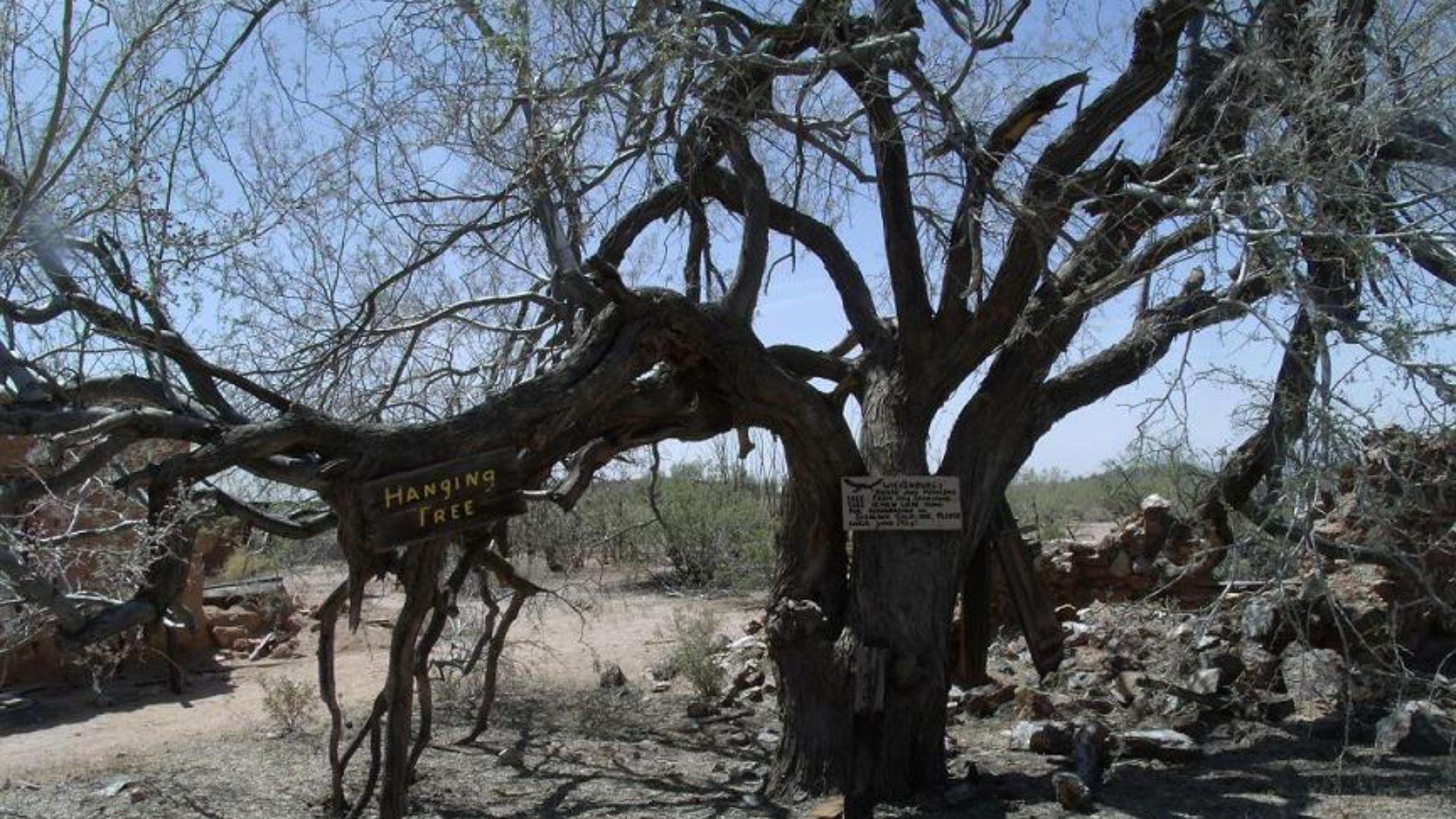
Vulture City grew around Arizona’s most productive gold mine, attracting thousands of residents before declining ore and wartime restrictions brought operations to an end. Its restored buildings now stand beside rusting equipment, deep mine shafts and a gnarled ironwood tree tied to one of the town’s most persistent, but unverified, legends.
 Tony the Marine, Wikimedia Commons
Arkansas: Rush
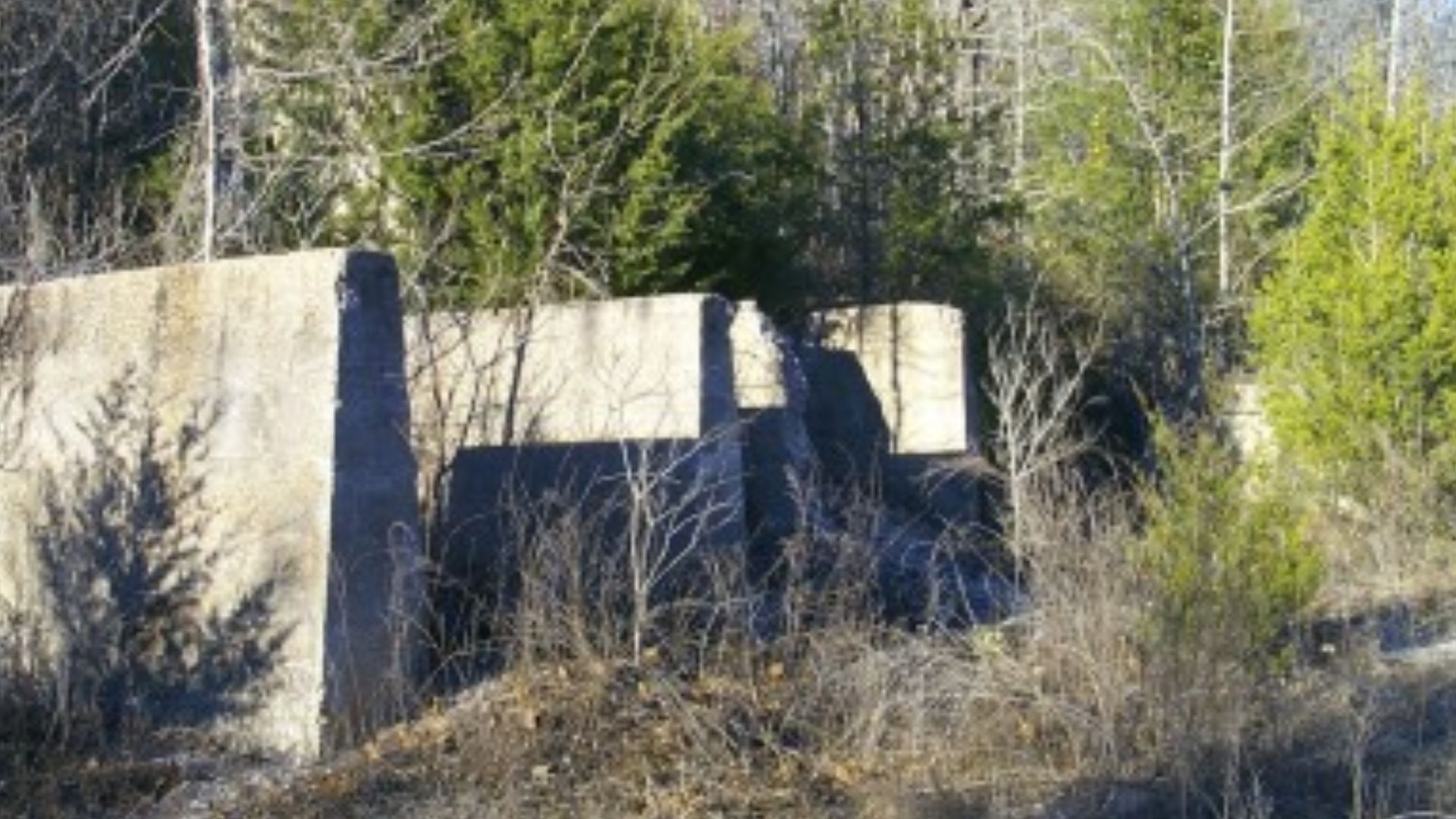
Rush exploded into life after zinc was discovered in the Ozarks during the late 1800s. Thousands of prospectors and workers eventually crowded into the isolated mining district. Demand collapsed after World War I, and the last major mine closed in 1931, leaving cabins and equipment scattered throughout the forest.
 National Park Service inventory, Wikimedia Commons
California: Bodie
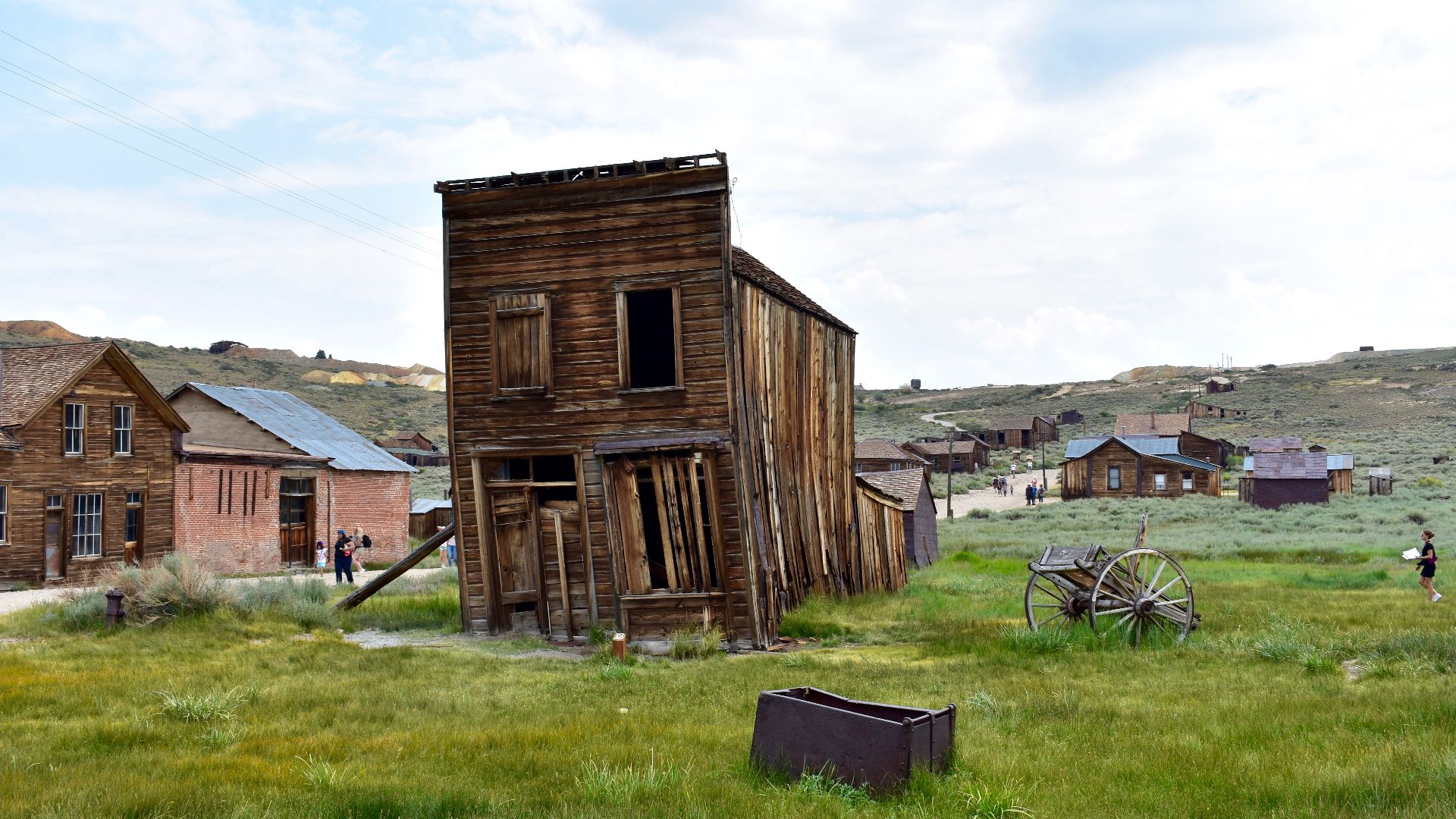
Bodie was once a booming gold town with thousands of residents, dozens of saloons and a fearsome reputation. The mines declined, fires destroyed large sections of town and residents slowly drifted away. Its surviving buildings are now preserved in “arrested decay,” complete with furniture and merchandise left inside.
 Caitlifornia, Wikimedia Commons
Colorado: St. Elmo
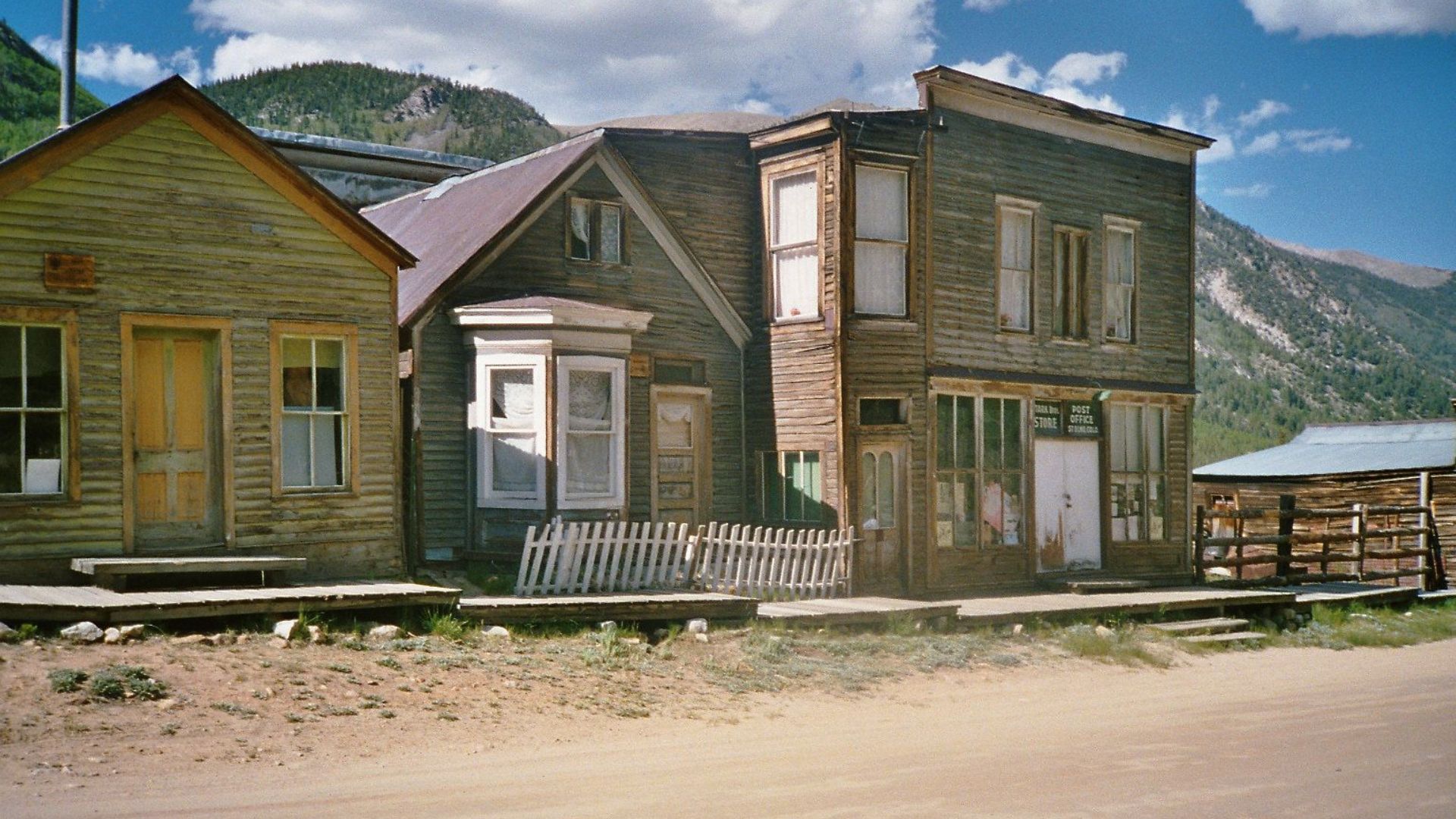
St. Elmo became a busy mining town during the 1880s, complete with hotels, saloons, stores and a newspaper. When the mines declined and the railroad stopped serving the community, nearly everyone left. Wooden storefronts and empty homes remain tucked inside a remote valley high in the Colorado mountains.
 Rolf Blauert Dk4hb, Wikimedia Commons
Connecticut: Seaside Sanatorium
Seaside opened in the 1930s as a seaside tuberculosis hospital for children and later became a psychiatric facility. It closed in 1996, leaving several deteriorating buildings beside Long Island Sound. Connecticut has approved plans to remove the structures and create a passive state park, although the demolition schedule remains uncertain.
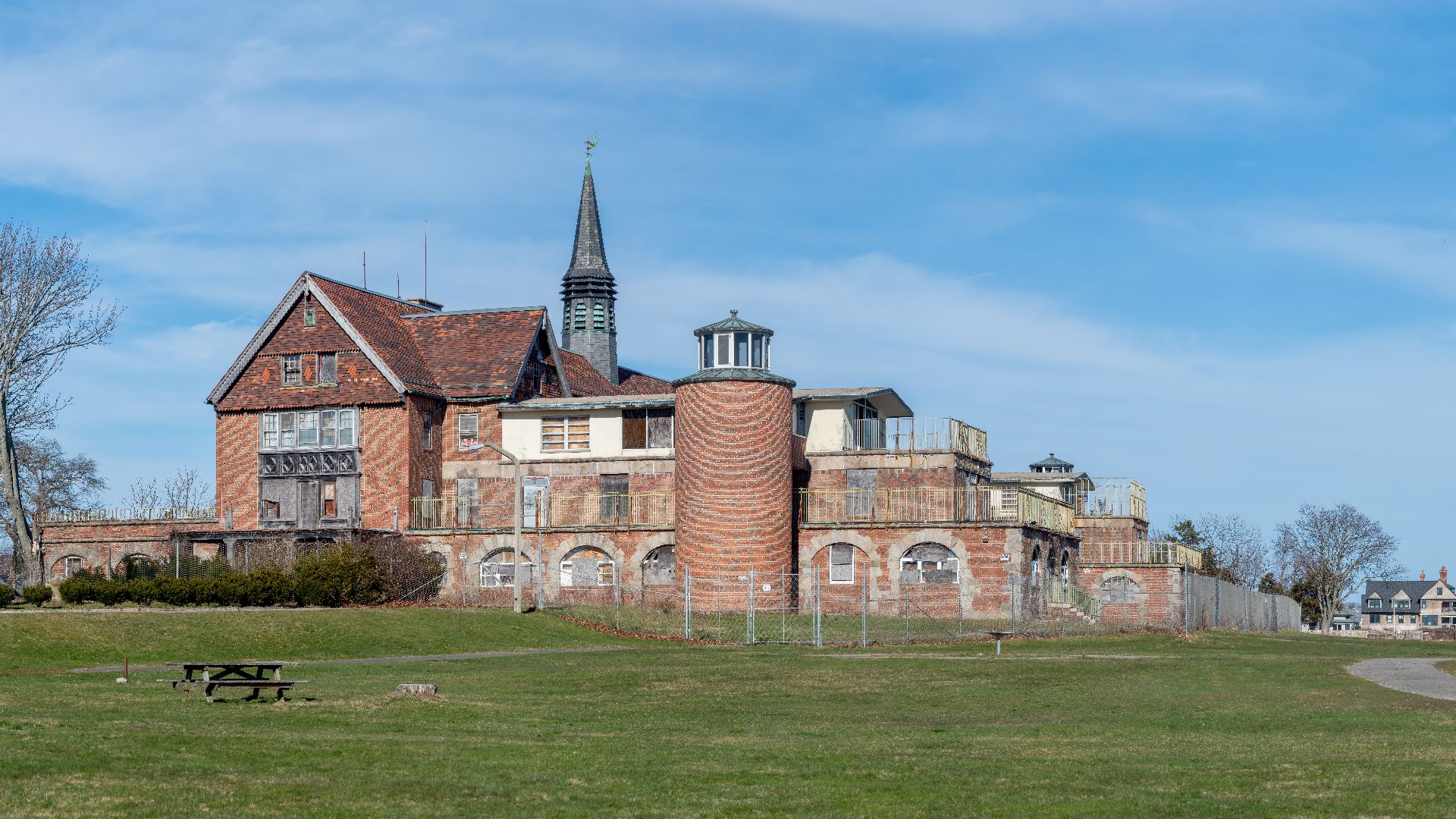 Rhododendrites, Wikimedia Commons
Delaware: The Fire Control Towers
Delaware’s concrete fire control towers were built during World War II to help coastal defenders track approaching enemy ships. Their weapons were never fired in defense. Many tower interiors later became inaccessible after their original metal stairways rusted, although Tower 3 has since been restored and opened to visitors.
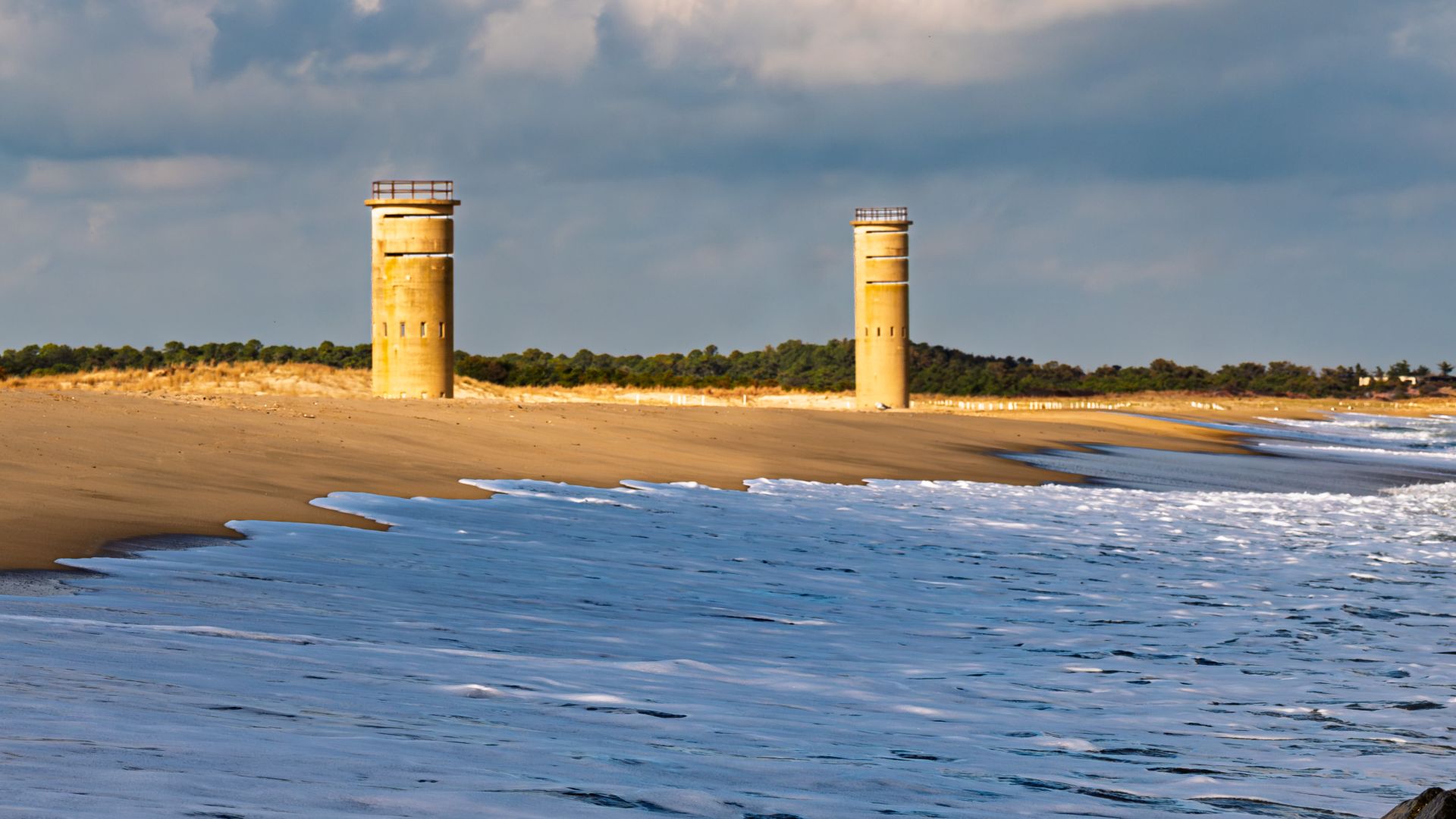 Andrew Parlette from Elkridge,MD, US, Wikimedia Commons
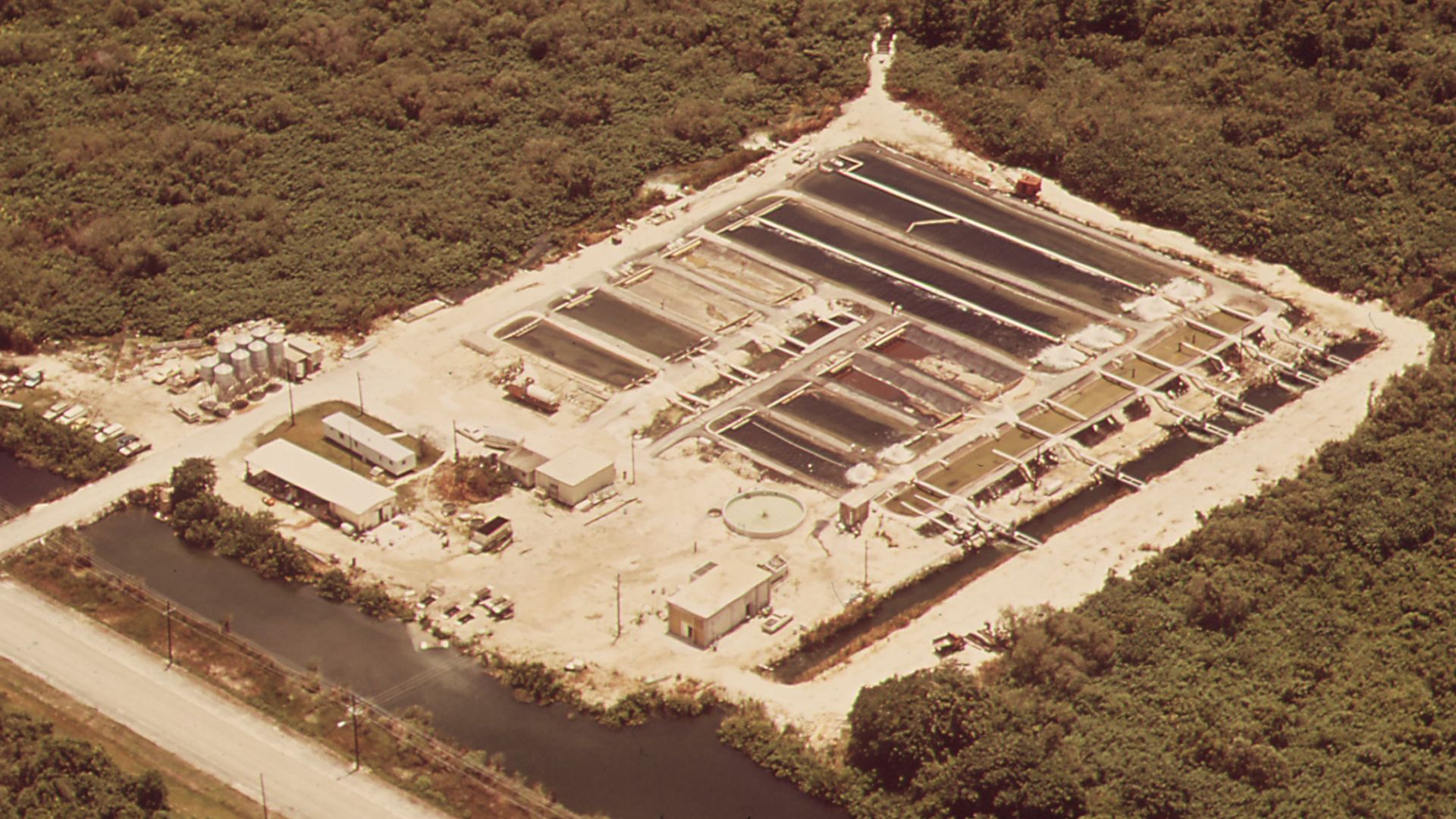
Florida: The Aerojet Facility
During the 1960s, Aerojet built an enormous test facility beside the Everglades for a NASA program studying giant solid rocket motors. Several motors were fired there, including the record-setting SL-3 in 1967. The program ended, the facility was abandoned and the spent SL-3 motor remained inside its silo.
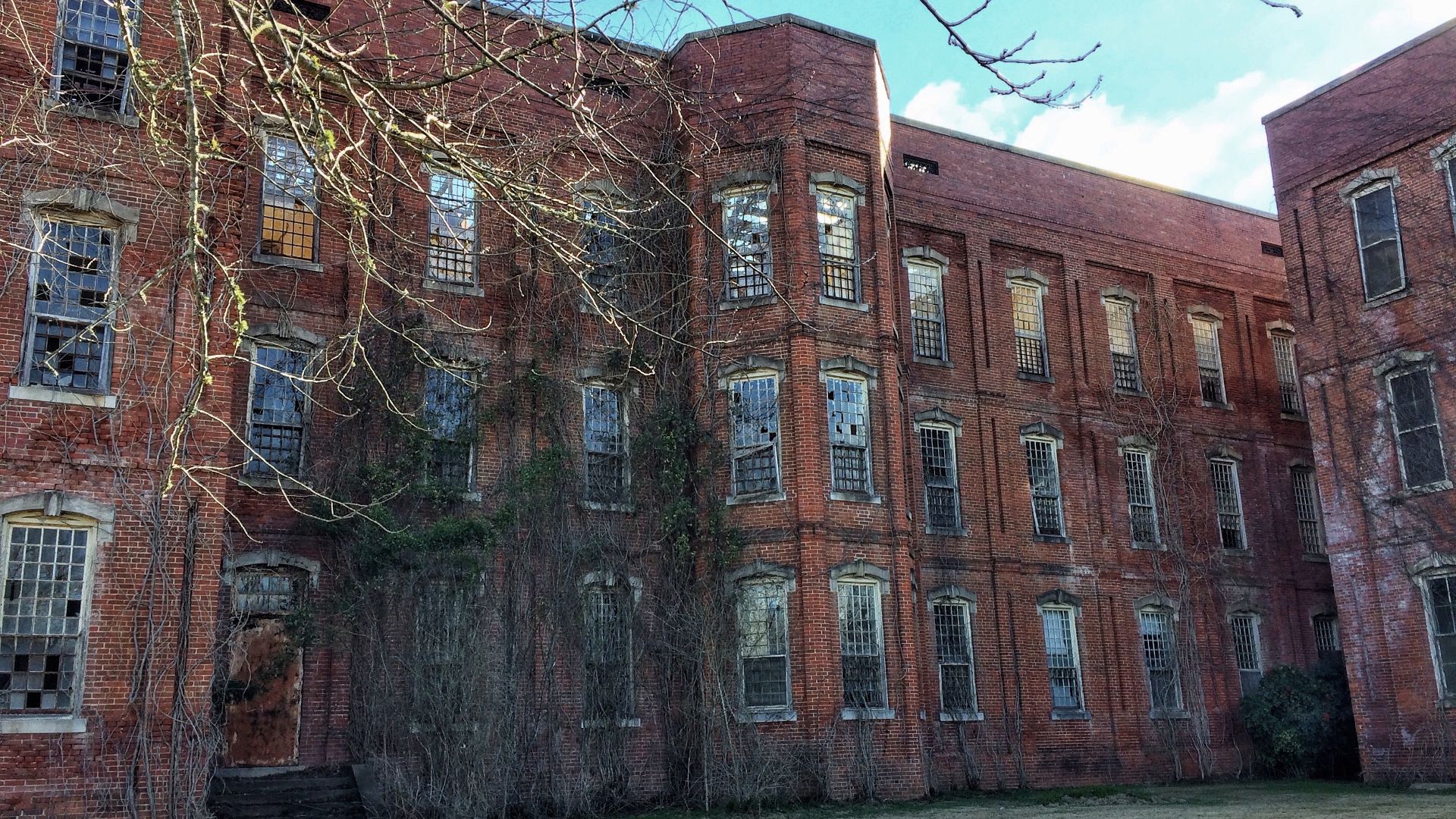
Georgia: Central State Hospital
Central State Hospital in Milledgeville grew into an enormous psychiatric institution housing nearly 12,000 patients at its peak. The hospital still operates on a much smaller scale, but many historic buildings stand abandoned. Nearby cemeteries hold roughly 25,000 people, while 2,000 displaced numbered markers form a memorial.
Hawaii: Waialeʻe Industrial School
Waialeʻe opened on Oʻahu’s North Shore in 1901 as Hawaiʻi’s first reformatory for boys. Many children were sent there for truancy or petty theft, then put to work farming or learning trades. The school operated for roughly 50 years, and remnants of its abandoned buildings still stand.
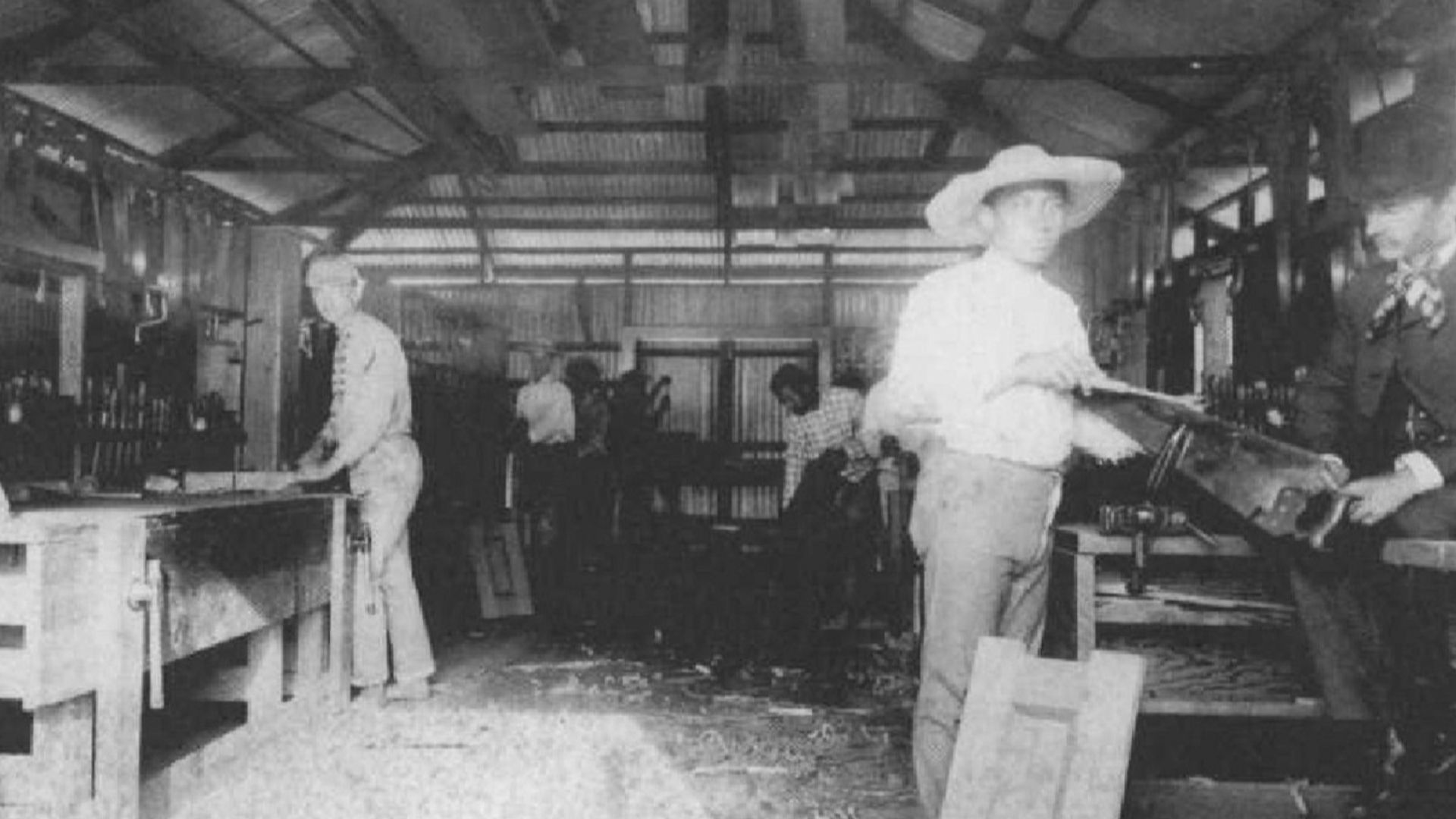 credited to Kamehameha Schools Photo Archives, Luryier Diamond, photo archivist, Wikimedia Commons
Idaho: Silver City
Silver City sprang up during the 1860s after prospectors discovered valuable deposits in the Owyhee Mountains. Thousands once lived in the surrounding mining district, but declining production gradually emptied the community. Dozens of wooden buildings remain, many looking remarkably similar to how they appeared more than a century ago.
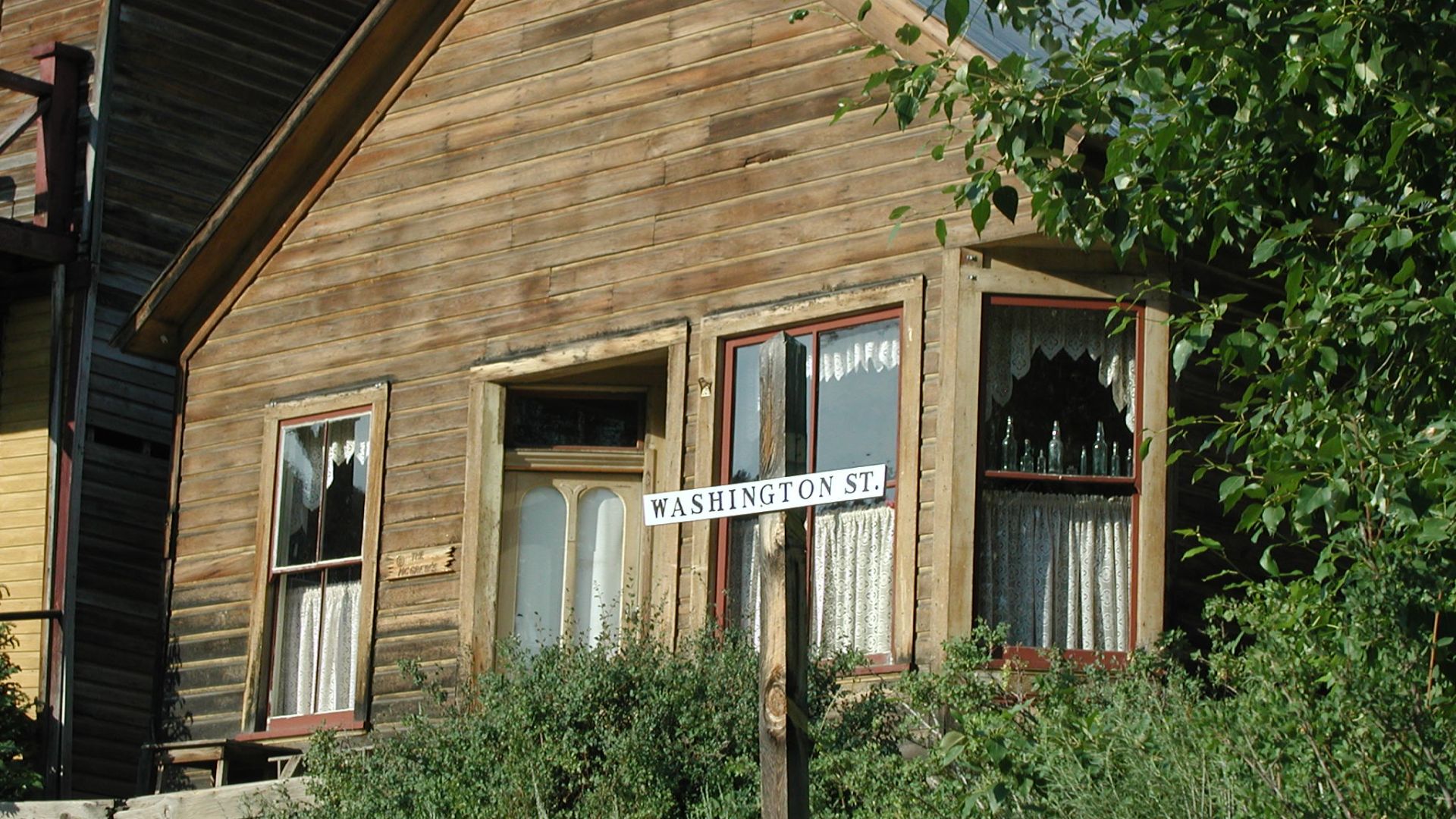 Bureau of Land Management, Wikimedia Commons
Illinois: Old Joliet Prison
The Joliet Correctional Center opened in 1858 and eventually became one of Illinois’ most recognizable prisons. Overcrowding, deteriorating conditions and rising maintenance costs led to its closure in 2002. Its enormous limestone cellblocks stood abandoned for years before portions of the complex reopened for historical tours.
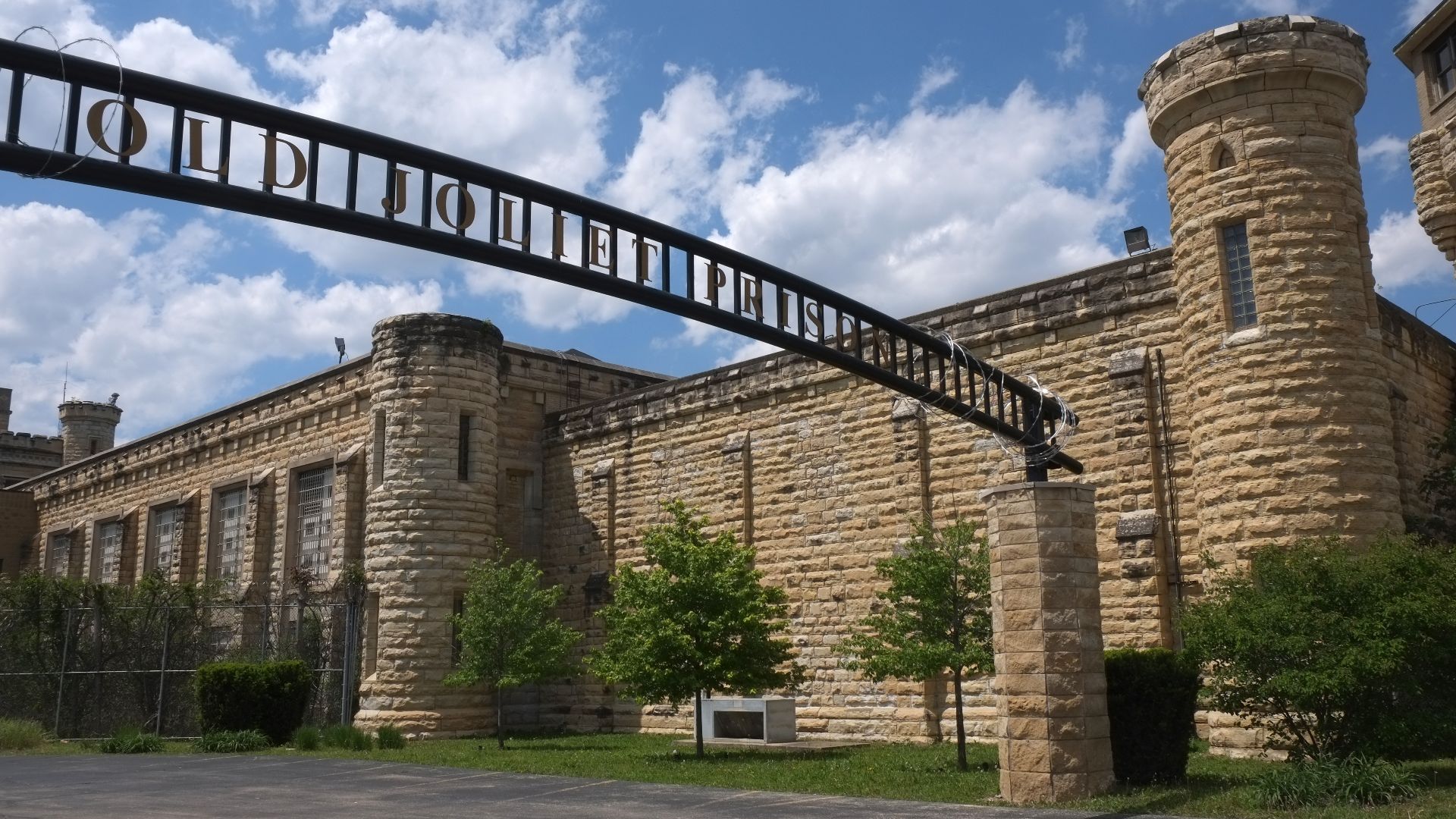 Gorup de Besanez, Wikimedia Commons
Indiana: Rose Island
Rose Island was once a riverside amusement park with a swimming pool, dance hall, zoo and cottages. The Great Depression weakened the business, but the devastating Ohio River flood of 1937 finished it. Concrete foundations, old entrance pillars and fragments of the park now hide inside Charlestown State Park.
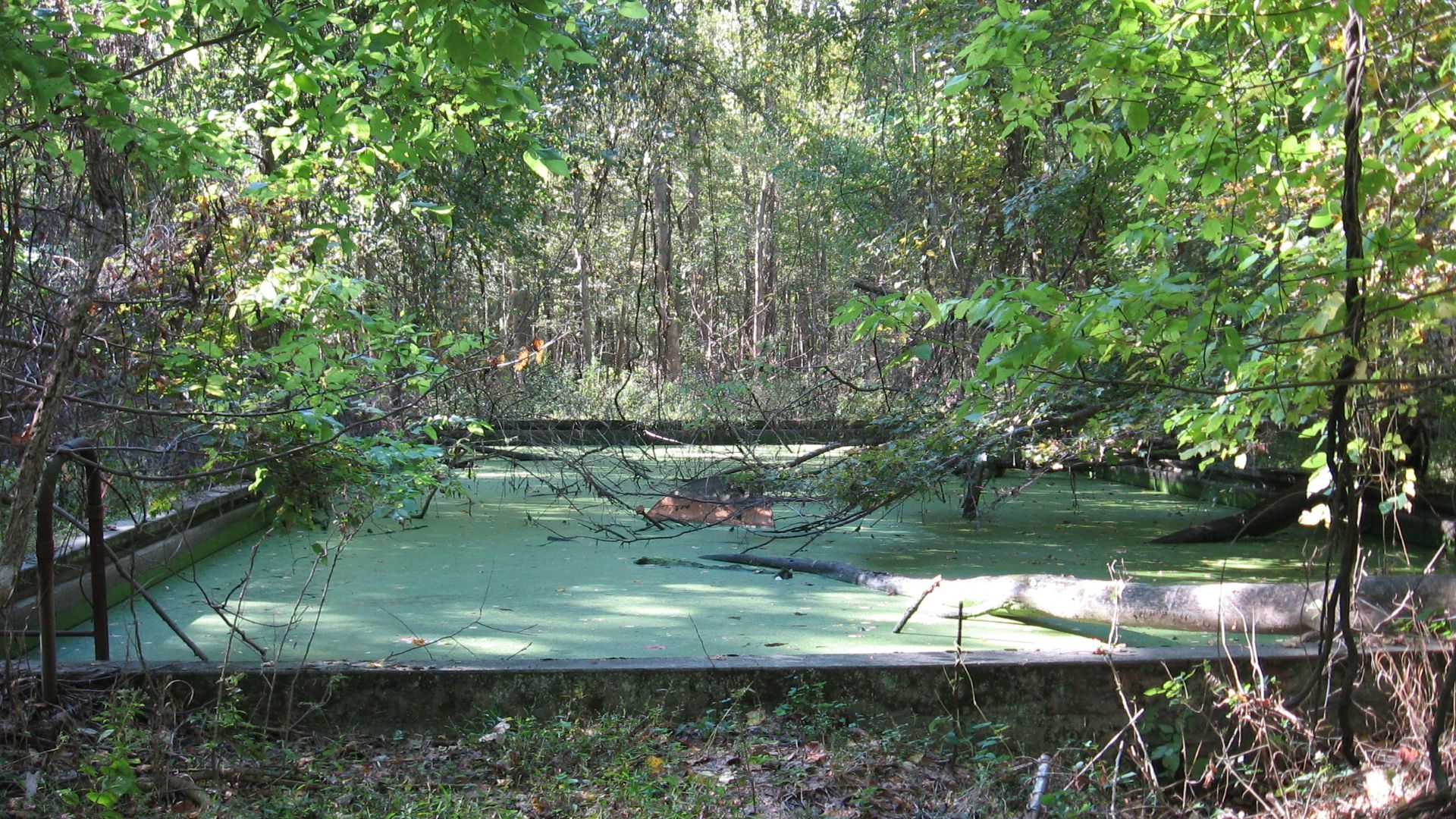 Gmiller123456, Wikimedia Commons
Iowa: Edinburgh Manor
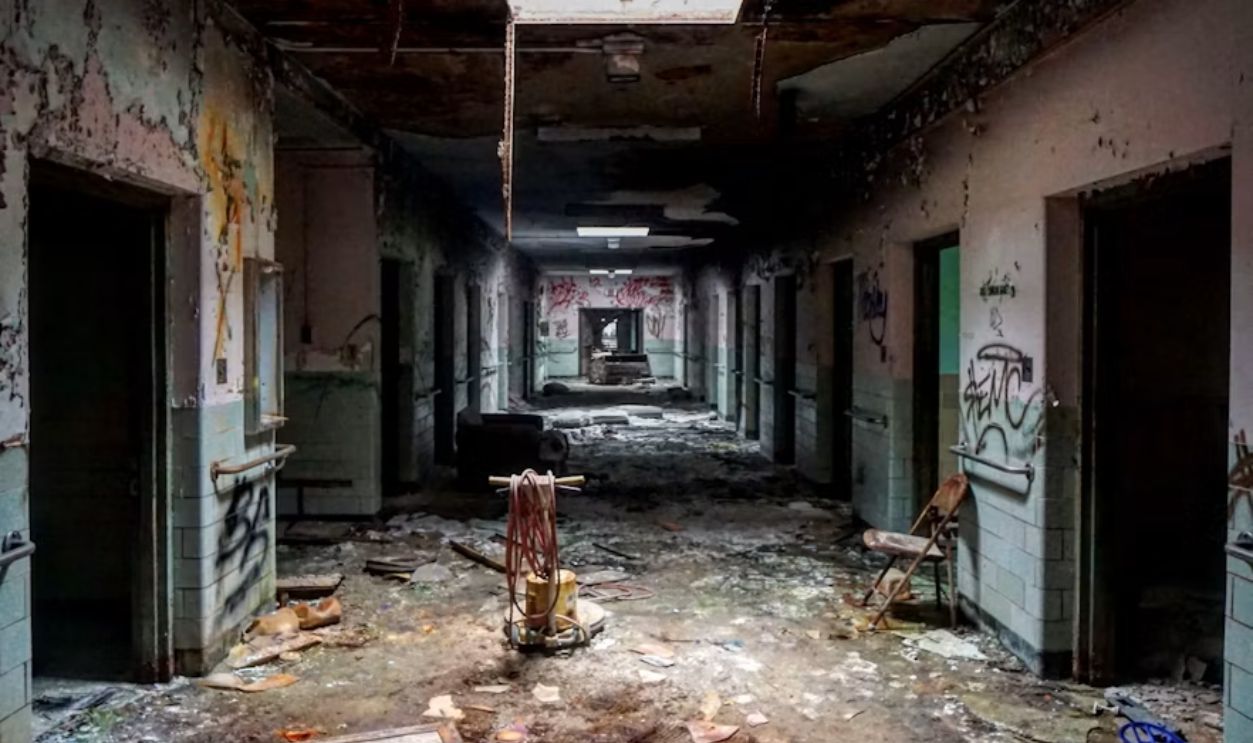
Edinburgh Manor opened in 1911 as a county home for people who were elderly, poor or living with disabilities. The institution operated for nearly a century before closing in 2010. Its empty rooms, narrow corridors and abandoned medical equipment have since made it one of Iowa’s best-known paranormal destinations.
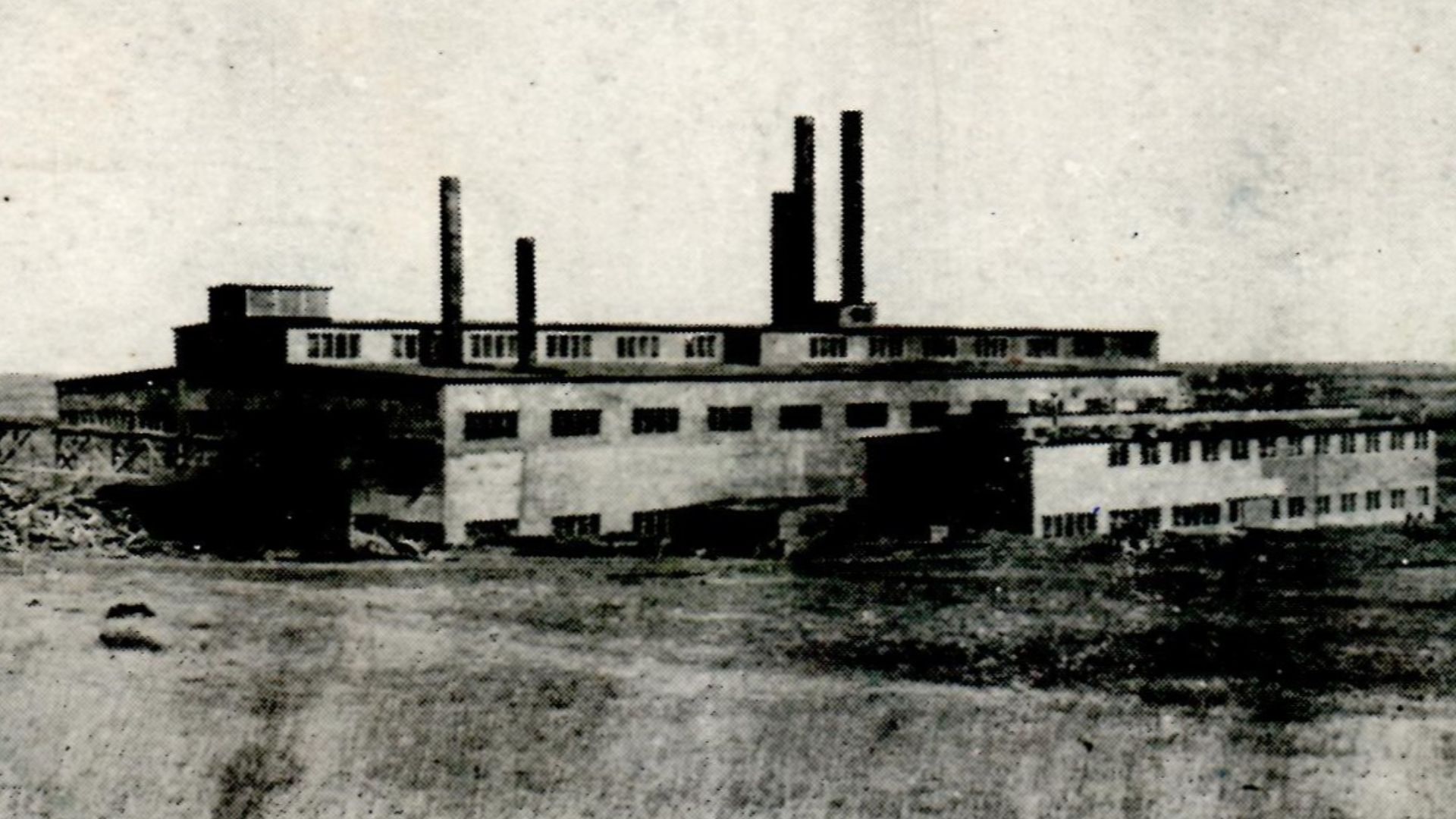
Kansas: Le Hunt
Le Hunt was created around an enormous cement plant in the early 1900s. Hundreds of people lived there until falling demand and financial problems closed the operation during the Great Depression. Trees now grow around broken foundations and the plant’s towering concrete remains, including a wall bearing an unexplained handprint.
 unknown / unnamed, Wikimedia Commons
Kentucky: Waverly Hills Sanatorium
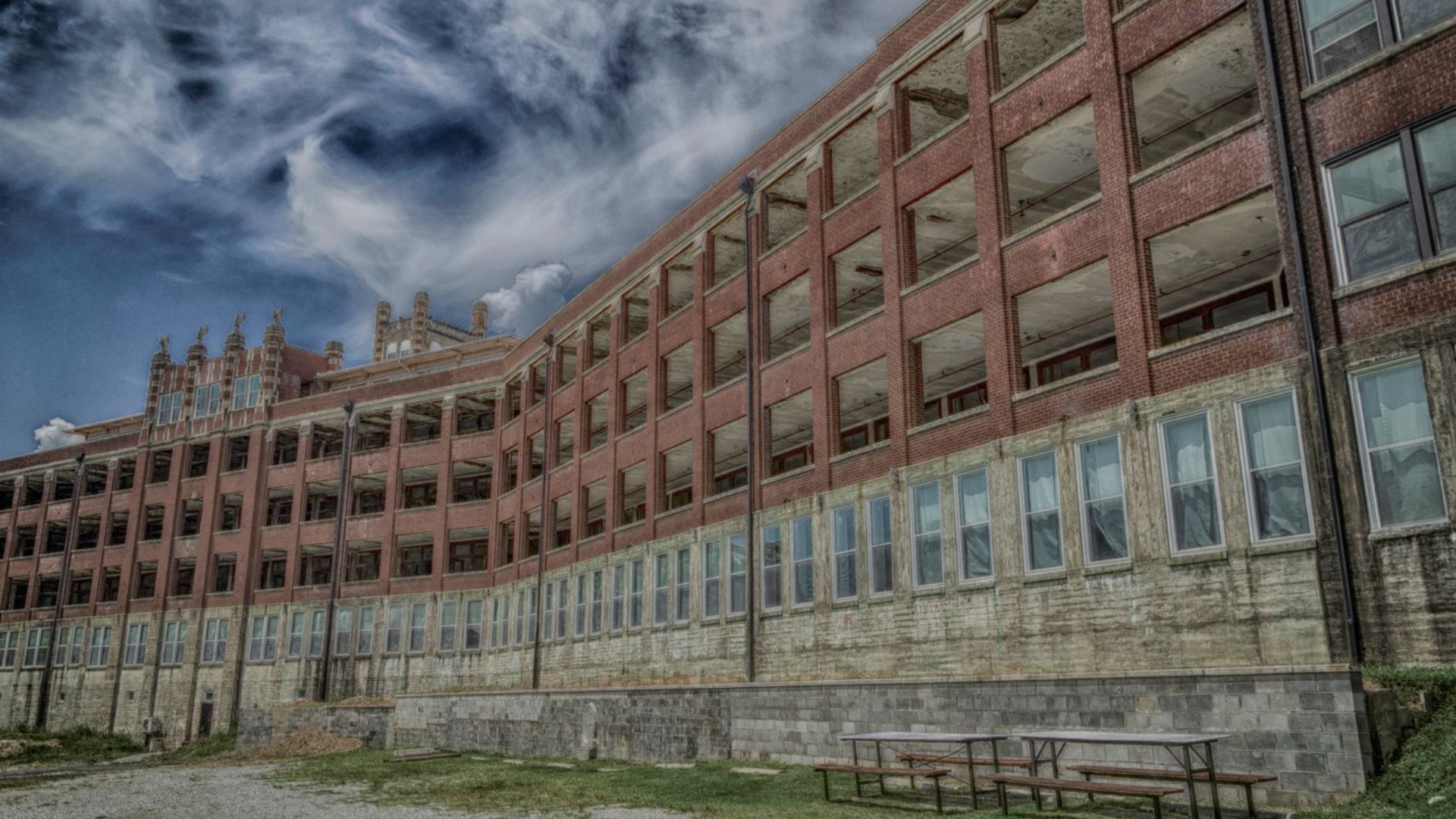
Waverly Hills opened its enormous main building in 1926 to treat tuberculosis patients outside Louisville. It closed as a tuberculosis hospital in 1961, and a geriatric center later occupied the property before it, too, was ordered closed. The empty institution eventually became one of America’s most famous paranormal-tour destinations.
 Royasfoto73, Wikimedia Commons
Louisiana: Fort Macomb
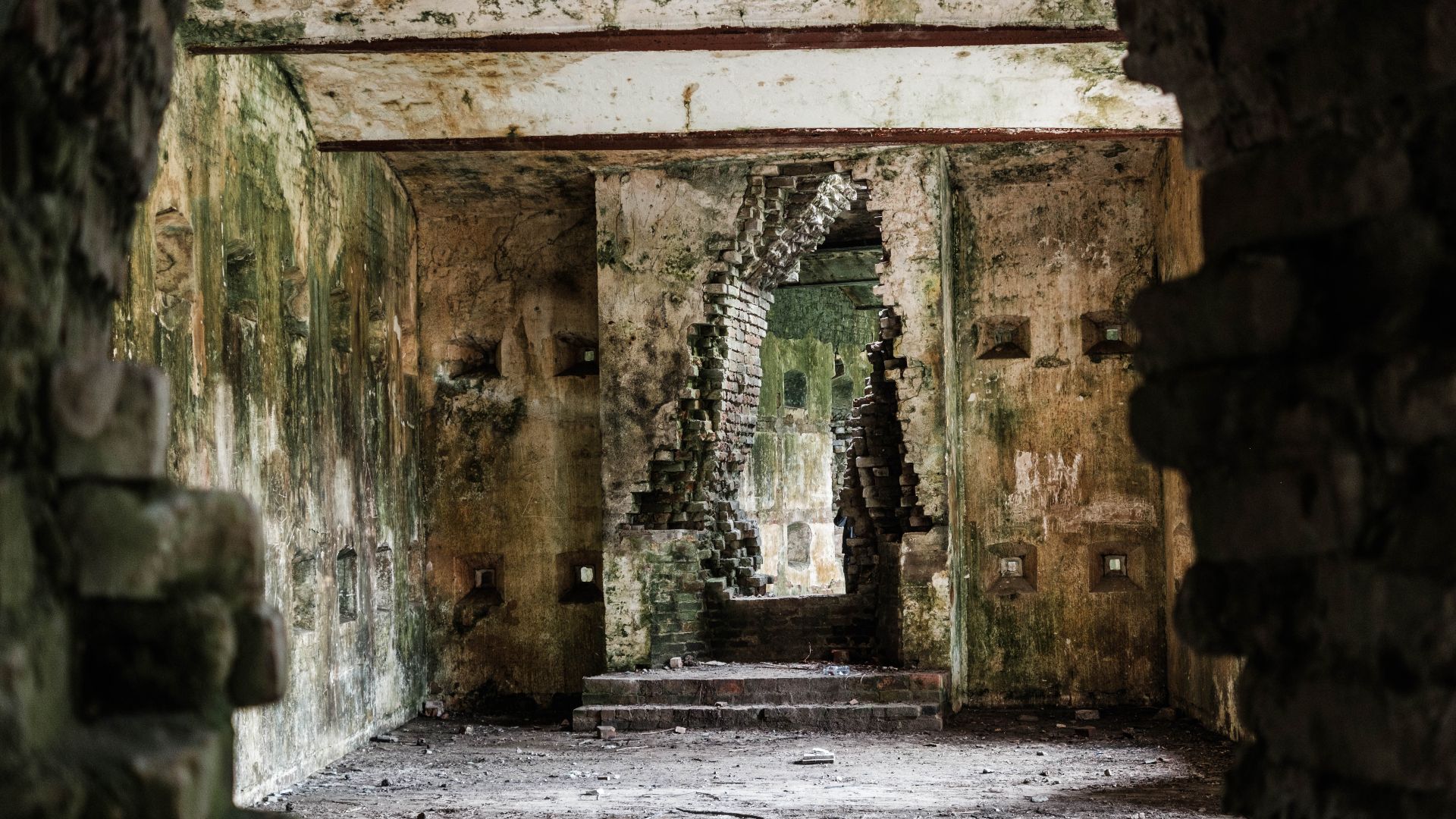
Fort Macomb was built near New Orleans in 1822 to defend the waterway connecting Lake Pontchartrain with the Gulf. A barracks fire in 1867 helped end its military use, and the fort was decommissioned in 1871. Its collapsing brick walls, flooded chambers and overgrown courtyard remain closed to visitors.
Maine: Battery Steele
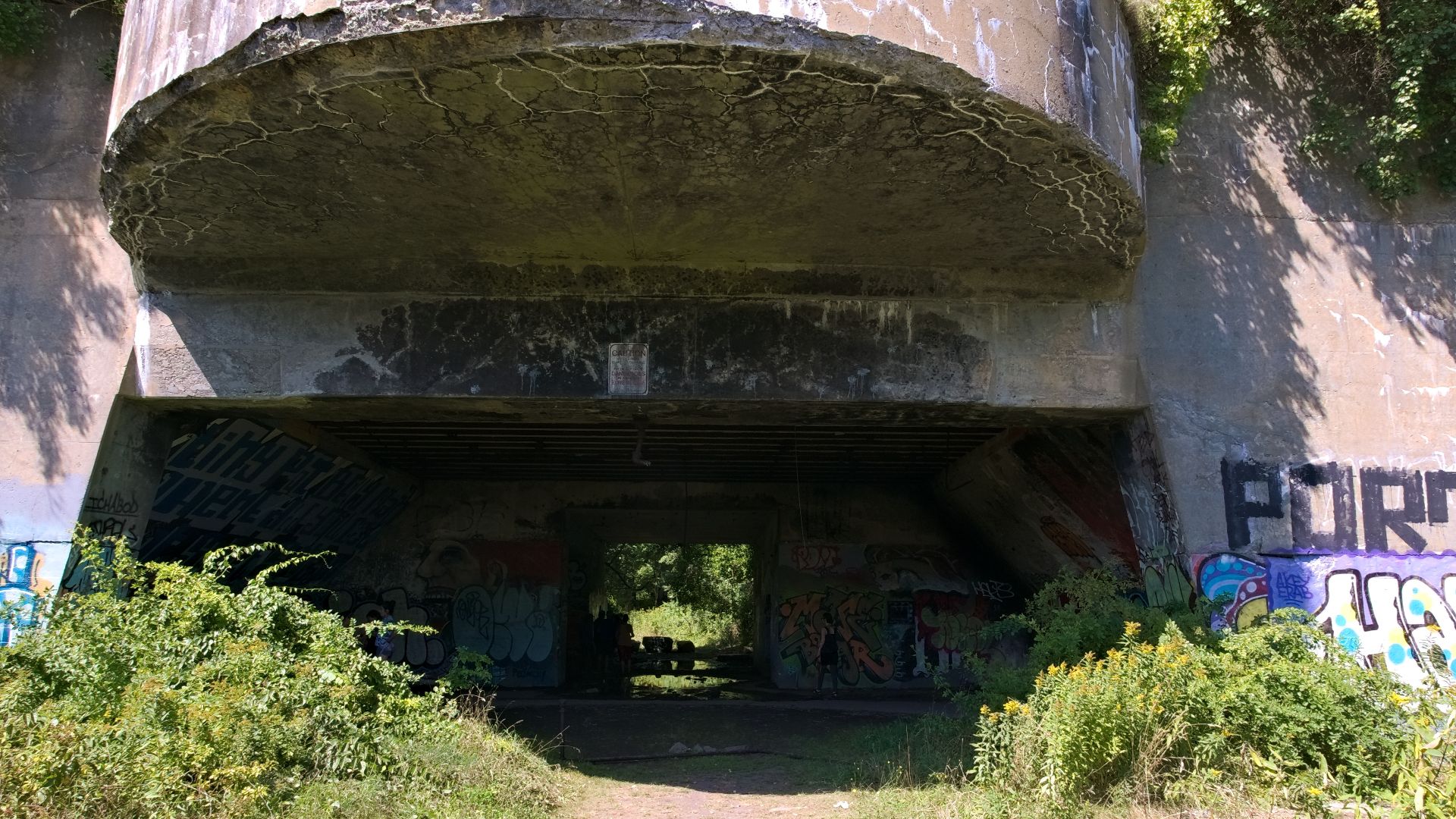
Battery Steele was constructed on Peaks Island during World War II as part of Portland Harbor’s coastal defenses. The massive concrete installation was designed to house enormous long-range weapons but never saw combat. Its dark passageways, empty rooms and graffiti-covered walls now sit hidden among the island’s woods and wetlands.
Maryland: Glenn Dale Hospital
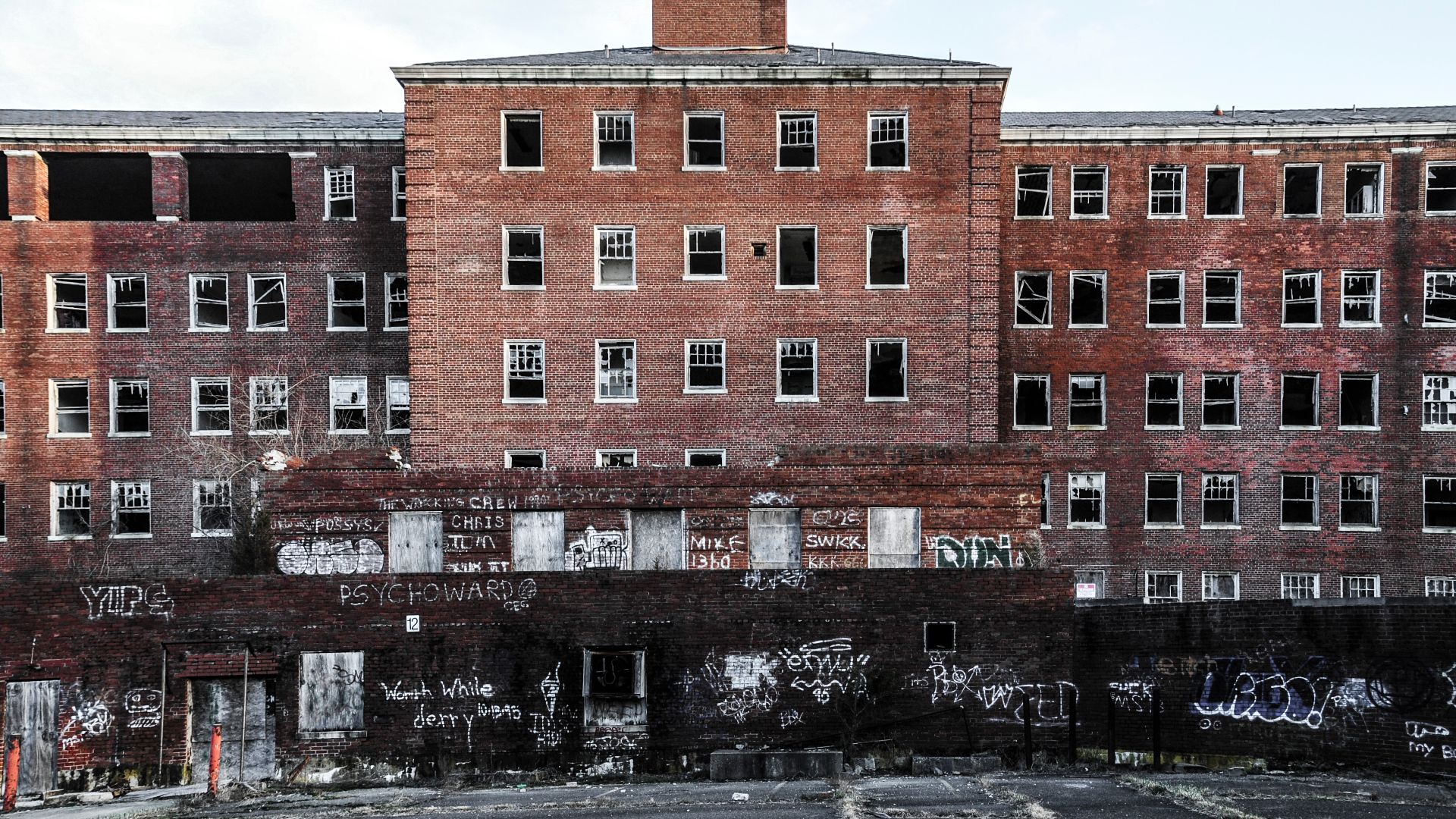
Glenn Dale Hospital opened outside Washington, DC, in the 1930s to treat adults and children with tuberculosis. It later became a chronic-care facility before closing in 1982. More than 20 buildings were left behind, including two enormous hospitals now surrounded by fencing, overgrowth and decades of deterioration.
 Rosa Pineda, Wikimedia Commons
Massachusetts: Rutland Prison Camp
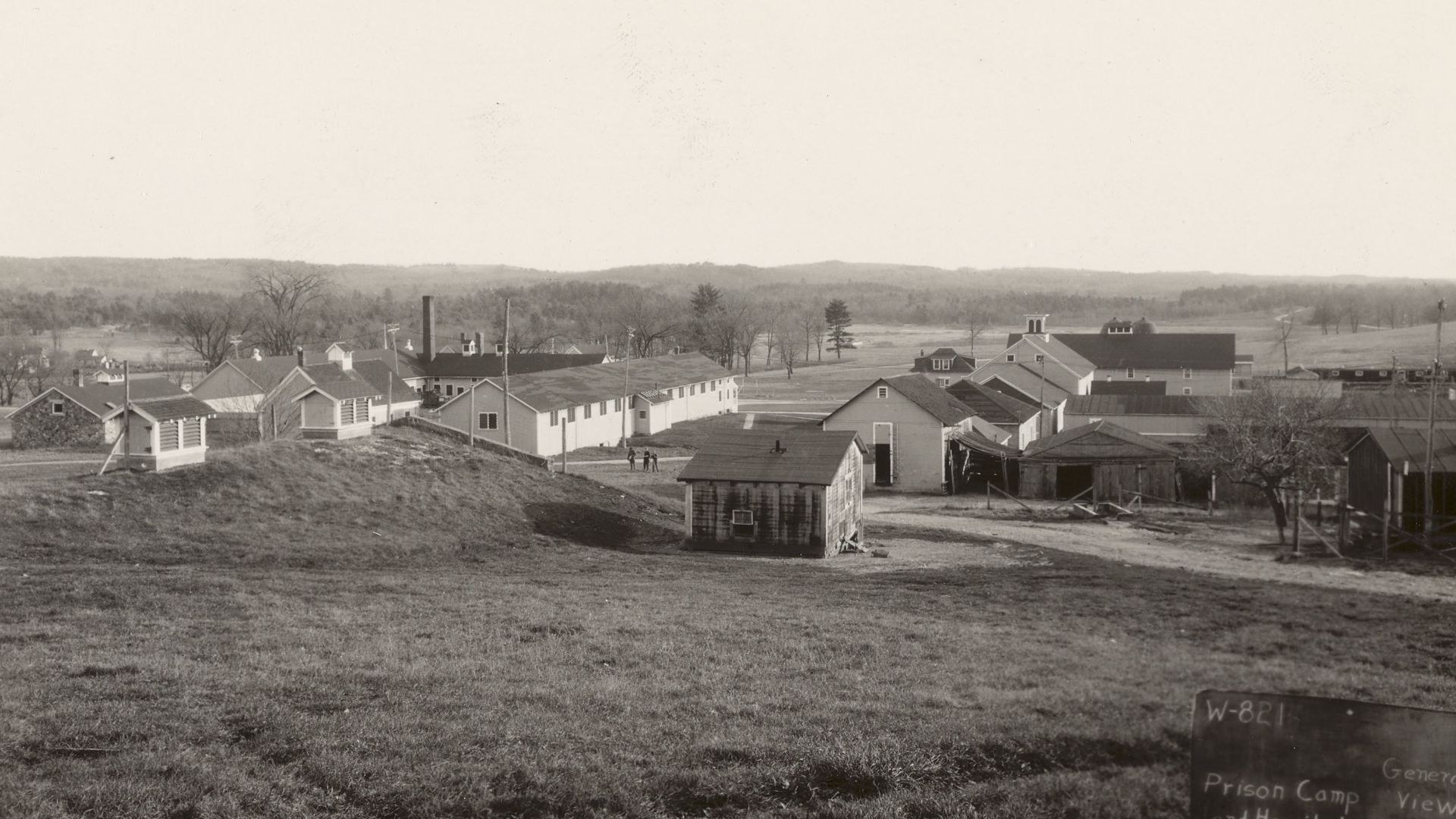
Rutland Prison Camp opened in 1903 as a state-run farming colony where inmates worked the surrounding land. Disease concerns tied to the local water supply helped bring operations to an end in 1934. Stone foundations, cellar holes, stairs and sections of old buildings now disappear beneath the forest.
Michigan: Fayette
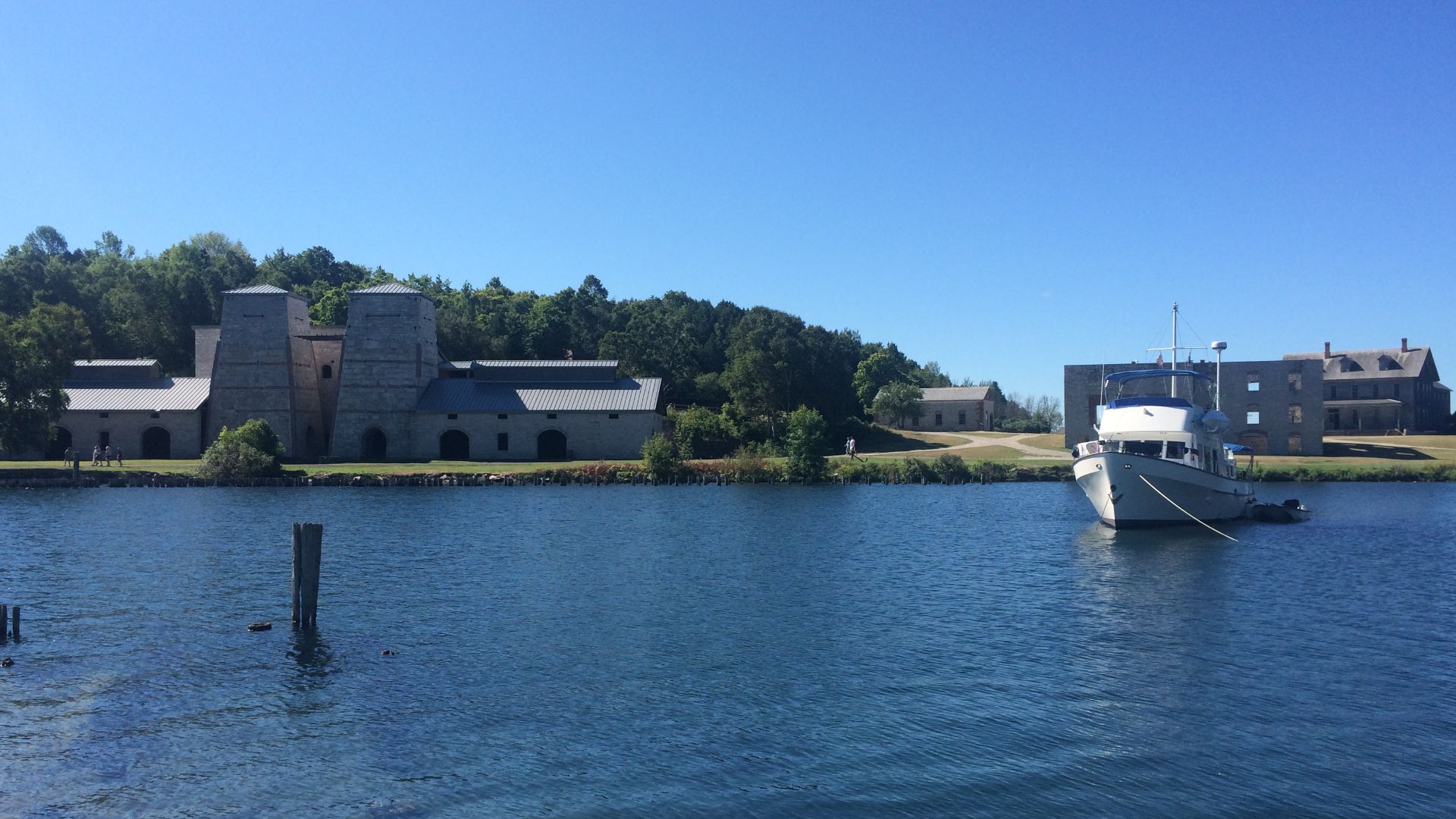
Fayette became a busy industrial community in the 1860s, producing pig iron along the shore of Lake Michigan. When the company ended operations in 1891, most residents quickly departed. Furnaces, workers’ homes, a hotel and other buildings now form an eerily preserved town beside the limestone cliffs.
 AaronJoePick, Wikimedia Commons
Minnesota: Forestville
Forestville flourished as a farming and trading community until the railroad bypassed it in 1868. Businesses closed, families left and the population steadily vanished. The final general store survived until 1910, and several preserved buildings now stand together as though the town’s residents simply walked away.
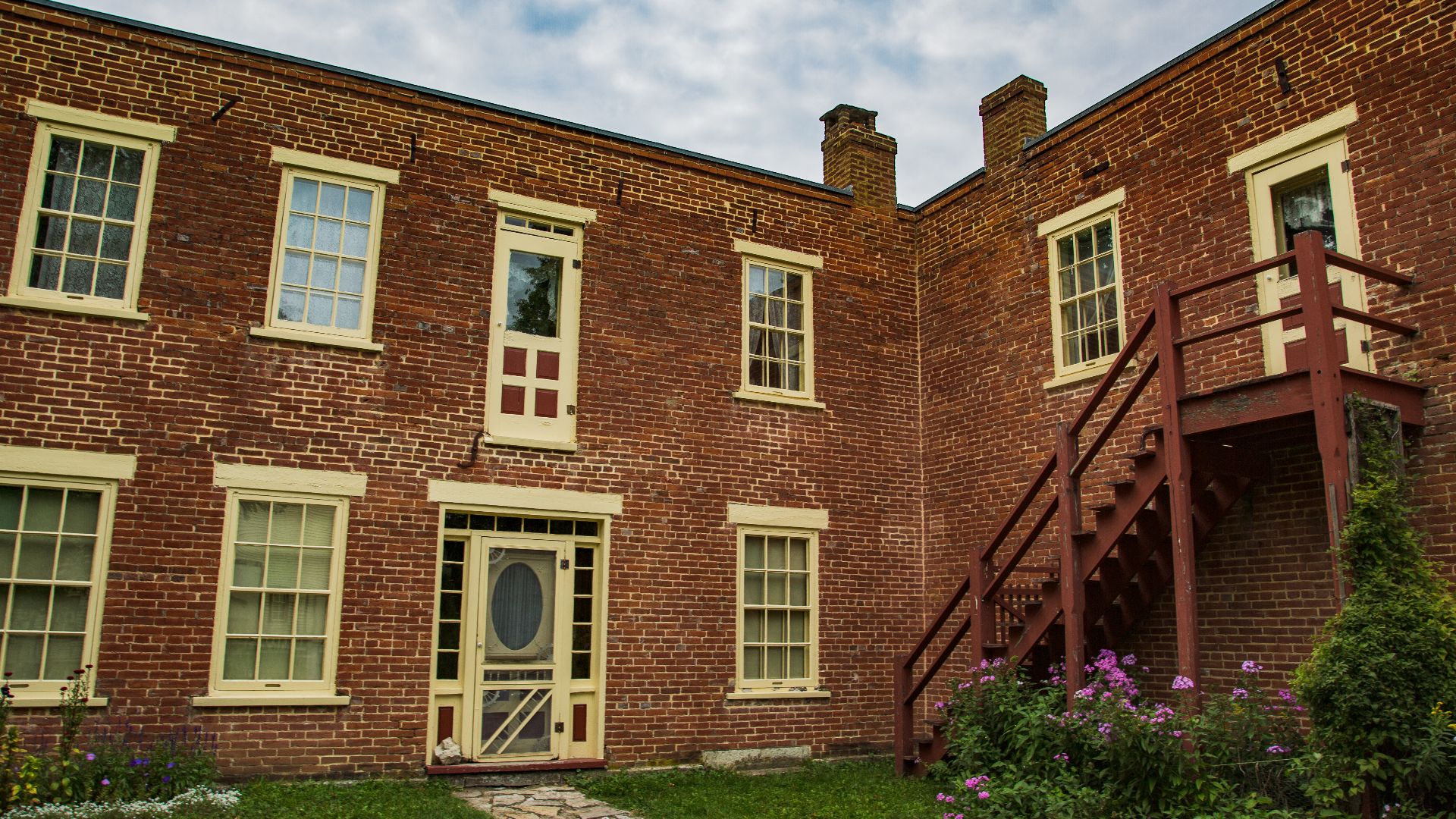 Tony Webster from Minneapolis, Minnesota, United States, Wikimedia Commons
Mississippi: Windsor Ruins
Windsor was once one of Mississippi’s grandest plantation homes, rising four stories above the countryside with 29 enormous columns. A fire destroyed the mansion in 1890, leaving only its iron staircase and towering columns. The staircase was later moved, but the silent stone remains still stand in an open field.
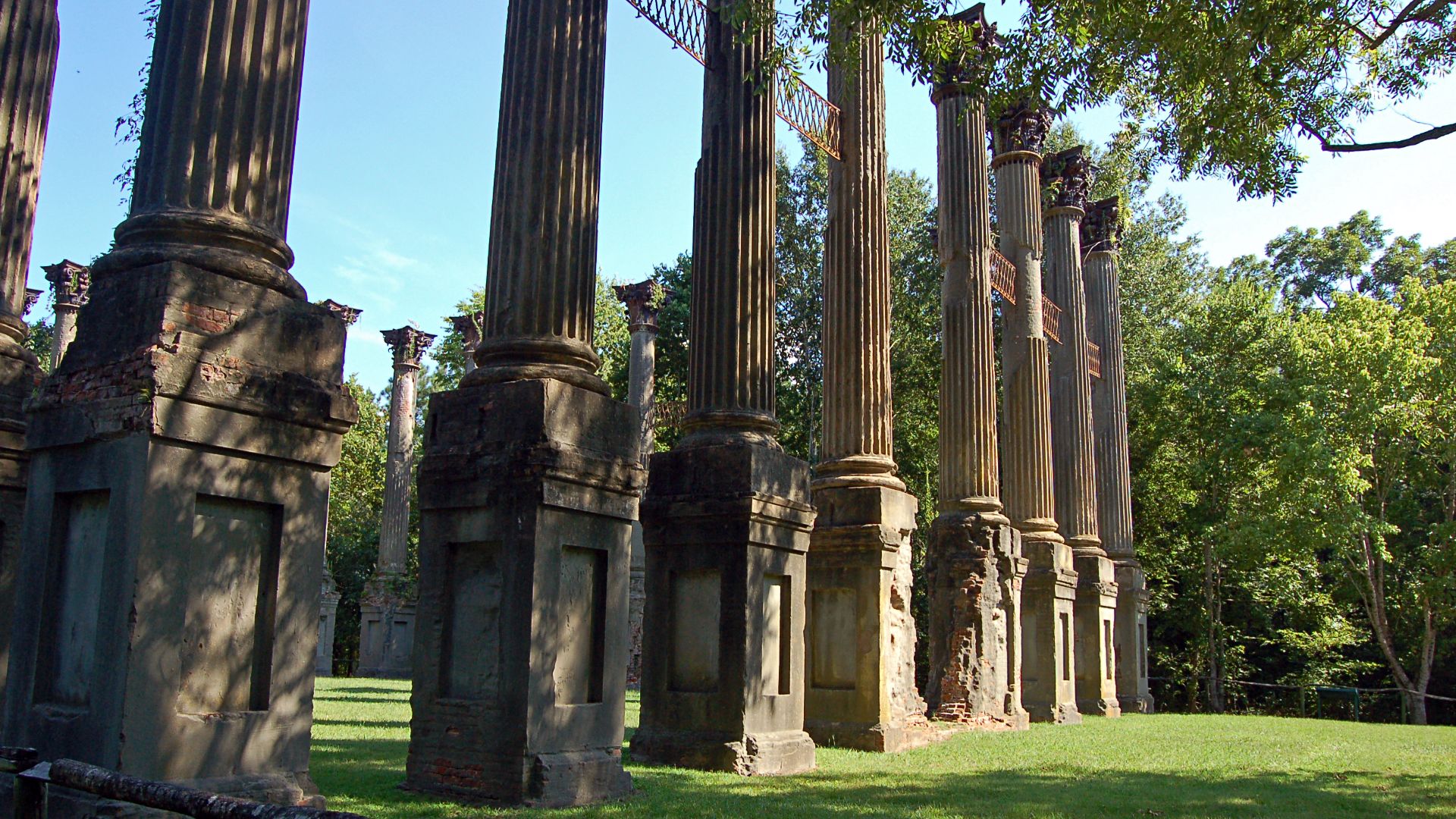 Galen Parks Smith (Gsmith), Wikimedia Commons
Missouri: Missouri State Penitentiary
The Missouri State Penitentiary opened in Jefferson City in 1836 and operated for 168 years. Riots, overcrowding and its aging buildings contributed to its fearsome reputation before it closed in 2004. Its cellblocks, execution chamber and underground spaces now remain as part of a historical-tour attraction.
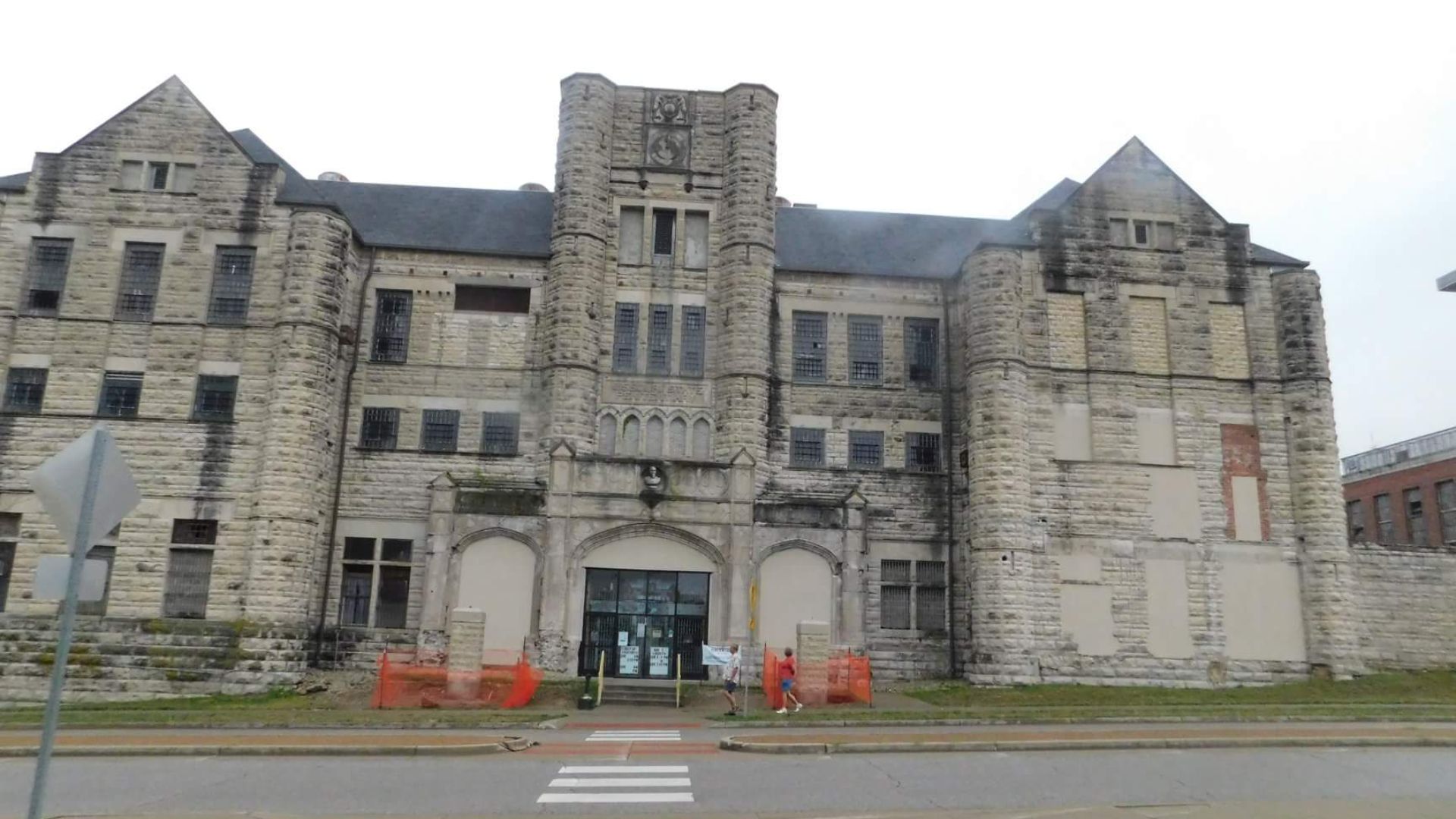 Stack-becky, Wikimedia Commons
Montana: Garnet
Garnet became a thriving gold-mining town during the 1890s, attracting roughly 1,000 residents at its height. Fires, declining mines and harsh winters gradually pushed people away. Cabins, stores, a saloon and an old hotel remain in the mountains, preserved far from Montana’s modern highways and cities.
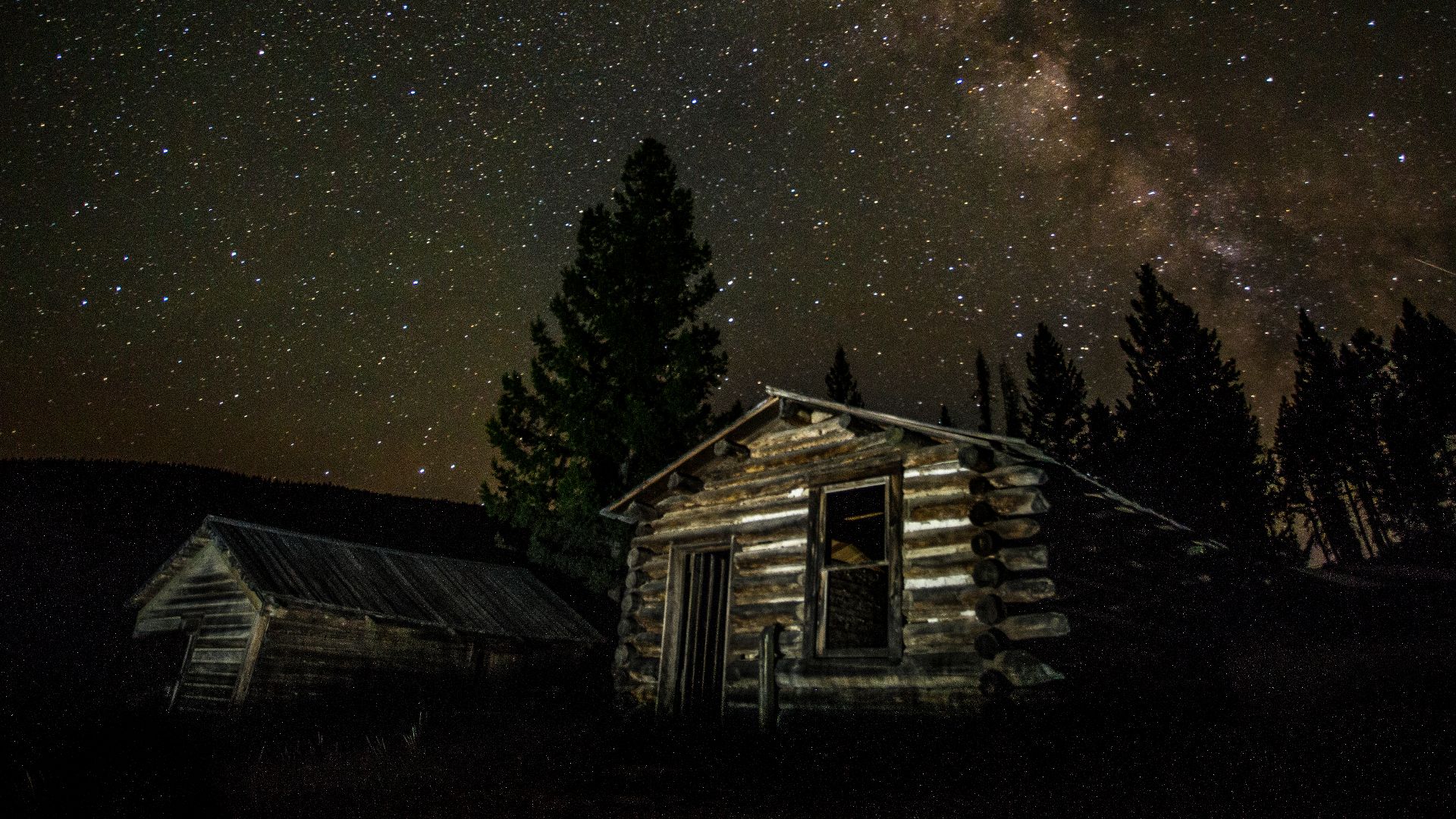 mypubliclands, Wikimedia Commons
Nebraska: St. Deroin
St. Deroin grew beside the Missouri River during the 1850s and prospered as an important ferry crossing. Shifting river traffic and the arrival of railroads slowly destroyed its reason for existing. By 1920, the town had been abandoned, and even its original cemetery had to be moved.
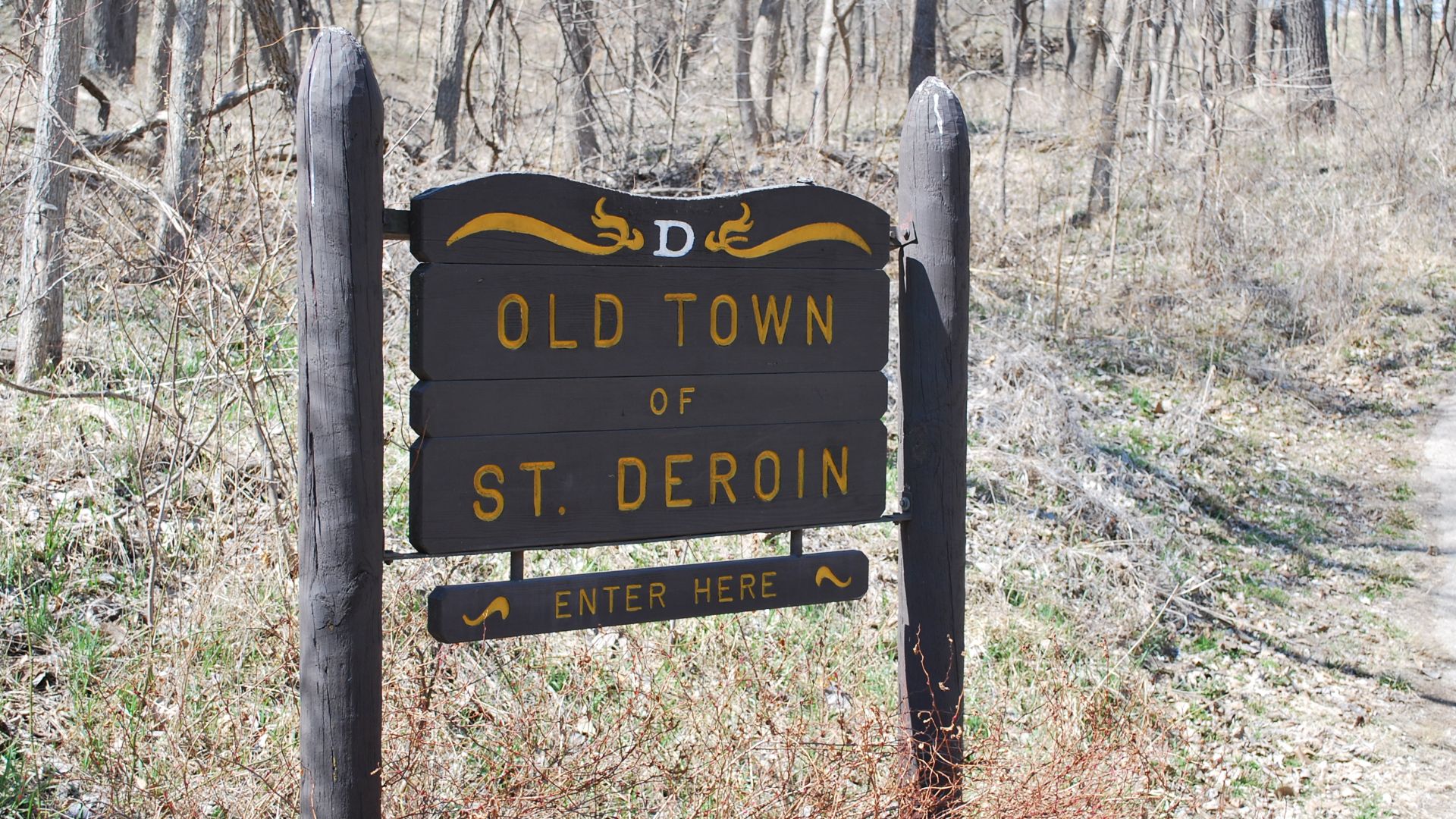 DickClarkMises, Wikimedia Commons
Nevada: Rhyolite
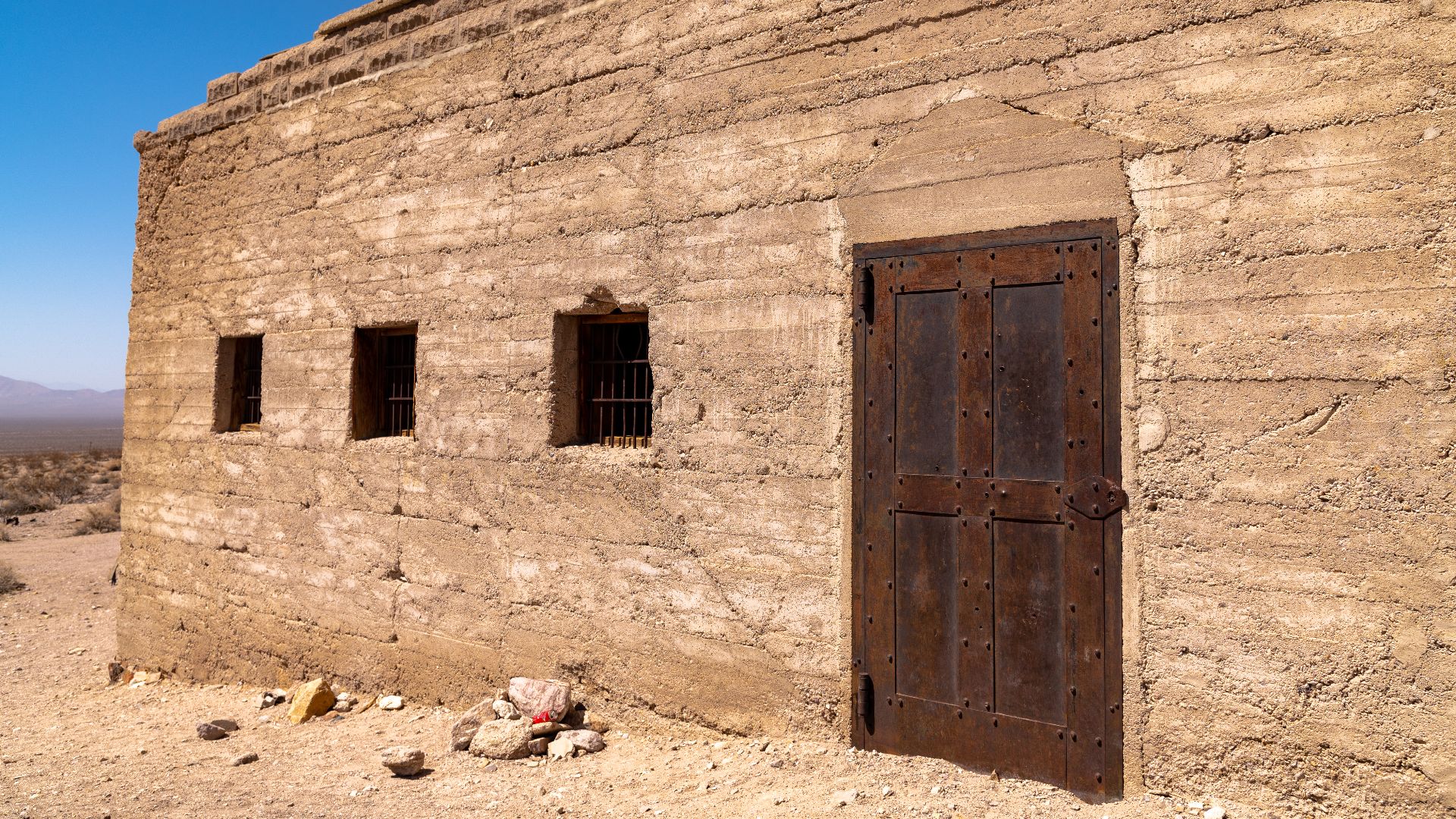
Rhyolite appeared almost overnight after a major gold discovery in 1904. Within a few years, it had electricity, hotels, a hospital, a stock exchange and thousands of residents. Then the mine faltered, investors disappeared and the town collapsed just as quickly, leaving banks, homes and a railway depot behind.
New Hampshire: Madame Sherri’s Castle
Costume designer Madame Antoinette Sherri built an extravagant summer home in the New Hampshire woods during the 1920s. After she stopped using it regularly, the property fell into neglect and vandalism. Fire destroyed the house in 1962, leaving its enormous stone staircase climbing dramatically toward nothing.
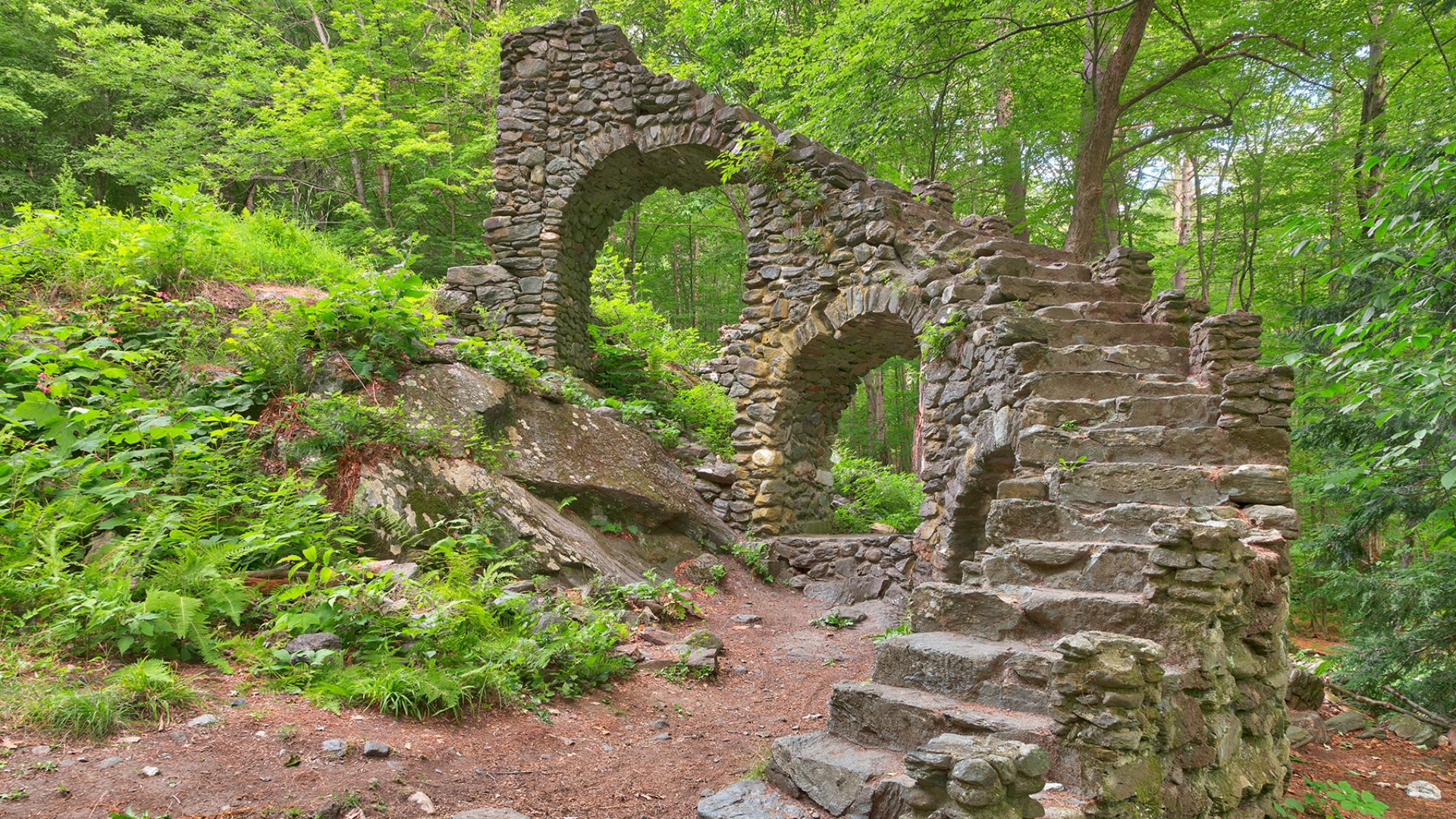 Nicolas Raymond from Bethesda, Maryland, USA, Wikimedia Commons
New Jersey: The Deserted Village Of Feltville
Feltville began as a mill community before businessman David Felt transformed it into a company town during the 1840s. He sold it in 1860, and repeated attempts to revive the settlement eventually failed. Several preserved buildings remain inside Watchung Reservation, surrounded by forest and mostly empty after dark.
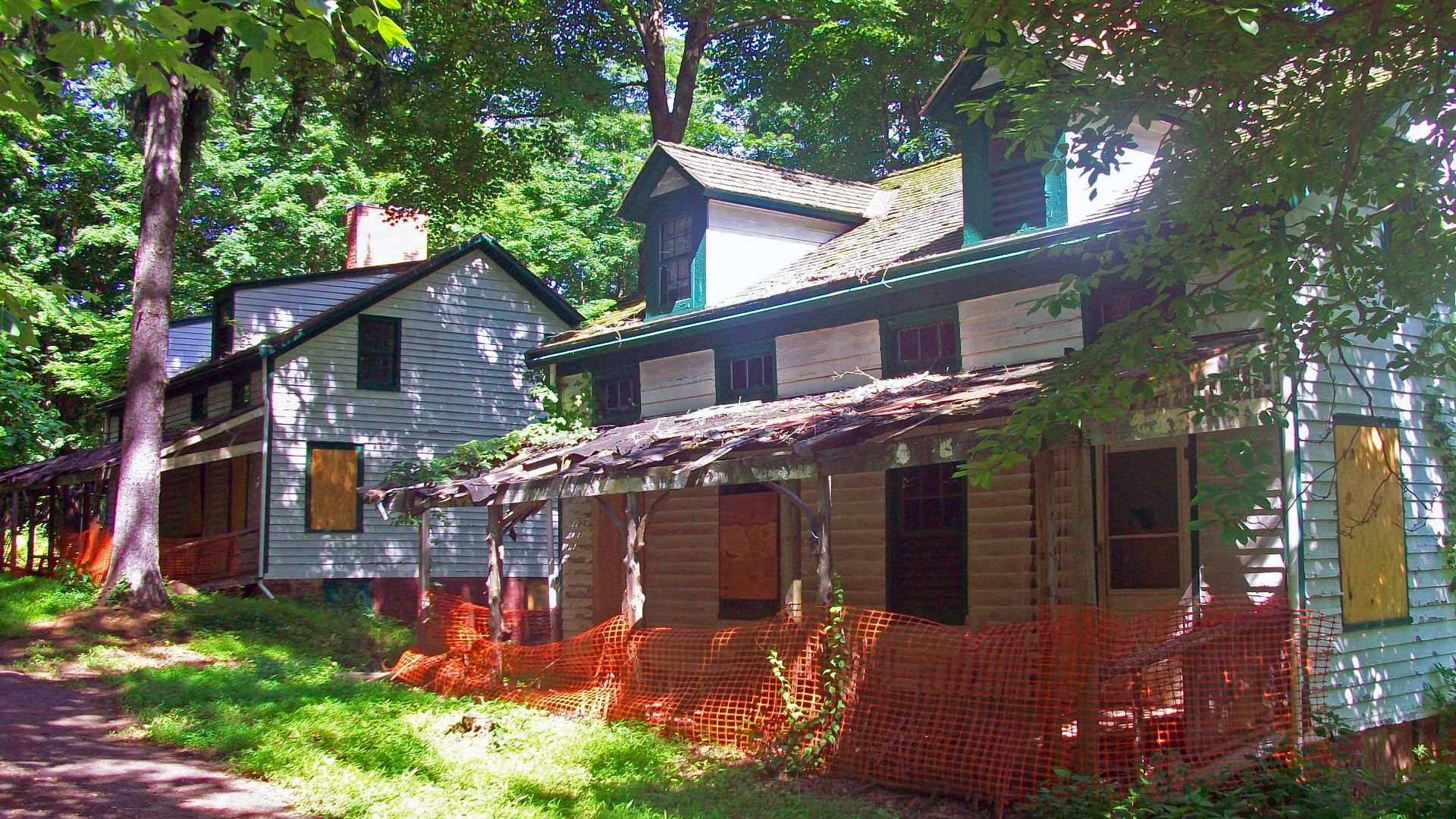 Daniel Case, Wikimedia Commons
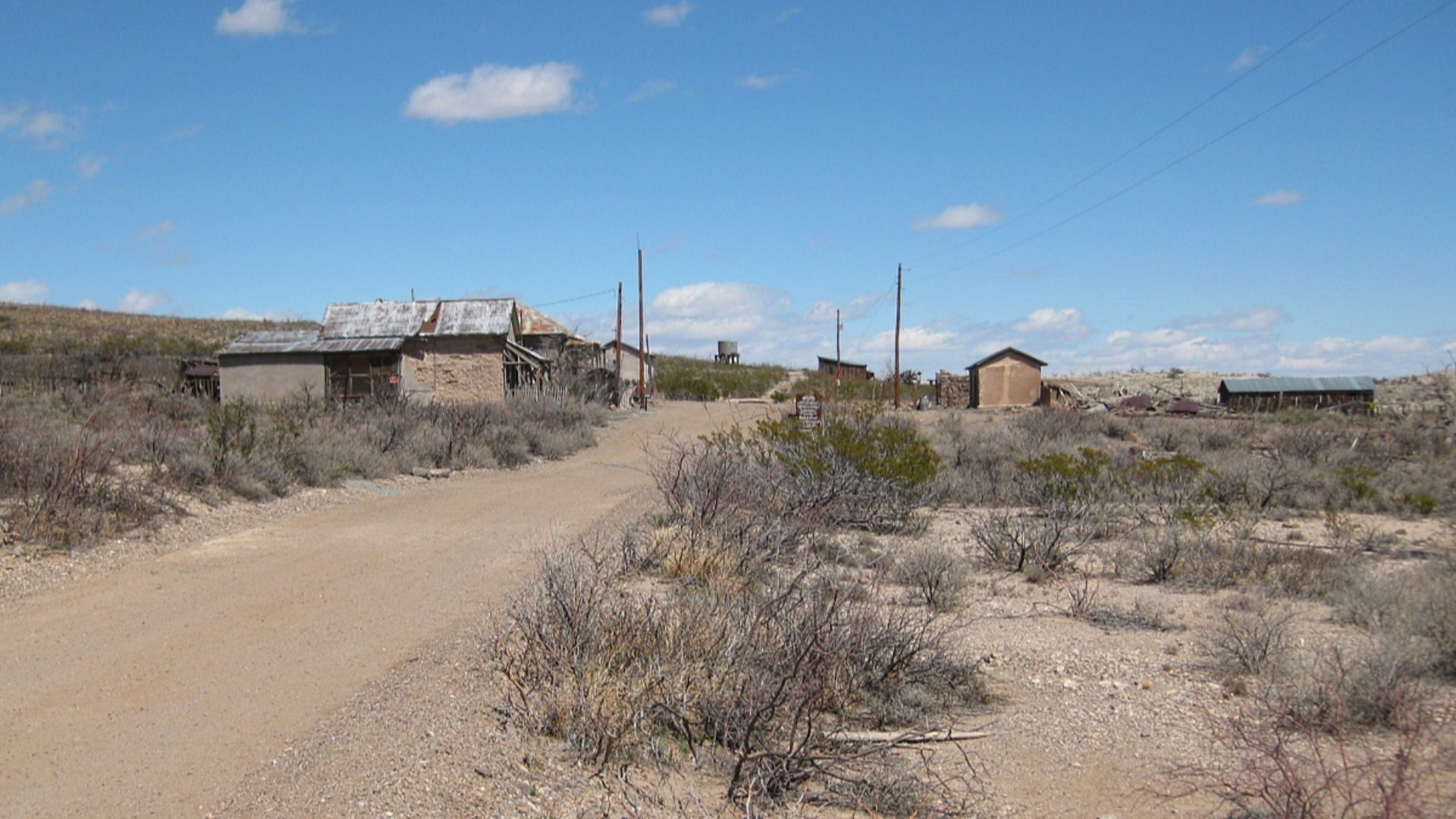
New Mexico: Lake Valley
Lake Valley boomed after silver was discovered nearby in the late 1800s. The town grew rapidly, but falling silver prices and a devastating fire pushed residents away. The final longtime resident passed away in 1994, leaving old schoolrooms, storefronts and mining remains scattered across the desert landscape.
New York: North Brother Island
New York isolated patients with contagious diseases on North Brother Island, where Riverside Hospital treated illnesses including smallpox, tuberculosis and typhus. Mary Mallon, better known as “Typhoid Mary,” was confined there for more than two decades. The hospital closed in 1963, and nature has consumed much of the island.
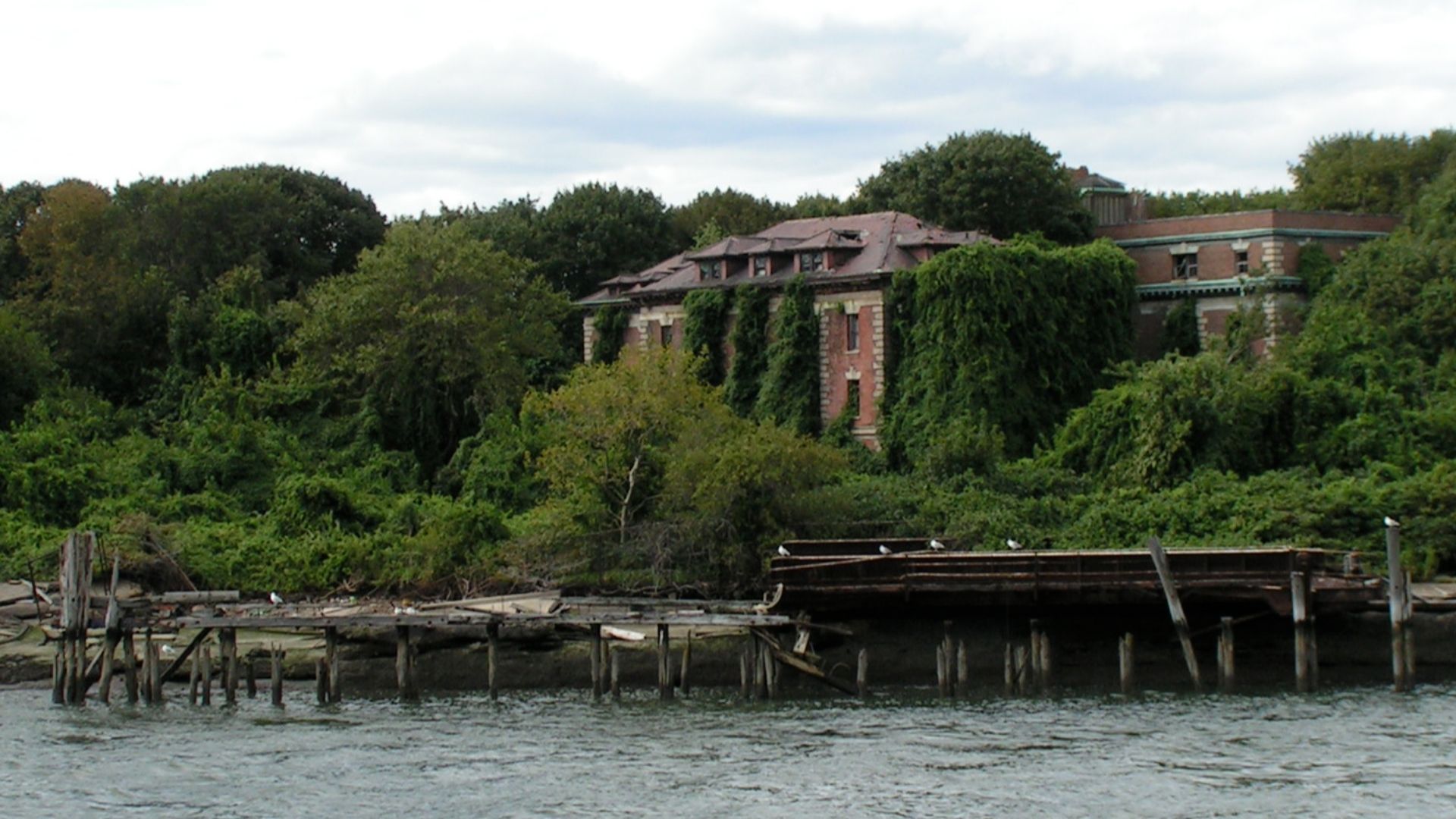 reivax from Washington, DC, USA, Wikimedia Commons
North Carolina: Henry River Mill Village
Henry River Mill Village was built in 1905 around a cotton-yarn mill powered by the river. The mill ceased operating during the 1960s and burned in 1977, but a few homes remained occupied for decades. The mostly empty village later appeared as District 12 in The Hunger Games.
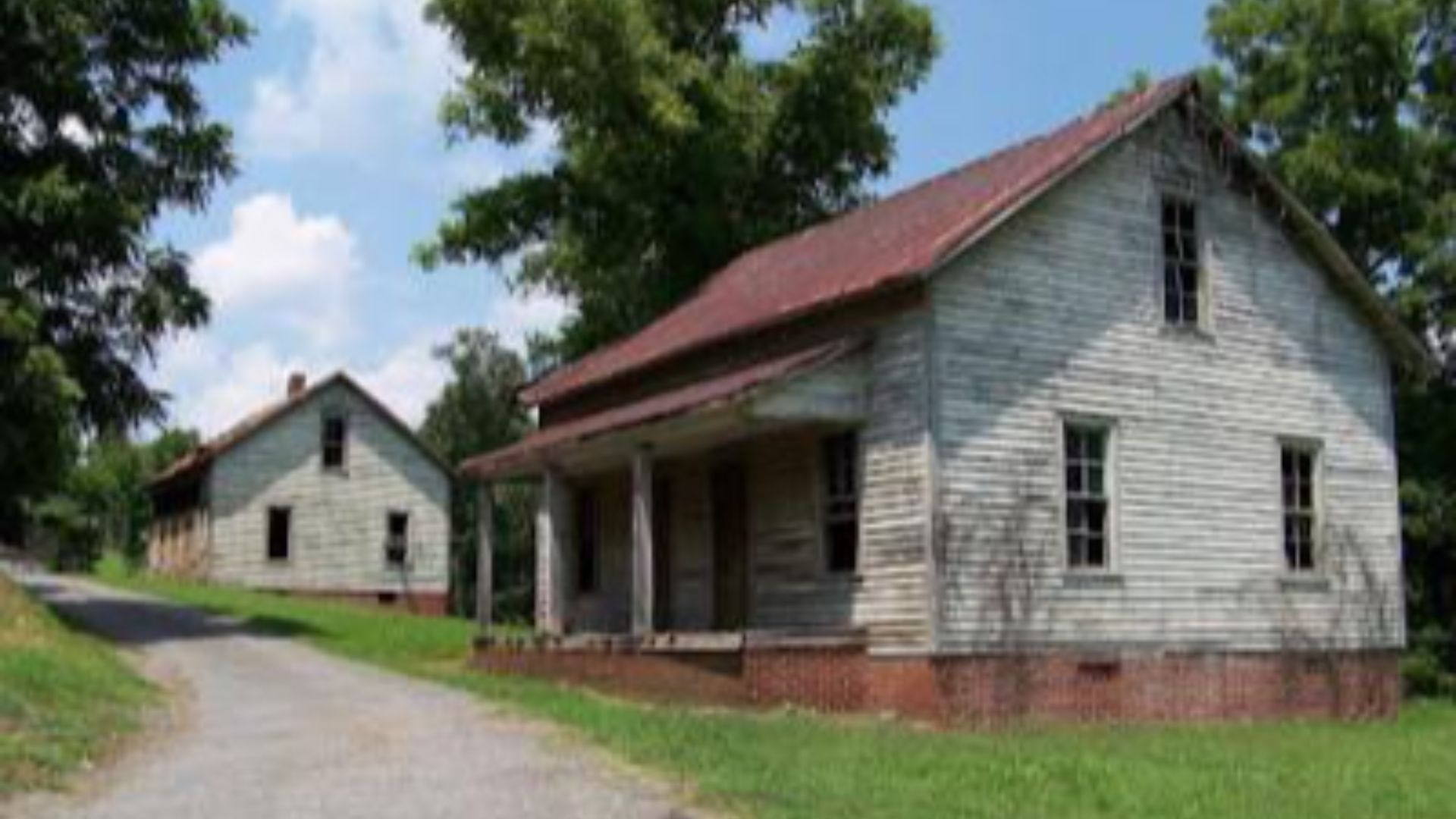 Upstateherd, Wikimedia Commons
North Dakota: San Haven Sanatorium
San Haven opened in 1912 to treat North Dakota residents with tuberculosis and later served people with developmental disabilities. The institution closed in 1987, and its buildings were vacated soon afterward. Empty wards, tunnels and decaying structures now sit across the isolated property near the Canadian border.
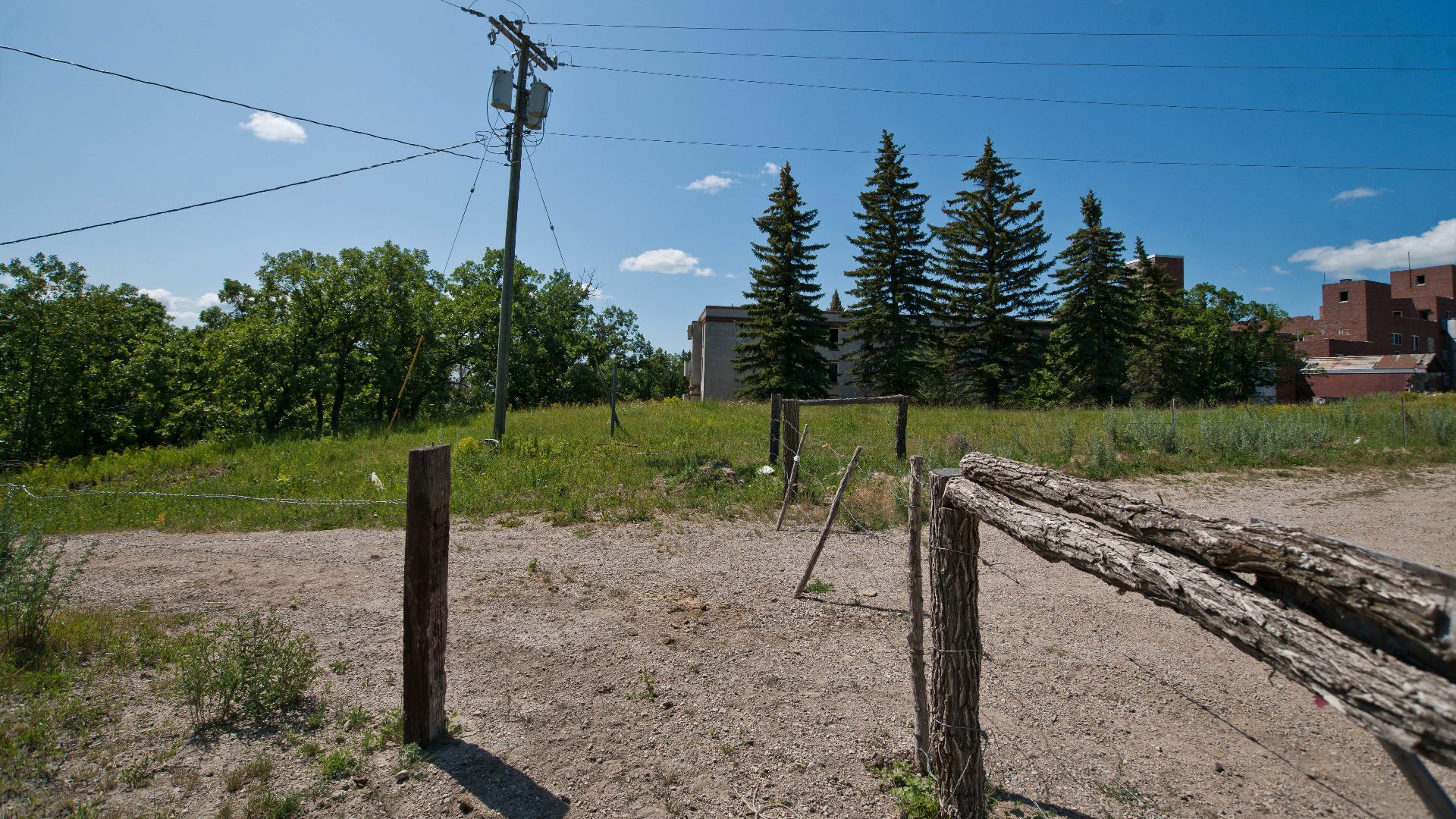 In memoriam afiler, Wikimedia Commons
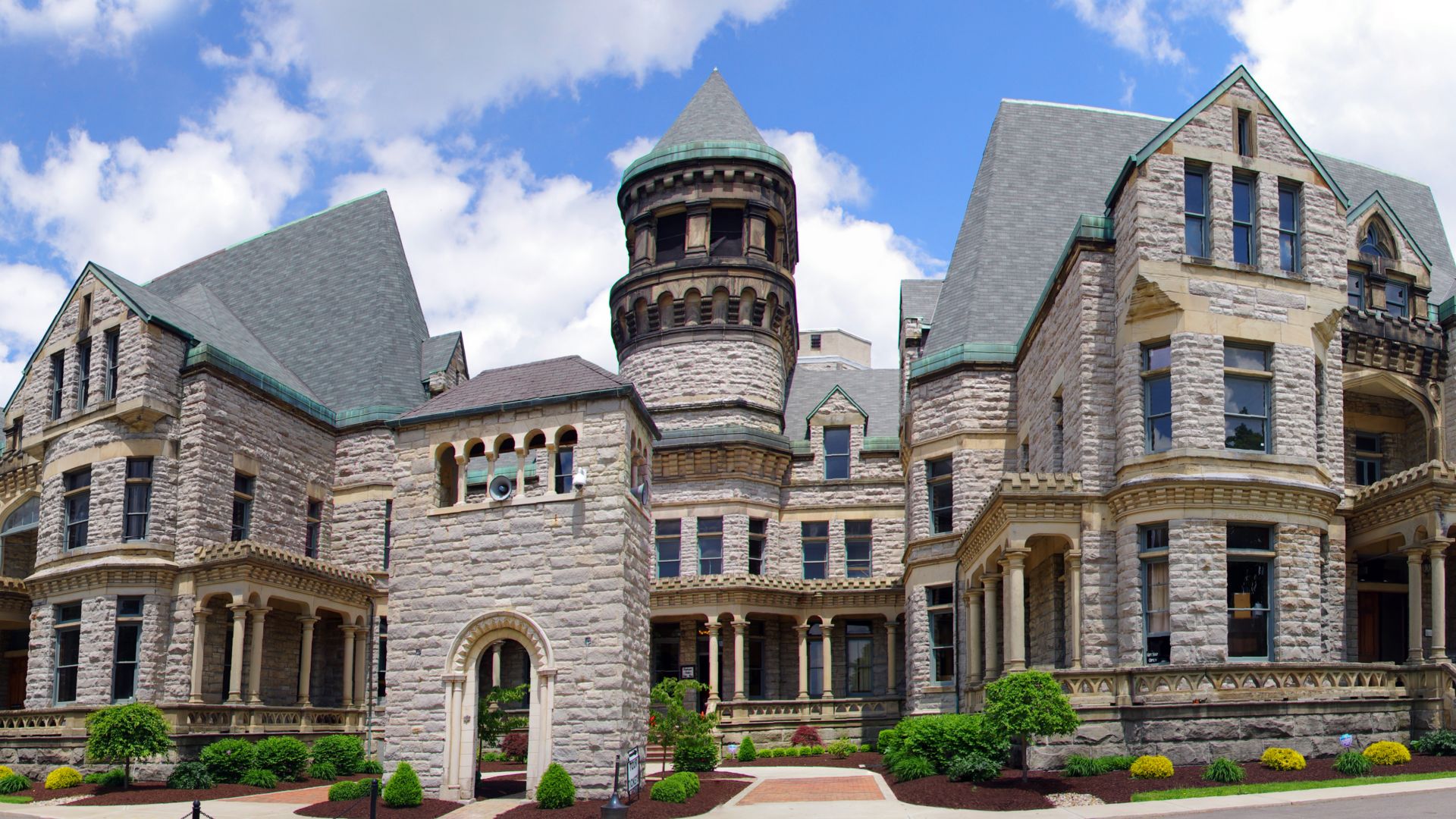
Ohio: Ohio State Reformatory
The Ohio State Reformatory opened in Mansfield in 1896 and eventually became notorious for overcrowding and brutal conditions. A federal court ordered it closed, and the final inmates left in 1990. Its towering cellblocks survived and later became both a tour attraction and a famous movie location.
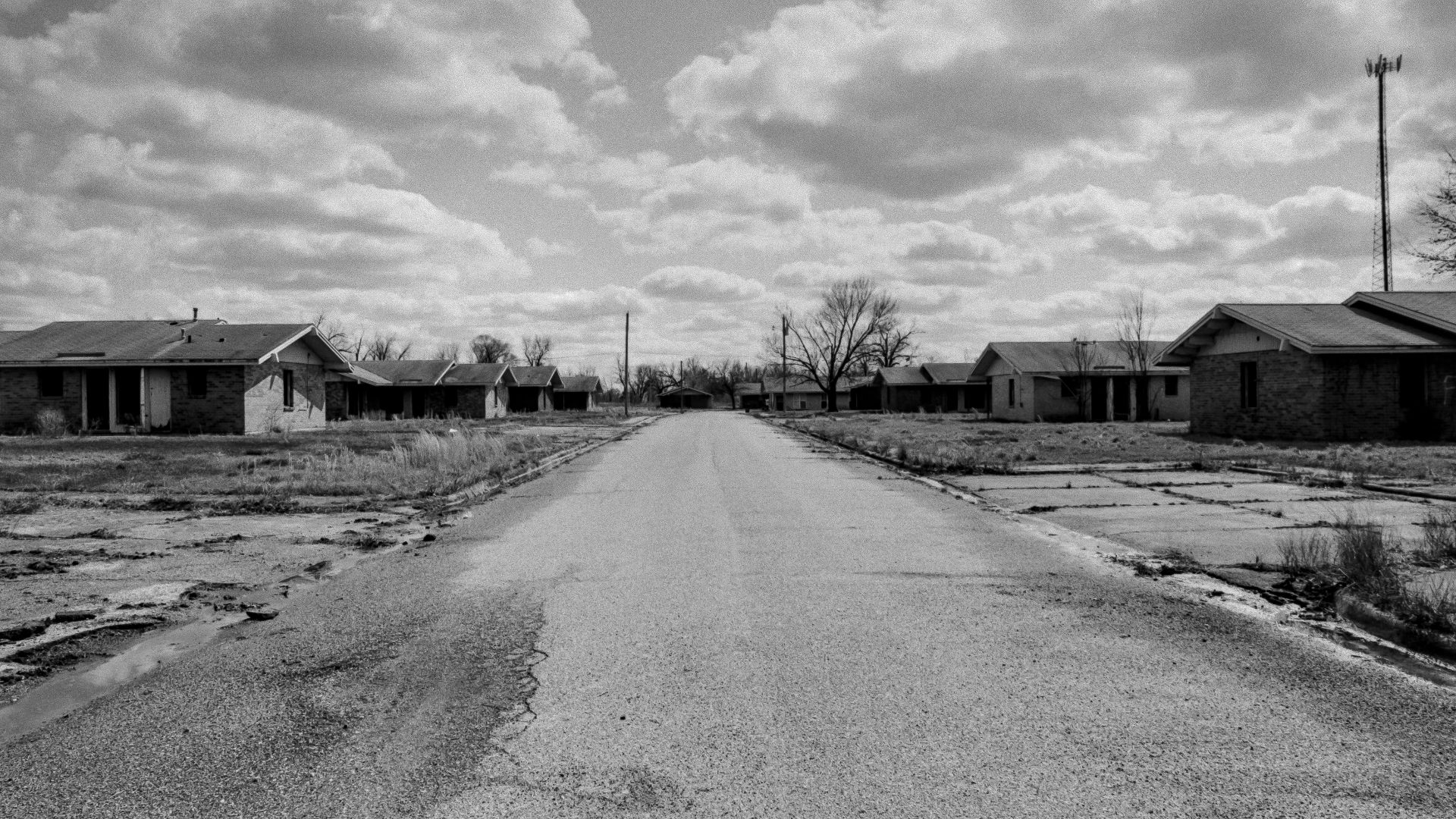
Oklahoma: Picher
Picher grew above one of the world’s richest lead-and-zinc mining fields, but decades of mining left the town surrounded by toxic waste piles and unstable ground. Federal buyouts and a devastating 2008 tornado emptied the community. Picher officially ceased operating as a municipality in 2009.
 TheDoctorWho, Wikimedia Commons
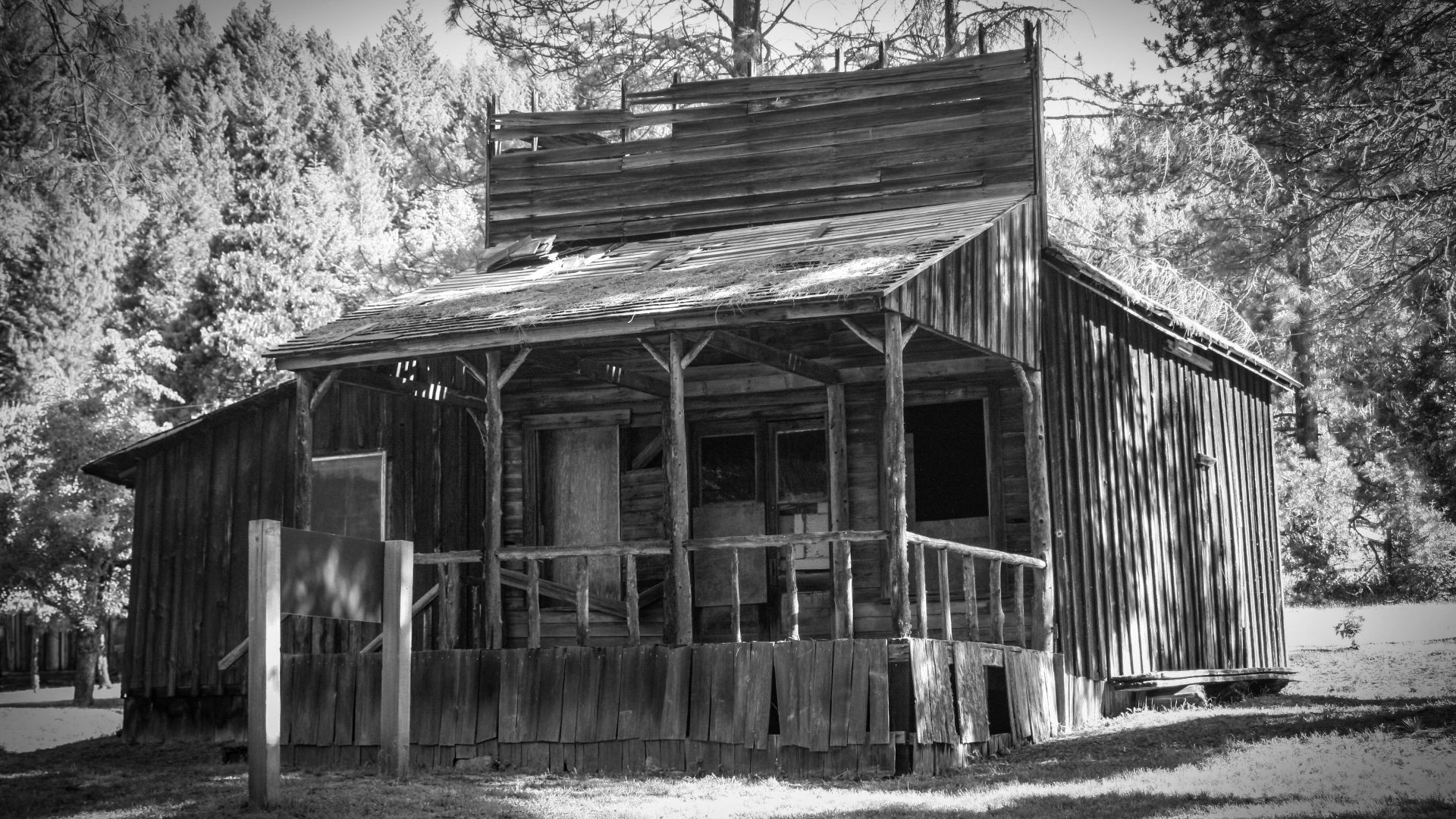
Oregon: Golden
Golden developed during the 1890s around nearby gold-mining operations. Unlike many mining settlements, its town center had two churches but no saloons. When the local mines and hydraulic operations declined, residents moved away. Four surviving buildings now stand together inside one of Oregon’s best-preserved ghost towns.
 Susan Rose from U.S.A., Wikimedia Commons
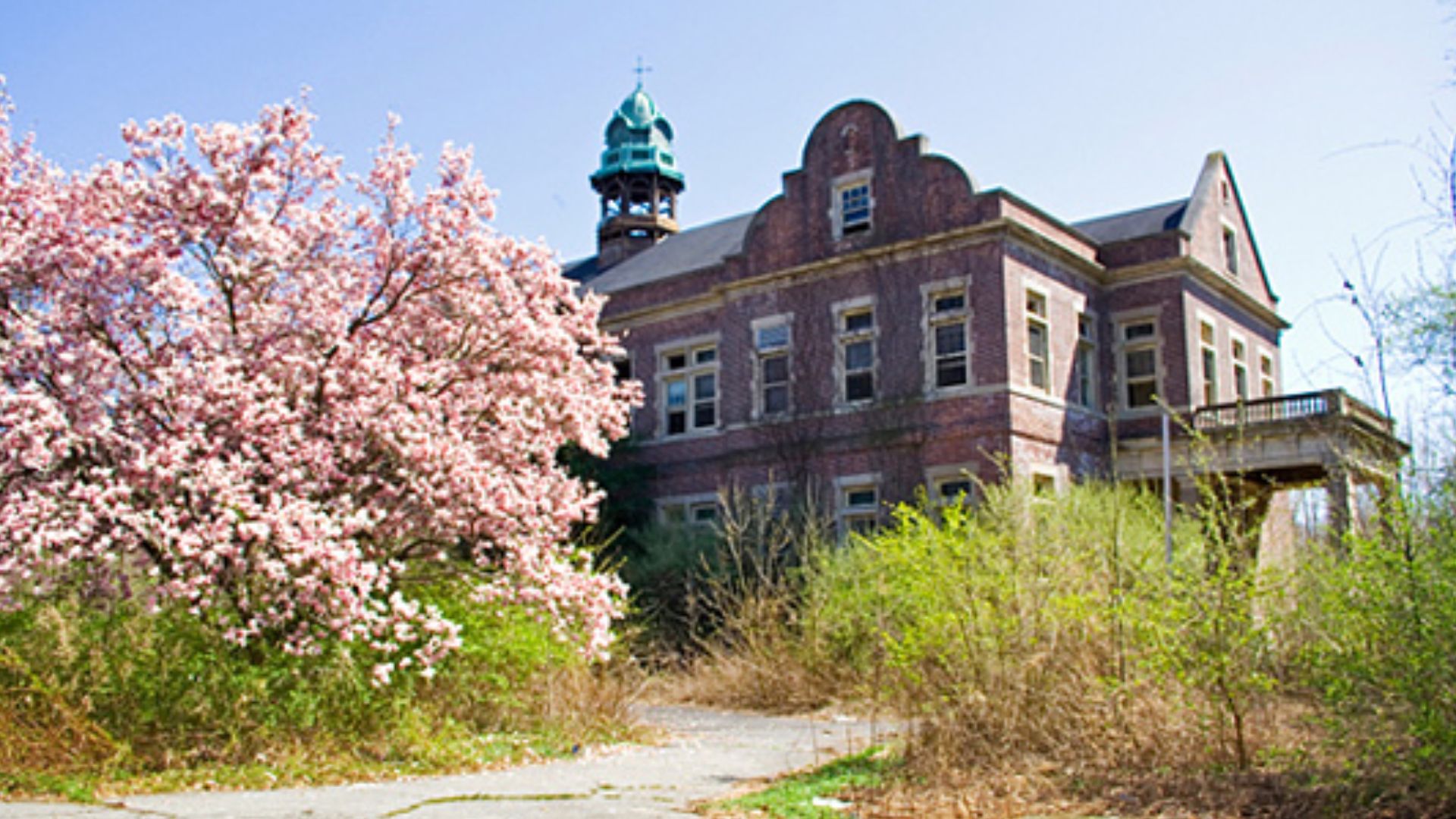
Pennsylvania: Pennhurst State School
Pennhurst opened in 1908 to house people with intellectual and developmental disabilities. Overcrowding, neglect and documented mistreatment eventually led to lawsuits and reforms, and the institution closed in 1987. Its sprawling collection of empty buildings later became a controversial haunted attraction and historical preservation site.
 Smccphotog (talk) (Uploads), Wikimedia Commons
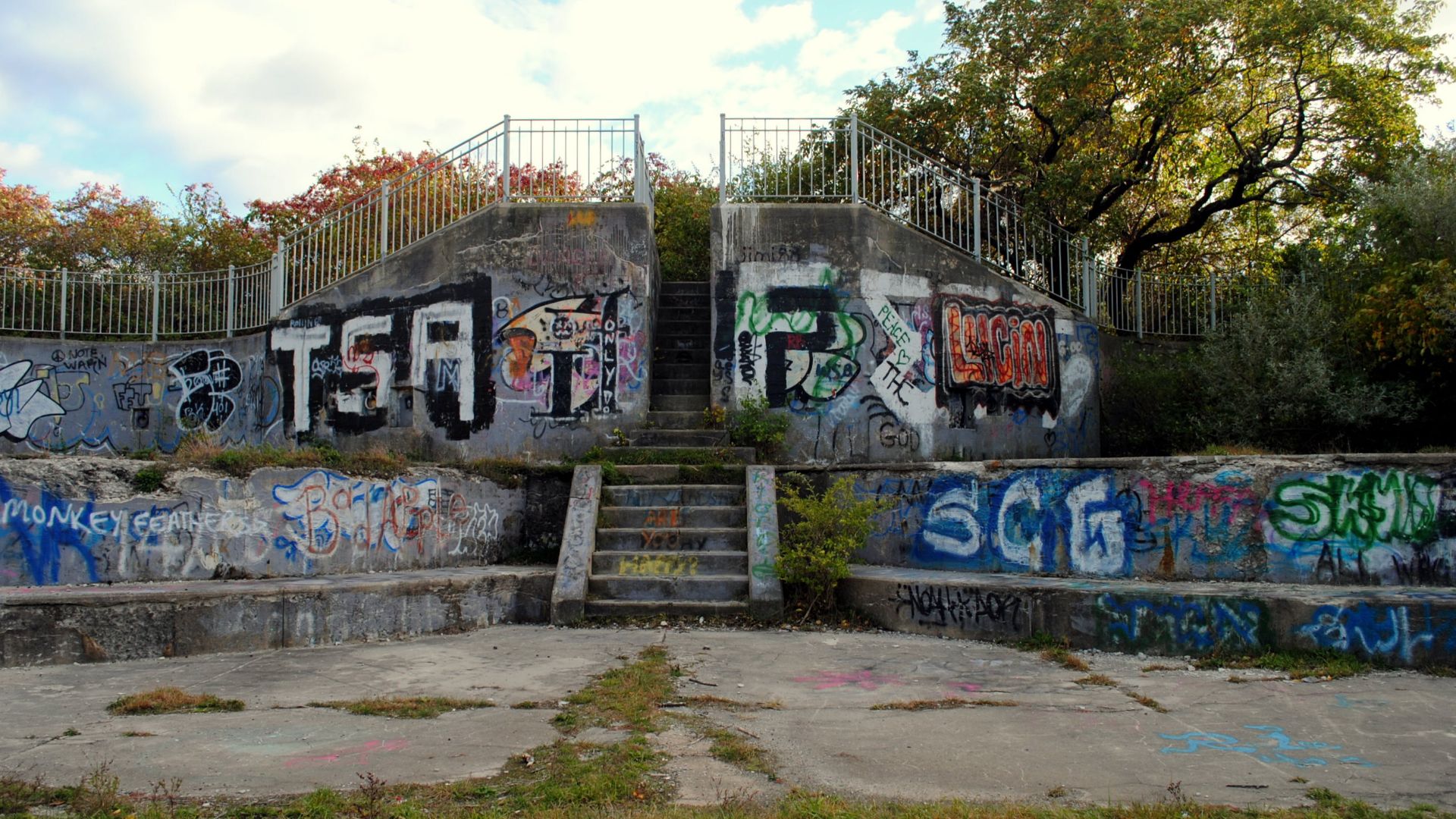
Rhode Island: Fort Wetherill
Fort Wetherill was built into seaside cliffs overlooking Narragansett Bay and served as a coastal defense installation through World War II. The military abandoned it after the war, leaving concrete bunkers, observation posts and underground passages behind. Much of the property is now part of a public state park.
 JMPelletier, Wikimedia Commons
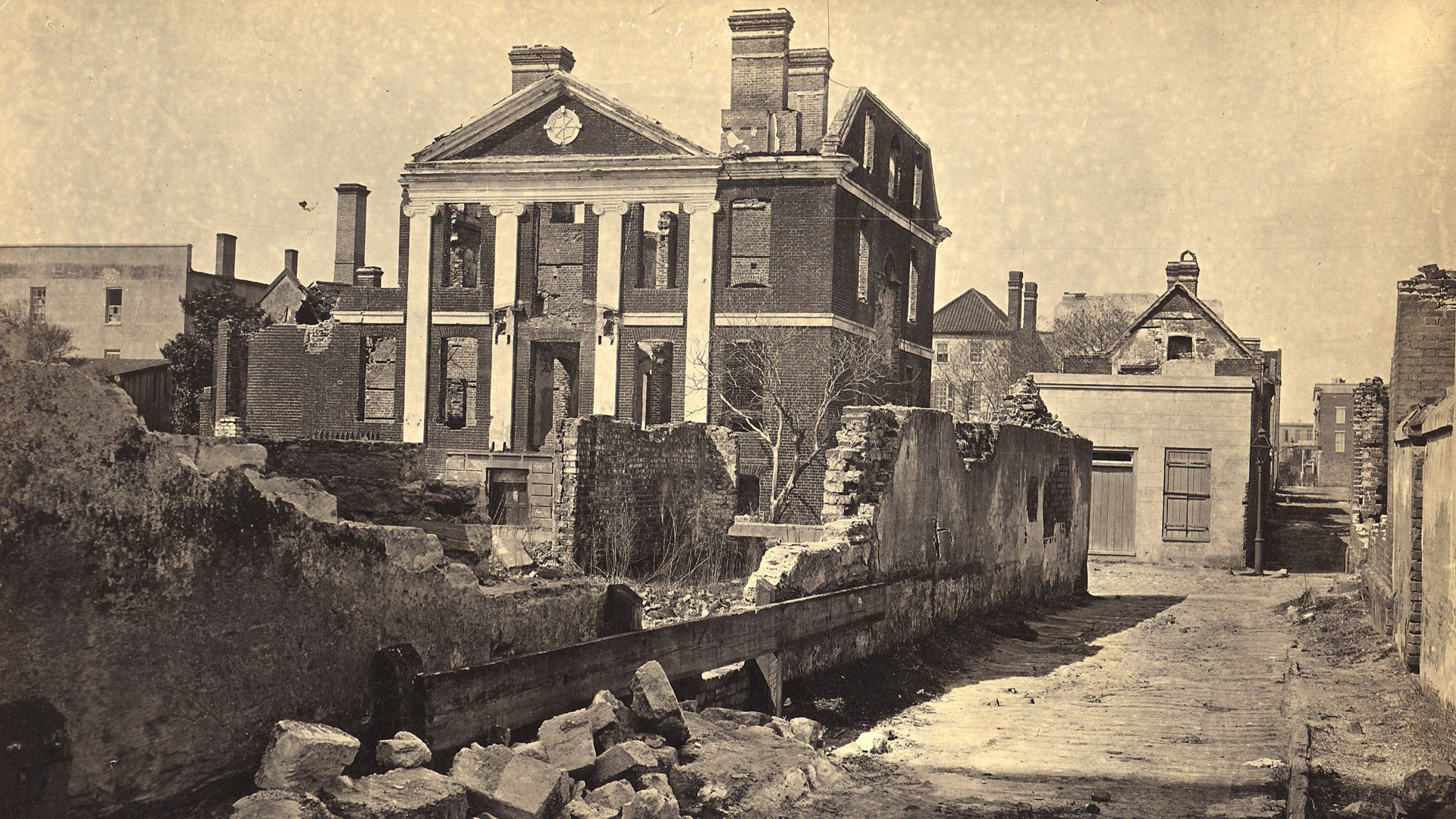
South Carolina: Castle Pinckney
Castle Pinckney was built on a small island in Charleston Harbor during the early 1800s. It later served as a military prison, artillery position and lighthouse before losing its usefulness. Preservation plans repeatedly stalled, leaving the overgrown brick fortress largely inaccessible and slowly deteriorating offshore.
 George N. Barnard, Wikimedia Commons
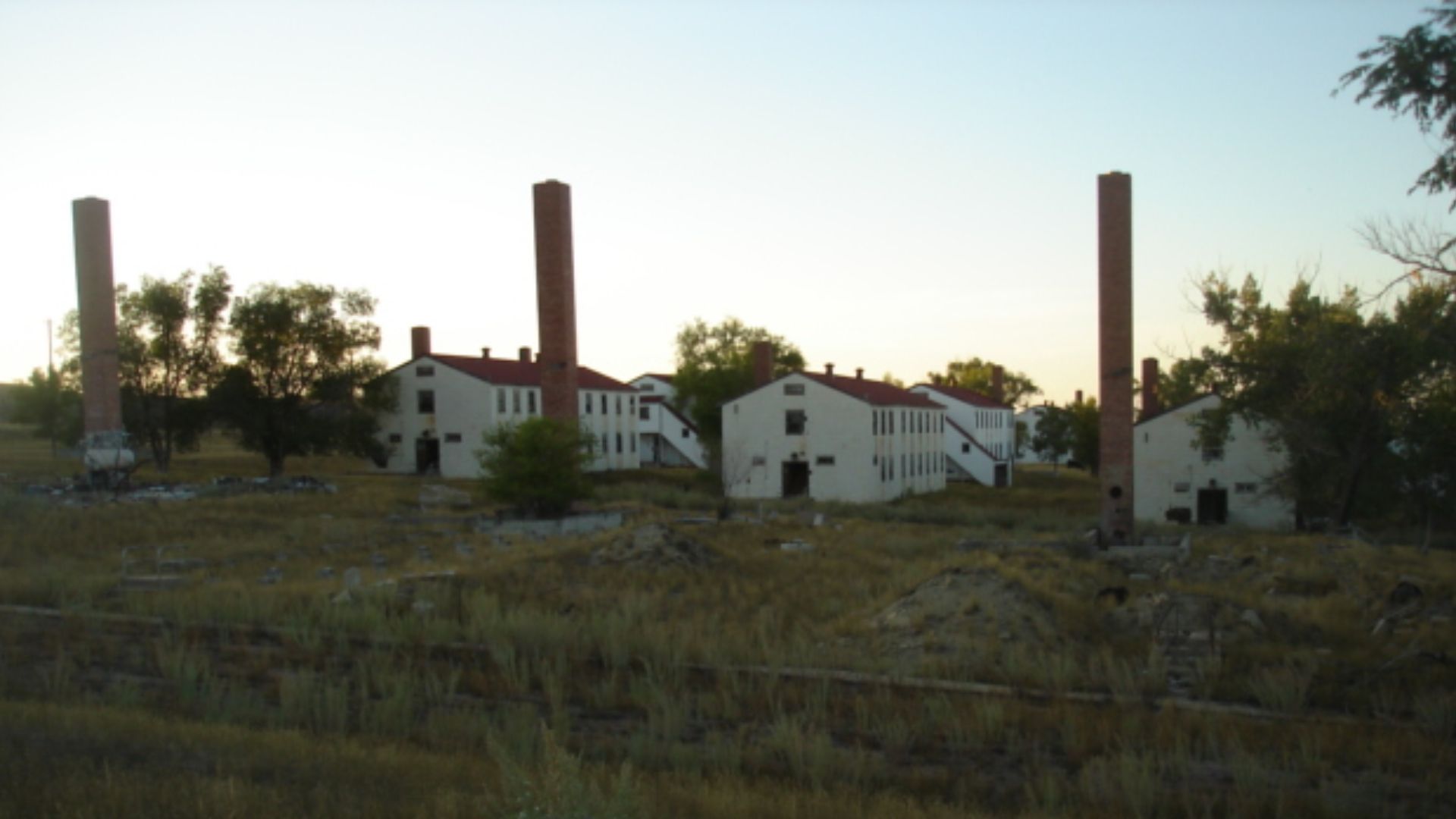
South Dakota: Igloo
Igloo was constructed during World War II to house workers and military personnel at the Black Hills Ordnance Depot. Thousands once lived beside its ammunition-storage bunkers. The depot closed in 1967, and most residents departed, leaving empty homes, a school, a theater and abandoned military structures behind.
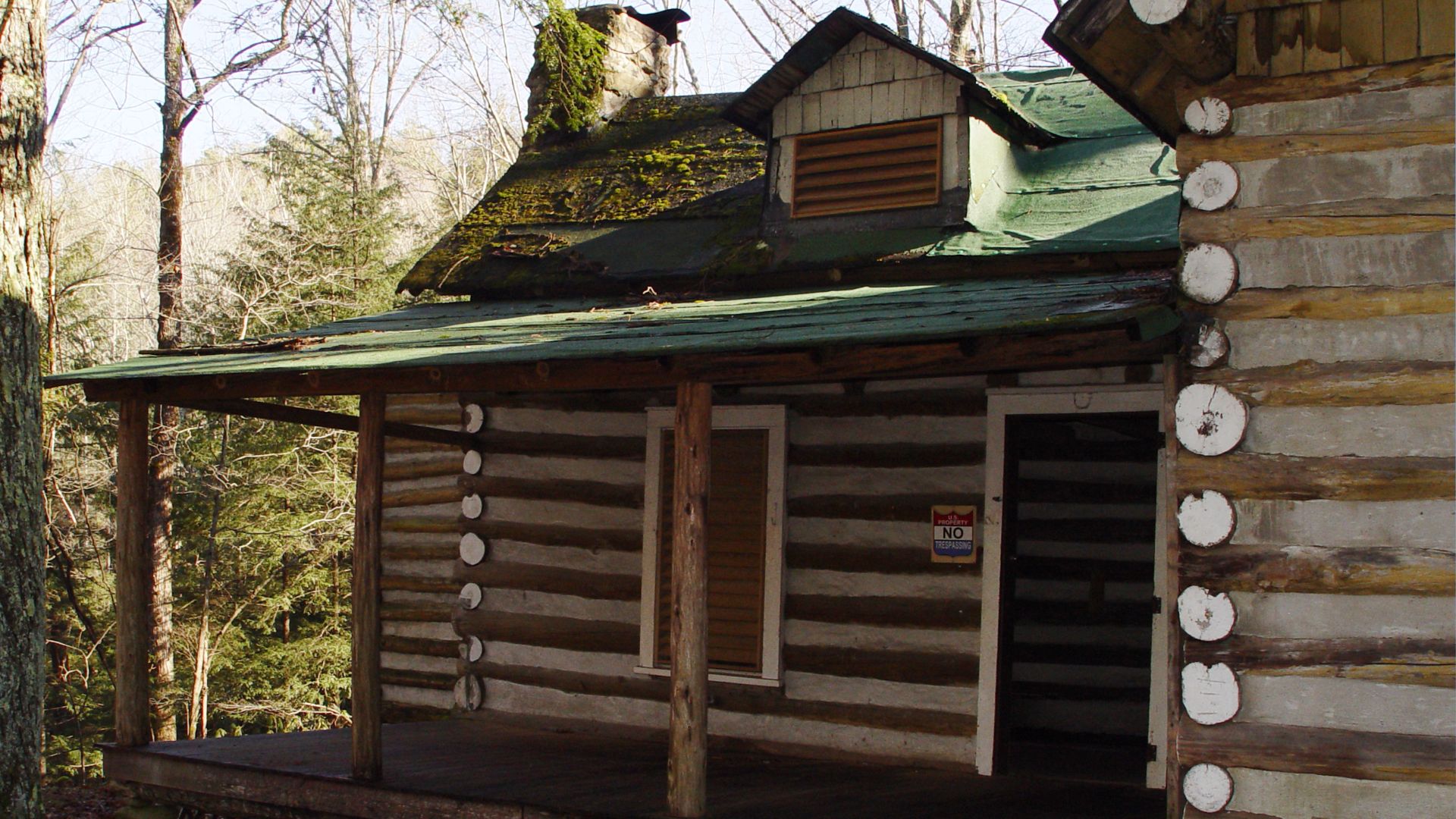
Tennessee: Elkmont
Elkmont began as a logging town before wealthy families transformed parts of it into a summer retreat. When the land became part of Great Smoky Mountains National Park, residents received temporary leases that eventually expired. Many abandoned cabins were removed, while a smaller collection was preserved and restored.
 Steven C. Price, Wikimedia Commons
Texas: Yorktown Memorial Hospital
Yorktown Memorial Hospital opened in 1951 under the direction of the Felician Sisters and served the surrounding community for decades. The hospital closed in 1986, although a rehabilitation center continued operating there until 1992. The deteriorating building now opens occasionally for historical and paranormal tours.
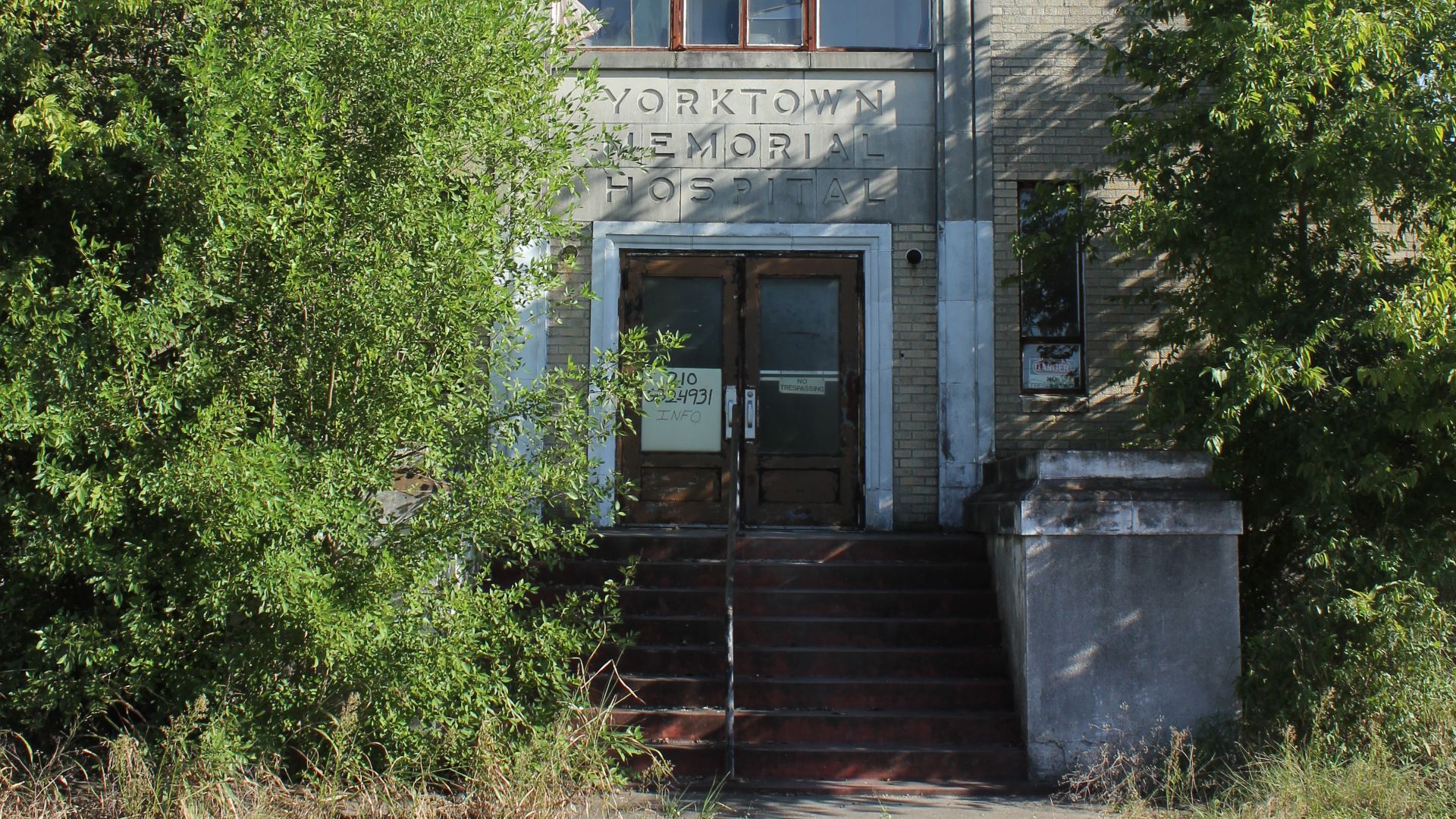 Nicolas Henderson, Wikimedia Commons
Utah: Thistle
Thistle was a small railway community until a massive landslide blocked the Spanish Fork River in 1983. Rising water flooded the town, forcing residents to evacuate permanently. Waterlogged houses, broken foundations and half-submerged structures still mark the location of one of America’s most expensive landslides.
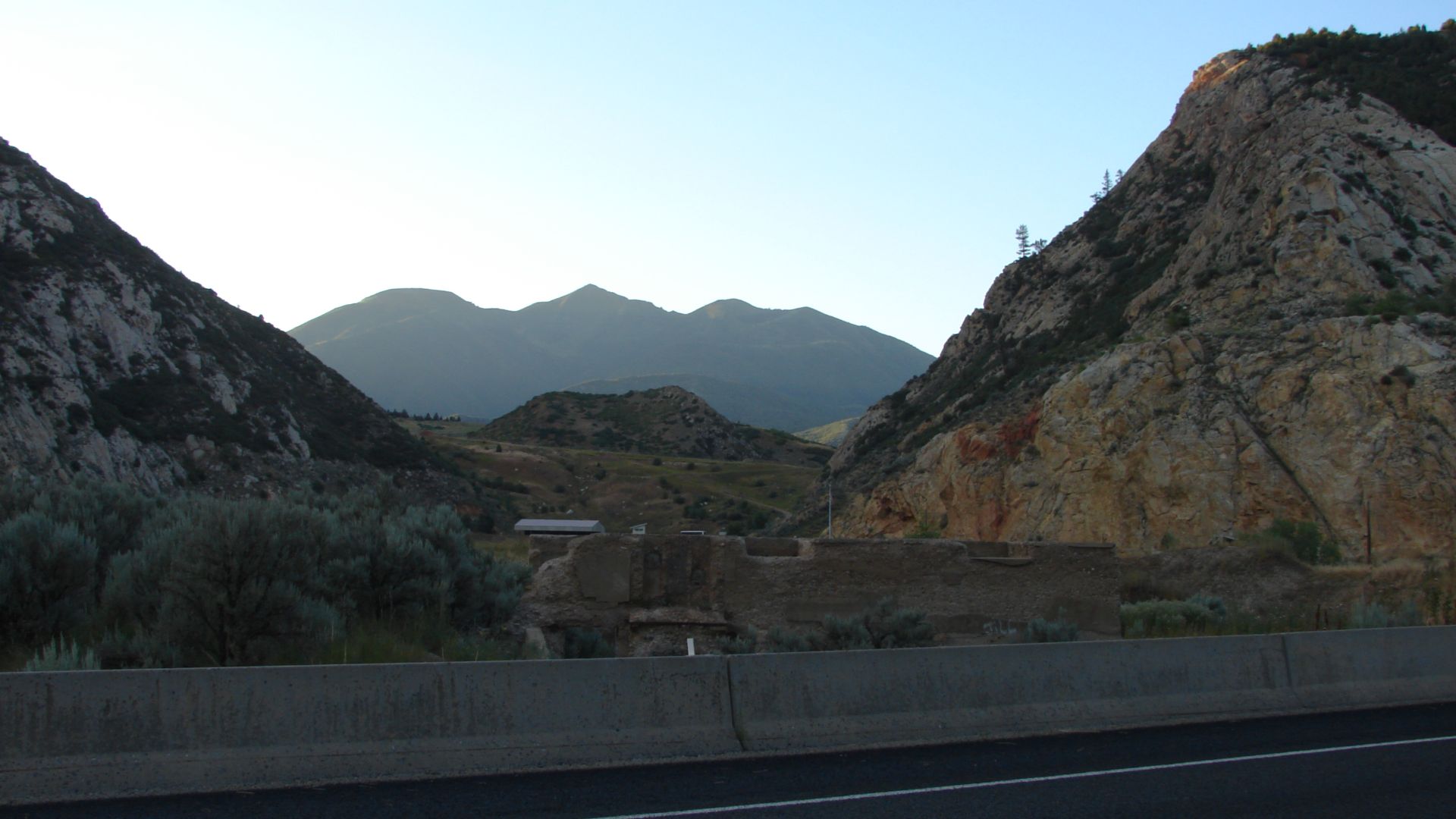 An Errant Knight, Wikimedia Commons
Vermont: Glastenbury
Glastenbury grew around logging, charcoal production and a short-lived mountain railway, but repeated business failures and the collapse of local industry drove residents away. Vermont formally disincorporated the town in 1937. Only a handful of people live within its heavily forested boundaries today.
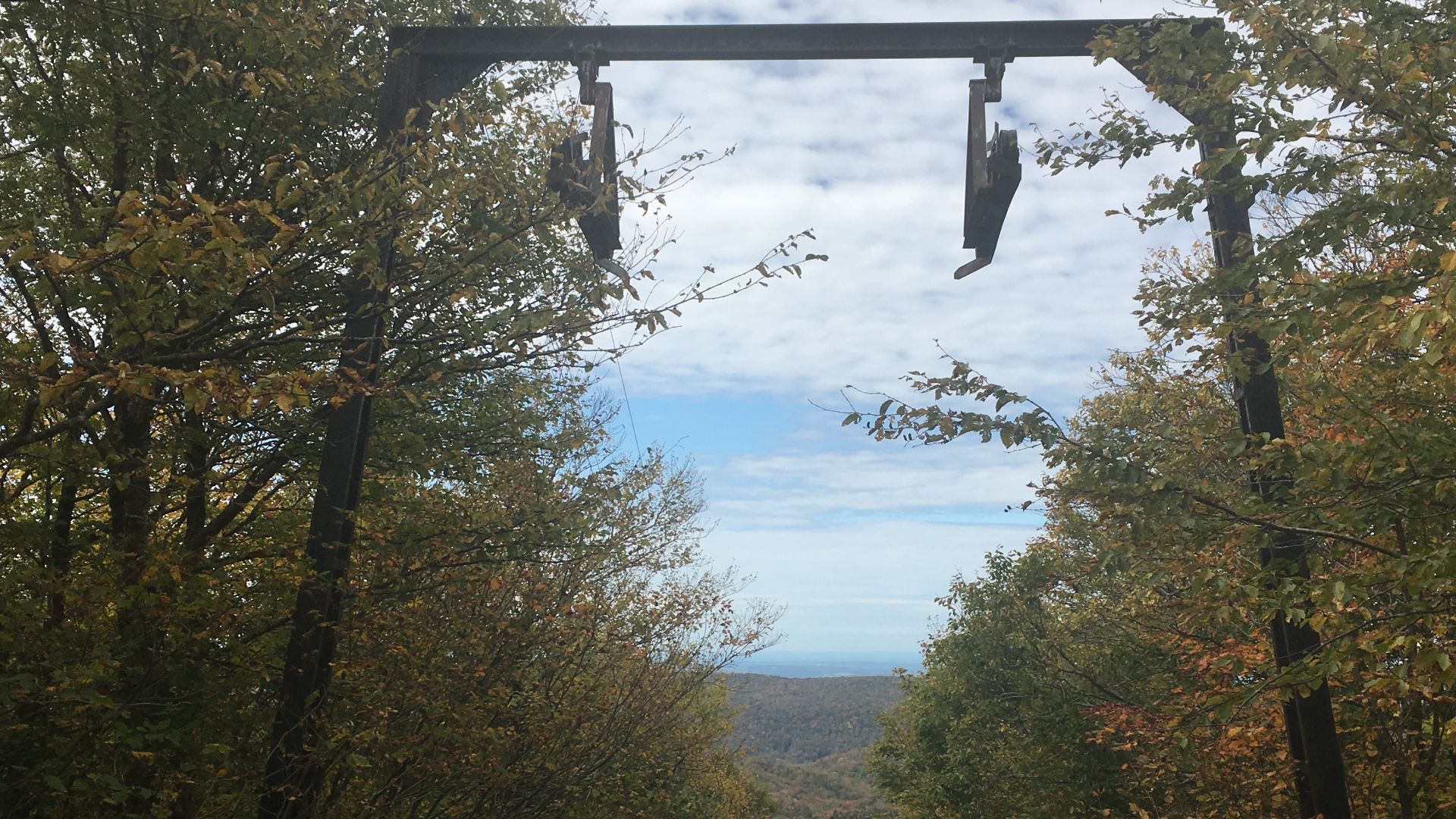
Virginia: DeJarnette Sanatorium
The DeJarnette Sanatorium opened near Staunton during the 1930s under physician Joseph DeJarnette, an outspoken supporter of forced sterilization. The institution later became a children’s psychiatric hospital before closing in 1996. Its empty brick buildings remained standing beside a modern shopping development, fenced off from the public.
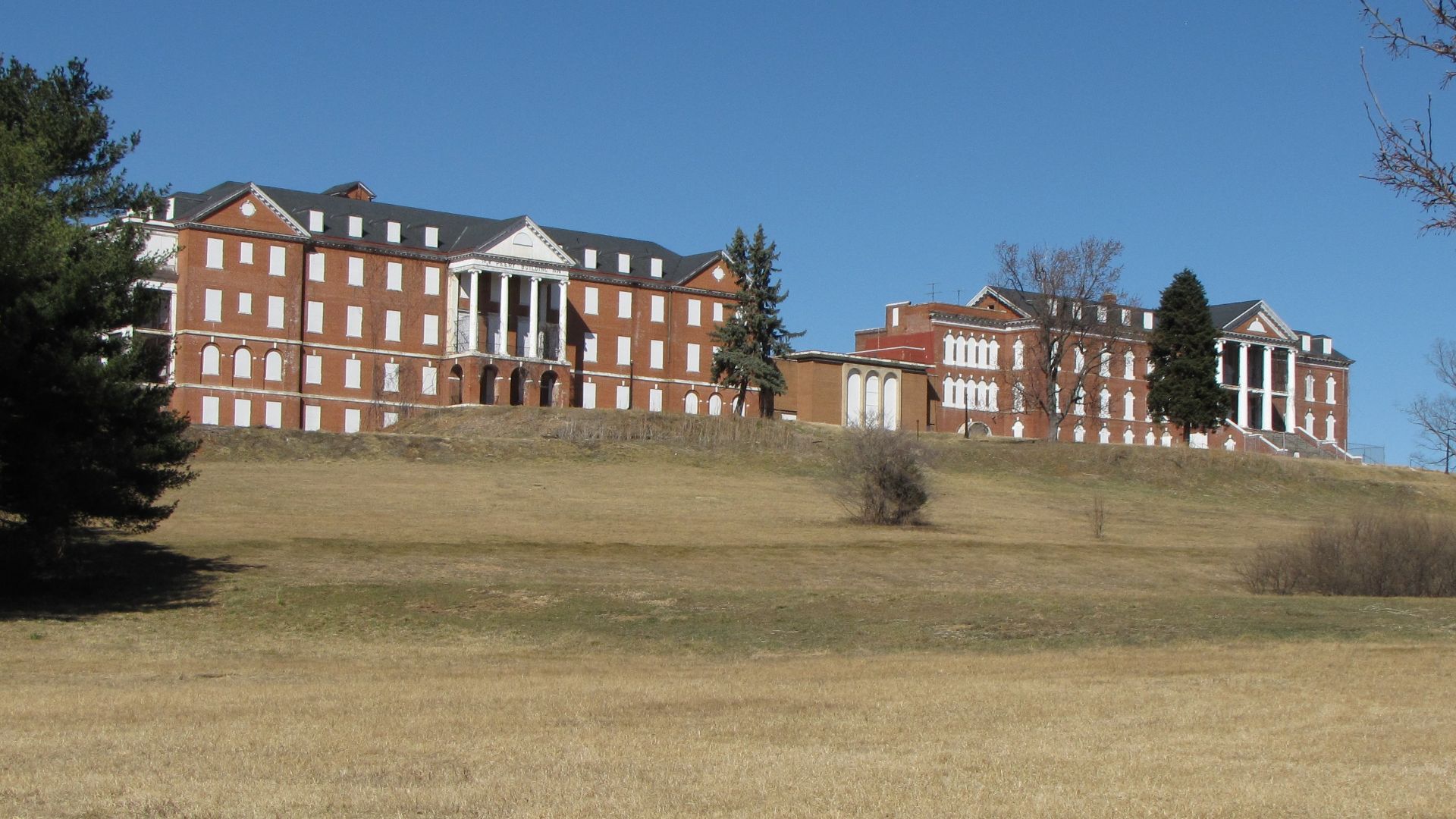 Ben Schumin, Wikimedia Commons
Washington: Northern State Hospital
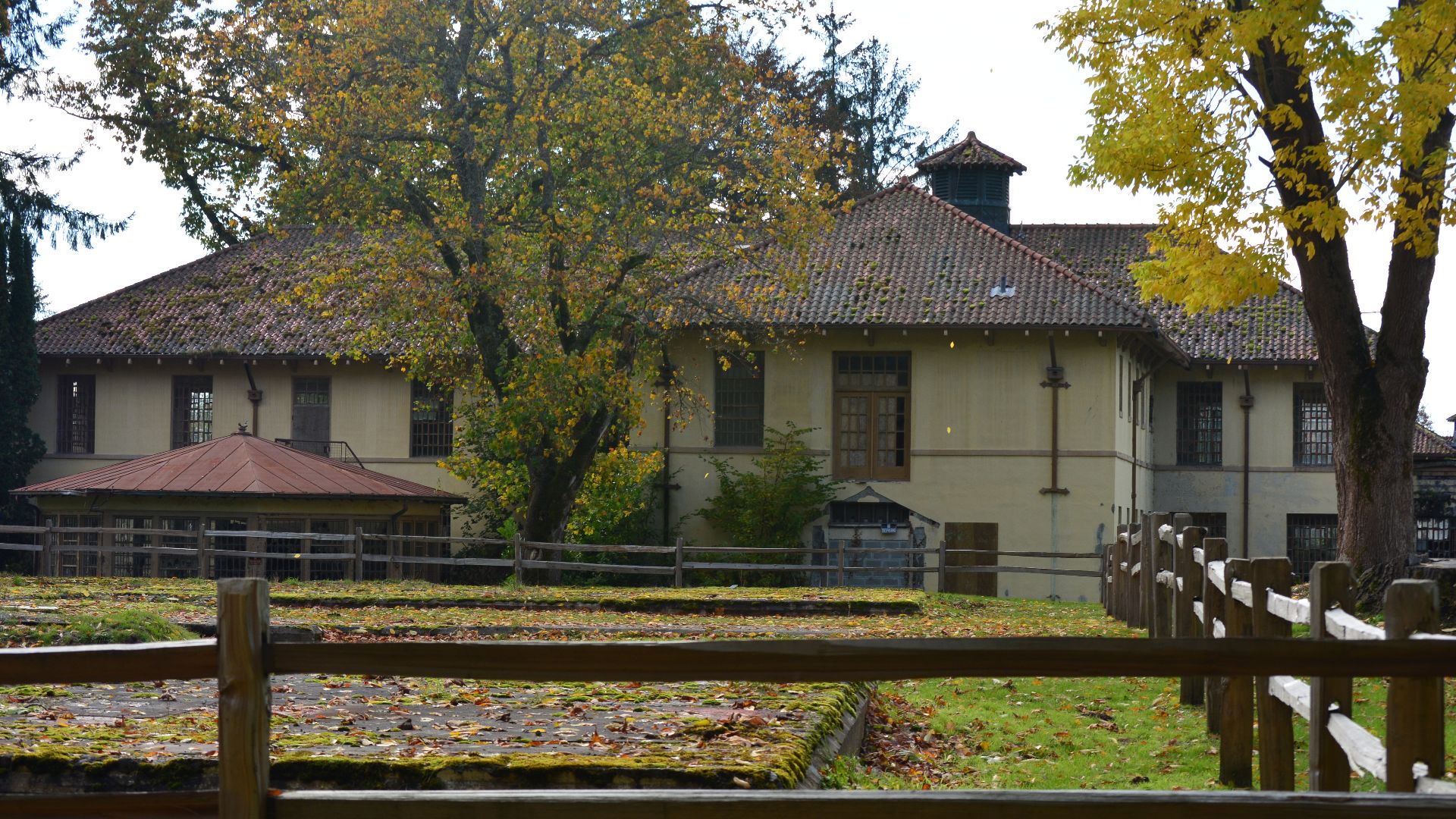
Northern State Hospital opened in 1912 as a psychiatric institution designed to operate like a self-sufficient community. It included farms, workshops and hundreds of acres of land. The hospital closed in 1973, leaving barns, utility buildings, ruins and a cemetery spread across the enormous former campus.
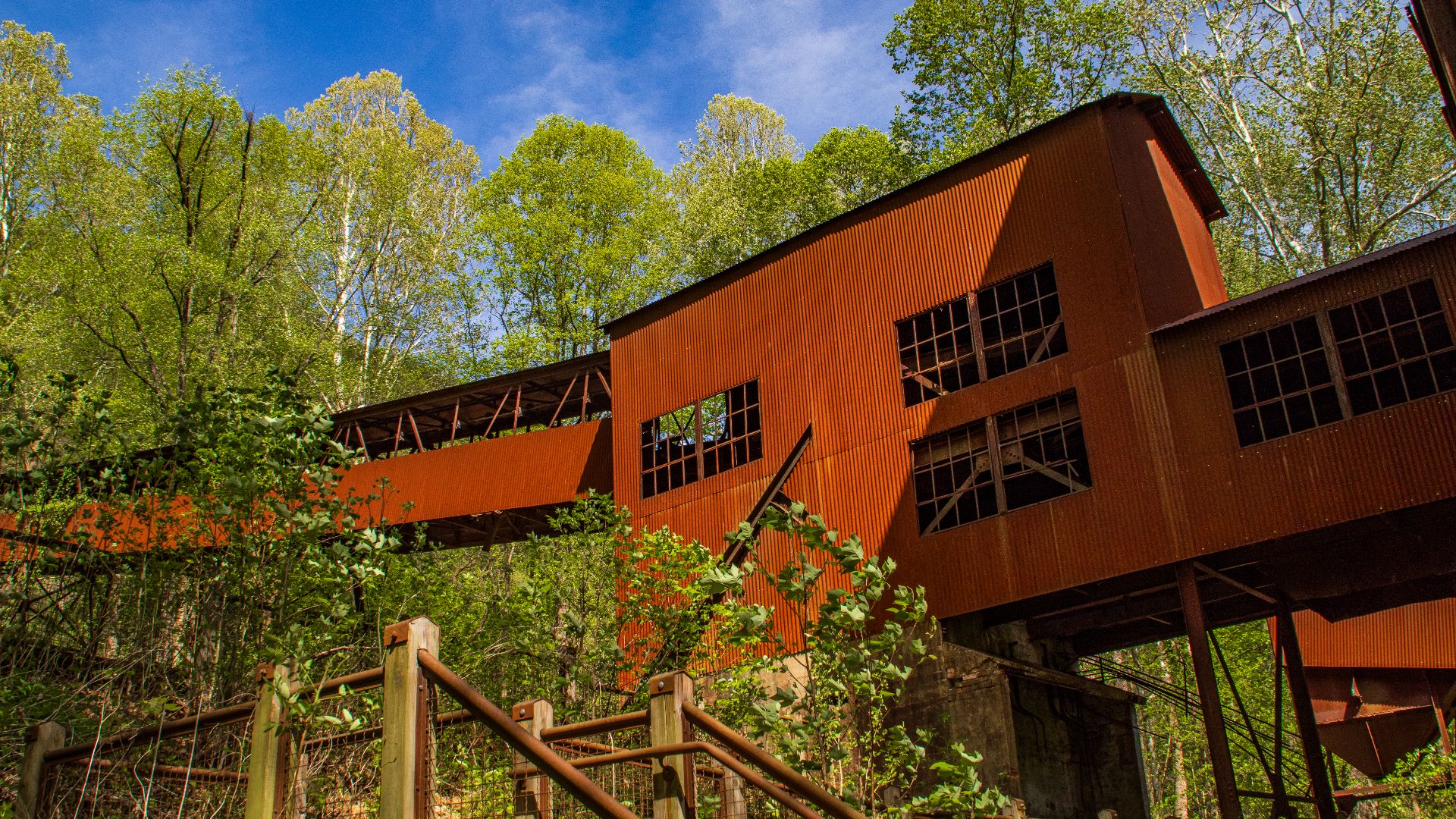
West Virginia: Nuttallburg
Nuttallburg grew beside the New River after John Nuttall developed its coal mines during the 1870s. Henry Ford later leased the operation, hoping to supply his steel mills. Production ended in 1958, leaving an enormous coal conveyor, empty foundations and industrial ruins buried beneath the forest.
 George Neat, Wikimedia Commons
Wisconsin: Maribel Caves Hotel
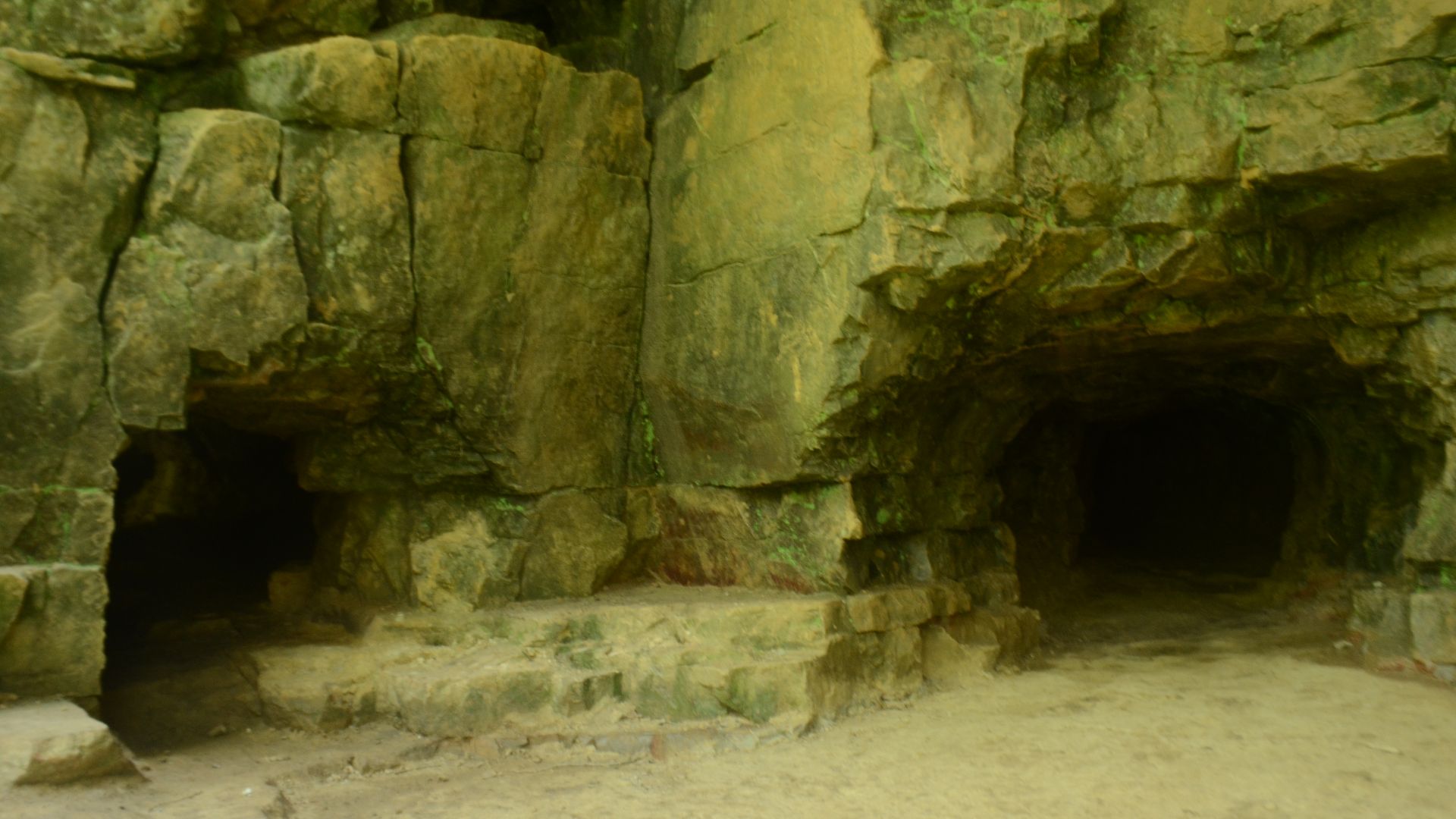
The Maribel Caves Hotel opened in 1900 and became known for its nearby caves and mineral springs. Fire gutted the abandoned building in 1985, and a violent storm brought down much of what remained in 2013. A stone wall and distinctive corner tower still stand beside the road.
 Joshua Mayer, Wikimedia Commons
Wyoming: Miner’s Delight
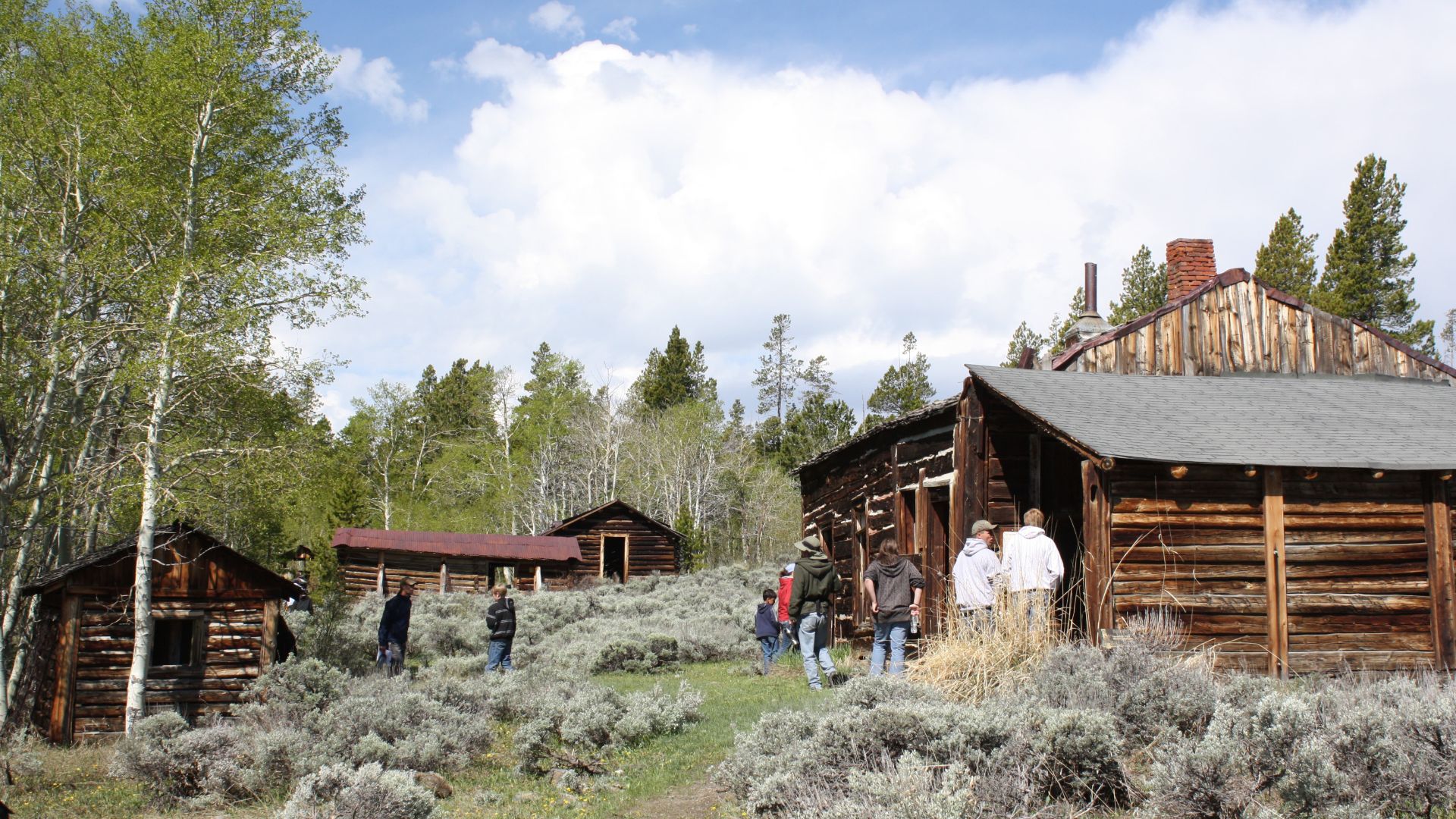
Miner’s Delight appeared after gold was discovered in Wyoming’s Wind River Mountains during the 1860s. The boom never lasted, and the community faded as mining declined. Several cabins, barns and commercial buildings still stand in the remote ghost town, slowly weathering beneath the wide Wyoming sky.
 Bureau of Land Management, Wikimedia Commons
You Might Also Like:
The Strangest Local Ordinances Still Enforced In American Tourist Towns
The Best Thing About Every State—According To Americans From The Other 49 States



.jpg)