When Highway Coffee Stops Ruled The Road
Before drive-thru espresso chains and app-based ordering, America's highways were lined with memorable coffee stops that gave road trips their personality. Baby Boomers remember the mugs, counters, neon, and friendly service. Many of these places are gone now, leaving Millennials with little idea how special a coffee break once felt.
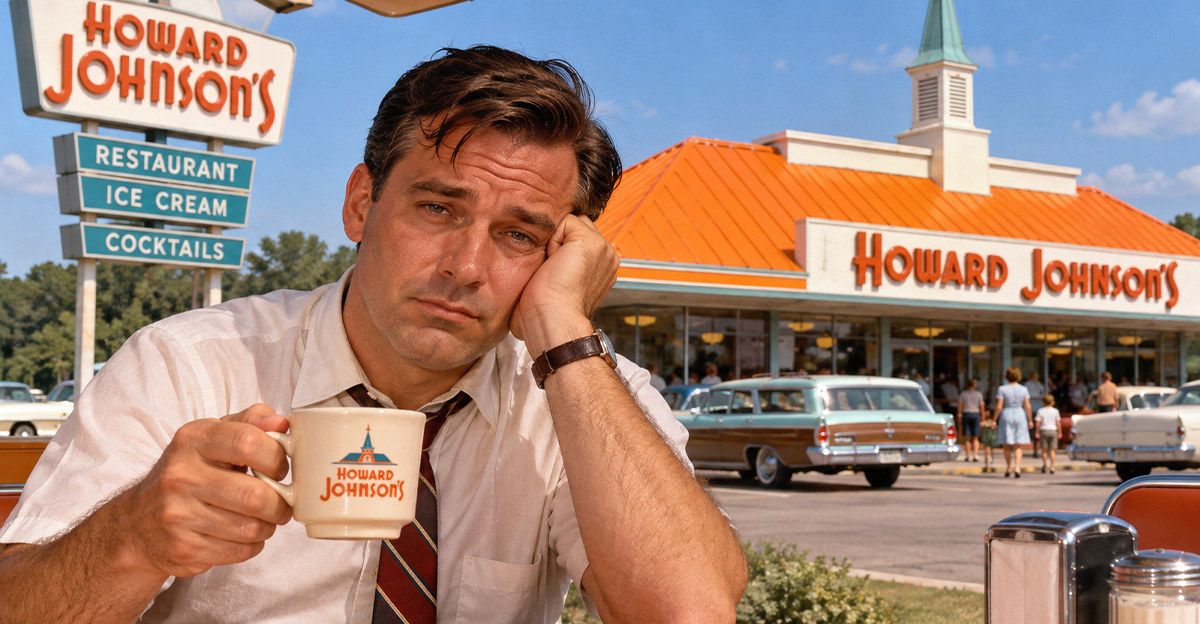
Howard Johnson's
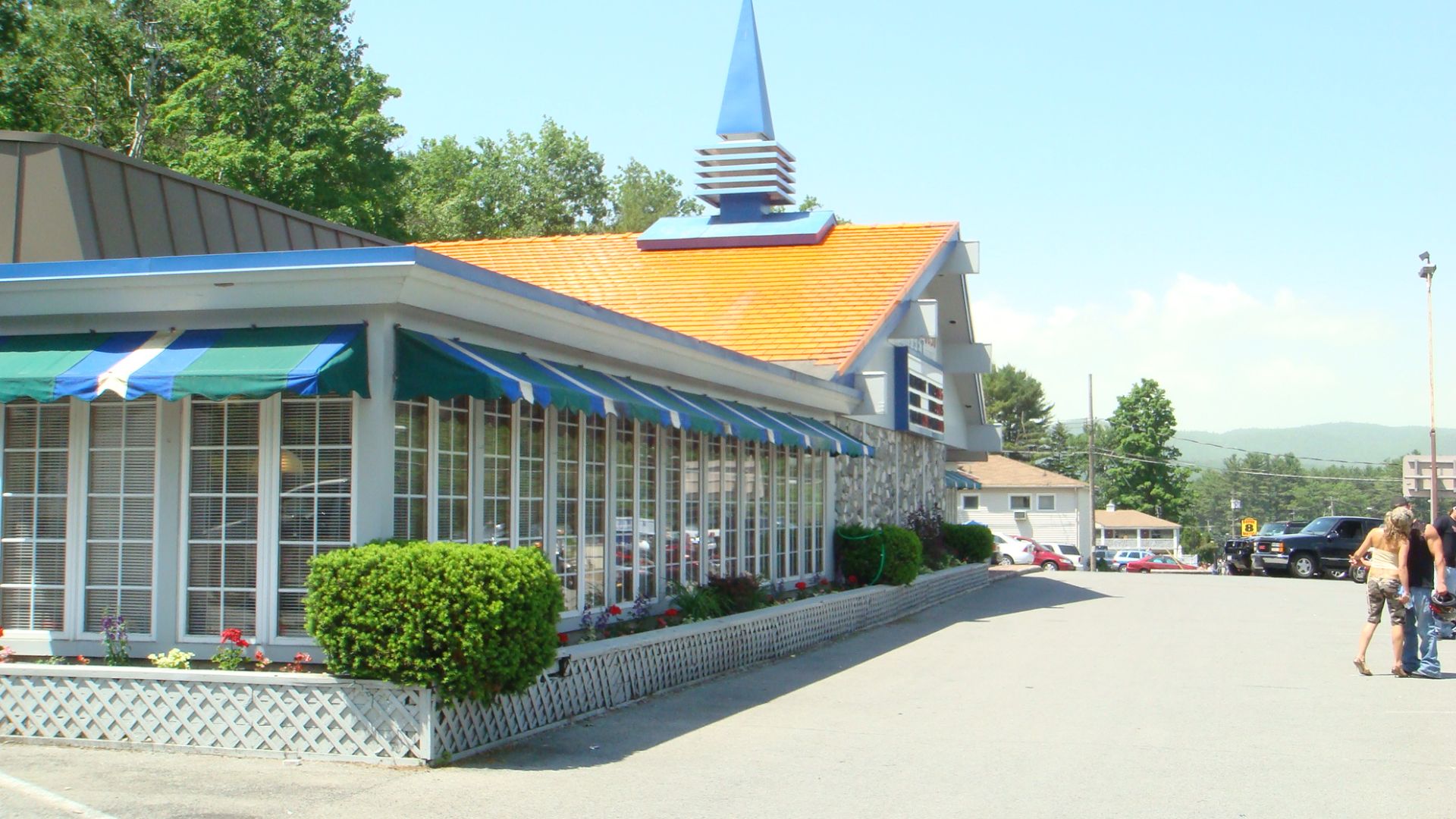
Howard Johnson's was one of the most recognizable names on American roads, thanks to its bright orange roofs and dependable menus. Families trusted it for coffee, breakfast, and a quick rest during long drives. For Boomers, stopping at HoJo's felt familiar and comforting, no matter how far from home they happened to be.
 Jennifer Rafieyan, Wikimedia Commons
Stuckey's
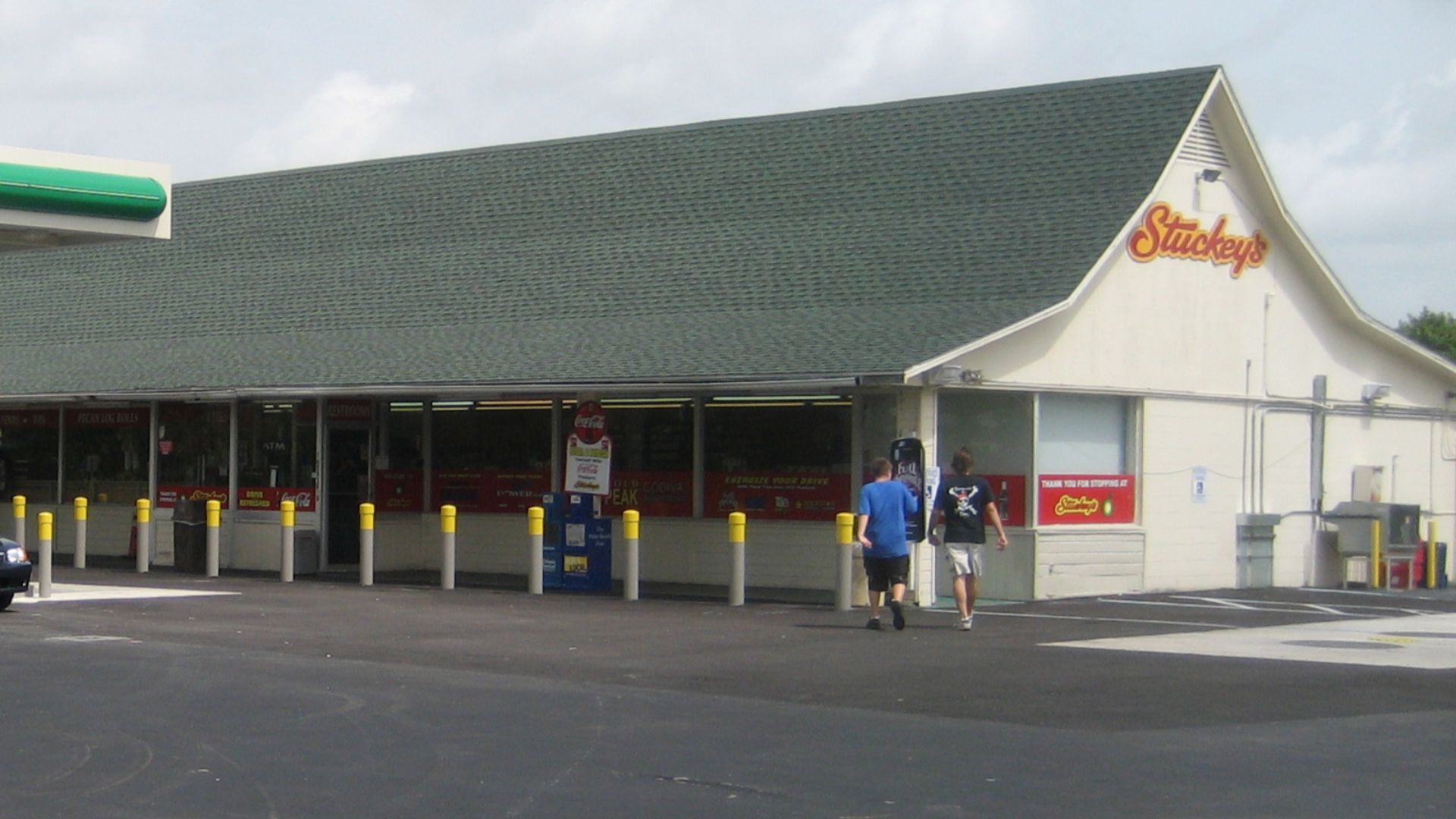
Stuckey's became a roadside legend with its blue roofs, gift shop counters, and strong coffee waiting inside. It was never just about caffeine. Travelers could stretch their legs, browse souvenirs, and pick up a famous pecan roll. In the 1960s, few highway stops felt more exciting to road-tripping families.
 Infrogmation of New Orleans, Wikimedia Commons
Nickerson Farms
Nickerson Farms gave Midwestern road trips a warm, country-style pause. Travelers could fuel up, grab coffee, and sit down for a proper meal without wandering far from the interstate. Its gift-shop charm and rustic image made it memorable. Today, it has faded so far from view that many younger travelers have never heard the name.
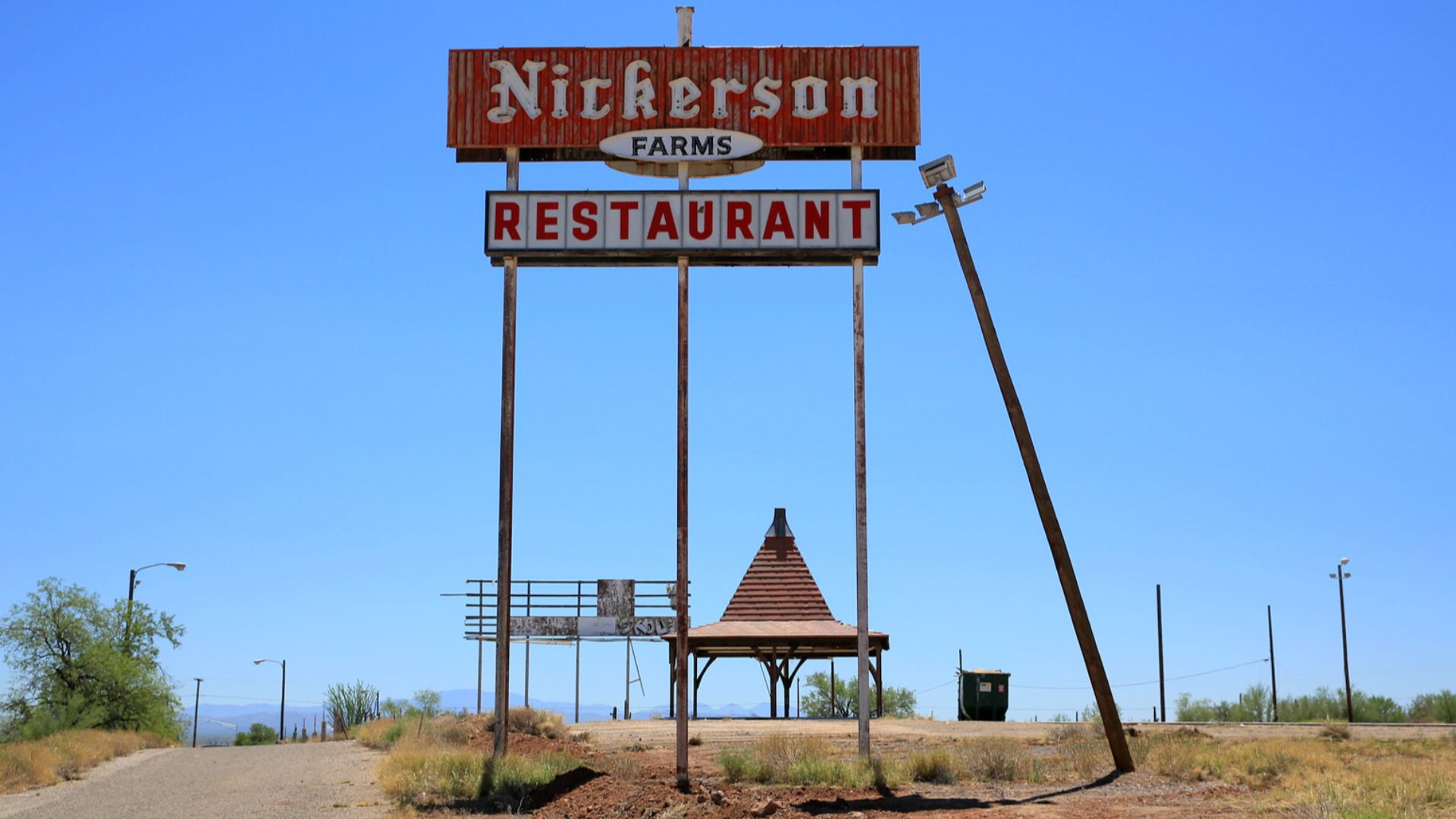 Bill Morrow, Wikimedia Commons
Horne's
Horne's was a familiar sight along eastern highways, with its yellow roofs making it easy to spot from the road. Open long hours and often linked with motor lodges, it offered weary drivers coffee, meals, and a break from endless pavement. Boomers remember it as a dependable part of vacation travel.
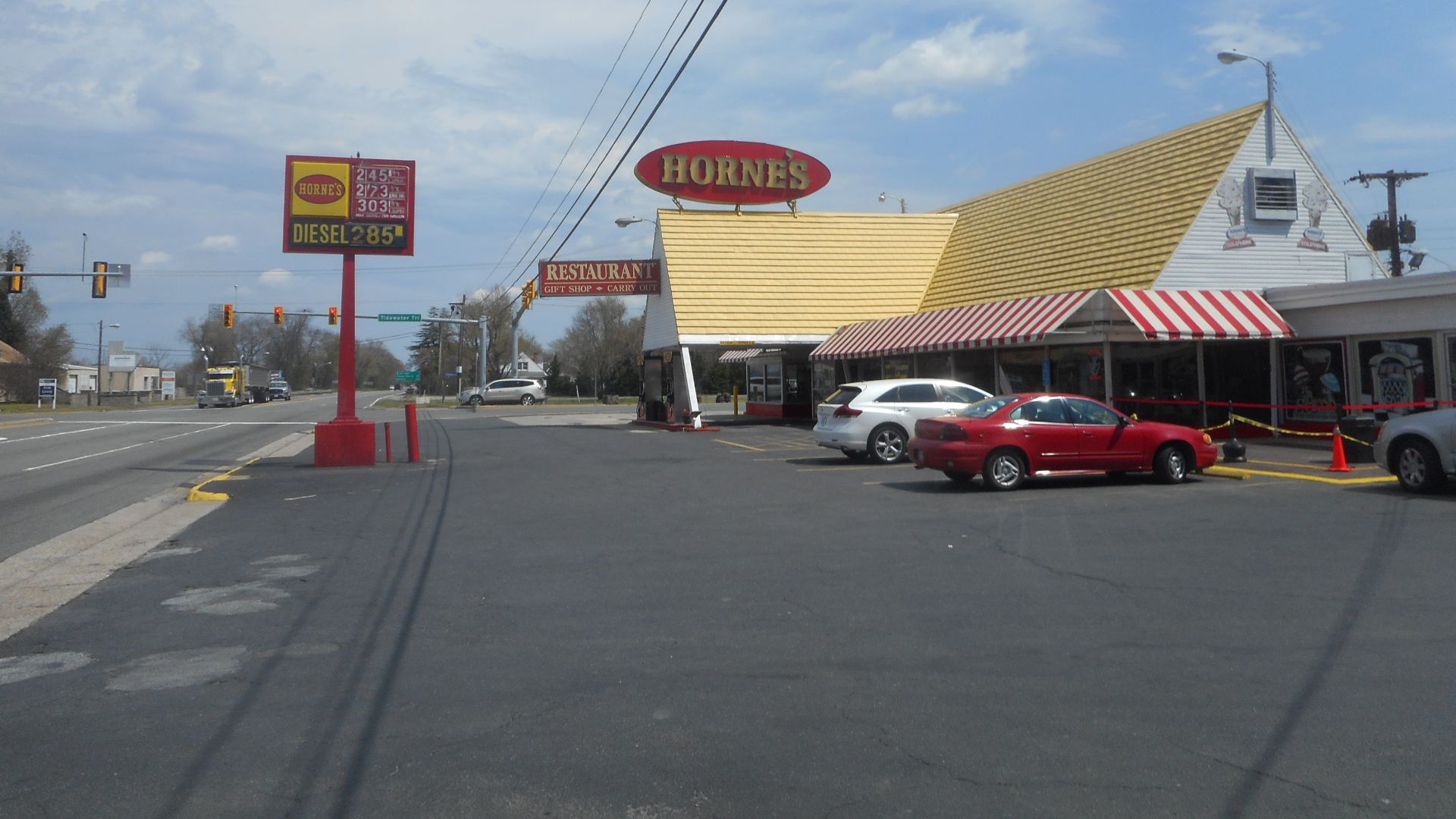
Toddle House
Toddle House offered a smaller, cozier roadside experience than many larger chains. Its compact dining rooms and counter seating made it feel personal, almost like a local spot even when you were far from home. For coffee drinkers on late-night drives, Toddle House was a welcome beacon in the dark.
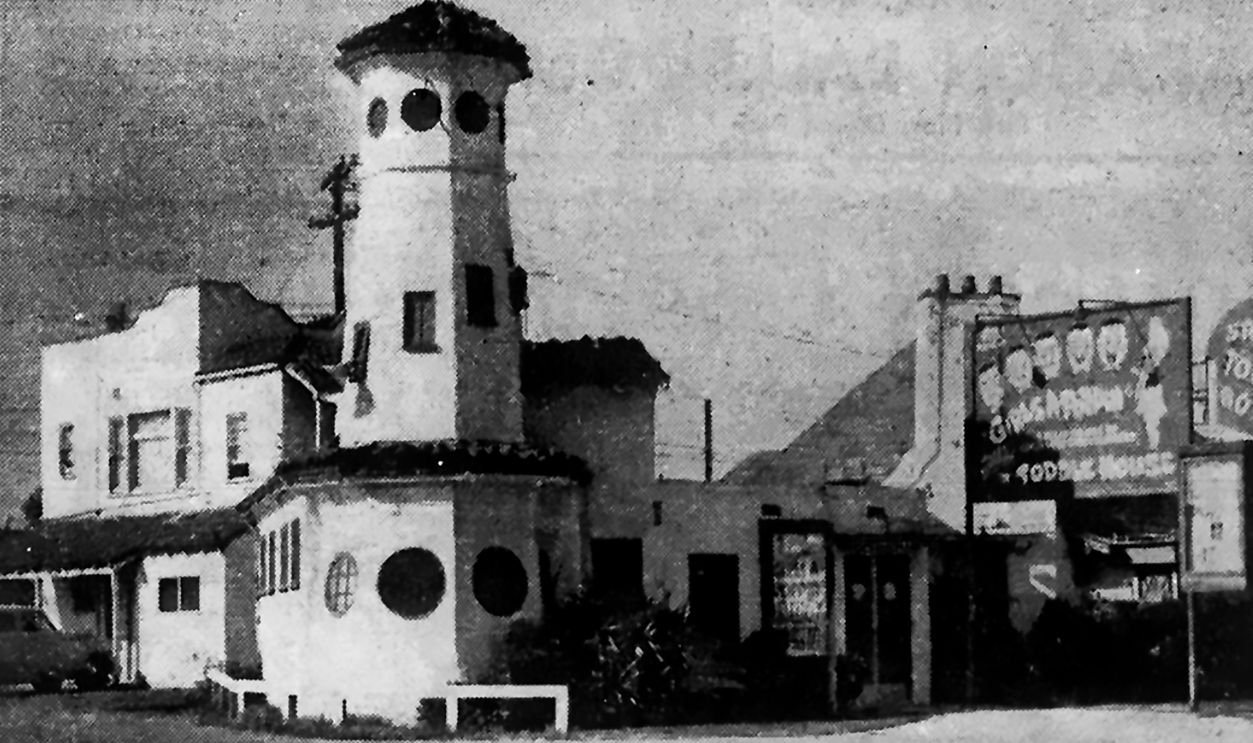 Los Angeles Illustrated Daily News, Wikimedia Commons, Enhanced
Dutch Pantry
Dutch Pantry stood out with its Pennsylvania Dutch styling and homelike atmosphere. It gave travelers more than a quick cup of coffee. It offered a relaxed meal in surroundings that felt old-fashioned and inviting. For families tired of the road, Dutch Pantry provided a slower, calmer stop than the average highway restaurant.
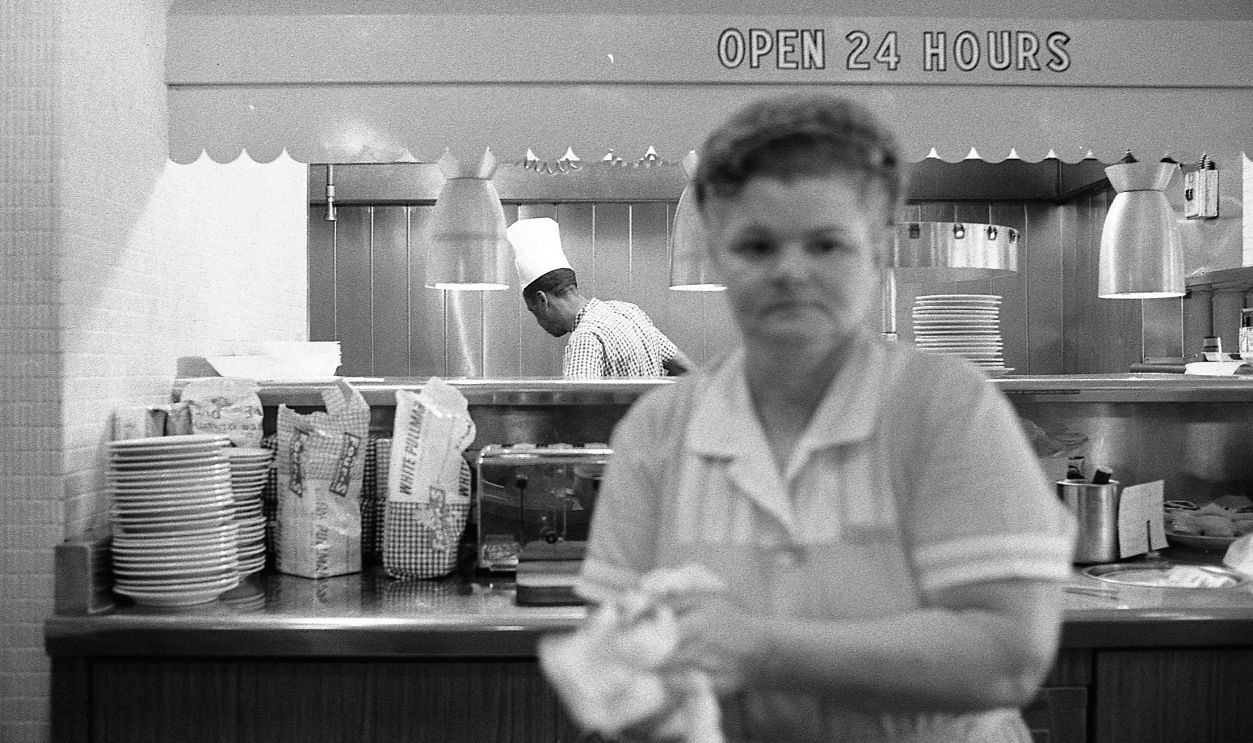 Robert Abbott Sengstacke, Getty Images
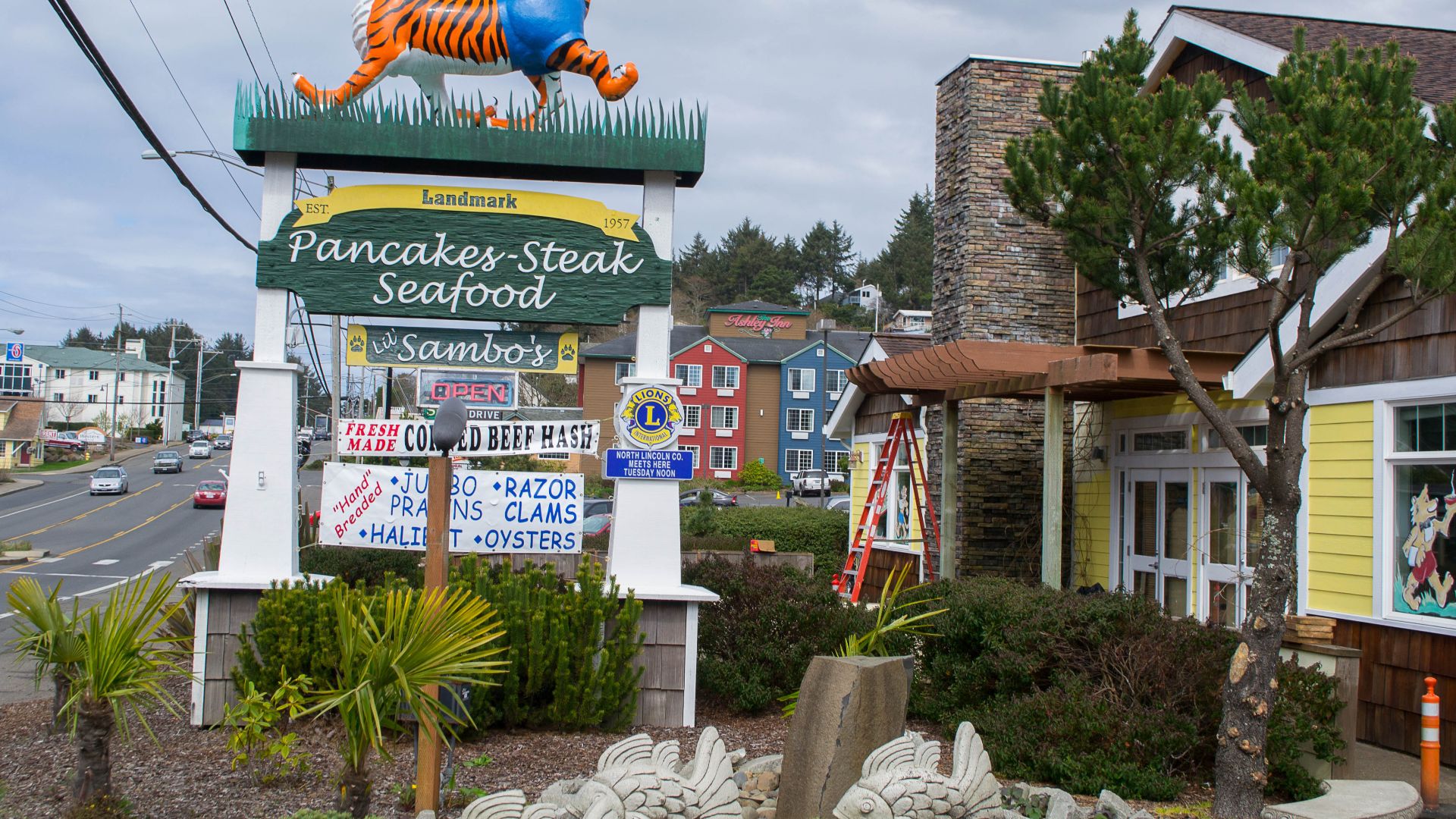
Sambo's
Sambo's grew quickly in the 1960s, becoming a popular stop for pancakes, coffee, and budget-friendly meals. It was especially familiar in the West, where travelers appreciated its easygoing breakfast appeal. The brand later became controversial because of its imagery, but many Boomers still remember seeing its signs during family highway trips.
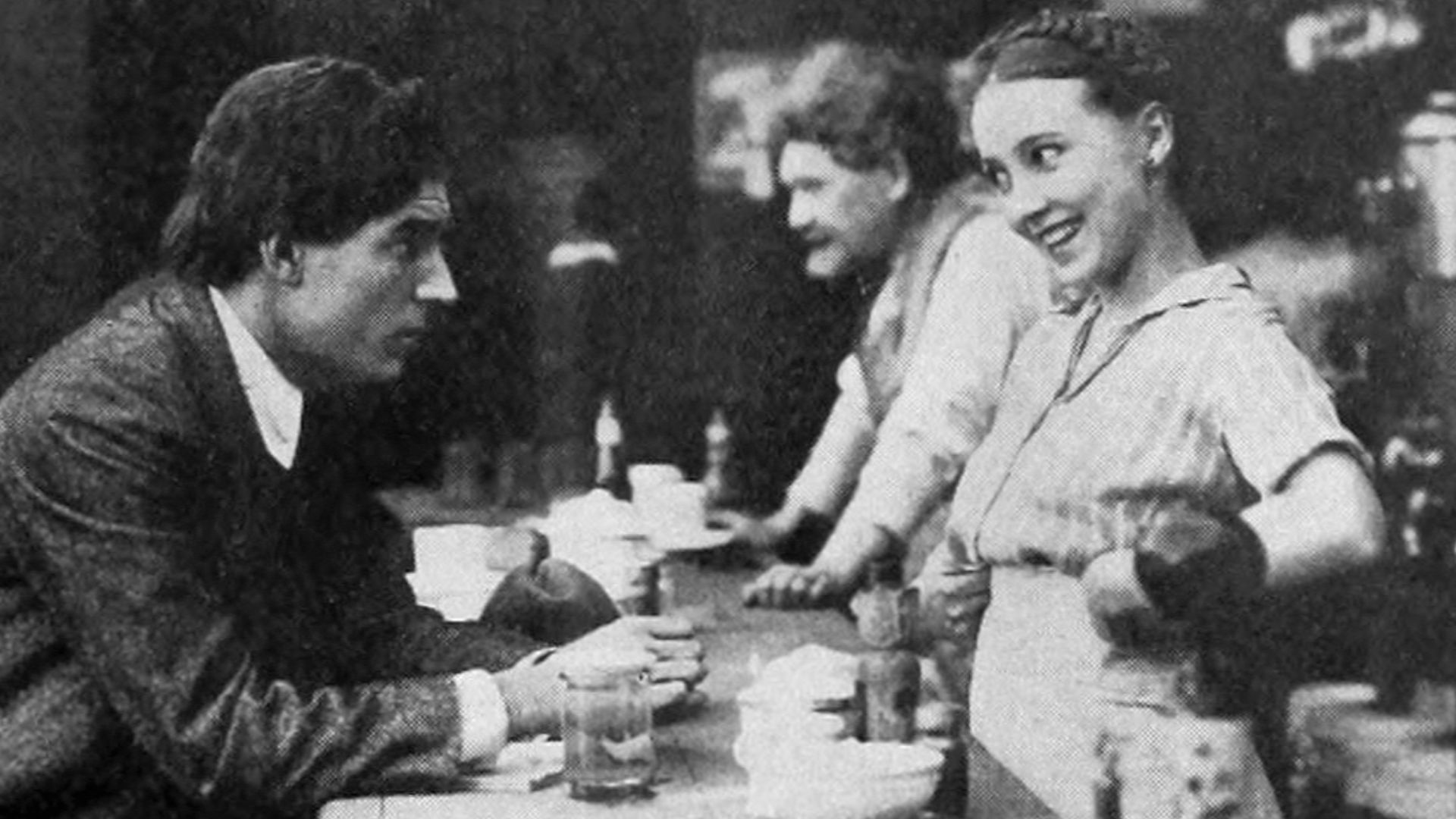
Coffee Dan's
Coffee Dan's brought a splash of California style to the classic roadside coffee stop. Its modern look and eye-catching design made it feel a little glamorous compared with ordinary diners. For travelers in Southern California, it was a memorable place to pull over, order coffee, and enjoy the stylish optimism of the era.
 Unknown authorUnknown author, Wikimedia Commons
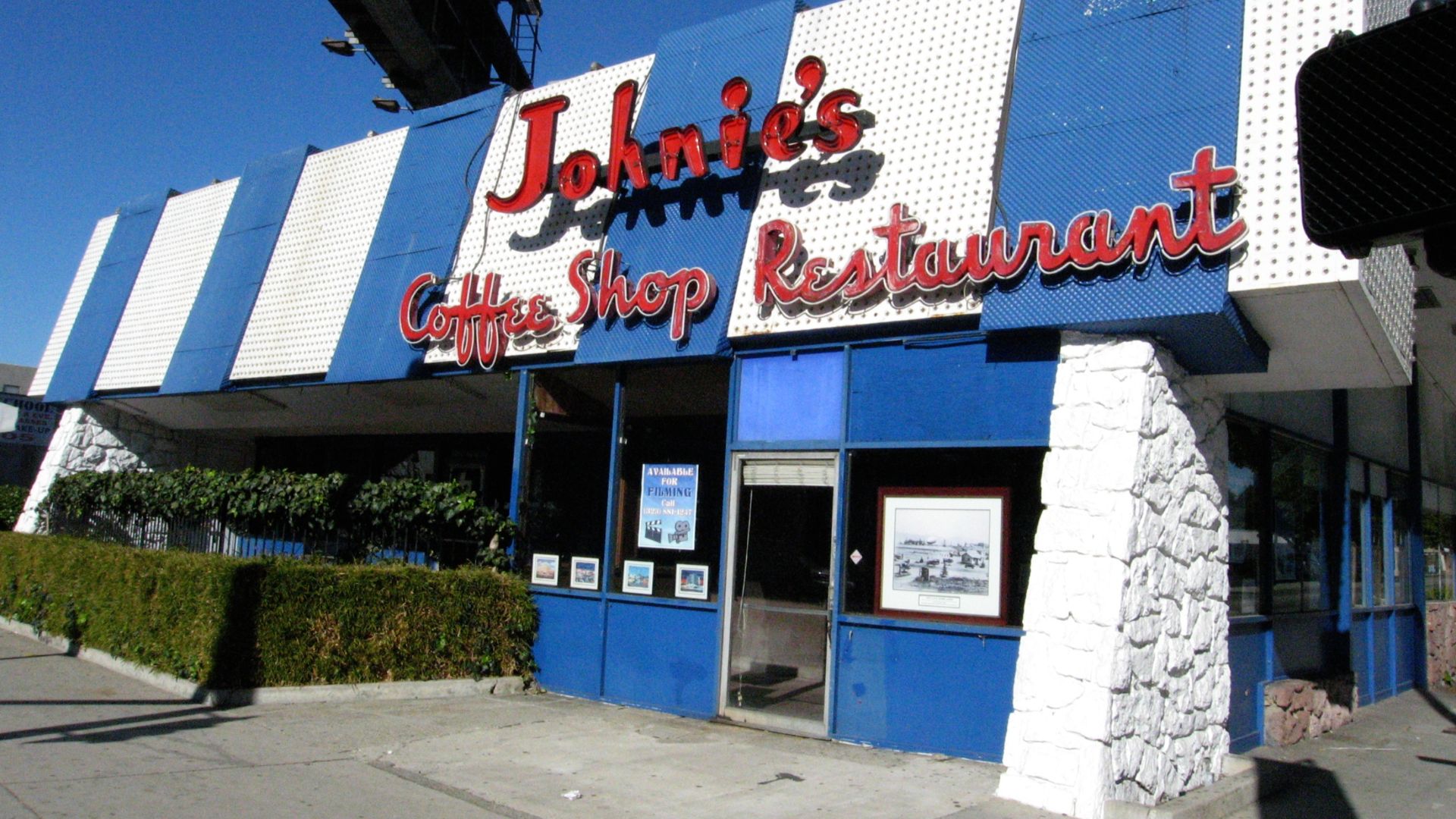
Johnie's Coffee Shop
Johnie's Coffee Shop became a landmark thanks to its dramatic Googie architecture and unmistakable roadside presence. Huge windows and a bold roofline made it hard to miss. While it served local customers too, it fit perfectly into the era of car culture, when a coffee stop could also feel futuristic and fun.
 Michael Mooney, Wikimedia Commons
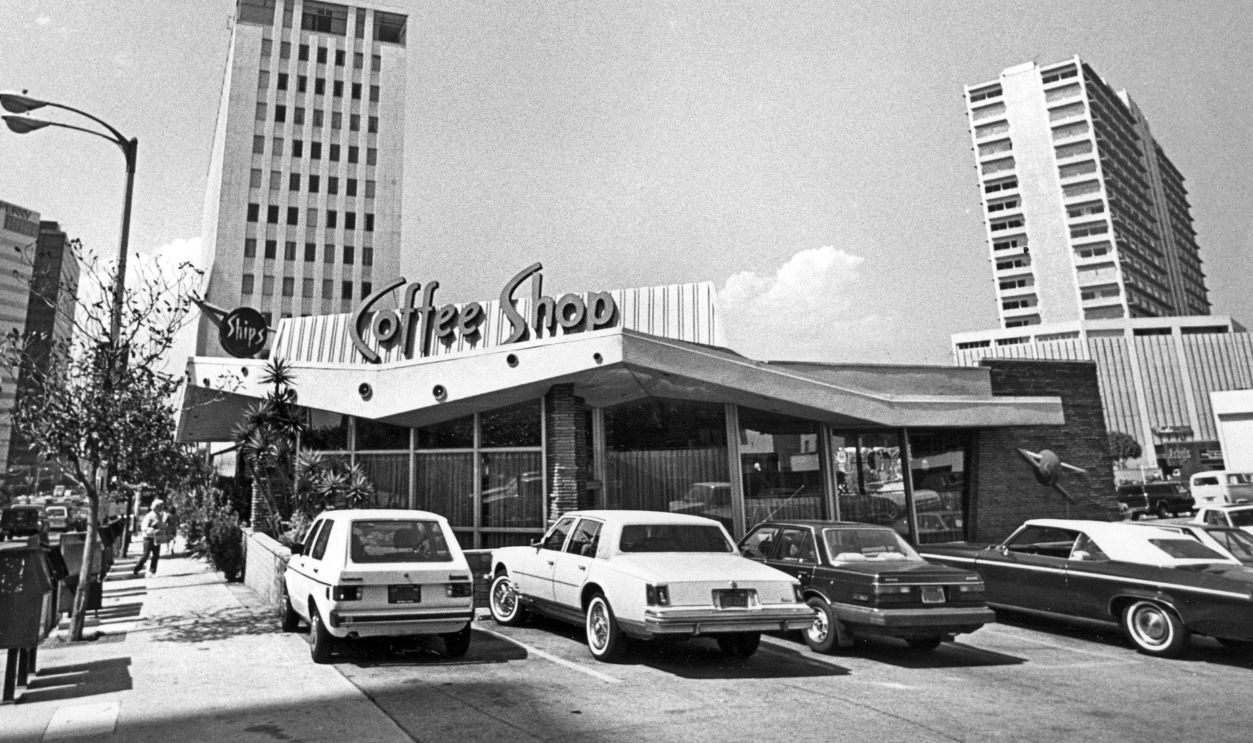
Ship's Coffee Shops
Ship's Coffee Shops were famous for giving travelers a slightly different breakfast experience. Their sleek style and relaxed service made them popular across Southern California. Some locations even let diners make toast at the table, which added a playful touch. For many Boomers, Ship's captured the fun of mid-century dining.
Pann's
Pann's was another great example of the coffee shops that flourished in the car-centered culture of the 1960s. Its bold architecture and polished diner atmosphere made it memorable. Drivers could stop for coffee and a satisfying meal while enjoying a setting that looked every bit as stylish as the decade itself.
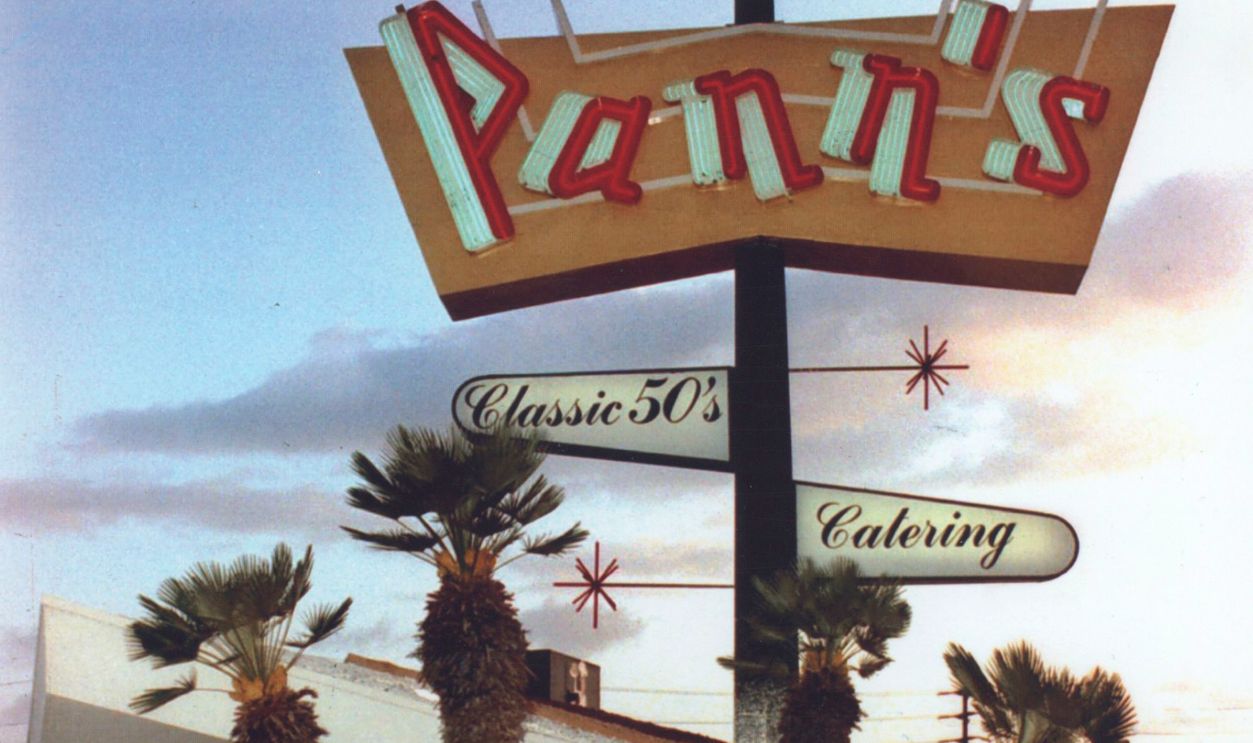 Vince Compagnone, Getty Images
Tiny Naylor's
Tiny Naylor's was a Southern California favorite known for its modern design and all-hours energy. It drew a mix of travelers, night owls, and regular coffee drinkers. The name alone stuck in people's minds. For Boomers, it represented a time when coffee shops had personality instead of feeling interchangeable and generic.
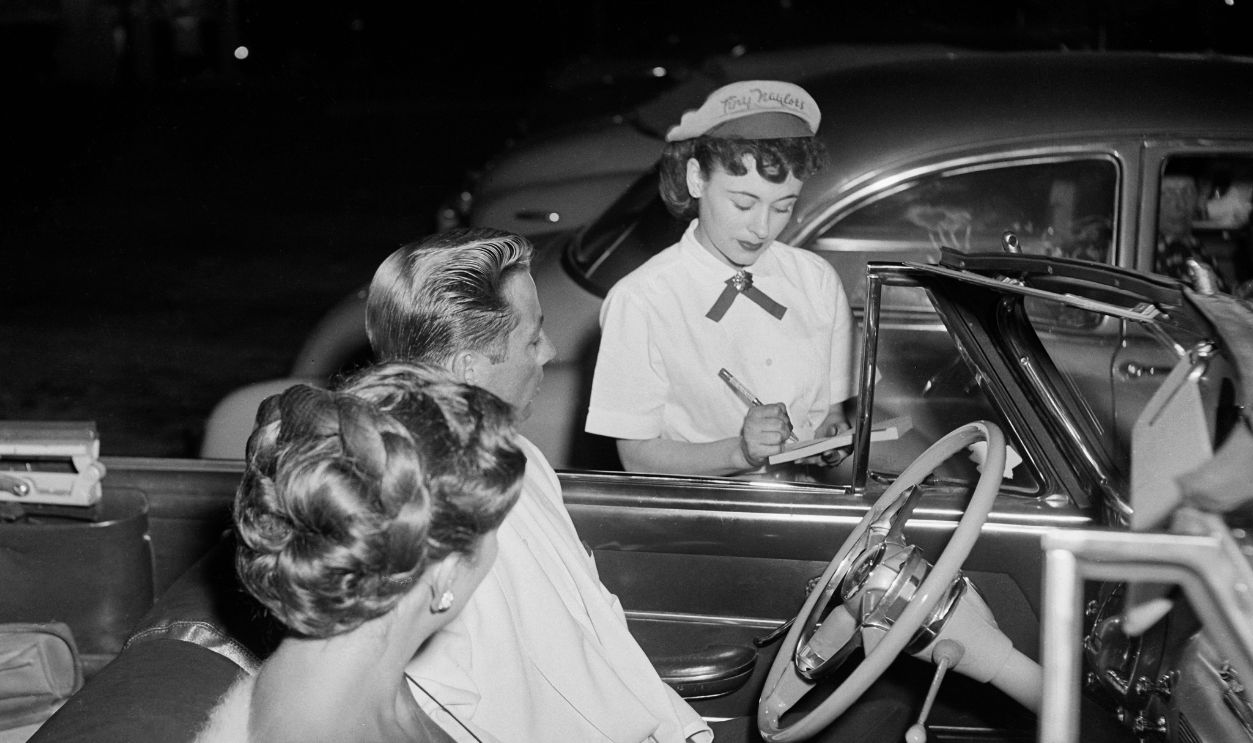 Michael Ochs Archives, Getty Images
Bob's Big Boy Coffee Shops
Bob's Big Boy was known for burgers, but its coffee-shop atmosphere also made it a familiar roadside stop. Families and travelers could count on booth seating, hot coffee, and a solid meal. In the 1960s, its cheerful style and recognizable buildings made it feel like part of the American driving experience.
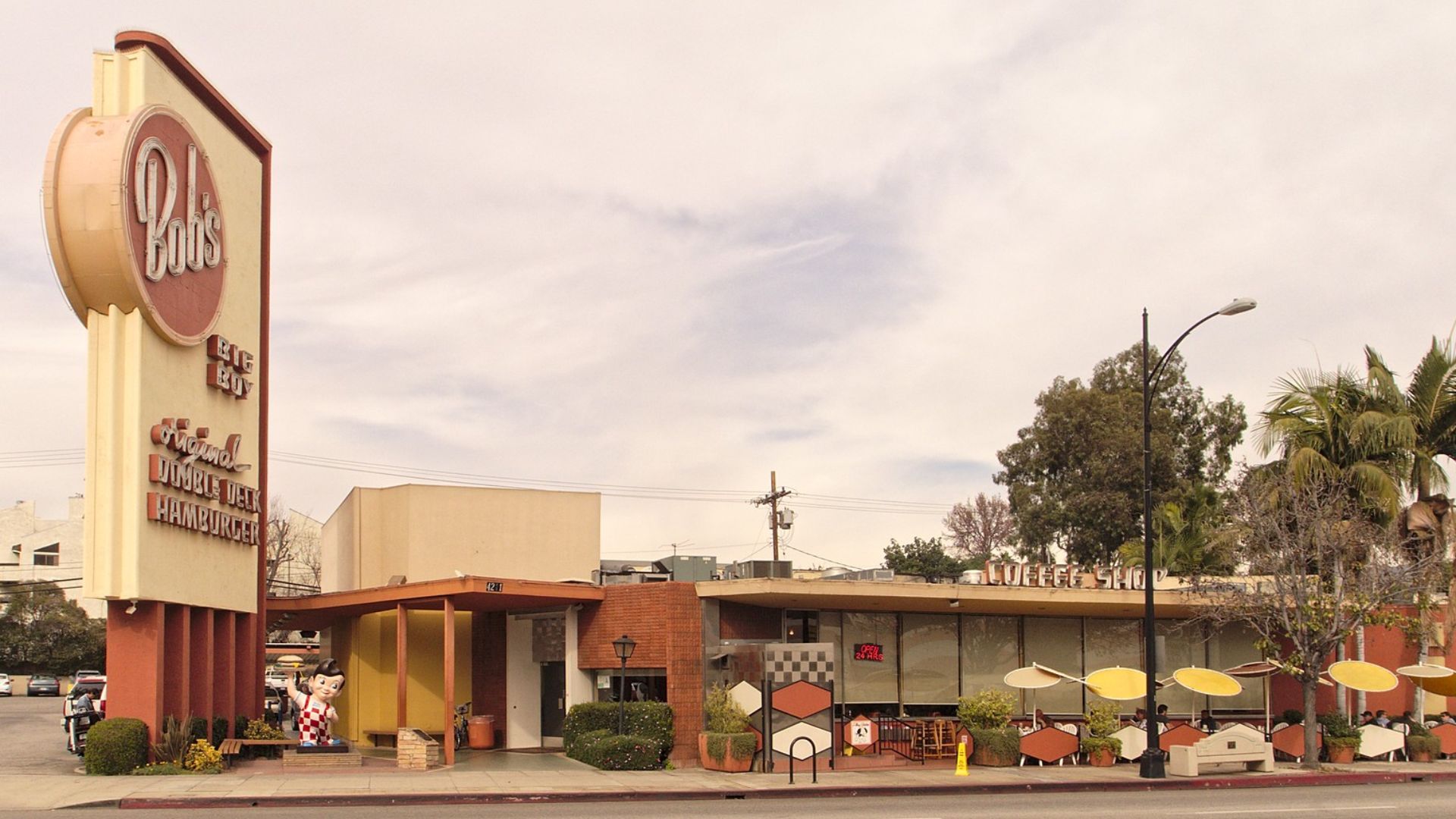 Junkyardsparkle, Wikimedia Commons
Denny's Coffee Shops
Before it became the modern chain people know today, Denny's was already building its reputation as a dependable coffee stop for hungry motorists. It offered round-the-clock service, familiar breakfast fare, and an easy place to unwind. For tired drivers, that combination made it a welcome and often unforgettable stop.
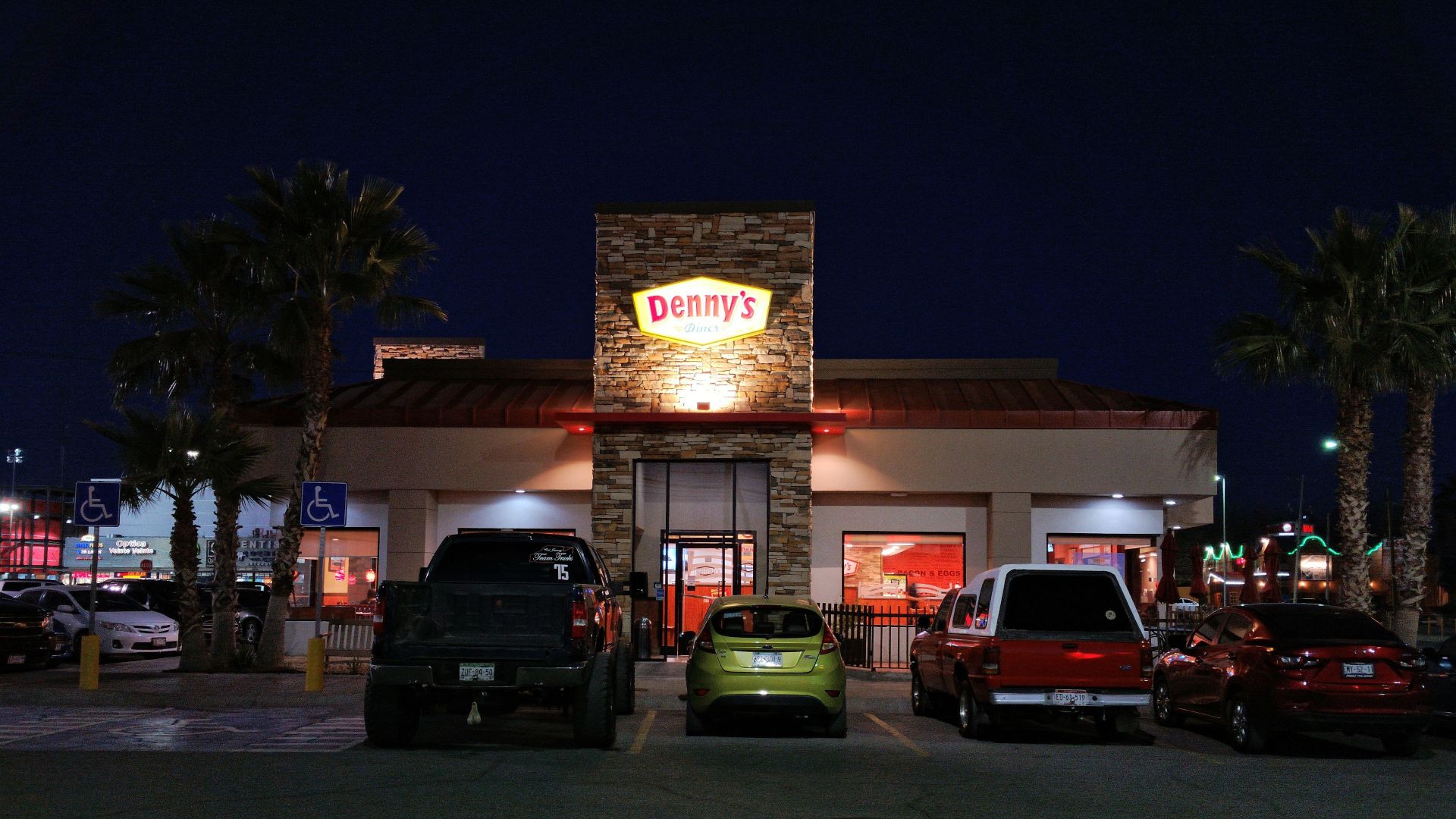
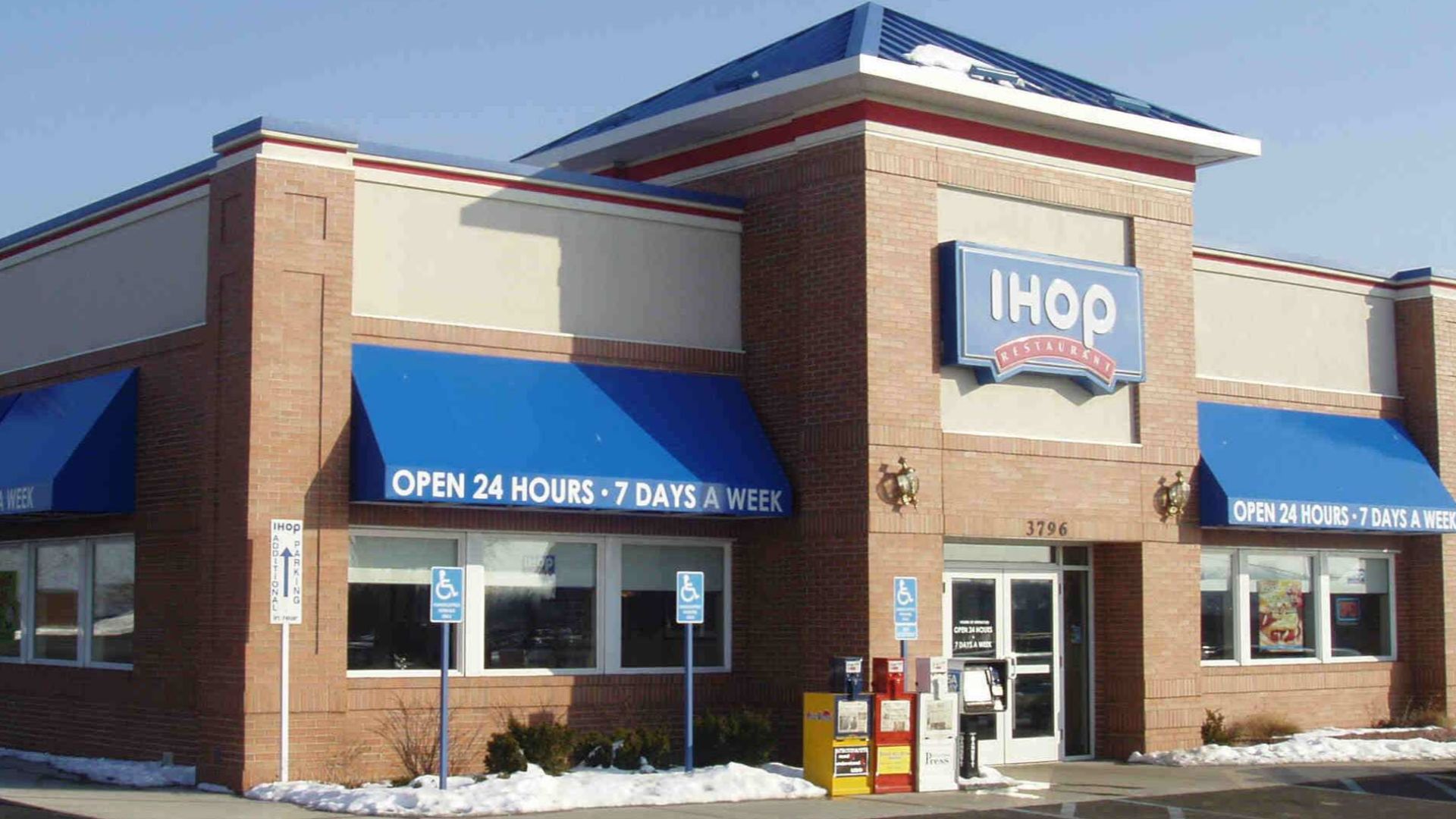
IHOP
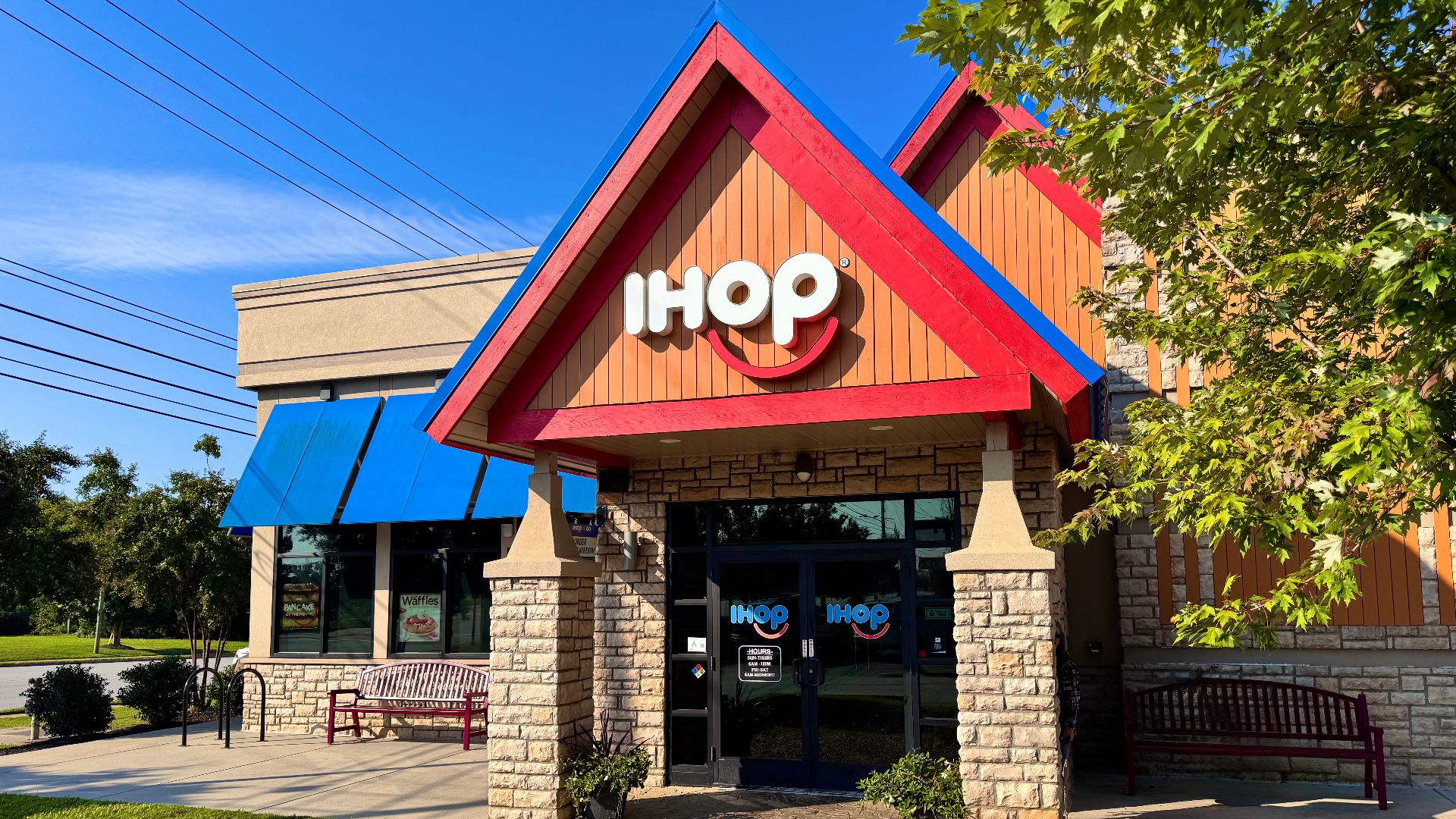
In the 1960s, IHOP was still a young chain, but it quickly earned a place in the roadside breakfast world. Travelers loved its pancakes, coffee, and family-friendly atmosphere. The original steep-roofed buildings had a distinctive charm. Boomers remember it as a cheerful stop that made the journey feel more enjoyable.
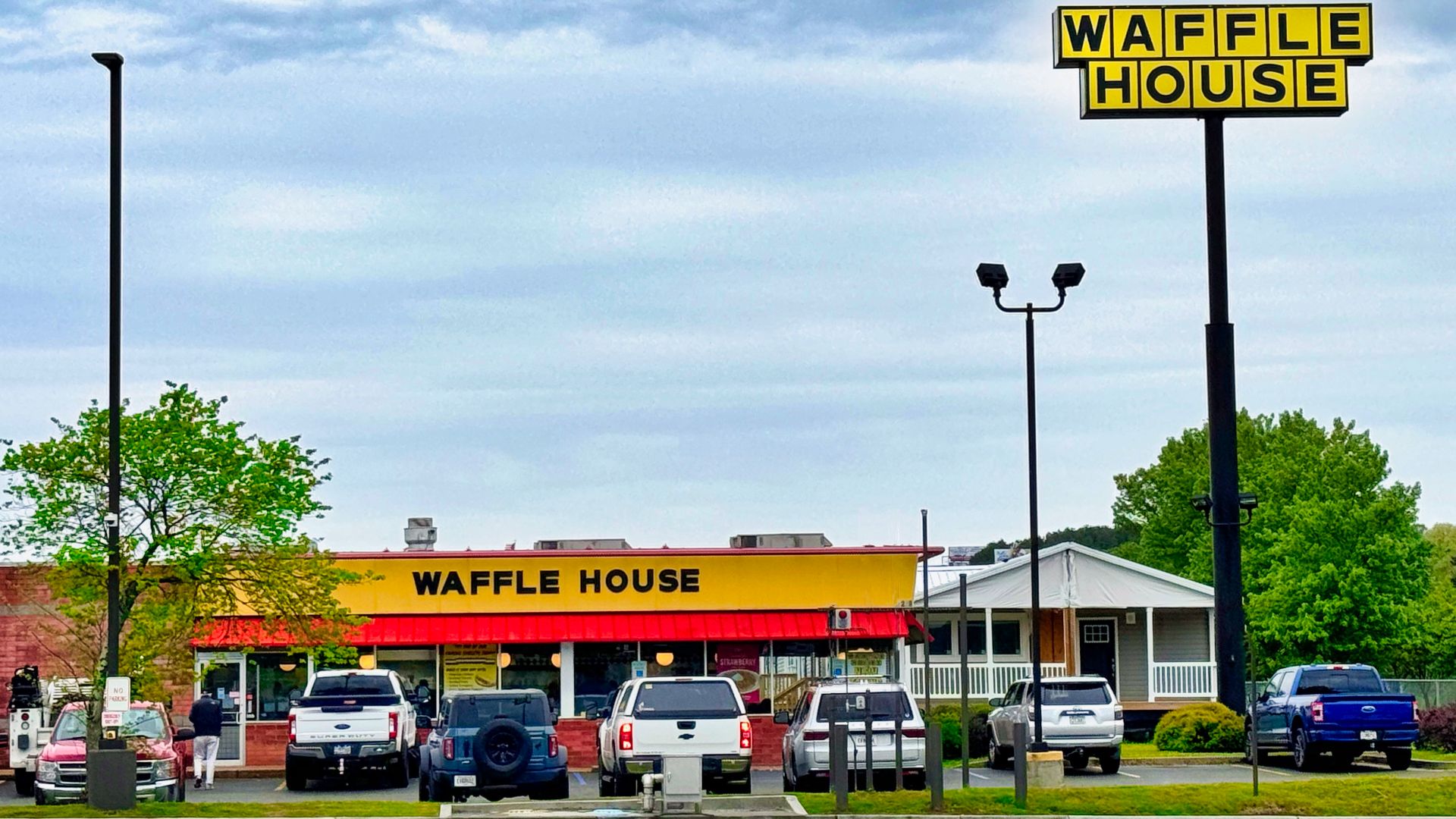
Waffle House
Waffle House began in the 1950s and grew into a familiar coffee-and-breakfast stop during the 1960s, especially across the South. Its no-frills atmosphere, quick service, and fresh coffee made it ideal for travelers. For many Boomers, it represented a simple and satisfying roadside stop that never pretended to be anything else.
 Harrison Keely, Wikimedia Commons
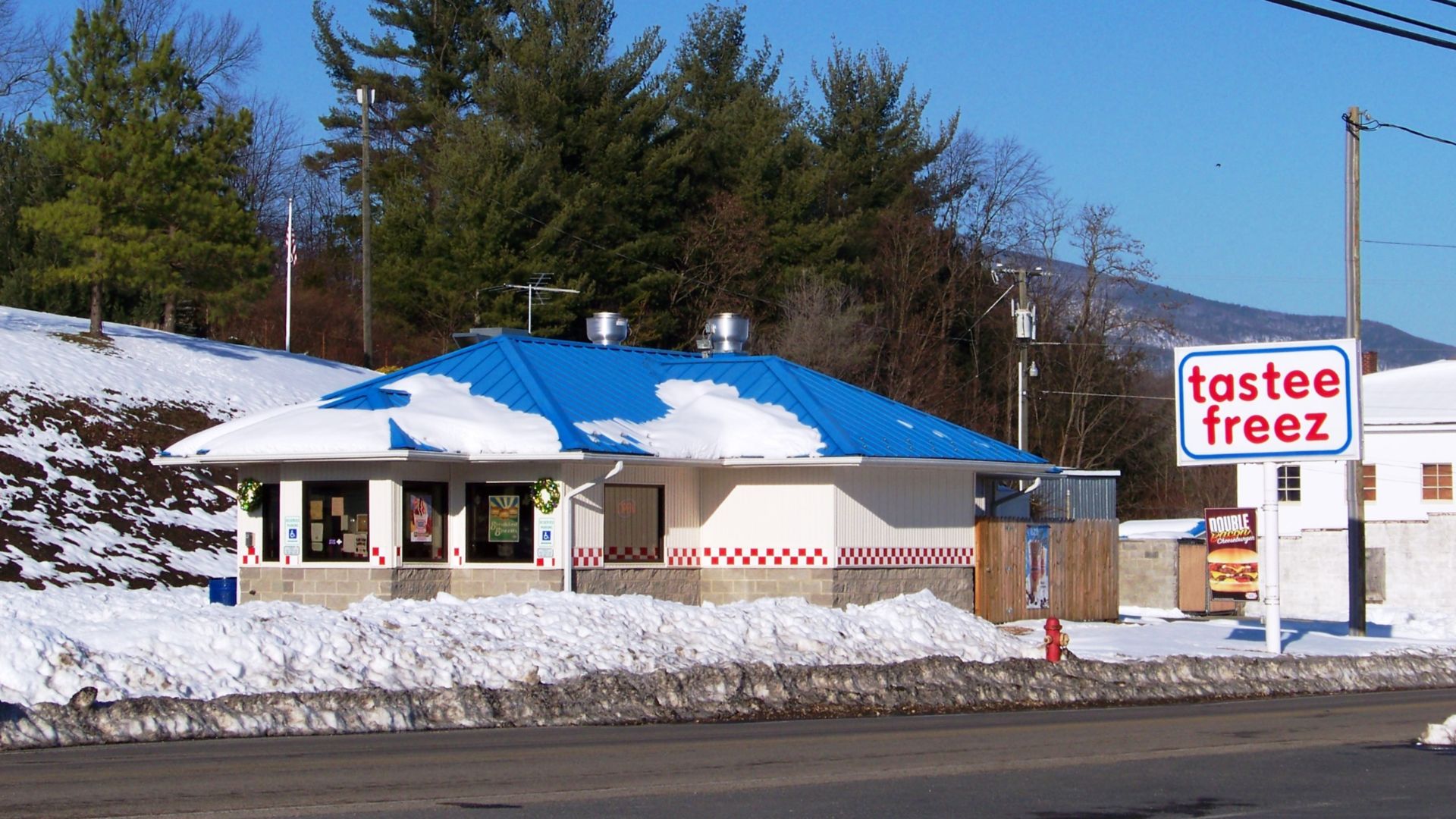
Tastee-Freez
Tastee-Freez is mostly remembered for ice cream, but many locations also served as casual roadside refreshment stops where travelers could grab coffee, snacks, and a quick break. On summer road trips, it offered families a little fun alongside convenience. For Boomers, it was part of the broader charm of roadside travel.
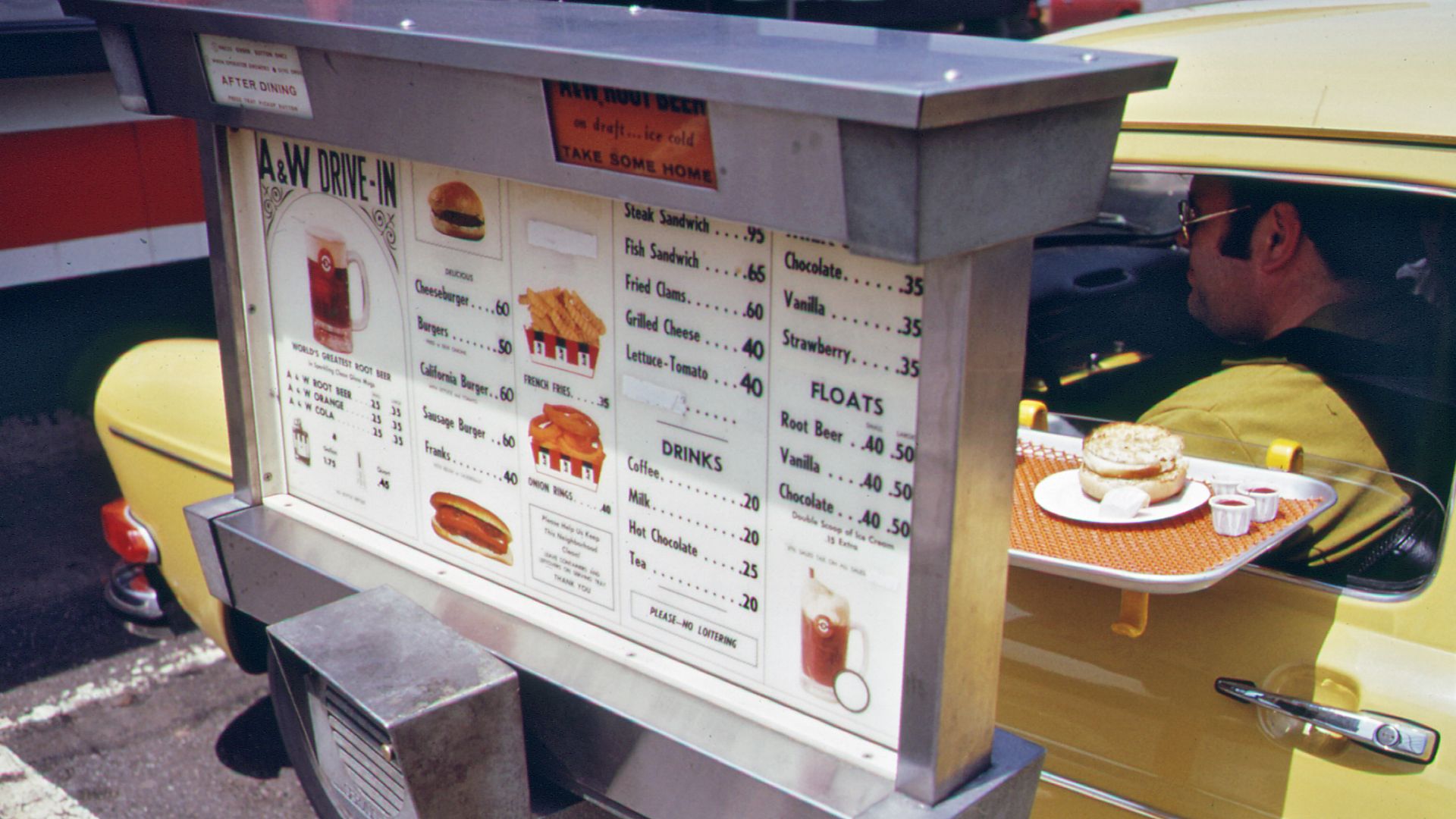
A&W Drive-Ins
A&W Drive-Ins were famous for root beer, but many also served coffee and breakfast-friendly items that made them handy on the highway. Their drive-in format gave road trips a sense of novelty. For travelers in the 1960s, stopping at A&W could feel more like an outing than a routine coffee run.
 Environmental Protection Agency.(12/02/1970 - ), Wikimedia Commons
Shoney's
Shoney's became a familiar name for travelers looking for a casual meal and dependable cup of coffee. Its roadside locations made it easy for families to stop, regroup, and eat well without spending too much. For Boomers, Shoney's was one of those classic names that seemed to pop up all across America.
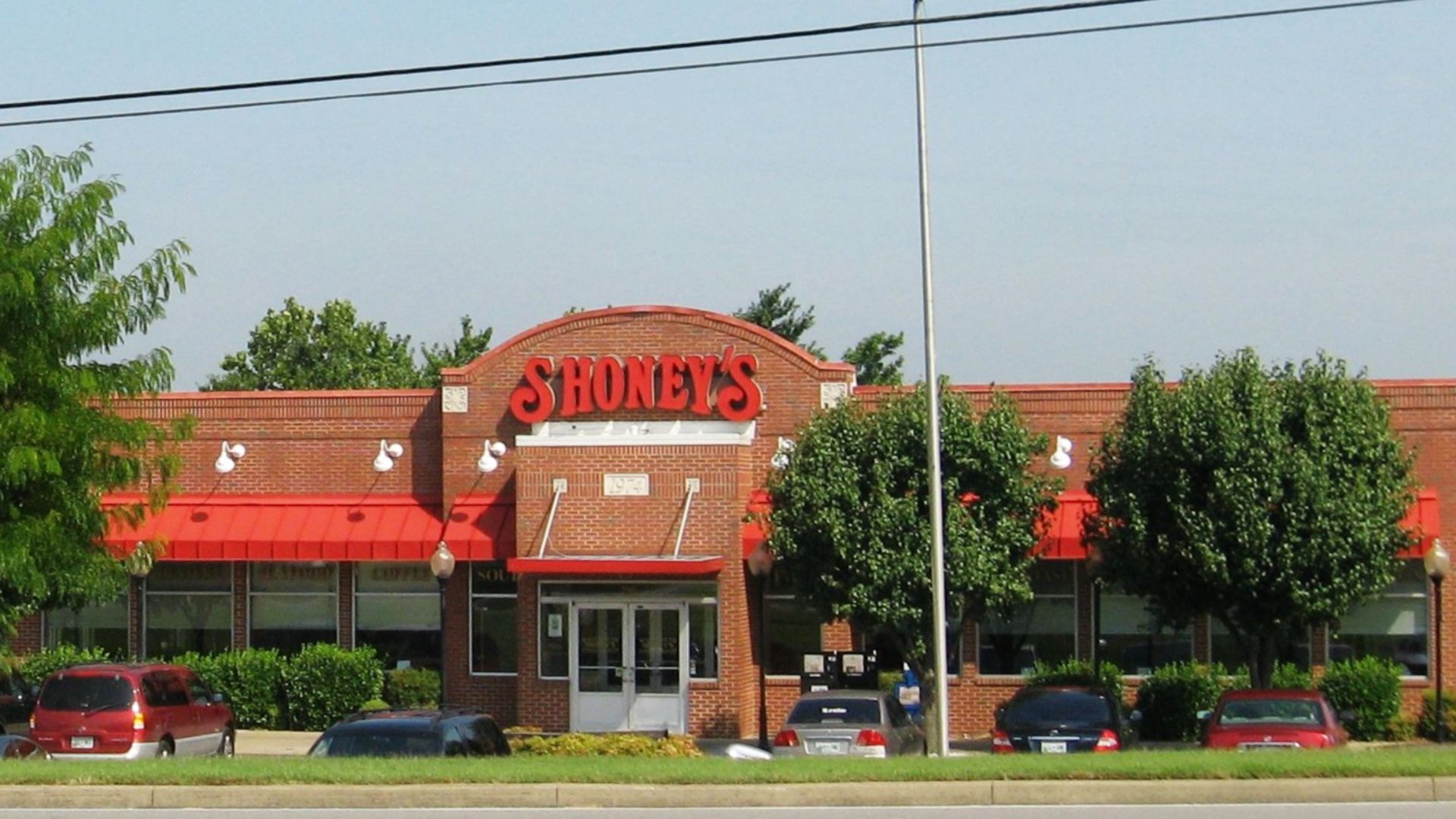 Ed!(talk)(Hall of Fame), Wikimedia Commons
Big Boy Restaurants
Regional Big Boy restaurants, from different franchise groups around the country, became dependable coffee stops for drivers and families. Their familiar menus and welcoming style helped make them a road-trip staple. Boomers remember them as places where you could relax for a while, not just rush in and rush out again.
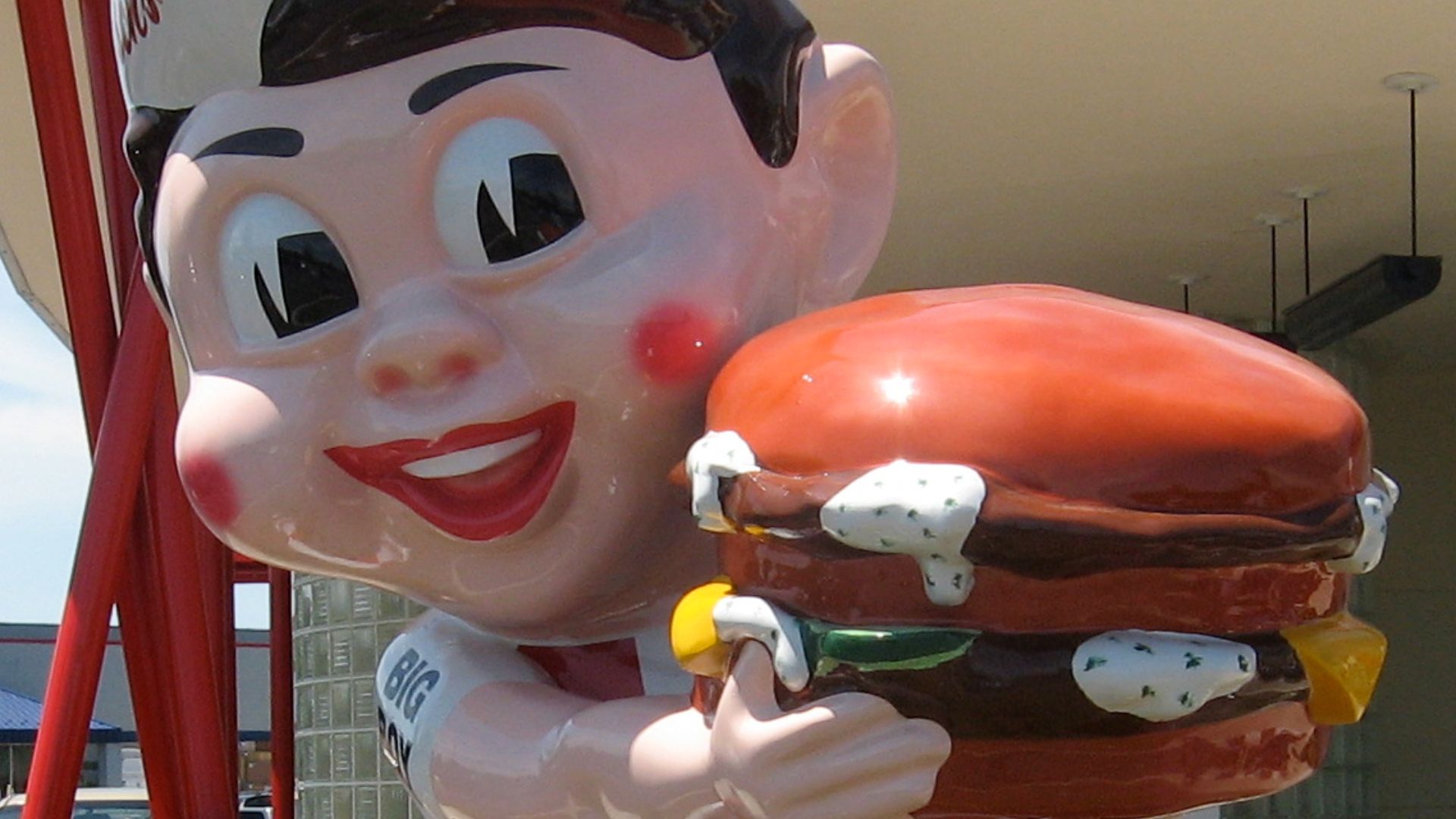 Randy Stern, Wikimedia Commons
Fred Harvey Restaurants
Fred Harvey restaurants had older roots than many 1960s coffee stops, but they still mattered to highway travelers, especially in the Southwest. Known for dependable hospitality, they gave motorists a more traditional meal-and-coffee experience. For Boomers exploring Route 66 country, a Fred Harvey stop added a touch of travel history.
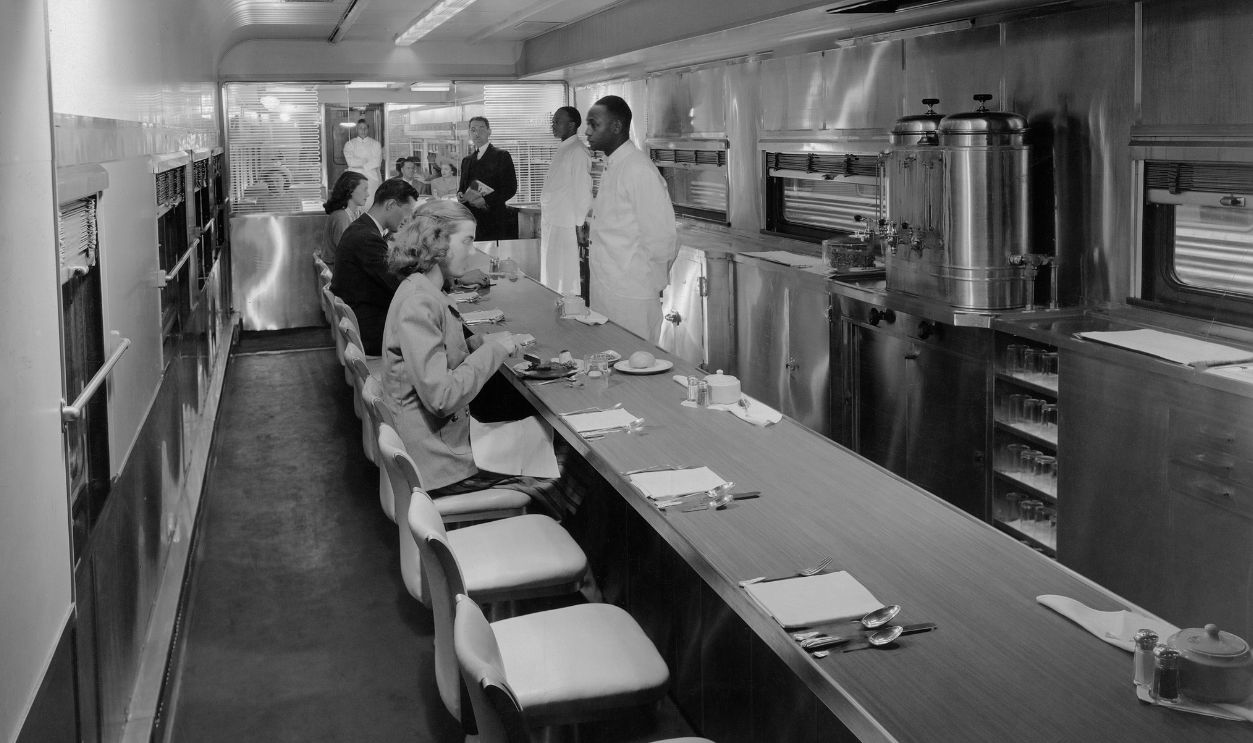
The Route 66 Diner
Not every beloved coffee stop was a national chain. Along Route 66, countless independent diners gave travelers coffee, pie, breakfast, and conversation. These spots often became unforgettable because they reflected local character. Boomers remember them as places with real warmth, where a stop for coffee could become a treasured memory.
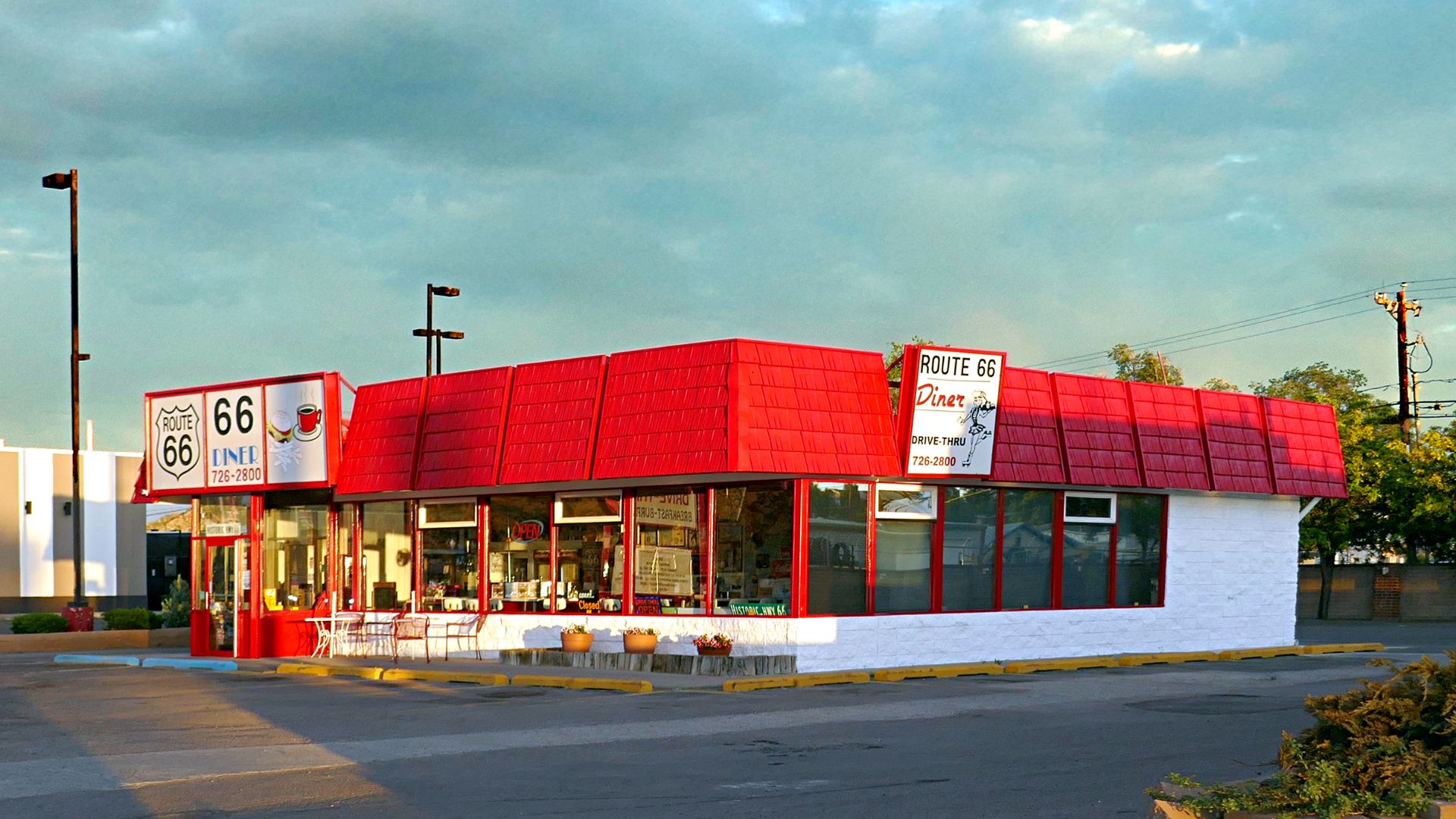 Pom' from France, European Union, Wikimedia Commons
The Turnpike Plaza Coffee Shop
Turnpike plazas in the 1960s often had simple coffee shops that became important parts of long-distance travel. They were practical, dependable, and easy to reach without leaving the highway. For many families, those coffee counters meant a bathroom break, a bite to eat, and a chance to recharge before more miles.
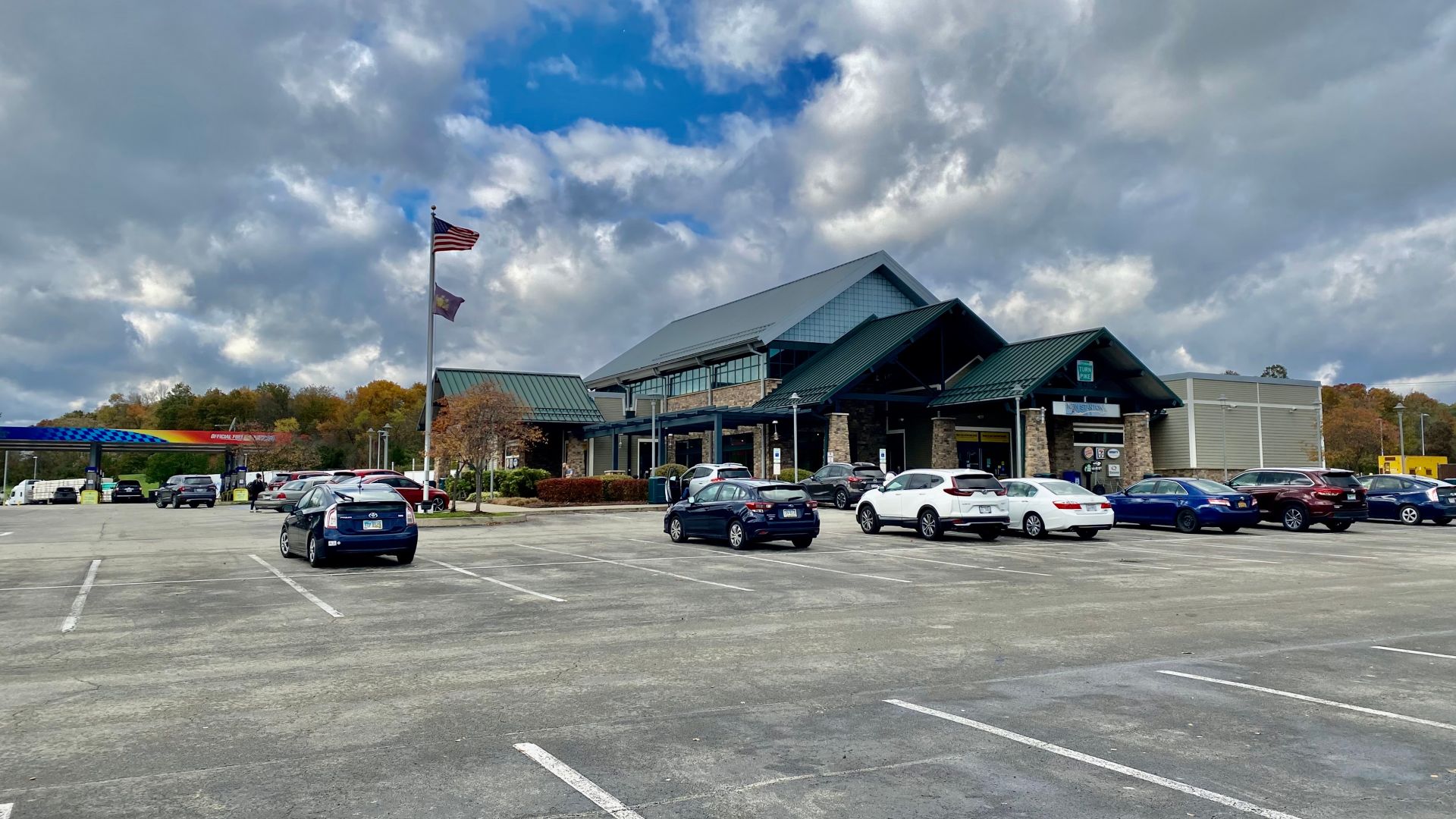 Andre Carrotflower, Wikimedia Commons
The Motor Lodge Restaurant
Many 1960s motor lodges had attached coffee shops or restaurants that became mini landmarks for travelers. After hours on the road, checking into a room and walking a few steps for coffee and breakfast felt wonderfully easy. Boomers often remember these stops as part of the larger magic of family road vacations.
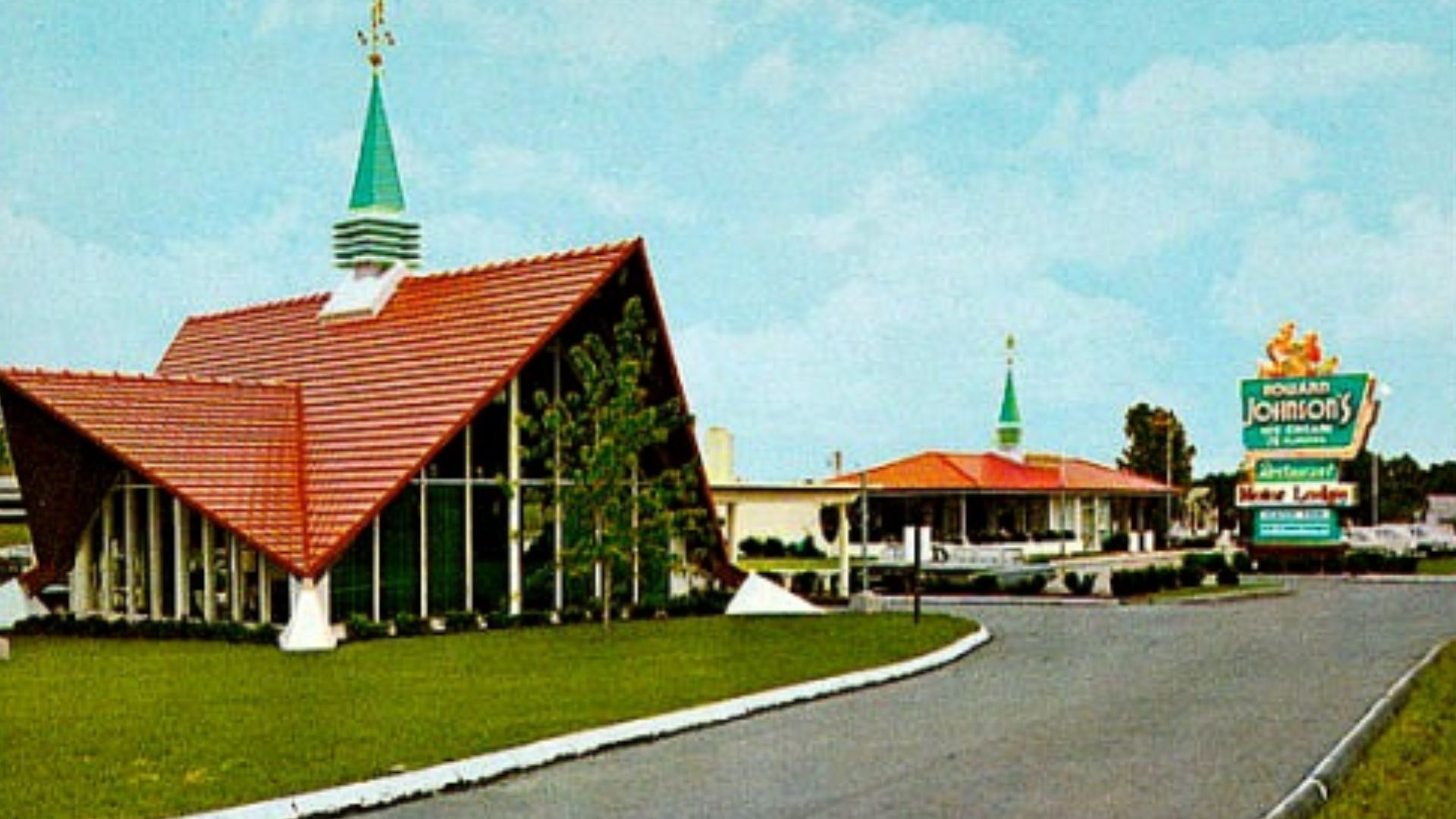 tichnor bros. lusterchrome, Wikimedia Commons
The Roadside Truck Stop Cafe
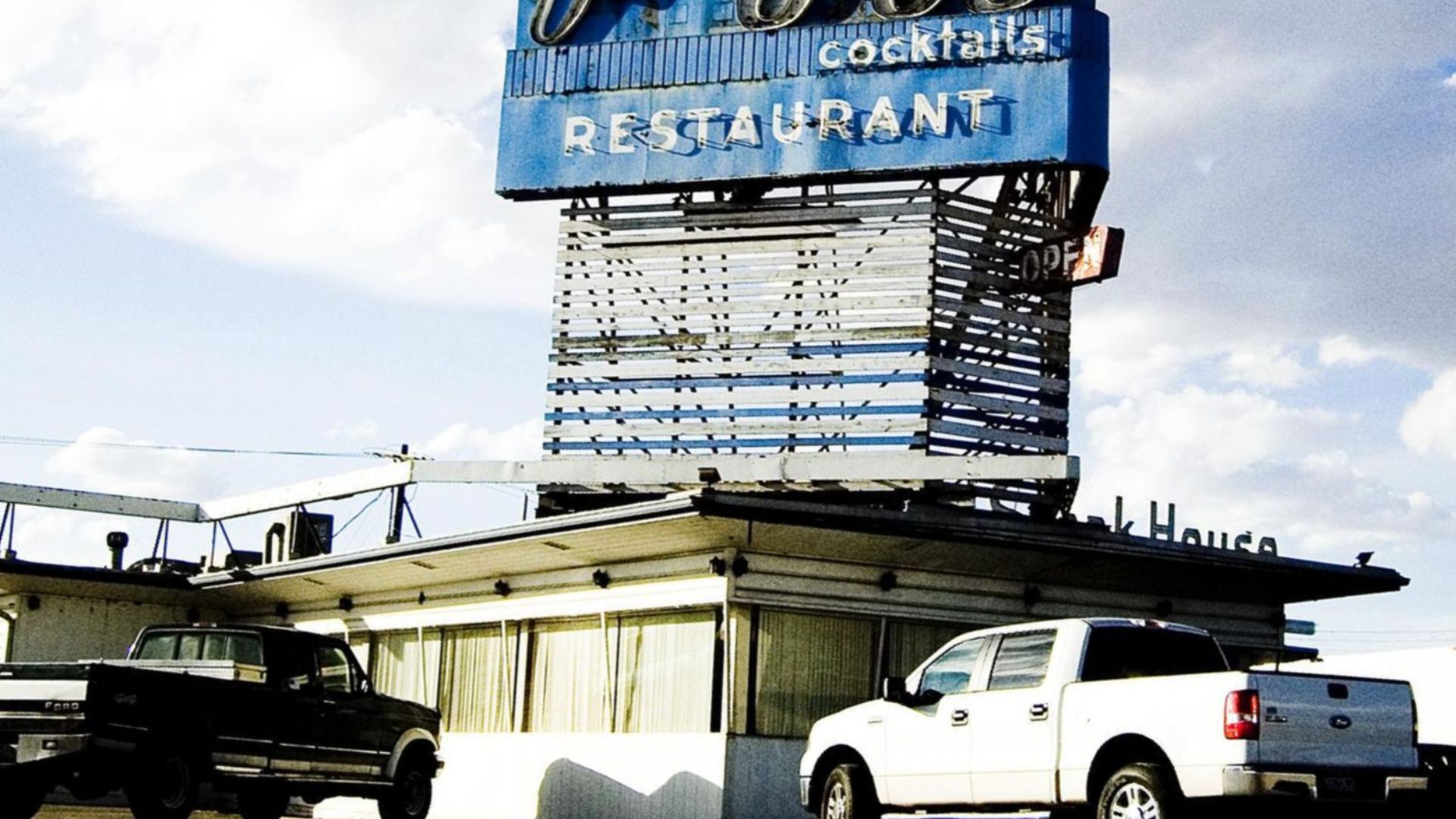
Truck stop cafes offered some of the strongest coffee and friendliest service on the highway. They welcomed truckers, families, and tired motorists alike. In the 1960s, these spots felt real and hardworking, with hearty food to match. For Boomers, they represent a more down-to-earth side of roadside coffee culture.
Why They Still Matter
These coffee stops were more than businesses. They were part of the rhythm of American travel, giving families a place to rest, eat, and reset. Their signs, mugs, and counters helped define the road trip itself. Even if Millennials do not recognize the names, Boomers remember the feeling instantly.
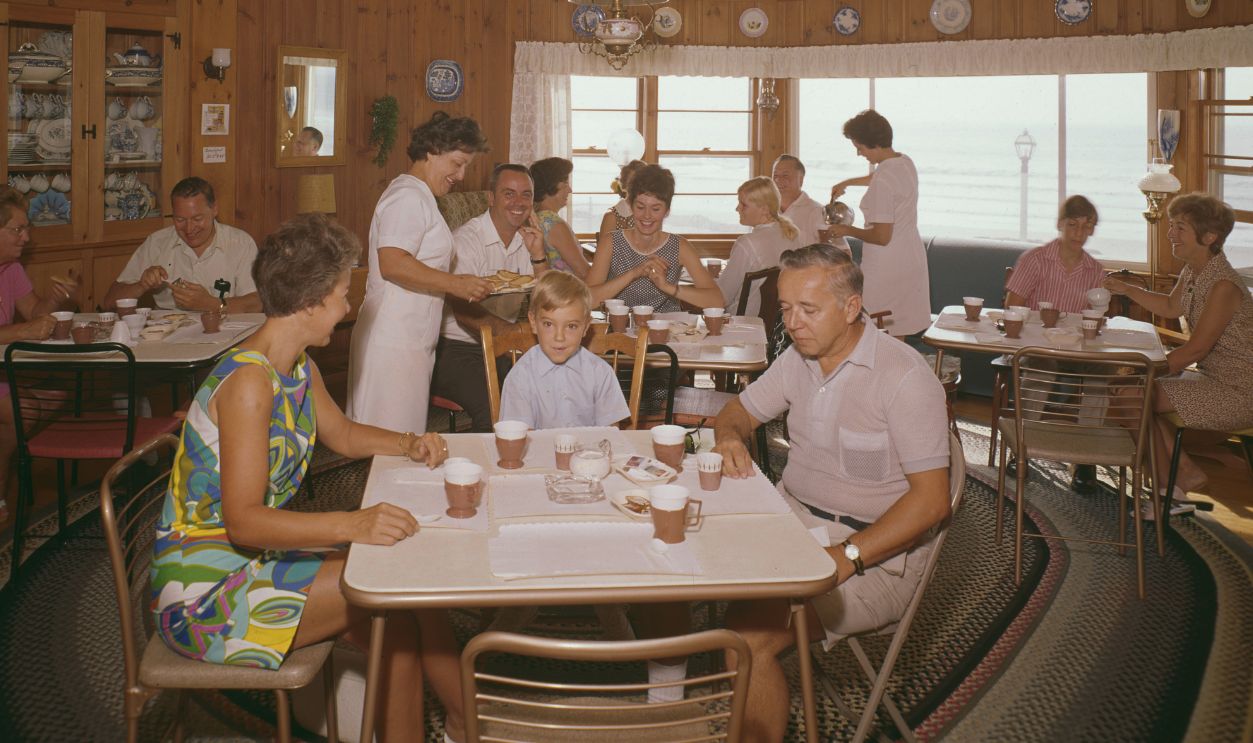 Aladdin Color Inc, Getty Images
Which One Would You Pull Into Again?
America's 1960s highway coffee stops made the road feel friendly, familiar, and full of character. Some were chains, others were one-offs, but all helped shape travel memories for a generation. If one of these signs appeared just over the next hill today, plenty of Boomers would gladly stop in again.
 Harrison Keely, Wikimedia Commons
You May Also Like:
The 30 Best States In America In 2026—Ranked According To Data