
What Would Jesus Mean To Someone Else?
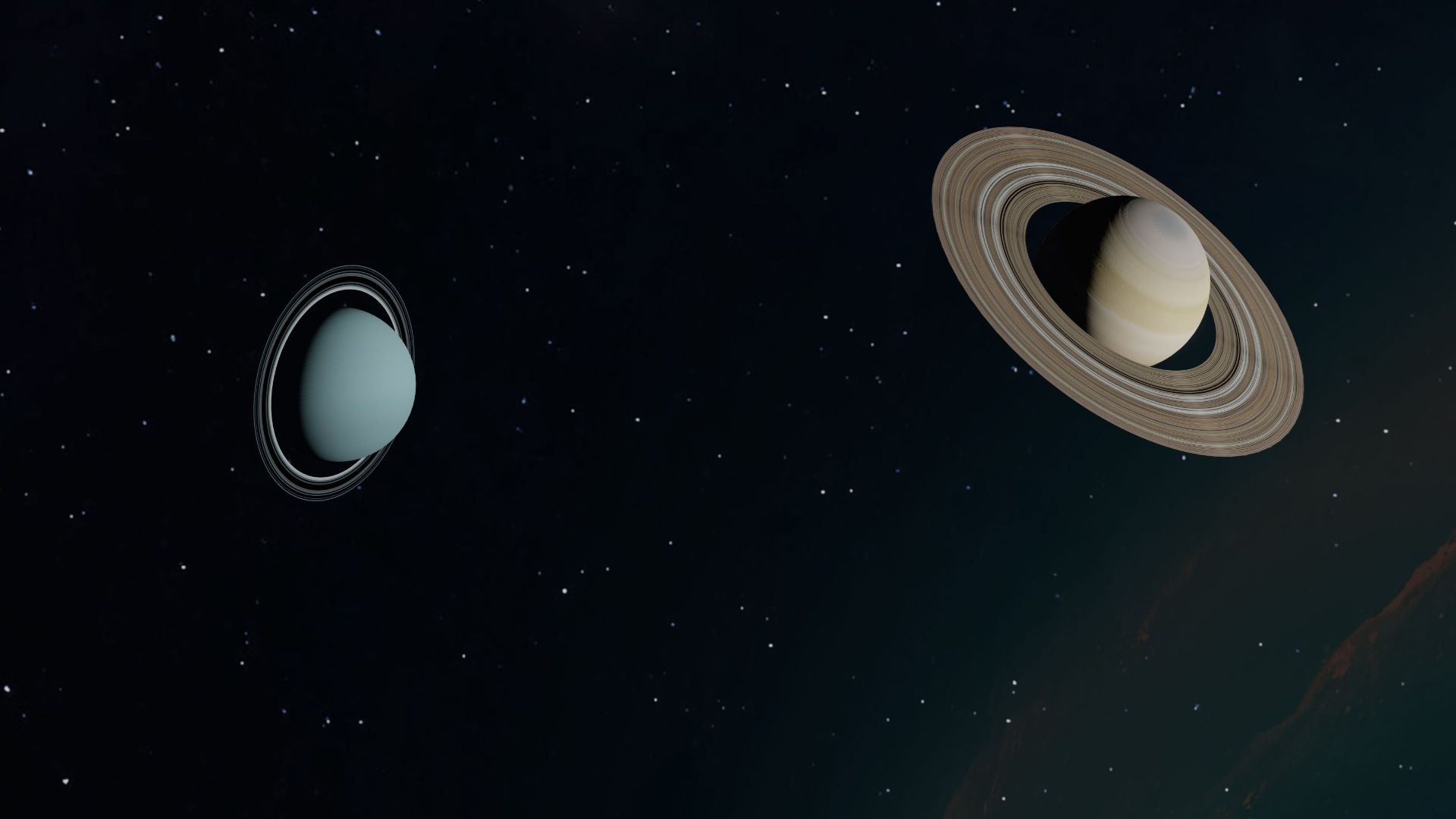
If Jesus came to save humanity, where would that leave anyone living on another world? This is a legitimate question for religious leaders and one that the Vatican has actually spent time thinking about. However, the answers they've come up with might not be what you expect.

The Vatican Has Astronomers
The Vatican has its own observatory, where scientists study the universe. Some of those astronomers are also priests. So when they consider the possibility of life elsewhere, they have another question to contend with: what would finding it mean for the story of Jesus?
 H. Raab (User:Vesta), Wikimedia Commons
One Astronomer Was Asked Directly
In 2008, Father José Gabriel Funes, then director of the Vatican Observatory, was asked whether intelligent beings might exist on other planets. He took the question seriously. And the way he described those hypothetical beings was probably the last thing most people expected to hear from a Vatican astronomer.

He Called An Alien His Brother
Funes said that any intelligent beings out there would still be part of God’s creation. He even suggested calling a possible alien an “extraterrestrial brother.” That might sound like a fairly simple way to welcome them into the picture. Then the interviewer asked a much harder question.

But Would They Need Saving?
The interviewer asked about redemption. If Jesus came to save humanity, what would his life mean to intelligent beings on another planet? Would they need saving too? Funes answered by turning to a story Jesus told about a shepherd and a lost sheep.
 Ivan Kramskoi, Wikimedia Commons
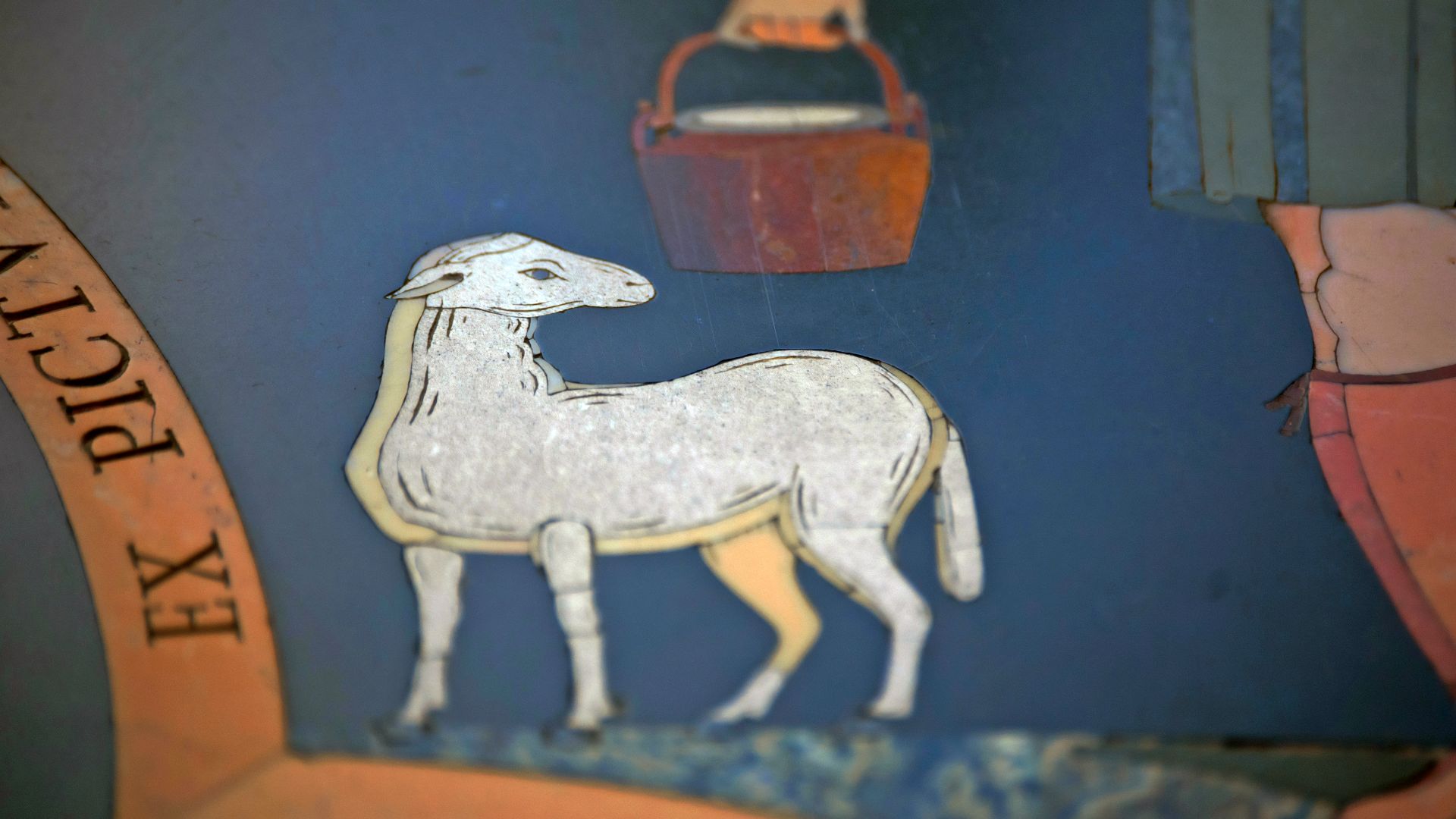
Maybe We’re The Lost Sheep
In the story, the shepherd leaves ninety-nine sheep to look for the one that wandered away. Funes wondered whether humanity could be that one sheep. Perhaps God came to us in Jesus because we needed help, while other intelligent beings never wandered away.
 Quentin Lowagie / Klow, Wikimedia Commons
That Changes The Alien Story
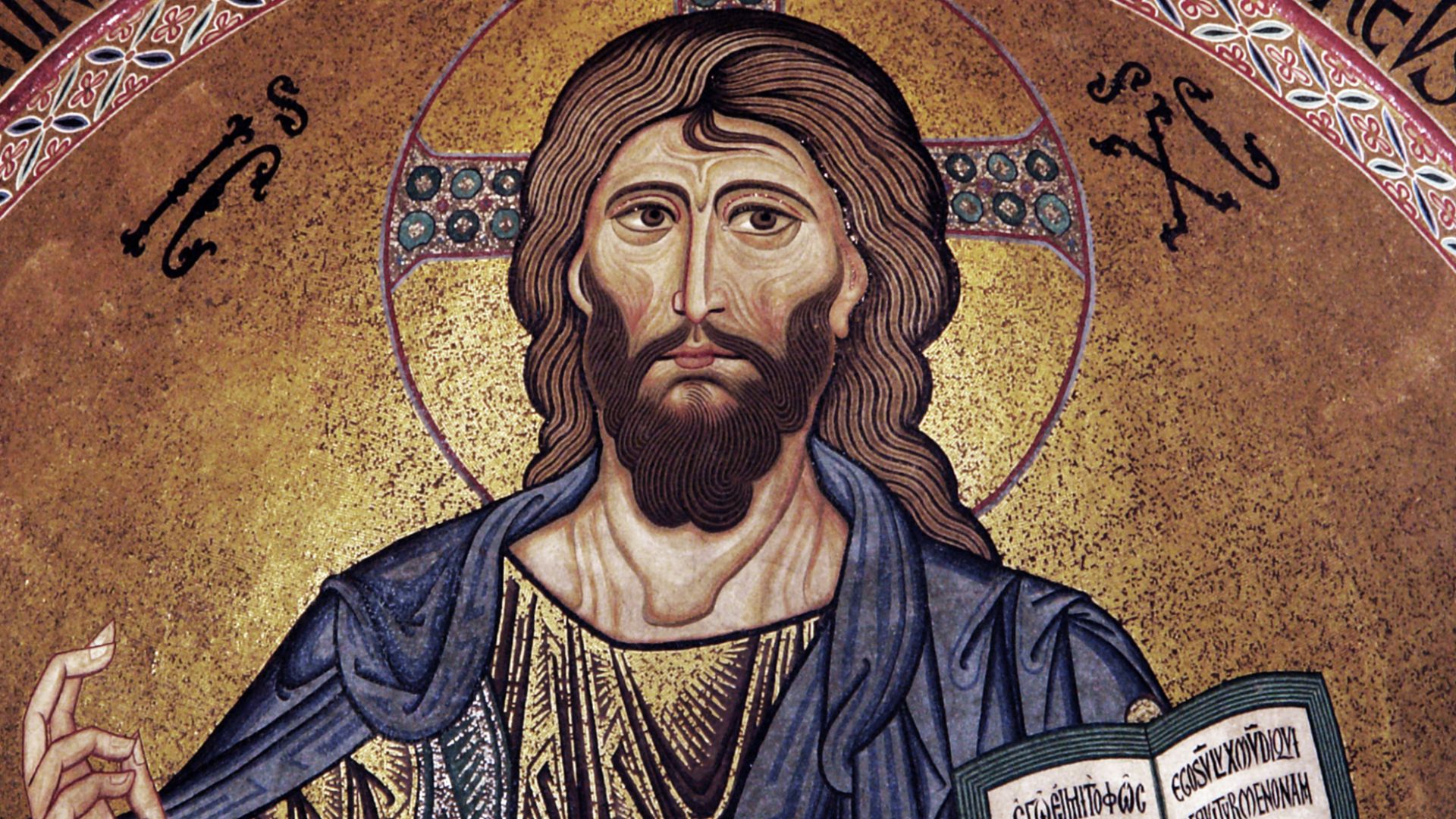
If those beings had remained in full friendship with God, Funes reasoned, they might have no need for redemption. Think about the reversal: we often imagine meeting an alien civilization and trying to understand its problems. Funes was asking whether ours might be the problem that stands out.
 Andreas Wahra, Wikimedia Commons
But What If They Wandered Away Too?
The interviewer pressed him. Suppose another intelligent species had also turned away from God. Could those beings be saved? Funes believed they could receive God’s mercy somehow, but he didn’t claim to know how. He did, however, rule out one possibility.

Funes Drew A Firm Line
Funes said Jesus became human “once and for all.” He described the incarnation as a unique event, so he wasn’t proposing that Jesus would simply be born again on every inhabited planet. Yet he remained confident that God’s mercy could reach beings elsewhere.

His Answer Left A Mystery
What if intelligent beings needed redemption but knew nothing of Earth or Jesus? Funes didn’t offer a detailed explanation. That was the limit of his answer, and it’s where the question starts getting especially strange: another Catholic thinker followed it in a different direction.

There Is No Official Alien Doctrine
First, a distinction matters. Funes was speaking as a priest and astronomer, not announcing a Church ruling. The Catholic Church has no specific teaching explaining the religious lives of extraterrestrials. That leaves thinkers room to explore possibilities without declaring that any of them is the answer.

A Theologian Went Much Further
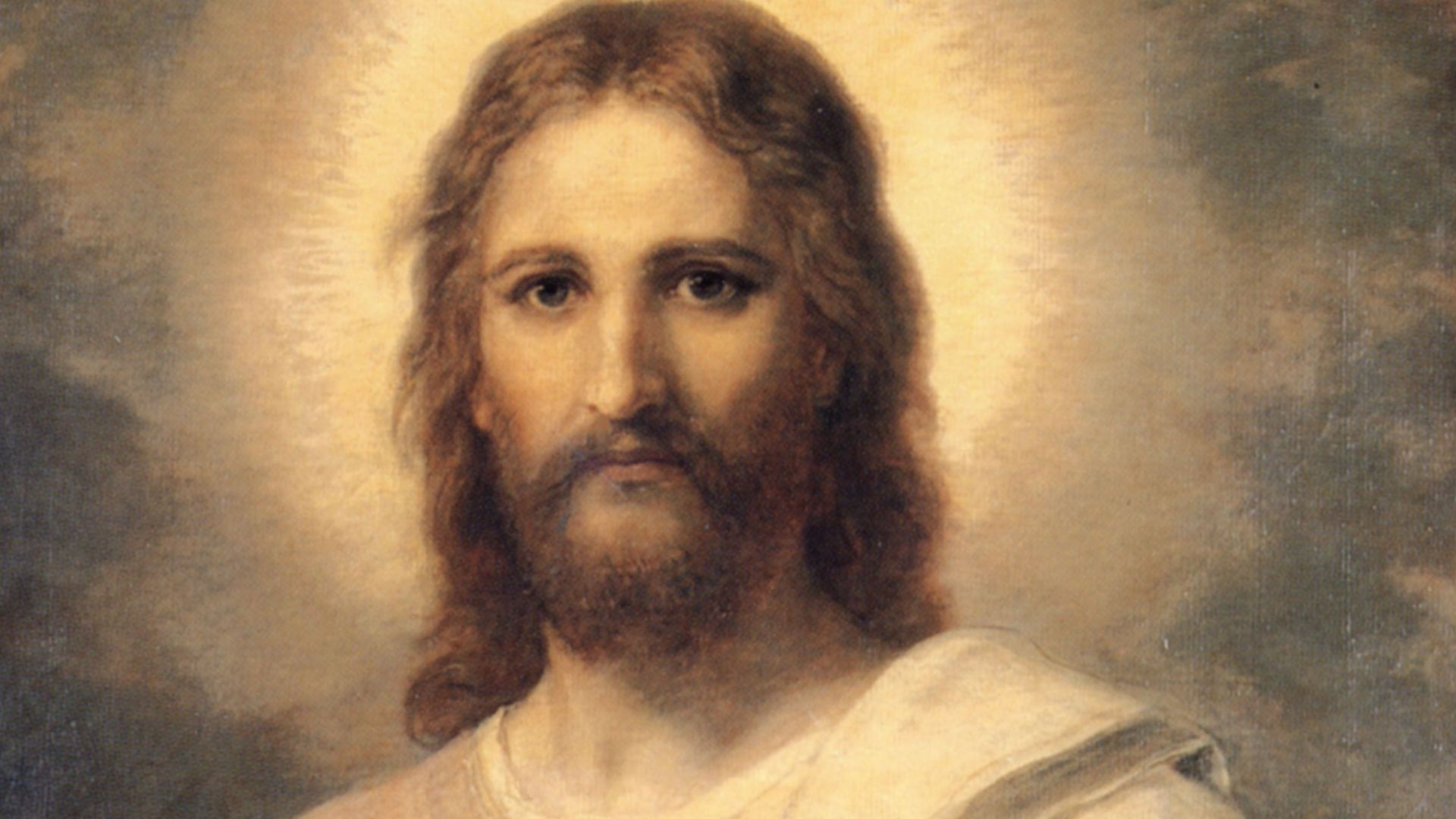
Christopher Baglow, a Catholic theologian whose work the Vatican Observatory has featured, asked whether God might become a member of an intelligent alien species. Baglow stressed that this was speculation. Still, he wanted to see where ideas already found in Christian theology might lead.
 Heinrich Hofmann, Wikimedia Commons
He Started With Thomas Aquinas
Baglow pointed to an older question from Thomas Aquinas: could a divine person take on another human nature? Aquinas thought it was possible. He wasn’t writing about aliens, but Baglow wondered whether the same reasoning could extend to an entirely different intelligent species.
 Carlo Crivelli, Wikimedia Commons
The Same God, A Different Life
Baglow wasn’t imagining a different god for every planet. His proposal involved the same divine Son Christians know through Jesus becoming one of another species. To beings on that world, such a life would be part of their history, lived in a body like theirs.
Their Story Would Be Their Own
Those beings wouldn’t share our languages or history. Baglow imagined that, if God made himself known to them, it would happen within their own culture. They might have teachers and stories leading up to it. None of those stories would have begun in Bethlehem.
 Thelmadatter, Wikimedia Commons
Even Their Worship Might Look Different
Baglow also wondered what an alien species’ religious practices might be like. If their bodies, surroundings and history were different from ours, their forms of worship could be different too. He wasn’t claiming to know what aliens believe. He was following what his idea would imply.

What If Their World Needed Saving?
If another species had its own history of wrongdoing, Baglow imagined a story of redemption that could involve suffering and resurrection. He was drawing a possible parallel with Jesus’s life on Earth. He wasn’t claiming that such an event had actually happened somewhere in space.
 François Boucher / Simon Vallée, Wikimedia Commons
And What If It Didn’t?
Baglow also considered a species that had never turned away from God. He wondered whether God might still become one of them, but without a story centered on rescue from wrongdoing. He admitted it was difficult even to imagine what such a world would be like.

One Incarnation Per Species?
Baglow suggested there might be one incarnation within the history of each intelligent species. That differs from the answer Funes gave about Jesus becoming human once and for all. Baglow offered it as a possibility to explore, not as a conclusion the Church had reached.
 Grégoire Huret, Wikimedia Commons
Earth Might Still Be Enough
Baglow considered another possibility too: perhaps what happened through Jesus on Earth already matters to every intelligent being in the universe. If that were true, there would be no separate incarnation elsewhere. He favored a different idea, but acknowledged that nobody could settle this question.

There’s A Reason Nobody Can Settle It
Scientists have not confirmed life beyond Earth. Their first discovery, if one comes, might be something as simple as a microbe. That would be astonishing, but it wouldn’t tell us whether intelligent beings exist, let alone anything about their history, beliefs or need for redemption.

The Hard Questions Come Later
Imagine meeting beings who could tell us about their own world. Would they recognize anything in the story of Jesus? Would their history challenge what Funes or Baglow imagined? Those are the questions behind this discussion, and neither theology nor astronomy has the evidence to answer them yet.
![Stained glass at St John the Baptist's Anglican Church [1], Ashfield, New South Wales. Illustrates Jesus' description of himself](https://www.factinate.com/storage/app/media/splashtravels/2026/9/26/179040122908447038132b0e856c1739f5d757d5b7fff66482.jpg) Stained glass: Alfred Handel, d. 1946[2], photo:Toby Hudson, Wikimedia Commons
Stained glass: Alfred Handel, d. 1946[2], photo:Toby Hudson, Wikimedia Commons
You Might Also Like:
Archaeologists Find Earliest Reference To Jesus As God—Under A Prison