The People We Know Only Through Their Genes
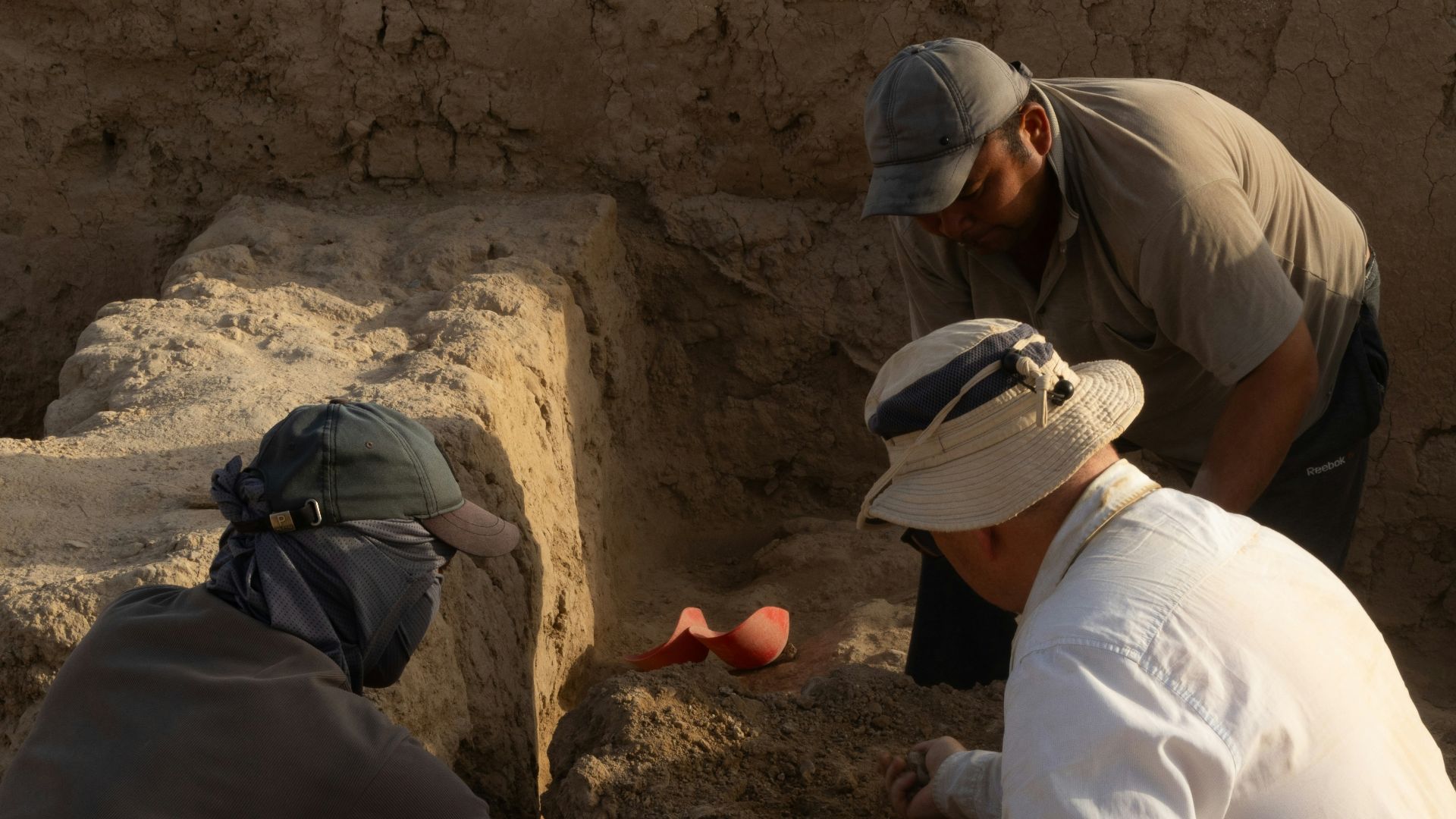
Archaeologists usually discover lost populations through bones, tools, or settlements. But genetics has introduced a stranger possibility: people who seemingly vanished without leaving remains scientists can confidently identify. Their existence is instead inferred from unusual stretches of DNA preserved in ancient or living humans.
Meet The “Ghost Populations”
Geneticists often call these missing groups “ghost populations.” The term does not mean scientists literally know nothing about them. Rather, researchers can see their genetic contribution to later people even though no genome or recognizable fossil has yet been found from the population itself.
 Aleksander Stypczynski, Unsplash
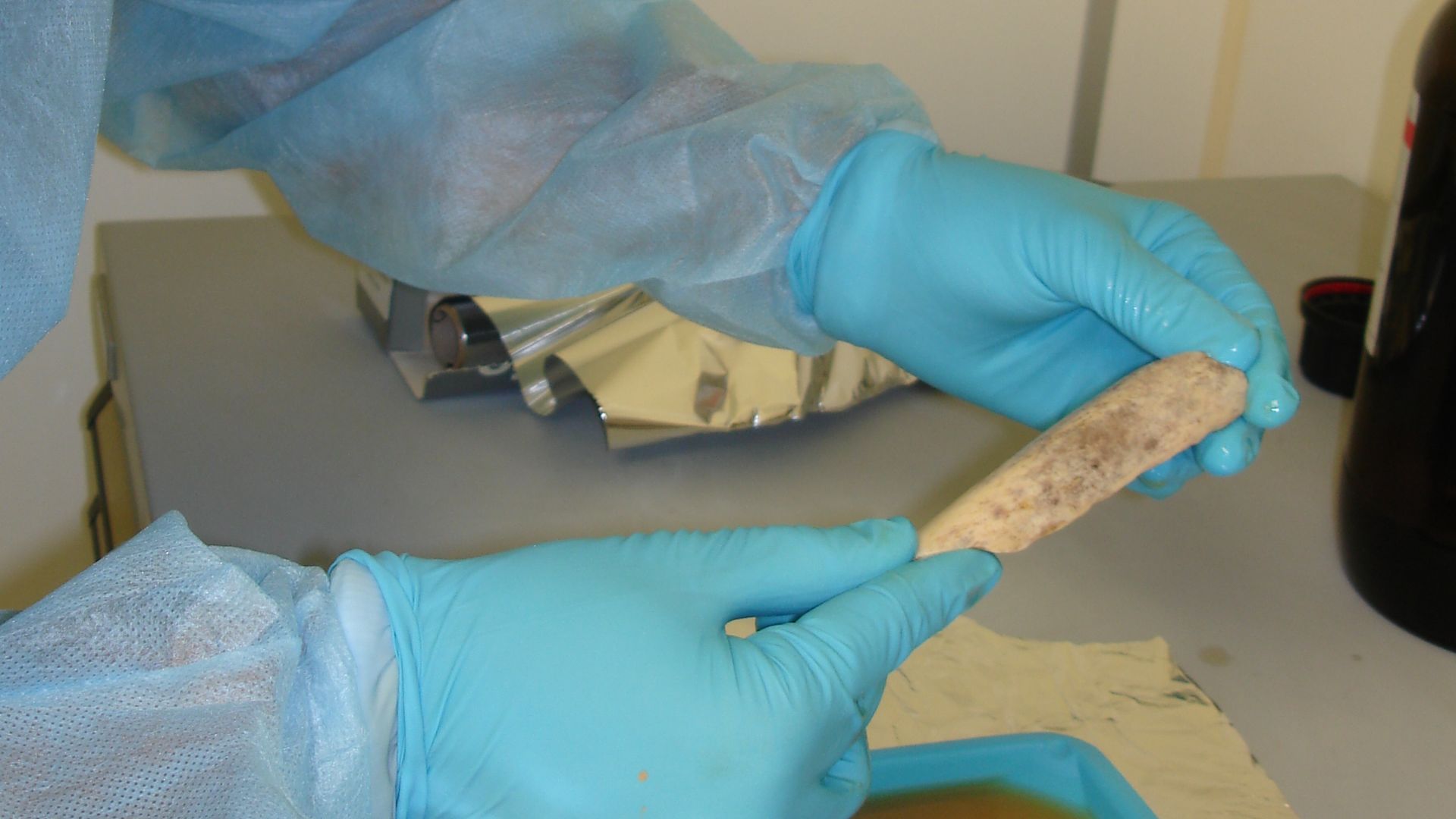
DNA Can Behave Like A Fossil
Every generation shuffles inherited DNA, but pieces of very old ancestry can survive for astonishing lengths of time. Researchers compare mutations, chromosome segments, and patterns of genetic relatedness to reconstruct populations that must have existed to produce the genomes we see today.
 Max Planck Institute for Evolutionary Anthropology, Wikimedia Commons
Africa’s Mysterious Archaic Ancestors
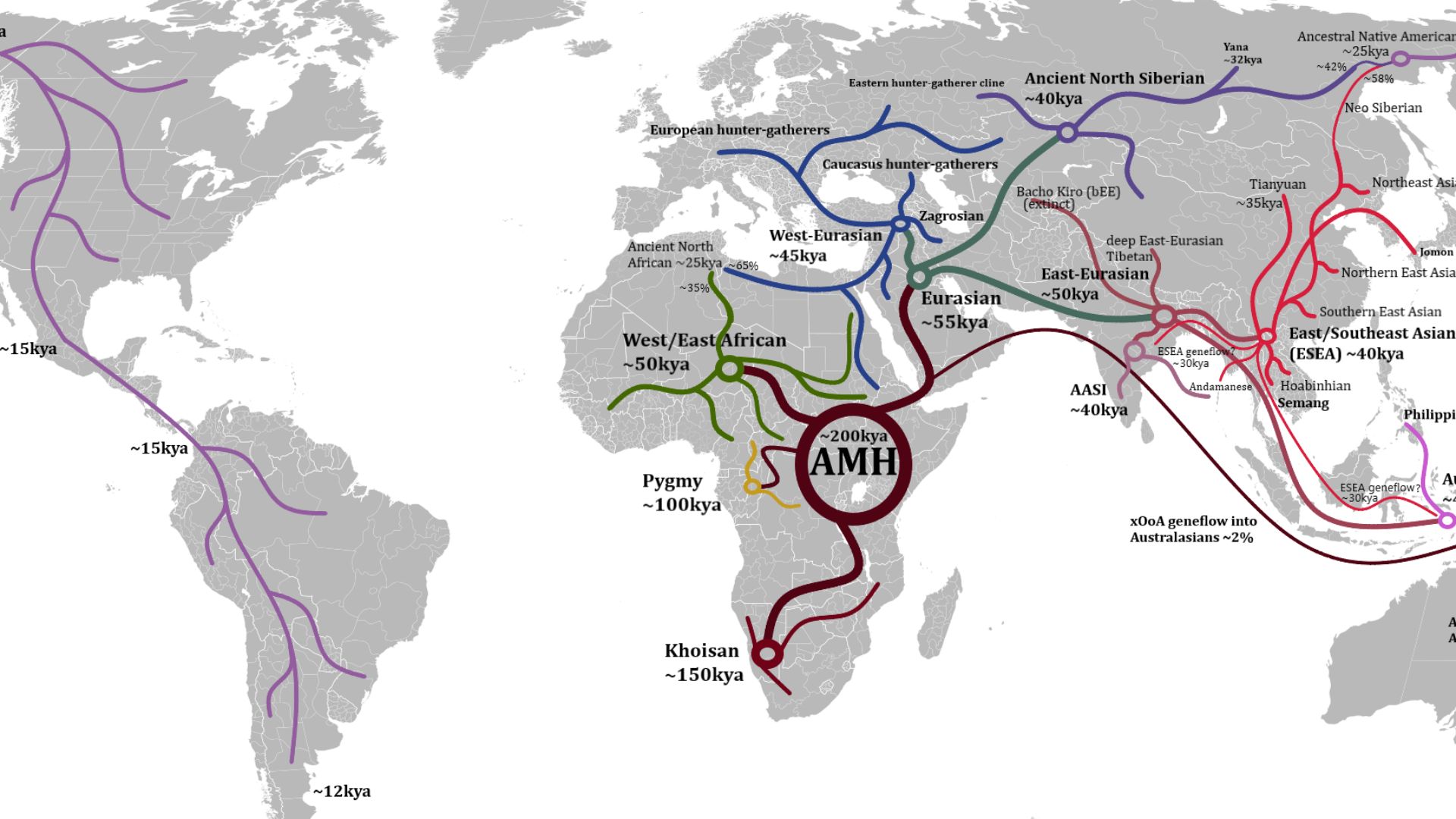
One of the most intriguing cases comes from western Africa. A 2020 Science Advances study concluded that genomes from Yoruba and Mende populations contained signals consistent with interbreeding with an unknown archaic human group whose actual remains have never been identified.
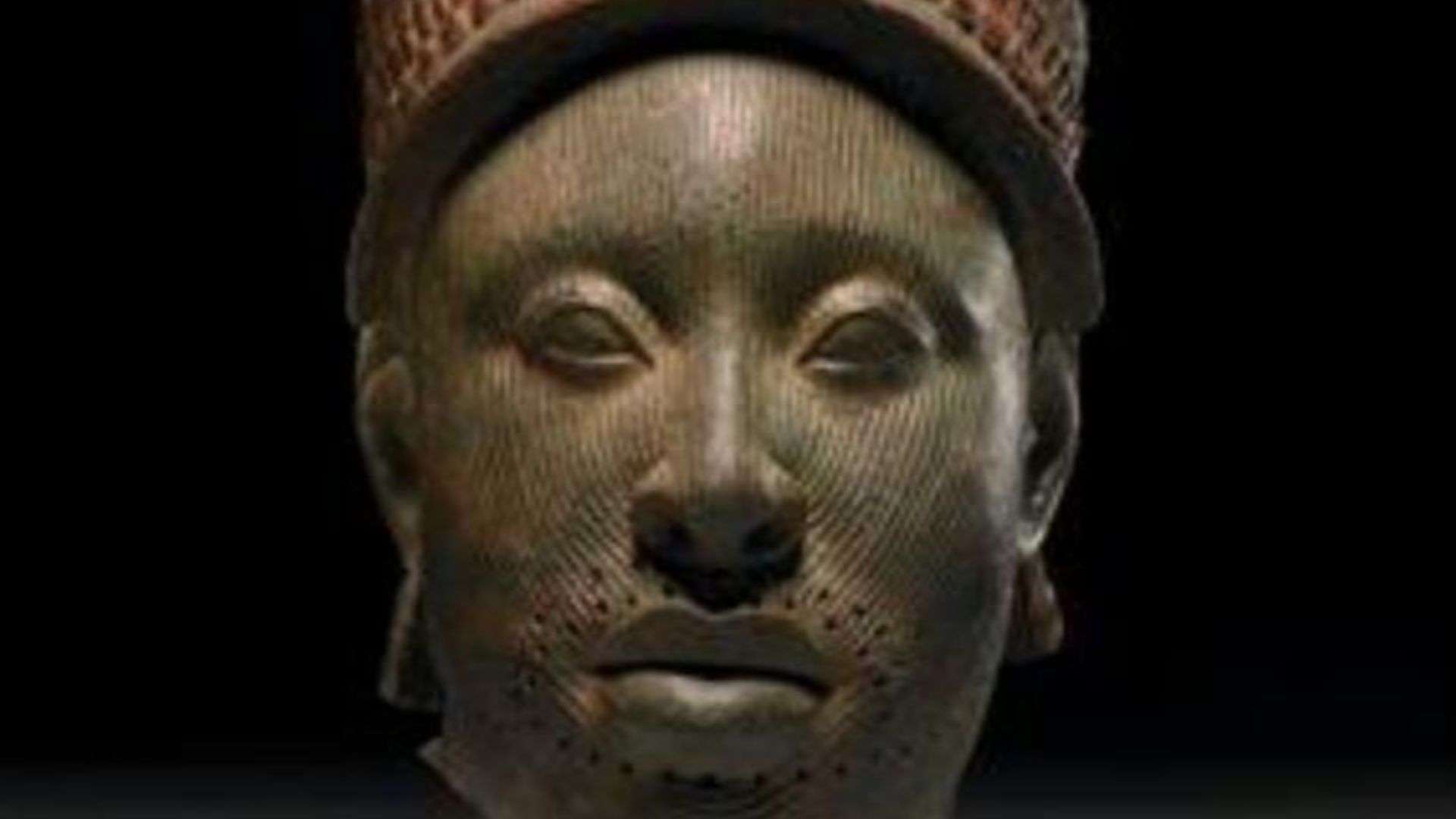 Undefined Yoruba artist., Wikimedia Commons
The Signal Was Surprisingly Large
Researchers Arun Durvasula and Sriram Sankararaman estimated that this mysterious ancestry could account for a notable share of the genomes they studied. Their models suggested an archaic population had separated deeply from the lineage leading to modern humans before later mixing back into African populations.
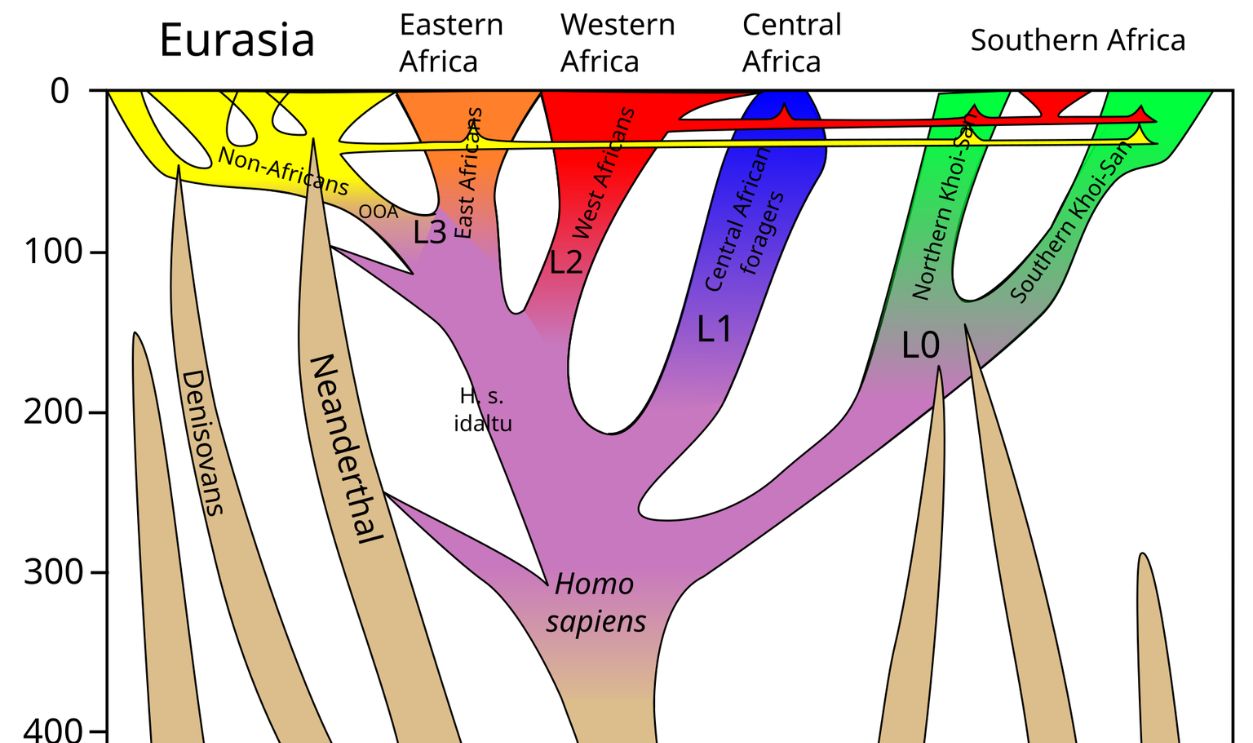
Nobody Knows What To Call Them
There is no agreed species name for these hypothetical African archaic people. They could represent a population related to a known fossil group, an unknown branch of Homo, or something less dramatic. Genetics reveals separation and interbreeding far more easily than it reveals what somebody looked like.
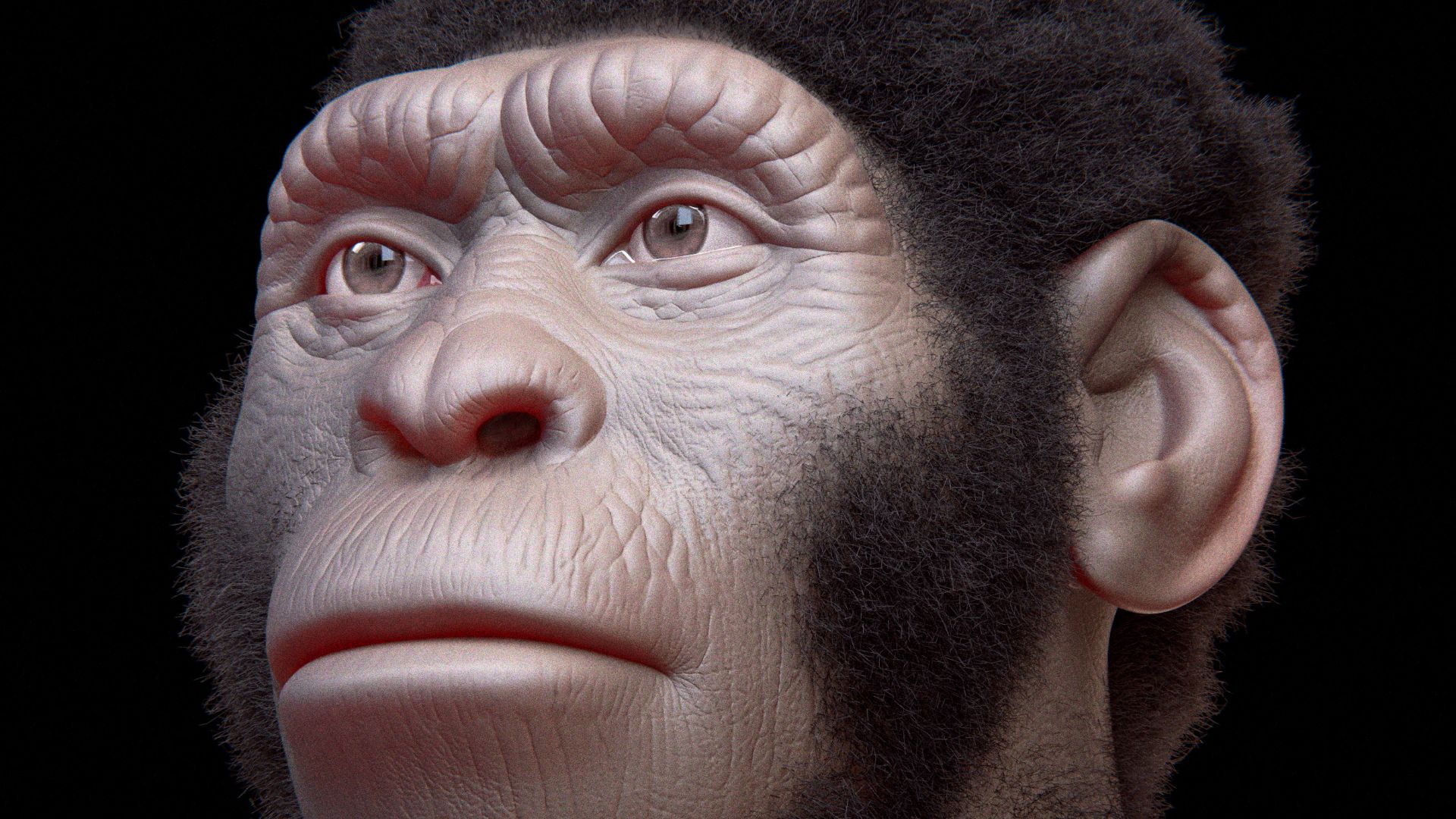 Cicero Moraes (Arc-Team) et alii, Wikimedia Commons
There Is A Major Catch
Not every geneticist agrees that the African signal requires an unknown archaic species. A 2023 Nature study found that long-lasting structure among interconnected African populations could produce patterns previously interpreted as archaic interbreeding. In other words, the “ghost” might actually be distant cousins within early Homo sapiens.
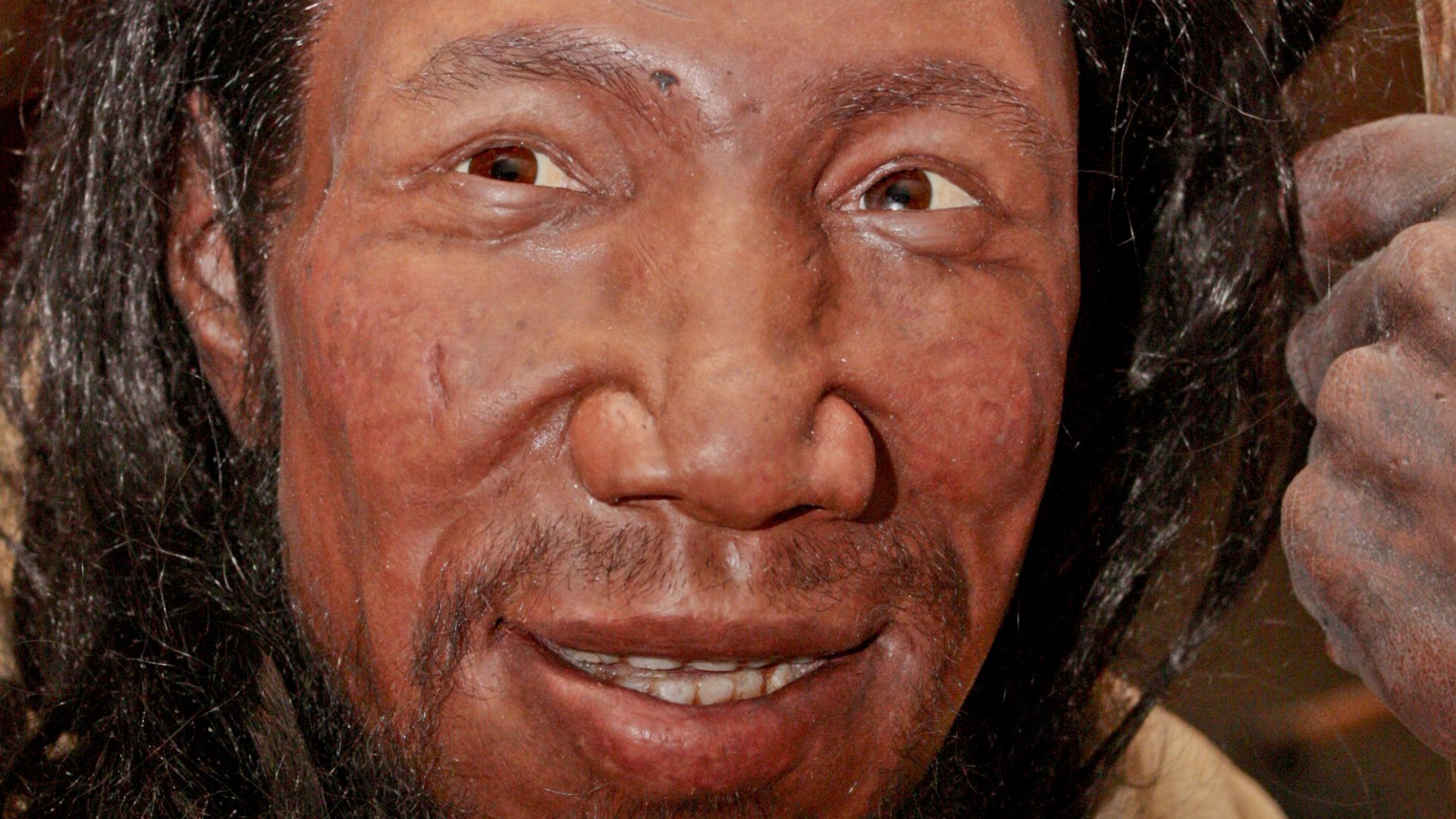 Daniela Hitzemann (photograph), Wikimedia Commons
Human Origins May Have Been Messier
That study proposed that our species emerged from multiple ancestral African populations that remained partly separated while still exchanging genes over hundreds of thousands of years. It replaces the tidy family tree with something closer to a tangled network of communities that repeatedly separated and reunited.
The Mota Genome Added Another Ghost
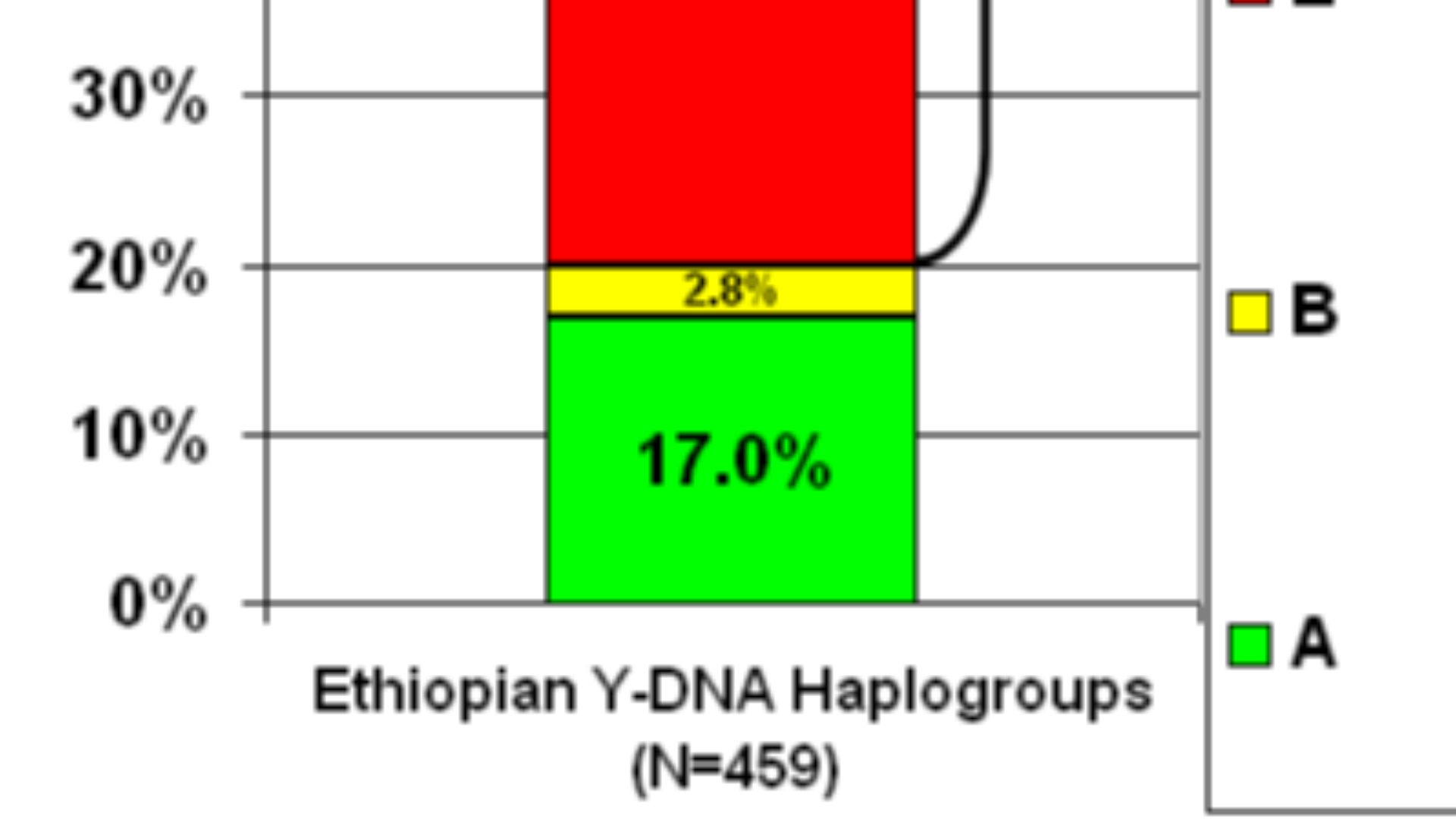
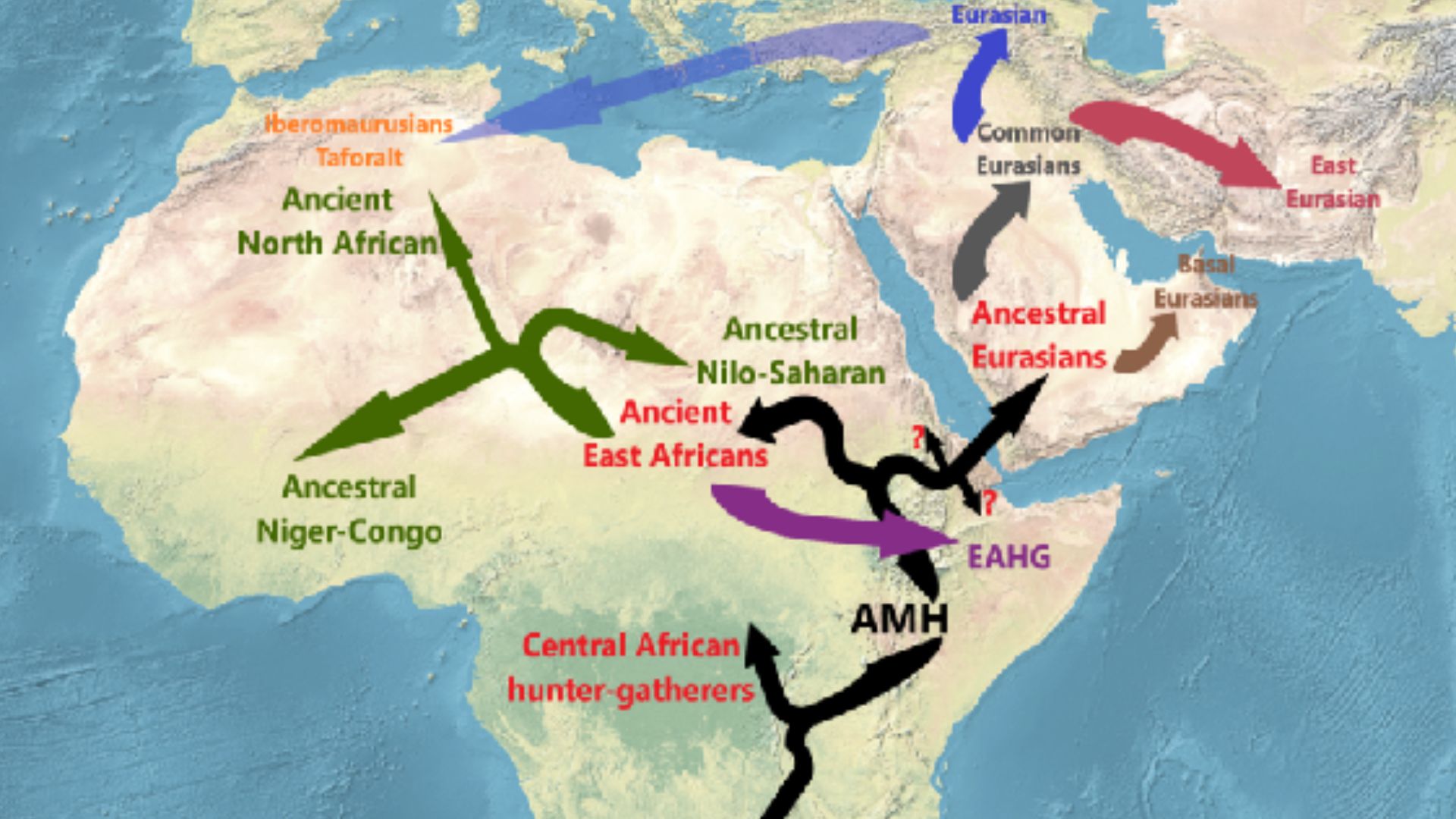
Ancient DNA from an approximately 4,500-year-old individual found at Mota Cave in Ethiopia has produced another puzzle. Later analysis estimated that roughly 30% of his ancestry could be modeled as coming from a deeply diverged “ghost” population without a closely sampled representative.
Ancient Africa Was Remarkably Diverse
Research published in Nature in 2022 showed that ancient eastern and south-central African foragers could be modeled using several deeply divergent ancestry sources. Some of those sources currently have no close sampled representatives, effectively turning entire ancient populations into genetic shadows.
The Shum Laka Children Changed The Story
DNA recovered from four children buried at Shum Laka in Cameroon revealed another unexpectedly complicated ancestry pattern. The individuals were related most closely to western Central African hunter-gatherers, while population models pointed toward much deeper lineages in African human history.
 McHenry, L, Njau, J, Pante, M and de la Torre, I 2012, Wikimedia Commons
A Missing West African Source
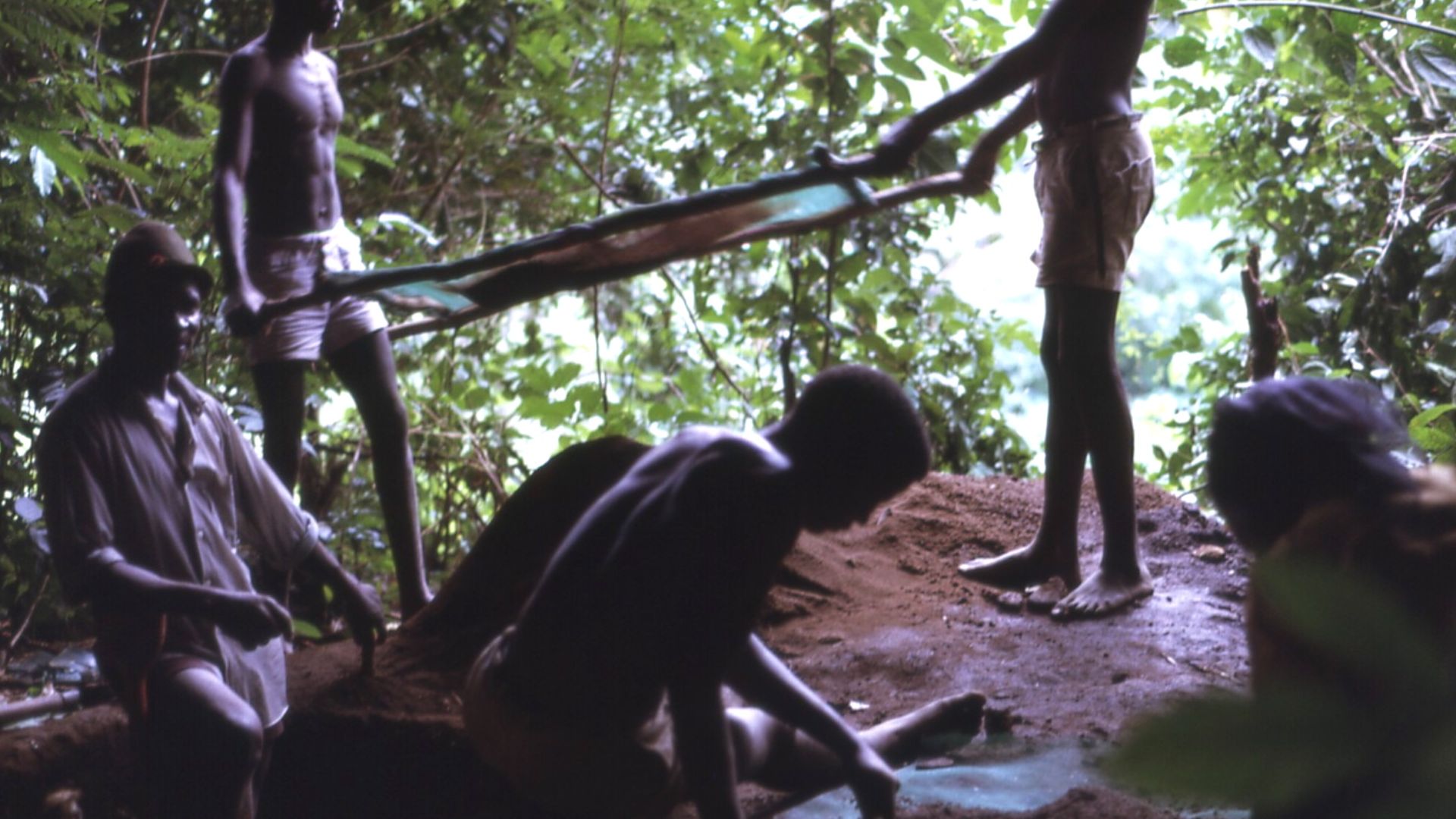
The Shum Laka individuals could be modeled as carrying substantial ancestry from a basal West African-related source that has not been directly sampled. The discovery showed how ancient DNA can expose populations that disappeared genetically, migrated away, or simply remain absent from the archaeological record.
 John Atherton, Wikimedia Commons
Europe Has Its Own Genetic Ghost
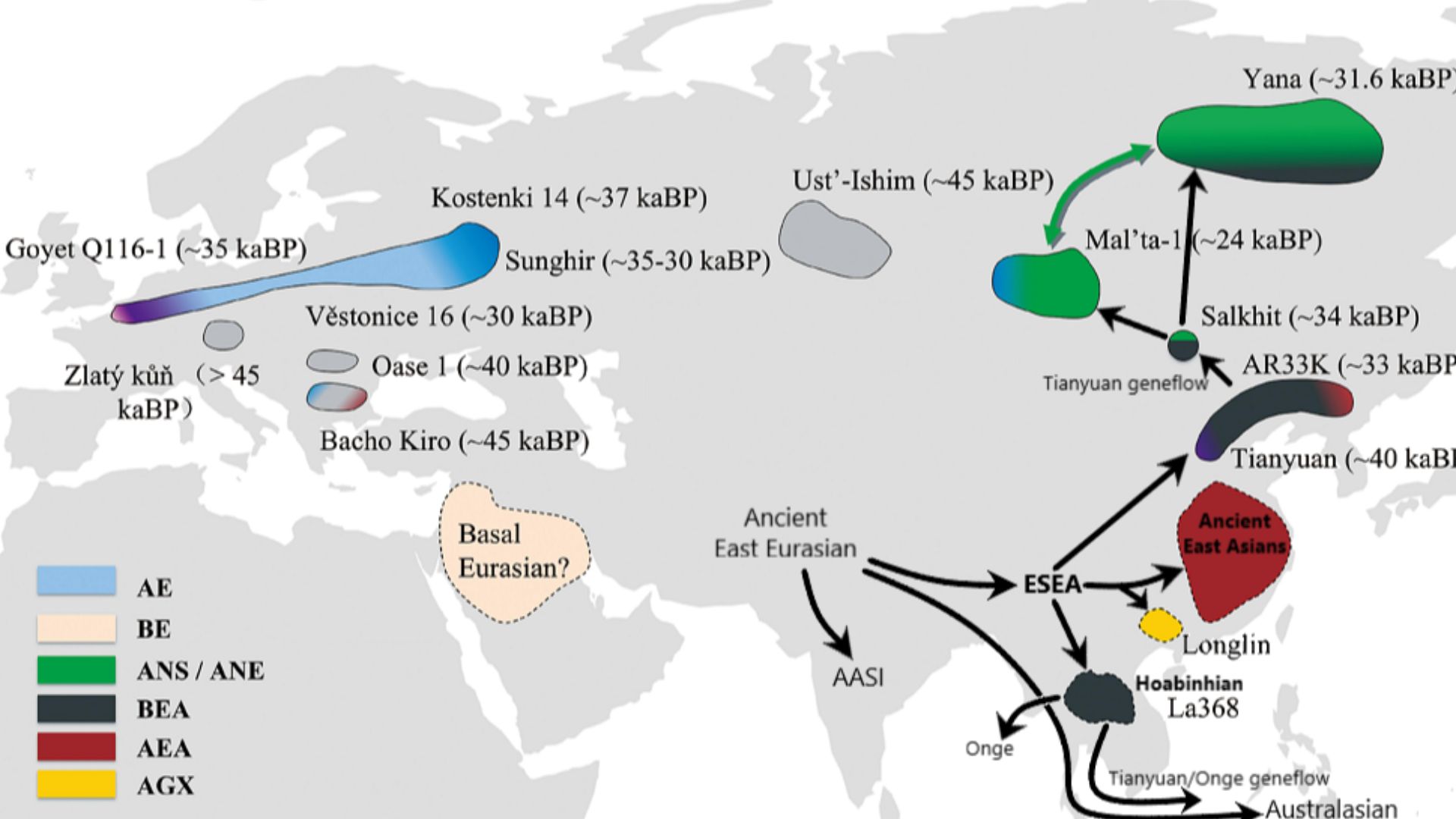
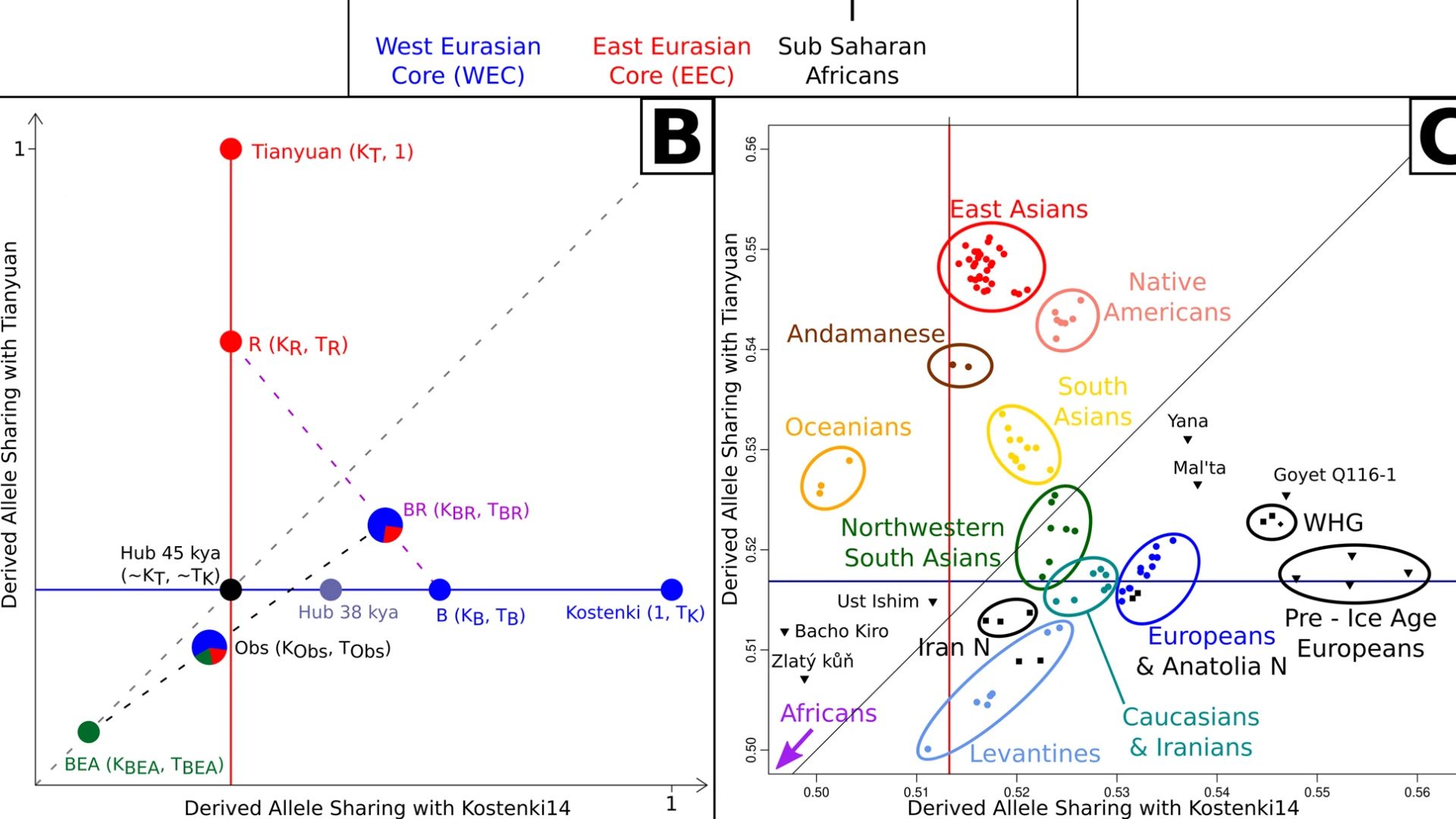
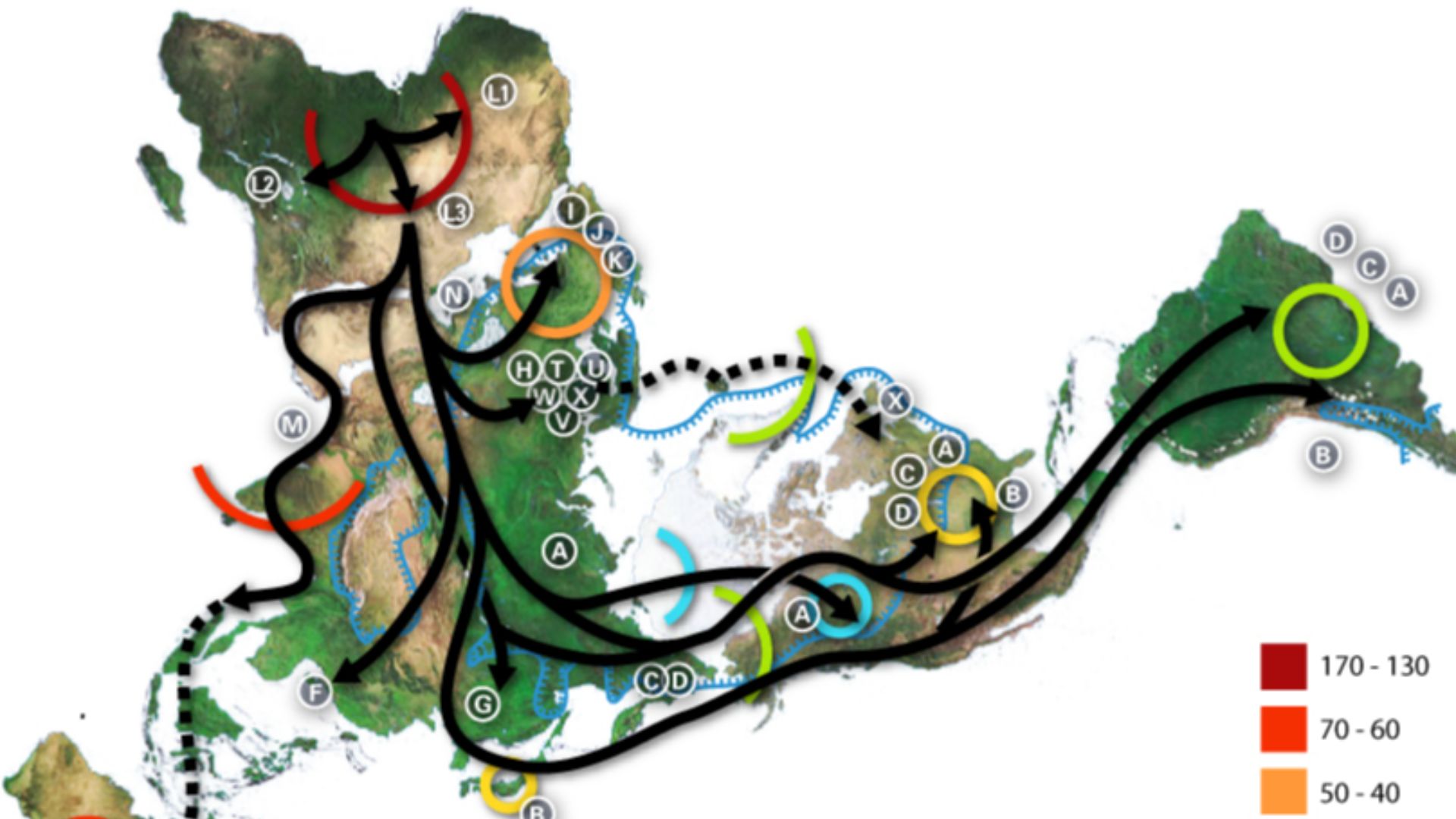
In 2014, researchers studying ancient European genomes identified ancestry from a hypothetical group they called “Basal Eurasians.” These people apparently split from other non-African lineages very early and later contributed heavily to the ancestry of early Near Eastern farmers.
 Wikiuser1314, Wikimedia Commons
Nobody Has Found A Basal Eurasian
Basal Eurasians are not represented by a confirmed archaeological population or directly sequenced individual. Scientists know them because later genomes make much more sense if such a lineage existed. More recent ancient-DNA studies continue to use Basal Eurasian ancestry when modeling prehistoric western Eurasian populations.
Then There Are The Missing Denisovans
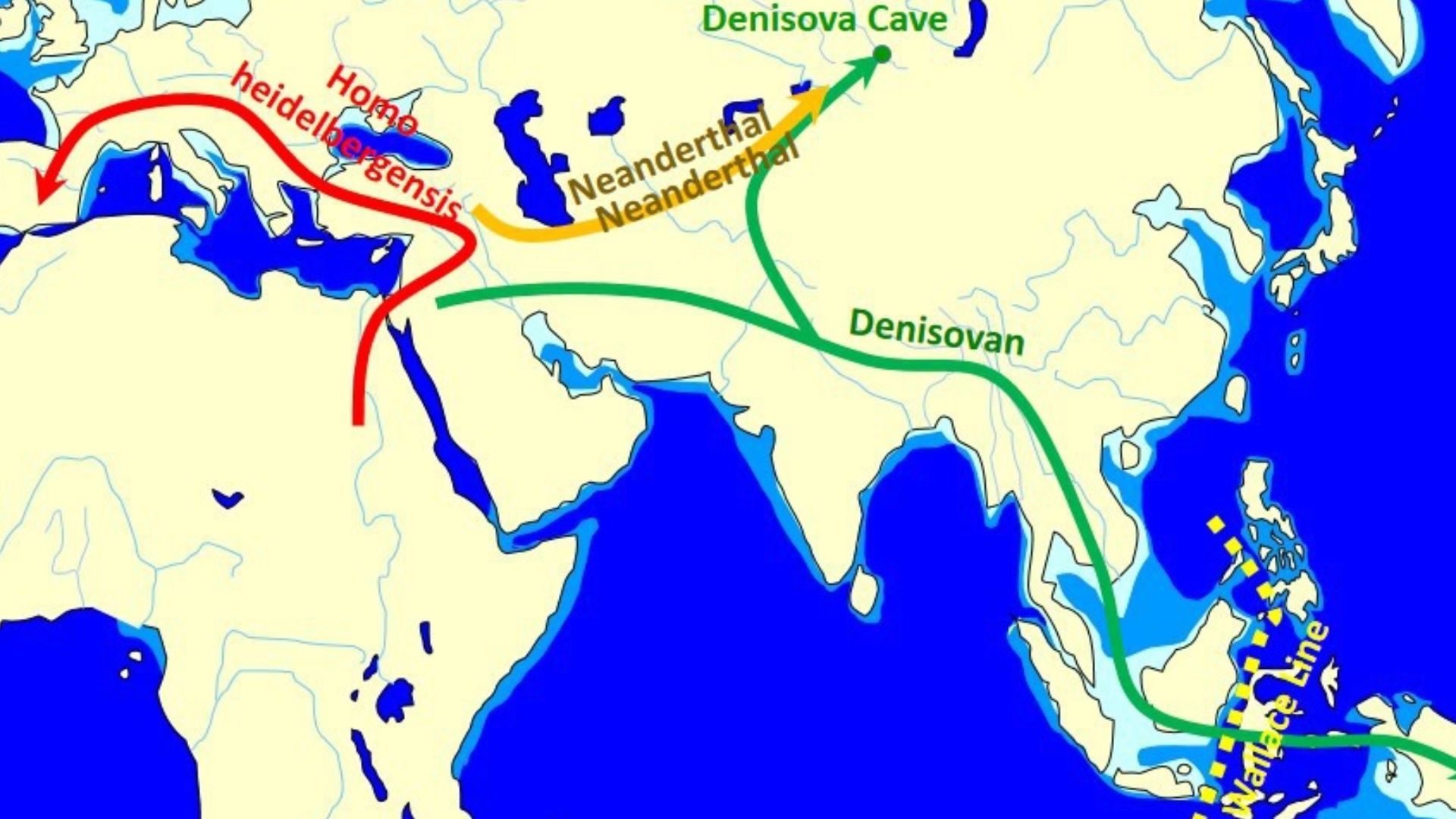
Denisovans themselves are no longer genetic ghosts because fossils and proteins have been identified from Siberia and Tibet. Yet DNA suggests that the Denisovans we have physically discovered represented only part of a much larger collection of genetically distinct populations spread across Asia.
 John D. Croft, Wikimedia Commons
East Asia Had Another Denisovan Population
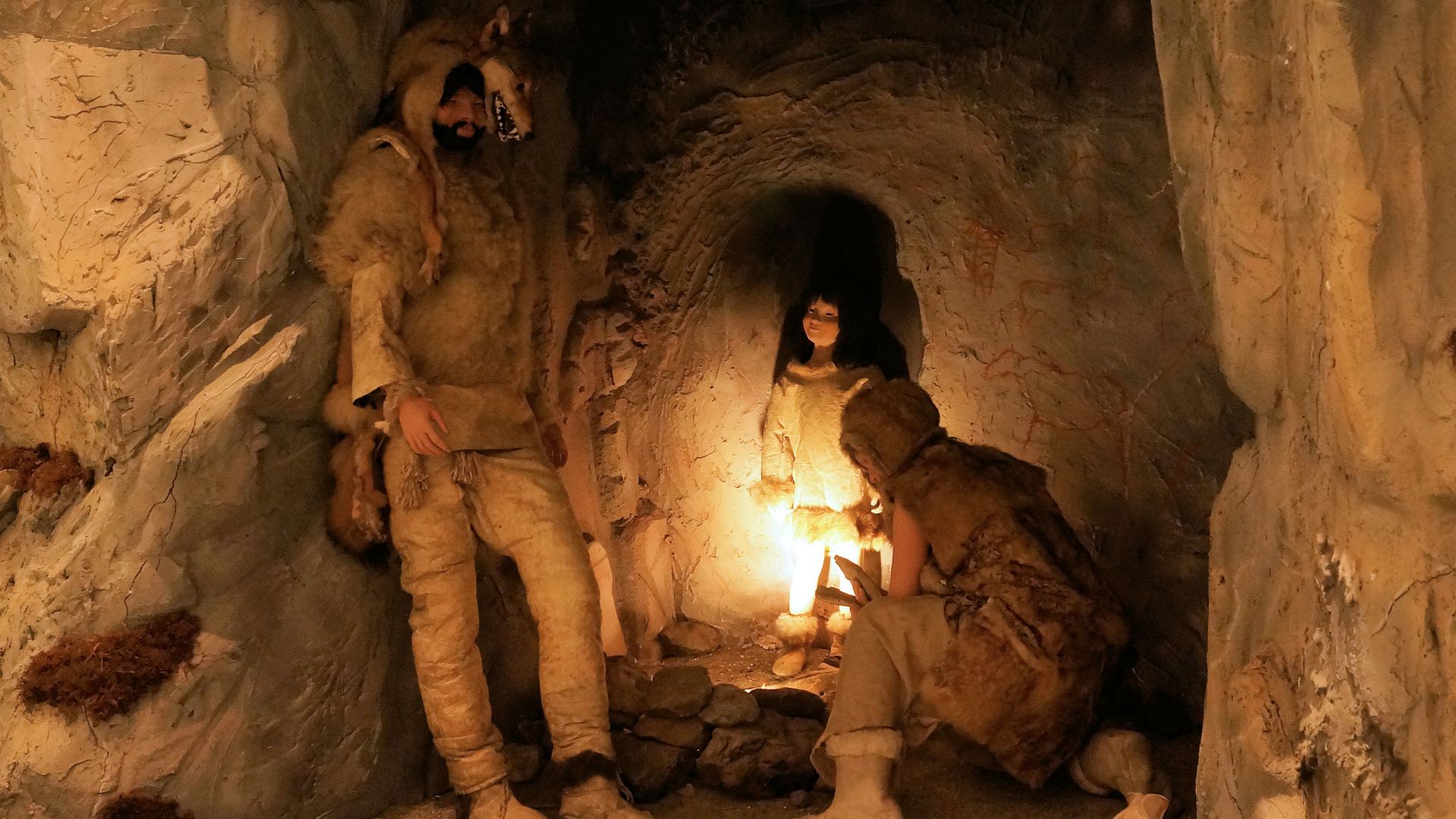
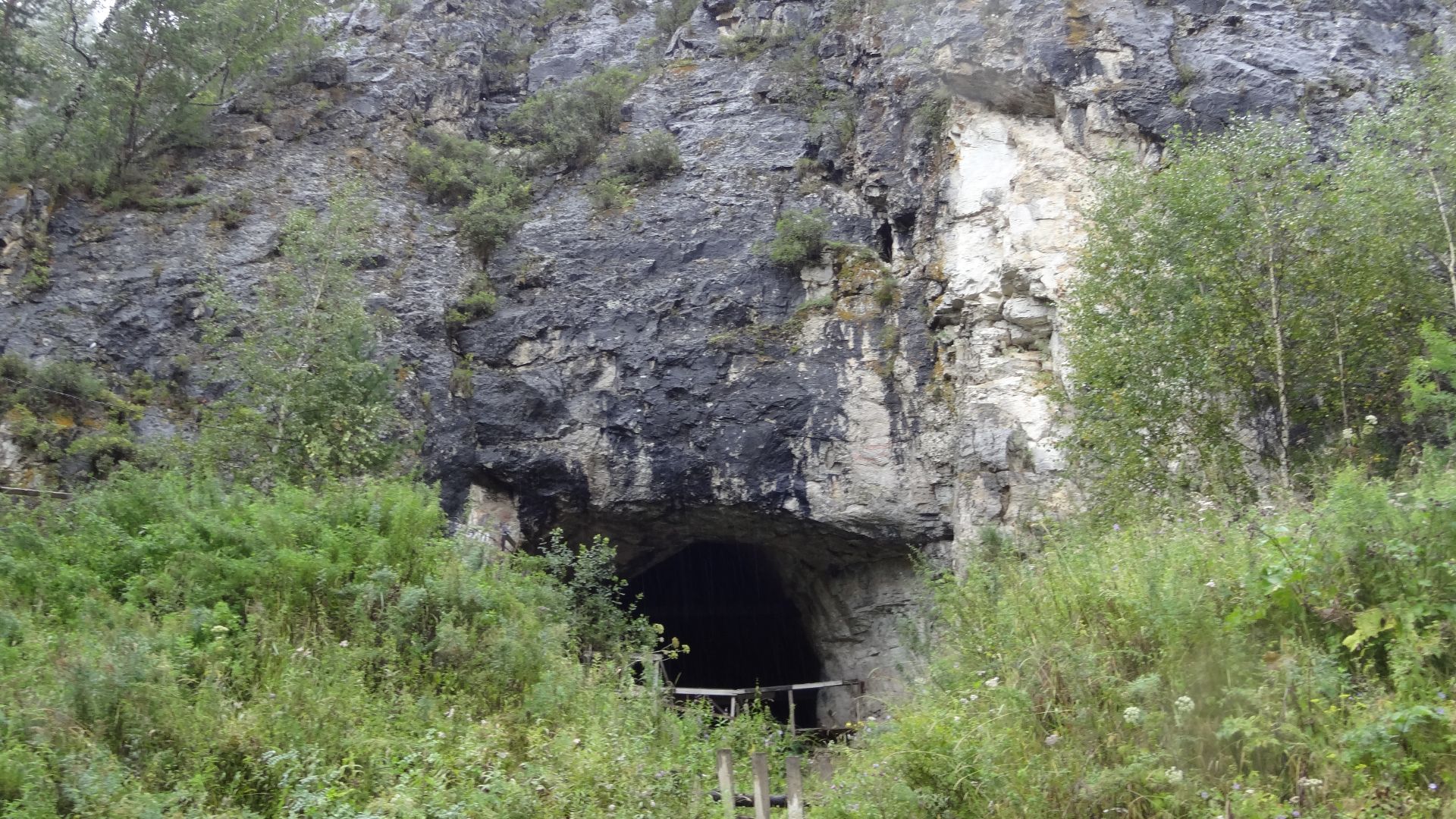
A 2018 Cell study detected two distinct components of Denisovan ancestry in modern humans. East Asian genomes contained evidence of admixture involving a Denisovan population genetically different from the individual whose genome was sequenced from Denisova Cave in Siberia.
Papuan DNA Made Things Stranger
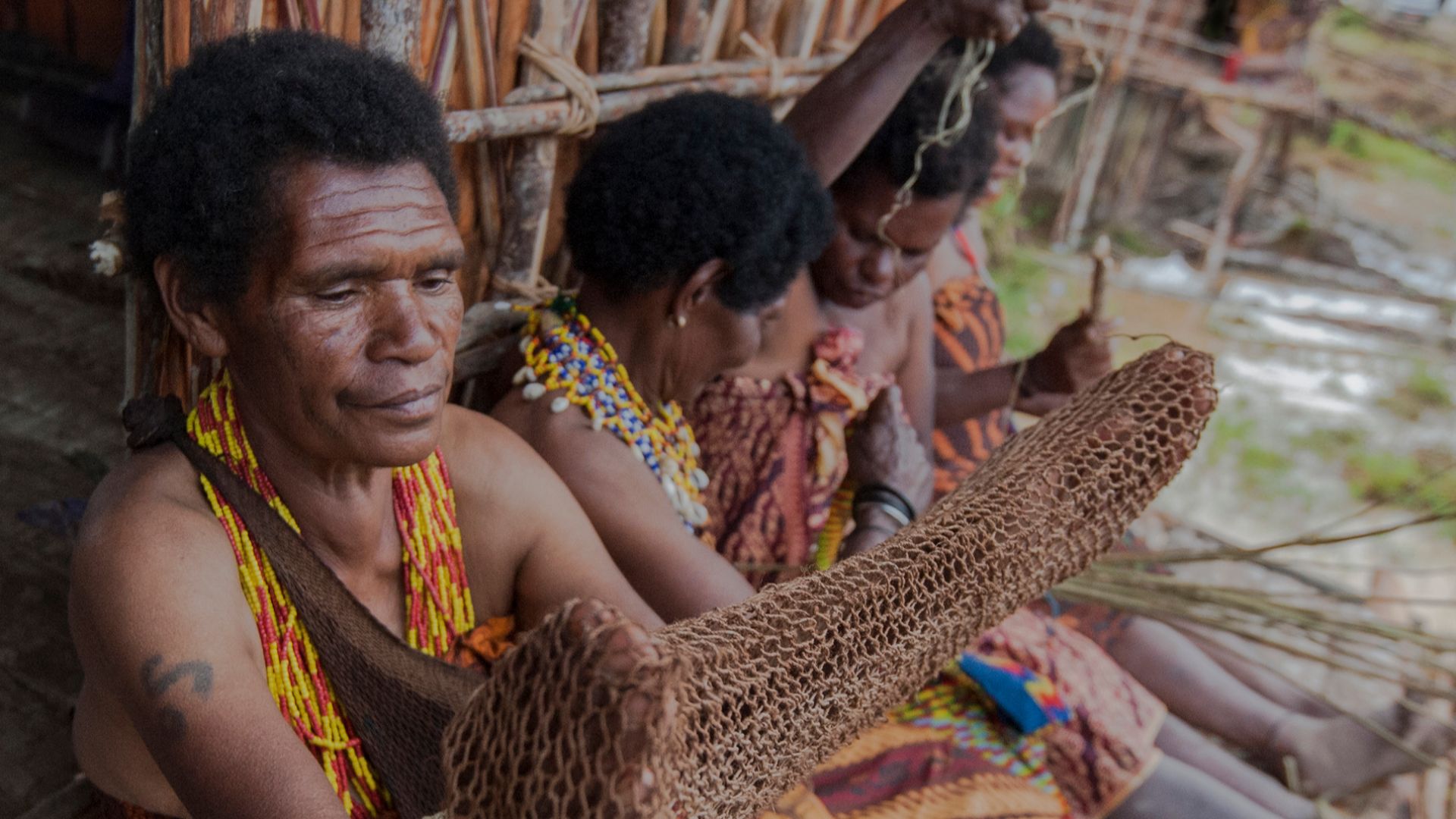
The mystery deepened in 2019. Researchers analyzing genomes from Indonesia and New Guinea concluded that Papuans inherited DNA from at least two deeply separated Denisovan populations. These groups had diverged from one another hundreds of thousands of years earlier.
One Denisovan Group May Have Lived Near New Guinea
One inferred Denisovan lineage appears especially associated with New Guinea and surrounding islands. No confirmed fossil from that particular population has been discovered. Yet pieces of its genome remain inside living people, suggesting encounters between modern humans and Denisovan groups remarkably far from Siberia.
There May Have Been At Least Three Denisovan Branches
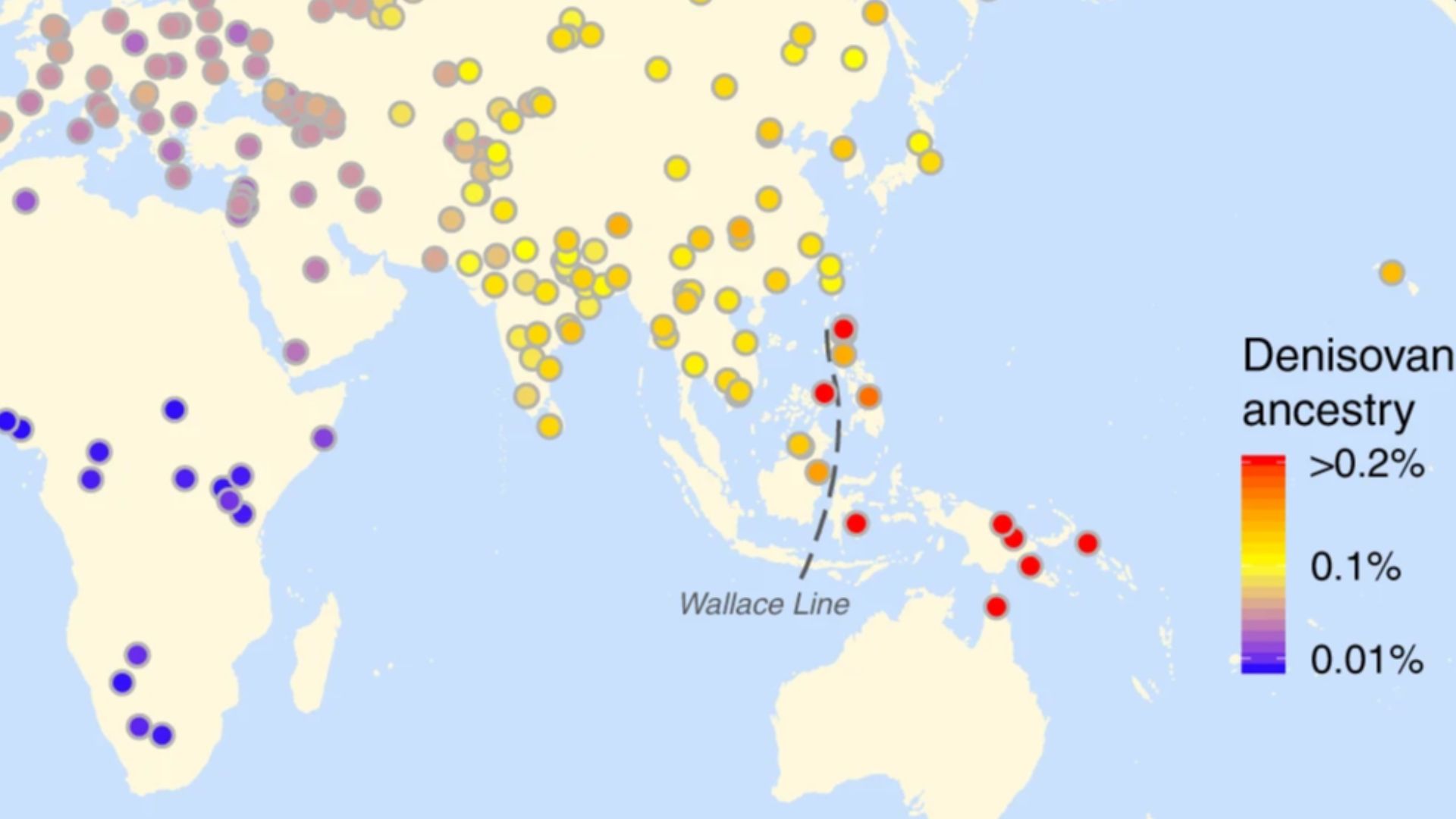
The 2019 analysis proposed at least three genetically divergent Denisovan populations: one reflected mainly in East Asians and two contributing ancestry to Papuans. That turns “the Denisovans” from one mysterious group into something resembling a continent-wide collection of long-separated human populations.
 Kai Yuan et al., Wikimedia Commons
Philippine DNA Adds Another Clue
GenomeAsia research found especially high Denisovan ancestry among Aeta populations in the Philippines. Genetic patterns were consistent with an additional episode of Denisovan admixture after the ancestors of Aeta and Papuans had separated, suggesting encounters with another geographically distinct Denisovan population.
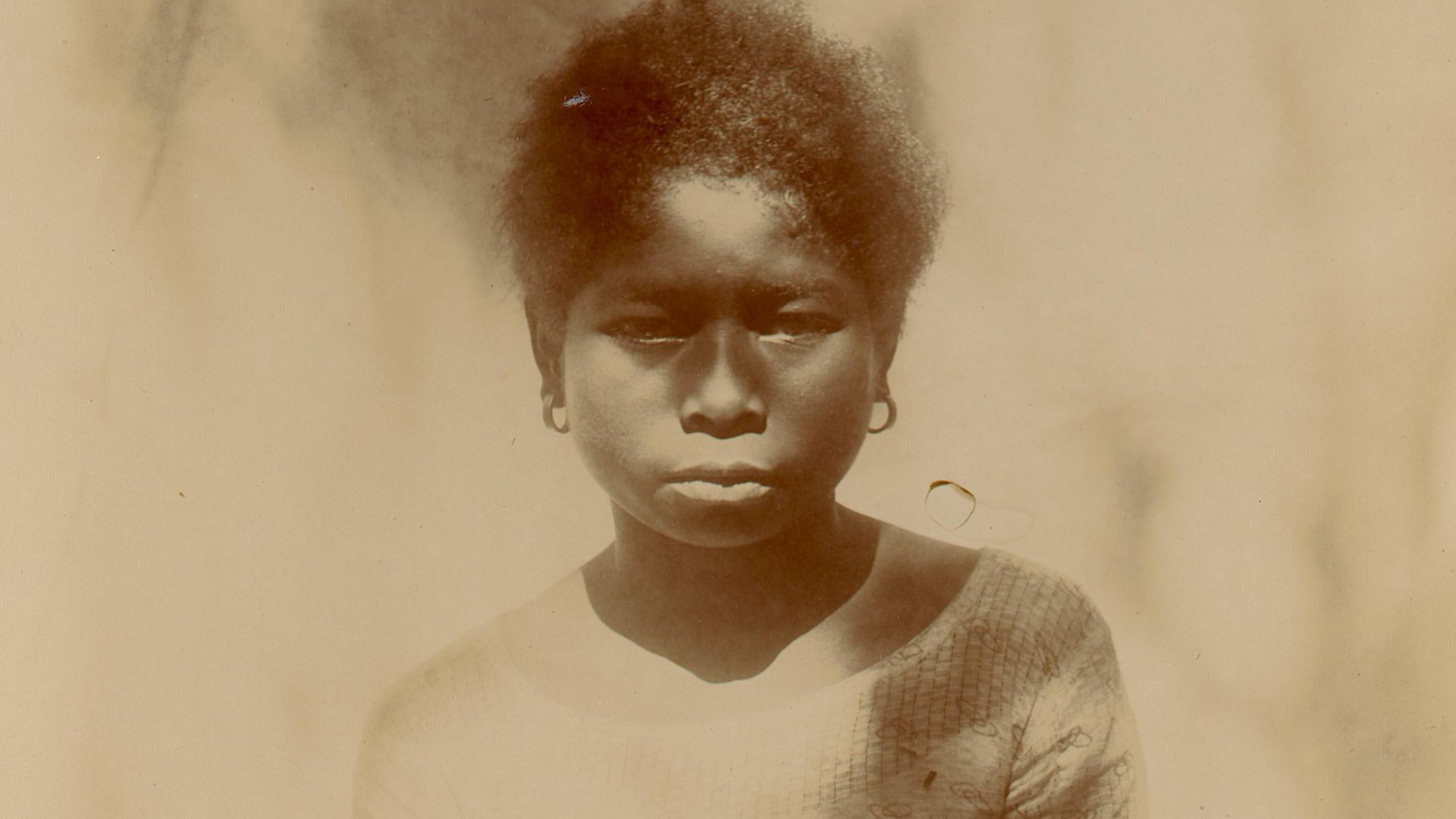 Unknown authorUnknown author, Wikimedia Commons
The “Superarchaics” Are Stranger Still
Genetic models have pushed the search even deeper into time. A 2020 Science Advances paper inferred a mysterious “superarchaic” Eurasian population that interbred with the ancestors of Neanderthals and Denisovans hundreds of thousands of years ago. No genome from these people has ever been recovered.
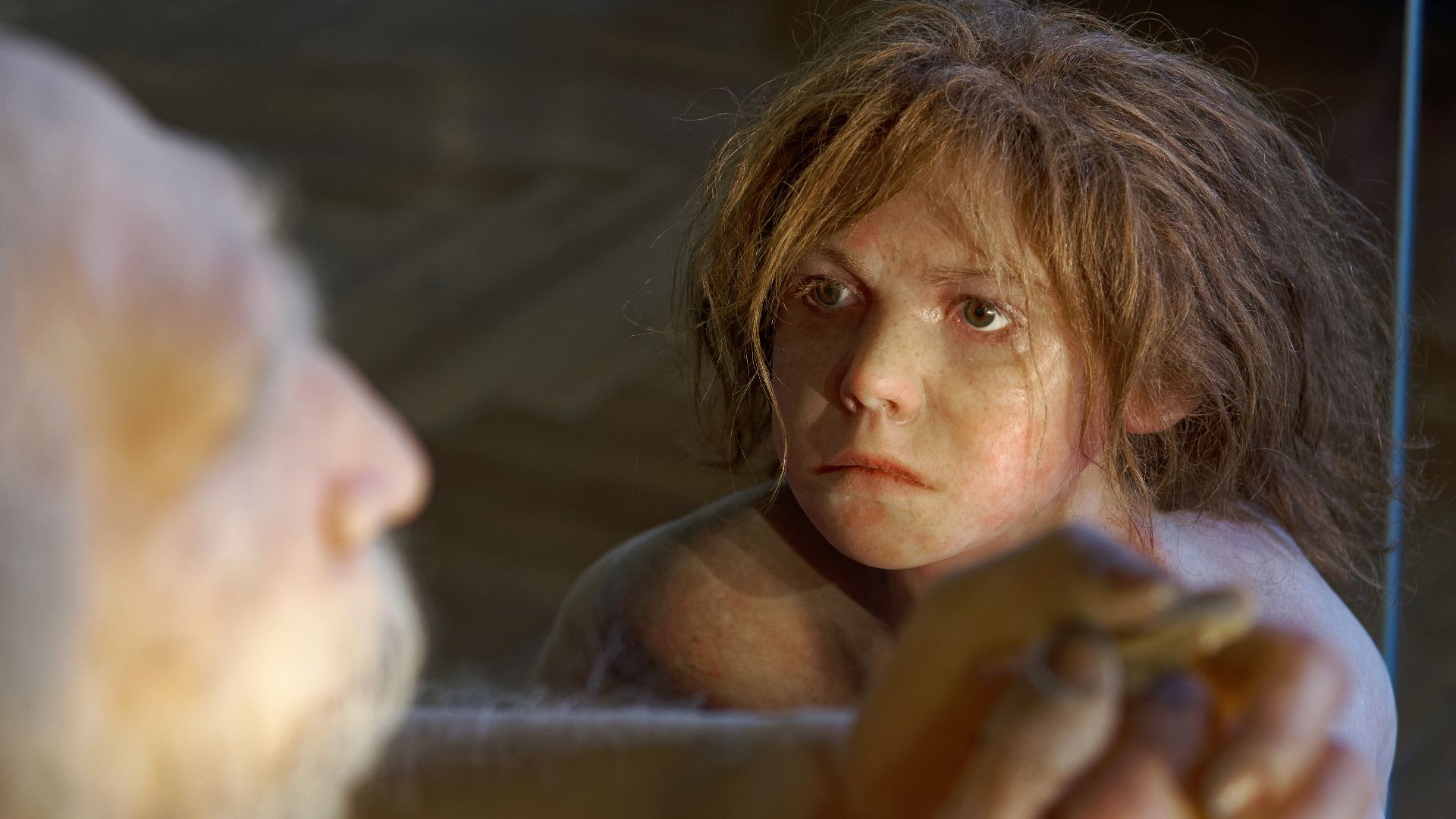 Jakub Hałun, Wikimedia Commons
Their Lineage May Have Been Ancient
The researchers estimated that these superarchaics had separated from other human lineages roughly two million years ago. They may therefore have descended from very early humans who expanded from Africa into Eurasia long before Neanderthals, Denisovans, or modern humans appeared.
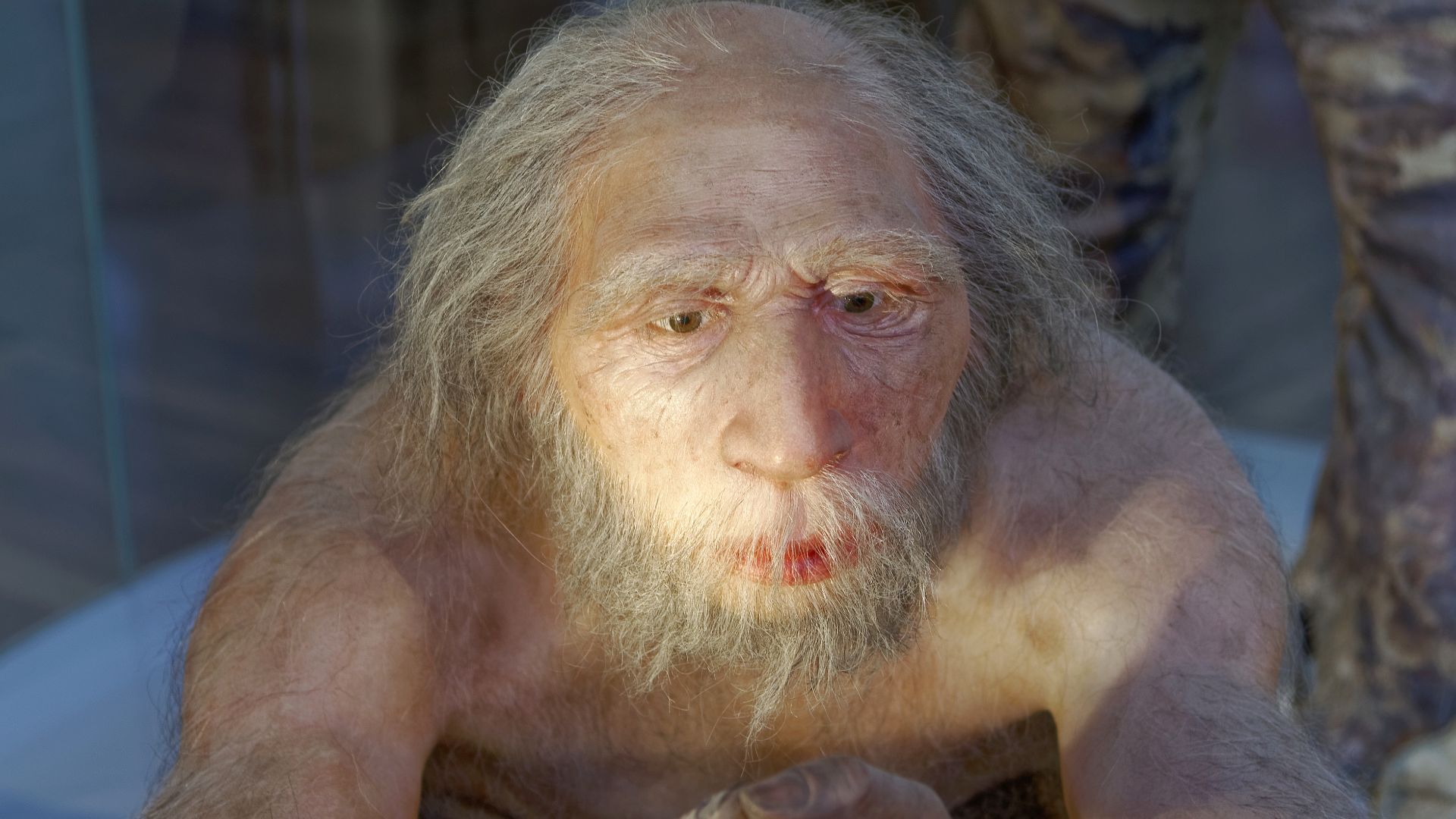 Jakub Hałun, Wikimedia Commons
Even Denisovans Apparently Met Them
The genetic modeling also suggested that Denisovans later received ancestry from superarchaic people. If correct, human evolution involved layers upon layers of interbreeding: modern humans mixing with Denisovans, whose own ancestors had previously mixed with populations descended from far older Eurasian inhabitants.
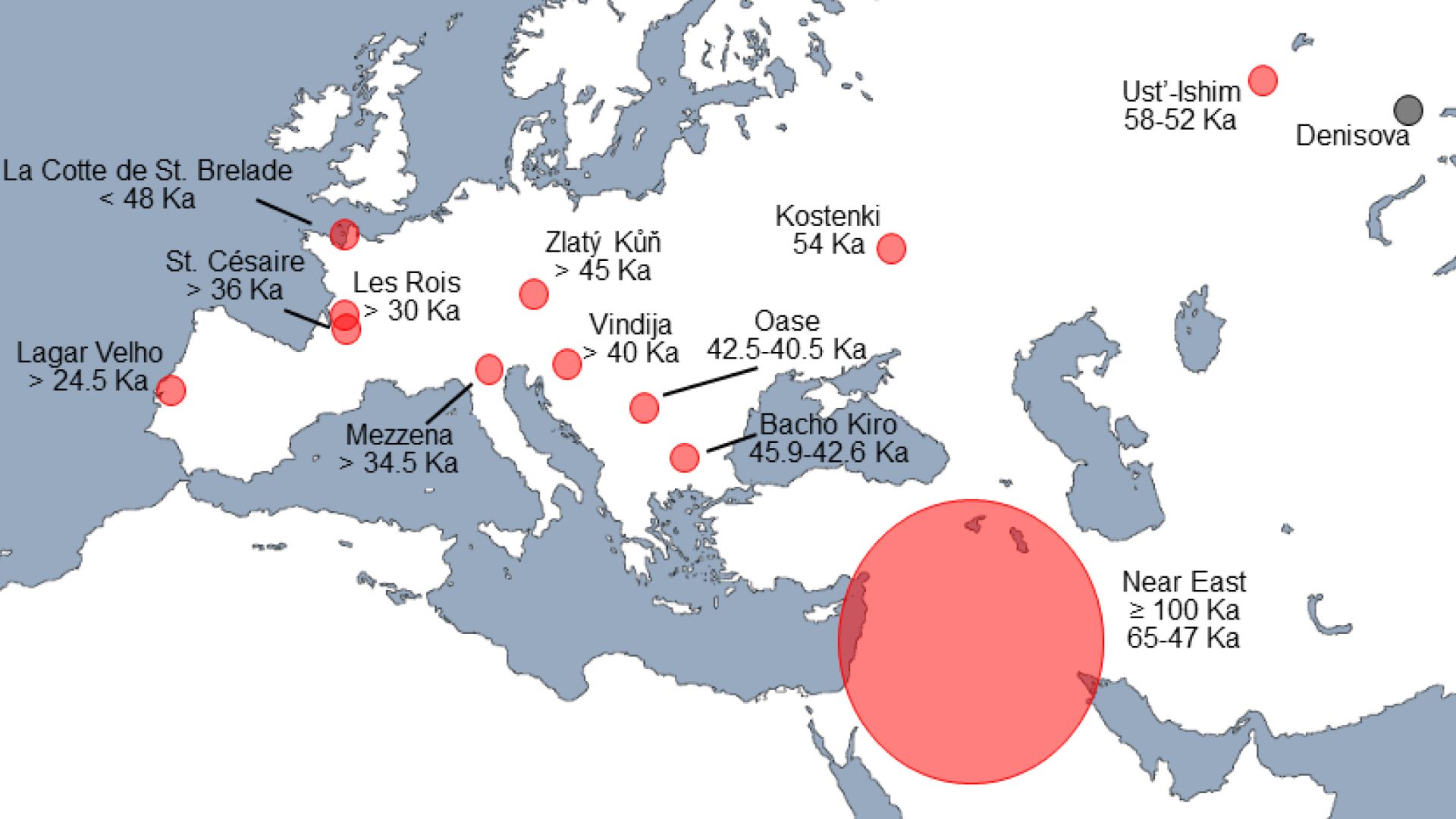 Steven E. Churchill, Kamryn Keys, Ann H. Ross, Wikimedia Commons
The Americas Have “Population Y”
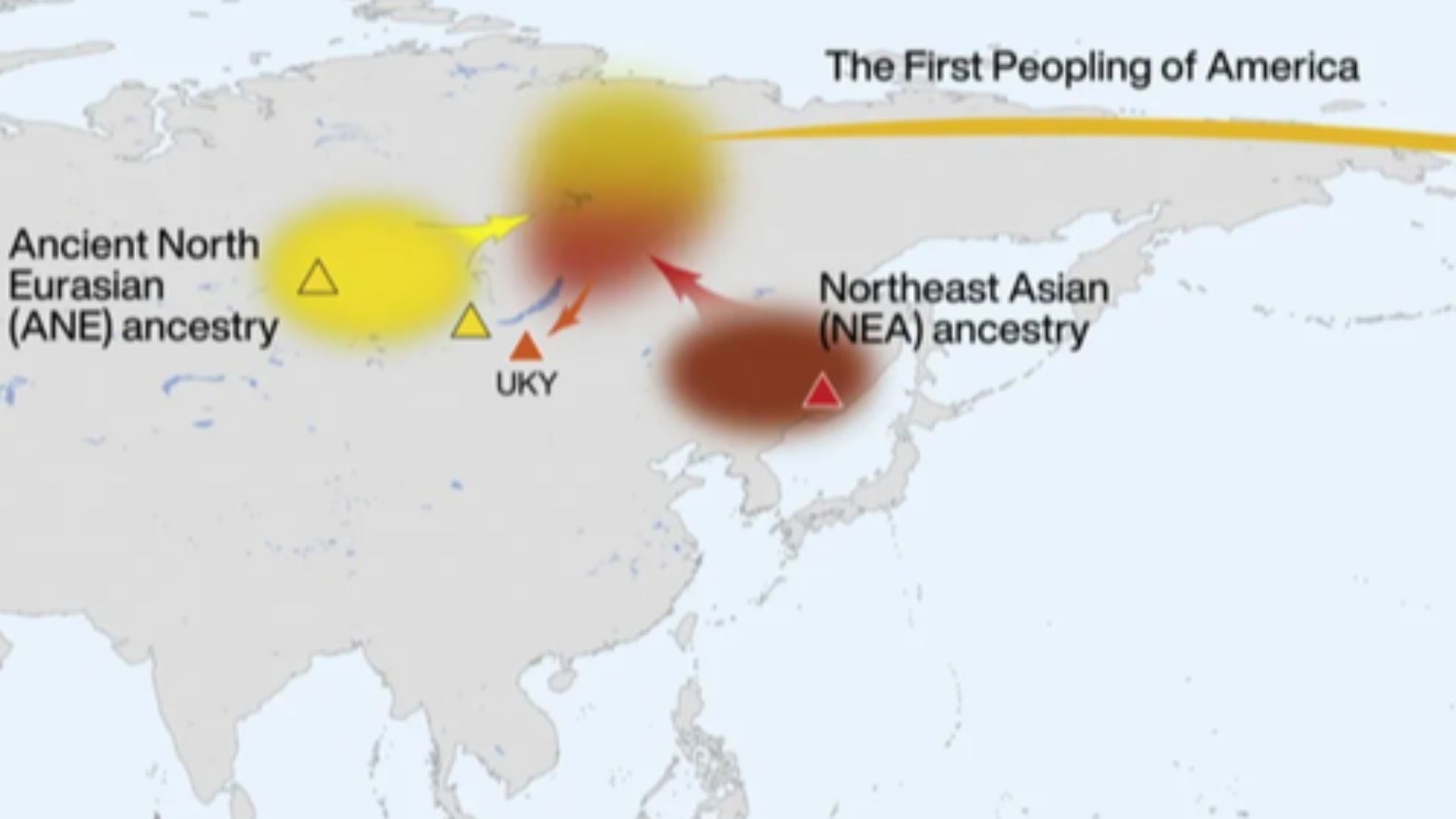
Another genetic ghost emerged from studies of Indigenous American ancestry. In 2015, researchers reported that some Amazonian populations shared unexpected genetic affinity with Indigenous peoples of Australasia. They nicknamed the inferred ancestral source “Population Y,” after the Tupi word Ypykuéra, meaning ancestor.
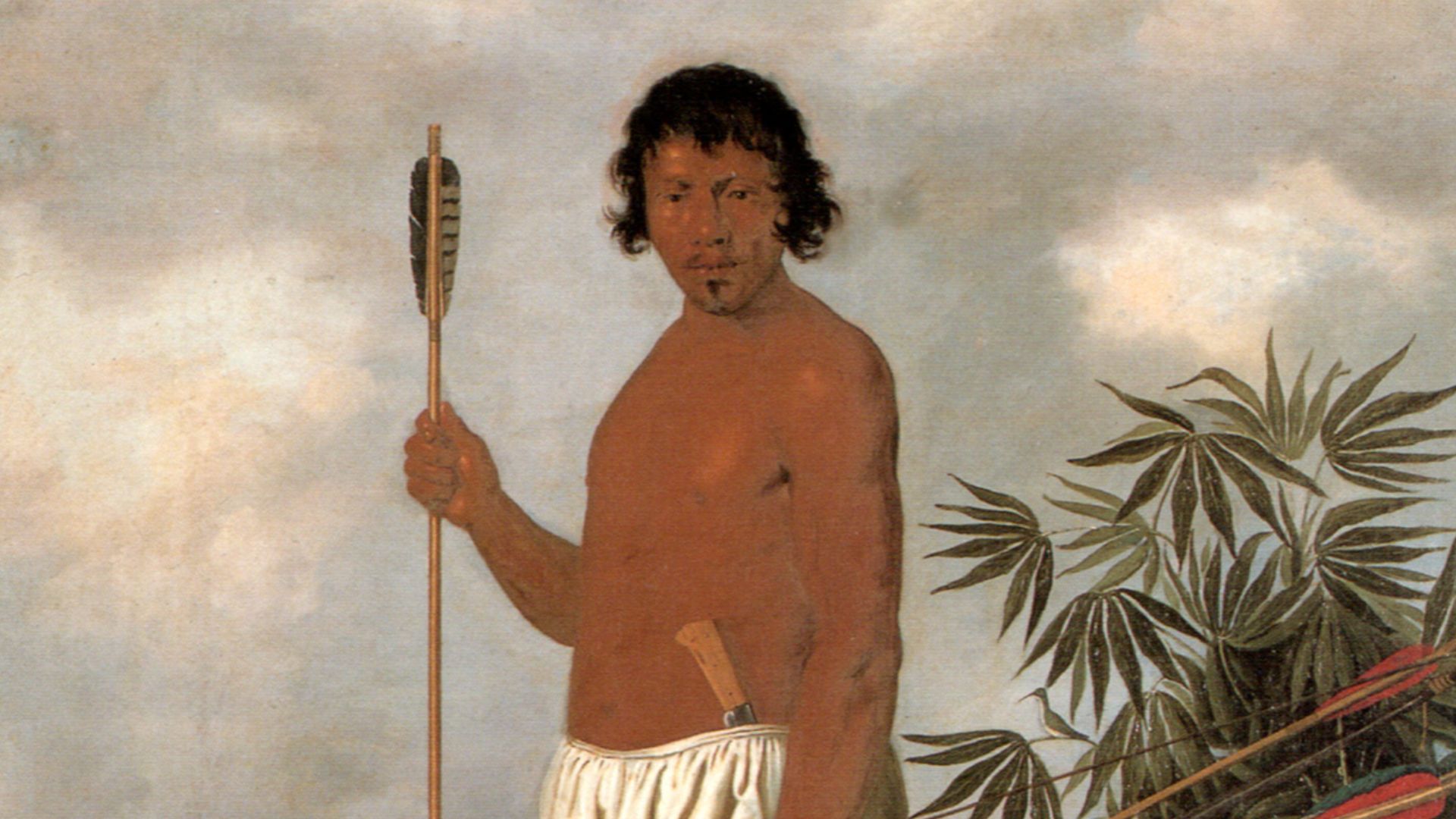 Albert Eckhout, Wikimedia Commons
Population Y Remains Controversial
The signal did not mean Australians sailed directly to ancient Brazil. Instead, researchers proposed that an ancestral Asian population with distant Australasian affinities contributed to some early Americans. Other studies produced different migration models, leaving Population Y an intriguing but debated genetic clue.
 Yu et al. 2020, Wikimedia Commons
A 2025 Study Went Even Deeper
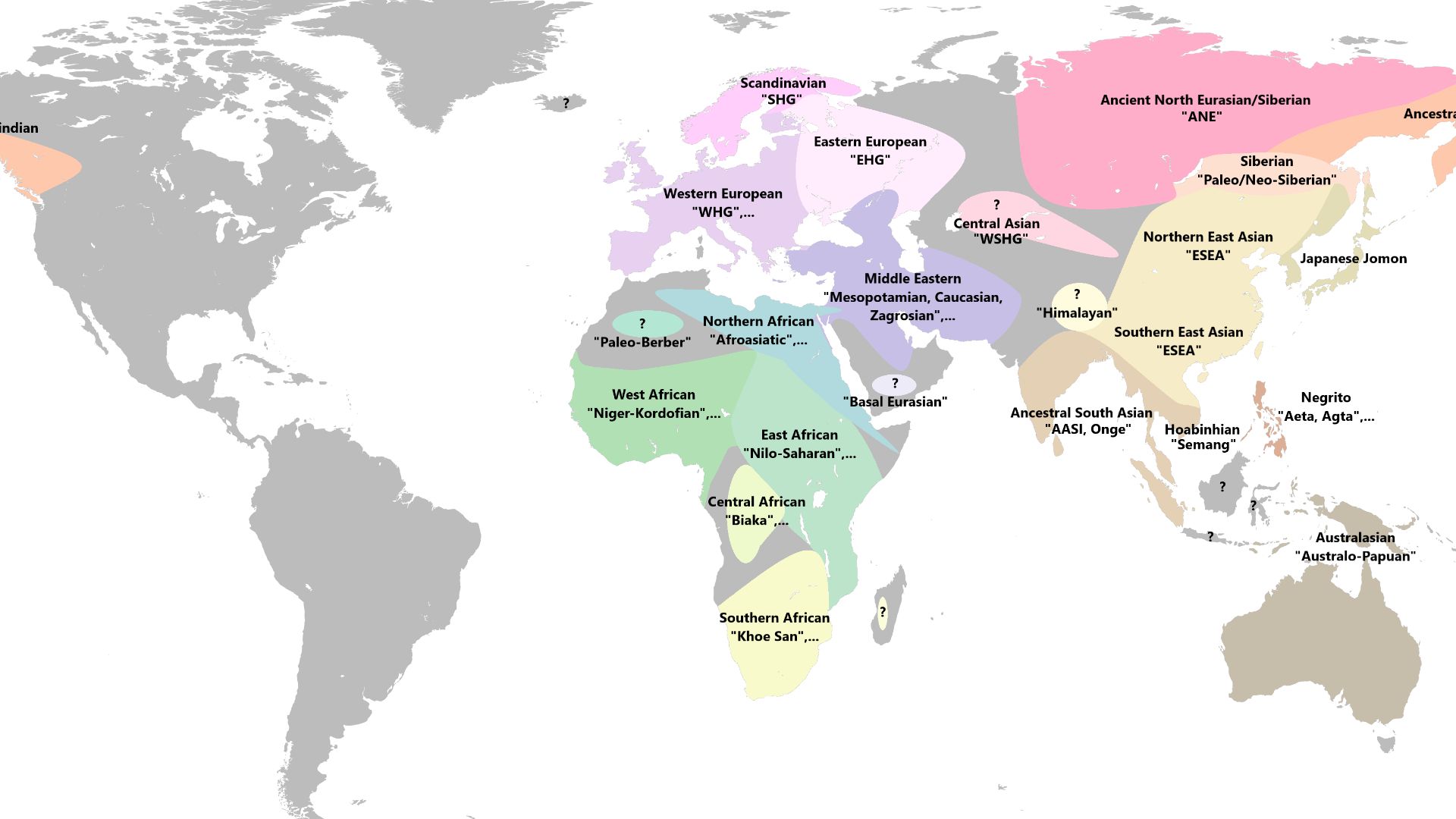
Researchers writing in Nature Genetics modeled all modern humans as carrying ancestry from two ancient populations that separated roughly 1.5 million years ago and reunited around 300,000 years ago. Their best-fitting model estimated roughly an 80-to-20 contribution from the two ancestral groups.
 Jayasinghe23, Wikimedia Commons
Genetic Ghosts Are Models, Not Certainties
These discoveries come with an important warning label. Genetic patterns can sometimes be explained by several different histories, and a 2025 Nature Ecology & Evolution study emphasized that ignoring ancient population structure can create misleading signals of supposed admixture. Ghost populations are hypotheses built from evidence, not unearthed civilizations.
Our Family Tree Has Empty Branches
The remarkable part is not that scientists have named every lost population. They clearly have not. It is that fragments of DNA can preserve evidence of people whose bones may never be recognized. Human ancestry increasingly looks less like a neat tree and more like a forest filled with missing branches.
 Wikiuser1314, Wikimedia Commons
You May Also Like:
The U.S. States That Travelers From Around The World Say Deserve More Love
The Most Bizarre Unsolved Disappearance From Every Region Of North America