A Remarkable Possibility
Saturn is famous for its spectacular rings, but scientists now think Earth may once have had a ring system of its own. New research suggests our planet could have been encircled by rocky debris around 466 million years ago, leaving clues that are still visible in Earth's ancient geology today.
The Ordovician Setting
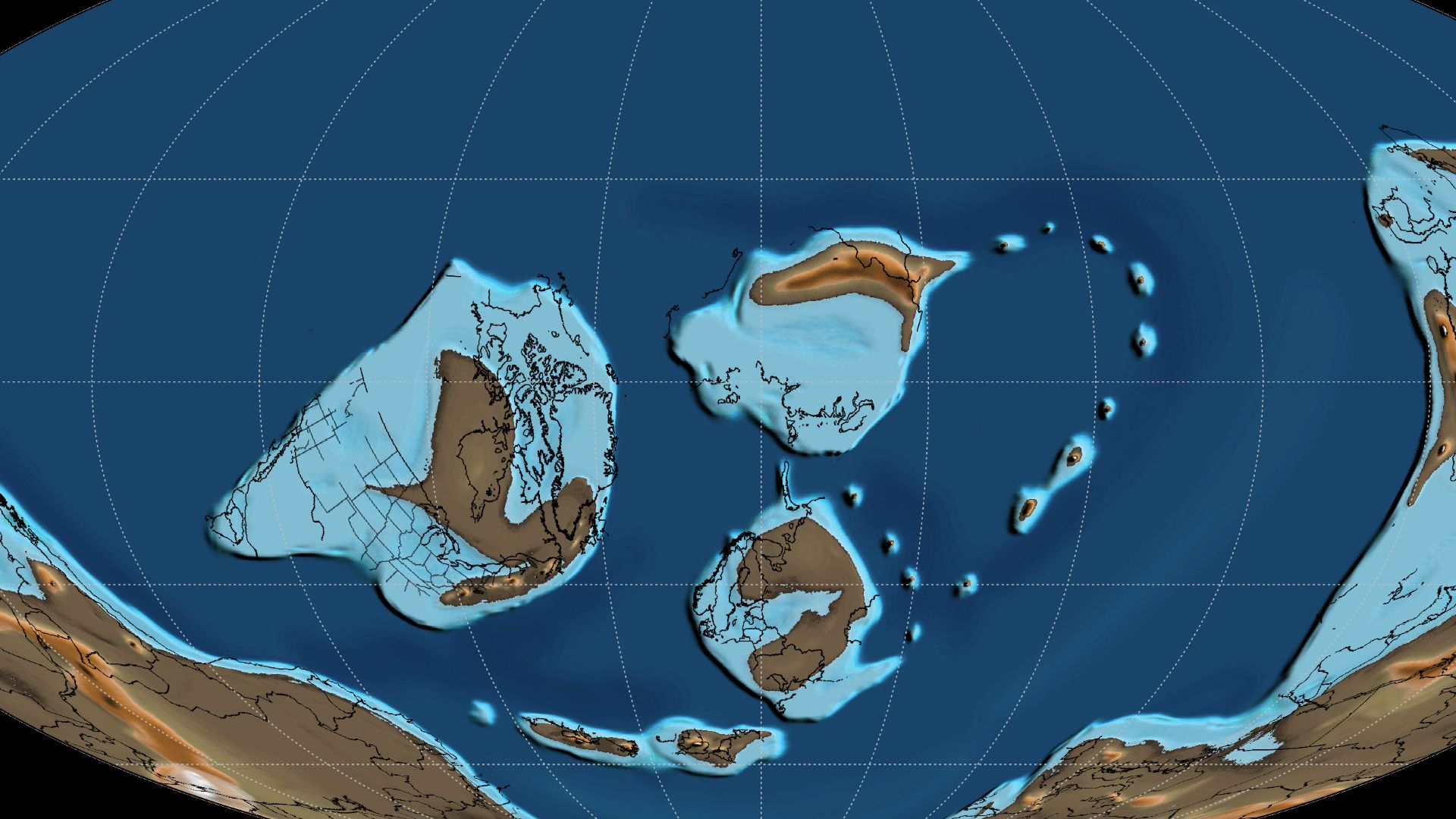
The proposed ring system dates to the Middle Ordovician Period, roughly 466 million years ago. At the time, life flourished mainly in the oceans, while Earth's continents occupied very different positions than they do today, making ancient continental plate reconstructions essential to the study.
 Charles R. Knight, Wikimedia Commons
An Ancient Mystery
Geologists have long known about the Ordovician impact spike, an unusual interval when Earth experienced an elevated number of meteorite impacts. The challenge has been explaining why so many impacts occurred over a relatively short geological period.
The New Study
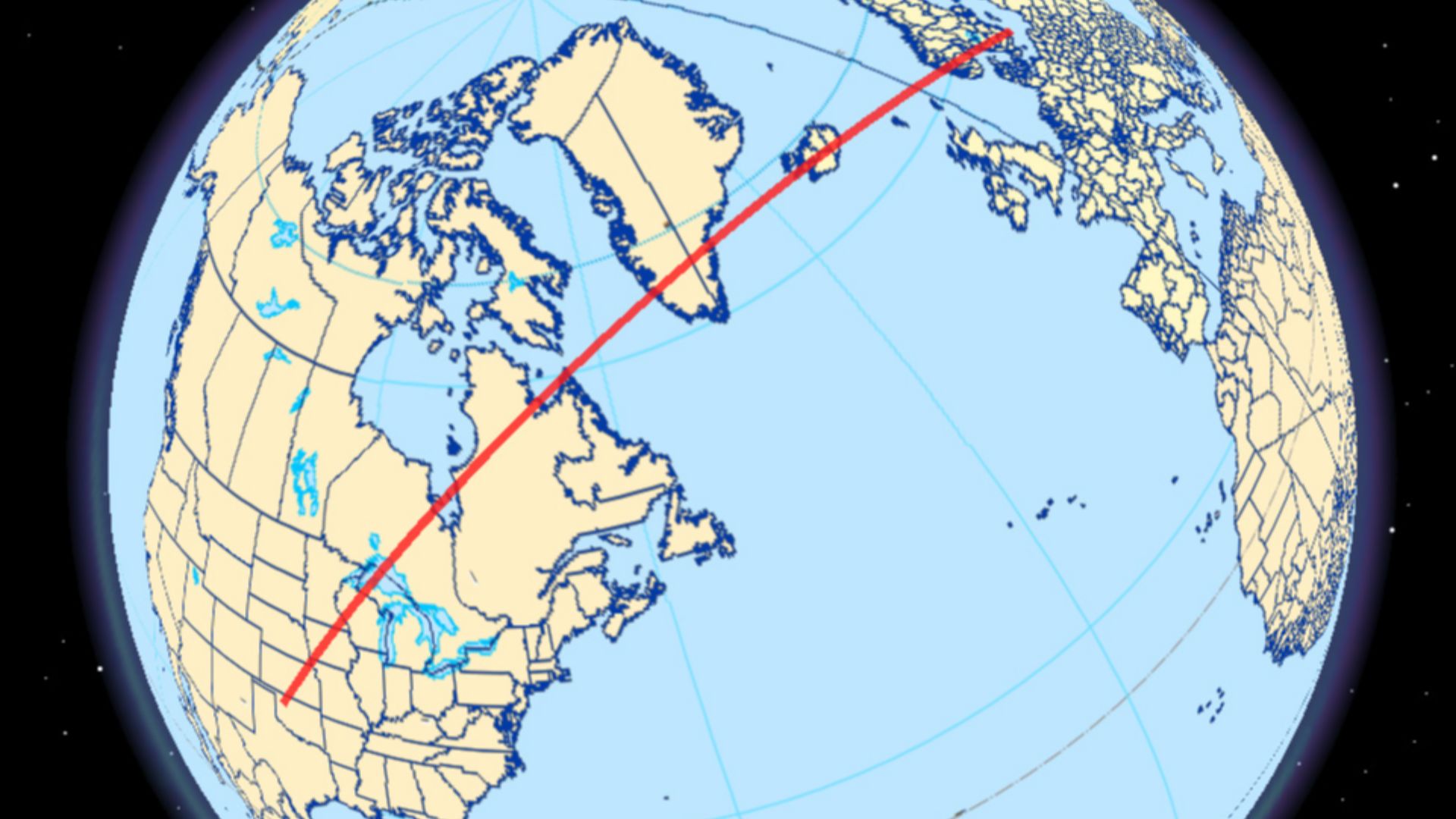
Researchers from Monash University in Australia examined the locations of known Ordovician impact craters and noticed an unexpected pattern. Rather than being randomly distributed across ancient Earth, they clustered in a narrow band near the equator, hinting at a common origin.

Twenty One Craters
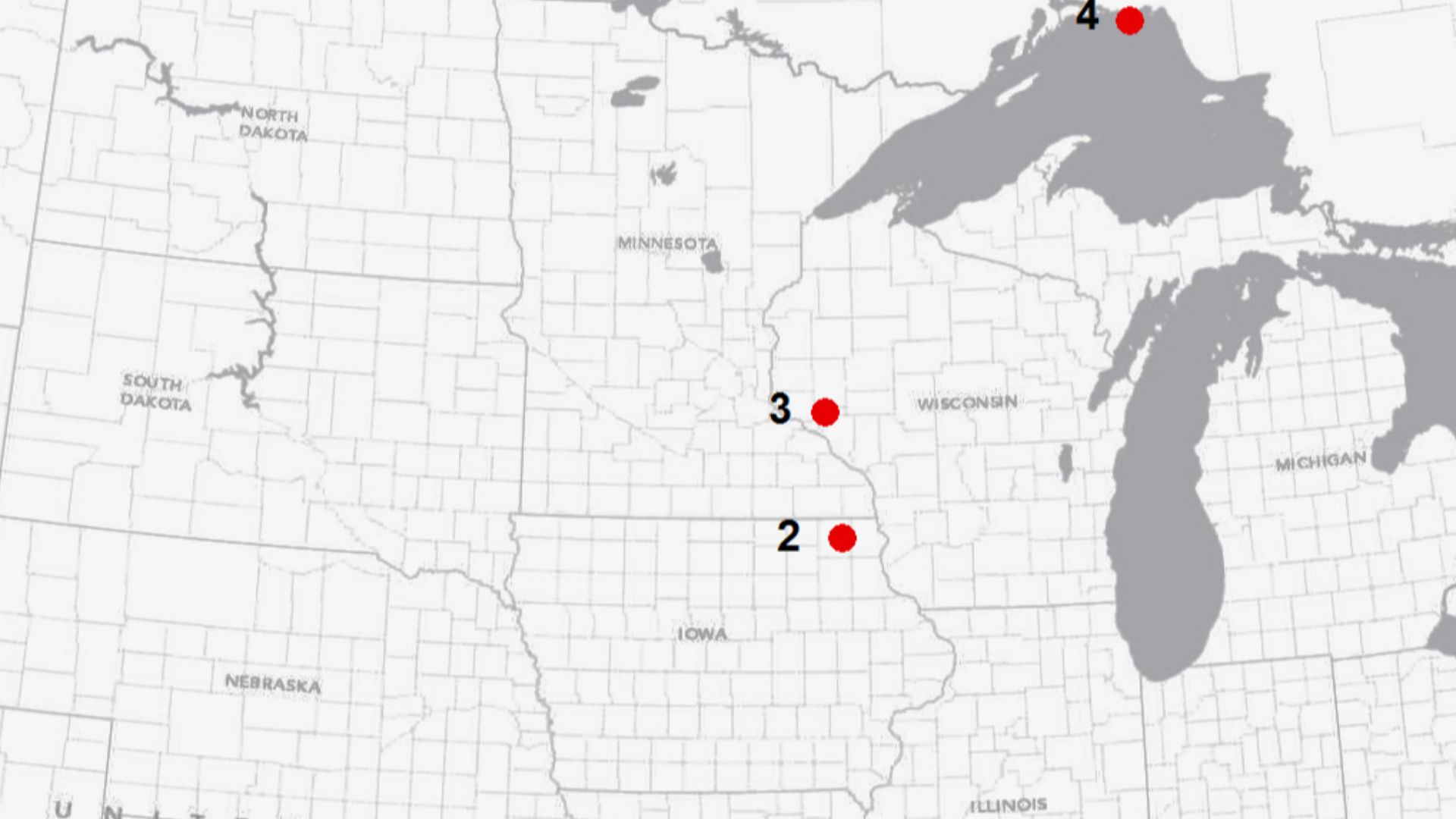
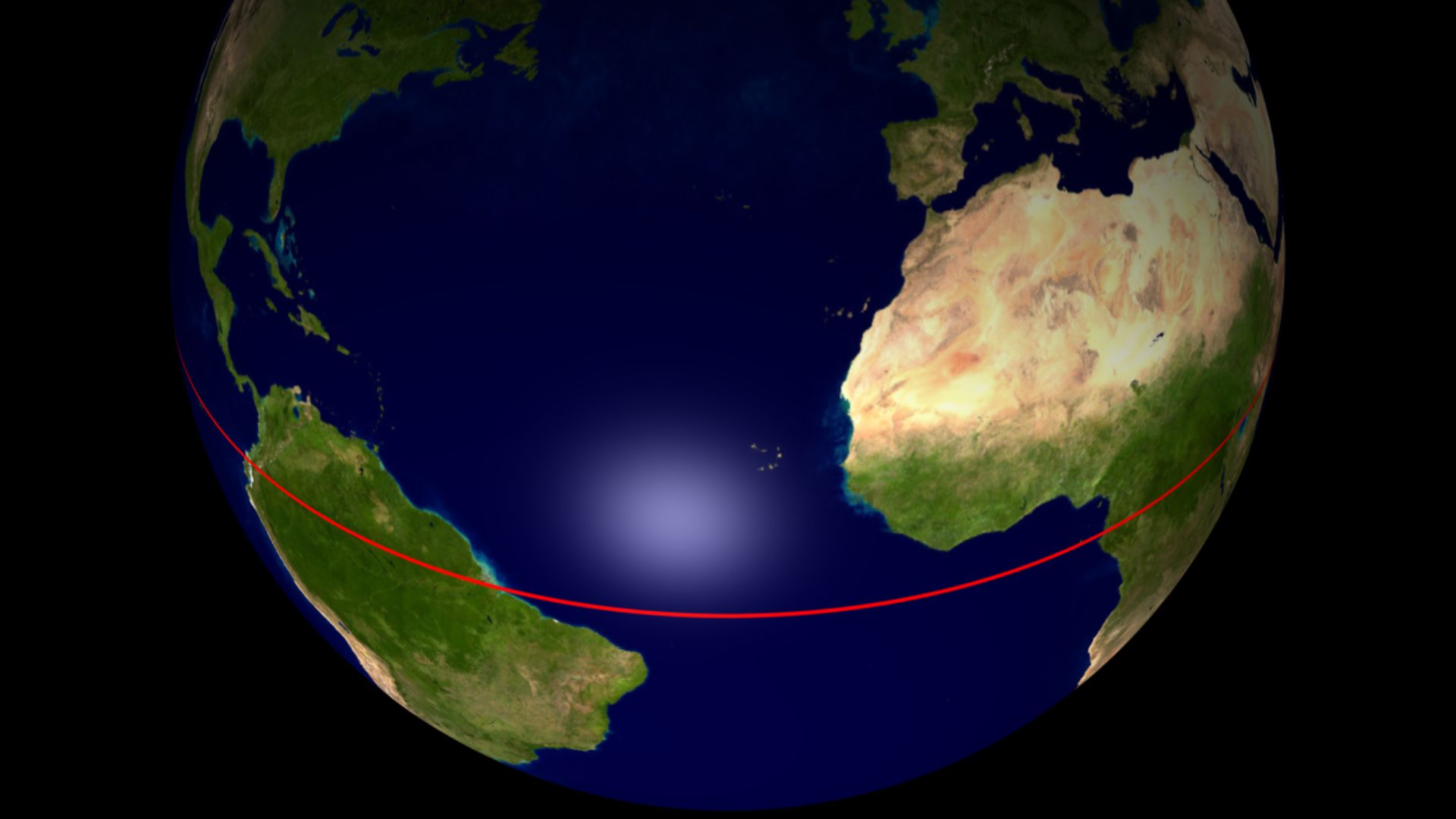
The research analyzed 21 well-preserved impact craters dating from the Ordovician impact spike. Their reconstructed ancient positions consistently fell within about 30 degrees of the equator, despite most crater-preserving crust existing outside that zone.
Why That Matters
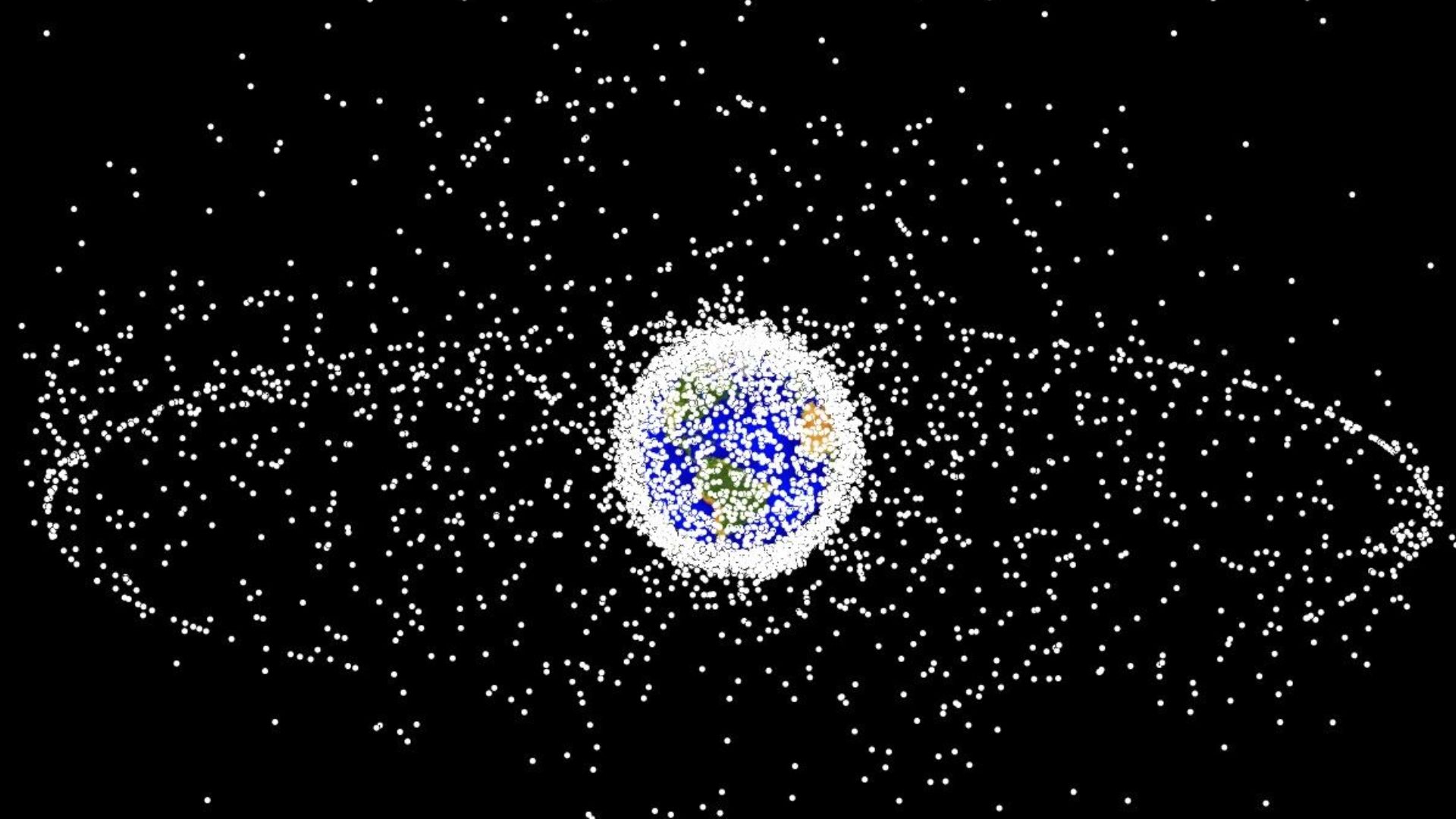
If asteroids simply arrived from random directions throughout the Solar System, scientists would expect impact craters to appear across many latitudes. The striking equatorial concentration suggests that the impactors originated from material already orbiting Earth.
A Close Encounter
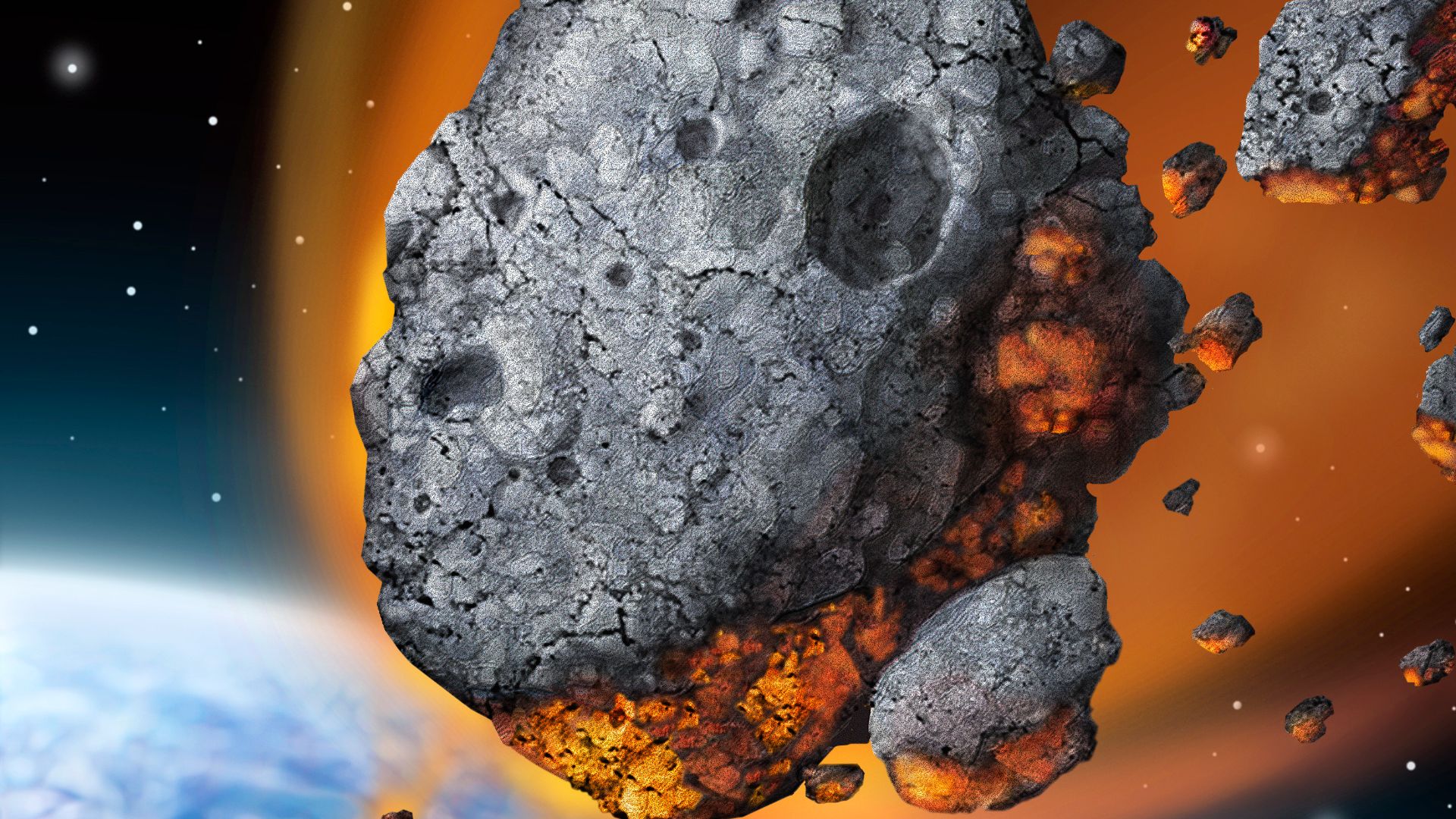
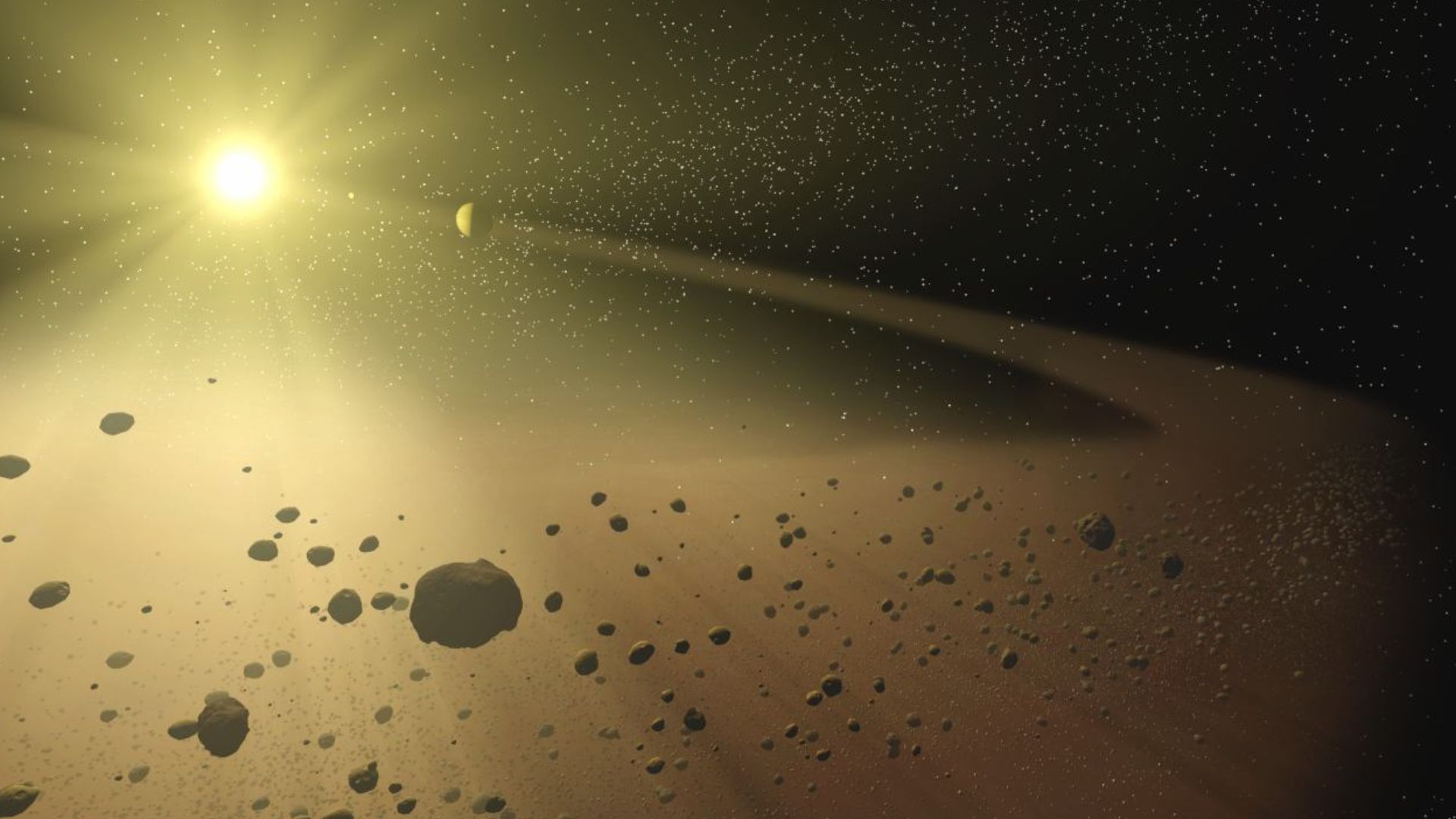
Researchers propose that a large asteroid passed extremely close to Earth around 466 million years ago. Instead of striking the planet directly, Earth's gravity may have torn the asteroid apart before impact, producing enormous amounts of rocky debris.
Crossing Roche Limit
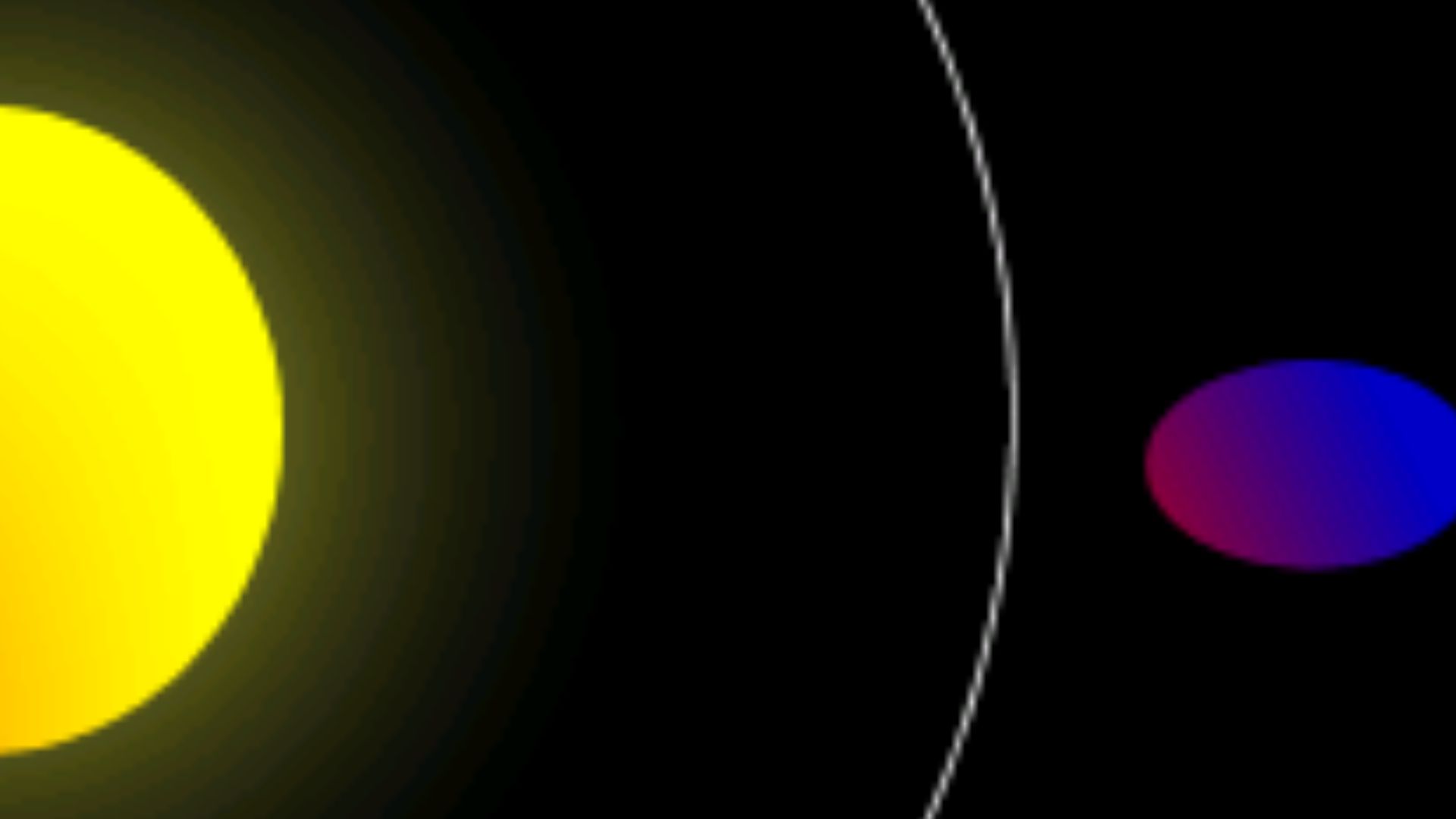
The asteroid is thought to have crossed Earth's Roche limit, the distance at which tidal forces become strong enough to pull apart an object held together mainly by its own gravity. The fragments would then have remained in orbit rather than immediately falling to Earth.
 Marsve~commonswiki, Wikimedia Commons
Birth Of A Ring
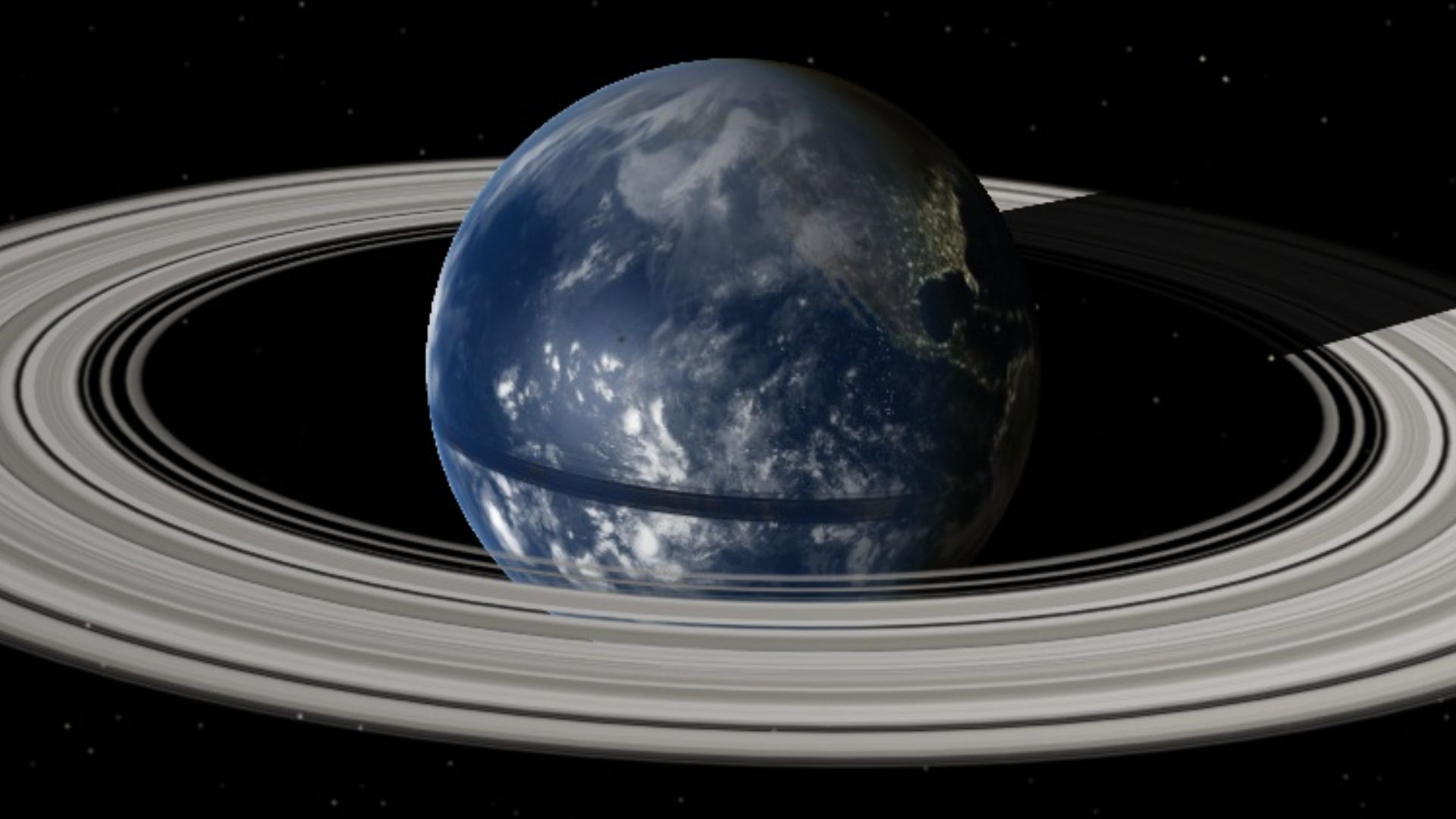
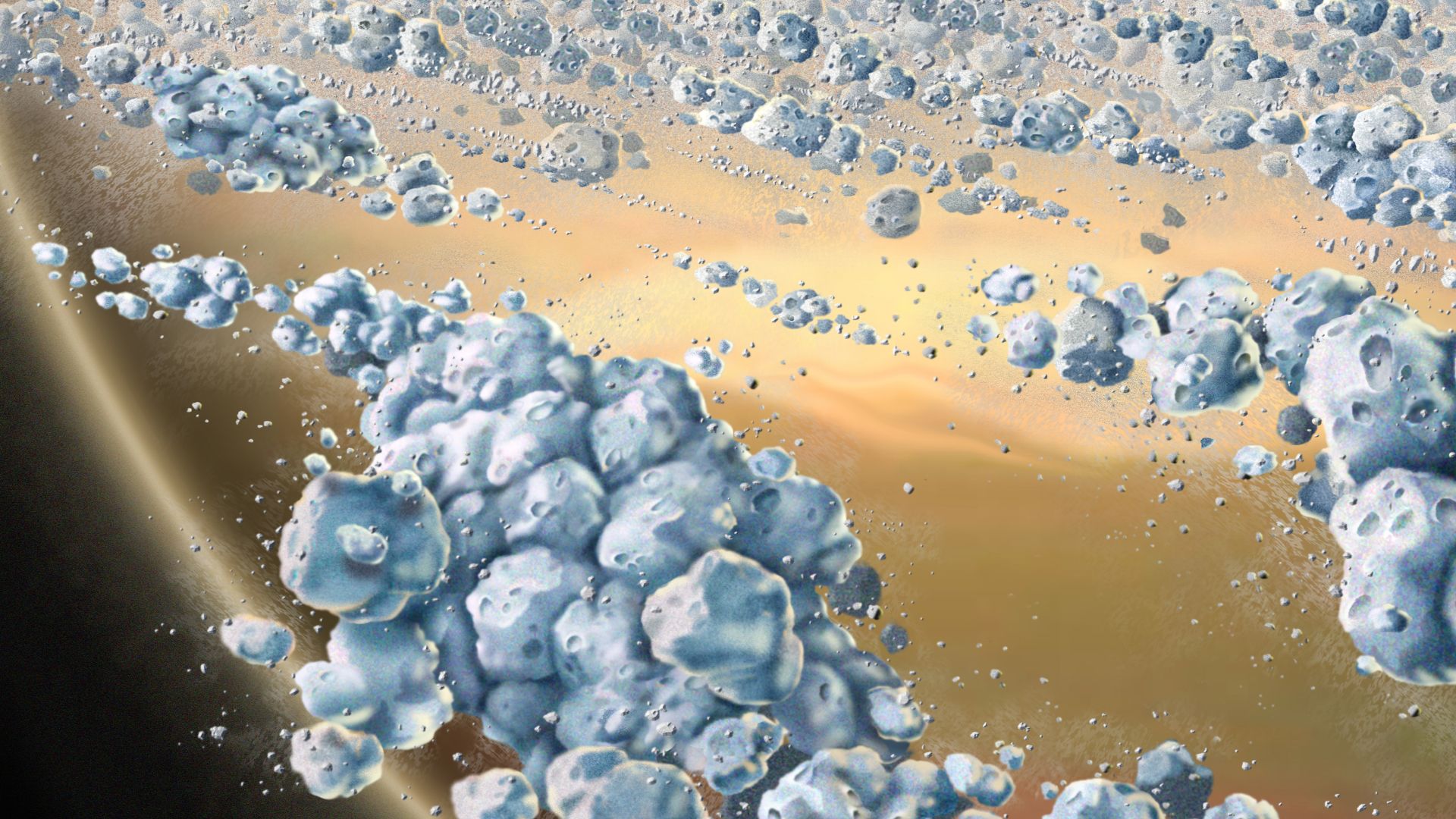
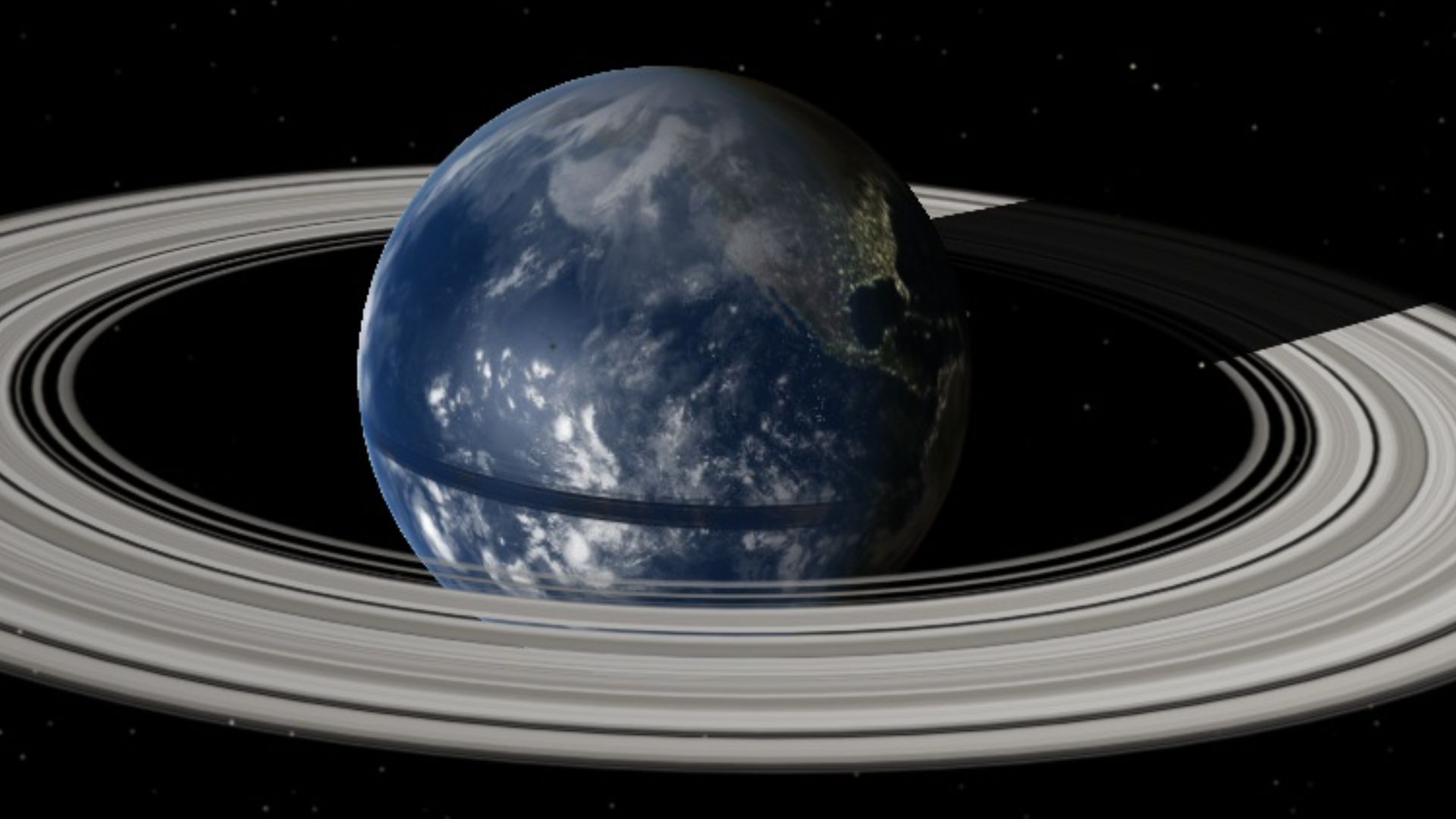
Instead of dispersing into space, the shattered fragments likely formed a dense ring around Earth's equator. In many ways, researchers believe this temporary structure would have resembled the rings that surround Saturn today, although composed primarily of rocky material.
 Grebenkov, addon from Eugene Stauffer (public domain), Wikimedia Commons
Millions Of Years
Scientists estimate the ring could have persisted for tens of millions of years. During that time, gravitational interactions and collisions would gradually have caused ring material to spiral downward toward Earth's atmosphere and surface.
 NASA/JPL/University of Colorado, Wikimedia Commons
Falling Debris
As ring fragments slowly deorbited, they would have entered Earth's atmosphere and struck the surface over an extended period. This gradual rain of debris provides a possible explanation for the unusually prolonged Ordovician impact spike.
 NASA/JPL-Caltech/T. Pyle (SSC), Wikimedia Commons
Hidden Ancient Craters
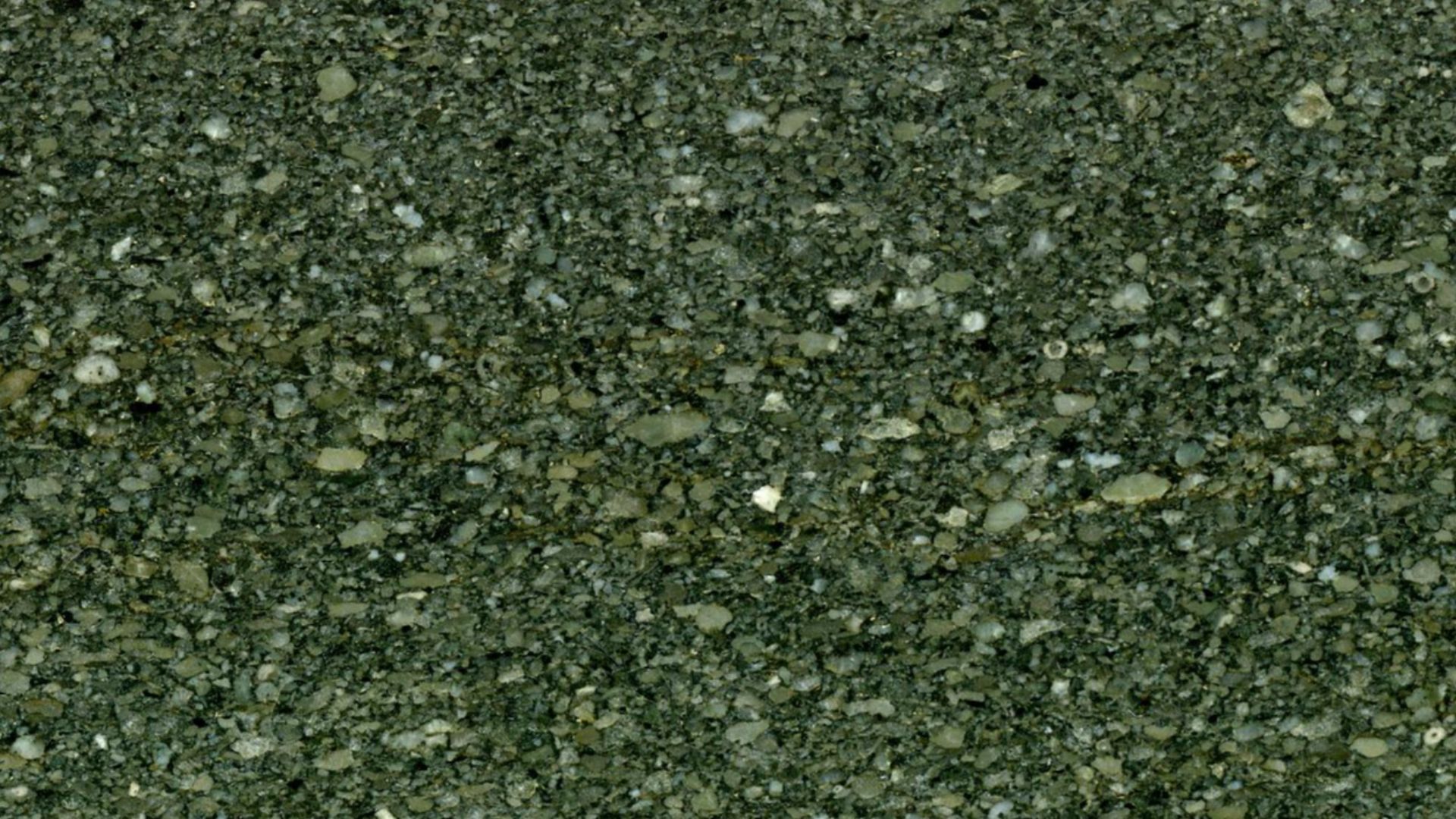
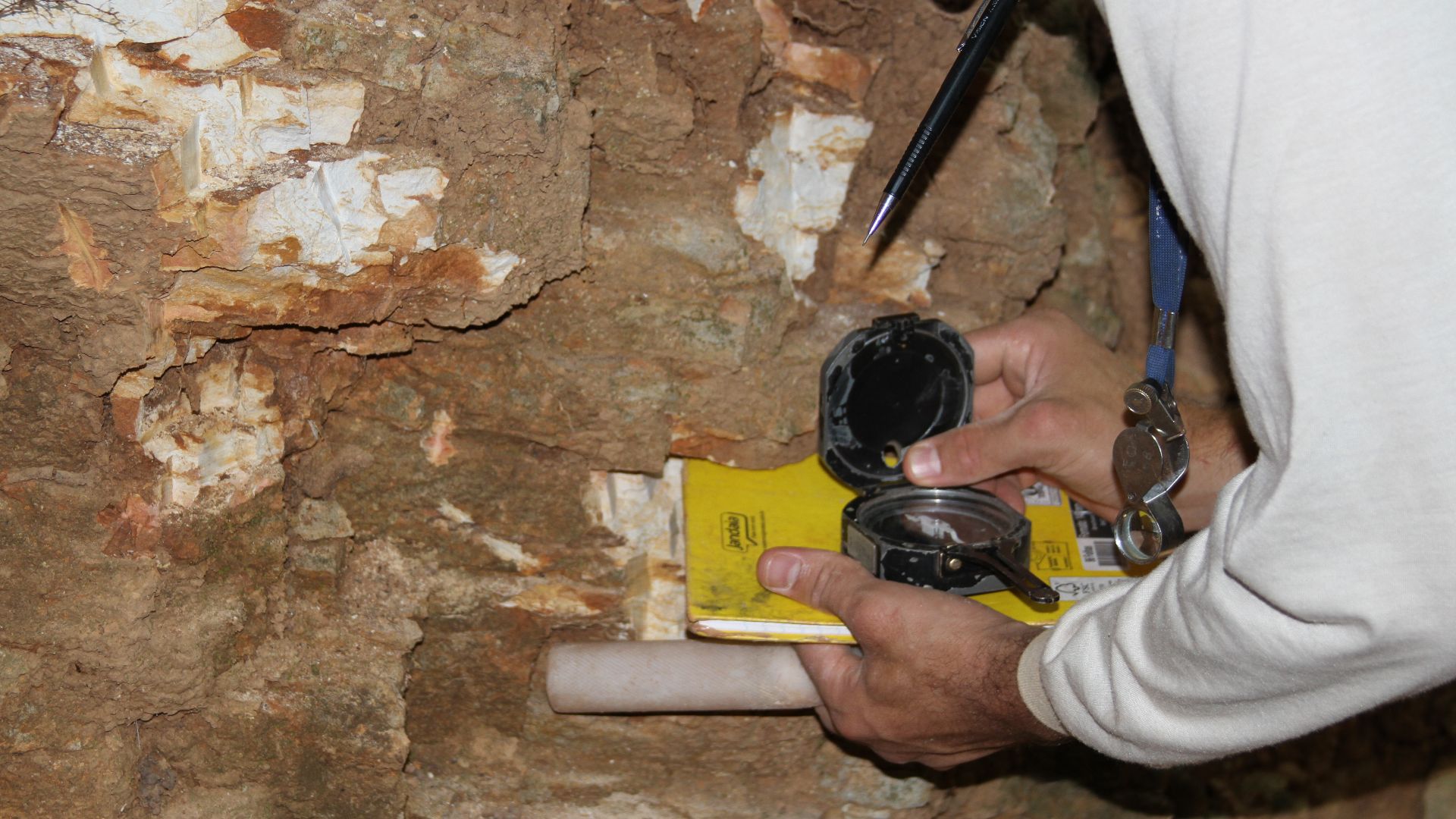
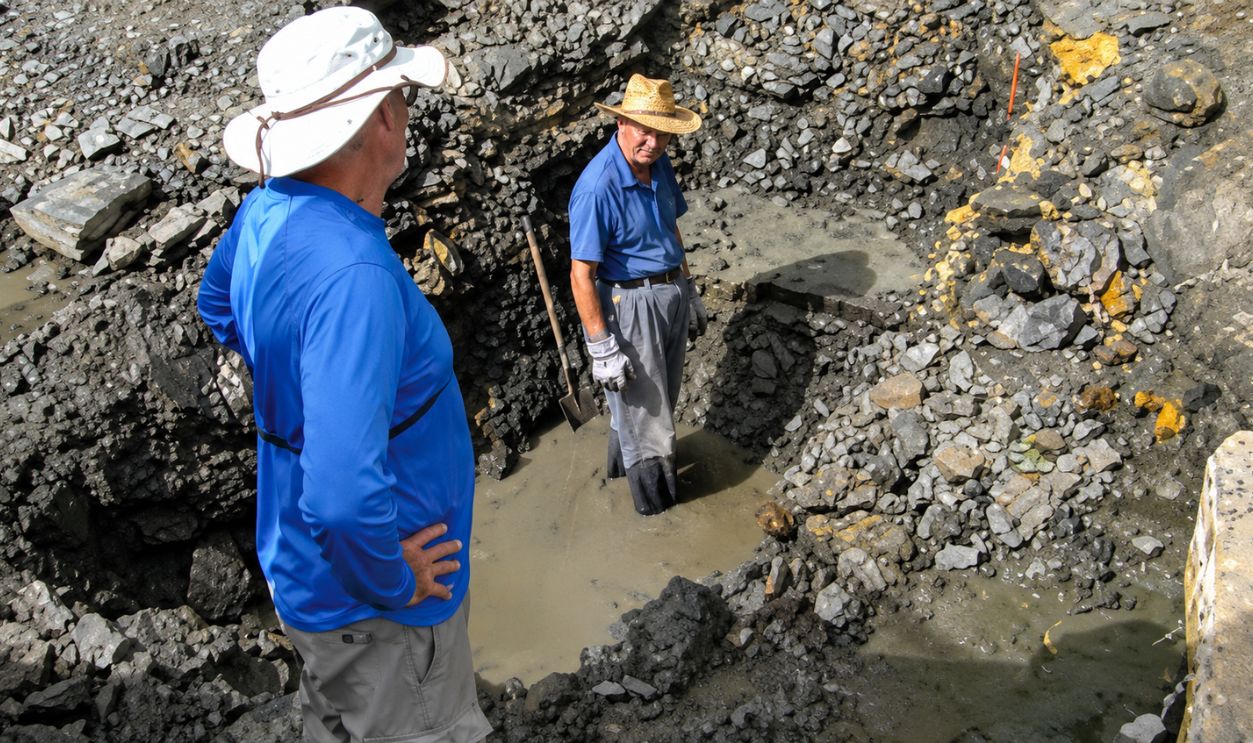
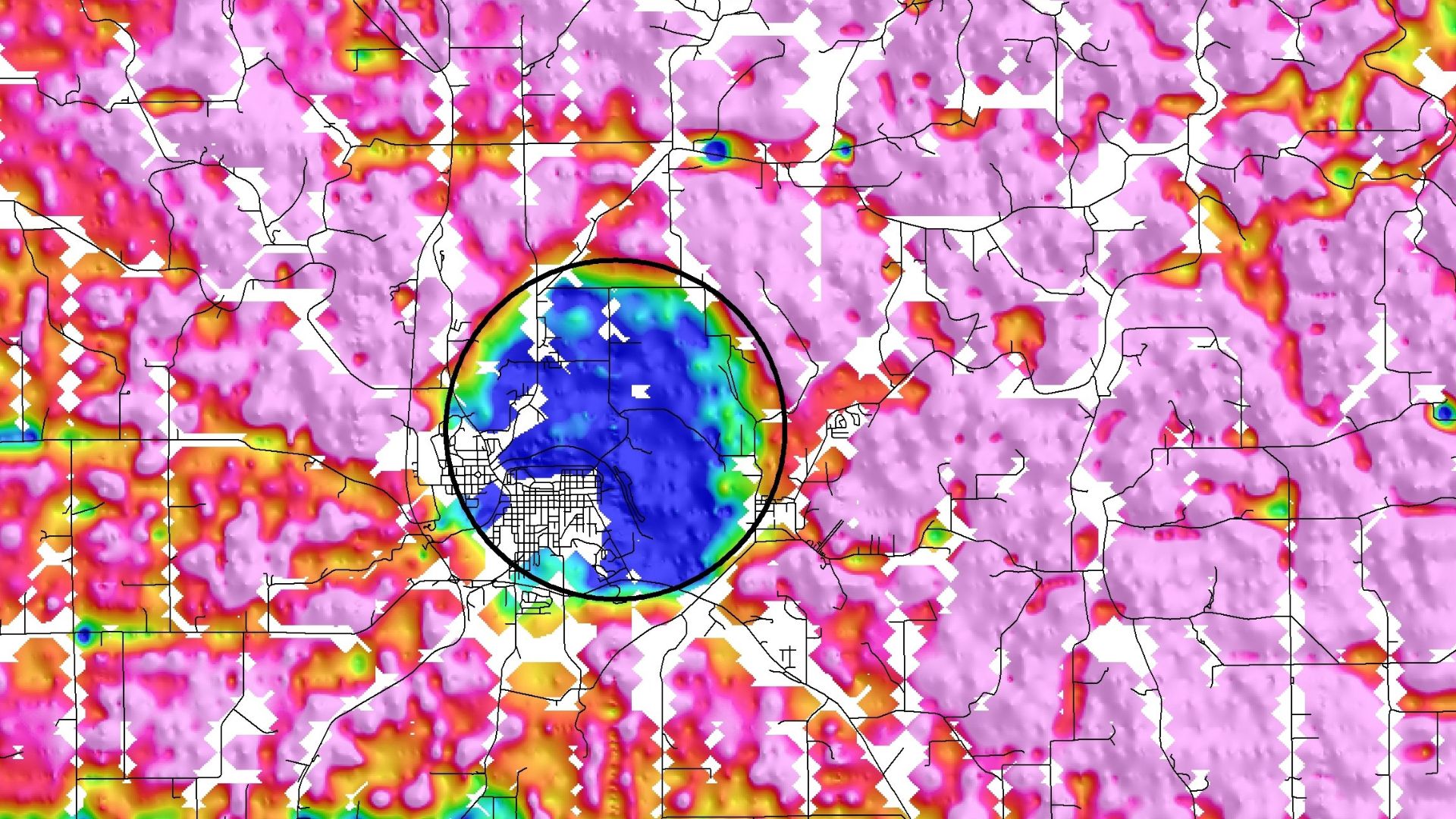
Many impact craters from this period no longer exist because erosion, mountain building, and plate tectonics have destroyed or buried them. The surviving craters nevertheless preserve enough evidence to reveal the ancient equatorial pattern.
 James St. John, Wikimedia Commons
Reconstructing Continents
Researchers used several independent tectonic reconstruction models to estimate where today's continents were located 466 million years ago. Those reconstructions allowed them to determine the ancient latitude of each known Ordovician crater.
Not Yet Proven
The proposed ring is still a scientific hypothesis rather than an established fact. No physical remnants of the ring survive today, so researchers rely on geological patterns and orbital physics to try to figure out whether the explanation fits the available evidence.
 Peeterpaaver, Wikimedia Commons
Possible Climate Effects
The researchers suggest that a dense equatorial ring may have partially blocked sunlight reaching Earth's surface. Reduced solar energy could have altered global climate patterns and contributed to significant cooling during the Ordovician.
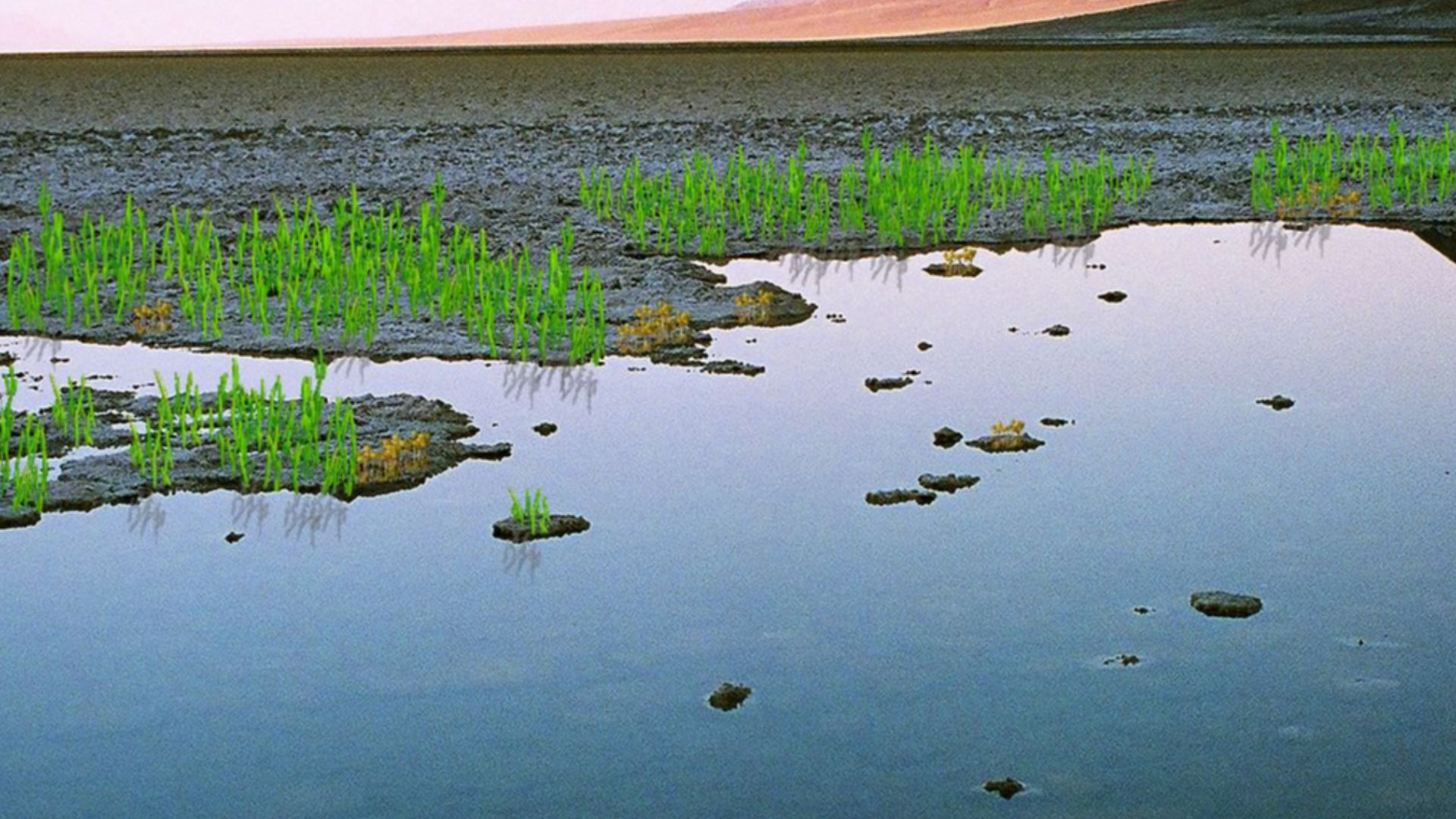
An Icehouse World
The proposed timing overlaps with the Hirnantian Icehouse, one of the coldest intervals of the past 500 million years. Scientists stress that the ring is only one possible contributing factor among several processes influencing Earth's climate.
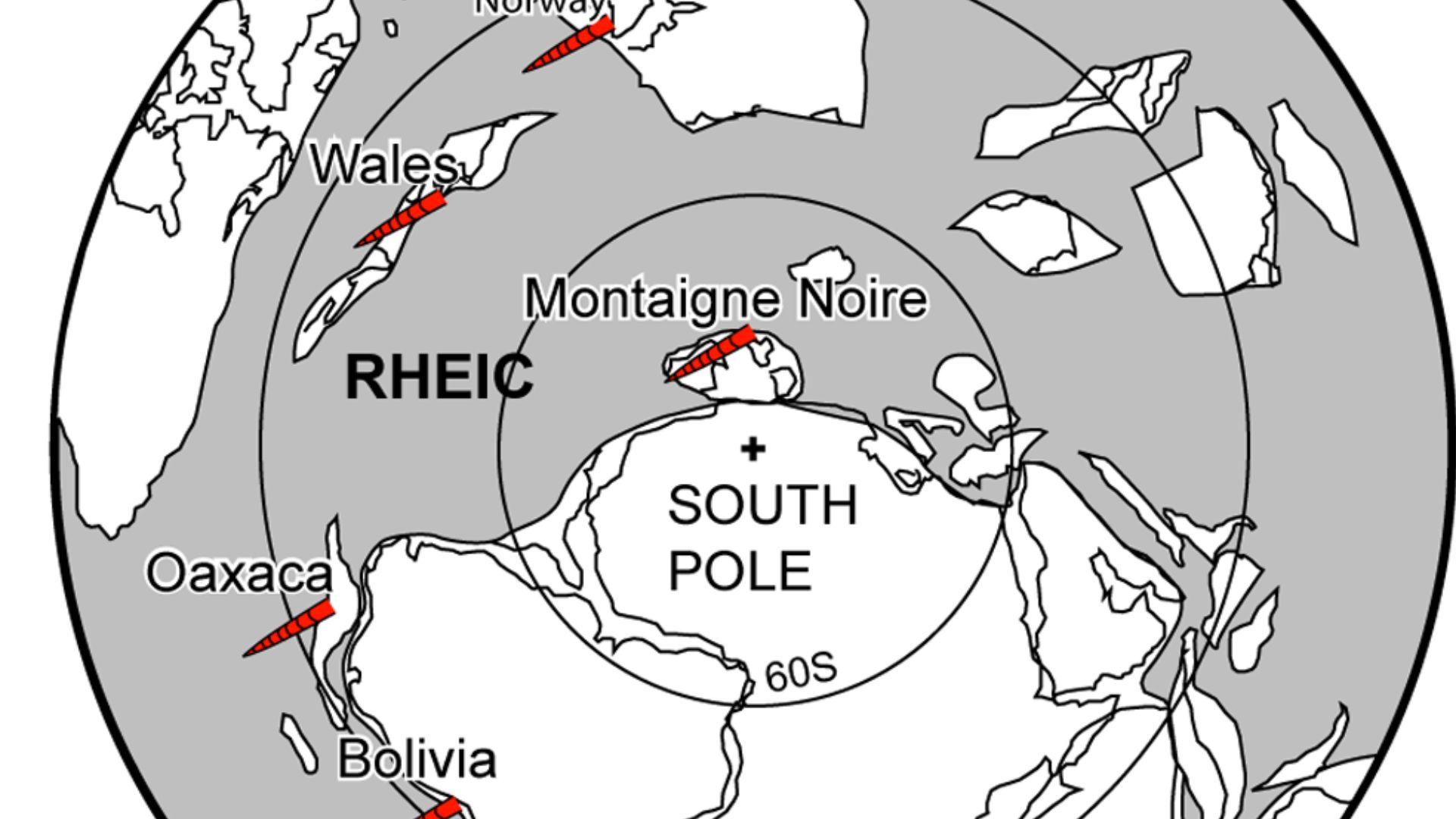 Björn Kröger ,Thomas Servais,Yunbai Zhang, Wikimedia Commons
Comparing Saturn
Saturn's rings consist mainly of water ice, while Earth's hypothetical rings would likely have contained rocky asteroid fragments. Even so, both systems would have formed through the breakup of a larger object by powerful gravitational forces.
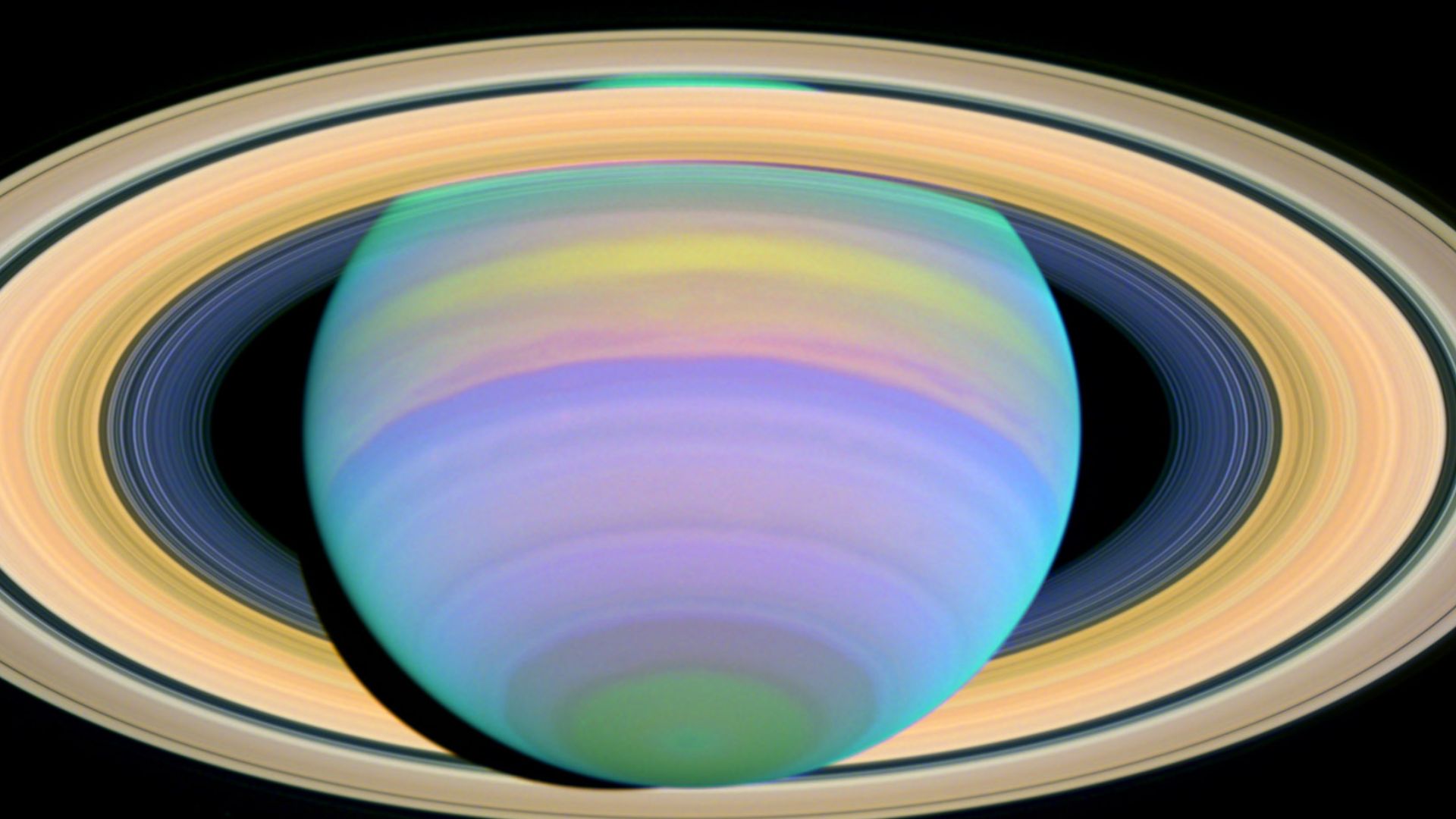
Why Equatorial?
A newly formed ring naturally settles into a planet's equatorial plane because orbital mechanics favor stable motion there. Debris falling from such a ring would therefore strike Earth's equatorial regions far more often than they would impact higher latitudes.
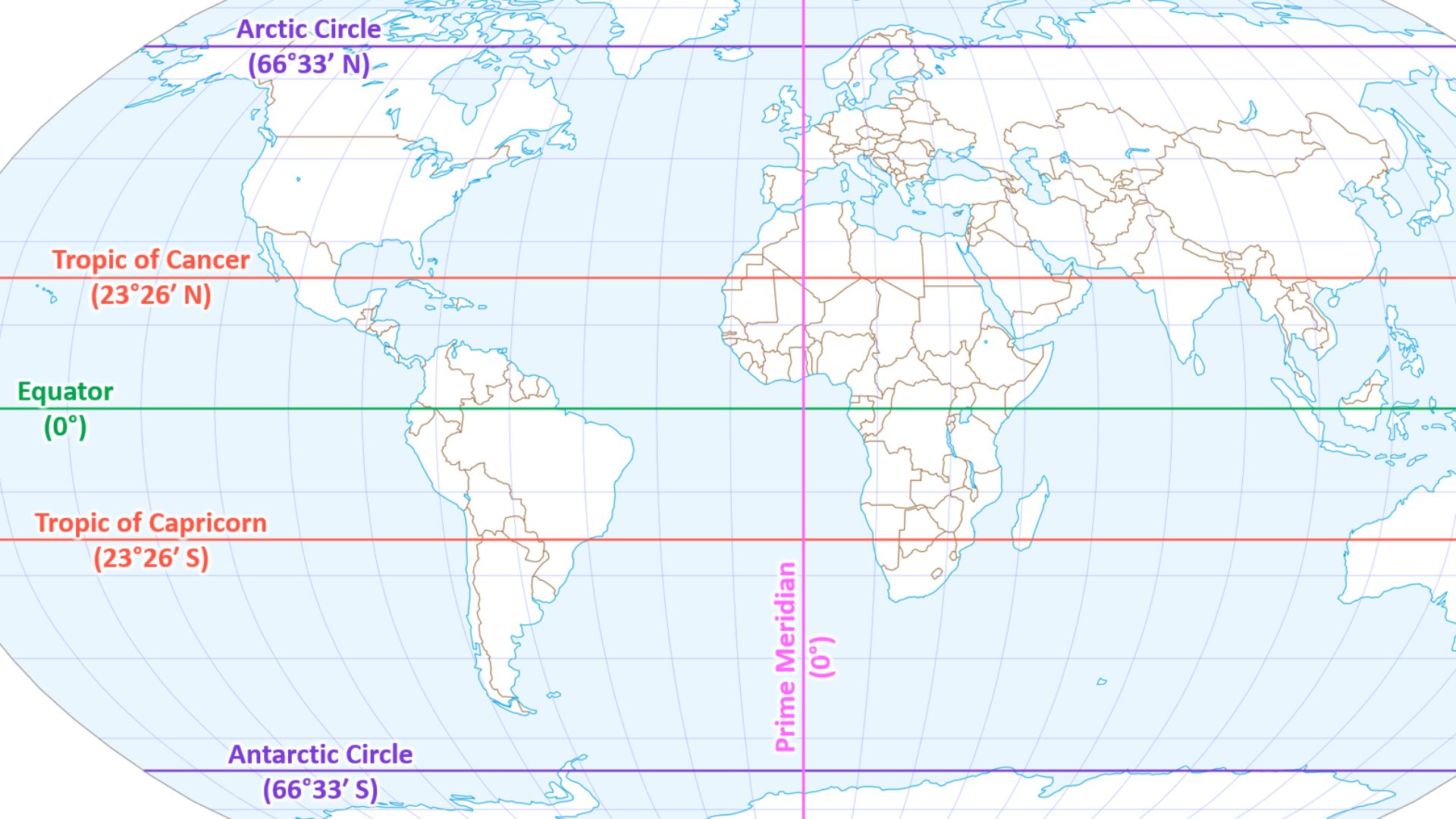
Earth's Gravity
Earth is massive enough to disrupt certain passing objects that venture too close. Although Earth lacks permanent rings today, the study suggests that temporary ring systems can sometimes form under the right astronomical circumstances.
Searching For More
Scientists hope future discoveries of Ordovician impact craters will help test the hypothesis. If additional craters also reconstruct to equatorial latitudes, confidence in the ancient ring theory would continue to grow.
 Geraldo C F Valadare…, Wikimedia Commons
The Bigger Picture
All this research highlights how planetary geology, astronomy, and orbital dynamics can work together to reconstruct events that occurred hundreds of millions of years before humans existed. Ancient impact scars can preserve evidence of remarkable episodes in Earth's history.
 Derek E.G. Briggs; Huaibao P. Liu; Robert M. McKay; Brian J. Witzke, Wikimedia Commons, Modified
Other Ringed Worlds
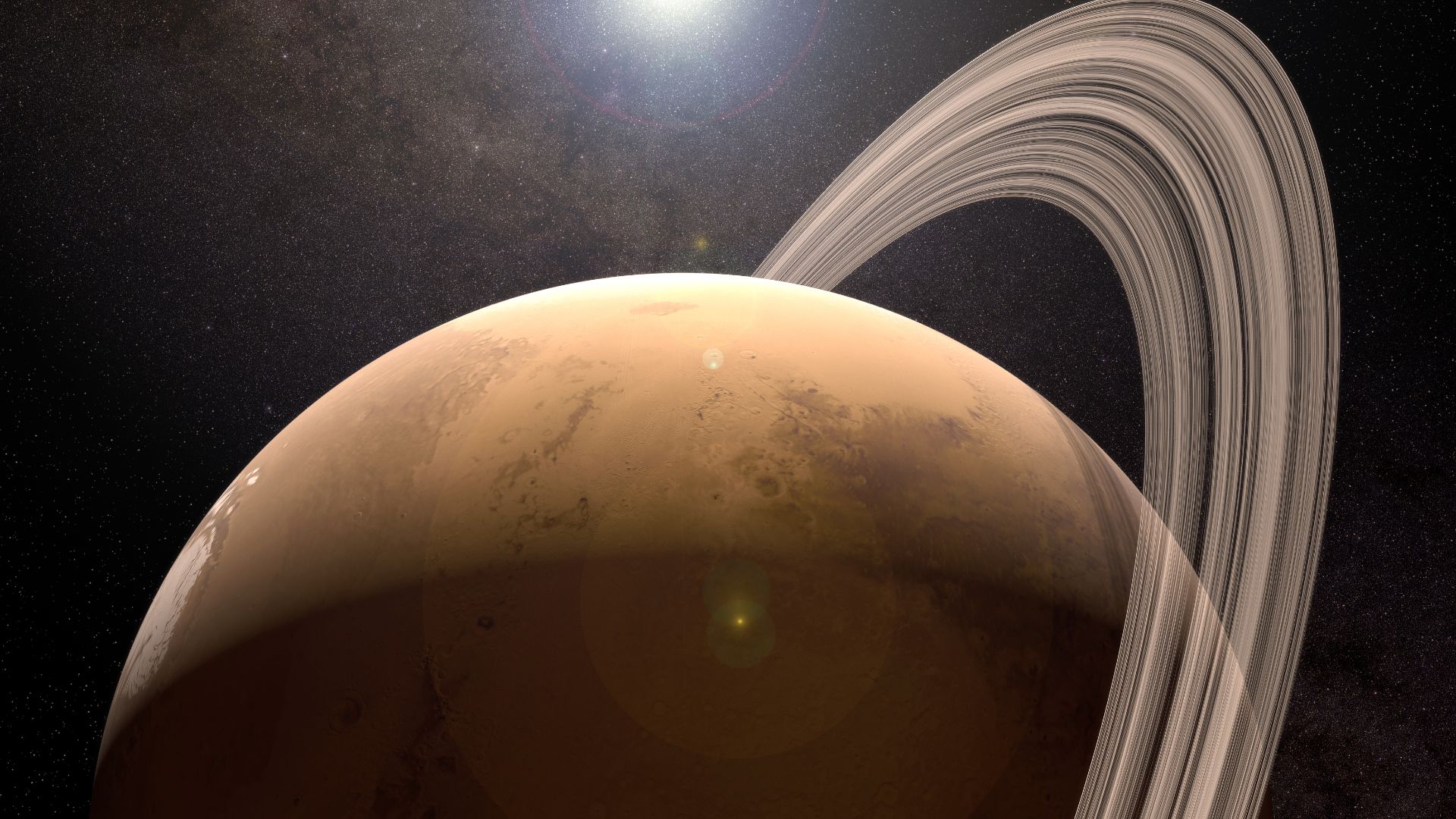
Every giant planet in our Solar System possesses some kind of ring system today, while Mars has also been proposed to have hosted temporary rings in its distant past. Earth may therefore have briefly joined this surprisingly exclusive group.
 Kevin M. Gill, Wikimedia Commons
An Active Investigation
Researchers continue testing alternative explanations for the Ordovician impact spike. Additional crater discoveries, improved plate reconstructions, and refined orbital models will determine whether the ring hypothesis remains the strongest explanation for the evidence.
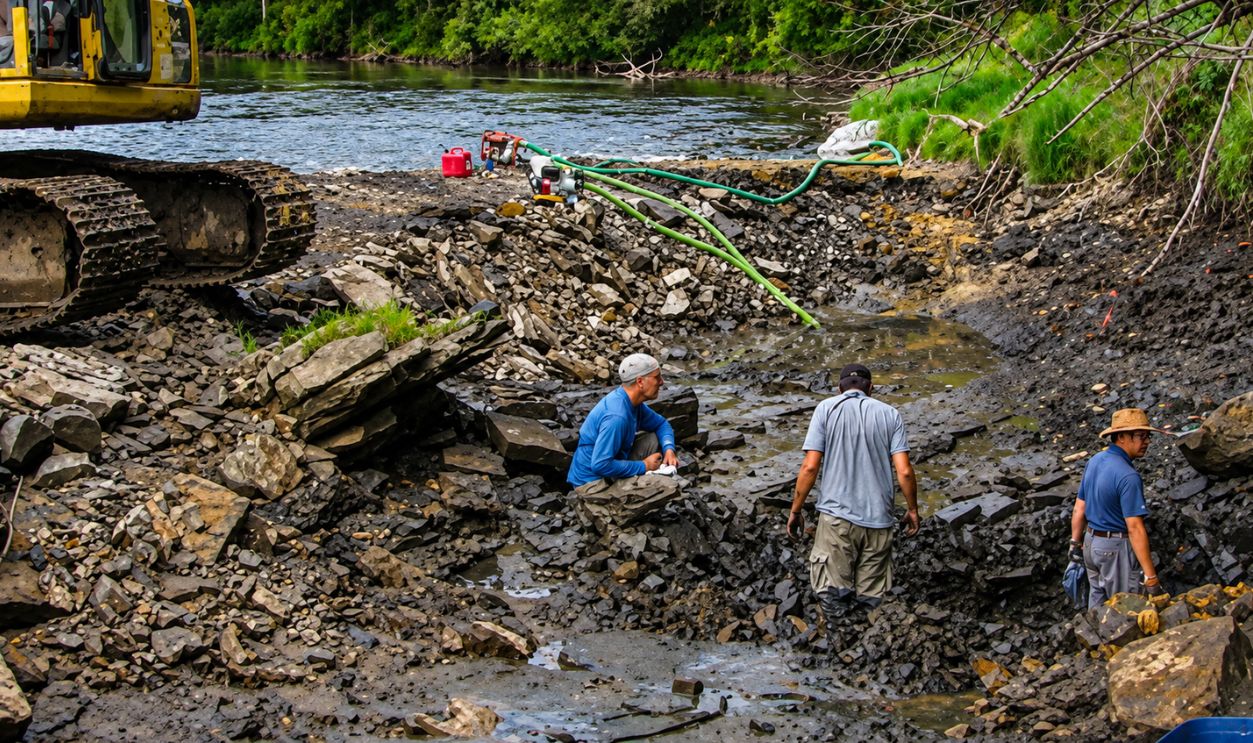 Derek E.G. Briggs; Huaibao P. Liu; Robert M. McKay; Brian J. Witzke, Wikimedia Commons, Modified
Evidence Still Growing
While the theory is still under investigation, it's grounded in measurable geological observations rather than idle speculation. The unusual concentration of ancient equatorial craters provides one of the strongest clues that Earth may once have worn rings like Saturn.
A Different Ancient Earth
If the hypothesis proves correct, travelers observing Earth from space 466 million years ago might have seen a spectacular ring arching around the planet's equator. That beautiful sight may also have quietly shaped Earth's geology and climate for millions of years.
 Grebenkov, addon from Eugene Stauffer (public domain), Wikimedia Commons
You May Also Like:
Scientists revealed the strange chemistry of a rare comet from far beyond our solar system.
A Massive Asteroid Is Heading Toward Earth And Experts Are Concerned
Researchers discovered metal highways hidden beneath the Earth's crust.