Something About This Image Still Doesn’t Add Up
For centuries, people have argued over a single piece of cloth—what it shows, how it was made, and whether it could be tied to one of the most debated events in human history. Now, a new scientific experiment is putting fresh attention on it. And what researchers found isn’t easy to explain.
The Cloth At The Center Of It All
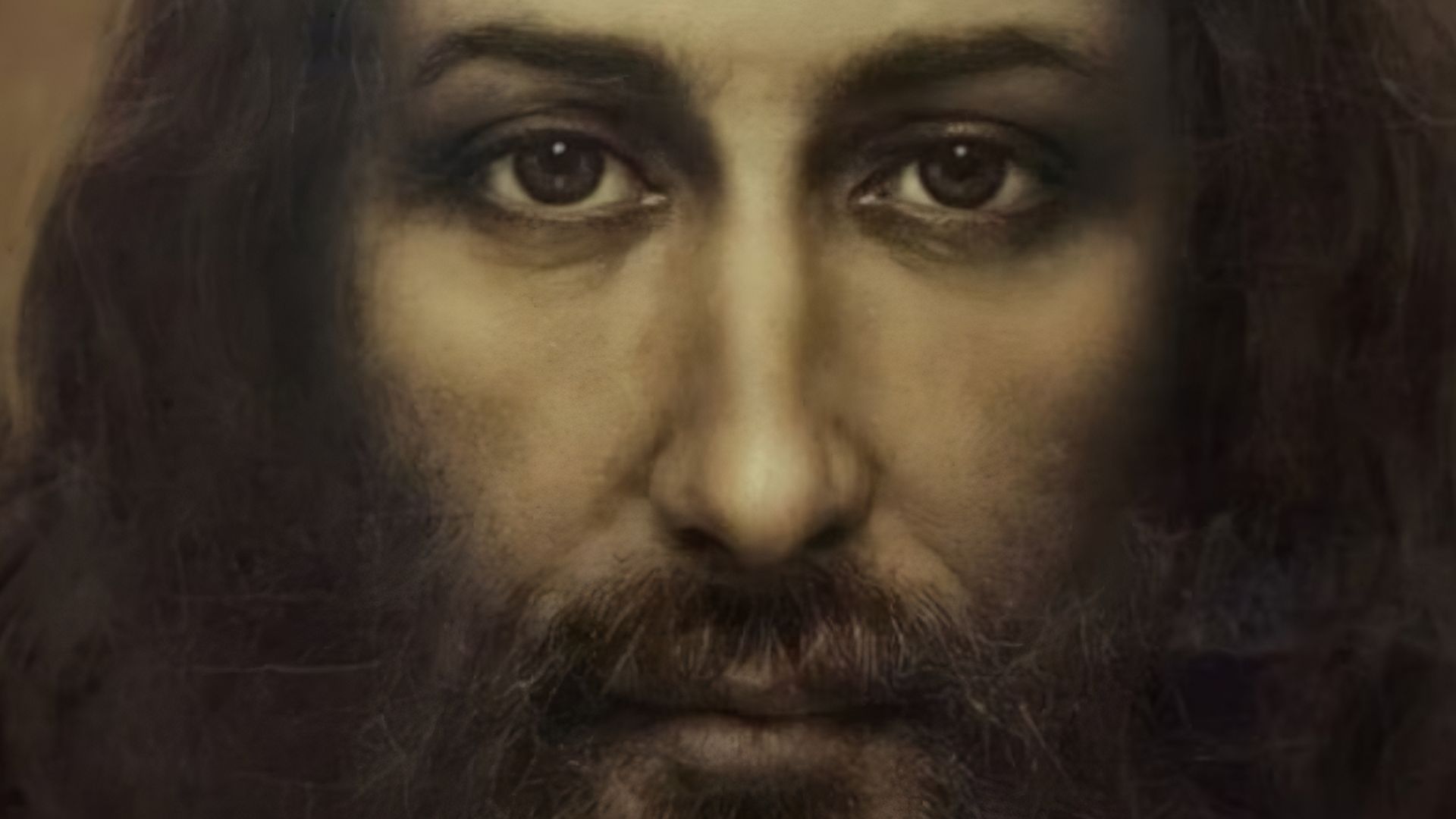
At the heart of this story is the Shroud of Turin—a linen cloth that bears the faint image of a man who appears to have been crucified. Some believe it’s the burial cloth of Jesus, while others insist it’s a medieval creation. Either way, it remains one of the most studied artifacts ever discovered.
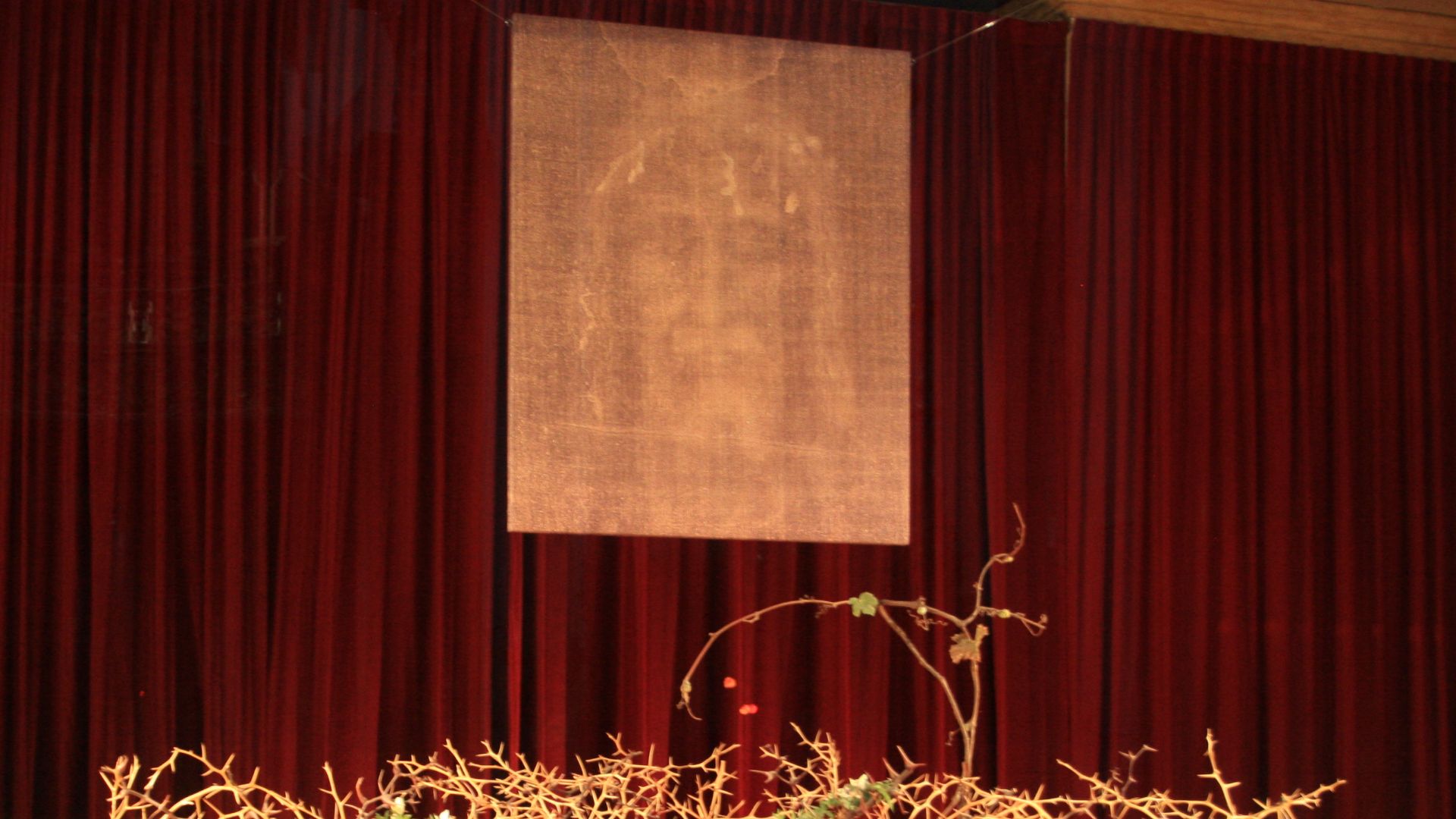 TravelingOtter, Wikimedia Commons
It Looks Like A Photo Negative
In 1898, a photographer captured images of the shroud and noticed something shocking—the photographic negative revealed a clearer, more lifelike human face than the original. This unexpected discovery stunned researchers and is still one of the most puzzling features of the cloth.
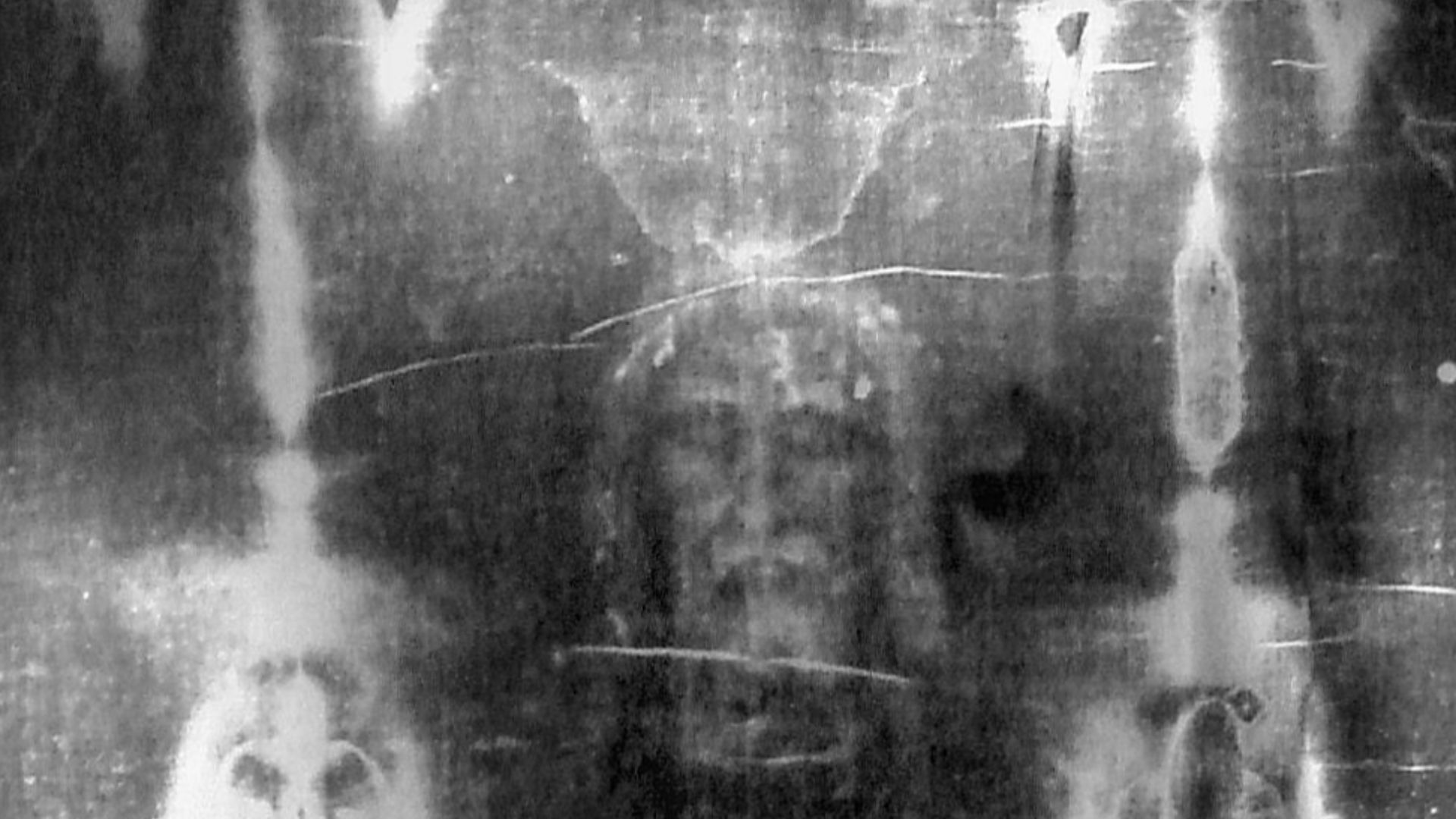 Unknown author, Wikimedia Commons
A Surprisingly Detailed Image
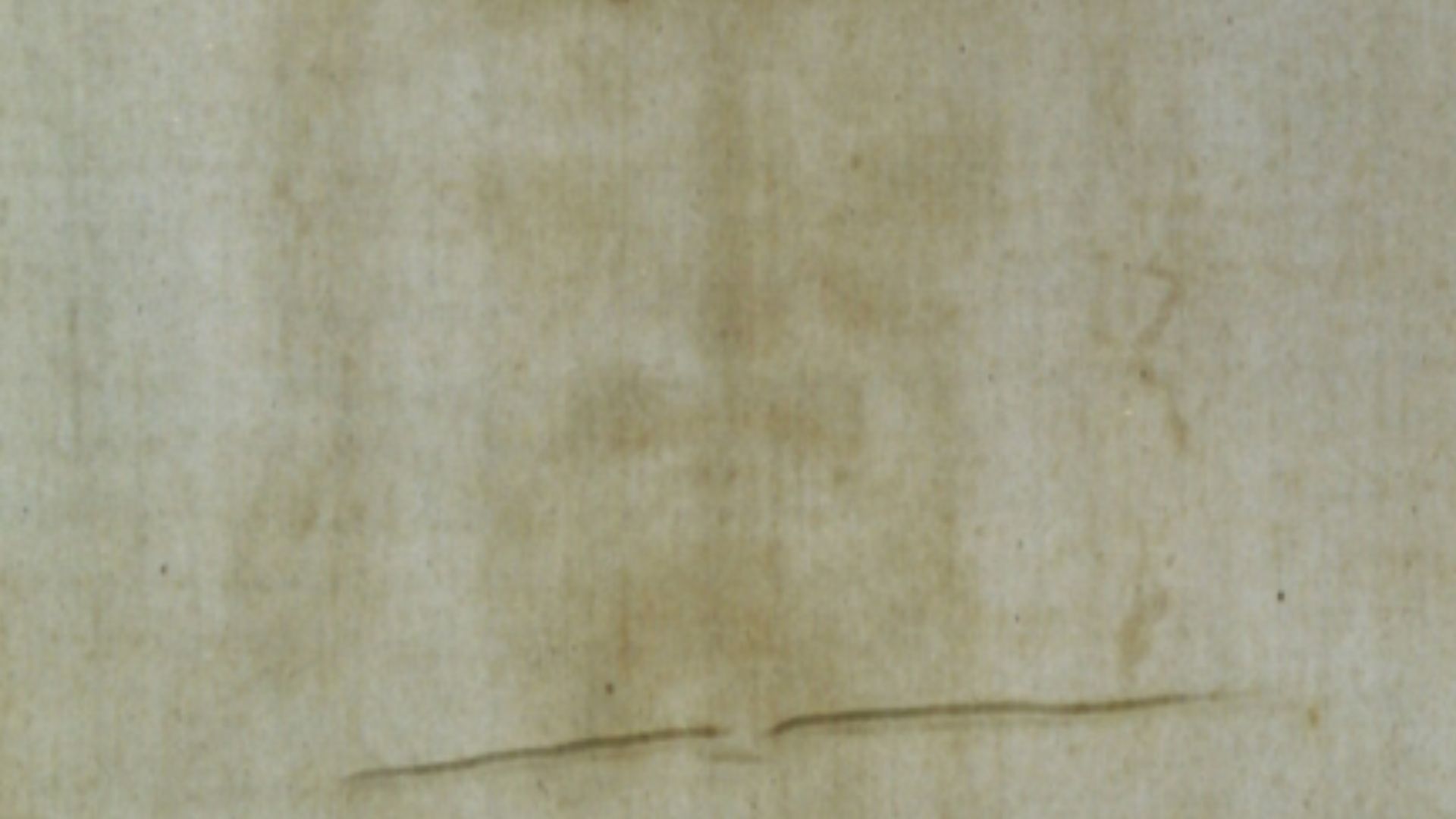
What makes the shroud so unusual is the image itself. It isn’t painted, and there are no visible brush strokes. Instead, it appears as a faint discoloration of the fabric—almost like a photographic negative created centuries before photography even existed.
It Only Affects The Top Fibers
The image doesn’t penetrate the cloth—it only affects the outermost fibers, thinner than a human hair. It has not been conclusively shown to be paint, dye, or a typical burn pattern, which rules out many conventional explanations and pushes scientists toward more unusual, energy-based theories.
 National Cancer Institute, Unsplash
What About The Blood?
Some researchers claim the stains on the cloth may contain real human blood, with patterns some say are consistent with injuries from crucifixion. Others dispute those findings, saying the evidence isn’t fully conclusive. It remains one of the most debated—and controversial—parts of the entire artifact.
 National Cancer Institute, Unsplash
Scientists Have Been Trying To Recreate It
For years, researchers have tried to figure out how the image formed. Was it heat, chemicals, or natural decay? Each theory explains part of it, but none have been able to recreate the full image in a convincing, repeatable way.
Other Theories Scientists Have Proposed
Ideas include chemical reactions from a decomposing body, heat or scorch effects, or even early artistic techniques. None of these fully explain every detail, but each manages to account for certain aspects of the image.
 National Cancer Institute, Unsplash
Enter The New Experiment
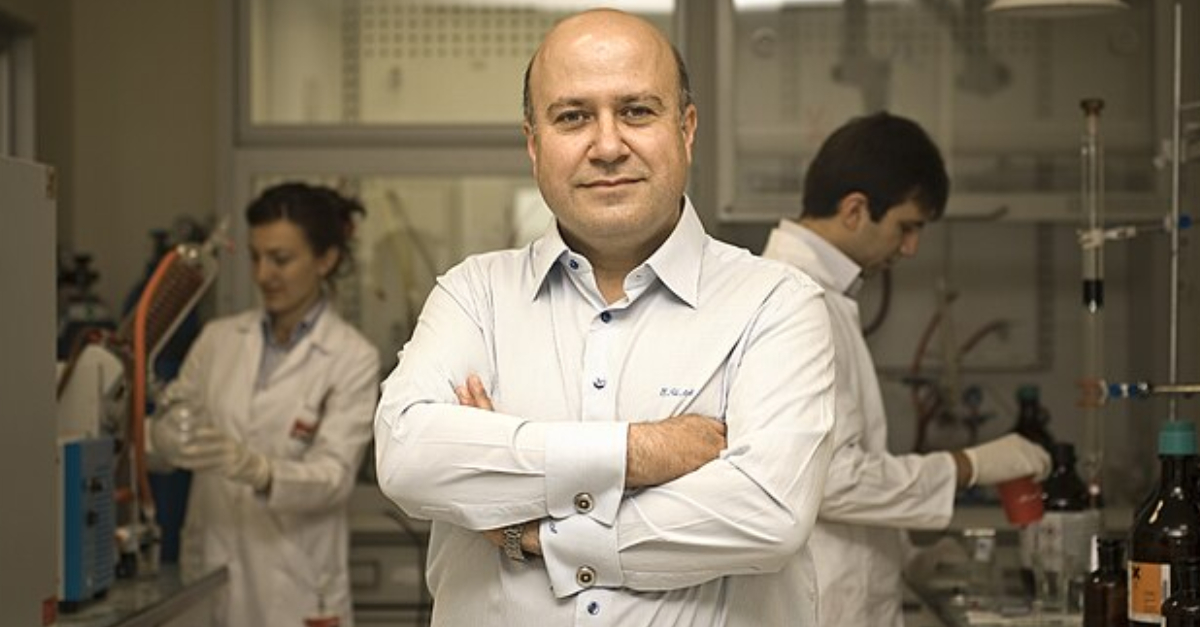
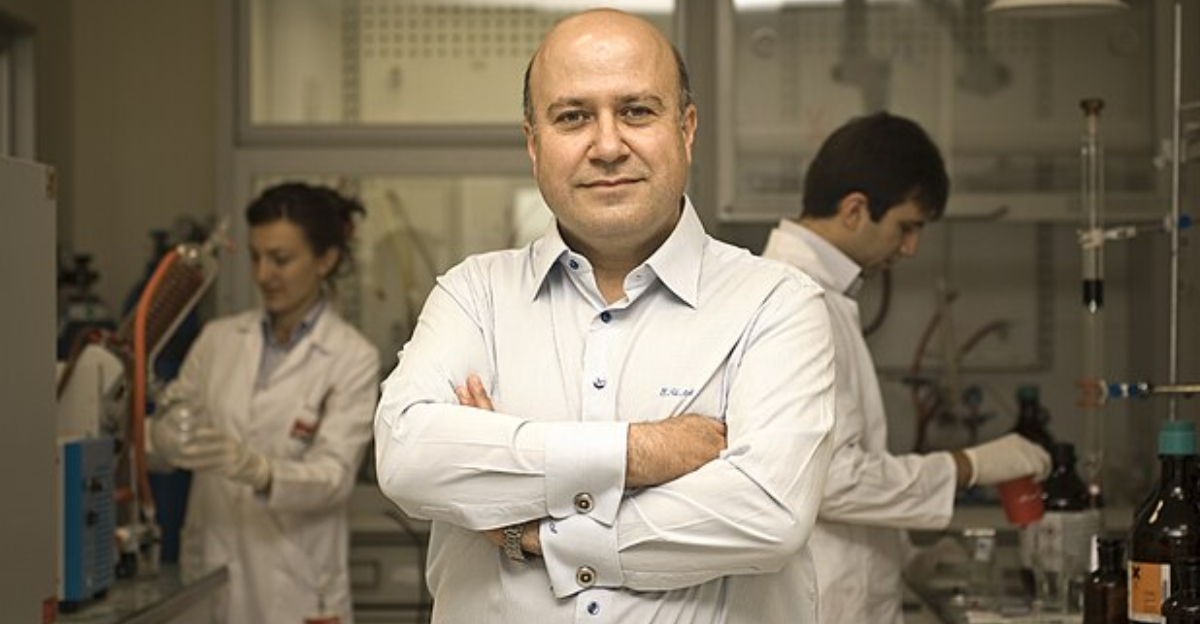
A team of scientists recently tried a different approach. Instead of pigments or chemicals, they used extremely powerful bursts of ultraviolet light to recreate the kind of surface-level discoloration seen on the shroud.
 IRRI Images, Wikimedia Commons
Why Light?
The theory is that a sudden, intense burst of energy could alter only the top fibers of the cloth—matching what’s observed on the shroud. It’s one of the few methods that might explain how precise and shallow the image appears.
 National Institute of Allergy and Infectious Diseases, Unsplash
They Recreated Part Of It—But Here’s The Problem
Using advanced lasers, researchers were able to produce small patches that looked similar to the shroud’s markings. But scaling that up to a full human image would require an enormous amount of energy—far beyond what current technology can produce.
 National Cancer Institute, Unsplash
How Much Energy Are We Talking?
Researchers behind the experiment estimate it would take an extremely intense, near-instant burst of energy—something far more powerful than any laser system available today. That’s where the mystery deepens and speculation begins.

Why Some Link This To The Resurrection
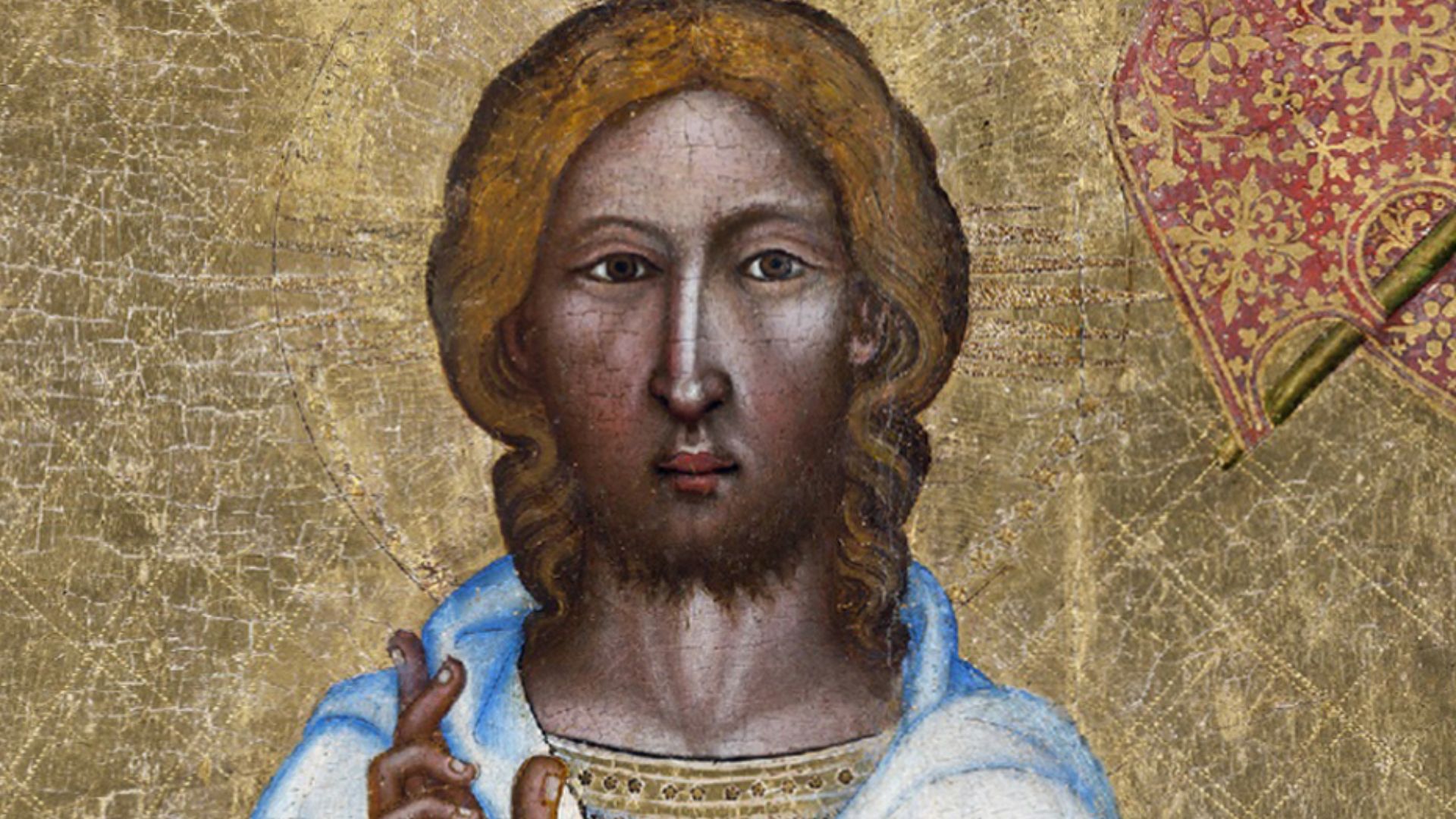
For some believers, the idea of a sudden, powerful burst of energy lines up with descriptions of the resurrection as a transformative event. While scientists don’t make that claim, it’s one reason this experiment is getting so much attention beyond just the lab.
 Master of Vyssi Brod, Wikimedia Commons
Why Some See This As Possible Evidence
For those who believe the shroud is authentic, experiments like this feel like more than just science—they look like clues. If the image required a sudden, intense burst of energy that can’t currently be replicated, some argue it could point to a moment unlike anything else described in history.

That’s Where Things Get Interesting
If modern science can’t replicate the full image using known methods, it raises a bigger question: what might have created it in the first place?
Why This Study Blew Up Online
The idea that recreating the image might require massive energy quickly led to speculation about supernatural events—even though the researchers themselves didn’t make that claim. That gap between science and interpretation is where headlines took off.

There’s A Major Dating Debate
The shroud’s age is one of the biggest sticking points. If it’s medieval, that changes everything. If it’s older, the mystery deepens significantly.
What Carbon Dating Found
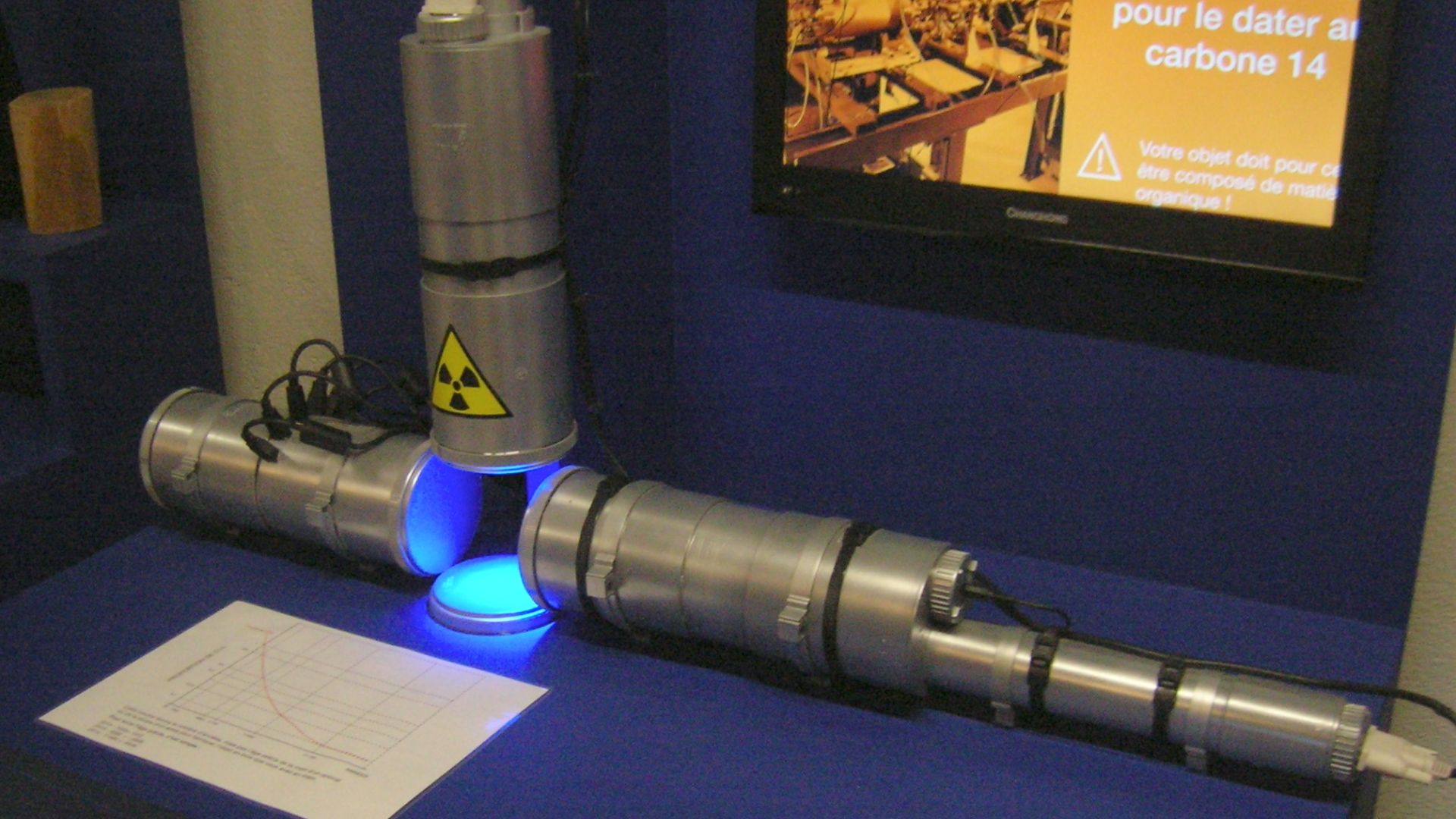
Tests conducted in the 1980s dated the cloth to between 1260 and 1390, suggesting it originated in the Middle Ages. However, some researchers argue those samples may have come from repaired sections, potentially skewing the results.
One Of The Most Studied Objects Ever
The Shroud of Turin has been examined by multiple scientific teams using advanced tools and imaging techniques. While no single explanation has been widely accepted, there’s still no theory that accounts for all of its features.

The Church Doesn’t Officially Claim It
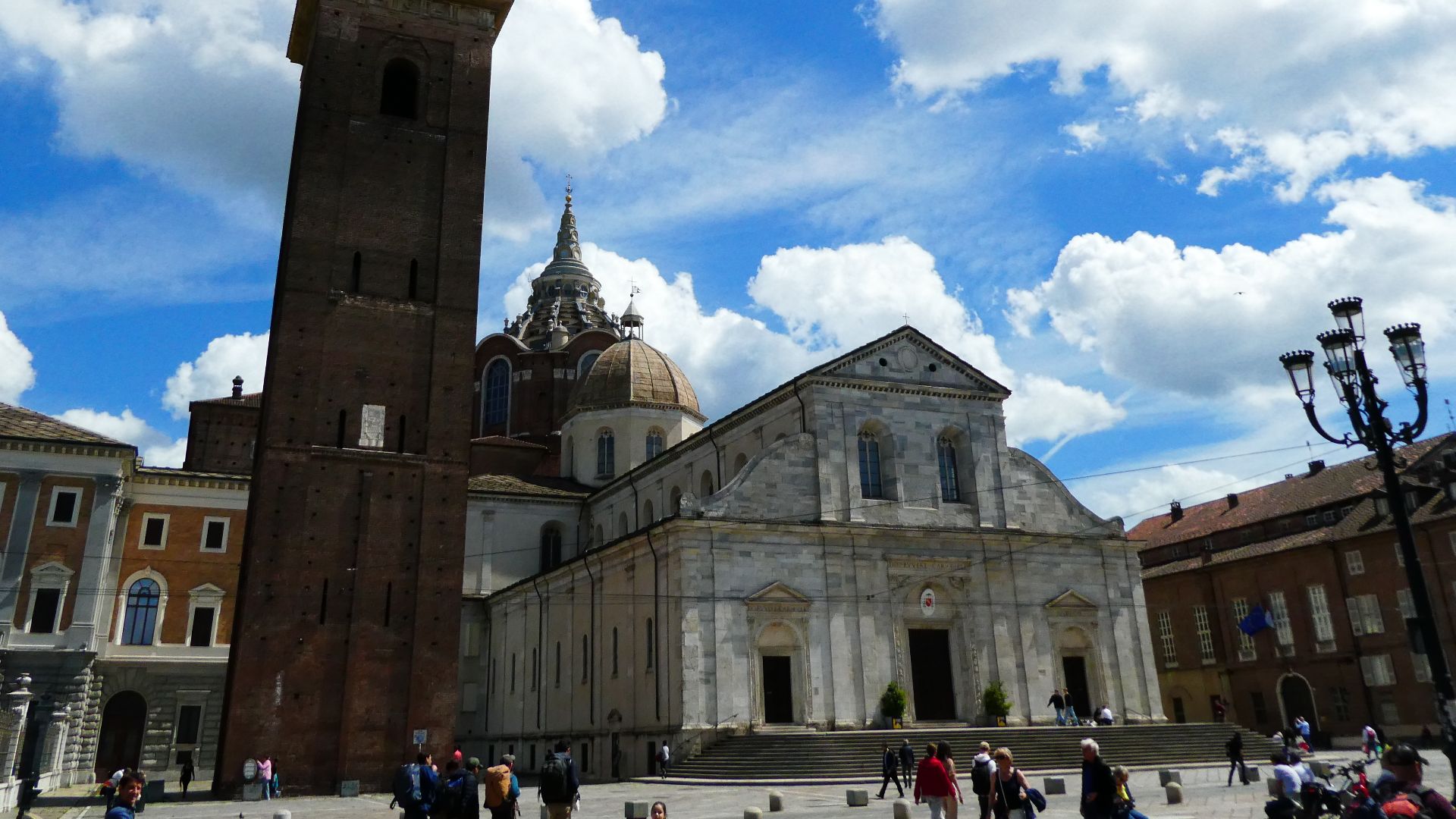
The Catholic Church allows the shroud to be displayed and venerated, but it has never officially declared it to be the burial cloth of Jesus. It’s treated as a powerful symbol, not confirmed evidence.
Why This Keeps Coming Back To One Question
At the center of all this isn’t just how the image formed—but what it represents. If the cloth is authentic, it would be directly tied to the moment Christians believe Jesus rose from the dead. That’s why even small scientific findings quickly turn into much bigger questions.
So Where Does That Leave Us?
We’re left with a cloth that still resists easy explanation, even with modern technology. And now, a new experiment that deepens the mystery instead of closing it—leaving one of history’s biggest questions very much open.
 Shroud of Turin, Wikimedia Commons
You Might Also Like:
Scientists Now Say We May Have Been Completely Wrong About How Life Began