The Origin Of Life Was Solved...Not Anymore
For decades, the story of how life began seemed relatively settled. Scientists believed they understood the sequence, the building blocks, and how it all came together. But new research is now raising big questions—ones that directly challenge what we thought we knew about the origins of life.

The Classic “Primordial Soup” Theory
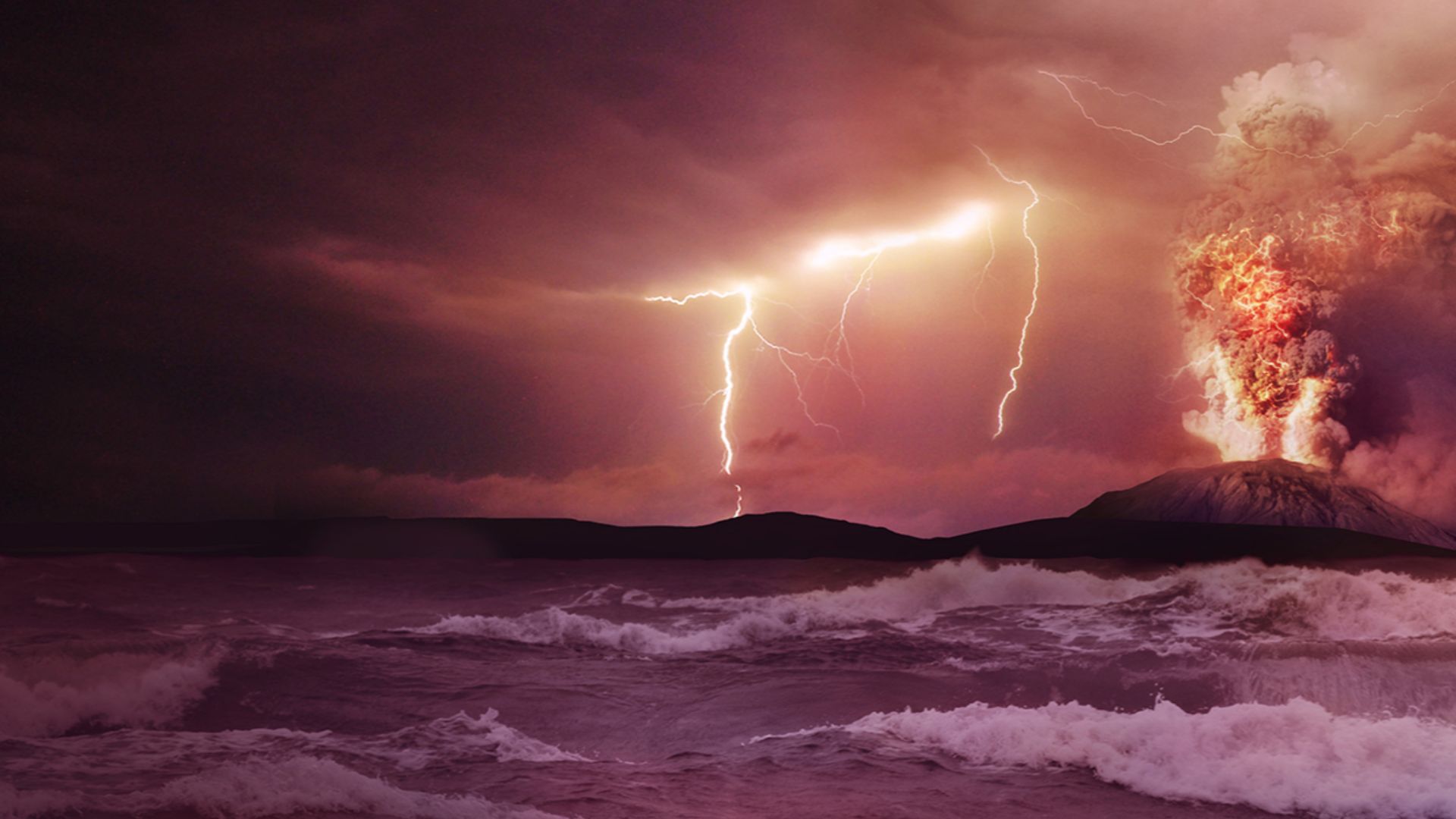
The traditional view is often called the “primordial soup.” It suggests that early Earth’s oceans contained simple chemicals like methane, ammonia, and water, energized by lightning and UV radiation. In fact, a famous 1953 experiment simulated these conditions and successfully produced amino acids in a lab. It’s a foundational idea—but many scientists now think it may only explain part of the story.
Life’s Building Blocks
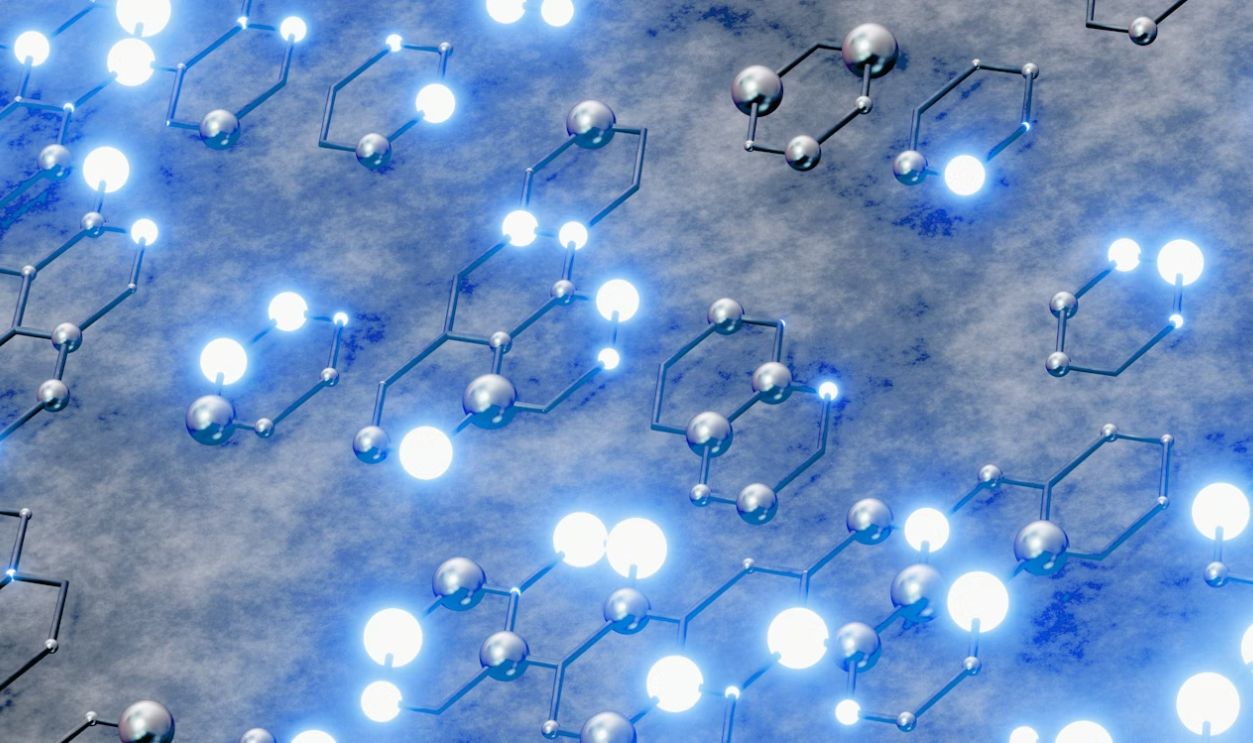
At the center of this debate are amino acids—molecules that combine to form proteins. Proteins are essential for nearly every biological function. The standard genetic code uses 20 canonical amino acids, and scientists have long debated the order in which those building blocks were added.
A Surprising Discovery
New research analyzing genetic patterns and protein structures suggests that order may not be correct. Scientists found evidence that some complex amino acids appear earlier in biological systems than expected. This challenges long-standing assumptions about how the genetic code evolved.
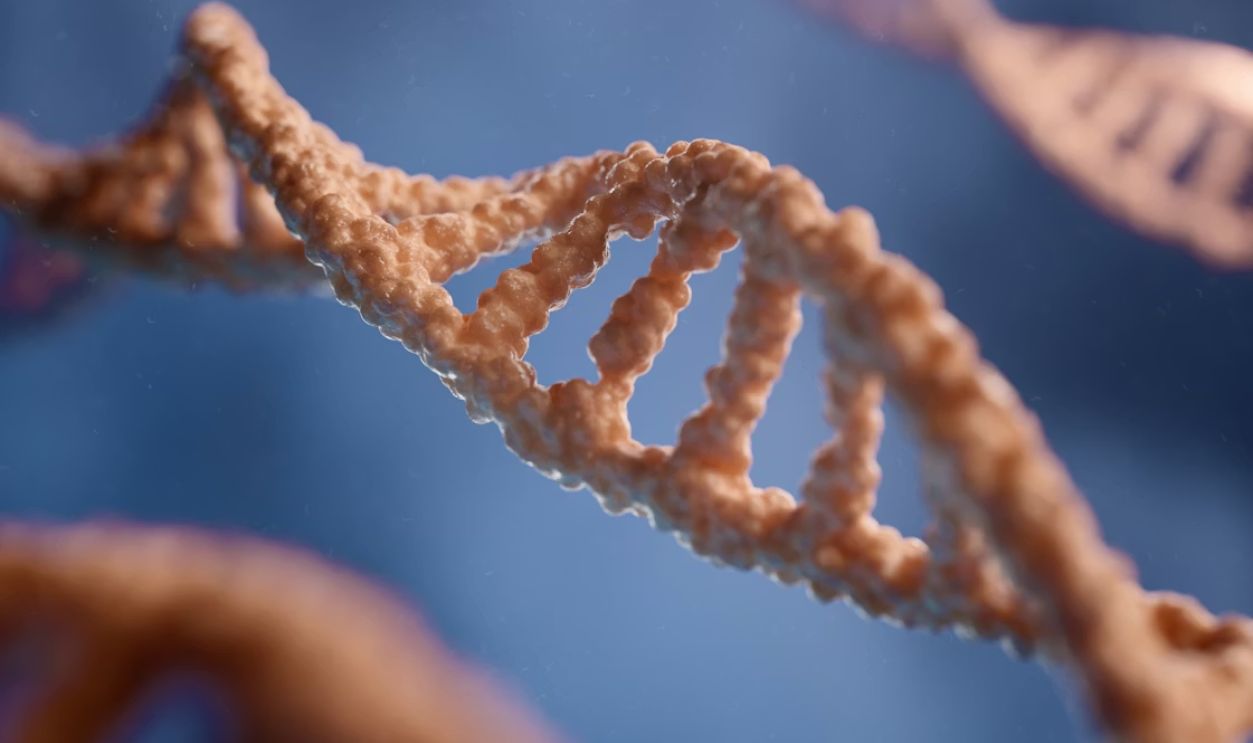
Out Of Order
One especially surprising finding involves aromatic amino acids like tryptophan and tyrosine. They show up more often in extremely ancient protein families than expected, even though they’re considered late additions to the modern genetic code. That may hint that earlier genetic systems used amino acids differently than our current code does.
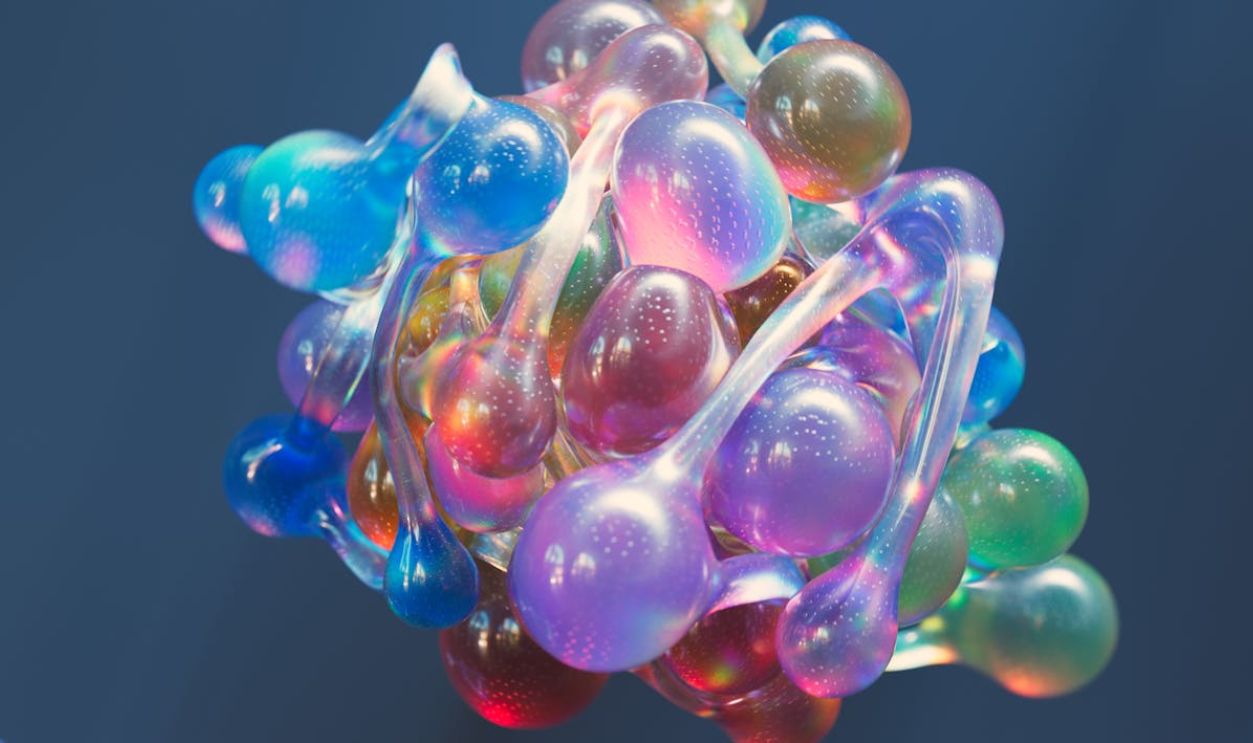
Why That Matters
If amino acids didn’t emerge in a neat sequence, it changes how we think about early evolution. It suggests that the building blocks of life weren’t added one by one in a fixed order, but may have been available simultaneously in different environments.
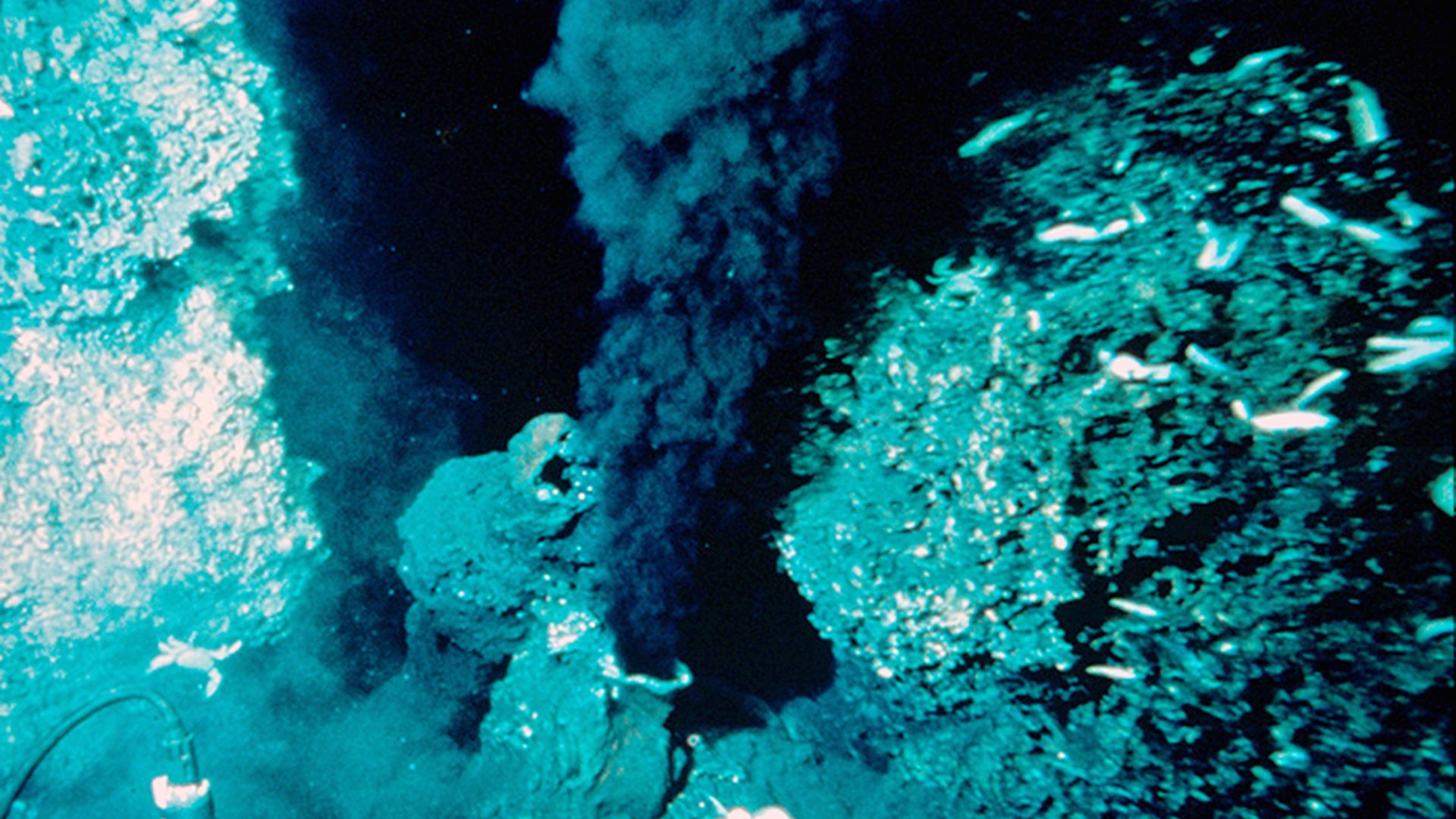 W.R. Normark, Dudley Foster, Wikimedia Commons
Not A Straight Line
Instead of a simple progression, life may have developed through overlapping chemical processes. Multiple reactions could have been happening at once, producing different molecules that interacted in unpredictable ways.
Multiple Starting Points
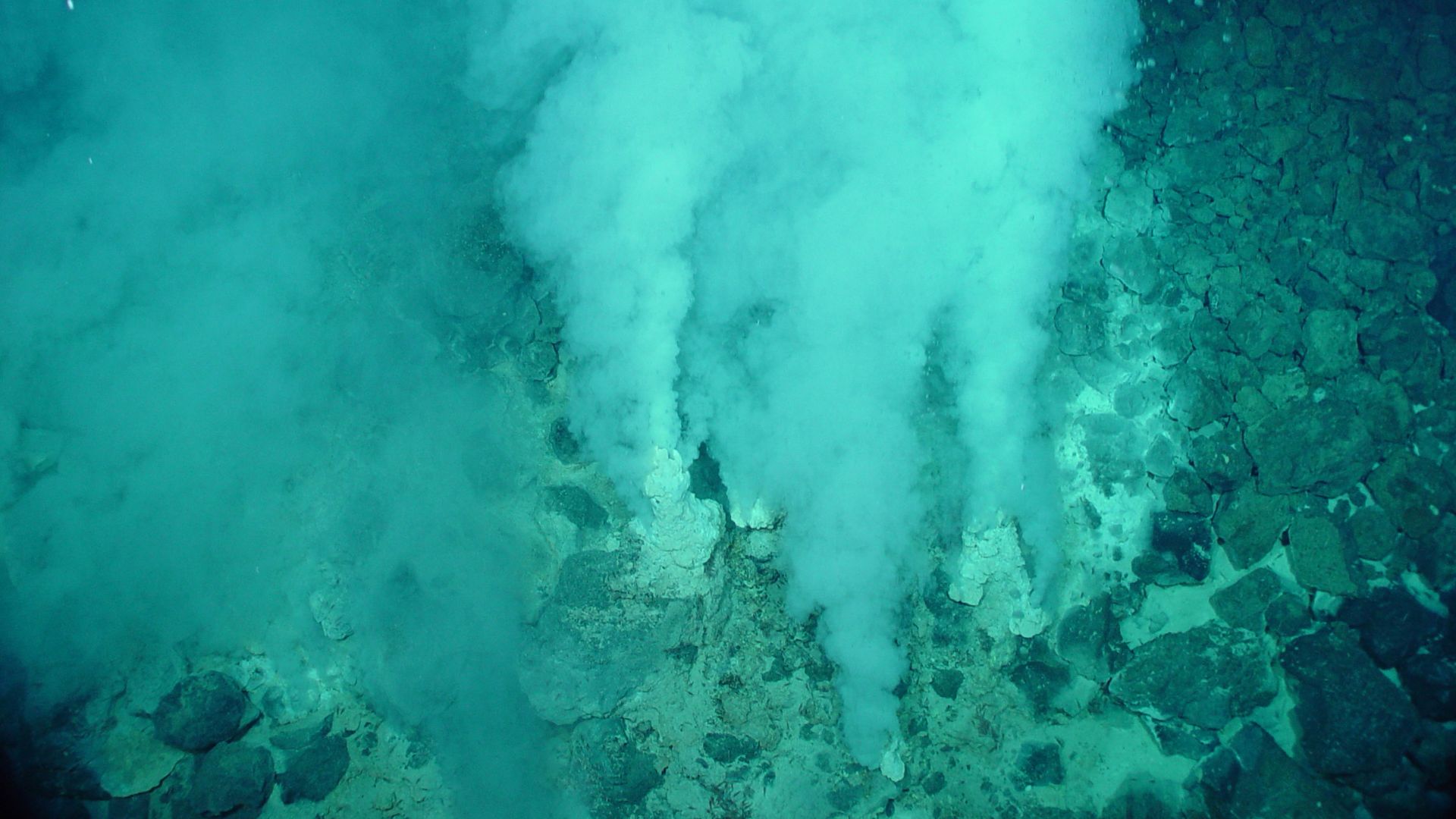
Some scientists now propose that life didn’t begin in a single location. Instead, different environments—oceans, volcanic regions, and mineral-rich surfaces—may have each contributed pieces of the puzzle before eventually converging.
A Chemical “Trial And Error”
Early Earth likely hosted countless chemical reactions. Most led nowhere—but some produced stable molecules that could replicate or interact more effectively. Over time, these successful systems may have outcompeted others.

The Role Of The Environment
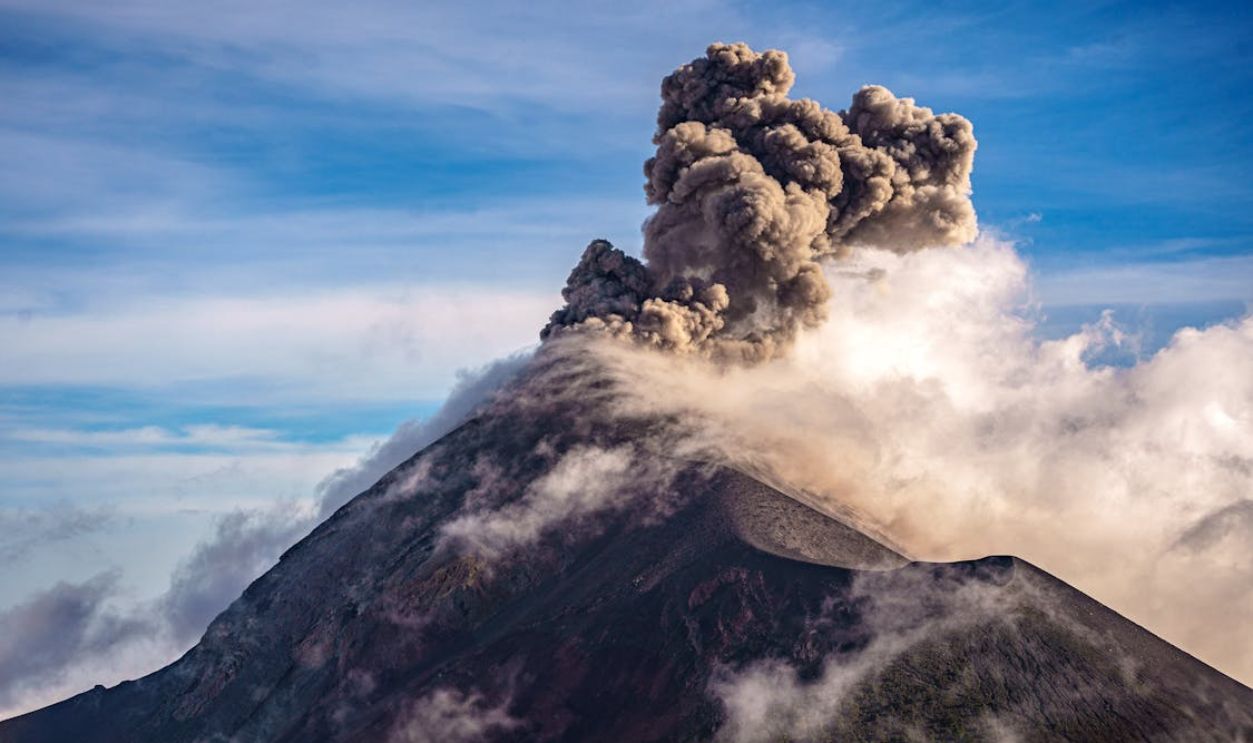
Conditions on early Earth were far from stable. Frequent volcanic eruptions, meteor impacts, and intense radiation created a constantly changing environment. These extremes may have actually helped drive complex chemical reactions rather than preventing them.
Deep-Sea Vents Get Attention
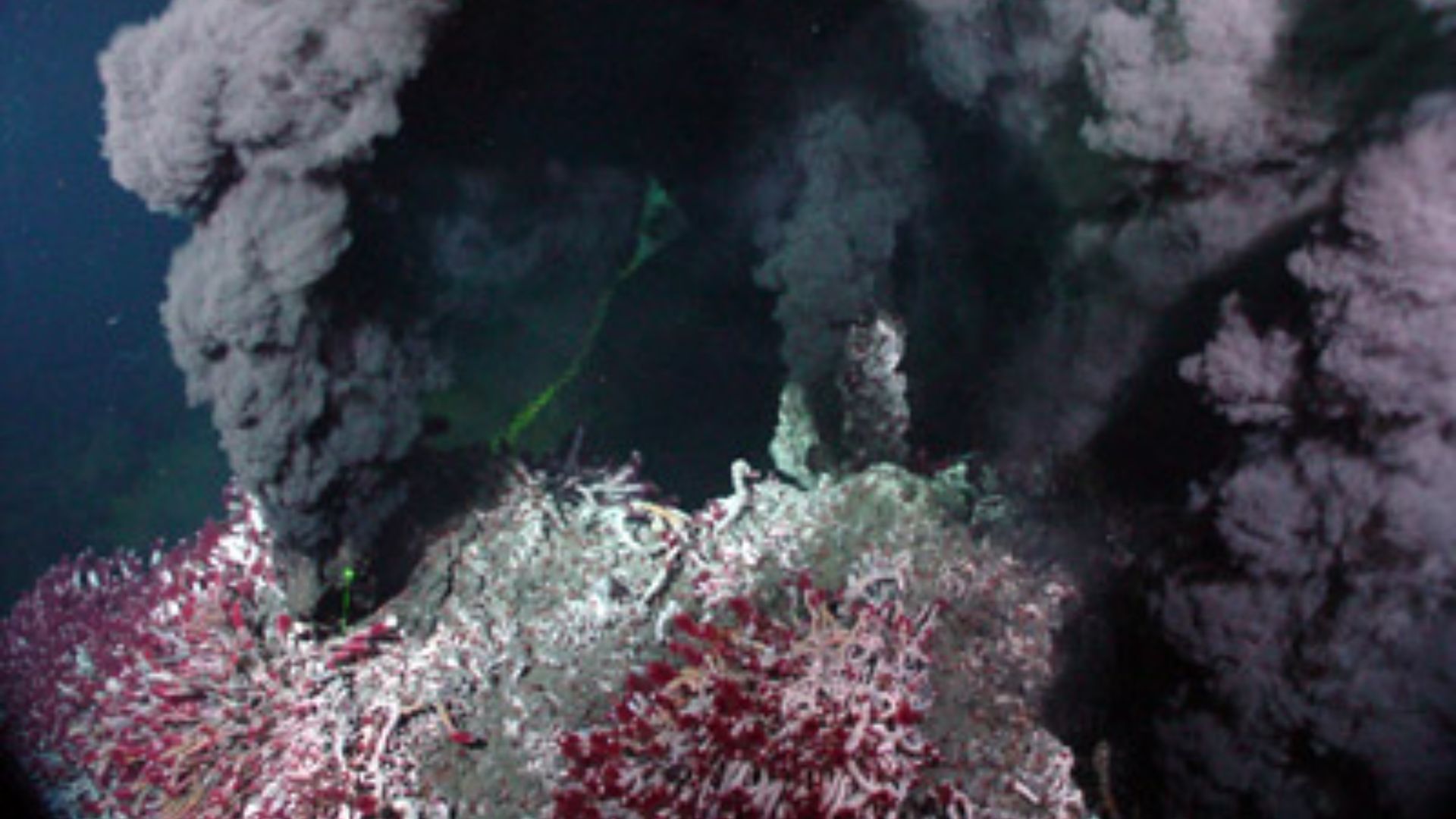
Hydrothermal vents release mineral-rich fluids heated by Earth’s interior. These environments provide heat, pressure, and chemical gradients—conditions that can drive the formation of organic molecules. Some scientists think life may have started in these deep, dark ecosystems.
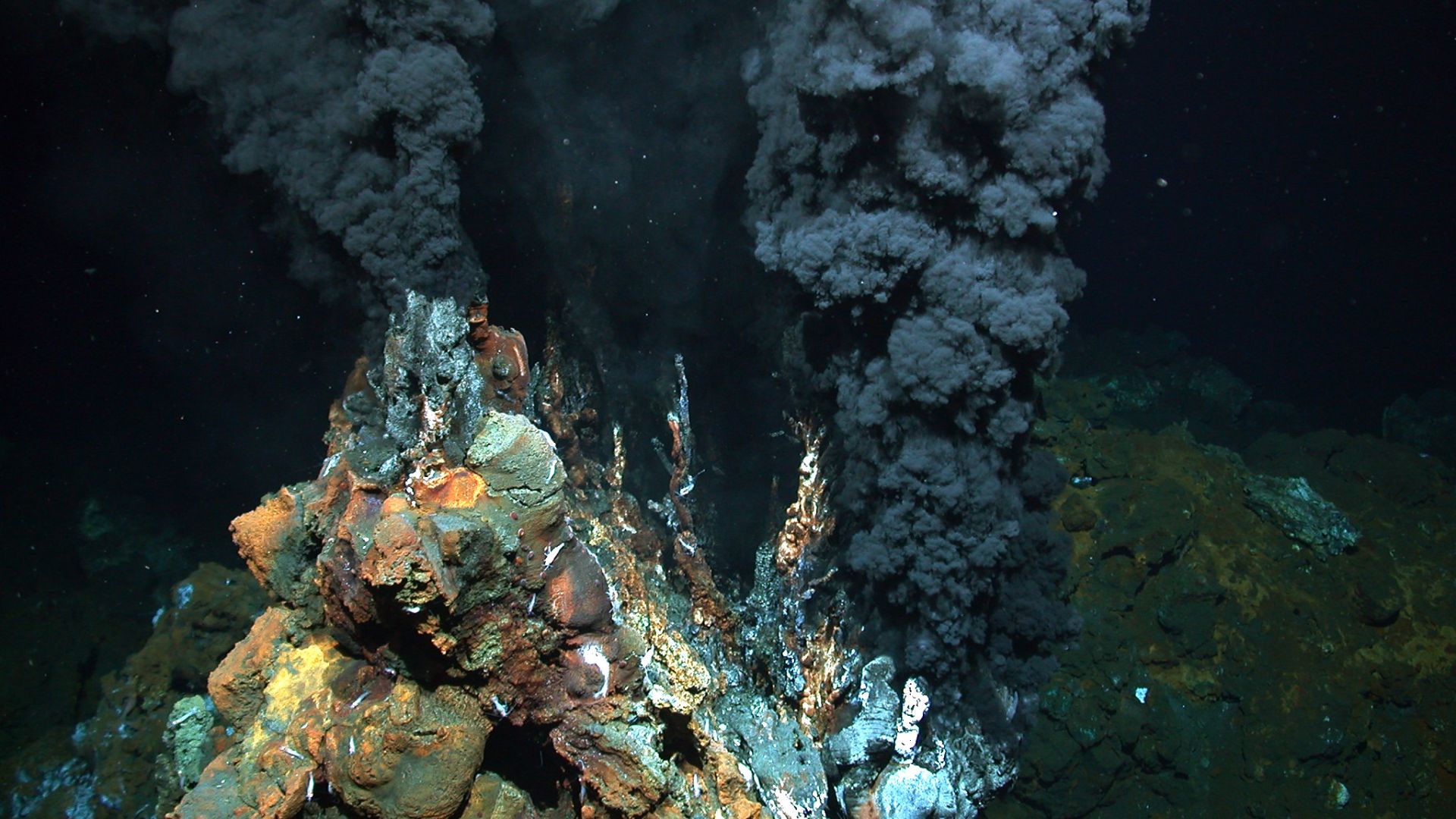 MARUM Zentrum fur Marine Umweltwissenschaften, Universitat Bremen, Wikimedia Commons
Land-Based Origins Too?
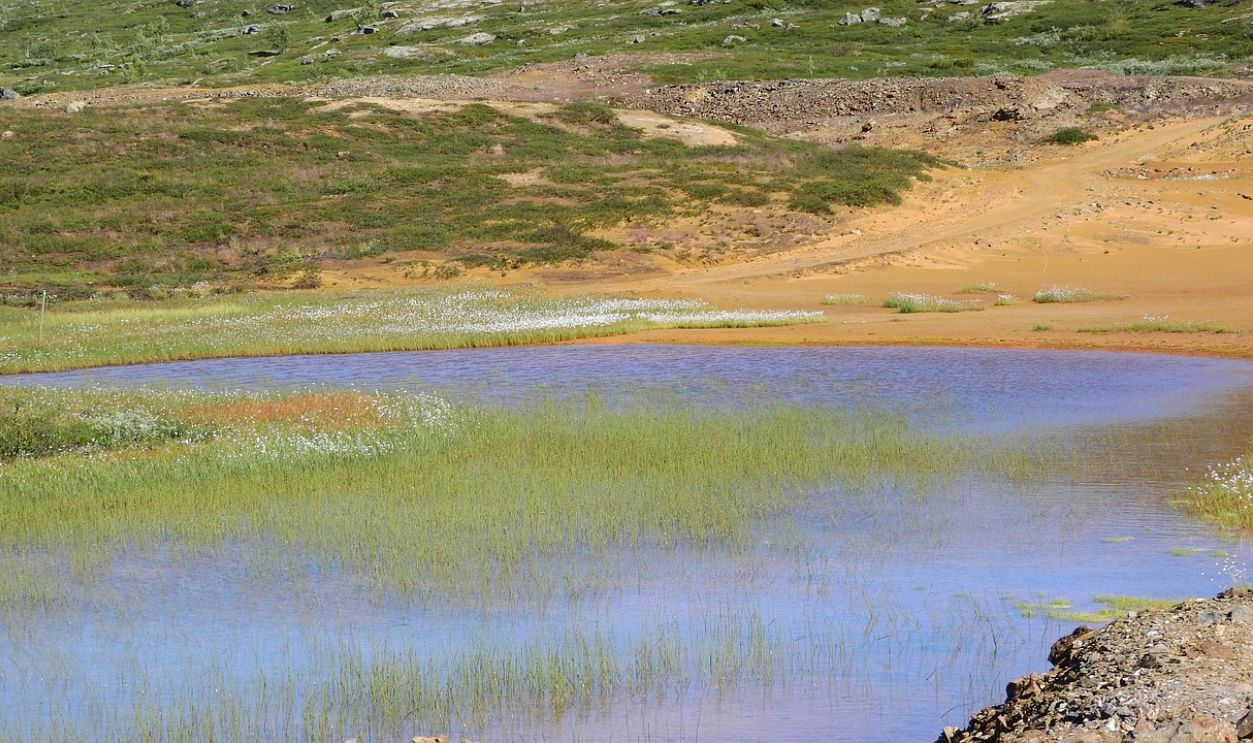
Other researchers argue for surface environments like shallow ponds or drying pools. These areas allow cycles of wetting and drying, which can help molecules bond together. Minerals like clay may also have acted as catalysts for early reactions.
Competing Chemical Systems
Rather than one successful pathway, early Earth may have hosted multiple chemical systems forming simultaneously. Some may have been short-lived, while others developed more stability and complexity over time.
Early Life Was Likely Messy
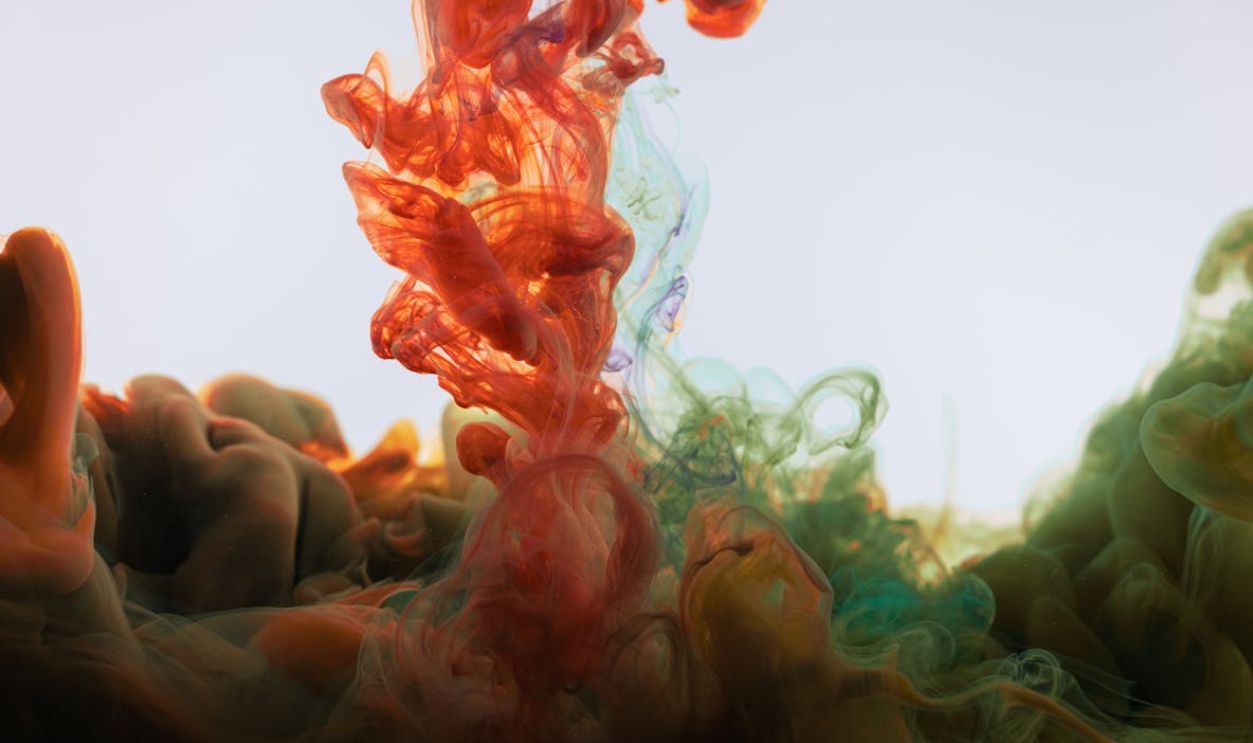
This new perspective suggests early life wasn’t a clean, organized system. It was likely chaotic—full of incomplete reactions, unstable molecules, and competing processes that only gradually became more refined.
The Genetic Code Puzzle
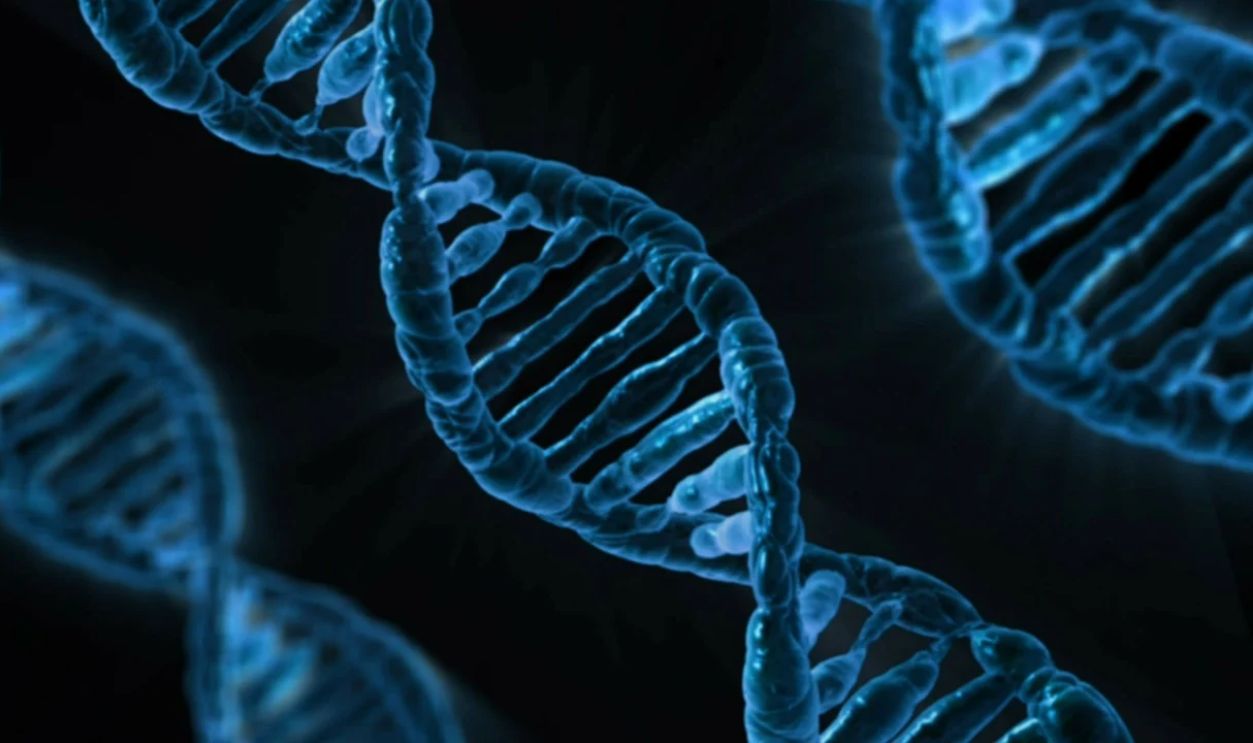
The genetic code—the system that links DNA to protein-building—may not have formed all at once. Instead, it could have evolved in stages, with different coding systems merging or replacing each other over time. Some scientists also point to the “RNA world” hypothesis, which suggests RNA may have come before DNA as an early self-replicating molecule.
Why Scientists Are Revisiting This Now
Modern tools like computational modeling and advanced protein analysis allow scientists to trace evolutionary patterns more accurately. These methods are revealing inconsistencies in older models that were based on more limited data.

A Shift, Not A Rewrite
Scientists aren’t abandoning existing theories entirely. The idea that life arose from chemistry still stands—but the process now looks far more complex, with multiple overlapping pathways instead of a single clear sequence.

What This Means For Earth
Understanding how life began helps explain how resilient it is. If life emerged through multiple pathways, it may be more adaptable to extreme environments than previously thought.

What This Means For Space
If life doesn’t require a perfect, linear sequence to form, it could arise in a wider range of conditions. Amino acids have even been found in meteorites, suggesting some building blocks of life may have arrived from space. That increases the chances that life might exist on other planets or moons.
The Search For Alien Life
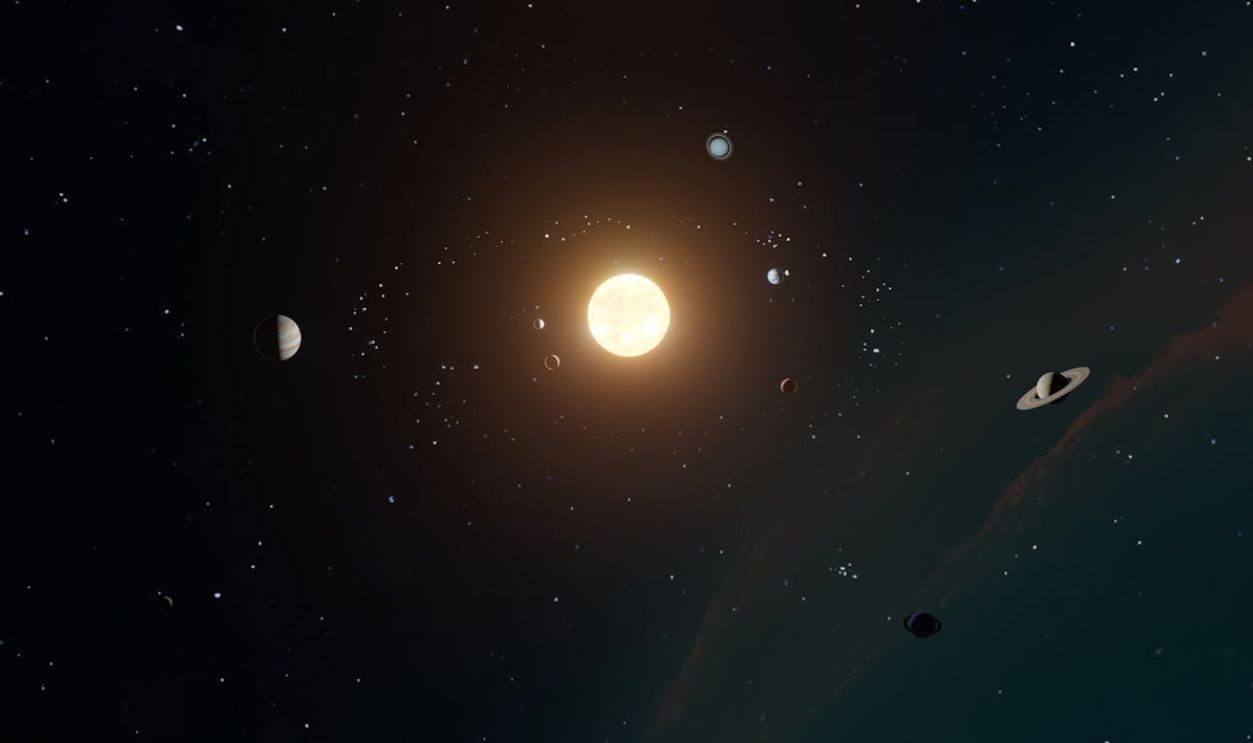
This shift could change how scientists search for life beyond Earth. Instead of looking for familiar patterns, they may need to consider a broader range of chemical signatures and environments.
A More Realistic Origin Story
Rather than a simple origin, the new view suggests life began through a complex mix of chemistry, environment, and chance. It’s less tidy—but likely closer to reality.
Still One Of Science’s Biggest Mysteries
Even with new insights, scientists still don’t know exactly how life began. Researchers have recreated some important chemical steps in the lab, but they have not reproduced the full transition from nonliving chemistry to life itself. There are still major gaps in the timeline and big unanswered questions.
The Takeaway
Scientists aren’t saying we were completely wrong—but they are saying the story of life’s beginnings is far more complicated than we once believed. And that complexity might actually make life more common than we ever imagined.
You Might Also Like:
NASA Scientist Says “Radical Mundanity” Could Explain Why Aliens Haven’t Contacted Us Yet
Why Toilet Doors Are Disappearing From Hotel And Restaurant Bathrooms