
A Fresh Look At An Ancient Mystery
For generations, historians have wondered how the world's earliest civilizations grew from scattered farming villages into thriving cities within just a few centuries. New archaeological research is offering a more detailed explanation. Instead of crediting a single invention or ruler, scientists now point to a combination of geography, climate, engineering, and trade that created the perfect conditions for rapid expansion. Factinate Ltd
Rivers Built The First Great Cities
The earliest civilizations emerged beside dependable rivers that supplied fresh water, fertile soil, and transportation. Mesopotamia developed between the Tigris and Euphrates rivers, while Egypt flourished along the Nile. Reliable harvests allowed populations to increase far beyond what hunting and gathering could support.
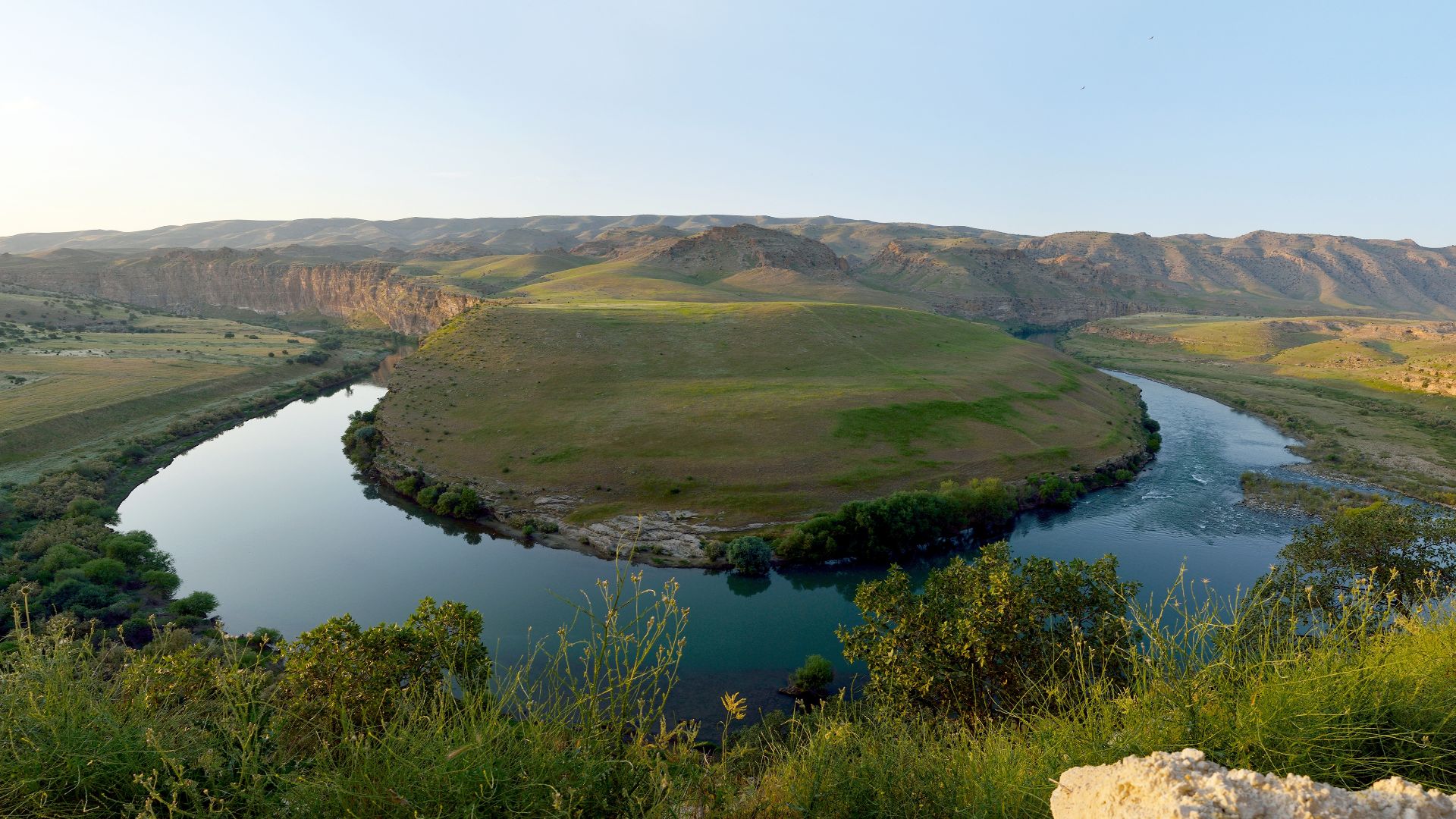 Durzan cirano, Wikimedia Commons
Nature Worked With Human Innovation
Recent research suggests nature played a more active role than previously believed. A new study proposes that ancient tides, river channels, and sediment deposits around the Persian Gulf helped shape the landscape where Sumerian civilization emerged. These natural systems created productive environments that supported farming and encouraged permanent settlement.
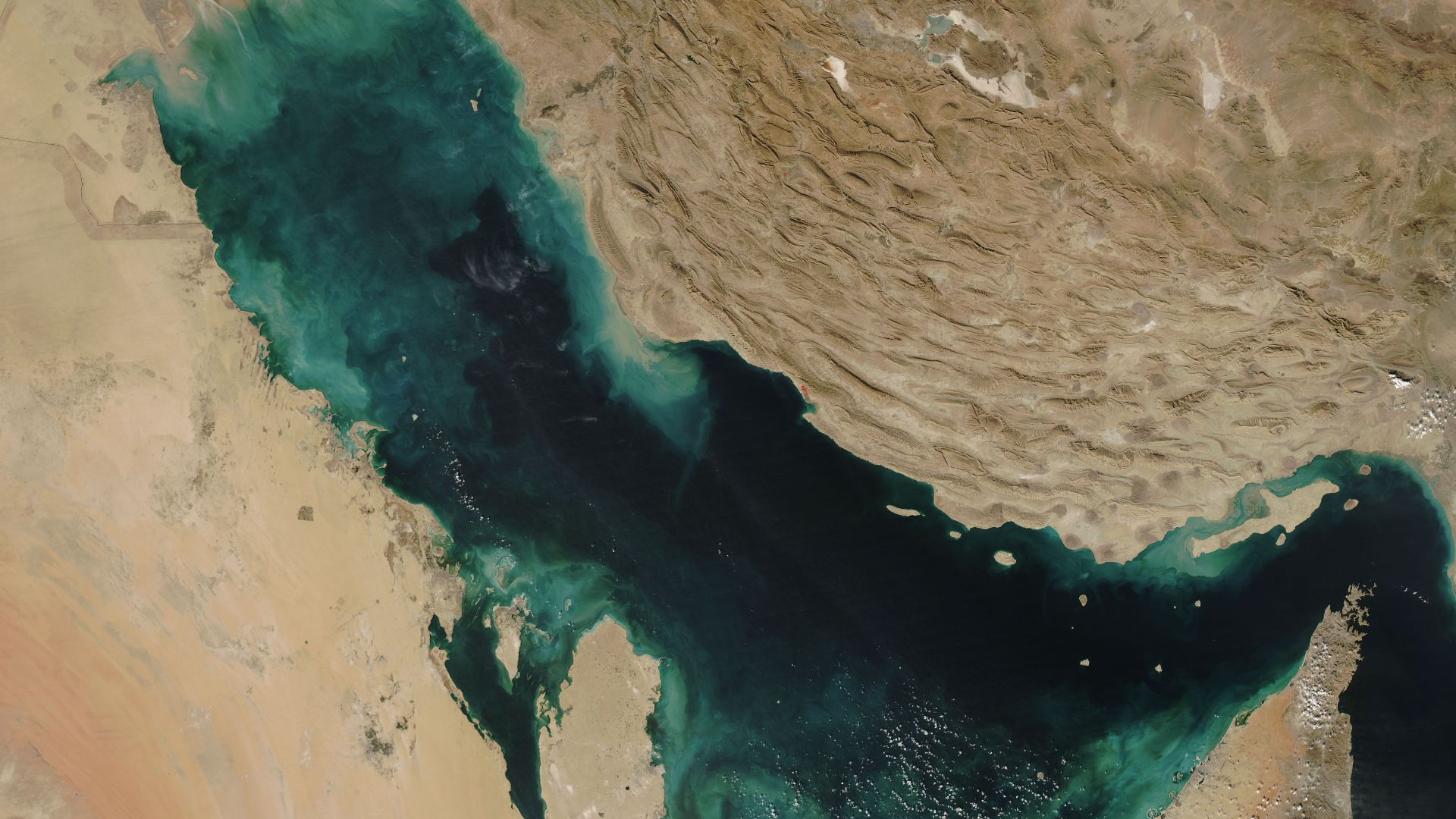
Water Became Civilization's Greatest Resource
People quickly learned they could improve nature's advantages. Irrigation canals directed river water into fields during dry periods and reduced the risk of crop failures. Larger harvests meant communities could support specialists who no longer needed to spend every day producing food.
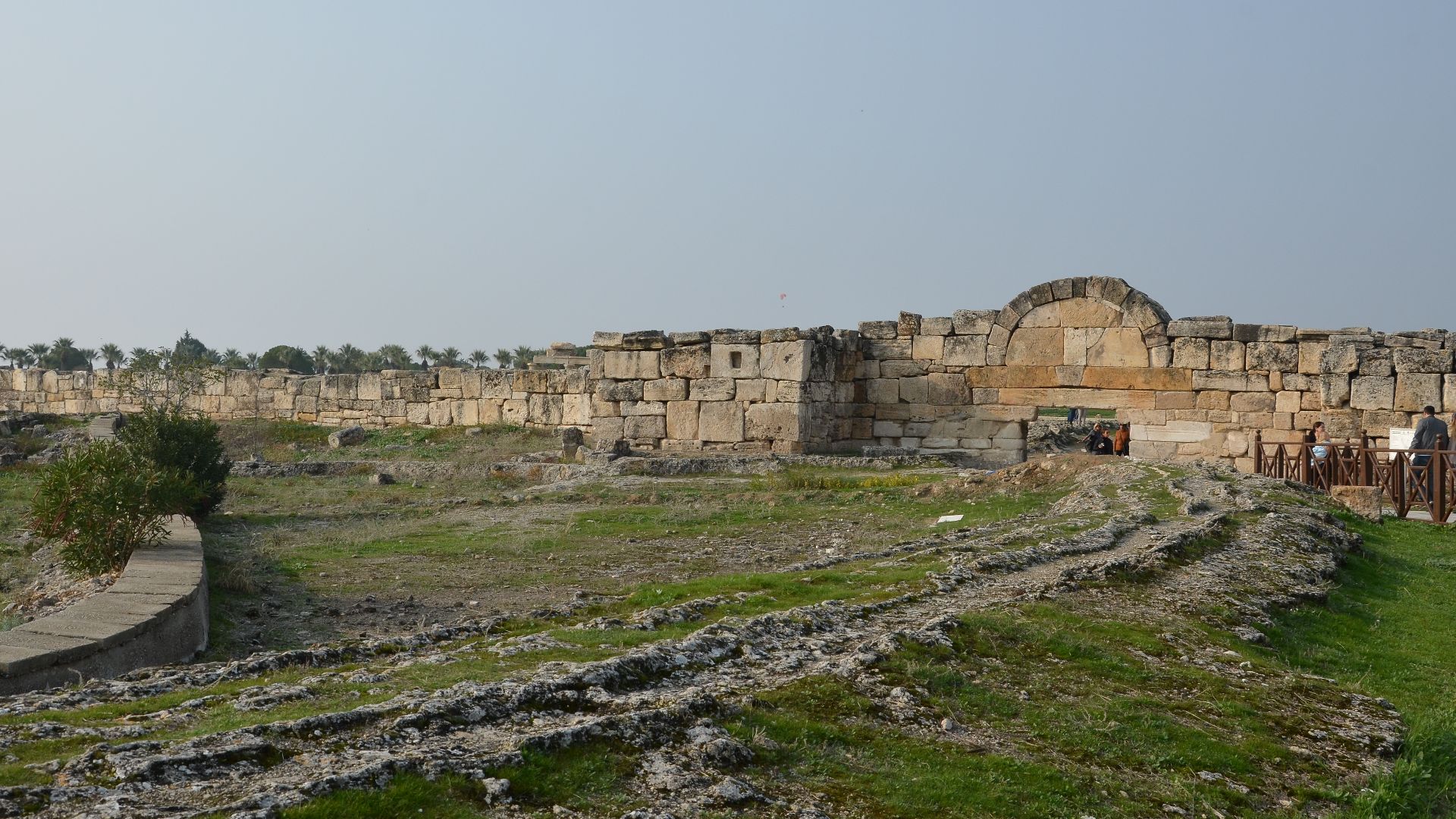 shankar s. from Dubai, united arab emirates, Wikimedia Commons
Food Surpluses Changed Everything
Extra grain transformed society in remarkable ways. Families could store food for difficult seasons instead of living harvest to harvest. Surplus production also allowed leaders to collect taxes, organize labor, and finance ambitious construction projects.
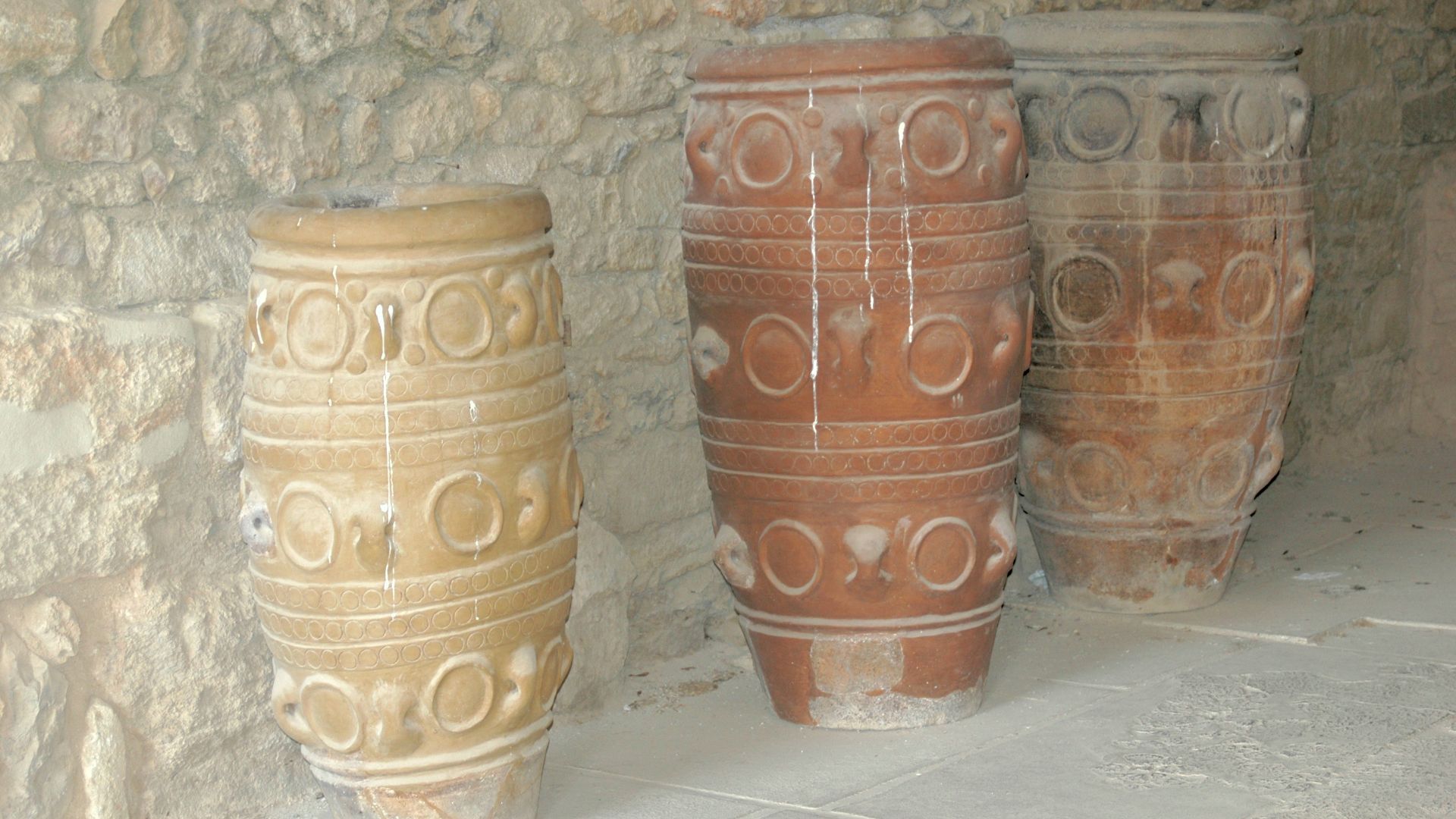 Harrieta171, Wikimedia Commons
Villages Grew Into Urban Centers
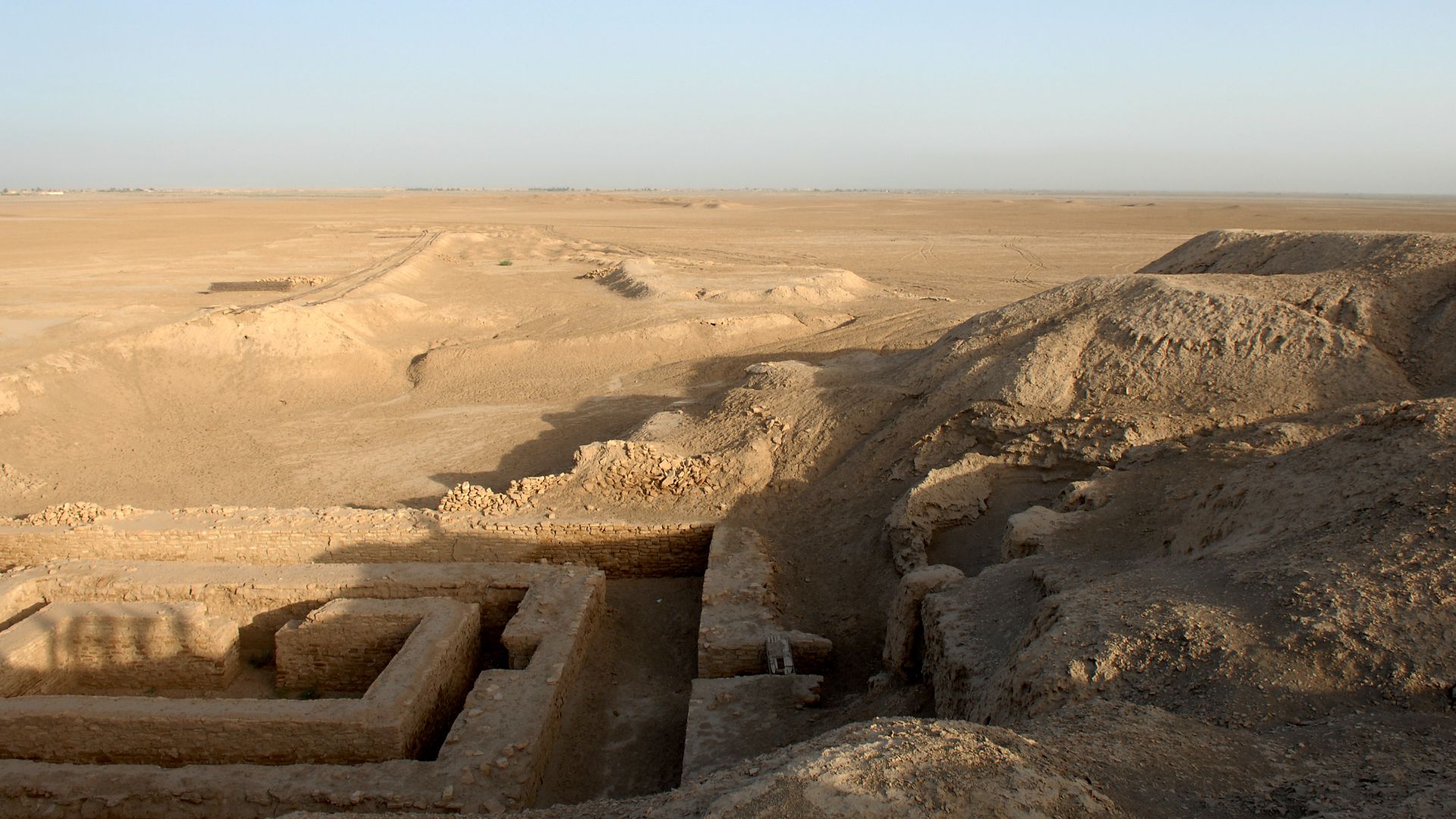
As populations increased, small farming settlements expanded into true cities. Uruk, often considered the world's first large city, became home to tens of thousands of people during the fourth millennium BCE. Its growth demonstrated that urban life could succeed on an unprecedented scale.
 SAC Andy Holmes (RAF), Wikimedia Commons
Trade Reached Far Beyond Local Borders
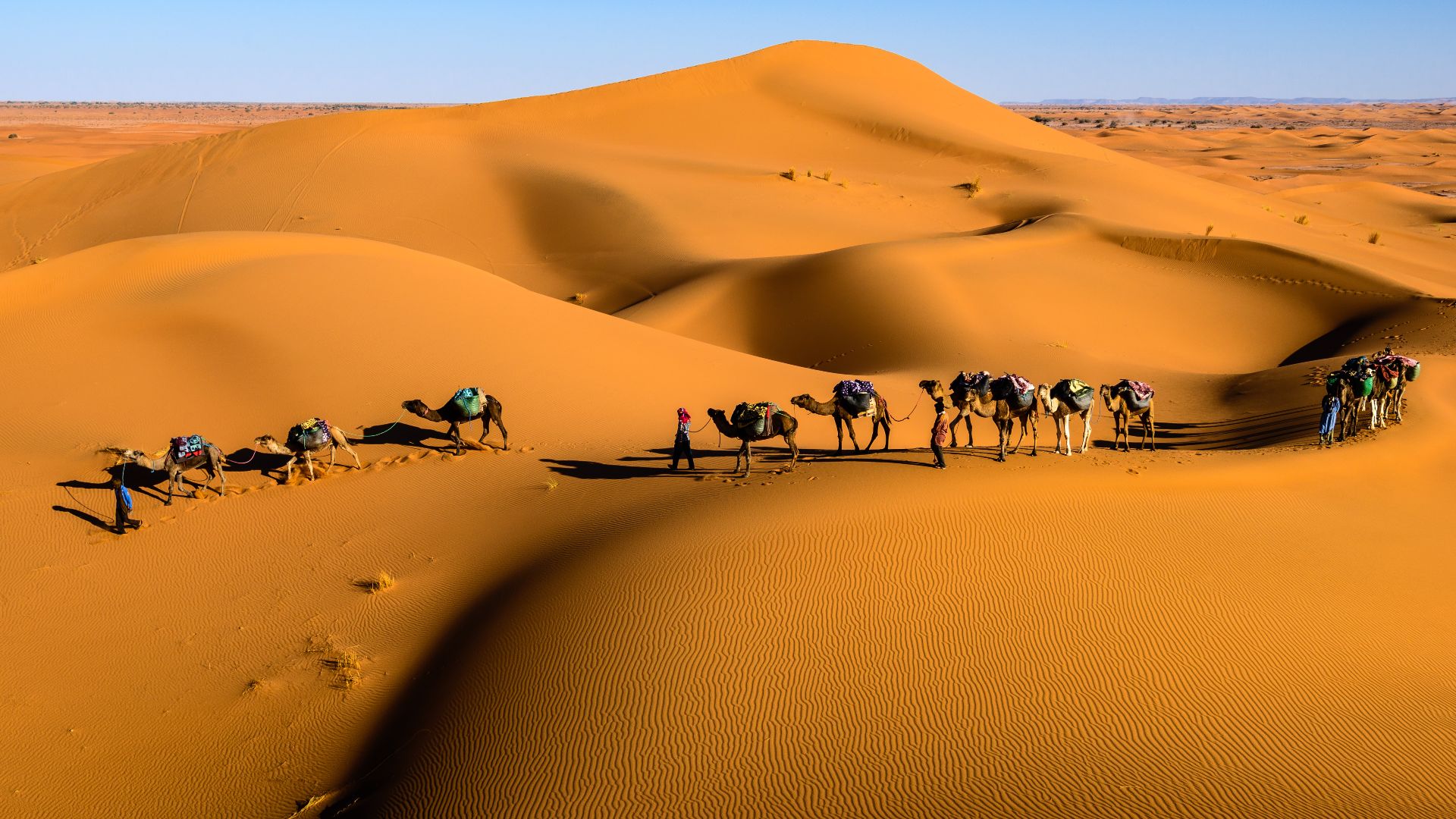
The first civilizations rarely remained isolated. Merchants transported copper, timber, stone, textiles, and luxury goods across long distances. These commercial networks spread technology, ideas, and wealth alongside physical products.
 Sergey Pesterev, Wikimedia Commons
Boats Became Ancient Highways
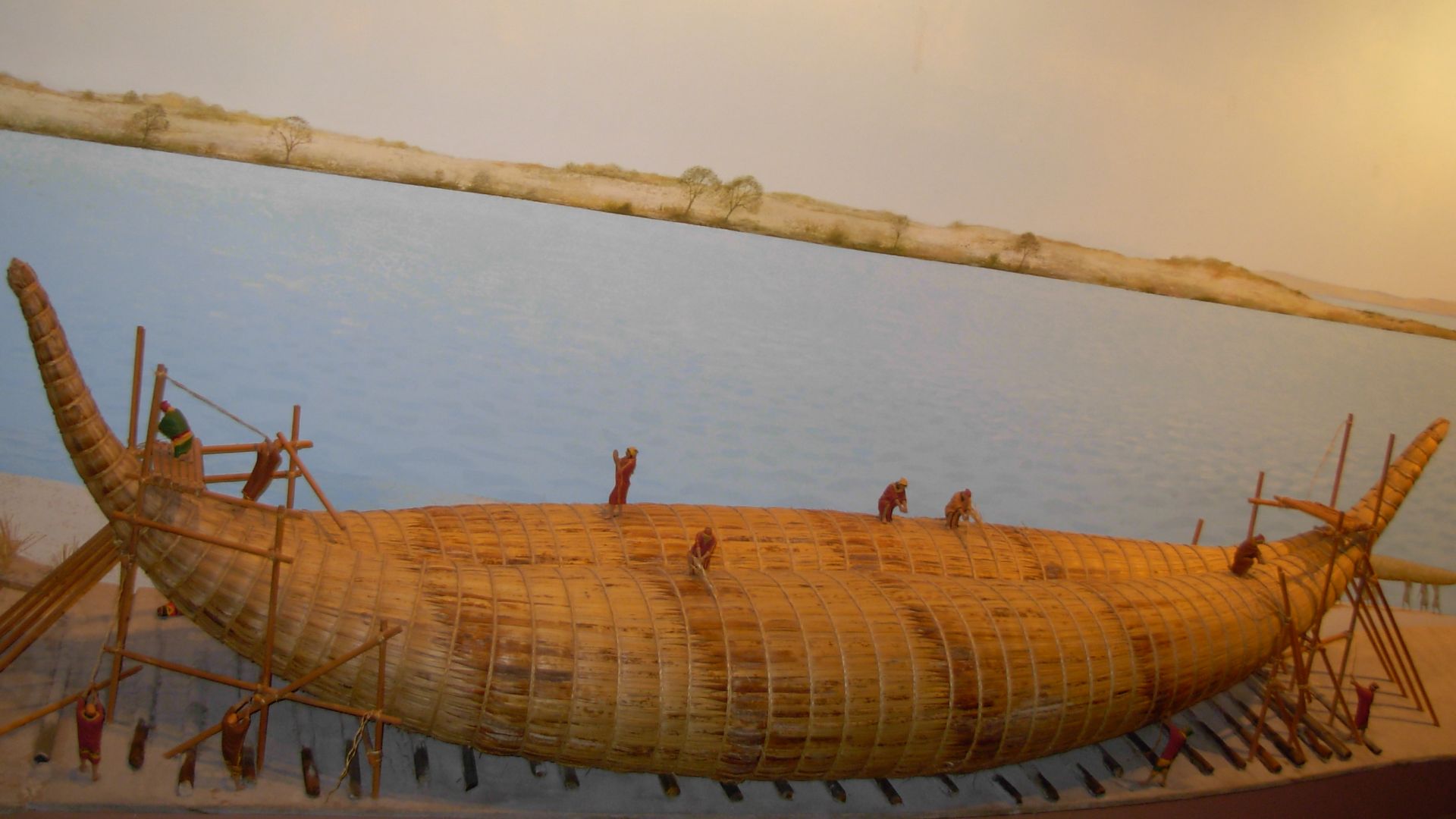
Rivers served as efficient transportation corridors long before paved roads existed. Boats carried heavier cargo than people or animals traveling on land. This made regional trade faster, cheaper, and more dependable.
 myself (User:Piotrus), Wikimedia Commons
Writing Made Expansion Easier
Growing cities created growing administrative challenges. Early writing systems such as Mesopotamian cuneiform allowed officials to record taxes, trade, laws, and inventories. Better recordkeeping helped governments manage increasingly complex societies.
 Bjorn Christian Torrissen, Wikimedia Commons
Governments Became More Organized
Written records improved decision making. Leaders could monitor harvests, direct construction projects, and oversee expanding populations. Administrative efficiency became one of civilization's greatest strengths.

Temples Became Economic Centers
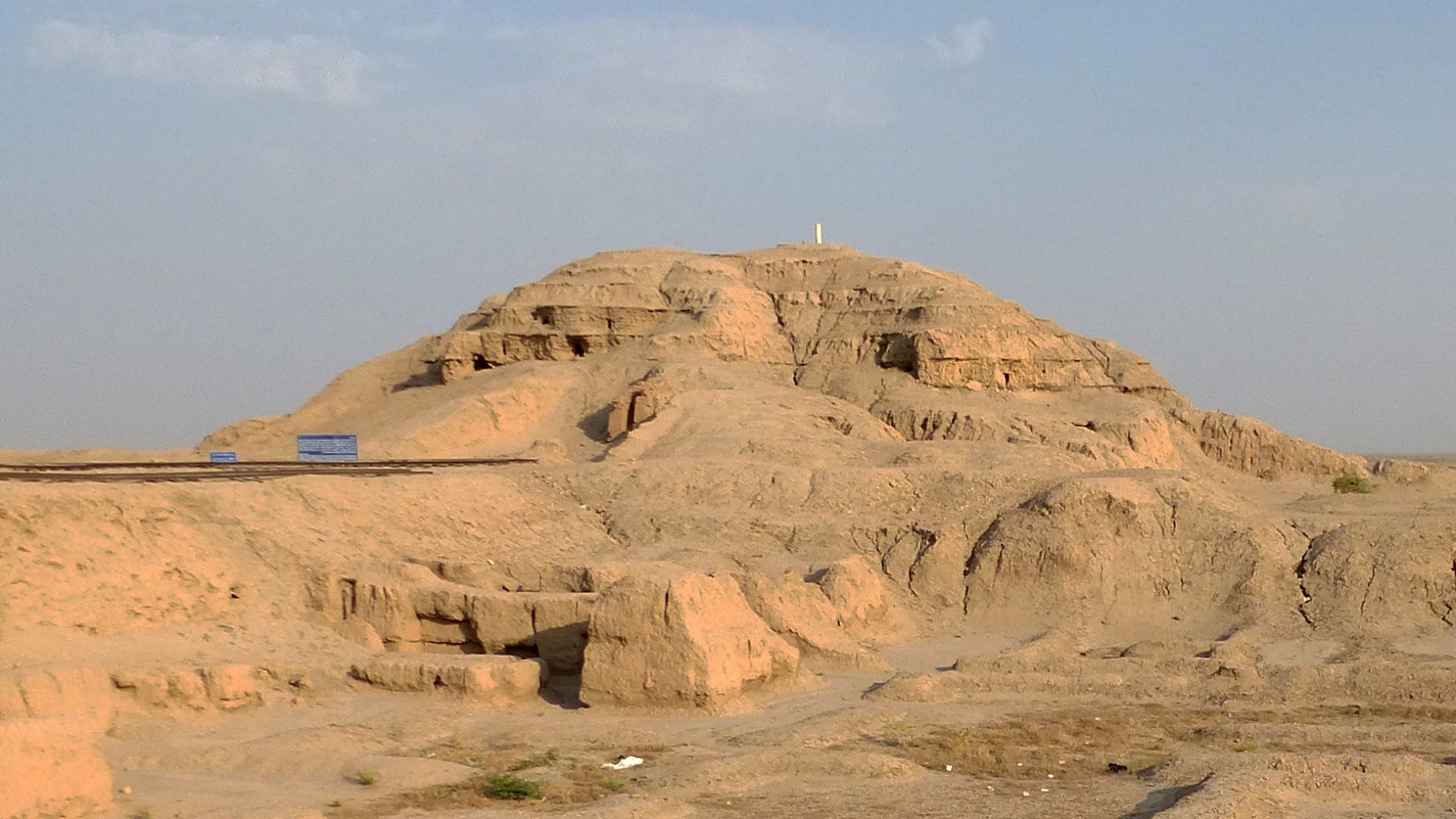
Ancient temples served far more than religious purposes. They stored grain, organized labor, distributed resources, and supervised large public works. Religious institutions often functioned as major economic centers within early cities.
 tobeytravels, Wikimedia Commons
Skilled Workers Increased Productivity
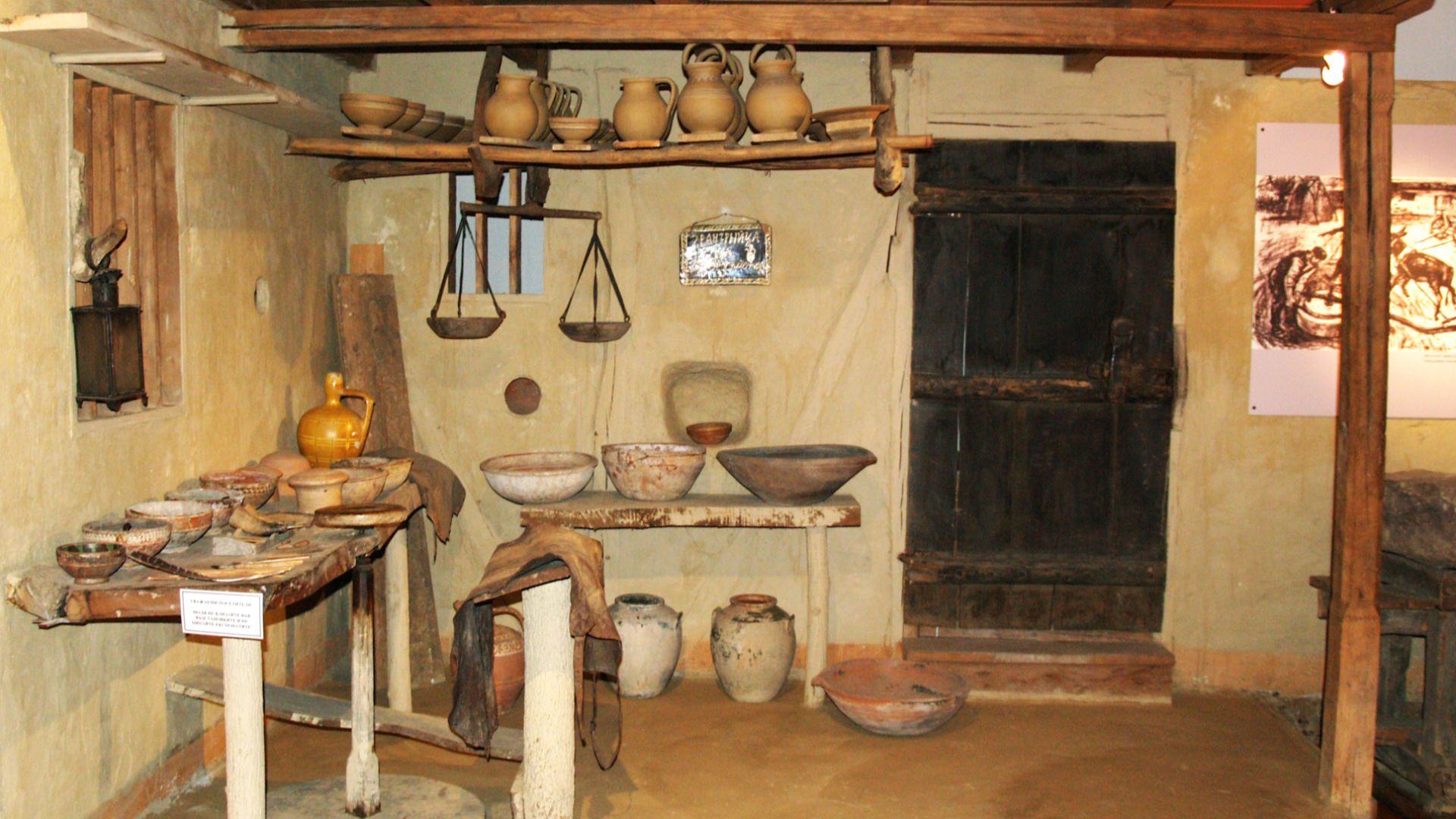
Food surpluses allowed many people to specialize. Some became metalworkers, builders, potters, merchants, or scribes instead of farmers. Specialization increased efficiency and encouraged technological innovation.
 Edal Anton Lefterov, Wikimedia Commons
Cities Attracted More People
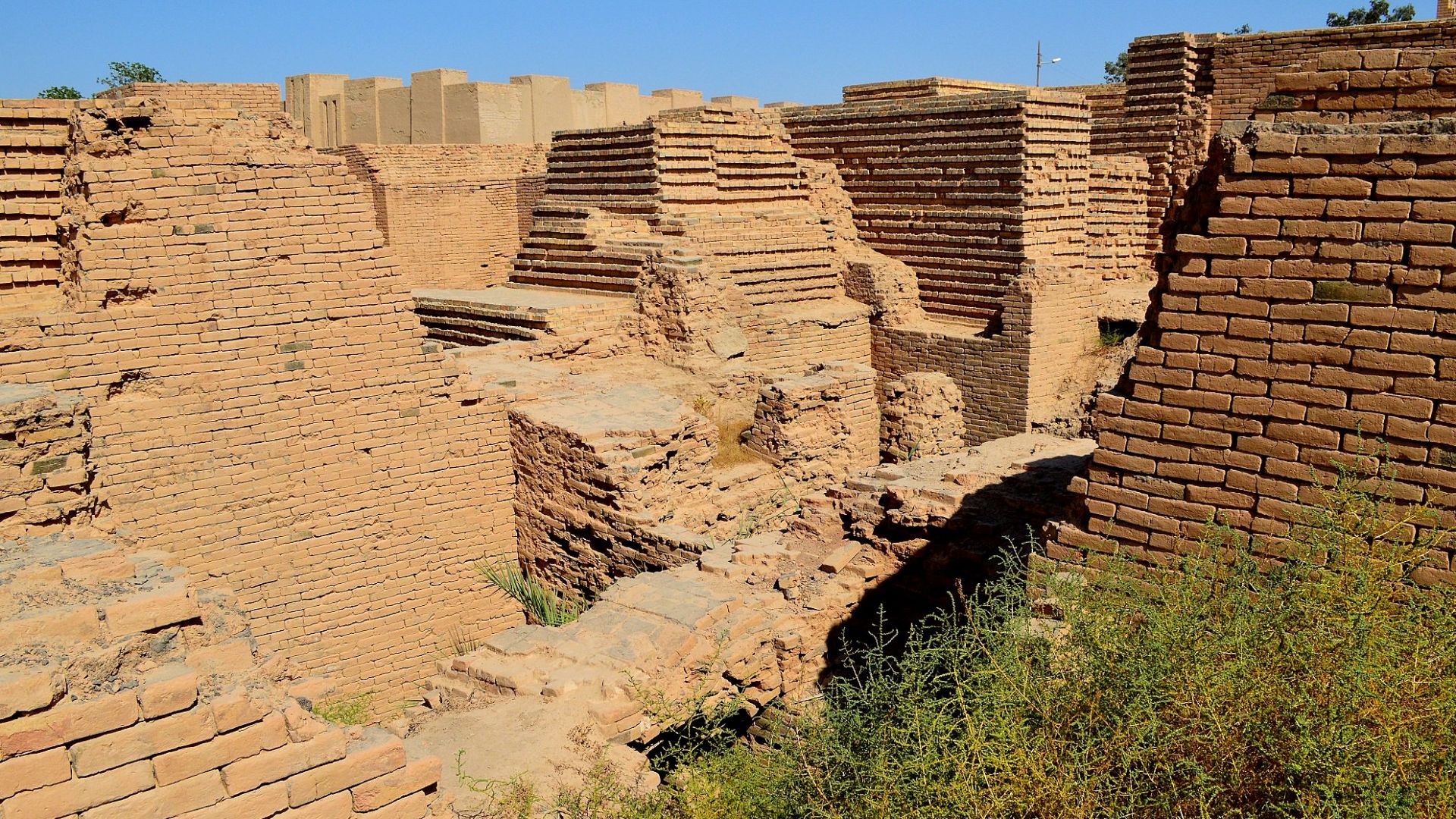
Successful cities naturally drew newcomers. Farmers sought economic opportunity, traders looked for customers, and skilled workers found steady employment. Population growth accelerated as prosperous settlements became regional hubs.
 Osama Shukir Muhammed Amin FRCP(Glasg), Wikimedia Commons
New Research Highlights Coastal Landscapes
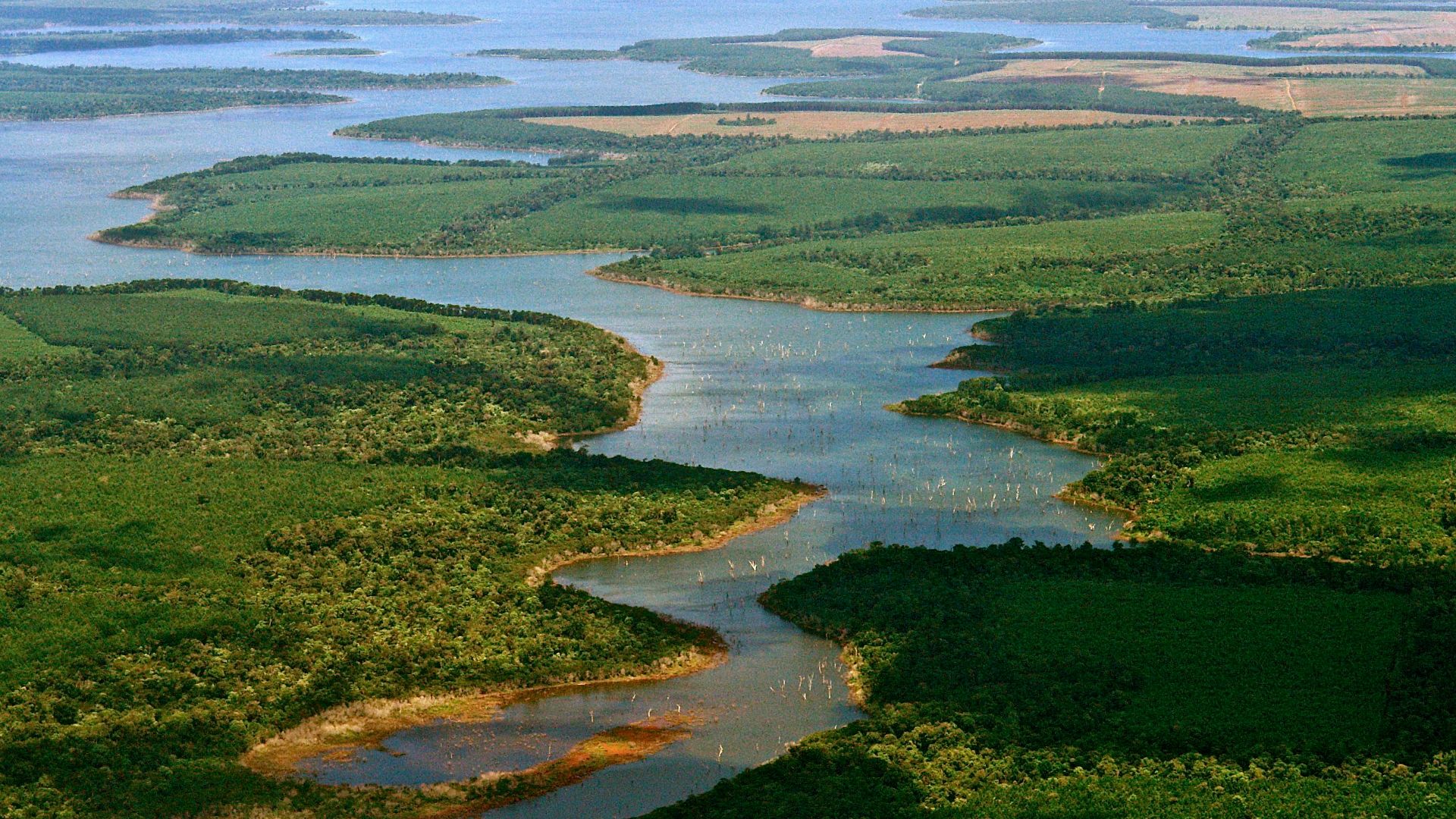
The latest geological research challenges older assumptions about southern Mesopotamia. Scientists argue that shifting shorelines, tidal wetlands, and sediment-rich environments created exceptionally productive landscapes for early agriculture. These natural features may have helped cities expand faster than researchers once believed.
 Evelyn Proimos, Wikimedia Commons
Cooperation Powered Massive Projects
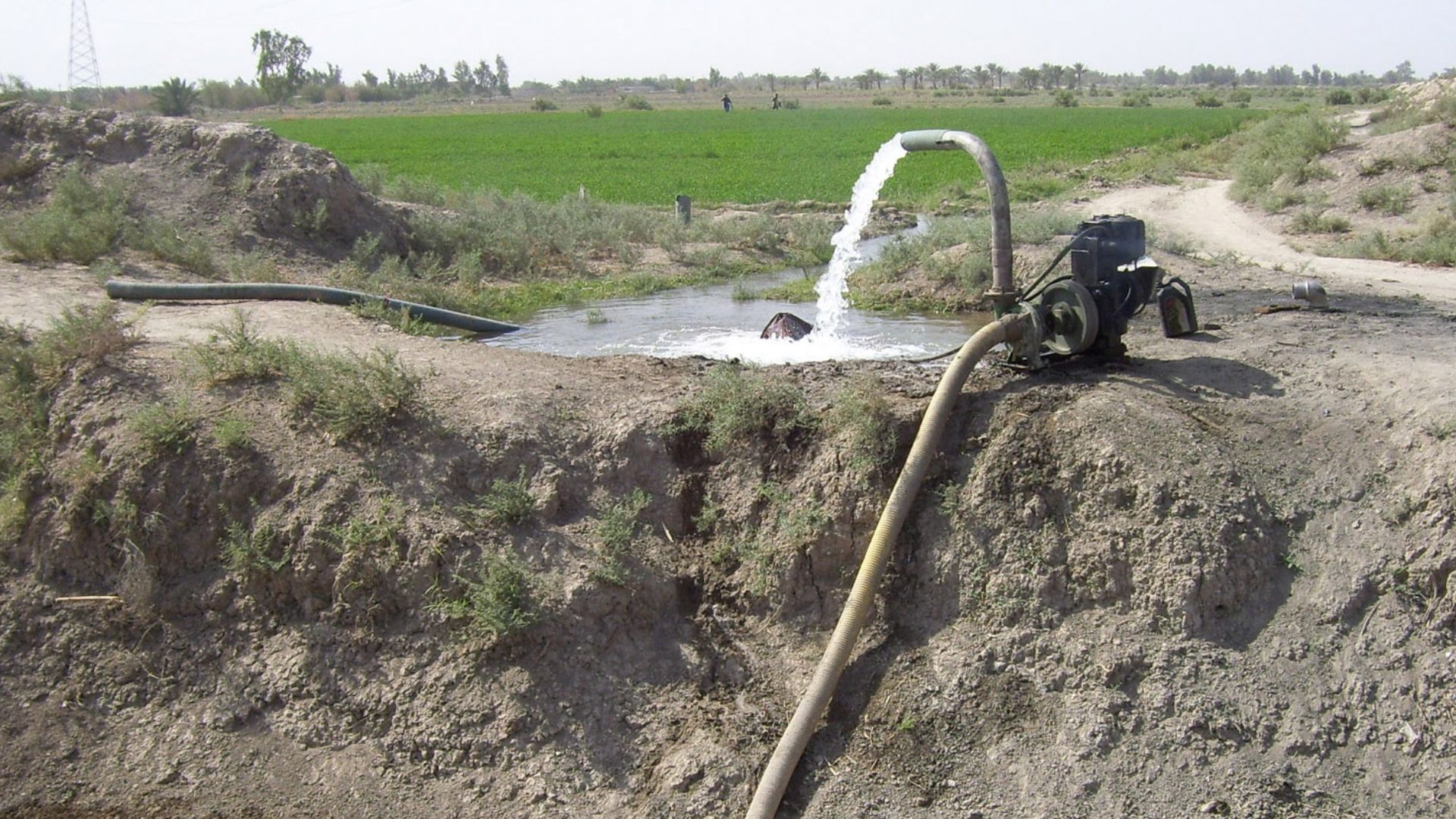
Large irrigation canals, defensive walls, and monumental buildings required thousands of workers. Organizing these projects demanded cooperation among governments, laborers, and religious authorities. Successful coordination strengthened political institutions.
 Tim Hunt, U.S. Army, Wikimedia Commons
Competition Also Encouraged Growth
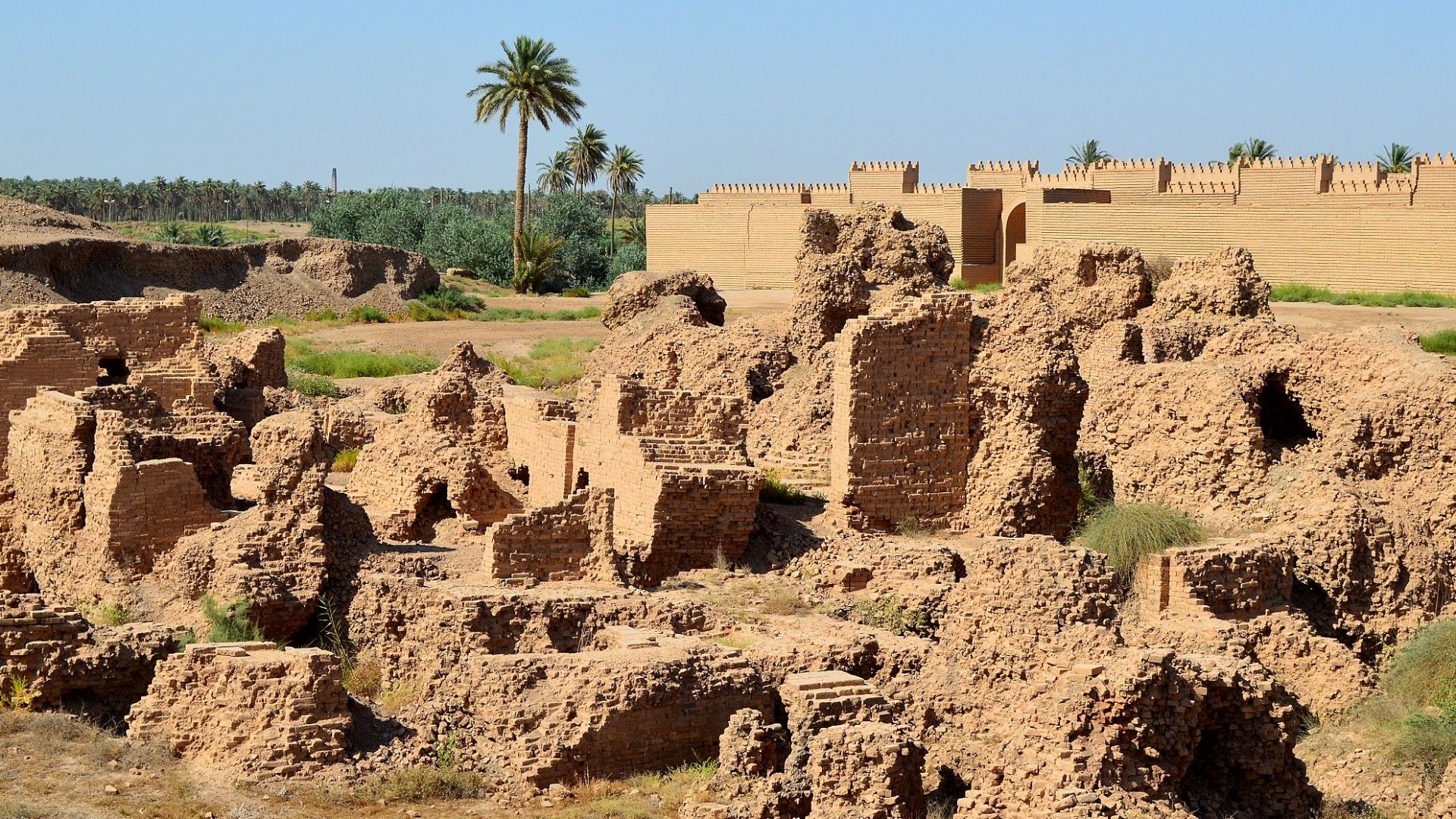
Neighboring cities often competed for land, trade routes, and influence. Rivalries encouraged innovation in agriculture, engineering, and administration. Competition sometimes produced conflict, but it also drove development.
 Osama Shukir Muhammed Amin FRCP(Glasg), Wikimedia Commons
Technology Spread Between Civilizations
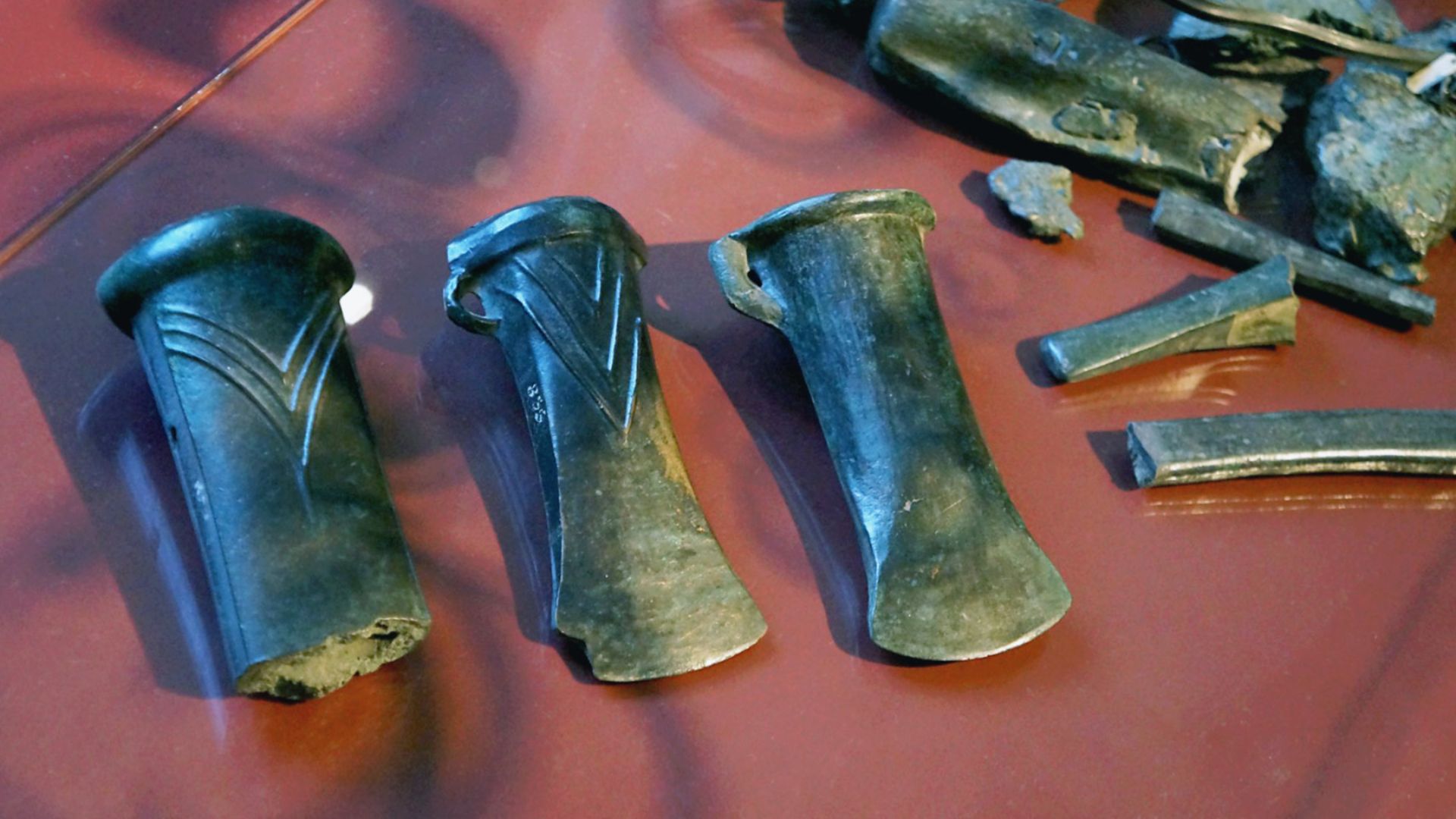
Ideas traveled alongside merchants. Better farming techniques, improved tools, and administrative practices moved from one region to another. Knowledge became one of the most valuable products exchanged across ancient trade networks.
Geography Connected Distant Peoples
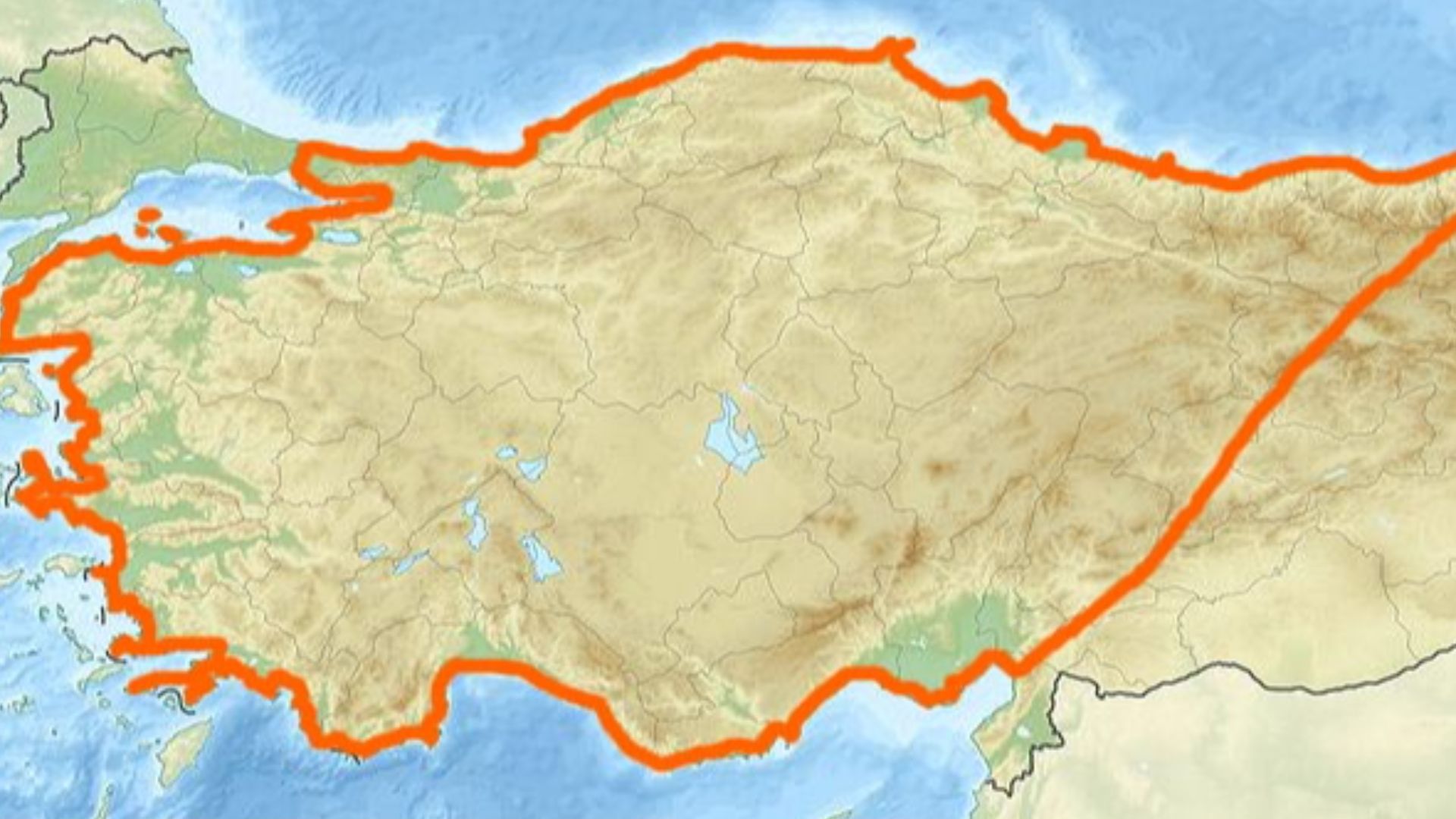
Mesopotamia occupied a strategic position linking the Persian Gulf, Anatolia, Iran, and the Levant. This location made it easier for ideas and goods to circulate widely. Geographic connectivity became a powerful engine for expansion.
 Spiridon Ion Cepleanu, Wikimedia Commons
Environmental Change Shaped Growth
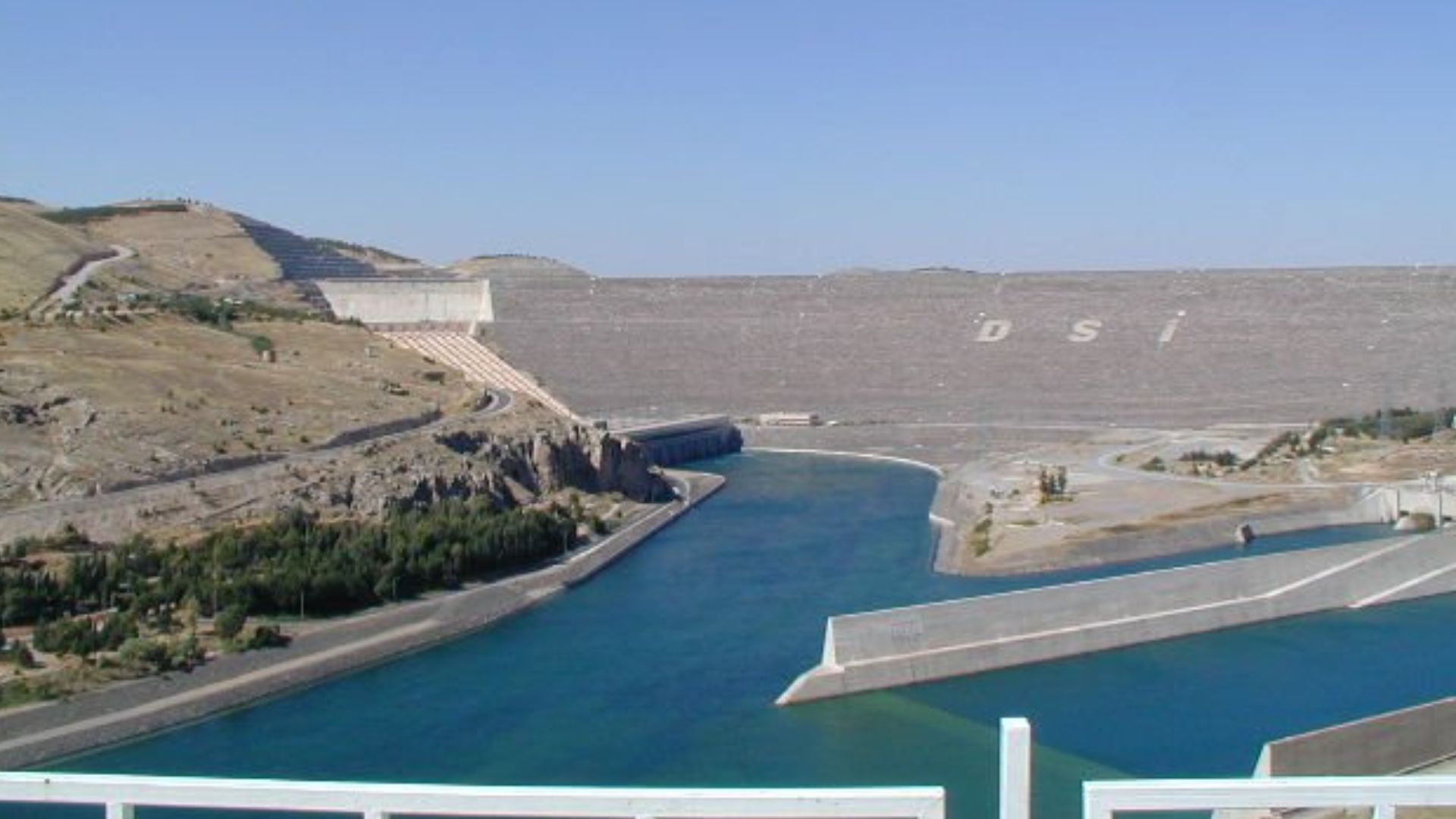
Civilizations constantly adapted to changing landscapes. Rivers shifted course, coastlines evolved, and flood patterns varied over time. Communities that responded successfully often gained important advantages over their neighbors.
 A certain white cat, Wikimedia Commons
Archaeology Keeps Revising History
Modern researchers combine excavations with satellite imagery, sediment analysis, and geological modeling. These techniques reveal details that earlier generations of archaeologists could not detect. Each discovery adds another piece to the story of civilization's origins.
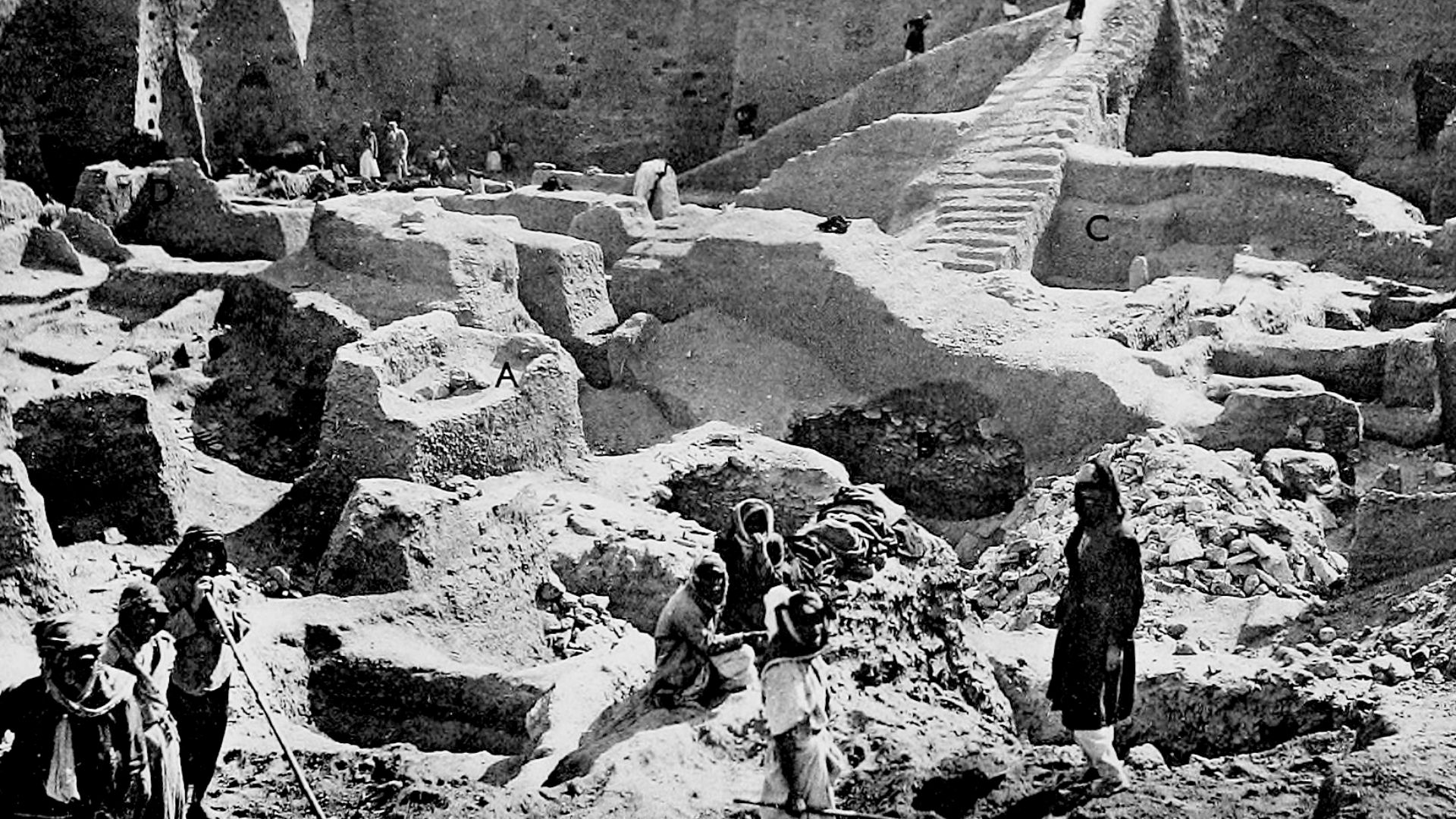
Ancient Cities Were Surprisingly Complex
The earliest urban centers featured planned neighborhoods, workshops, temples, administrative buildings, and busy marketplaces. City leaders coordinated large populations using systems that became increasingly sophisticated over time. These communities laid the foundation for later kingdoms and empires.
 Osama Shukir Muhammed Amin FRCP(Glasg), Wikimedia Commons
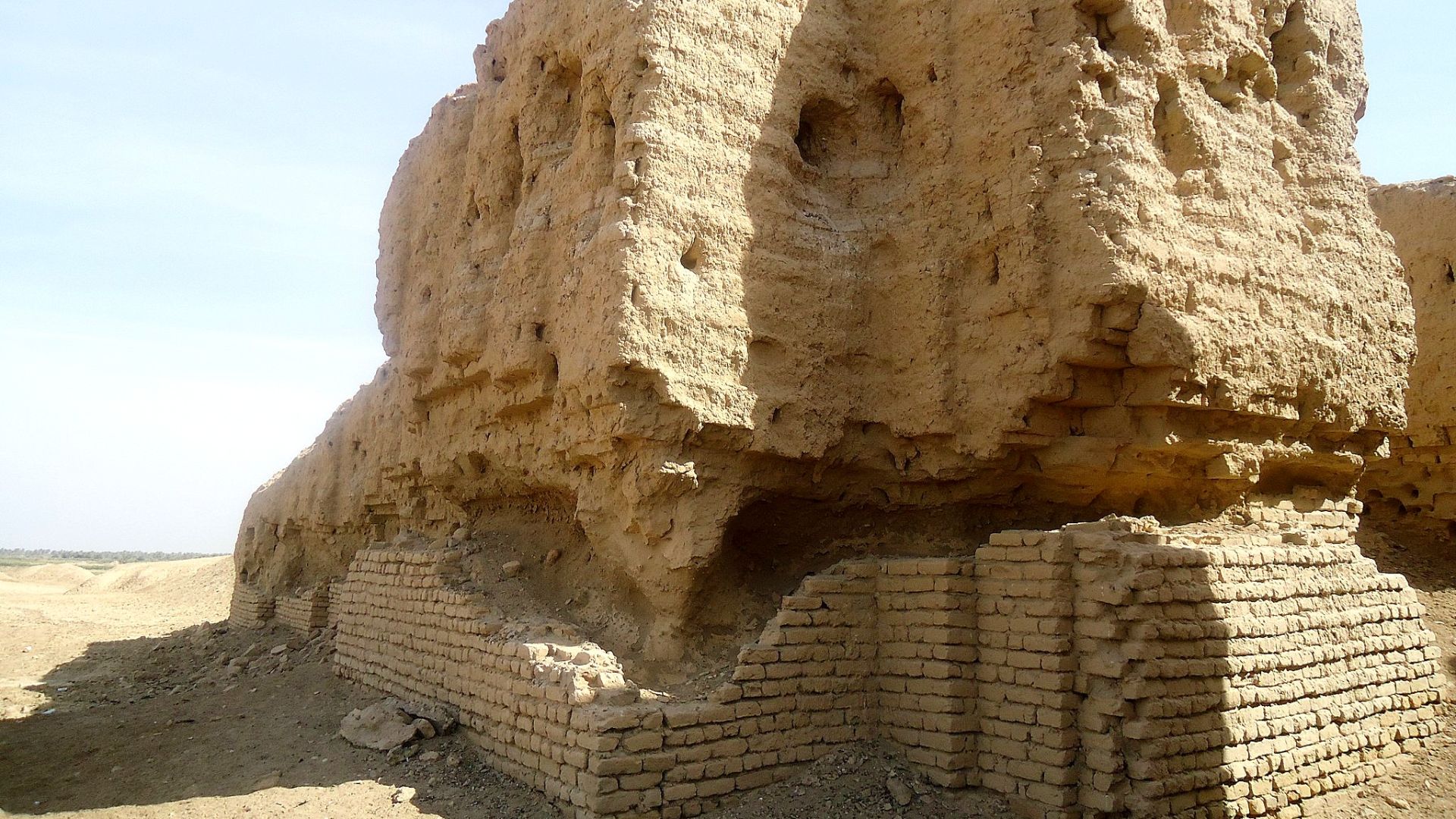
Expansion Was Never About One Discovery
Researchers increasingly reject simple explanations for civilization's rapid rise. Agriculture, geography, engineering, trade, administration, and environmental conditions all worked together. Each factor reinforced the others, creating powerful cycles of growth.
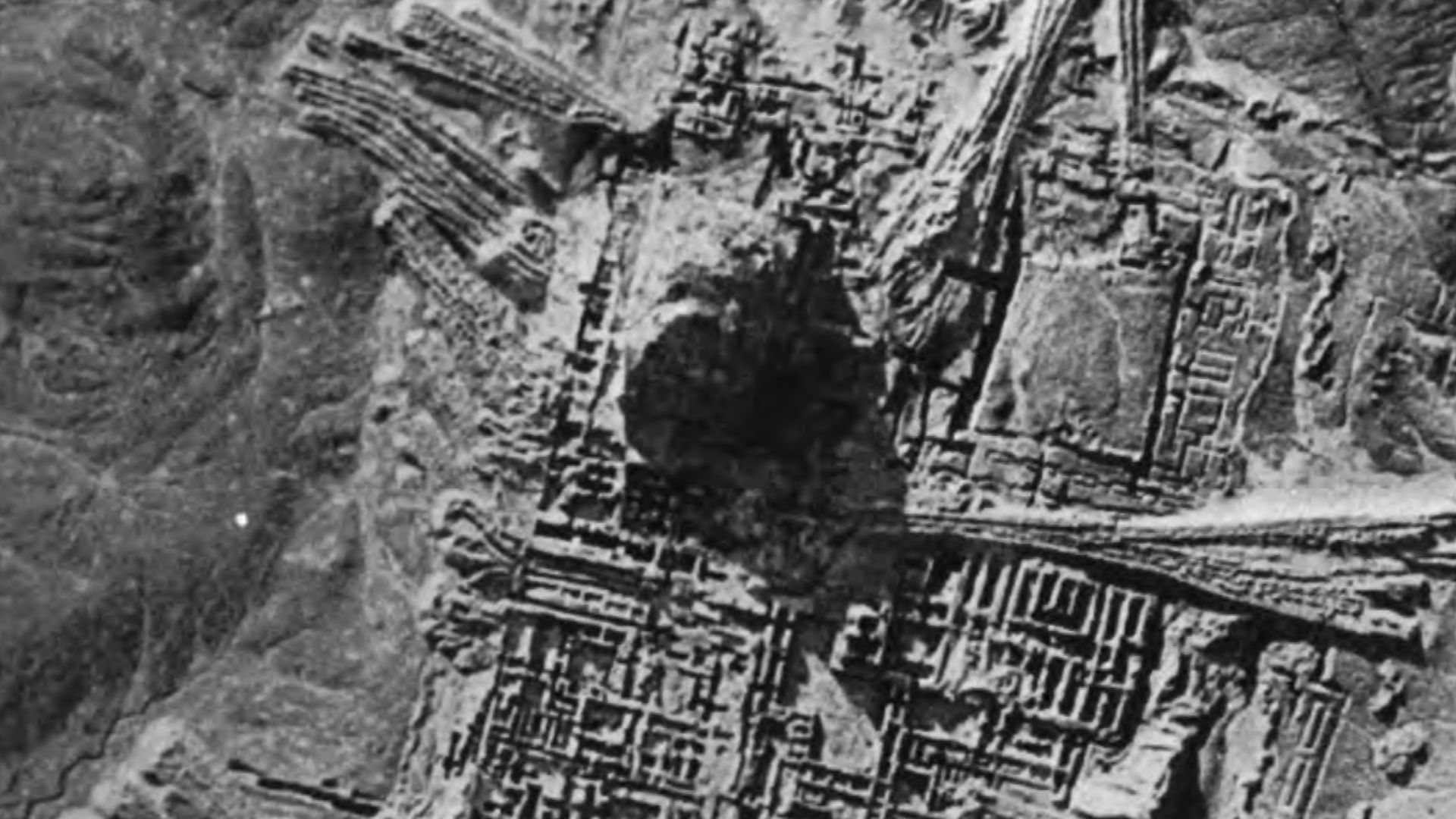 Royal Air Force official, Wikimedia Commons
Lessons Still Matter Today
Many challenges faced by early civilizations remain familiar today. Water management, infrastructure, trade, environmental change, and urban planning continue to shape modern societies. Ancient successes and failures still offer valuable insights.

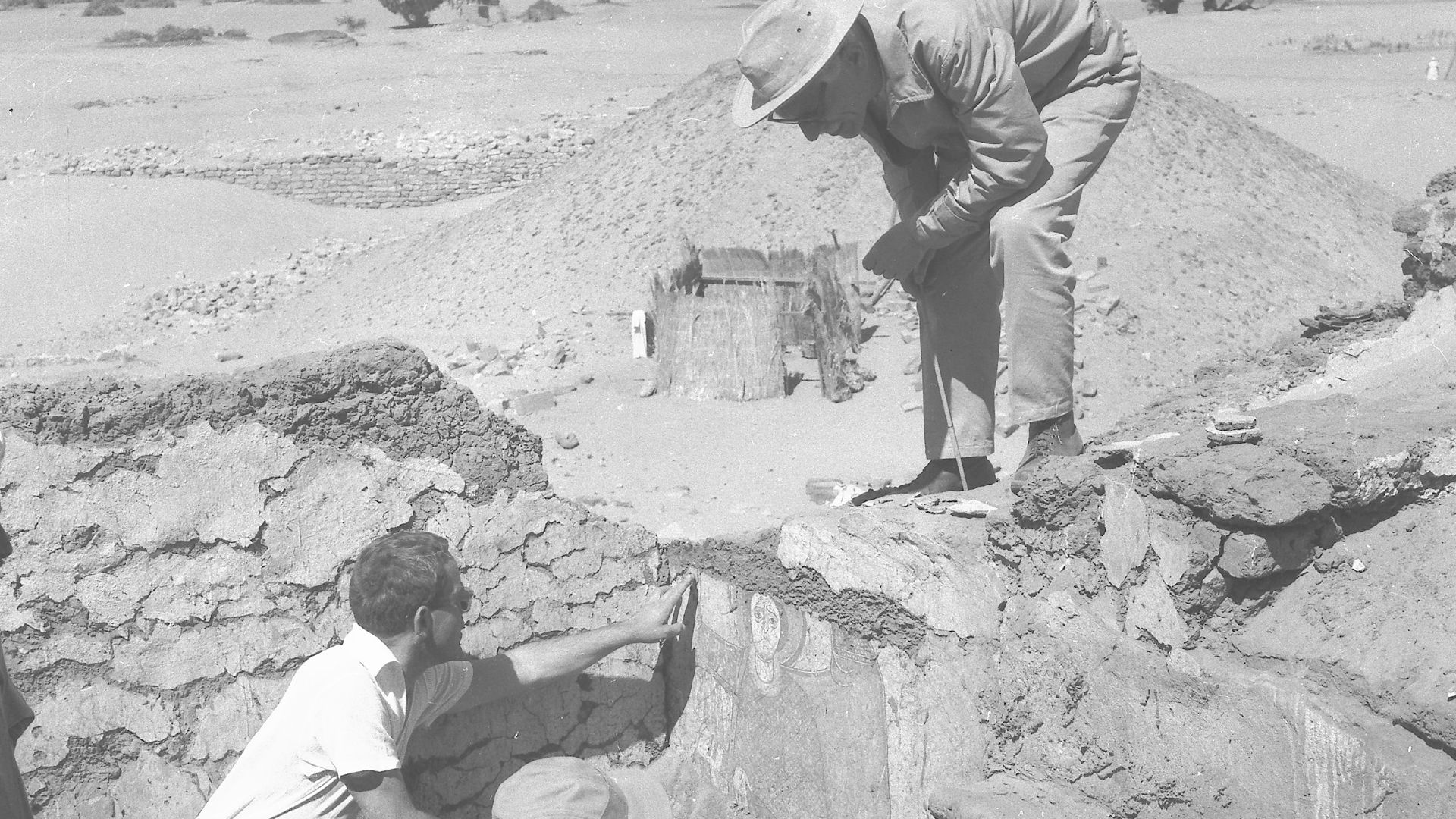
New Discoveries Continue To Change The Story
Archaeology remains an active and rapidly evolving science. Every excavation and new analytical technique has the potential to reshape accepted history. Researchers expect future discoveries to further refine our understanding of how the world's first civilizations expanded so quickly.
 Tadeusz Biniewski, Wikimedia Commons
The Ancient World Still Has Secrets
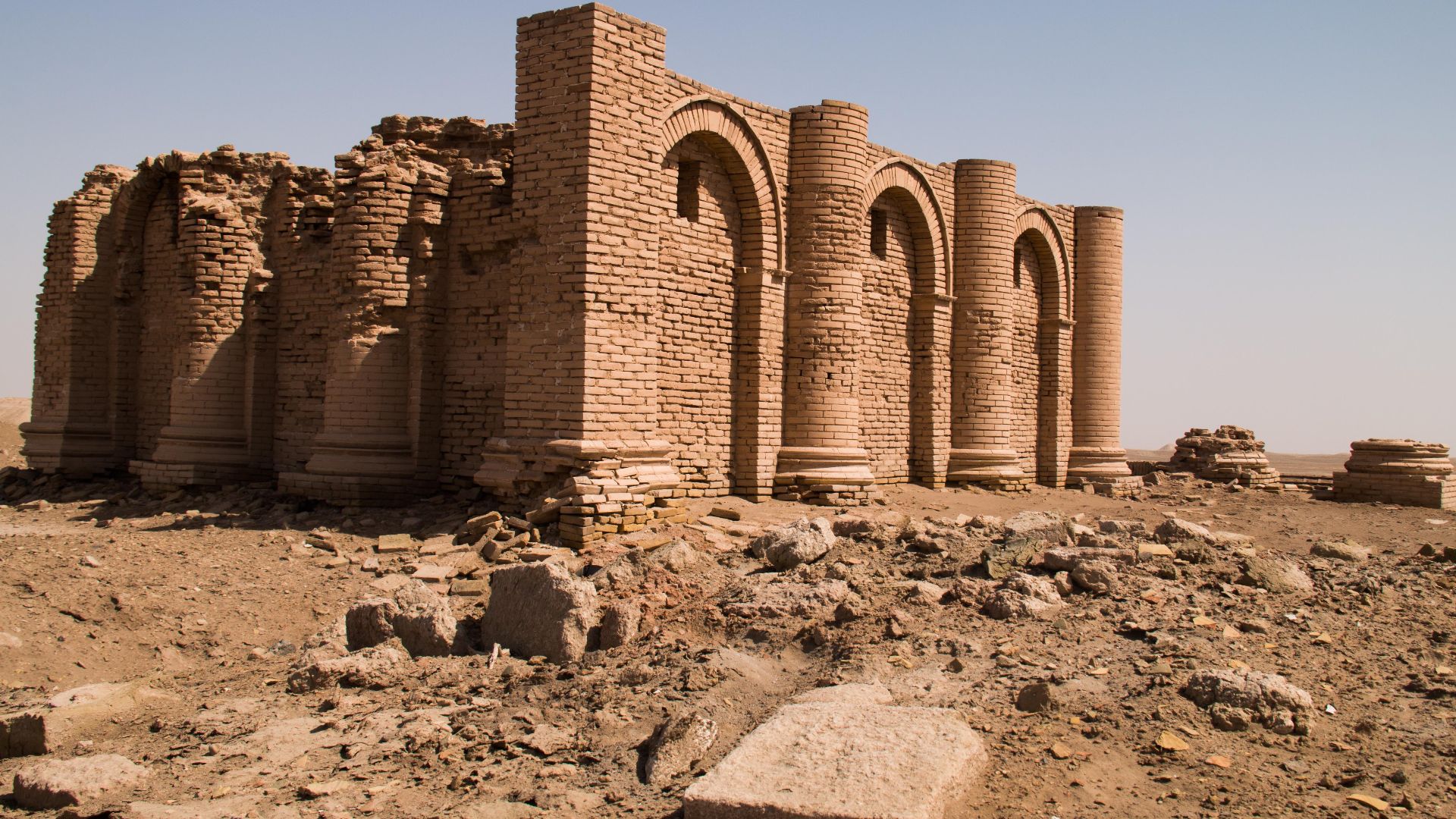
The rise of civilization was not the result of luck or a single breakthrough. It emerged from the interaction of natural environments and human ingenuity over many generations. New evidence reminds us that the story of humanity's earliest cities is still being written.
 Osama alqasab, Wikimedia Commons
You May Also Like:
The Lenape: The Native Tribe That Tipped The Balance of The Revolutionary War
Scientists uncover a toxic legacy of Ancient Rome that may have lowered intelligence across Europe