For Thousands Of Years, Something Was Missing
Early humans left behind a surprising amount of stuff—tools, markings, and entire cave walls filled with images. But human faces? Those are rare. So rare, in fact, that for thousands of years they almost never appeared—which makes the oldest ever found that much more remarkable.

Then Something Unusual Was Found
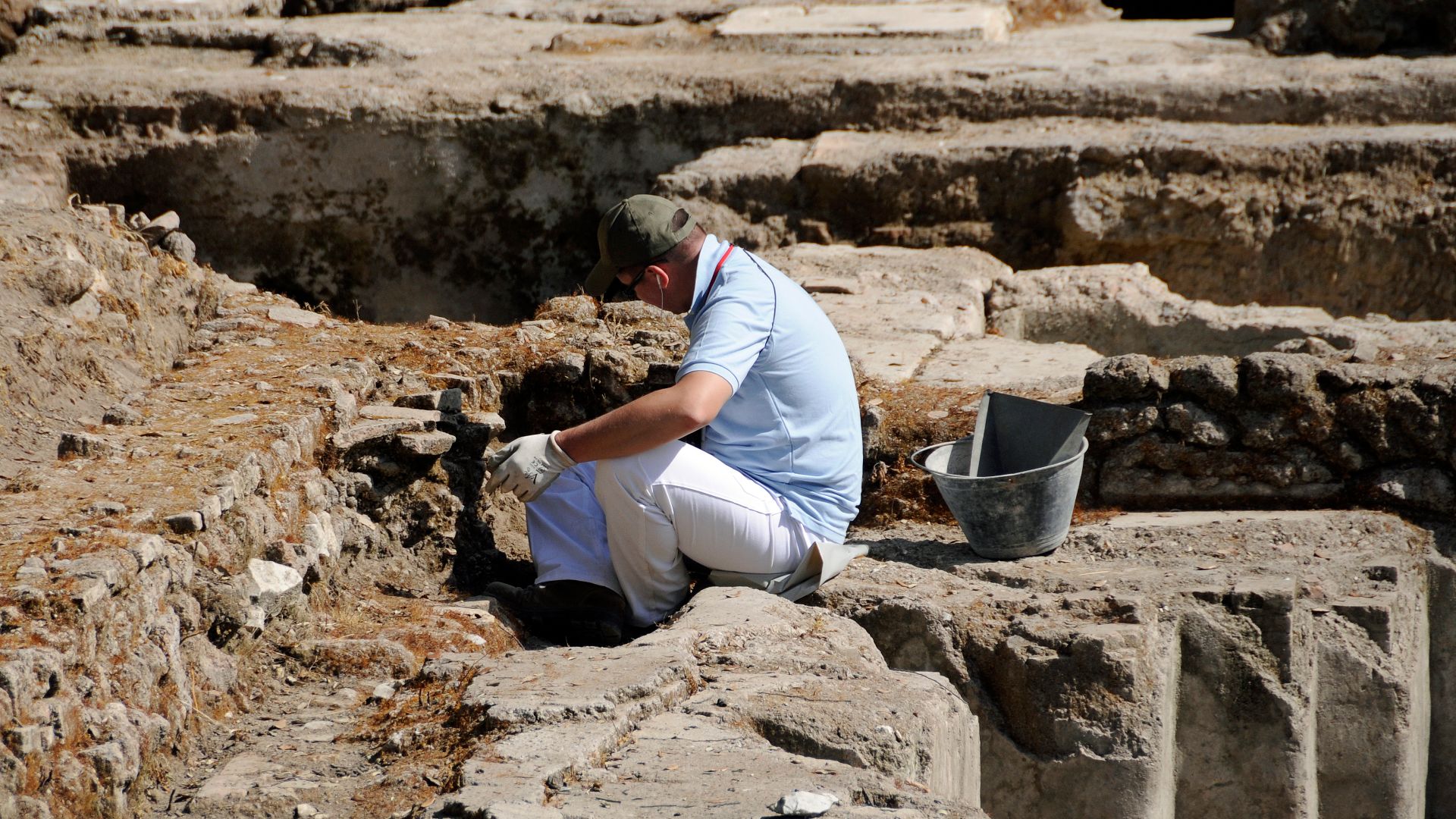
At a site in southwestern France, archaeologists came across something small—so small it could’ve easily been missed. At first, it didn’t seem like much. But once they realized what they were looking at, it raised a very specific question: why does this exist at all?
 Son of Groucho from Scotland, Wikimedia Commons
A Human Face—From 25,000 Years Ago
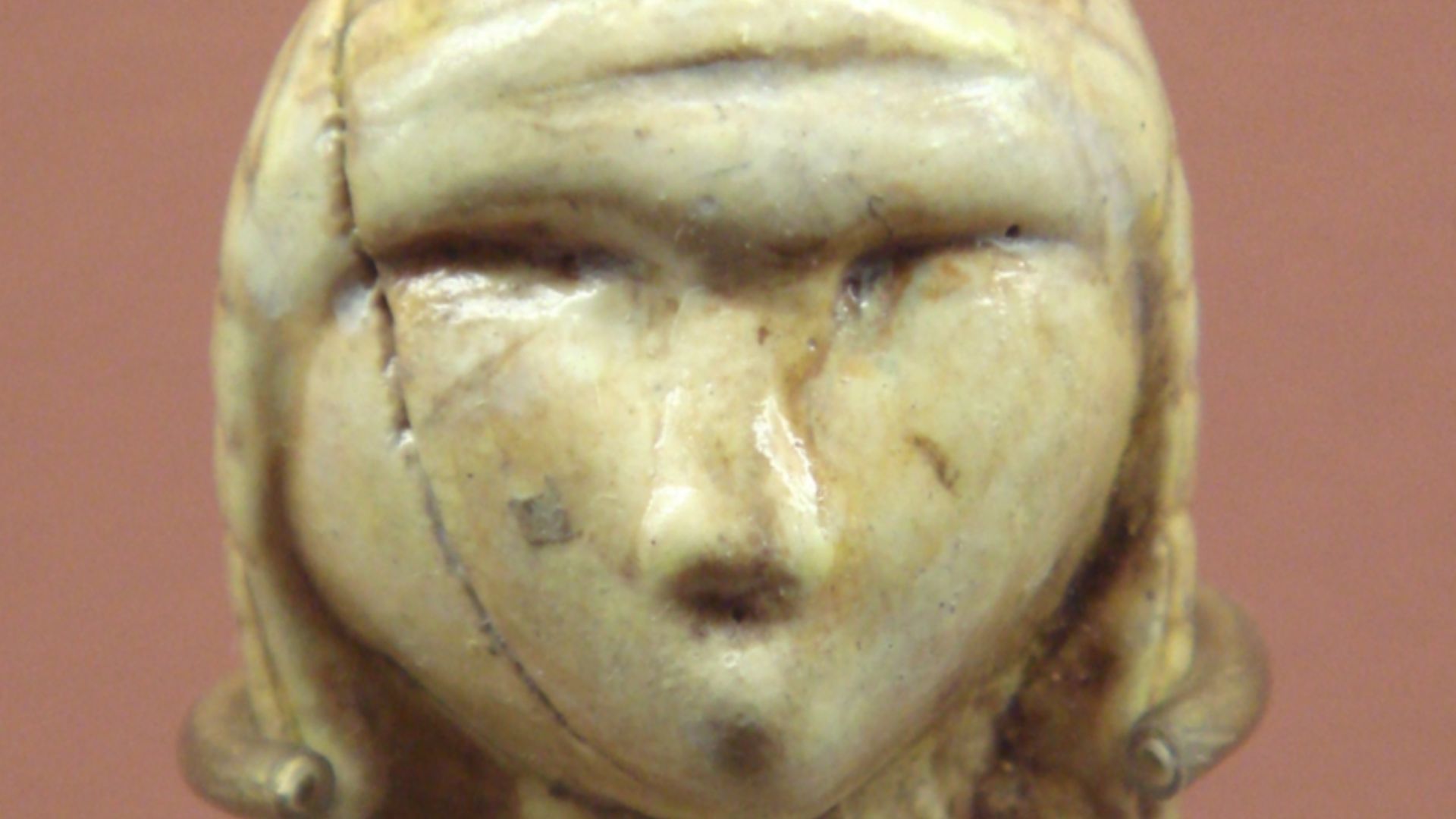
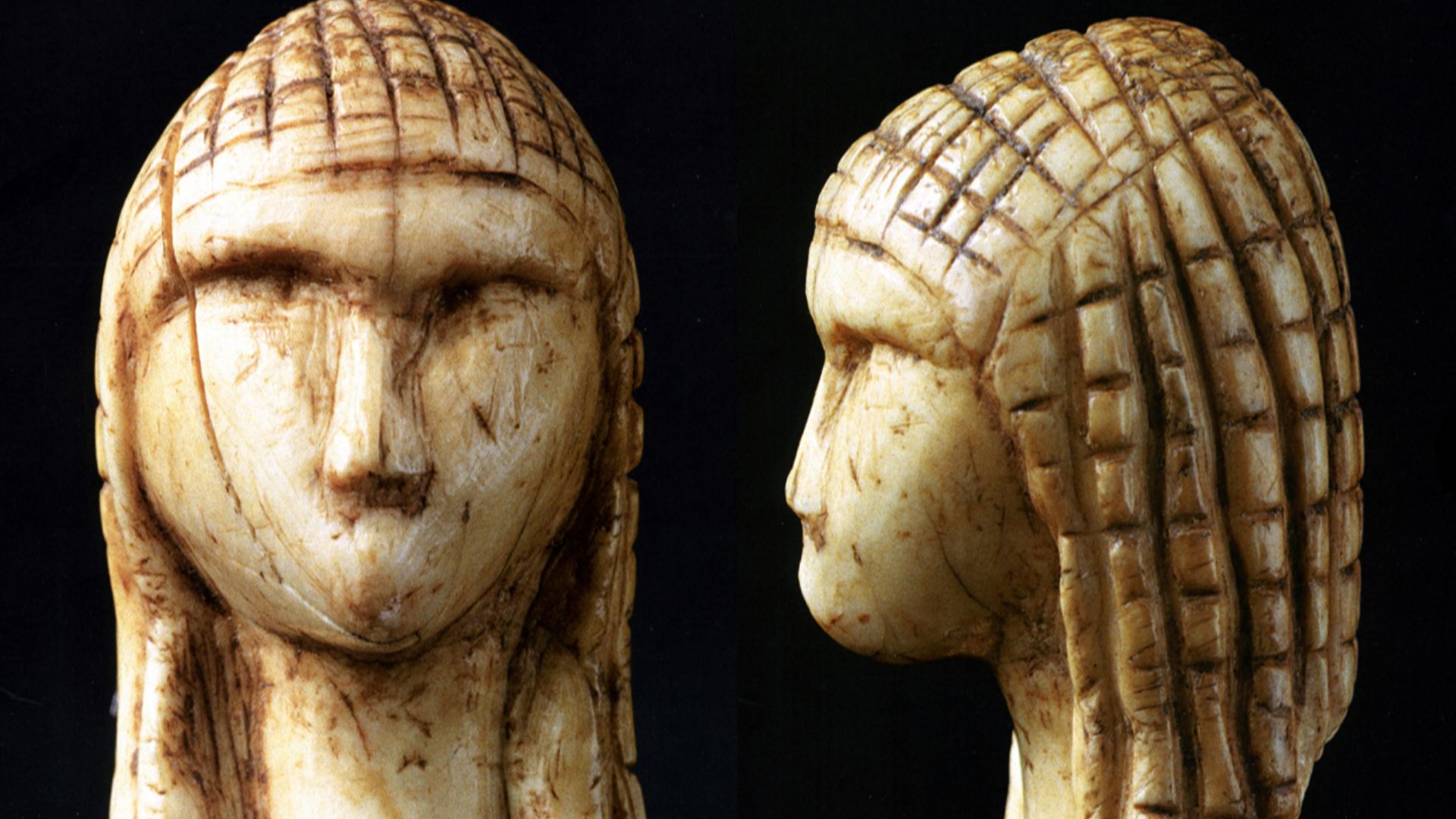
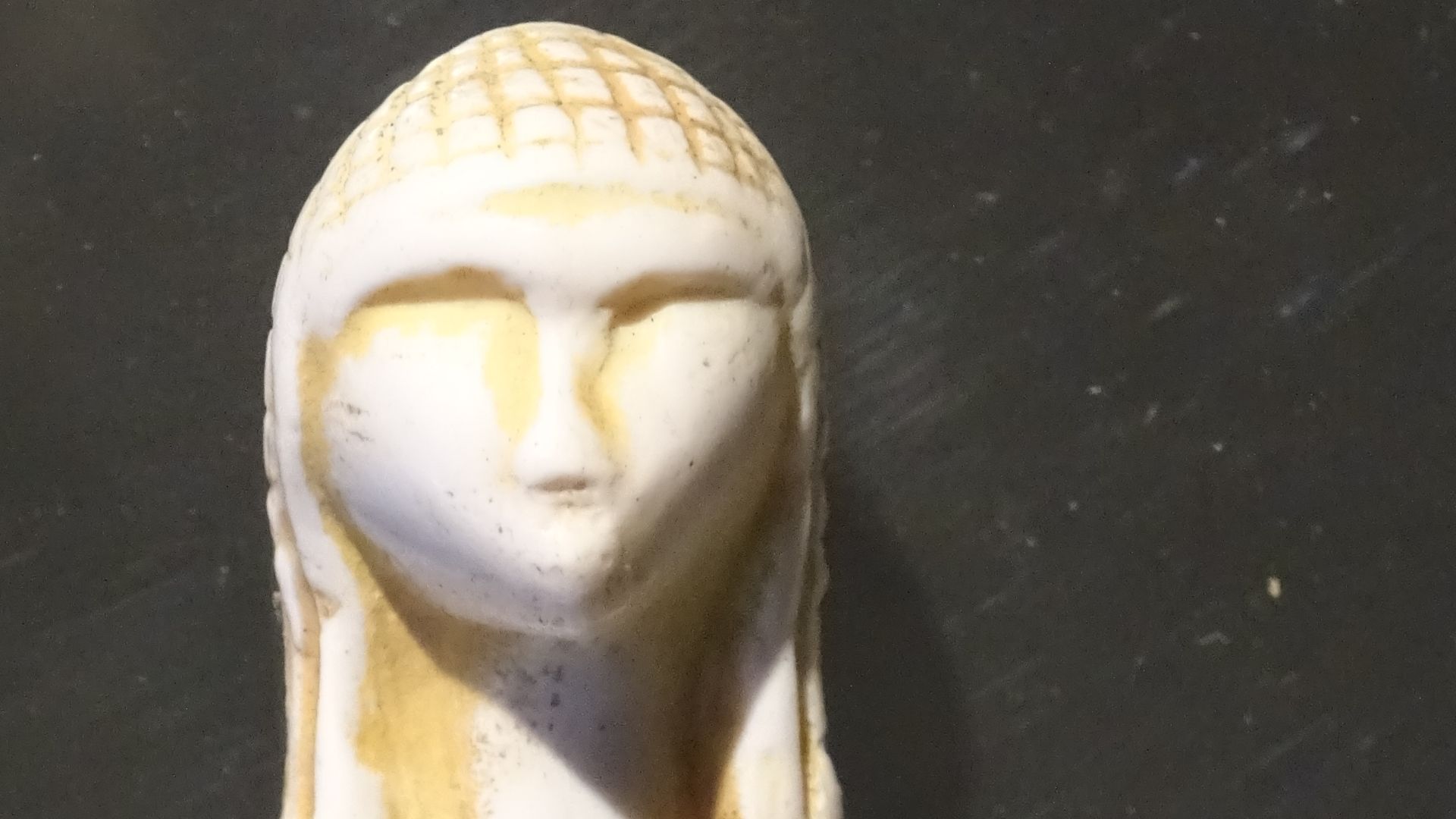
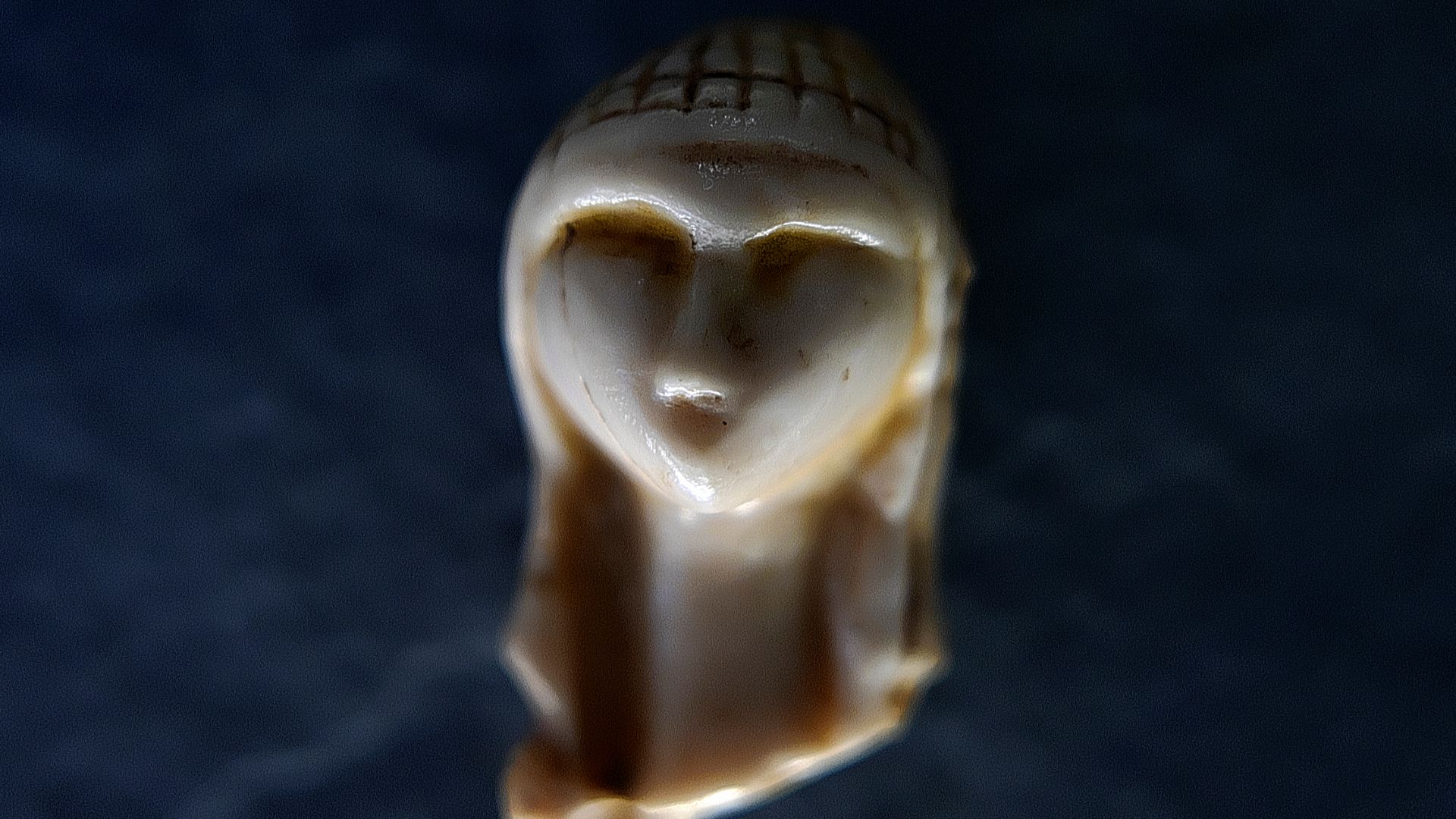
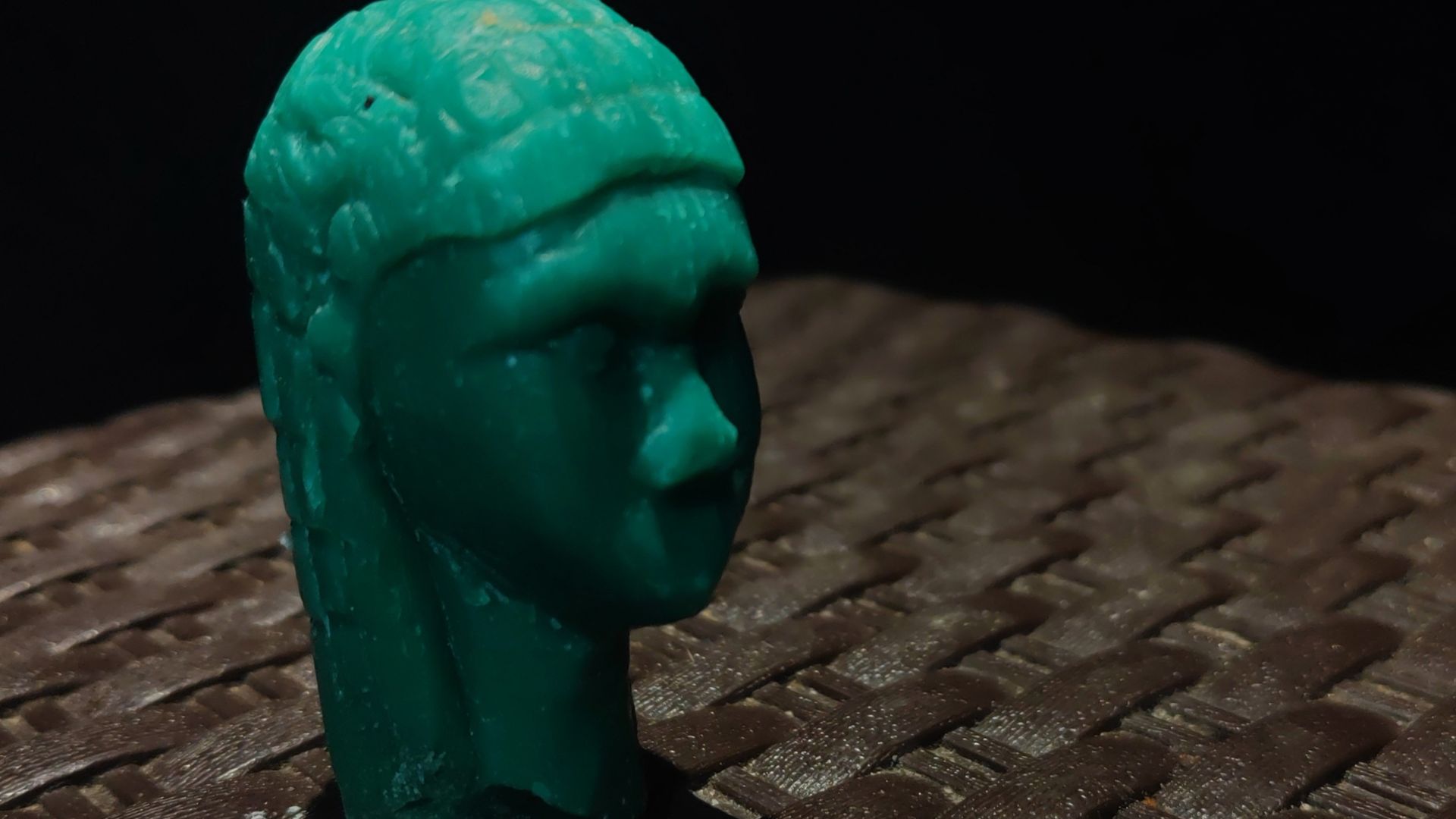
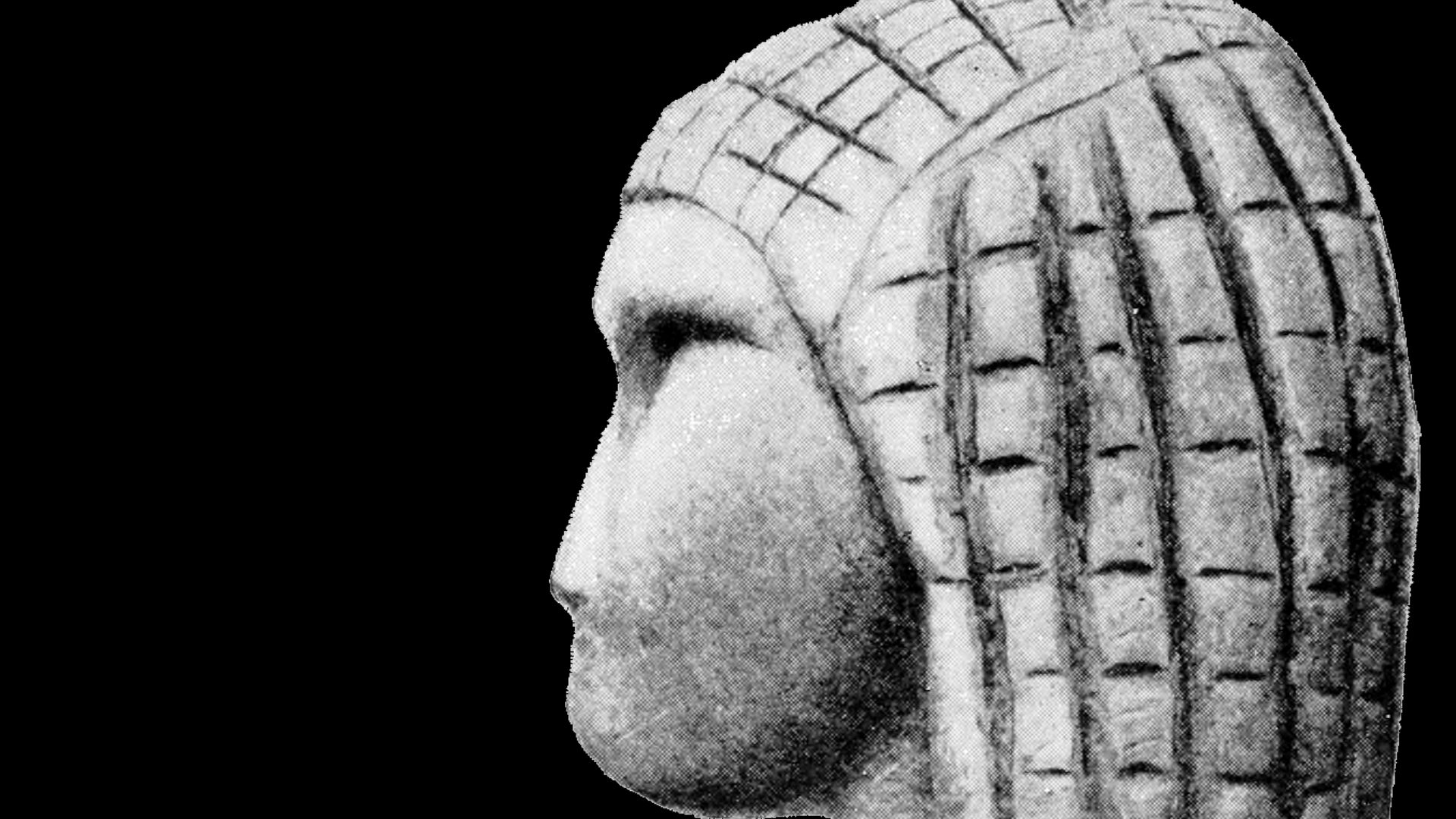
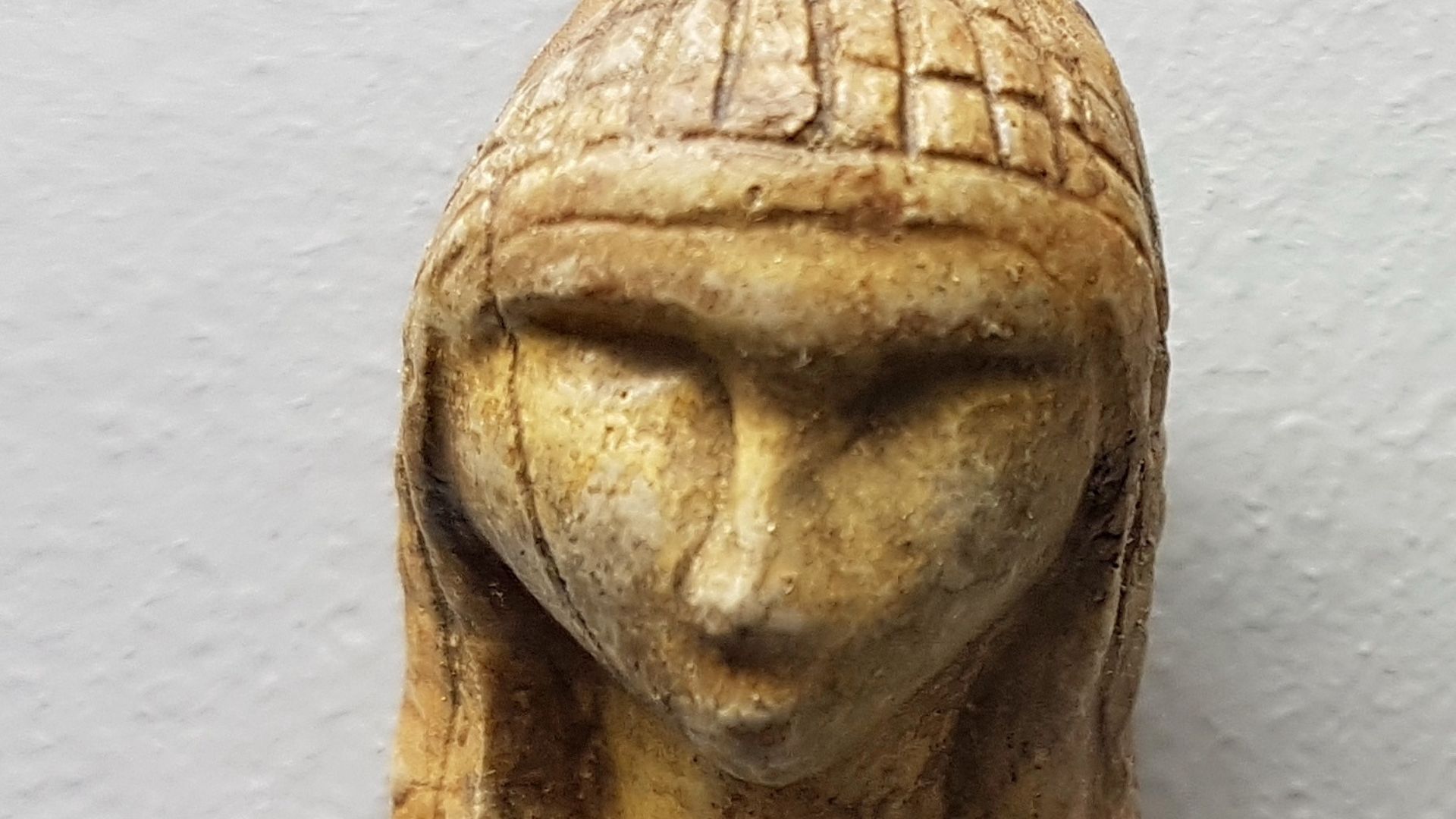
What they had found was a tiny carving made from mammoth ivory, dating back roughly 23,000 to 25,000 years. And unlike most objects from that time, it clearly showed a human face. Simple, minimal—but unmistakable. Today, it’s known as the Lady of Brassempouy, and it’s widely considered one of the earliest known realistic representations of a human face.
A Tiny Object With A Huge Impact
It’s only about 3.6 centimeters tall—basically thumb-sized. But carving something that small out of mammoth ivory using stone tools wasn’t simple. Every line had to be deliberate. This wasn’t something someone just made quickly—it took control, patience, and a clear idea of what they were trying to create.
 Jean-Gilles Berizzi, Wikimedia Commons
Found In A Cave In France
The piece was discovered in 1894 at Brassempouy, in southwestern France. Excavations in the Grotte du Pape revealed multiple ivory fragments and figurines, but this small head stood out immediately for its clarity and structure.
 Dame de Brassempouy, Wikimedia Commons
Dating Back To The Ice Age
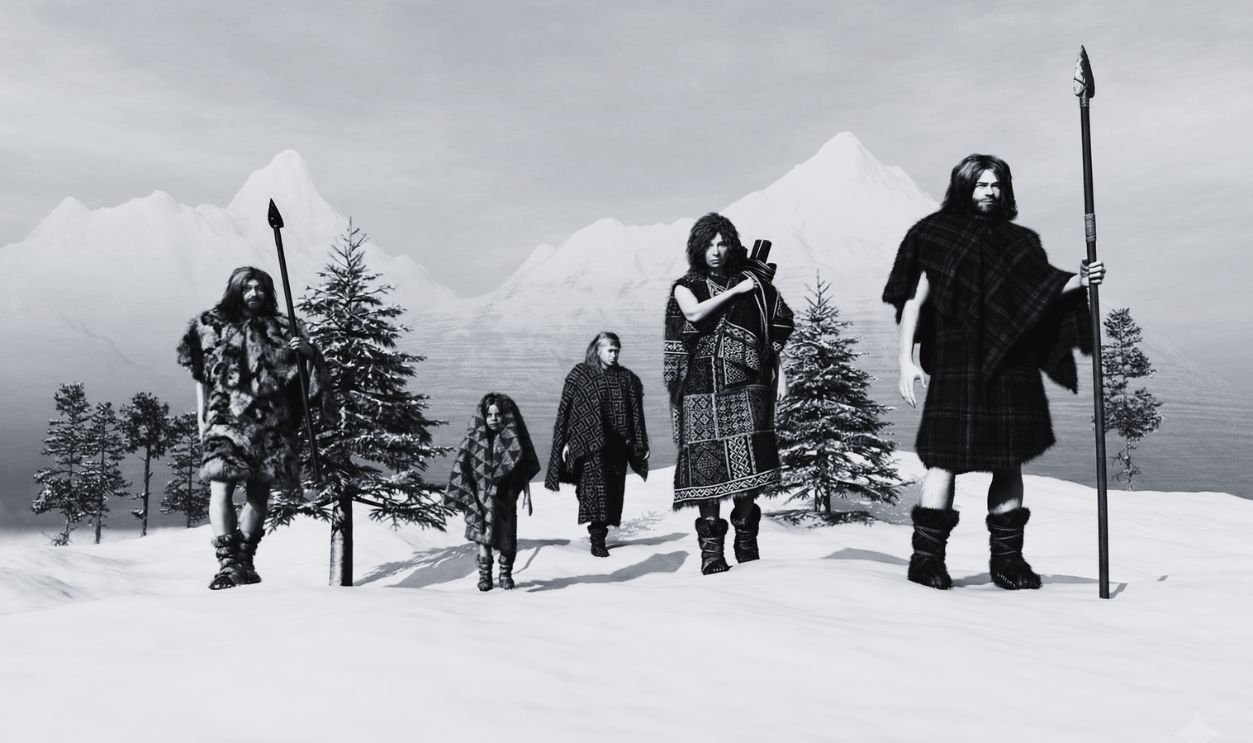
The carving comes from what’s known as the Gravettian period—roughly 25,000 years ago. These were Ice Age hunter-gatherers, living in tough conditions, but clearly not just focused on survival. They were making tools, ornaments, and art that shows they were already thinking in surprisingly complex, symbolic ways.
Not Just A Face—A Structured One
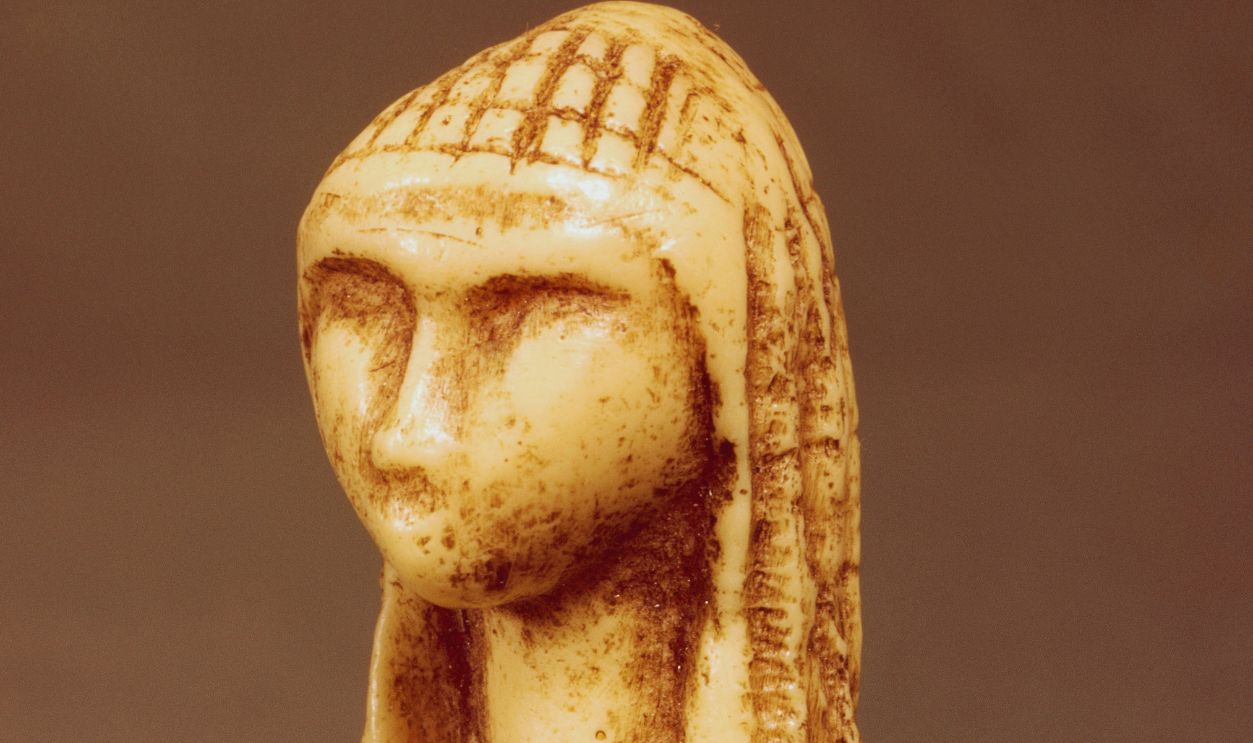
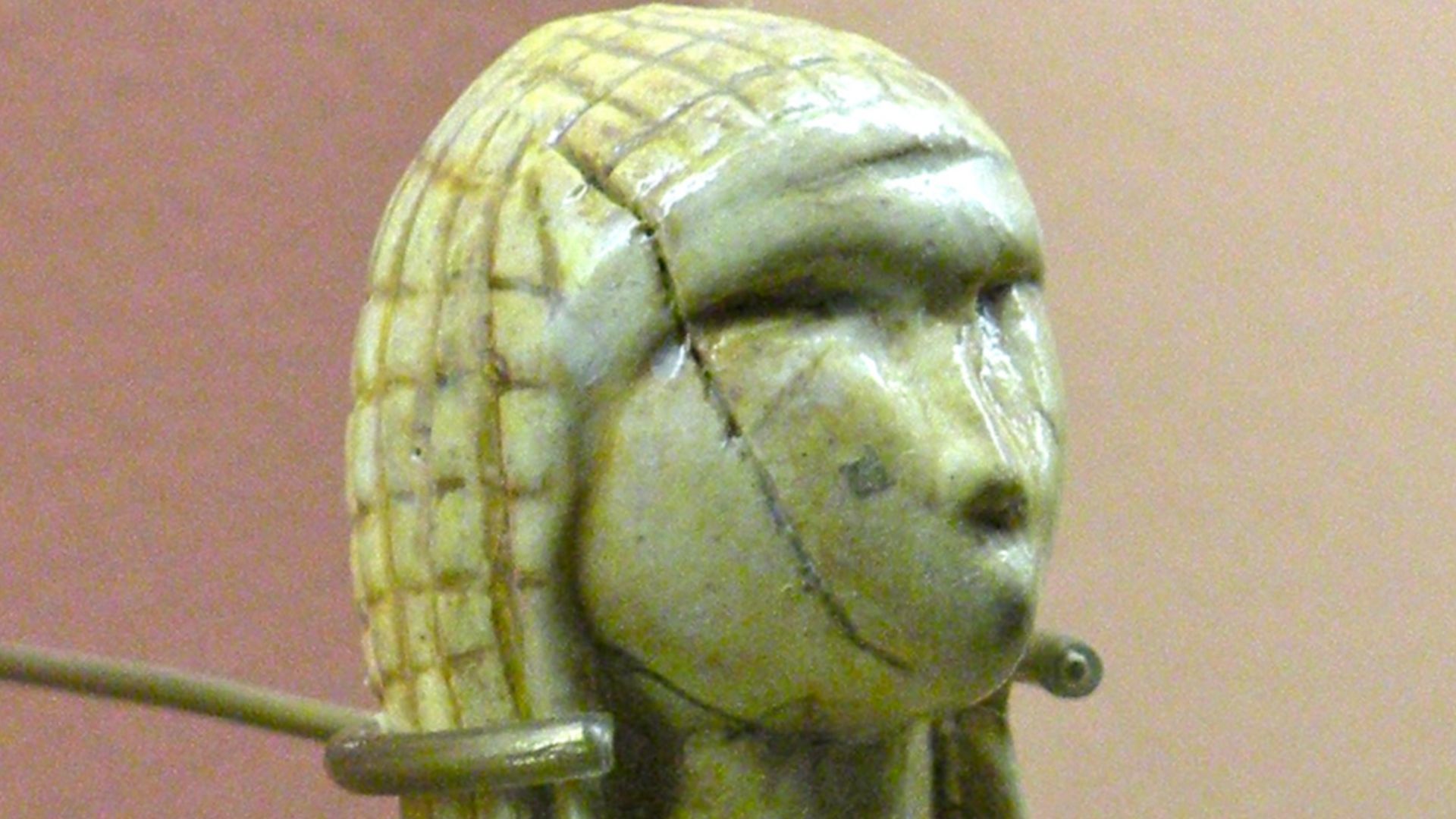
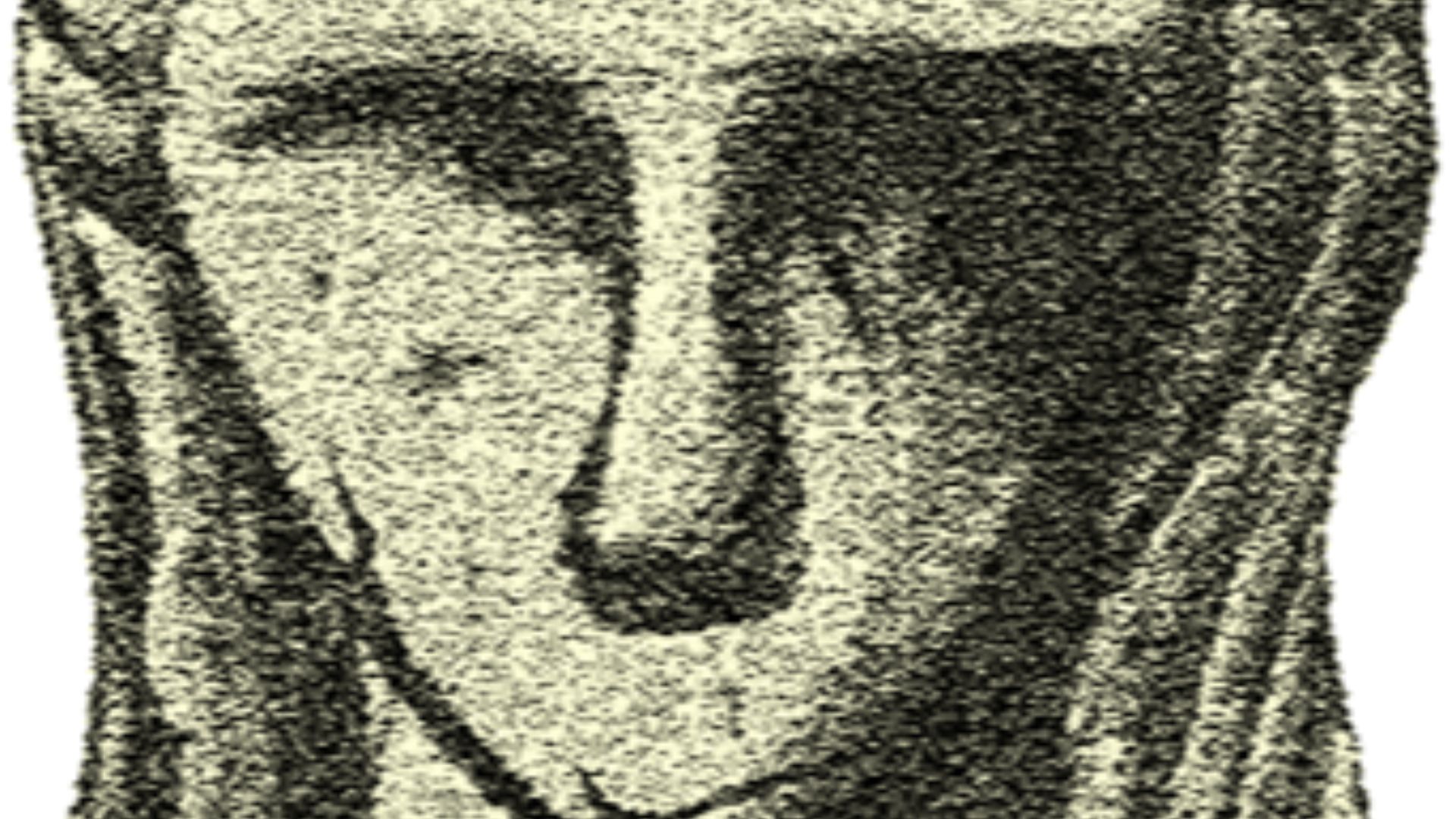
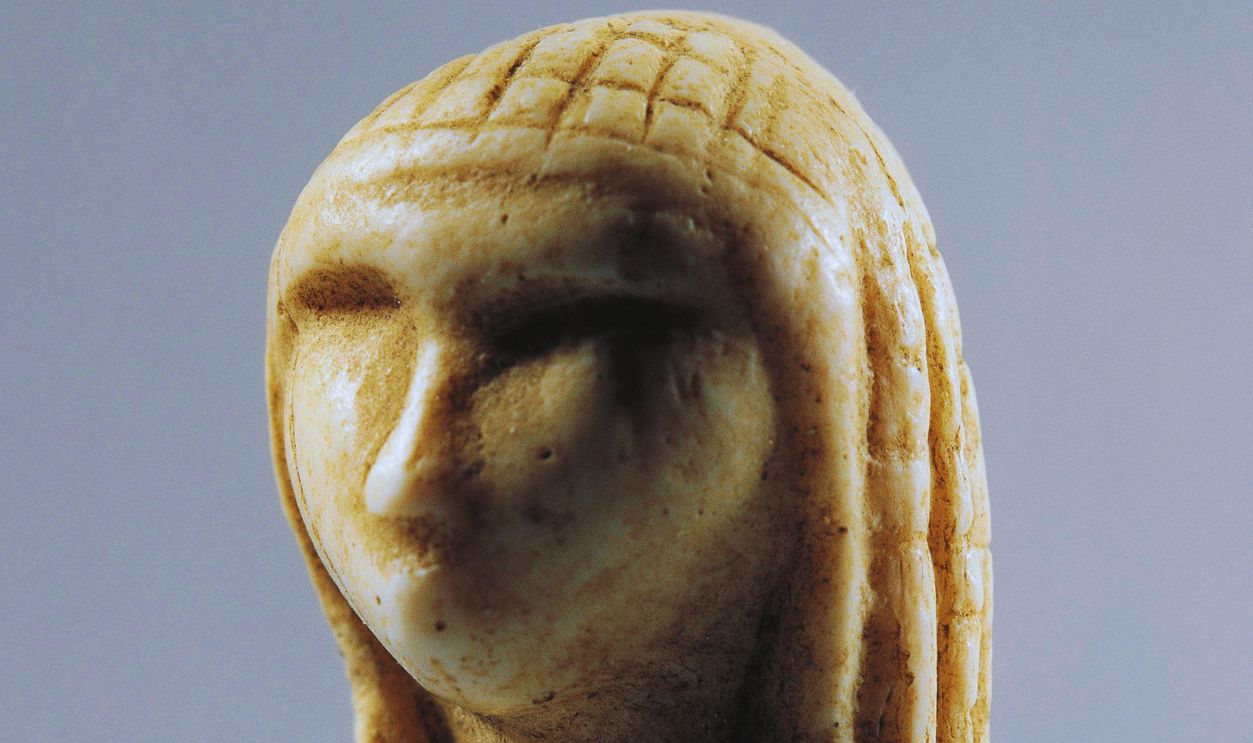
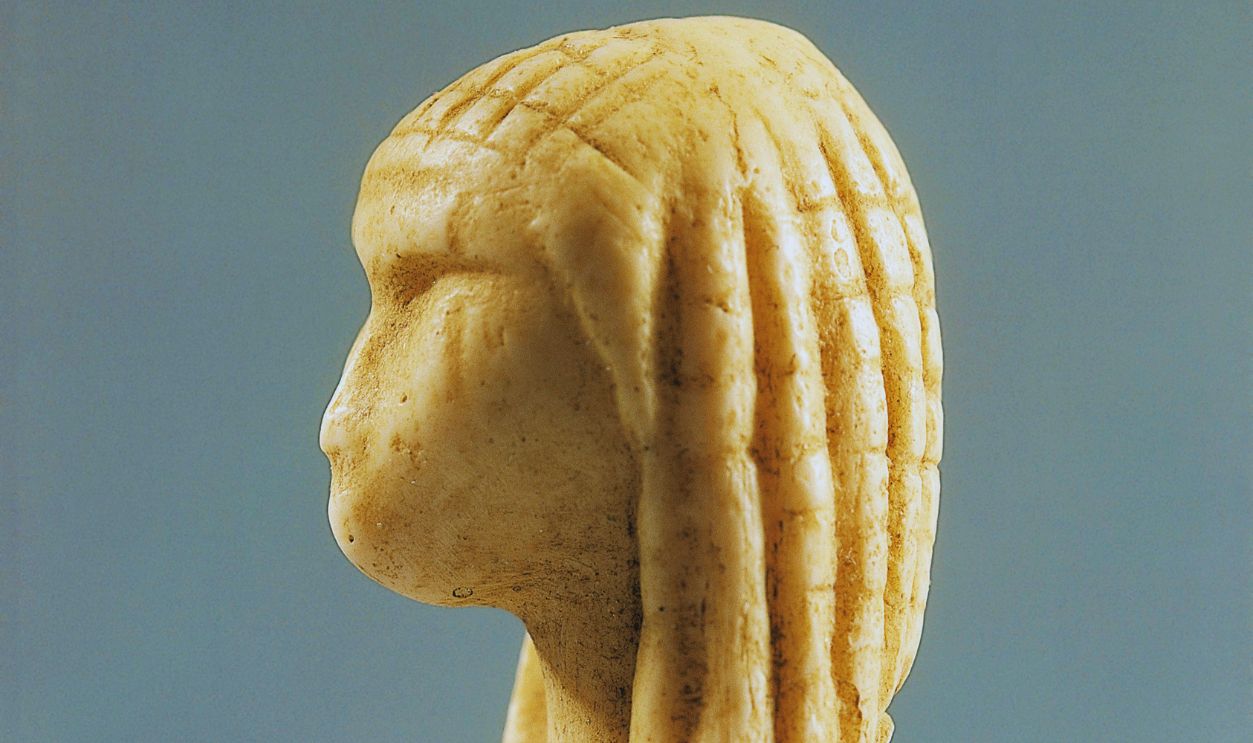
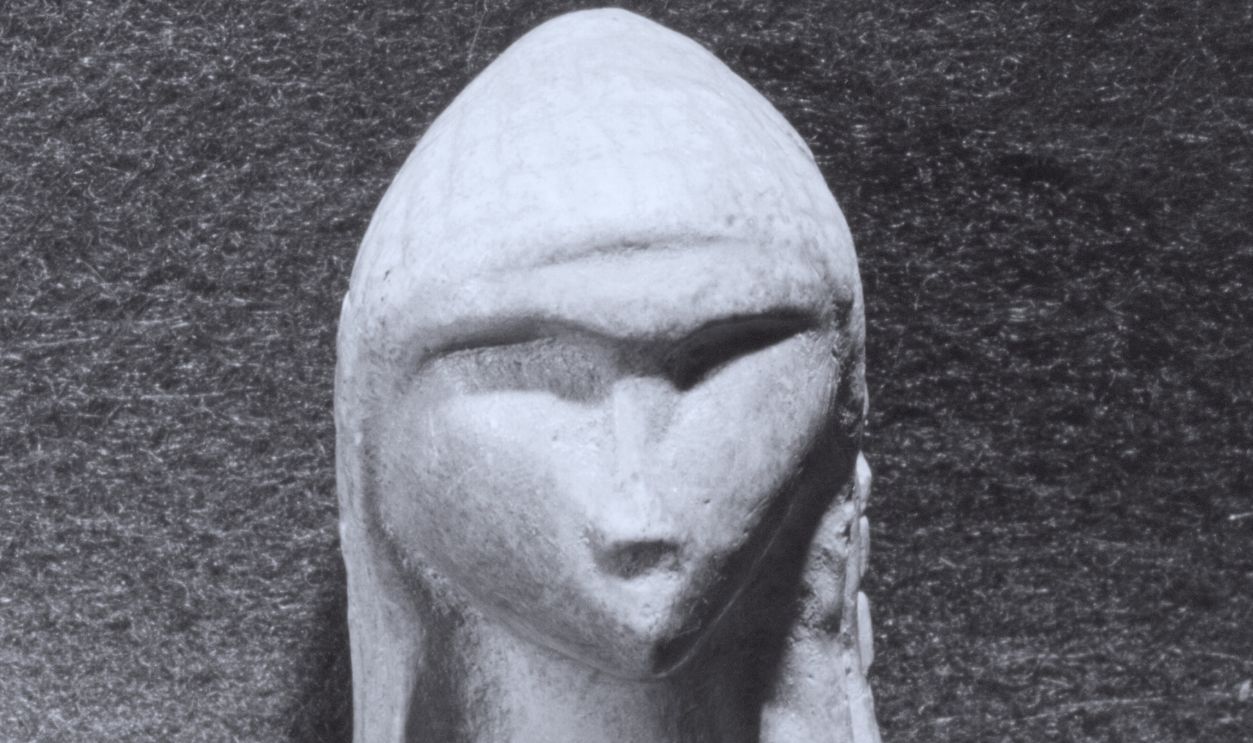
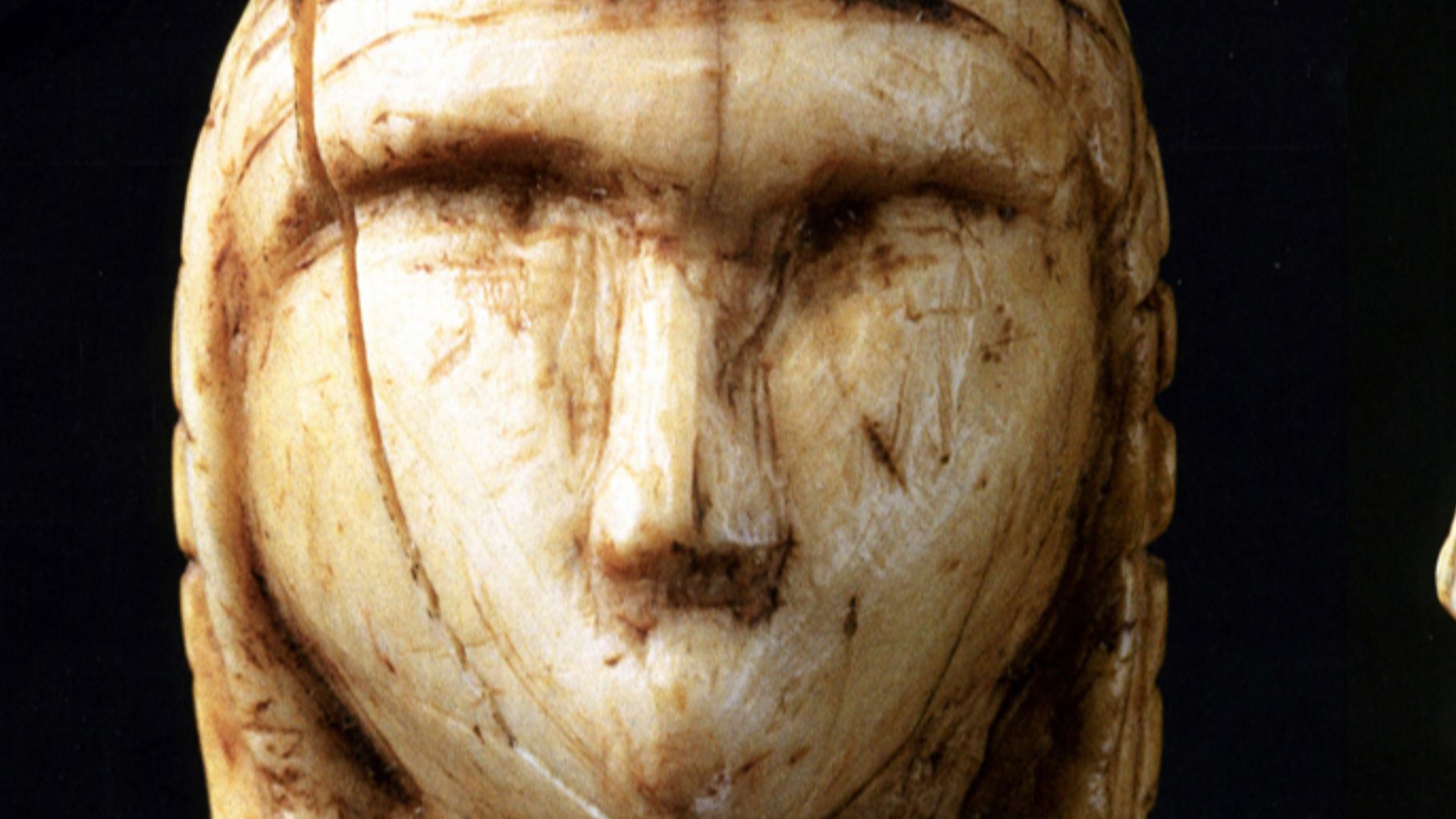
What stands out right away is how “put together” it looks. You can clearly see the forehead, the nose, the spacing—it’s not random. It’s slightly stylized, sure, but it still reads instantly as a human face.
 DEA / J. E. BULLOZ, Getty Images
The Eyes Suggest Intent
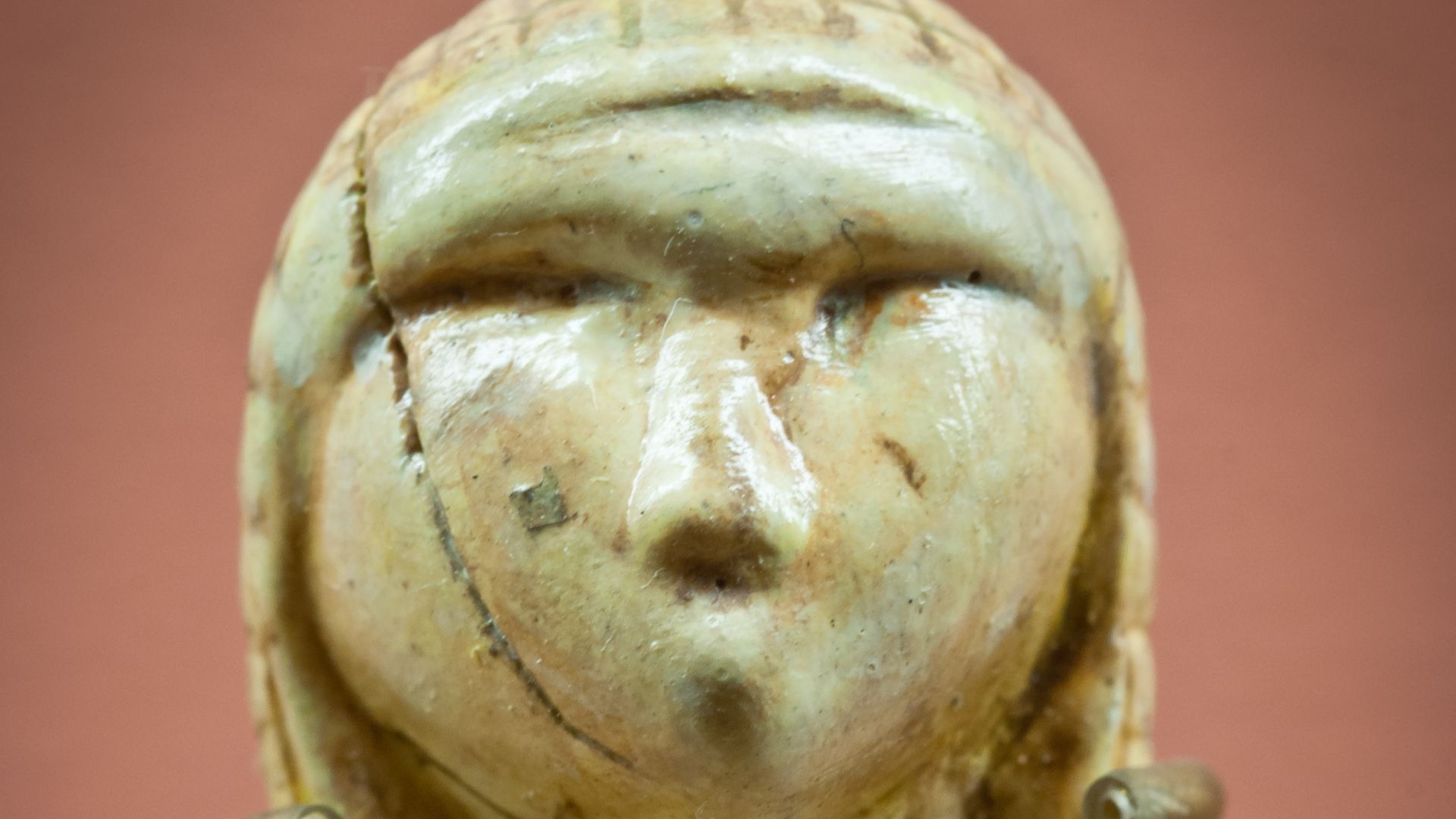
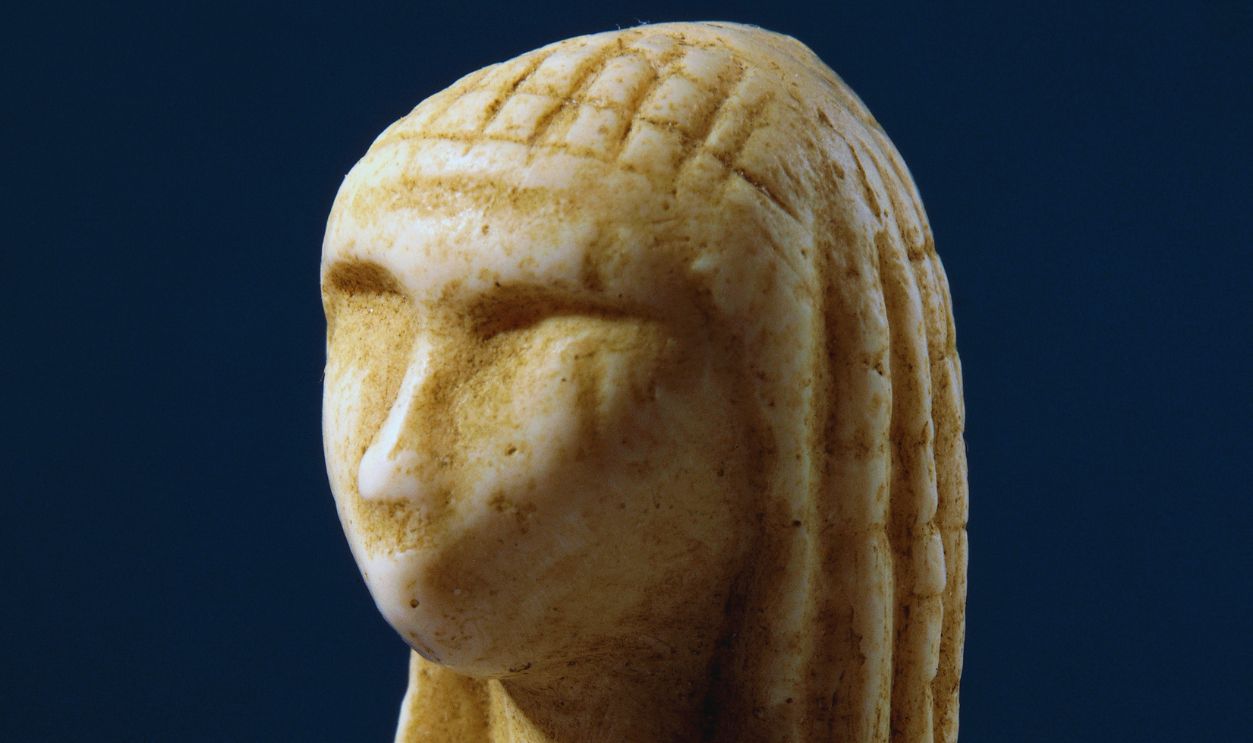
The eyes are simple grooves, but they’re carefully placed. That symmetry suggests the artist wasn’t experimenting—they understood what made a face recognizable and worked deliberately to achieve it.
And Yet…Something Is Missing
There’s no clearly defined mouth, and the expression is neutral. Since the piece is a fragment of a larger figure, it’s unclear whether more detail once existed or if the minimalism was intentional.
 George Grant MacCurdy (1863–1947), Wikimedia Commons
Early Humans Were Already Skilled Artists
By this time, humans had been creating art for tens of thousands of years. Cave paintings like those at Lascaux—dating to around 21,000 years ago—show animals with remarkable movement and detail.
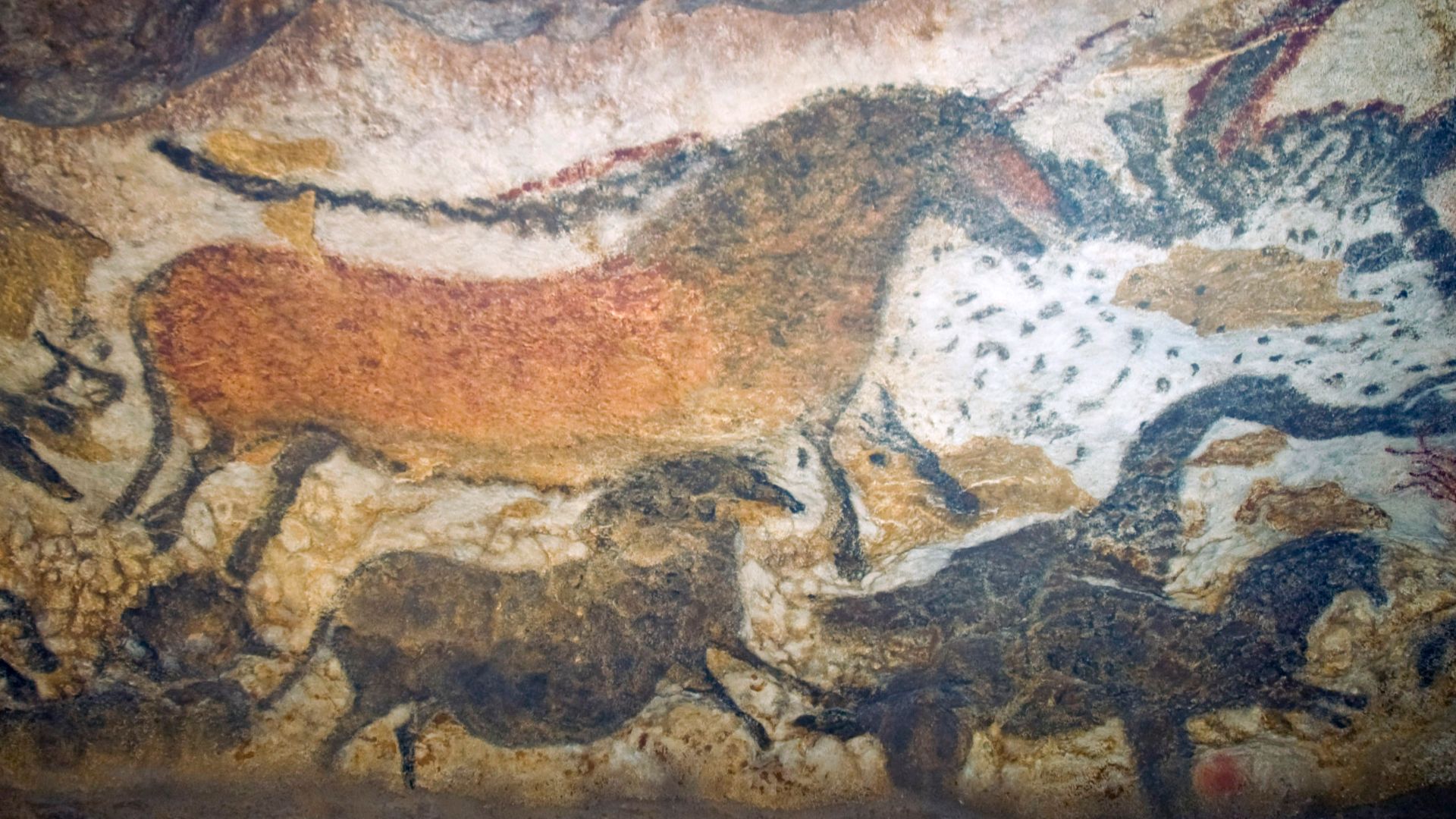 Jack Versloot, Wikimedia Commons
But Faces Were Rare
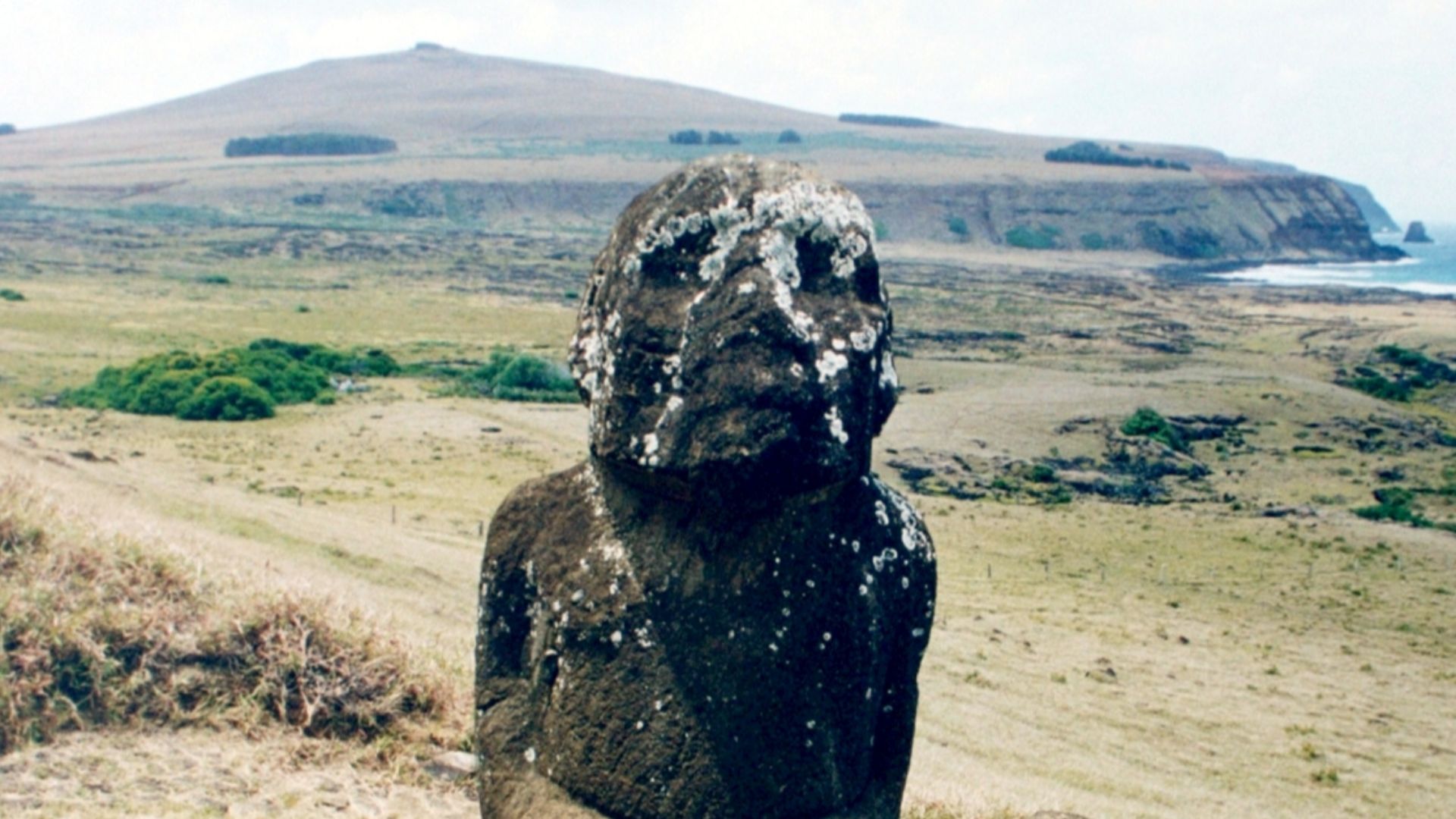
Despite all that creativity, recognizable human faces are very rare in prehistoric art. It’s a noticeable gap, especially given how much other imagery has survived.
Bodies Told A Different Story
Human figures do appear, especially in the Venus figurines found across Europe. These often emphasize the body, particularly features linked to fertility, while faces are left blank or undefined.
A Pattern That Keeps Showing Up
And it’s not just this one place. Across different regions and time periods, you see the same thing: bodies are detailed, but faces are either simplified or missing. That kind of consistency usually isn’t random—it suggests people were making similar choices on purpose.
 José-Manuel Benito, Wikimedia Commons
So Why Avoid Faces?
This is where it gets interesting. Humans are wired to recognize faces almost instantly, so it’s hard to argue they just “couldn’t” do it. Which means something else was going on—some reason, whether cultural or symbolic, that made faces different from everything else they were creating.
Faces May Have Been Seen As Powerful
One theory is that faces carried special meaning tied to identity or even the soul. In some later cultures, depicting a face was believed to capture a person’s essence. If similar ideas existed earlier, it could explain why faces were treated differently—or avoided altogether.
 Libor Balák., Wikimedia Commons
Identity May Not Have Been The Focus
Another possibility is that early humans didn’t emphasize individuality the way we do today. Much of their art centers on shared experiences—hunting, survival, fertility—rather than specific people. Faces, which signal individuality, may not have been as important to represent.
 DonMikeT2000, Wikimedia Commons
There’s Also A Practical Reason
Faces are one of the hardest things to represent accurately. Even small mistakes are immediately noticeable. With limited tools and materials, early artists may have focused on subjects that were easier to render clearly and consistently.
 DEA / G. DAGLI ORTI, Getty Images
But This Piece Changes The Equation
The Lady of Brassempouy proves that creating a recognizable face was possible with the tools available at the time. That makes its rarity more meaningful—it wasn’t about ability. It was about choice.
 DEA / G. DAGLI ORTI, Getty Images
Part Of A Larger Shift
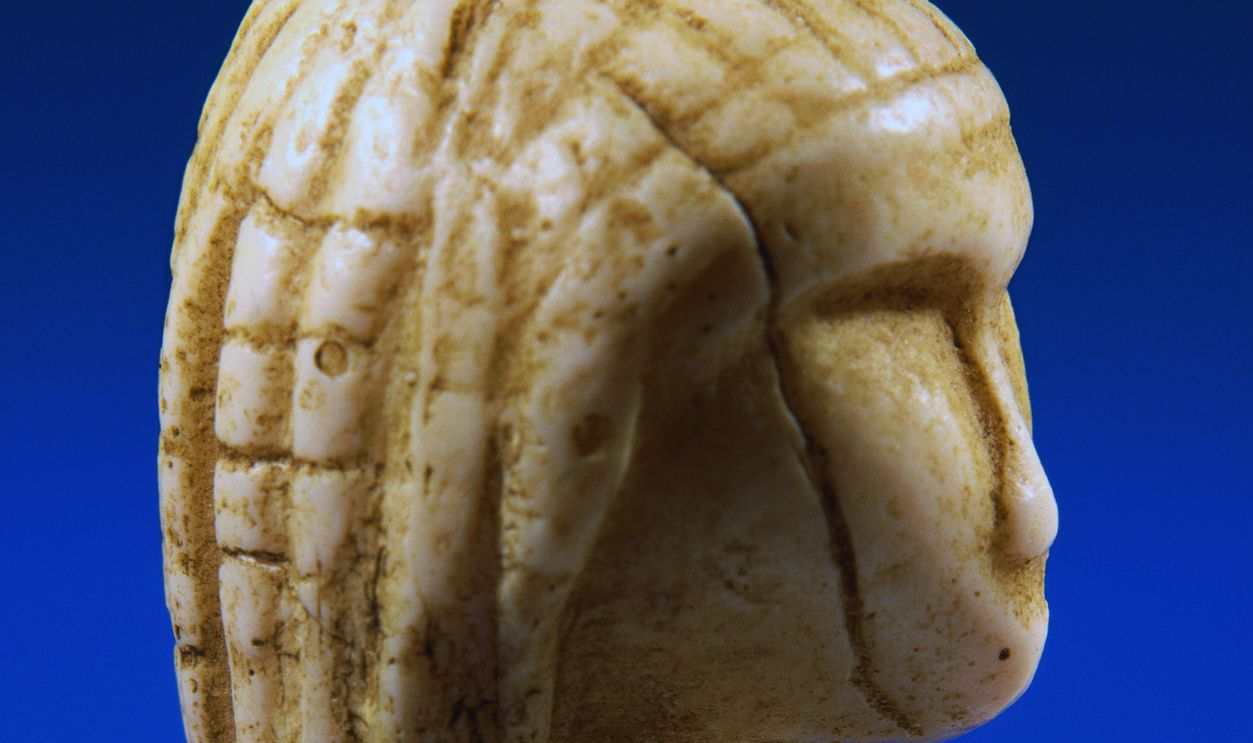
Around this same time, you start to see more signs of symbolic thinking—personal ornaments, distinct regional styles, more detailed craftsmanship. This carving fits right into that shift, like people were starting to pay closer attention to human features and what they meant.
 DE AGOSTINI PICTURE LIBRARY, Getty Images
It Feels Less Symbolic—More Observed
We don’t know who the face represents, but it doesn’t feel purely abstract. The proportions and structure suggest observation, as if the artist was trying to recreate a real human presence rather than a generalized figure.
 DE AGOSTINI PICTURE LIBRARY, Getty Images
The Hairstyle Suggests Personal Detail
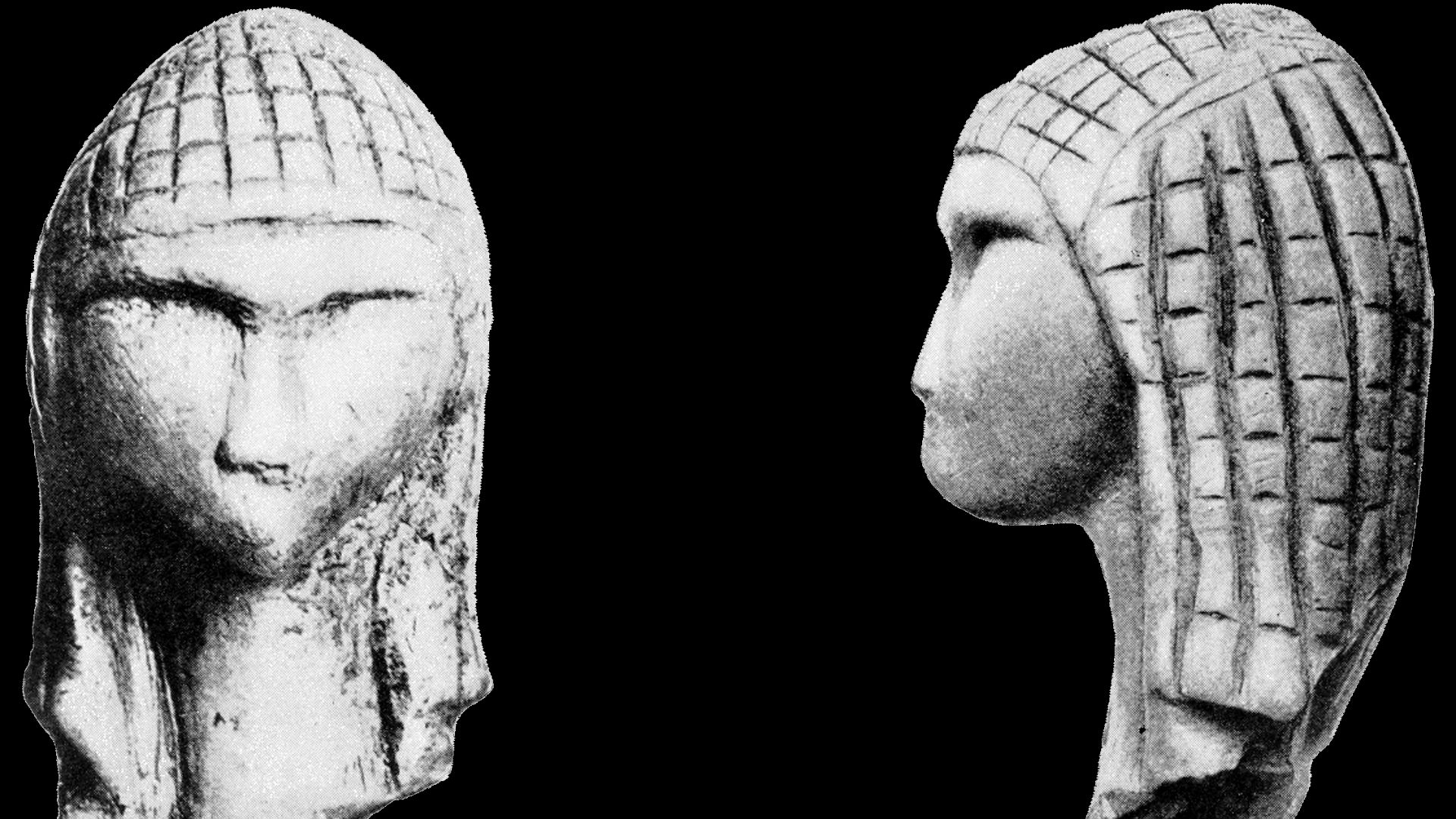
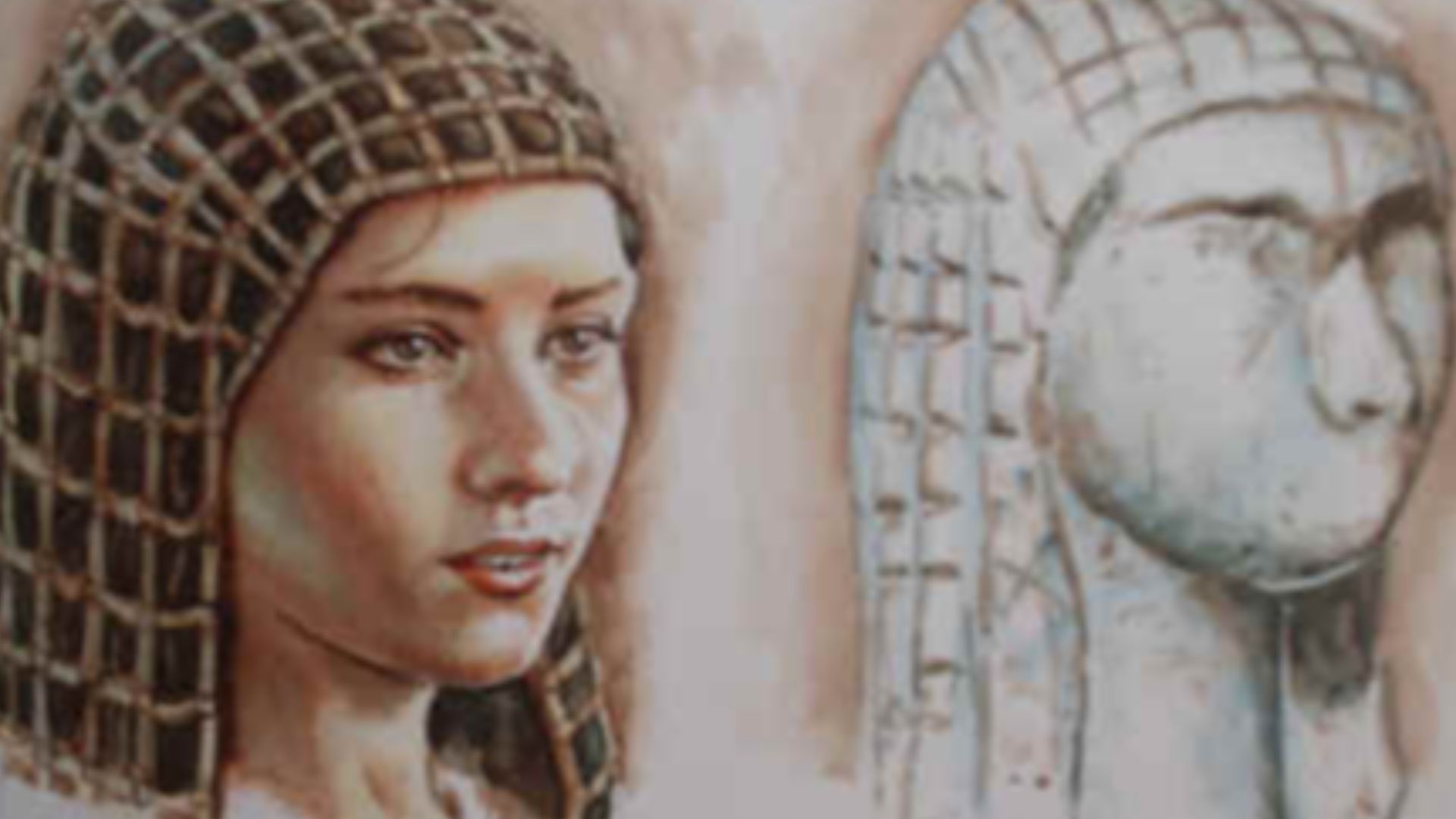
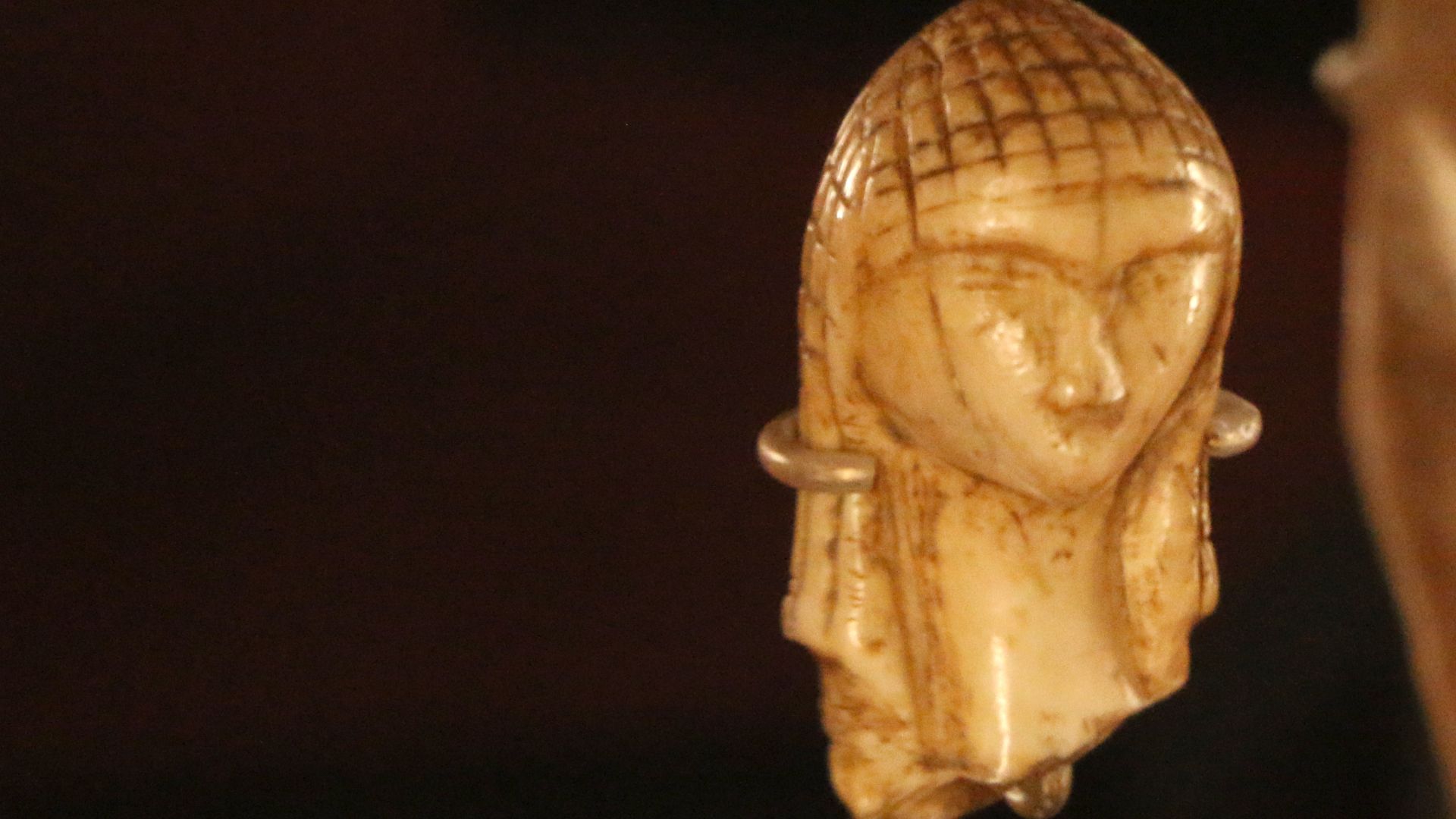
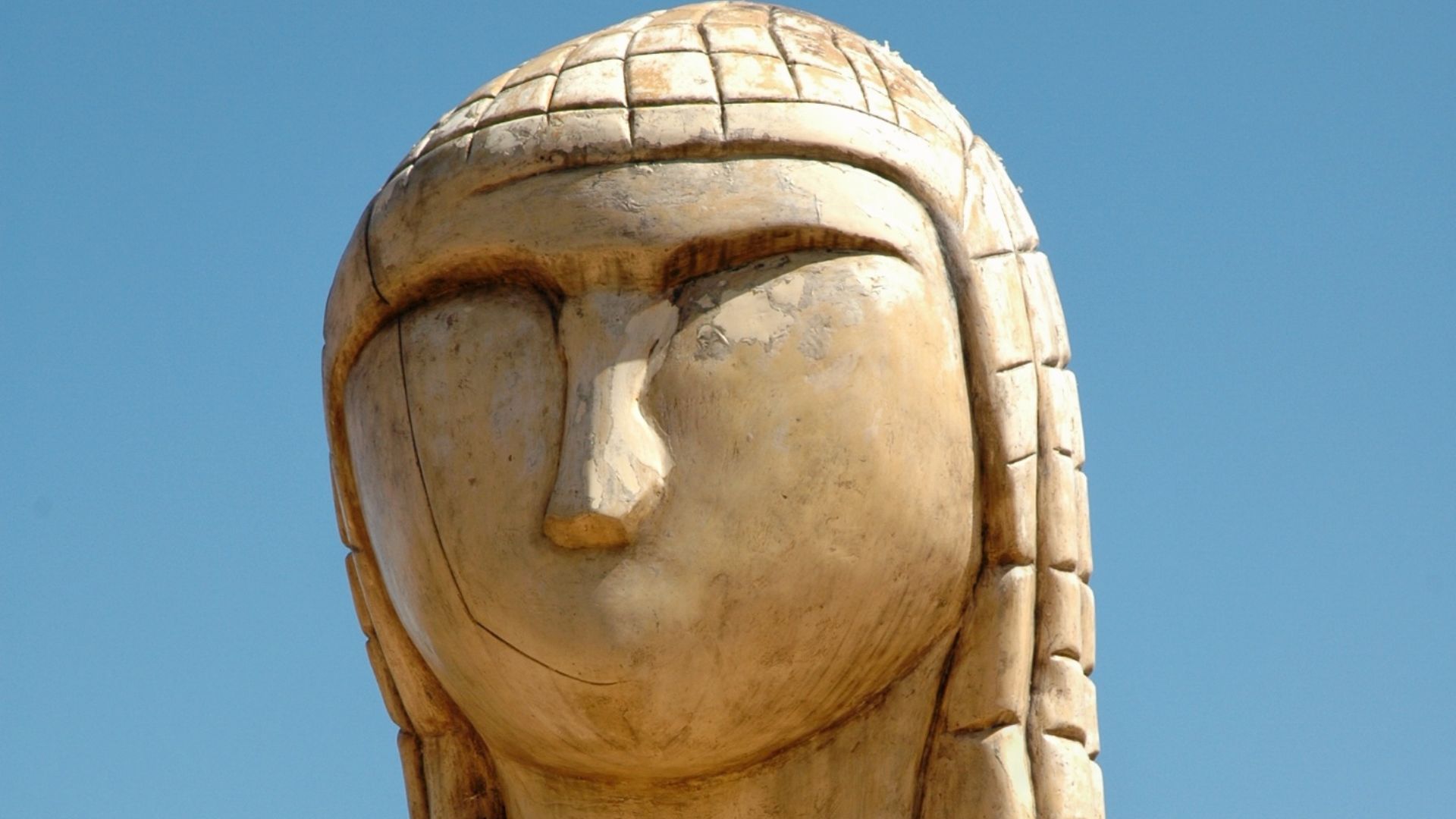
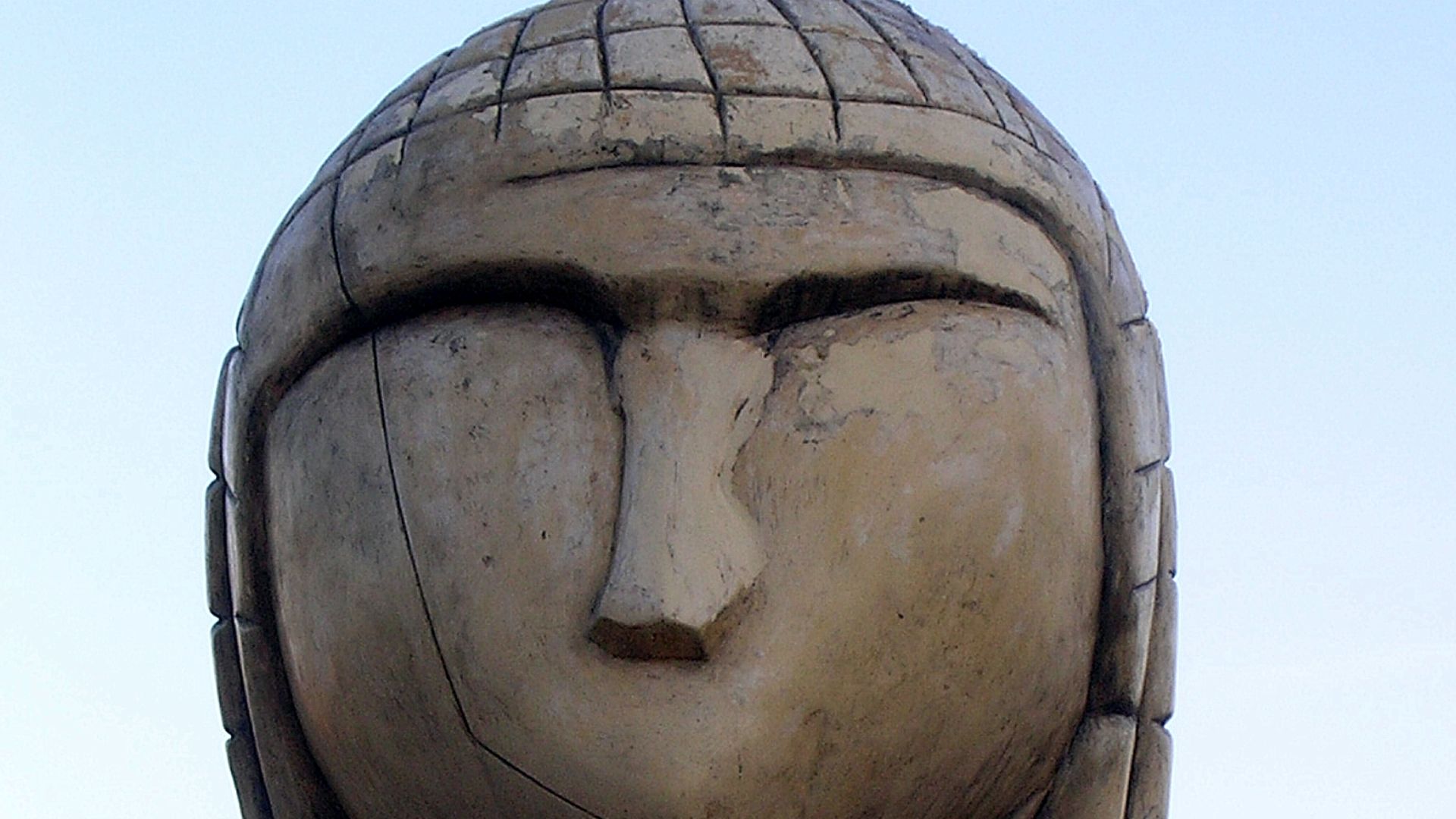
The cross-hatched pattern on the head may represent braided hair, a woven cap, or early textile work. If that interpretation is correct, it would make this one of the earliest known depictions of personal styling—something closely tied to identity.
Rare, Even Among Thousands Of Artifacts
Out of thousands of prehistoric objects that have been discovered, only a small number show recognizable human faces—and even fewer with this level of proportion and clarity. That rarity is what makes this carving stand out.
Is It Really The Oldest?
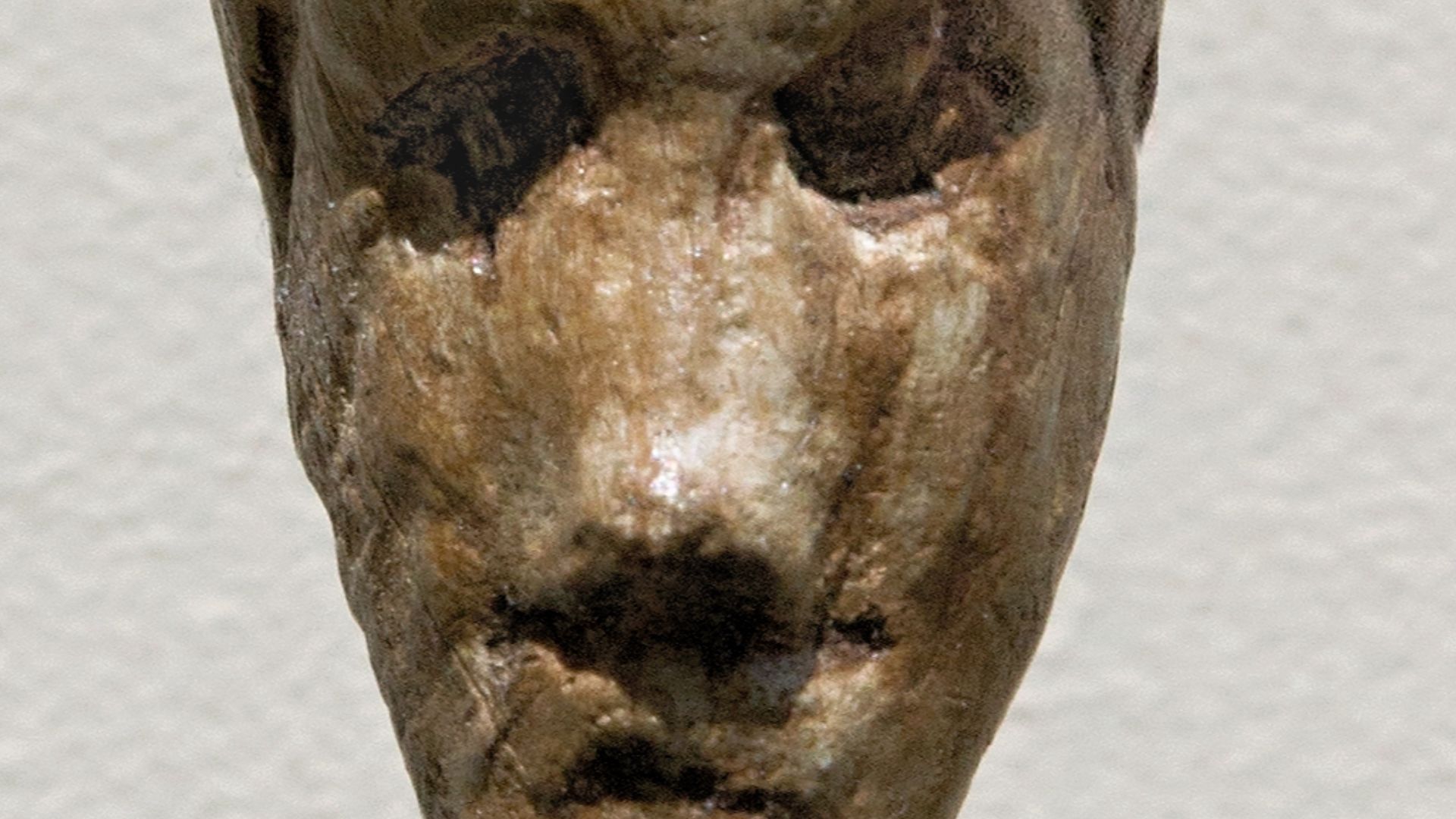
The Lady of Brassempouy is often called the oldest human face ever found—but that depends on how you define “face.” Other discoveries, including similar Gravettian carvings and much older fossilized human facial remains, complicate the claim. What sets this one apart is its clarity—it’s one of the earliest examples that looks unmistakably human at a glance.
Still Studied More Than A Century Later
Discovered in 1894, the carving continues to be studied today. New research keeps revisiting it, not because it’s new—but because its meaning is still not fully understood.

Where It Is Today
The carving is housed at the Musée d’Archéologie nationale in France, where it remains one of the most important known artifacts from the Paleolithic period.

A Small Object With Big Questions
It’s tiny—just a few centimeters tall—but it opens up some big questions. Not just about art, but about how early humans thought about identity, belief, and even themselves.
 Mathis patrick, Wikimedia Commons
What We Still Don’t Know
We don’t know who carved it, who it represents, or exactly why faces were so rarely depicted at the time. Those unknowns are what keep it relevant.
A Glimpse Of Something Changing
If this carving reflects a shift, it may represent an early moment when attention turned toward individual human features—something that would later become central to art and identity.
 George Grant MacCurdy (1863–1947), Wikimedia Commons
Why It Still Matters Today
Today, faces define how we communicate, identify, and represent ourselves. Looking back at a time when they were rare offers a completely different perspective on what it means to be human.
 Brocken Inaglory, Wikimedia Commons
The First Face…Or Just The First We Found?
It’s entirely possible earlier examples existed but didn’t survive—or haven’t been discovered yet. Archaeology often depends on preservation and chance.
One Small Face, One Lasting Mystery
It doesn’t give us clear answers—but it does capture something important. A moment where humans may have started looking at themselves differently…and trying to show it.
 Jean-Gilles Berizzi, Wikimedia Commons
You Might Also Like:
Scientists Now Say We May Have Been Completely Wrong About How Life Began