The Future Arrived Early
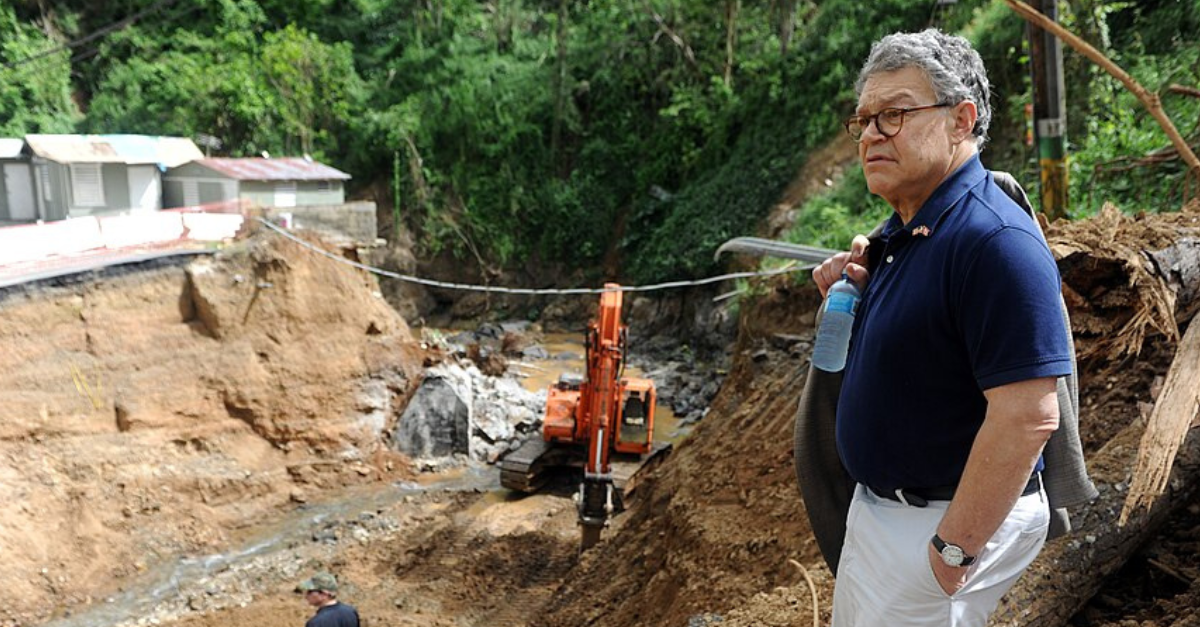
Climate change is often discussed as something humanity needs to prepare for decades from now. The uncomfortable reality is that people are already living through disasters made more likely, hotter, wetter, or otherwise more severe by human-caused warming. Attribution science cannot blame every storm, flood, or fire solely on climate change, but researchers can increasingly measure how warming has loaded the dice.
 Steven Shepard, Wikimedia Commons
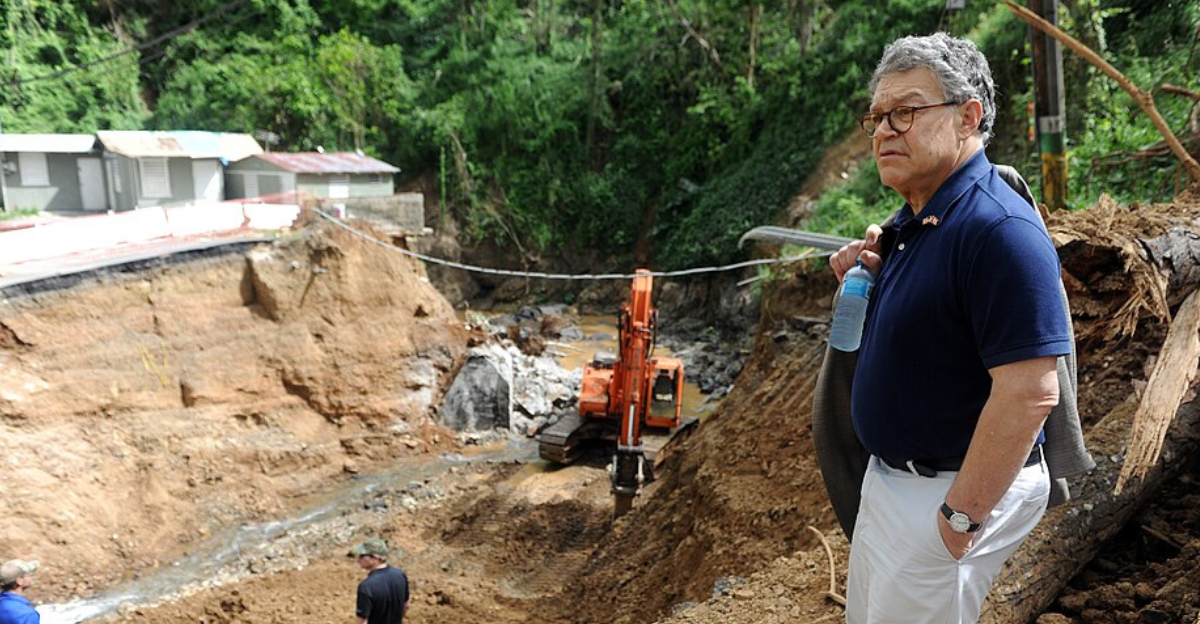
Hurricane Maria, Puerto Rico, 2017
Hurricane Maria devastated Puerto Rico in September 2017, bringing extraordinary rainfall along with destructive winds. Researchers later calculated that a rainfall event on Maria’s scale had become 4.85 times more likely compared with the climate of the 1950s. It offered an early, devastating example of how warming can intensify tropical-cyclone rainfall.
 U.S. Customs and Border Protection, Wikimedia Commons
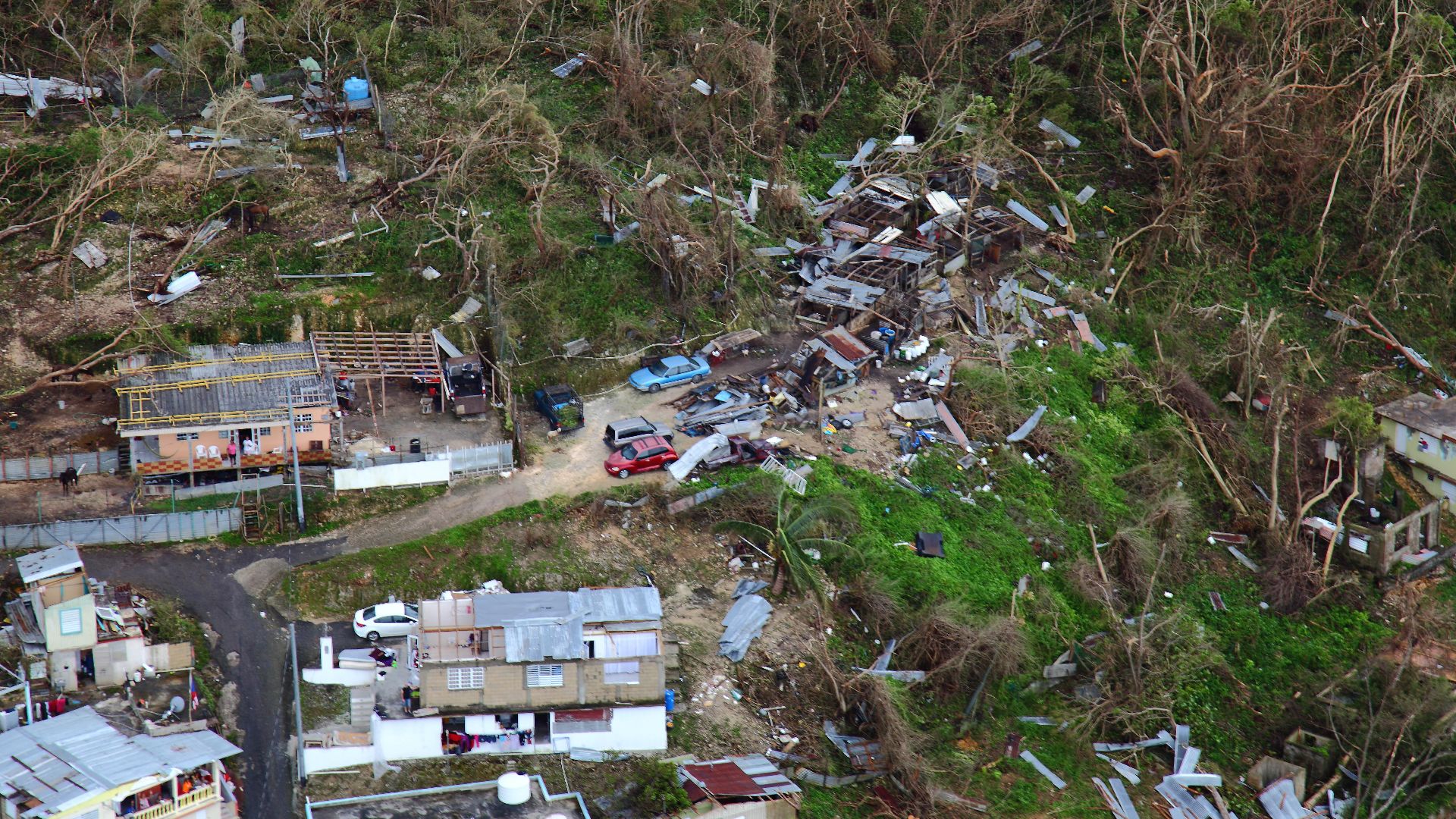
Hurricane Harvey, United States, 2017
Harvey stalled over Texas in August 2017 and unloaded extraordinary amounts of water, with rainfall exceeding 60 inches in parts of the state. Later research examining Houston concluded that human-caused climate change substantially increased the flooding. Researchers have estimated that tens of billions of dollars in Harvey’s damages were attributable to climate change.
 U.S. Customs and Border Protection, Wikimedia Commons
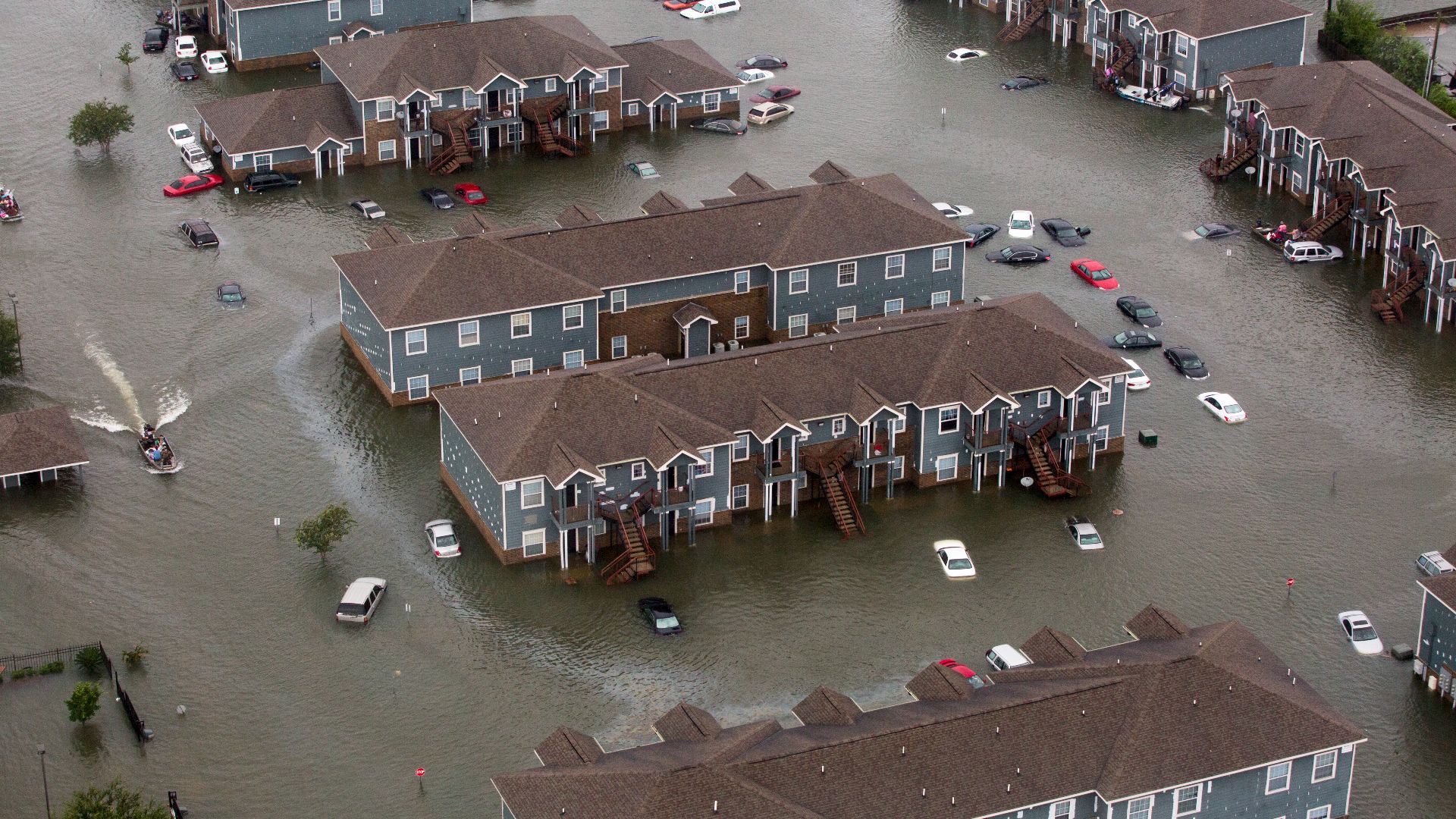
Japan’s Typhoon Hagibis, 2019
Typhoon Hagibis dumped more than 240 millimeters of rain around Tokyo on October 12, 2019, helping produce destructive flooding that left around 100 people lost their lives. Researchers found human-caused warming made its extreme rainfall about 67% more likely. One analysis attributed roughly $4 billion in insured rainfall losses to climate change.
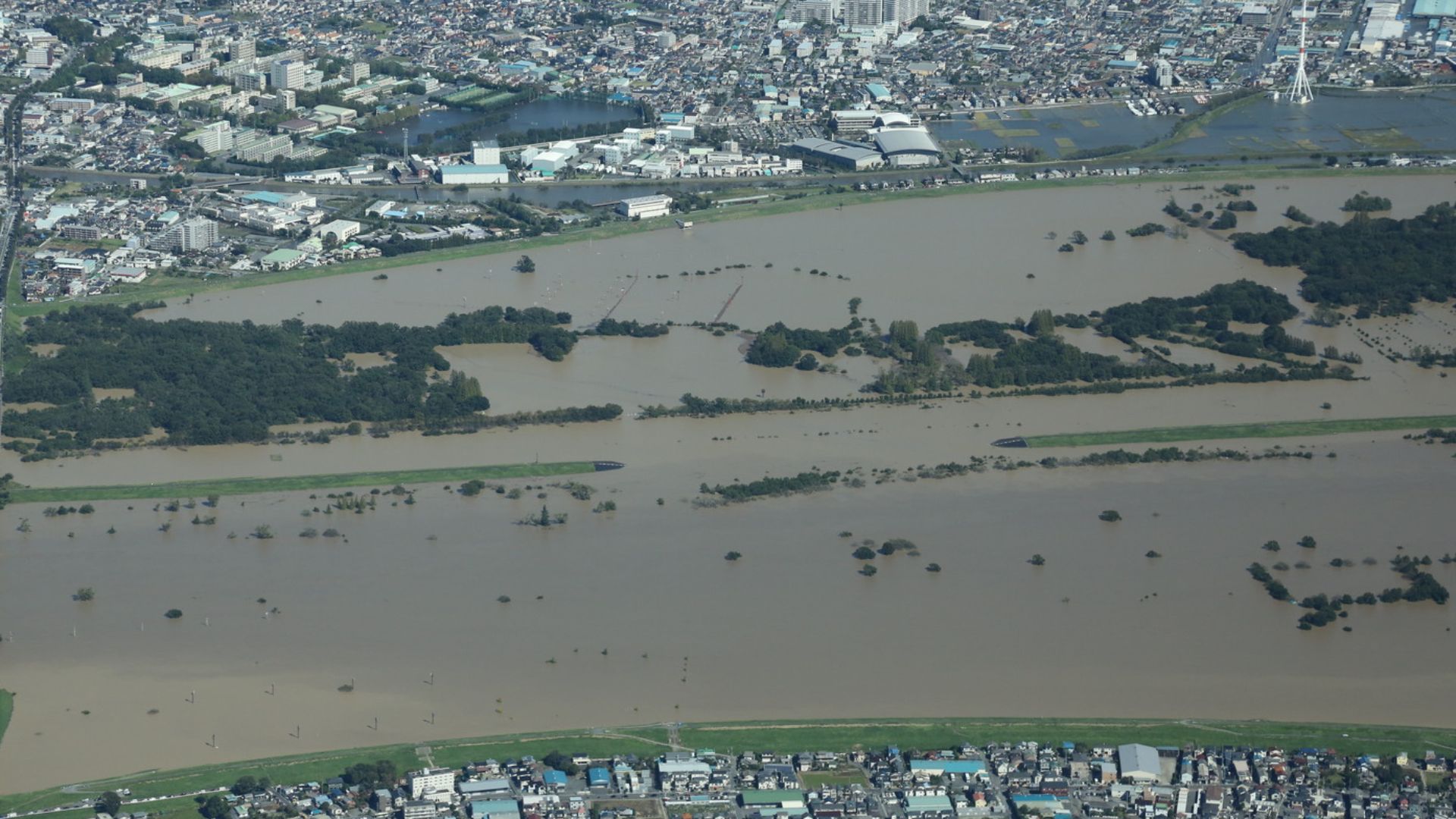 Institute of Geography, Wikimedia Commons
France’s Record Heat, 2019
France endured exceptional heat in June 2019, culminating in record-breaking temperatures. World Weather Attribution concluded that every European heatwave occurring in the modern climate is being made more likely and intense by human-caused warming. The event demonstrated how quickly temperatures once considered exceptional were becoming considerably easier to reach.
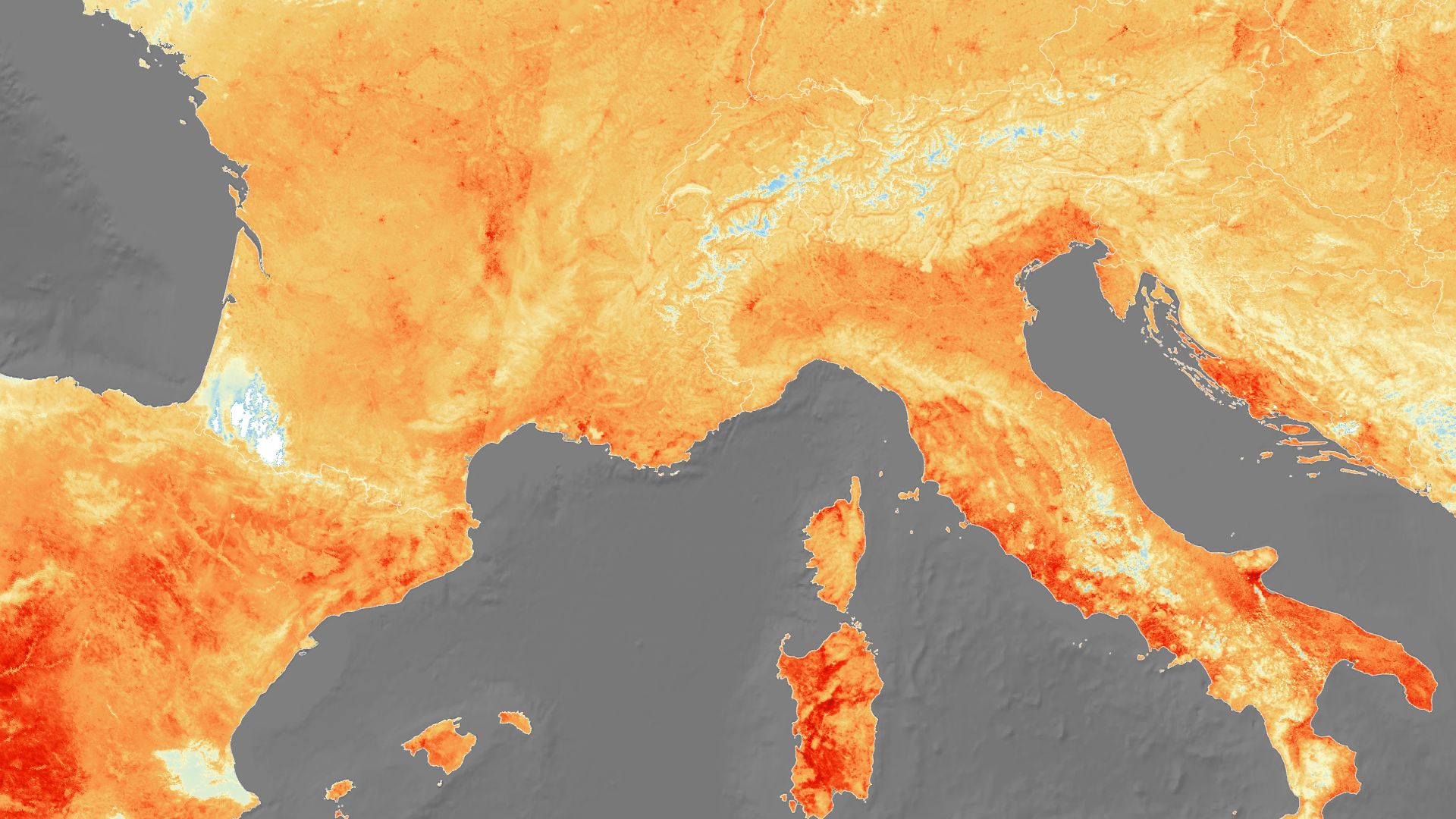 European Space Agency, Wikimedia Commons
Australia’s Black Summer, 2019–2020
Australia’s catastrophic 2019–20 bushfire season burned through enormous areas of southeastern Australia. Attribution researchers found climate change had increased the probability of fire-weather conditions as severe as those experienced by at least 30% since 1900. The extreme heat component had also become at least twice as likely because of human-caused warming.
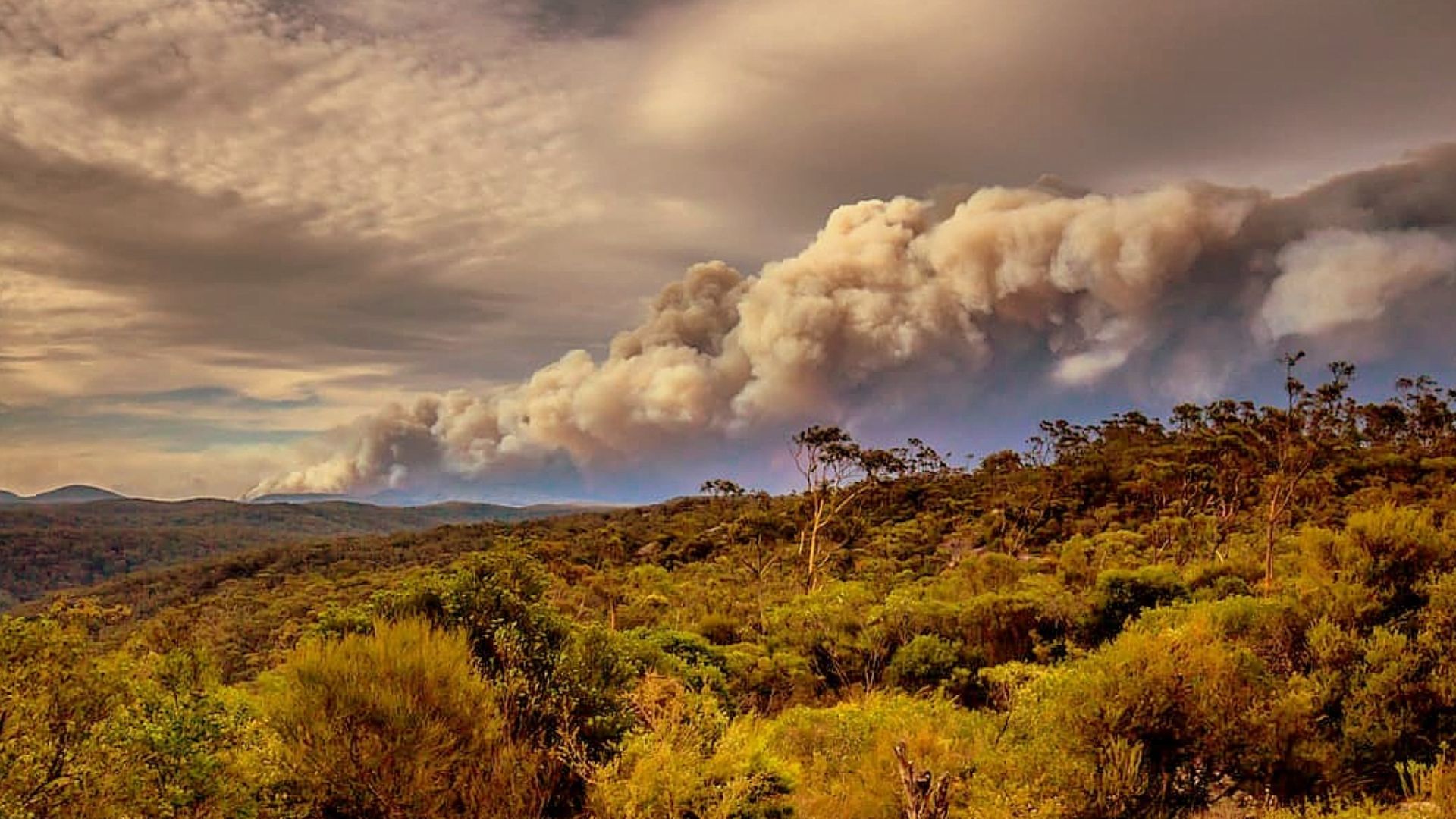
Siberia’s Extraordinary Heat, 2020
Siberia experienced remarkable warmth throughout the first half of 2020, culminating in a temperature of 38°C at Verkhoyansk inside the Arctic Circle. The prolonged regional heat was more than 5°C above the 1981–2010 average. Researchers concluded human-caused climate change made the six-month warm period at least 600 times more likely.
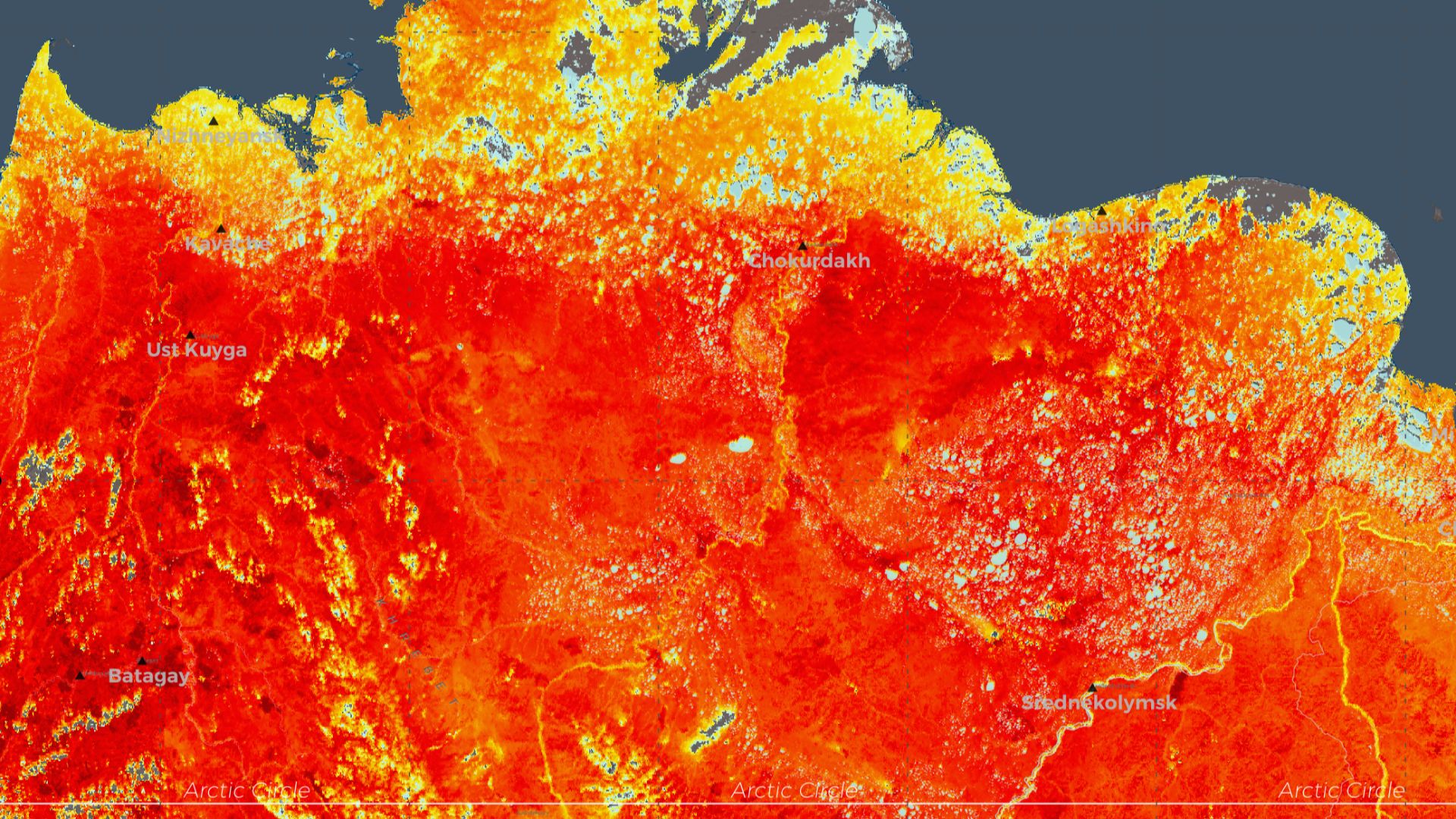 European Union , Copernicus Sentinel-3 imagery, Wikimedia Commons
The Pacific Northwest Heat Dome, 2021
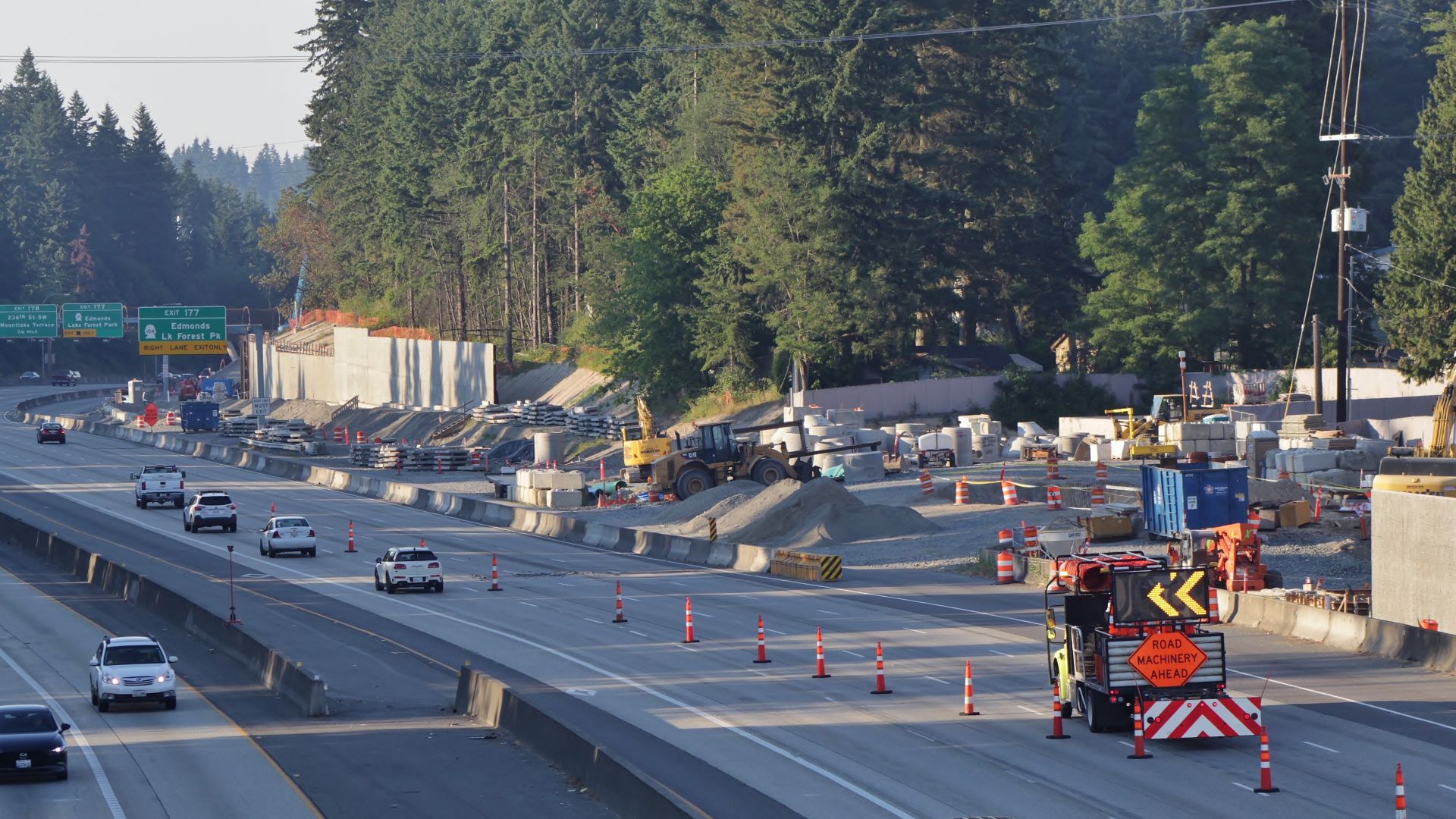
Western Canada and the northwestern United States experienced astonishing temperatures in June 2021, including Canada’s record 49.6°C reading at Lytton, British Columbia. Researchers concluded the event would have been virtually impossible without human-caused warming. British Columbia ultimately attributed 619 deaths to the extreme-heat episode between June 25 and July 1.
 SounderBruce, Wikimedia Commons
Western Europe’s Floods, 2021
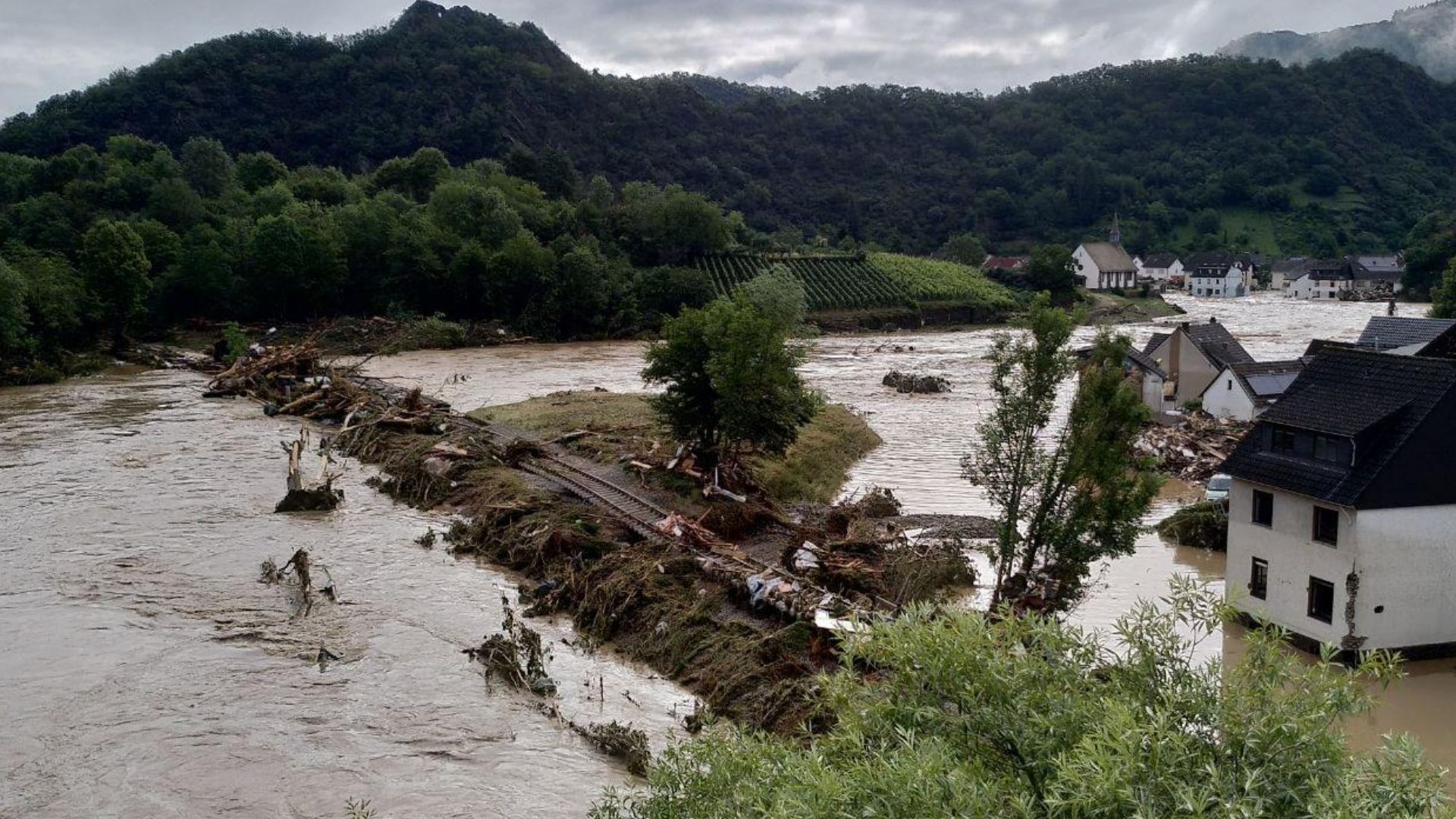
Days of extreme rainfall in July 2021 sent water surging through communities in Germany, Belgium and neighboring countries. At least 184 people passed in Germany and another 38 in Belgium. Attribution researchers found human-caused climate change had increased both the intensity and likelihood of the heavy rainfall responsible for the disaster.
 Martin Seifert (CnndrBrbr at German Wikipedia), Wikimedia Commons
Cyclones Ana And Batsirai, 2022
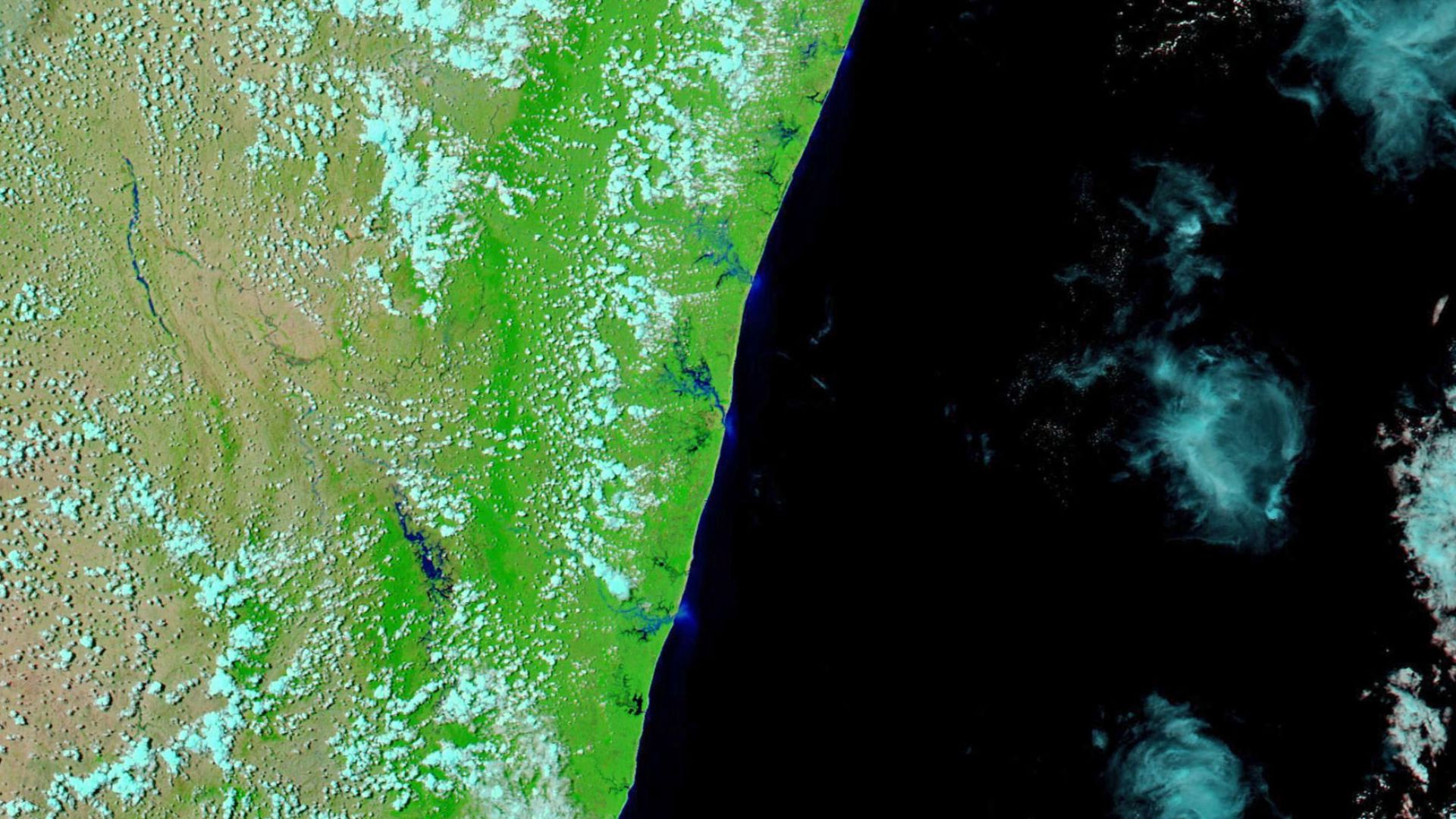
Madagascar, Mozambique and Malawi were struck by repeated tropical systems early in 2022, including Tropical Storm Ana and Cyclone Batsirai. Flooding caused severe humanitarian impacts while communities had little time to recover between storms. Researchers concluded climate change had increased the likelihood and intensity of heavy rainfall associated with the two systems.
 NASA Earth Observatory, Wikimedia Commons
India And Pakistan’s Early Heatwave, 2022
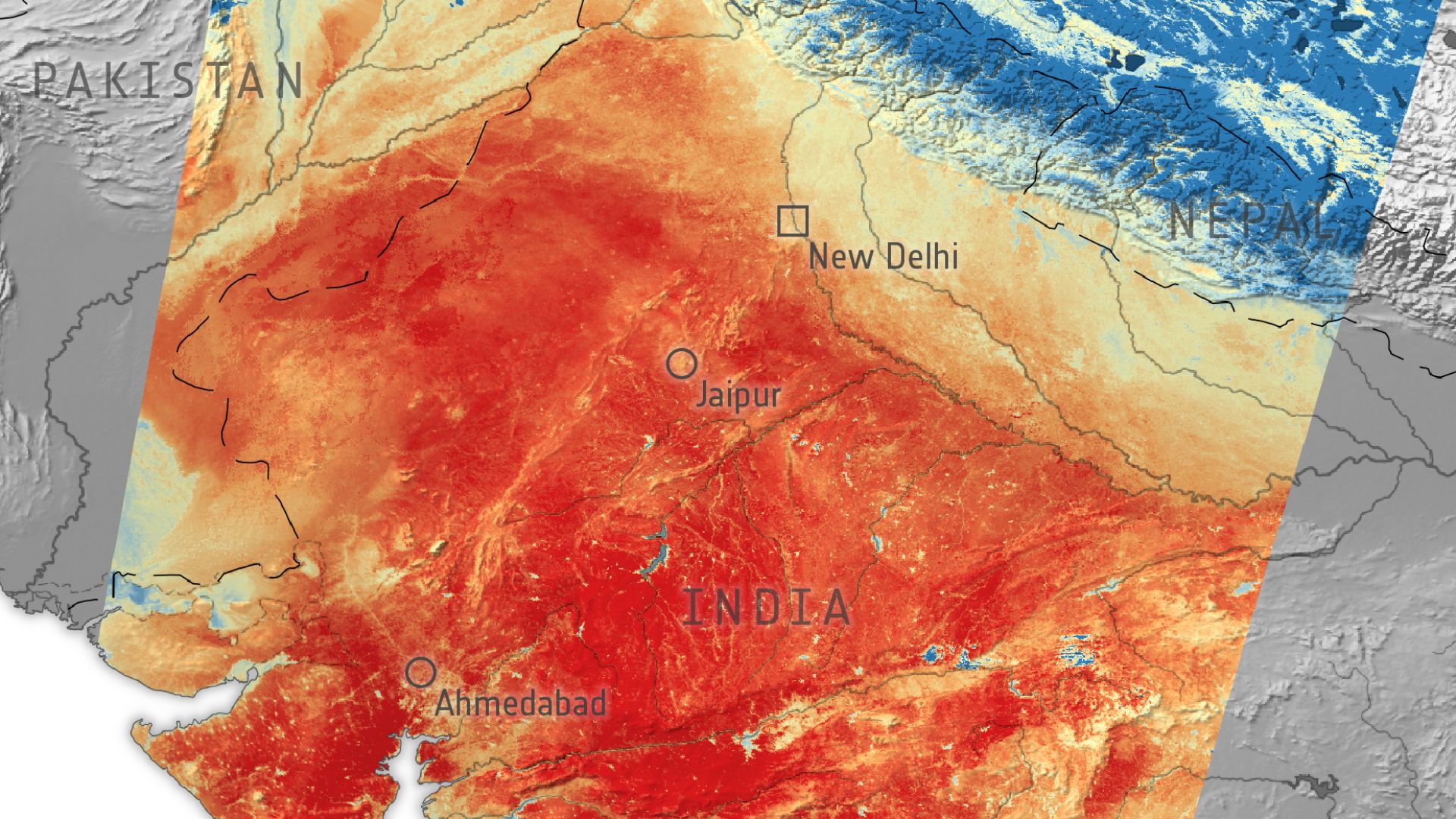
Extreme heat arrived unusually early across India and Pakistan in spring 2022. The event caused at least 90 reported deaths, damaged wheat production and contributed to power problems and wildfires. Attribution scientists concluded human-caused climate change made an event of this intensity and duration roughly 30 times more likely.
 European Space Agency, Wikimedia Commons
The KwaZulu-Natal Floods, 2022
More than 350 millimeters of rain fell across some areas of eastern South Africa over two days in April 2022. Floods and landslides left at least 435 people passed around eThekwini, which includes Durban. Researchers estimated climate change had approximately doubled the probability of such rainfall while increasing its intensity by roughly 4–8%.
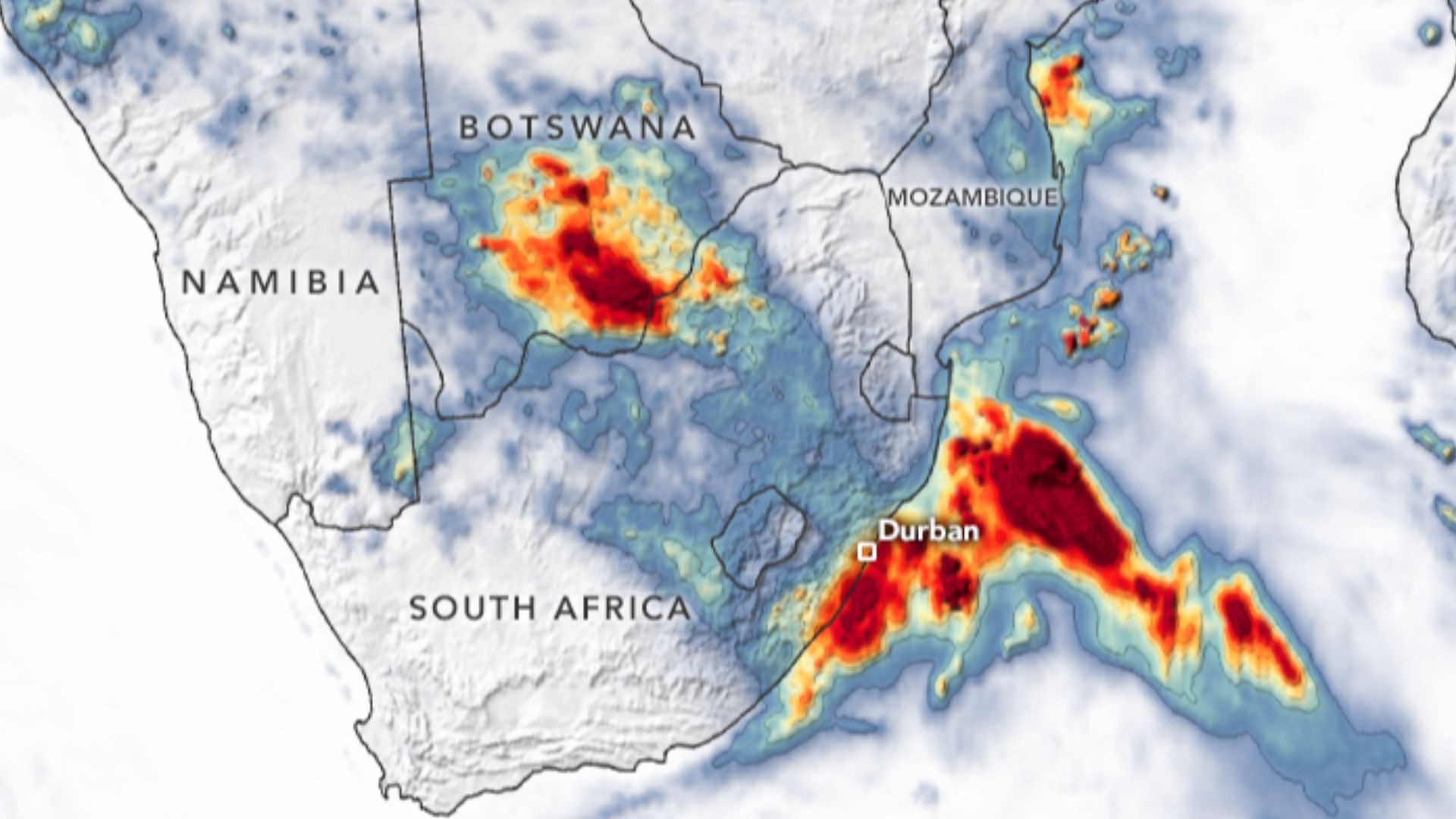 NASA - NASA Earth Observatory, Wikimedia Commons
Northeast Brazil’s Floods, 2022
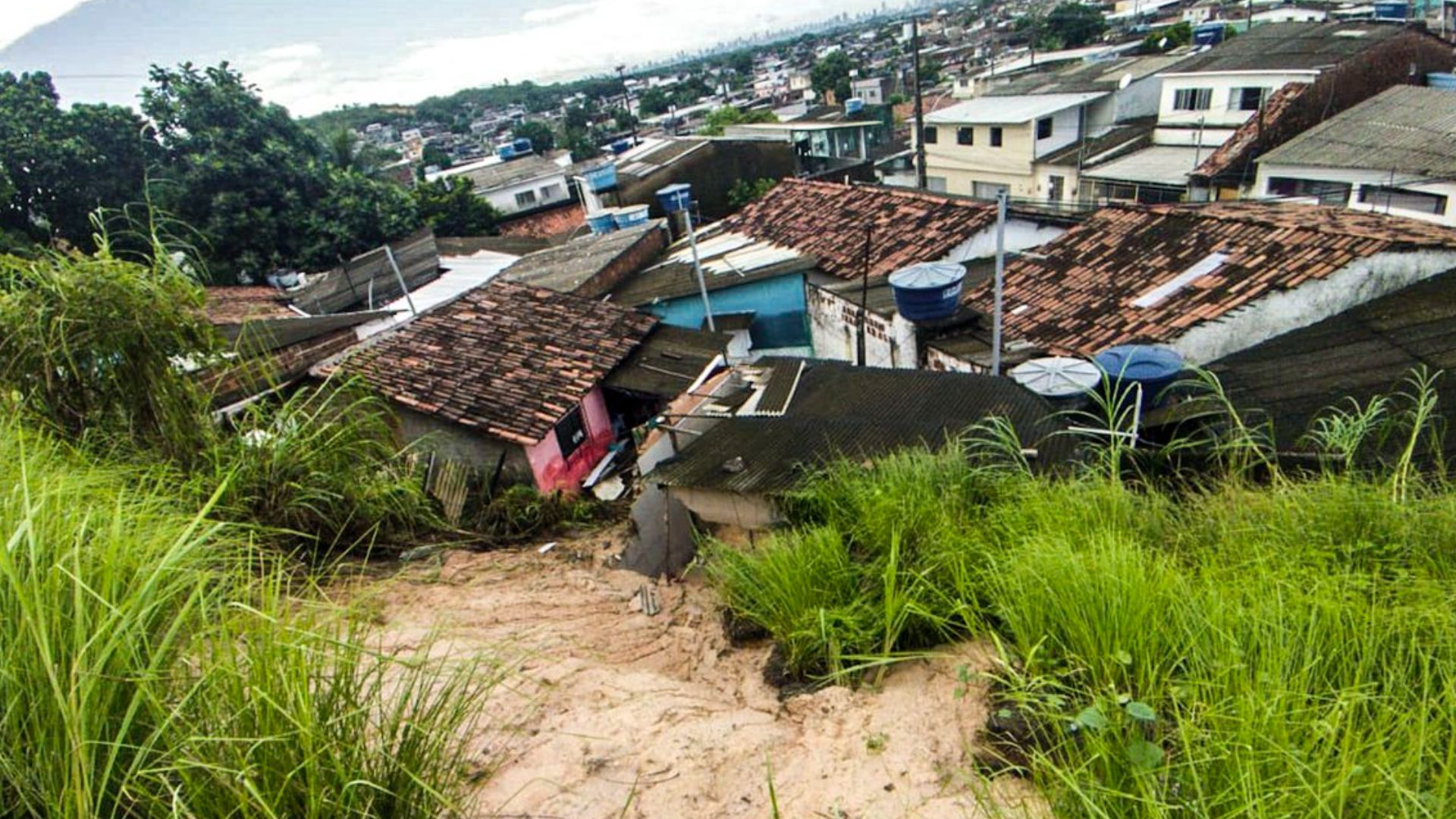
Torrential rain triggered catastrophic flooding and landslides across northeastern Brazil in May and June 2022, leaving more than 133 people passed and displacing at least 25,000. Researchers found rainfall events this rare would have been approximately one-fifth less intense in a climate 1.2°C cooler than today’s.
Pakistan’s Monsoon Disaster, 2022
Record monsoon rainfall inundated enormous areas of Pakistan during the summer of 2022. More than 33 million people were affected, roughly 1.7 million homes were destroyed and nearly 1,500 deaths had been reported by the time of the attribution analysis. Researchers concluded climate change likely increased the intensity of the extreme rainfall.
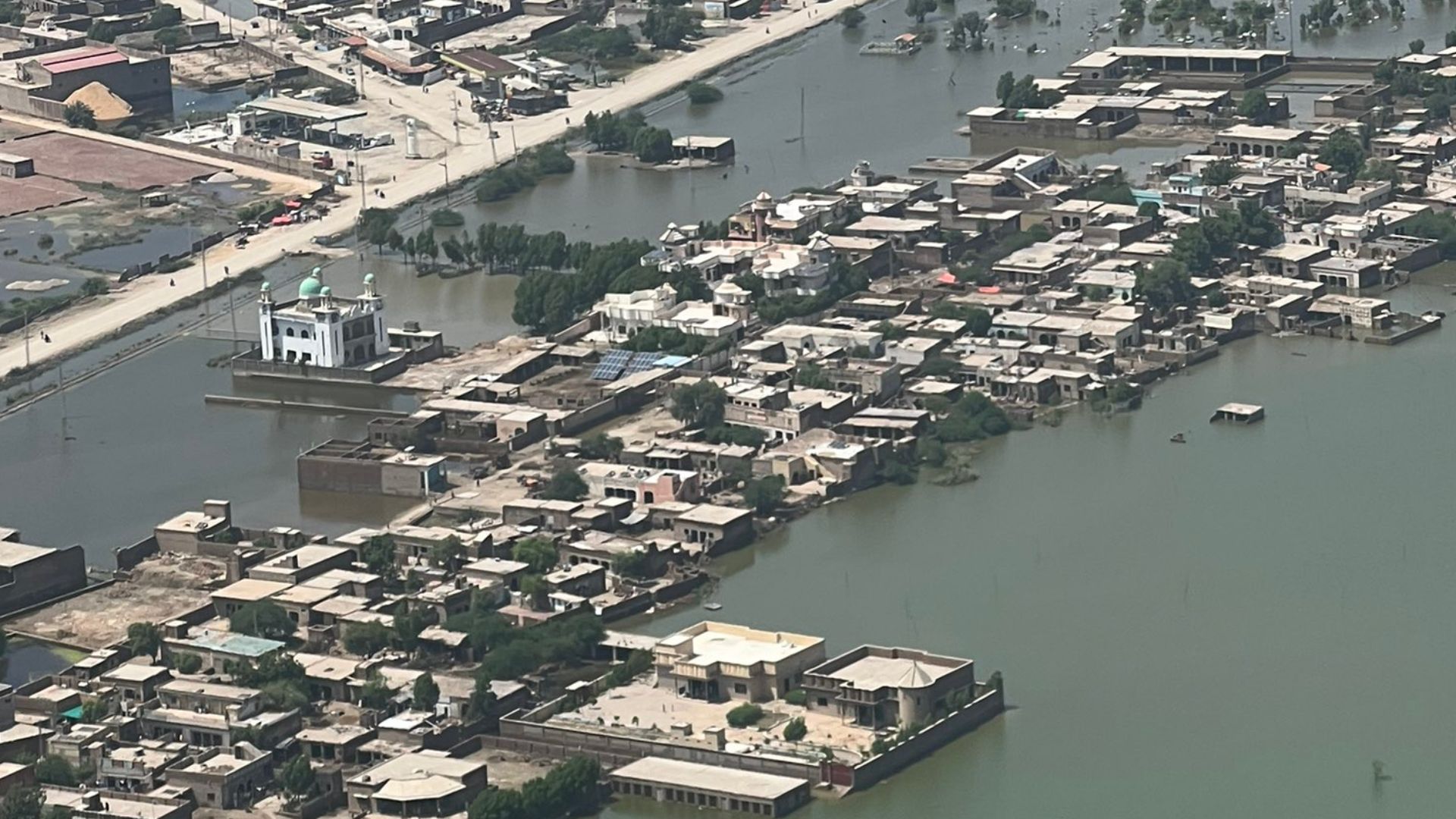 Ali Hyder Junejo, Wikimedia Commons
West Africa’s Widespread Flooding, 2022
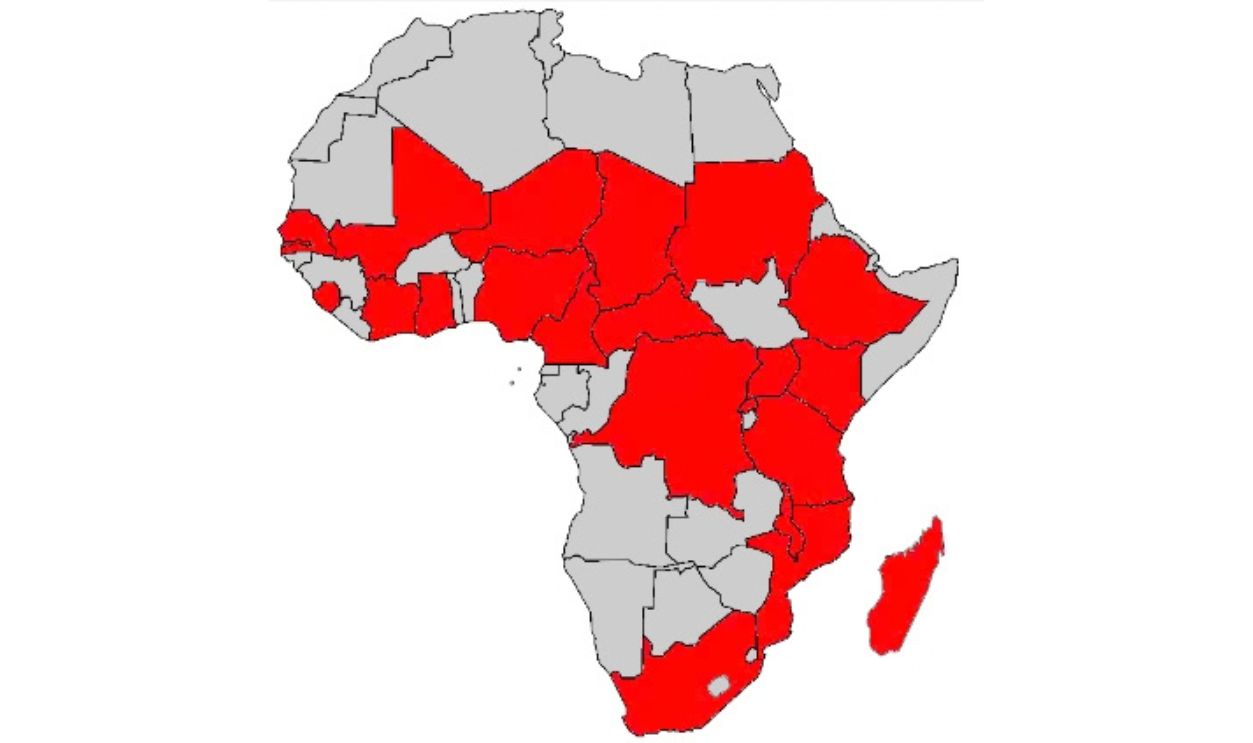
Above-average rains caused extensive flooding from Mali to Cameroon in 2022. Nigeria reported at least 612 fatalities while Niger reported 195. Researchers found climate change made seven-day extreme rainfall over the lower Niger Basin about twice as likely and roughly 5% more intense, while the climate influence around Lake Chad was even larger.
Europe’s Great Drought, 2022
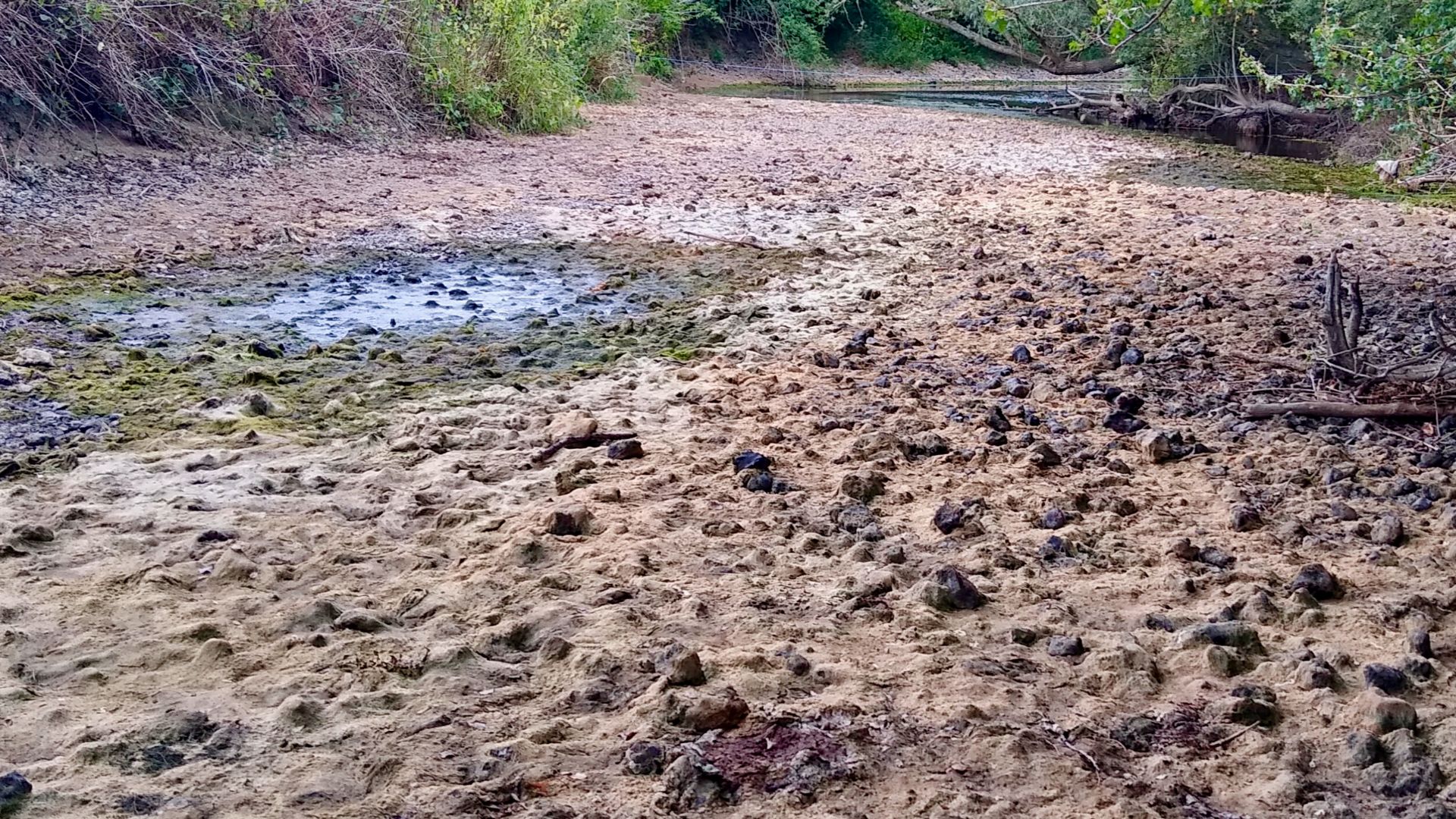
Heat, low rainfall and exceptionally dry soils hit Europe during the summer of 2022, damaging crops, straining water supplies and increasing wildfire danger. Researchers estimated human-caused climate change made root-zone soil drought in west-central Europe around three to four times more likely and surface-soil drought roughly five to six times more likely.
Canada’s Record Wildfire Season, 2023
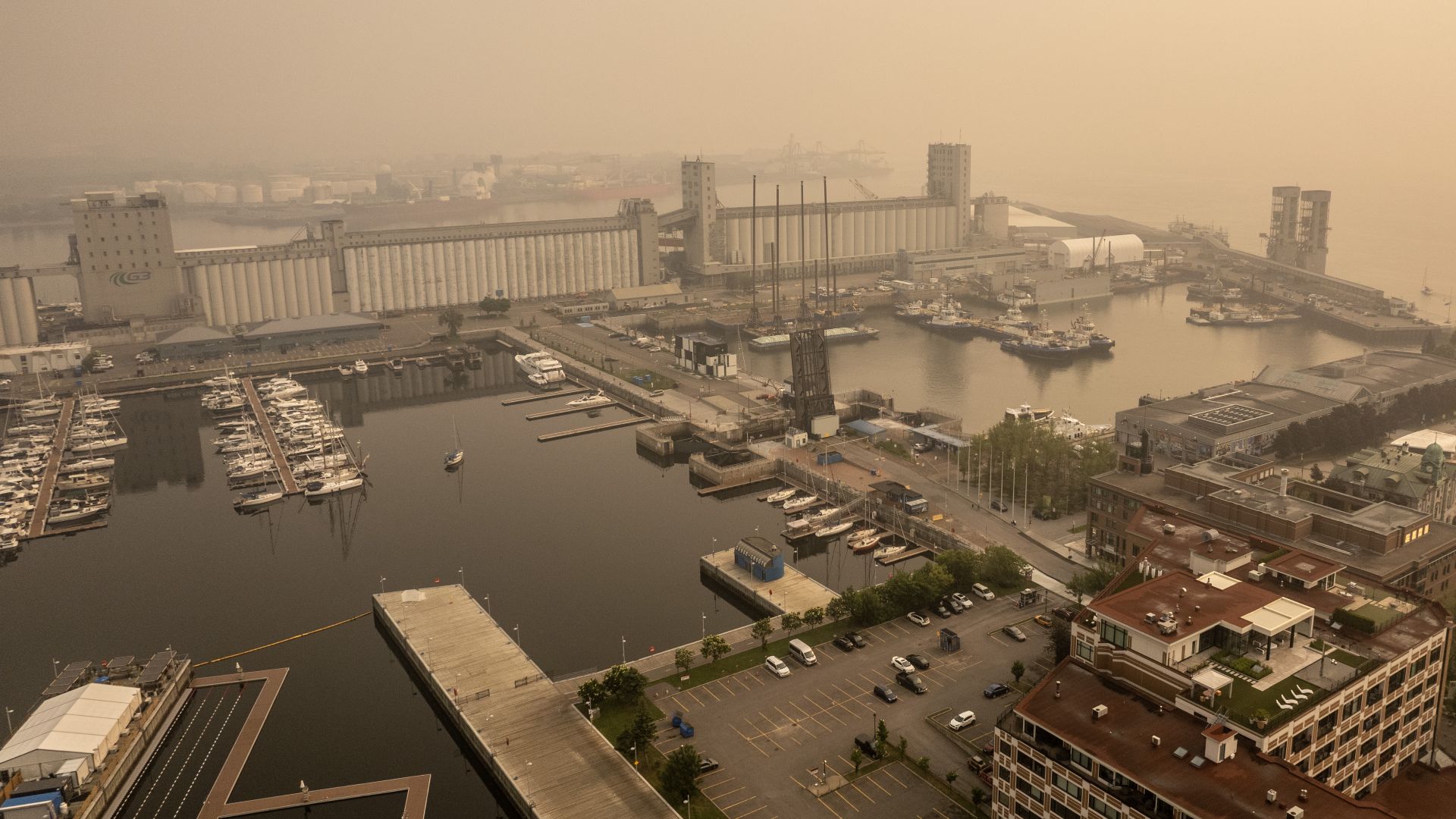
Canada’s 2023 wildfire season shattered previous records, with smoke spreading across huge portions of North America. In Quebec, researchers found climate change made the cumulative severity of fire weather roughly 50% greater and conditions that severe at least seven times more likely. The fires demonstrated that their effects can travel thousands of miles.
 Gabriel Picard, Wikimedia Commons
The Horn Of Africa Floods, 2023
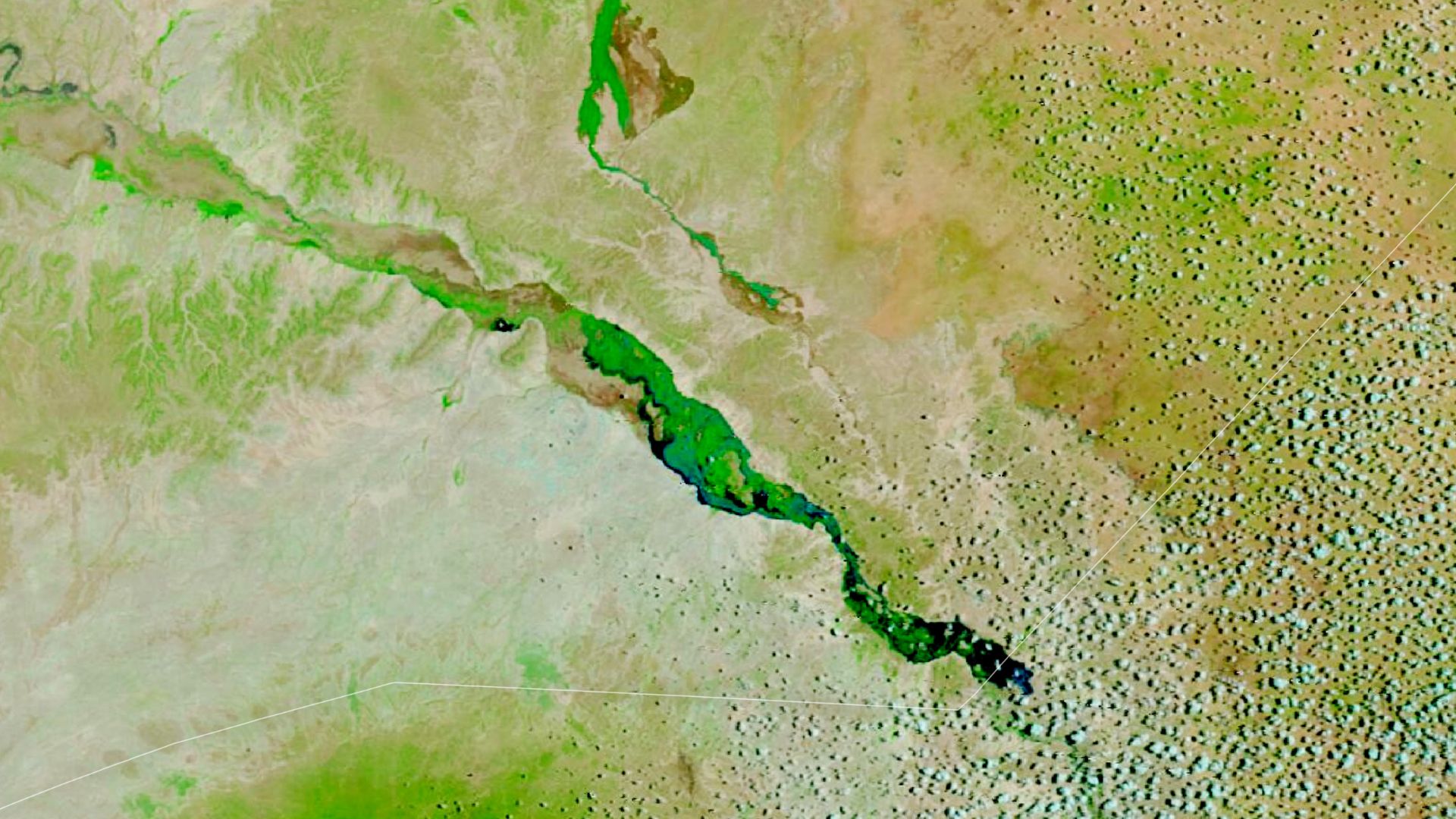
After years of punishing drought, parts of Ethiopia, Kenya and Somalia suddenly faced exceptional rainfall and severe flooding in late 2023. More than 300 deaths were reported and over one million people were displaced in Kenya and Somalia alone. Researchers found high confidence that climate change intensified the heavy seasonal rainfall.
Libya’s Catastrophic Flood, 2023
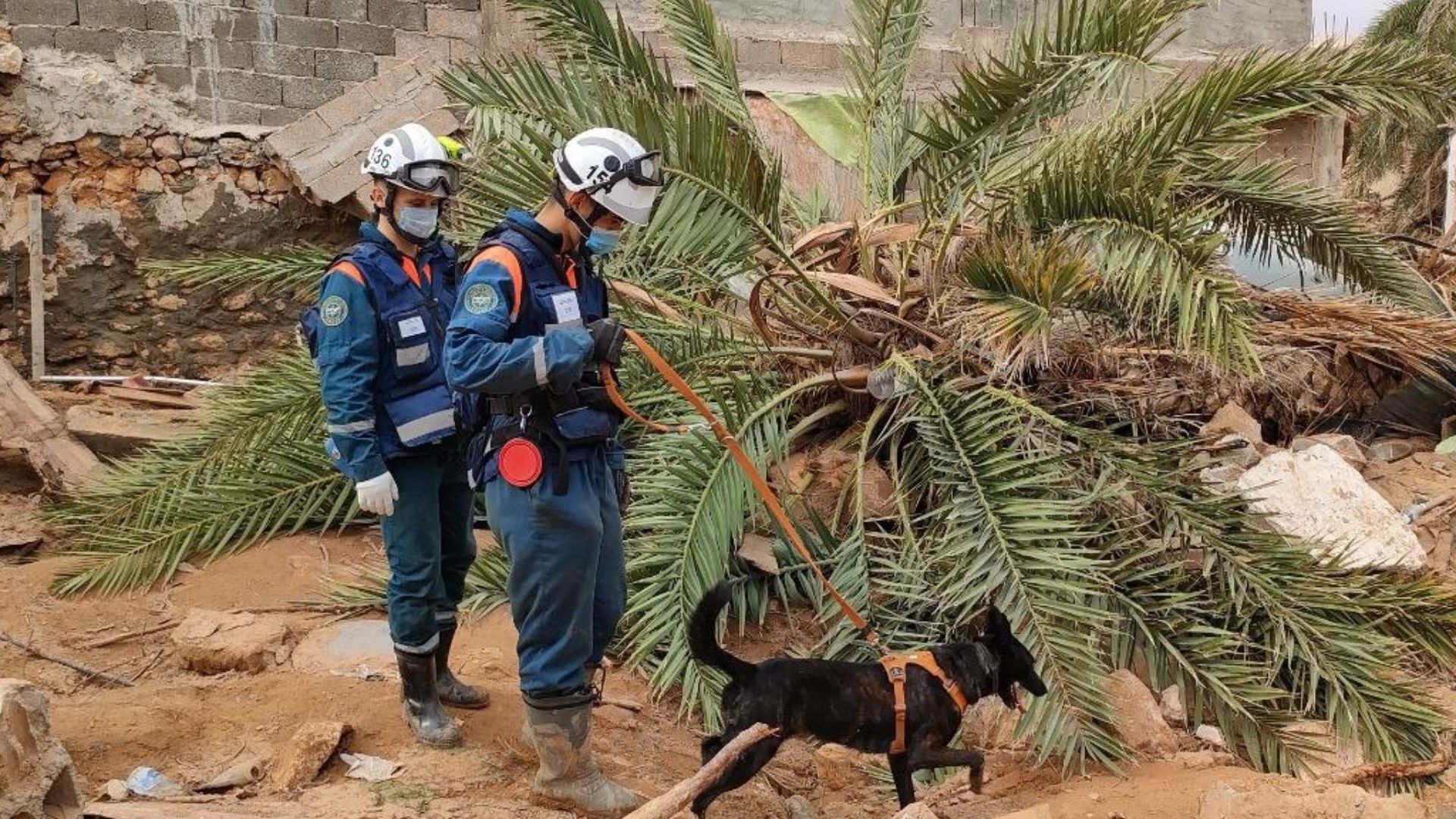
Storm Daniel brought extreme rainfall to Libya in September 2023 before catastrophic dam failures devastated Derna. Thousands of people lost their lives. Attribution researchers found rainfall on this scale had become up to 50 times more likely and up to 50% more intense, although infrastructure deterioration and political instability greatly magnified the human disaster.
 Ministry of Emergency Situations of Russia, Wikimedia Commons
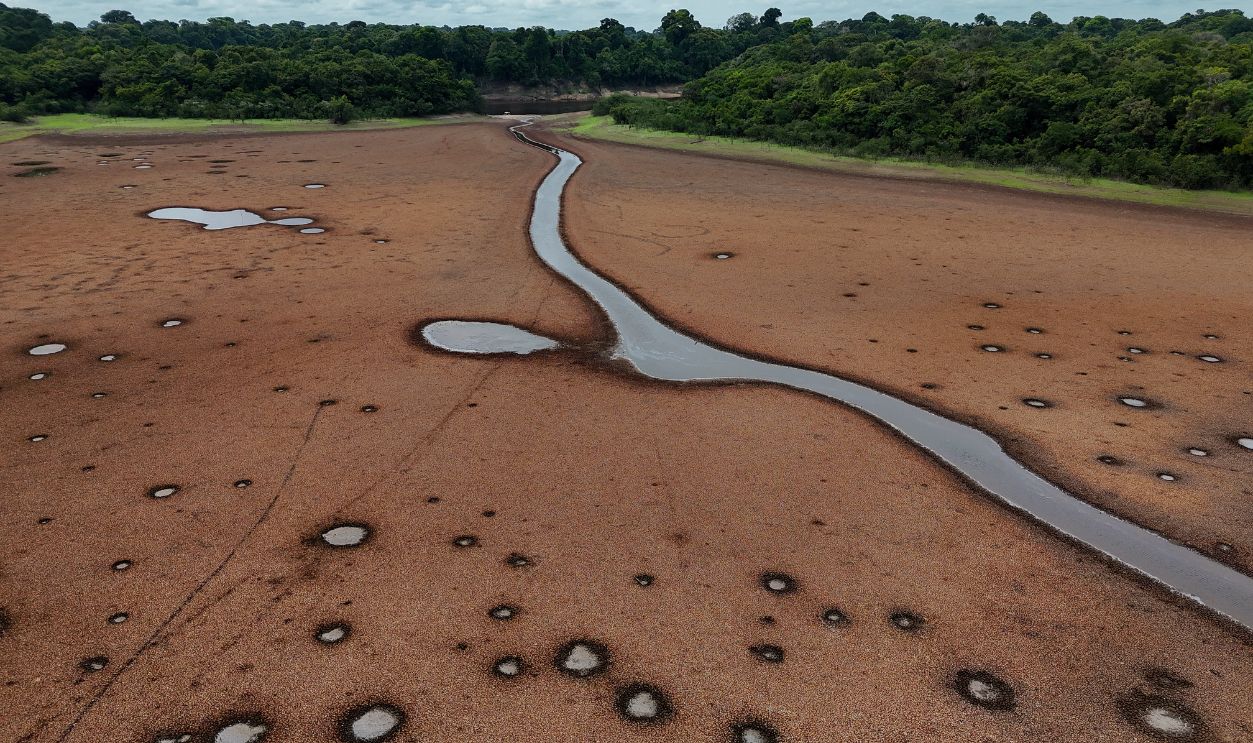
The Amazon’s Exceptional Drought, 2023–2024
The Amazon River Basin entered exceptional drought beginning in 2023 as low rainfall combined with persistent heat. River levels reportedly reached their lowest levels in roughly 120 years, disrupting transportation and threatening communities and wildlife. Attribution researchers concluded human-caused climate change, rather than El Niño, was the principal driver of the exceptional drought conditions.
Southern Brazil’s Historic Floods, 2024
More than 420 millimeters of rain fell across Rio Grande do Sul between April 24 and May 4, 2024. Flooding affected more than 90% of the state and ultimately displaced hundreds of thousands. Researchers found climate change more than doubled the likelihood of the extreme rainfall and increased its intensity by roughly 6–9%.
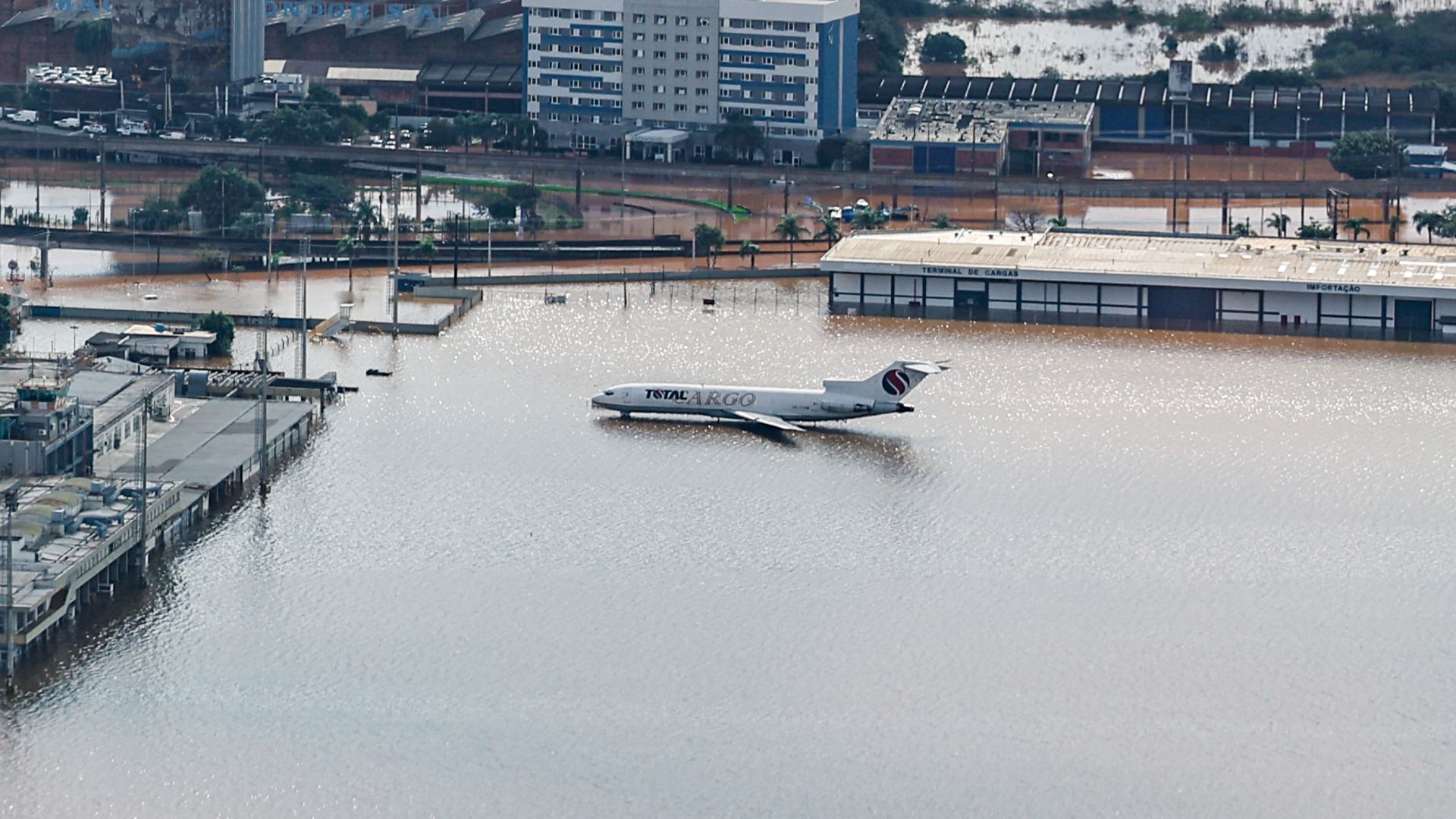 Foto: Ricardo Stuckert / PR, Wikimedia Commons
The Pantanal Wildfires, 2024
Brazil’s Pantanal wetlands endured extreme fire conditions in 2024, threatening wildlife, Indigenous communities and livelihoods across one of the planet’s most important ecosystems. Researchers concluded human-caused warming made the extreme June fire weather about 40% more intense and four to five times more likely, showing how warming can transform already vulnerable landscapes.
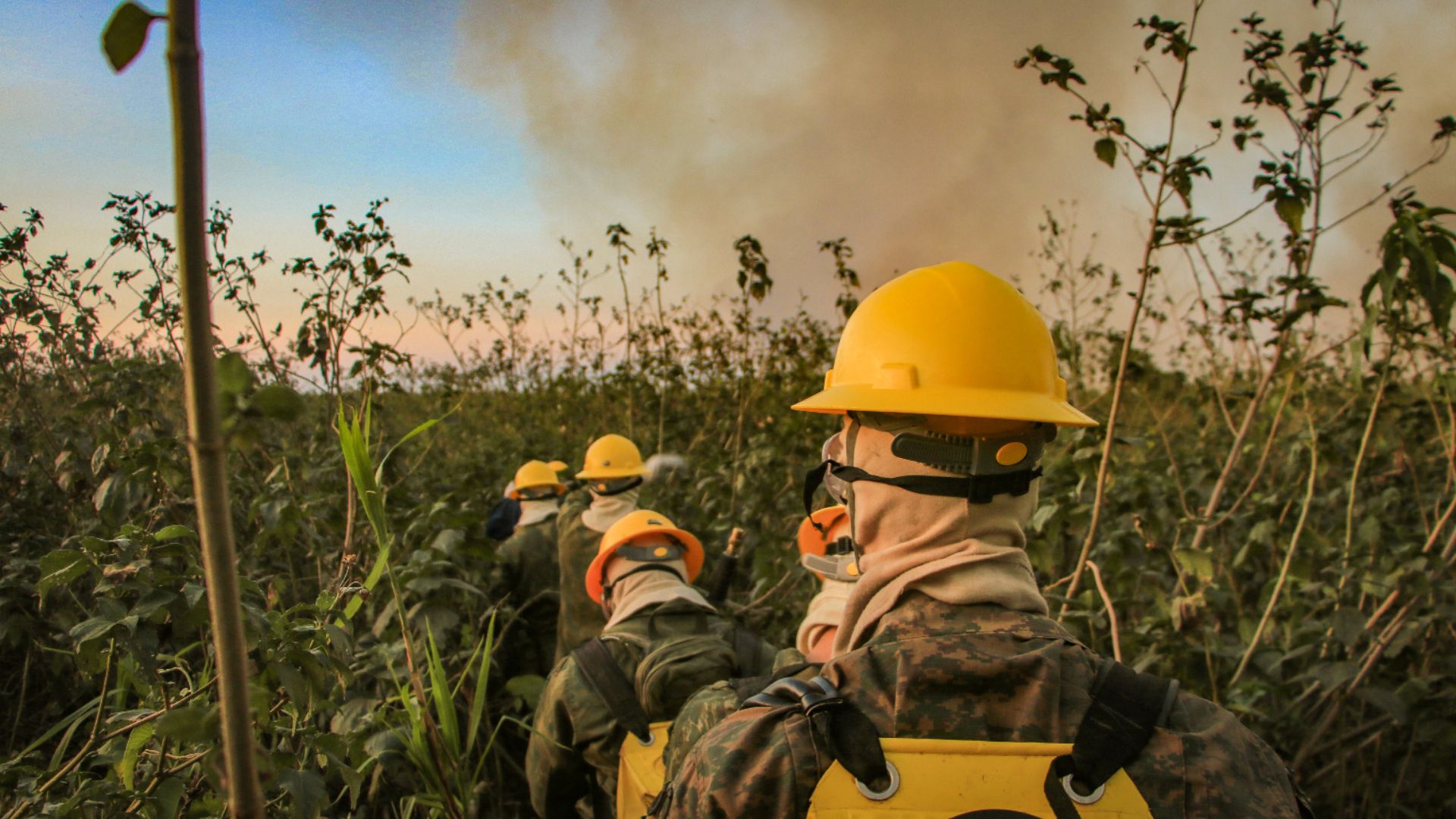 Marinha do Brasil, Wikimedia Commons
You May Also Like:
Chilling Facts About The Mansions Of Disturbed Minds
Sources: 1, 2, 3, 4, 5, 6, 7, 8, 9, 10, 11, 12, 13, 14, 15, 16, 17, 18, 19, 20, 21, 22, 23