A Newly Revealed Desert City Is Filling In One Of The Biggest Missing Chapters In The History Of The Americas
For nearly 4,000 years, the ancient city of Peñico sat quietly among the dry hills of coastal Peru, its plazas and ceremonial buildings slowly disappearing beneath layers of dust and time. Now, after eight years of research, Peñico is being hailed as one of the most important archaeological discoveries in recent decades. The city is not only expanding our understanding of the mysterious Caral civilization, but also helping answer one of archaeology's biggest questions: What happened after the Americas' oldest known civilization began to decline?
A City Hidden In Peru's Desert Hills
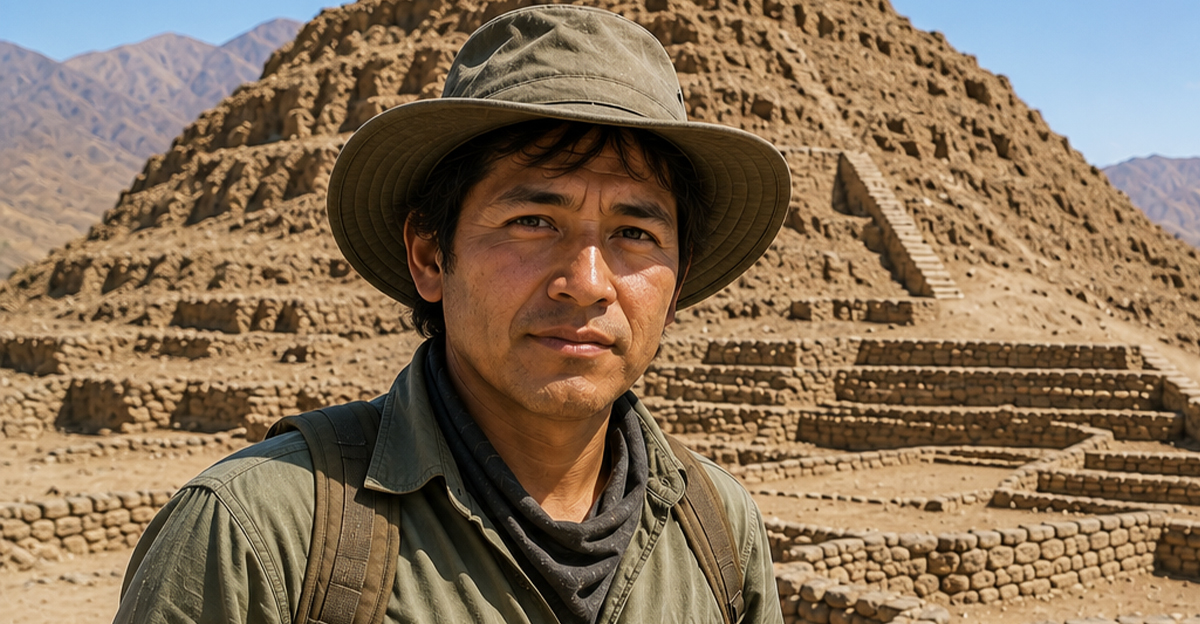
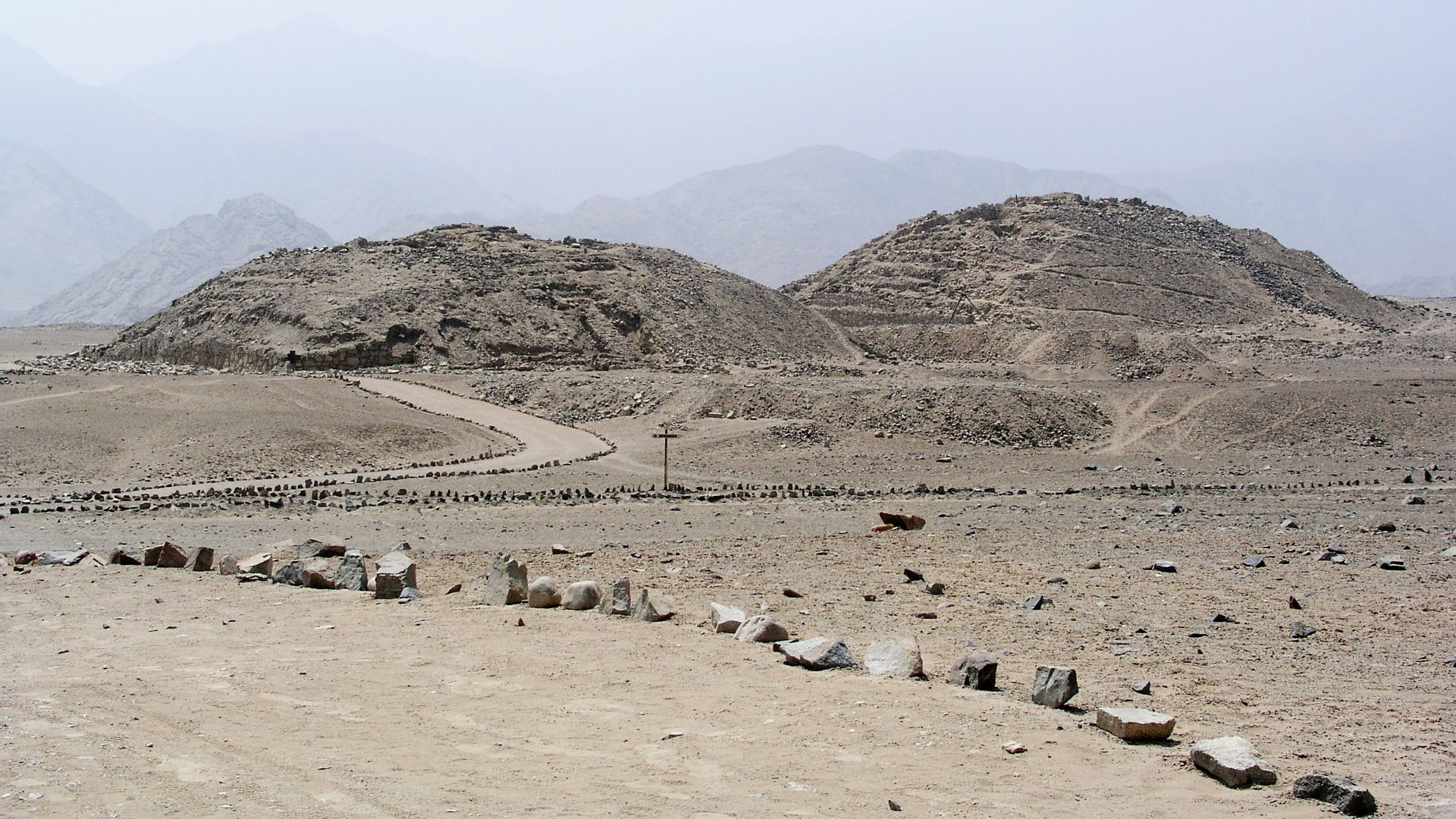
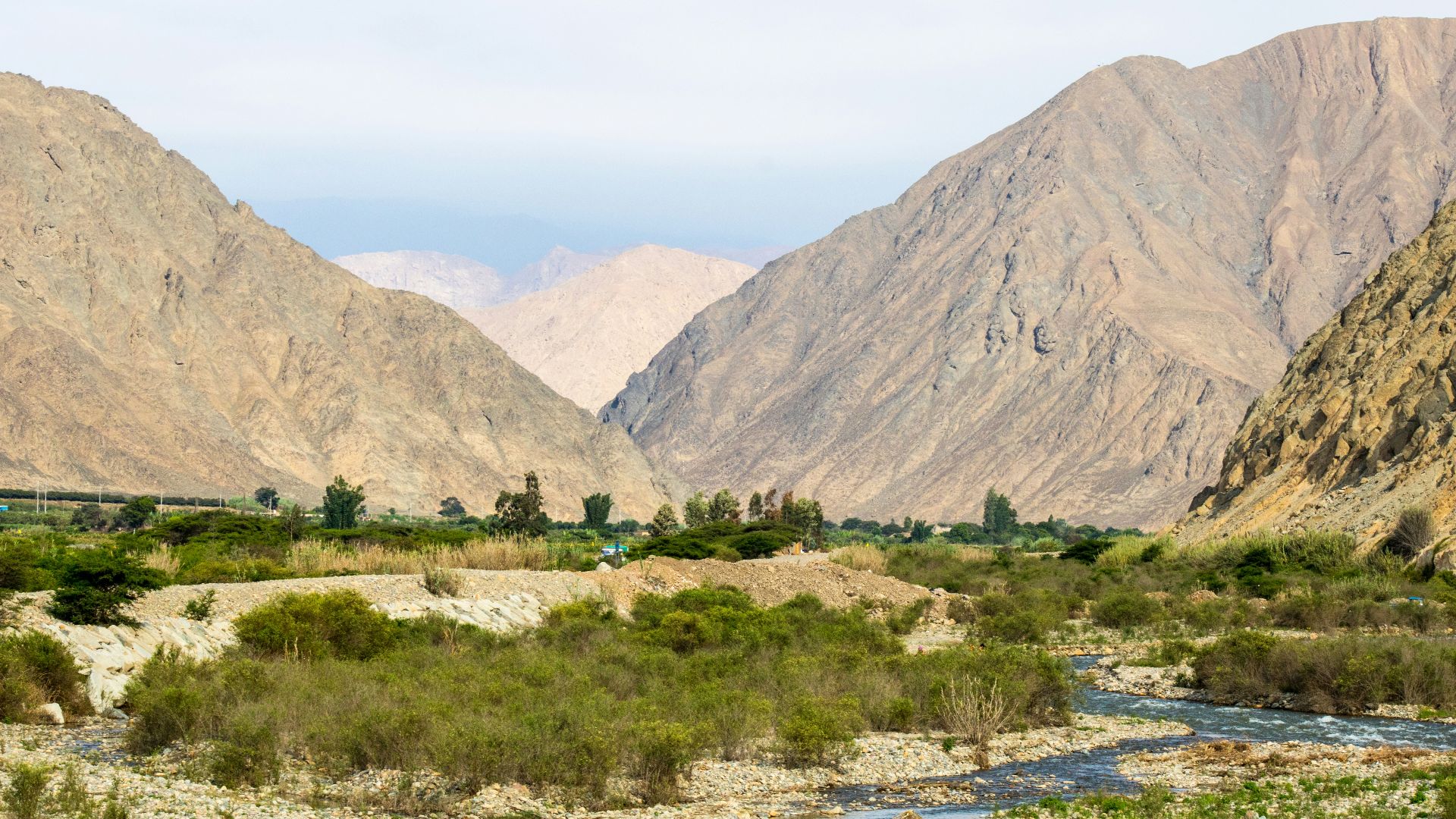
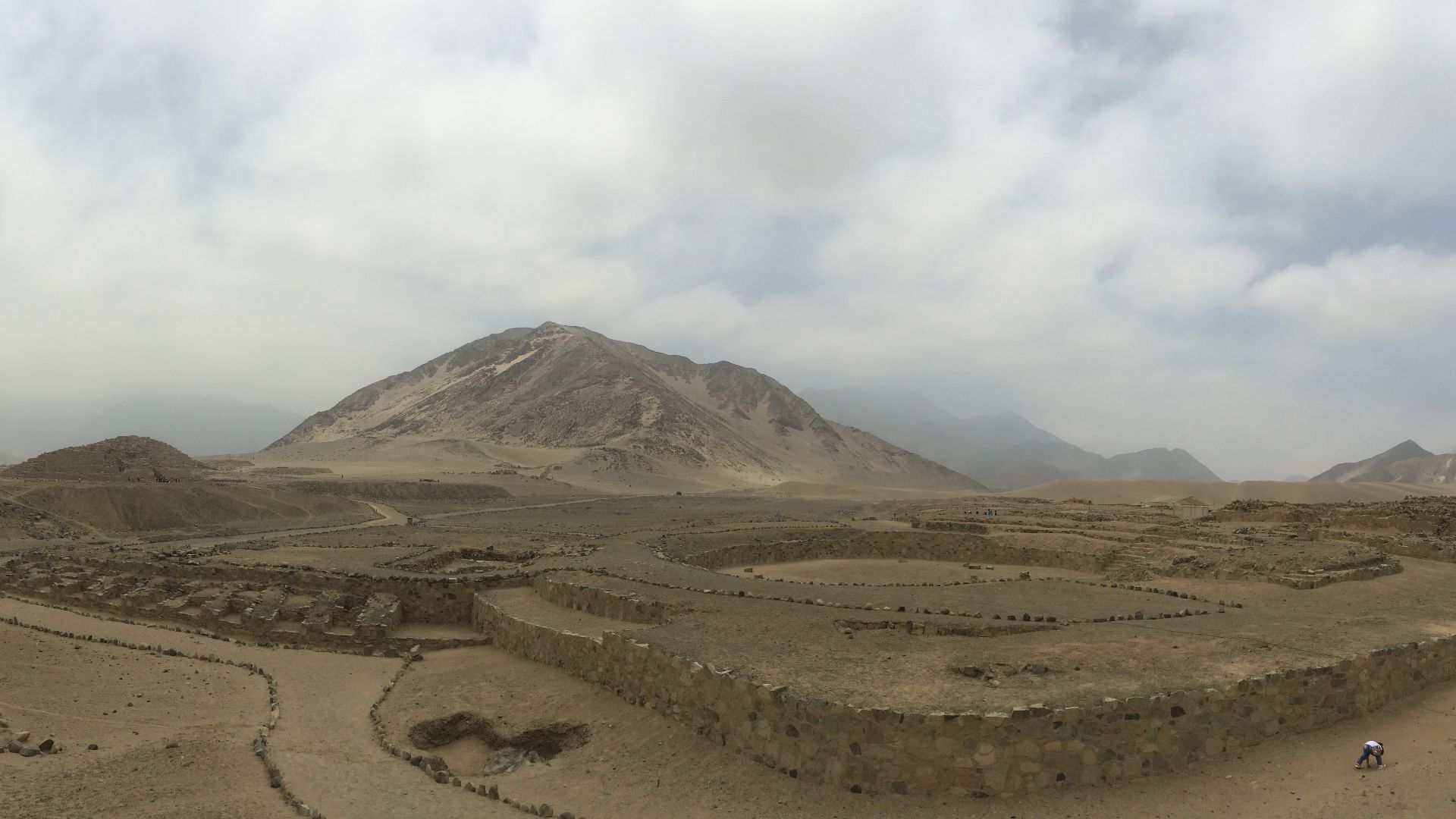
Peñico lies in Peru's Huaura Province, roughly 200 kilometers north of Lima and about 12 kilometers from the famous archaeological site of Caral. Unlike many ancient cities buried beneath dense jungle, Peñico sits in a dry valley surrounded by rocky hills. Even so, centuries of erosion and natural sediment gradually concealed much of the settlement, making it easy to overlook until modern archaeological surveys began.
 Petty Officer 3rd Class Daniel Barker, Wikimedia Commons
The Discovery Took Years
Although the site itself had been identified in 2017, archaeologists did not immediately announce a spectacular lost city. Instead, the team spent eight years carefully excavating, documenting, conserving, and studying the ruins before revealing their findings to the public. Led by renowned Peruvian archaeologist Dr Ruth Shady, the same researcher responsible for bringing nearby Caral to international attention, the project focused on understanding the city rather than rushing to make headlines.
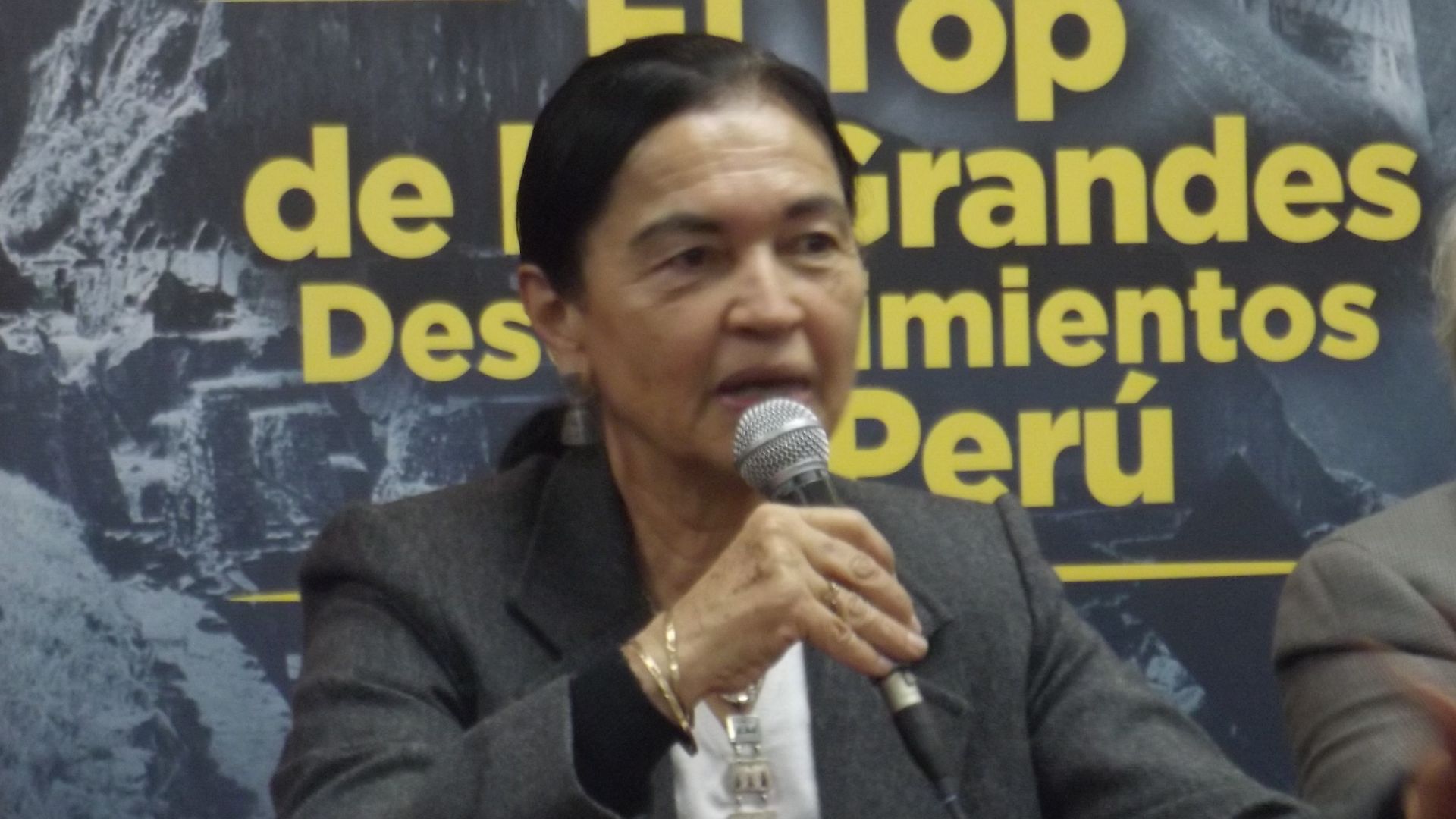 El Top Anual de los Grandes Descubrimientos del Peru, Wikimedia Commons
Meet The Caral Civilization
To understand why Peñico matters, it helps to know about the civilization that built it. The Caral civilization, also known as the Norte Chico civilization, flourished between roughly 3000 and 1800 BCE and is widely regarded as the oldest known civilization in the Americas. It developed monumental cities, sophisticated agriculture, and organized religious centers nearly 1,500 years before the rise of the Olmecs in Mesoamerica. Unlike many other early civilizations, Caral appears to have developed independently, making it one of the world's original cradles of civilization.
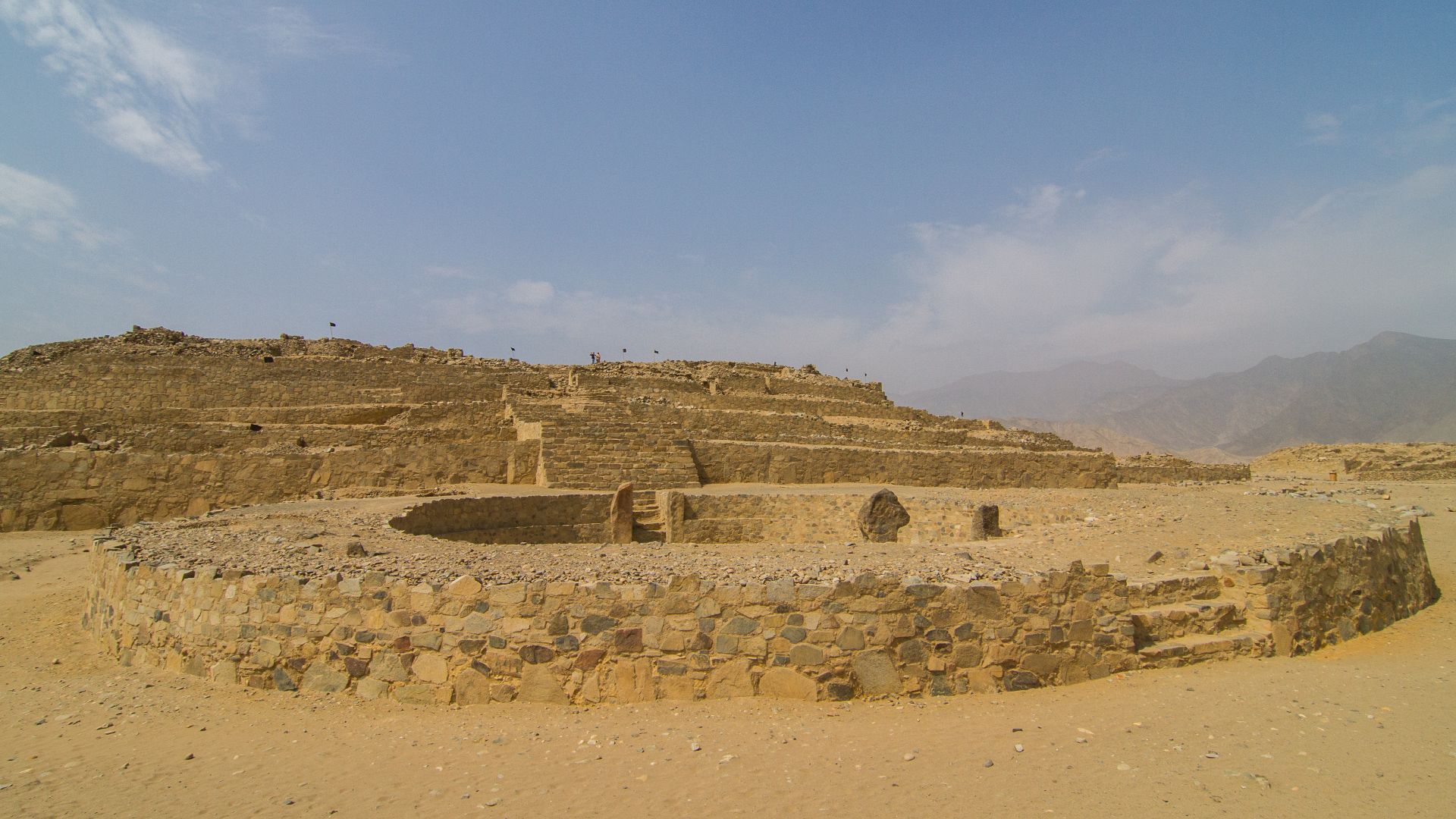 Jon Gudorf Photography, Wikimedia Commons
Why Peñico Was Built
Researchers believe Peñico was founded between about 1800 and 1500 BCE, during the final centuries of the Caral cultural tradition. Rather than replacing Caral, it appears to represent the next stage in the region's development after environmental changes disrupted earlier settlements. Archaeologists think the city became an important center where surviving communities reorganized and continued many of their long-established traditions.
 Hakan Svensson Xauxa, Wikimedia Commons
A Perfect Location For Trade
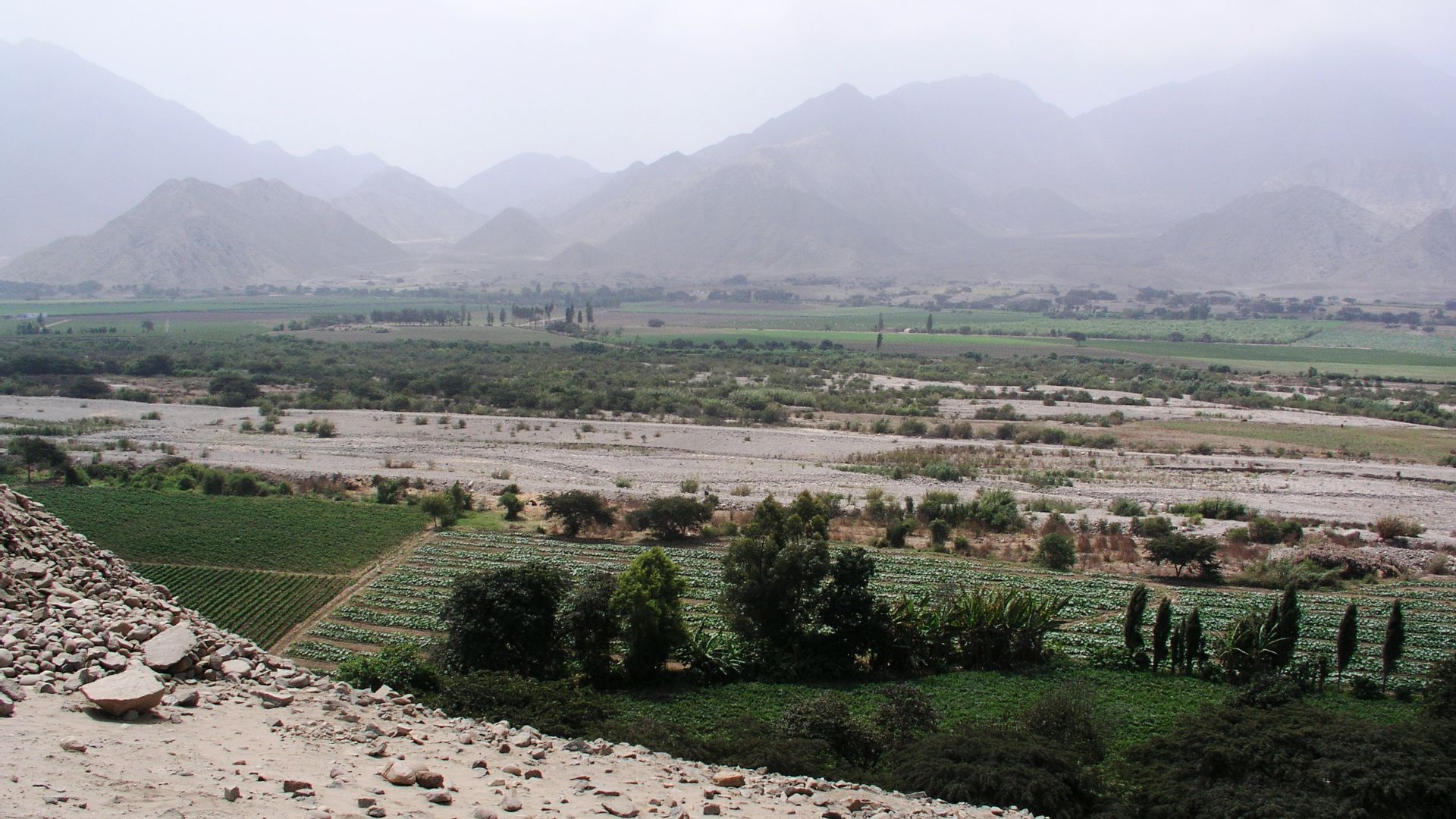
One reason Peñico flourished was its strategic position. It sat between the Pacific coast, the Andes Mountains, and the Amazon basin, allowing merchants from very different environments to exchange goods and ideas. Archaeologists believe the city served as an important trading hub where coastal fishermen, mountain farmers, and rainforest communities all interacted. Its location may have made it one of the most important commercial centers in ancient Peru during its time.
 Hakan Svensson Xauxa, Wikimedia Commons
What Archaeologists Found
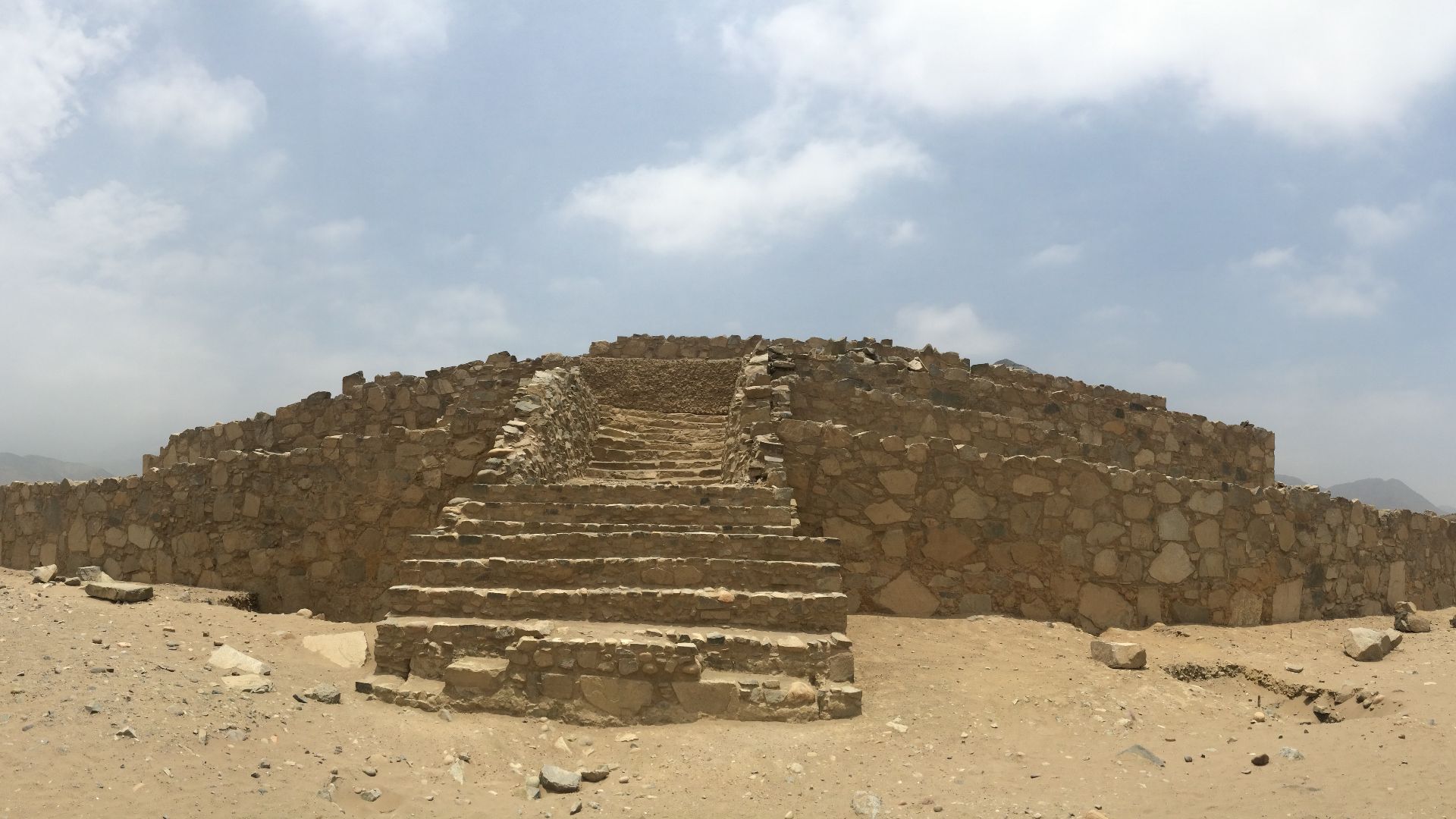
Excavations have uncovered 18 major structures spread throughout the site. These include ceremonial buildings, residential compounds, administrative spaces, plazas, and large public architecture. Although only part of the city has been excavated so far, the remains reveal careful urban planning and a level of organization that rivals other major Caral settlements.
 Viajes con Astro Cartografia, Unsplash
A Circular Plaza At The City's Heart
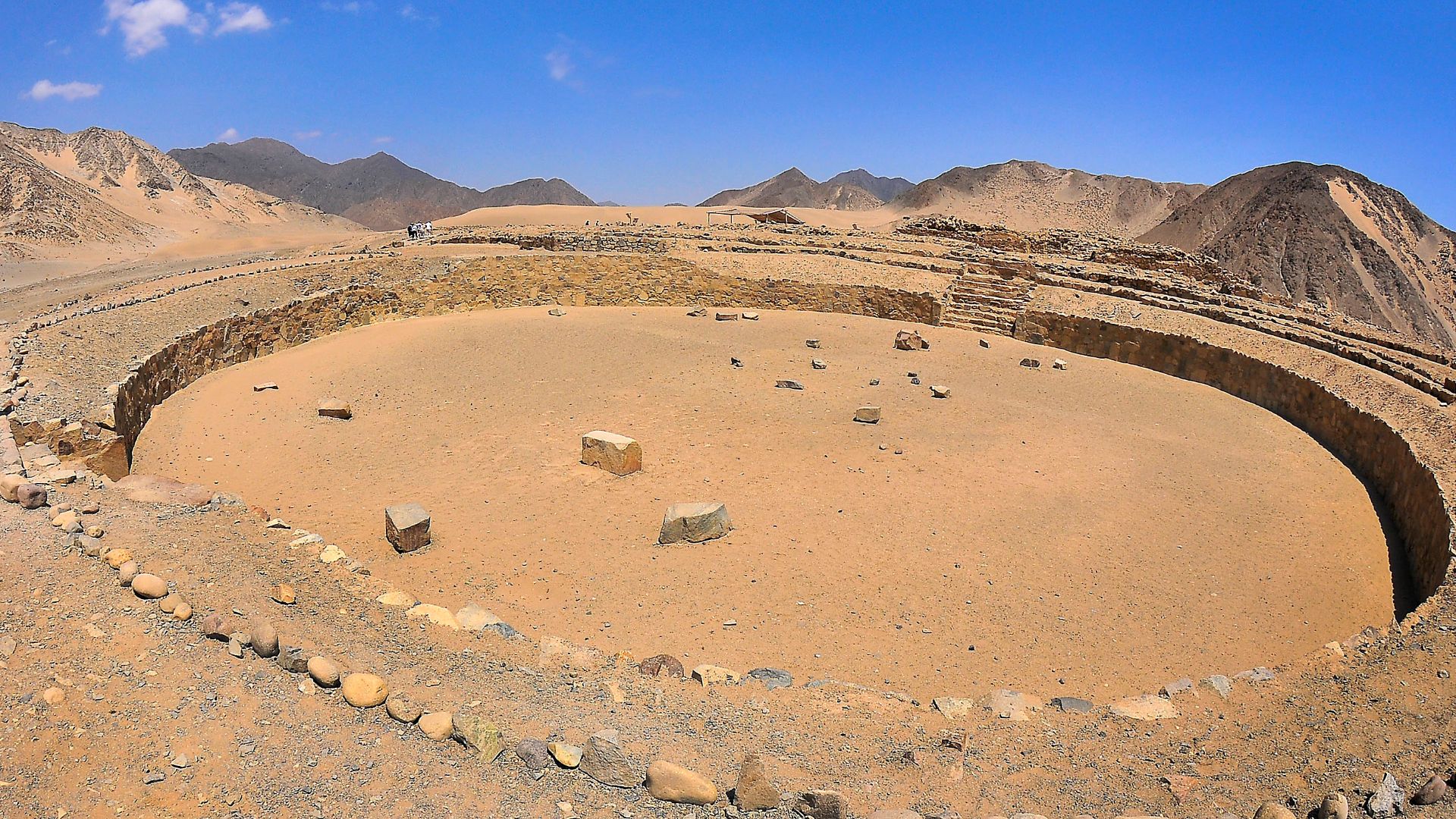
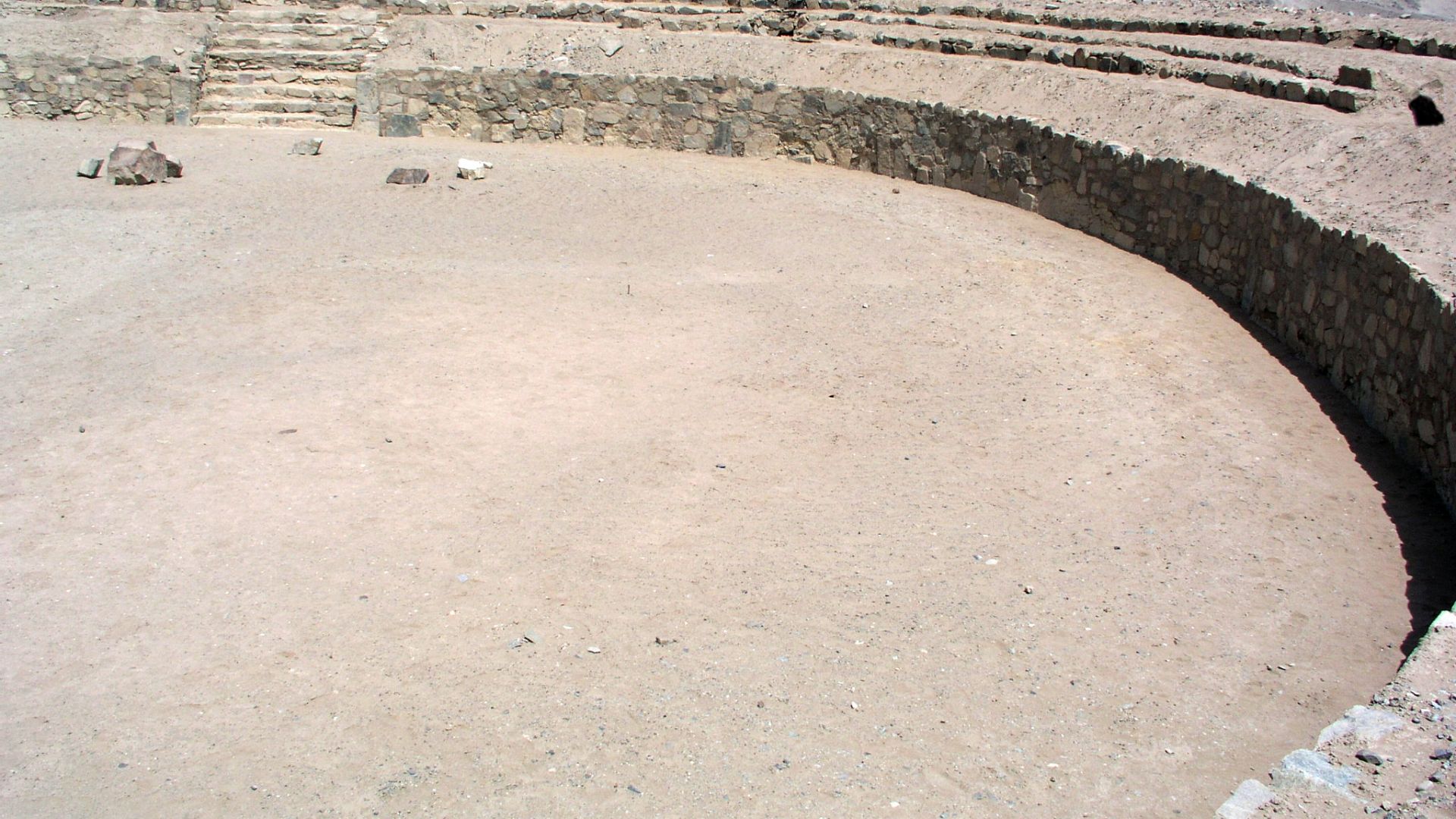
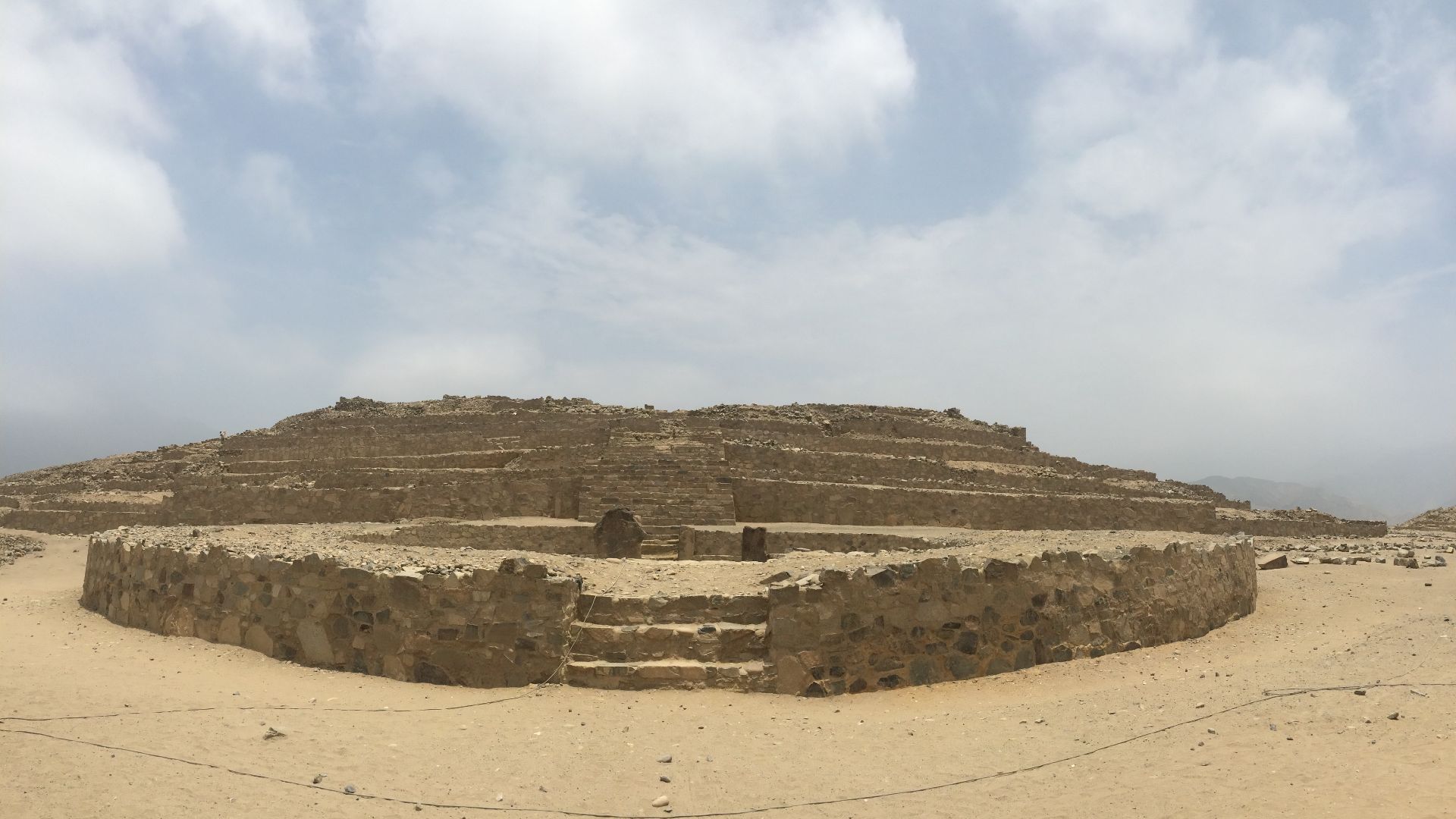
One of Peñico's most striking features is its circular ceremonial plaza, a hallmark of Caral architecture. Circular plazas were not simply open gathering spaces. They served as focal points for public ceremonies, political gatherings, and religious rituals. Similar plazas have been found at Caral itself, suggesting the two cities shared common architectural and cultural traditions.
 Hakan Svensson Xauxa, Wikimedia Commons
Temples Built For Ceremony
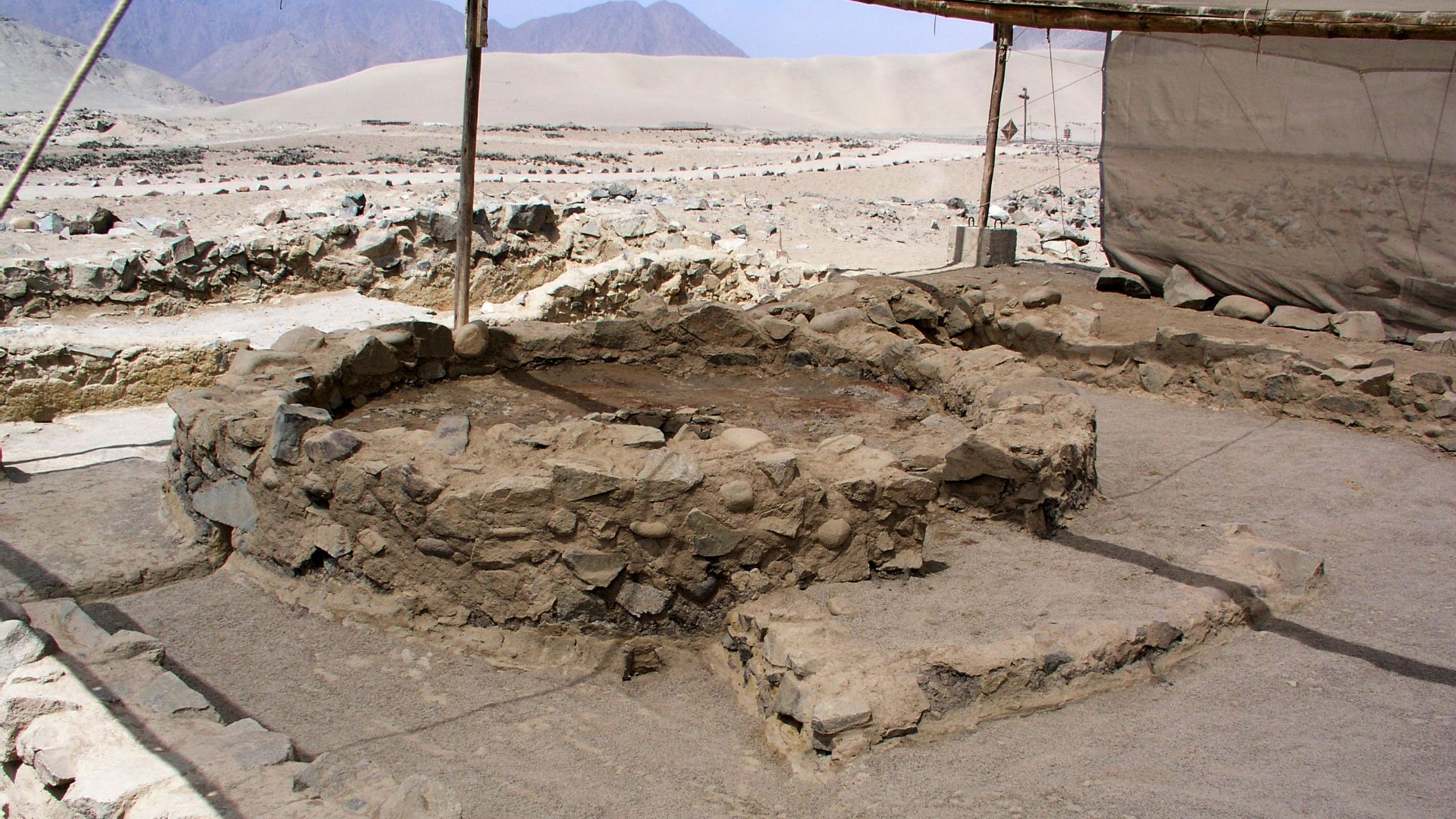
The city also contains several monumental ceremonial buildings positioned around the central plaza. Like other Caral sites, these structures were probably used for religious activities rather than as royal palaces. Researchers believe leaders conducted rituals, hosted important gatherings, and reinforced their authority through ceremonies held within these impressive public spaces.
 Hakan Svensson Xauxa, Wikimedia Commons
Ancient Musical Instruments Were Waiting Inside
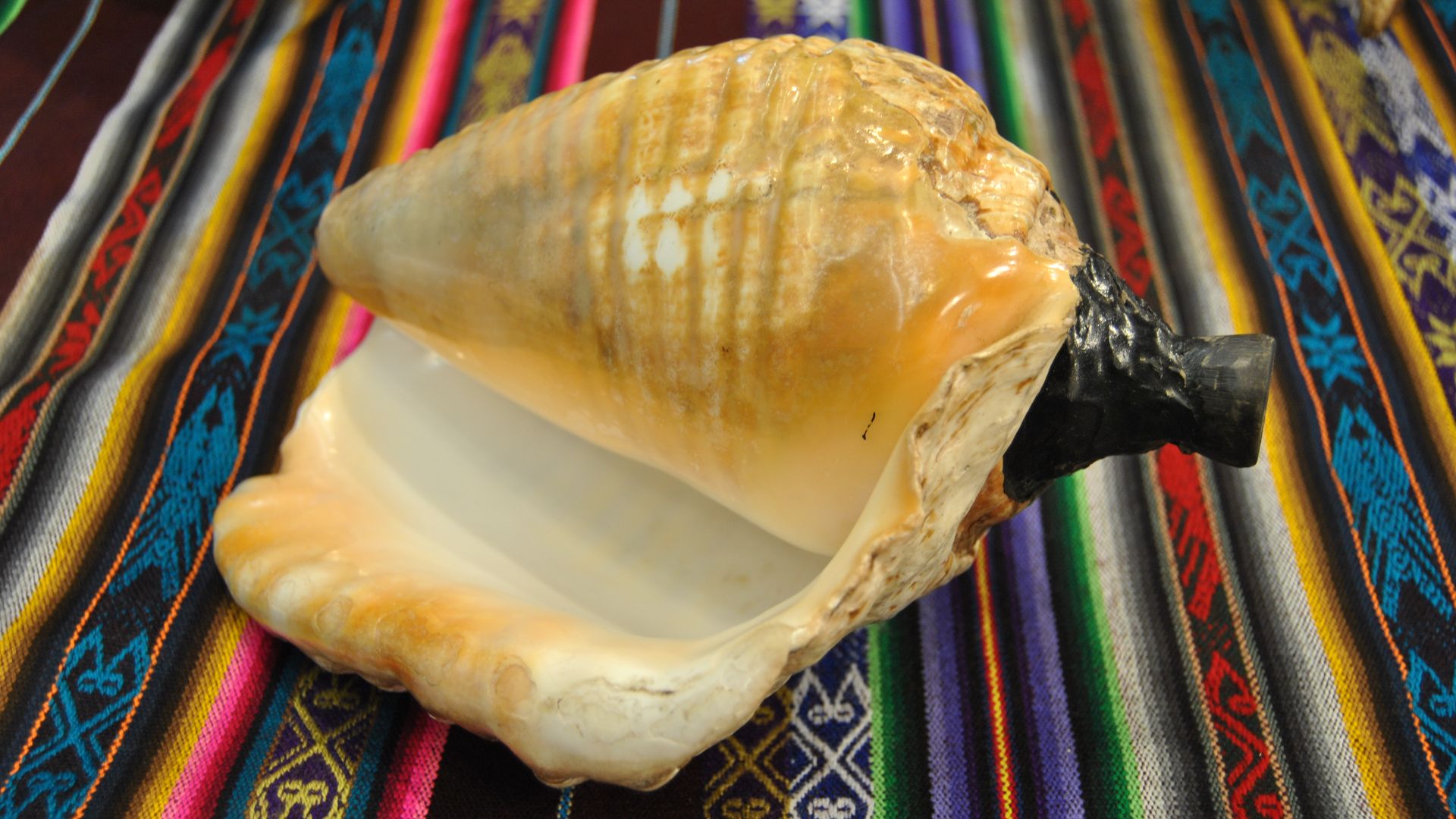
Among the most fascinating discoveries were pututus, ceremonial trumpets made from giant Pacific conch shells. These instruments have been found at several Caral sites and likely played important roles during public ceremonies and religious processions. The sound of a conch trumpet can travel remarkable distances, making it an effective way to gather crowds or announce important events.
Clay Figures Offer A Glimpse Of Daily Life
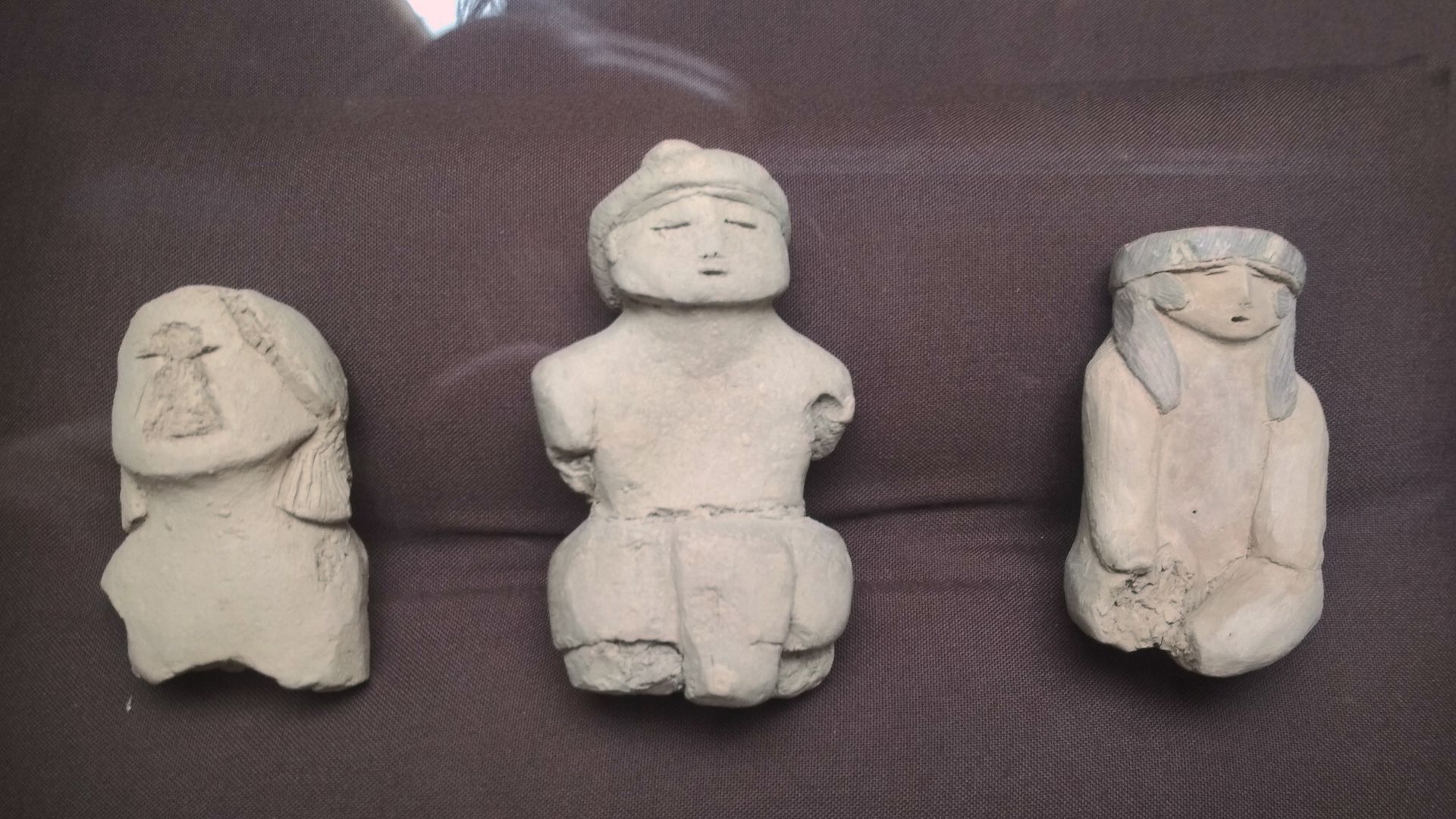
Archaeologists also uncovered numerous clay figurines depicting both humans and animals. While some may have served ceremonial purposes, others could represent everyday activities or symbolic figures important to local beliefs. These small sculptures provide rare insight into the artistic traditions and cultural identity of the people who lived at Peñico nearly four thousand years ago.
 Johnattan Rupire, Wikimedia Commons
Beautiful Jewelry Survived The Centuries
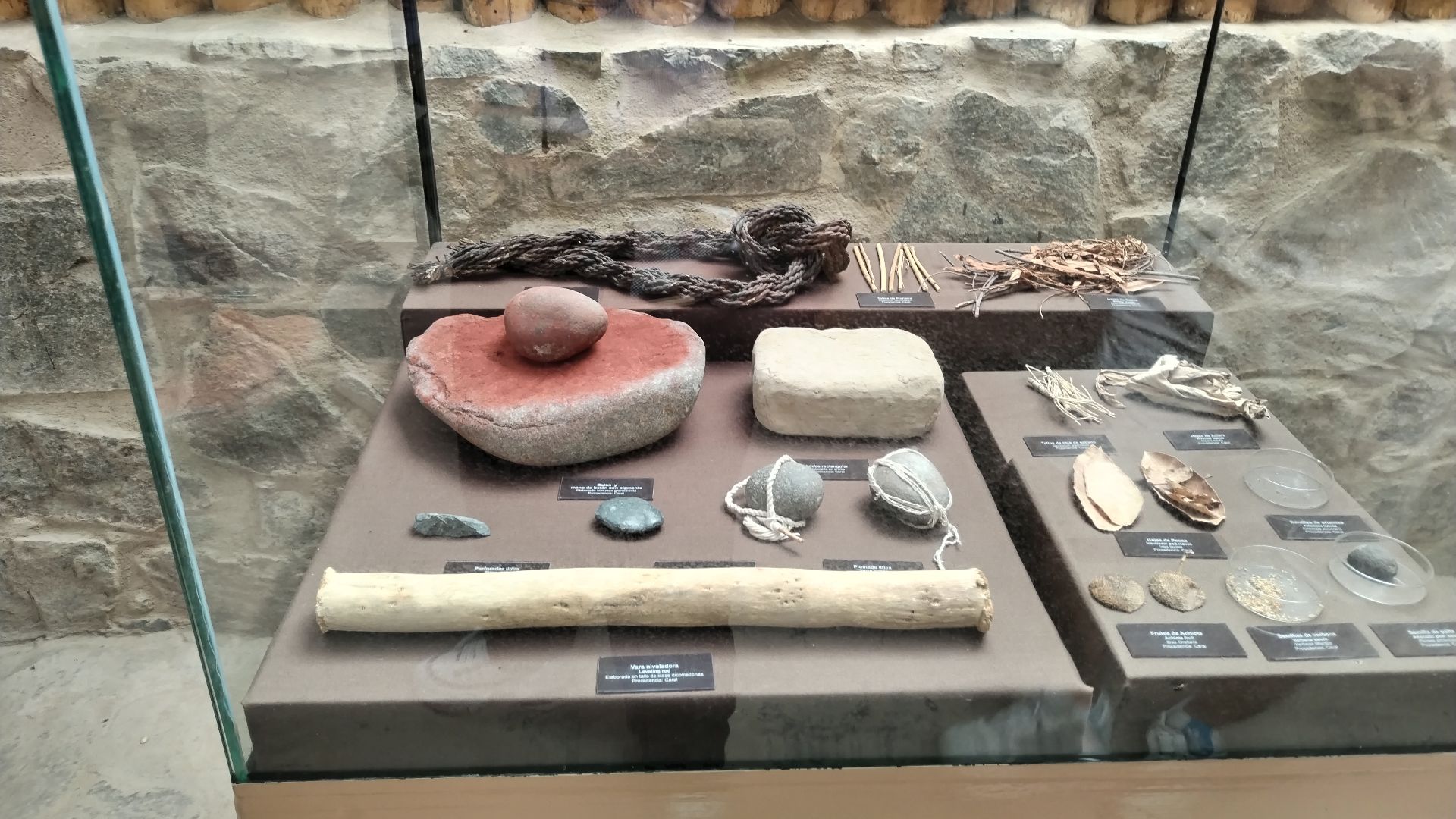
The excavations also produced necklaces crafted from beads and seashells. The shells likely originated along Peru's Pacific coast, highlighting the long-distance exchange networks that connected Peñico with neighboring communities. These ornaments suggest that status, craftsmanship, and personal decoration played important roles within Caral society.
 Mayumitorres, Wikimedia Commons
Hematite May Have Made The City Prosper
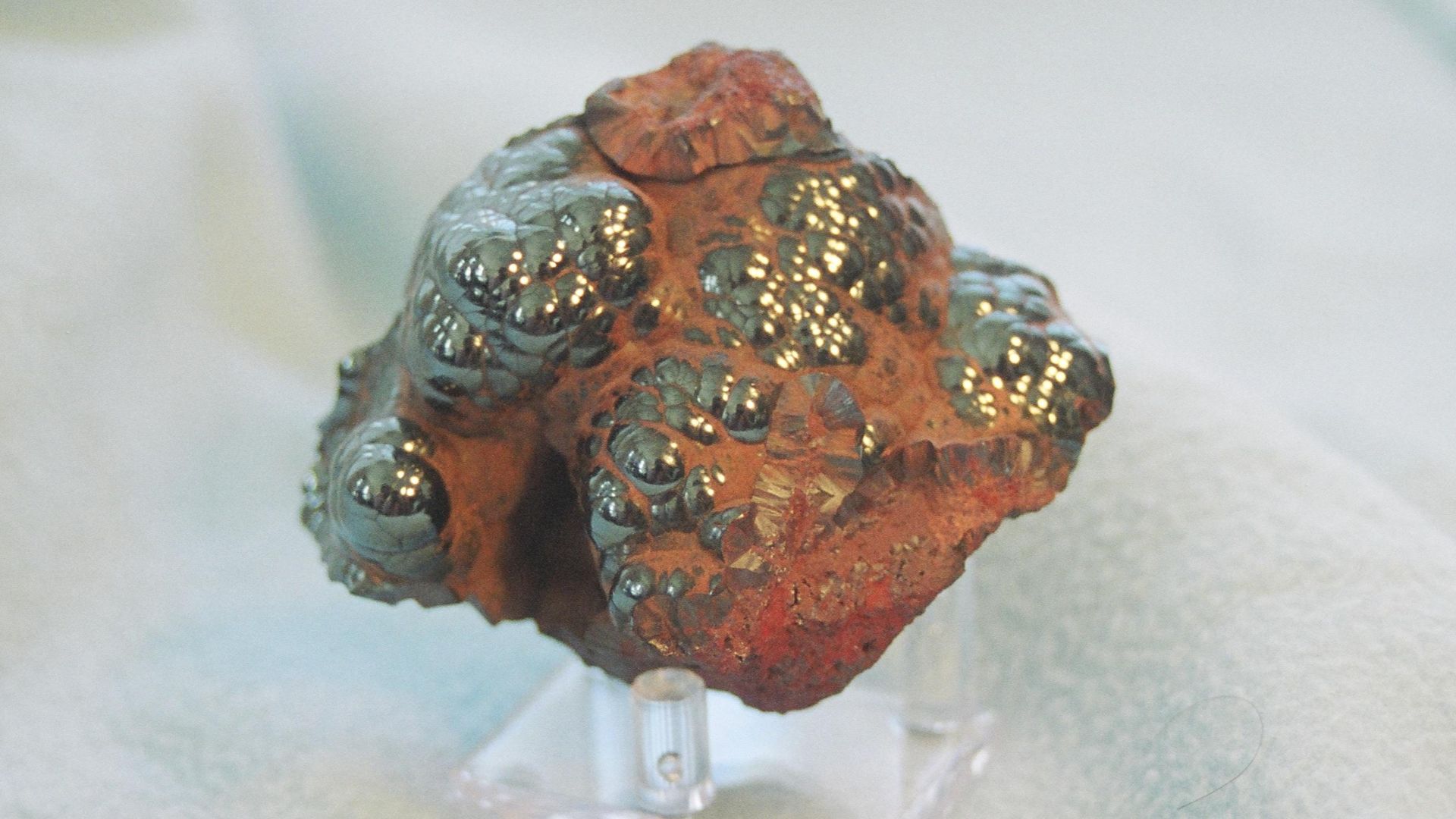
Researchers believe one of Peñico's greatest sources of wealth may have been hematite, an iron-rich mineral used to produce brilliant red pigments. These pigments were highly valued in ancient ceremonial traditions throughout the Andes. By controlling access to this important resource, Peñico may have become a powerful commercial center linking different regions of Peru.
 DanielCD~commonswiki, Wikimedia Commons
A Civilization That Preferred Trade Over War?
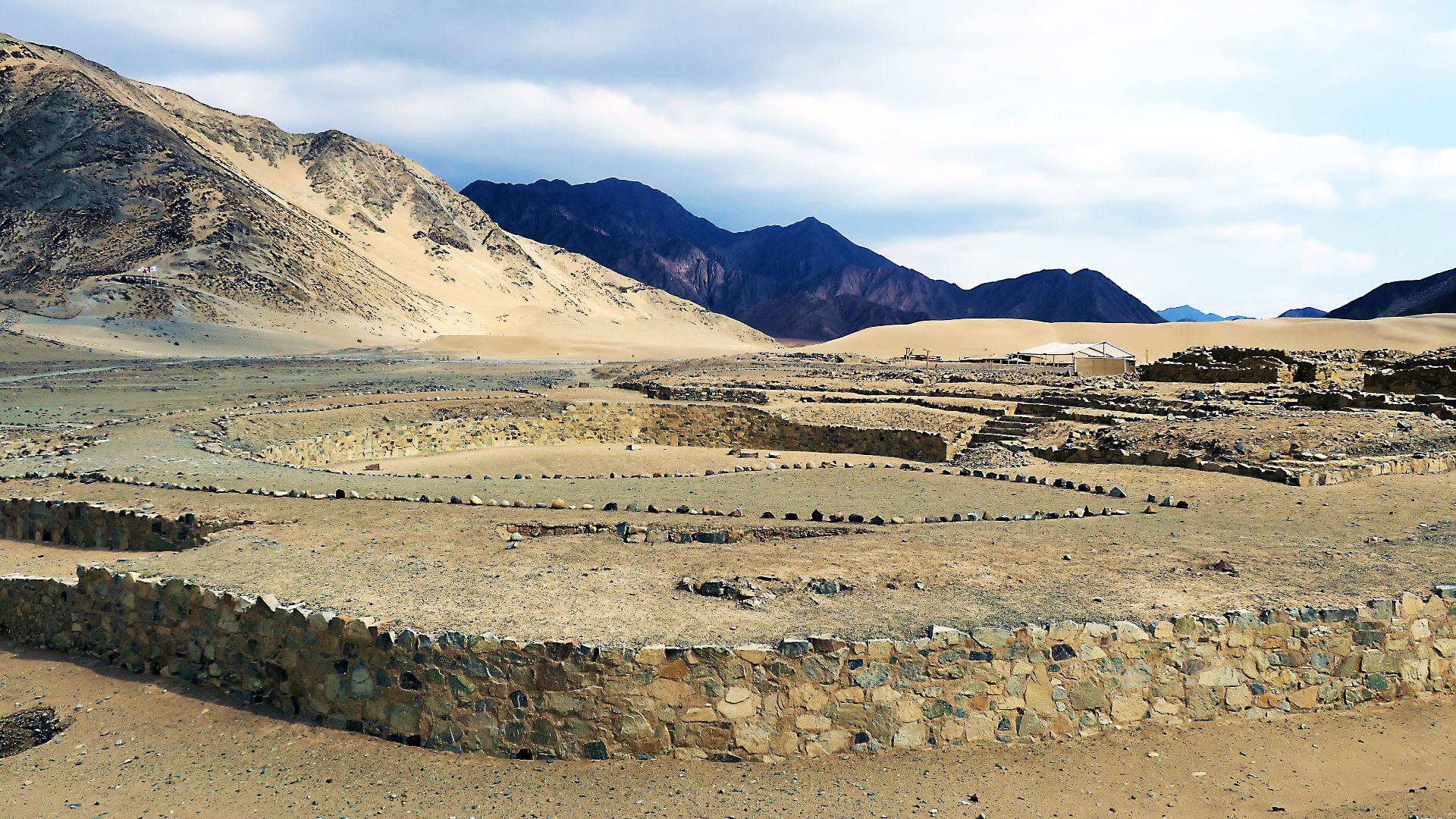
One of the most intriguing aspects of the Caral civilization is what archaeologists have not found. Unlike many other ancient societies, there is relatively little evidence of large-scale warfare, defensive walls, or military conquest. Instead, researchers believe trade, religious authority, and economic cooperation formed the foundation of Caral society. While conflicts undoubtedly occurred, commerce appears to have been far more important than conquest.
 AlisonRuthHughes, Wikimedia Commons
Climate May Have Changed Everything
Around 1800 BCE, changing environmental conditions appear to have disrupted many Caral settlements. Evidence suggests prolonged droughts, changing river systems, and shifting agricultural conditions made life increasingly difficult. Rather than disappearing overnight, communities adapted by establishing new settlements like Peñico, where trade became even more important for survival.
 Paulo JC Nogueira, Wikimedia Commons
Filling In A Missing Chapter
For years, archaeologists struggled to explain what happened after the decline of Caral's largest cities. Peñico may finally provide the missing link. Instead of representing a complete collapse, the city suggests that Caral culture evolved and reorganized, preserving many traditions while adapting to new environmental realities. This discovery changes the narrative from one of sudden disappearance to one of resilience and transformation.
 Paulo JC Nogueira, Wikimedia Commons
Why The Discovery Matters So Much
Peñico is important not simply because it is another ancient city. It helps researchers understand how one of the earliest civilizations in the Americas responded to crisis. By studying its buildings, trade networks, and ceremonial spaces, archaeologists can trace how societies adapted when faced with climate change thousands of years ago. Those lessons remain surprisingly relevant today.
 Paulo JC Nogueira, Wikimedia Commons
Opening The Site To Visitors
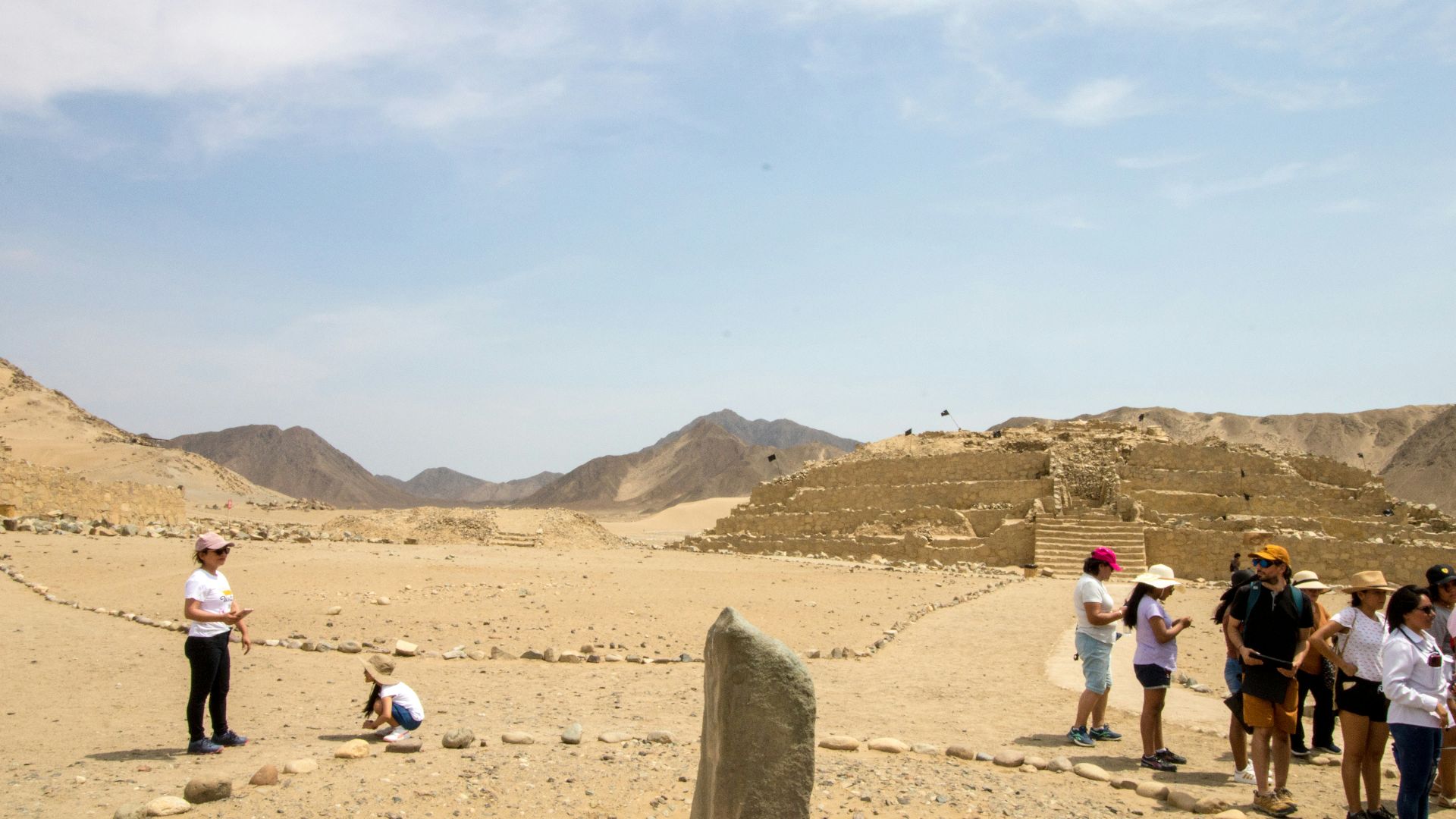
In July 2025, after years of excavation and conservation work, Peru officially opened Peñico to the public. Visitors can now walk through parts of the ancient city while learning about the Caral civilization through guided tours and interpretive displays. Officials hope the site will complement nearby attractions such as Caral, Áspero, and Vichama, creating a broader archaeological route showcasing the earliest civilizations of the Americas.
 Viajes con Astro Cartografia, Unsplash
Researchers Are Only Getting Started
Although 18 major structures have already been documented, archaeologists believe there is still much more to uncover. Future excavations may reveal additional residential neighborhoods, workshops, ceremonial spaces, and artifacts that will deepen our understanding of life at Peñico. Every new discovery has the potential to reshape the story of one of the world's earliest civilizations.
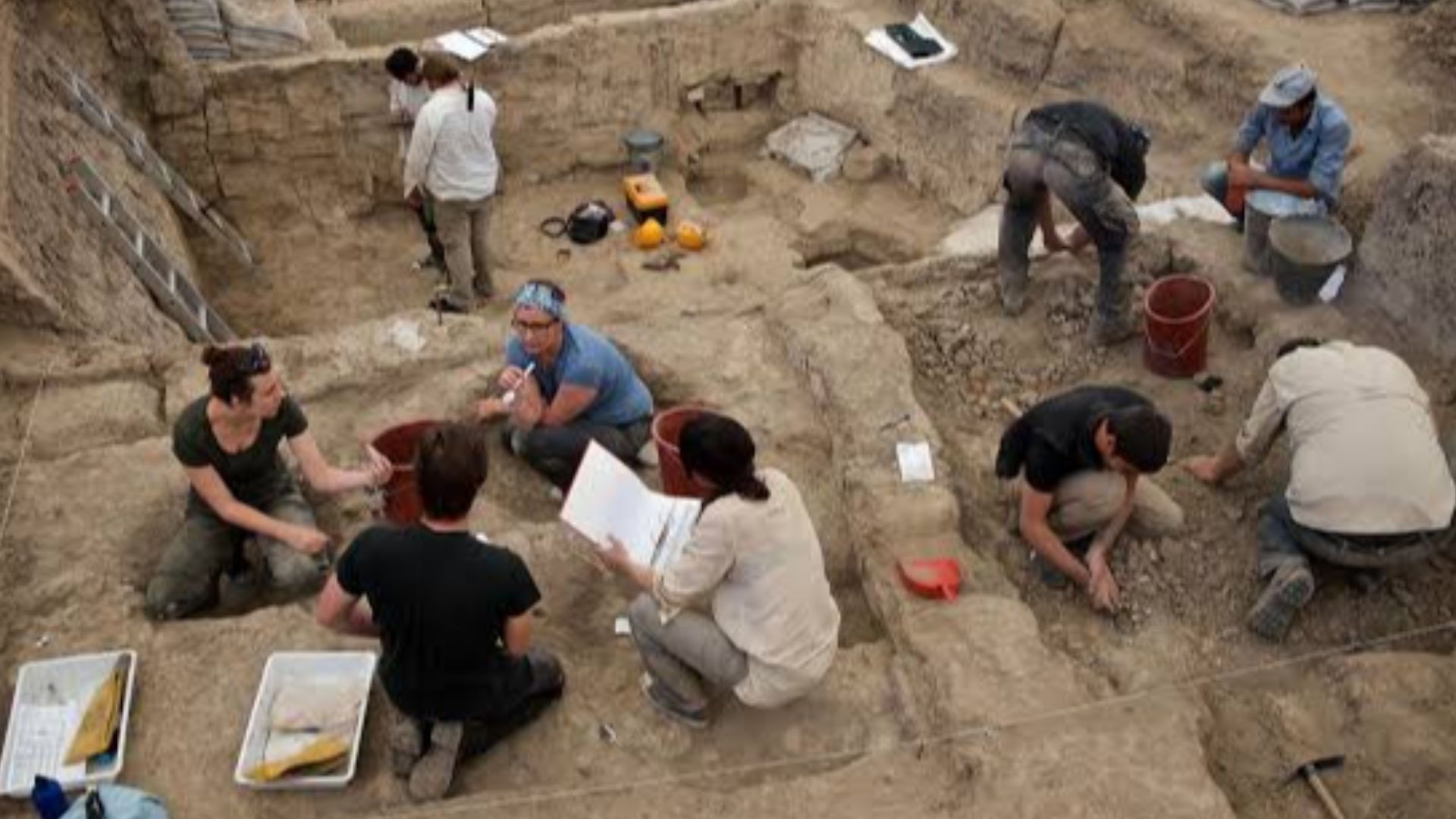
The Lost City Still Has Stories To Tell
Like many of the world's greatest archaeological sites, Peñico reminds us that history is never truly finished. Ancient cities continue to emerge from deserts, jungles, and mountains, revealing chapters of humanity that had been forgotten for thousands of years. As researchers continue studying the site, Peñico will almost certainly become one of the most important windows into early civilization in the Americas.
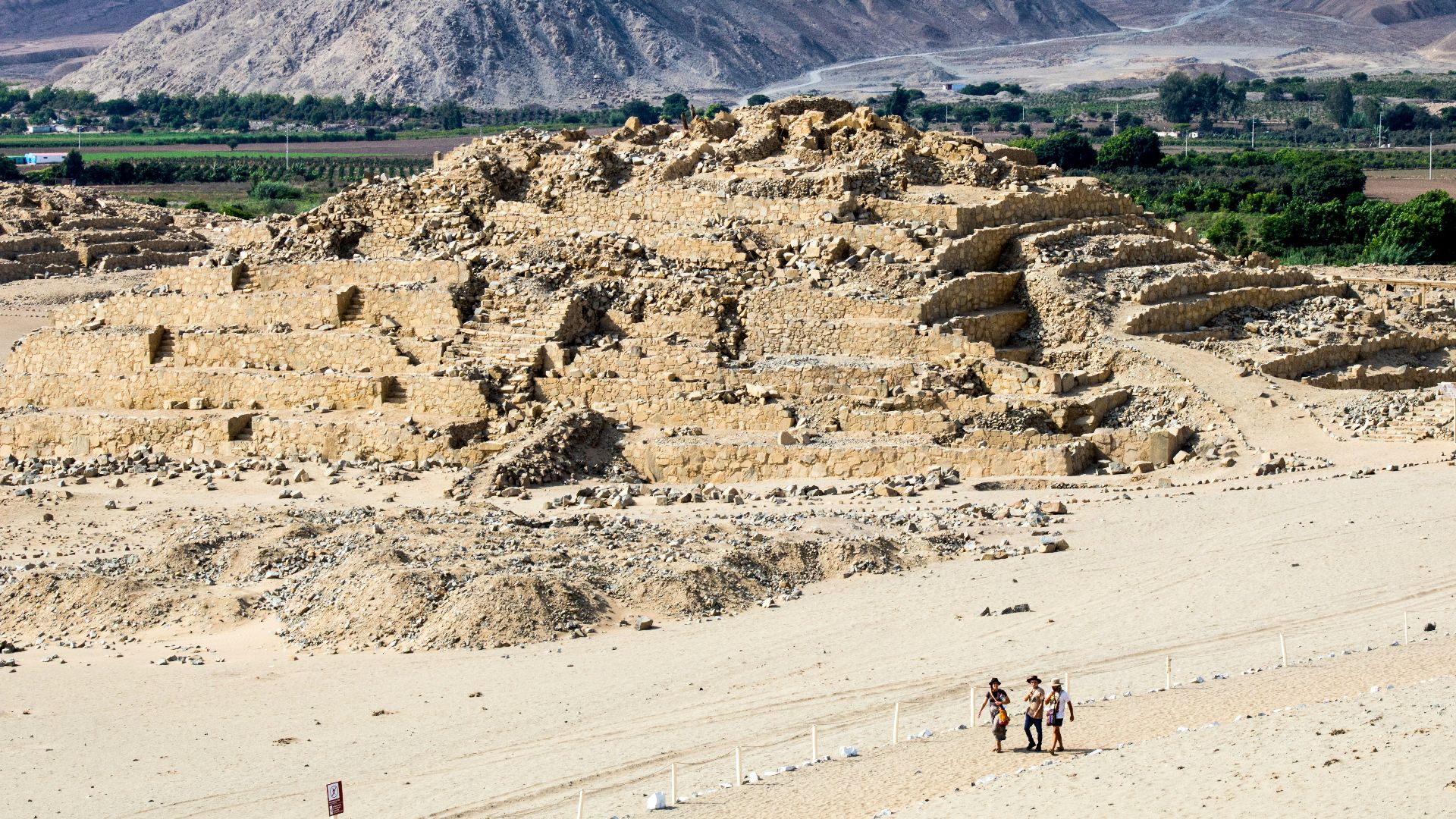 Viajes con Astro Cartografia, Unsplash
Final Thoughts
Peñico represents an important missing piece in the history of one of the world's oldest civilizations, showing how ancient communities adapted, traded, and rebuilt after periods of environmental change. Its ceremonial plazas, monumental architecture, musical instruments, and carefully planned streets reveal a sophisticated society that flourished nearly four thousand years ago. With so much of the city still waiting to be explored, Peñico promises to remain one of South America's most exciting archaeological discoveries for years to come.
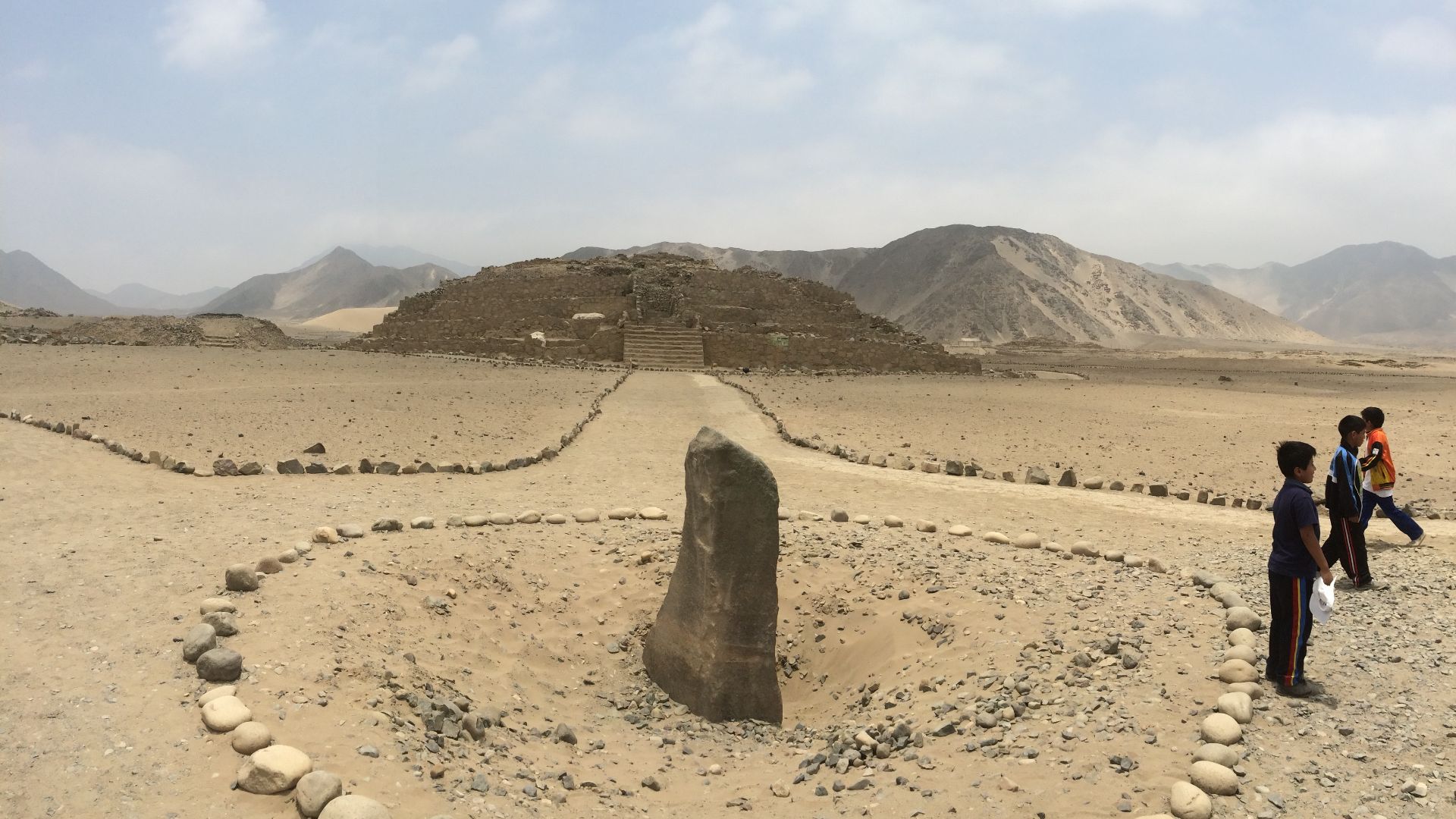 Paulo JC Nogueira, Wikimedia Commons
You May Also Like: